Group Tour Agencies in Morocco: How to Pick the Right One
Compare Morocco group tour agencies by trip style, reviews, pace, transport and inclusions. Learn wh...
Read this article

Private, custom Morocco trips planned in Fez by AZ-ZDDINE, working in Moroccan tourism since 2012. Sahara, Atlas, medinas and coast, arranged around you.
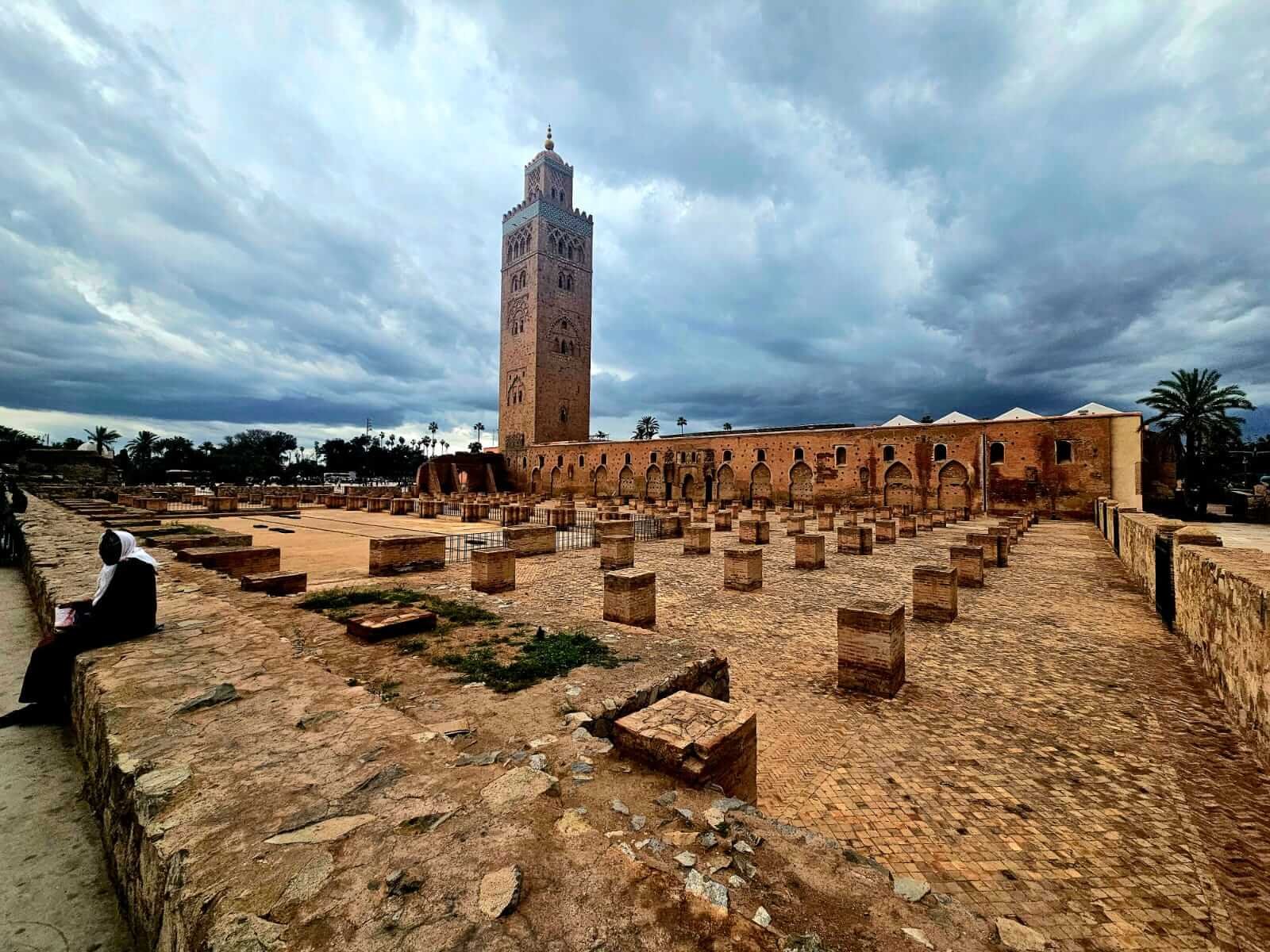
This practical morocco visitors' guide covers everything first-time travelers need for 2026, written by Morocco Classic Tours, a Fez-based tour operator specializing in authentic, private experiences across the country.
The best time to visit Morocco is spring (March–May) and fall (late September–early November). Plan for 10–14 days to experience the imperial cities, the Sahara Desert near Merzouga, the Atlas Mountains, and the Atlantic coast without rushing.
Morocco is generally safe for tourists, but visitors should stay alert in crowded medinas, use registered guides, and prefer reputable transport options. Local police maintain a visible presence in major tourist spots.
US, UK, EU, Australian, and New Zealand citizens can enter visa-free for up to 90 days. Your passport must remain valid for at least 6 months beyond your departure date, and you should carry proof of accommodation and an onward ticket.
Travelers can book private, customizable trips—including desert camps, food tours, camel rides, and city experiences—directly with Morocco Classic Tours online for a stress-free adventure.
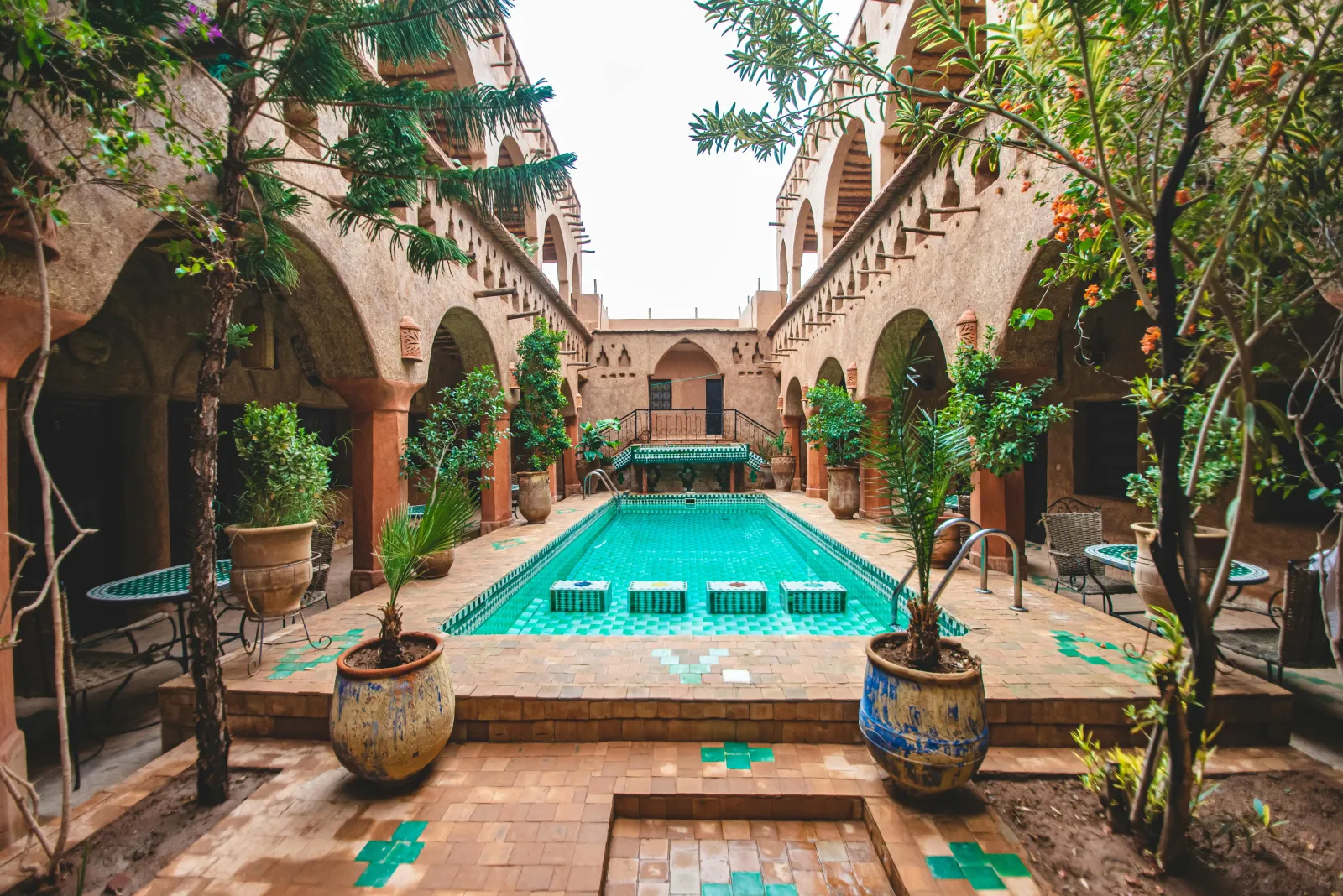
Before you start dreaming about dunes and steaming tagines, you need concrete planning basics sorted. This section covers visa rules, optimal travel windows, affordable flight strategies, and the best travel apps for planning a trip to Morocco.
Visa Requirements
Nationality | Visa-Free Stay | Key Requirements |
|---|---|---|
US Citizens | 90 days | 6-month passport validity, proof of accommodation, onward ticket |
UK Citizens | 90 days | Same as above |
EU Citizens | 90 days | Same as above |
Australia/NZ | 90 days | Same as above |
What are the visa requirements for US citizens visiting Morocco? Most visitors won’t need to arrange anything in advance. Simply ensure your passport remains valid for at least 6 months past your planned departure, and have your hotel reservation or riad booking ready to show. Always verify current requirements on the official Moroccan consulate website 2–3 months before your trip to account for any regulatory changes. | ||
As of 2026, Morocco has no routine COVID-19 entry restrictions. However, check airline and government websites before departure for any updated rules.
Best Time to Visit
Spring (March–May) and autumn (late September–early November) offer moderate temperatures across major cities and regions. In Marrakech, expect daytime highs around 75°F in spring, while Fes stays slightly cooler. Summer travel means extreme heat—especially in Marrakech and the desert—making extended outdoor exploration uncomfortable. Winter brings cooler temperatures and occasional rain, but also fewer tourists and lower prices.
How to Book Affordable Flights from the US to Morocco
Fly into Casablanca airport (CMN), the largest hub with most transatlantic connections, or Marrakech Menara (RAK) for desert-focused trips.
Search multi-city tickets (NYC–Casablanca outbound, Marrakech–NYC return) for potential savings and routing flexibility.
Use price-alert apps to monitor fare changes and identify optimal booking windows.
Consider mid-week departures rather than weekend flights
Best Travel Apps for Planning a Trip to Morocco
Google Maps & Maps.me: Essential for offline mapping in areas with inconsistent cellular coverage
Rome2Rio: Compare routes between destinations via trains, buses, and shared taxis
Skyscanner & Google Flights: Search and compare airfares across carriers
Booking.com & Airbnb: Find accommodations with user reviews and cancellation flexibility
GetYourGuide & Viator: Book activities and tours with instant confirmation
Currency converter apps: Real-time dirham/dollar calculations
WhatsApp: Communicate with local guides and riads (more reliable than SMS in Morocco)
Morocco Classic Tours can design complete private itineraries, including airport pickup, domestic transport, and pre-booked desert and city experiences—so you can focus on the adventure rather than logistics.
Understanding what the safest transportation options are for tourists in Morocco will shape your entire trip experience. This section breaks down your choices from major airports to local taxi negotiations.
Main Entry Airports
Casablanca Mohammed V (CMN): Largest hub with the most transatlantic flights from North America
Marrakech Menara (RAK): Convenient for short breaks and desert access
Fez–Saïss (FEZ): European connections, ideal for starting a northern Morocco loop
Tangier Ibn Battuta (TNG): Gateway from Europe with ferry connections to Spain
Trains (ONCF Network)
Morocco’s national rail network operates the Al Boraq high-speed line connecting Casablanca, Rabat, Kenitra, and Tangier with modern equipment and comfortable seating. Trains rank among the safest transport options available, offering dining cars, predictable scheduling, and minimal safety concerns compared to informal alternatives.
Intercity Buses
CTM and Supratours represent the main reliable intercity bus companies. Book popular routes in advance—especially Marrakech–Agadir and Marrakech–Merzouga via Supratours. These established companies operate safer vehicles with professional drivers, reducing risks associated with overcrowded informal minibuses.
Taxi Systems
There are two types of taxis in Morocco: petit taxis, which are smaller and can carry up to three passengers, and grand taxis, which are larger and can accommodate up to six passengers.
Type | Use | Capacity | Pricing |
|---|---|---|---|
Petit Taxi | In-city | 3 passengers | Metered (insist on it) |
Grand Taxi | Intercity | Up to 6 passengers | Negotiate before departure |
Always agree on fares in advance or insist on meter activation with petit taxis. Use official taxi stands rather than hailing unmarked vehicles.
Rideshare Apps
Careem, Heetch, and Roby operate in major cities like Casablanca and Marrakech, reducing haggling while providing transparent pricing. Coverage diminishes in smaller towns and rural areas.
How to Rent a Car in Morocco with International Insurance Coverage
Most major agencies operate at international airports. US and EU driver’s licenses are generally accepted for up to one year. Purchase full-coverage collision damage waiver protection, and confirm your credit card or travel insurance explicitly covers Morocco. Self-driving suits confident drivers comfortable with local traffic patterns—first-time visitors often find navigating busy medinas stressful.
Morocco Classic Tours can arrange private drivers and transfers for point-to-point comfort, especially for complex routes like Marrakech–Desert–Fes.
Morocco rewards travelers who discover its diversity—from ancient medinas to towering dunes. This morocco travel guide section outlines key regions and suggested time allocations for first-time visitors.
Casablanca: International Gateway
Most travelers pass through Casablanca without lingering long. The Hassan II mosque stands as one of the world’s largest mosques and remains one of only a few in Morocco open to non-Muslims—guided tours offer incredible insight into Islamic architecture. Non-Muslims are generally not allowed inside most mosques in Morocco, except for the Hassan II Mosque in Casablanca. The Mohamed V Square buzzes with everyday life, vendors, and locals. One night usually suffices before moving to more culturally intensive destinations.
Marrakech: The Must-See Hub
Marrakech occupies a central position in Morocco’s tourism industry and balances heavy tourist presence with authenticity. The city feels touristy without becoming overly commercialized.
Must-experience highlights:
Jemaa el-Fnaa square (transforms nightly with performers and food stalls)
The labyrinthine souks for shopping and artisan crafts
Bahia Palace, with its tranquil courtyards and gardens
Jardin Majorelle and Yves Saint Laurent Museum
Rooftop restaurants overlooking the medina
Allocate 2–3 nights minimum to explore without rushing.
Fes: Cultural and Spiritual Capital
Fes represents the opposite of modern Casablanca—impressively ancient and intensely historic. This is Morocco’s cultural and spiritual capital, where narrow streets lead through Fes el-Bali (Fes the Old), past majestic mosques and the rowdy medina.
The royal palace gates (built in the 1960s) showcase stunning craftsmanship—stunning photography opportunities abound, though the palace itself isn’t accessible. The Chouara Tanneries, Bou Inania Madrasa, and the Jewish cemetery in the Mellah quarter warrant exploration. Plan for 2–3 nights, and hire a local guide on your first day—the winding medina proves overwhelming even for seasoned travelers.
Chefchaouen: The Blue City
This Rif Mountain town offers a distinct experience with blue-painted alleyways and a relaxed atmosphere compared to Marrakech and Fes. Small guesthouses create intimate lodging experiences, and scenic views surround the city. Allocate 1–2 nights, factoring in driving time from Fes or Tangier.
Sahara Desert Near Merzouga
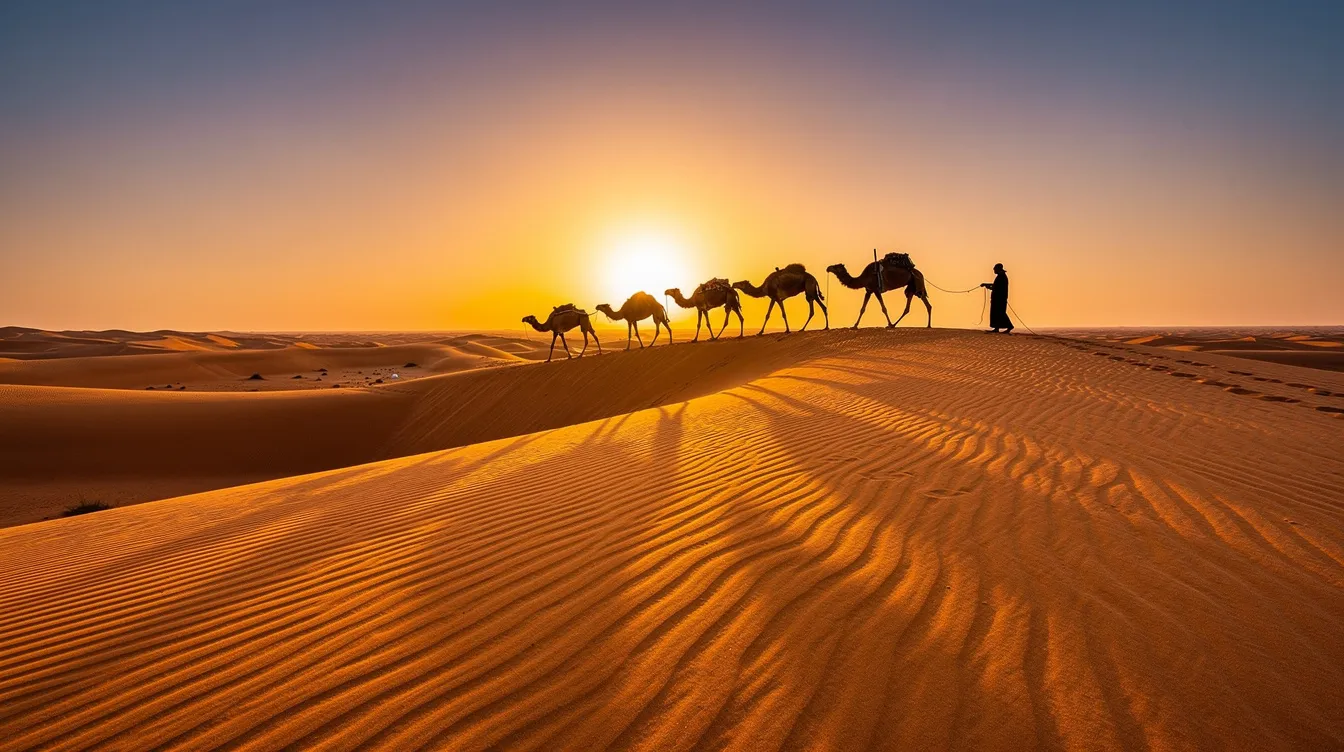
The Sahara Desert near Merzouga delivers pure magic unlike any urban destination. Erg Chebbi dunes offer camel rides, 4x4 and ATV experiences, sandboarding, and incredible stargazing in Berber-style or luxury camps. The night sky in the desert will leave you speechless. Allocate at least 1–2 nights to justify the travel distance from major cities.
Atlas Mountains and Valleys
The Atlas Mountains present towering elevations and challenging terrain. Jebel Toubkal rewards summit climbers with panoramic sunrise views. The Dades Valley features towering cliffs and fertile gardens alongside warm, welcoming locals. Options include:
Day trips to Ourika Valley or Imlil from Marrakech
Multi-day circuits through Todra Gorge
Stopovers in Skoura or Boumalne Dades (1–2 nights)
Essaouira and the Atlantic Coast
This fortified port city offers windy beaches ideal for kitesurfing, a relaxed medina atmosphere, and fresh seafood dining. It combines well with Marrakech in a one-week itinerary—many travelers spend 1–2 nights here as a coastal contrast to inland destinations.
For a 10–14-day trip, choose 3–4 main areas (such as Casablanca–Fes–Sahara–Marrakech–Essaouira). Morocco Classic Tours can customize routes depending on your interests in culture, food, or adventure.
This section highlights signature Moroccan experiences and how to book top-rated guided tours for first-time visitors to Morocco—local guides provide essential context and safety assurance.
Guided Tours for First-Timers
Combine guided walking tours of medinas in Fes and Marrakech with at least one multi-day private tour covering the Atlas Mountains and the Sahara Desert. Local guides navigate effectively, provide historical context, and recommend authentic dining spots. A guide like Mohammed Abdani (found through Tours By Locals) demonstrates the value of local expertise—showing hidden medina locations and recommending genuine tea venues.
Sahara Desert Camps
Desert camps near Merzouga and Zagora operate in two categories:
Standard camps: Basic Berber-style accommodations, cultural immersion, fewer creature comforts
Luxury camps: Premium amenities, enhanced bedding, private bathrooms, quality dining
Typical activities include camel trekking at sunset, campfire musical performances, and stargazing in minimal-light environments. Morocco Classic Tours operates and books both private and luxury desert expeditions.
Atlas Mountain and Valley Tours
Day trips from Marrakech to Ourika Valley or Imlil (starting point for Mount Toubkal hikes)
Multi-day circuits through the Dades Valley and Todra with hiking, village lunches, and cooperative visits
Options for all fitness levels
Where to Find Authentic Moroccan Cooking Classes for Tourists
A cooking class in Marrakech or Fes typically includes a market visit to learn ingredient sourcing plus hands-on preparation of tagine, couscous, and pastilla. Classes conducted in local homes provide more authentic experiences than resort-based options. Morocco Classic Tours can arrange vetted, small-group or private cooking classes with English-speaking chefs.
Food Tours
Evening street-food walks in Fes or Marrakech medinas expose you to harira soup, briouats, olives, pastries, and mint tea. Guided food tours reduce stomach upset risks by directing you to high-turnover, well-maintained stalls.
Adventure Activities
Camel rides and quad biking (ATV experience) near Merzouga
Hot air ballooning near Marrakech
Surfing in Taghazout on the Atlantic coast
Trekking from easy valley walks to challenging Toubkal summit attempts
Always verify safety protocols—helmets, licensed operators, and insurance coverage.
Morocco Classic Tours specializes in private, customizable experiences, allowing travelers to blend cultural immersion with comfort and adventure at their own pace.
The currency in Morocco is the Moroccan Dirham (MAD). The Moroccan dirham (MAD) is the local currency. ATMs operate reliably in major cities and larger towns. Cash remains preferred in souks and smaller restaurants, while cards (Visa/Mastercard) work in hotels and larger venues. Cash is necessary in smaller shops and cafes in Morocco, as cards may not be accepted everywhere. Budget approximately $30–50 USD daily for mid-range travelers (excluding accommodation).
Service | Typical Tip |
|---|---|
Guides | 5–10% of the tour cost or $5–10 daily |
Drivers | $5–10 daily |
Hotel staff | Small daily amounts |
Restaurants | 5–10% or round up |
Tipping forms an important part of income for many locals—plan accordingly. | |
Three main operators serve Morocco: Maroc Telecom, Orange, and Inwi. Purchase SIM cards at Casablanca Airport kiosks or official city shops. Typical data packages run $10–30 for 7–30 days. You’ll need your passport for activation. Local physical SIMs often provide better coverage in rural and desert areas than eSIMs.
Light, breathable daytime clothing
Warm layer for cool nights (fleece or cardigan)—temperatures drop significantly in the desert and mountains.
Scarf or shawl (functional for style and temperature)
Modest clothing covering shoulders and knees
Comfortable closed-toe walking shoes (avoid sandals in medinas)
Sun protection: hat, sunglasses, SPF 30+ sunscreen
Reusable water bottle
Basic medications (pain relievers, anti-diarrheal, allergy meds)
Travel insurance documents (digital and printed)
Modest clothing conventions apply throughout the country—cover shoulders and knees, particularly outside tourist zones. In Morocco, it is customary for women to dress modestly, with tops that cover the chest and shoulders, and pants or skirts that cover the knees, especially in rural areas and when visiting religious sites. Remove shoes when entering some homes and mosques. Ask permission before photographing people. Be discreet with alcohol outside licensed venues—this reflects Islamic cultural frameworks shaping Moroccan social expectations.
Drink bottled water exclusively. Exercise caution with raw salads and street food during the initial trip days. Carry hand sanitizer. Consider travel insurance that covers medical care in Morocco.
Pre-book first and last night accommodations, airport transfers, and major tours before arrival. Morocco Classic Tours can serve as your single point of contact for all logistics.
Many first-time visitors worry about safety. This section offers realistic guidance based on recent conditions—Morocco is considered one of the safer destinations in Africa, but practical awareness matters. Morocco maintains a visible local police presence in tourist areas. However, watch out for petty theft—pickpocketing and bag snatching occur in crowded medinas and transport hubs. Keep belongings close and maintain awareness, especially in busy areas. Safety precautions include being cautious of pickpockets in crowded areas and hiring official guides to avoid scams.
Common scenarios include:
Overly helpful “guides” leading you to specific shops (expecting commissions)
Taxi drivers overcharging or avoiding meters
Confusing currency quotes to overcharge inexperienced visitors
Avoid these by agreeing on prices in advance, using official guides, and politely declining unsolicited help.
Many women successfully travel throughout Morocco. Dress modestly, avoid walking alone in quiet alleys late at night, and consider joining guided tours or hiring private guides—Morocco Classic Tours can provide experienced, vetted guides for enhanced comfort.
Avoid protests and large political gatherings. Follow local news for developing situations. Photography restrictions apply at police, military, and government sites—be careful about where you point your camera.
Go with licensed operators for the Sahara Desert trips. Don’t wander off dunes alone at night—disorientation happens quickly. Carry layers for temperature drops. Inform someone of hiking plans in mountain areas.
Drugs remain strictly prohibited with serious legal consequences. Public displays of affection face social disapproval in conservative areas. Laws regarding LGBTQ+ issues can be more restrictive than in many Western countries—awareness and respectful behavior prevent complications.
Booking through reputable agencies like Morocco Classic Tours, which vet drivers, camps, and local partners, significantly reduces risk and logistical stress.
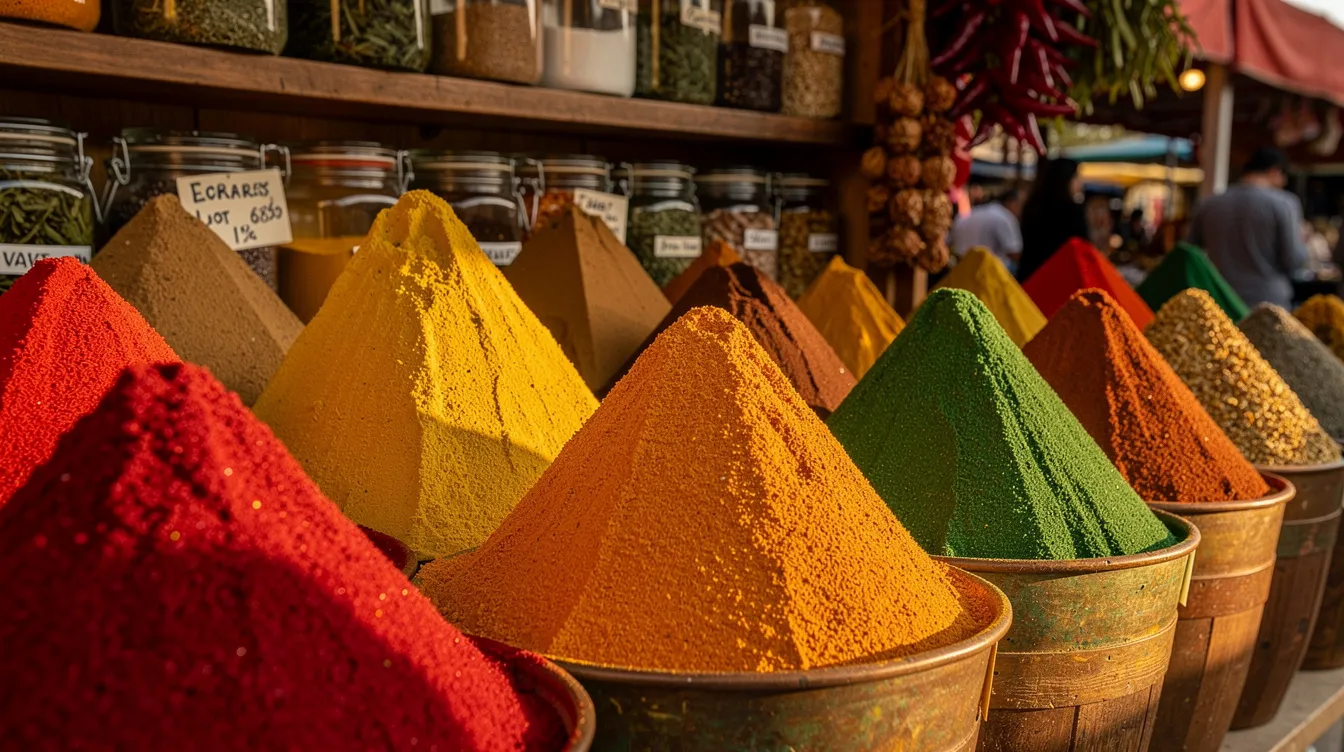
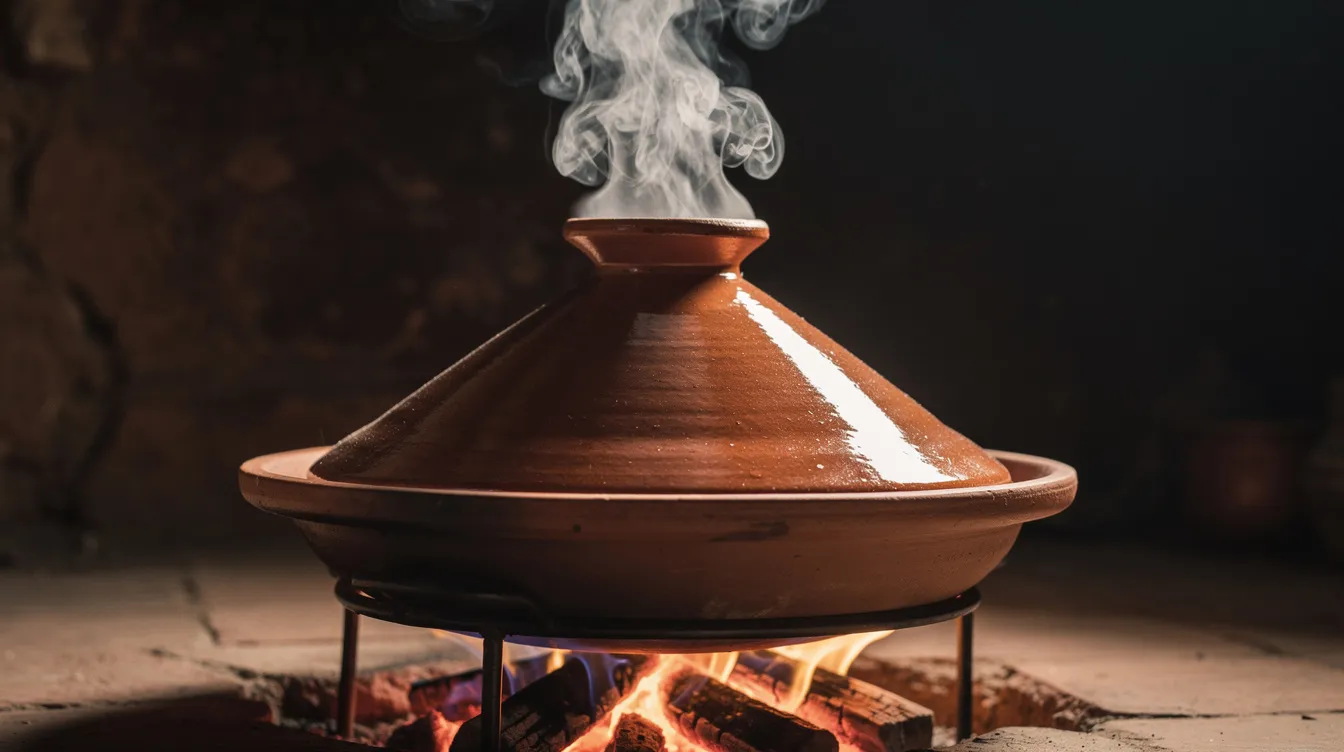
Tagines: Slow-cooked meat or vegetables in conical earthenware—try chicken with preserved lemon and olives, or lamb with prunes
Couscous: Steamed semolina with vegetable and meat stews (especially amazing on Fridays, when family gatherings make it special)
Pastilla: Savory-sweet pie with chicken, eggs, and almond paste in phyllo pastry
Mechoui: Slow-roasted lamb served at special occasions
Seek restaurants popular with locals rather than tourist-focused establishments for the best quality.
Don’t miss harira soup, briouats (fried pastry packages), msemen flatbread, baghrir pancakes, grilled sardines on the coast, and fresh orange juice from vendors in squares like Jemaa el-Fnaa.
Explore traditional patisseries in Fes or Marrakech for chebakia (honey-sesame pastry), gazelle horns (kaab el ghzal), and almond-based treats.
Mint tea is the national staple—you’ll be glad to discover how central it is to social life. Strong Arabic-style coffee offers morning alternatives. Fresh juices (orange, pomegranate, watermelon) provide refreshment. Alcohol is legally served in licensed restaurants, bars, and some riads, though cultural norms around drinking vary by location.
Choose busy stalls with high food turnover
Start with cooked, hot foods during the initial trip days
Avoid tap water and ice unless verified filtered
Consider joining a guided food tour with Morocco Classic Tours in Fes or Marrakech to explore safely.
Book at least one cooking class or food-focused experience to deepen your understanding of Moroccan culture through its incredible cuisine.
Seven to ten days represents the minimum to see 2–3 main areas (such as Casablanca–Fes–Marrakech or Marrakech–Atlas–Essaouira), while 12–14 days allows a classic “imperial cities plus Sahara desert” loop without rushing. Morocco Classic Tours most often designs 10–14-day private itineraries for first-timers, balancing Moroccan cities, mountains, and the desert.
Many families visit Morocco each year and find it welcoming. Parents should keep close watch on children in crowded medinas, around traffic, and near water or desert dunes. Choose centrally located riads or a hotel, book private transfers, and avoid overly packed days. Morocco Classic Tours can tailor slower-paced, family-friendly itineraries with kid-appropriate activities.
Self-driving is possible—roads between major cities are generally fine—but traffic patterns, roundabouts, and rural night driving stress many first-time visitors. Most first-timers use trains and buses between major hubs, plus private drivers for complex legs like Marrakech–Desert–Fes. Morocco Classic Tours provides English-speaking drivers with properly insured vehicles.
Travel insurance isn’t mandatory for entry, but it is strongly recommended to cover medical care, trip cancellations, lost luggage, and adventure activities like quad biking or trekking. Check that your policy explicitly covers Morocco and planned activities. Carry digital and printed copies of insurance details.
Book popular Sahara desert tours, luxury camps, and riads in Marrakech and Fes at least 2–3 months ahead for travel in spring (March–May) and fall (September–November). Book even earlier for Easter and late-December holidays. Morocco Classic Tours can often secure availability with trusted partners, even for last-minute travelers who prefer a curated itinerary.
Do:
Dress modestly (cover shoulders and knees)
Remove shoes when entering homes and some mosques
Negotiate prices in souks—it’s expected and even fun
Try local food and accept mint tea when offered (refusing can be impolite)
Save cash for markets and small vendors
Don’t:
Photograph people without asking permission
Forget to agree on taxi prices before getting in
Walk alone in isolated areas at night
Carry large amounts of cash visibly
Disrespect religious customs or take pictures inside mosques without permission
Morocco rewards respectful travelers with incredible hospitality, stunning history, and amazing experiences you won’t forget.
Ready to plan your Morocco trip? Contact Morocco Classic Tours to design a private, customizable itinerary that matches your interests—whether you want to spend a night under desert stars, walk through ancient medinas with expert guides, or discover authentic Moroccan cuisine through cooking classes and food tours. Your first trip to this amazing country deserves expert guidance from a team that knows every region intimately.
Compare Morocco group tour agencies by trip style, reviews, pace, transport and inclusions. Learn wh...
Read this article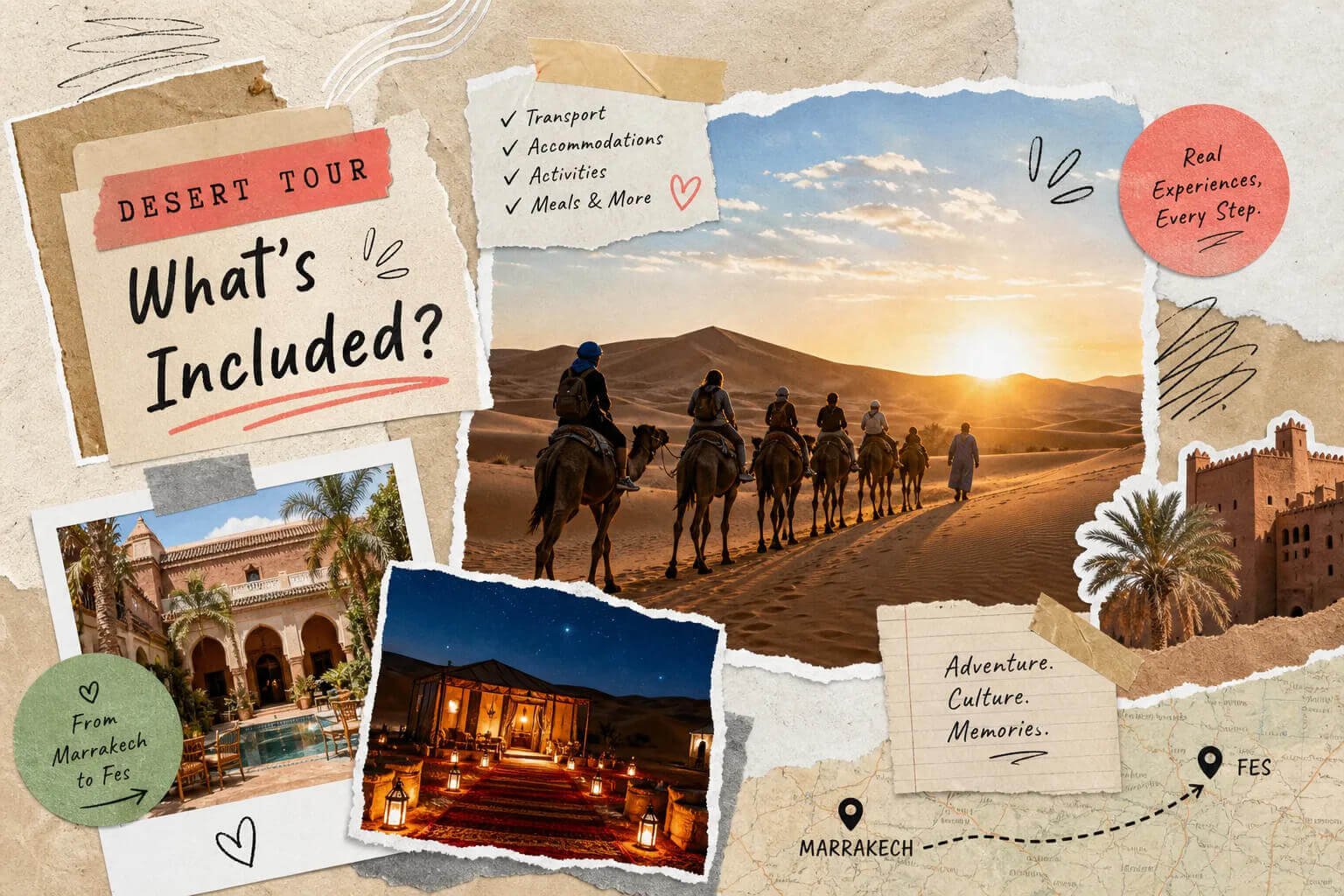
Uncover what a Marrakech to Fes desert tour offers, including camel rides, desert camps, and rich cu...
Read this article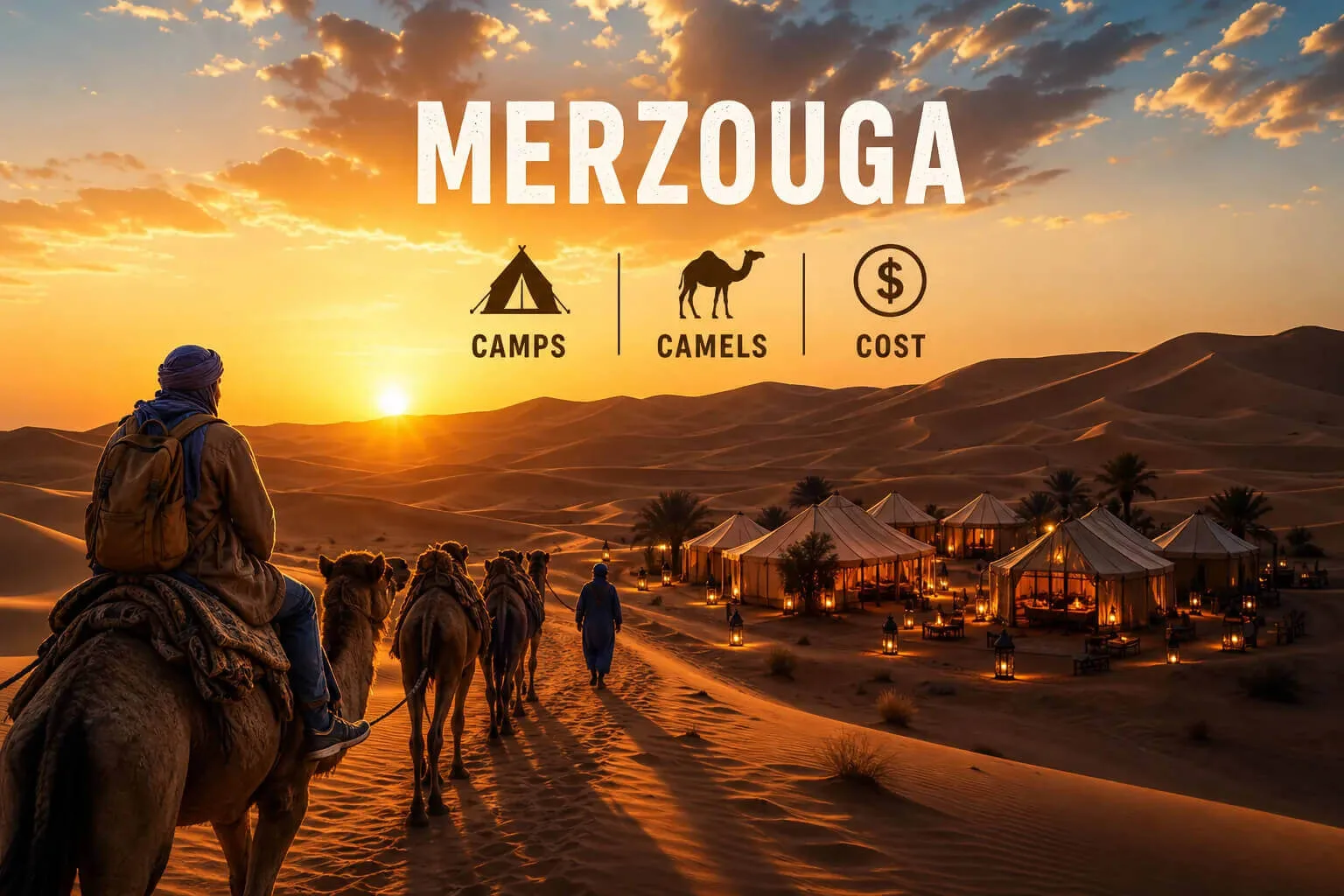
Join our Merzouga Overnight Tour for an authentic desert experience. Enjoy camel rides, comfortable ...
Read this articleWant cool tour deals and tips about Morocco? Enter your email and we’ll send them to you each month!
