Group Tour Agencies in Morocco: How to Pick the Right One
Compare Morocco group tour agencies by trip style, reviews, pace, transport and inclusions. Learn wh...
Read this article

Private, custom Morocco trips planned in Fez by AZ-ZDDINE, working in Moroccan tourism since 2012. Sahara, Atlas, medinas and coast, arranged around you.
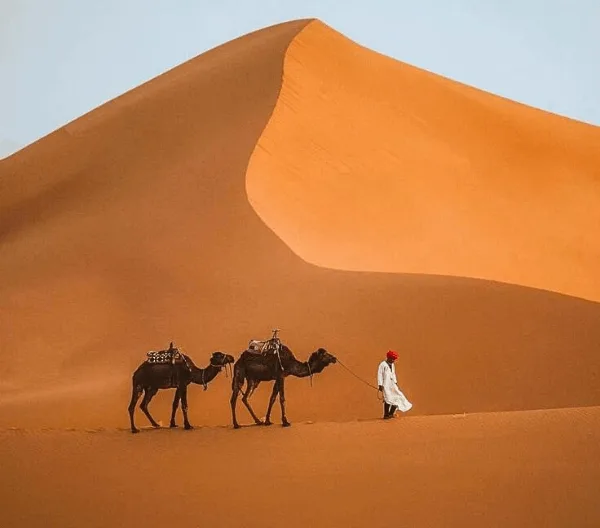
Morocco Classic Tours offers private, customizable Morocco desert tours from Marrakech, Fes, and other cities, focused on authentic Sahara experiences that go far beyond the typical tourist trail. Whether you’re dreaming of sunset camel rides over towering dunes or sleeping under a blanket of stars in a traditional Berber camp, this guide covers everything you need to know to plan your perfect desert journey.
The best Morocco desert tour for most travelers is a 3-day or 4-day itinerary between Marrakech and Fes, visiting either Erg Chebbi near Merzouga or the more remote Erg Chigaga dunes.
A typical shared-budget 3-day tour from Marrakech or Fes starts around £160–£220 / $200–$270 per person, while private, more comfortable options range from £350–£650 / $430–$800+ per person depending on season and luxury level.
British and other international tourists are very welcome in Morocco, with visa-free entry for up to 90 days and widespread English in tourism areas.
Morocco Classic Tours arranges safe, family-friendly packages with camel rides, desert camps, and English-speaking drivers/guides tailored to your travel style.
Contact Morocco Classic Tours directly to plan or book a tailored Morocco desert tour that fits your budget, starting point, and preferences—including arrangements from the UK.
Imagine watching the sunrise paint golden dunes in shades of pink and orange while the silence of the Sahara surrounds you. Picture yourself swaying gently atop a camel as your caravan winds through endless waves of sand, followed by an evening of traditional tagine dinner under a sky scattered with more stars than you’ve ever seen.
This is what a Morocco desert tour delivers—an experience that engages all your senses and stays with you long after you’ve returned home.
The Moroccan Sahara, particularly the regions around Erg Chebbi and Erg Chigaga, represents one of the easiest and safest gateways to experience the world’s most famous desert from Europe. Direct flights from London, Manchester, and other UK and European cities connect to Marrakech, Fes, and Casablanca in just three to four hours. This makes a desert adventure surprisingly accessible for a long weekend or week-long trip.
A desert tour is about much more than just dunes. Most itineraries weave through the dramatic High Atlas Mountains, pause at fortified ksars like Ait Ben Haddou (a UNESCO World Heritage Site featured in countless films), explore lush oases such as the Ziz Valley and Draa Valley, and pass through historic small towns like Rissani and Tinghir.
This variety transforms a simple desert trip into a comprehensive journey through Morocco’s most spectacular landscapes.
Morocco Classic Tours operates as a local, Fez-based expert specializing in private and small-group Sahara desert tours. The focus is on cultural immersion rather than rushed sightseeing—think sharing mint tea with a local family, listening to live music around a campfire, and truly experiencing the rhythms of Berber life rather than simply ticking boxes on a tourist checklist.
For couples seeking romance, families craving adventure, and small groups wanting authentic culture, a Morocco desert tour often becomes the highlight of their entire Morocco visit. There’s something transformative about leaving the hustle of the medina behind and surrendering to the vast, timeless beauty of the Sahara.
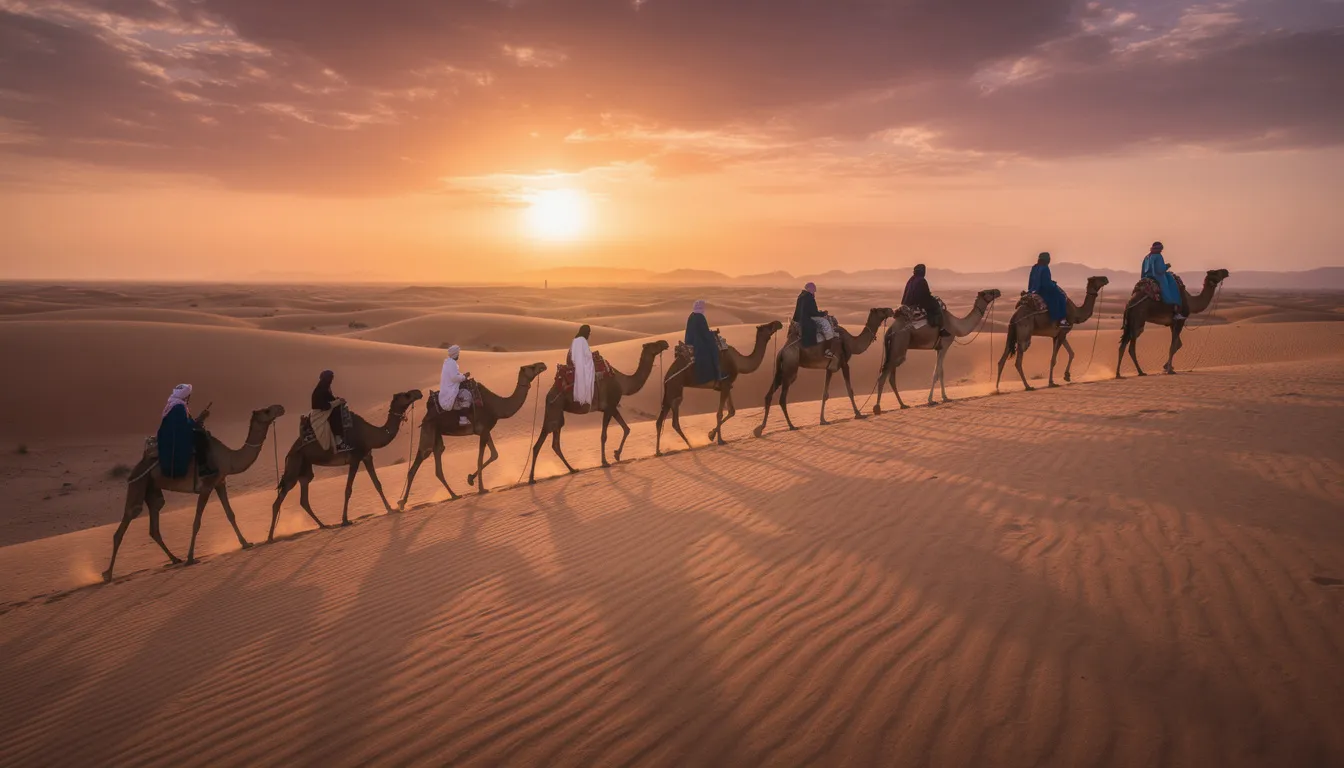
Choosing the best Morocco desert tour depends on several factors: how many days you have available, which city you’re starting from, and what kind of desert experience you’re seeking. There’s no single “best” option—only the best option for your specific journey.
The Sahara Desert in Morocco is made up of two main areas, Erg Chebbi and Erg Chigaga. Erg Chebbi, next to Merzouga, features the largest and most beautiful dunes in Morocco, while Erg Chigaga is less traveled but is said to be spectacular. Zagora, the closest desert destination to Marrakech, can be reached in a single day but features smaller, rockier dunes that don’t deliver the iconic “sea of sand” experience many travelers imagine.
Erg Chebbi near Merzouga boasts Morocco’s tallest and most photogenic dunes, rising to 150-250 meters high with golden sands that glow magnificently at sunrise and sunset. This area has the best infrastructure for desert camps, ranging from basic bivouacs to desert luxury camps with private bathrooms and hot water.
Erg Chigaga near M’hamid offers a wilder, more remote experience reached by 4x4 through the rocky hammada desert, perfect for adventurous travelers seeking isolation. It is less traveled but is said to be spectacular, offering a sense of untouched wilderness.
Zagora works only for travelers with ultra-limited time who simply want a taste of the desert landscape. The dunes here are smaller and rockier, and while the experience is authentic, it lacks the dramatic sand sea of Erg Chebbi and Erg Chigaga.
Morocco Classic Tours operates popular routes, including:
Marrakech → Ait Ben Haddou → Dades or Ouarzazate → Merzouga (Erg Chebbi) → back to Marrakech over three days
Marrakech → Dades → Merzouga → Midelt → Fes over three to four days
Fes → Ifrane → Azrou → Ziz Valley → Merzouga → Todra Gorge → Dades → Marrakech covering three to four days
Which part of Morocco is best for tourists? The ideal combination for first-time visitors includes one city (either Marrakech or Fes for their imperial history and medinas), a journey through the Atlas Mountains, and at least two nights in the Sahara Desert. Time permitting, adding Chefchaouen’s blue streets, Essaouira’s Atlantic coast charm, or the nearby city of Ouarzazate enhances the experience further.
Which desert is best in Morocco? For first-timers who want tall dunes, comfortable camps, and the classic Sahara experience with reliable infrastructure, Erg Chebbi near Merzouga is usually the ideal choice. Erg Chigaga suits those seeking adventure off the beaten path with fewer tourists. Zagora works only for travelers with ultra-limited time who simply want a taste of the desert landscape.
Marrakech serves as the primary southern gateway to the Sahara, making it the most popular starting point for desert tours. Before or after your desert adventure, you can explore the iconic Djemaa el-Fna square with its snake charmers and food stalls, admire the Koutoubia Mosque, and lose yourself in the labyrinthine medina. Many travelers arrive in Marrakech, spend a night acclimatizing, then depart for the desert the following morning.
Key Marrakech-based tour options include:
2 days Marrakech–Zagora desert for travelers with very limited time seeking a basic dune experience
3 days Marrakech–Merzouga (Erg Chebbi) and back to Marrakech as the classic route
3 days Marrakech–Merzouga–Fes using the desert as a scenic transfer between Morocco’s two most visited cities
4 days Marrakech–Dades–Merzouga–Dades/Ouarzazate–Marrakech for a slower, more relaxed pace
The road from Marrakech to the desert passes through some of Morocco’s most dramatic sights. You’ll cross the Tizi n’Tichka Pass at 2,260 meters with panoramic Atlas Mountains views, stop at Ait Ben Haddou’s spectacular fortified village (recognizable from films like Gladiator and Game of Thrones), pass through the lush Skoura Oasis, explore the Rose Valley during spring bloom season, and wind through the spectacular Dades Gorge with its towering canyon walls.
Be prepared for significant driving on a Morocco desert tour from Marrakech. The journey to Merzouga takes approximately 9-10 hours of actual driving time when completed in one day, though Morocco Classic Tours breaks this into manageable segments across multiple days with scenic stops, photo opportunities, and exploration along the way. Days typically involve 5-7 hours in the car with frequent breaks.
Morocco Classic Tours organizes both private and small-group Morocco desert tours from Marrakech with English-speaking drivers, modern air-conditioned vehicles, and your choice of standard, comfort, or luxury desert camps. Private tours offer flexibility to adjust departure times, linger at interesting spots, and skip commercial souvenir stops entirely.
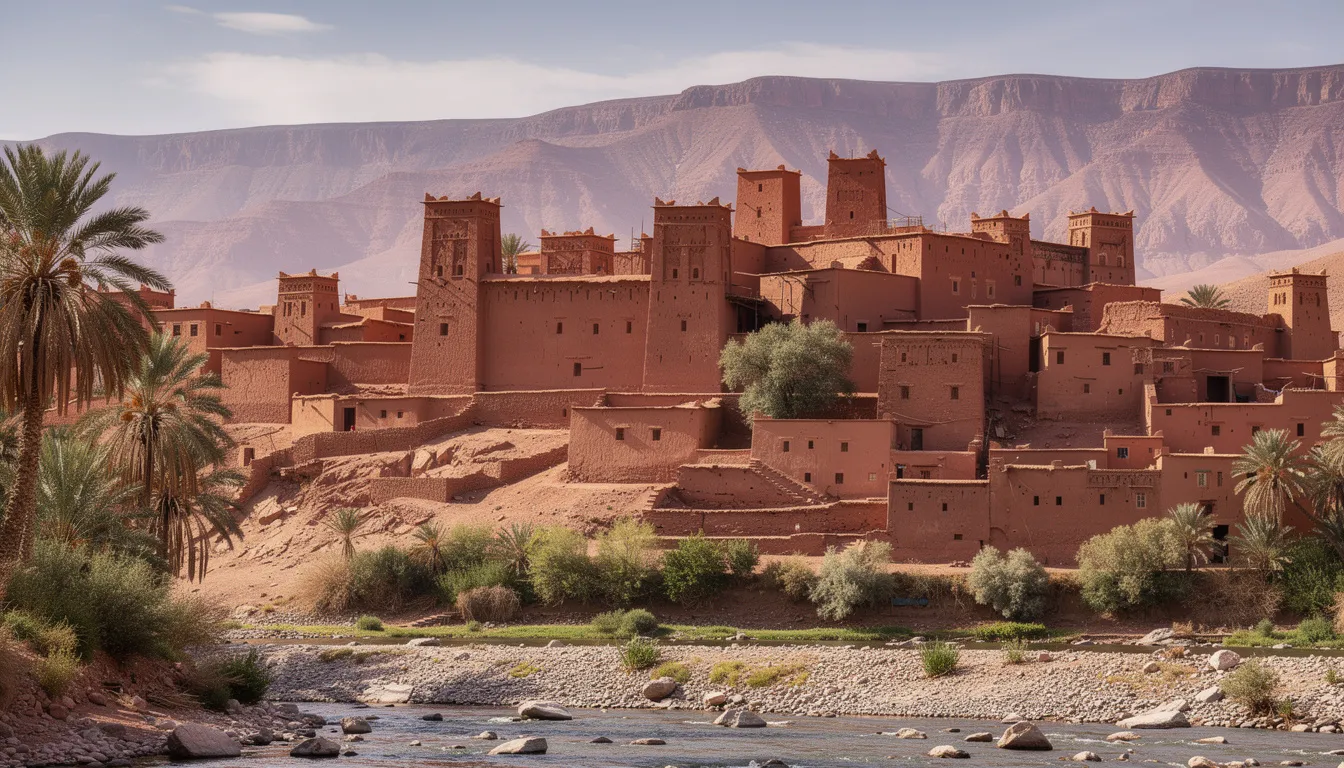
Fes holds its own magic as Morocco’s intellectual and spiritual capital, home to the world’s oldest university and a UNESCO-listed medina with over 9,000 winding alleyways. Many travelers combine a Fes exploration with a desert tour heading either toward Marrakech or looping back to Fes.
The classic 3-day Fes–Merzouga–Marrakech tour follows this pattern:
Day 1: takes you from Fes through Ifrane (Morocco’s “Switzerland” with its clean streets and cedar forests), into Azrou’s cedar forest where Barbary macaques live in the Middle Atlas Mountains, through Midelt, and along the stunning Ziz Valley gorge to arrive at Merzouga.
Day 2: features Erg Chebbi dunes with a camel ride at sunset to your desert camp, dinner under the stars, traditional drumming around a campfire, and optional stargazing.
Day 3: begins with sunrise over the dunes before departing via Todra Gorge (where rock climbers test themselves on 300-meter cliffs), Dades Valley, and the High Atlas to reach Marrakech by evening.
For travelers focusing on northern and eastern Morocco who plan to fly out of Fes, a 2-day or 3-day Fes–Merzouga–Fes loop is possible. The three-day version is considerably more comfortable than the rushed two-day option, allowing proper time to appreciate the dunes and desert atmosphere.
Key waypoints on Fes-based tours include the pristine town of Ifrane with its European-style architecture, Azrou’s ancient cedar forests, the dramatic Ziz River oasis cutting through rust-red gorges, Rissani’s bustling market (Morocco’s gateway to the desert throughout history), and the magnificent Erg Chebbi dunes for your camel ride and camp overnight.
One advantage of starting from Fes: it’s geographically closer to the Sahara than Marrakech. A Fes-based Morocco desert tour with Morocco Classic Tours can sometimes reduce overall driving hours, especially in a customized private itinerary.
Most Morocco desert tours for first-time visitors last between two and four days. Anything shorter than two days isn’t recommended if you want a genuine Sahara experience rather than a rushed glimpse of distant dunes.
Tour durations typically break down as follows:
2 days: Usually covers Marrakech–Zagora or a quick Agafay-style “desert taste” experience in the rocky desert near Marrakech, offering limited dune time and long driving days.
3 days: The sweet spot for Marrakech–Merzouga or Fes–Merzouga–Marrakech routes, allowing one night in a desert camp and one in a valley town or guesthouse.
4 days or more: Provides ideal pacing for travelers who want extra time in the dunes, opportunities to explore with Berber nomads, dedicated photography sessions, or additional stops like Chefchaouen or the Atlantic coast.
Morocco Classic Tours generally recommends at least three days for reaching Erg Chebbi or Erg Chigaga so that travelers can properly enjoy both sunset and sunrise over the dunes, along with one relaxed day of activities in camp or exploring the surrounding area.
Itineraries can be fully customized around your international flight times and city preferences. If you’re arriving in Casablanca, Tangier, or Rabat rather than Marrakech or Fes, Morocco Classic Tours can design a route that maximizes your time while minimizing backtracking.
Absolutely—if you can spare three days in your itinerary. The incredible contrast between star-filled nights with zero light pollution, cultural immersion through Berber music and traditional meals, and natural wonders like Todra Gorge’s towering cliffs makes this a lifetime experience that consistently rates as travelers’ favorite part of their Morocco trip. If you truly only have one day available, consider a closer rocky desert experience from Marrakech, or save the Sahara for a future visit when you can do it justice.
Understanding Morocco desert tour pricing helps you plan a trip that matches both your expectations and your budget. Prices vary significantly based on season (April, May, and October are peak months), comfort level, group size, and whether you choose private or shared transport.
Price Ranges and Inclusions:
Tour Type & Duration | Price Range (per person) | Inclusions |
|---|---|---|
Shared budget 3-day Marrakech–Merzouga | £160–£220 / $200–$270 | Transport, basic desert camp, most meals, camel ride |
Comfort/semi-luxury shared 3-day | £260–£380 / $320–$470 | Upgraded accommodations, transport, meals, and a camel ride |
Private 3-day tour (2–4 people) | £350–£650+ / $430–$800+ | Private vehicle, choice of camp/hotel category, meals, camel ride |
Shared 3-day Fes–Merzouga | £170–£230 / $210–$290 | Transport, basic camp, meals, camel ride |
Private 3-day Fes–Merzouga–Marrakech or Fes loop | £390–£700 / $470–$860+ | Private vehicle, camp/hotel, meals, camel ride (cost per person drops for larger groups) |
Morocco Classic Tours can design value-focused itineraries that keep the essentials—comfortable transport, safe and clean camp, sunset camel trek—while using quality mid-range riads instead of top-end luxury hotels. This approach delivers an authentic experience without unnecessary extras that inflate the price.
Be cautious of ultra-cheap offers advertised in Marrakech or Fes medinas. Tours quoted under £80 / $100 for three days often hide additional costs through forced shopping stops at commission-paying shops, substandard camp facilities with shared mattresses and no bathrooms, or overcrowded vehicles with up to 15 passengers. The small savings aren’t worth the compromised experience.
For UK travelers, arranging a desert tour in advance from cities like London, Manchester, Birmingham, Edinburgh, or Dublin is straightforward. Planning ensures you get your preferred dates, camp style, and itinerary rather than scrambling upon arrival.
Follow this simple step-by-step approach:
Decide your approximate travel dates (for example, a week in October 2025).
Choose your arrival city based on flight options—usually Marrakech, Fes, or Casablanca—considering that direct flights from the UK are frequent to all three.
Decide how many days you can allocate to the desert (ideally 3–4 days for the full experience).
Contact Morocco Classic Tours via website or email with your group size, ages of any children, desired comfort level, and special interests such as photography, hiking, or food experiences.
Review the tailored itinerary and quote, then secure your booking with a deposit and receive confirmation along with detailed packing suggestions.
Morocco Classic Tours provides quotations in GBP, EUR, and USD and can issue invoices needed for UK-based travel insurance documentation if requested.
Regarding the best Morocco desert tour companies from the UK: while many UK-based travel brands resell Morocco trips, booking directly with a local specialist like Morocco Classic Tours offers significant advantages. You get more flexibility to customize, competitive pricing without middleman markups, and direct contact with the actual on-the-ground team who will be guiding your journey. When something needs adjusting—a later pickup time, dietary requirement, or extra stop—you’re communicating directly with the people making it happen.
Airport transfers, riad pickups, and English-speaking drivers and guides are all standard options with Morocco Classic Tours. This proves especially convenient for UK families or first-time visitors to North Africa who want the reassurance of clear communication throughout their trip.
Yes, British tourists are very welcome and represent a significant part of Morocco’s visitor base. Over one million UK visitors arrive yearly, alongside travelers from across Europe, North America, and beyond. The tourist infrastructure is well-developed for English-speaking guests.
UK citizens currently do not need a visa for tourist stays of up to 90 days. However, always check the latest UK government travel advice before departure for any recent changes to entry requirements or travel advisories.
English is widely spoken throughout Morocco’s tourism sector. Drivers, guides, hotel staff, and restaurant workers in tourist areas typically communicate comfortably in English, though the primary languages remain Arabic, Berber (Amazigh), and French. A few basic phrases in French or Arabic are always appreciated but never required.
Safety on organized Morocco desert tours is excellent. Morocco Classic Tours uses experienced, licensed drivers familiar with desert routes, modern vehicles maintained to high standards, and reputable camps and accommodations vetted for quality and security.
A note on Moroccan hospitality: guests are treated with genuine warmth. Don’t be surprised by frequent invitations to share mint tea, learn about local customs, or sit with families during your desert journey. This welcoming spirit is a highlight that distinguishes Morocco from many other destinations.
Morocco Classic Tours specializes in private and family-friendly desert tours ideal for couples with young children, multi-generational families, and small groups of friends. Unlike rigid group tours that follow fixed schedules, private options adapt entirely to your family’s rhythms and needs.
A family-friendly desert tour package in Morocco typically includes: appropriate daily driving times that don’t exhaust young children, car seats available on request, regular breaks for snacks and play at scenic viewpoints, gentler and shorter camel rides suited to younger riders, and camps with private bathrooms and flexible meal times that accommodate early bedtimes or picky eaters.
Concrete examples include a 3-day Marrakech–Dades–Merzouga–Marrakech family tour featuring a hotel with a swimming pool in Dades Valley for afternoon relaxation, sandboarding on the dunes for adventure-seeking kids, simple stargazing sessions explaining desert constellations, and optional ATV or quad bike rides for teenagers wanting extra thrills.
Private tours let families adjust departure times based on how everyone slept, stop spontaneously for photos when children spot camels or goats, skip commercial souvenir stops that hold no interest, and choose between quieter, intimate camps or more social options with other travelers, depending on your preferences.
Morocco Classic Tours accommodates special diets, including vegetarian, vegan, gluten-free, and requirements beyond standard halal-friendly local cuisine when requested in advance. This matters particularly for families traveling with children who have allergies or specific food preferences.
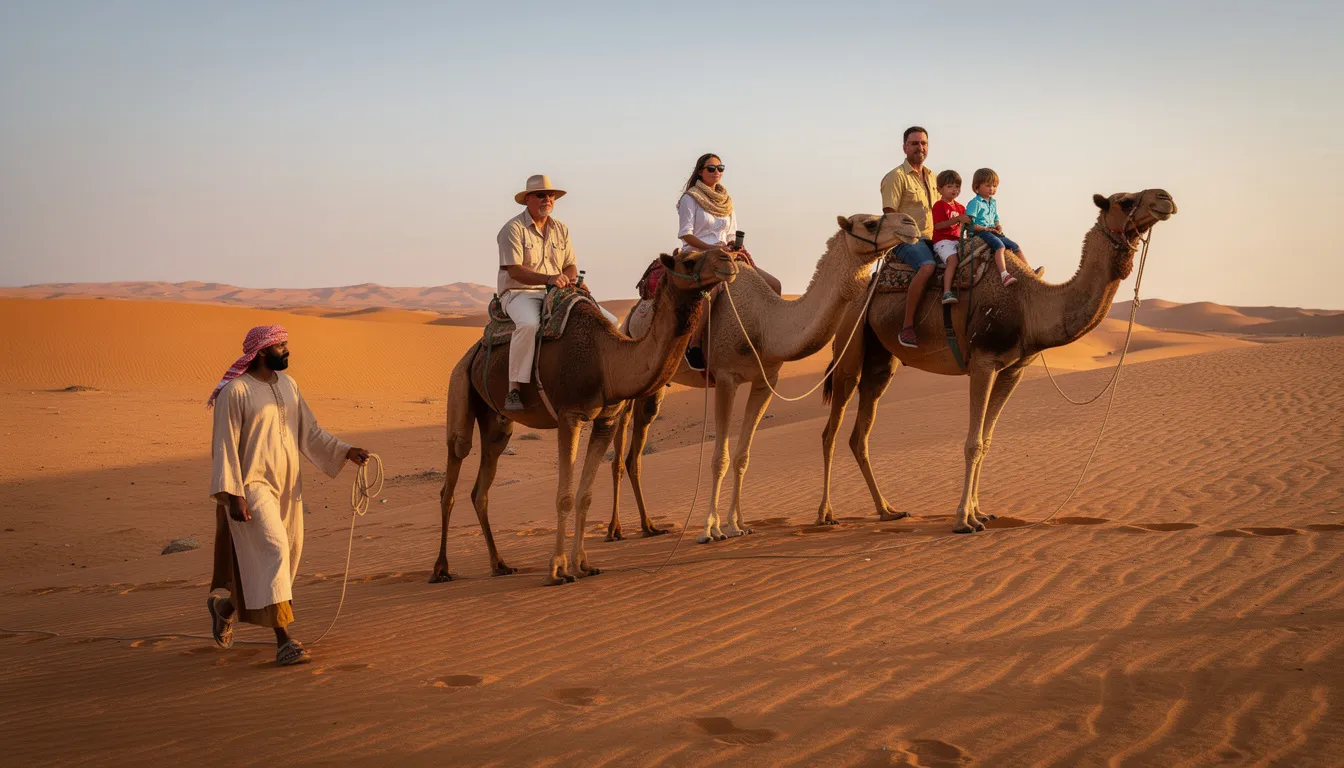
Group tours offer compelling advantages: lower cost per person (often 30-50% less than private options), the opportunity to meet fellow travelers from around the world, and fixed departure dates that suit solo travelers or those planning on shorter notice.
Private tours provide different benefits: complete flexibility in timing and stops, more comfortable vehicles without strangers, pacing customized for older travelers or families with young children, and the ability to tailor activities exactly to your interests—whether that’s extended photography sessions, visits to Berber nomad families, or extra day hikes.
Small-group sizes of 6-12 travelers represent a good compromise between cost and comfort. Morocco Classic Tours can organize these departures on request, combining the social aspect of meeting others with more personal attention than large coach tours.
Before booking any tour, ask clearly about the maximum group size, vehicle type, and camp category. Morocco Classic Tours provides this transparency in all proposals, so you know exactly what to expect before you commit.
In the Sahara especially, safety and comfort—experienced driver, well-maintained vehicle, quality camp facilities—matter more than choosing the absolute cheapest option. The desert is remote, and cutting corners on these fundamentals can turn a dream trip into an uncomfortable or even risky experience.
Understanding a typical itinerary helps you visualize what your desert journey will actually feel like. Here’s a sketch of a classic 3-day Marrakech–Erg Chebbi–Marrakech tour.
Day 1 begins with an early departure from Marrakech, climbing through the High Atlas over Tizi n’Tichka Pass with panoramic views of snow-capped peaks and Berber villages clinging to mountainsides.
You’ll stop at Ait Ben Haddou for exploration and photos of this UNESCO World Heritage site, then continue to Ouarzazate (the “Hollywood of Morocco”) for a quick visit. The afternoon drive takes you through Skoura Oasis with its thousands of palm trees and Rose Valley before arriving at your guesthouse or riad in Dades Gorge or Tinghir.
Dinner features local Moroccan dishes like tagine, and an early rest prepares you for the next day’s adventure.
Day 2 starts with breakfast and a morning drive via Tinghir Oasis and through Todra Gorge, where you’ll have time for a short walk among 300-meter canyon walls popular with rock climbers.
The journey continues through increasingly desert landscapes, passing date palm groves and traditional villages until you arrive in Merzouga by late afternoon. Here, the real magic begins: a camel trek into the Erg Chebbi dunes as the sun drops toward the horizon, with photo stops and mint tea served on a high dune.
You’ll arrive at your desert camp, where dinner awaits under the stars, followed by traditional drumming around a campfire and exceptional stargazing with zero light pollution.
Day 3 offers an optional pre-dawn wake-up for sunrise over the dunes—the morning light transforms the sands into shades of pink, gold, and amber.
After returning to the village by camel or 4x4 and enjoying breakfast, the scenic return journey begins. If heading to Fes, you’ll travel via the Ziz Valley and the Middle Atlas Mountains. If returning to Marrakech, the route passes through Dades Gorge and back over the High Atlas.
Arrival in the city typically falls in early or late evening, depending on route and season.
Morocco Classic Tours can extend this “skeleton” itinerary to 4-5 days with additional stops: Rissani’s traditional market, visits to nomad families in the desert, Khamlia village for authentic Gnawa music, or an extra night in the Dades Valley to explore the famous curved “Road of a Thousand Kasbahs.”
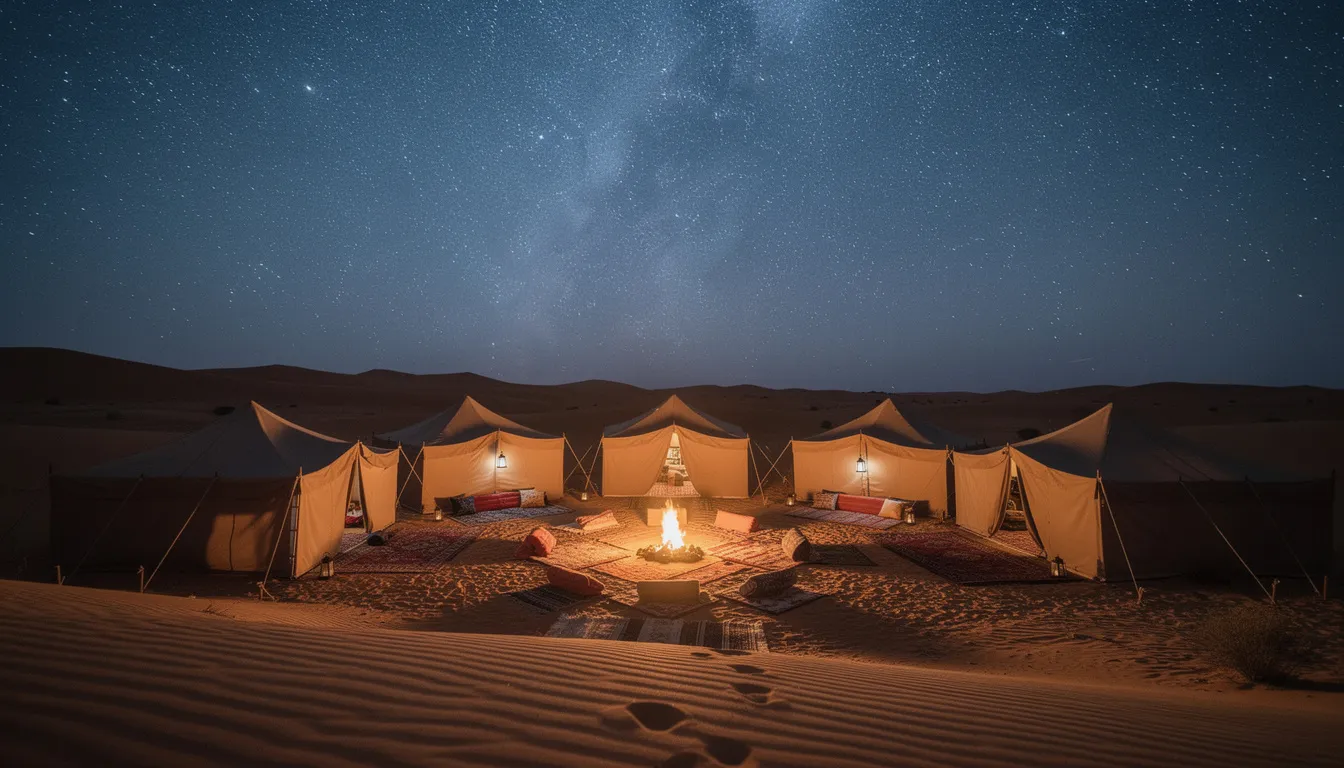
While the classic camel ride remains the iconic desert experience, many camps and Morocco Classic Tours partners offer much more. Optional activities include sandboarding down the dunes (easier than it looks and great fun), 4x4 off-road excursions to remote dune viewpoints, ATV or quad bike rides for adrenaline seekers, and guided sunset walks to perfect photography spots.
Cultural experiences add depth to your desert journey. Morocco Classic Tours can arrange tea or lunch with a nomadic family to learn about traditional desert life, visits to Khamlia village for authentic Gnawa music performances, lessons about date farming in an oasis, or attendance at Rissani’s bustling local market on certain itineraries.
For photographers and astrophotography enthusiasts, the Sahara offers extraordinary opportunities. Clear Milky Way views on moonless nights, dramatic light at sunrise and sunset, and the graphic patterns of wind-sculpted dunes make this a paradise for keen photographers who may choose to book an extra desert night specifically for capturing pictures.
Relaxation-focused experiences deserve mention, too. Sometimes the most memorable moments come from simply sitting on the dunes watching colors shift at sunrise or sunset, reading in camp lounges during the heat of midday, enjoying pot after pot of traditional mint tea, or using a camp swimming pool during warmer months if your chosen luxury desert camp provides one.
Morocco Classic Tours confirms in advance which activities are included (typically one camel ride at sunset and sandboarding) and which are optional extras with clear pricing, so there are no surprises regarding additional cost.
Desert temperatures can vary dramatically—potentially 40°C (104°F) or higher by day during summer, dropping to 5-10°C (40-50°F) or even near freezing at night during winter months. Proper preparation makes the difference between comfort and misery.
What to wear in Morocco, going to the Morocco desert requires thinking in layers:
Lightweight, breathable long trousers and long-sleeve tops protect from sun and wind-blown sand better than shorts and t-shirts.
A warm fleece or lightweight down jacket proves essential for evenings from roughly October through April when desert nights turn genuinely cold.
A scarf or shemagh (traditional desert headwrap) and a wide-brimmed hat shield your face and neck from sun and blowing sand—your driver can help you tie a proper desert turban.
Closed-toe shoes or trainers work best for walking on rocky terrain and climbing dunes, while comfortable sandals suit relaxing around camp.
Quality sunglasses
High-SPF sunscreen (the sun is intense)
A reusable water bottle
A small backpack for daily essentials
A power bank for charging devices (some camps have limited electricity)
Personal medications
Basic toiletries (since remote desert camps may not stock everything you need)
Cultural considerations for clothing matter throughout Morocco. Modest outfits covering shoulders and knees show respect in villages and cities, particularly when visiting mosques or local homes. While the atmosphere in desert camps is usually more relaxed, maintaining general modesty remains appropriate. Women often find a light scarf useful both for cultural situations and practical sun/sand protection.
Morocco Classic Tours sends all guests a detailed packing checklist tailored to the specific season and chosen itinerary once a booking is confirmed, eliminating guesswork about what you’ll actually need.
March through May and late September through early November offer the most comfortable conditions, with warm days, cooler nights ideal for camel rides, and perfect temperatures for sitting around evening campfires. Spring brings occasional wildflowers to the desert fringes.
June through August can be extremely hot in the Sahara, with afternoon temperatures often exceeding 40°C (104°F). Tours still operate, but activities shift to early morning and late evening. These months suit heat-tolerant travelers who don’t mind afternoon rest periods.
Winter months (December through February) offer crisp air, clear skies excellent for stargazing, and no crowds. However, nights in the desert can drop close to freezing, so warm layers and a quality sleeping bag supplement to camp blankets become essential.
Book further in advance for Easter holidays, UK half-terms, and Christmas/New Year periods, as these are extremely popular for Morocco desert tours and the best camps fill quickly.
Solo travelers are absolutely welcome and have two main options: joining a small group departure or booking a private tour tailored to individual interests.
Joining a group helps reduce costs significantly and provides social company during evening campfire time, shared meals, and long drives. Many solo travelers form friendships that extend beyond the trip.
Morocco Classic Tours also designs private solo itineraries that balance independence with the security of having a dedicated driver-guide and pre-booked camps. This option costs more but provides complete flexibility.
Solo travelers should share any dietary needs, mobility concerns, or specific interests in advance so that suitable accommodations and pace adjustments can be arranged.
Some desert camps are more accessible than others. A few offer 4x4 access almost directly to the tent, avoiding long walks over soft sand, while others require a short camel ride or trek across dunes.
Travelers with limited mobility, knee issues, or health conditions should contact Morocco Classic Tours in advance so an appropriate camp and route can be selected. The team knows which camps work best for different needs.
Enjoying the desert atmosphere from a 4x4 vehicle, a camp terrace, or low dunes near camp remains entirely possible without strenuous hiking. The sunrise and sunset views, starry skies, and campfire ambiance don’t require climbing the highest dunes.
While full wheelchair accessibility in deep sand is genuinely limited, Morocco Classic Tours always seeks the most comfortable options available for each traveler’s situation.
Expect delicious traditional Moroccan cuisine throughout your journey. Typical meals include tagines (slow-cooked chicken, lamb, or vegetable stews), couscous on special occasions, grilled meats, fresh Moroccan salads, warm bread, seasonal fruit, and endless pots of sweet mint tea with bottled water.
Breakfast often features Moroccan pancakes called msmen or baghrir, fresh bread with jam and honey, cheese, eggs, and coffee or tea. The morning meal in camp feels particularly special as sunrise light floods across the dunes.
Vegetarian, vegan, and other dietary requirements can be accommodated with advance notice. Most Moroccan cooking naturally features many vegetable-based dishes, making adaptation straightforward.
Travelers with severe allergies or celiac disease should inform Morocco Classic Tours early in the planning process so that meals can be carefully arranged and cross-contamination risks minimized at restaurants and camps along the route.
Established desert camps used by Morocco Classic Tours are staffed around the clock, with secure perimeters and local teams experienced in managing desert conditions. Staff typically sleep on-site and are available if any needs arise.
Tents in comfort and luxury camps usually have lockable doors or secure zips, proper beds with bedding, and private or shared bathroom facilities, depending on the camp category. Higher-end camps include en-suite bathrooms with hot water.
Desert wildlife around the main camp areas is limited and generally poses no risk to guests. Scorpions exist, but stay away from camp activity and light. Most potential discomfort comes from temperature swings and wind, easily managed with proper blankets and layered clothing.
Choosing reputable operators and avoiding unregistered camps represents the main factor in ensuring a safe, enjoyable night under the stars. Morocco Classic Tours works only with established, properly equipped camps.
Short camel rides available in or near Marrakech—typically in the Palmeraie or Agafay rocky desert—offer a taste of the experience but differ significantly from a Sahara camel trek. These convenient options work if you’re extremely short on time, but shouldn’t substitute for the real thing.
A camel ride in the actual Sahara desert, among the towering dunes of Erg Chebbi or Erg Chigaga, provides an incomparably more dramatic and authentic experience. The sense of endless sand stretching to every horizon, the quality of light at sunset and sunrise, and the silence broken only by camel bells create memories that a short ride near the city simply cannot match.
If you can dedicate three days to reach Merzouga or Erg Chigaga, the Sahara camel experience is absolutely worth the journey and consistently ranks as the highlight of Morocco trips. The few hours of investment getting there pay back in unforgettable moments that photographs barely capture.
A Morocco desert tour transforms a standard vacation into a lifetime experience that combines natural wonder, cultural immersion, and genuine adventure. Whether you’re planning a romantic escape for two, a multigenerational family adventure, or a solo journey into the Sahara, Morocco Classic Tours designs tailored itineraries to match your interests, timeframe, and budget.
Ready to start planning your Morocco desert adventure? Contact Morocco Classic Tours directly to discuss your ideal dates, starting city, and travel style. The team can answer your questions, provide a personalized quote, and help turn your Sahara dreams into a concrete itinerary—all with the expertise of a local operator who knows these routes, camps, and hidden gems firsthand.
Compare Morocco group tour agencies by trip style, reviews, pace, transport and inclusions. Learn wh...
Read this article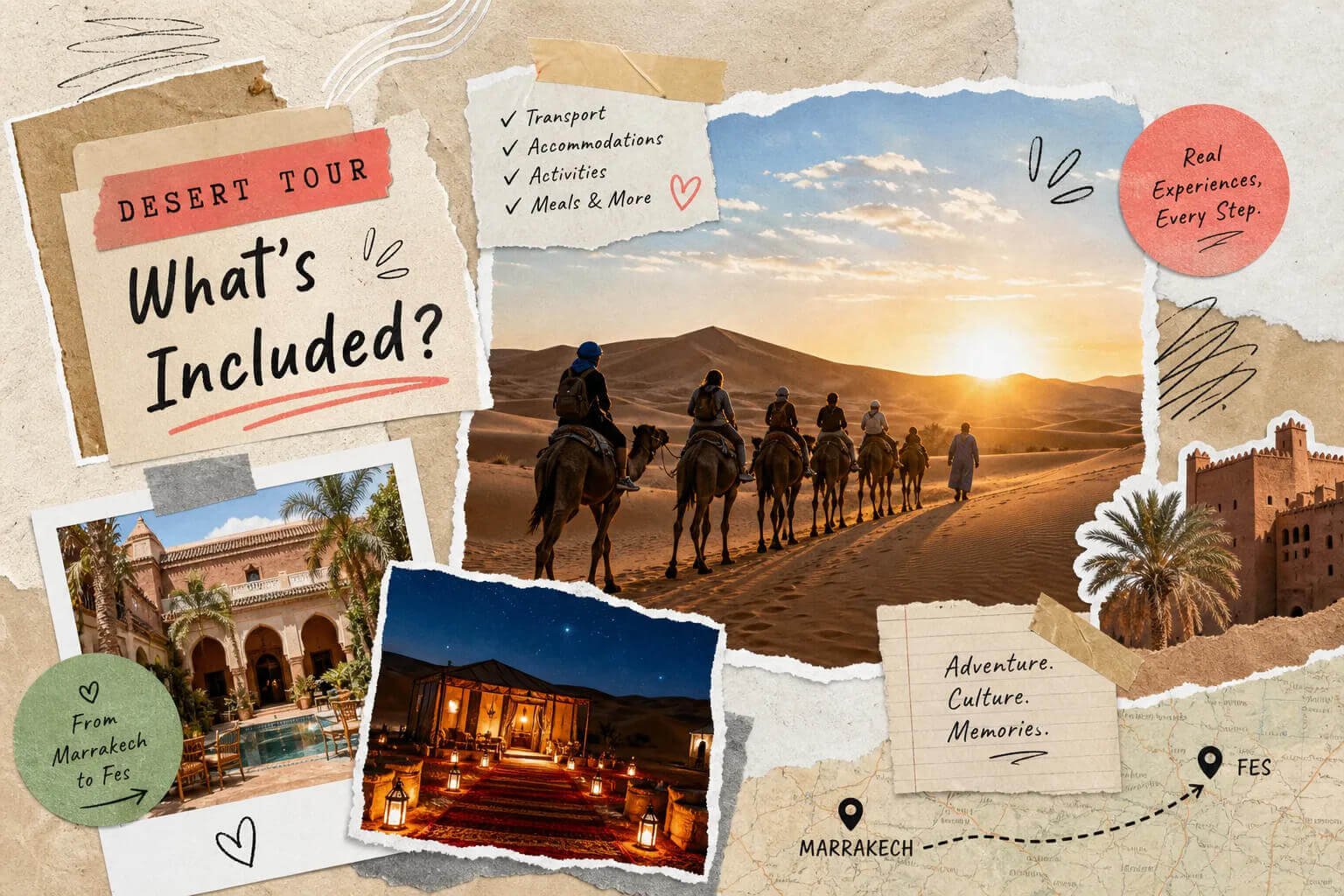
Uncover what a Marrakech to Fes desert tour offers, including camel rides, desert camps, and rich cu...
Read this article
Join our Merzouga Overnight Tour for an authentic desert experience. Enjoy camel rides, comfortable ...
Read this articleWant cool tour deals and tips about Morocco? Enter your email and we’ll send them to you each month!
