Group Tour Agencies in Morocco: How to Pick the Right One
Compare Morocco group tour agencies by trip style, reviews, pace, transport and inclusions. Learn wh...
Read this article

Private, custom Morocco trips planned in Fez by AZ-ZDDINE, working in Moroccan tourism since 2012. Sahara, Atlas, medinas and coast, arranged around you.
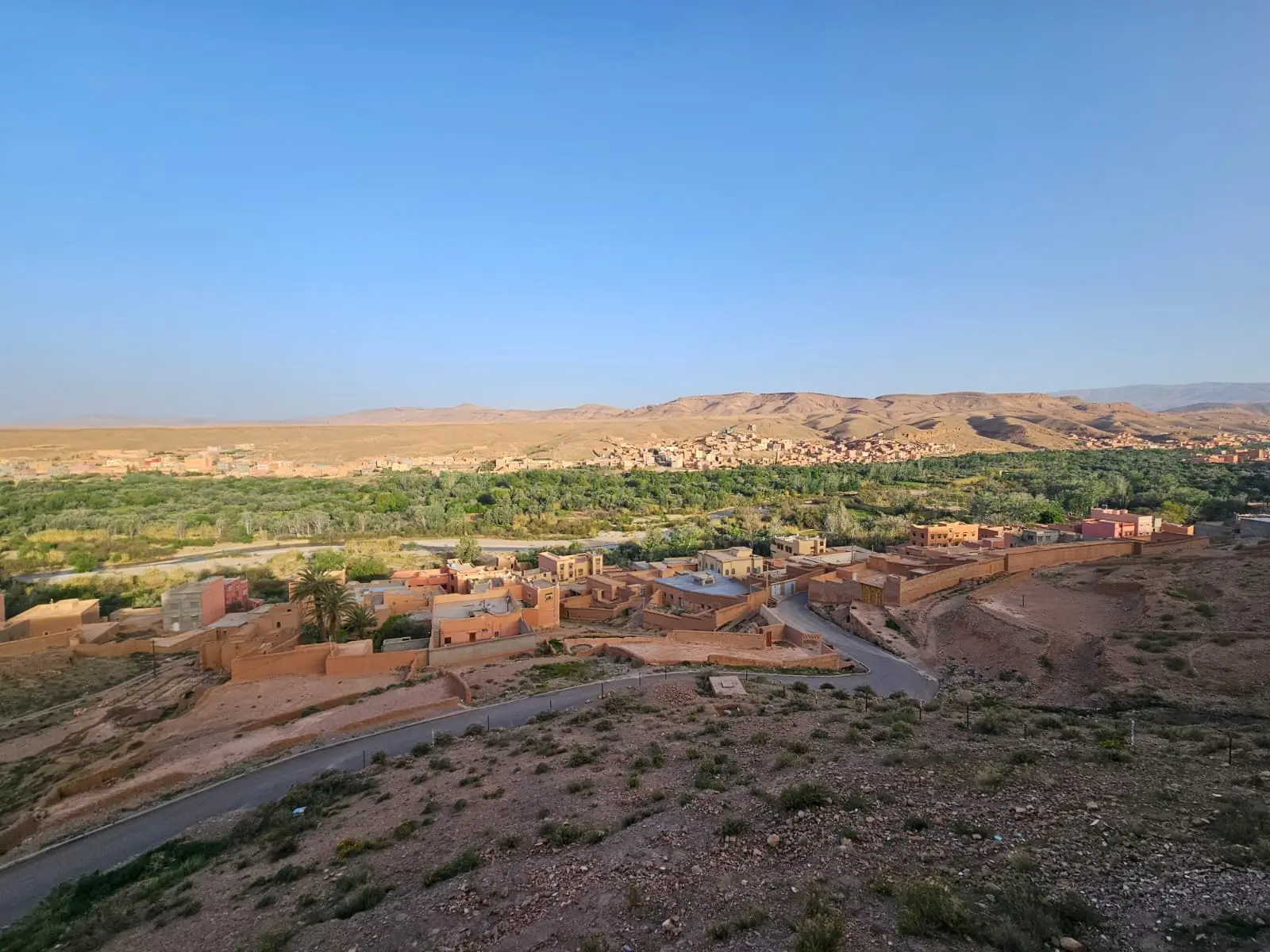
A good time to visit morocco depends on where you want to go: medinas, mountains, coast, or desert. Morocco Classic Tours plans private routes across Morocco every season, so this guide gives you the practical timing advice we use when designing a real morocco trip.
The best time to visit Morocco is spring and autumn, especially March–May and September–early November, when you get mild weather, fewer extremes, and excellent conditions across cities, the Sahara Desert, and the Atlas Mountains.
Best time for first-time visitors: April, May, September, and October.
Best time for Sahara Desert: October–April; April is ideal for visiting the Sahara Desert.
Best time for Atlantic coast: May–September, especially for beach time, surfing, and breezy coastal towns.
Budget travelers should consider November, January, and February for fewer crowds and lower prices, avoiding Christmas and New Year.
Ramadan dates vary, bringing fewer tourists, special nightlife, and changed opening hours; check exact dates before your Morocco trip.
Morocco Classic Tours can fine-tune your dates depending on whether you prefer Moroccan culture, outdoor activities, desert camps, or relaxed beach time.
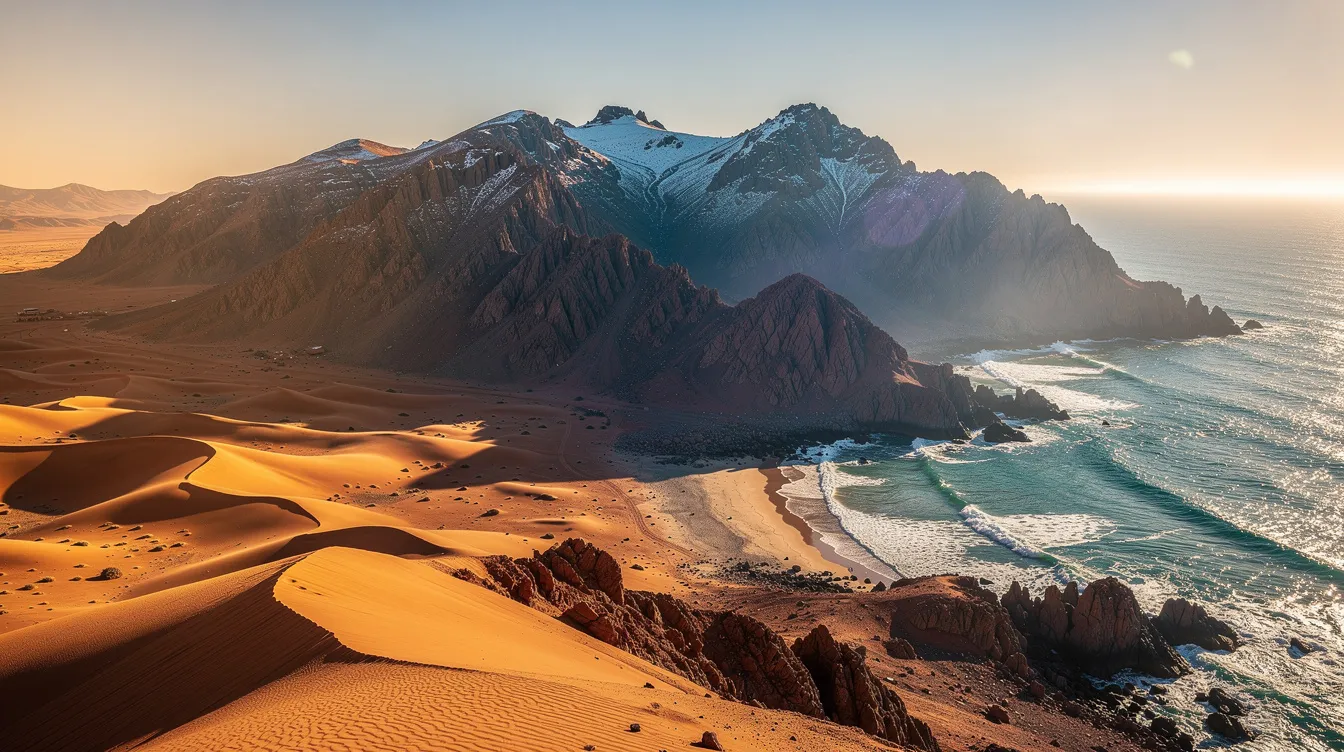
The best time to visit Morocco overall is mid-March to May and September to late October. Spring temperatures range between 18°C and 28°C, while October offers ideal weather with temperatures around 18-28°C. During April and October, temperatures average between 20°C and 25°C in many tourist areas, making both months a preferred season for private tours.
The best months to visit Morocco are March to May if you want flowers, green valleys, and pleasant weather in the imperial cities. Autumn lasts from September to November and is ideal for desert excursions into the Sahara, photography tours, and comfortable temperatures in bustling cities.
Here is the simple seasonal view:
Spring: lush landscapes, wildflowers, and spring is popular for touring imperial cities like Marrakech.
Summer: summer months are extremely hot inland, but summer is perfect for enjoying Morocco's Atlantic coast beaches.
Autumn: clear skies, pleasant temperatures, date season in southern oases, and autumn is considered the best for photography tours.
Winter: winter months suit authentic local life, hammams, southern desert day trips, and budget travelers.
How many days in Morocco is enough? Plan 7 days for highlights, such as Marrakech plus desert regions or imperial cities. Choose 10–12 days for Marrakech, High Atlas Mountains, Sahara Desert, Fes, Chefchaouen, or the Atlantic coast. Allow 14+ days to experience Morocco slowly with villages, food tours, coast, and vast deserts.
From the UK, shoulder seasons work well for 4–7 day breaks. From the USA, longer flights make 10–14 days more worthwhile, especially in April–May or late September–October. Share your dates with Morocco Classic Tours, and we will advise the best route for that exact period.
Morocco experiences four distinct seasons throughout the year, but weather conditions shift quickly by region. North Africa’s geography gives Morocco a temperate climate on the Moroccan coast, alpine conditions in the Atlas Mountains, and dry extremes in inland and desert regions.
Atlantic coast (Casablanca, Rabat, Essaouira, Agadir, Taghazout): mild weather year-round, cooler summers, occasional winter rain.
Inland plains and imperial cities (Marrakech, Fez, Meknes, Rabat interior suburbs): hot summers, pleasantly warm springs and autumns, cool winter nights.
Atlas Mountains and High Atlas Mountains (Imlil, Ourika, Ouarzazate, Ifrane, Berber villages): cold winters with snow, perfect trekking weather April–June and September–October.
Sahara and southern oases (Merzouga, Erg Chebbi, Zagora, Agafay): very hot June–August, ideal from October to April with chilly nights.
Early winter (November–December) brings greener landscapes in the north; January is generally the coldest month in Morocco, especially at altitude.
The rainy season in Morocco lasts from November to March, and winter rains are most noticeable in northern Morocco and coastal regions. Coastal towns are enjoyable year-round in Morocco, but winter nights in Morocco can be extremely cold in the mountains and desert.
Period | Cities | Coast | Atlas | Sahara |
|---|---|---|---|---|
Mar–May | Ideal | Pleasant | Ideal | Good |
Jun–Aug | Hot | Ideal | Good high up | Too hot |
Sep–Nov | Ideal | Pleasant | Ideal | Ideal |
Dec–Feb | Cool | Mild/wet | Snow | Sunny days, cold nights |
With private transfers and flexible start times, Morocco Classic Tours can adjust around midday summer heat, cooler weather, or cold nights.
Every month has trade-offs. Use this section to match your time to visit with city culture, hiking, beaches, festivals, or the Sahara Desert.
January is typically the coldest month with temperatures around 5-10°C in many cooler areas, and January is the coldest month with temperatures averaging 12-18°C during the day in many cities. Expect colder weather in Ifrane and snow in the High Atlas Mountains.
Best for fewer crowds in Marrakech, Fez, Meknes, Tangier, and Rabat.
Sahara days can be sunny, but nights require warm layers.
Ideal for food tours, hammams, cultural capital Fez, and cozy riads.
Budget travelers find good rates outside New Year week.
Morocco Classic Tours can book heated desert camps under a clear night sky.
February is slightly milder, with longer daylight hours and fewer tourists. Lower valleys may show blossoms, including areas known for the annual almond blossom festival near Tafraoute.
Good for Fez, Meknes, Casablanca, and Rabat without peak season crowds.
Higher Atlas Mountains still see snow; lower trails can be walkable.
Sahara camel rides are comfortable by day, cold by night.
Pack layers for temperatures dropping after sunset.
A 7–10 day route can combine imperial cities, a Berber village, and the desert.
March begins peak season in many areas. Temperatures begin to rise, landscapes turn green after winter rains, and the weather becomes mild and pleasant for city walks.
Great for first-time visitors before April–May demand.
Good for Marrakech, Fez, Chefchaouen, and Rabat.
Spring is ideal for hiking in the Atlas Mountains, especially lower routes.
Desert regions can be windy or dusty; scarves help on camel rides.
Consider 9–12 days linking Marrakech, High Atlas, and a Sahara camp.
April is widely considered the best month for visiting Morocco. Temperatures in April range from 18-25°C, ideal for visiting, with warm days, cool evenings, and blooming valleys.
Marrakech often sits around the mid-20s°C; the Atlantic coast is mild.
The High Atlas has flowers, rivers, and good trekking conditions.
April is ideal for visiting the Sahara Desert before intense heat arrives.
Great for a 10–14 day classic route: Marrakech, Atlas, Sahara, Fez, Chefchaouen or coast.
Book early because well-located riads and desert camps sell out.
May brings warm weather without full summer extremes. It is lively, sunny, and excellent for mixed itineraries.
Explore Marrakech, Fez, and Meknes early or late in the day.
Add Agadir, Essaouira, and Taghazout for breezy coastal areas.
Trekking remains strong in the High Atlas Mountains.
Desert trips still work, especially early May.
Reserve guides early for food tours and cultural immersion.
June starts hotter inland. Daytime temperatures rise in Marrakech, Fez, Ouarzazate, and the desert.
Best for Casablanca, Rabat, Essaouira, Agadir, and Taghazout.
Water sports are active along the Atlantic Coast.
Short desert visits can work at dawn and sunset.
Music fans should check the festival calendar.
Morocco Classic Tours avoids mid-day heat with private vehicles and shaded stops.
July often sees temperatures exceeding 40°C in inland cities. July and August are the hottest months, exceeding 40°C inland, so summer is unsuitable for inland travel due to extreme heat.
Choose Essaouira, Agadir, Taghazout, or Rabat for milder coastal regions.
Avoid long medina walks in scorching heat.
Agafay can work for sunset-only experiences.
Inland and desert regions may feel too hot for children or heat-sensitive travelers.
Use pools, rooftop dinners, and air-conditioned private transfers.
August is also extremely hot inland, with strong sun and summer heat. The coast and mountains are better choices.
Focus on coastal cities, surfing towns, and higher Berber villages.
Ifrane offers cooler temperatures and forest walks.
Beach resorts can be pricier due to European holidays.
Inland cities may have fewer international visitors but intense heat.
Plan sunset medina strolls instead of mid-day touring.
Is September a good time to visit Morocco? Yes. September is one of the best shoulder seasons, with warmer temperatures early in the month and comfortable temperatures later.
Ideal for Marrakech, High Atlas hikes, Sahara overnights, and Essaouira.
Atlantic water temperatures are pleasant near Taghazout and Dakhla.
Softer light makes September excellent for photography.
A 10–14 day itinerary can cover Morocco’s full diversity.
September has fewer crowds than summer and better weather than August inland.
October may be the single best time to visit for many travelers. October offers pleasant temperatures for outdoor activities, with warm days and cool nights.
Late October is usually warmer, drier, and more predictable than November.
Excellent for Marrakech, Fez, Rabat, Meknes, Ouarzazate, and Sahara camps.
The best time for trekking in the Atlas Mountains is autumn, especially September–October.
Good for UK and USA travelers wanting one balanced trip.
Book early; October demand for private tours and camps is high.
November is early winter, cooler at night, and part of the rainy season in the north. Still, many days remain sunny.
Good for Marrakech, Fez, Meknes, Casablanca, and Rabat.
Great value compared with October.
Sahara and Agafay remain appealing, especially early November.
Higher trails may see first snowfalls.
Fewer crowds make November attractive for budget travelers.
December brings mild days in many coastal areas and central cities, but colder nights inland and snow conditions in the mountains.
Christmas and New Year are busy in Marrakech, Agadir, and Casablanca.
Winter is ideal for exploring southern desert areas during the day.
Desert camps have crisp air and clear stars.
Skiers can consider Oukaimeden or Ifrane if snow conditions allow.
Combine hammams, food tours, medinas, and a short desert escape.
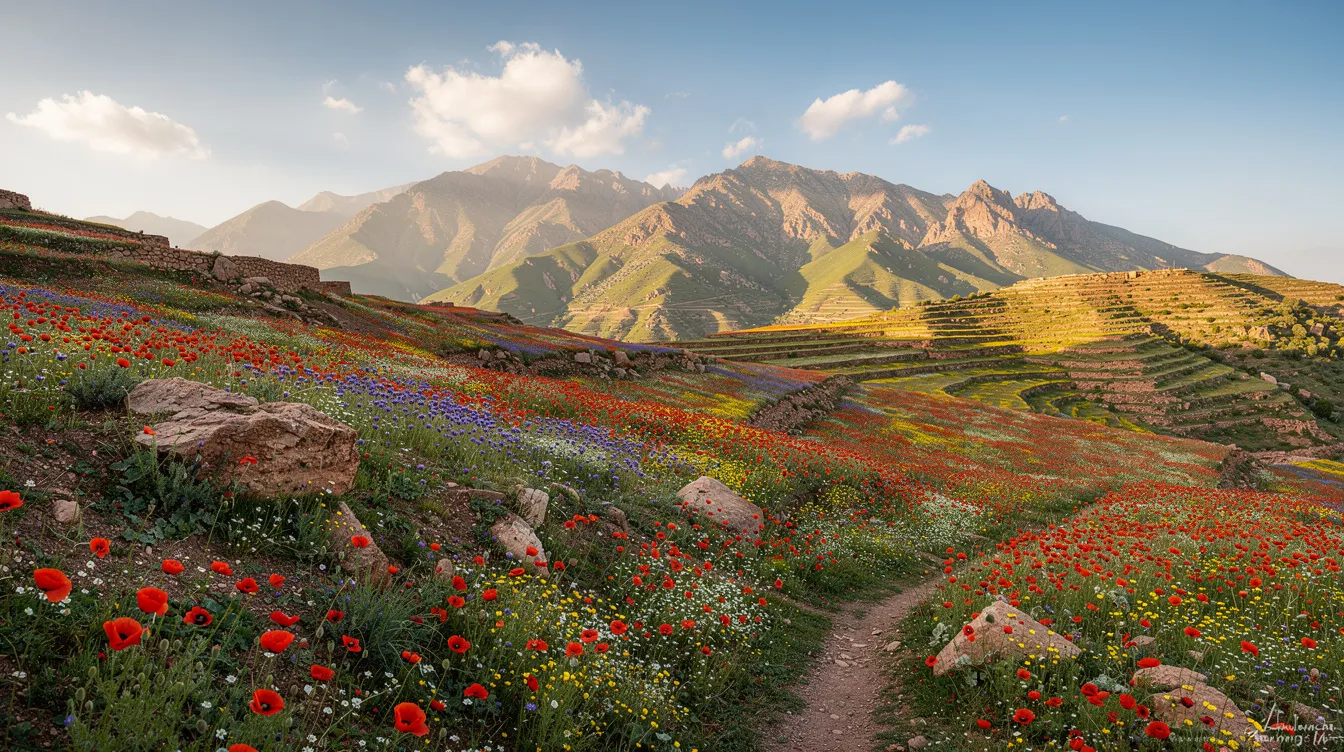
Morocco’s regions each have a different “best” month. A smart route balances warm interiors with the Atlantic, mountains, or desert.
The best time to visit Marrakech in Morocco is March–May and late September–November. Daytime temperatures are warm, not extreme, and evenings are comfortable.
When not to go to Marrakech? Avoid July–August if you dislike heat.
Winter is cooler, with good value and fewer crowds.
Food tours, hammams, gardens, and souks are enjoyable in cooler months.
Add Agafay Desert or nearby Berber villages in spring or autumn.
The best time to visit Morocco Fez and best time to visit Morocco Meknes is April–May and September–October. Fez is an ancient city and cultural capital, ideal for crafts, cuisine, and guided medina walks.
Summers are hot; winters can be chilly and damp.
Pack layers outside summer.
Pair Fez with Meknes, Volubilis, and Middle Atlas villages.
Ramadan can bring a unique lively atmosphere after sunset.
The best time to visit Morocco Rabat and the best time to visit Morocco Casablanca is April–June or September–October, although both are comfortable much of the year thanks to the atlantic coast.
Summers are warm but moderated by ocean breezes.
Winters can be rainy but still practical for touring.
These are excellent entry or exit points.
Choose them for a local, less tourist-heavy feel.
The best time to visit Morocco Chefchaouen and the best time to visit Morocco Tangier is April–June and September–October. Northern hills are green, and days are comfortably warm.
Winters are rainy but atmospheric.
Summers are milder than inland cities.
Chefchaouen is best for photography and relaxed wandering.
Tangier suits culture, coastal walks, and literary history.
The best time to visit Morocco Essaouira, best time to visit Morocco Agadir, and best time to visit Morocco Taghazout is May–September for beaches, surfing, and kitesurfing. Still, coastal towns are enjoyable year-round.
Essaouira is breezy, especially April–September.
Agadir and Taghazout offer warm beach weather in spring and autumn.
Winter can be damp but pleasant for seafood and walks.
The Moroccan coast is a perfect ending after the desert and mountains.
The Gnaoua World Music Festival in Essaouira adds culture, music, and crowds.
The best time to visit Morocco Berber Village routes is April–June and September–October. For trekking, autumn is especially reliable.
July–August can work at higher altitude.
Winter brings snow, especially near Toubkal and Ifrane.
The best time to visit Morocco Ifrane is summer for cool air or winter for snow.
Morocco Classic Tours adjusts rural routes to road and weather conditions.
Local customs, harvest season, and traditional food make shoulder seasons rewarding.
When is the best time to visit the Sahara Desert in Morocco? October–April, when days are comfortable and nights are cold but manageable.
May and September can work with careful planning.
June–August bring extreme heat and are best avoided for long stays.
The best time to visit Morocco Agafay is sunset year-round, especially when short on time.
Best time to visit Morocco Ourzazate, or Ouarzazate, is March–May and September–November.
Best time to visit Morocco Taroudant is spring or autumn, before the south gets too hot.
Bring sun protection, scarves, and warm layers for the night sky.
Morocco’s religious calendar and several cultural festivals shape the travel experience. Ramadan dates change yearly based on the lunar calendar, so the exact timing moves earlier each year in the northern hemisphere calendar.
Can you travel during Ramadan? Yes. Many restaurants close during the day in Ramadan, public eating and drinking is discouraged during daylight hours, and Iftar meals are served to break the fast at sunset. Nighttime festivities increase during Ramadan in Morocco, especially in medinas.
Etiquette tips:
Dress modestly in rural and religious areas.
Ask before photographing people.
Respect local customs around mosques and family spaces.
Keep flexible meal plans during Ramadan.
Ramadan offers fewer international crowds, deeper cultural immersion, and special evenings. The challenge is daytime closures and adjusted schedules.
Hotels and many tourist restaurants continue serving visitors, especially in major cities. Morocco Classic Tours plans meals, guide timing, and tour experiences so travel stays smooth.
Spring brings blossom and rose events, including the annual almond blossom festival and rose harvest celebrations. Late spring and summer include world sacred music in Fez, the Gnaoua World Music Festival in Essaouira, and a Sufi festival or regional moussem in some years.
Festival dates vary, and popular riads fill quickly. Book early if your ideal travel dates overlap a major event.
The best time to visit morocco from the UK is usually late March–May or September–October, ideal for 4–7 day Marrakech, coast, Atlas, or Agafay breaks.
The best time to visit morocco from the USA is April–May or late September–October, with 10–14 days recommended for Marrakech, High Atlas Mountains, Sahara Desert, Fez, Chefchaouen, and coastal cities.
School holidays in July–August can still work, but focus on the Atlantic coast and mountains rather than inland medinas and vast deserts.
Even 4–5 days can be rewarding, but 7–12 days gives a fuller experience.
4–5 days: one city, such as Marrakech, plus Atlas Mountains or Agafay.
7 days: Marrakech + Sahara loop, or Rabat–Fez–Meknes.
10 days: Marrakech, High Atlas, Sahara Desert, and Fez.
12–14 days: grand tour with Marrakech, Atlas, desert, Fez, Chefchaouen or Atlantic coast.
Seasonal ideas:
Spring: imperial cities, hiking, flower-filled valleys.
Summer: Essaouira, Agadir, Taghazout, Ifrane, and mountain retreats.
Autumn: Sahara, city culture, photography, and harvest season.
Winter: medinas, hammams, southern desert days, and snow if conditions allow.
Private tours allow practical tips in real time: start earlier, rest at midday, add a coast night, or swap a hike if weather changes.
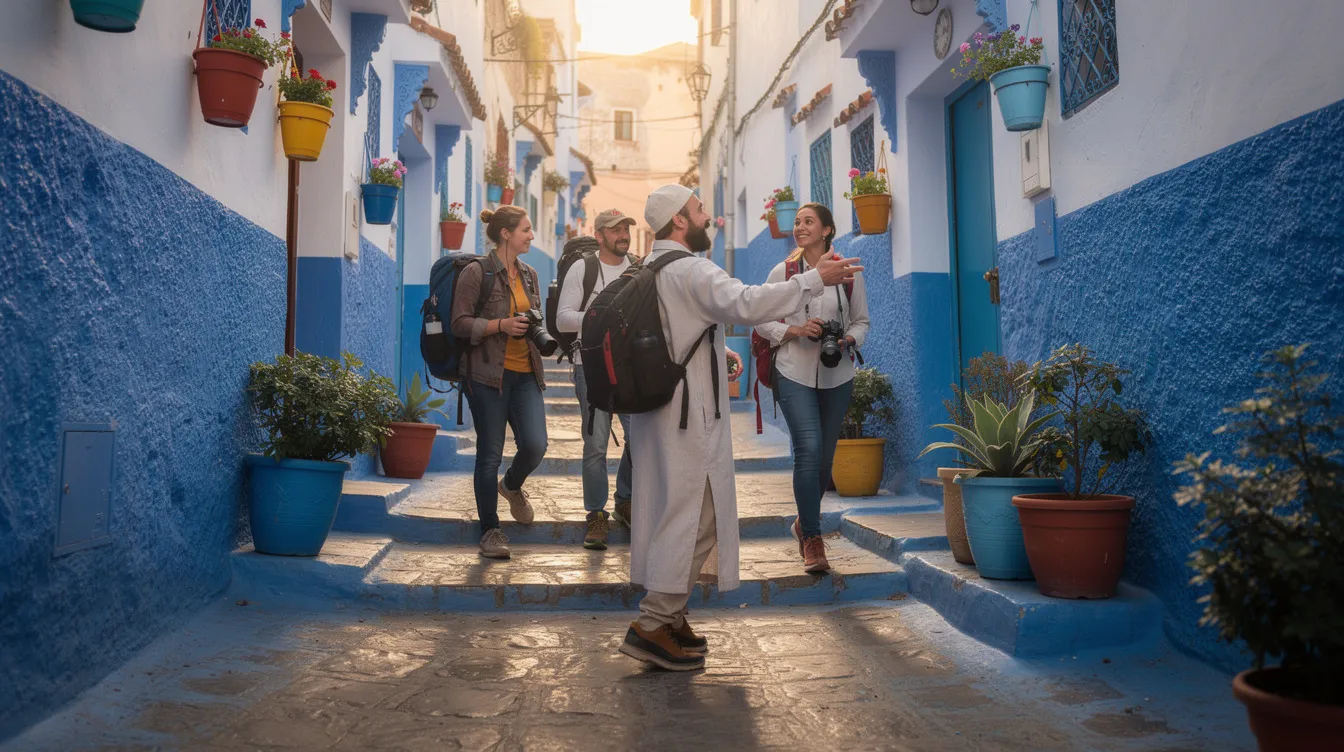
April and October are the golden months. April has spring blooms and temperatures ranging around 18–25°C, while October has clear autumn light and temperatures hovering around 18–28°C.
If you want fewer crowds, choose late March or late September. If you want the most balanced conditions across cities, mountains, and desert, choose April or October.
November, January, and February are usually the cheapest periods, excluding major holidays. Weather is cooler, but still manageable with layers.
These months suit budget travelers who prefer fewer tourists, cozy riads, food tours, and sunny desert days.
Late October is slightly warmer and usually more predictable. November is quieter and better value, but nights are cooler.
If you feel cold easily, choose late October. If you enjoy crisp evenings, clear skies, and serenity, early–mid November is a good time to visit morocco.
Pack layers: breathable clothes for daytime, a light jacket for evenings, and a scarf for warmth, sun, wind, and modesty.
Also bring comfortable walking shoes, sunscreen, sunglasses, and modest outfits for rural areas. Shoulder seasons can shift from pleasantly warm afternoons to cold nights quickly.
Yes, usually in December–February. A practical route is Marrakech, Oukaimeden or Ifrane for snow, Sahara camp for desert, then Essaouira or Agadir for the coast.
Snow and road conditions change each year, so flexibility matters. Morocco Classic Tours monitors conditions and adjusts transfers.
Yes, December is good for cultural travel, mild daytime sightseeing, hammams, riads, and desert camps with very clear skies. It is not the warmest month, and nights can be cold inland and in the Sahara.
Book early for Christmas and New Year. For quieter travel and better value, choose early December rather than the holiday weeks.
There is no single perfect time for every traveler, but spring and autumn are the most reliable choices for a balanced Morocco itinerary. If your dates are fixed, Morocco can still work beautifully with the right route: coast in summer, desert in winter, and mountains in the shoulder seasons.
Tell Morocco Classic Tours your travel month, arrival city, trip length, and priorities. We will build a private Morocco tour around the season, not against it.
Compare Morocco group tour agencies by trip style, reviews, pace, transport and inclusions. Learn wh...
Read this article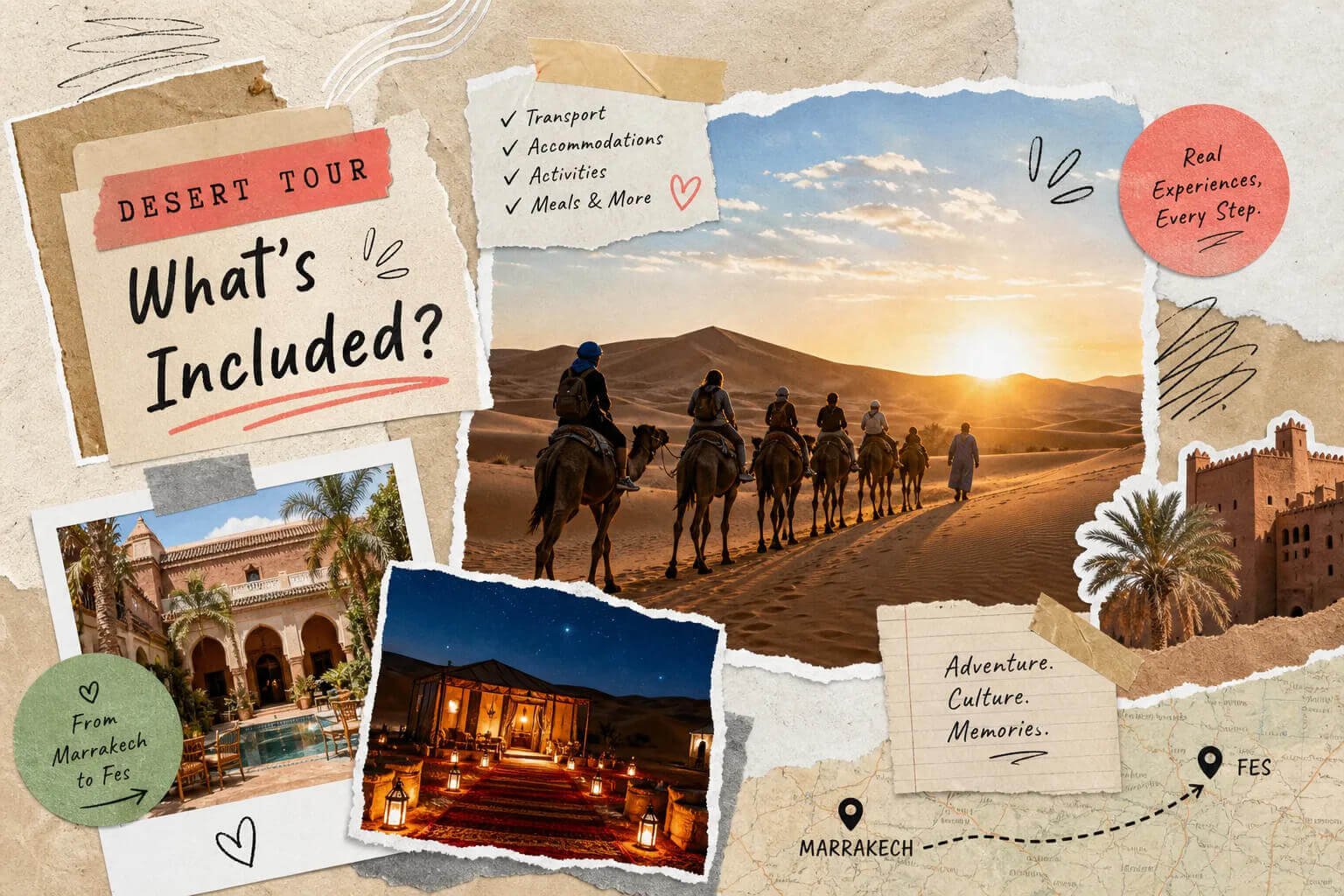
Uncover what a Marrakech to Fes desert tour offers, including camel rides, desert camps, and rich cu...
Read this article
Join our Merzouga Overnight Tour for an authentic desert experience. Enjoy camel rides, comfortable ...
Read this articleWant cool tour deals and tips about Morocco? Enter your email and we’ll send them to you each month!
