Group Tour Agencies in Morocco: How to Pick the Right One
Compare Morocco group tour agencies by trip style, reviews, pace, transport and inclusions. Learn wh...
Read this article

Private, custom Morocco trips planned in Fez by AZ-ZDDINE, working in Moroccan tourism since 2012. Sahara, Atlas, medinas and coast, arranged around you.
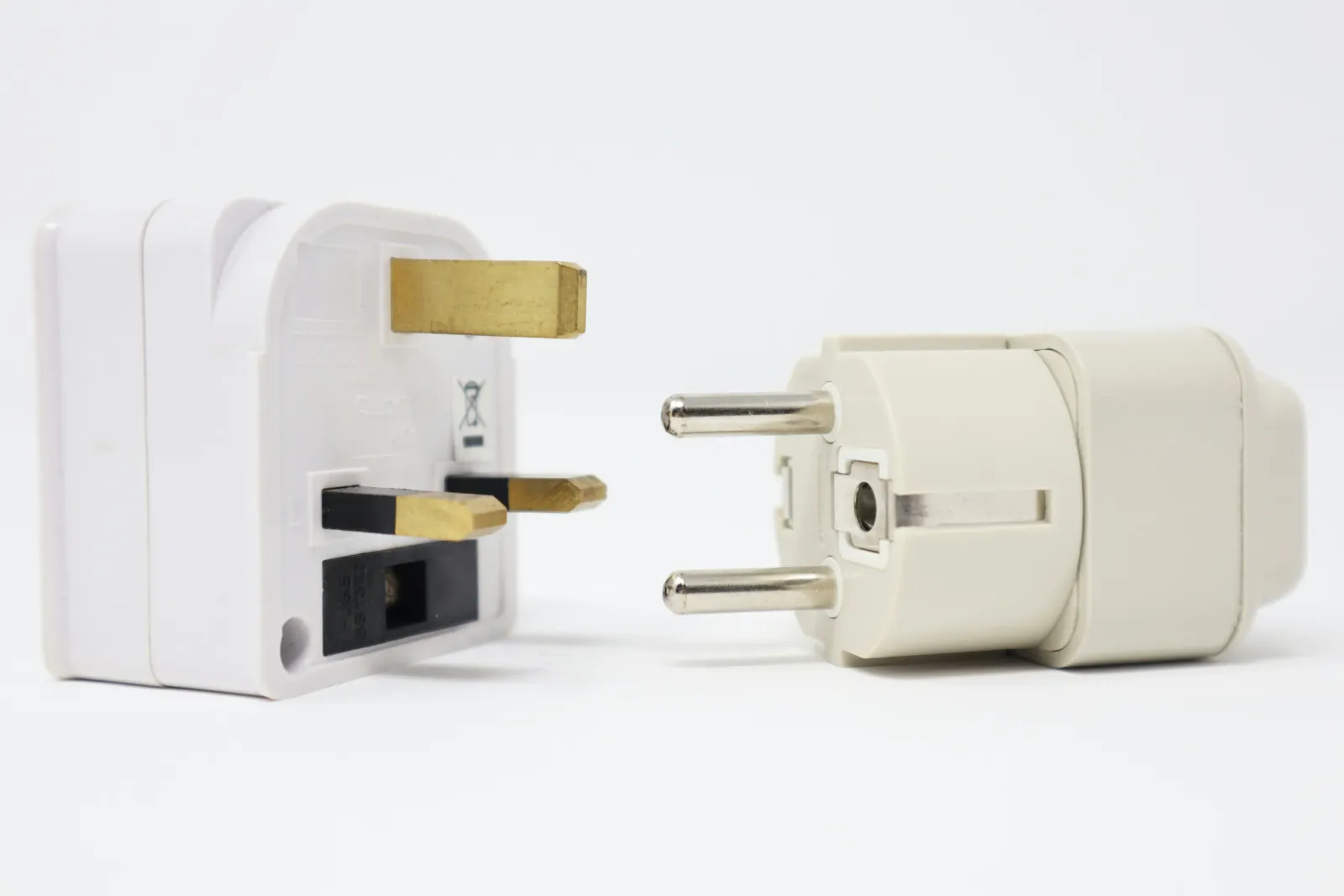
This guide is for international travelers planning a trip to Morocco. It covers which travel adapters and voltage converters you may need, explains Moroccan plug types, and provides practical tips to keep your devices safe and charged during your journey. Whether you’re coming from the US, UK, Canada, Australia, or elsewhere, understanding Morocco’s electrical system will help you avoid device damage and ensure you can keep your phone, camera, and other electronics powered up throughout your trip.
Morocco uses Type C and Type E plugs with two round pins, the same plug type found across most of continental Europe, including Spain, France, and Italy. Type C plugs have two round pins, while Type E plugs have two round pins and a hole for the socket’s grounding pin.
The standard voltage in Morocco is 220V at a frequency of 50Hz, so most modern phones, laptops, and cameras only need a plug adapter, not a voltage converter.
Travelers from the US, Canada, and Mexico need a Type C/E adapter; UK and Ireland visitors need an adapter from Type G to Type C/E.
Morocco Classic Tours is a local Morocco specialist—ask us practical questions about power, SIM cards, and packing when booking your tour.
Morocco operates on a 220V supply voltage with Type C and Type E sockets featuring two round pins. These are the same outlets used across much of Europe, meaning many European travelers won’t need a travel adapter at all. Type C plugs have two round pins, while Type E plugs have two round pins and a hole for the socket’s grounding pin.
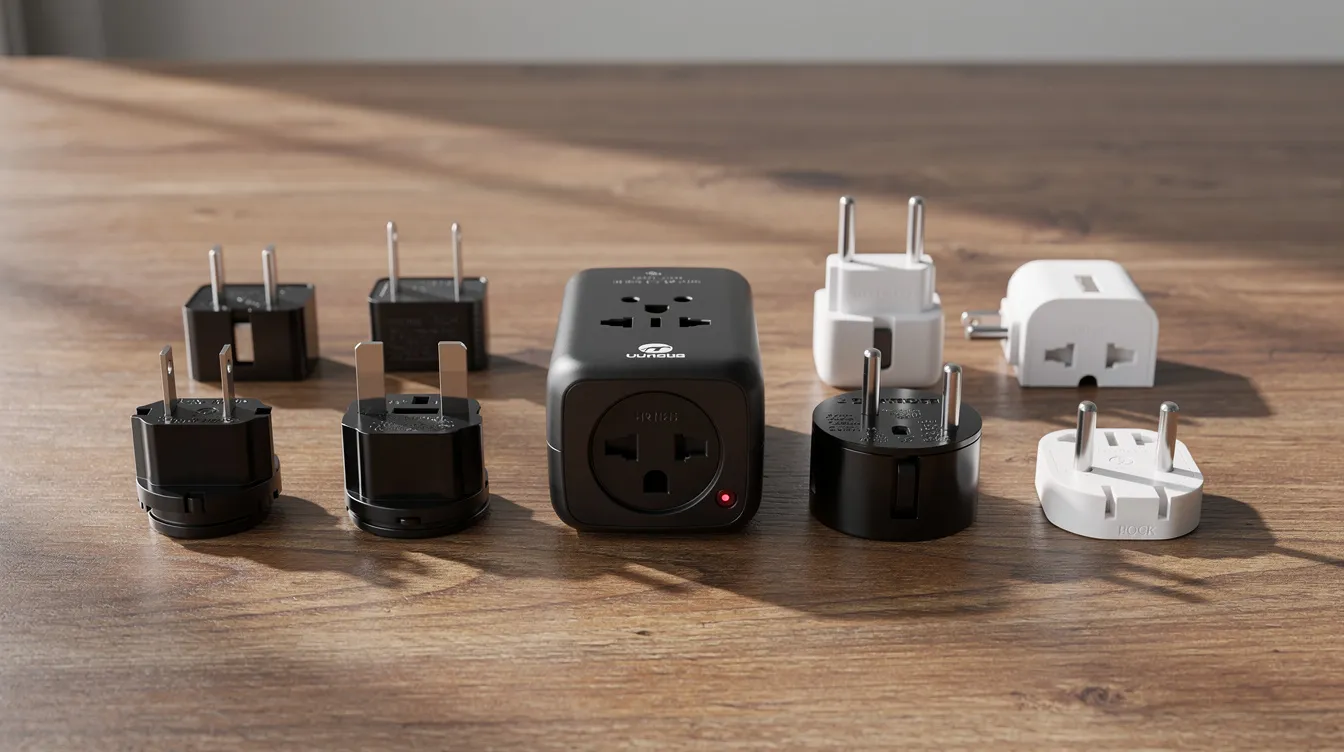
For visitors from outside continental Europe, a simple Type C/E power plug adapter is all you need for most devices. Universal adapters with built-in USB ports work well if you’re combining Morocco with other countries on your trip.
The Morocco plug is effectively the same as the European plug in most cases. Morocco uses two associated plug types that match continental European standards:
Type C: Two round pins (Europlug), ungrounded, suitable for devices under 2.5 amps
Type E: Two round pins plus a hole for the socket’s earth connection, grounded, supporting up to 16 amps
Plugs and outlets in Morocco are compatible with Spain, France, and Italy—travelers from those countries typically don’t need a separate travel adaptor. Most Type C plugs fit safely into Type E sockets, which cover the majority of phone chargers and laptop bricks.
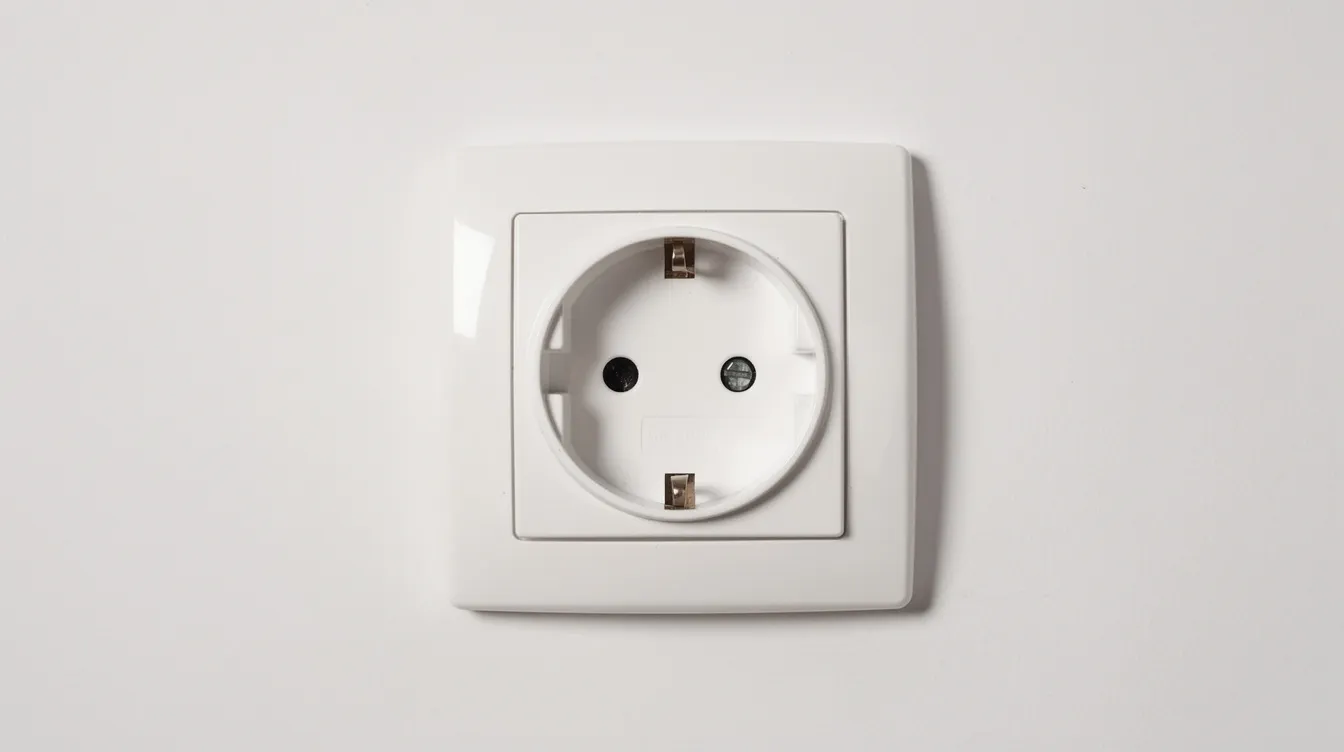
The mains voltage in Morocco is 220V at 50Hz frequency. This matters primarily for heavy electrical appliances rather than everyday electronics.
Most modern electronics, like smartphones, laptops, and cameras, are dual voltage rated (100-240V, 50/60Hz) and typically only require a plug adapter when traveling to Morocco. Check the fine print on your charger for “Input: 100-240V ~ 50/60Hz” to confirm compatibility.
Single-voltage-rated appliances designed only for 110-120V (common in North America) will require a voltage converter or transformer to operate safely. Since most voltage converters add bulk and weight, it’s often easier to buy a dual voltage travel hair dryer or use hotel-supplied appliances for short trips.
The exact adapter you need depends on your home plug type and voltage system. Below is country-by-country guidance—all travelers plug into the same Moroccan Type C/E sockets regardless of origin.
The US uses Type A and Type B flat-pin plugs on a 120V, 60Hz power supply. American travelers need a Type C/E adapter so US plugs can fit Morocco’s round-pin sockets.
Most US electronics (phone chargers, laptops, cameras) are dual voltage-rated appliances requiring only a plug adaptor, not a converter. However, single-voltage 120V appliances like older hair dryers need a 220V voltage transformer or a dual-voltage replacement. Consider a compact adapter with multiple USB ports for charging devices in riads and desert camps.
The UK and Ireland use Type G plugs (three rectangular pins) on 230V, 50Hz—the same voltage as Morocco. You’ll typically only need a plug adapter, not a converter or transformer.
A simple Type G-to-Type C/E adapter works for phones, laptops, and small electronics. Many multi-country UK plug adaptors include a detachable Europlug that works directly in Moroccan sockets. Pack at least two adapters per couple, since riads and desert camps often have limited outlets.
Canada uses the same plug types and voltage as the US (Type A/B, 120V, 60Hz). Canadian travelers need a Type C/E adapter and may need a voltage converter for single-voltage appliances.
Most modern Canadian electronics are dual-voltage and work safely with only a plug adapter. For multi-country itineraries combining Morocco with Europe, a universal adapter is your best choice. Avoid packing high-wattage appliances—use hotel-provided hair dryers where possible.
Australia and New Zealand use Type I angled flat-pin plugs on 230V, 50Hz. The voltage in Morocco is compatible, so no voltage converter is normally required for modern devices.
Travelers need a Type I-to-Type C/E adapter for Moroccan sockets. Many Australian travel adaptors include a Europlug option for Europe and North Africa. Long-haul travelers should pack a universal adapter plus a multi-USB charger to stay organized.
Most of continental Europe (Spain, France, Italy, Germany, the Netherlands) already uses Type C and Type E plugs on 220-240V, 50Hz. Travelers from these countries typically don’t need any adapters for standard devices.
The Morocco plug type is effectively identical to European standards, simplifying your pack list. Verify plug shape and voltage on any specialized equipment, like CPAP machines or photography lighting, before departure.
Most modern travel electronics work perfectly in Morocco with the right adapter. Smartphones, tablets, laptops, cameras, and eReaders are almost always dual voltage, requiring only a Type C/E plug adapter.
USB chargers for these devices typically accept 100-240V input, so there’s no risk when used with a suitable adapter. Bring a small multi-port USB charger so one plug can charge several devices each night. When traveling with Morocco Classic Tours, you’ll have access to electricity in riads, hotels, and desert camps, though outlet availability can be limited in remote areas.
Buy your adapter before arriving in Morocco to avoid last-minute stress. Options include:
Buying online via Amazon, where you can read reviews and check product images
Electronics and travel stores at home are stocking country-specific adapters
Airport shops (convenient but typically more expensive)
Basic adapters are available in Marrakech, Fez, and Casablanca, but selection is limited. For Morocco-only trips, a simple Type C/E adapter suffices. Morocco Classic Tours can share a detailed packing list, including adapter recommendations, when you book.
A few quick precautions help your devices work safely throughout your trip:
Travelers should consider using CE or RoHS-certified adapters for safety in areas where voltage might fluctuate
Use a surge-protecting power strip for expensive electronics like DSLR cameras
Avoid overloading single sockets, especially in older riads or desert camps
Plug converters and high-wattage appliances directly into the wall, not through extension chains
Unplug chargers overnight in desert tents or rural guesthouses with basic power systems
As a Fez-based agency, we help guests prepare for Morocco with practical packing tips covering adapters, clothing, and payment methods. Our private and customizable tours include city stays, Sahara desert camps, Atlas Mountain excursions, and coastal visits where electricity access varies.
Contact us before departure with specific questions about devices, charging in camps, and connectivity. Explore our Morocco itineraries and book online for a tailored experience with local guides who know every detail of traveling comfortably in Morocco.
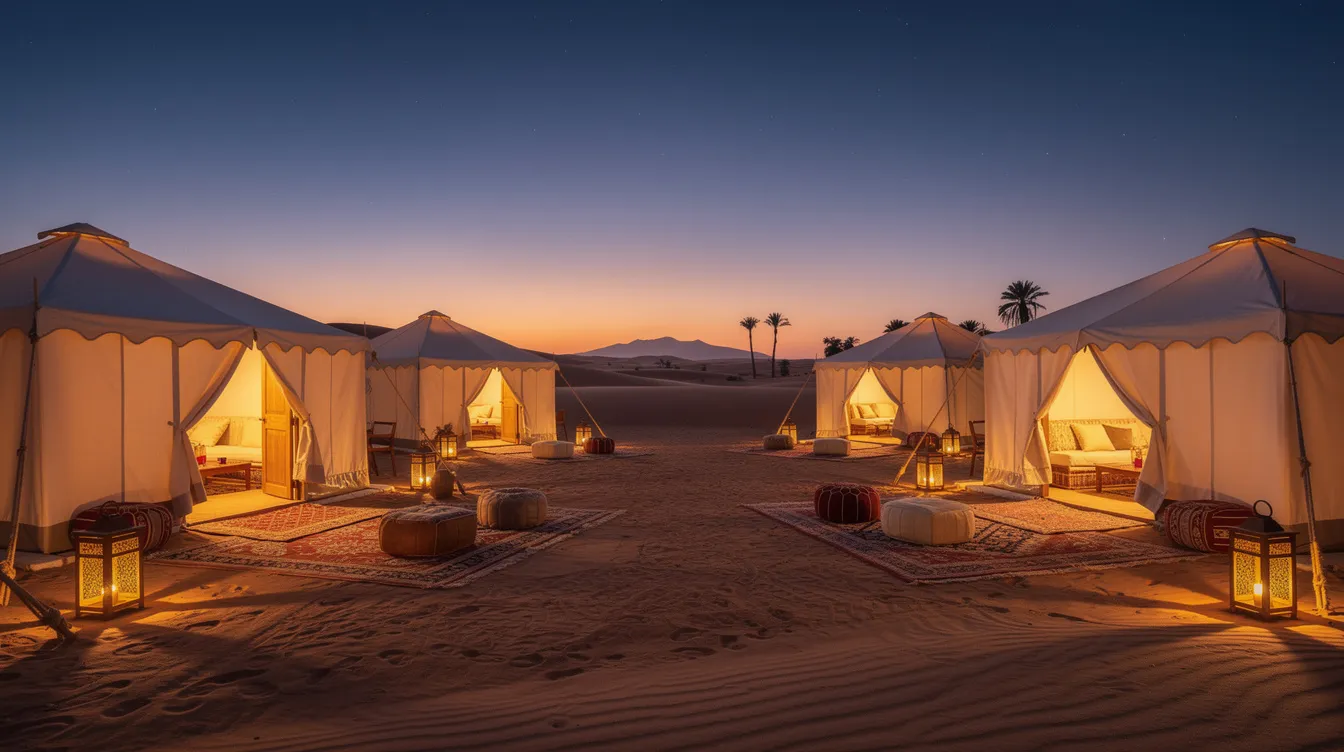
One question we get often: yes, there is electricity in the tents at the desert camp at Merzouga, so you can charge a phone or a camera overnight. Bring the adapter anyway for the hotels on the way.
Most US phone chargers are dual voltage (100-240V, 50/60Hz) and can be used safely in Morocco with a Type C/E plug adapter. Check the tiny print on your charger—if it lists 100-240V input, no converter is needed. The only essential accessory is a plug adapter allowing flat US pins to fit Morocco’s round-pin sockets.
Morocco’s plugs and sockets (Type C and Type E) are effectively the same as those found in France, Spain, and much of Italy. Travelers from these countries usually don’t need any adapters for standard devices. This makes Morocco easy to combine with a wider European itinerary.
If your appliance is single voltage (120V only), you need a voltage converter for safe normal operation in Morocco’s 220V system. Check the label—if it shows only “110-120V,” using a dual voltage travel appliance or the hotel’s hair dryer is safer than carrying a bulky transformer. Many modern travel hair tools are multi-voltage and only require a plug adapter.
Many quality desert camps near Merzouga and Zagora now offer limited power for charging phones and cameras, often via solar or generators. Outlets may only be available in common areas or during certain hours, so charge whenever power is supplied. Guests traveling with Morocco Classic Tours receive camp-specific information on keeping devices charged during desert stays.
Modern accommodations in Marrakech, Fez, and Casablanca generally have safe, reliable wiring, though you should avoid overloading sockets. Use good-quality adapters and unplug devices once fully charged, especially in older buildings or rural lodgings. Cautious travelers can pack a small surge-protecting travel power strip for their most valuable electronics.
Compare Morocco group tour agencies by trip style, reviews, pace, transport and inclusions. Learn wh...
Read this article
Uncover what a Marrakech to Fes desert tour offers, including camel rides, desert camps, and rich cu...
Read this article
Join our Merzouga Overnight Tour for an authentic desert experience. Enjoy camel rides, comfortable ...
Read this articleWant cool tour deals and tips about Morocco? Enter your email and we’ll send them to you each month!
