Group Tour Agencies in Morocco: How to Pick the Right One
Compare Morocco group tour agencies by trip style, reviews, pace, transport and inclusions. Learn wh...
Read this article
Private, custom Morocco trips planned in Fez by AZ-ZDDINE, working in Moroccan tourism since 2012. Sahara, Atlas, medinas and coast, arranged around you.
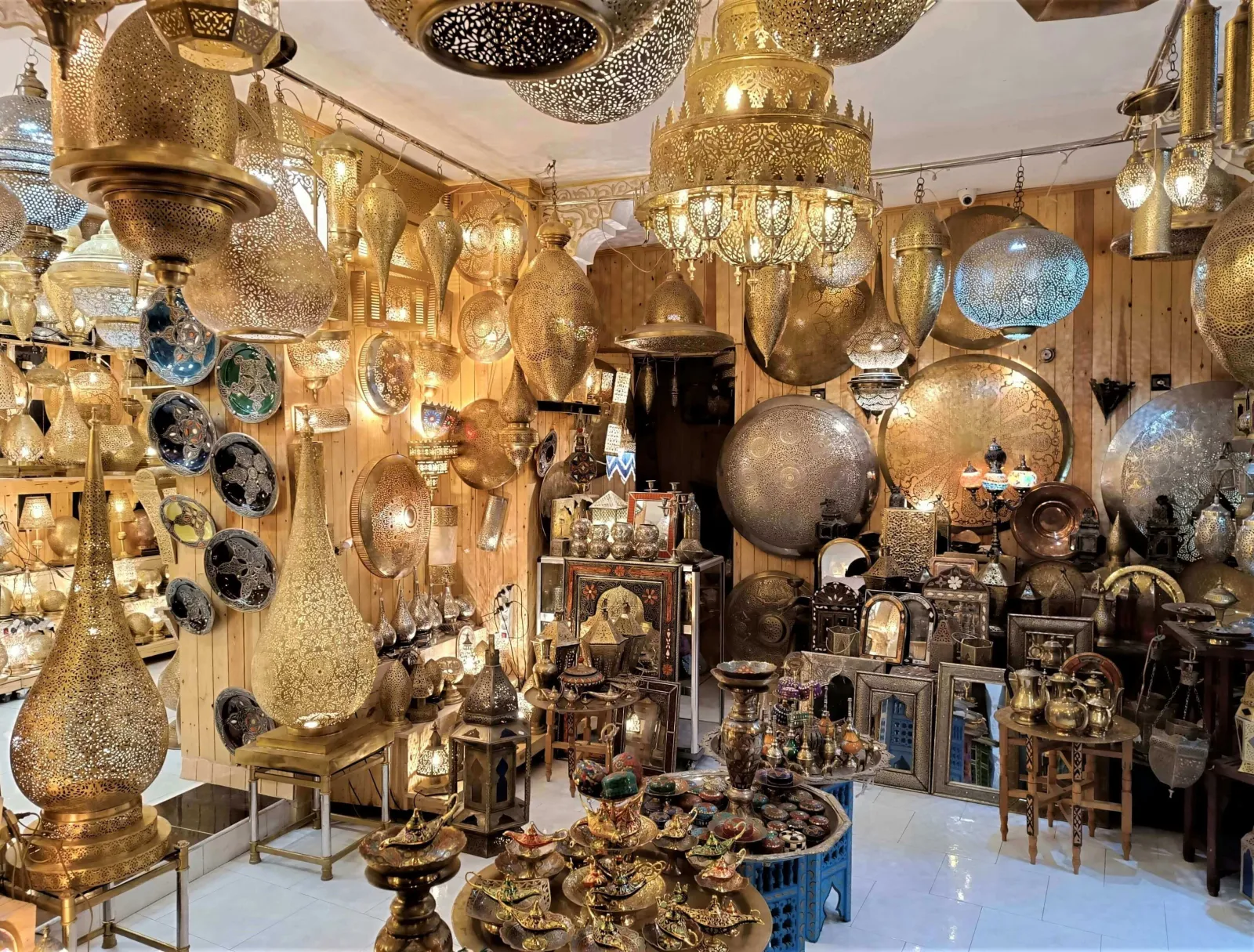
The best things to buy in Morocco include rugs, leather goods, argan oil, spices, ceramics, lanterns, traditional clothing, and Thuya wood—prioritize quality over quantity due to luggage limits and focus on items that reflect Morocco’s centuries-old artisan traditions.
Match your purchases to the right cities: Marrakech offers the widest variety, Fez excels in leather and ceramics, Essaouira and Agadir are ideal for argan oil and Thuya wood boxes, Chefchaouen specializes in textiles and blankets, and the Atlas Mountains and Sahara regions provide direct access to Berber crafts and fossils.
Expect to bargain in souks—typical price ranges include leather bags at 400–800 MAD, wool rugs from 1,500–4,000 MAD, cosmetic argan oil at 80–150 MAD per 100 ml, and beautiful scarves from 100–250 MAD; initial asking prices often start 30–60% above final negotiated values.
Buy argan oil and skincare from certified cooperatives or pharmacies, inspect leather and wool for quality markers, and avoid mass-produced items labeled as “vintage” or “authentic” that seem suspiciously cheap.
Morocco Classic Tours can arrange private shopping-focused experiences with local guides in cities and the Sahara, helping you find trusted artisans and ship larger purchases home safely.
The moment you step into a Moroccan souk, your senses are overwhelmed. Pyramids of cumin and saffron release waves of fragrance. Leather poufs in every color line the narrow passages. Handwoven rugs hang from wooden beams overhead. Somewhere nearby, a metalworker hammers brass into shape while a vendor calls out prices for everything from slippers to fossil-embedded tables.
For first-time visitors, deciding what to buy in Morocco can feel genuinely overwhelming. There’s simply too much to see, too many vendors, and too many products claiming to be “authentic.”
This guide cuts through the noise. We focus on concrete, traditional products—Moroccan rugs, leather goods, argan oil, spices, ceramics, clothing, lanterns, and Thuya wood—with typical prices and the best cities to buy each. Sections are organized by product type first, then by city, with practical tips on bargaining, quality checks, and shipping home.
At Morocco Classic Tours, we use these exact recommendations when designing private tours for guests who want authentic shopping experiences. Let’s help you bring home something meaningful.
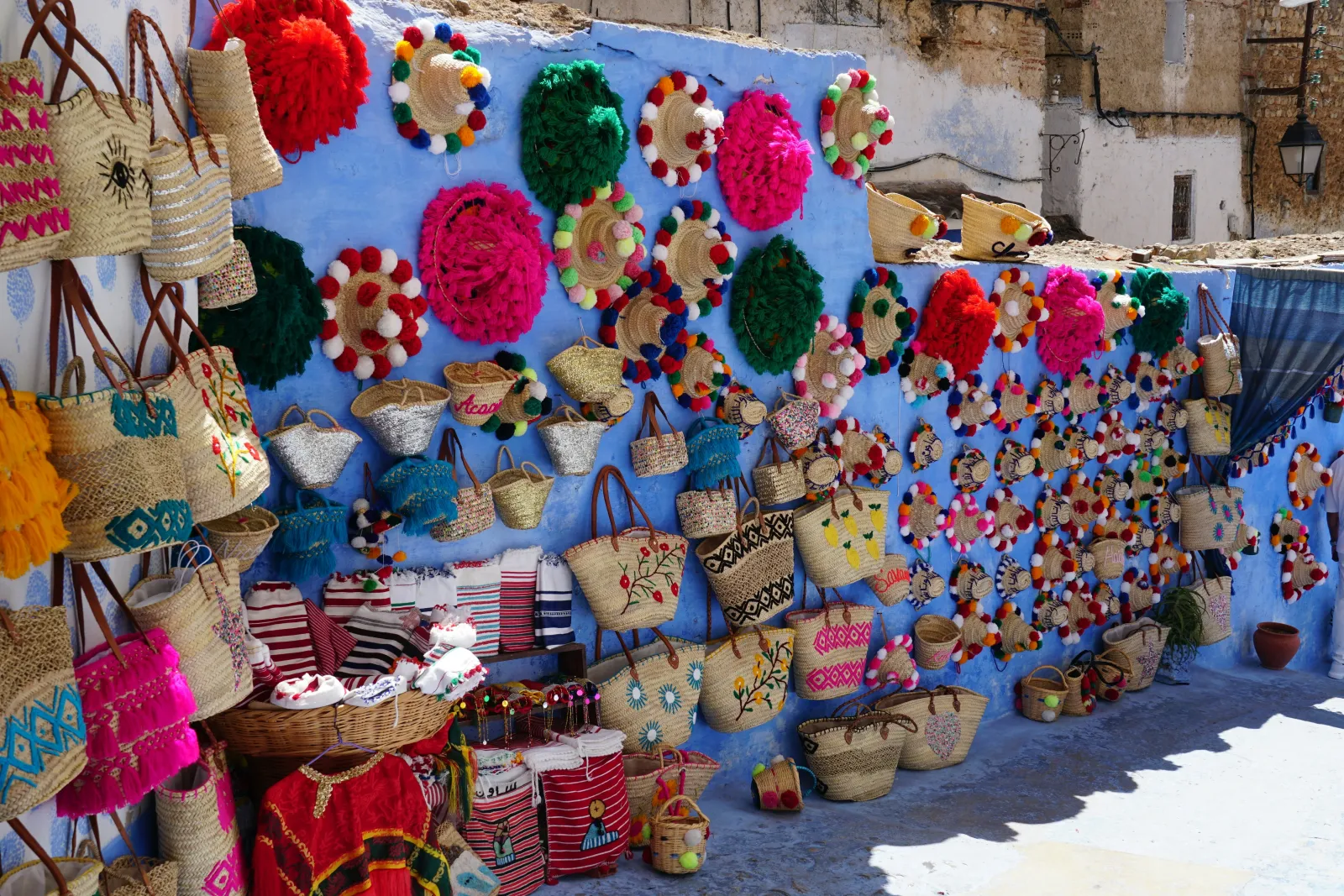
Moroccan rugs have become some of the most sought-after home decor items worldwide, appearing in design magazines and modern interiors from Brooklyn to Berlin. Their appeal lies in centuries of Berber weaving tradition combined with patterns that feel simultaneously ancient and contemporary.
Understanding what you’re looking at makes all the difference:
Rug Type | Characteristics | Best For | Price Range (MAD) |
|---|---|---|---|
Beni Ourain | Thick cream wool with black geometric diamonds | Bohemian and Scandinavian interiors | 1,500–4,000 (medium 2x3m) |
Boucherouite | Colorful recycled textiles, abstract patterns | Modern, eclectic spaces | 800–2,500 |
Azilal | Playful, asymmetrical wool designs | Artistic, tribal aesthetics | 1,200–3,500 |
Kilim | Flat-woven, geometric patterns | Minimalist rooms, wall hangings | 1,000–3,000 |
Many rugs displayed in souks may look similar at first glance, but quality wool and tight weaving push prices significantly higher—and for good reason. A well-made rug can last generations.
Before committing to any carpet:
Flip it over. Hand-knotted rugs show clear, even knots on the underside. Premium pieces have over 100,000 knots per square meter.
Feel the wool. Natural lanolin wool has a distinct softness and slight oiliness. Synthetic fibers feel plastic-like.
Check the edges. Even tight edges indicate careful craftsmanship.
Examine the colors. Natural vegetable dyes fade subtly over time, while overly bright colors that seem to “glow” often indicate synthetics that may bleed.
Marrakech offers the widest variety near Jemaa el-Fnaa, but prices reflect the tourist traffic. Fez excels in classic designs from weaver cooperatives, while Atlas Mountain Berber villages provide direct-from-loom authenticity at 20–40% lower prices.
Consider a guided day trip with Morocco Classic Tours to visit village weavers—you’ll see the production process and often negotiate directly with the families who made each piece.
If you find a rug too large to carry home, ask shops about international shipping. Reputable dealers offer insured, tracked delivery to Europe and North America, typically costing 2,000–5,000 MAD depending on size. Always keep receipts for customs documentation.
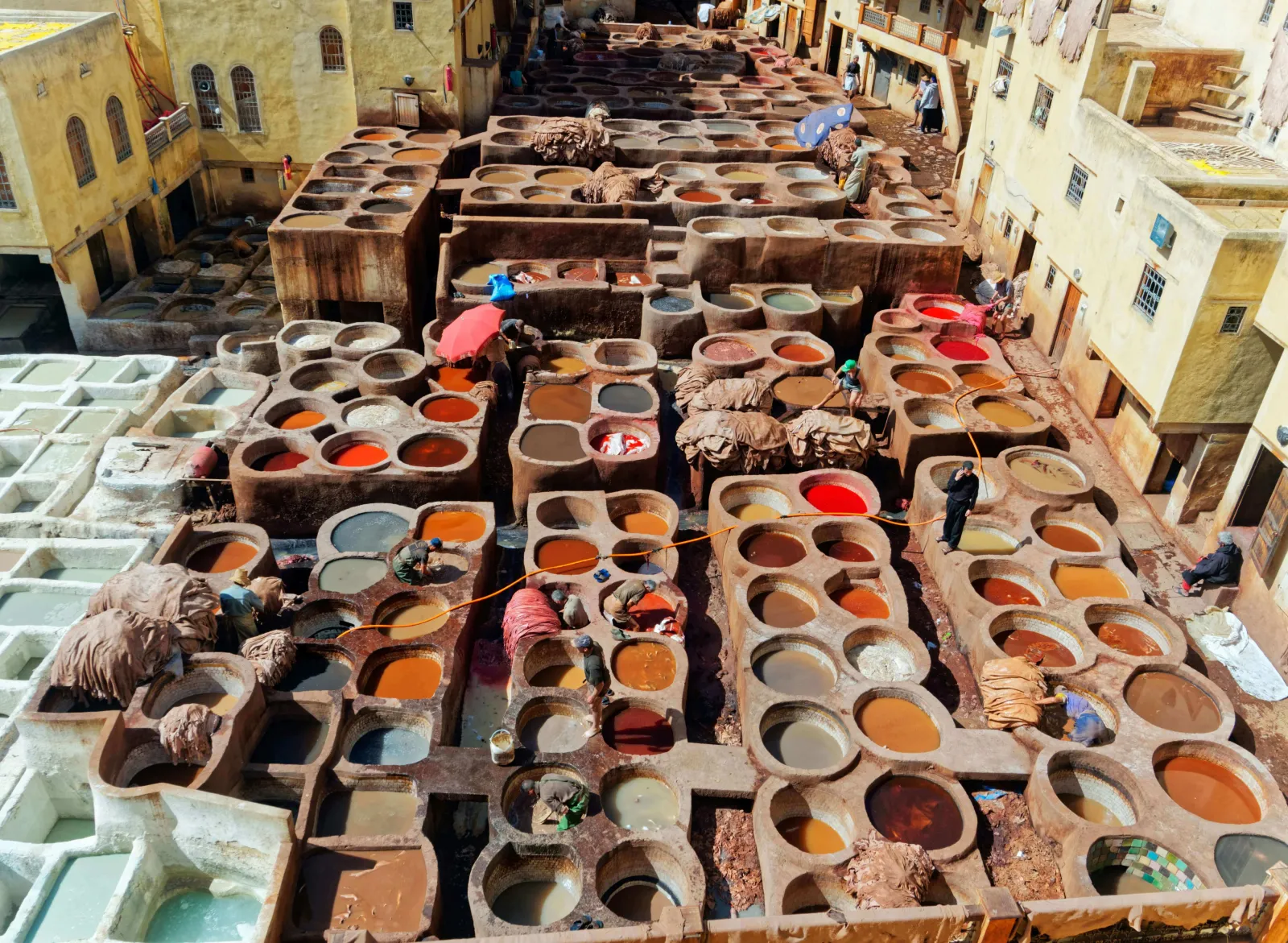
Morocco’s leather tradition stretches back over a thousand years. The Chouara tannery in Fez has operated since the 11th century, using vegetable tanning methods with oak bark and pomegranate to produce supple, chemical-free hides. This makes leather products among the most practical souvenirs from Morocco—they’re durable, beautiful, and improve with age.
The range of leather goods available includes:
Babouche slippers – Pointed Arabic or rounded Berber styles, often with embroidered uppers (80–200 MAD per pair)
Crossbody bags – Medium-sized bags in vegetable-tanned leather that develop patina over time (300–800 MAD)
Leather poufs – Hand-stitched with reinforced corners, sold unstuffed for easier transport (300–700 MAD)
Leather jackets – Lambskin for lightness, goat or camel for durability (1,000–2,500 MAD after bargaining)
Journals – Leather-bound with handmade paper, ideal for gifts
Not all leather shops offer the same standard. Here’s what distinguishes better quality pieces:
Stitching consistency – Look for 8–10 stitches per inch, evenly spaced
Supple fold – Good leather folds without cracking or showing stress marks
Natural smell – An earthy, leather scent indicates proper tanning; chemical odors suggest shortcuts
Full-grain surface – The texture should show natural grain, not a plastic-like coating
Suede lining – Higher quality bags use suede rather than thin synthetic materials
Fez offers process views at the tanneries (though expect a 30% markup for the experience), while Marrakech provides fashionable variants and more modern appeal. Sahara towns like Rissani yield rustic, traditional styles at lower prices.
Initial asking prices for leather goods typically start 2–3 times higher than what you should actually pay. Going with a trusted guide from Morocco Classic Tours helps avoid tourist traps and ensures you’re visiting artisans who stand behind their work.
Argan oil deserves its reputation as Morocco’s “liquid gold.” Extracted by cold-pressing kernels from the Argania spinosa tree—endemic to the Souss-Massa region covering 828,000 hectares—this oil accounts for approximately 80% of the world’s supply, with Morocco producing about 4,000 tons annually.
These are not interchangeable:
Cosmetic argan oil – Made from raw, unroasted seeds. Golden color, light nutty scent, absorbs into skin within 1–2 minutes without greasiness. Rich in vitamin E and antioxidants, studies suggest it can reduce wrinkles by 20–30%.
Culinary argan oil – Made from toasted, roasted seeds. Darker, nuttier flavor, used for drizzling over tagines or dipping with bread.
True argan oil for cosmetic use should appear golden, smell lightly of nuts, absorb non-greasily, and cost 80–150 MAD per 100 ml from cooperatives. Retail shops in tourist areas often charge 200+ MAD for the same quality.
Morocco produces excellent natural skincare beyond argan:
Product | Description | Price Range (MAD) |
|---|---|---|
Black soap (savon noir) | Olive pulp paste for hammam exfoliation | 50–100/kg |
Ghassoul clay | Mineral-rich clay from Atlas mines for masks | 60–120 |
Rose water | Hydrosol from Kelaat M’Gouna’s Valley of Roses | 40–80 |
Prickly pear seed oil | Rare Opuntia ficus-indica oil, intensely hydrating | 300–500/30ml |
Rose oil | Concentrated rose essence | 150–400 |
Kohl | Traditional galena eyeliner | 30–50 |
The safest purchases come from women’s cooperatives near Essaouira and Agadir (some employ 500+ women), reputable pharmacies like Pharmacie Centrale, or verified boutiques in Marrakech and Fez. Avoid random souk stalls selling viscous or odorless oil—adulteration with olive oil or almond oil is common.
When checking labels, look for “100% Argania spinosa kernel oil” with no additives, a recent production date, and simple glass packaging rather than over-the-top tourist branding.
Morocco Classic Tours often stops at vetted cooperatives on Atlas or coastal itineraries so guests can see the pressing process and buy directly from producers.
Walk through any souk, and the fragrance hits immediately—cumin, cinnamon, dried mint, the unmistakable warmth of ras el hanout. Spices and gourmet food items make ideal, lightweight souvenirs that keep your trip alive every time you cook at home.
Morocco offers exceptional value on spices, particularly saffron from Taliouine (where Morocco produces 4–5 tons annually, representing about 1% of global supply):
Spice | Typical Price (100g) | Notes |
|---|---|---|
Ras el hanout | 50–100 MAD | 20–30 spice blend, strong anise-cardamom notes |
Cumin (whole seeds) | 30–60 MAD | Foundation of Moroccan cooking |
Paprika (sweet/smoky) | 40–80 MAD | Essential for tagines |
Turmeric | 35–70 MAD | Anti-inflammatory, golden color |
Saffron | 20–50 MAD per gram | Deep red threads, no yellow tips |
Cinnamon (Ceylon bark) | 50–90 MAD | Sweeter than cassia |
Dried mint | 20–50 MAD | For authentic mint tea |
Quality saffron should show deep red threads with no yellow or white tips—these indicate adulteration or lower grades.
Beyond spices, consider:
Loose green tea – The foundation of Moroccan mint tea, affordable and authentic
Amlou – Spread made from almond, argan oil, and honey (80–150 MAD per jar)
Preserved lemons – Essential for tagines (40–80 MAD per kg)
Olives – Nocellara and other local varietals (50–100 MAD per kg)
Moroccan pastries – Cornes de gazelle (almond cookies), chebakia (100–200 MAD per kg)
Strong aroma and vivid color indicate freshness
Ask for whole spices ground on request if possible
Buy sealed packets or tins from reputable merchants for easier customs clearance and longer shelf life (1–2 years stored cool and dark)
Morocco Classic Tours guides can point out trusted shops in each medina, helping you avoid vendors who sell stale or adulterated products to tourists in large quantities.
Few decorative pieces transform a space like Moroccan ceramics and hammered metalworks. Walk into any riad, and you’ll see hand-painted tiles, zellige mosaics, brass lanterns casting geometric shadows, and tagines displayed like art.
Fez, Safi, and Meknes serve as Morocco’s primary ceramic production centers. A tile maker in Fez might spend years mastering the art of hand-cutting faience mosaics into geometric Islamic patterns.
Popular ceramic items include:
Serving plates and small bowls – 100–300 MAD depending on size and intricacy
Mugs and cups – 50–150 MAD
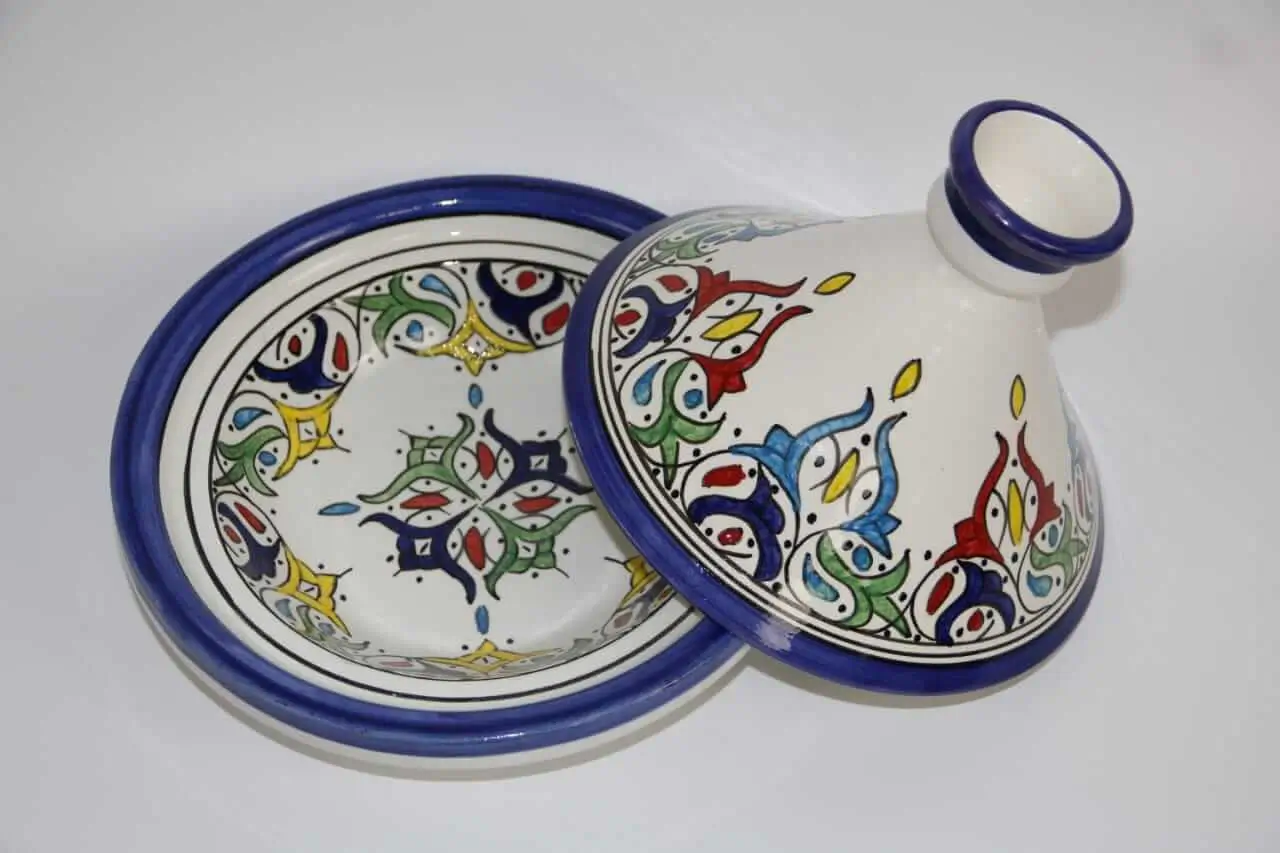
Tagines – Cooking-grade (200–600 MAD with lead-free glaze, smooth interior) vs. decorative (150–400 MAD, more ornate but not for cooking)
Zellige tiles – Sold individually or as tabletops
For cooking tagines, check that the interior is smooth with no cracks and that any glaze is food-safe. Decorative tagines often use heavy lead-based paints not meant for heat.
Pierced brass lanterns create the quintessential Moroccan ambiance. Heavier gauge metal indicates higher quality and durability:
Medium lanterns – 200–800 MAD
Silver-plated teapots – 150–500 MAD (look for a beautiful teapot that feels substantial)
Brass or copper trays – 300–1,000 MAD depending on size and detail
For ceramics and heavy metalwork, professional packing or shipping makes sense. Many artisan workshops can arrange DHL or similar services, with insured, tracked delivery to the US or Europe costing 2,000–5,000 MAD for rugs and proportionally less for smaller items. Delivery typically takes 4–6 weeks.
Check airline baggage limits (usually 23 kg per checked bag) before buying anything heavy you plan to carry home.
Traditional Moroccan clothing carries centuries of cultural significance, and many visitors buy at least one piece for special occasions at home—or simply because the fabrics feel extraordinary.
Djellaba – Hooded robe worn by men and women. Cotton versions run 150–400 MAD; wool versions 300–700 MAD.
Kaftan – Women’s dress for everyday or celebrations. Everyday styles 200–600 MAD; elaborate takchita dresses can reach 1,000+ MAD depending on embroidery.
Jabador – Men’s embroidered tunic, typically worn for weddings and festivals.
Textiles offer versatility and pack easily:
Material | Price Range (MAD) | Notes |
|---|---|---|
Cotton scarves | 100–200 | Lightweight, everyday use |
Wool shawls | 150–300 | Warmer, ideal for fall/winter |
Sabra silk (cactus fiber) | 250–500 | Made from cacti threads, with a distinctive sheen |
Feel the fabric for weight and softness
Check the tightness of the weave by holding it to the light
Examine stitching—embroidery should appear clean and secure
For sabra silk, confirm it’s real cactus fiber (a particular color and texture distinguishes it from synthetic imitations)
Marrakech and Fez medinas have both budget items and high-end boutiques. Chefchaouen and the Atlas region excel in handwoven blankets and throws in softer mountain colors.
Buying a local djellaba or scarf can also make travelers feel more comfortable while touring, respecting Morocco’s generally modest dress norms while experiencing moroccan culture firsthand.
Beyond rugs and leather, Morocco produces very specific regional crafts that make especially memorable gifts and conversation pieces.
Thuya (Tetraclinis articulata) grows primarily around Essaouira, producing an aromatic cedar with a rich, swirling grain. Artisans carve this wood into:
Small trinket boxes – 100–200 MAD
“Magic” puzzle boxes – 150–300 MAD
Inlaid trays – 400–1,500 MAD
Chess sets – 500–2,000 MAD depending on size and inlay complexity
The fragrant smell and natural grain patterns make thuya wood boxes among the best souvenirs for people who appreciate handmade goods with natural character.
Areas near Erfoud and Rissani in the southern regions sit atop Devonian-era quarries yielding ammonites, orthoceras, and trilobites embedded in rock. Prices range from 200 to 2,000 MAD for polished small to medium pieces.
Buy small, clearly polished pieces rather than anything suspiciously cheap and huge. Reputable dealers can explain what you’re looking at and where it was found.
Musical instruments – Darbuka drums, qraqeb (metal castanets), and bendir frame drums
Hand-beaten metal bowls and boxes
Zellige-topped tables (often custom-ordered with shipping)
Quality markers include smooth finishes for wood, clear patterns on fossils, and handmade imperfections as signs of authenticity rather than factory uniformity.
Morocco Classic Tours can integrate workshop visits—Thuya ateliers in Essaouira, fossil workshops near the Sahara—into custom itineraries for guests who want to see how these objects are made.
Different cities in Morocco specialize in different crafts. This city-by-city guide helps you prioritize what to buy where according to your itinerary.
Morocco Classic Tours operates private and small-group tours through all these destinations, pairing shopping stops with cultural visits to museums, medersas, kasbahs, and desert camps.
Marrakech’s medina and souks around Jemaa el-Fnaa form Morocco’s most intense and varied shopping area—ideal for first-time visitors who want to see everything in one place.
Top purchases:
Rugs (huge selection of styles and sizes)
Lanterns and metalwork
Leather poufs and bags
Ceramics and tagines
Spices
Fashion-forward kaftans in boutique riads
Prices can run higher near main tourist arteries. Explore deeper alleys for better deals and more authentic artisan workshops. Hiring a licensed local guide through Morocco Classic Tours for half a day helps navigate, negotiate, and avoid the most touristy stops.
Fez stands as Morocco’s historic craft capital, particularly for leather, zellige tiles, and blue-and-white ceramics.
Top purchases:
Leather jackets, bags, and slippers from tanneries or nearby workshops
Hand-painted pottery
Traditional metal trays
Custom zellige pieces (fountains, tables) with shipping arrangements
Visit the tanneries early in the day. Bring a scarf or a mint sprig for the smell. Be prepared to negotiate but also to pay fair prices for higher quality work—these artisans represent generations of skill.
The “Blue City” offers a calmer souk atmosphere with smaller shops ideal for textiles and small decorative items.
Top purchases:
Handwoven wool blankets
Simple Berber rugs
Shawls in soft mountain colors
Modestly priced ceramics
Check whether pieces are genuinely handwoven by feeling the difference between wool and synthetic fibers. The city is also exceptional for photography, so leave room in your luggage for bright colors that match the blue streets.
These coastal cities sit close to Morocco’s argan forests, making them prime spots for genuine argan oil and related cosmetics.
Top purchases in Essaouira:
Thuya wood boxes and inlaid chessboards
Argan oil from cooperatives
Relaxed medina browsing near the ocean
Top purchases near Agadir:
Argan oil direct from cooperatives (watch the extraction and taste culinary argan with bread and honey)
Natural skincare products
Small bottles of argan oil run 80–150 MAD at cooperatives, while Thuya boxes start around 100 MAD. Morocco Classic Tours' desert or coastal itineraries often include these stops.
Casablanca feels more modern, with larger cities offering malls and upscale boutiques featuring high-end Moroccan design, jewelry, and contemporary fashion with traditional touches.
Top purchases:
Luxury, ready-to-wear kaftans
Modern Moroccan jewelry
Designer leather goods
Rabat’s medina is more local and less touristy, good for everyday clothing, basic home textiles, spices, and reasonably priced ceramics. Prices in malls are usually fixed, while bargaining remains common in traditional markets and small shops.
In Atlas villages and Sahara gateways like Merzouga or Erfoud, purchases often support small Berber communities directly.
Top purchases:
Simple handwoven rugs and kilims
Woven baskets and palm-leaf bags
Fossils (polished ammonites, orthoceras)
Handmade silver or metal jewelry
Prices tend to be more straightforward and less inflated than in big cities, though selection is narrower and quality more rustic. Morocco Classic Tours can combine overnight desert camps, camel treks, and Atlas Mountains hikes with visits to women’s cooperatives and village weavers for truly immersive shopping experiences.
Shopping in Morocco is as much about the experience and conversation as the purchase itself. Haggling forms part of local culture, fostering social interaction and ensuring fair deals for both parties.
Always ask the asking price first, even if you know it’s inflated
Counter with 30–50% of the original price and work toward the middle
Stay friendly—this is a social exchange, not a confrontation
Be ready to walk away if the price doesn’t feel right (you can often return later)
Bargaining that feels uncomfortable usually means the seller has set an unreasonably high floor. Friendly sellers who genuinely want to make a deal will meet you somewhere reasonable.
Decideon a daily or overall shopping budget in MAD before entering the souks
Carry smaller bills—many vendors in most markets prefer cash
Card payments are less common in traditional souks, though larger shops and cooperatives often accept them
A reasonable budget for top souvenirs might run 1,000–5,000 MAD, depending on your priorities. T-shirts and small items can be found for under 100 MAD, while statement rugs or leather jackets represent the larger investments.
When it makes sense to ship:
Large rugs that exceed luggage weight limits
Multiple ceramic pieces or fragile lanterns
Furniture or heavy metal items
What to ask:
Insured shipping with tracking
Approximate delivery times (typically 4–6 weeks)
Copies of all documents for customs back home (most countries allow personal purchases under 800 EUR duty-free)
If carrying items yourself, check weight restrictions (typically 23 kg per checked bag) and use clothing or bubble wrap to protect fragile items.
Morocco Classic Tours can help coordinate with reputable shippers or artisan workshops accustomed to sending goods to Europe and North America. Happy shopping becomes much easier when logistics are handled properly.
Morocco Classic Tours is a Fez-based travel agency specializing in private and customizable tours across Morocco, including Marrakech, Fez, the Sahara Desert, Atlas Mountains, and coastal cities.
How we help shoppers:
Pair you with licensed local guides who know the medinas and can translate, negotiate, and identify trusted artisans
Introduce you to vetted cooperatives (argan oil, rugs, leather) where quality is guaranteed
Arrange time for markets without rushing, balancing shopping with cultural visits
Tailor tours around specific interests—rugs, ceramics, natural beauty products, or photography in souks
When you visit morocco with Morocco Classic Tours, shopping becomes part of a deeper cultural immersion rather than mere souvenir hunting. We can also assist with logistics: communicating custom orders, planning shipping for large items, and advising on what to buy where, according to your specific route.
Ready to explore Morocco’s souks with expert guidance? Contact Morocco Classic Tours to plan your next trip combining iconic sights with meaningful, authentic shopping experiences.
One practical advantage nobody mentions: travelling with your own driver and vehicle means a rug or a lamp goes in the back rather than becoming your problem for the rest of the trip.
This FAQ addresses common, very specific questions travelers ask about Moroccan souvenirs, prices, and logistics beyond what’s covered in the main sections.
Focus on compact, lightweight items that travel well:
Spices and loose green tea (under 100 MAD)
Small ceramics or Thuya boxes (150–300 MAD)
Scarves (100–250 MAD)
Kohl eyeliner (30–50 MAD)
Handmade soaps (50–100 MAD)
Amal center tote bag or similar artisan tote bags supporting women’s cooperatives
These items pack easily and won’t add significant weight while still representing authentic crafts. Even Moroccan pastries can travel if properly packaged.
Expect to pay 400–800 MAD for a good medium-sized bag in goat or camel leather after proper bargaining. Finer lambskin runs 600–1,200 MAD. Initial asking prices typically start 30–60% higher, so budget for negotiation.
How much you should pay depends on leather type (lambskin is lighter and more expensive), craftsmanship (hand-stitched details, quality hardware), and where you buy (Fez tannery areas often charge premiums for the tannery visit experience).
Visual and sensory checks for true argan oil:
Color: Golden, not too light or dark
Texture: Absorbs into skin within 1–2 minutes without greasy residue
Smell: Light, nutty—not odorless or overwhelmingly fragrant
Buy from women’s cooperatives or pharmacies rather than random stalls. Check that labels read “100% Argania spinosa kernel oil” with no additives. Suspiciously cheap oil (under 60 MAD per 100 ml) likely indicates dilution with cheaper oils.
For cooking enthusiasts, prioritize:
Ras el hanout – Versatile 20–30 spice blend for meats, tagines, couscous
Cumin – Foundation of North African cooking
Saffron – Excellent value compared to European prices; use for rice dishes, tea, tagines
Paprika – Essential for color and warmth in Moroccan recipes
Dried mint – For authentic mint tea at home
Store spices cool and dark for a 1–2 year shelf life. Whole spices last longer than pre-ground, though grinding on request offers fresher flavor initially.
Yes. Most reputable rug shops and some ceramic studios offer international shipping with insurance and tracking. Request:
Proof of insurance coverage
Tracking number
Receipt describing the item and value (for customs)
Estimated delivery time (typically 4–6 weeks)
Morocco Classic Tours or local guides can help connect you with trustworthy shippers if your chosen shop doesn’t offer this service directly. Keep copies of all paperwork—most countries allow personal purchases under certain values (around 800 EUR for EU, 800 USD for US) duty-free. The extra cost for shipping is often worthwhile for items that would exceed luggage limits or risk damage in transit.
Compare Morocco group tour agencies by trip style, reviews, pace, transport and inclusions. Learn wh...
Read this article
Uncover what a Marrakech to Fes desert tour offers, including camel rides, desert camps, and rich cu...
Read this article
Join our Merzouga Overnight Tour for an authentic desert experience. Enjoy camel rides, comfortable ...
Read this articleWant cool tour deals and tips about Morocco? Enter your email and we’ll send them to you each month!
