Group Tour Agencies in Morocco: How to Pick the Right One
Discover how to choose the perfect group tour agency in Morocco. Get tips on what to look for and ma...
Read this article
We’ve helped people travel around Morocco for more than 15 years. We offer fun and easy packages to see famous places like the mountains, desert, and more.

Bring a basic first aid kit, over-the-counter medicines, and any prescription medication in original packaging with a doctor’s prescription, doctor’s letter, and copies of prescriptions.
Paracetamol and ibuprofen are allowed in Morocco in reasonable personal use quantities and do not normally need declaration.
Travelers should declare prescription medication only if it is a controlled drug or if they are carrying more than a personal supply.
Strong painkillers, codeine, ADHD meds, narcotics, illegal drugs, and some anxiety or sleep meds may be restricted under Moroccan law.
Buy travel health insurance with medical evacuation insurance; Morocco Classic Tours can help guests find local pharmacy support, private clinics, and emergency services during a trip.
If you are traveling to morocco for medinas, Sahara camps, food tours, or the Atlas Mountains, your healthy travel packing list should match your itinerary. Medical care in Morocco’s largest cities is generally good, but may not meet U.S. standards, particularly in rural areas, so it is wise to travel with any medications that you believe you may need to avoid the need to visit a local doctor during your trip.
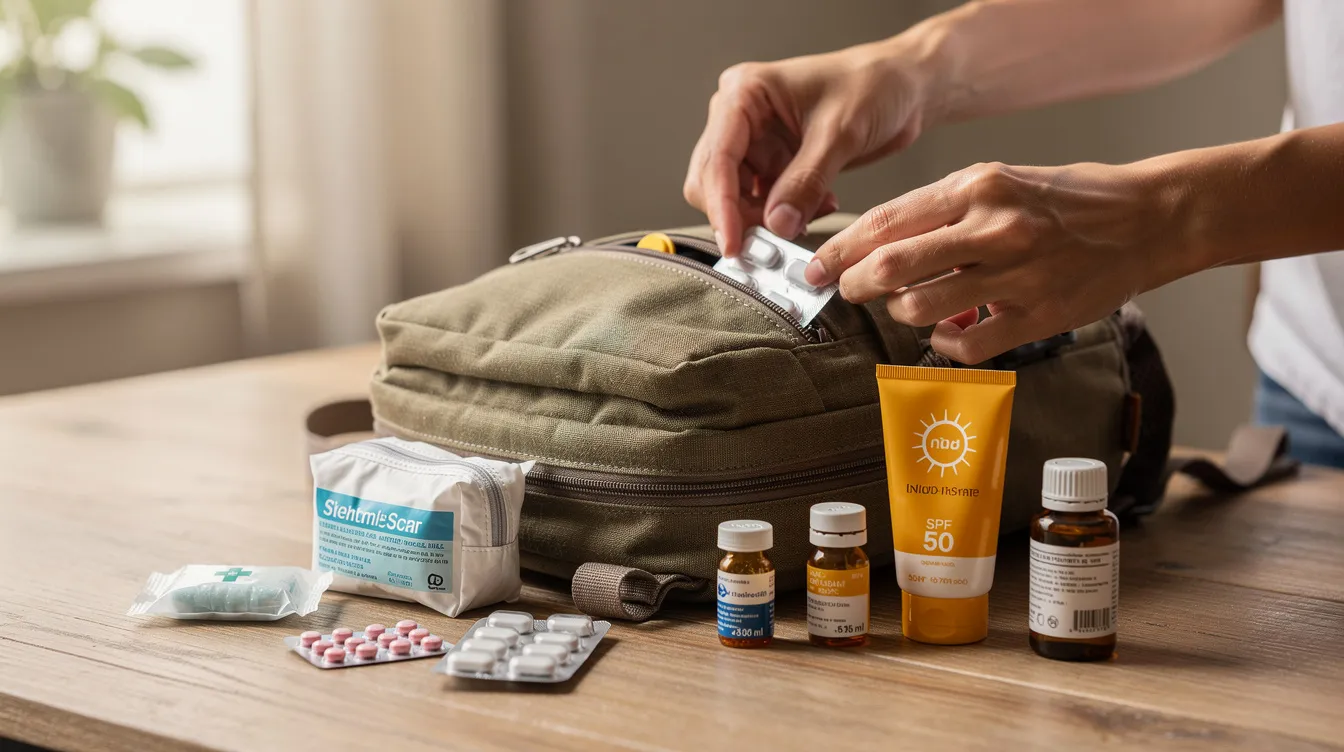
Pack prescription meds for the whole visit, plus extra days for delays; long-term travelers should plan refills before departure.
Take paracetamol, ibuprofen, anti-diarrheal tablets such as loperamide, oral rehydration salts, antihistamines, motion sickness tablets, stomach remedies, and a first aid kit.
What medication should I bring to morocco from the USA? Bring prescription medication in carry-on luggage, in original packaging, with pharmacy labels and proper documentation.
Do you need to declare ibuprofen? No, not usually; ibuprofen and paracetamol are common medicines for personal use.
Declare prescription drugs only if controlled or carried in large quantities beyond personal use.
Epi-pens are unavailable in Morocco, so travelers need to consider this when planning their trip.
Moroccan pharmacies are common, well-stocked, and equipped with French-brand medicines. Pharmacies are widely available in Morocco, especially in urban areas like Marrakech, Casablanca, and Rabat, but remote areas have fewer options.
Major cities such as Casablanca, Rabat, Marrakech, Fes, and Tangier have private clinics and more adequate medical care; rural areas and desert routes may require medical evacuation.
In case of a medical emergency in Morocco, you can dial 15 for emergency services; some local systems also use 150, so ask your guide or hotel room reception.
Pharmacists in Morocco are generally approachable and can assist with basic medical needs, often speaking English in tourist areas; many pharmacists also speak French.
Prescription medication in Morocco may differ from what travelers are used to. Prescription medications are accessible in Morocco, but may differ from those available in other countries.
For Sunday or night service, ask the Riad staff, a Morocco Classic Tours guide, or check Sahha pharmacy listings.
A health insurance plan should include health insurance, medical treatment, emergency dental care, and medical evacuation insurance because you may need to pay at the time of service.
Taking prescription medication to Morocco is usually straightforward if the medication is legal and clearly for personal use.
You should carry prescription medication in its original packaging, along with your doctor’s prescription. Travelers are advised to carry their prescription medications in their original packaging along with a doctor’s prescription.
Always carry medications in their original containers, accompanied by a doctor’s prescription or medical letter, particularly for long-term or controlled substances.
Carry a doctor’s letter with generic and brand names, dose, diagnosis, and a doctor stating the medicine is medically necessary.
It is advisable to carry a doctor’s letter explaining the medication, dosage, and medical need when traveling with strong or uncommon medications.
Keep meds in carry-on luggage in a transparent pouch; do not pack vital medication, birth control, insulin, or EpiPens in checked bags.
Controlled nervous-system medicines, including opioids, benzodiazepines, sleeping tablets, ADHD stimulants, and codeine, need extra caution.
Travelers should check with the Government of Morocco Ministry of Foreign Affairs and Moroccan authorities to ensure their medication is legal in Morocco; also, review CDC Morocco travel health notices.
Typical personal amounts of non-controlled prescription drugs for chronic conditions, such as blood pressure meds, asthma inhalers, diabetes treatment, or thyroid medicine, usually do not need declaration at Moroccan customs.
Travelers should declare prescription medication only if it is a controlled drug or if they are carrying more than a personal supply.
Narcotics and psychotropics may need authorization; declare if unsure to avoid suspicion of smuggling.
Ibuprofen, paracetamol, and common antibiotics for personal use do not usually need declaration, but keep them in their original packaging.
Bring copies of prescriptions for long-term travelers staying several months, and consider a local doctor’s visit to continue scripts legally.
Pain and fever: paracetamol, acetaminophen, and ibuprofen for headaches, minor injuries, and trek soreness.
Stomach: anti-diarrheal medicine, rehydration salts, mild antispasmodic tablets, and antacids; traveler’s diarrhea is one of the most common diseases in Morocco for visitors.
Heat: oral rehydration salts or electrolyte powders are useful in the summer months, when Morocco’s climate can be extremely hot and dry in summer, with daytime highs exceeding 100ºF.
Allergy and cold: non-drowsy antihistamines, nasal spray, throat lozenges, eye drops, and allergy medication.
Roads and ferries: motion sickness tablets or patches.
Skin: antiseptic cream, hydrocortisone, bite cream, and plasters.
Moroccan pharmacies commonly sell paracetamol, ibuprofen, and simple painkillers over the counter at low cost.
Basic stomach-settling medicines are available, but exact brands and formulas may differ from U.S. or U.K. options.
Codeine-containing painkillers may be restricted or prescription-only; do not assume you can buy codeine freely in Morocco.
Bring chewable antacids, lactose tablets, or preferred forms if you have food restrictions or a sensitive stomach.
A traveler’s first aid kit is always good to have on board in case of any injury. Build an aid kit for medinas, desert camps, public transportation, and hikes.
Basic first aid kit: plasters, blister pads, gauze, bandage, antiseptic wipes, tweezers, and small scissors, and leave extra space in your bag if you plan on shopping for the best souvenirs and local treasures in Morocco.
Sun: high-quality sunscreen, sunglasses, and hats are essential for protection against sun exposure in Morocco, particularly in the summer.
Insects: repellent, bite cream, and a net for camping, if not provided.
Hot weather: It is advisable to carry a venom pump in case of scorpion or snake bites in the hot summer months, but serious bites require prompt medical treatment; if you are visiting during Ramadan in Morocco, factor in limited daytime food and drink when planning heat and hydration strategies.
Clothing: travelers should wear loose, lightweight clothing that covers the shoulders, knees, midriff, and cleavage in public to respect local cultural norms, and plan what clothes to wear in Morocco according to season and itinerary.
Winter: During winter, most of Morocco experiences very cold nights, especially in the snowy Atlas regions, so it is wise to always have a warm layer for the evenings if you are planning winter travel and snow activities in Morocco.
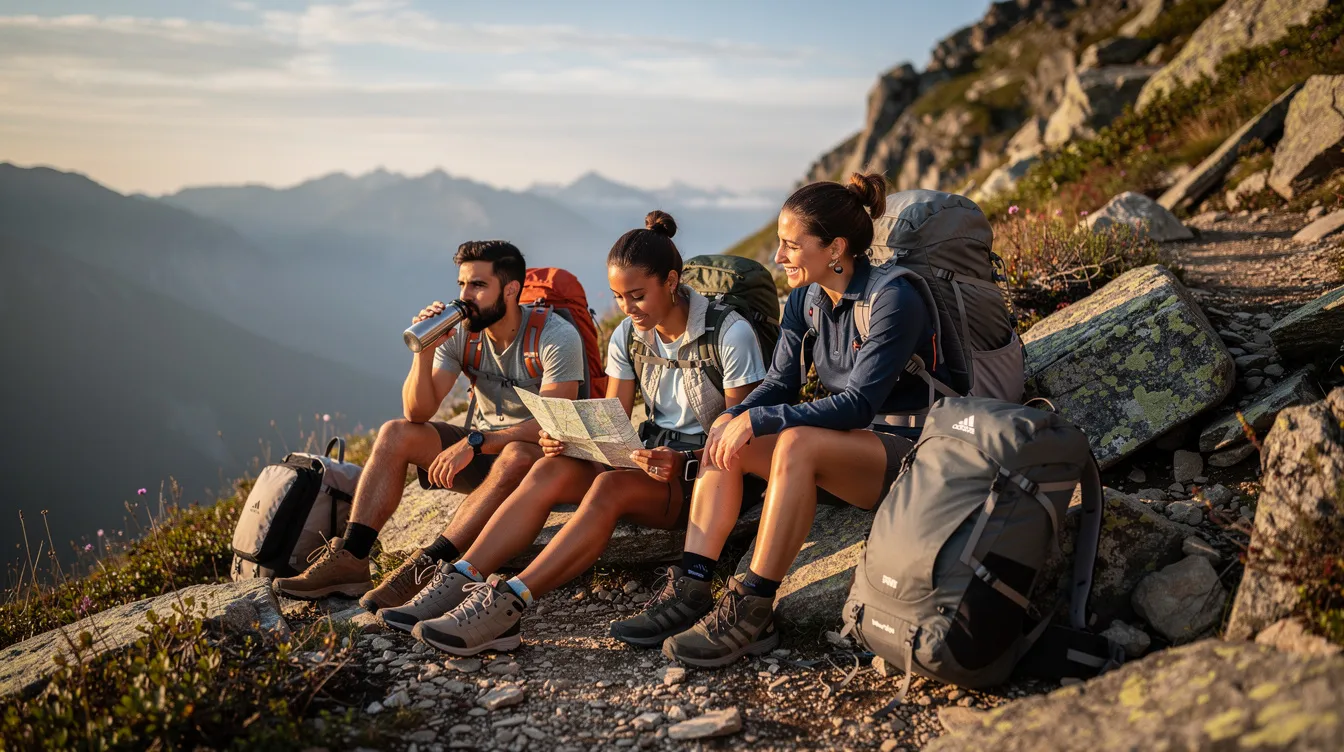
Add blister gel pads, moleskin, zinc oxide tape, and extra rehydration sachets for the Atlas Mountains or Sahara walks.
Carry a thermometer, spare painkillers, antiseptic hand gel, headlamp, and batteries.
Ask a doctor before taking altitude sickness medication if trekking above 2,500–3,000 meters.
Morocco Classic Tours can advise on location-specific health and safety preparation for desert and Atlas itineraries.
You cannot bring illegal drugs, narcotics, or restricted medications into Morocco.
Morocco restricts or bans certain narcotic painkillers, codeine combinations, strong sedatives, psychotropic drugs, and some ADHD medicines, similar to many countries.
There is no easy official list of banned medications in morocco or a list of banned medications in morocco PDF for every medicine; check local laws, customs regulations, and Moroccan embassy guidance before travel.
Carrying restricted drugs without paperwork can lead to confiscation or legal trouble under Moroccan law.
If authorization is unclear, ask your doctor about alternatives before traveling to Morocco.
Codeine medicines may be controlled; never carry bulk supplies without a prescription and a doctor’s letter.
ADHD meds such as amphetamine or methylphenidate, and strong anxiety or sleep pills may require prior approval.
Keep only quantities appropriate for your trip, with documents in hand luggage.
Do not share or sell any prescription drugs or over-the-counter medicines.
Consult a doctor 4-6 weeks before traveling for personalized health advice. Travelers should be up to date on all vaccinations recommended by the U.S. Centers for Disease Control and Prevention before traveling to Morocco.
Recommended vaccinations for travelers to Morocco often include Hepatitis A and Typhoid, along with ensuring routine vaccines are current; COVID-19 vaccinations are recommended for travelers to Morocco, and travelers should check the latest entry requirements related to COVID-19.
Mandatory vaccines for Morocco are limited: no yellow fever vaccine is needed for direct arrivals from Europe or North America, but Morocco yellow fever vaccine requirement may apply if arriving from a yellow-fever risk country.
Rabies vaccine is not mandatory for most travelers, but may be wise for rural areas, animal contact, or long treks far from care.
Morocco's disease travel risks include traveler’s diarrhea, respiratory infections, sun illness, heat exhaustion, and altitude sickness.
Avoid swimming in fresh, unchlorinated water to prevent Schistosomiasis, a parasitic infection.
Wash your hands or use alcohol gel before eating, especially with street food or shared dishes.
Tap water is not potable in many areas of Morocco, and travelers are advised to drink bottled water instead, especially during shoulder months like February, when Morocco weather and temperatures can still be cool but sunny enough to cause dehydration.
Traveler’s diarrhea is a common health concern for visitors to Morocco, and it is recommended to avoid tap water, ice, and raw foods.
Take midday breaks, wear hats and sunglasses, and pace effort at altitude.
Tell guides quickly if you feel a severe headache, dizziness, fever, or shortness of breath.
Medical evacuation insurance is recommended for travelers in Morocco, as medical expenses are typically the individual’s responsibility and must be paid at the time of service; it is also sensible to pack the right Morocco travel plug adapter and voltage converter so medical devices and phones can be charged reliably.
Travelers should remain vigilant regarding personal security due to the potential for crime in major cities and tourist areas in Morocco, and remember that alcohol laws and drinking culture in Morocco may differ from those in their home country.
It is recommended that travelers avoid carrying large sums of money or wearing expensive jewelry while in Morocco; avoid carrying large sums, secure valuables, and stay alert in crowded areas.
Travelers should exercise caution and avoid isolated areas, especially when camping, to enhance personal safety in Morocco; visitors coming to Morocco from South Africa should also review entry requirements and regional safety guidance.
Women traveling alone in certain areas of cities and rural areas are particularly vulnerable to assault and should exercise caution in public spaces; reviewing essential tips for a woman traveling to Morocco can help with practical safety strategies.
Travelers are advised to blend in and not draw undue attention to themselves by loud behavior or inappropriate clothing; choosing stylish, modest dress in Morocco can support both comfort and cultural respect.
You are subject to Moroccan law, not only the rules of your home country; it is advisable to check local laws and customs regulations before traveling to avoid legal issues.
Carry passport identification; travelers should always carry their passport with them, as local authorities may detain individuals for questioning if they do not have it.
Public transport in Morocco, including buses and taxis, tends to be affordable; however, driving behaviors are subpar, and buses often experience overcrowding, so anyone considering self-driving should review tips for navigating Morocco roads safely.
Travelers should be cautious when using rideshare apps, as they operate in a legal gray zone and have reported harassment by taxi drivers; budget-conscious visitors might instead combine intercity buses and trains with the essential guide to backpacking Morocco for safe, flexible routes.
Keep medication documents, insurance contacts, and travel information together for common-sense access during treatment.
No. Personal-use quantities of common over-the-counter medicines such as ibuprofen and paracetamol do not typically need declaration. Keep them in original packaging and avoid unusually large quantities.
Most travelers pack anti-diarrheal tablets, oral rehydration salts, antacids, and any doctor-prescribed antibiotic for severe cases. Visit a local pharmacy or clinic if symptoms are intense, bloody, or persistent.
Bring several sachets for immediate use in deserts, treks, and remote areas. Moroccan pharmacies also sell rehydration products, but having them in your day bag is easier.
Most cities have a rotating duty pharmacy system. Ask hotel staff, Morocco Classic Tours guides, or check posted lists on pharmacy doors.
Yes. Bring extra sunscreen, rehydration salts, blister care, painkillers, and prescription medication in a bag you carry. Travelers with heart, lung, allergy, or altitude concerns should speak with a doctor before booking and tell Morocco Classic Tours in advance so we can help you stay healthy while exploring Morocco.
Discover how to choose the perfect group tour agency in Morocco. Get tips on what to look for and ma...
Read this article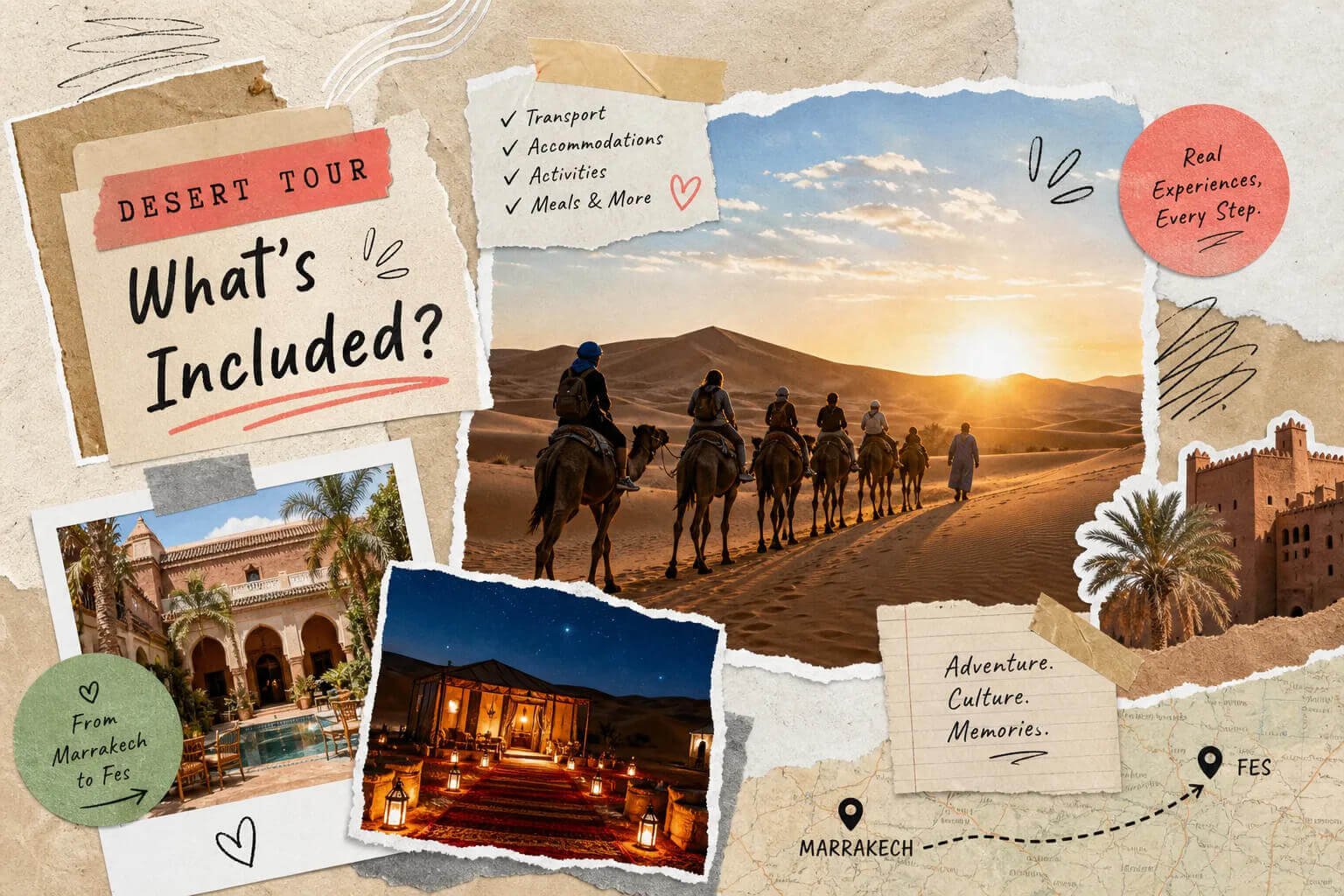
Uncover what a Marrakech to Fes desert tour offers, including camel rides, desert camps, and rich cu...
Read this article
Join our Merzouga Overnight Tour for an authentic desert experience. Enjoy camel rides, comfortable ...
Read this articleWant cool tour deals and tips about Morocco? Enter your email and we’ll send them to you each month!