Group Tour Agencies in Morocco: How to Pick the Right One
Compare Morocco group tour agencies by trip style, reviews, pace, transport and inclusions. Learn wh...
Read this article

Private, custom Morocco trips planned in Fez by AZ-ZDDINE, working in Moroccan tourism since 2012. Sahara, Atlas, medinas and coast, arranged around you.
Live conditions in Marrakech right now, plus long-term November climate data for Morocco's most-visited destinations. Discover why November is one of Morocco's most rewarding travel months.
Live data from Open-Meteo · Updated when this page loads
November climate averages based on long-term means for each destination. Live data: Open-Meteo. © Morocco Classic Tours.
Planning a trip to Morocco in November? This guide covers everything you need to know about Morocco's November weather, regional climate differences, what to pack, and how to make the most of your visit during this comfortable and culturally rich month. Whether you're heading to the cities, coast, mountains, or desert, you'll find practical tips and insights for a smooth journey.
Morocco in November is generally mild, with daytime temperatures around 18–25°C / 64–77°F in many cities, cooler evenings, and the start of the wetter season in the north and on the Atlantic coast.
November is one of the best months to visit Morocco if you want fewer crowds, lower prices, pleasant weather, and comfortable conditions in cities, the Sahara Desert, and the Atlas Mountains.
Marrakech and other inland cities are warm but not extremely hot; Casablanca and Essaouira are breezy and mild; Agadir, Taghazout, Dakhla, and the desert areas are among the warmest options.
Layering is essential for November weather in Morocco due to significant temperature fluctuations between day and night.
Morocco Classic Tours can tailor private tours, desert camps, camel rides, city walks, and mountain transfers around the November weather and daylight.
The weather in Morocco in November is best described as autumn turning toward winter: warm days, crisp air, cooler nights, and more changeable skies in the northern regions and coastal areas. In November, temperatures in Morocco typically range from 12°C to 25°C (54°F to 77°F), with cooler evenings especially in inland cities like Marrakech and Fes.
Morocco's geographical diversity results in varying climates across Different regions, impacting weather patterns significantly. In November, temperatures in Morocco vary significantly by region, with coastal areas averaging 15–20°C (59–68°F), inland cities like Marrakech and Fez ranging from 18–25°C (64–77°F), and the Atlas Mountains experiencing daytime highs of 10–15°C (50–59°F).
November marks the beginning of Morocco's wetter season, with total rainfall averaging around 30 mm to 60 mm across various regions. Rain in November typically manifests as brief, scattered showers rather than constant downpours, but autumn storms may cause flash floods in some areas. Visitors can expect about 10 to 11 hours of daylight in November, with sunset around 5:30 PM, so Morocco Classic Tours offers private transfers, guided walks, and outdoor activities to use the best sunshine before sunset.
Yes. November is considered one of the best months to visit Morocco due to lighter tourist crowds and more favorable prices compared to peak seasons. November is considered the shoulder season in Morocco, making it a popular time for tourists due to fewer crowds and reasonable pricing.
Is Morocco still hot in November? Not in the summer sense. The summer heat and summer crowds are gone, but many places still have warm days and mild temperatures. Inland cities like Marrakesh and Fes generally see warm, sunny days perfect for sightseeing, while nights become significantly cooler.
Prices begin dropping in Morocco in November, as fewer tourists are in town, making it a budget-friendly time to visit. Travelers can expect fewer tourists in popular destinations like Marrakech and Chefchaouen during November, allowing for a more relaxed experience without the usual hustle and bustle.
October is warmer and usually drier, especially in central morocco and Marrakech. November is a bit cooler, quieter, and better for travelers who prefer comfortable conditions over heat. Morocco Classic Tours often recommends early to mid-November for the perfect balance of availability, fewer crowds, and easier access to riads and private desert camps.
November weather in morocco changes quickly by region, so travel plans should match your route. The figures below are typical averages; check forecasts a few days before departure, especially for mountain regions and the north.
Morocco Classic Tours builds custom itineraries that sequence regions sensibly, for example, starting in cooler Fes or Chefchaouen, then finishing in the warmer Sahara Desert, Agadir, or Taghazout.
Inland cities are usually sunny by day and chilly at night. Daytime high temperatures in November typically range from 12°C to 24°C (54°F to 75°F), while nighttime lows can drop to between 7°C and 13°C (45°F to 55°F), depending on elevation and region.
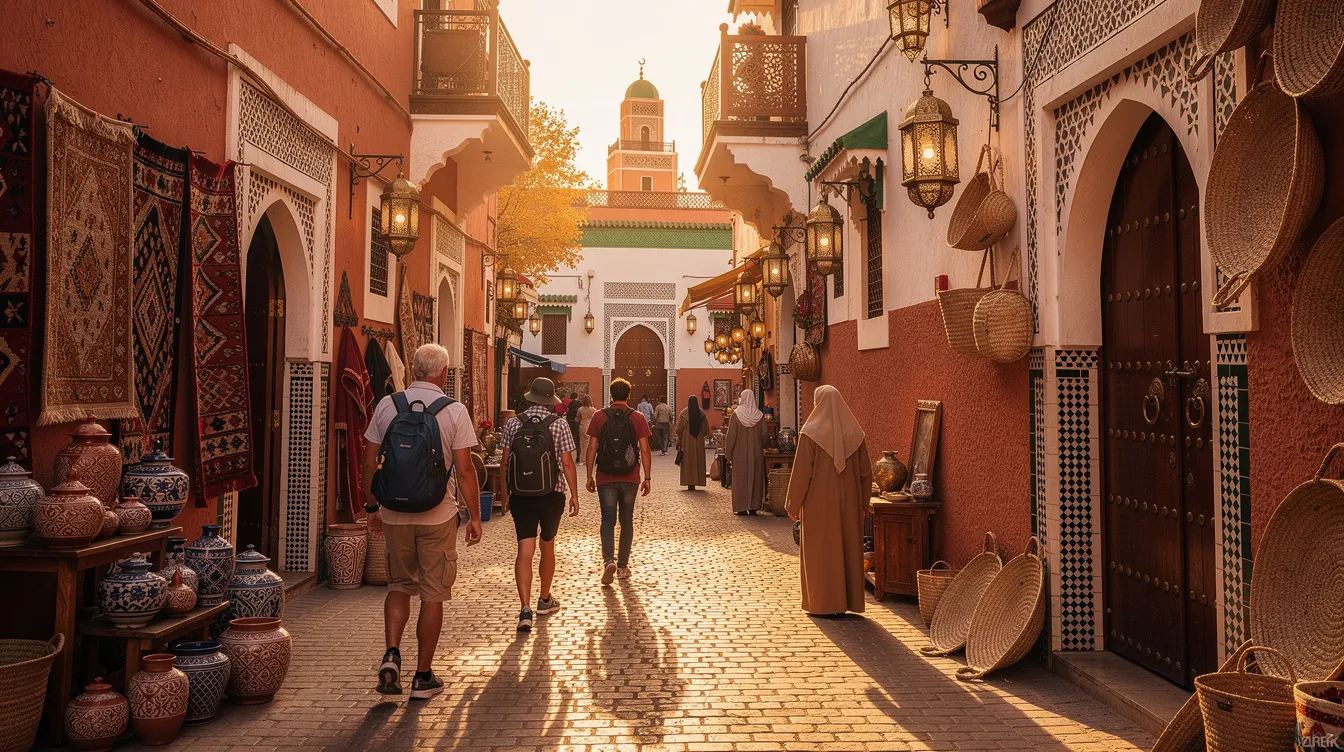
For weather in Marrakech morocco november, expect an average high of around 22–23°C, with nights near 9–12°C. It is one of Marrakech’s wetter months, but still mostly dry compared with northern cities. This makes the red city excellent for the Bahia Palace, Jemaa el, rooftop lunches, and browsing bustling souks without intense heat.
Weather in Fez morocco november is slightly cooler and wetter: days around 17–22°C, mornings and nights around 7–10°C, with a crisp feel in the medina. The weather in Meknes morocco november is similar to Fes but often slightly drier, with comfortable daytime sightseeing and cool evenings.
How hot is Marrakech in November? Warm, not hot. Is it worth going to Marrakesh in November? Absolutely, especially for walking tours, gardens, food experiences, and cultural immersion without summer’s extreme heat.
Coastal areas tend to experience milder temperatures with a higher chance of wind and rain during November. November is a fairly rainy month in Morocco, particularly in the northern regions, with coastal areas receiving around 1.6 to 2.4 inches (40 to 60 mm) of rain.
Weather Casablanca morocco november and weather Rabat morocco november are mild and humid, with days often around 15–20°C and nights around 12–14°C. Expect periodic rain, cloudy spells, and good conditions for museums, seaside walks, and food tours.
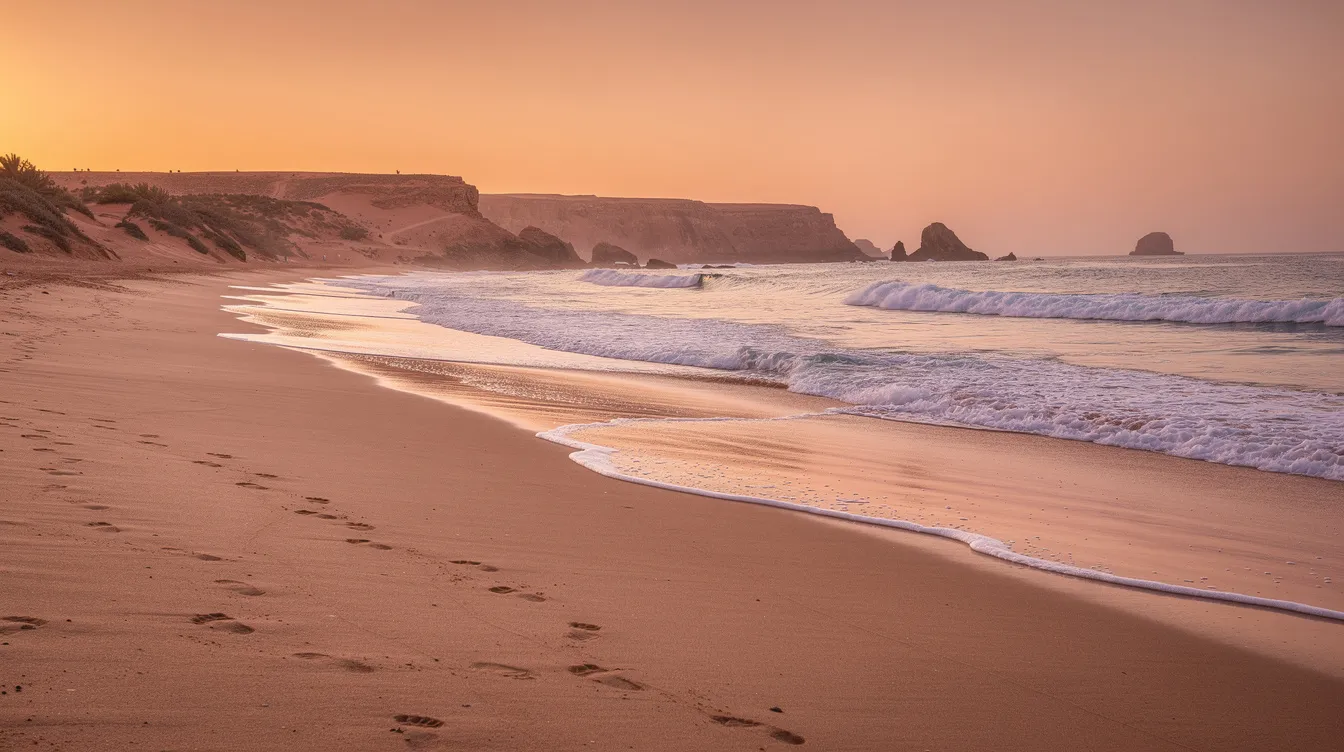
Weather in Essaouira morocco november is breezy and fresh: daytime highs sit around 18–21°C, evenings around 12–14°C, and the Atlantic water feels cool. It is better for surfing, port walks, and seafood lunches than long swims.
Agadir and Taghazout are warmer. Weather in Taghazout, Morocco, in November, and Agadir conditions usually bring highs around 22–25°C and lows near 13–15°C. Is Agadir warm enough for a beach holiday in November? Usually yes for sunbathing, beach walks, and relaxed resort days, although the sea is cooler. The weather in Dakhla, Morocco, in November is mild to warm, often in the low to mid 20s°C, with steady winds ideal for kitesurfing and cooler but not cold evenings.
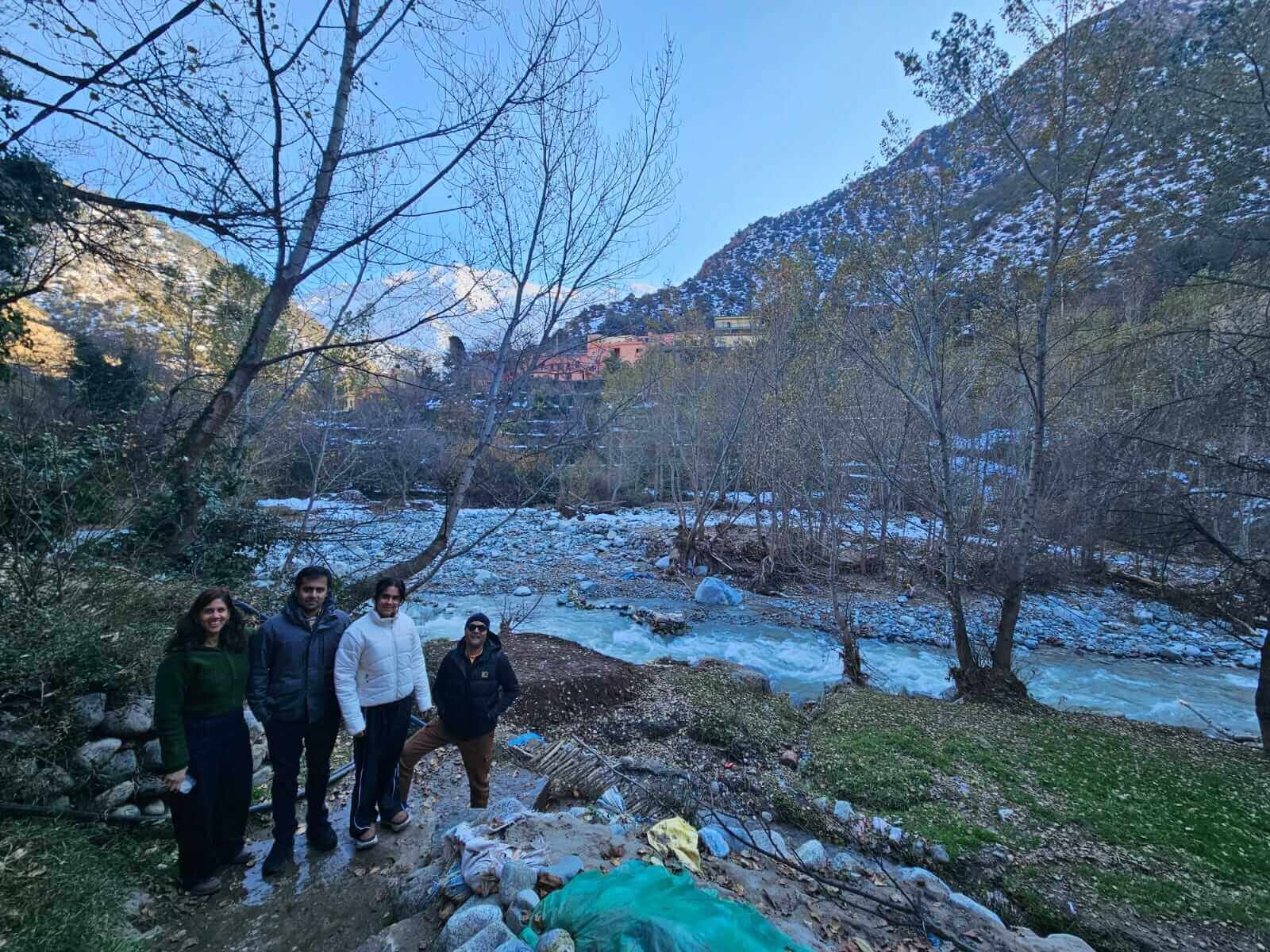
The Atlas Mountains are noticeably cooler in November. The Atlas Mountains experience daytime temperatures averaging between 10°C and 20°C (50°F and 68°F) in November, with nights that can drop close to freezing.
Weather Atlas Mountains Morocco November is excellent for light hiking, village visits, and photography, but mountain areas require preparation. Valleys such as Imlil and Ouirgane often see daytime temperatures of 10–17°C and nights around 0–5°C.
The High Atlas Mountains and Toubkal region can experience frost, sub-zero nights, and early snow. November is an excellent time for trekking in the Atlas Mountains, with comfortable temperatures and fewer crowds, making it ideal for hiking adventures. Morocco Classic Tours can arrange guided High Atlas walks and Berber village visits during the warmer part of the day.
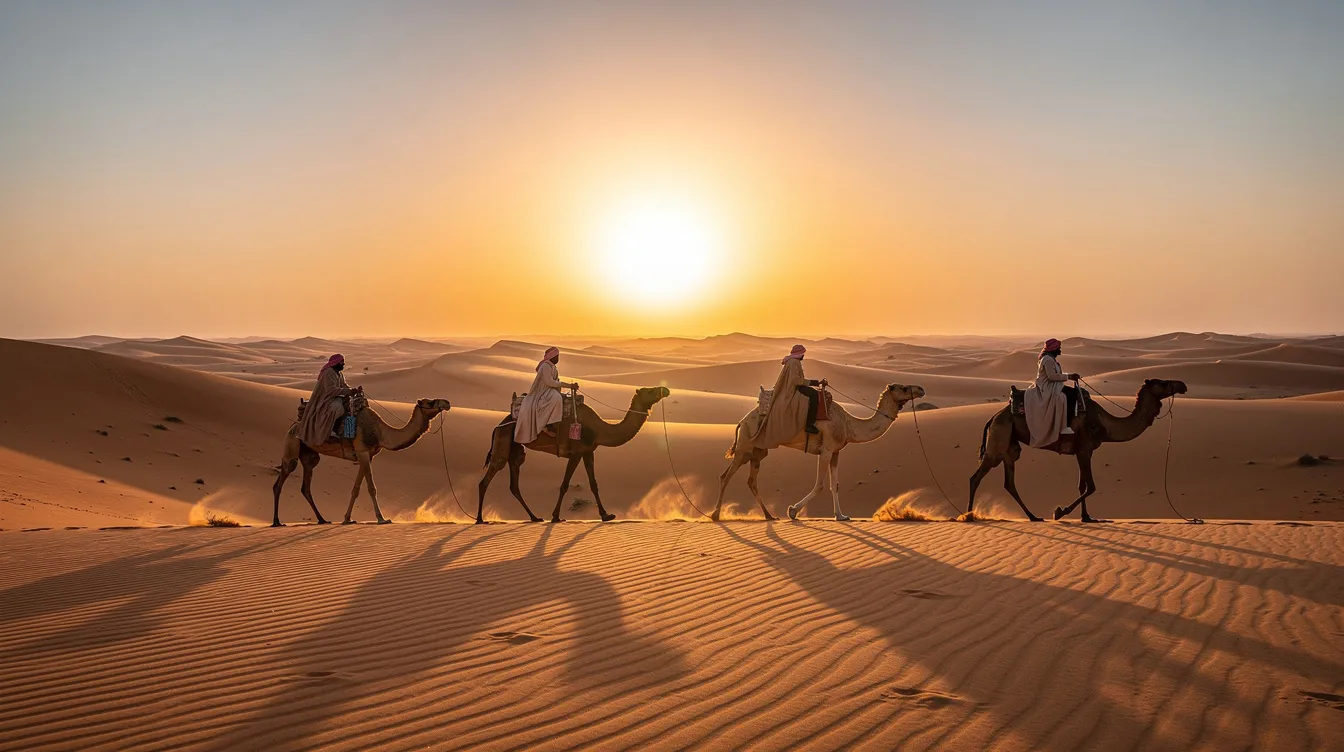
Weather in the Sahara Desert morocco november is one of the biggest reasons to travel now. The Sahara Desert offers pleasant conditions in November for camel rides, sunset views, and overnight camping, with daytime temperatures ranging from 75 to 80°F (24 to 27°C).
Around Merzouga, Erg Chebbi, and Zagora, expect warm days near 22–27°C and cooler nights around 5–10°C. Is it too cold to visit the Sahara Desert in November? No, as long as you pack correctly. Desert nights are chilly, but many travelers prefer this to the summer heat.
Clear skies make November ideal for stargazing around desert camps. Winds can make evenings feel colder, so pack hats, scarves, closed shoes, and warm layers.
Northern Morocco, including Tangier, Chefchaouen, and the Rif Mountains, is among the wettest parts of the country in November. Weather in Tangier morocco november usually means highs around 18–21°C, lows around 12–14°C, coastal breeze, and several rainy days.
Weather chefchaouen morocco november is atmospheric and cool. In Chefchaouen, expect daytime highs around 16–20°C (60–68°F) and cooler evenings, so pack long-sleeved tops, jeans, and a warm jacket or wool layers for the nights. A compact umbrella or light waterproof jacket is useful, and Morocco Classic Tours can adjust walking tours around showers.
Destination | Typical November weather | Best experiences |
|---|---|---|
Marrakech | 22–23°C by day, 9–12°C at night, some rain | Bahia Palace, food tours, souks, rooftop dinners |
Fez | 17–22°C by day, 7–10°C at night, more rain | Medina walks, craft visits, cultural tours |
Casablanca | 15–20°C by day, breezy, scattered showers | Hassan II Mosque, cafes, and coastal walks |
Rabat | Mild, humid, occasional rain | Kasbah, gardens, relaxed capital sightseeing |
Essaouira | 18–21°C, windy, cool sea | Surfing, seafood, ramparts, beach walks |
Tangier | 18–21°C, breezy, wetter | Museums, cafes, sea views |
Chefchaouen | 16–20°C by day, chilly evenings | Blue streets, photography, Rif day trips |
Meknes | Similar to Fez, slightly drier | Imperial gates, Volubilis excursions |
Agadir | 22–25°C, sunnier, mild nights | Beach days, coastal relaxation |
Taghazout | 22–25°C, surf-friendly | Surf lessons, yoga, beach cafés |
Dakhla | Low to mid 20s°C, windy | Kitesurfing, lagoon views |
How to dress for Morocco in November? Use light layers. November packing should cover warm daytime sightseeing, cooler evenings, possible rain, and regional shifts between cities, coast, mountains, and desert.
What clothes to pack for Marrakesh in November? Bring breathable tops, long trousers or skirts, a sweater, a light jacket, and comfortable closed shoes for the Medina streets. Practical footwear matters more than fashion because Morocco Classic Tours' city and desert itineraries involve uneven alleys, stone lanes, sand, and village paths.
For women, practical elegance is key in November; breathable fabrics like cotton blouses and long skirts are ideal for daytime, while a warm sweater or light coat is necessary for cooler evenings.
Pack long or midi dresses, maxi skirts, loose trousers, long-sleeved tops, a cardigan, and a pashmina. Can females wear shorts in Marrakech? Shorts are not illegal, but knee-length or longer skirts and loose trousers are more culturally comfortable, especially near religious sites, smaller towns, and local neighborhoods.
Add one smarter outfit for riad dinners in Marrakech or Fes, plus trainers, ankle boots, or light hiking shoes for medinas, desert walks, and mountain visits.
Men should focus on casual comfort with breathable cotton shirts or polos paired with chinos or jeans during the day, and a warm hoodie or jacket for the cooler evenings in November.
Shorts are most practical only around Agadir, Taghazout, or beach hotels. In cities, long trousers are more common and feel warmer after dark. Pack comfortable closed shoes or lightweight boots, with sandals optional for warmer coast days.
When visiting the Sahara Desert in November, pack lightweight long-sleeved shirts and breathable trousers for daytime, and warmer layers like fleece jackets for the chilly nights.
For desert and high atlas mountains overnights, add thermal base layers, warm socks, a hat, gloves, and a windproof jacket. Morocco Classic Tours can arrange extra blankets and traditional covers, but personal warm clothing remains essential in November.
Here is a concise list:
Tops: breathable t-shirts, cotton shirts, long-sleeved tops
Bottoms: jeans, chinos, loose trousers, long skirts
Layers: fleece, sweater, pashmina, light coat
Outerwear: light rain jacket or compact umbrella for the north and coast
Footwear: closed walking shoes, trainers, light hiking shoes
Extras: sunscreen, sunglasses, scarf for wind or dust, adapter, medication
A few practical travel tips help. Check forecasts city by city. Plan hiking, camel rides, and viewpoints for midday warmth. Keep evenings for hammams, riad dinners, or indoor cultural experiences. Always carry a layer for rooftop terraces in Marrakech and Fes.
November usually means fewer crowds inside medinas, monuments, and desert camps. That creates better room choices in riads, quieter souks, and more personal time with guides and hosts.
Moroccan Independence Day is celebrated annually on November 18, marking the country's liberation from French and Spanish colonial rule in 1956. On Independence Day, expect colorful festivals, parades, and parties across Morocco, particularly in larger cities. Moroccan Independence Day is celebrated on November 18, featuring colorful festivals, parades, and cultural events across the country, especially in larger cities.
The International Film Festival of Marrakesh typically starts at the end of November and extends into the first week of December, attracting filmmakers and actors from around the world. Morocco Classic Tours can design a November trip around these cultural events while still allowing peaceful days in the mountains, desert, or coast.
November offers mild weather, warm days, cooler nights, and a flexible mix of imperial cities, Atlantic coast, Atlas Mountains, and Sahara Desert travel. It suits travelers who want comfort, fewer tourists, and authentic experiences rather than peak-season crowds.
Choose October if you want warmer, drier days. Choose December if you enjoy cooler winter travel and holiday atmosphere. Choose November if you want the best middle ground.
Example private routes Morocco Classic Tours can arrange include:
Fes – Meknes – Sahara Desert – High Atlas – Marrakech
Casablanca – Rabat – Chefchaouen – Fès – Sahara – Marrakech
Agadir – Taghazout – Atlas Mountains – Marrakech
As a local specialist, Morocco Classic Tours can adjust your route toward warmer places like Agadir and the desert, or cooler, atmospheric places like Chefchaouen and the mountain regions.
The warmest regions are generally Agadir, Taghazout, Dakhla, and the Sahara Desert fringe around Merzouga and Zagora. Daytime highs are often in the low to mid 20s°C, and the Sahara can reach 24–27°C. Marrakech is also warm, but Essaouira and Casablanca feel cooler because of the coastal wind.
Rain increases mainly in the northern regions and along the Atlantic coast, especially Tangier, Rabat, Casablanca, and Chefchaouen. Central and southern regions, including Marrakech and the Sahara Desert, remain relatively dry, with occasional showers rather than long wet days. A light waterproof layer is enough for most itineraries.
Yes, nights can feel cold. Marrakech and Fes can drop to around 9–12°C, while Atlas villages and Sahara desert camps can fall near 5°C or lower. Pack at least one fleece, warm socks, and long trousers for the night.
You can, but the ocean is cool. Agadir and Taghazout are the best choices for beach-friendly weather in November, while Essaouira, Casablanca, and Rabat are usually better for walks than swimming. Heated hotel pools are a good option if swimming matters to your trip.
No technical gear is needed for most Morocco Classic Tours itineraries, but sturdy shoes, warm layers, a hat, and possibly gloves are wise. Local guides can advise on route-specific needs and help with time hikes, desert excursions, and camp activities for the most comfortable part of the day.
Compare Morocco group tour agencies by trip style, reviews, pace, transport and inclusions. Learn wh...
Read this article
Uncover what a Marrakech to Fes desert tour offers, including camel rides, desert camps, and rich cu...
Read this article
Join our Merzouga Overnight Tour for an authentic desert experience. Enjoy camel rides, comfortable ...
Read this articleWant cool tour deals and tips about Morocco? Enter your email and we’ll send them to you each month!
