Group Tour Agencies in Morocco: How to Pick the Right One
Compare Morocco group tour agencies by trip style, reviews, pace, transport and inclusions. Learn wh...
Read this article

Private, custom Morocco trips planned in Fez by AZ-ZDDINE, working in Moroccan tourism since 2012. Sahara, Atlas, medinas and coast, arranged around you.
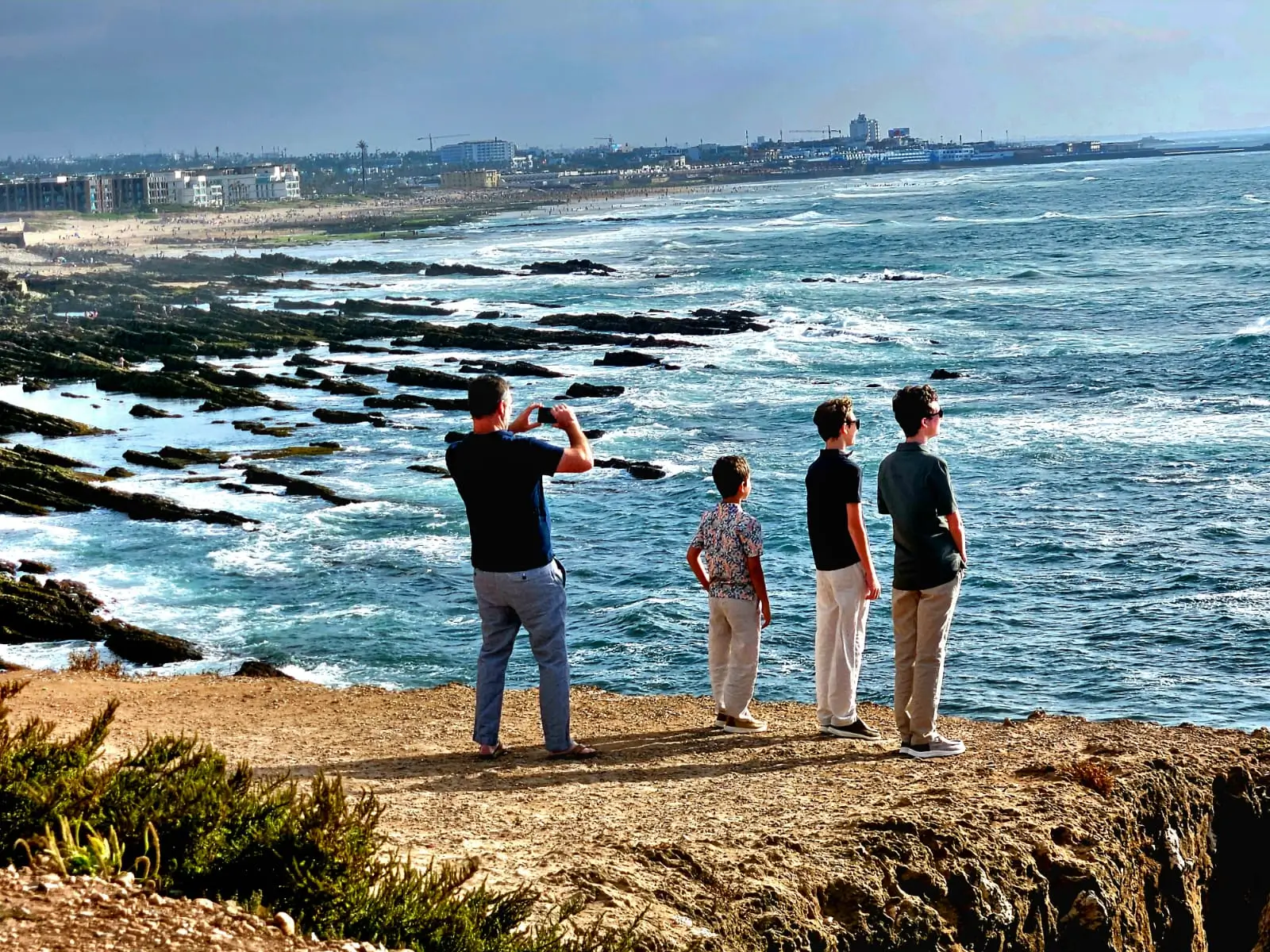
Live conditions across Morocco right now, plus a region-by-region breakdown of what July weather actually feels like — so you can plan your family summer trip with complete confidence.
Live data from Open-Meteo · Updated when this page loads
Regional climate averages based on long-term means for July across Morocco. Live data: Open-Meteo (Marrakech). © Morocco Classic Tours.
Planning a trip to Morocco in July? This guide covers everything you need to know about the weather, regional climate differences, top cities to visit, what to pack, and essential travel tips for navigating Morocco’s hottest month. Whether you’re seeking beach escapes, mountain adventures, or vibrant festivals, this article will help you make the most of your summer journey.
Morocco in July is hot, dry, and sunny, but the weather changes sharply between inland cities, the coast, the Sahara Desert, and the High Atlas Mountains.
Marrakech, Fez, Meknes, and other inland areas regularly reach 38–42°C (100–108°F), while coastal destinations such as Casablanca, Rabat, Essaouira, Agadir, and Tangier are milder, around 22–27°C (72–81°F).
July is one of the driest months in the country; rain is virtually nonexistent, skies are clear, and sunshine lasts about 11 to 13 hours per day with high UV levels.
July can be a good time to visit Morocco if you plan your itinerary carefully, focusing on cooler regions like coastal towns and mountain areas.
The coolest places are the High Atlas, other Atlas Mountains regions, and breezy Atlantic or Mediterranean beach towns.
Morocco Classic Tours can design tailor-made July itineraries that balance summer heat, festivals like the July International Cultural Festival in Asilah and the Timitar Music Festival in Agadir, and comfortable private travel.
July is the peak of summer in morocco, with hot, sunny, and dry weather across most of the country. Expect strong sun, almost no rain, and long sightseeing days if you avoid the hottest part of the afternoon. Weather data from Weather Atlas shows July as one of Morocco’s clearest, driest months.
The average temperature in morocco in July depends on the region. Most popular areas see daytime highs from 30–40°C (86–104°F), but hot temperatures in inland cities like Marrakech can reach 30°C to 42°C (86°F–108°F), while the Sahara Desert often exceeds 45°C (113°F) during the day.
Humidity is usually low away from the coast, so July in inland areas is characterized by a very dry heat; the low humidity makes the heat somewhat bearable, but still tiring. Coastal areas can feel more humid, yet ocean breezes keep temperatures pleasant.
Think of July Morocco climate in four zones:
Inland plains: very hot, dry, and best explored early or late.
Atlantic coast: warm, breezy, and more comfortable for beach stays.
Mediterranean north: warm but not scorching, especially around Tangier.
High Atlas Mountains: cool evenings, fresher air, and strong sun at altitude.
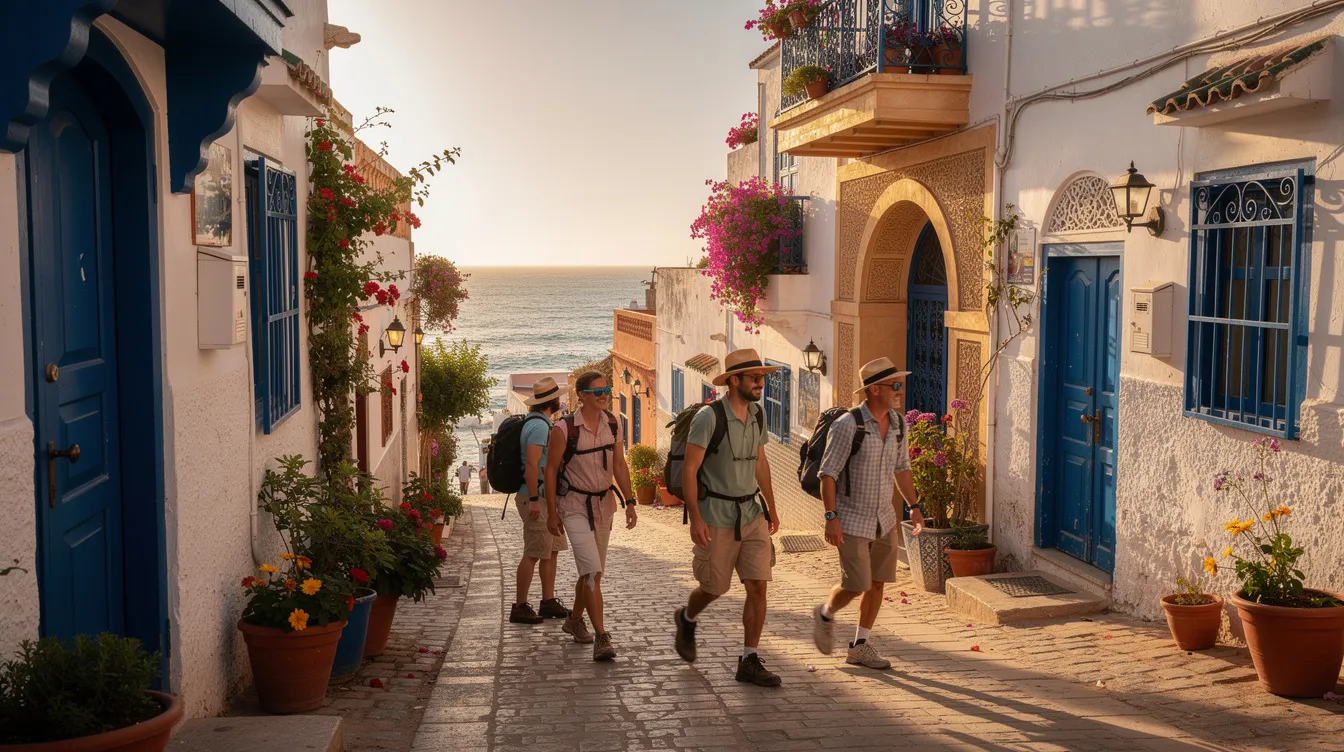
July is a great time for travelers who want guaranteed sunshine, beach holidays, cultural city stays, and vibrant summer events. It is also a popular time for travelers seeking long sunny days and festive atmospheres, especially along the coast.
July suits you best if you:
Enjoy hot weather and warm evenings.
Prefer private tours with air conditioning and flexible timing.
Want to combine cities with beaches, the High Atlas Mountains, or other cooler regions.
Can plan sightseeing before 11:00 and after 17:00.
July may be difficult if you are sensitive to high temperatures, traveling with very young children, or hoping to hike through desert areas in the middle of the day. Inland cities and deserts in Morocco can experience extreme heat in July, often exceeding 45°C (113°F), making desert tours generally not recommended during this month.
Morocco Classic Tours adjusts July trips with private vehicles, shaded breaks, carefully chosen hotels, and routes that balance heat with cooler coastal and mountain destinations.
July weather varies by city, altitude, and distance from the ocean. Here is a practical breakdown for key destinations.
Casablanca Morocco weather in July is warm but moderate because of Atlantic influence.
Day: 24–27°C (75–81°F).
Night: 20–21°C (68–70°F).
Conditions: humid at times, but ocean breezes help.
Best for: Corniche walks, Hassan II Mosque visits, and a gentle start or end to a trip.
How hot is Casablanca in July? Much milder than Marrakech, usually in the mid‑20s°C rather than near 40°C.
Marrakech Morocco weather in July is intense. Average highs sit around 38–40°C (100–104°F), with heatwaves reaching 43–45°C (109–113°F).
Is Marrakesh too hot in July? Midday can be too hot for long walks in the sun, but mornings, shaded riads, hammams, pools, air conditioning, and late-night medina strolls make it manageable. Nights are warm, often 22–25°C (72–77°F).
Fez is very hot and dry in July.
Day: 35–39°C (95–102°F).
Night: 20–23°C (68–73°F).
Rain: almost zero.
Tip: book riads with ventilation or air conditioning.
The medina lanes provide shade, but they can trap heat. Morning food tours and evening cultural walks are the best deal for comfort.
Tangier is a cooler northern destination in Morocco, with average temperatures around 75°F (24°C) in July, making it a comfortable choice for travelers seeking relief from the heat.
Typical highs: 27–30°C (81–86°F).
Evenings: 20–22°C (68–72°F).
Climate: Mediterranean warmth with Atlantic breezes.
Best for: kasbah walks, ferry arrivals, and north Morocco routes.
Chefchaouen, known for its blue buildings, is warm but not as punishing as southern inland cities.
Day: 30–32°C (86–90°F).
Evenings: 18–20°C (64–68°F).
Skies: bright and dry.
Note: Chefchaouen hosts the Alegria Festival in July in some years, celebrating cultural diversity and art.
Essaouira Morocco weather in July is mild, sunny, and windy. The coastal town of Essaouira offers pleasant temperatures in July, averaging in the mid- to upper-70s Fahrenheit, making it an ideal beach destination during the hot summer months.
Is it too windy to swim in Essaouira in July? Sometimes, yes. High winds are common along the Atlantic coast in July, particularly in cities like Essaouira, making it a prime time for windsurfing. Swimming can feel chilly or choppy, so mornings are best. Bring a beach umbrella, light layer, and patience with the breeze.
Meknes is hot and dry, similar to Fez.
Day: 34–37°C (93–99°F).
Night: 19–22°C (66–72°F).
Best timing: early Volubilis visits and shaded medina stops.
Conditions: clear skies and excellent visibility.
Rabat, Morocco’s capital city, is one of the more pleasant cities in July.
Day: 25–27°C (77–81°F).
Night: 19–20°C (66–68°F).
Humidity: moderate.
Best for: kasbah, medina, riverside, and Atlantic walks.
Agafay is a rocky desert near Marrakech and shares the same summer heat.
Day: 38–42°C (100–108°F).
Night: 22–25°C (72–77°F).
Best timing: sunrise, sunset, and dinner under the stars.
Activities: camel rides, ATV experience, quad biking, and luxury camp pools.
Agadir is a popular coastal destination in Morocco during July, known for its beautiful beaches and mild temperatures, making it a great spot for relaxation and water sports.
Day: 24–27°C (75–81°F).
Night: 19–21°C (66–70°F).
Climate: ocean-cooled, sunny, and comfortable.
Highlight: the Timitar music festival often fills the city with music and crowds.
Taghazout Morocco weather in July is ideal for surf culture.
Day: 23–26°C (73–79°F), sometimes warmer inland from the beach.
Water: cool but fine for surfers.
Atmosphere: lively with surf schools, yoga retreats, and beach cafes.
Best use: relaxed coast extension after hotter inland touring.
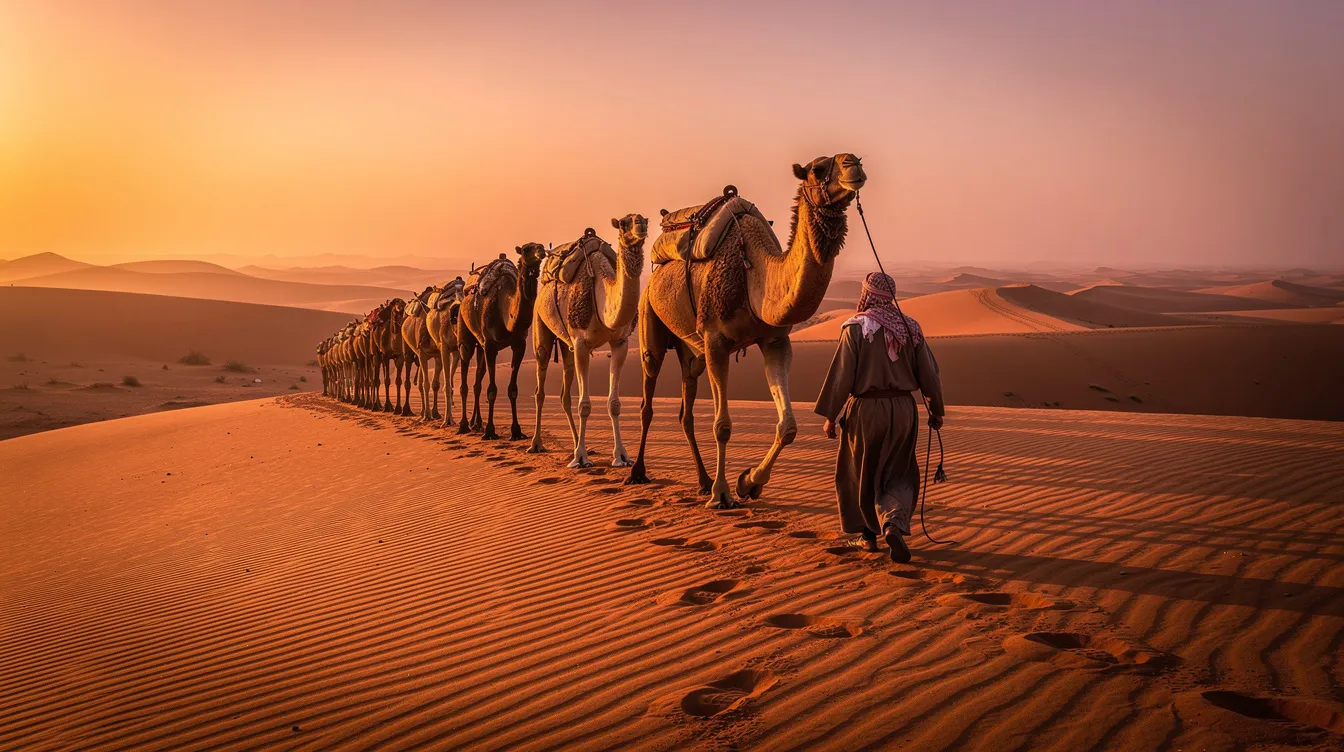
The Sahara in July is extreme. Around Merzouga and Zagora, daytime highs often reach 43–47°C (109–117°F), and the sun is severe.
Nights are cooler, often 25–28°C (77–82°F), but tents and sand retain heat. If you visit, Morocco Classic Tours schedules sunrise camel rides, late-afternoon dunes, shaded camps, and cooled transport. Most travelers prefer spring or autumn for full Sahara routes; winter is also more comfortable for desert camping.
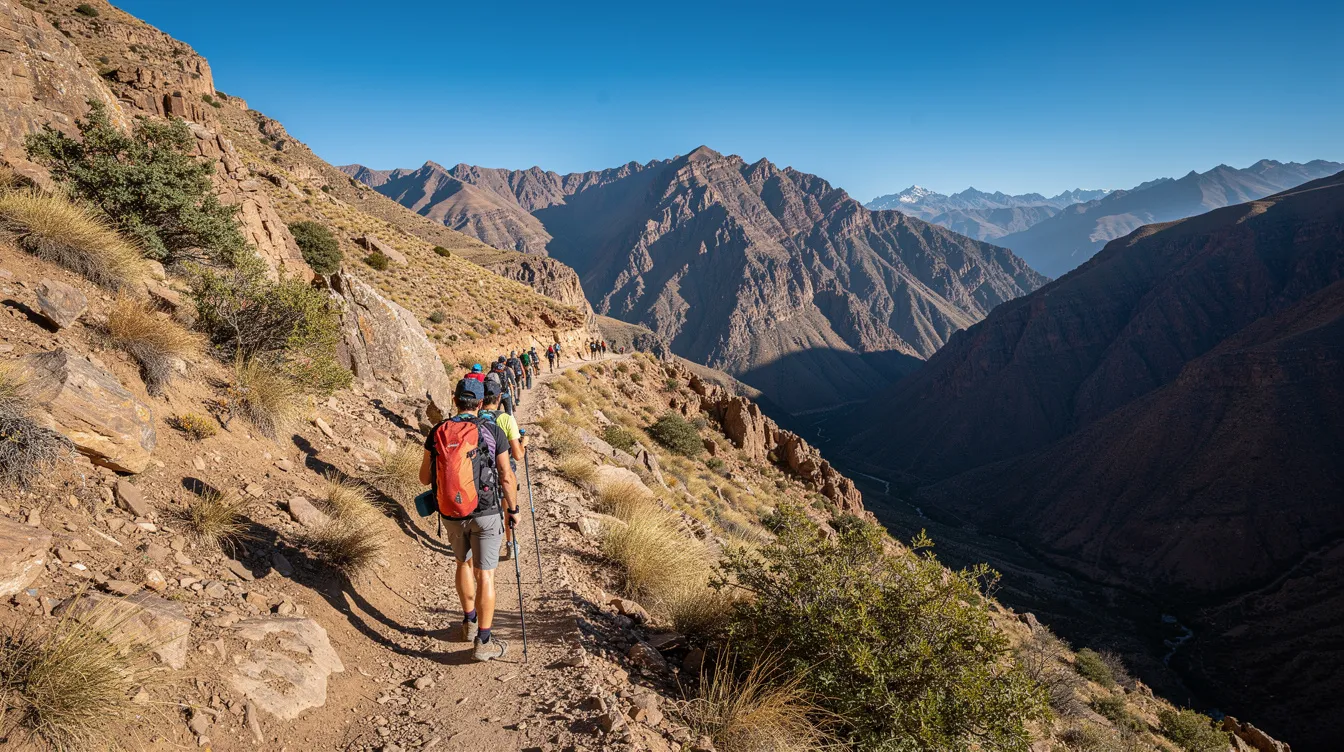
The High Atlas Mountains offer a cool retreat from the summer warmth, with average temperatures ranging from 64°F to 79°F (18°C to 26°C), which makes it ideal for hiking and exploring nature.
In the High Atlas Mountains, July temperatures are cooler, averaging highs around 29°C (84°F) and lows around 11°C (52°F) at night, providing a refreshing escape from the heat. Higher villages can drop to 12–16°C (54–61°F) at night, so bring a layer.
This directly answers: which part of Morocco is coolest in July? The High Atlas, Middle Atlas areas near Ifrane and Azrou, and breezy coastal towns are the coolest choices.
July is not only about heat. It is also a lively festival month, with music, art, food, and public celebrations. Check exact 2026 dates before booking, as some events shift between late June, July, and August.
The International Cultural Festival in Asilah is a two-week event in July that transforms public spaces into large-scale art installations, attracting artists from around the world.
This July international cultural festival turns the white-walled coastal town into an open-air gallery with murals, exhibitions, and performances. It is a two-week event or longer in some years, and Asilah’s breezy coast makes evening walks especially pleasant.
The Timitar Music Festival in Agadir, held over four days in July, celebrates Berber culture and attracts hundreds of thousands of attendees each year.
Expect Amazigh music, world music, open-air concerts, and a big festival atmosphere. Hotels sell quickly, so Morocco Classic Tours can arrange transfers, accommodation, and beach time around performances.
The Festival of Alegria in Chefchaouen is a two-day celebration of cultural diversity in North Africa and the Mediterranean, although its dates may vary and could be scheduled in August instead of July.
Chefchaouen’s cool mountain evenings, blue streets, and small-town atmosphere make the festival feel intimate and colorful.
The Feast of the Throne, celebrated on July 30, marks the anniversary of King Mohammed VI's ascendance to the throne and features fireworks, food, and street parades across Morocco.
Some services may close or run shorter hours, so a guided plan helps with timing, transport, and security around busy public celebrations.
Visiting Morocco in July works best when you choose destinations strategically. The goal is simple: short bursts of inland culture, longer stays near the coast or mountains, and rest during peak heat.
Casablanca, Rabat, Essaouira, Agadir, Taghazout, Tangier, and Asilah are standout coastal bases. The coastal areas of Morocco, such as Essaouira and Agadir, enjoy milder temperatures in July, averaging around 22°C–27°C (72°F–81°F), thanks to ocean breezes.
Use Casablanca, Rabat, and Tangier for urban touring; Essaouira, Taghazout, and Asilah for relaxed art and surf stays; and Agadir for resort comfort.
The mountains are ideal for travelers who prefer fresh air, hiking, Berber village visits, and clear views. Morocco Classic Tours offers Atlas Mountains tours with local guides, private transfers, and guesthouses that feel much cooler than inland plains.
If the Sahara desert is a dream, keep it short in July. Avoid midday, drink constantly, and choose a camp with shade and cooling options. If your main goal is dunes, camel trekking, and campfires, spring or autumn is usually the better season.
Here are the travel tips that matter most:
Plan walking tours early morning or late afternoon.
Rest indoors from roughly 11:00 to 16:00 in hot cities.
Choose hotels and riads with reliable air conditioning.
Drink water often and use electrolytes on active days.
Wear high-SPF sunscreen, sunglasses, and a hat.
Mix inland sightseeing with coast and mountains to avoid heat fatigue.
Book private tours and transfers ahead during festival weeks.
For a trip to Morocco in July, pack loose, breathable clothing made of natural materials like linen and cotton to stay comfortable in the heat.
Bring:
Lightweight cotton or linen tops.
Loose trousers, long skirts, or midi/maxi dresses.
A wide-brimmed hat and UV sunglasses.
A light cotton scarf to drape over yourself for sun protection, along with a hat and sunglasses.
High-SPF sunscreen, reusable water bottle, and small daypack.
Comfortable walking shoes, essential for exploring Morocco's bustling souks and towns, especially during the hot summer months.
Female travelers should choose cool but modest clothing. While tourists can wear what they like, it's respectful to cover your shoulders and knees in accordance with Moroccan cultural norms.
Good options include ankle-length skirts, loose wide-leg trousers, breathable blouses, thin cotton maxi dresses, and a scarf for traditional public spaces. Swimwear is fine at hotel pools and many tourist beaches, but bring a cover-up between beach and town.
For the desert, wear long sleeves, light colors, closed shoes for hot sand, and a hat with a chin strap. For the High Atlas, add a light sweater or fleece because evenings can be cool. A buff or bandana is useful for wind, dust, and mountain trails.
July coincides with the peak holiday season for European travelers, leading to crowded coastal accommodations and quick booking needs.
Beach towns, festival cities, and riads with pools sell fast. Inland cities may feel quieter at midday, but the best air-conditioned hotels still book early. Look for travel deals outside weekends, but reserve key tours, trains, and rooms several months ahead if you can.
Morocco Classic Tours specializes in private, customizable Morocco tours, which is valuable when July weather changes so much by region.
We can:
Build an itinerary around cooler regions, the coast, and the High Atlas.
Arrange private air-conditioned vehicles.
Select riads and hotels with cooling, pools, or shaded courtyards.
Time medina tours, food walks, Agafay dinners, and beach extensions around cooler hours.
Help you visit Morocco in July without wasting energy in unsafe midday heat.
If you want a July trip that feels immersive but comfortable, contact Morocco Classic Tours through our website to plan a route that matches your pace, interests, and heat tolerance.
July and August are usually the hottest months in Morocco. Inland cities and the Sahara often exceed 40°C (104°F), while the desert can go above 45°C (113°F). Some years August is slightly hotter, but both months require careful planning.
The coolest parts are the High Atlas Mountains, higher Middle Atlas regions such as Ifrane and Azrou, and breezy coastal destinations like Essaouira, Asilah, Tangier, Rabat, and Agadir.
No, but timing is everything. City tours are best early morning or late afternoon, with shaded medina routes, museum stops, café breaks, and air-conditioned transfers during the hottest hours.
Yes, but keep the Sahara short and carefully timed. Spend more nights in the High Atlas and on the coast to recover from hot inland driving days, and use private transport for comfort.
Yes, July is generally safe for travelers, but heat safety matters. Drink water, avoid long midday exposure, use sun protection, and choose guided tours if you want local support with pacing, logistics, and weather changes.
Compare Morocco group tour agencies by trip style, reviews, pace, transport and inclusions. Learn wh...
Read this article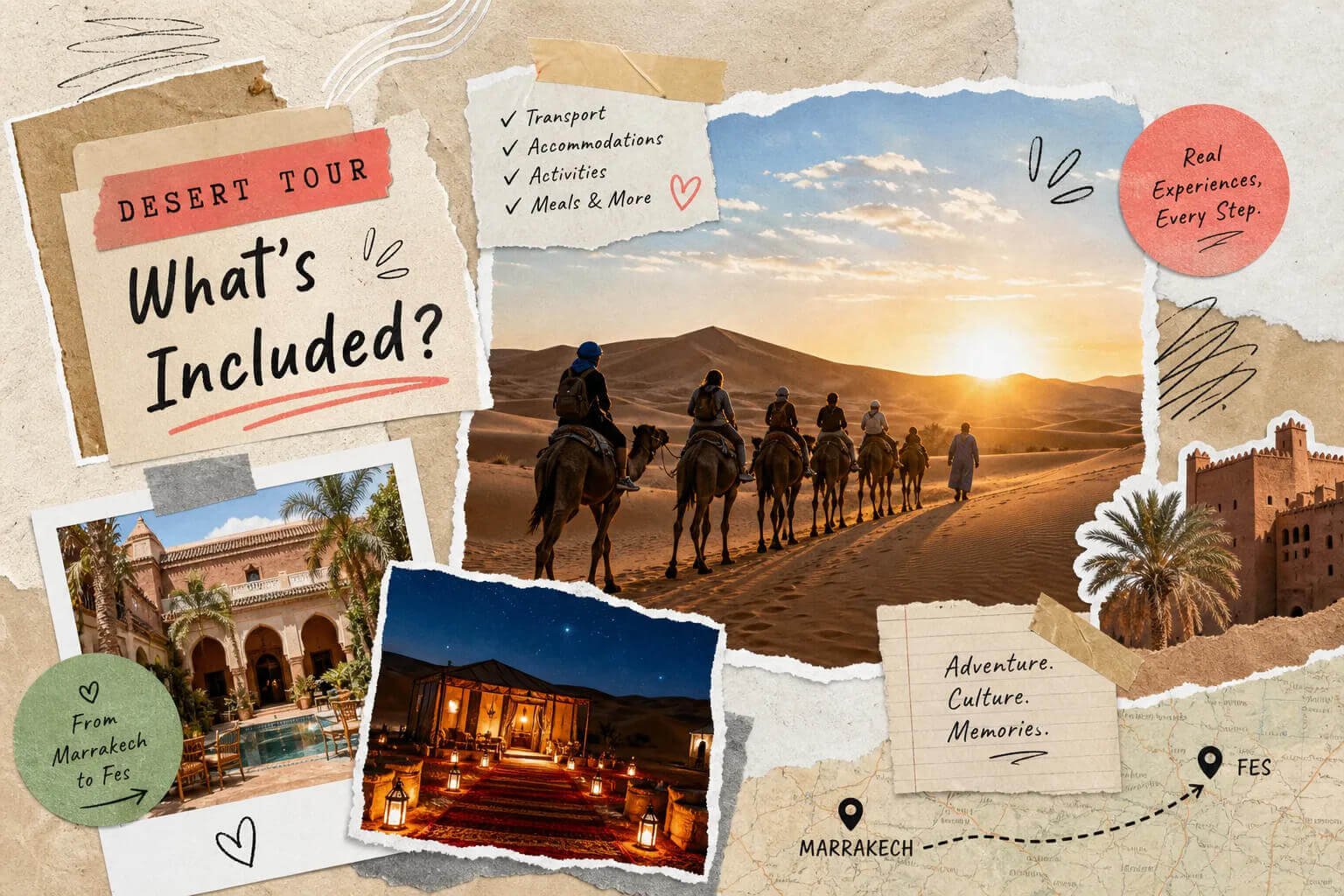
Uncover what a Marrakech to Fes desert tour offers, including camel rides, desert camps, and rich cu...
Read this article
Join our Merzouga Overnight Tour for an authentic desert experience. Enjoy camel rides, comfortable ...
Read this articleWant cool tour deals and tips about Morocco? Enter your email and we’ll send them to you each month!
