Group Tour Agencies in Morocco: How to Pick the Right One
Compare Morocco group tour agencies by trip style, reviews, pace, transport and inclusions. Learn wh...
Read this article

Private, custom Morocco trips planned in Fez by AZ-ZDDINE, working in Moroccan tourism since 2012. Sahara, Atlas, medinas and coast, arranged around you.
Live conditions in Marrakech right now, plus detailed January climate data for 12 key Morocco destinations — helping you choose the right place for your family winter trip.
Live data from Open-Meteo · Updated when this page loads
January climate averages based on long-term means for key Morocco destinations. Live data: Open-Meteo. © Morocco Classic Tours.
Planning a trip to Morocco in January? This comprehensive guide is designed for travelers considering a Moroccan adventure during the winter months. Understanding the weather in Morocco in January is essential for making the most of your journey—whether you’re seeking winter sun, cultural city breaks, desert tours, or mountain escapes. January is the coldest month in Morocco, but it is still mild compared with much of Europe or North America, with typical daytime temperatures around 15–22°C (59–72°F), depending on the region. In this guide, you’ll find detailed information on regional temperatures, what to pack, where to go for the best weather, and how to plan your itinerary for a comfortable and memorable experience.
Southern Morocco can reach temperatures of 64°F to 73°F in January, especially around Agadir, Taghazout, Taroudant, and desert areas by day.
Northern Morocco, the north coast, and the High Atlas Mountains are cooler and wetter, while Agadir and the Sahara Desert offer the best chance of winter sun.
Crowds are smaller in January, making it a quieter time to visit, and many hotels offer low-season rates.
Layering is essential due to extreme temperature fluctuations in January: pack warm layers like sweaters and jackets, plus comfortable walking shoes.
Yes. January is mid-winter, but it is still a great time for visiting Morocco if your trip is focused on culture, medina walks, food, desert tours, hiking, and photography rather than a pure beach holiday. The weather is often cool, bright, and pleasant in most areas, especially during the middle of the day.
Because January is low season, you will find fewer tourists in the old medina of Fez, the vibrant markets of Marrakech, and popular destinations like Chefchaouen. Cooler temperatures also make it easier to explore imperial cities, Roman ruins, kasbahs, and the Sahara without the intense heat of summer. January is ideal for desert tours due to manageable temperatures.
Morocco Classic Tours can design private Morocco trips around winter interests such as Sahara desert camps, food tours, camel rides, ATV experiences, coastal escapes, and Atlas Mountains excursions.
The weather in Morocco in January is varied: January is the coldest month in Morocco and one of the wetter periods of winter, but the country still gets many sunny days and clear air. Countrywide, expect daytime highs from about 10–22°C (50–72°F), while nights in Morocco during January dip into the 40s°F in many cities and inland areas.
According to regional climate averages from Weather Atlas, inland night lows are often 3–8°C (37–46°F), colder at altitude. January sees 7-8 days of rainfall on average, though rainfall is mostly concentrated in the north and mountains. Sunshine usually lasts about 6–7 hours per day, with roughly 10 hours of daylight and a low to moderate UV index.
The weather depends heavily on where you head: coastal areas have Atlantic breezes, the coastal plains experience a mild oceanic-Mediterranean climate in January, inland cities see sunny but brisk days, mountains regularly experience freezing temperatures and snow in January, and the desert gets warm days with cold nights. Sea temperatures are cool, around 16–18°C (61–64°F), so swimming feels refreshing rather than tropical.
These are average temperatures, not a guaranteed forecast. Winter storms can shift conditions quickly, especially in northern morocco and the High Atlas Mountains. Use this section to choose between winter sun, cool weather city breaks, and snowy mountain scenery.
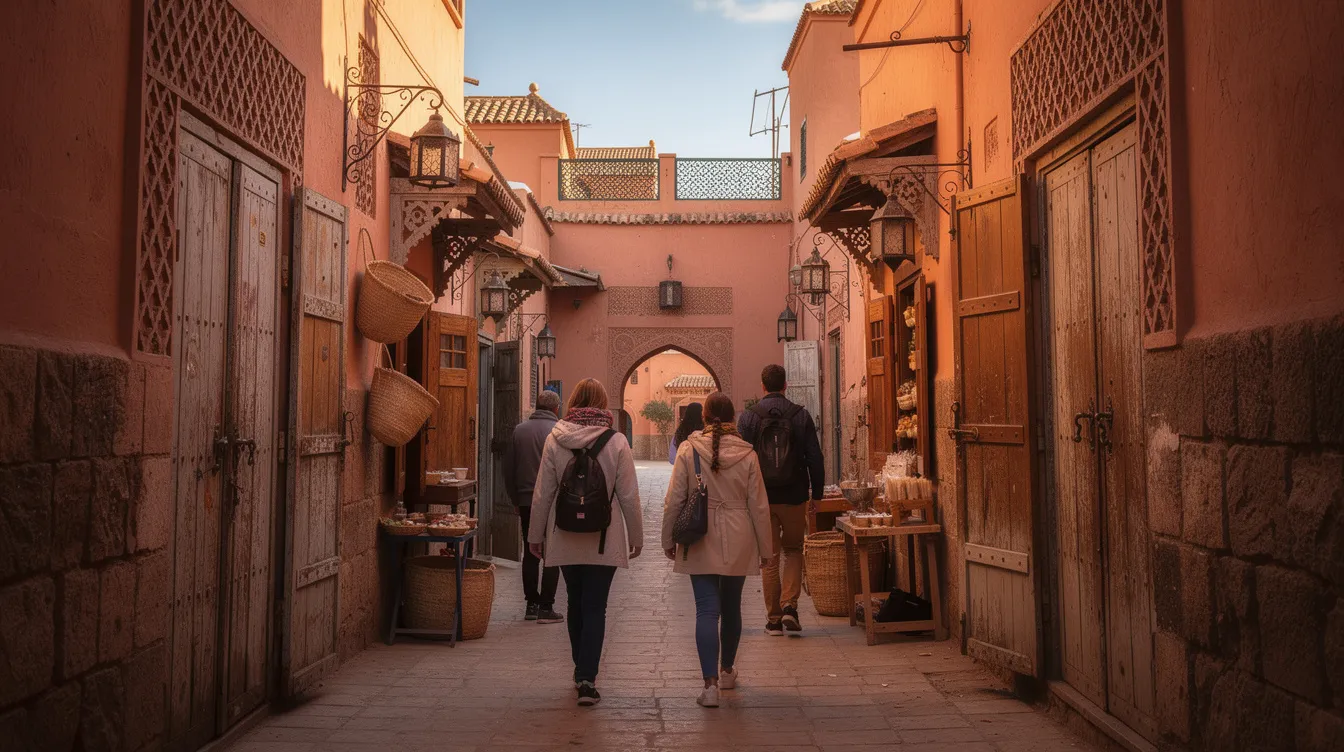
Marrakech Morocco weather in January is usually sunny and comfortable by day, with temperatures in Marrakech ranging from 64°F to 70°F in January. Typical highs are 18–20°C (64–68°F), with lows near 6–8°C (43–46°F).
Days can feel warm in the sun but chilly in shade, with occasional rainfall. Traditional riads can feel cold indoors because of tile, stone, and limited heating. The clear winter light makes the red medina walls and snow-capped High Atlas peaks especially photogenic, and Marrakech is a perfect time base for foothill day trips with Morocco Classic Tours.
Casablanca Morocco weather in January is Atlantic-influenced, mild, humid, and changeable. Coastal cities like Casablanca have highs of 59°F to 64°F, though average highs are often around 17–18°C (63–64°F), with lows near 9–10°C (48–50°F).
Expect cloud, sun, and occasional rain. Sea breezes make evenings along the Corniche feel cooler than the numbers suggest, so indoor attractions such as Hassan II Mosque, cafés, museums, and galleries are useful when the weather turns grey.
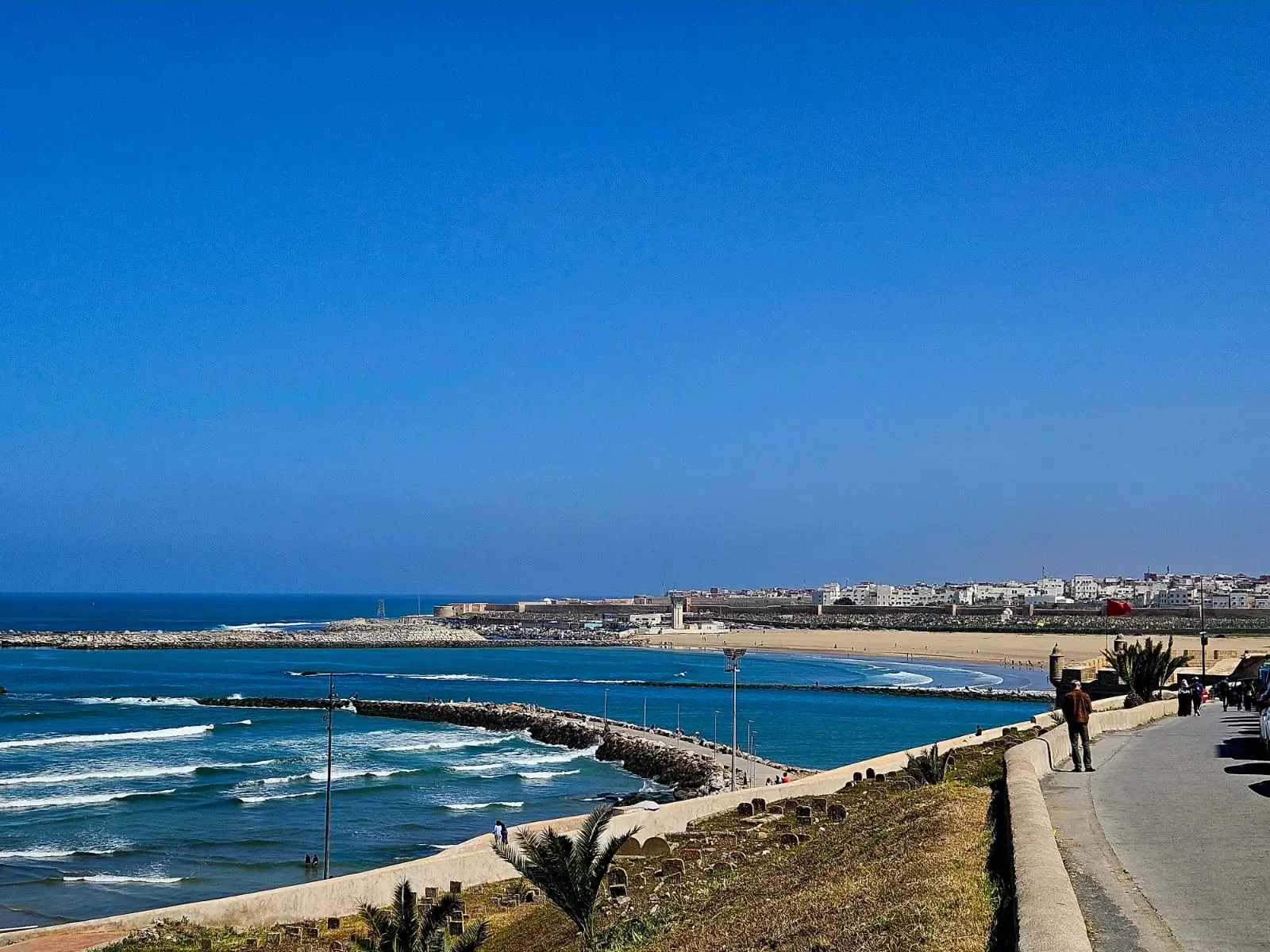
Rabat Morocco weather in January is similar to Casablanca: mild days of 16–18°C (61–64°F), cool nights around 8–9°C (46–48°F), and damp coastal air. Tangier, Casablanca, Rabat, and Essaouira are coastal cities in Morocco, so all can feel breezy in winter.
Winter showers are common but often short-lived. Rabat is excellent for relaxed sightseeing at the Kasbah of the Udayas, Chellah, museums, and seafront walks without heavy crowds.
Fez Morocco weather in January is cooler than the coast, with highs around 14–16°C (57–61°F) and lows near 4–5°C (39–41°F). The weather in Marrakech, Fes, and the Sahara is usually sunny and comfortable during daytime, but Fez nights can feel very cold inside traditional houses in the medina.
Expect some grey, damp mornings or fog, followed by crisp afternoons that are ideal for exploring the medieval old medina. Pack warmer layers for Fez than for Agadir, including a hat and gloves for rooftop evenings.
Meknes Morocco weather in January is similar to Fez: daytime temperatures near 14–16°C (57–61°F), with nights around 3–5°C (37–41°F). Rain and mist are possible, but clear days bring beautiful countryside views.
Plan outdoor sightseeing in the warmer middle hours, then save museums, cafés, and covered souks for early morning or late afternoon.
Chefchaouen Morocco weather in January is cool and damp in the Rif Mountains, with highs around 11–14°C (52–57°F) and lows of 4–6°C (39–43°F). Expect rain, mist, and moody streets rather than guaranteed sunshine.
Tangier Morocco weather in January and Asilah Morocco weather in January are milder, often 15–17°C (59–63°F) by day, but windy and wet. This part of the country is best for atmospheric photography, blue streets, sea views, and quiet cafés.
Agadir Morocco weather in January is among the warmest in Morocco. Is Agadir hot in January? Not hot like summer, but warm by winter standards: average highs are about 20–22°C (68–72°F), with lows around 10–12°C (50–54°F).
Agadir and Taghazout Morocco weather in January brings many sunny days, making this coast popular for winter sun, surfing, beach walks, and families. Sea temperatures are around 17–18°C (63–64°F), cool but surfable. Midday sunbathing is usually comfortable out of the wind, but evenings need a sweater.
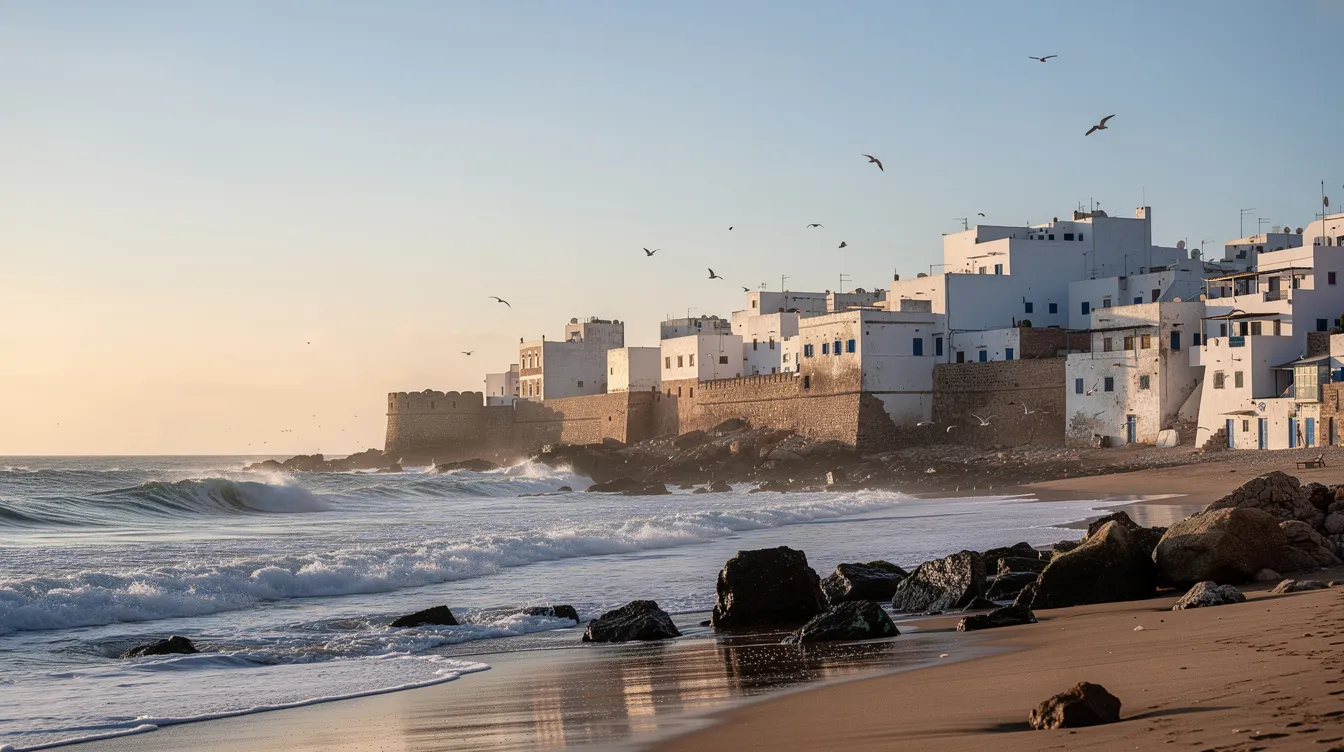
Essaouira Morocco weather in January is fresh, breezy, and coastal, with highs of about 17–19°C (63–66°F) and lows near 9–10°C (48–50°F). The wind can make the air feel cooler, even when the sun is out.
Oualidia Morocco weather in January is slightly cooler but sheltered by its lagoon, making it good for walks, birdwatching, seafood lunches, and oysters. Choose these towns for coastal character, not warm-water swimming.
Taroudant Morocco weather in January is often warmer than the coast in the afternoon, with temperatures sometimes reaching 21–23°C (70–73°F). Temperatures in southern Morocco can reach 73°F in January.
Nights remain cool at 7–9°C (45–48°F), and mudbrick rooms can feel chilly. Taroudant is a strong base for Anti-Atlas drives, oasis valleys, and quieter southern culture.
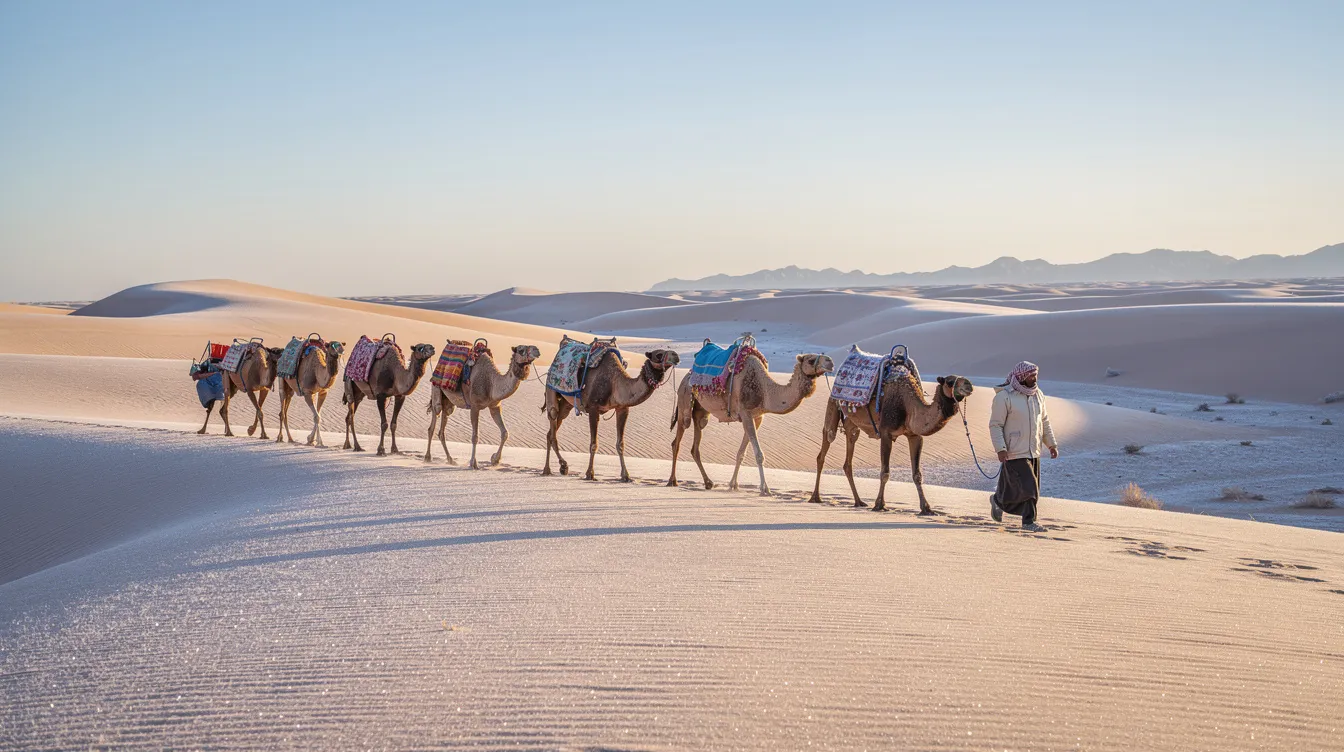
Sahara Desert Morocco weather in January is one of the best reasons to visit Morocco in winter. Temperatures in the Sahara Desert reach highs around 20–22°C in January, or roughly 68–72°F, making camel rides, dunes, and 4x4 routes comfortable.
The warning is at night: the Sahara Desert can drop close to 0°C (32°F) or below before dawn. Clear skies make excellent stargazing, and desert camps are magical in January, but bring thermals, gloves, hats, wool socks, and a warm jacket.
Atlas Mountains Morocco weather in January is cold, especially above 1,800–2,000 m. In villages like Imlil, days may be 5–10°C (41–50°F), while higher passes and peaks are below freezing.
The High Atlas Mountains have significant snowfall in January, and January is peak winter season in the Atlas Mountains for skiing and winter sports, including areas near Oukaïmeden when conditions allow. Lower valleys may reach 10–14°C (50–57°F) at midday, but nights are very cold. Bring waterproof boots, insulated layers, gloves, and a hat.
Ifrane Morocco weather in January is among the coldest in the country. In the Middle Atlas, Ifrane is often called “Little Switzerland,” with highs around 7–9°C (45–48°F) and lows around -1–1°C (30–34°F).
Frost and snow are common, especially in cedar forests and surrounding mountains. It is a different side of morocco in January: alpine, crisp, and great for travelers who want snow as part of the trip.
Sunbathing is possible in southern and Atlantic coastal areas on sunny, wind-sheltered days, but January is not tropical-resort hot. Agadir, Taghazout, and sheltered spots near Essaouira can feel warm at midday, especially with moderate UV.
Northern Morocco, Tangier, Fez, and Chefchaouen are generally too cool for comfortable sunbathing. The sea is cold for long swims, so most people paddle, surf, or book a hammam instead of planning a beach-only holiday.
Here is a quick reference for weather Morocco January planning:
Region | Average January High | Average January Low | Best For |
|---|---|---|---|
Northern coast & Mediterranean climate areas | 15–17°C / 59–63°F | 8–10°C / 46–50°F | Tangier, Asilah, moody coast |
Casablanca / Rabat coast | 16–18°C / 61–64°F | 8–10°C / 46–50°F | City breaks, cafés |
Marrakech & inland plains | 18–20°C / 64–68°F | 6–8°C / 43–46°F | Culture, markets, day trips |
Agadir / southern coast | 20–22°C / 68–72°F | 10–12°C / 50–54°F | Winter sun, surfing |
Sahara & desert areas | 18–22°C / 64–72°F | 0–5°C / 32–41°F | Camps, stargazing |
Atlas mountains & Ifrane | 5–10°C / 41–50°F or lower | Below freezing | Snow, hiking, skiing |
Warmest January spots: Agadir, Taghazout, Taroudant, southern coast, and the Sahara by day. Coldest spots: Ifrane, the High Atlas, and desert camps at night. | |||
What to pack for Morocco in January depends on your route, but layers are non-negotiable. Bring:
Base layers and long-sleeve tops
Pack both light and heavy sweaters for temperature variations
Warm jacket for evenings and desert camps
Rain gear like a waterproof jacket and umbrella
Scarf, beanie, gloves, and warm socks
Consider bringing extra socks for comfort during travel
Comfortable closed-toe shoes or light hiking boots
Modest clothing for mosques, conservative neighborhoods, and smaller towns
Sunglasses, sunscreen for winter sun, daypack, and plug adapter
Morocco Classic Tours can advise on packing based on your final itinerary, whether it includes the coast, Sahara, cities, or mountains.
For Marrakech in winter months, pack a medium-weight coat, cardigan, long-sleeve tops, jeans or light trousers, closed shoes, and a pashmina or scarf.
Even after sunny days, evenings can turn chilly. Add a smart-casual outfit for riad dinners and rooftop restaurants, plus warm socks or indoor slippers because riad floors can feel cold at breakfast.
January is an excellent time for cultural immersion, private tours, food walks, desert adventures, and outdoor activities that would be too hot in summer. Morocco offers quiet medinas, clear light, milder temperatures, and better value across many destinations.
Things to do in Marrakech in January include exploring Jemaa el Fna and the medina without summer heat, visiting Bahia Palace, El Badi Palace, Jardin Majorelle, and the Yves Saint Laurent Museum, and booking a hammam or food tour.
A day trip to the High Atlas foothills or Agafay Desert works well in January. If scheduled that year, the Marrakech Marathon also brings extra winter energy to the city.
January is excellent for scenic drives and low to mid-altitude hiking in the Atlas Mountains, with snow-capped peaks above villages like Imlil, Asni, and Ourika.
Guided winter walks, Amazigh village visits, and guesthouses with fireplaces are highlights. High passes may be snowy or icy, so experienced local drivers are important.
Classic Sahara experiences include camel trekking at sunset, quad or 4x4 dune routes, and overnight stays in Erg Chebbi or Erg Chigaga.
Cooler daytime weather makes exploring comfortable, while evenings around the campfire with music, tagines, and stars feel special. Good bedding and warm clothing make all the difference.
January’s cool weather is ideal for museums, medinas, historic cafés, and architecture. Visit Fez’s medieval medina, Rabat’s kasbah, Casablanca’s Hassan II Mosque, and Tangier’s literary hilltop views.
With private transfers, Morocco Classic Tours can connect two or three cities in a one-week itinerary while keeping flexibility for rain.
The Atlantic coast in January is about sea air, surfing, seafood, and slow travel. Agadir and Taghazout suit winter sun seekers, Essaouira offers art galleries and music, and Oualidia is ideal for lagoon walks, birdwatching, and oyster lunches.
January still has important cultural dates. New Year’s Day on January 1 is often quiet after celebrations the night before.
Independence Day is celebrated on January 11 in Morocco, and Independence Day commemorates Morocco's 1944 Proclamation of Independence. Expect flags, official events, and some closures because it is a national holiday.
Yennayer is celebrated on January 12-13 in Morocco. Yennayer marks the Amazigh New Year and the crop year, with celebrations that include traditional music and dance, especially in Amazigh communities in the Middle Atlas, High Atlas, Agadir, and Tiznit.
January is low season in most areas, except New Year’s week and event weekends. Hotels and riads are often better value than in spring or autumn, desert camps have more availability, and popular sites feel calmer.
Book early for the first week of January, but mid to late January is usually flexible. If you dislike heat and crowds, this may be the best time to visit Morocco overall.
Morocco Classic Tours specializes in private and customizable tours across Morocco, including Sahara desert camps, Atlas Mountain tours, food tours, ATV and quad biking, camel rides, coastal escapes, and cultural city experiences.
In January, we can combine winter sun in the south, cultural immersion in imperial cities, snowy Atlas views, and carefully selected riads or camps with reliable comfort. Our local guides, private transfers, and flexible schedules help your itinerary adapt to winter weather.
To start planning, contact Morocco Classic Tours or browse winter tour ideas for a January trip built around your pace, interests, and comfort.
January is better in the Sahara than people assume: clear days, comfortable for riding, and very few other travellers. The catch is the cold after dark, which is why we talk about layers so much on the desert in winter.
Yes, in many places. Coastal and big cities usually drop to 5–10°C (41–50°F), while Marrakech and Fez can feel colder because of dry air and unheated interiors. The High Atlas Mountains and Ifrane can fall below freezing, and Sahara camps often approach 0°C (32°F) before dawn.
Many modern hotels and some riads have heating or reversible air conditioning, but not all traditional properties are well heated. Confirm heating in advance, especially in Fez, Marrakech, Chefchaouen, and mountain villages.
Main roads are usually passable, but snow and ice can affect higher passes after storms. For mountain and desert routes, experienced local drivers and suitable vehicles are safer than self-driving in winter.
Agadir, Taghazout, Taroudant, and the fringes of the Sahara usually offer the best winter sun. They are warm by day, but evenings are still cool, so do not expect tropical nights.
Plan 7–10 days to combine two regions, such as Marrakech and the Sahara or Fez, Chefchaouen, and Rabat. With 12–14 days, you can include imperial cities, the High Atlas Mountains, the Sahara Desert, and the Atlantic coast at a relaxed pace.
Compare Morocco group tour agencies by trip style, reviews, pace, transport and inclusions. Learn wh...
Read this article
Uncover what a Marrakech to Fes desert tour offers, including camel rides, desert camps, and rich cu...
Read this article
Join our Merzouga Overnight Tour for an authentic desert experience. Enjoy camel rides, comfortable ...
Read this articleWant cool tour deals and tips about Morocco? Enter your email and we’ll send them to you each month!
