Group Tour Agencies in Morocco: How to Pick the Right One
Compare Morocco group tour agencies by trip style, reviews, pace, transport and inclusions. Learn wh...
Read this article

Private, custom Morocco trips planned in Fez by AZ-ZDDINE, working in Moroccan tourism since 2012. Sahara, Atlas, medinas and coast, arranged around you.
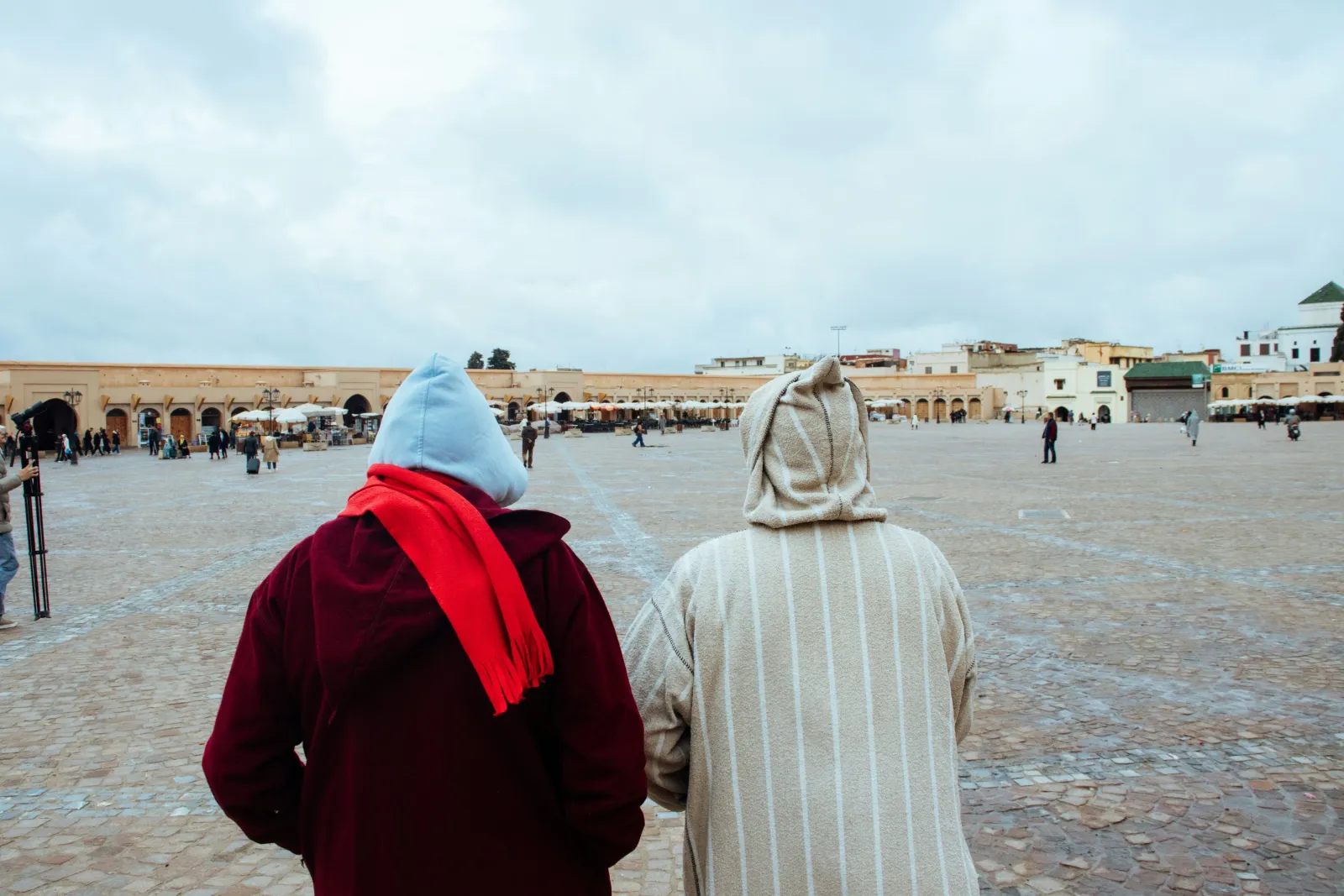
Are you planning a trip to Morocco in December? This comprehensive guide is designed specifically for travelers who want to make the most of their Moroccan adventure during the winter month of December. Understanding the weather is crucial for trip planning, as Morocco’s climate varies dramatically by region and can impact everything from what you pack to which destinations you choose. In this guide, you’ll find detailed information on December weather patterns across Morocco’s cities, mountains, and deserts, practical packing tips, and expert advice to help you prepare for a comfortable and memorable journey.
December weather in Morocco is generally mild by day (around 14–22°C / 57–72°F) and cold at night, with significant regional differences between the coast, inland cities, mountains, and Sahara.
Coastal cities like Casablanca, Rabat, Essaouira, and Tangier are cool and sometimes rainy, while Marrakech, Agadir, and the Merzouga Desert offer the warmest December conditions.
December is an excellent time to visit Morocco: fewer crowds, good prices outside Christmas and New Year, and ideal conditions for city sightseeing and desert tours.
Morocco Classic Tours arranges private December trips, Sahara camps, Atlas excursions, and city tours adapted to winter daylight hours and temperatures.
December marks the beginning of winter in Morocco, but conditions remain much milder than in most of Europe or North America. If you’re visiting Morocco to escape the harsh winter at home, you’ll find comfortable daytime temperatures perfect for exploration.
December is one of the wetter months in Morocco, especially in the northern regions. Rainfall in Morocco during December can vary widely depending on your location, with coastal regions being more humid. Typical daytime highs across many cities sit between 15–20°C (59–68°F), with nights often dropping to 5–10°C (41–50°F). The Atlas Mountains and desert regions experience even colder temperatures after dark, sometimes approaching freezing.
Weather conditions differ dramatically by region. The Atlantic coast stays cool and breezy with some rain, while inland cities like Marrakech enjoy sunny, crisp days. The High Atlas Mountains can see snow at altitude, and the Sahara Desert brings warm days but very cold nights.
Is December a good month to visit Morocco? Absolutely. You’ll enjoy pleasant temperatures for active sightseeing without the scorching summer heat. Just prepare for chilly evenings and know that many traditional riads lack central heating.
Daylight hours are shorter in December, with sunset occurring between 4:45 and 5:30 pm, depending on your location. Morocco Classic Tours adjusts its itineraries accordingly, ensuring guests maximize their time without after-dark travel in cold conditions.
Understanding morocco weather patterns in December helps you pack smartly and choose the right destinations. Here’s what to expect across the country:
Daytime temperatures typically range from 12–22°C (54–72°F) depending on the region. Nights cool down significantly to about 2–10°C (36–50°F), with the coldest conditions in mountain towns and desert areas.
Regional breakdown:
Coastal cities usually stay within a narrow band of 15–20°C (59–68°F) during the day, with Atlantic winds adding a chill factor
Inland cities like Marrakech and Fes show bigger contrasts—warmer afternoons around 18–21°C and cold nights dropping to 6–8°C
Desert regions experience the most dramatic swings: comfortable 18–22°C days, but temperatures drop drastically to 2–6°C after sunset.
Mountain areas are coldest, with daytime highs of just 5–12°C and freezing nights.
Rain is most common in northern and coastal regions. Tangier, Rabat, Casablanca, and Essaouira may see 6–10 rainy days, while the Sahara and far south stay mostly dry with clear skies.
Snow becomes likely above roughly 1,800 meters in the High Atlas and Middle Atlas, with towns like Ifrane regularly receiving December snowfall.
This section provides a practical breakdown of December weather in the specific destinations travelers often combine on Morocco Classic Tours itineraries. Each subsection covers average temperatures, rain expectations, and what the weather actually feels like for visitors.
Use this overview when deciding whether to focus on the coast, imperial cities, atlas mountains, or the desert for your December tour. The variety of climates means you can experience everything from sunny desert days to snow capped atlas mountains within a single Morocco trip.
Marrakech stands as one of the warmer major cities in December, offering sunny days and cold nights ideal for exploring without the intense summer heat.
Average temperatures:
Daytime highs: 18–21°C (64–70°F)
Night lows: 6–8°C (43–46°F)
Rainfall: Light, with few rainy days
The weather feels pleasant for walking tours through the medina and visiting gardens like Jardin Majorelle by day. However, rooftop terraces become noticeably chilly after sunset, and you’ll want warm layers for evening meals.
One important consideration: Marrakech can feel colder indoors than outside in the morning. Many traditional riads lack central heating, so choosing accommodations with confirmed heating makes a real difference in December.
From Marrakech, Morocco Classic Tours runs winter day trips to the Atlas foothills, where temperatures are typically a few degrees cooler than in the city.
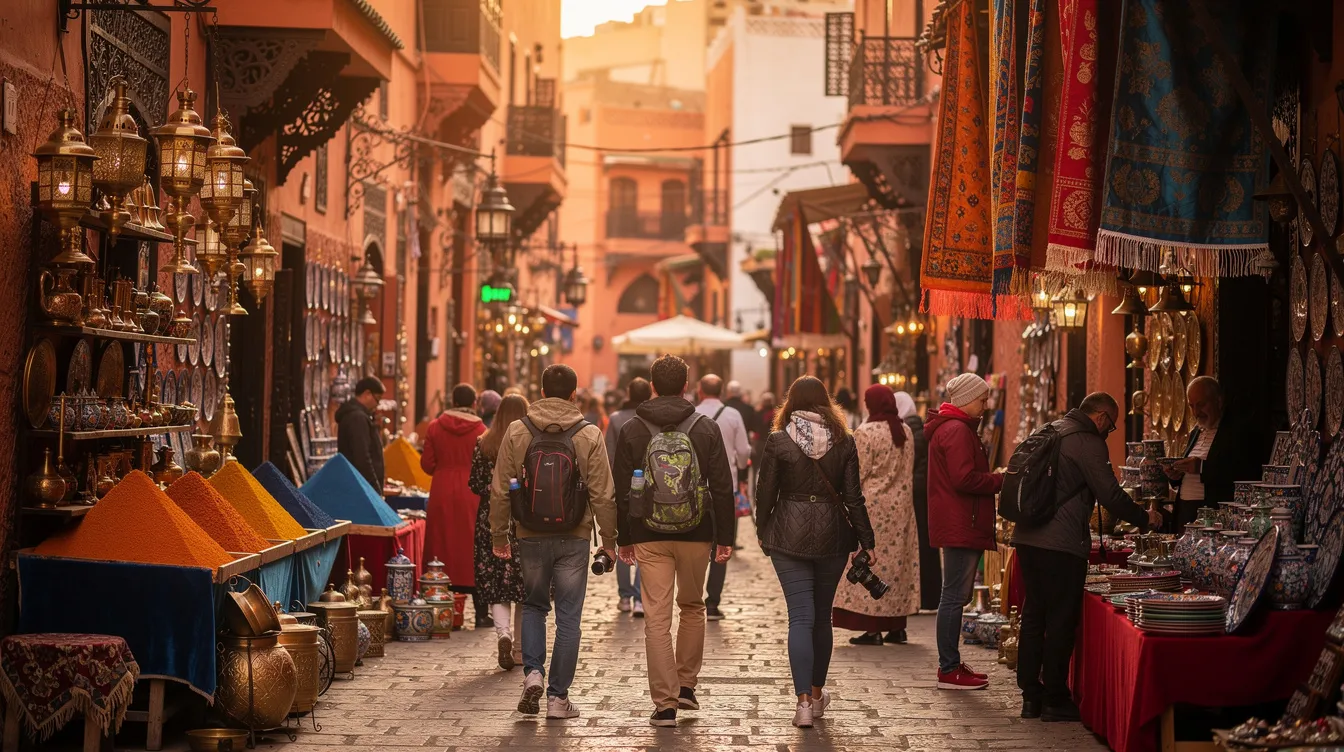
Fes in December runs cooler than Marrakech, especially during early mornings and at night. This northern location brings a crisper feel to your exploration of Morocco’s imperial cities.
Average temperatures:
Daytime highs: 14–17°C (57–63°F)
Night lows: 4–7°C (39–45°F)
Rainfall: Occasional showers possible
Conditions in the famous medina include crisp air and sometimes damp stone streets. The cooler temperatures make walking through the tanners’ quarter and craft workshops comfortable when dressed in layers.
Fes riads can feel particularly cold due to their tiled courtyards and thick stone walls. Pack warm sleepwear and specifically ask about heating when booking accommodations.
Morocco Classic Tours often starts or ends custom December itineraries in Fes, combining it with desert trips or Chefchaouen visits to give travelers varied climates within one journey.
Casablanca and Rabat share similar Atlantic coastal weather in December. Expect mild weather that’s often cloudy, breezy, and occasionally rainy—typical of coastal cities during winter months.
Average temperatures:
Daytime highs: 16–19°C (61–66°F)
Night lows: 9–11°C (48–52°F)
Rainfall: Several rainy days throughout the month
Is Casablanca warm in December? Pleasant but not hot. The weather suits city walks with a light jacket, but it isn’t designed for beach-swimming holidays. Cooler sea temperatures keep most visitors out of the water.
What to wear in Casablanca and Rabat in December:
Long trousers and closed shoes
Sweater and light-to-medium jacket
Compact umbrella or waterproof layer
Layers you can add or remove as clouds come and go
These cities make comfortable winter starting points for Morocco Classic Tours itineraries, thanks to excellent international flight connections into both airports.
Northern Morocco runs cooler and often wetter than the center and south in December. These northern regions offer a different atmosphere—mistier, more European in feel.
Tangier conditions:
Daytime highs: 15–17°C (59–63°F)
Night lows: 8–10°C (46–50°F)
Notable Atlantic wind and regular showers
Chefchaouen conditions:
Daytime highs: 12–15°C (54–59°F)
Night lows: 4–7°C (39–45°F)
Higher chance of drizzle or fog in the Rif hills
Visitors should expect “sweater weather” all day in Chefchaouen, especially in the shade of those famous blue-washed alleys. The cooler temperatures create atmospheric photo opportunities but require proper preparation.
Morocco Classic Tours can combine Tangier or Chefchaouen with warmer inland stops, so travelers experience both misty mountains and sunnier southern regions during one December trip.
Essaouira in December feels cool and windy, with the Atlantic moderating temperatures while adding humidity and consistent breezes.
Average temperatures:
Daytime highs: 17–19°C (63–66°F)
Night lows: 10–12°C (50–54°F)
Breezy conditions with occasional rain
The coastal areas here are perfect for seaside walks, surfing with a wetsuit, and long seafood lunches at harbor restaurants. However, it’s usually too chilly for comfortable swimming.
Wind can make it feel cooler than the thermometer suggests. Bring a windproof jacket and scarf to enjoy the ramparts and beach walks comfortably.
Many Morocco Classic Tours itineraries link Marrakech and Essaouira in December, offering both sunny city days and relaxed coastal time with scenic landscapes.
Agadir emerges as the warmest coastal option in December, making it popular for winter sun seekers looking for milder winter temperatures.
Average temperatures:
Daytime highs: 19–22°C (66–72°F)
Night lows: 10–12°C (50–54°F)
Mostly sunny days with relatively low rainfall
Agadir is generally warmer than Marrakech in terms of daytime feel, but more stable due to Atlantic moderation. The southern coastal areas here attract visitors seeking warmth during the winter season.
While the ocean remains cool, many visitors still enjoy sunbathing in sheltered spots and short swims, especially around midday when the winter sun feels strongest.
Morocco Classic Tours designs December itineraries that finish in Agadir for a relaxed, warmer finale after desert or city touring—a perfect way to end a winter Morocco adventure.
Meknes experiences similar inland December weather to Fes, but usually slightly milder. This often-overlooked imperial city rewards visitors with fewer crowds during winter visits.
Average temperatures:
Daytime highs: 14–17°C (57–63°F)
Night lows: 5–8°C (41–46°F)
Some rainy days but plenty of clear, sunny periods
The moderate weather suits exploring the medina and nearby Volubilis Roman ruins when dressed in layers with comfortable walking shoes. Chilly mornings give way to pleasant afternoon temperatures.
Evenings feel cold in older riads and traditional houses. Pack a warm jacket for dinners in courtyard restaurants where open-air settings can get quite cool.
Meknes often features in Morocco Classic Tours cultural itineraries alongside Fes, Rabat, and Volubilis during December’s quieter period.
The contrast between warm desert days, freezing desert nights, and snowy Atlas peaks creates some of Morocco’s most dramatic December landscapes. These regions form key components of Morocco Classic Tours private winter itineraries.
Travelers must prepare differently for Merzouga and the Atlas than for cities like Marrakech or Agadir. Warm clothing, proper footwear, and understanding the temperature swings become essential for comfortable desert adventure and mountain exploration.
The Merzouga Desert and Erg Chebbi dunes deliver warm days and very cold nights in December—a dramatic daily temperature swing that defines desert trips during winter months.
Average temperatures:
Daytime highs: 18–22°C (64–72°F)
Night lows: 2–6°C (36–43°F)
Clear skies and almost no rainfall
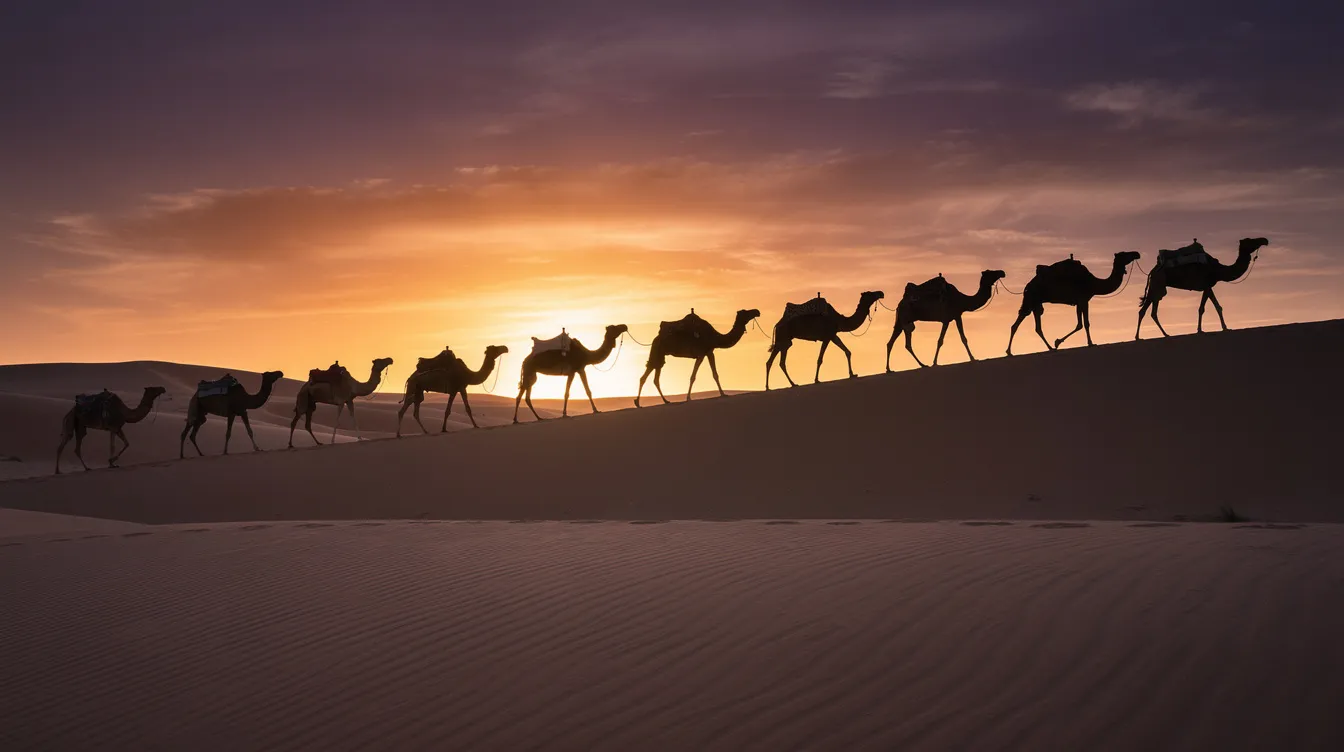
December is one of the best months for desert tours because the sand isn’t burning hot and skies remain crystal clear for stargazing. Comfortable camel trekking conditions during the afternoon hours make this a prime time for Sahara expeditions.
Desert camps require preparation: hats, gloves, and thermal layers become essential after sunset when temperatures drop quickly, and can catch visitors off-guard. The temperature contrast between pleasant afternoons and cold nights often surprises first-time desert visitors.
Morocco Classic Tours arranges heated tents where available, extra blankets, and campfires for December guests to keep desert nights cozy and memorable.
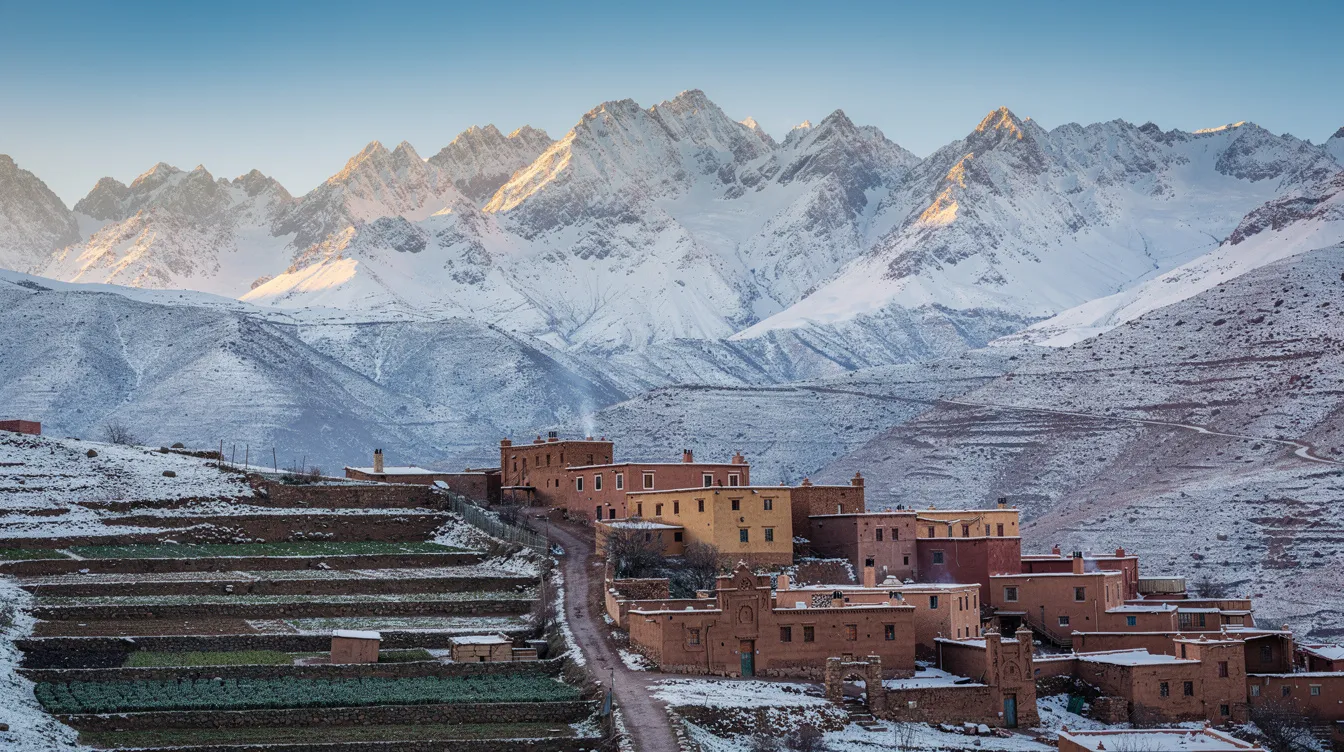
The Atlas Mountains—including High Atlas, Middle Atlas, and areas around Imlil, Oukaïmeden, Ifrane, and Azrou—represent the coldest parts of most classic itineraries in December.
Average temperatures:
Daytime in villages: 5–12°C (41–54°F)
Nighttime: Often -3 to 3°C (27–37°F)
Colder at higher passes and ski areas
Snow falls regularly above 1,800–2,000 meters, with skiing possible at Oukaïmeden and regular snow cover around Ifrane and Azrou in the Middle Atlas. The snow-capped Atlas Mountains create stunning backdrops for photography.
Conditions bring bright, crisp days perfect for short hikes and village visits, but very chilly mornings and evenings. Indoor spaces can feel cold unless there’s a fireplace or reliable heating.
Morocco Classic Tours tailors mountain excursions to weather conditions, using 4x4 vehicles, flexible routing, and recommending guesthouses with confirmed heating for December guests.
December falls within Morocco’s wetter season in the north and along the coast, but most areas still enjoy many sunny days overall. Understanding these patterns helps with realistic itinerary planning.
Rainfall distribution:
Atlantic cities (Tangier, Rabat, Casablanca, Essaouira): 6–10 rainy days
Central cities (Marrakech, Fes): Fewer rainy days
Sahara Desert: Usually dry with clear skies
Average sunshine: Approximately 5–7 hours per day in many areas, with clouds and showers more frequent in northern regions. Southern desert cities tend to see more consistent sun.
Daylight hours in December:
Sunrise: Around 7:30–8:00 am
Sunset: Around 4:45–5:30 pm (depending on region)
This shorter window affects how long you can spend on the road or hiking. Morocco Classic Tours designs December itineraries with realistic driving hours and early arrivals at desert camps or mountain lodges to avoid after-dark travel in cold conditions.
Packing layers is essential because you may start a chilly morning in Fes, spend a mild afternoon in Marrakech, and sleep in a freezing desert camp or mountain village—all within days. It is important to research accommodations for adequate heating, as many places in Morocco do not have central heating. Layering is key when packing for Morocco in December due to the significant temperature fluctuations between day and night.
Daytime essentials:
Long trousers or jeans
Breathable long-sleeve tops
Warm sweater or fleece
Windproof/waterproof light jacket for coastal and northern cities
Cold-weather items for Merzouga and Atlas Mountains:
Thermal base layers
Warm socks (multiple pairs)
Beanie/hat, gloves, and scarf
Packable down jacket or equivalent
Footwear:
Closed, comfortable walking shoes for medinas
Light hiking boots for Atlas treks
No need for heavy snow boots unless planning serious mountain hiking
Modest, practical clothing works well for cultural sites and city walks, respecting that Morocco is a majority muslim country. Morocco Classic Tours guides advise guests in advance based on their exact route and activities.
Yes, December is usually an excellent time to visit Morocco, especially for travelers escaping colder climates and seeking comfortable touring weather without the extreme heat of summer.
Early December advantages:
Typically quiet with fewer crowds at major attractions
Lower hotel rates compared to the peak tourist season
Pleasant temperatures for outdoor exploration
Christmas through New Year considerations: Popular areas, including Marrakech, Agadir, and desert camps near Merzouga and Zagora, get busy during holiday weeks. Prices rise, and booking with companies like Morocco Classic Tours becomes essential.
Many airlines from Europe and beyond offer good winter fares into Casablanca, Marrakech, Agadir, Rabat, and Tangier—especially outside the holiday peak. Travelers who prefer fewer crowds should target early December for the best combination of weather and value.
December isn’t peak beach season due to cooler sea temperatures, but it’s ideal for cultural city breaks, Sahara expeditions, and mixed winter itineraries combining coast, medinas, and mountains.
December’s moderate temperatures make it ideal for active sightseeing, outdoor adventures, and cultural immersion without heat stress. The mild daytime weather creates perfect conditions for experiences that would be uncomfortable during summer.
Weather-suitable activities:
Exploring Morocco’s imperial cities (Marrakech, Fes, Meknes, Rabat) when it’s cooler
Desert camel treks and 4x4 tours in Merzouga under clear skies
Coastal walks in Essaouira and Agadir
Scenic drives through the Atlas valleys
Attending events like the Marrakech International Film Festival
Atlas Mountain hikes and village visits work well with the right warm clothing, though genuine high-altitude trekking requires winter experience or guided arrangements.
Cozy indoor experiences for chilly evenings:
Traditional hammams for warming up
Cooking classes learning Moroccan cuisine
Food tours through Medina kitchens
Atmospheric riads with fireplaces
Morocco Classic Tours specializes in building December itineraries that balance city time, desert nights, and short mountain or coastal excursions according to clients’ weather preferences.
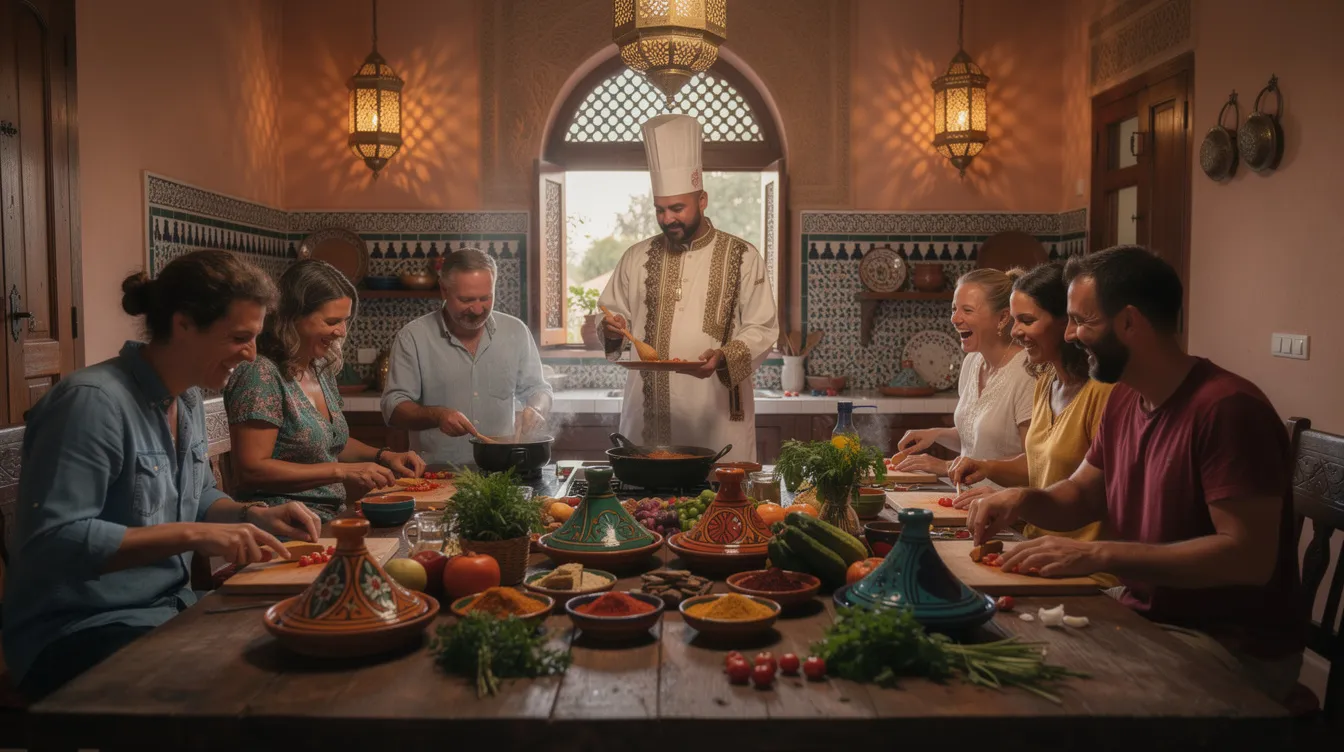
As a Fez-based local agency, Morocco Classic Tours designs private and small-group trips specifically adapted to winter conditions. Our team understands the nuances of visiting Morocco in December and plans accordingly.
December-friendly offerings:
Private Morocco tours linking cities and the desert
Luxury Sahara camps with heating options
Atlas Mountain day trips with 4x4 vehicles
Food tours and cooking experiences
Camel trekking and quad-biking excursions
Itineraries can focus on warmer areas like Agadir and the Sahara, or include snow in the Atlas for travelers wanting real winter scenery. The flexibility of private touring means your December experience matches your comfort preferences.
The team arranges heated vehicles, carefully chosen riads and hotels with reliable winter heating, and guides who adapt the daily pace to daylight hours. Every detail considers the realities of December weather.
Ready to plan your winter Morocco adventure? Request a custom December itinerary through Morocco Classic Tours for a tailored, weather-smart journey designed around your interests.
The warmest daytime temperatures in December are usually found in the far south and southeast—around Zagora, Ouarzazate, and especially near Merzouga and the Sahara fringes—where highs often reach 18–22°C (64–72°F). Agadir on the southern Atlantic coast is also among the warmest major cities, making it a popular winter-sun base combined with desert tours.
Coastal cities like Tangier, Rabat, and Casablanca do see regular rain in December, typically around 6–10 wet days spread across the month, but many days remain bright or partly sunny. Further south in Essaouira and Agadir, there’s still some rain risk, but overall conditions are drier and sunnier compared with the far north.
Purchase a lightweight but warm insulated jacket, a packable rain shell, thermal base layers, warm socks, a beanie, and gloves—especially if visiting the Sahara or Atlas Mountains. Sturdy, closed walking shoes or light hiking boots are more useful than heavy snow boots for most itineraries, and layering proves more important than owning one very thick coat.
While ocean temperatures are cool, some travelers still enjoy brief swims in Agadir or southern beaches on sunny December days, though locals often find the water cold. December is better for beach walks, sunbathing in sheltered spots, and seaside cafés than for classic summer-style beach holidays, especially around Casablanca, Rabat, and Essaouira.
Agadir usually feels slightly warmer and more stable in December thanks to its southern coastal climate, with average daytime temperatures around 19–22°C (66–72°F). Marrakech can have similar or slightly cooler daytime highs but typically experiences colder nights and bigger temperature swings between day and night than Agadir.
Compare Morocco group tour agencies by trip style, reviews, pace, transport and inclusions. Learn wh...
Read this article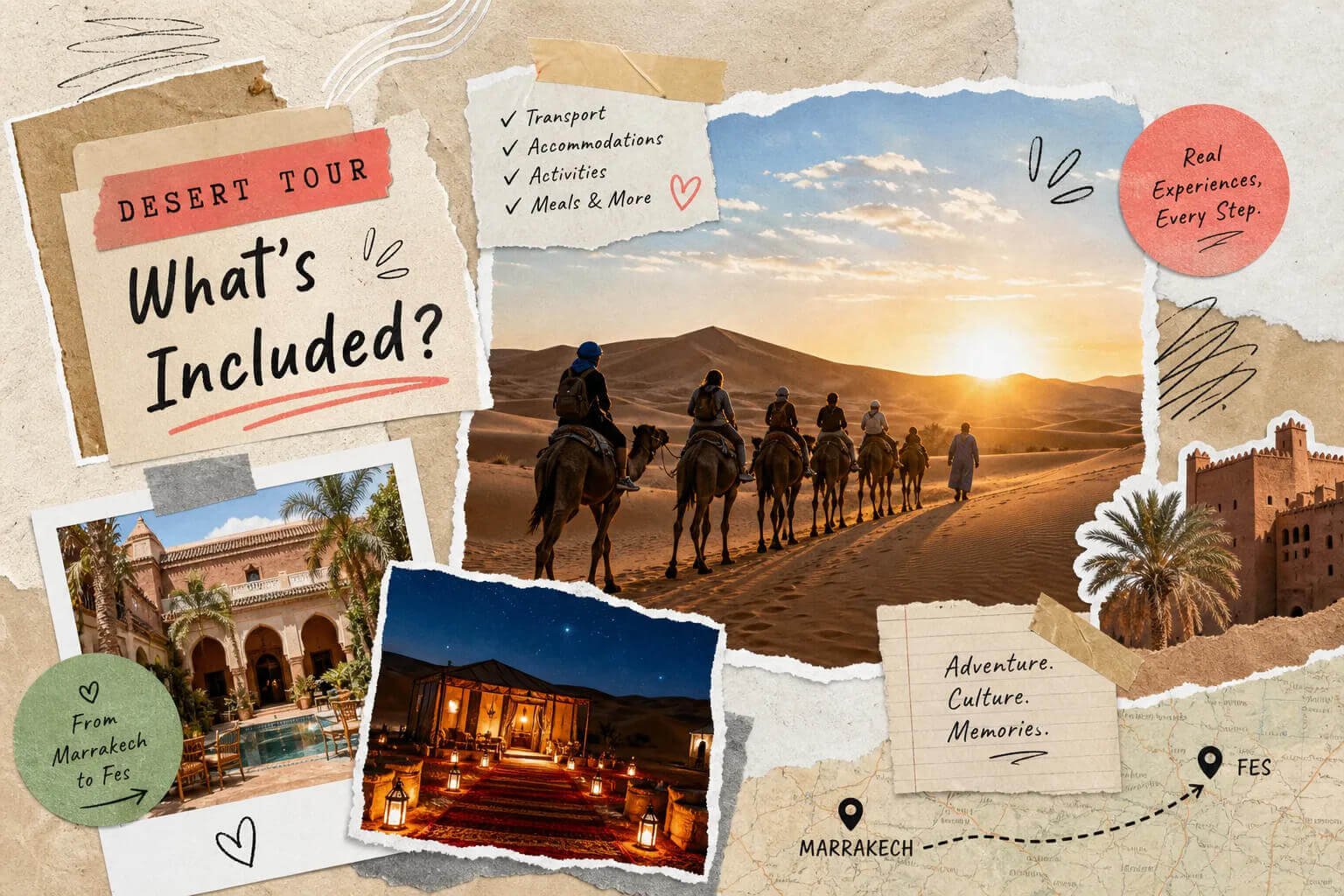
Uncover what a Marrakech to Fes desert tour offers, including camel rides, desert camps, and rich cu...
Read this article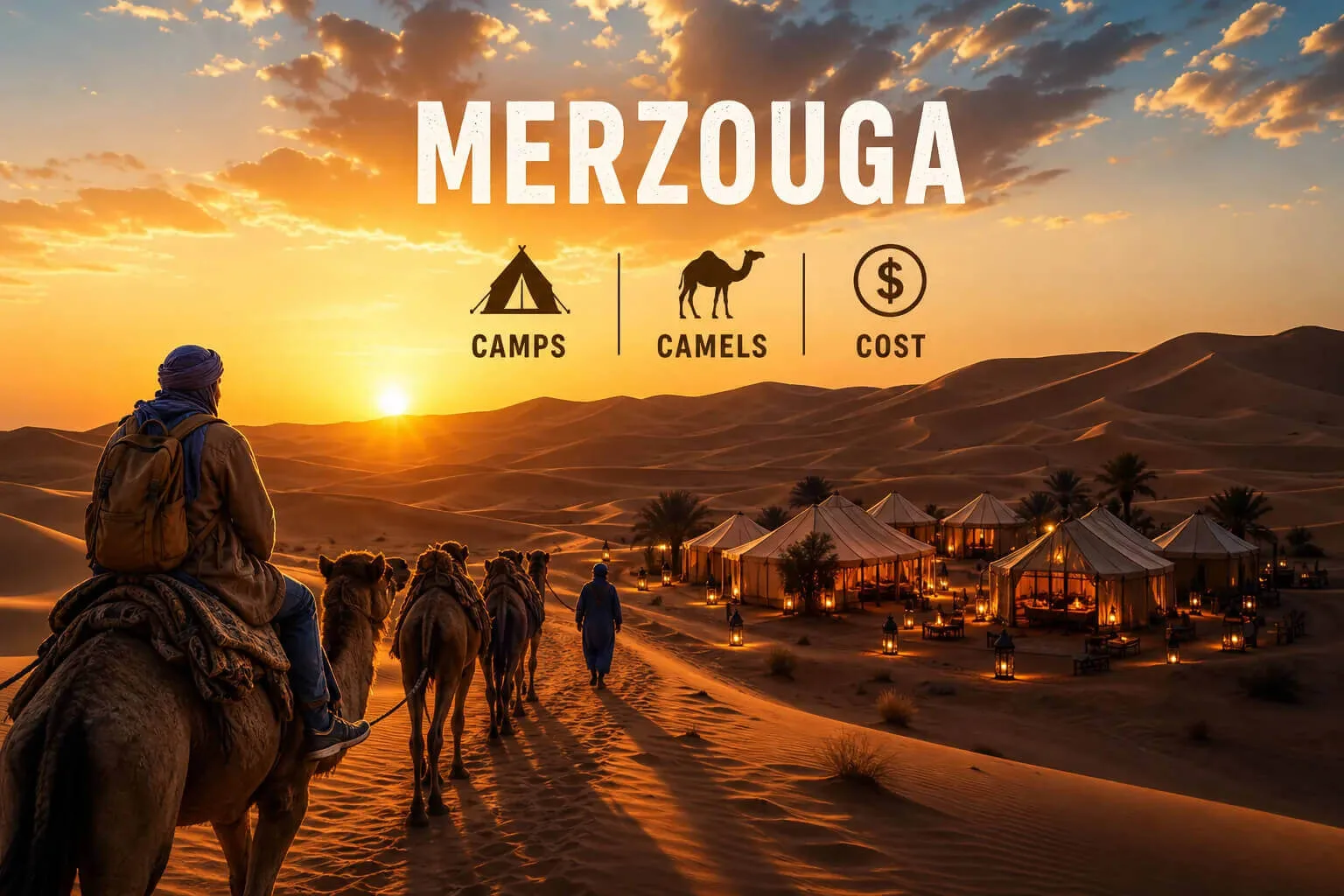
Join our Merzouga Overnight Tour for an authentic desert experience. Enjoy camel rides, comfortable ...
Read this articleWant cool tour deals and tips about Morocco? Enter your email and we’ll send them to you each month!
