Group Tour Agencies in Morocco: How to Pick the Right One
Discover how to choose the perfect group tour agency in Morocco. Get tips on what to look for and ma...
Read this article

Suspendisse interdum consectetur libero id. Fermentum leo vel orci porta non. Euismod viverra nibh cras pulvinar suspen.
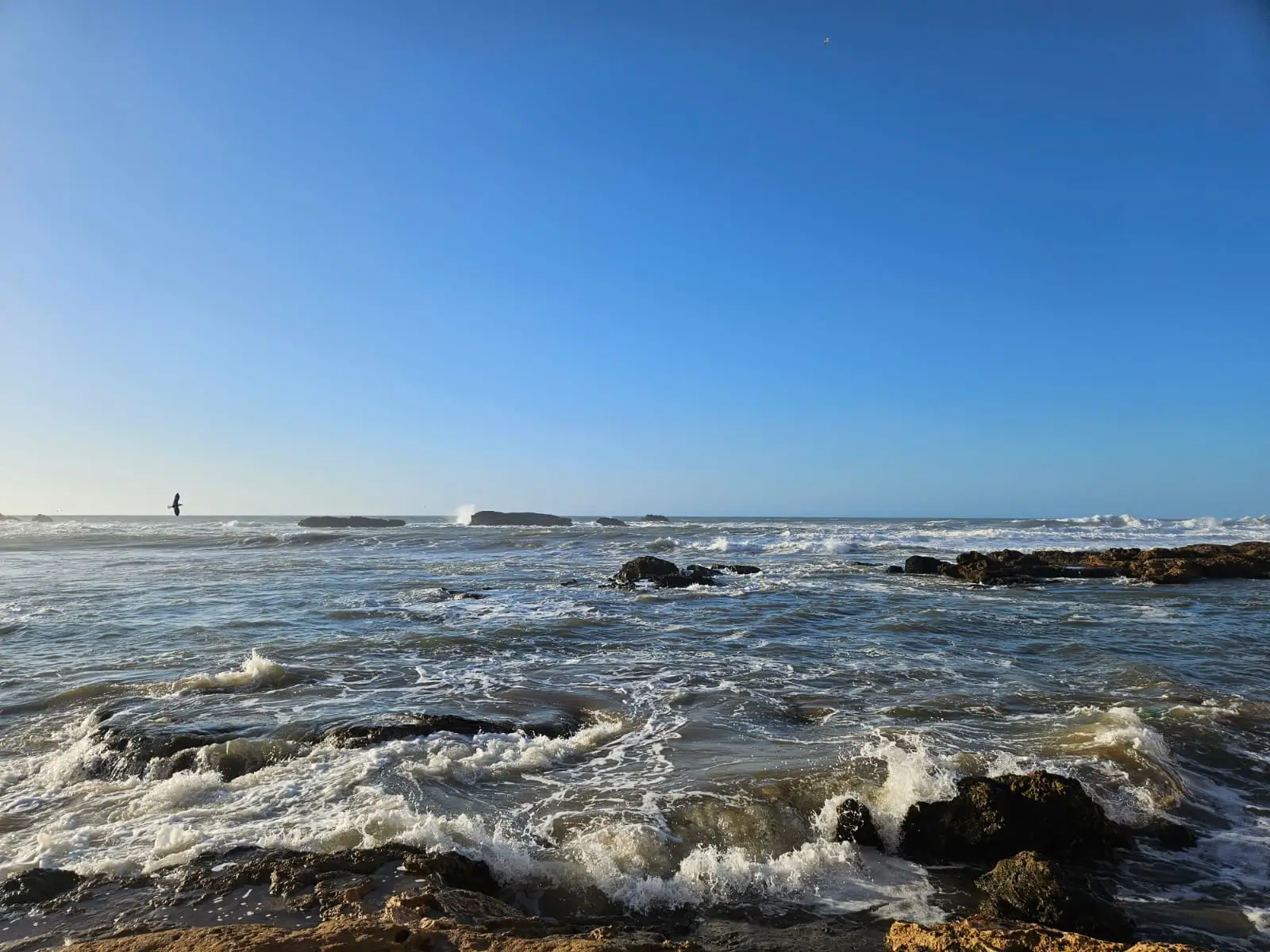
Live conditions in Morocco right now, plus a complete region-by-region breakdown of what to expect across the country in August — from the blistering Sahara to the breezy Atlantic coast, the cooler Atlas passes to the imperial cities in peak summer heat.
Live data from Open-Meteo · Updated when this page loads
Monthly climate averages based on long-term means for each region of Morocco. Live data: Open-Meteo (Marrakech). © Morocco Classic Tours.
August in Morocco means intense sunshine, virtually zero rainfall, and dramatic temperature swings depending on where you stand in this diverse country. Whether you are weighing up a beach holiday, a trek through the Atlas Mountains, or a Sahara Desertadventure, understanding exactly what the weather throws at you region by region is the difference between an incredible trip and a miserable one.
This guide breaks down the climate city by city, explains where to go and what to avoid, and gives you practical travel tips to make the most of morocco in August.
Morocco in August is very hot and dry across most of the country, with daytime temperatures ranging from 30–45°C (86–113°F) depending on whether you are on the coast, in the mountains, or deep in the desert. August rainfall is virtually zero across Morocco.
The Atlantic coast (Casablanca, Rabat, Essaouira, Agadir, Taghazout, Tangier) and the High Atlas Mountains are the best choice for comfortable temperatures in August, with coastal cities ranging from 22–30°C and mountain valleys sitting around 18–26°C.
August is high season for tourism in Morocco, requiring early bookings - especially along the coast and in resort towns. Crowds in coastal cities increase during August due to local tourists as well as European holidaymakers.
Visiting Morocco in August is absolutely possible and can be a good time if you plan around the heat, choose cooler destinations, and schedule outdoor activities for early morning or evening.
Morocco Classic Tours can customize private itineraries that favor cooler routes, early and late activities, and carefully managed Sahara options for this month.
The weather in morocco in August is defined by extremes. Across the country, you can expect long, sun-drenched days with 13–14 hours of daylight, a UV index regularly hitting 10 or 11, and almost no rain. The average temperature inland sits between 30–40°C (86–104°F), while heatwaves can push central and southern regions well beyond that.
What makes Morocco interesting - and manageable - in summer is its microclimates. The Atlantic Ocean sends cool coastal winds, and trade breezes into cities like Essaouira and Rabat. The Mediterranean moderates the north. And the Atlas Mountains create a natural barrier where temperatures drop with altitude, offering genuine relief from lowland heat. Meanwhile, Marrakech bakes in dry summer heat, and the Sahara Desert becomes one of the hottest places on earth.
August is also part of peak European summer holidays, so expect busy beaches, fully booked coastal riads, and a festive atmosphere in resort towns.
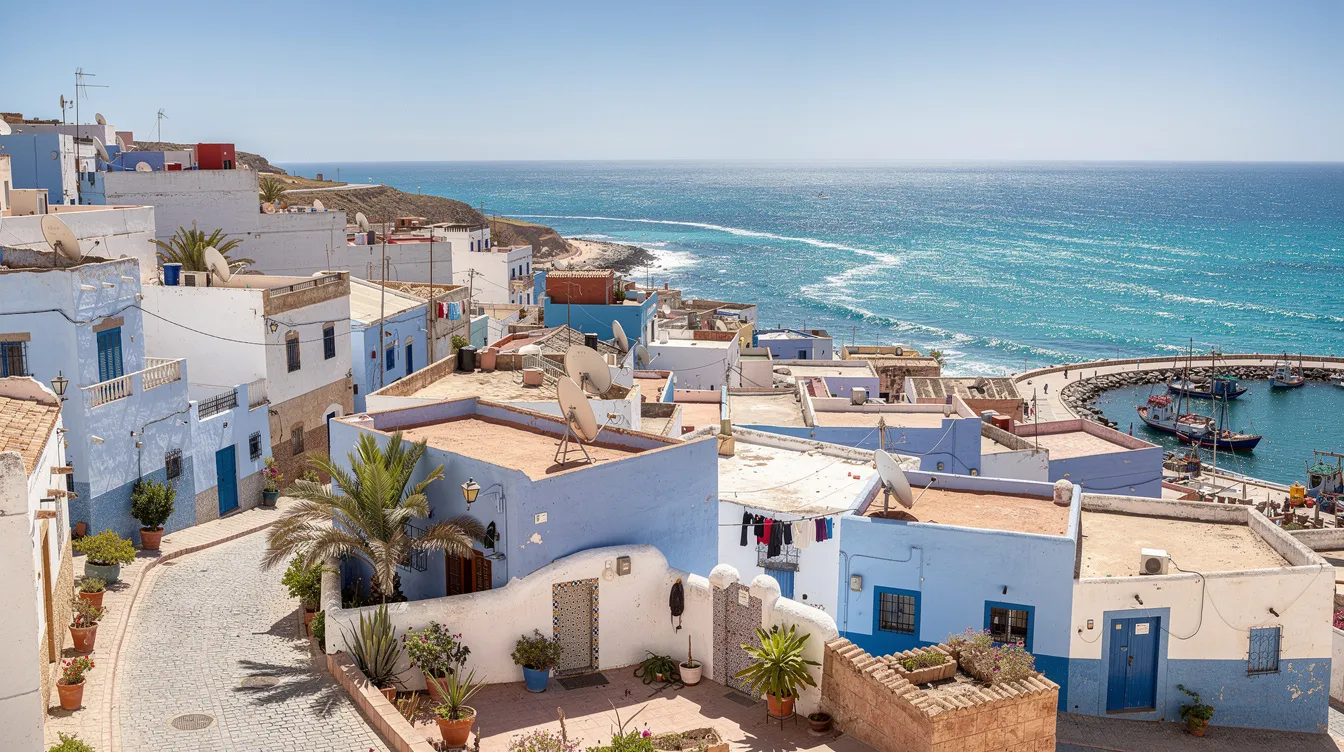
The weather in morocco varies enormously by region in August. Here is what to expect in each major destination, from the cool north to the scorching south.
Tangier - Tangier's weather hovers in the low 80s (Fahrenheit) during August, with average highs around 30–31°C (86–88°F) and lows near 20–21°C (68–70°F). Breezy evenings make this a pleasant base for exploring northern Morocco, and rain is virtually nonexistent.
Chefchaouen - Nestled in the Rif foothills, Chefchaouen sees highs around 30–32°C (86–90°F) with cooler nights near 19°C (66°F). The old medina's narrow shaded streets help, but midday sun is still strong. Mornings and evenings are the best times to explore.
Rabat - As a coastal city on the Atlantic, Rabat benefits from ocean breezes that keep highs around 26–27°C (79–81°F) and lows around 19–20°C (66–68°F). Humidity stays low, making this one of the most comfortable cities to visit in August.
Casablanca - Casablanca offers a refreshing breeze, making it a great August destination. Average highs sit around 25–26°C (77–79°F) with lows of 19–20°C (66–68°F) - similar to a mild Californian summer. Ideal for sightseeing without heat stress. Learn more in The Ultimate Guide to Your Trip to Casablanca Morocco.
Essaouira - Coastal towns like Essaouira enjoy temperatures around 22°C–28°C (72°F–82°F), thanks to strong Atlantic trade winds. Mornings can be foggy and cool, and evenings are genuinely refreshing. This is one of the coolest places in Morocco in August, and one of the best for water sports like kitesurfing and windsurfing.
Agadir & Taghazout - Coastal towns like Agadir have highs around 80°F (27°C), with nights around 20–21°C (68–70°F). Ocean breezes in coastal regions make temperatures more comfortable than the numbers suggest. Great for beach holidays, surfing, and family trips.
Marrakech - This is where the heat gets serious. Marrakesh temperatures exceed 100°F (38°C) in August, with average highs around 38–42°C. August temperatures in Marrakech can reach 45°C (113°F) during peak afternoon hours. Nights cool only to around 23–25°C. Air-conditioning and shaded riads are not optional - they are essential. Plan city sightseeing for dawn and after sunset.
Fez & Meknes - These imperial cities share similar inland hot weather, with highs around 36–40°C (97–104°F) and warm nights. Dry air makes shade feel cooler, but the medinas can trap heat. Explore the Rich Heritage of the City of Fez - just schedule your visit early or late in the day.
Midelt & Middle Atlas - Elevation moderates the heat here, with highs near 30–32°C (86–90°F) and cooler nights around 16–18°C (61–64°F). A useful transitional stop between the imperial cities and the desert.
Ifrane - This high-altitude town is among the coolest in the country, with typical highs around 26–28°C (79–82°F) and lows around 14–16°C (57–61°F). Evenings may require a light layer. In winter, Ifrane even sees snow - but in August, it is simply a welcome escape from the lowland heat.
Merzouga & the Sahara Desert - Sahara Desert temperatures can exceed 45°C (113°F) in August. Sand surface temperatures can reach 60–65°C. Nights stay warm at 28–32°C (82–90°F), offering little relief. Desert areas experience extreme heat, making midday travel unadvisable. More on this in our Top Experiences in Merzouga guide.
Atlas Mountains (High Atlas) - The Atlas Mountains have daytime temperatures around 64°F to 79°F (18°C–26°C) in August in valleys like Imlil and Ourika. Nights drop to 12–17°C (54–63°F). The sun's rays at altitude are still powerful, so sun protection remains essential even when the air feels cool.
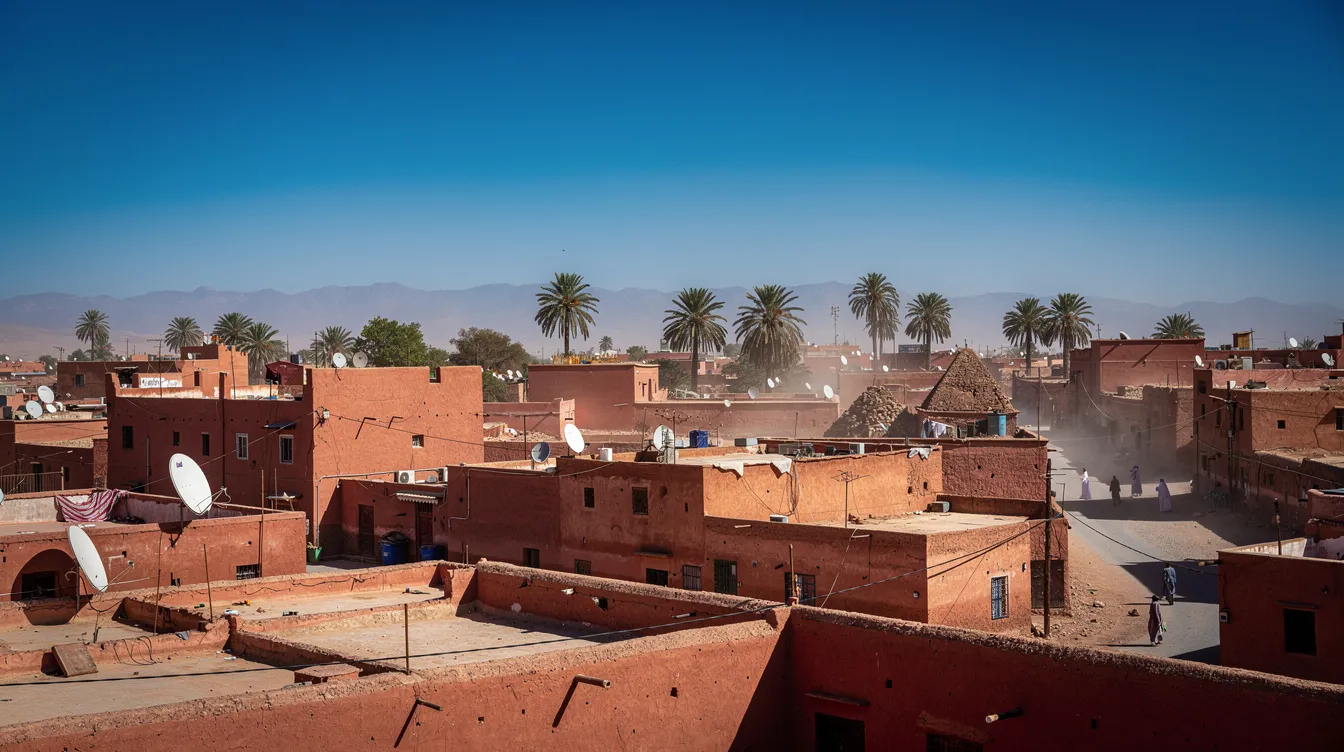
Is Morocco too hot to visit in August? It depends entirely on where you go and how you plan your days. The inland cities and desert are genuinely punishing in the hottest part of the afternoon. But the coastal regions, northern cities, and mountains offer very comfortable - even pleasant - summer weather.
For travelers who dislike high temperatures, spring (March–May) and autumn (late September–October) are usually the ideal windows to visit morocco, with a milder climate across the entire country. But if August is your only option, you can absolutely make it work.
August is popular with European holidaymakers seeking beaches and surf, so destinations like Essaouira, Agadir, and Taghazout feel lively and festive. Crowds in coastal cities increase during August due to local tourists heading to the shore as well. This is high season in every sense - book ahead for accommodation and tours.
With a private driver and flexible scheduling, Morocco Classic Tours can structure August itineraries around early morning and evening activities, keeping you comfortable even when the thermometer climbs.
Choosing the right destinations makes all the difference in August Morocco. Here is where to focus:
Coastal Morocco (Rabat, Casablanca, Essaouira, Agadir, Taghazout, Asilah, Tangier) - The best choice for cooler weather, ocean breezes, beach time, and relaxed evenings. August is ideal for water sports along Morocco's Atlantic coast. Consider the Casablanca, Essaouira & Agadir package for a focused coastal trip.
Northern Cities and Rif Mountains (Tangier, Chefchaouen, Tetouan) - A mix of culture and somewhat milder heat. Explore medinas in the mornings and evenings, and enjoy food and history at a relaxed pace.
High Atlas & Middle Atlas (Imlil, Ourika Valley, Ouirgane, Ifrane, Azrou, Midelt) - The coolest place in Morocco in August for hiking, Berber villages, and escaping lowland heat. The Atlas Mountains offer daytime temperatures around 18°C–26°C (64°F–79°F).
Imperial Cities (Marrakech, Fez, Meknes, Rabat) - Include them but structure visits around dawn and after sunset. Afternoon rest in riads or pools is essential. Rabat is cooler thanks to the Atlantic. See our Imperial Cities Morocco Tour for route ideas.
Sahara Desert (Merzouga, Erg Chebbi, Zagora) - The Sahara is not recommended for visits in August due to extreme heat. If you must go, keep it brief and carefully managed.
Morocco Classic Tours can design August routes that combine cooler bases with short, carefully timed city visits - so you experience the best of the country without the worst of the heat.
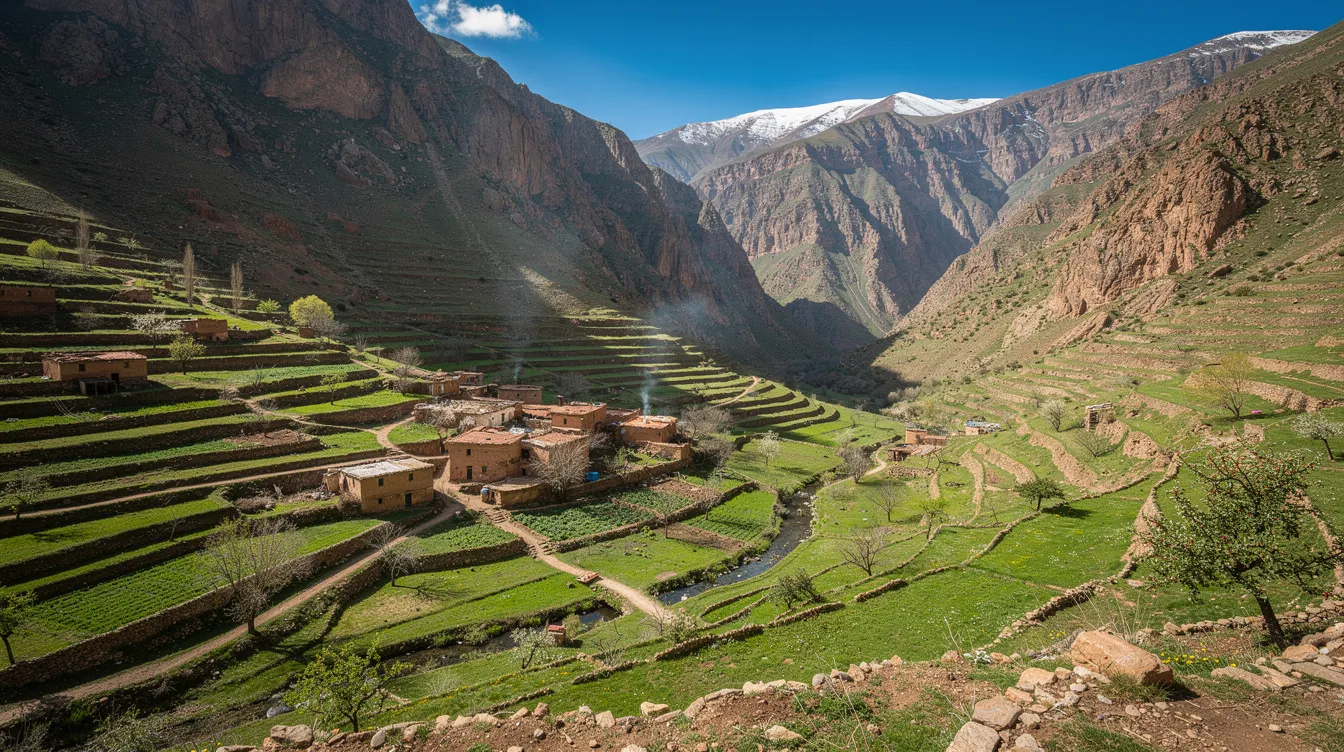
The High Atlas Mountains are one of the most pleasant regions of Morocco in August. While the cities below simmer, mountain valleys like Imlil and Ourika sit comfortably at 18–26°C (64–79°F) during the day, with nights dropping to 12–18°C (54–64°F). Temperatures in the High Atlas Mountains average around 29°C to 36°C at lower elevations, but climb higher and conditions become genuinely cool.
Peaks above 3,000–4,000 m stay significantly cooler, with fresh mornings and evenings that may require a fleece or light jacket. This makes August ideal for mountain hiking, guided treks, village homestays, and river canyon walks - activities that would be punishing in the lowland heat.
Morocco Classic Tours can arrange private Atlas Mountains tours with local guides, mule support, and comfortable guesthouses tailored for summer travel.
Yes, but it is one of the hottest months, and the experience is far from comfortable for most travelers. Daytime temperatures in Merzouga and nearby Sahara regions often surpass 45°C (113°F), with scorching sunshine and hot, dry winds called the Chergui that can spike temperatures by another 5–8°C without warning.
For most travelers, the best time to visit the Sahara Desert is spring (March–April) and autumn (October–early November), when days are warm and nights are cool. Our Luxury Sahara Desert Tour from Marrakech is best enjoyed in those shoulder seasons.
If you are determined to see the desert in August, Morocco Classic Tours can arrange heavily adapted itineraries: very early and late activities, air-conditioned 4x4 transfers, shaded luxury desert camps, and abundant hydration. But we will clearly explain the risks ahead of your booking.
A fine alternative is the desert-like landscape around Agafay (near Marrakech) or dry plateaus near the High Atlas - you get the "desert feel" with far less extreme temperatures.
Packing smartly for morocco in August is crucial for comfort and health. The combination of hot weather and strong sun demands the right gear.
Clothing:
Lightweight, breathable fabrics (cotton, linen, moisture-wicking synthetics) in light colors
Long-sleeved shirts and long, loose trousers or skirts for sun protection and modesty
A thin scarf or shawl for dust, sun, and visiting traditional spaces
Essentials:
Wide-brimmed sun hat
High-SPF broad-spectrum sunscreen
UV-protective sunglasses
Refillable water bottle
Small backpack
Footwear:
Comfortable closed-toe walking shoes for medina cobblestones and mountain trails
Sandals with good grip for casual walking
Flip-flops for beaches and riad pools
For cooler zones:
A light sweater or fleece for evenings in the High Atlas, Ifrane, and breezy coastal nights in Essaouira
Extras:
Travel-size electrolytes for the hottest regions
After-sun lotion or aloe vera
Small first-aid kit
Lip balm with SPF
Morocco is a Muslim-majority country with varied dress norms across regions. Female tourists will feel most comfortable - and receive the most positive interactions - with clothing that balances modesty and comfort in the August heat.
Recommended clothing:
Loose, breathable pieces that cover shoulders and reach at least the knees: midi or maxi dresses, long skirts, wide-leg trousers, light shirts or tunics
Avoid very low-cut tops, very short shorts, or tight, transparent clothing in medinas, shops, and rural areas
On beaches and at hotel pools, swimsuits and bikinis are generally acceptable
A light scarf or shawl is advisable for covering shoulders or hair when entering religious or traditional spaces, and doubles as protection from the sun's rays and dust. Dressing modestly can reduce unwanted attention and show respect for local culture, making interactions with local communities more positive.
Morocco Classic Tours guides can offer on-the-ground advice about dress codes in different regions during private tours.
Good planning and timing can transform August in Morocco from overwhelming into genuinely enjoyable. Here are practical travel tips:
Structure days around the heat. Plan outdoor activities for early morning or evening to avoid heat. Do key sightseeing between sunrise and 10:30 AM, rest or swim at midday, and resume after sunset for evening walks and dinners.
Hydrate aggressively. Carry water at all times and add electrolytes in the hottest regions. Tap water is not advisable for visitors - stick to bottled or filtered water.
Choose the right accommodation. Air-conditioning is essential in Marrakech, Fez, and desert gateway towns. Pools or shaded courtyards make afternoon rest periods pleasant rather than tedious.
Protect yourself from the sun. Reapply sunscreen every two hours, wear hats and sunglasses, and seek shade whenever possible. The UV index in mid-summer regularly hits "very high" in interior cities.
Use private transfers. Long public bus rides in peak heat are miserable. Morocco Classic Tours provides air-conditioned vehicles for all summer itineraries - a worthwhile investment in comfort.
Watch for heat exhaustion. Symptoms include dizziness, nausea, and confusion. Avoid strenuous mid-afternoon hikes in lowland areas and follow your tour guide's advice.
While August is dominated by beach and mountain holidays, several cultural events can enrich a visit to this world-famous country.
Moussem Moulay Abdellah Amghar (near El Jadida, Atlantic coast) - Moussem Moulay Abdellah Amghar occurs in early August. This major summer festival features religious ceremonies, horse fantasia shows, traditional music, and draws massive crowds along the shore.
Festival des Plages Maroc Telecom - Coastal cities like Tangier, Nador, and Saïdia host free evening music concerts around mid-August, creating a lively atmosphere along the coast.
Ciné Plage Festival - Running from roughly August 15–30 in cities like Tangier, Rabat, Agadir, and Essaouira, this festival offers free outdoor film screenings and cooler nighttime entertainment.
Exact dates can shift from year to year, so confirm event calendars in advance. Morocco Classic Tours can integrate festivals into custom itineraries for travelers interested in experiencing Moroccan culture firsthand.
If your dates are flexible, here is how other seasons compare:
Spring (mid-March to May) - Green landscapes, blooming valleys, moderate daytime temperatures across cities, the Sahara, and the mountains. One of the best times to explore Morocco. Fewer tourists, lower prices.
Autumn (late September to October) - Warm days, cooler nights, ideal conditions for desert camps, hiking in the High Atlas, and cultural city tours. Many experienced travelers consider this the sweet spot.
Winter (November to February) - Cool to cold nights inland, snow in the High Atlas Mountains, mild coastal weather. January can be chilly in Fez and Marrakech at night, but sunshine during the day is generous. Great for photography and low tourist density.
Atlantic coast year-round - Temperatures in coastal cities range from 25°C to 30°C even in July and August, and remain pleasant through winter. If you must visit morocco in summer, a coastal-focused itinerary is always comfortable.
For a deeper dive into Morocco's climate patterns, see our guide on Understanding the Climate of Morocco. And if you are comparing July versus August, check Weather Morocco July: What to Expect for Your Summer Trip.
As a Fez-based local agency, Morocco Classic Tours has years of experience creating private Morocco trips tailored to August weather conditions. We know which routes work and which ones do not when the thermometer pushes past 40°C.
Our approach for summer itineraries:
Favor coastal towns, the High Atlas, and cooler northern cities
Limit time in the hottest inland areas during midday
Include cultural immersion (medina walks, food tours, cooking classes), mountain treks, camel rides, quad biking, and beach excursions where conditions allow
Provide air-conditioned vehicles, flexible daily schedules, and local guides who understand August conditions
Ready to plan? Browse our Morocco tour packages or contact us directly to design a custom August or shoulder-season itinerary that keeps you comfortable while showing you the best of this extraordinary country.
Morocco is very hot in August, especially in Marrakech, Fez, and the Sahara Desert - but it is not necessarily "too hot" if you focus on milder regions and plan activities around early morning and evening. Coastal cities like Casablanca, Rabat, Essaouira, and Agadir, along with the High Atlas Mountains, offer much more comfortable temperatures, making visiting Morocco at this time realistic for many travelers.
Some of the coolest places during August include Ifrane and the Middle Atlas highlands, the High Atlas Mountains (Imlil, Ourika Valley, Ouirgane), and Atlantic coastal towns like Essaouira with strong sea breezes. Essaouira enjoys temperatures between 72°F and 82°F (22°C–28°C) in August, while mountain valleys can dip to the mid-60s °F at night.
Camel rides are technically possible in August but should be kept short and scheduled for sunrise or sunset, because midday temperatures are dangerously high in Merzouga. Many travelers choose to postpone full Sahara camps to cooler months, or opt for shorter desert-like experiences near Marrakech (such as Agafay) during August instead.
August is actually a good time for hiking in the Atlas Mountains compared with the cities, thanks to cooler air at altitude. Temperatures in the Atlas Mountains range from 18°C to 26°C during the day. Recommend early starts to avoid the strongest midday sunshine, bring plenty of water and sun protection, and use local guides for safe route choices.
In most cities and desert areas, nights remain warm, so lightweight sleepwear is sufficient. However, in the Atlas Mountains and Ifrane, evenings can be cool with temperatures dropping into the mid-teens °C, so a light sweater or fleece is useful. A thin scarf or shawl works well for breezy coastal nights in Essaouira and for modesty when walking through traditional neighborhoods after dark.
Discover how to choose the perfect group tour agency in Morocco. Get tips on what to look for and ma...
Read this article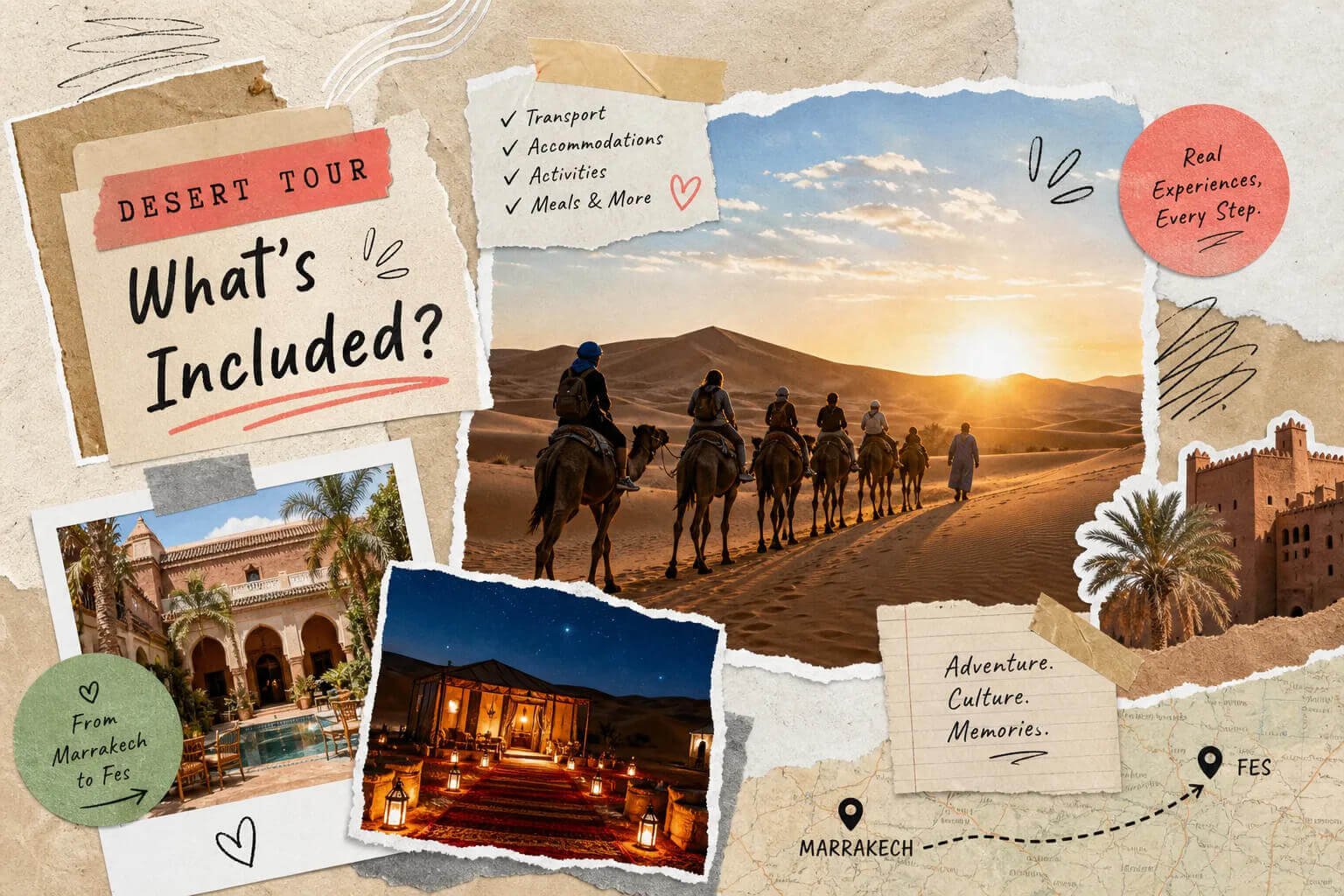
Uncover what a Marrakech to Fes desert tour offers, including camel rides, desert camps, and rich cu...
Read this article
Join our Merzouga Overnight Tour for an authentic desert experience. Enjoy camel rides, comfortable ...
Read this articleWant cool tour deals and tips about Morocco? Enter your email and we’ll send them to you each month!