Suspendisse interdum consectetur libero id. Fermentum leo vel orci porta non. Euismod viverra nibh cras pulvinar suspen.

Understanding the Moroccan Language: Key Phrases and Cultural Insights

Home Blog Understanding the Moroccan Language: Key...
Understanding the Moroccan Language: Key Phrases and Cultural Insights
19 November 2025

Morocco stands as one of the world’s most fascinating examples of multilingualism, where ancient Berber traditions—rooted in the heritage of the Berbers, the indigenous population of Morocco with a distinct cultural and historical identity—blend seamlessly with Arabic heritage and colonial linguistic influences. Understanding the Moroccan language landscape requires appreciating that there isn’t just one language defining this North African nation; the country's linguistic landscape plays a crucial role in shaping communication and cultural engagement, offering a rich tapestry of languages spoken across different regions, social contexts, and cultural settings.

This multilingual environment reflects Morocco’s strategic position as a crossroads between Africa, Europe, and the Middle East. From the bustling streets of Casablanca, where Moroccan Arabic flows naturally with French business terms, to the mountain villages where Berber languages preserve centuries-old traditions, Morocco’s linguistic diversity tells the story of Morocco's complex history and vibrant present.

For travelers, business people, and anyone seeking to understand Moroccan culture, navigating this language landscape opens doors to deeper cultural connections and more meaningful experiences throughout the country.

Overview of Languages Spoken in Morocco

Morocco officially recognizes two official languages: Modern Standard Arabic and Standard Moroccan Amazigh (Berber), established through the 2011 constitutional amendment. However, the reality of daily communication involves a much more complex linguistic ecosystem that most Moroccans navigate effortlessly. Arabic is the most widely spoken language in Morocco, with approximately 92.7% of the population speaking it according to the 2024 census. Additionally, 80.6% of Moroccans consider Arabic to be their native language, reflecting its deep cultural and historical significance. Arabic functions as Morocco’s national language, central to identity, education, and government. The policy of Arabization, aimed at replacing French with Arabic, faced significant challenges in education and public life, highlighting the complexities of implementing language policies in a multilingual society. Except for certain regions, such as parts of the Rif and the south, where Berber languages or Spanish have a stronger presence, the majority of Moroccans speak Arabic as their primary language, illustrating notable distinctions in language use.

The most widely spoken language in everyday life is Moroccan Arabic, known locally as Darija, used by an estimated 92.7% of the population for daily communication. Most people in Morocco can understand or speak Darija, making it the primary lingua franca and enabling communication between people from different ethnic and regional backgrounds across the country. Moroccan Arabic shares 85%-90% of its vocabulary with Modern Standard Arabic (MSA), reflecting its deep linguistic roots while maintaining distinct characteristics. The vocabulary of Moroccan Arabic includes distinct words not found in other Arabic dialects, such as ‘shahal’ for ‘how much’ instead of ‘kam.’ Additionally, Moroccan Arabic is spoken or understood by the majority of the population, with estimates indicating that around 85% speak it as a second language. If you have questions about Moroccan Arabic or need assistance planning your trip, feel free to contact us.

French maintains a significant presence as a legacy of the colonial period, with approximately 33-36% of Moroccans using it regularly in business, education, and government sectors. Approximately 33% of Moroccans speak French as a second language, highlighting its role as a bridge for professional and international communication. Aleya Rouchdy stated that French and Classical Arabic are constantly in conflict, but bilingualism is viewed as optimal for Morocco’s development. According to a 2012 study, 98% of Moroccans spoke Moroccan Arabic, 63% spoke French, and 14% spoke English, showcasing the multilingual capabilities of the population. At least half of the population is capable of speaking French or Berber dialects, underlining the significance of these languages in Morocco’s linguistic landscape. The language dominates higher education, scientific research, and international business dealings, making it essential for many professional careers. Approximately 66% of literate people in Morocco can read and write in French, further emphasizing its importance. French is taught universally in Morocco and serves as Morocco’s primary language of commerce and economics.

Berber languages, spoken by 24.8% of the population according to recent census data, encompass three main dialect groups: Shilha (Tashelhit) in southern Morocco, Central Atlas Tamazight in the middle regions, and Tarifit in the northern Rif Mountains. Around 6 million people speak Berber languages in Morocco, underscoring their importance as a cornerstone of the country’s indigenous linguistic heritage. French is widely spoken among Berber communities and Moroccans, further illustrating the multilingual nature of the country. The government aims to generalize Berber education to all Moroccan schools, reflecting efforts to preserve and promote these languages.

Spanish remains common in northern Morocco, particularly in cities like Tangier and Tetouan, where historical ties to Spain continue influencing local communication patterns. English is increasingly popular among younger generations and in the tourism industry, as Morocco seeks to diversify its international connections beyond traditional French partnerships.

Arabic Languages in Morocco

Modern Standard Arabic (MSA)

Modern Standard Arabic serves as the formal register for official government documents, educational instruction, religious ceremonies, and media broadcasts across the Arab world. In Morocco, students learn MSA throughout their school years, though it rarely appears in casual conversation or home environments.

This standardized form of Arabic functions as the literary language for books, newspapers, and formal speeches. Religious contexts particularly rely on MSA, as Islamic prayers, Quranic recitation, and religious education require this classical form. Many Moroccans can read and understand MSA through their education, but speaking it fluently requires specific training and practice.

The gap between MSA and daily spoken Arabic creates what linguists call “diglossia” – a situation where formal and informal language varieties coexist for different social functions. Government officials, teachers, and religious leaders regularly switch between MSA for formal contexts and Darija for informal communication. Many Moroccans are multilingual, often switching between languages like Darija, Tamazight, and French in daily conversation, showcasing the fluidity of language use in the country.

Moroccan Arabic (Darija)

Moroccan Arabic represents the heart of daily communication throughout Morocco, functioning as the mother tongue for the vast majority of inhabitants. Unlike other Arabic dialects across the Middle East and North Africa, Darija incorporates significant influences from Berber languages, French, Spanish, and historical contact languages. The unique phonology of Moroccan Arabic, influenced by Berber, includes characteristics like shortened vowel sounds compared to Modern Standard Arabic (MSA), further distinguishing it from other dialects.

This spoken Arabic differs substantially from Standard Arabic in vocabulary, grammar, and pronunciation. Arabic speakers from countries like Egypt or Syria often find Moroccan Darija challenging to understand without exposure and practice. The grammar of Moroccan Arabic often uses a single "-i" ending for past tense verbs regardless of gender, further distinguishing it from other Arabic dialects. The dialect includes words borrowed from French for modern concepts, Spanish terms from historical contact, and Berber substrate elements that reflect Morocco’s indigenous linguistic foundation. For example, Moroccan Arabic uses distinct words not found in other Arabic dialects, such as 'shahal' for 'how much' instead of 'kam.' The differences between Moroccan Arabic and other Arabic dialects can be compared to the range of dialects in the Chinese language, highlighting its unique linguistic identity.

Darija serves as the language of the streets, homes, markets, and informal social interactions. Popular culture, including music, comedy, and increasingly television programming, uses this colloquial form. Social media and digital communication among young Moroccans frequently employ Darija, often written in Latin characters rather than Arabic script.

The dialect varies regionally, with speakers from different cities and rural areas maintaining distinct accents and vocabulary preferences. Northern Morocco shows more Spanish influence, while southern regions retain stronger Berber elements in their local Darija varieties.

Amazigh (Berber) Languages

The Berber languages of Morocco represent the country’s oldest continuous linguistic tradition, predating the arrival of Arabic by many centuries. Tamazight is the language of the indigenous Amazigh people and is spoken in rural areas and the Atlas Mountains. These indigenous languages have experienced a remarkable revival in recent decades, gaining official recognition and renewed cultural prominence.

Three main Berber language groups dominate different geographical regions. Tachelhit (Shilha) speakers concentrate in southern Morocco, particularly in the Souss Valley and Anti-Atlas mountains, representing the largest Berber-speaking population. Central Atlas Tamazight speakers inhabit the middle Atlas and High Atlas mountain regions, while Tarifit speakers live primarily in the northern Rif Mountains.

These Berber languages use the ancient Tifinagh script, which has been revived and standardized for modern education and official use. The Royal Institute of Amazigh Culture (IRCAM) has promoted this indigenous writing system, and many schools now teach Tamazight using Tifinagh characters alongside Arabic and Latin scripts.

Over 300 local dialects exist within these three main groups, though speakers generally maintain mutual understanding across different varieties. Most Berber speakers are multilingual, also speaking Moroccan Arabic fluently for broader communication beyond their immediate communities.

The 2011 constitutional recognition of Amazigh as an official language marked a significant milestone for Berber cultural preservation. However, implementation remains uneven – only about 10% of students studied Berber as of 2023, primarily in rural areas where these languages maintain a stronger community presence.

Berber languages carry deep cultural significance, preserving oral traditions, folk tales, music, and cultural practices that connect modern Moroccans to their pre-Islamic heritage. Many traditional festivals, agricultural practices, and artisan techniques are transmitted through these indigenous languages.

French Language in Morocco

French maintains an exceptionally strong presence in modern Morocco, far exceeding the influence of colonial languages in many other post-independence nations. The legacy of the French protectorate period (1912-1956) created lasting institutional and cultural connections that continue shaping Moroccan society today.

Higher education relies heavily on French, with most university courses in sciences, medicine, engineering, and business conducted in this foreign language. Medical students, for example, learn anatomy and clinical terminology in French, while engineering programs use French textbooks and technical vocabulary.

International business strongly favors French communication, particularly for trade relationships with Europe and francophone Africa. Many multinational companies operating in Morocco use French as their working language, making fluency essential for career advancement in various professional sectors.

The tourism industry demonstrates Morocco’s multilingual adaptability, with hotel staff, tour guides, and service providers typically speaking French alongside Arabic and increasingly English. Visitors from France, Belgium, and other francophone countries can communicate effectively throughout most tourist areas.

Moroccan literature flourishes in French, with many renowned authors choosing to write in this language rather than Arabic or the Berber languages. This literary tradition has produced internationally recognized works that explore Moroccan identity, history, and contemporary social issues.

Business documentation, scientific research, and diplomatic correspondence frequently occur in French. Government ministries maintain extensive French-language capabilities, and many official websites provide French translations alongside Arabic content.

Other Foreign Languages

Spanish

Spanish maintains a notable presence in northern Morocco, where historical connections to Spain continue influencing local communication patterns. Cities like Tangier and Tetouan, which were part of the Spanish protectorate from 1912 to 1956, still show strong Spanish linguistic influence in their streets and daily life.

Many residents of northern Morocco speak Spanish fluently, particularly older generations who lived under Spanish administration. The proximity to Spain, with only the narrow Strait of Gibraltar separating the countries, maintains ongoing cultural and economic exchanges that reinforce Spanish usage.

Moroccan schools offer Spanish as a foreign language option, though it competes with English for student interest. Tourism from Spain provides economic incentives for Spanish language skills, particularly in coastal areas and border regions.

The cities of Ceuta and Melilla, Spanish enclaves within Morocco, create additional contexts for Spanish communication and cross-border trade relationships that require bilingual capabilities.

English

English is rapidly gaining popularity throughout Morocco, especially among younger generations who view it as essential for global communication and career opportunities. The government has initiated educational reforms promoting English as a way to diversify the country’s international relationships beyond traditional French partnerships.

The tourism industry increasingly relies on English, as visitors from the United States, the United Kingdom, and other English-speaking countries visit Morocco in growing numbers. Hotels in major tourist destinations like Marrakech and Agadir typically employ staff with English capabilities.

Technology and international business favor English communication, with many Moroccans pursuing English language training to access global job markets and online opportunities. Social media and internet content consumption also drive English learning among urban youth.

Universities are beginning to offer more programs in English, particularly in business and technology fields, as Morocco seeks to attract international students and establish itself as an educational hub for Africa.

German and Other Languages

German has a specific presence in tourist areas, particularly Agadir, which attracts significant numbers of German visitors during the winter months. Hotel staff, tour operators, and restaurants in these areas often learn basic German to serve this important tourist market.

Italian and Portuguese maintain a limited presence in specific communities, often related to business relationships or small expatriate populations. Some Moroccans working in Italy or Portugal return with language skills that prove useful in particular economic sectors.

Hebrew exists within Morocco’s small remaining Jewish communities, though these populations have significantly decreased since the mid-20th century. Historical Judeo-Arabic varieties also represented part of Morocco’s linguistic heritage, though their speakers have largely emigrated.

Language Demographics and Regional Distribution

The 2024 census provides the most current picture of Morocco’s linguistic landscape, though measuring multilingual competence presents ongoing challenges for researchers and policymakers. The reported 92.7% Arabic speakers and 24.8% Berber speakers reflect primary language use rather than exclusive monolingualism. When analyzing language use across Morocco, it is important to consider location, as geographic context greatly influences language distribution and linguistic boundaries.

Regional variations significantly affect language distribution patterns. The Atlas Mountains, Rif Mountains, and Souss Valley maintain the strongest concentration of Berber language speakers, with some villages using these indigenous languages as the primary means of daily communication.

Urban areas typically show higher French proficiency levels, particularly in cities like Casablanca, Rabat, and Fes, where business, government, and educational institutions create demand for multilingual skills. Rural areas often maintain stronger Berber language traditions while also speaking Moroccan Arabic for broader regional communication.

Northern regions, including Tangier and Tetouan, demonstrate notably higher Spanish usage due to geographical proximity to Spain and historical colonial relationships. Cross-border trade, tourism, and family connections reinforce Spanish language maintenance in these areas.

Moroccan Sign Language is used by the deaf community, but its distribution is limited by location, with regional variations and distinctions from other sign languages such as American Sign Language.

Economic centers attract internal migration that creates linguistic melting pots. Casablanca, as Morocco’s largest city and commercial capital, brings together speakers from all regions, creating a dynamic multilingual environment where multiple languages interact daily.

Historical estimates of Berber speakers have varied dramatically, ranging from 34% to over 65% of the population, indicating the complexity of measuring multilingual competence and the political sensitivity of language demographics in morocco.

Women and men sometimes show different language use patterns, with women in rural areas often maintaining stronger Berber language skills while men more frequently acquire Arabic and French through work and travel experiences outside their home communities.

Language Use in Different Contexts

Understanding when and where different languages are appropriate helps explain Morocco’s complex sociolinguistic environment. Language choice depends heavily on context, formality level, and the participants involved in communication.

Home and family environments predominantly feature Moroccan Arabic and Berber languages, depending on the family’s regional and ethnic background. Children typically acquire their first language skills in these informal settings before encountering formal Arabic and French in educational contexts. Moroccan children learn both Moroccan Arabic and Standard Arabic as their mother tongues, reflecting the bilingual nature of early language development in the country. The Moroccan education system recognized the necessity for teaching multiple languages in 2000, following years of neglect, further shaping the linguistic landscape.

The education system demonstrates clear language hierarchies, with Modern Standard Arabic serving as the medium for Arabic language instruction while French dominates science, mathematics, and higher education courses. By 2020, Morocco reimplemented French as the medium of instruction in core subjects such as science and math. Many schools in Morocco teach in a mix of French and Arabic, reflecting the country's multilingual reality. This division creates challenges for students whose home languages differ significantly from school languages. Morocco ended its policy of Arabization by 2020, reintroducing French as the medium of instruction for core subjects.

Business and commerce show pragmatic language choices, with French preferred for international trade relationships while Arabic handles most domestic commercial transactions. The tourism industry adapts language use to visitor demographics, employing English, French, Spanish, or German as needed. Moroccans bilingual in French and Arabic tend to use Arabic in informal settings such as family discussions and shopping, reflecting the functional roles of these languages in daily life.

Government and administration officially operate in Modern Standard Arabic, though French maintains a significant presence in technical documents, international relations, and administrative procedures. Many civil servants work comfortably in multiple languages depending on their specific roles and responsibilities.

Religious contexts strongly favor Classical Arabic for Islamic prayers, Quranic recitation, and formal religious education. Friday sermons might include some Moroccan Arabic explanation, but the formal religious register remains Arabic.

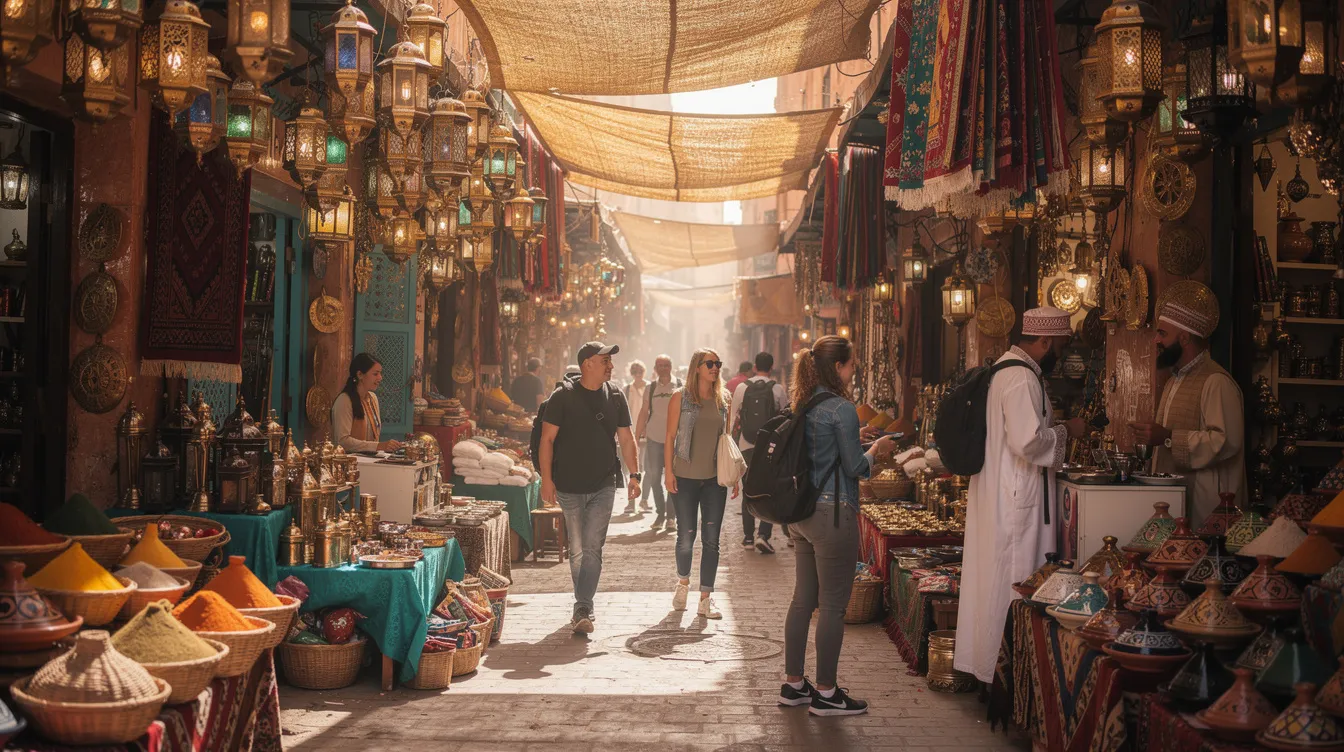
Markets and traditional souks typically operate in Moroccan Arabic, though vendors in tourist areas quickly adapt to French, English, or Spanish depending on customer needs. Negotiating prices often occurs in the local Arabic dialect regardless of the initial contact language.

Arabic Writing

Arabic writing is a cornerstone of Morocco’s cultural identity, reflecting both the country’s deep historical roots and its vibrant, multilingual present. As one of Morocco’s two official languages, Modern Standard Arabic is written in a distinctive script that is instantly recognizable across North Africa and the Middle East. From an early age, many Moroccans learn to read and write in Arabic, with schools across the country teaching the script as a fundamental part of the curriculum. This early education ensures that Arabic writing is not only widely spoken and understood but also forms the backbone of official communication, literature, and media throughout Morocco.

The Arabic script is used to write both Modern Standard Arabic and Moroccan Arabic (Darija), the most widely spoken language in daily life. In addition, the script has been adapted for Berber languages such as Tamazight, which, alongside Arabic, holds official language status in Morocco. This adaptation highlights the country’s commitment to honoring its diverse linguistic heritage, allowing Berber speakers to communicate and preserve their culture through written language. In many regions, especially in the Atlas Mountains and among Berber communities, Arabic writing and Tifinagh script coexist, reflecting the rich tapestry of languages spoken in Morocco.

Arabic writing is omnipresent in Moroccan cities and villages alike. Street signs, shop names, menus, and advertisements often feature Arabic script, sometimes alongside French or Spanish, depending on the region. In northern Morocco, for example, it’s common to see Spanish used in public signage and commerce, a legacy of the area’s historical ties to Spain. In central Morocco, particularly in cities like Rabat and Casablanca, French is more prevalent, especially in business and administration. This multilingual signage is a testament to the country’s dynamic language landscape, where Arabic, Berber, French, and Spanish all play vital roles in daily communication and commerce.

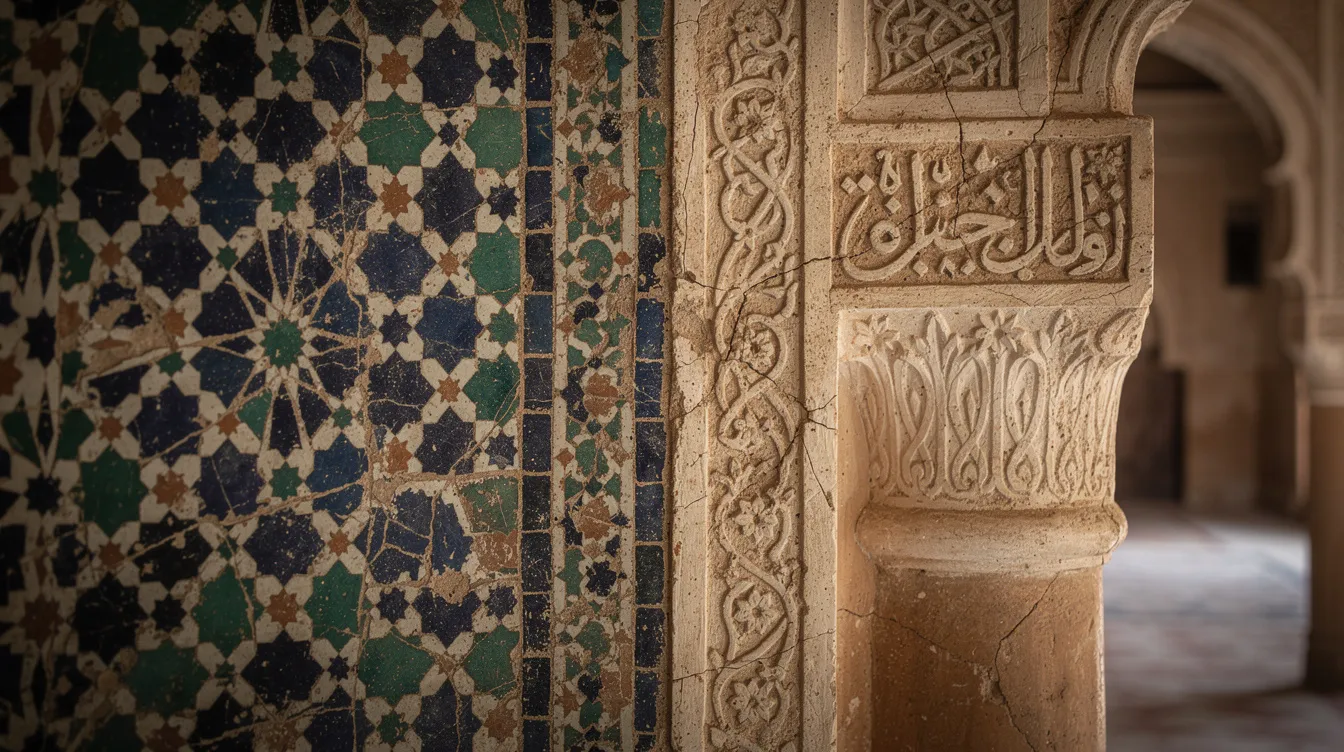
Beyond its practical uses, Arabic writing in Morocco is celebrated as an art form. Calligraphers transform the flowing lines of the Arabic script into stunning works of art, adorning mosques, palaces, and public spaces with intricate designs. This tradition of Arabic calligraphy is not only a source of national pride but also a symbol of Morocco’s beauty and cultural sophistication, admired by visitors from around the world. The artistic expression found in Arabic writing bridges the gap between Morocco’s ancient history and its modern identity, making it a living part of the country’s culture.

In the tourism industry, the ability to read and write in Arabic is a valuable skill, as many visitors are eager to experience authentic Moroccan culture. However, many Moroccans also speak French, Spanish, and increasingly English, especially in hotels, restaurants, and tourist hotspots. This multilingualism allows Morocco to welcome travelers from across the globe, while Arabic writing remains a constant thread connecting the country’s diverse regions and peoples.

Ultimately, Arabic writing is much more than a means of communication in Morocco—it is a symbol of unity, heritage, and artistic expression. Whether used for official documents, everyday conversation, or breathtaking calligraphy, the Arabic script is an essential part of Morocco’s charm and a key to understanding the country’s unique blend of languages and cultures.

Historical Language Influences

Morocco’s current linguistic diversity reflects centuries of cultural contact, conquest, migration, and trade relationships that shaped its multilingual character. Understanding this historical development helps explain why certain languages maintain specific social functions and geographical distributions. The use of Mediterranean Lingua Franca, influenced by various languages including Berber and Arabic, declined after European conquests, marking a shift in the region's linguistic dynamics.

Berber languages represent the deepest historical layer, spoken by indigenous North African populations for millennia before arab expansion. These languages developed complex dialects adapted to different ecological zones, from mountain environments to desert edges and coastal areas.

The arab conquest of the 7th and 8th centuries brought Classical Arabic and Islamic culture, gradually establishing Arabic as the language of religion, law, and administration. However, arabization occurred slowly and incompletely, allowing Berber languages to persist in many regions, particularly mountainous areas that were more difficult to administer centrally.

Medieval migrations of arab tribes, particularly the Banu Hilal and Banu Sulaym in the 11th and 12th centuries, introduced Bedouin dialects that influenced the development of modern Moroccan Arabic. These tribal movements helped spread Arabic-speaking populations into previously Berber-dominated regions.

Andalusian refugees from Muslim Spain brought sophisticated urban culture and linguistic influences when they fled the Christian reconquest in the late 15th century. Their Arabic dialects, enriched with Romance language elements, influenced Moroccan urban speech in cities like Fes and Tetouan.

The French protectorate period (1912-1956) systematically introduced French into education, administration, and law, creating institutional frameworks that persist today. French became essential for economic advancement and government careers, establishing its continued prominence in modern morocco.

Spanish influence concentrated in northern regions during the Spanish protectorate period, while also affecting southern areas through territorial control. Jewish communities historically contributed Hebrew, Judeo-Arabic, and other linguistic elements, though most of these populations emigrated after Moroccan independence.

Modern globalization introduces English and other international languages through media, technology, and tourism, creating new layers of linguistic contact that particularly affect younger urban populations seeking global connections.

Practical Language Tips for Travelers

Visitors to morocco can significantly enhance their experience by learning basic phrases in the primary languages they’ll encounter. Even minimal effort to communicate in local languages demonstrates cultural respect and often leads to warmer interactions with Moroccan hosts.

Learning essential Moroccan Arabic phrases provides the most practical foundation for travel communication. “As-salāmu ʿalaykum” (peace be upon you) serves as a respectful greeting that works throughout the country, while “Shukran” (thank you) and “Baraka Allah fik” (may God bless you) show appreciation in culturally appropriate ways.

French phrases prove invaluable in hotels, restaurants, and business interactions, particularly in major cities and tourist areas. Hotel reception staff typically speak French fluently, and restaurant menus often include French descriptions alongside Arabic text.

Berber greetings like “Azul” demonstrate cultural awareness in mountainous regions where these languages maintain a strong community presence. Rural areas in the Atlas and Rif Mountains particularly appreciate visitors who acknowledge Berber cultural traditions through language attempts.

English understanding is growing rapidly, especially among younger Moroccans in the tourism industry and major cities. However, relying solely on English may limit interactions in rural areas or with older generations who primarily use Arabic or Berber languages.

Spanish knowledge helps significantly in northern Morocco, particularly around Tangier, Tetouan, and other areas with historical Spanish connections. Many locals in these regions speak Spanish fluently and appreciate visitors who can communicate in this language.

Written Arabic uses a right-to-left script that differs completely from the Latin alphabet used for European languages. However, many signs in tourist areas include Latin script translations, and mobile translation apps can help with navigation and basic communication needs.

Language learning apps specifically designed for Moroccan Arabic can provide useful preparation before travel. These resources teach practical phrases for shopping, directions, and social interactions that prove valuable in markets, restaurants, and informal settings.

Negotiating prices in traditional markets (souks) becomes more effective with some Arabic knowledge, as vendors often prefer conducting business in their native language. Learning numbers in Arabic helps with price discussions and general shopping interactions.

Religious and cultural sensitivity require understanding when using Arabic phrases. Islamic greetings and expressions show respect for Morocco’s spiritual culture, while avoiding potentially offensive language demonstrates cultural awareness.

Most Moroccans are patient with visitors attempting to speak their language and often help with pronunciation or suggest alternative phrases. The effort to communicate in local languages typically generates positive responses and memorable cultural exchanges.

Digital translation tools can supplement basic language skills, though personal interaction and direct communication attempts generally prove more rewarding for cultural understanding and relationship building with Moroccan people.

Official Languages

Morocco’s linguistic landscape is anchored by its two official languages: Arabic and Amazigh (also known as Berber). These official languages are not only central to the country’s identity but also shape daily life, education, and government across Morocco. Arabic, in its Modern Standard Arabic form, serves as the official language of administration, education, and media, ensuring a unified means of communication in formal and national contexts. However, the most widely spoken language in everyday life is Moroccan Arabic, or Darija, which is used by most Moroccans in homes, markets, and social settings. This spoken dialect is distinct from the formal standard Arabic taught in schools and used in official documents.

Amazigh, representing the Berber languages, holds equal status as an official language. Berber languages such as Tamazight are widely spoken, especially in rural areas, the Atlas Mountains, and among the Berber population. The recognition of Amazigh as an official language reflects Morocco’s commitment to honoring its indigenous heritage and the cultural diversity of its people. In regions with high Berber populations, Tamazight and other Berber languages are not only spoken at home but are also increasingly present in schools and local administration, helping to preserve and promote this vital aspect of Moroccan culture.

Multilingualism is a hallmark of Moroccan society. Many Moroccans speak several languages fluently, including Arabic, Berber, French, and Spanish. French, a legacy of Morocco’s colonial history, is a widely spoken language, especially in cities and among the educated population. It is commonly used in business, higher education, and government, and is often the language of choice in commerce and the tourism industry. In northern Morocco, Spanish is also spoken due to the region’s proximity to Spain and historical ties, making it a practical language for communication in cities like Tangier and Tetouan. English is rapidly gaining ground, particularly in major cities and tourist destinations, as Morocco strengthens its global connections and adapts to the needs of international visitors.

The languages spoken in Morocco are deeply intertwined with the country’s culture, history, and geography. Arabic is the national language and remains the dominant language in official contexts, while Berber languages are celebrated for their role in preserving Morocco’s indigenous identity. Other languages, such as French, Spanish, Portuguese, and German, are also present, especially in urban centers, tourist areas, and among communities with historical or economic ties to Europe.

Language education in Morocco reflects this diversity. Arabic is the primary language of instruction in most schools, with Modern Standard Arabic used for formal subjects. Berber languages are taught in regions with significant Amazigh populations, supporting the revitalization of these languages. French and Spanish are commonly taught as foreign languages, and English is becoming increasingly popular, particularly among younger generations and in the tourism sector. In some tourist hotspots, locals may also speak Portuguese or German to cater to international visitors.

Ultimately, the official languages of Morocco—Arabic and Amazigh—are at the heart of the country’s rich linguistic tapestry. The ability of many Moroccans to speak multiple languages is a testament to the country’s openness, adaptability, and vibrant cultural heritage. For travelers, understanding the languages spoken in Morocco is key to connecting with locals, navigating the country’s diverse regions, and fully appreciating the beauty and complexity of Moroccan culture.

Language and Culture

Language and culture are inseparable in Morocco, where the country’s rich history and diverse population have given rise to a vibrant tapestry of communication. The official languages—Arabic and Amazigh (Berber)—are not just tools for daily conversation, but living symbols of Morocco’s identity, heritage, and pride. Moroccan Arabic, known as Darija, is the most widely spoken language across the country, heard in bustling city markets, family gatherings, and lively street cafés. It is the language that most Moroccans use to express themselves, share stories, and connect in everyday life.

Modern Standard Arabic, meanwhile, plays a crucial role in formal settings such as education, government, and media. It is the language of official documents, news broadcasts, and classroom instruction, providing a unifying thread that links Morocco to the wider Arab world and the Middle East. The beauty of Arabic script and the art of Arabic writing are celebrated throughout Morocco, not only as practical skills but as cherished cultural traditions. Calligraphy adorns mosques, palaces, and public spaces, reflecting the deep respect Moroccans have for their linguistic heritage.

Berber languages, including Tamazight, are spoken by many Moroccans, especially in rural areas and the mountains. The Berber language is more than just a means of communication—it is a vital part of Morocco’s cultural fabric, preserving ancient traditions, oral histories, and unique artistic expressions. The use of the Tifinagh script for Berber writing is a point of pride for Amazigh communities, and its presence in schools and public life underscores Morocco’s commitment to honoring its indigenous roots.

Multilingualism is a hallmark of Moroccan society. Many Moroccans speak several languages fluently, seamlessly switching between Moroccan Arabic, Berber, French, Spanish, and English depending on the context. French is widely spoken, particularly in business, higher education, and the tourism industry, where it serves as a bridge to international visitors and commerce. In northern Morocco, Spanish is commonly spoken due to the region’s proximity to Spain and historical connections, making it a practical language for communication in cities like Tangier and Tetouan. English is rapidly gaining popularity, especially among younger Moroccans and in major tourist destinations, reflecting Morocco’s growing global outlook.

The country’s linguistic diversity is also evident in its literature, music, and art. Moroccan writers produce works in Arabic, Berber, and French, exploring themes of identity, history, and modern life. Traditional music and storytelling often feature a blend of languages, while visual arts draw inspiration from the intricate patterns of Arabic script and Berber motifs. This cultural richness is celebrated in festivals, museums, and everyday life, making Morocco a unique crossroads of languages and traditions.

For visitors, Morocco’s multilingual landscape offers a warm welcome and a chance to engage more deeply with local culture. Speaking a few words of Arabic or Berber is often met with appreciation and can open doors to more authentic experiences. Language schools and cultural centers across the country offer classes in Moroccan Arabic, Berber, and other languages, providing opportunities for travelers to immerse themselves in the country’s linguistic and cultural heritage.

In addition to Arabic and Berber, other languages such as Portuguese and German are spoken in certain regions, particularly in the north and in areas with strong tourism ties. This diversity reflects Morocco’s strategic location at the crossroads of Europe, Africa, and the Middle East, and its long history of openness to the world.

Ultimately, language in Morocco is much more than a means of communication—it is a living expression of the country’s soul. Whether through the melodic sounds of Moroccan Arabic, the ancient rhythms of Berber speech, or the elegant lines of Arabic writing, the languages of Morocco tell the story of a nation that values its past, embraces its present, and welcomes the world with open arms. By making the effort to speak Arabic, Berber, or even a few words in another language, visitors can connect more deeply with Morocco’s people and culture, enriching their journey through this remarkable country.

Classical Arabic

Classical Arabic, often referred to as Literary Arabic, holds a place of great prestige in Morocco as one of the country’s two official languages, alongside Amazigh (Berber). As the language of the Quran and centuries of Islamic scholarship, Classical Arabic is deeply woven into the fabric of Moroccan culture, history, and identity. While Moroccan Arabic (Darija) is the most widely spoken language in daily life, Classical Arabic remains the cornerstone of formal communication, education, and religious practice throughout the country.

In Morocco, Classical Arabic is the language of government, law, and official documents. It is used in written communication such as newspapers, books, and legal texts, and is the standard for formal speeches, academic lectures, and news broadcasts. Most Arabic speakers in Morocco are introduced to Classical Arabic from an early age, as it is a core subject in many schools across the country. This ensures that many Moroccans can read, write, and understand Classical Arabic, even if they do not use it in everyday conversation. Instead, they typically speak Moroccan Arabic or, in some regions, Berber languages like Tamazight at home and in informal settings.

The beauty of Arabic script is celebrated throughout Morocco, with Arabic writing adorning everything from street signs to intricate calligraphy in mosques and palaces. The art of Arabic calligraphy is highly respected, and many Moroccan artists specialize in transforming the flowing lines of the Arabic script into stunning works of art. This tradition not only highlights the aesthetic appeal of Arabic writing but also reinforces its importance as a symbol of Morocco’s cultural heritage.

Classical Arabic also plays a vital role in Morocco’s literary scene. Many forms of literature, including poetry, novels, and religious texts, are written in Classical Arabic, connecting Moroccan readers to a broader Arab and Islamic literary tradition. The language’s rich vocabulary and expressive power make it a preferred medium for formal and artistic expression.

Morocco’s multilingual landscape means that Classical Arabic exists alongside a variety of other languages. French is widely spoken, especially in business, higher education, and the tourism industry, while Spanish is common in northern Morocco due to the country’s proximity to Spain and historical ties. Berber languages, such as Tamazight, are spoken by many Moroccans, particularly in central and rural regions, and are increasingly present in schools and local administration. English is also gaining popularity, especially among younger generations and in the tourism sector.

For those interested in learning about the languages of Morocco, Classical Arabic offers a fascinating window into the country’s official language policies, educational system, and cultural traditions. Its influence extends beyond Morocco, connecting the country to the wider Arab world and the global community of Arabic speakers. Whether you are a language learner, a cultural enthusiast, or a traveler eager to communicate more deeply with locals, exploring Classical Arabic will enrich your understanding of Morocco’s unique linguistic and cultural landscape.

In summary, Classical Arabic is a vital part of Morocco’s identity, serving as the official language of government, education, and literature, while coexisting with Moroccan Arabic, Berber languages, French, Spanish, and other foreign languages. Its elegant script, historical significance, and continued relevance make it an essential element of Morocco’s rich multilingual heritage.

Conclusion

Morocco’s linguistic landscape represents one of the world’s most dynamic examples of multilingual coexistence, where ancient Berber traditions, Arabic heritage, and modern international influences create a rich tapestry of communication. Understanding this diversity provides essential insight into Moroccan culture, history, and contemporary society.

The country’s two official languages – Modern Standard Arabic and Amazigh – represent formal recognition of both arab and Berber identities, while spoken languages like Darija and French handle most daily communication needs. This multilingual environment reflects Morocco’s strategic position as a cultural bridge between Africa, the Middle East, and Europe.

For visitors, business people, and anyone interested in North African culture, appreciating Morocco’s language diversity opens doors to deeper cultural understanding and more meaningful interactions. Whether learning basic Arabic phrases for market negotiations, using French for business communications, or acknowledging Berber heritage in mountain regions, language awareness enhances every aspect of the Moroccan experience.

The ongoing evolution of Morocco’s linguistic landscape – with growing English usage, continued French influence, and renewed Berber language promotion – demonstrates how historical traditions adapt to contemporary global realities while maintaining cultural authenticity. This balance between heritage preservation and modern development continues to define Morocco’s unique position in an increasingly connected world.

Morocco’s multilingual landscape means that Classical Arabic exists alongside a variety of other languages. French is widely spoken, especially in business, higher education, and the tourism industry, while Spanish is common in northern Morocco due to the country’s proximity to Spain and historical ties. Berber languages, such as Tamazight, are spoken by many Moroccans, particularly in central and rural regions, and are increasingly present in schools and local administration. English is also gaining popularity, especially among younger generations and in the tourism sector.

For those interested in learning about the languages of Morocco, Classical Arabic offers a fascinating window into the country’s official language policies, educational system, and cultural traditions. Its influence extends beyond Morocco, connecting the country to the wider Arab world and the global community of Arabic speakers. Whether you are a language learner, a cultural enthusiast, or a traveler eager to communicate more deeply with locals, exploring Classical Arabic will enrich your understanding of Morocco’s unique linguistic and cultural landscape.

In summary, Classical Arabic is a vital part of Morocco’s identity, serving as the official language of government, education, and literature, while coexisting with Moroccan Arabic, Berber languages, French, Spanish, and other foreign languages. Its elegant script, historical significance, and continued relevance make it an essential element of Morocco’s rich multilingual heritage.

Our Latest Travel Articles

Essential Guide to the Best Morocco Travel Plug Adapter for Your Trip
18 January 2026

Essential Guide to the Best Morocco Travel Plug Adapter for Your Trip

Discover the best Morocco travel plug adapters to keep your devices powered during your trip. Read o...

Read this article
Best Marrakech to Fes Desert Tour 4 Days: Explore the Sahara Today
17 January 2026

Best Marrakech to Fes Desert Tour 4 Days: Explore the Sahara Today

Discover the ultimate 4-day desert tour from Marrakech to Fes. Experience breathtaking landscapes an...

Read this article
Top Tips for Visiting Aït Benhaddou: A UNESCO World Heritage Site
15 January 2026

Top Tips for Visiting Aït Benhaddou: A UNESCO World Heritage Site

Discover essential tips for exploring Aït Benhaddou, a UNESCO World Heritage site. Plan your visit ...

Read this article