Suspendisse interdum consectetur libero id. Fermentum leo vel orci porta non. Euismod viverra nibh cras pulvinar suspen.

Understanding the Climate of Morocco: Your Guide to Weather and Travel

Home Blog Understanding the Climate of Morocco: Yo...
Understanding the Climate of Morocco: Your Guide to Weather and Travel
07 December 2025

Morocco offers one of the world’s most diverse climate experiences within a single country, and the climate of Morocco is shaped by dramatic regional variations—including Mediterranean, semi-arid, and desert climates. This guide is designed for travelers, researchers, and weather enthusiasts who want to understand Morocco’s climate for practical benefits such as planning trips, packing appropriately, and making the most of their visit. Morocco’s climate plays a key role in shaping its unique travel experiences, agricultural cycles, and cultural traditions. From snow-capped alpine peaks to scorching Sahara desert expanses, this article covers the climate of Morocco and its regional differences, including the Mediterranean coast, semi-arid inland plateaus, and the desert south.

Understanding Morocco’s climate requires recognizing how these geographic barriers create dramatically different weather patterns across relatively short distances. Whether you’re planning to explore bustling coastal cities like Casablanca—Morocco’s largest city and main port, known for its demographic and economic significance—trek through mountainous regions, or venture into desert areas, knowing what to expect from Morocco weather can make or break your experience.

This comprehensive guide breaks down each climatic zone, seasonal patterns, and practical travel considerations to help you navigate Morocco’s remarkable weather diversity. Morocco's agriculture is heavily influenced by its climate, with the coastal regions benefiting from moderate temperatures and sufficient rainfall for crop production.

Introduction to Morocco

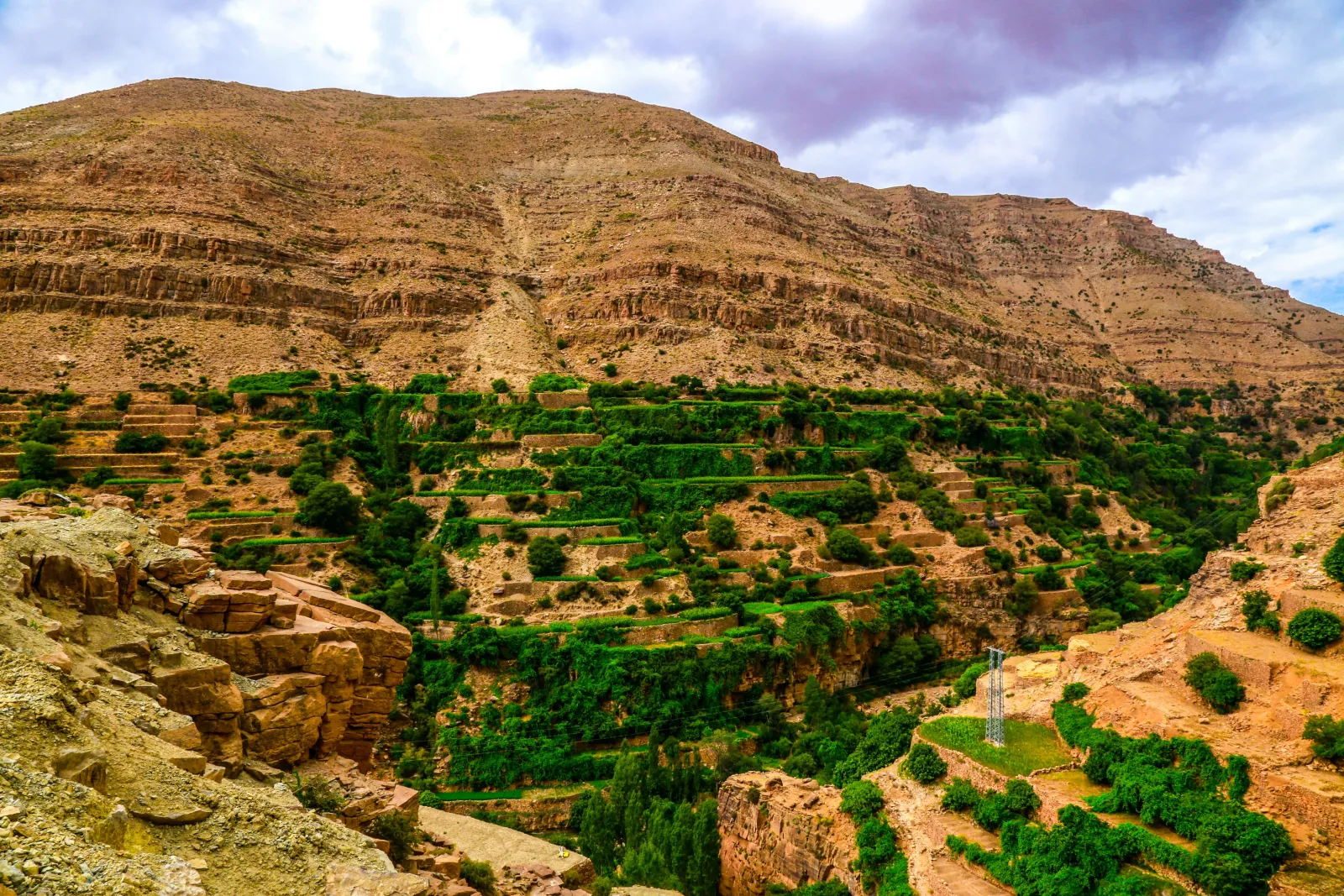
Morocco, situated in the Maghreb region of North Africa, is a country defined by its remarkable geographic diversity and strategic location. Bordered by the vast Atlantic Ocean to the west and the sparkling Mediterranean Sea to the north, Morocco’s landscape is a striking blend of rugged mountains, sweeping deserts, and fertile coastal plains. The iconic Atlas Mountains stretch across the heart of the country, while the Rif Mountains rise in the north, both shaping the climate and scenery in profound ways. To the south, the legendary Sahara Desert unfolds, offering some of the most dramatic and arid landscapes in the world.

This unique geography gives rise to a variety of climatic zones, from the generally mild Mediterranean climate along the coast to the hot, dry expanses of the desert interior. Morocco experiences hot summers and cool winters, making it a destination where you can bask in the sun or seek out cooler mountain retreats, depending on the season. The interplay between the Atlantic, the mountains, and the desert creates a climate that is as varied as the country’s rich cultural tapestry. Whether you’re drawn to the vibrant cities, the tranquil mountains, or the endless dunes of the Sahara, Morocco’s climate and geography promise an unforgettable experience.

Having introduced Morocco’s geographic diversity, the next section provides an overview of the country’s major climate zones and their defining characteristics.


Overview of Morocco’s Climate Zones

Morocco has a climate that varies significantly across its regions, including Mediterranean, semi-arid, and desert climates. The coastal regions of Morocco experience a Mediterranean climate, which supports a variety of agricultural activities and tourism. Inland areas such as Fez and Marrakech experience a continental climate with greater temperature variations and very hot summers exceeding 104 °F. The southern parts of Morocco transition to a semi-arid and desert climate with very hot daytime temperatures and significant nighttime drops.

Major Climate Types

  • Mediterranean Climate: Found along the northern and western coasts, characterized by mild, wet winters and hot, dry summers.

  • Semi-Arid Climate: Present in the interior plateaus and foothills, with less rainfall and greater temperature extremes.

  • Desert Climate: Dominates the southern and southeastern regions, marked by extremely hot days, cold nights, and minimal precipitation.

Atlas-Mountains-in-Morocco.jpg

Geographic Features Affecting Climate

The Atlas Mountains serve as the country’s primary climatic divider, creating a natural barrier that profoundly affects rainfall and temperature patterns. These mountain ranges—including the High Atlas Mountains, Middle Atlas, and Rif Mountains—intercept moist air masses from both the Atlantic and Mediterranean, causing dramatic differences in precipitation between windward and leeward slopes.

Coastal Rainfall Patterns

Along the Mediterranean coast, the northern part receives more than 650 mm of rainfall annually, while the eastern part receives less than 400 mm, resulting in a noticeably drier climate in the eastern part compared to the north.

North-South Gradients

Coastal areas benefit from significant ocean moderation, with temperatures rarely exceeding 25°C even during peak summer months. The cold Canary Current along the Atlantic coast and the Mediterranean Sea work together to create stable, temperate conditions that contrast sharply with the extreme variations found inland.

The country’s positioning between roughly 21°N and 36°N latitude places it at the intersection of temperate and tropical influences. Northern regions experience classic Mediterranean conditions with cool winters and hot summers, while the southeast transitions rapidly into full Sahara region characteristics with minimal rainfall and intense heat.

This geographic diversity means travelers can experience spring-like conditions on the Atlantic coast, alpine snow in the mountains, and desert heat—all within the same day during certain seasons.

Having established Morocco’s major climate types and regional differences, the next section explores how these geographic features interact to shape local weather patterns.

Geography and Climate

Geographic Features Affecting Climate

Morocco’s unique position at the northwest tip of Africa, bordered by the Atlantic Ocean to the west and the Mediterranean Sea to the north, sets the stage for its remarkable climatic diversity. The country’s landscape is a dramatic tapestry of sweeping coastlines, rugged mountain ranges, and the vast expanse of the Sahara Desert. The Atlas Mountains, including the towering High Atlas Mountains, stretch across the heart of Morocco, while the Rif Mountains rise in the north, both playing a pivotal role in shaping the country’s climate zones.

Coastal and Inland Contrasts

The Mediterranean climate dominates Morocco’s northern regions, where the proximity to the Mediterranean Sea brings mild temperatures and moderate rainfall, especially along the Mediterranean coast. Here, winters are generally mild, and summers are hot, with the coastal areas benefiting from the cooling influence of the sea. In contrast, the Atlantic coast enjoys a more temperate climate, with pleasantly warm summers and cool winters, thanks to the moderating effects of the Atlantic Ocean. The cool breezes and humidity from the ocean keep temperatures comfortable year-round, making the Atlantic coast a favorite for those seeking mild weather.

As you move inland, the climate shifts to a more continental climate, with greater temperature extremes between seasons. Inland areas, shielded from maritime influences by the Atlas Mountains, experience hotter summers and cooler winters, with average temperature ranges that can swing dramatically. The eastern slopes of the Atlas Mountains are notably drier and hotter than the western slopes, as the mountains act as a natural barrier, blocking moist air from reaching the interior. This rain-shadow effect is especially pronounced in the Sahara region, where the climate is defined by hot summers, cold winters, and minimal rainfall. The Sahara Desert’s vast stretches are known for their extreme temperature fluctuations, with scorching days and surprisingly cold nights.

Mountain and Desert Influences

Morocco’s mountainous regions, including the High Atlas Mountains and the Rif Mountains, offer yet another climate zone. These areas experience cooler temperatures and significant snowfall in winter, especially at higher elevations. The highest peak, Toubkal, soars above 4,000 meters and is often capped with snow, providing a stark contrast to the arid lowlands and desert areas. The mountainous areas are a haven for those seeking cool retreats during the hot summer months, with generally mild conditions and fresh mountain air.

Regional Climate Data

Climate data across Morocco reveals average temperatures ranging from around 12°C in the winter months to 25°C in the summer, though these averages can vary widely depending on the region. The Mediterranean coastlines and Atlantic coast are generally cooler and more humid than the inland areas, which are subject to more pronounced continental climate influences. Annual precipitation also varies, with the northern regions and mountainous areas receiving more rainfall, while the Sahara region remains exceptionally dry.

Best Time to Visit

The best time to visit Morocco is during the shoulder seasons, from October to April, when the weather is generally mild, and rainfall is moderate. These months offer ideal conditions for exploring the country’s diverse landscapes, from the sun-drenched Atlantic coast to the snow-dusted peaks of the Atlas Mountains. Summer, particularly from June to August, brings high temperatures, especially in the desert and inland areas, while winter months can see snow in the mountains and cooler temperatures across the country.

Morocco’s geography and climate combine to create a destination of extraordinary variety. Whether you’re drawn to the hot sands of the Sahara Desert, the cool heights of the Atlas Mountains, or the pleasantly warm shores of the Atlantic and Mediterranean coasts, Morocco’s climate zones promise a rich and ever-changing experience for every traveler.

Having explored Morocco’s geographic influences, the next section delves into specific climate data and regional statistics.

Climate Data and Statistics

Morocco’s climate is a fascinating tapestry woven from the interplay of the Atlantic Ocean, Mediterranean Sea, Atlas Mountains, and the vast Sahara Desert. This unique geography places Morocco at the crossroads of several major climatic zones, resulting in a country where weather patterns and temperatures can shift dramatically over short distances.

Regional Climate Overview

  • The coastal regions of Morocco experience a Mediterranean climate, with mild temperatures and moderate rainfall.

  • The Atlantic coast of Morocco has a mild climate, with cooler temperatures due to the influence of the cold Canary Current.

  • Inland areas such as Fez and Marrakech experience a continental climate with greater temperature variations and very hot summers exceeding 104 °F.

  • The southern parts of Morocco transition to a semi-arid and desert climate with very hot daytime temperatures and significant nighttime drops.

City Climate Data Table

Below is a table comparing average temperatures and rainfall for key Moroccan cities, illustrating the regional climate differences:

City

Region

Avg. Temp (Jan)

Avg. Temp (Aug)

Annual Rainfall (mm)

Climate Type

Tangier

Atlantic Coast

12.5°C

25°C

800

Mediterranean

Casablanca

Atlantic Coast

13°C

24°C

400

Mediterranean

Agadir

Atlantic Coast

14.5°C

23°C

255

Mild/Semi-Arid

Al Hoceima

Mediterranean

12°C

25°C

<400

Mediterranean

Marrakech

Inland

12.5°C

29°C

<250

Continental/Semi-Arid

Ifrane

Mountain

5°C

22°C

1,100

Continental/Alpine

Atlantic Coast Climate

The Atlantic coast of Morocco has a mild climate, with cooler temperatures due to the influence of the cold Canary Current. This region enjoys one of the world’s most consistently pleasant climates, characterized by mild year-round temperatures that feel perpetually spring-like. The cool Atlantic currents moderate both winter and summer extremes, creating conditions where winters remain mild, and summers stay pleasantly warm rather than oppressive.

Tangier Climate

As part of Morocco’s Atlantic coast, Tangier experiences the warmest location along this stretch, with an average temperature ranging from a mild 12.5°C in January to a comfortable 25°C in August. This relatively narrow temperature range makes Tangier an ideal destination for travelers seeking consistent, pleasant weather throughout the year.

The city receives abundant rainfall from October to April, with frequent weather disturbances bringing moisture from the Atlantic. Annual precipitation totals approximately 800mm, concentrated during the cooler months when Atlantic storm systems are most active.

Sea temperature in Tangier peaks at 23.5°C during August, providing comfortable swimming conditions during the warmest months. The gradual warming through summer and slow cooling in autumn create extended periods of pleasant coastal activities.

Tangier experiences less frequent desert heat waves compared to southern coastal cities, as its northerly position and proximity to both the Atlantic and Mediterranean provide additional climatic stability.

Casablanca Climate

As another example of the Atlantic coast’s moderate climate, Casablanca epitomizes the region’s mildness, with temperature averages ranging from 13°C in January to 24°C in August. This narrow annual range reflects the strong maritime influence that keeps the city’s largest urban area comfortable throughout all seasons.

Annual precipitation in Casablanca totals approximately 400mm, concentrated between November and April when Atlantic frontal systems bring regular rainfall. The city’s climate data shows remarkably consistent precipitation patterns, though individual years can vary significantly from these averages.

The Atlantic Ocean remains cool year-round along Casablanca’s coast, reaching a maximum temperature of just 23.5°C in August. This cool water helps moderate summer temperatures and creates refreshing sea breezes during the hottest days.

Rabat, located nearby along the same coastal plain, experiences nearly identical climate patterns to Casablanca, benefiting from the same Atlantic moderation and rainfall regime.

Agadir Climate

Further south, Agadir showcases the southern Atlantic coast’s distinctly drier character, with daily averages ranging from 14.5°C in January to 23°C in August. Despite being further south, Agadir’s summer temperatures remain lower than many inland locations due to persistent Atlantic cooling.

The city receives scarce rainfall totaling just 255mm annually, mostly concentrated in late autumn to early spring. This semi-arid pattern reflects Agadir’s position, where Atlantic moisture begins to diminish and Saharan influences start to dominate.

Agadir enjoys exceptional sunshine throughout the year, with spring being the sunniest season when clear skies combine with mild temperatures. The consistent sunshine makes Agadir popular for beach tourism and outdoor activities across all seasons.

Occasional hot desert winds can dramatically spike temperatures to 40°C or higher during spring and autumn transitions. However, these events typically last only a few days before Atlantic influences restore normal conditions.

Cool sea temperatures characterize Agadir’s coastline, with maximum readings of just 21°C in August and September. While refreshing for swimming, these cool waters contribute to frequent morning fog that typically dissipates by mid-morning.

Mediterranean Coast Climate

The Mediterranean coast exhibits the classic Mediterranean climate pattern with mild, moderately rainy winters contrasting sharply with hot summers and year-round sunshine. This climate zone extends from Tangier eastward along the northern coastline, influenced by both Mediterranean Sea conditions and the nearby Rif Mountains.

Al Hoceima Climate

As part of Morocco’s Mediterranean coast, Al Hoceima demonstrates the region’s transitional character, with temperatures ranging from 12°C in January to 25°C in August. While these readings appear moderate, the city experiences notable temperature variability due to its exposure to different air masses.

The location remains subject to sudden temperature increases from desert winds, particularly during spring when atmospheric pressure patterns shift rapidly. These chergui events can raise temperatures by 7-8°C above normal within hours, creating brief but intense heat episodes.

Despite its Mediterranean position, Al Hoceima benefits from Atlantic Ocean influence that keeps sea temperatures relatively cool, reaching a maximum of 23.5°C in August. This Atlantic connection helps moderate the most extreme summer heat while maintaining the Mediterranean’s characteristic dry summer pattern.

The city experiences the classic Mediterranean precipitation regime with wet winters and dry summers, though total annual rainfall remains below 400mm due to its eastern position and mountain rain-shadow effects.

Inland Areas Climate

Moving away from coastal moderation, Morocco’s inland areas experience significantly more continental climate conditions characterized by reduced influence from cold Atlantic currents and greater temperature extremes. The imperial cities and interior plateaus demonstrate how quickly conditions change once you move beyond maritime influences.

Marrakech Climate

As a representative of Morocco’s inland continental climate, Marrakech, positioned at 450m elevation, exemplifies the region’s characteristics with an average temperature ranging from 12.5°C in January to 29°C in July and August. This greater temperature range compared to coastal cities reflects reduced maritime moderation and increased continental influence.

The city experiences notably low rainfall concentrated between mid-October and April, with most precipitation falling during brief but intense storms. Summer months remain virtually rainless, creating extended dry periods that define the growing season and water management challenges.

Despite the generally arid conditions, Marrakech enjoys abundant sunshine throughout the year, occasionally punctuated by dramatic summer thunderstorms that provide spectacular displays but limited moisture. These convective events typically occur during late afternoon heat buildup and dissipate quickly.

Summer heat waves can push Marrakech temperatures above 45°C, creating some of the most intense heat experienced anywhere in northern Africa. These extreme events usually last 2-5 days before atmospheric patterns shift and bring relief.

Mountainous Climate

The mountainous regions of Morocco, dominated by the majestic Atlas Mountains and the verdant Rif Mountains, offer some of the most dramatic and varied climate experiences in northern Africa. Stretching across the heart of the country, the Atlas Mountains act as a formidable climatic barrier, dividing Morocco into distinct weather zones and creating a fascinating interplay between the Atlantic Ocean, Mediterranean Sea, and the vast interior.

Ifrane Climate

As a high-altitude city in the Atlas Mountains, Ifrane showcases the dramatic cooling effects of altitude with average temperatures ranging from just 5°C in January to 22°C in August. This temperature regime supports a climate more reminiscent of central Europe than northern Africa.

The city receives exceptional annual precipitation totaling 1,100mm, with abundant winter precipitation often falling as snow that can persist for several months. This snowpack provides crucial water storage for surrounding regions and enables winter sports activities unique to Morocco.

Summer conditions in Ifrane remain mostly sunny with occasional afternoon showers, creating pleasantly cool conditions that attract visitors seeking relief from lowland heat. The combination of altitude and latitude creates shoulder seasons that extend comfortable outdoor conditions well beyond what coastal or inland areas experience.

The contrast with nearby arid eastern cities like Errachidia and Ouarzazate illustrates how dramatically altitude affects climate in Morocco’s continental interior, with mountain locations providing cool refuges in an otherwise hot landscape.

Having reviewed detailed climate data and city examples, the next section explores how these patterns play out across Morocco’s seasons.

Seasonal Weather Patterns

Morocco’s seasonal progression follows predictable patterns influenced by the shifting balance between maritime and continental air masses throughout the year. Understanding these seasonal changes helps visitors and residents alike prepare for the country’s diverse weather conditions.

The rainy season in Morocco typically occurs from November to March/April, with the highest rainfall levels in the far north. Spring and fall are generally considered the most pleasant times to visit Morocco due to warm temperatures and moderate rainfall. The best times to visit Morocco are during spring and autumn, specifically in March-April and from October to mid-November. For a beach holiday, the best time to visit the Atlantic coast is from July to September. Coastal cities like Tangier and Essaouira can be visited year-round but are best in spring and fall. Winter is ideal for budget travelers and those seeking fewer crowds, especially in the Sahara and Atlas Mountains. Morocco's diverse climate allows for a variety of activities, including camel trekking in the desert and hiking in the mountains, with the optimal period for trekking and desert tourism being from October to mid-November.

Winter (December through February) brings the year’s mildest conditions to coastal areas, while inland areas and mountainous regions experience their coldest and wettest period. This season sees average ranges of 10-15°C along the coast, 5-12°C in inland cities, and below-freezing conditions in high mountain areas where snow accumulation supports spring runoff.

Morocco's diverse climate also allows for a variety of agricultural products, including olives, citrus fruits, and wine grapes, particularly in the Atlantic coastal regions. The agricultural sector in Morocco employs about 40% of the nation's workforce, making it a crucial part of the economy. However, the impact of climate change on agriculture in Morocco includes potential reductions in crop yields and increased vulnerability to droughts. Climate change is expected to significantly impact both agriculture and tourism in Morocco, affecting crop yields and tourist attractions.

Spring (March through May) offers arguably the most pleasant weather throughout Morocco, with comfortable temperatures, decreasing rainfall, and ideal conditions for outdoor activities. This season represents the primary travel window when both coastal and inland areas enjoy moderate temperatures before summer heat arrives.

Summer (June through August) creates the year’s greatest contrasts, with pleasantly warm coastal areas experiencing generally mild conditions while inland regions face intense heat. Desert areas reach their most extreme temperatures during mid-summer, often exceeding 45°C in locations like Ouarzazate and Zagora.

Autumn (September through November) provides a second comfortable travel period as temperatures moderate from summer extremes and rainfall gradually returns. The autumn period often features clear skies and warm days with cool nights, particularly in mountainous areas and inland cities.

Rabat-climate--1-.jpg

Having covered Morocco’s seasonal weather patterns, the next section highlights the best times to visit for different activities and regions.

Best Time to Visit

Choosing the best time to visit Morocco depends on your preferred activities and the regions you wish to explore. The Atlantic Coast, home to cities like Casablanca and Rabat, enjoys a Mediterranean climate with mild temperatures and moderate rainfall. Spring (March to May) and autumn (September to November) are ideal for visiting the Atlantic Coast, as the weather is pleasantly warm, the sunshine is abundant, and rainfall is minimal—perfect for sightseeing, beach outings, and outdoor adventures.

The Mediterranean Coast, including destinations such as Tangier and Tetouan, shares a similar climate profile, with hot summers and cool winters. For those seeking sun-drenched days and vibrant coastal life, the summer months (June to August) are the best time to visit the Mediterranean Coast. During this period, temperatures are warm, the Mediterranean Sea is inviting, and the region comes alive with festivals and cultural events.

No matter where you go, Morocco’s climate offers something for every traveler. Whether you prefer the mild temperatures and colorful blooms of spring, the golden light and comfortable warmth of autumn, or the lively atmosphere of summer, you’ll find the perfect season to experience the country’s diverse landscapes and rich heritage.

Having identified the best times to visit, the next section explains how Morocco’s climate supports year-round travel opportunities.


Year-Round Travel

Morocco’s varied climate makes it a fantastic year-round destination, with each season offering its own unique set of experiences. In winter (December to February), the mountainous regions, especially the High Atlas Mountains, transform into a playground for winter sports enthusiasts, with opportunities for skiing and snowboarding amid snow-capped peaks. The cool weather also makes it a great time to explore Morocco’s imperial cities, where the crowds are thinner and the atmosphere is relaxed.

Summer (June to August) is the peak season for coastal areas, where warm weather and long days invite travelers to enjoy the beaches, water sports, and vibrant city life along the Atlantic and Mediterranean shores. Inland, temperatures can soar, but the coastal breezes keep the seaside pleasantly warm.

The shoulder seasons—spring (March to May) and autumn (September to November)—are particularly appealing for hiking and trekking in the Atlas Mountains, as well as for exploring the Sahara Desert. During these months, mild temperatures and minimal rainfall create ideal conditions for outdoor adventures, camel treks, and cultural tours. Spring is especially beautiful in the desert, with comfortable weather and clear skies, while autumn is perfect for enjoying Morocco’s coastal areas and engaging in water sports.

No matter the time of year, Morocco’s diverse weather patterns and landscapes ensure that there’s always something exciting to discover, from the snow-dusted mountains to the sun-baked dunes and lively coastal cities.

Having discussed year-round travel, the next section provides practical advice for packing and planning based on Morocco’s climate zones.


Travel Planning and Packing Guide

Successful travel in Morocco requires understanding the dramatic climate variations you’ll encounter and packing accordingly for multiple weather scenarios. The country’s diverse climatic zones mean you could experience Mediterranean warmth, Alpine cold, and desert heat within a single trip.

Packing Recommendations by Region

  • Atlantic and Mediterranean coasts:

    • Spring and autumn clothing as base layers

    • Warm jacket and sweater for evening temperature drops

    • Rain protection (umbrella, raincoat) during the wet season (October–April)

  • Imperial cities and inland areas:

    • Warm clothing for cool evenings and early mornings (especially in winter)

    • Light, breathable layers for hot days (temperatures can soar above 35°C)

  • Mountain regions:

    • Down jackets, gloves, and winter boots for higher elevations and winter

    • Warm layers for summer mountain travel (evenings can be cold)

  • Desert areas:

    • Light, loose-fitting clothes in natural fabrics for hot days

    • Warm layers for cold nights (temperature drops of 20°C or more)

  • Year-round essentials:

    • Quality sun hat

    • Polarized sunglasses

    • Comfortable walking shoes for varied terrain

    • Layered clothing system for adaptability

    • Scarves for dust and sand protection in desert regions

Additional Packing Tips

  • Choose earth tones to hide dust better

  • Opt for quick-dry fabrics for variable humidity

  • Use a reliable weather app to track conditions across regions

Proper preparation can make the difference between a challenging experience and an unforgettable adventure. Whether you’re drawn to the consistent comfort of the Atlantic coast, the dramatic beauty of snow-capped mountains, or the otherworldly landscapes of the Sahara region, understanding these climate patterns helps you make informed decisions about when and where to travel for the experiences you value most.

With practical packing advice in mind, the next section explores Morocco’s regional climate variations in greater detail.

Regional Variations

Morocco has a climate that varies significantly across its regions, including Mediterranean, semi-arid, and desert climates. These natural features divide the country into distinct climatic zones, each offering its own unique weather patterns and travel experiences.

Coastal Regions: Mediterranean Climate

The coastal regions of Morocco experience a Mediterranean climate, which supports a variety of agricultural activities and tourism. Along the Atlantic coast, stretching from the north near Tangier down to Agadir in the south, the climate is defined by the moderating influence of the ocean. Here, coastal areas enjoy a mild oceanic climate, with average temperatures ranging from 12°C in winter to 23°C in summer. The cool Atlantic breezes keep summers pleasantly warm and winters generally mild, making the Atlantic coast a year-round destination for those seeking comfortable weather and vibrant seaside towns.

Inland Areas: Continental Climate

Inland areas such as Fez and Marrakech experience a continental climate with greater temperature variations and very hot summers exceeding 104 °F. Cities like Marrakech and Fez, set on interior plateaus, experience hot summers with temperatures often exceeding 35°C, and mild winters with cooler nights. Rainfall is scarce, especially during the dry summers, and the weather can swing from warm days to chilly evenings. These inland areas are best visited during the shoulder seasons of spring and autumn, when average temperatures are more moderate, and the climate is ideal for exploring historic medinas and bustling souks.

Southern Regions: Semi-Arid and Desert Climate

The southern parts of Morocco transition to a semi-arid and desert climate with very hot daytime temperatures and significant nighttime drops. The Sahara Desert, covering a significant portion of southern Morocco, is famous for its high temperatures during the day and cold nights, especially in winter. Here, the climate is marked by hot summers, cold winters, and minimal rainfall, making it one of the most extreme climatic zones in Northern Africa.

Mountainous Regions: Alpine and Continental Influences

The Atlas Mountains, including the High Atlas Mountains that run through central Morocco, create yet another climatic zone. These towering peaks act as a barrier, trapping moisture on their windward slopes and creating rain-shadow effects on the leeward side. The High Atlas Mountains are known for their cold climate, with significant snowfall in winter and average temperatures ranging from -2°C in the coldest months to 15°C in summer. This region is home to Morocco’s ski resorts, such as Oukaimeden, where winter sports enthusiasts can enjoy snow-capped slopes just a short drive from the desert. The mountains also offer cool retreats during the hot summer months, with fresh air and stunning alpine scenery.

Regional Climate Comparison Table

Region

Climate Type

Avg. Temp (Winter)

Avg. Temp (Summer)

Rainfall (mm)

Notable Features

Atlantic Coast

Mediterranean

12°C

23°C

400–800

Mild, ocean-moderated

Inland

Continental

10–12°C

35°C+

<250

Hot summers, cool winters

South/Sahara

Semi-Arid/Desert

8–12°C (night)

40–45°C (day)

<100

Extreme heat, cold nights

Mountains

Alpine/Continental

-2°C to 10°C

15–22°C

1,000+

Snowfall, cool summers

These regional variations mean that Morocco’s climate can change dramatically over short distances. Coastal areas tend to be milder and more humid, while inland and desert regions experience greater extremes of heat and dryness. The country’s diverse climatic zones make it possible to ski in the morning, explore ancient cities in the afternoon, and watch the sunset over the Sahara dunes—all in a single trip.

Having explored Morocco’s regional climate differences, the next section examines the country’s weather patterns in more detail, including the factors that drive these variations.

Weather Patterns

Morocco’s weather patterns are a fascinating reflection of its diverse geography, shaped by the powerful influences of the Atlantic Ocean, Mediterranean Sea, Atlas Mountains, and the vast Sahara Desert. The country is divided into several distinct climatic zones, each with its own unique weather characteristics that can change dramatically over short distances.

Atlantic Coast Patterns

Along the Atlantic coast, the climate is semi-arid and moderated by cool ocean currents, resulting in mild temperatures and cool winters. Cities on the Atlantic coast enjoy pleasantly warm summers and rarely experience the extreme heat found further inland.

Mediterranean Coast Patterns

The Mediterranean coast, on the other hand, is defined by a classic Mediterranean climate, with hot summers, cool winters, and most rainfall occurring between October and April. The northern regions, including the lush slopes of the Rif Mountains, benefit from higher rainfall and milder temperatures, making them some of the greenest areas in the country.

Inland Weather Extremes

Moving inland, the climate quickly shifts to a more continental pattern. Here, the influence of the Atlantic and Mediterranean diminishes, and the Atlas Mountains—especially the High Atlas Mountains—play a crucial role in shaping local weather. The western slopes of the mountains receive more rainfall, while the eastern slopes and the eastern part of the country are much drier and experience greater temperature extremes. Inland areas are known for their hot summers, with high temperatures often exceeding 35°C, and cool winters that can bring cold nights, especially at higher elevations.

Mountain Influences

The Sahara region in the south is characterized by its extreme climate: scorching hot days, dry summers, and surprisingly cold nights, particularly in winter. Rainfall is minimal, and the weather is dominated by clear skies and intense sunshine year-round. The average temperature in the Sahara region can reach up to 28°C or higher during the hottest months, while nighttime temperatures can drop sharply, creating a dramatic contrast.

Morocco’s climate data reveals that average temperatures vary widely across the country, from around 12°C in the north during winter to highs of 28°C or more in the south during summer. The highest peak in the Atlas Mountains, Toubkal, rises above 4,000 meters and experiences alpine conditions, with snow in winter and cool temperatures even in summer.

These varied weather patterns mean that Morocco offers something for every traveler, no matter the season. The shoulder seasons—March to May and September to November—are generally considered the best times to visit, offering mild temperatures and comfortable weather across most regions. Summer is ideal for enjoying the coastal areas, while winter attracts visitors to the mountainous regions for skiing and snow sports.

Understanding Morocco’s complex weather patterns is key to making the most of your trip. Whether you’re planning to explore the vibrant cities, trek through the Atlas Mountains, or relax on the Atlantic or Mediterranean coasts, being aware of the country’s climatic zones and seasonal changes will help you prepare for an unforgettable experience in this remarkable corner of northern Africa.

Tangier-Climate-Morocco--1-.jpg


Conclusion

Morocco stands out as a captivating destination, offering a rich blend of culture, history, and natural beauty shaped by its diverse climate. From the soaring Atlas Mountains and their cool winters to the hot summers of the Sahara Desert, the country’s climatic zones provide a wealth of experiences for travelers year-round. Whether you’re seeking adventure in the mountains, relaxation on the Mediterranean or Atlantic coasts, or the thrill of exploring the vast desert, Morocco’s climate ensures there’s always an ideal time to visit.

With average temperatures ranging from 12°C to 25°C and a landscape that shifts from lush coastal plains to arid desert, Morocco is a country that caters to every type of traveler. Its unique combination of Arab, Berber, and European influences, coupled with its pleasant climate, makes Morocco a must-visit destination in Northern Africa. Whether you’re drawn by history, culture, adventure, or simply the allure of its varied weather, Morocco promises unforgettable memories and a desire to return again and again.

Our Latest Travel Articles

Discover the Best Tour Operator Morocco for Unforgettable Adventures
07 February 2026

Discover the Best Tour Operator Morocco for Unforgettable Adventures

Explore top Moroccan tour operators for unforgettable adventures. Discover unique experiences that s...

Read this article
Top Destinations: Where to Travel Morocco for a Memorable Experience
05 February 2026

Top Destinations: Where to Travel Morocco for a Memorable Experience

Explore Morocco's top travel destinations for an unforgettable experience. Discover vibrant cultures...

Read this article
How Many Days in Morocco: The Ideal Itinerary for Your Adventure
01 February 2026

How Many Days in Morocco: The Ideal Itinerary for Your Adventure

Discover the perfect itinerary for your Moroccan adventure. Learn how many days you need to explore ...

Read this article