Group Tour Agencies in Morocco: How to Pick the Right One
Compare Morocco group tour agencies by trip style, reviews, pace, transport and inclusions. Learn wh...
Read this article

Private, custom Morocco trips planned in Fez by AZ-ZDDINE, working in Moroccan tourism since 2012. Sahara, Atlas, medinas and coast, arranged around you.
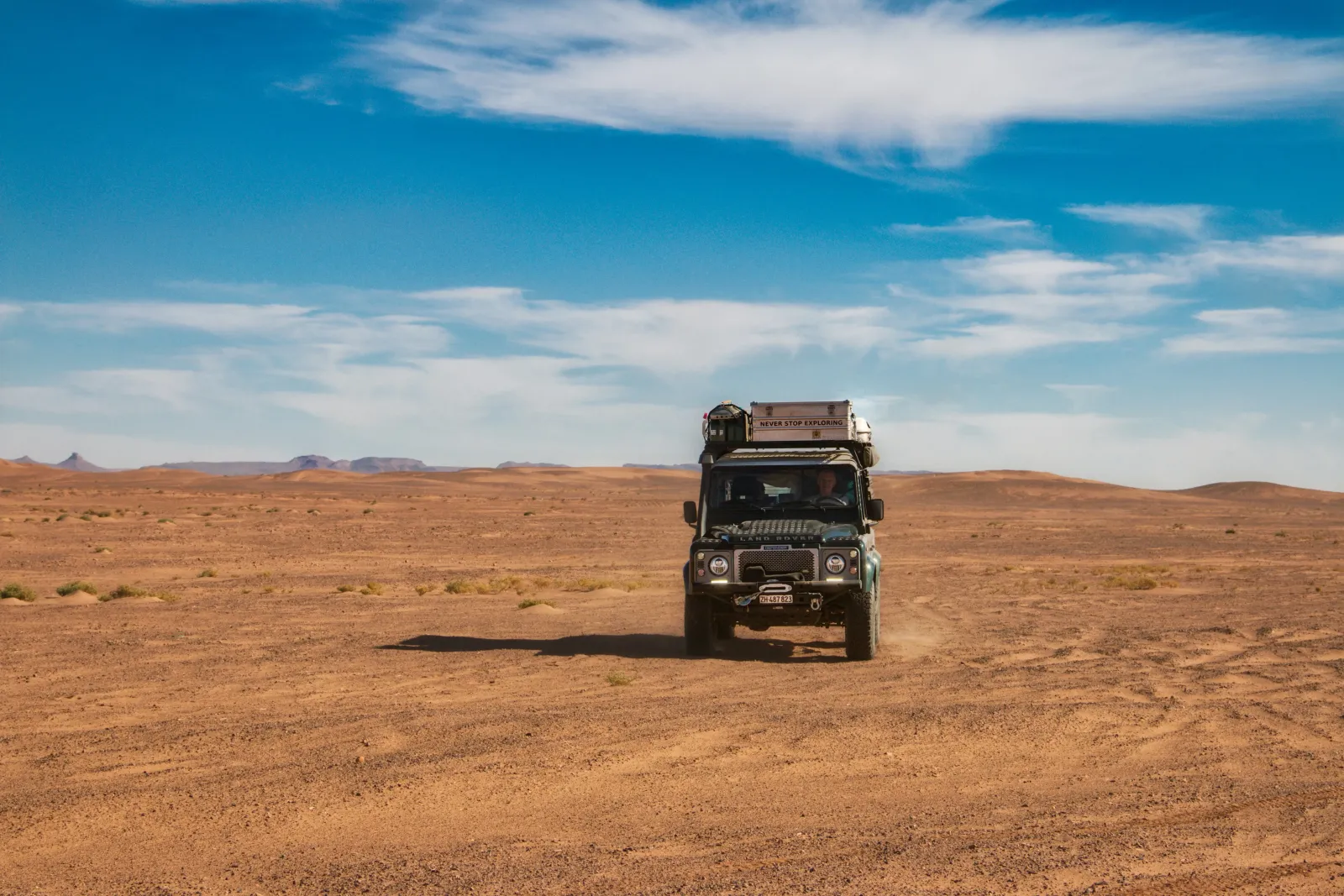
Embarking on a Sahara expedition in Morocco is a once-in-a-lifetime adventure that combines breathtaking landscapes, cultural immersion, and the thrill of exploring the world’s largest desert. This guide is designed specifically for travelers planning a private Sahara expedition, whether you’re a couple, family, or small group seeking a unique and safe desert experience. Here, you’ll find everything you need to know about private Sahara expeditions in Morocco—from practical planning and safety essentials to cultural highlights and packing tips. Understanding the scope, preparation, and significance of a Sahara adventure ensures you make the most of this extraordinary journey, with a focus on comfort, authenticity, and peace of mind.
Morocco Classic Tours offers customizable Sahara expeditions from Marrakech and Fes to Merzouga and Erg Chebbi, with fully private tours and carefully selected desert camps tailored to couples, families, and small groups.
Top-rated Sahara expeditions commonly follow 3–5 day itineraries from Marrakech via Aït Ben Haddou and the Dades or Draa Valley to the rolling dunes, featuring sunset camel treks and nights in comfort or luxury camps.
A 3-day private Sahara tour from Fes to Merzouga typically costs around €450–€750 per person (about $490–$820) depending on season and camp category, with Morocco Classic Tours positioned in the quality mid–upper range.
The best season for a Sahara desert expedition in Morocco is generally mid-October to late April, when daytime temperatures are comfortable and nights are refreshingly cool—avoiding the peak summer heat of July–August when temperatures can exceed 45°C.
Packages usually include 4x4 transfers, camel trekking, tents, most meals included, and basic camping gear, while guests should bring layered clothing, sun protection, and personal items like a first aid kit and power bank.
A Sahara expedition in the Moroccan context refers to multi-day journeys that depart from imperial cities like Marrakech or Fes and head toward the vast expanse of the Erg Chebbi dunes near Merzouga or the more remote Erg Chigaga. The Sahara Desert is the largest in the world, covering over nine million square kilometers, and features diverse landscapes including rocky plateaus, dry riverbeds, gravel plains, and oases. These adventures combine overland travel through dramatic landscapes with camel treks, starry night camping, and immersion in traditional Berber hospitality.
Unlike large coach tours that follow fixed schedules with dozens of travelers, Morocco Classic Tours focuses on private and small-group expeditions designed for couples, families, and friends who want authentic cultural immersion. This approach allows guests to explore at their own pace, request specific stops, and enjoy personalized attention from a local team that knows the desert intimately.
The routes combine some of Morocco’s most iconic landscapes: the High Atlas Mountains with their winding passes, ancient kasbahs like the UNESCO-listed Aït Ben Haddou, palm-filled valleys, desert plateaus, and finally the golden dunes that define the Sahara in most travelers’ imaginations. Whether you head east from Marrakech or south from Fes, the journey itself becomes as memorable as the destination.
Expedition lengths range from quick 2-day overnight trips to leisurely 8-day adventures that allow deeper exploration of remote regions. For first-time visitors, 3- and 4-day itineraries remain the most popular—long enough to truly experience the desert without feeling rushed.
This article serves as a practical planning guide from Morocco Classic Tours, covering everything from costs and seasons to packing lists and visa requirements. We’re focused on real travel logistics rather than fictional or role-playing style expeditions some readers may have encountered elsewhere.
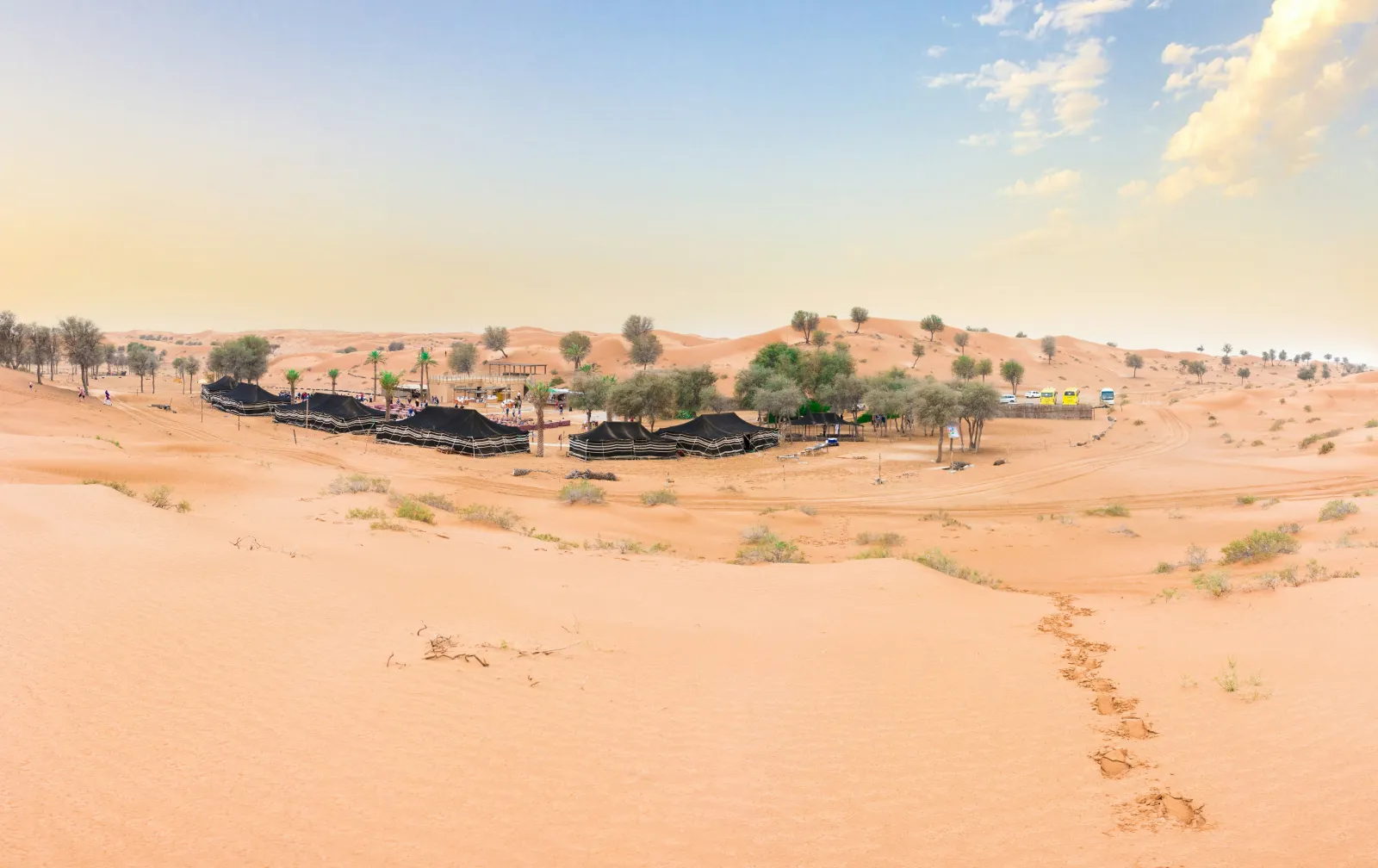
Marrakech is the most popular gateway for Sahara expeditions, with classic routes heading toward Merzouga (Erg Chebbi) in the east and Erg Chigaga in the south. Morocco Classic Tours operates private versions of these journeys, allowing guests to discover Morocco’s desert landscapes without the constraints of group travel.
Here are three core itinerary models that represent top-rated expedition options:
3-Day Marrakech–Merzouga–Marrakech
Cross the High Atlas via the Tizi n’Tichka pass
Visit the stunning kasbah of Aït Ben Haddou
Drive through the Dades or Todra Gorge with photo stops
Arrive at Erg Chebbi for a sunset camel trek
Spend the evening around a campfire and sleep in a desert camp
Return to Marrakech on day three after a morning in the dunes
4-Day Marrakech–Merzouga Circuit
Same route with a slower pace and additional stops
Extra time in both Dades and Todra Gorges
Optional sandboarding on the dunes
Both sunset and sunrise camel treks
More time to relax at camp and walk barefoot in the sand
5–7 Day Marrakech–Erg Chigaga Route
Head west toward Ouarzazate and the Draa Valley
Reach the more remote Erg Chigaga dunes with fewer tourists
Extra nights in the desert for deeper immersion
Optional extension to Agadir or Essaouira on the coast
Ideal for travelers with more time who want to explore off the beaten path
What makes an expedition “top-rated”? Look for licensed local driver-guides, modern and well-maintained 4x4 vehicles, well-reviewed desert camps (standard versus luxury), clear communication in English or French, transparent pricing, and flexible pacing that adapts to your interests.
Morocco Classic Tours differentiates itself through fully private departures available any day of the week, customizable pick-up locations (airport, riad, or hotel), choice between comfort and luxury camps, and added cultural stops depending on guest interest—whether that’s a visit to a family-run ksar, a pottery workshop, or a local market where you can rest and refuel.
A typical departure might look like this: leave Marrakech at 08:00, cross the Atlas Mountains with a morning tea stop, visit Aït Ben Haddou in the early afternoon, continue to the Dades Gorge for your first night in a comfortable guesthouse, reach your Merzouga desert camp by late afternoon on day two, and return to Marrakech around 19:00 on day three.
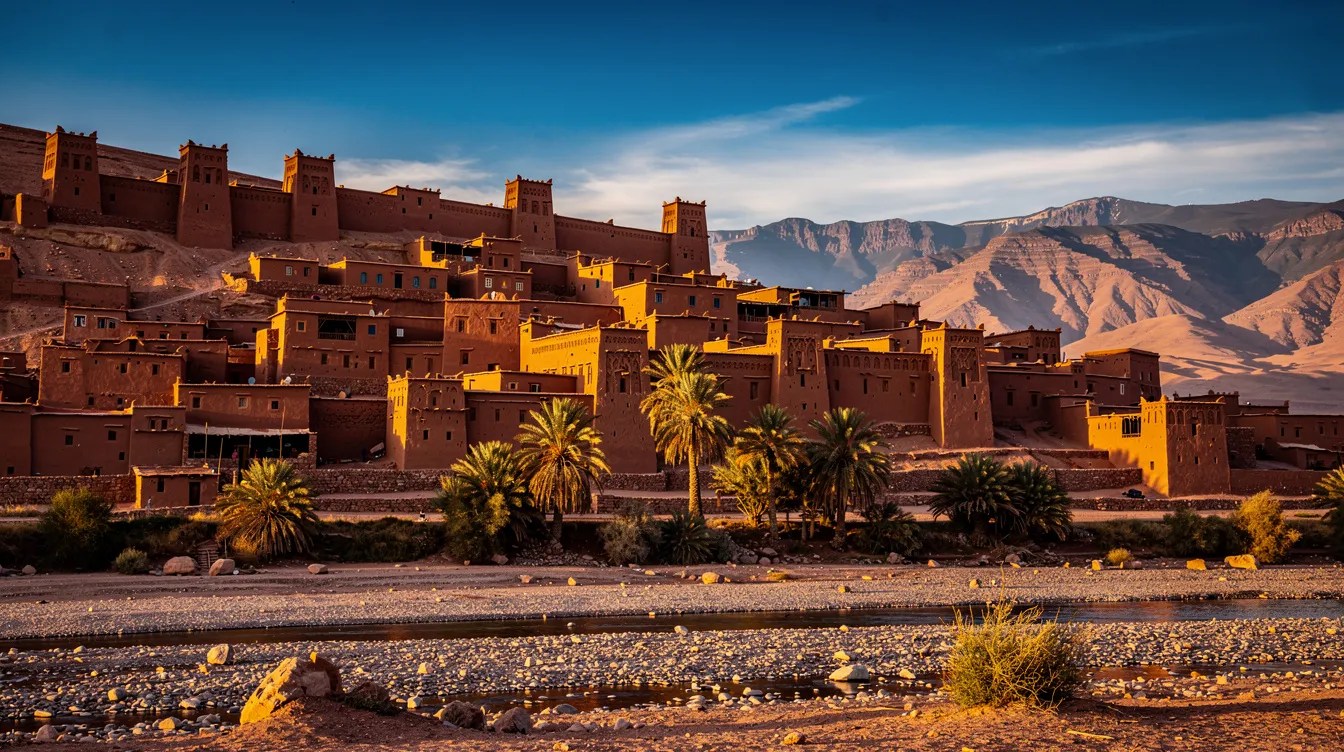
Fes offers an excellent starting point for travelers who want to combine the spiritual and historic heart of Morocco with a Sahara adventure. Many guests choose to begin in Fes and continue onward to Marrakech, seeing a broader swath of the country in one trip.
The classic 3-day Fes–Merzouga–Marrakech route crosses the Middle Atlas mountains, passing through the European-style town of Ifrane and the cedar forests near Azrou, where you might spot Barbary macaques. The journey continues south through the dramatic Ziz Valley with its endless palm groves before reaching the Erg Chebbi dunes for a night in a desert camp. From there, you can either return to Fes or continue west to Marrakech via the Todra and Dades Gorges.
A slower 4-day Fes–Merzouga–Dades–Marrakech variation builds in extra time—either an additional morning in the dunes or an extra night in the Dades Valley. This pacing suits families with children or travelers who prefer fewer long driving days and more time to absorb each stop along the route.
Morocco Classic Tours emphasizes specific experiences from Fes: panoramic stops in the Middle Atlas where the landscape shifts from green hills to high desert, tea with an Amazigh (Berber) family when possible, and flexible photo breaks in oases and gorges where the light changes throughout the afternoon.
Private tours from Fes typically include English-speaking drivers who are familiar with winter driving conditions and mountain roads between November and March—an important consideration since snow occasionally closes higher passes during these months.
Prices for private Sahara expeditions vary by season, level of comfort, and group size. Understanding realistic price ranges helps you budget appropriately and recognize genuine value when you see it.
Here are typical price brackets for 2026–2027:
Scenario | Price Per Person | Notes |
|---|---|---|
2 people, standard camp | €450–€600 (~$490–$650) | 1 night mid-range hotel, 1 night standard desert camp |
2 people, luxury camp | €600–€750 (~$650–$820) | En-suite tents, higher service level |
4–6 people, standard/comfort | €350–€500 | Lower per-person cost due to shared vehicle and guide |
What’s normally included in these prices:
Private transport from Fes in a 4x4 or comfortable minivan
English-speaking driver-guide
One hotel or guesthouse night with dinner and breakfast
One desert camp night with dinner, breakfast, and sunset camel trek
Basic excursion taxes and permits
What’s usually not included:
Lunches on travel days (typically €8–€15 per person at roadside restaurants)
Drinks beyond tea and water with meals
Personal travel insurance
Tips for drivers, guides, and camp staff
Optional activities like quad biking, sandboarding, or extra nights
Morocco Classic Tours operates within the quality mid–upper range, emphasizing good value rather than the absolute lowest price. We provide transparent quotes in euros or dollars with clear breakdowns of what’s included. Custom options—all-luxury itineraries, honeymoon setups with special touches, or budget-conscious family packages—are available on request.
With dozens of operators offering Sahara expeditions, choosing the right one can feel overwhelming. Travelers should prioritize safety, licensing, and local expertise over finding the absolute lowest price—the desert is not a place where you want corners cut.
Main categories of operators:
Large international adventure brands that schedule fixed-departure group tours with set dates and standardized itineraries
Local Moroccan agencies (like Morocco Classic Tours) that create private and bespoke itineraries with direct control over every element
Online marketplaces that resell local tours, sometimes with less direct communication or quality control
Objective criteria for evaluating the best operators:
Official Moroccan tourism licenses and properly insured vehicles
Consistently high third-party reviews on Google, Tripadvisor, and Trustpilot
Clear communication in English (or your language) before booking
Transparent itineraries and pricing with no hidden supplements at additional cost
Strong safety record with clear policies on driver rest hours and desert conditions
Direct relationships with desert camps rather than relying on unknown subcontractors
Morocco Classic Tours fits these criteria as a locally based company in Fez with a long-established network of desert camps and guides. Our focus on private tours means we maintain direct relationships with drivers and camp owners, ensuring consistent standards across every expedition we operate.
Before booking with any company, ask specific questions:
“Which dunes will we visit—Erg Chebbi or somewhere else?”
“Is our camp in the actual dunes or in a village nearby?”
“Is this tour private or will we be with other travelers?”
“What happens if weather or road conditions require a route change?”
Most travelers now plan their Sahara expedition online weeks or months before arrival, especially for peak seasons like October–November and March–April, when popular camps can fill quickly.
Booking directly through the Morocco Classic Tours website is our recommended approach. Direct booking ensures:
Immediate contact with the local team, who will handle your trip
Ability to customize itineraries based on your interests
Easier handling of special requests (dietary needs, birthdays, anniversaries)
Clear communication without third-party delays
What Morocco Classic Tours typically offers:
Online enquiry and “Book Now” forms for custom Sahara expeditions
Email support with detailed, personalized itineraries and pricing in euros or dollars
Secure payment methods with clear booking conditions
Transparent deposit requirements, balance due dates, and cancellation terms
Some travelers use major online travel platforms for initial research and price comparison, which is perfectly reasonable. However, many ultimately switch to direct booking once they’ve identified a local operator they trust—gaining better flexibility, more personalized service, and often clearer communication.
Booking timeline recommendations:
Travel Period | Recommended Booking Window |
|---|---|
Christmas–New Year | 3–4 months ahead |
Easter week | 2–3 months ahead |
European school holidays | 2–3 months ahead |
October–November peak | 2–3 months ahead |
Shoulder seasons | 3–4 weeks ahead may work |
The Sahara can be visited year-round, but temperatures and comfort levels vary significantly. Choosing the right season can make the difference between an unforgettable adventure and an uncomfortable endurance test.
Best Periods and Seasonal Considerations:
Season | Months | Conditions & Notes |
|---|---|---|
Ideal | Mid-October to late April | Pleasant days (20–30°C), cool nights. Clear skies are best for photography and comfortable for most. |
Shoulder | May, early June, late September | Warmer days but manageable for most travelers. |
Challenging | July–August | Extreme heat exceeding 40–45°C. Sand is extremely hot; only recommended for heat-tolerant travelers. |
Seasonal Highlights:
Autumn (October–November):
Clear skies and excellent visibility
Warm days around 25–30°C, crisp nights
Best conditions for photography
Highly recommended for first-time visitors
Winter (December–February):
Cooler days around 15–22°C
Cold nights that can drop near freezing
Occasional rain in mountain regions
Magical clear skies with stunning stars in the evening
Spring (March–April):
Comfortable temperatures returning
Longer daylight hours
Potential for occasional wind or sandstorms
Wildflowers in some valleys
Summer (July–August):
Daytime temperatures regularly exceed 40–45°C in Merzouga
Sand becomes extremely hot—impossible to walk barefoot
Only recommended for heat-tolerant travelers on shorter trips
Morocco Classic Tours adapts itineraries by season: earlier start times in summer to avoid peak heat, more breaks in shade during the hottest months, specific packing recommendations for winter nights, and flexible routing if mountain passes have snow. If you must travel in July–August, consider a shorter overnight desert trip rather than a multi-day expedition.
Most guests do not need to bring technical camping gear. Morocco Classic Tours and our partner camps provide the essentials for comfortable desert nights, so you can focus on enjoying the experience rather than worrying about equipment.
Standard inclusions in expedition packages:
Category | What’s Provided |
|---|---|
Transport | Private 4x4 or minivan; 4x4 transfers between village and camp when needed |
Camel trek | One camel per guest for sunset and/or sunrise rides with experienced handlers |
Accommodation | Furnished Berber-style tents in standard or luxury camps |
Sleeping gear | Proper mattresses, clean sheets, blankets, or duvets; extra blankets in winter |
Meals | Dinner and breakfast at camp (tagines, couscous, salads, fruit, tea); dinner and breakfast at hotel/guesthouse on non-camp nights |
Facilities | Basic lighting in tents and common areas; communal campfire when conditions allow |
Additional amenities in luxury expeditions:
Private tents with attached bathrooms and hot water
Solar or generator-powered electricity for charging phones and cameras
Swimming pool at some higher-end camps (rare but available)
Decorative setups for special occasions (candles, rose petals, private dining) on request
Sometimes, a bar or lounge area in camp
What’s typically not included:
Personal sleeping bag (camps provide bedding, though some travelers bring their own tent liner in winter)
Personal head torch or headlamp (bring your own)
Power banks (essential for multi-day trips)
Specialized trekking gear
Alcoholic beverages (unless arranged in advance or at camps with appropriate licenses)
Morocco Classic Tours always provides a clear “What’s included” list in your confirmed itinerary so you can pack confidently without bringing unnecessary equipment.
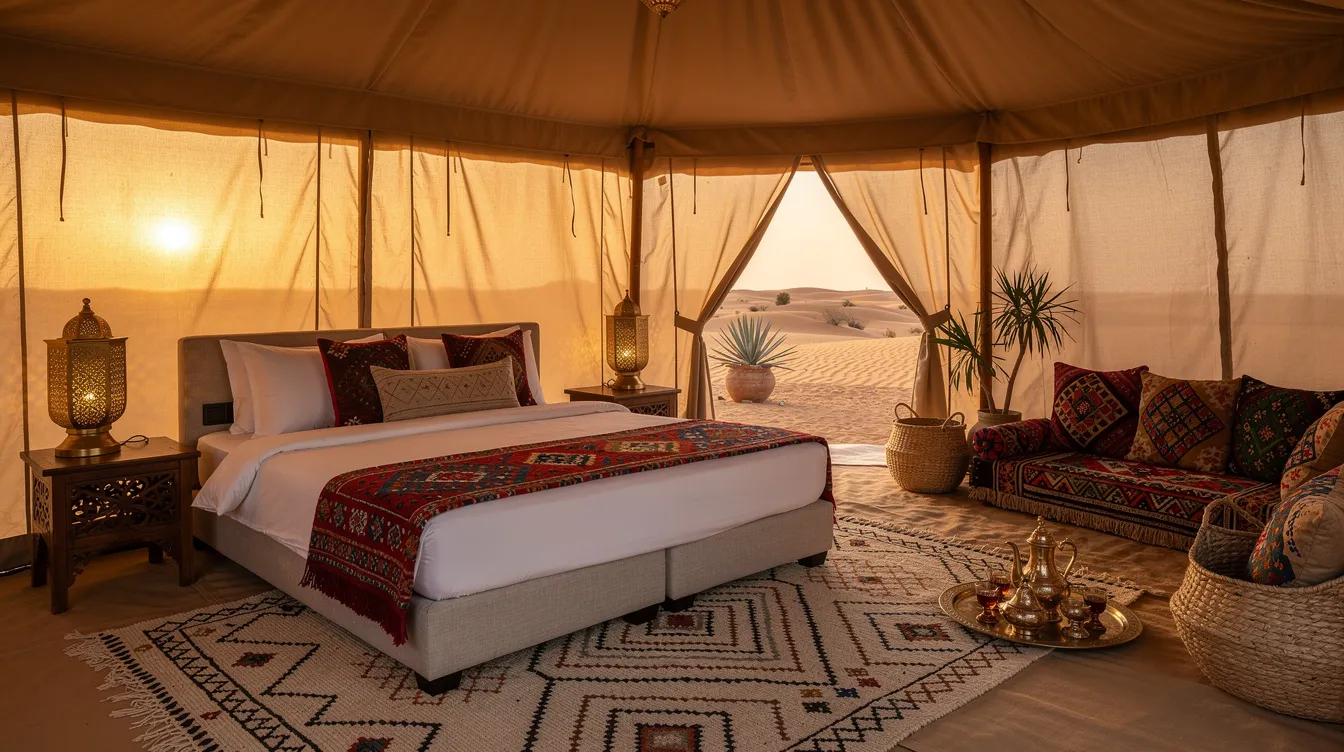
Before heading out on your Sahara expedition, keep these crucial safety and preparation guidelines in mind:
Travel with Experienced Local Guides: Always book your Sahara expedition with reputable, local guides and companies for safety and expert navigation.
Inform Others of Your Route: Let someone know your exact route, destination, and expected return date before traveling into the desert.
Hydration: Carry a large, refillable water bottle and a backup supply. Drinking plenty of water is essential to avoid dehydration in the Sahara’s dry air.
Sun Protection: Wear a wide-brimmed hat, sunglasses with UV protection, and high SPF sunscreen. Daywear should be lightweight, loose-fitting, and made of natural fabrics like cotton or linen. Long-sleeved shirts and trousers provide extra sun protection.
First-Aid Kit: Pack a first-aid kit including personal medications, blister plasters, and antiseptic wipes.
Navigation Tools: Bring a GPS device or maps to help navigate the desert.
Headlamp or Flashlight: A headlamp or small flashlight is crucial for moving around camp at night.
Hygiene: Use wet wipes and hand sanitizer to maintain hygiene, as water access is limited in the desert.
Temperature Shifts: Pack for extreme temperature changes—hot days and cold nights. Layering is key, and bring warm layers like a fleece or jacket for nighttime.
This practical checklist covers everything you need for a 6–8 day Sahara expedition from Marrakech, combining mountains, valleys, and desert nights. It assumes Morocco Classic Tours provides transport and basic camp equipment—your job is to pack smart for the conditions.
Clothing Essentials:
Lightweight, breathable layers for daytime (long trousers and long-sleeved shirts for sun and sand protection)
Warm layers for evening and morning in winter (fleece or light down jacket, beanie, warm socks)
Comfortable walking shoes or light hiking boots (broken in before the trip)
Sandals or flip-flops for relaxing at camp
Scarf or buff for sun and wind protection (or plan to buy a traditional cheche in Morocco)
Sun and Heat Protection:
Wide-brimmed hat or cap with neck coverage
High-SPF sunscreen and SPF lip balm
UV-protection sunglasses with good coverage
Reusable water bottle (1–1.5 liters minimum)—camps provide bottled drinking water throughout the trip
Personal Items and Small Gear:
Small daypack for camera, water, and layers during stops and camel treks
Head torch or small flashlight with spare batteries (essential for navigating camp after dark)
Power bank for charging devices
Basic personal medications and a mini first aid kit
Any prescription drugs with copies of prescriptions
Hygiene and Comfort:
Travel-size toiletries
Wet wipes (invaluable in the desert)
Toilet paper (small pack for emergencies)
Quick-dry towel if staying in basic camps
Earplugs and a sleep mask for light sleepers
Hand sanitizer
Practical Travel Items:
Photocopies of passport and travel insurance details (kept separate from originals)
Cash in Moroccan dirhams for lunch, drinks, and tips along the route
Lightweight duffel bag or backpack (hard-shell luggage is impractical for 4x4 transfers)
Small cloth bag for separating dusty clothes from clean items
Important packing notes:
The most important thing is layering. Desert temperatures swing dramatically—you might experience 30°C in the afternoon and 5°C at night. Pack for both extremes.
Avoid bringing only hand luggage if you’re doing a week-long trip; you’ll need space for layers, a spare change of clothes, and personal items.
Keep your luggage soft-sided when possible. A duffel bag or backpack works better than rigid suitcases when loading into 4x4 vehicles or transferring between camp and transport.
Morocco’s entry rules are straightforward for U.S. citizens planning Sahara expeditions, making it one of the more accessible destinations in North Africa. Always double-check official sources before departure, as requirements can change.
Current requirements (late-2025):
Requirement | Details |
|---|---|
Visa | Not required for stays up to 90 days |
Passport validity | At least 6 months beyond the planned entry date |
Blank pages | At least one blank page for entry/exit stamps |
Proof of travel | An onward or return ticket may be requested |
Accommodation | The address of the first night’s stay may be requested |
Entry procedures:
Most travelers arrive through Marrakech (RAK), Casablanca (CMN), or Fes (FEZ) airports
Immigration officers may ask for proof of onward travel and first-night accommodation
Your passport will be stamped with the entry date—keep this visible until departure
Airport transfers can be arranged through Morocco Classic Tours if needed
Practical tips:
Carry travel insurance that provides insurance cover for medical emergencies, and ideally, trip interruption or evacuation from remote areas
Check the official Moroccan consulate website or U.S. State Department travel advisories 2–3 weeks before travel
Morocco Classic Tours can provide booking confirmations with hotel and camp details, which may be helpful to show at immigration if requested.
For stays exceeding 90 days, you’ll need to apply for a resident permit through local authorities—but for most Sahara expeditions lasting 1–2 weeks, the visa-free entry is perfectly sufficient.
As a Fez-based tour operator, Morocco Classic Tours specializes in private, customizable itineraries that combine Sahara expeditions with Morocco’s imperial cities, mountains, and coasts. We’re not a faceless booking platform—we’re a local team that regularly travels the same routes and personally inspects the camps and hotels we recommend.
Core strengths:
Genuine local expertise from a Moroccan team with deep knowledge of desert routes, seasonal conditions, and cultural nuances
Fully private tours that adapt to your pace—no waiting for other travelers, no fixed group schedules
Cultural immersion focus, including visits to Amazigh villages, local markets, traditional music in camp, and authentic home-style food where possible
Travelling responsibly with established relationships with local communities and camps
Experiences to combine with your Sahara expedition:
Walking tour of the medinas in Marrakech and Fes
Atlas Mountains hikes and village stays
Coastal extensions to Essaouira or Agadir heading west
Culinary experiences, including cooking classes and street food tastings
Multi-day trips that explore both north and south Morocco
Service elements:
Dedicated support before and during your trip with clear contact information
Flexibility in pick-up and drop-off (airports, riads, hotels) coordinated around your flight schedule
Transparent “Book Now” process with secure payment options
Option to subscribe to special offers and updates
Whether you’re planning a honeymoon under the stars, a family adventure, or a solo journey of discovery, the Sahara offers an experience unlike anywhere else in the world.
Ready to start planning? Explore our suggested itineraries on the Morocco Classic Tours website, or send us a message describing your ideal Sahara expedition so our team can design a bespoke proposal tailored to your dates, interests, and budget.
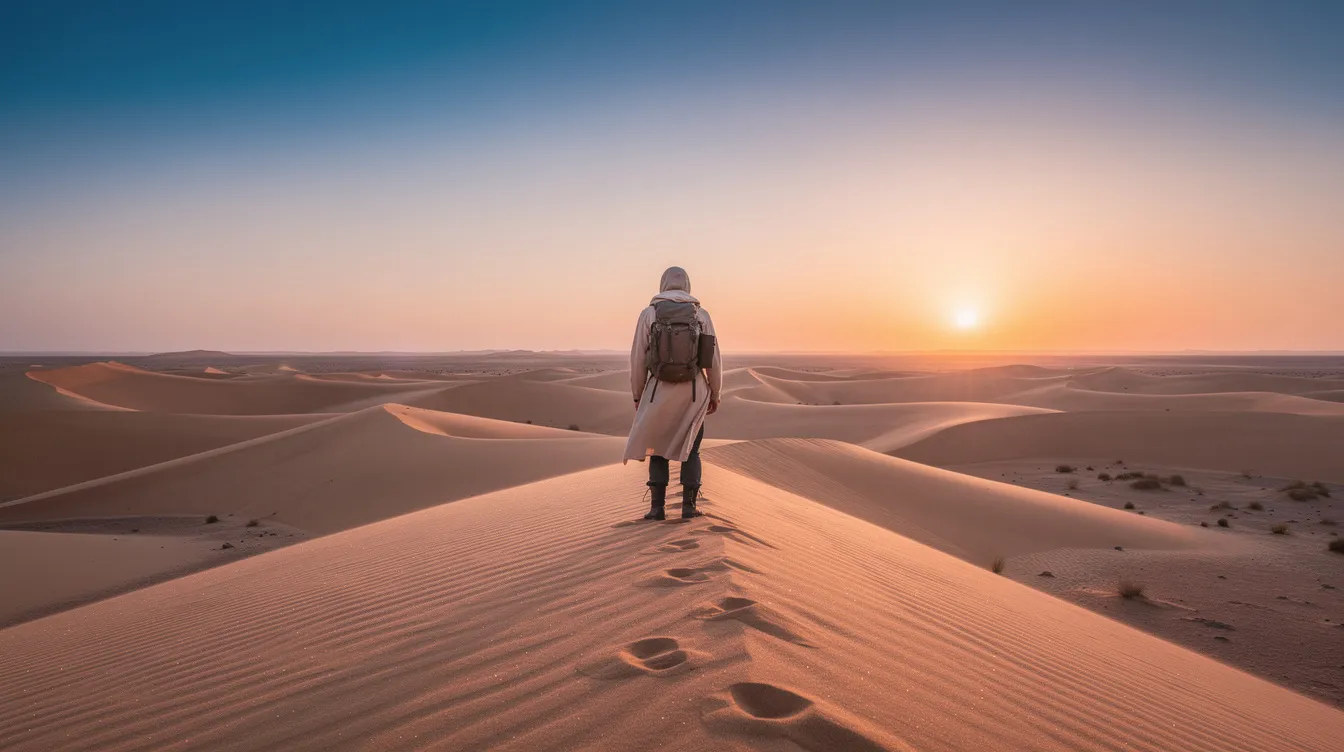
Many Morocco Classic Tours guests are families with children and multi-generational groups. Itineraries can be paced for all ages with shorter driving days, more frequent rest stops, and gentler camel rides lasting just 30–60 minutes. For older travelers or those with mobility concerns, inform us in advance so we can select camps with easier access and arrange en-suite tents. Children often love the adventure of sleeping in the desert and riding camels—it becomes a highlight of their trip.
Tourist routes to Merzouga and Erg Chebbi are well-established and considered safe, with local communities heavily involved in desert tourism for decades. Morocco Classic Tours emphasizes safety through experienced licensed drivers, well-maintained vehicles, avoidance of night driving on long stretches, and close cooperation with reliable desert camps. Standard travel precautions apply: keep valuables secure, follow your guide's instructions, and ensure you have adequate travel insurance.
No prior experience is required. Sahara expeditions are designed as soft adventures suitable for most reasonably healthy travelers—not extreme survival challenges. Walking in the dunes is optional and at an easy pace; you can walk, rest, or ride a camel as you prefer. Camps are fully set up when you arrive, with staff handling all food preparation and tent setup. You simply enjoy the experience.
Morocco Classic Tours can run fully private Sahara expeditions for solo travelers, though the per-person cost is higher than for couples or groups since vehicle and guide costs aren’t shared. On request, we can check for compatible dates where a solo traveler might join a small group if such options exist. Solo guests find desert camps welcoming, with communal dinners, shared campfire evenings, and traditional caravan-style hospitality that makes meeting other travelers easy.
Morocco Classic Tours quotes prices in euros and/or U.S. dollars with a clear indication of what’s included. Deposits can generally be paid online by card or bank transfer, with the balance due before arrival or in cash on the first day, depending on agreed terms. For expenses along the route—lunch stops, drinks, tips—bring some Moroccan dirhams, which you can withdraw from ATMs in major cities like Marrakech and Fes before heading into areas with limited access to banking.
Compare Morocco group tour agencies by trip style, reviews, pace, transport and inclusions. Learn wh...
Read this article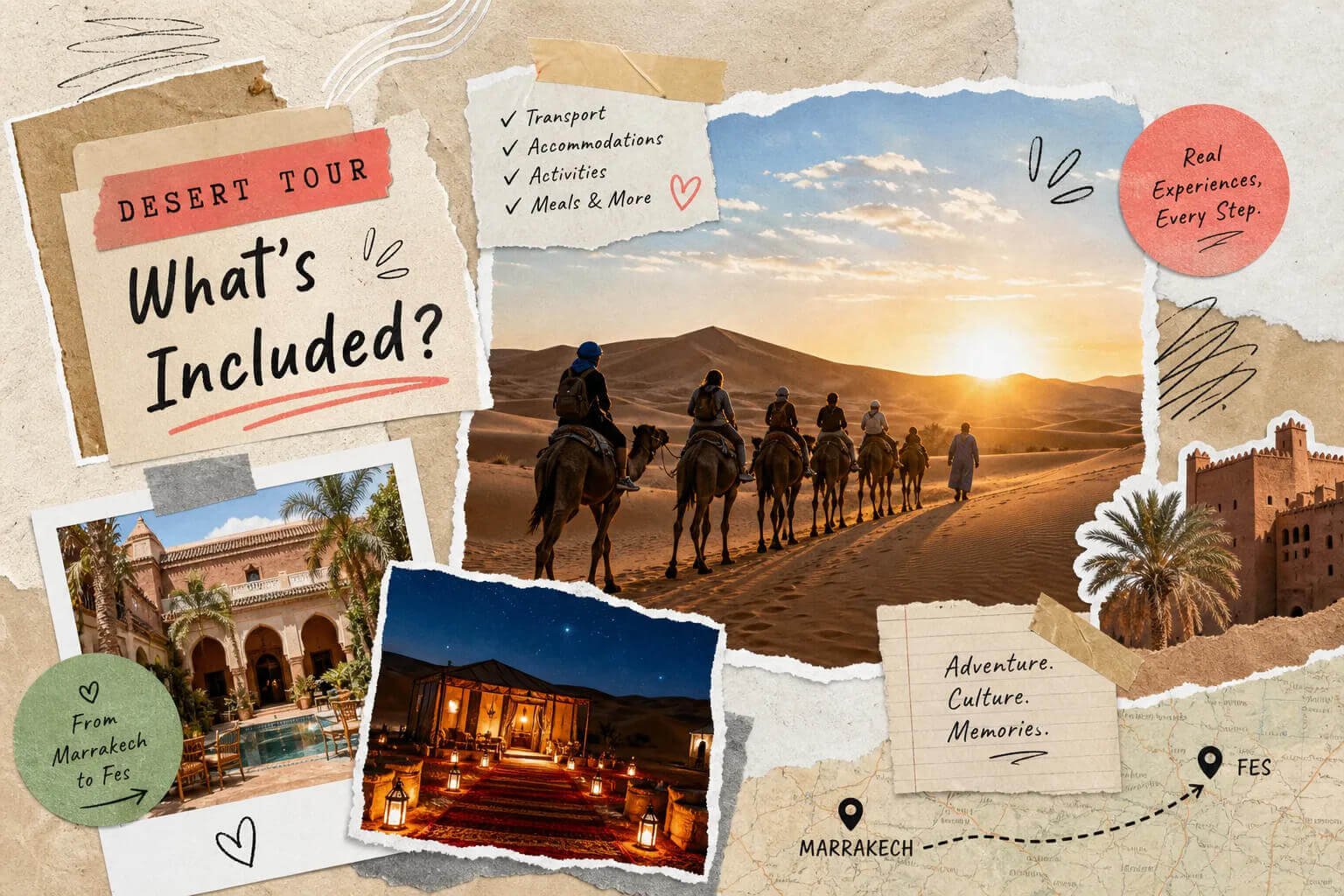
Uncover what a Marrakech to Fes desert tour offers, including camel rides, desert camps, and rich cu...
Read this article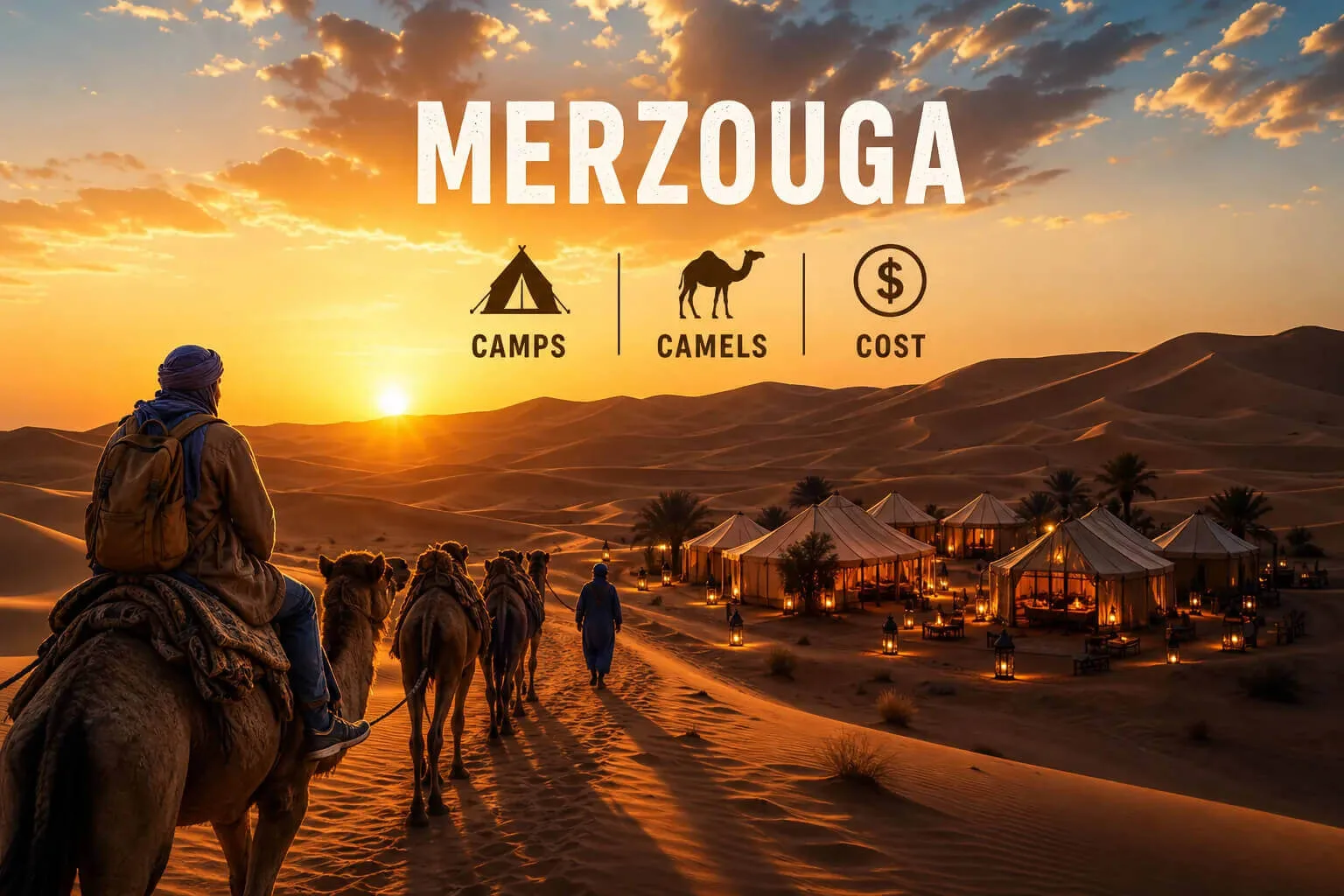
Join our Merzouga Overnight Tour for an authentic desert experience. Enjoy camel rides, comfortable ...
Read this articleWant cool tour deals and tips about Morocco? Enter your email and we’ll send them to you each month!
