Group Tour Agencies in Morocco: How to Pick the Right One
Compare Morocco group tour agencies by trip style, reviews, pace, transport and inclusions. Learn wh...
Read this article

Private, custom Morocco trips planned in Fez by AZ-ZDDINE, working in Moroccan tourism since 2012. Sahara, Atlas, medinas and coast, arranged around you.
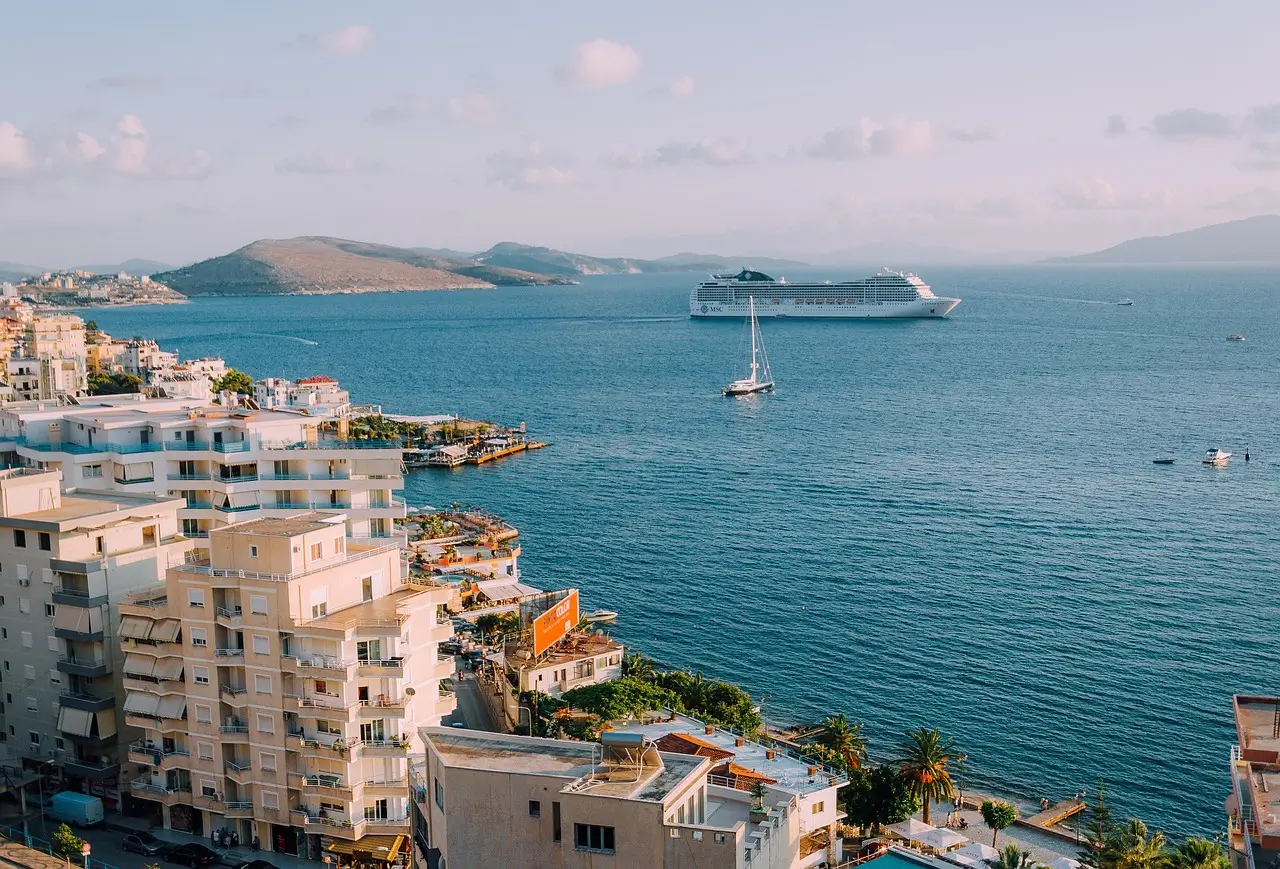
Spain, Portugal, and Morocco form a vibrant triangle at the crossroads of Europe and North Africa. The region is defined by its rich tapestry of cultures, centuries-old trade routes, and a unique blend of Mediterranean and Atlantic influences. The Strait of Gibraltar, just 14 km wide at its narrowest point, separates southern Spain from northern Morocco, making cross-continental travel both accessible and fascinating. Portugal, with its Atlantic coastline, sits to the west, offering a distinct maritime heritage and a gateway to the Iberian Peninsula.
Travelers are drawn to this region for its diversity: from the Moorish palaces and flamenco rhythms of Andalusia, to the pastel-hued streets of Lisbon and Porto, and the labyrinthine medinas and desert landscapes of Morocco. Each country offers its own flavor of history, cuisine, and hospitality, yet they are all interconnected by centuries of shared stories and migrations.
Whether you’re seeking UNESCO World Heritage sites, culinary adventures, or the thrill of crossing continents in a single journey, Spain, Portugal, and Morocco deliver an unforgettable travel experience. Understanding the geography and cultural links between these countries is the first step in planning a seamless and rewarding itinerary.
Now that you have a sense of the region’s unique character, let’s dive into the key takeaways and practical considerations for planning your trip.
Yes, you can travel to Spain, Morocco, and Portugal in one trip, and it works best when you allow enough time for the route. This guide gives you a realistic 17–21-day trip itinerary, best travel dates, budget ranges, ferry advice, and practical ways to move between countries without losing whole days in transit.
Morocco is much closer to Spain than Portugal: the Strait of Gibraltar narrows to about 14 km between southern Spain and northern Morocco, while Portugal sits farther west along the Atlantic.
For most leisure travelers, Tarifa–Tangier Ville is the best ferry crossing because it is fast, central, and easier for walking travelers; Algeciras is better for vehicles and has more frequent departures.
A day trip to Morocco from Spain is possible, usually from Tarifa to Tangier, but it gives only a short taste of the medina and Kasbah rather than a real Morocco experience.
A comfortable total budget for a 2–3 week Spain, Portugal, and Morocco trip typically ranges from about USD 3,500–7,000 per person, excluding international flights, depending on whether you travel mid-range or choose a higher-end private guided tour.
April–May and late September–October are ideal for most travelers from the USA and Singapore, balancing mild weather, manageable crowds, desert comfort, and Ramadan timing.
Morocco Classic Tours can organise the Morocco portion from Tangier, Chefchaouen, Fes, the Sahara Desert, and Marrakech as a private guided tour, with options for a past guest discount, extra hotel nights, and support local experiences.
With these essentials in mind, let’s look at how to combine Spain, Portugal, and Morocco into a single, rewarding itinerary.
Combining Spain, Portugal, and Morocco in one itinerary is not only possible; it is one of the most rewarding routes between Europe and North Africa. This article is written from the perspective of Morocco Classic Tours, a B2C tour operator based in Fez, Morocco, helping couples, families, and small groups plan the Morocco leg of a wider Iberia-and-Morocco journey.
Recommended itineraries for visiting Spain, Morocco, and Portugal typically start in either Portugal or Spain, cross to Morocco via ferry, and conclude in one of the two countries. A common route includes Lisbon, Seville, Granada, and Madrid in Spain/Portugal, followed by Tangier, Fes, and Marrakech in Morocco.
10–12 days: a fast “taster” with one main city in each country, minimal travel days, and very little room for changes.
14–17 days: a classic guided tour covering key highlights such as Lisbon, Seville, Granada, Fes, and Marrakesh, usually with accommodations in well-rated hotels across the three countries.
21 days: a deeper Spain, Portugal, Morocco itinerary with the Sahara Desert, multiple UNESCO World Heritage sites, free time, local cuisine, and a better rhythm.
Independent travel gives you flexibility, but you will need to handle tickets, hotels, ferries, language differences, and border timing yourself. A guided tour gives smoother logistics, a tour director or local driver-guide, curated hidden gems, and a more comfortable transition into Morocco. Travel packages for Spain, Morocco, and Portugal typically include a combination of guided tours and free time for exploration, and many travel packages feature ferry crossings between Spain and Morocco as part of the itinerary.
Morocco Classic Tours typically handles the Morocco leg: Tangier, Chefchaouen, Fes, the Middle Atlas mountains, the Sahara Desert, Marrakech, Casablanca, or Rabat. We can coordinate your departure date, arrival transfer, ferry timing, airport transfer, and best alternative dates with your Spain and Portugal schedule.
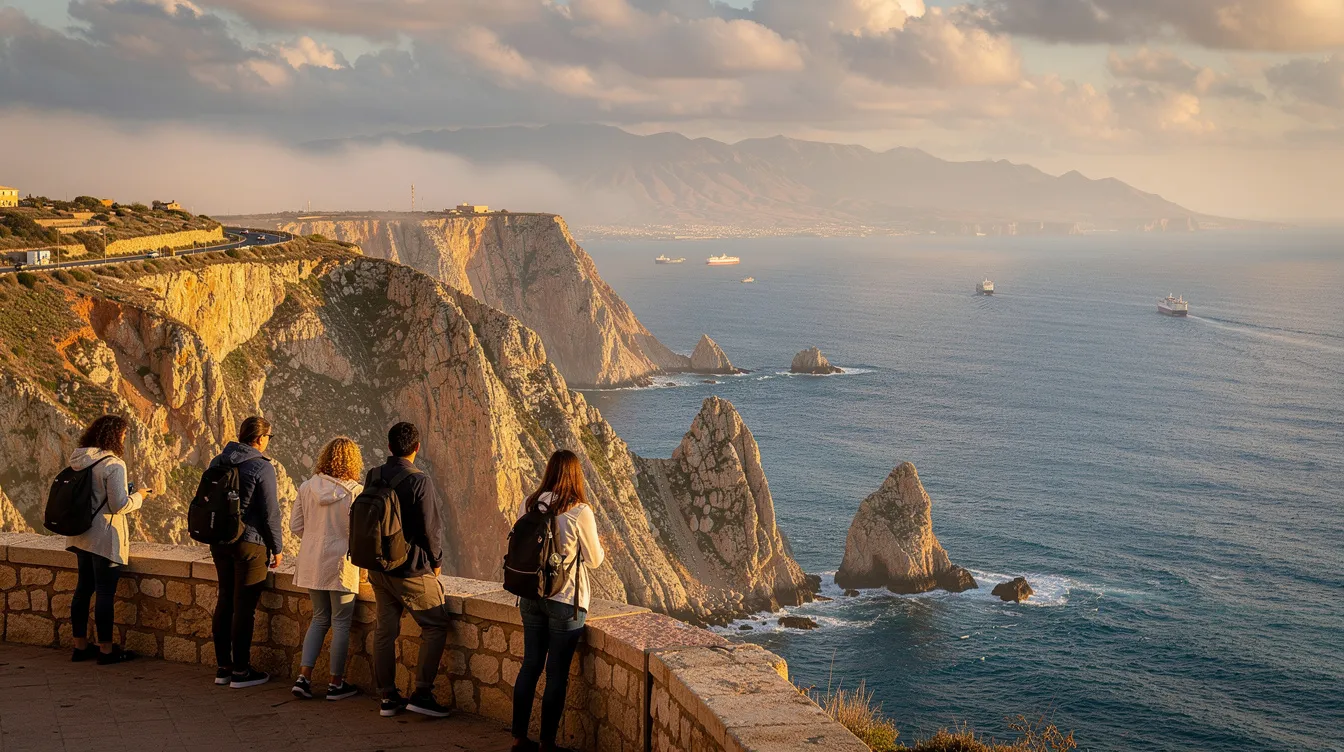
Flights between Iberia and Morocco, such as Madrid–Marrakech or Lisbon–Casablanca, and fast ferries like Tarifa–Tangier make a multi-country itinerary efficient even within three weeks. The key is to avoid overscheduling and focus on one or two main cities or regions within each country to minimize transit time.
With your itinerary in mind, let’s explore the best times to visit these countries for an optimal travel experience.
The best times to visit Spain, Portugal, and Morocco are during spring and fall when temperatures are mild and pleasant for exploring. Summers are hot and dry, especially in southern Spain and inland Morocco, while winters are cooler and less predictable; that is why shoulder seasons of Spring (April-June) and Autumn (September-October) offer the best weather for travel.
Spring, especially April to early June, is one of the strongest windows for a combined Spain, Portugal, and Morocco route. Lisbon is the capital of Portugal and features the historic Belém Quarter, known for its maritime history and monuments, including the magnificent Jerónimos Monastery and Tower of Belém. Lisbon, Seville, Fes, and Marrakech often feel comfortable for a walking tour or guided walking tour, though Easter and May Day weeks can be busier and more expensive.
Autumn, from mid-September to October, is also excellent. Portugal and the Costa del Sol still feel warm, Seville becomes easier to explore, and Morocco’s desert camps and camel treks are far more comfortable than in July or August. This is a good season to enjoy dinner outdoors, taste local specialities, and sit with a local family over a traditional Moroccan tea ceremony.
Most US guests plan 2–3 weeks to justify the long flight and make the trip feel relaxed rather than rushed.
Avoid peak July–August heat in Seville, Granada, Marrakech, and the Sahara, where temperatures over 38–42°C are common.
Thanksgiving week can work well for Spain and Morocco cities, though beach resorts are quieter, and some coastal hotels may feel off-season.
Coming from a humid tropical climate, many guests appreciate the drier weather in April–May and October.
Common routings go via Doha, Dubai, Istanbul, Frankfurt, or other European hubs into Lisbon, Madrid, or Barcelona, and out of Marrakech or Casablanca.
The time difference is often around 7–8 hours, so we recommend at least 14 nights on the ground, with a slower first day.
Ramadan in Morocco shifts each year; in 2026, it is roughly February–March. The pros are fewer crowds in some sites and a special evening atmosphere after sunset. The cons are that some cafés close in daytime, so guests who want Marrakesh’s lively souks and lively daytime street life may prefer to avoid peak Ramadan weeks.
With the best travel seasons in mind, let’s consider how much time you should spend in each country for a balanced and memorable journey.
How many days in Spain and Portugal are enough depends on your priorities, but do not try to see all three countries properly in one week. Travelers should plan for at least 4-5 days in each country to fully experience the culture and sights without rushing.
5–6 nights in Spain, such as Madrid, Seville, and Granada.
4–5 nights in Portugal, such as Lisbon and Porto, or Lisbon plus the Algarve.
3–4 nights in Morocco, such as Tangier, Chefchaouen, Fes, or Marrakech.
This is fast-paced and usually skips the Sahara Desert. It can still include major historical landmarks, a guided tour of one or two cities, and a free evening for local restaurant meals, but you will need to be disciplined with travel days.
6–7 nights in Spain: Madrid, Toledo day trip, Seville, Granada, and the Costa del Sol.
4–5 nights in Portugal: Lisbon plus Porto or Évora.
4–5 nights in Morocco: Tangier, Chefchaouen, Fes, Marrakech, or Casablanca.
7 days in Spain.
6 days in Portugal.
8 days in Morocco.
Three weeks allow time for a Sahara Desert camel trek, an overnight desert camp, an Atlas Mountains village visit, ancient Roman ruins, Imperial Cities, and slower city stays. Morocco Classic Tours sees the best feedback from past guests and fellow travellers who spend at least 7–8 nights in Morocco within a 3‑week multi-country trip.
With your trip duration decided, let’s look at a detailed sample itinerary to help you visualize your journey.
This trip itinerary runs from Lisbon to Madrid via southern Spain and northern/central Morocco. It is modular, with guided segments, free time, and enough space to travel at your own pace rather than rushing from bus to bus.
Day 1: Arrive in Lisbon, check in by mid-afternoon, and take a short orientation walk through the old town. In the early evening, consider a welcome dinner in Bairro Alto with local wine and local cuisine.
Day 2: Take a morning guided tour of Belém, including Jerónimos Monastery, Belém Tower, and the bakery associated with the famous Portuguese custard tart, made with the same secret recipe style that travelers love. Essential landmarks like the Alhambra in Granada and the Jerónimos Monastery in Lisbon require tickets to be booked well in advance, so reserve early.
Day 3: Visit Sintra for Palácio da Pena and Quinta da Regaleira. Return to Lisbon for a Fado show, where music takes centre stage in a small local restaurant.
Day 4: Enjoy a free day in Lisbon or visit Évora, a UNESCO World Heritage site in Portugal, known for its well-preserved historical architecture and the Chapel of Bones. The Chapel of Bones in Évora, Portugal, is a unique site that reflects the country’s rich history and traditions. Then continue by evening train, bus, or flight, depending on whether you choose Porto or Seville next.
Porto is famous for its port wine, which can be sampled at historic cellars along the Douro River. If you include Porto, plan time for Porto’s historic cellars, a riverside walk, and tasting port wine before turning south toward Spain.
Day 5: Travel to Seville by bus or a train/bus combination via Faro. Spend the evening in Santa Cruz, the Jewish quarter, where narrow streets, charming streets, cobbled streets, tapas bars, and street performers create one of Andalusia’s best first nights.
Day 6: Take a guided tour of Seville Cathedral, Giralda Tower, and Plaza de España. Seville is famous for its flamenco culture and the stunning Plaza de España, a landmark of the city. Flamenco shows are a popular cultural experience in Seville, reflecting the region’s rich musical heritage; Insight Vacations also offers a tour that includes a visit to the Cristina Heeren Foundation in Seville, promoting flamenco dance education and not-for-profit cultural work.
Day 7: Transfer to Granada via Ronda or Córdoba. Toledo is known for its rich history and cultural influences from Christians, Muslims, and Jews, and features the Church of Santo Tomé; if your schedule allows, Toledo can also be added near Madrid for another layer of cultural significance.
Day 8: Visit the Alhambra and the Generalife gardens. The Alhambra Palace in Granada is a famous Moorish landmark known for its intricate designs and tranquil gardens. The Alhambra Palace in Granada is also a famous Moorish landmark known for its intricate designs and beautiful gardens, so timed tickets are essential. Globus tours highlight the dramatic landscapes and cultural experiences across Spain, Portugal, and Morocco, including the Alhambra in Granada, which shows how central this landmark is to most routes.
Day 9: Travel to the Costa del Sol, such as Málaga or Torremolinos. Add beach time, a museum visit, or an optional day trip to Gibraltar.
Day 10: Take an early transfer to Tarifa and cross the Strait of Gibraltar by ferry. The easiest way to cross between Spain and Morocco is by ferry across the Strait of Gibraltar. In Tangier, meet your Morocco Classic Tours driver-guide for a short city tour of the Kasbah, medina viewpoints, and cafés overlooking Spain, then continue to Chefchaouen.
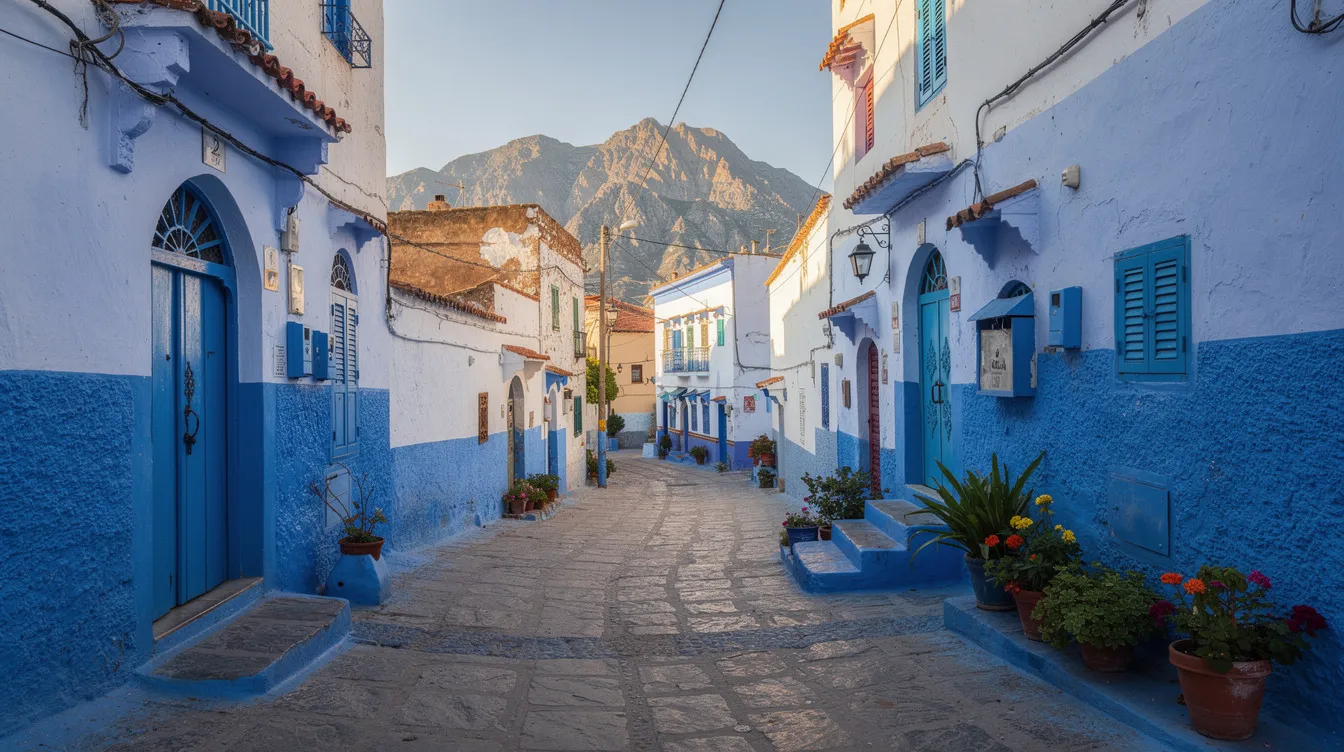
Day 11: Spend a free day in Chefchaouen’s blue lanes. This enchanting city is made for slow wandering through winding streets, local craft shops, and mountain viewpoints, with an optional walk to the Spanish Mosque at sunset.
Day 12: Take a scenic drive from Chefchaouen via Volubilis and Meknes to Fes. Volubilis adds ancient Roman ruins to the route before you reach one of Morocco’s great Imperial Cities.
Day 13: Enjoy a full-day Fes medina tour with a local guide. The Medina of Fes is a UNESCO World Heritage site and is known for its maze-like streets and traditional craftsmanship. The Medina of Fes is a UNESCO World Heritage site known for its maze-like streets and traditional craftsmanship, including leatherwork, metalwork, weaving, and ceramics. Fes is also associated with the world’s oldest universities, and its medina remains a fascinating city of artisan workshops, vendors selling food, and family-run businesses.
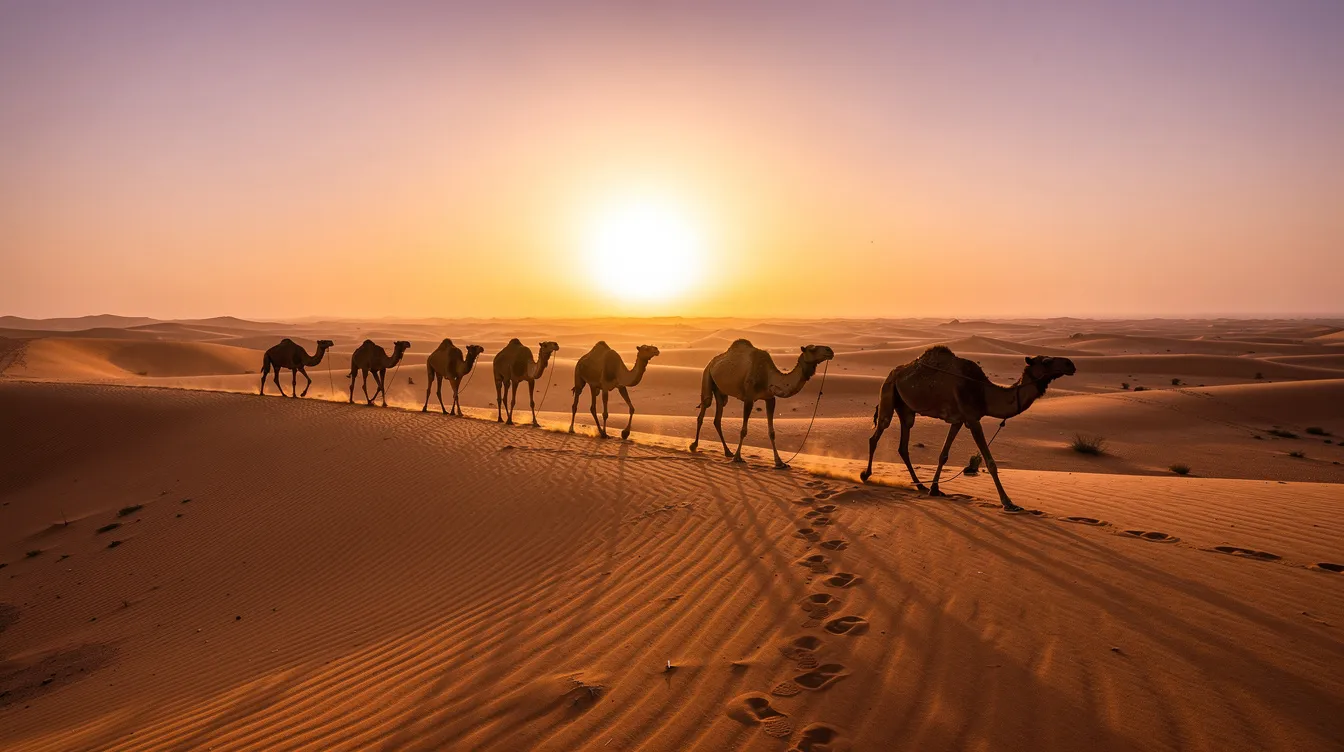
Day 14: Drive through Ifrane, cedar forests near Azrou, and Midelt toward Merzouga. Cross the Middle Atlas, then ride camels into Erg Chebbi for sunset and an overnight desert camp under the stars. This is where meals, breakfast, and dinner may be included, depending on your camp category.
Day 15: Watch sunrise over the dunes, return by 4x4, then drive via Todra Gorge to Dades Valley or Ouarzazate. Staying in a local guesthouse helps support local communities and gives you a more personal view of rural Morocco.
Day 16: Continue via Aït Benhaddou and the High Atlas Mountains to Marrakech. Aït Benhaddou is a fortified ksar on the caravan route between the Sahara and Marrakech, and it is one of Morocco’s most cinematic stops. In Marrakech, take a short orientation tour of Jemaa el-Fnaa.
Day 17: Take a Marrakech guided tour covering the Koutoubia Mosque exterior, the Bahia Palace, Saadian Tombs, and medina souks. Marrakesh is known for its vibrant Jemaa el-Fnaa Square, which is filled with food stalls, musicians, and storytellers. Marrakesh’s Jemaa el-Fnaa Square is a vibrant hub filled with food, music, and entertainment, and the surrounding souks are perfect for bargaining, which is a common practice in Morocco.
Day 18: Spend the morning at Jardin Majorelle and the Yves Saint Laurent Museum, then transfer to Casablanca. The Hassan II Mosque in Casablanca is one of the largest mosques in the world and is partially built over the sea. The Hassan II Mosque in Casablanca is one of the largest mosques in the world, built partly over the sea, and it is one of Morocco’s most impressive modern monuments.
If you add Rabat, the royal palace is a significant landmark in Morocco, showcasing the country’s architectural heritage.
Day 19: Fly from Casablanca to Madrid. Madrid is the capital of Spain and is known for its vibrant streets and rich history. Take an afternoon orientation walk through Puerta del Sol and Plaza Mayor.
Day 20: For your Madrid visit, choose the Prado Museum or Royal Palace in the morning, then enjoy shopping, Retiro Park, or a tapas tour in La Latina. Madrid blends historic grandeur with modern energy, making it a lively city for the final chapter of the journey.
Day 21: Depart from Madrid-Barajas Airport. You can add extra hotel nights in Madrid if your flight leaves early, if you want a slower final day, or if a particular departure works better with your international flights.
This 21‑day Spain, Portugal, and Morocco itinerary is modular. Morocco Classic Tours can shorten the Morocco segment for a 17‑day or 2‑week schedule, or add extra hotel nights in Marrakech, Fes, Chefchaouen, Tangier, or Casablanca on request.
With your sample itinerary in hand, let’s break down the costs and budgeting tips for your multi-country adventure.
Costs vary by season, comfort level, and whether you choose a fully guided tour or independent travel with a few private services. Still, you can plan with practical ranges.
Travel style | Daily estimate | 14-day total |
|---|---|---|
Budget/mid-range independent | USD 150–220 per person | USD 2,100–3,000 |
Comfortable private or small-group guided tour | USD 230–350 per person | USD 3,200–4,900 |
Travel style | 21-day estimate excluding flights |
|---|---|
Independent | USD 3,200–4,600 per person |
Hybrid with Morocco Classic Tours' private Morocco segment | USD 4,500–7,000 per person |
A realistic total budget for Spain, Portugal, and Morocco trip planning should include accommodation, transport, activities, and food. Spain and Portugal use the Euro (€), while Morocco uses the Moroccan Dirham (MAD). Mid-range city hotels and traditional riads in Morocco are common choices, while coastal Spain and Lisbon become pricier in July and August.
Transport costs include high-speed AVE trains within Spain, regional rail and buses between Spain and Portugal, ferries from Tarifa to Tangier, domestic flights such as Lisbon–Seville or Casablanca–Madrid, and private vehicle travel in Morocco. High-speed AVE trains are recommended for traveling within Spain and Portugal due to their efficiency, though some cross-border routes still require bus or regional train combinations.
Activities can add up: Alhambra tickets, Fado, flamenco, Sahara camel trek, museum entries, cooking classes, and guided city tours. Travel packages often feature optional experiences that travelers can choose to enhance their trip, such as a Moroccan cooking class, a Douro Valley wine day, or a tapas night in Madrid.
Food budgets often range from USD 35–60 per person per day if breakfasts are included with hotels. Many tours include meals, with breakfast being a common inclusion, and some packages offer additional dinners. In package language, you may see meals breakfast for simpler itineraries or meals breakfast dinner for desert camps and selected riad stays.
Morocco Classic Tours occasionally offers a past guest discount for returning clients on Morocco segments. Early booking can also unlock better hotel rates, especially in spring and autumn.
With your budget in mind, let’s look at the practical logistics of traveling between these three countries.
This section answers practical questions like “Can you travel from Spain to Morocco?” “How to travel between Spain and Portugal?”, and “Can you do a day trip to Morocco from Spain?” The short answer is yes, but the best route depends on how much time you have.
Spain–Portugal connections are usually handled by train, bus, flight, or a combination. Lisbon–Madrid can be done via Badajoz by train or bus, Lisbon–Seville often works by bus or via Faro, and Porto connects to Vigo in Spain before onward travel. Flights between Lisbon, Madrid, Seville, and Barcelona are often worth considering when time is tight.
Spain–Morocco connections are by sea or air. Yes, you can travel from Spain to Morocco by ferry routes such as Tarifa–Tangier Ville and Algeciras–Tangier Med, or by flights from Madrid, Barcelona, and Málaga to Marrakech, Casablanca, Tangier, or Fes. Many tours include visits to UNESCO World Heritage sites across Spain, Morocco, and Portugal, and the ferry crossing between Spain and Morocco is a notable experience included in many tours.
Portugal–Morocco is best by air. There is no direct passenger ferry from Portugal to Morocco, but Lisbon–Casablanca and Lisbon–Marrakech flights are logical links if your route is Portugal–Morocco–Spain.
A day trip to Morocco from Spain is possible, typically Tarifa–Tangier. It gives you time for the Tangier medina, Kasbah, mint tea, and perhaps a short panoramic tour, but not enough for Fes, Chefchaouen, Marrakech, or the Sahara. Morocco Classic Tours generally recommends at least 3–4 nights in Morocco to experience culture, food, landscapes, and local communities properly.
Always allow buffer time between ferries, flights, and onward trains. Border crossings, weather delays, and luggage transfers can make tight connections stressful.
Now that you know how to move between countries, let’s compare the main ferry ports for crossing from Spain to Morocco.
For most tourists heading to Tangier, Tarifa is better than Algeciras because it arrives at Tangier Ville, close to the old medina, and is easier for walking travelers. According to route data published by ferry booking platforms such as Direct Ferries, the Tarifa–Tangier route commonly runs frequent weekly sailings, though schedules change by season and weather.
Tarifa is a smaller, charming port town in southern Spain with fast ferries of around 1 hour to Tangier Ville. It is convenient for pedestrians, couples, families, and small groups, and the meeting point for a Morocco Classic Tours local guide or driver is straightforward. This route is ideal for guests continuing to Chefchaouen and Fes.
Algeciras is a larger commercial port with ferries to Tangier Med, a deep-water port more than 40 km from Tangier city. It is often better for travelers with a car or those needing more frequent departures, but it requires an extra transfer from Tangier Med to Tangier or onward.
The recommendation is simple: leisure travelers without a vehicle usually prefer Tarifa–Tangier Ville for simplicity and time savings. Morocco Classic Tours can arrange private pickup at either port, but we often suggest Tarifa–Tangier so guests spend more time in Morocco’s cities and less time at the docks.
With your ferry crossing planned, let’s highlight the top attractions and hidden gems in each country.
A good guided tour balances iconic landmarks with hidden gems. The strongest routes combine major capitals, smaller towns, cultural experiences, and enough free time to notice daily life.
Spain highlights include Madrid’s Prado Museum, Royal Palace, and tapas in La Latina. Andalusia adds Seville’s Plaza de España and Cathedral, Granada’s Alhambra Palace, Ronda’s bridge and gorge, and the Costa del Sol for beach time or a Gibraltar visit. Córdoba and Salamanca are worthwhile stops if you want less-visited Spanish towns between Madrid and Andalusia.
Portugal highlights include Lisbon’s Alfama district, Belém Quarter, Tram 28, and the Cais do Sodré riverfront. Lisbon’s Belém Quarter is known for its historical significance and is home to the Jerónimos Monastery and the Tower of Belém. Sintra adds Pena Palace and Quinta da Regaleira, while Porto brings Ribeira, port wine cellars, and the Douro River. Évora and the Douro Valley are excellent hidden gems for history, landscapes, and wine.
Morocco highlights are where Morocco Classic Tours can add the most value. Tangier offers the hilltop Kasbah and cafés overlooking the Strait of Gibraltar. Chefchaouen offers blue alleys and mountain viewpoints. Fes offers a UNESCO medina, traditional crafts, and a deep sense of history. The Sahara Desert adds camel trekking and a desert camp near Merzouga. Marrakech adds Jemaa el-Fnaa, the Bahia Palace, souks, and gardens.
Asilah on Morocco’s Atlantic coast is a relaxed seaside art town. Aït Benhaddou is a fortified ksar with dramatic earthen architecture. Visiting family-run businesses, artisan workshops, village cooperatives, and traditional tea hosts helps support local culture rather than only passing through famous monuments.
With the highlights in mind, let’s compare guided tours and independent travel options for your journey.
You do not need to choose between fully independent travel and a fully escorted package. Many guests use a hybrid model: they travel independently through Spain and Portugal, then rely on Morocco Classic Tours for a private, customizable guided tour in Morocco.
Guided tour advantages include one tour director or dedicated driver-guide coordinating hotels, border crossings, and activities. Pre-arranged entrance times for places like Alhambra and Hassan II Mosque save queue time, while local guides in Fes and Marrakech add cultural insight and comfort in busy medinas.
Independent travel advantages include freedom to linger, change plans, choose restaurants, and add extra hotel nights spontaneously. It can also lower base costs if you are comfortable navigating trains, ferries, taxis, languages, and booking platforms.
Market context can be useful when comparing styles. Trafalgar’s Spain, Morocco, and Portugal tour has an overall trip rating of 4.4 out of 5 based on customer reviews. TourRadar offers a variety of tours connecting Spain, Portugal, and Morocco, with options for both guided and independent exploration. Travelers can choose from a variety of tour styles, including budget, explorer, and fully guided options for Spain, Portugal, and Morocco. Travelers appreciate the balance of guided experiences and free time in tours through Spain, Portugal, and Morocco, and travelers often highlight the quality of local guides in Morocco, which adds cultural insight and comfort to the experience.
Morocco Classic Tours focuses on the Morocco portion: English-speaking driver-guides, handpicked riads, desert camps, local communities, village lunches, artisan visits, and flexible pacing. Ask us to add extra hotel nights at the beginning or end of your Morocco segment in Tangier, Chefchaouen, Fes, or Marrakech. If you want a local your tour leader knows personally, we can connect you with trusted artisans, cooks, and hosts.
With your travel style chosen, let’s move on to practical tips for planning your Spain, Portugal, and Morocco adventure.
Documents and visas come first. Spain and Portugal are part of the Schengen Area, allowing most tourists to travel between them visa-free for up to 90 days. Many travelers from the USA, EU, UK, and several Asian countries can also enter Morocco visa-free for short stays, but you should check the latest rules before booking. Keep a passport valid at least 6 months beyond your travel dates, with blank pages for Morocco stamps.
Money is straightforward, but split by country. Spain and Portugal use euros, while Morocco uses Moroccan dirhams. ATMs are widely available, but small towns and souks in Morocco often prefer cash. Notify your bank before departure and carry a backup card.
Languages are manageable. In Morocco, Arabic and French are widely spoken, with English common in tourist areas. A local guide makes the medinas easier to navigate and helps you understand prices, customs, and etiquette.
Health and safety are mostly common sense. Secure bags in crowded areas, avoid flashy jewellery in busy medinas, use registered taxis or pre-arranged transfers, and follow your guide’s advice in crowded souks. Morocco Classic Tours drivers and local guides help guests move comfortably through medinas and rural areas.
Packing should be light and practical. Pack light for efficient travel and include comfortable shoes, appropriate seasonal clothing, and necessary electronics. Travelers should dress respectfully in Morocco, keeping shoulders and knees covered, especially at religious sites. Bring layers, sun protection, a small daypack, and a scarf for sun, wind, and modesty. In summer, confirm air conditioning in hotels and vehicles.
Booking timeline matters. Book international flights 3–6 months ahead for high season. Reserve Alhambra tickets, Jerónimos Monastery tickets, and preferred riads 2–4 months ahead. Contacting Morocco Classic Tours early helps secure the best desert camps, local guides, and travel dates.
With these practical tips, you’re ready to finalize your plans. Let’s answer some of the most frequently asked questions about traveling to Spain, Portugal, and Morocco.
Morocco is geographically closer to Spain than to Portugal. The Strait of Gibraltar between southern Spain and northern Morocco narrows to about 14 km at its closest point, whereas Portugal’s southern coast lies farther west along the Atlantic.
Tangier is the main Moroccan city closest to Spain, directly linked to Tarifa and Algeciras by fast ferries across the Strait of Gibraltar. Spanish enclaves like Ceuta and Melilla lie on the Moroccan coast but are administratively part of Spain.
For many travelers from North America or Asia, a realistic total including international flights for 14 days ranges from roughly USD 4,500–8,000 per person. The final cost depends on season, flight deals, hotel level, and whether you choose mostly independent travel or a higher-end guided tour with private services in Morocco.
Yes. Morocco Classic Tours can easily add extra hotel nights in arrival or departure cities like Tangier, Fes, Marrakech, or Casablanca. This is common for guests who want rest before an intensive desert or city touring program.
Many guests choose a hybrid model. They travel independently between cities in Spain and Portugal using trains, flights, and local tours, then rely on Morocco Classic Tours for a fully guided Morocco segment with a dedicated driver-guide. This keeps costs manageable while providing expert support where cultural and language differences are greatest.
If you are planning to travel to Spain, Morocco, and Portugal, Morocco Classic Tours can help shape the Morocco portion around your ferry, flight, and hotel plans. Share your preferred travel dates, group size, and pace, and we will suggest a private route that fits your wider Spain, Portugal, and Morocco journey.
Compare Morocco group tour agencies by trip style, reviews, pace, transport and inclusions. Learn wh...
Read this article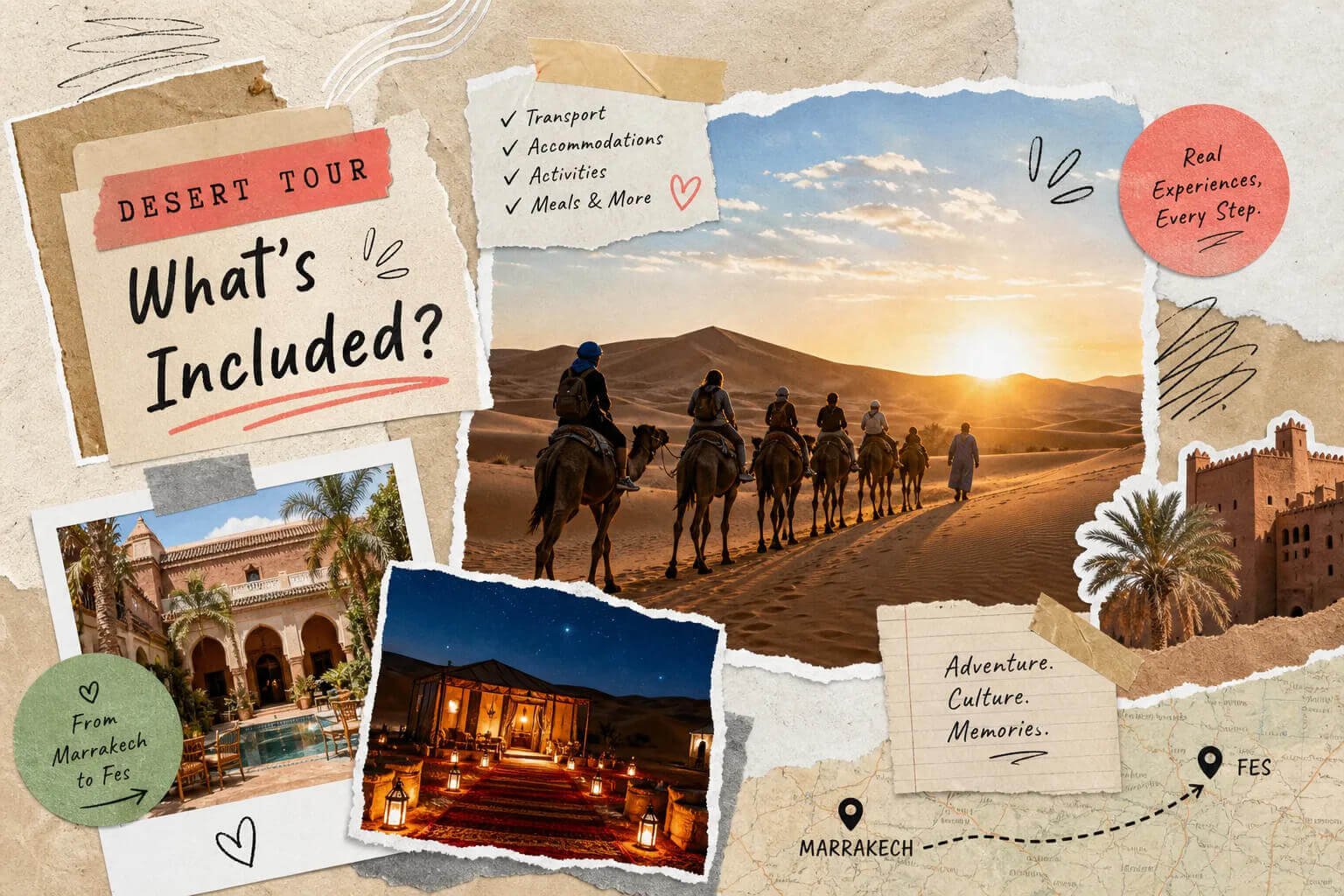
Uncover what a Marrakech to Fes desert tour offers, including camel rides, desert camps, and rich cu...
Read this article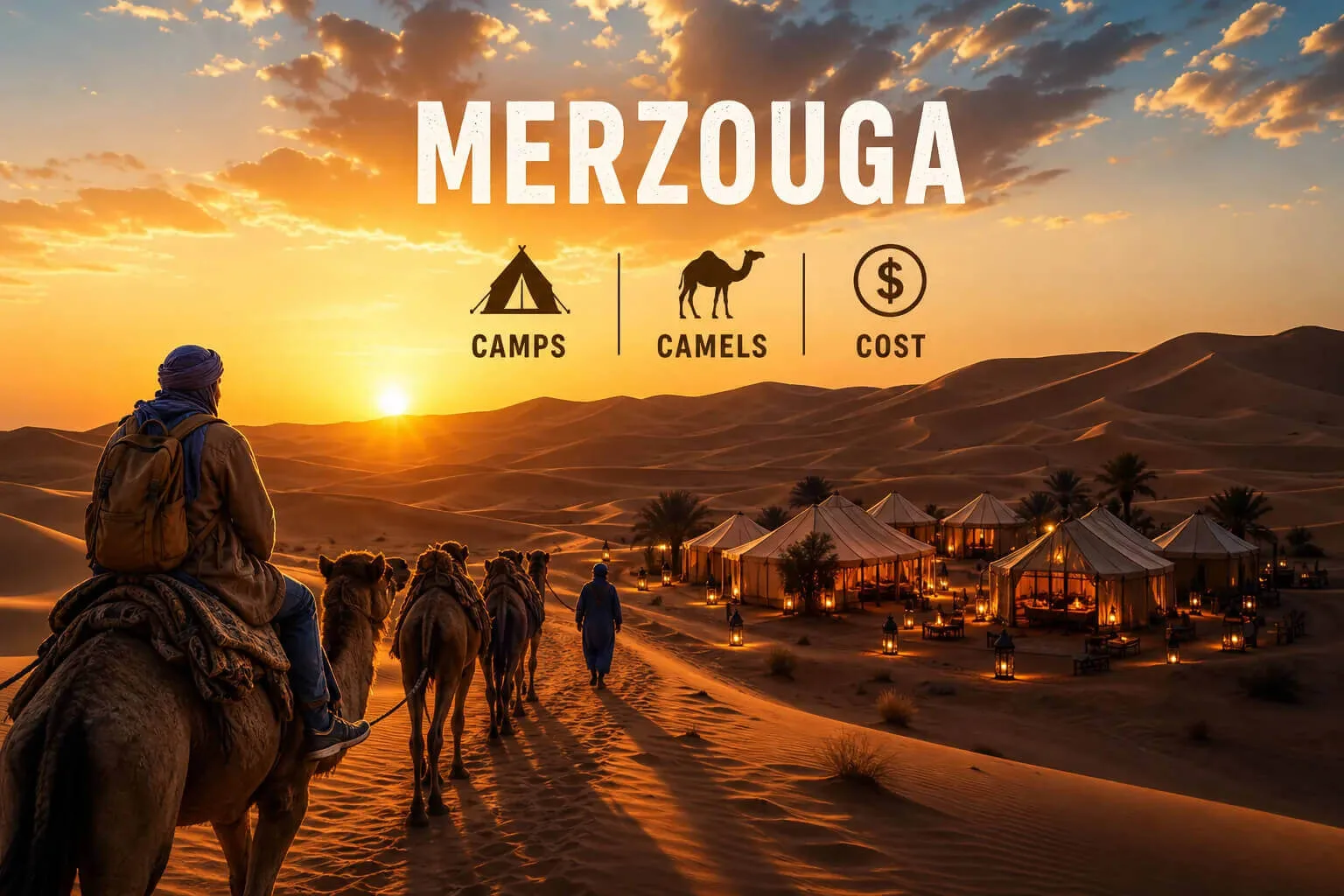
Join our Merzouga Overnight Tour for an authentic desert experience. Enjoy camel rides, comfortable ...
Read this articleWant cool tour deals and tips about Morocco? Enter your email and we’ll send them to you each month!
