Group Tour Agencies in Morocco: How to Pick the Right One
Compare Morocco group tour agencies by trip style, reviews, pace, transport and inclusions. Learn wh...
Read this article

Private, custom Morocco trips planned in Fez by AZ-ZDDINE, working in Moroccan tourism since 2012. Sahara, Atlas, medinas and coast, arranged around you.
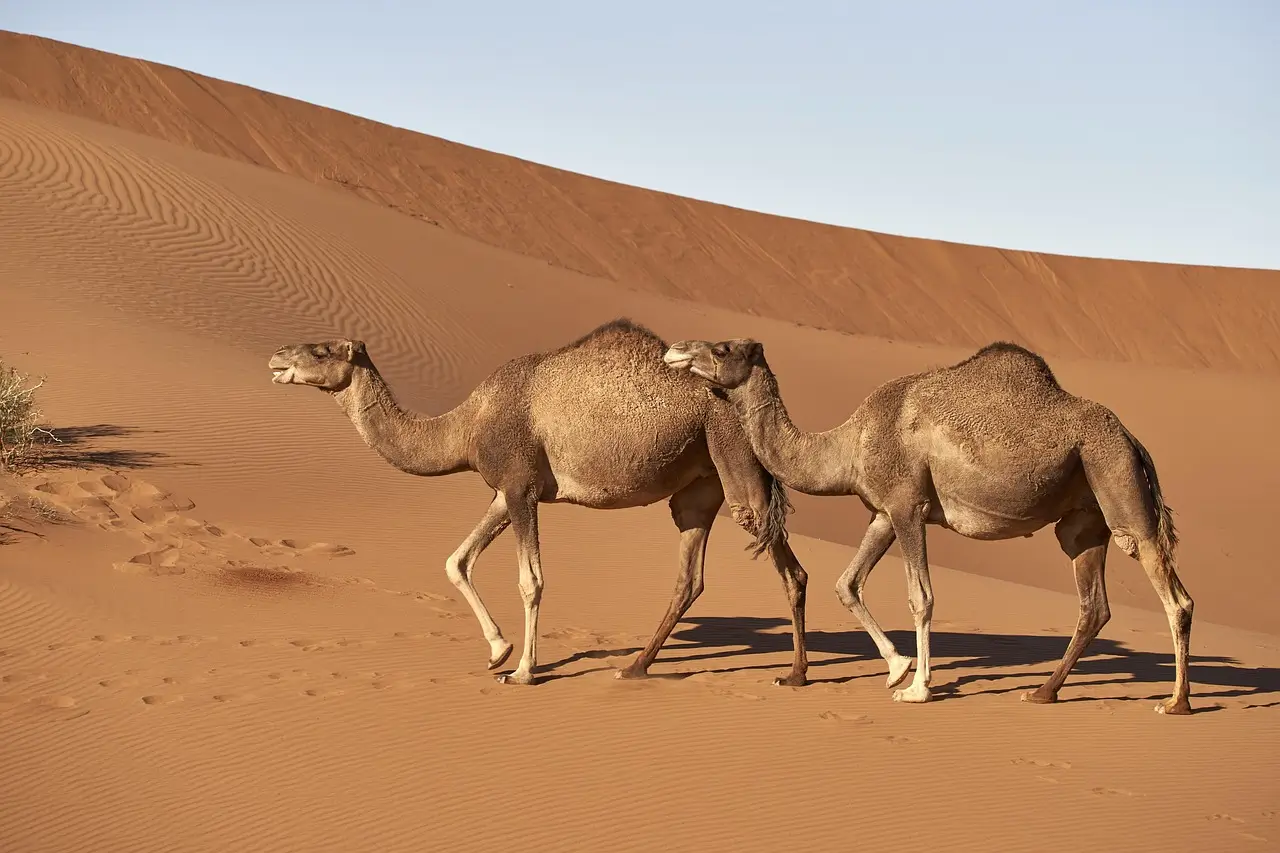
This guide is for adventurous travelers considering a Sahara desert trek in Morocco. Whether you are a solo explorer, a couple, or a group of friends or family, this comprehensive resource is designed to help you plan and prepare for a safe and memorable desert adventure. We cover everything you need to know about a Sahara desert trek—including routes, preparation, packing, safety, and what to expect—so you can confidently embark on this once-in-a-lifetime journey.
A Sahara desert trek is not just a trip; it’s an immersive experience that takes you beyond the tourist trail and into the heart of one of the world’s most iconic landscapes. This guide will help you understand the unique challenges and rewards of trekking in the Sahara, ensuring you are well-prepared for every aspect of your adventure.
A Sahara desert trek in Morocco typically lasts 3–7 days, combining walking through golden dunes, camel-supported travel, and wild camping under some of the clearest night skies on Earth.
Morocco’s Sahara is accessible from Marrakech and Fez, with primary gateways at Merzouga (Erg Chebbi) and M’Hamid (Erg Chegaga), offering everything from short camel rides to extended multi-day expeditions.
The best season runs from October through April when temperatures allow comfortable daytime walking and cold evenings make campfire gatherings memorable.
Morocco Classic Tours specializes in private, customizable Sahara itineraries, including combo trips that pair Mount Toubkal summit attempts with desert trekking.
Guided treks with licensed Berber guides are safe, require only moderate fitness, and deliver a life-changing experience that goes far beyond a quick dune photo stop.
Before you set out, review this checklist to ensure a safe, comfortable, and culturally respectful Sahara desert trek:
Best Times to Go: Plan your trek for spring (March–May) or autumn (September–November) for optimal weather.
Reputable Guide: Always trek with a licensed, local guide for safety, navigation, and cultural insights.
Footwear: Bring well-worn trekking boots and comfortable camp shoes.
Clothing: Pack lightweight, loose-fitting, moisture-wicking clothing for daytime; dress modestly to respect local culture.
Warm Layers: Nights can be very cold—bring a warm jacket and a sleeping bag rated for low temperatures.
Hydration: Carry at least 1 liter of water per hour of trekking; aim for 3–4 liters per day.
Sun Protection: Use high SPF sunscreen, sunglasses, and a wide-brimmed hat or scarf.
Packing Layers: Prepare for temperature swings with wicking layers for the day and warm jackets for the night.
Dust Protection: Sand gets everywhere—bring dust protection and appropriate footwear.
Travel Insurance: Ensure your policy covers adventure activities and emergency evacuation.
Share Itinerary: Let someone reliable know your trek route and schedule.
Transportation: Most guided treks include transfers from Marrakech or Fez to the desert.
Meals: Guided treks typically provide meals, often featuring local cuisine.
Camping Equipment: Tents and sleeping bags are usually provided on guided treks.
Camel Support: Camels carry personal equipment and supplies on most treks.
Professional Guides: Expect knowledgeable guides who share local culture and traditions.
Daily Walking: Prepare for 4–7 hours of walking per day; physical fitness is important.
Cultural Experiences: Many treks include Berber hospitality and cultural encounters.
Unique Landscapes: Experience dunes, plateaus, oases, and star-filled skies.
Camping Under Stars: Sleeping under the desert sky is a highlight for many.
Berber Guides: Interact with local Berber guides and support staff.
Scenery: Enjoy breathtaking and varied landscapes.
Physical Demands: Be ready for long days of walking and challenging terrain.
Water Needs: Pack and drink sufficient water daily.
Hat: Essential for sun protection.
Breathable Clothing: Helps cope with desert heat.
Sleeping Bag: Bring one suitable for cold desert nights.
First Aid Kit: Always pack a basic kit with personal medications.
Sunscreen: Protects against sunburn.
Acclimatization: Spend time acclimatizing to the heat before your trek.
There is a difference between visiting the Sahara and truly experiencing it. Thousands of travelers each year take a quick 4x4 ride to a dune edge, snap photographs at sunset, and return to their hotel by dinner. That is not what this article is about.
A real Sahara desert trek takes you beyond the road, beyond phone signal, and into a landscape that has shaped human cultures for millennia. Starting from the Draa Valley or the small town of M’Hamid, multi-day routes lead through remote ergs like Erg Chigaga and Erg Zahar—areas where the only footprints you encounter may be your own, left the previous evening. The rhythm of desert life slows everything down, and the vast expanse of sand and sky becomes the main event rather than a backdrop for selfies.
What makes the Moroccan Sahara special among the world’s great deserts is accessibility combined with authenticity. Within a day’s drive from Marrakech or Fez, you can reach genuine Saharan terrain featuring towering dunes, rocky plateaus called hamada, and oasis valleys fed by ancient rivers. The Draa River, the longest in Morocco, carves through this landscape, supporting palm groves, small dunes, and scattered villages where local people maintain traditions largely unchanged for centuries.
A Sahara desert trek is a multi-day journey on foot (often with camel support) through the diverse landscapes of the Sahara Desert in Morocco. Treks typically involve walking for several hours each day, camping under the stars, and experiencing the unique culture and natural beauty of the region.
Erg: A vast sea of dunes, often rolling and golden, such as Erg Chebbi and Erg Chigaga. Ergs are the classic image of the Sahara, but they make up only a portion of its terrain.
Hamada: A stony plateau or barren, rocky plain. Hamada regions are flat and hard, with little sand, and can be challenging to walk across.
Reg: A gravel plain, consisting of small stones and pebbles. Regs are another common ecoregion in the Sahara, offering a different walking experience from the soft dunes.
The Sahara Desert consists of several distinct ecoregions, including dunes (ergs), stone plateaus (hamada), gravel plains (regs), dry valleys, and salt flats. The terrain includes flat desert floors, rolling dunes, and stony plateaus, making each trek a varied and visually stunning adventure.
The best times to trek the Sahara are during the spring (March to May) and autumn (September to November), when temperatures are moderate, and conditions are most comfortable for walking.
A reputable local guide is essential for safety, navigation, and cultural insights. Licensed guides know the terrain, can handle emergencies, and enrich your experience with stories and traditions.
Footwear: Well-worn trekking boots for walking and comfortable camp shoes for downtime.
Clothing: Lightweight, loose-fitting, moisture-wicking clothing for daytime; warm layers for cold nights.
Sun Protection: High SPF sunscreen, sunglasses, and a wide-brimmed hat or scarf.
Hydration: Carry at least 1 liter of water per hour; aim for 3–4 liters per day.
First Aid Kit: Include personal medications, blister treatment, and basic supplies.
Sleeping Bag: Bring one rated for cold temperatures, as nights can be chilly.
Dust Protection: Sand gets everywhere—pack accordingly.
Before departure, share your trek itinerary with a reliable contact at home. This is a simple but important safety measure.
Trekking in the Sahara Desert can be physically demanding due to the heat and terrain. Prepare by walking or hiking regularly, focusing on endurance and carrying a loaded daypack.
Spend time acclimatizing to the heat before your trek to avoid heat-related illnesses. Start with shorter walks in warm conditions and gradually increase intensity.
Consult your healthcare provider for recommended vaccinations and health precautions for Morocco.
A typical day on a Sahara desert trek follows patterns dictated by the sun. You wake before dawn for an early breakfast, often watching the first light touch the rolling dunes as camp stirs to life. Walking begins early to take advantage of cooler temperatures, with the trek crew leading the caravan of camels carrying supplies, tents, and main luggage.
By mid-morning, as heat intensifies, the pace remains gentle—around 4–5 kilometers per hour—with regular water breaks. The midday hours are spent resting in shade, perhaps beneath tamarisk trees in a dry wadi, while camel drivers prepare a light lunch. Afternoon brings more walking as shadows lengthen, building toward sunset when the desert terrain transforms into shades of orange and gold.
Evenings are a real highlight. Evening meals of tagine and couscous appear around campfires, hot drinks are passed around, and conversation mixes with the profound silence of a place with very little vegetation and no artificial light. The night skies here rank among the darkest on Earth, and many travelers describe lying on their backs watching stars as the most memorable part of their entire desert trip.
While the Sahara may seem barren, it is home to unique desert-adapted wildlife and hardy plants. You may spot desert foxes, beetles, lizards, and birds adapted to the arid environment. Acacia and tamarisk trees provide rare shade in dry wadis.
Many guided treks include opportunities to experience local culture and traditions, such as Berber hospitality, sharing mint tea, and learning about nomadic life. Interactions with local guides and camel drivers offer genuine cultural immersion.
Camping under the stars is a highlight of any Sahara trek. With minimal light pollution, the night sky is filled with countless stars, making for unforgettable stargazing.
Morocco offers multiple gateways to the Sahara, each with a distinct character and opportunities. Choosing between them depends on your priorities: accessibility, remoteness, dune size, or the style of experience you seek.
Feature | Merzouga (Erg Chebbi) | M’Hamid (Erg Chegaga) |
|---|---|---|
Accessibility | Easier road access, more hotels nearby | More remote, fewer services |
Crowd levels | Busier, especially at famous dune edges | Quieter, more isolated |
Dune size | Impressive (up to 150m), but smaller area | Larger erg system, more varied |
Best for | Short trips, first-time visitors | Multi-day treks, solitude seekers |
Travel time from Marrakech | ~9 hours via Ziz Valley | ~8 hours via Ouarzazate |
Erg Chebbi near Merzouga: The most photographed dunes in Morocco, with accessible camps and easy sunrise walks. Good for shorter stays.
Erg Chegaga west of M’Hamid: A vast dune field requiring 4x4 access or multi-day walking to reach. The great dunes here are among the most impressive in the country.
Erg Zahar: Known locally as the “screaming dunes” for the sound the wind makes across certain ridges. Remote and beautiful.
Bougarn dunes and the lower Draa Valley: The area around the Draa River features palm trees, small oases, and transitional desert terrain.
Morocco Classic Tours commonly organizes multi-day treks departing from M’Hamid, Zagora, and Merzouga, with airport transfers from Marrakech, Fez, or direct arrangements from Ouarzazate. This flexibility means your Sahara trek can fit seamlessly into broader Morocco tours and travel packages.
For travelers who want both altitude and sand, Morocco offers a compelling “summit and sand” combination. Mount Toubkal, at 4,167 meters, is North Africa’s highest peak and lies just south of Marrakech in the High Atlas. Pairing a Toubkal ascent with a Sahara trek creates one of the most diverse adventure itineraries available anywhere.
Day | Location | Activities |
|---|---|---|
1 | Marrakech | Arrival, Medina exploration |
2 | Imlil | Drive to the Atlas Mountains, overnight in a guesthouse |
3 | Toubkal Refuge | Trek through valleys, stay at a mountain refuge |
4 | Toubkal Summit | Early summit attempt, descend to Imlil |
5 | Marrakech | Rest day, hammam, preparation for the desert |
6 | Ouarzazate | Drive via Aït Ben Haddou, overnight |
7 | Draa Valley / M’Hamid | Continue south, begin desert section |
8–9 | Sahara | Multi-day trek through dunes, wild camping |
10 | Return via Ouarzazate | Transfer back to Marrakech or Fez |
This combination suits fit travelers who enjoy variety—mountain hiking one week, desert camping the next. Couples and small groups find it particularly rewarding because it showcases Morocco tour packages that blend mountains and desert within a single trip. | ||
Morocco Classic Tours can customize the order (desert first or Toubkal first), adjust difficulty by adding rest days, and modify accommodation standards from basic mountain refuges to boutique lodges. The best season overlap occurs in April–May and late September–October, when Toubkal conditions are manageable, and the desert has not yet reached peak summer heat.
Selecting the right tour operator matters more in the Sahara than in many destinations. There are no signposted trails, limited phone signal, and the difference between a fixed camp at a crowded dune edge and a remote bivouac under stars can define your entire experience.
When evaluating operators, look for:
Licensed Moroccan guides: Legitimate operators use guides registered with Moroccan tourism authorities who carry identification and have verifiable training.
Clear inclusions and pricing: Reputable companies specify exactly what is included—meals, tents, airport transfers, camels—without hidden extras.
Small group or private options: The ability to book private tours or join capped group sizes (6–12 people maximum) indicates quality focus.
Flexible itineraries: Good operators adjust routes based on weather, group fitness, and interests rather than following rigid schedules.
Strong reviews: Look for consistent positive feedback on platforms like TripAdvisor and Google, particularly regarding guide quality and food.
Local partnerships: Companies that work with established Berber camel teams and locally owned camps contribute to community economies.
As a B2C tour operator based in Fez, Morocco, Classic Tours offers private treks with experienced Berber teams, quality desert camps, and English- and French-speaking guides. The company focuses on authentic experiences rather than high-volume tourism, using locally owned camps and remote bivouacs positioned away from the busiest dune edges.
Booking a private tour versus joining a large group offers meaningful advantages:
Tailored walking distances based on your group’s fitness
Ability to choose quieter ergs like Erg Zahar over heavily visited areas
Dietary flexibility for fresh vegetables, vegetarian options, or allergy requirements
Family-friendly pacing for groups with children or older travelers
Morocco Classic Tours avoids “tourist traps” by prioritizing genuine cultural interactions—sharing mint tea with nomadic families, learning bread-baking techniques from local cooks—over staged performances designed for coach tour groups.
Booking a Sahara desert trek from abroad is straightforward and typically happens weeks or months in advance, especially for the peak October–April season. Most reputable operators, including Morocco Classic Tours, handle the entire process online with clear communication at each step.
Choose your region and length: Decide between options like a 3-day Erg Chebbi experience or a 4-day M’Hamid–Erg Chegaga circuit.
Send an enquiry: Use the Morocco Classic Tours website contact form, including your travel dates and preferences.
Receive proposed itinerary: The team will respond with a full itinerary, accommodation details, and transparent pricing.
Confirm dates and pay deposit: A deposit (typically 20–30%) secures your booking.
Receive final confirmation and packing list: Detailed information arrives before departure.
Travel dates and flexibility
Starting city (Marrakech, Fez, or Casablanca)
Desired comfort level (standard camps vs. boutique desert lodges)
Interest in camel riding vs. walking-focused treks
Dietary requirements or mobility considerations
Group size and composition (children, older travelers)
Payment norms in Morocco typically include a deposit upon confirmation, balance due 30 days before departure (or on arrival for late bookings), acceptance of credit cards and bank transfers, and clear cancellation policies provided in writing, similar to what you might encounter when planning things to do in Casablanca city or other urban extensions.
Consider adding extensions through Morocco Classic Tours to create a complete Morocco holiday: extra nights in Marrakech or Fez, an imperial cities circuit, or an Atlantic coast stay in Essaouira featuring beach tours and seafood food stalls, or time in Agadir, Morocco’s Atlantic beach city for relaxation and coastal activities.
Itineraries range from two-day “taster” camel treks to 7–10 day expeditions, but all share core elements: transfers through dramatic landscapes, desert walking segments, camp nights under stars, and cultural stops along the way.
Day | Route | Highlights |
|---|---|---|
1 | Marrakech to Ouarzazate | Cross the High Atlas via the Tizi n’Tichka pass, visit Aït Ben Haddou kasbah |
2 | Ouarzazate to M’Hamid via Draa Valley | Palm groves, kasbahs, meet camel team |
3 | Desert trek | Full day walking through dunes, wild camping at Erg Zahar |
4 | Return to Marrakech | Early breakfast at camp, transfer via Zagora |
This itinerary includes two nights in hotels/guesthouses plus one night wild camping among the dunes. Total walking covers approximately 15–20 kilometers over two days. | ||
Day | Route | Highlights |
|---|---|---|
1 | Fez to Merzouga | Drive via the Middle Atlas cedar forests and Ziz Valley |
2 | Full day Erg Chebbi trek | Camel-supported walk over rolling dunes, overnight bivouac |
3 | Sunrise walk and return | Early morning summit of the nearby dune, transfer back |
This route suits travelers with limited time who want a genuine Sahara trek experience rather than just a sunset camel ride. | ||
For those seeking a deeper experience, longer circuits depart from Ouarzazate or Zagora:
Day 1: Transfer to Faïja plateau
Day 2–3: Cross Jebel Bani foothills via the Oum Laachar pass
Day 4: Enter Erg Chegaga, camp at a remote bivouac
Day 5: Full day exploring the Great Dunes and dry valleys
Day 6: Trek toward M’Hamid via Bougarn dunes
Day 7: Transfer to Ouarzazate or continue to Marrakech
Morocco Classic Tours balances walking hours (4–6 hours per day), rest time, and travel days so the trip feels like an adventure rather than a rushed transfer. The full itinerary is shared before departure, allowing you to understand exactly what each day involves.
Duration | Typical Route Example | Walking Hours/Day | Nights Camping | Key Inclusions |
|---|---|---|---|---|
3-Day | Merzouga Erg Chebbi | 4–5 | 1–2 | Transfers, meals, guide, camel support, camping equipment |
5-Day | M’Hamid to Erg Chegaga | 4–6 | 3–4 | Transfers, meals, guide, camel support, camping equipment, and cultural visits |
7–10 Day | Ouarzazate to Erg Chegaga/Zahar | 4–7 | 5–8 | Transfers, meals, guide, camel support, camping equipment, and extended cultural and scenic experiences |
Package Type | Transportation | Meals | Camping Equipment | Camel Support | Professional Guide | Cultural Experiences |
|---|---|---|---|---|---|---|
Standard Guided Trek | Yes | Yes | Yes | Yes | Yes | Yes |
Private Custom Trek | Yes | Yes | Yes | Yes | Yes | Yes (tailored) |
Budget Group Trek | Yes | Yes | Yes | Yes | Yes | Limited |
Is it safe to go to the Sahara Desert in Morocco? When traveling with licensed guides and proper preparation, the answer is yes. The primary risks are environmental—heat, sun exposure, and dehydration—and these are manageable with experienced support.
Local guides do far more than show the way. Their responsibilities include:
Navigation: In trackless dunes without visible landmarks, guides read subtle terrain features and use traditional knowledge passed through generations.
Weather assessment: Wind patterns, temperature changes, and potential sandstorms all factor into daily decisions.
Water management: Guides arrange water supplies at known points and ensure the drinking water carried by camels remains sufficient.
Emergency response: From heat exhaustion to minor injuries, experienced guides handle situations calmly and know when medical emergencies require evacuation.
Morocco Classic Tours implements the standard precautions among reputable operators:
Route planning shared with local contacts
Satellite or mobile communication, where available
First aid kit carried by the support crew
Backup 4x4 support on longer routes
Clear briefings on sun protection and hydration
Season | Conditions | Recommendation |
|---|---|---|
October–April | Cool nights (sometimes near 0°C), pleasant days (15–25°C) | Prime trekking season |
May–June | Warming days (25–35°C), comfortable mornings | Possible with early starts |
July–August | Extreme heat (40°C+), challenging nights | Not recommended for multi-day walks |
September | Transitioning, variable | Late month workable |
The cold evenings during the winter months surprise many travelers. Temperatures can drop sharply after sunset, making a proper sleeping bag rated for 0–5°C essential. | ||
Before booking, ensure you have:
Travel insurance: Coverage must include trekking activities and remote evacuation. Standard policies often exclude adventure activities, so check your insurance cover carefully.
Medical clearance: Those with serious heart or respiratory conditions should consult a travel clinic before committing to multi-day walking at moderate exertion.
Sun awareness: Dehydration and heatstroke are real risks; guides monitor for symptoms, but personal vigilance matters.
Gear needs are modest but specific. The desert demands sun protection, layers for dramatic temperature swings, and comfortable footwear for mixed terrain. Most personal equipment fits in a single soft duffel.
Breathable long-sleeve shirts (2–3)
Lightweight trekking trousers (2 pairs)
Warm fleece or down jacket for nights (essential November–March)
Windproof layer
Quality hiking socks (3–4 pairs)
Underwear and base layers
Primary: Well-broken-in trekking shoes or light boots. Heavy alpine boots are unnecessary and uncomfortable in sand.
Camp shoes: Sandals or light slip-ons for evenings
Sand management: Gaiters or high socks reduce sand ingress; some walkers find walking poles helpful on steep dune sections
Wide-brimmed hat or traditional cheche scarf
Sunglasses with UV protection
High-SPF sunscreen (50+) and lip balm with SPF
Refillable water bottle or hydration bladder (2–3 liter capacity minimum)
Head torch with spare batteries
Personal toiletries (biodegradable options preferred)
Aid kit with personal medications, blister treatment, and basics
Wet wipes and toilet paper
Power bank for phone/camera
Sleeping bag rated for cold conditions (or confirm Morocco Classic Tours provides)
Main bag: Soft duffle or backpack (50–70L) for camels/support vehicle
Daypack: Small pack (20–30L) for daily essentials—water, camera, layers, snacks
The trek crew transports tents, food, and main luggage, so you carry only what you need for the walking hours. This arrangement makes multi-day trekking accessible to a much wider range of travelers than self-supported expeditions.
Most Morocco Classic Tours desert trips are camel-supported treks, meaning camels carry supplies while guests choose whether to walk, ride, or alternate throughout the day. This flexibility accommodates different fitness levels and preferences within the same group.
Walking speed averages 3–5 kilometers per hour across varied surfaces:
Soft dunes: Slower going, especially on ascents; descents can be great fun with controlled sliding
Hard-packed sand: Faster, easier walking
Dried river bed (wadi): Generally flat, sometimes with small dunes or vegetation
Stony hamada: Rocky plateaus requiring sturdy footwear
Breaks occur every 60–90 minutes for water, snacks, and rest. The pace remains gentle because it must accommodate the camels, whose walking speed sets the rhythm.
For those who want the full experience, camel riding typically involves:
1–2 hour periods in padded saddles
Guides assisting with mounting and dismounting
A rhythmic, swaying gait that takes getting used to
Freedom to walk whenever preferred
Many travelers ride for sunrise and sunset segments, then walk during cooler morning hours.
Evenings in the desert follow a timeless pattern:
Arrival and setup: Trek crew establishes camp, often in wadis surrounded by acacia trees providing natural shelter
Mint tea: The universal Moroccan welcome, prepared immediately upon arrival
Dinner: Freshly prepared tagine, couscous, or grilled meats with fresh vegetables, followed by fruit and hot drinks
Campfire: Stories, sometimes traditional Berber music, and stargazing
Sleep: Traditional Berber tents or simple bivouacs; nights are quiet except for occasional wind
With your camp life understood, let's meet the team that will guide your journey.
The daily lives of the camel drivers and guides offer windows into local customs and desert traditions that casual visitors never experience. Trekking in the Sahara often includes interactions with local Berber guides and support staff, who share their knowledge of the land, culture, and survival skills.
Travelers planning their first Sahara trek often arrive with questions shaped by movies, viral internet content, and misconceptions. Let us address a few directly.
Yes, absolutely. Multi-day treks covering 30–80 kilometers are common and accessible to travelers with moderate fitness. What you cannot do is cross the entire Sahara on a Morocco holiday—that would require months and traverse multiple countries, including Algeria, Libya, and beyond.
Moroccan Sahara treks offer genuine desert immersion without requiring expedition-level logistics or survival skills.
Walking the entire Sahara from the Atlantic coast to the Red Sea would take many months and is not a standard tourism product. In Morocco, realistic trek durations are:
2–3 days: Introduction with one or two nights in the desert
4–5 days: Substantial immersion with multiple camps
7–14 days: Epic crossings for experienced adventurers
The typical Morocco Sahara trek covers a spectacular section of desert rather than attempting a continental crossing.
This viral claim is a hoax. No scientifically verified giant human skeletons have been discovered in the Sahara or anywhere else. The images circulating online are digitally manipulated.
What the Moroccan Sahara does contain is genuinely fascinating: fossil-rich areas with ammonites, trilobites, and ancient sea creatures from when this region lay beneath an ocean. Bird species, while rare, include desert specialists adapted to this extreme environment. The challenge dates from ancient palm trees that sometimes surface in archaeological contexts.
Perhaps the biggest misconception is imagining endless, uniform sand in every direction. The reality includes:
Rocky plateaus (hamada) covered in dark, burned-looking stones
Dry valleys (wadis) with seasonal vegetation
Volcanic outcrops and geological formations
Oases with date palm trees and small villages
Salt flats in certain areas
Wild camels (actually feral dromedaries) roam some regions
The Draa Valley alone offers palm groves, small agricultural communities, and transitional landscapes that contrast sharply with the great dunes of Erg Chegaga.
Morocco Classic Tours operates as a Moroccan-based specialist in private desert and cultural journeys. Unlike international agencies that subcontract to local operators, the company works directly with communities in the Draa Valley and Tafilalt regions, ensuring quality control from first inquiry to final transfer.
Tailor-made itineraries: Trips depart from Marrakech, Fez, and Casablanca with routes customized to your dates, fitness level, and interests.
English-speaking support: Clear communication before, during, and after your trip.
Transparent pricing: All inclusions specified upfront—no surprise charges for camels, meals, or basic airport transfers.
Flexible dates: Private departures mean you travel when it suits you, not when a group schedule dictates.
Group size control: From solo travelers to families, group size never exceeds comfortable limits.
The company maintains relationships with experienced Berber guides from families who have navigated this desert terrain for generations. The reliable camel teams know the routes intimately. Desert camps, whether simple bivouacs or more established sites, prioritize authenticity and comfort over mass-market volume.
Morocco Classic Tours offers a broader range of experiences that allow guests to build complete Morocco holidays:
Imperial cities circuits (Fez, Meknes, Rabat)
Atlas Mountains trekking, including Mount Toubkal
Food and culinary experiences in Marrakech and Fez
Atlantic coast extensions in Essaouira and Agadir
This means your Sahara trek can connect seamlessly with other adventures, and a single point of contact handles all logistics.
Ready to plan your unforgettable experience? Morocco Classic Tours custom private tours allow you to request a customized Mount Toubkal and Sahara desert trek, or a private camel trek tailored to your travel plans and group size; you can contact the team directly via the website, and they respond quickly with detailed proposals and excellent value options.
The following questions cover practical details that travelers often ask when finalizing their Sahara desert trek plans.
The absolute minimum from Marrakech or Fez is a 2-day, 1-night trip including one camel ride and a night in a desert camp. However, this leaves little time for actual trekking. A 3–4 day itinerary allows for genuine walking stages, multiple camps, and enough time to feel the rhythm of desert life rather than rushing through. Morocco Classic Tours organizes both short “taster” experiences and longer 4–7 day trekking itineraries depending on your schedule.
Many treks are family-friendly if children are comfortable with heat, camping conditions, and walking for several hours. Older travelers can participate if they are in reasonable health and able to walk at a relaxed pace. With Morocco Classic Tours, pace, daily distance, and access to camels or support vehicles can all be adapted for mixed-age groups. Like-minded people of different ages often travel together successfully when the operator adjusts expectations accordingly.
Solo travelers are welcome and can either join small-group departures (when available) or book a private trek with a single supplement for accommodation. Morocco Classic Tours supports solo guests with airport transfers, clear briefings, and the option to share tents or vehicles with other travelers if a group departure is running. Many solo travelers find that the shared experience with crew members creates connections that become a real highlight of their trip.
Vegetarian, vegan, and common allergy-friendly meals (gluten-free, nut-free) can be arranged when requested in advance, though choice may be more limited in remote areas than in cities. Typical trek meals include vegetable tagines, fresh salads, lentils, couscous, freshly baked bread, and fruit. Morocco Classic Tours passes dietary requests to local cooks before departure, ensuring your needs are understood from the first early breakfast onward.
Drones in Morocco are tightly regulated and frequently confiscated at customs without prior authorization from aviation authorities. Travelers should not bring drones unless they have obtained official permission well in advance—a process that is complex and often unsuccessful. Instead, focus on photography with standard cameras; Morocco Classic Tours guides can help you find the best dune viewpoints for capturing those amazing experience sunrise and sunset shots that define the Moroccan Sahara.
Yes, though their numbers have declined. Small communities of nomadic and semi-nomadic families still move through parts of the Moroccan Sahara, particularly in the regions around M’Hamid and the Draa Valley. Many have adopted more settled patterns—spending parts of the year in villages while maintaining herds in traditional grazing areas. On multi-day treks, you may encounter nomadic families living in traditional tents, and some itineraries include visits to small desert villages where nomadic traditions remain part of daily lives. These encounters, when they happen naturally rather than being staged, offer a great trip highlight and a window into ways of life that have persisted for centuries despite modern pressures.
Compare Morocco group tour agencies by trip style, reviews, pace, transport and inclusions. Learn wh...
Read this article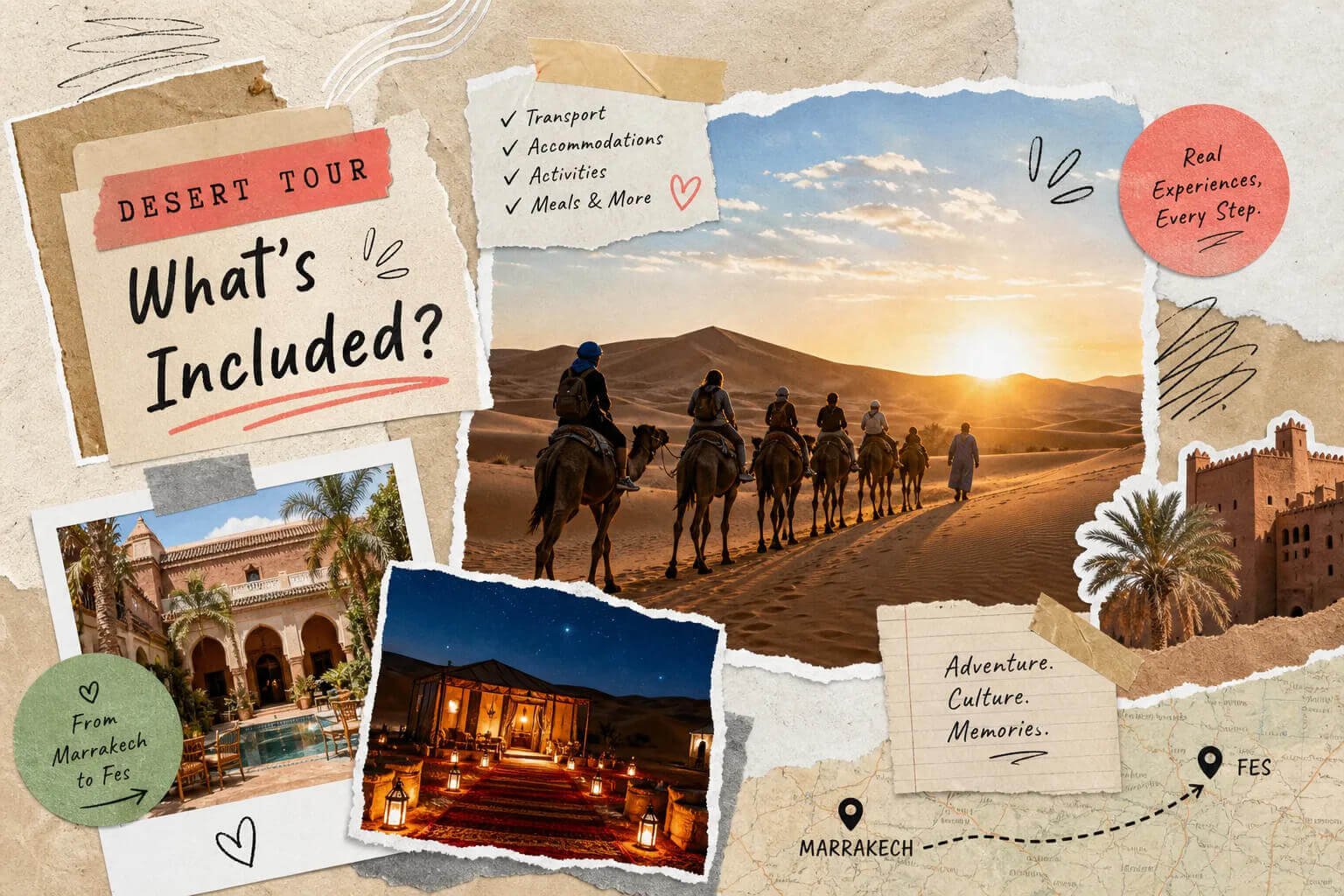
Uncover what a Marrakech to Fes desert tour offers, including camel rides, desert camps, and rich cu...
Read this article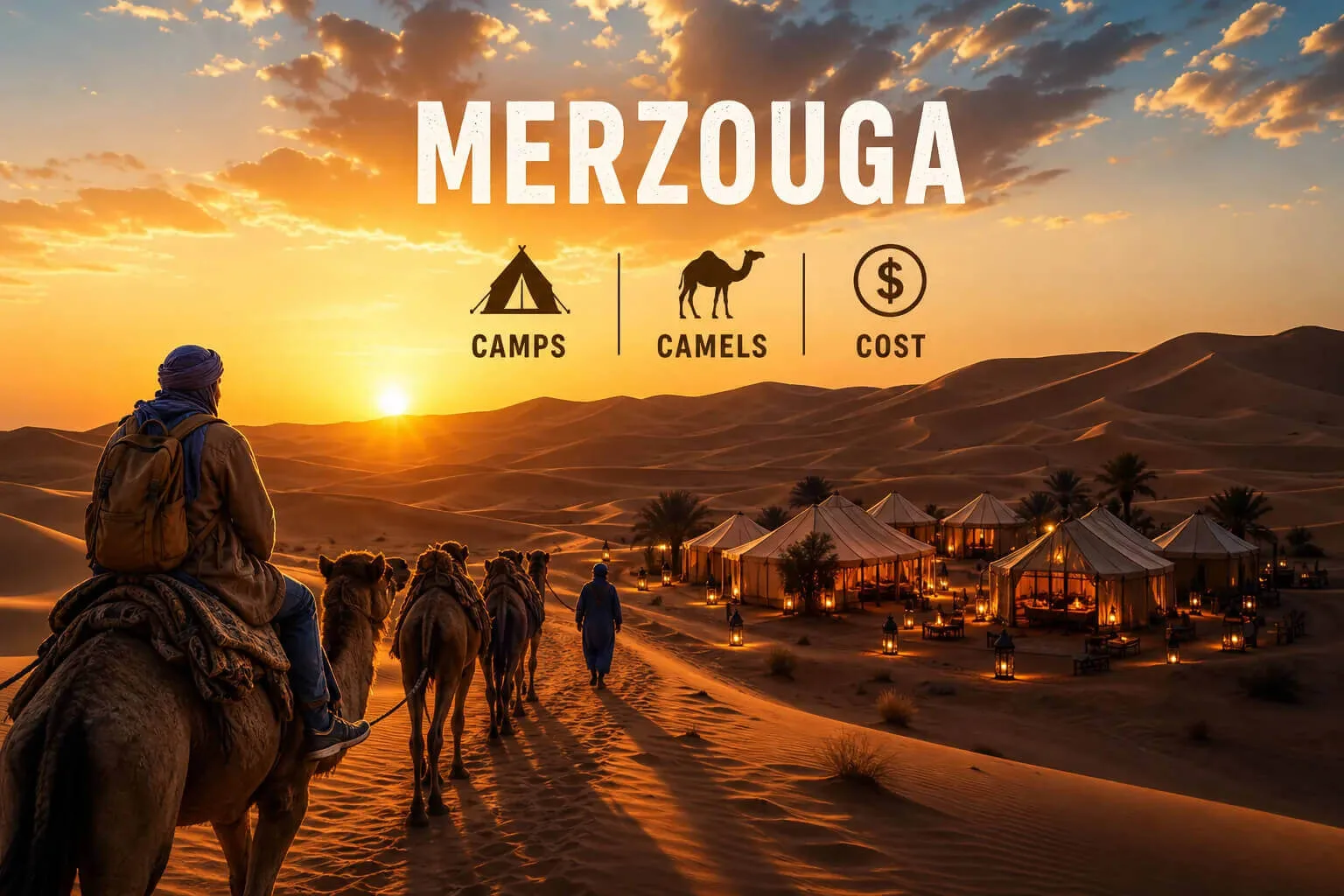
Join our Merzouga Overnight Tour for an authentic desert experience. Enjoy camel rides, comfortable ...
Read this articleWant cool tour deals and tips about Morocco? Enter your email and we’ll send them to you each month!
