Merzouga Overnight Tour Guide: Camps, Camels and Cost
Join our Merzouga Overnight Tour for an authentic desert experience. Enjoy camel rides, comfortable ...
Read this article

Suspendisse interdum consectetur libero id. Fermentum leo vel orci porta non. Euismod viverra nibh cras pulvinar suspen.
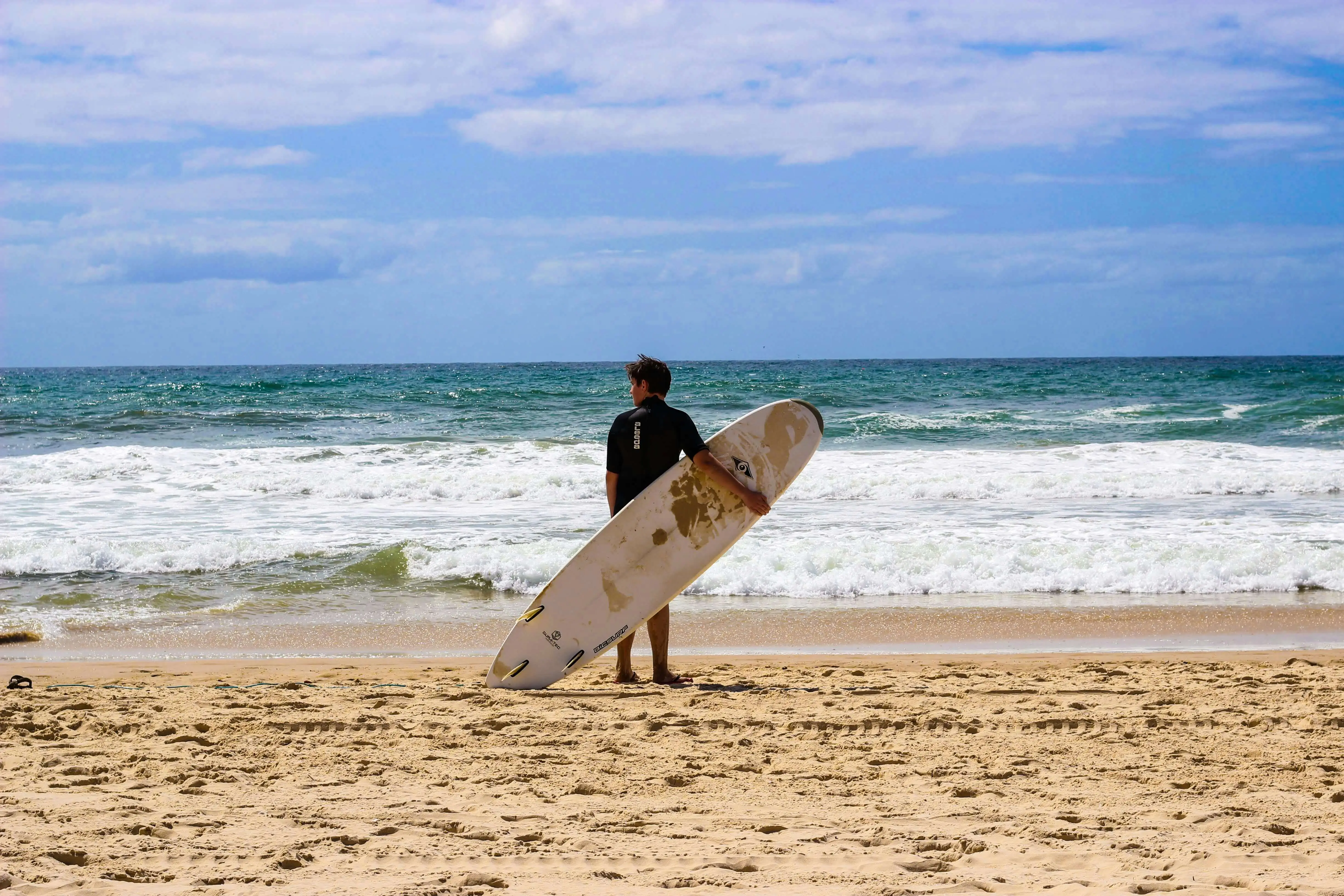
Morocco’s Atlantic coast delivers year-round surf, with winter (November–March) as the prime season for powerful, consistent swells that light up world-class right-hand point breaks.
Main surf hubs: Taghazout, Imsouane, Tamraght, and Essaouira–Sidi Kaouki offer waves for all skill levels, from complete beginners to seasoned surfers chasing long rides at anchor points.
Trip planning: Morocco Classic Tours arranges private surf-focused itineraries including local guides, board rental, transfers between surf towns, and cultural add-ons like Marrakech, Fez, and Sahara desert camps.
Safety and costs: Morocco is generally safe for surfing when you respect local culture and basic precautions; surf guiding for a week typically costs €350–€600 depending on inclusions.
This guide covers: Where to go, when to come, how to get around, what it costs, and how to rent quality gear in places like Taghazout and Imsouane.
This guide is designed for surfers of all levels, from first-timers to seasoned wave chasers, as well as travelers interested in combining surf with Moroccan culture. With its unique blend of world-class waves, vibrant culture, and year-round surf, Morocco has become a top destination for surf travelers from around the globe.
Morocco stands as Europe’s closest surf escape—just three hours from London and roughly one hour from the Canary Islands by air. With 1,800 km of Atlantic coast stretching from Tangier to Dakhla in the western Sahara, the country offers an extraordinary range of surf spots for every ability.
Long-period North Atlantic swells wrap into the Moroccan coast from October through March, creating perfect waves at legendary right-hand point breaks like Anchor Point near Taghazout and the heavy barrels of Safi. European surfers discovered these breaks in the 1960s, and Morocco’s surf scene has grown steadily ever since.
Morocco's surf culture is a blend of local tradition and international influences, and the country is home to some of the finest right-hand point breaks in the world. Since the 1960s, the surf scene has evolved significantly, with more locals taking up surfing as equipment becomes more accessible.
Beyond the powerful winter points, mellow beach breaks at Tamraght, Banana Beach, and Imsouane provide gentle waves ideal for beginner surfers and longboarders during summer months and shoulder seasons. The local culture adds another dimension: surf mornings followed by wandering through local souks in Agadir, exploring Essaouira’s UNESCO-listed ancient medinas, or enjoying tagines and mint tea in relaxed surf villages beneath the Atlas Mountains.
Morocco Classic Tours, a Fez-based specialist, builds tailor-made surf and culture routes connecting Marrakech, Taghazout, Imsouane, Fez, and Sahara camps with private drivers and trusted local surf partners.
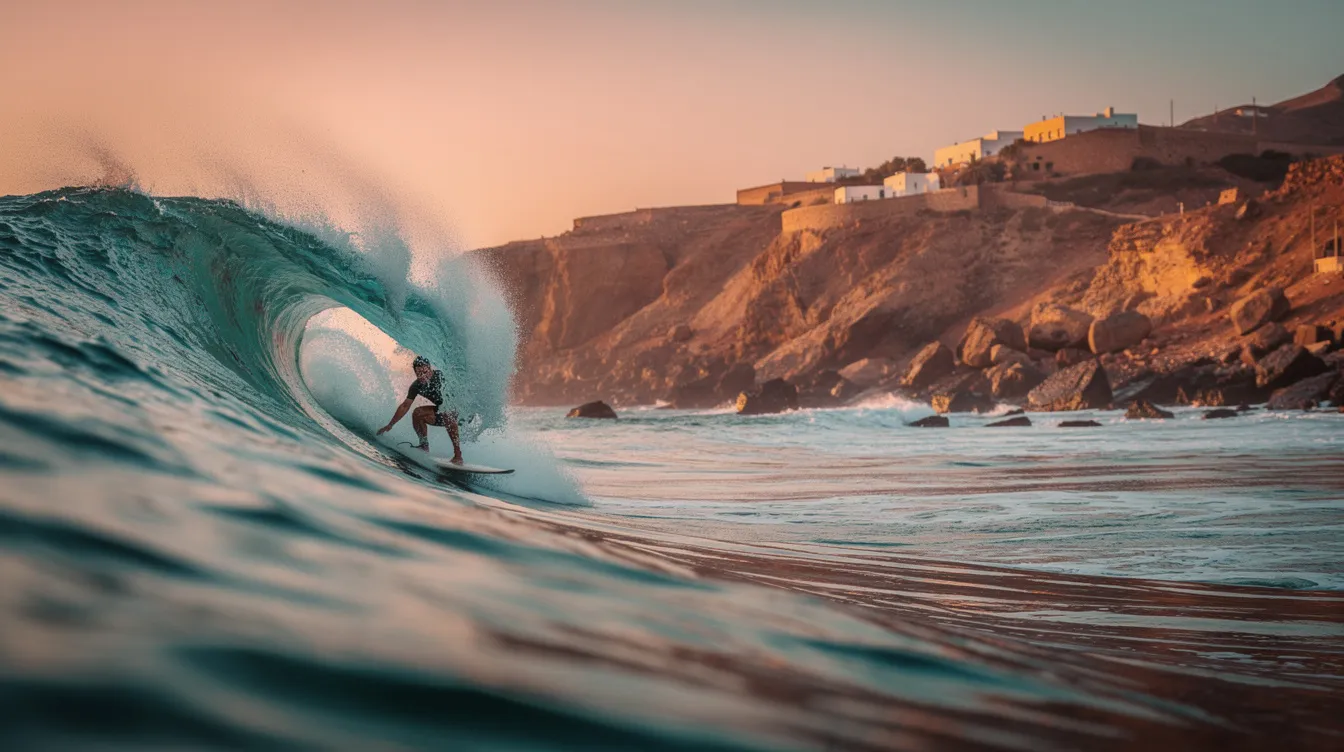
Morocco has surf year-round, but the most consistent waves arrive between November and March. April through October offers smaller, friendlier conditions perfect for learners.
Seasonal patterns:
Season | Conditions | Best For |
|---|---|---|
Winter (Nov–Mar) | Frequent NW swells, offshore winds, 4–8 ft days | Intermediate to advanced surfers |
Shoulder (Apr–May, Sept–Oct) | Clean days, smaller swell | Intermediates wanting fewer crowds |
Summer (Jun–Aug) | Smaller, softer waves | First-timers, kids, longboarders |
What time of year is best for surfing in Morocco? December through February delivers the most consistency and size at spots like Killer Point, Boilers, and Safi. For beginners, April–May or September offers some power without constant heavy days. | ||
Water temperatures range from 15–17°C in January–March (requiring a 4/3 mm wetsuit) to 20–22°C in August–September (3/2 mm or shorty). Morocco Classic Tours plans trips around swell windows for experienced surfers and around calmer conditions for beginners and families.
Morocco’s surf breaks cluster into four key zones: the Central Atlantic (Safi–Oualidia–Casablanca), the Agadir area and Taghazout–Tamraght corridor, Essaouira–Sidi Kaouki–Imsouane, and the far south (Mirleft–Sidi Ifni–Dakhla).
For most traveling surfers, the Agadir–Taghazout corridor and Imsouane–Essaouira area serve as the best bases due to abundant surf camps, rentals, and straightforward logistics. Morocco Classic Tours focuses most surf itineraries around these hubs but can include more remote areas like Mirleft or Safi on request.
Taghazout is Morocco’s most famous surf village, perched 20 km north of Agadir. Cafes, surf shops, yoga studios, and breaks like Anchor Point, Hash Point, Panorama, and Killer Point line up along the coast road. Local surfers and international visitors share the lineup at these world-class spots.
Tamraght, just south, offers a more relaxed atmosphere with learner beaches such as Banana Beach, Devil’s Rock, and Crocro—ideal for first-time surfers and surf camps.
Suitability by level:
Beginners: Banana Beach, Devil’s Rock, Crocro at mid-tide with smaller swells
Intermediate surfers: Panoramas, KM11, KM12, Hash Point during shoulder seasons
Advanced surfers: Anchor Point, Killer Point, Boilers on solid winter swell
Morocco Classic Tours arranges private transfers from Agadir Airport to Taghazout/Tamraght, daily surf guiding with vetted instructors, and non-surf day trips to Paradise Valley or Agadir’s local markets.
Imsouane is a laid-back fishing village about 1.5–2 hours north of Agadir, famous for arguably the longest wave in morocco. The Bay, a mellow right-hand point break over sand and stone, delivers long rides of 300–700 meters on good days—a surfer’s paradise for longboarders and those building confidence.
Two main spots:
The Bay: Ultra-long, forgiving walls perfect for beginners and longboarders (best September–May on clean swells)
Cathedral: Faster point break with punchier sections and occasional barrels for intermediate surfers and advanced surfers
Imsouane is perfect for surf-all-day holidays with relatively friendly rips and multiple surf schools by the harbor. Morocco Classic Tours includes Imsouane in private circuits from Agadir to Essaouira, with drivers waiting while guests surf and flexible schedules around tides.
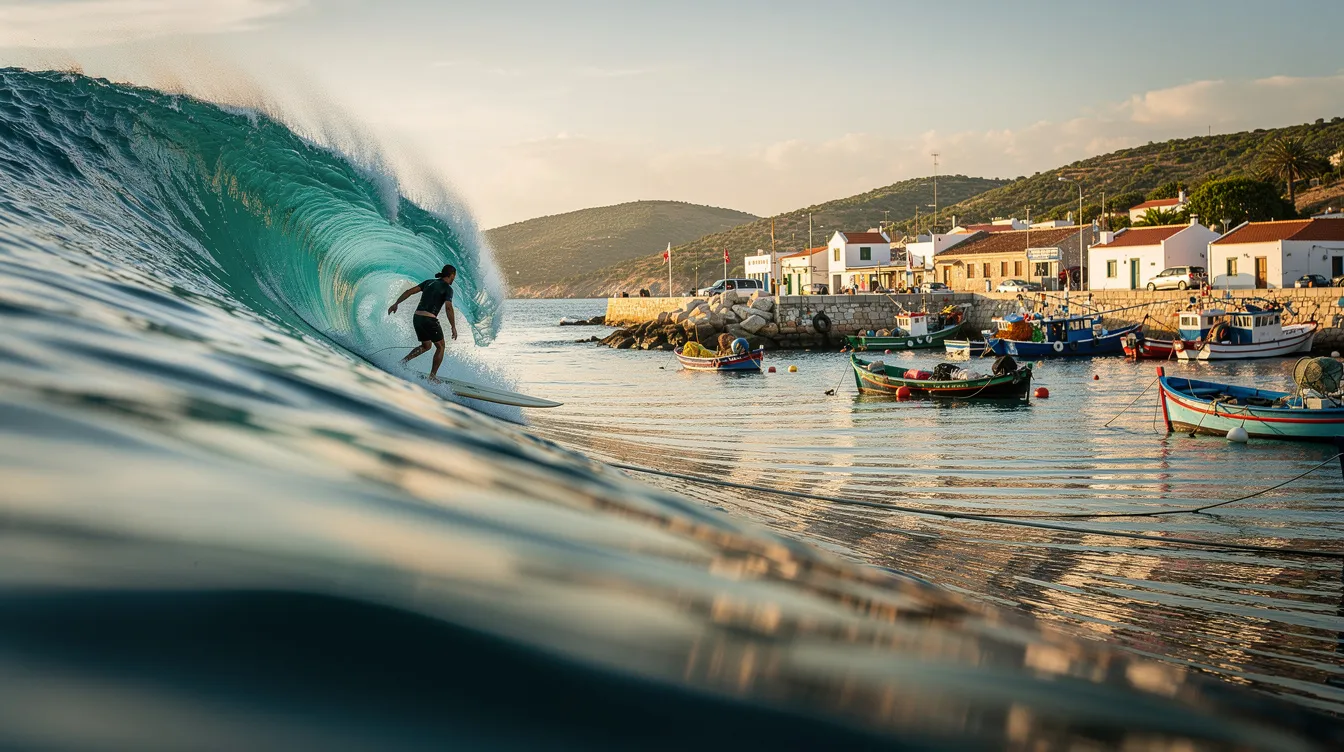
Essaouira combines surf with rich culture—a fortified medina, reliable winds, and a wide sandy bay producing good waves suited to beginners and improvers. The ocean here is generally smaller than Taghazout or Imsouane, but consistent windswells create fun waist-to-chest-high beach breaks for surf lessons and kite/windsurf crossover trips.
Sidi Kaouki, 25 km south, is wilder and less developed. Its long, uncrowded beach and Cap Sim point break offer more powerful waves when winter swells arrive, ideal for advancing surfers seeking fewer crowds.
Morocco Classic Tours often combines 2–3 nights in Essaouira for food, music, and Moroccan cuisine with daily surfing plus optional camel rides and quad biking on the dunes near El Jadida.
For experienced travelers seeking new waves:
Safi: Home to one of Morocco’s heaviest right-hand barrels—advanced surfers only
Oualidia, Sidi Bouzid: Mix of reef and beach breaks for intermediates
Mirleft & Sidi Ifni: Quieter surf towns with empty beaches and points for adventurous intermediate surfers
Dakhla: Wind and wave playground better known for kitesurfing, with occasional quality breaks on Atlantic Ocean sandbars
These zones require more driving and local knowledge. Crowd levels drop dramatically moving south, but amenities and medical facilities become sparser. Morocco Classic Tours custom-builds extended road trip itineraries for surfers wanting to explore beyond the main hubs.
Morocco is excellent for first-timers. Mellow summer swells, sandy beaches, professional surf schools, and English/French-speaking instructors make it a surfer’s playground for learning.
Best beginner bases:
Tamraght & Banana Beach: Consistent waves, sandy bottom, many surf camps
Taghazout Bay (Panoramas): Easy whitewater reforms at high tide
Imsouane Bay: Very long, forgiving walls for extended practice
Essaouira Bay: Gentle waves and wide beach for large groups
Where to learn surfing in Morocco? A 5–7 day package combining daily lessons, board and wetsuit rental, and accommodation in Tamraght, Taghazout, or Imsouane works best.
Learning tips:
Choose summer or early autumn (June–October) for smaller surf and warmer water
Take at least 3–5 days of lessons to grasp pop-up, paddling, and safety
Avoid big winter swells and rocky points until skills solidify
Morocco Classic Tours partners with trusted surf schools so beginners can add lessons to broader cultural itineraries connecting Marrakech, the Atlas Mountains, and the surf coast.
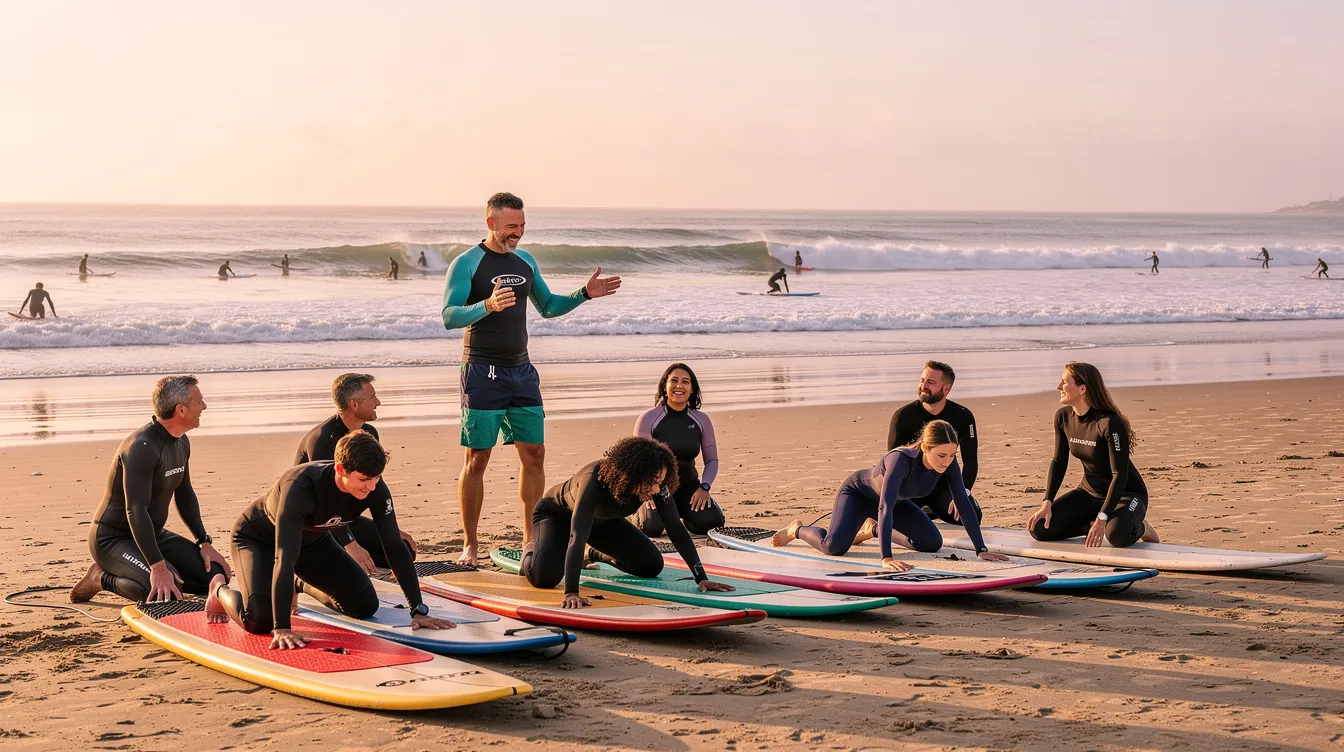
Morocco's surf culture is a blend of local tradition and international influences, and the country is home to some of the finest right-hand point breaks in the world. Since the 1960s, the surf scene has evolved significantly, with more locals taking up surfing as equipment becomes more accessible.
Does Morocco have good surfing? Absolutely. The country delivers a mix of world-class right-hand point breaks and user-friendly beach breaks along a warm-climate Atlantic coast with a growing, welcoming scene.
Wave types:
Right-hand point breaks (rocky headlands) between Safi and Taghazout
Sandy beach breaks around Agadir, Tamraght, Essaouira, and Mirleft
Occasional slabby reefs near Rabat/Casablanca for advanced surfers
Safety and etiquette:
Respect locals at key points—wait your turn, no dropping in
Watch for reef, urchins, and rocky entries; booties recommended for some spots
Check tide and swell forecasts daily; many points only work on specific tide windows
Solo travelers should join a guide or surf camp when approaching new spots
Is Morocco safe for surfing? In-water risks mirror other Atlantic coasts (rips, strong surf, reefs). Physical assaults are rare in surf areas. On land, minor theft of unattended bags is the main concern—leave valuables at accommodation.
The 12-second rule in surfing: Swells with periods of 12 seconds or more carry more powerful, organized waves with greater energy. When periods jump above 12–14 seconds at Moroccan points, walls accelerate significantly. Beginners should exercise caution during these conditions.
Arrival options:
Agadir: Most convenient for Taghazout, Tamraght, Imsouane
Marrakech: Combined city + coast trip (approximately 3 hours to Taghazout)
Casablanca/Rabat: For Safi and central coast missions
How to travel efficiently between Moroccan surf towns like Taghazout and Imsouane:
Method | Time | Cost | Best For |
|---|---|---|---|
Private transfer/driver | 1.5–2 hours | Higher | Comfort, flexibility |
Shared taxis/buses | 2–3 hours | Lower | Budget travelers |
Self-drive rental | 1.5–2 hours | Medium | Independent surfers |
What is the typical cost for a week of surf guiding services in Morocco? | |||
Guiding only: €40–€60 per day (~€280–€400 weekly)
Guiding + accommodation + meals: €350–€600 per week
Morocco Classic Tours bundles private airport transfers, 5–7 days of surf guiding, and cultural stops (Marrakech city tour, Essaouira medina, overnight Sahara camp) into custom itineraries.
Travelers don’t need to bring gear—rental options are widely available across all main surf towns.
Where to rent surfboards near popular Moroccan surf spots:
Taghazout: Multiple surf shops on the main street; €10–€15/day for soft-tops, shortboards, longboards
Tamraght & Banana Beach: Surf camps bundling gear with lessons
Imsouane: Rental huts near The Bay and Cathedral car parks with hourly, daily, and weekly deals
Essaouira & Sidi Kaouki: Beach-front centers renting surf, SUP, and kite gear
How to rent a quality surfboard and wetsuit for a week in Imsouane:
Check several shops on arrival, inspecting boards for repairs
Choose slightly more volume than you normally ride for long walls
Typical weekly package: €70–€120 for board + wetsuit
Confirm breakage policy and ask for spare fins/leash
Top-rated surfboard brands for Moroccan waves: Durable all-rounders like Torq, NSP, and Softech soft-tops work well for rentals and beginners. Travelers bringing boards should consider high-volume shortboards or fish (32–38L) plus a step-up for winter bombs.
Morocco Classic Tours pre-arranges gear rental with partner schools so guests arrive with boards reserved in their size.
Morocco Classic Tours is a Fez-based, locally run travel agency specializing in private trips that combine surfing with Moroccan culture, food, and landscapes. Every surf trip becomes a gateway to Arabian nights in the desert, ancient medinas, and coastal adventures.
Sample itineraries:
7 days: Marrakech – Taghazout/Tamraght surf stay – Marrakech (4–5 surf days)
10 days: Marrakech – Taghazout – Imsouane – Essaouira – Marrakech (surf + medina walks)
12–14 days: Fez – Sahara desert camp – High Atlas – Taghazout – Essaouira – Marrakech
Included services:
Door-to-door private transfers between airports, riads, and surf towns
Handpicked surf guides matched to your level
Authentic accommodation from ocean-view guesthouses to desert camps
Optional add-ons: food tours in Fez, hammam experiences, camel rides, quad biking
Trips can be tailored for solo surfers, couples wanting surf days plus cultural exploration, or families with kids learning on safe, sandy beaches. Contact Morocco Classic Tours for a custom quote based on your skill levels and travel dates.
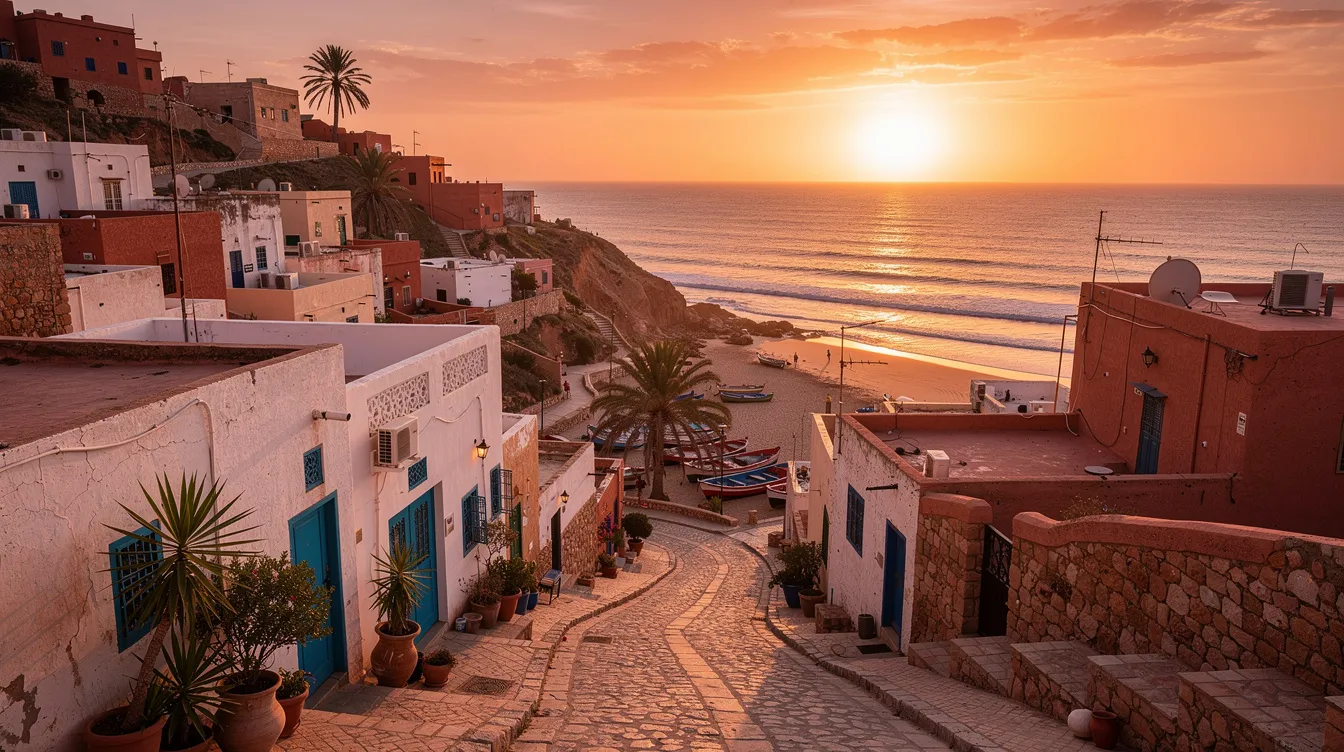
Morocco offers excellent conditions for first-timers, particularly in Tamraght, Taghazout Bay, Imsouane, and Essaouira, where sandy-bottom waves and professional schools are abundant. A 3–5 day lesson package is typically enough to stand up and ride small waves. Summer and early autumn (June–October) provide the gentlest conditions, and going with a local instructor remains the safest approach.
Non-surfers can enjoy beach walks, yoga, hammams, local markets, cooking classes, and day trips to Paradise Valley, Essaouira medina, or the Atlas Mountains. Bases like Taghazout, Tamraght, and Essaouira offer cafes, shops, and scenic promenades within easy walking distance. Morocco Classic Tours designs itineraries balancing surf time with cultural activities so mixed-interest groups stay satisfied.
Most small surf shops, cafes, and rental huts prefer cash, especially in Imsouane and Sidi Kaouki. Carry roughly 300–500 MAD per day per person for meals, board rental, and small tips. Use ATMs in Agadir, Essaouira, and Taghazout as needed. Keep larger sums locked in accommodation safes—only bring what’s needed to the beach. Always bring bottled water for sun-filled surf sessions.
Morocco is a Muslim-majority country with relatively relaxed attitudes in surf towns, but modest clothing is appreciated away from tourist areas. T-shirts, loose shirts, and light trousers work well. Female travelers should avoid very revealing outfits in medinas or rural villages. Standard Western swimwear is accepted on the beach, but having a cover-up handy when leaving the sand is advisable.
Travel insurance covering surfing and water sports is strongly recommended, especially for reef breaks or big winter swells. Some basic policies exclude surfing or only cover lessons with certified schools—read the fine print and ensure free-surfing is included. Morocco Classic Tours recommends guests verify coverage for medical evacuation and hospital treatment before confirming advanced surf itineraries for your next surf trip to this remarkable country.
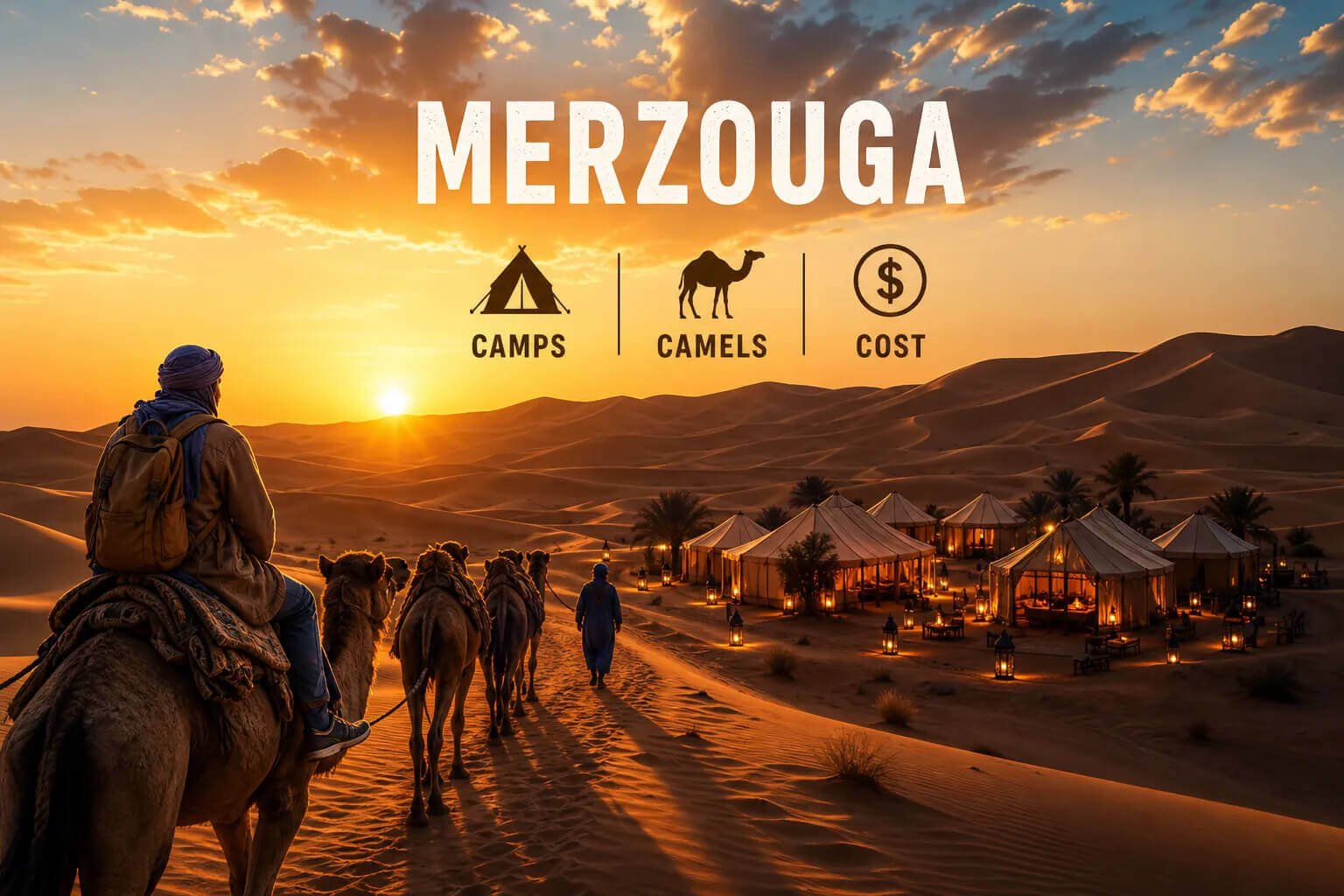
Join our Merzouga Overnight Tour for an authentic desert experience. Enjoy camel rides, comfortable ...
Read this article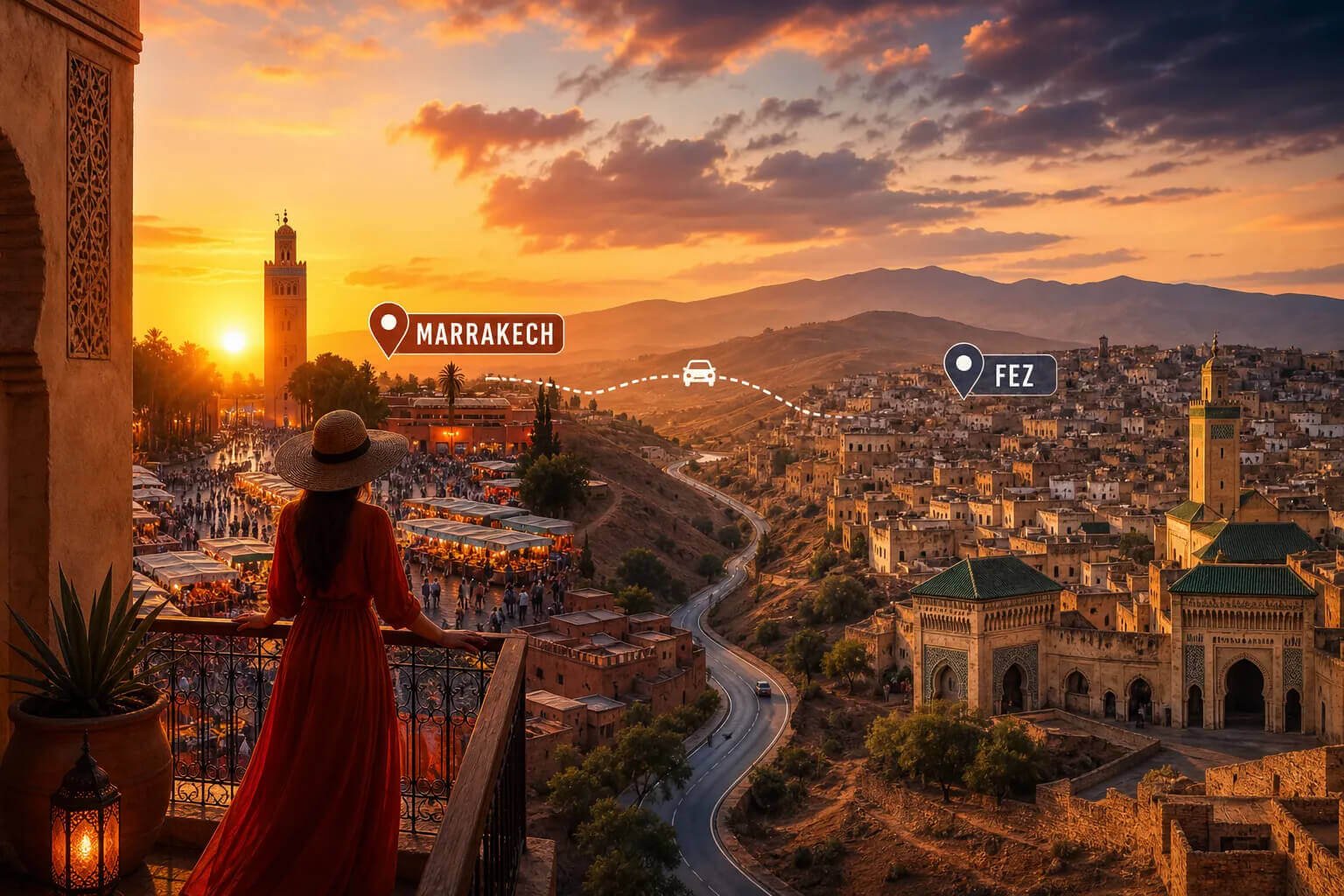
Discover the ultimate 10-day Morocco itinerary, exploring vibrant Marrakech to historic Fez. Experie...
Read this article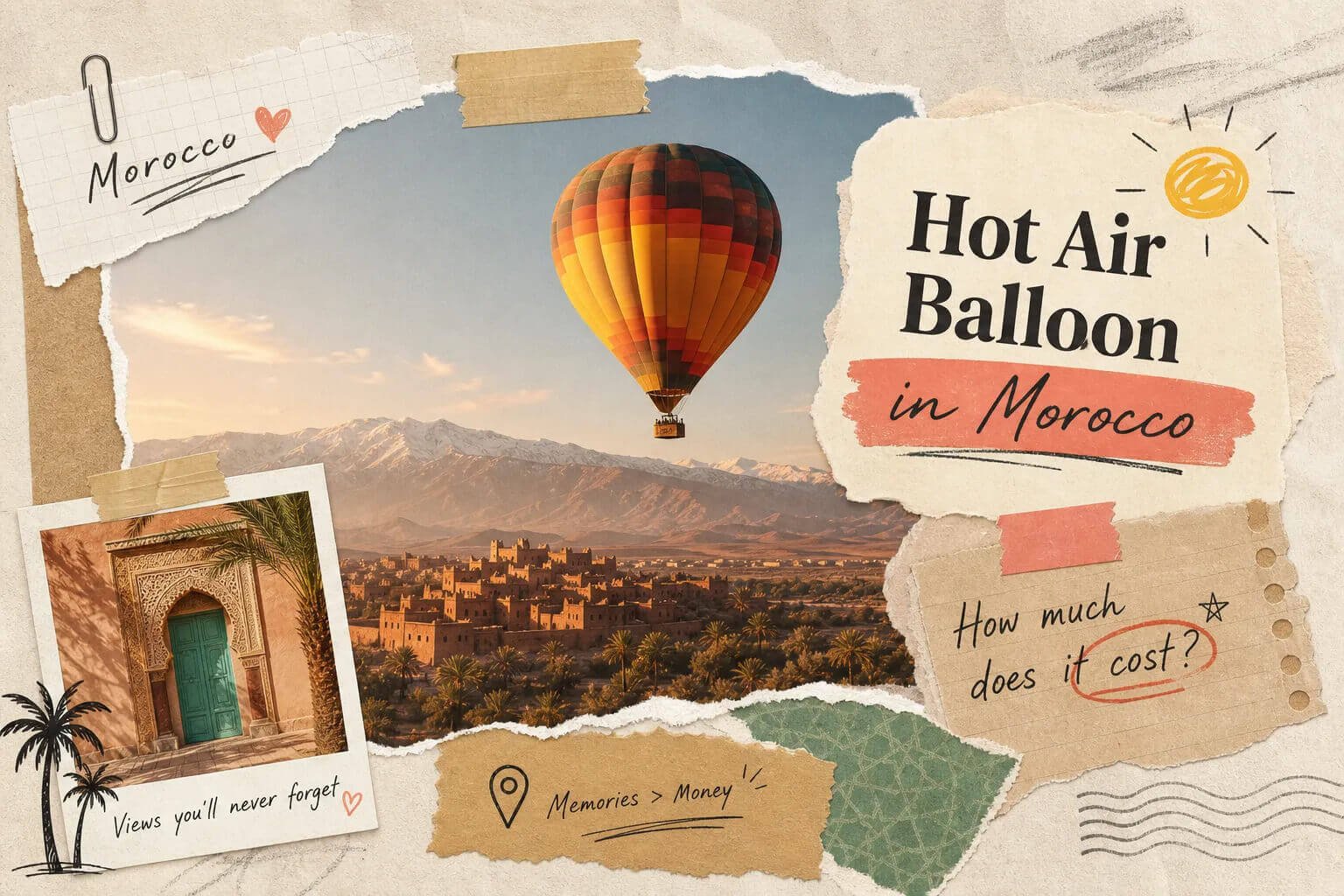
Discover the true costs of a hot air balloon ride in Morocco. Explore pricing, packages, and what to...
Read this articleWant cool tour deals and tips about Morocco? Enter your email and we’ll send them to you each month!