Group Tour Agencies in Morocco: How to Pick the Right One
Compare Morocco group tour agencies by trip style, reviews, pace, transport and inclusions. Learn wh...
Read this article

Private, custom Morocco trips planned in Fez by AZ-ZDDINE, working in Moroccan tourism since 2012. Sahara, Atlas, medinas and coast, arranged around you.
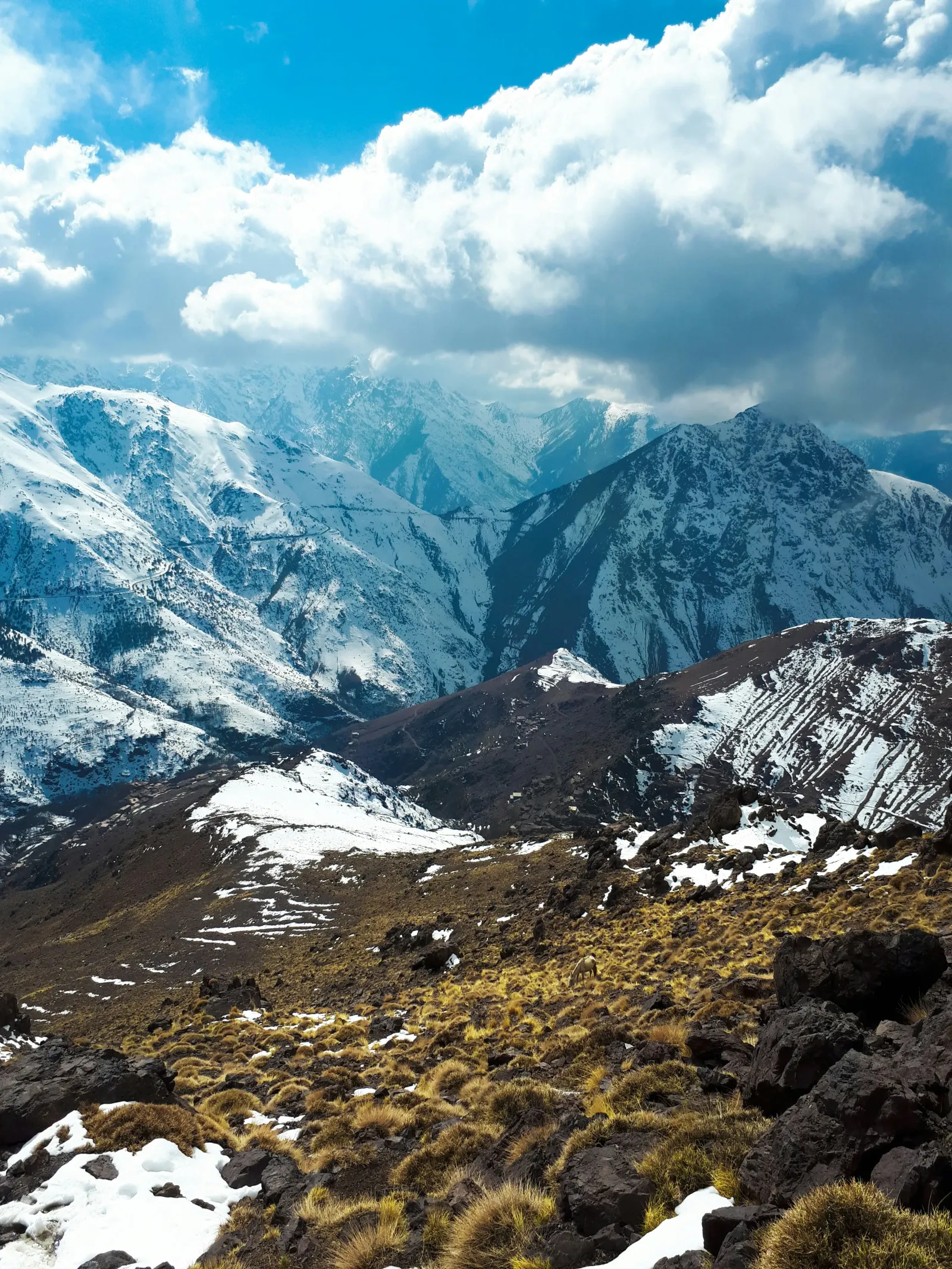
Morocco offers diverse trekking from Mt. Toubkal (4,167 m) and M’Goun (4,071 m) to the Rif and Anti-Atlas ranges, plus Sahara desert hikes.
The best time for most Atlas treks is April–June and September–October, while desert treks around Merzouga and M’Hamid are best from October–April.
Morocco Classic Tours organizes private, customizable trekking packages combining Atlas routes, Sahara camel and desert hikes, and imperial cities.s
Licensed local guides, proper gear, and trekking insurance are essential for routes like Toubkal, M’Goun, and multi-day desert crossings.
Affordable multi-day Atlas packages with mules, cooks, accommodation, and transfers can be arranged from Marrakech or Fez.
Morocco offers diverse trekking experiences in the High Atlas Mountains, Rif Mountains, and the Sahara Desert. Few countries pack as much trekking variety into such a compact space as Morocco. Within a single trip, you can summit North Africa’s highest peak in the High Atlas Mountains, wander through cedar forests in the Middle Atlas, traverse volcanic spires in the Anti Atlas, follow green trails above Chefchaouen in the Rif Mountains, and walk across rolling dunes in the Sahara Desert. This geographic diversity means Morocco hiking tours can match virtually any skill level, season, or travel style.
Whether you are a seasoned mountaineer or a casual walker, Morocco’s landscapes offer something for everyone. The country’s compact geography allows you to experience multiple environments in a single journey, from snow-capped peaks to lush valleys and arid dunes.
Trekking in Morocco is not just about the scenery. It’s also a chance to connect with Amazigh (Berber) communities, experience traditional hospitality, and stay in unique accommodations like riads and desert camps. This blend of adventure and culture makes Morocco a standout trekking destination.
Morocco Classic Tours, based in Fez, specializes in private trekking itineraries that blend hiking with cultural immersion among Amazigh (Berber) families, nights in traditional riads, and stays in remote desert camps. Rather than joining fixed-departure group tours, travelers work with our team to design routes that fit their pace, fitness, and interests—whether that means a challenging Jebel Toubkal summit push or relaxed guided walks through verdant valleys and olive groves.
A classic 7–10 day itinerary might combine 2–3 days of High Atlas trekking from Imlil, a scenic transfer through palm groves and kasbahs, 1–2 nights in a Merzouga desert camp with camel riding, and city time exploring the souks of Marrakech and Fez. Moroccan treks range from relaxed valley walks near Imlil, Ourika, or Chefchaouen to serious steep ascents of Mount Toubkal and winter snow routes requiring ice axes. If you’re searching for a trekking adventure that combines outdoor challenges with deep connections to local culture, consider planning a custom morocco walking holiday experience with Morocco Classic Tours rather than generic agencies.
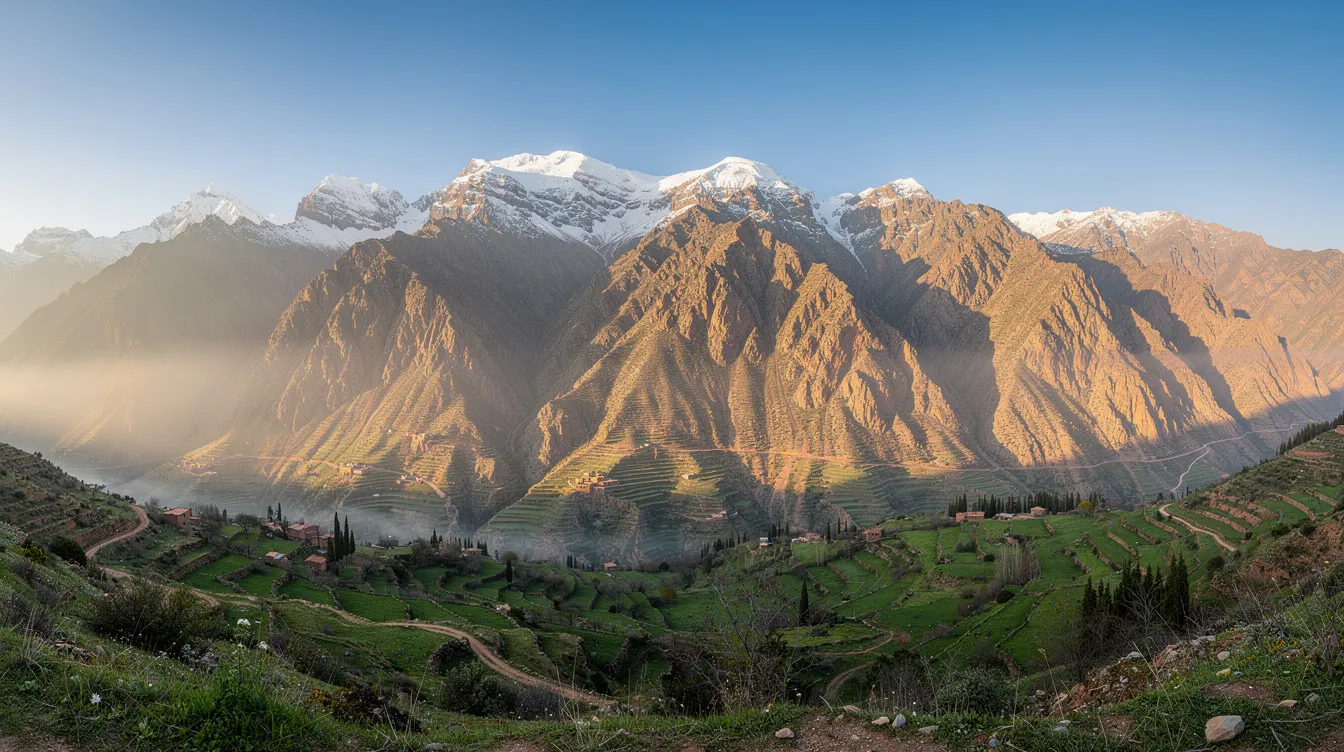
Morocco’s distinct trekking seasons vary dramatically by region. Weather patterns in the High Atlas differ from those in the Sahara and along the coast, and the timing of heat, snow, and even Ramadan can influence which routes are accessible and enjoyable.
Ideal months for trekking the High Atlas region fall between April–June and September–October. During these windows, temperatures are moderate, trails are clear of snow below 3,500 m, and the weather is generally stable for summit attempts. July and August can be extremely hot below 3,000 m, with valley temperatures reaching 35–40°C. Snow often lingers above 3,500 m until late May, which can complicate Toubkal ascents without crampons and technical gear.
Optimal periods for desert trekking in Merzouga and M’Hamid run roughly from October through April. During these months, daytime highs hover around 20–30°C, dropping to 5–10°C at night—pleasant for walking and camping. Avoid July and August when daytime temperatures can exceed 40°C on the dunes, creating dangerous conditions for midday exertion in an environment with low humidity and vast exposure.
Middle Atlas forest hikes around Ifrane National Park, Azrou, and the famous Monkey Trail are most pleasant from March–May and September–November. Winter snowfall can make some trails icy and challenging. The Rif Mountains near Chefchaouen and Talassemtane National Park turn lush and green in spring (March–May) and remain cooler than southern regions during the summer months, though winter brings mud and overcast skies.
Morocco Classic Tours adjusts start times—scheduling early-morning departures and sunset hikes—and selects altitudes according to season to keep treks safe and comfortable for all participants.
Morocco’s core trekking zones include the High Atlas, Middle Atlas Mountains, Anti Atlas, Rif Mountains, and the fringes of the Sahara. Each region offers distinct landscapes, challenges, and cultural encounters.
The High Atlas range dominates central Morocco and contains the country’s most famous hiking trails. Mount Toubkal stands at 4,167 m as North Africa’s highest peak, attracting trekkers from around the world. The M’Goun massif (4,071 m) offers equally dramatic terrain with fewer crowds. Key areas include:
Imlil Valley – Main gateway to Toubkal and the Toubkal National Park
Aït Bouguemez (Happy Valley) – Known as a beautiful valley with terraced barley fields and traditional Berber life
Ourika Valley – Accessible day trip from Marrakech with waterfall trails
These areas suit both summit seekers and those preferring village-to-village valley trek experiences.
The Middle Atlas area around Ifrane National Park and Azrou features cedar forests, pine forests, and lakes like Ouiouane. The terrain here is gentler, with medium-altitude walking ideal for families, birdwatchers, and those seeking dense forests rather than rugged peaks. The Monkey Trail near Azrou is particularly popular for spotting Barbary macaques in their natural habitat.
The Anti Atlas and Jebel Saghro region sits between the High Atlas and Sahara, featuring volcanic rock spires, eroded pinnacles, and palm-filled gorges such as Aït Mansour. This trekking area is perfect in the winter months when the High Atlas sees snow and cold temperatures—Saghro offers winter-friendly conditions averaging 15–20°C during the day.
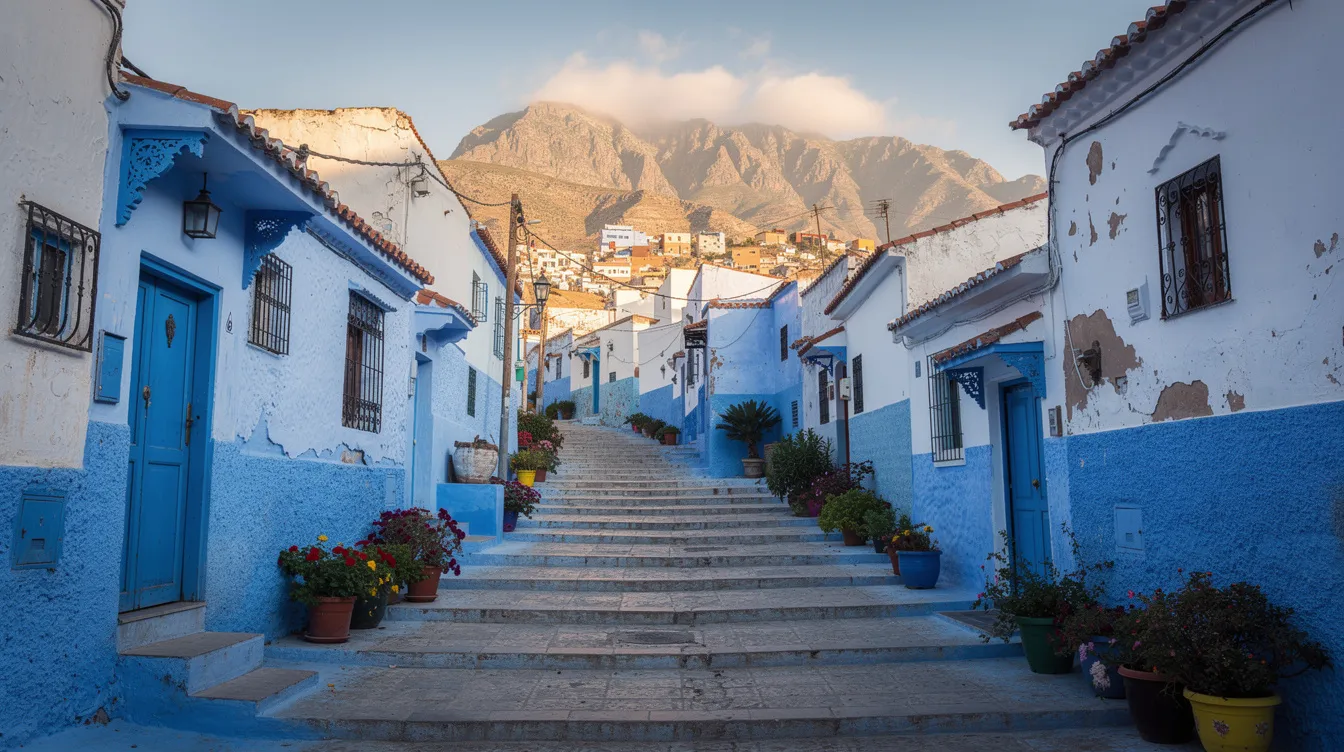
North of Fez and Tangier, the Rif Mountains center around Talassemtane National Park. Highlights include the Akchour waterfalls, the natural rock formation known as God’s Bridge, and panoramic trails above Chefchaouen’s iconic blue medina. These routes offer a different character than the High Atlas, with Mediterranean vegetation and cooler summer temperatures.
For desert experiences, Merzouga (gateway to Erg Chebbi) and M’Hamid (gateway to Erg Chigaga) offer camel-supported walks, short dune hikes, and multi-day desert crossings into the Moroccan Sahara. Routes range from 2–4 hour sunset strolls to epic 7–14 day crossings through untouched wilderness near the Algerian border.
Morocco Classic Tours helps travelers combine two or more of these regions into one itinerary—for example, High Atlas trekking followed by Todra Gorge exploration and a Merzouga desert camp experience.
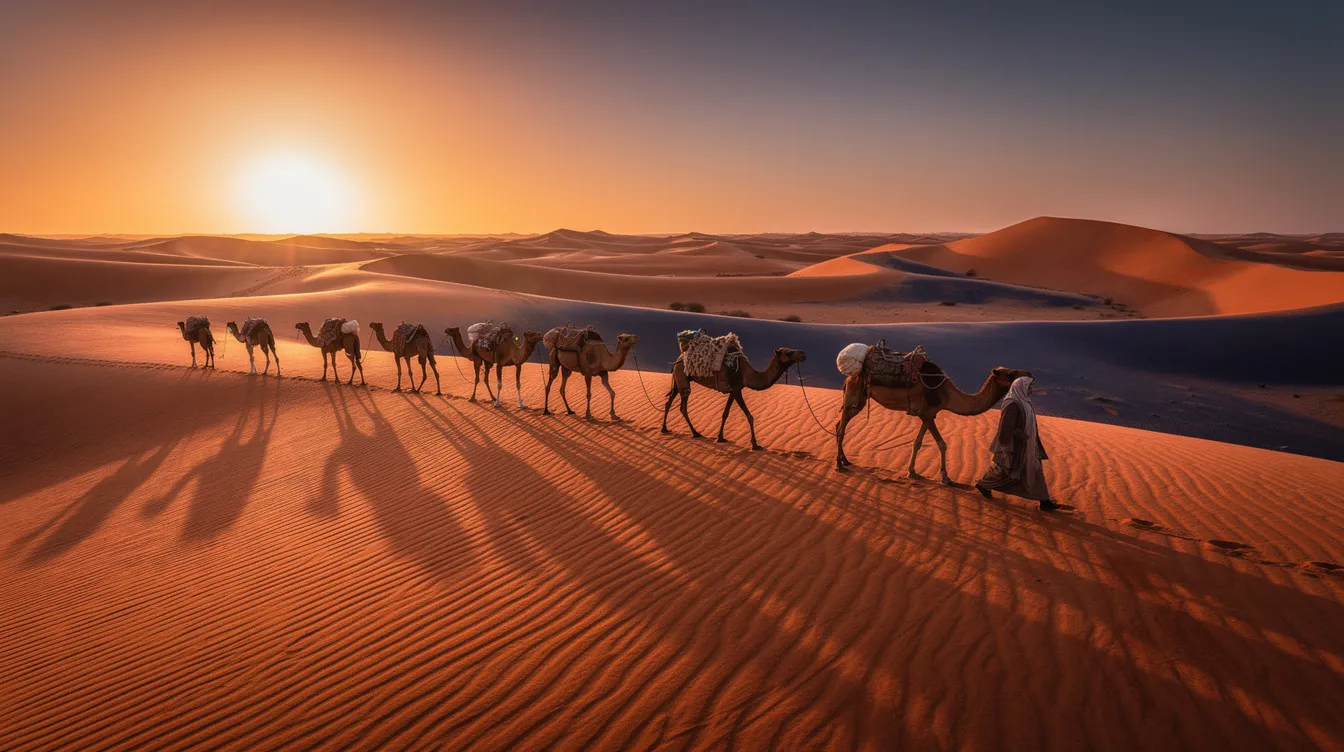
This section lists concrete routes that Morocco Classic Tours and other quality operators frequently recommend, from day hikes to week-long treks.
The Toubkal summit route from Imlil covers approximately 27 km total distance. A typical itinerary includes:
Day | Route | Details |
|---|---|---|
Day 1 | Imlil to Neltner Refuge | 6–8-hour hike gaining elevation to ~3,200 m |
Day 2 | Summit attempt | Pre-dawn start, gaining about 1,000 m vertically to reach 4,167 m |
Day 2/3 | Descent | Return to Imlil via the same route or alternate paths |
On clear days, views from the Toubkal summit extend to the Sahara Desert. The national parks in this region enforce or strongly recommend licensed guides at checkpoints. | ||
The Toubkal Circuit expands the summit trek into a village-to-village traverse linking hamlets like Aroumd, Tacheddirt, and Imsker. Daily distances of 10–15 km are supported by mules carrying gear, with overnights in Berber gîtes featuring home-cooked tagine meals and fresh bread. This route offers cultural immersion and moderate elevation changes without requiring technical climbing skills.
In the Aït Bouguemez Valley, known locally as Happy Valley, the M’Goun trek spans 70–90 km with river crossings, terraced fields, and stunning mountain scenery. For fit hikers, the optional summit of Jebel M’Goun at 4,071 m provides an alternative to the more crowded Toubkal. Daily hikes of 6–8 hours with 1,000–1,500 m of elevation gain make this a moderately challenging multi-day trek.
The Jebel Saghro circuit between Tagdilt and Nkob navigates 50–60 km of lunar-like volcanic pinnacles, eroded spires, and palm groves. Winter-friendly temperatures and dramatic landscapes make this route ideal for those avoiding summer heat in the High Atlas. The terrain involves rocky scrambles and minimal water sources, requiring experienced local guides.
Imlil Valley circuits – 8–12 km through apple orchards and Berber villages
Ourika Valley waterfalls – 10 km with 500 m elevation gain, suitable for families
Todra Gorge loop – About 11 km past 300-meter sheer walls carved by the Todra River
Akchour to God’s Bridge – 14 km in the Rif featuring twin waterfalls and hanging bridges
Moulay Idriss to Volubilis – ~4 km cultural walk blending Roman ruins with gentle terrain
A 2–3 day desert trek from M’Hamid towards Erg Chigaga offers camel caravans, night wild camping under stars, or stays in fixed desert camps. Morocco Classic Tours arranges these excursions with experienced desert guides who know the unmarked routes through shifting sands.
Serious multi-day routes should be booked through licensed operators. Morocco Classic Tours can adapt distances, elevation, and accommodation comfort to match each group’s abilities and preferences.
While some marked trails exist in national parks, much of Morocco’s backcountry relies on unmarked shepherd paths and traditional life knowledge passed down through generations. This makes local expertise essential for safe and rewarding treks.
Hiring a local guide is strongly recommended for trekking in Morocco due to unmarked paths and unfamiliar terrain.
Certified local guides are strongly recommended throughout the High Atlas, Anti Atlas, Jebel Saghro, and remote Rif Mountains for several reasons:
Navigation – Many trails lack signage and require knowledge of seasonal route changes
Language – Guides speak French, Arabic, and Tamazight, facilitating communication with villagers
Emergency decisions – Experienced guides recognize altitude sickness symptoms, approaching storms, and when to turn back
Cultural liaison – Mountain guides facilitate authentic encounters with Berber people and local customs
Mt. Toubkal National Park currently requires or strongly enforces the use of registered guides for ascents from Imlil, with checkpoints that may verify guide credentials.
You can find reputable guides through:
Licensed agencies like Morocco Classic Tours
Official mountain-guide bureaus in Imlil and Marrakech
National park offices at trailheads
The typical process for hiring a private tour with a trekking guide involves:
Online inquiry – Contact the agency with your dates, fitness level, and desired itinerary
Itinerary confirmation – Review proposed routes, daily distances, and accommodation
Clarify inclusions – Confirm what’s covered (transport, meals, mules, cook, equipment)
Deposit payment – Typically 20–30% to secure booking
Pre-trek briefing – Meet in hub like Imlil for final equipment check and route overview
Daily guiding rates typically range from €50–100 for solo travelers, with per-person costs dropping for larger groups. Reputable guides carry satellite phones and know evacuation routes for emergencies.
Acclimatize for 1–2 days at 1,800 m (Imlil) before high-altitude routes
Share route plans with your agency and family members
Carry a charged phone and offline GPS like Gaia
Respect weather or route changes your guide suggests
Carry 3–4 liters of water minimum on desert and mountain treks
Morocco Classic Tours works only with licensed, insured mountain and desert guides who have experience with families, beginners, and experienced high-altitude trekkers.
Packing layers suitable for varying temperatures, including waterproof clothing, is essential for trekking in Morocco. Conditions vary dramatically between rocky High Atlas terrain (where possible snow exists above 3,000 m) and the hot, sandy desert around Merzouga and M’Hamid. Your packing list should account for both extremes if combining regions.
Category | Items |
|---|---|
Footwear | Broken-in hiking boots with ankle support (Salomon Quest 4 GTX, Lowa Renegade). Footwear for trekking should include sturdy, broken-in hiking boots with good ankle support. |
Clothing | Moisture-wicking base layers, mid-layer fleece, Gore-Tex waterproof jacket and pants |
Accessories | Hat, gloves, buff, UV sunglasses |
Equipment | Adjustable trekking poles (Black Diamond, Leki), headlamp with spare batteries |
Sleeping | Lightweight 10–15°C rated sleeping bag (if gîtes lack linens) |
Pack | 40–60 liter backpack (Osprey, Deuter) for personal gear |
Breathable long-sleeve shirts and quick-dry trousers (Columbia Silver Ridge, ExOfficio)
Wide-brimmed hat or shemagh for sun protection
High-SPF 50+ sunscreen
Category 4 UV sunglasses (Julbo or similar)
Gaiters (Kahtoola) to keep sand out of boots
Camp sandals (Teva, Keen)
3-liter hydration bladder or multiple Nalgene bottles
In Moroccan cities like Marrakech and Casablanca, you can purchase basic outdoor activities gear—hats, simple daypacks, generic trekking poles. However, specialized alpine gear such as crampons and ice axes for winter Toubkal ascents should be brought from home or pre-arranged through your outfitter.
Pack a compact first-aid kit containing:
Blister care (Compeed or similar)
Painkillers (ibuprofen)
Rehydration salts
Antidiarrheal medication
Tweezers for cactus spines
Personal medications
Power bank
Copies of passport and insurance details
Morocco Classic Tours can provide camping equipment and mules for luggage, and we check packing lists with clients before travel to ensure nothing critical is missing.
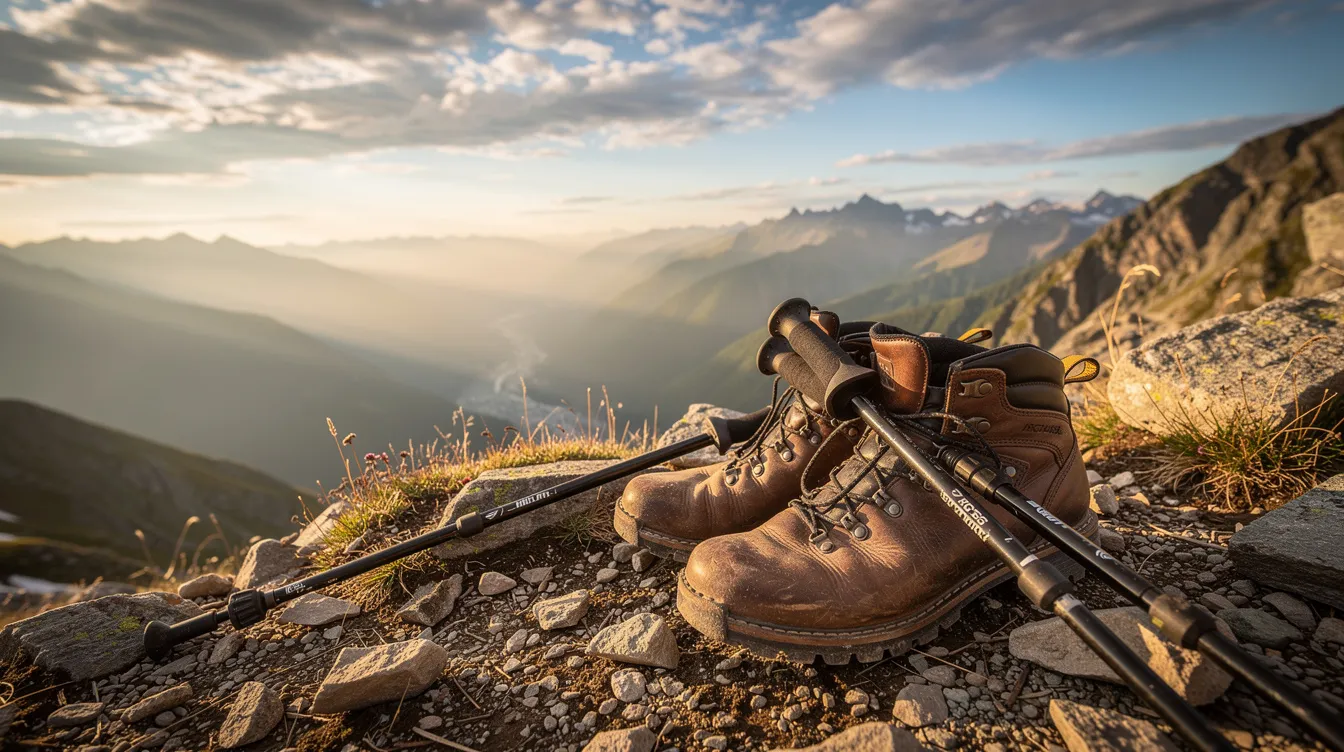
Morocco Classic Tours focuses on private, customizable trips rather than large group departures. This approach gives travelers control over comfort level, pace, and budget while maintaining quality standards.
An affordable three-day Toubkal ascent package typically includes:
Private transfer from Marrakech to Imlil (approximately 1.5 hours)
Licensed mountain guide
Shared trekking refuges or simple lodge accommodation
All meals during the trek
Mule support for luggage
Prices for this type of package start around €300–500 per person, depending on season and group size.
A budget-friendly village-to-village route staying in Berber gîtes and family guesthouses emphasizes cultural immersion and moderate daily walking hours. Expect home-cooked tagine meals, mint tea with families, and insights into traditional life that hotels simply cannot provide. These packages typically range from €600–900 per person with all logistics included.
Costs vary depending on:
Season – Peak months (April–June, September–October) run 20–30% higher
Group size – Groups of 6+ save 15–25% per person through shared resources
Accommodation – Trekking refuges cost less than boutique riads
Itinerary scope – Combining trekking with city stays or desert nights affects overall pricing
Morocco Classic Tours can bundle trekking with Sahara camel treks, imperial city tours, and coastal stays in Essaouira or Agadir. Packaging elements together often proves more economical than booking each segment separately while also simplifying logistics.
Contact Morocco Classic Tours directly with your dates, fitness level, and interests to receive a transparent, itemized proposal rather than generic per-person pricing.
Most guided treks depart from hubs like Marrakech, Imlil, Fez, Merzouga, and Chefchaouen. Understanding what each base offers helps with planning.
Imlil serves as the main base for Toubkal and High Atlas hikes. This Berber village at 1,740 m hosts licensed mountain guides, muleteers, basic gear rentals, and access to mountain refuges. Most Toubkal treks begin and end here.
The Aït Bouguemez region (Happy Valley) and nearby Azilal are emerging as bases for M’Goun and Central High Atlas circuits. Local guide cooperatives have developed infrastructure for multi-day treks through this beautiful valley with its terraced fields and traditional villages.
These are key desert gateways where Morocco Classic Tours arranges camel caravans, desert camps, and guided dune walks. Unlike generic desert vendors offering identical “Sahara experiences,” working with a dedicated agency ensures quality camps, experienced guides, and thoughtful itineraries that avoid tourist crowds.
Morocco Classic Tours positions itself as a specialist Moroccan agency offering door-to-door logistics—airport pickup, city hotels, trekking, desert, and cultural add-ons. Travelers don’t need to juggle multiple providers or navigate language barriers when arranging transport between regions.
When evaluating any trekking company, prioritize those that:
Use licensed guides with verifiable credentials
Detail exactly what’s included (meals, transport, equipment, permits)
Hold appropriate liability insurance for trekking activities
Have positive traveler reviews mentioning flexibility and reliability
Resources like Lonely Planet and travel review platforms can help verify company reputations, though direct communication reveals the most about service quality.
Most treks in Morocco are safe when properly planned, but altitude, heat, and remoteness require thoughtful preparation.
Rapid altitude gain – Ascending too quickly on Toubkal can trigger acute mountain sickness.
Afternoon storms – Weather can deteriorate rapidly above 3,000 m
Winter conditions – Snow and ice above 3,500 m require proper equipment
Dehydration – Exposed valleys and limited shade demand consistent water intake
Recommend gradual ascent, listening to guide advice about pace, and being willing to turn back if conditions or physical symptoms warrant it.
Heatstroke and sunburn – The Moroccan Sahara offers little shade and intense UV exposure
Sandstorms – Can obscure tracks and reduce visibility quickly
Disorientation – Featureless terrain makes navigation difficult without experienced guides
Desert treks should avoid midday sun (11 am–4 pm) and always be led by experienced guides familiar with the terrain.
Purchase travel insurance that explicitly covers trekking at elevations up to at least 4,500 m, including:
Emergency medical care
Evacuation from remote regions (helicopter or ground)
Trip interruption due to weather or illness
Major international insurers such as World Nomads, Allianz, and AXA often offer policies covering hiking in Morocco when trekking activities are declared at purchase. Always check altitude limits and activity exclusions before buying.
High-standard clinics and hospitals are mainly in cities like Marrakech, Agadir, Casablanca, and Rabat. Mountain and desert towns have basic facilities only, making prevention and insurance coverage essential for remote routes.
Morocco Classic Tours collects guests’ health information—allergies, conditions, dietary needs—in advance and plans daily distances, meals, and rest days accordingly.
Many visitors want mountains, desert, and iconic cities like Marrakech and Fez in a single itinerary. Morocco’s compact geography makes this surprisingly achievable.
Days | Location | Activities |
|---|---|---|
1 | Marrakech | Arrival, medina exploration |
2–4 | Imlil / High Atlas | 2–3 day trek toward Toubkal or circuit |
5 | Tizi n’Tichka to Dades | Scenic transfer via Aït Benhaddou kasbah |
6 | Todra Gorge | Explore 300m canyon walls |
7–8 | Merzouga | Desert camp, camel riding, sunrise dunes |
9–10 | Fez | Imperial city exploration, departure |
This route crosses the High Atlas range, passes through dramatic gorges, and ends with Sahara immersion before cultural exploration en route home. | ||
For those arriving or departing via Tangier:
Explore Fez’s medieval medina
Day trek in the Middle Atlas near Ifrane (ski resort area in winter)
Transfer to Chefchaouen for Rif hikes including Akchour waterfalls
Optional coastal extension to Tangier or Asilah with sandy beaches
Morocco Classic Tours can match trekking days to fitness levels and incorporate non-hiking days for:
Souk shopping and medina exploration
Traditional hammam experiences
Moroccan cuisine cooking classes
Historical tours of imperial cities
Private transport between trekking hubs makes logistics straightforward and safer than relying on multiple public buses while carrying heavy gear.
Start by defining key factors: travel dates, desired regions (High Atlas, Sahara, Rif, etc.), fitness level, and accommodation style (refuge, guesthouse, riad, desert camp).
Initial inquiry – Submit an inquiry via website form or email with basic trip parameters
Share details – Communicate group size, interests, and any physical limitations
Receive draft itinerary – Review proposed routes, daily distances, and lodging options.
Refine – Adjust distances, add rest days, upgrade accommodations as desired.
Confirm by deposit – Secure booking with partial payment
Book 2–4 months in advance for popular seasons (spring and autumn) to secure:
Mountain refuges near Toubkal during peak weeks
Quality desert camps near Merzouga and M’Hamid during busy periods
Preferred guides for specific dates
Build buffer days around summit attempts such as Mt. Toubkal or M’Goun in case of bad weather or the need for extra acclimatization. Flexibility improves both safety and success rates.
Morocco Classic Tours can arrange:
Airport transfers (Marrakech, Fez, Casablanca)
Pre- and post-trek city hotels
Extra excursions: cooking classes, hammams, seaside days in Essaouira
Quad biking or other outdoor activities between treks
Valley walks and short day hikes—such as Ourika waterfalls, Imlil village circuits, Akchour to the lower waterfalls, or Moulay Idriss to Volubilis—suit beginners with basic fitness and 2–4 hours of walking per day. Summit ascents like Mt. Toubkal or multi-day routes such as the M’Goun circuit require good cardiovascular fitness, comfort with 6–8-hour hiking days, and sustained elevation gain. Morocco Classic Tours tailors itineraries for families with children, older travelers, or very fit hikers by adjusting daily distance, elevation, and support options.
Basic items such as trekking poles, simple sleeping bags, and gaiters can often be rented or provided by local partners in Imlil and other hubs, especially for Toubkal routes. However, travelers should bring their own well-fitted boots, backpack, technical clothing layers, and personal gear since sizing and quality are more reliable when purchased at home. Winter equipment like crampons, ice axes, and mountaineering boots is available only from a few specialized providers and should be reserved in advance through agencies like Morocco Classic Tours if needed.
On some lower, well-known routes—for example, short loops in Todra Gorge or signed best trails near national park visitor centers—experienced hikers may walk without a guide. However, for Toubkal, longer High Atlas circuits, Anti Atlas traverses, Saghro, and remote Rif routes, a licensed guide is either compulsory or strongly recommended for safety and local liaison. Morocco Classic Tours specializes in guided private treks and does not organize unsupported backpacking logistics, but can advise on difficulty levels for independent segments combined with guided days.
In the High Atlas above 2,500 m, nights from October to April can drop close to or below freezing, with snow likely around Toubkal refuge in winter months. Desert camps near Merzouga and M’Hamid can see daytime temperatures over 25–30°C in winter, yet nighttime temperatures often fall below 10°C, with a noticeable chill before sunrise. Pack warm layers (fleece, hat, light down jacket) even when traveling in spring or autumn. Morocco Classic Tours provides extra blankets in mountain gîtes and desert tents.
Mt. Toubkal is a non-technical trek in summer conditions, so previous high-altitude mountaineering is not required. However, hikers should be comfortable with long days involving sustained ascent. At least a few months of preparation—regular hill walks, stair climbs, or running—helps build leg strength and endurance before attempting the 2-day route with ~2,400 m total elevation gain. Morocco Classic Tours can schedule an extra acclimatization day in Imlil or at mid-altitude to improve comfort and reduce the risk of mild altitude sickness.
Morocco offers some of the most diverse hiking in North Africa and the Mediterranean region. From the High Atlas range with peaks exceeding 4,000 m to the cedar forests of the Middle Atlas, volcanic landscapes of Jebel Saghro, Mediterranean hills of the Rif, and Sahara dune walks, the country provides trails for every ability and interest. The combination of dramatic scenery, authentic Berber villages, and relatively undeveloped backcountry gives Morocco hiking an adventurous spirit that’s harder to find in more tourist-heavy destinations.
Yes, trekking in Morocco is generally safe when properly planned with appropriate guides, gear, and timing. The country has a long history of welcoming trekkers, and licensed guides know the terrain, weather patterns, and evacuation procedures. The main risks—altitude-related illness, heat exposure, and disorientation—are manageable with experienced guidance and preparation. Statistics show guided treks have near-zero serious incidents compared with occasional mishaps among independent hikers who underestimate navigation challenges or weather changes.
Ready to experience Morocco’s mountains and deserts for yourself? Whether you’re drawn to the challenge of reaching the Toubkal summit, the tranquility of wild camping under Sahara stars, or the cultural richness of walking through Berber villages, Morocco Classic Tours can design an itinerary that matches your pace and interests. Contact our team today with your travel dates and preferences to receive a personalized, no-obligation proposal for your Moroccan trekking adventure.
Compare Morocco group tour agencies by trip style, reviews, pace, transport and inclusions. Learn wh...
Read this article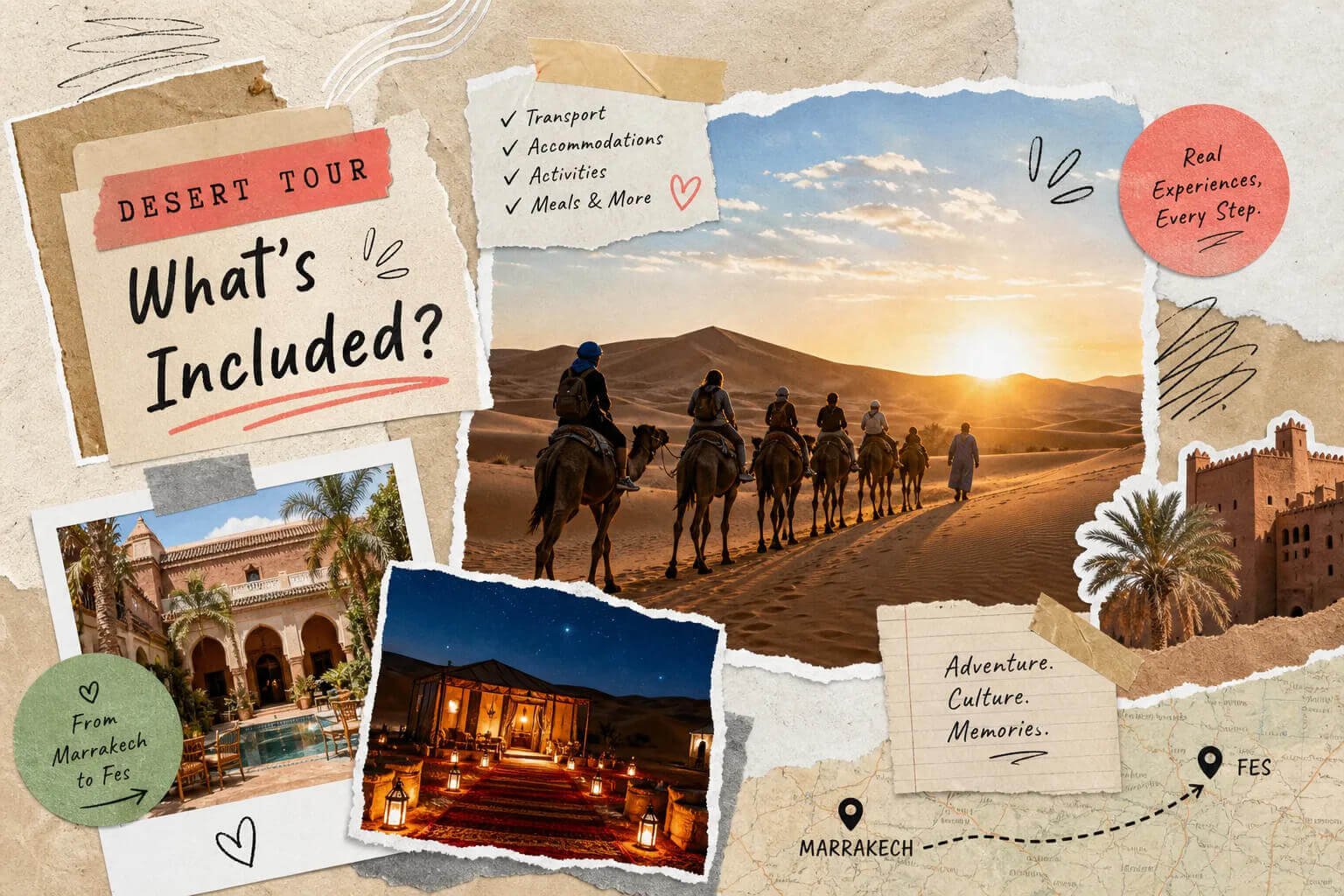
Uncover what a Marrakech to Fes desert tour offers, including camel rides, desert camps, and rich cu...
Read this article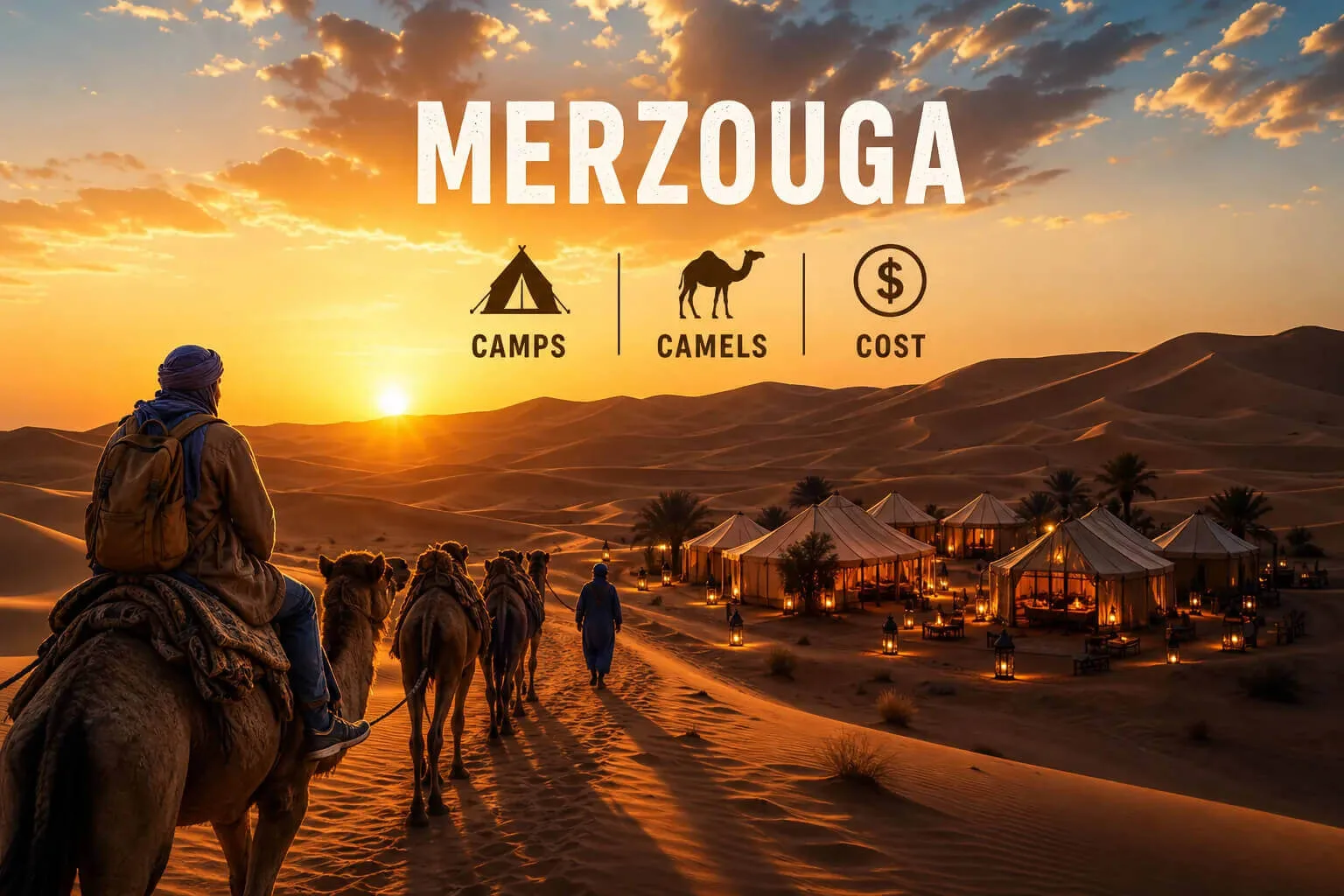
Join our Merzouga Overnight Tour for an authentic desert experience. Enjoy camel rides, comfortable ...
Read this articleWant cool tour deals and tips about Morocco? Enter your email and we’ll send them to you each month!
