Group Tour Agencies in Morocco: How to Pick the Right One
Compare Morocco group tour agencies by trip style, reviews, pace, transport and inclusions. Learn wh...
Read this article

Private, custom Morocco trips planned in Fez by AZ-ZDDINE, working in Moroccan tourism since 2012. Sahara, Atlas, medinas and coast, arranged around you.
Morocco Classic Tours offers private, customizable adventure trips across Morocco, from Sahara camel trekking and Atlas Mountains hiking to Atlantic coast escapes. Based in Fez, this local operator tailors each journey to couples, families, and solo travelers seeking authentic experiences.
The best time to visit Morocco for Sahara and mountain adventures is mid-March through May and September through late October. Summer trips remain possible with adjusted schedules, while winter offers fewer crowds and mild daytime temperatures in cities.
All adventures are led by English-speaking local guides and can start from Marrakech, Fes, or Casablanca, with private transport included throughout your journey.
Signature experiences include overnight stays in Berber desert camps near Merzouga, sunrise camel treks across the dunes, guided medina walks through Fes and Marrakech, and home-cooked meals in mountain villages.
Ready to start planning? Request a custom quote or browse sample itineraries directly through the Morocco Classic Tours website to secure your preferred dates and accommodations.
Morocco is one of those rare destinations where you can walk through a thousand-year-old medina in the morning and watch the sunset from a camel’s back in the Sahara by evening. This compact North African country packs ancient kasbahs, dramatic mountains, and endless desert landscapes into a remarkably accessible geography. Most adventure trips in Morocco range from 5 to 14 days, allowing travelers to combine multiple experiences without exhausting travel times.
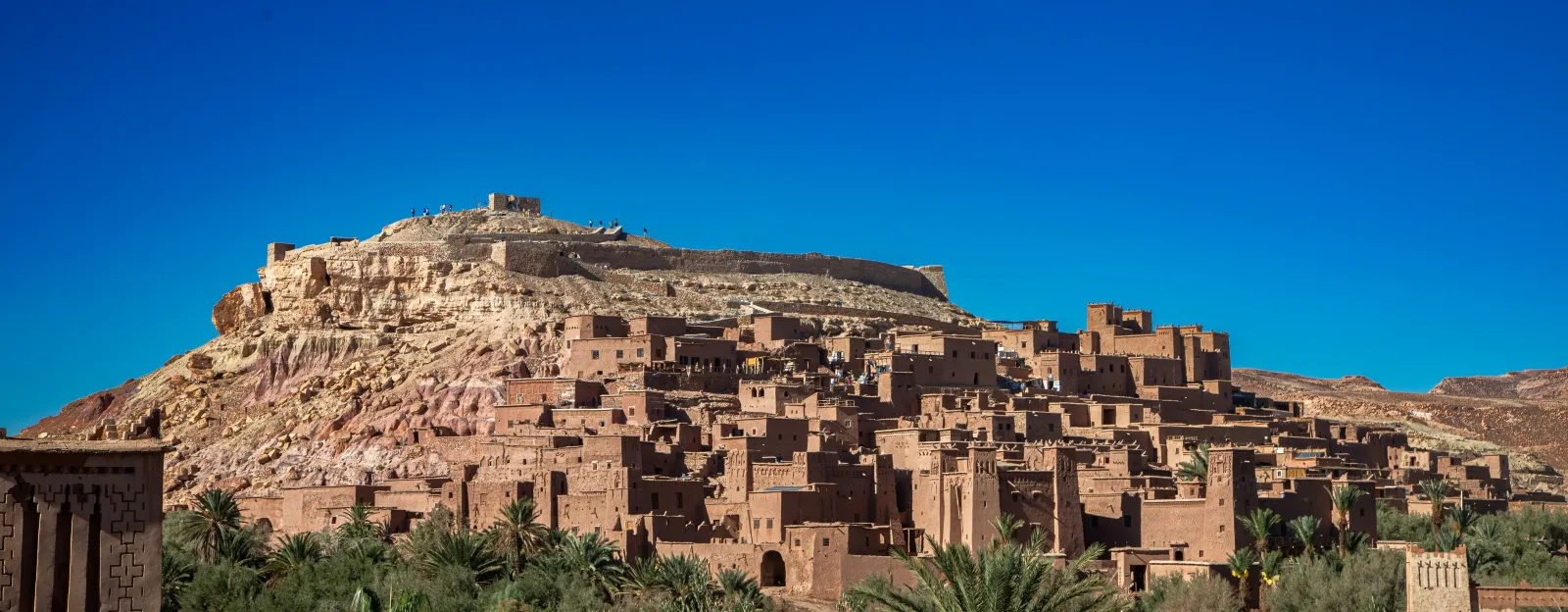
A typical adventure circuit links Marrakech to the Sahara Desert near Merzouga, covering approximately 470-500 kilometers. While that sounds like a lot, the journey takes about 6-7 hours when you account for scenic stops along the way. The route crosses the High Atlas Mountains via the Tizi n’Tichka Pass, passes through the UNESCO-listed kasbah of Ait Benhaddou, continues through Ouarzazate and the Dadès Valley, before reaching the orange dunes of Erg Chebbi. Rather than rushing through, Morocco Classic Tours breaks this into multi-day segments with overnight stays at culturally significant locations.
Morocco Classic Tours is a local B2C tour operator based in Fez, specializing in private and small-group adventures tailored to individual preferences. Unlike large international brands that run fixed departures, this approach allows for complete customization of pace, accommodation style, and activities.
Core adventure themes woven through Morocco Classic Tours itineraries include:
Desert camel trekking and overnight camps in the Sahara
Berber village stays with home-hosted meals and cultural exchanges
Medina exploration in imperial cities like Fes and Marrakech
Light to moderate trekking in the Atlas Mountains
Coastal relaxation in Essaouira or Agadir
All itineraries can be adjusted for comfort level, from boutique riads and luxury desert camps to more budget-friendly guesthouses. The goal is matching the trip to your travel style, not forcing you into a one-size-fits-all package.
Below are concrete sample itineraries that showcase the range of tour adventures available through Morocco Classic Tours. Each can be customized based on your interests, fitness level, and travel dates.
Best timing: March through May and late September through October
This classic Morocco adventure covers the country’s most iconic landscapes in just over a week. Starting from Marrakech, travelers cross the High Atlas via Tizi n’Tichka Pass, explore Ait Benhaddou, traverse the Dadès Gorge, and culminate with a camel trek and desert camp near Merzouga.
Key stops: Marrakech medina, Ouarzazate, Todra Gorge, Erg Chebbi dunes
Accommodation: Mix of riads in Marrakech, kasbah-style hotels, and one night in a Berber desert camp
Activity level: Moderate, with several hours of walking on sightseeing days and optional light hikes
Standout experiences: Sunrise over the dunes, stargazing from camp, hands-on tagine cooking class
Best timing: April and October
This itinerary connects Morocco’s historic capitals with Sahara exploration, creating a comprehensive cultural and landscape experience. The trip includes the blue-painted streets of Chefchaouen, the ancient medina of Fes, cedar forests of the Middle Atlas, and desert scenery around Merzouga.
Key stops: Casablanca, Rabat, Chefchaouen, Fès, Ifrane, Erfoud, Merzouga
Accommodation: City hotels in Casablanca and Rabat, traditional riads in Fes and Chefchaouen, desert camp
Activity level: Easy to moderate with mostly walking-based exploration
Standout experiences: Tannery visit in Fes, wildlife spotting for Barbary macaques near Azrou, traditional music around the campfire
Best timing: Available year-round; ideal for December through February or shoulder seasons when longer trips aren’t possible
A focused desert experience for travelers with limited time, this trip delivers essential Sahara highlights without rushing. The route covers Ait Benhaddou, Todra Gorge, and an overnight in a Berber camp.
Key stops: Ait Benhaddou, Ouarzazate, Todra Gorge, Merzouga.
Accommodation: Kasbah hotels and one night desert camp
Activity level: Easy, suitable for all fitness levels
Standout experiences: Walking between the towering walls of Todra Gorge, camel trek to camp, traditional Berber dinner under the stars
Best timing: Spring (March-May) and autumn (September-November)
This comprehensive journey balances mountain trekking, desert exploration, and coastal relaxation. Starting with hiking around Imlil in the High Atlas Mountains, the trip progresses through the desert before concluding on the Atlantic coast in Essaouira.
Key stops: Marrakech, Imlil, Ait Benhaddou, Merzouga, Essaouira.
Accommodation: Mountain lodge in Imlil, riads, desert camp, beachfront hotel in Essaouira
Activity level: Moderate to active, with optional more challenging hiking days
Standout experiences: Waterfall trek near Imlil, sunset camel ride, fresh seafood dinner by the ocean
Morocco Classic Tours can adapt these adventures for families with children, honeymooners seeking romantic touches, photography enthusiasts wanting optimal light conditions, or active hikers requesting extra trekking days.
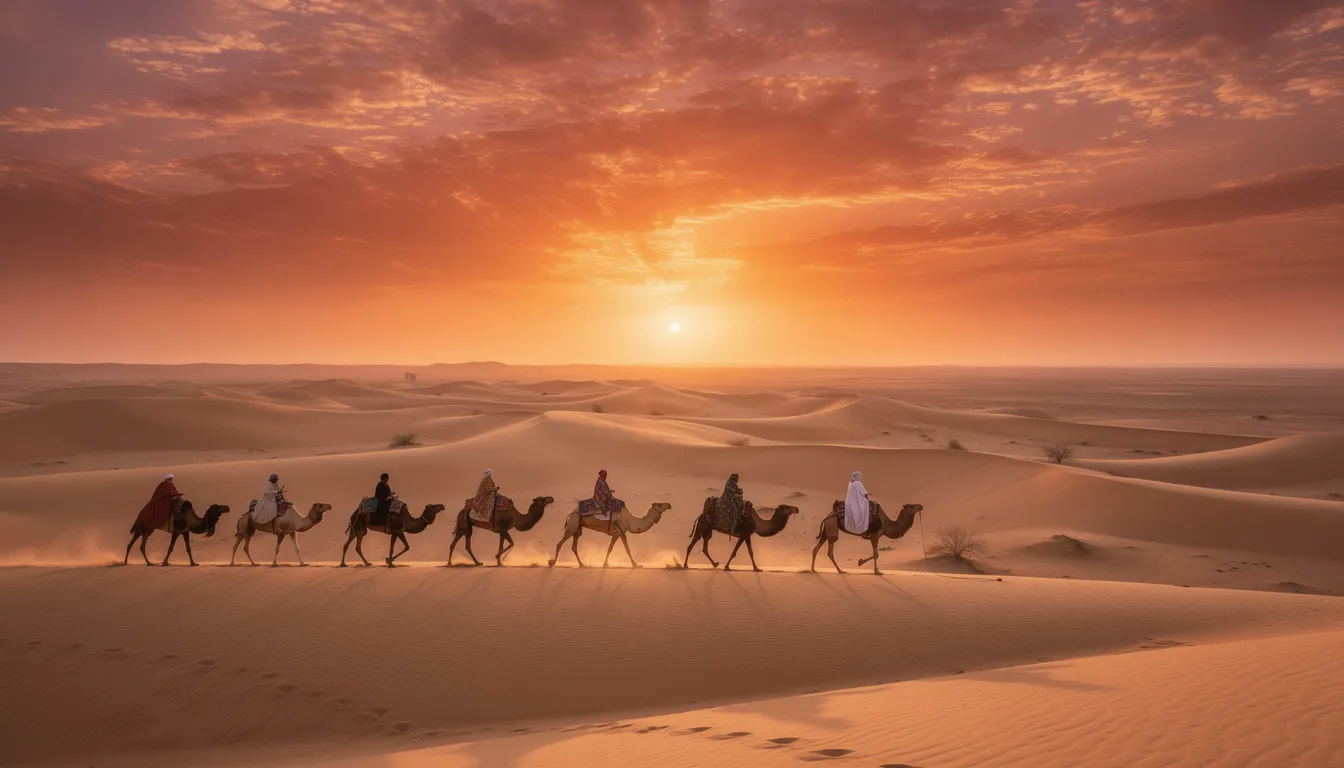
Camel trekking and nights in Berber-style desert camps represent the signature experience of most Morocco trips. The main desert destinations are Erg Chebbi near Merzouga and the more remote Erg Chegaga, accessible via Zagora or M’Hamid. These towering dunes create the quintessential Sahara scenery that draws visitors from around the world.
A typical camel trek follows a well-established rhythm. In the late afternoon, you’ll depart from a kasbah hotel near Merzouga, where your camel and guide await. The 1 to 1.5-hour ride takes you into the dunes, with scheduled stops to photograph the sunset as the sand shifts from gold to deep orange. You arrive at camp before dinner, where traditional Berber musicians often perform around a bonfire under the stars. Morning brings the option to climb a tall dune for sunrise views, followed by breakfast of orange juice and Moroccan bread served in the open air.
Camp styles range significantly in comfort level:
Camp Type | Features | Best For |
|---|---|---|
Standard Berber | Shared facilities, traditional furnishings | Budget-conscious travelers, an authentic feel |
Comfort | Private tents, shared bathrooms, proper beds | Mid-range travelers seeking balance |
Luxury | En-suite tents, hot showers, solar lighting | Couples, special occasions |
Beyond the overnight desert experience, Berber village visits add cultural depth to your journey. Near the Middle Atlas around Azrou and Ifrane, you can share mint tea with a local family and learn about traditional ways of life. In the Ziz Valley, walking through palm groves reveals the agricultural heritage of oasis communities. Market visits in Rissani on traditional trading days offer an unfiltered glimpse into local life and commerce.
When researching which companies offer Morocco camel trekking and Berber village experiences, you’ll find both local operators like Morocco Classic Tours and large international brands. Local providers typically offer greater customization, direct relationships with desert camp owners, and more competitive pricing. International brands provide standardized vetting but often use the same ground operators that local companies employ directly.
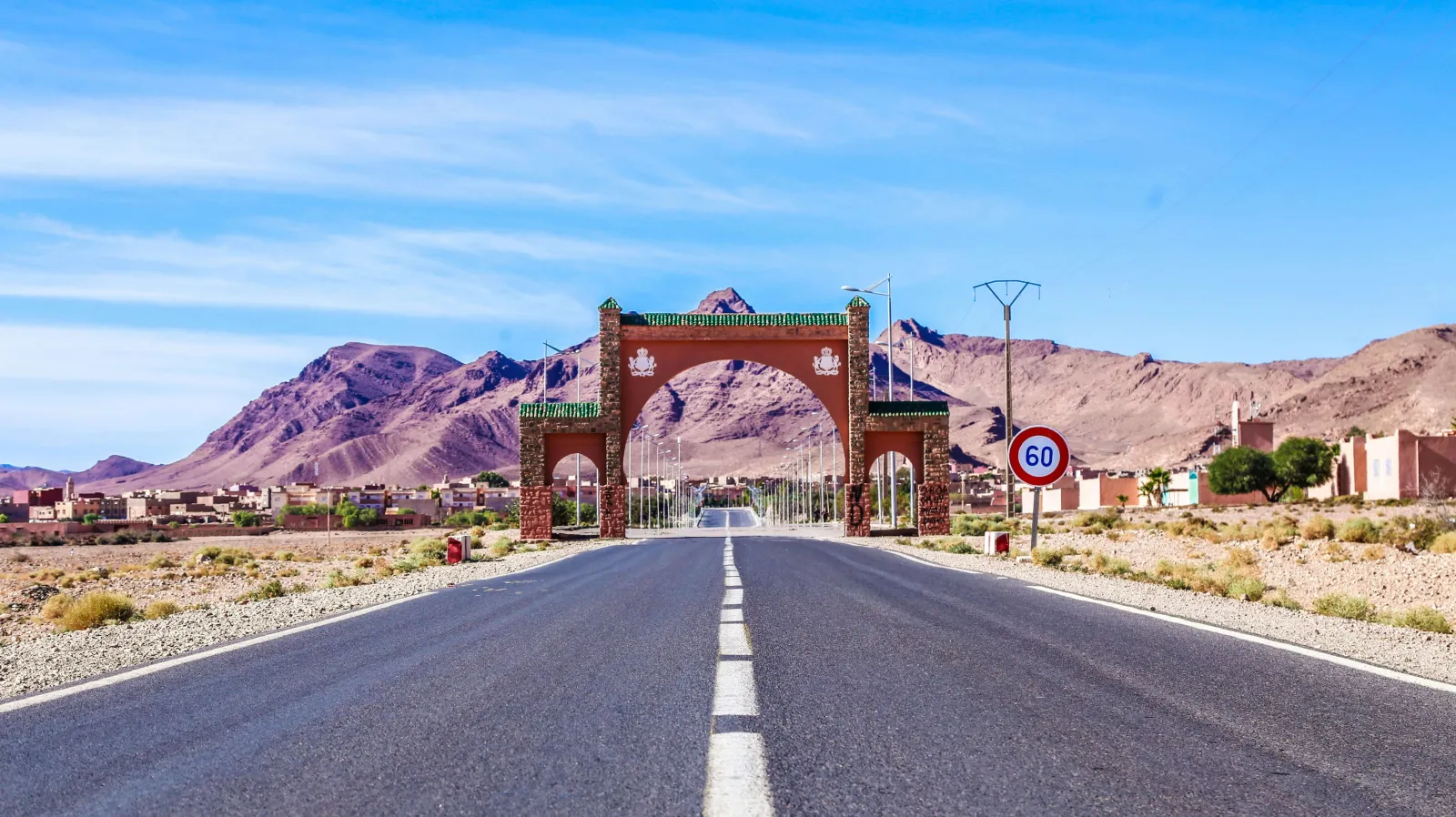
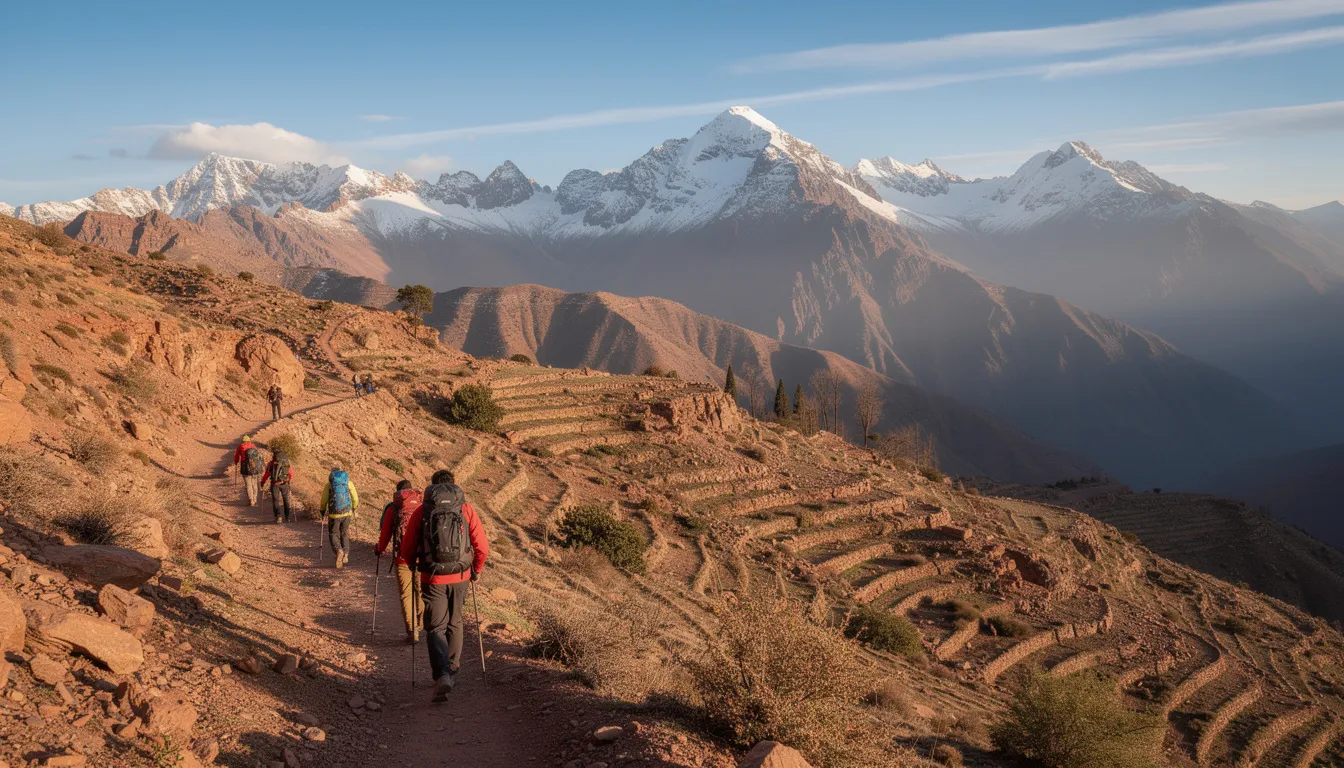
The Atlas Mountains serve as Morocco’s primary playground for hiking, village treks, and more strenuous alpine adventures. Three distinct ranges span the country: the High Atlas, Middle Atlas, and Anti-Atlas, each offering different landscapes and experiences for travelers seeking active exploration.
Key hiking areas and activities include:
Imlil and Aroumd (High Atlas)
Accessible in approximately 1.5-2 hours from Marrakech
Day hikes through terraced valleys and to scenic waterfalls
1-2 night stays in family-run mountain lodges
Opportunities for hands-on cooking classes and bread-baking in village ovens
Mount Toubkal Ascents
North Africa’s highest peak at 4,167 meters
Typically requires 3-4 days round-trip from Imlil
Best attempted from late May to mid-October, avoiding heavy snow unless fully equipped.
Requires certified local mountain guides and proper gear
Todra and Dadès Gorges
Dramatic cliff formations with towering rock walls
Light trekking suitable for most fitness levels
Optional rock-climbing or via ferrata-style activities through vetted local partners
Combines well with desert trips for variety
Morocco Classic Tours designs hiking itineraries to match your fitness level and interests. Families with children might enjoy gentle walks through mountain villages with stops at cooperative visits. Experienced trekkers can request challenging multi-day routes with basic mountain refuges. For those interested in cultural immersion, hiking days can alternate with activities like participating in an argan oil cooperative demonstration, observing saffron cultivation, or joining an evening of Amazigh music.
Safety remains paramount on mountain adventures. Morocco Classic Tours works with certified local mountain guides where required, provides proper gear recommendations, and monitors weather conditions carefully. This awareness becomes especially critical for Toubkal routes, where conditions can change rapidly at altitude.
A Morocco adventure safari differs from traditional African wildlife safaris. Here, the focus shifts to private 4x4 journeys across desert pistes, oasis visits, and exploration of remote landscapes that camels can’t easily reach. This approach opens up areas beyond the main tourist circuits.
Specific desert-driving experiences include:
4x4 exploration of the stony hammada and oases around Erfoud and Merzouga, with stops at fossil fields where ancient sea creatures left their marks
Visits to the seasonal lake Dayet Srij, when present, attract flamingos and other wildlife
Longer routes toward the remote Erg Chegaga dunes via Zagora or M’Hamid, suitable for travelers seeking off-the-beaten-path scenery
Visits to nomads who maintain traditional cattle-based lifestyles, with tea served in their tents
The Atlantic coast provides a refreshing counterpoint to desert heat. Essaouira, reachable from Marrakech in about 2.5-3 hours, offers 2-3 day breaks with beach walks, seafood dinners, and optional surfing or kitesurfing. Extended itineraries might conclude on the coast at Agadir or the surf town of Taghazout after several days in the desert and mountains. This coastal integration creates natural beauty and variety, and allows travelers to decompress before heading home.
Adventure add-ons available through Morocco Classic Tours:
Quad-biking in the palm groves near Marrakech
Sandboarding on the dunes near Merzouga
Hot-air balloon flights at sunrise outside Marrakech
These optional experiences should be booked during itinerary planning rather than on arrival. Booking ensures availability and vetted operators, particularly during peak travel seasons when popular activities fill quickly.
The best overall seasons for adventure trips in Morocco are spring (mid-March to late May) and autumn (September to late October). These windows deliver comfortable temperatures for both Sahara exploration and Atlas Mountains trekking, along with generally stable weather patterns.
Seasonal breakdown:
Spring (Mid-March to Late May)
Greener valleys following winter rains
Pleasant hiking temperatures in the mountains
Moderate desert heat, warming as the season progresses
Ideal for combined mountain-desert itineraries
Some festivals, like the Rose Festival in the Dadès Valley
Summer Months (June through August)
Very hot in the Sahara and southern cities, often reaching 40°C or higher in July and August
Still workable with adjusted schedules emphasizing early-morning and late-evening desert activities
High Atlas retreats and Atlantic coast destinations offer cooler alternatives
Good for travelers who can handle heat and want fewer crowds in popular destinations
Fall (September through Late October)
Stable weather with warm but manageable desert conditions
Excellent for camel trekking and 4x4 desert safaris
Comfortable hiking temperatures throughout the Atlas
Popular season, so booking is recommended
Winter (November through February)
Chilly desert nights, often near 0°C
Possible snow in the High Atlas, limiting some trekking routes
Mild daytime temperatures in cities
Fewer crowds and potential for lower-season pricing
Best for travelers who don’t mind packing warm layers
When to Go Summary:
Sahara desert tours: Late March through April, late September through October
Atlas trekking: Late May through mid-October for high-altitude routes; year-round for lower elevations
Coastal stays: Year-round, though summer months offer the warmest beach weather
Morocco Classic Tours operates desert trips year-round, adjusting daily schedules during summer to avoid the hottest hours. Contact the team for tailored date advice based on whether you prioritize hiking, camel trekking, cultural festivals, or budget-friendly low-season pricing.
Booking directly with a local Moroccan tour operator like Morocco Classic Tours offers several advantages over international brands. Local operators provide better on-the-ground knowledge, greater flexibility in customizing itineraries, and often more competitive pricing since you’re cutting out middlemen. They also maintain direct relationships with accommodation owners, desert camps, and guides throughout the country.
What to look for in guided Morocco adventure trips:
When evaluating any operator, consider these criteria:
Licensed local guides with language skills matching your needs
Clear inclusions and exclusions in pricing
Transparent communication about what’s covered
Strong reviews from previous travelers
Flexibility in adjusting itineraries to your preferences
Morocco Classic Tours employs English-speaking local drivers and guides, addressing a common concern for international travelers. The team’s base in Fes provides deep knowledge of the country’s history, culture, and logistics.
How to book practically:
Browse sample tours on the Morocco Classic Tours website. Common starting points include Marrakech, Fes, and Casablanca, each offering different routing options.
Submit a contact form or email with your travel dates, group size, budget, and interests. Specify whether you’re focused on desert experiences, hiking, food, photography, or cultural immersion.
Review a draft private itinerary with a day-by-day outline and pricing. Refine details, including hotel category, number of nights at each location, and specific activities, before confirming with a deposit.
Booking a private guided tour from Marrakech to the desert:
Morocco Classic Tours can arrange door-to-door private transport from your Marrakech riad or hotel to the desert over 2-4 days. A typical route includes stops at Ait Benhaddou, Ouarzazate, Skoura palm groves, and Todra Gorge before reaching Merzouga. This private approach allows complete control over pacing and stops.
Affordable adventure packages for solo travelers:
Solo travelers often worry about costs, but Morocco Classic Tours addresses this through mid-range riad selections, sharing certain activities with other small groups where appropriate, and providing clear single-supplement information upfront. This transparency helps solo adventurers budget accurately while still enjoying a safe, guided experience.
Adventure trips in Morocco extend far beyond physical activities. They immerse you in centuries of history, architectural wonders, and one of the world’s great cuisines. The country’s imperial cities serve as cultural anchors that frame most itineraries, offering a window into local life and traditions that distinguish Morocco from other destinations.
Key cultural hubs in Morocco Classic Tours adventures:
Marrakech
Jemaa el-Fna square, with its evening food stalls, musicians, and storytellers
Labyrinthine souks sell everything from spices to handcrafted leather goods.
Bahia Palace and the Ben Youssef Madrassa are architectural sites
Evening street food tours sampling local specialties
Fes
UNESCO-listed Fes el-Bali medina, the world’s largest car-free urban area
Historic tanneries where leather is processed using traditional methods
Madrasas showcasing intricate Islamic architecture and tilework
Artisan workshops where craftspeople create ceramics, textiles, and metalwork
Chefchaouen
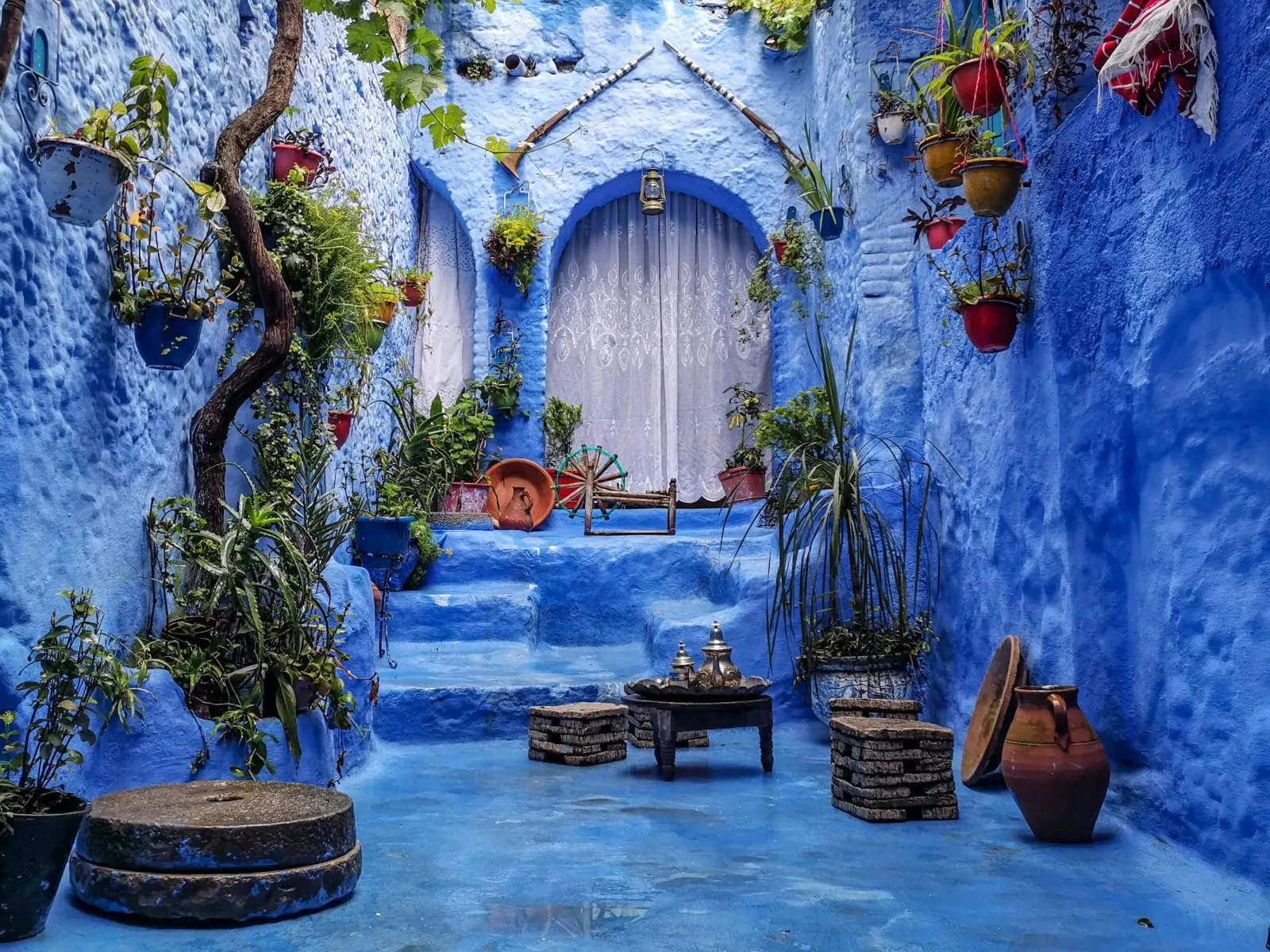
Blue-painted alleys create one of Morocco’s most photogenic scenes
Rif Mountains setting is ideal for gentle walking
Relaxed atmosphere contrasting with the larger city intensity
Local markets selling woven goods and regional products
Rabat and Casablanca
Gateway cities for some itineraries
Hassan II Mosque in Casablanca (one of the few mosques open to non-Muslims)
Historical sites reflecting French influences and modern Moroccan culture
Culinary experiences form an essential thread through these cultural encounters. You’ll taste tagines slow-cooked with preserved lemons and olives, fluffy couscous prepared for traditional Friday meals, and pastilla combining sweet and savory flavors. Street food tours in Fes or Marrakech reveal dishes visitors rarely encounter in restaurants. Home-cooked meals in Berber homes provide intimate glimpses into family life and traditional recipes. Hands-on cooking workshops let you learn techniques for preparing dishes and the famous mint tea that punctuates every Moroccan gathering.
Morocco Classic Tours can design slower-paced itineraries where cultural days in cities alternate with lighter walking days in the surrounding countryside or coastal towns like Essaouira. This “soft adventure” approach works well for travelers more interested in food, architecture, and photography than strenuous hiking.
Share your interests when planning, whether architecture, food, photography, or trekking, so your custom adventure can be built around what genuinely excites you.
This section provides concrete advice to help travelers prepare for Moroccan adventure tours, especially those visiting for the first time.
Packing essentials:
Layered clothing for temperature swings between day and night, particularly in the desert and mountains
Sun protection, including a wide-brimmed hat, quality sunglasses, and high-SPF sunscreen
Light scarf or buff serving multiple purposes: sun protection, sand barrier, and modest covering for religious sites
Comfortable closed footwear suitable for city walking, light hikes, and uneven medina surfaces
Warm fleece or jacket for desert nights from November through March
Light rain layer for spring and autumn travel in the mountains
Money and tipping:
The Moroccan dirham (MAD) is the official currency. While ATMs are common in large cities like Marrakech, Fes, and Casablanca, carrying cash remains important for tips, small purchases, and transactions in rural areas. Credit cards are accepted at larger hotels and restaurants, but rarely in souks, small shops, or desert camps.
US dollars and euros can be exchanged at banks and licensed exchange offices, though the dirham is required for most transactions.
Typical tipping applies to drivers, local guides, desert camp staff, and restaurant service. Morocco Classic Tours provides specific guidance in pre-trip information, helping you budget appropriately without overpaying or inadvertently undertipping.
Health and safety:
Stick to bottled or filtered water throughout your trip
Allow time for gradual adjustment to heat, especially during warmer months
Carry basic travel insurance covering medical needs and trip disruption
Follow local customs, including modest clothing in rural areas and religious sites
Respect public displays of affection, which should be minimal in public spaces
Morocco is generally safe for tourists, though awareness of inherent risks in any travel applies. Morocco Classic Tours uses vetted accommodations and transport throughout. The team monitors road and weather conditions, particularly for mountain passes and desert routes where conditions can change.
Language and communication:
Moroccan Arabic (Darija), Berber languages, and French are widely spoken across the country. Internet access is available in cities and most hotels, though coverage becomes spotty in remote desert areas. Morocco Classic Tours provides English-speaking guides throughout your journey, removing language barriers for sightseeing and cultural interactions. Basic phrases in Arabic or French are appreciated but not required.
For further information about specific destinations, Morocco travel FAQs, or the High Atlas Foundation and other cultural resources, your guide can provide recommendations during your trip.
Peak-season adventures during March through May and September through October should ideally be booked 4-6 months in advance. This lead time secures preferred riads and desert camps, which have limited capacity, especially for private groups and families traveling during school holidays.
For winter and summer trips, 2-3 months' notice is usually sufficient. Last-minute arrangements are sometimes possible, particularly for shorter Marrakech-desert circuits that don’t require coordinating multiple high-demand properties.
Morocco Classic Tours can often arrange private tours on relatively short notice, but flexibility in hotel choice and exact dates may be required. If you have specific accommodation preferences or fixed travel dates, earlier booking is always advisable.
Morocco Classic Tours primarily specializes in private, tailor-made tours for couples, families, and small groups. This means fully private vehicles and dedicated guides throughout your journey, allowing complete control over pacing, stops, and daily schedules.
On certain dates and routes, shared or small-group departures may be offered, especially for popular desert trips during peak season. Travelers interested in joining others can inquire about upcoming group options when contacting the team.
Solo travelers should request a custom quote. Itineraries can be adjusted to keep costs manageable while still providing a safe, guided adventure with professional support throughout.
Many Morocco Classic Tours itineraries are family-friendly, designed with shorter driving days, child-appropriate activities, and flexible start times. Gentle camel rides, easy walks through villages, and hands-on cooking experiences engage younger travelers while keeping physical demands reasonable.
For travelers over 60 or those with mobility concerns, tours can be paced more gently. The team can recommend riads with easier access and fewer staircases, substitute shorter walks for demanding treks, and build in more rest time between activities.
Sharing any health or mobility information during planning ensures the itinerary, vehicle type, and daily schedule can be adapted accordingly. This proactive communication helps create a comfortable experience regardless of age or physical condition.
Basic walking fitness is sufficient for most Morocco Classic Tours itineraries. Typical days involve several hours of walking or standing during sightseeing, plus optional light hikes that most reasonably active visitors can handle comfortably.
More demanding options like multi-day trekking around Toubkal or longer hikes in the gorges are only included if specifically requested. The tour can be tailored to mild, moderate, or more vigorous activity levels based on your preferences and capabilities.
Discuss your fitness level and expectations during the planning phase. This conversation helps ensure driving times, hiking distances, and daily schedules match your comfort level, preventing unpleasant surprises during your trip.
Common dietary needs, including vegetarian, vegan, gluten-free, and lactose-free, can normally be accommodated in cities, desert camps, and most rural guesthouses when notified in advance. Moroccan cuisine naturally features many vegetable-based dishes and can be adapted relatively easily.
Travelers with severe allergies to nuts, gluten, seafood, or other ingredients should communicate details before booking. This allows Morocco Classic Tours to check with accommodation and restaurant partners to ensure safe options are available throughout the journey.
Carrying a translation card explaining your restrictions in French and Moroccan Arabic provides extra clarity in local eateries, especially outside major cities where English is less common.
Compare Morocco group tour agencies by trip style, reviews, pace, transport and inclusions. Learn wh...
Read this article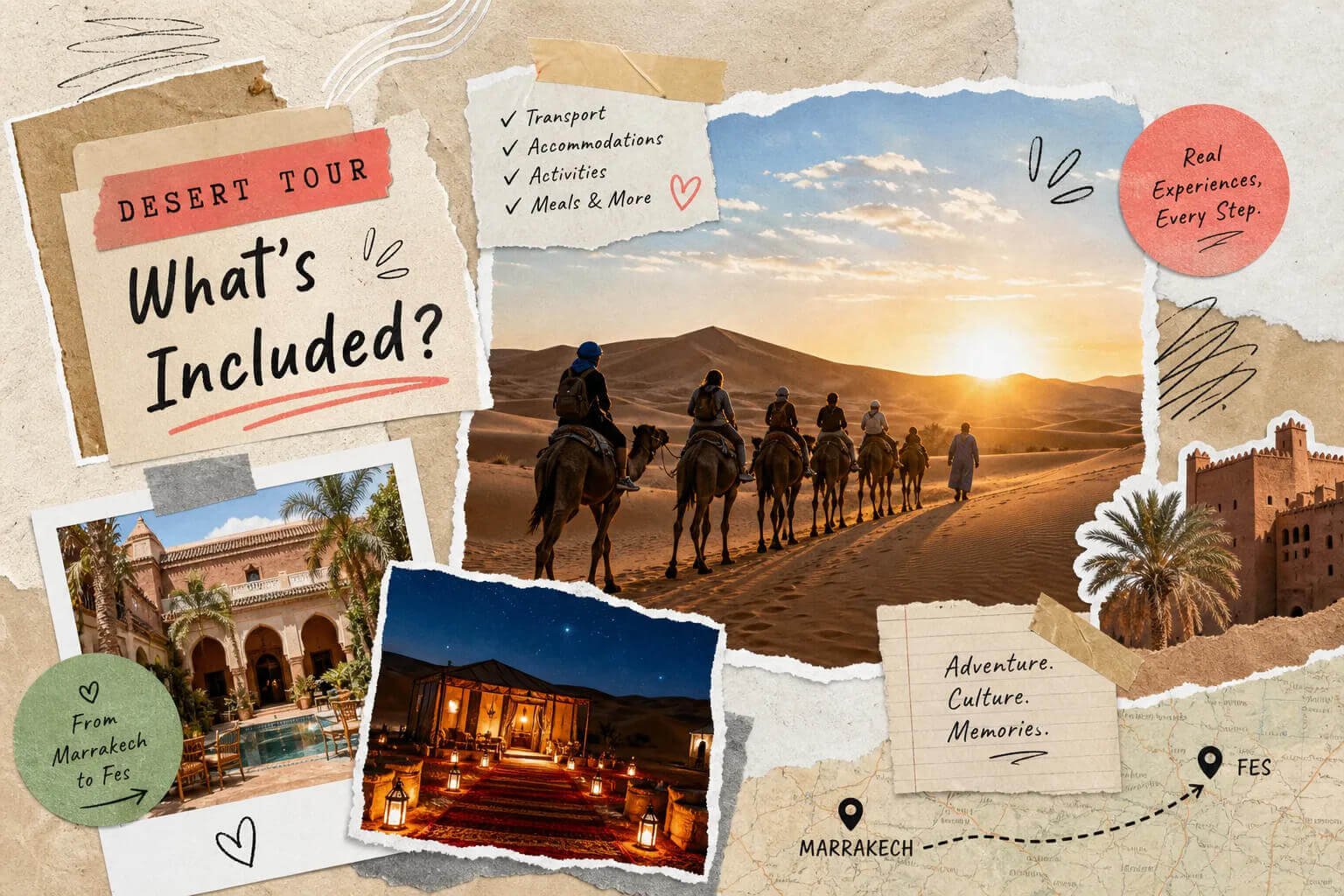
Uncover what a Marrakech to Fes desert tour offers, including camel rides, desert camps, and rich cu...
Read this article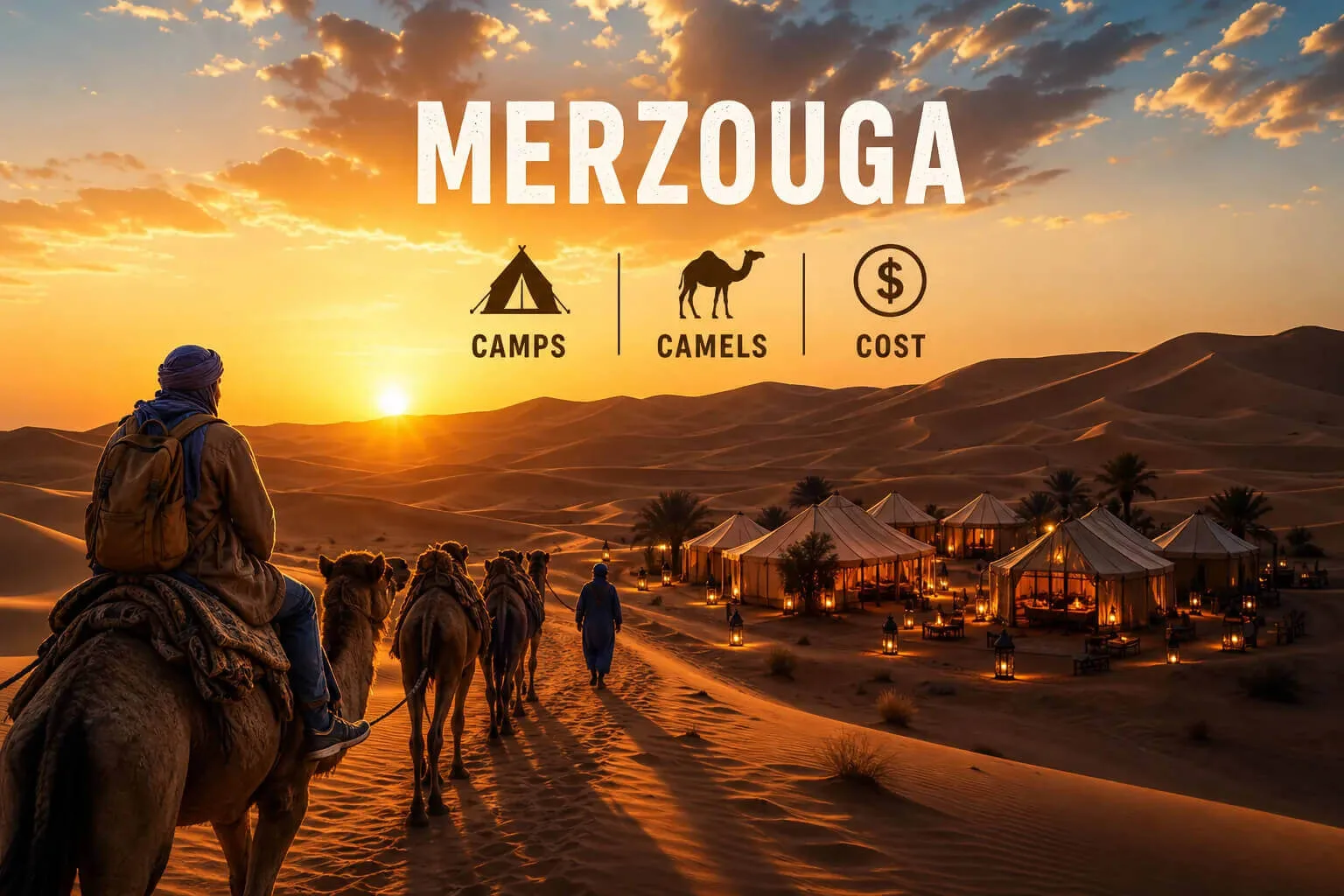
Join our Merzouga Overnight Tour for an authentic desert experience. Enjoy camel rides, comfortable ...
Read this articleWant cool tour deals and tips about Morocco? Enter your email and we’ll send them to you each month!
