Group Tour Agencies in Morocco: How to Pick the Right One
Compare Morocco group tour agencies by trip style, reviews, pace, transport and inclusions. Learn wh...
Read this article

Private, custom Morocco trips planned in Fez by AZ-ZDDINE, working in Moroccan tourism since 2012. Sahara, Atlas, medinas and coast, arranged around you.
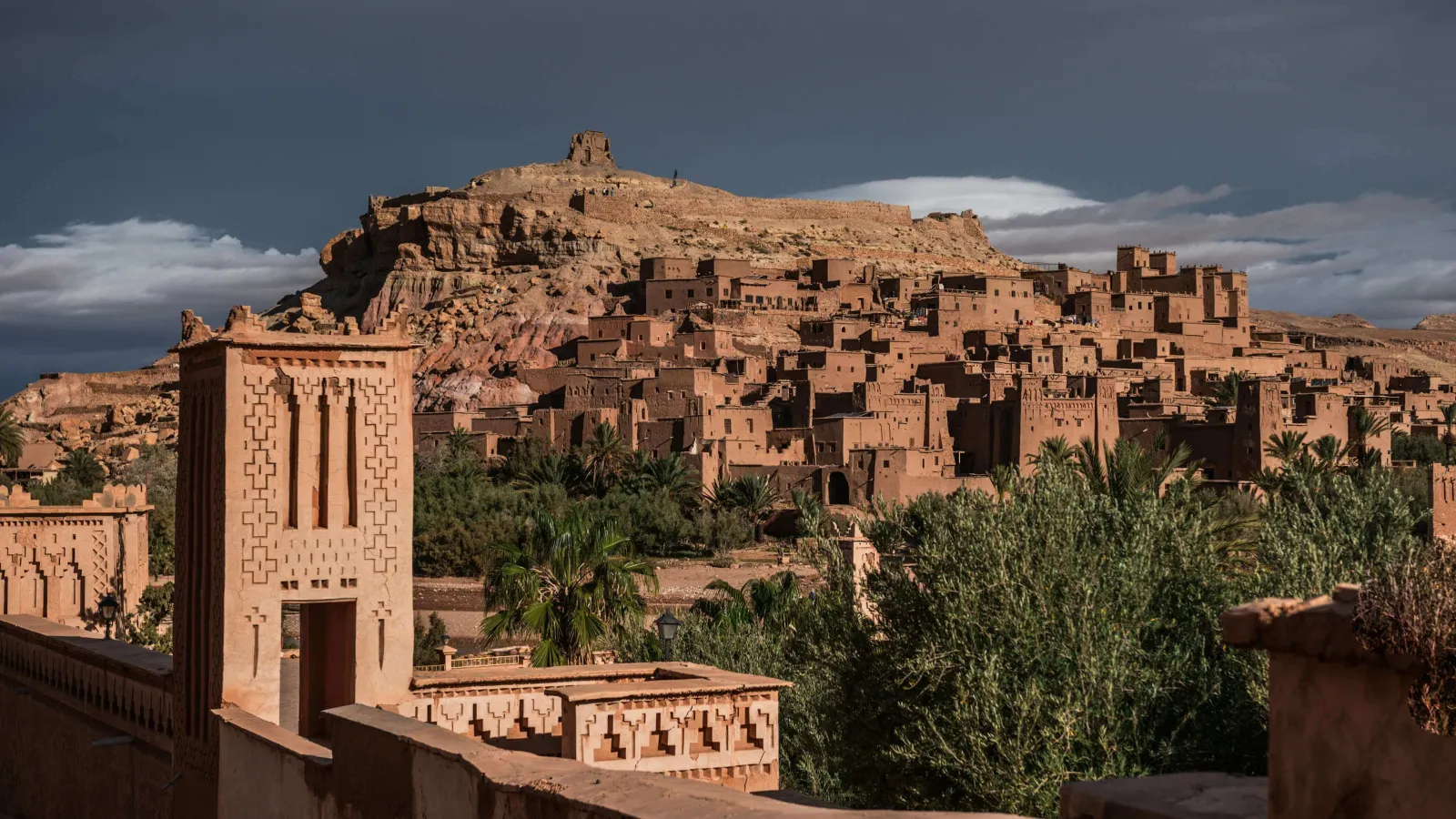
Picture this: you leave the chaotic souks and warm terracotta walls of Marrakech behind, climb through the twisting roads of the High Atlas, and a few hours later you find yourself standing on a golden dune ridge watching the sun sink into an ocean of sand. That contrast-city to summit to desert-is exactly what makes a Sahara Desert tour from Marrakech one of the most unforgettable travel experiences in the world.
This guide covers everything you need to know before booking: distances, driving times, itinerary options, costs, packing advice, camp facilities, and the honest answers to every question travelers ask us at Morocco Classic Tours. Whether you are a solo adventurer, a couple on a bucket list trip, or a family looking for an amazing experience, the information below will help you plan with confidence.
A true Sahara desert tour from Marrakech to the Erg Chebbi dunes near Merzouga covers approximately 560 km each way (around 9–10 hours of driving), making a minimum of 3 days and two nights the realistic starting point for a meaningful desert experience.
Morocco Classic Tours offers both private tours and small group tours from Marrakech with flexible 3–5 day itineraries, comfortable vehicles, and handpicked desert camps with private bathrooms, hot water, and quality meals.
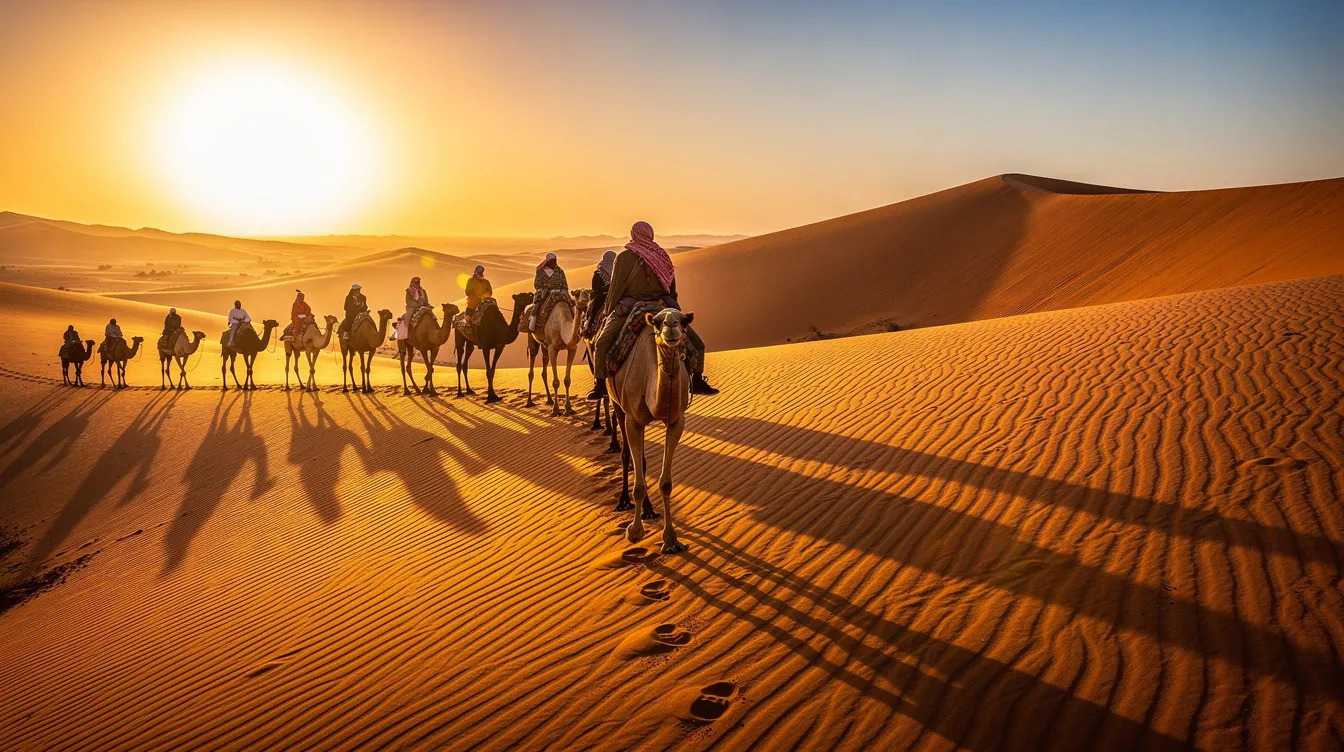
The camel ride to the desert camp at Erg Chebbi typically lasts 45–90 minutes one way-camel trekking often occurs at sunset-and you should pack loose clothing, sun protection, warm layers for night, and a power bank.
A same-day trip from Marrakech to the Sahara is not realistically possible; 2 days is tight and better suited to Zagora; 3–4 days is the ideal length. Most Sahara desert tours last 3 to 5 days.
The best time to visit is October to April, with October being the most popular month for tours. Sahara desert tours typically cost between 70 USD and 700 USD depending on group size, camp level, and whether you choose a private or shared option. Morocco Classic Tours can customize routes to finish in different locations such as Fes or Casablanca.
Marrakech is where most travelers begin their Morocco adventure, and for good reason. The city is a sensory overload of spice-scented markets, riad courtyards, and the endless buzz of Jemaa el-Fnaa square. But beyond the red walls lies a landscape that shifts dramatically with every hour of driving-snow-dusted mountain passes, fortified kasbahs perched above river valleys, narrow gorges carved through red rock, and finally the vast golden dunes of the Sahara.
A "Sahara Desert tour from Marrakech" typically follows this arc: you cross the High Atlas Mountains via the Tizi n'Tichka pass, visit the ancient ksar of Ait Ben Haddou, pass through Ouarzazate and the valley of roses, wind through Dades Gorge and Todra Gorge, and arrive at Merzouga, the gateway to the Erg Chebbi dunes. There, you switch from car to camels for the trek to a desert camp where dinner, traditional Berber music, and a sky full of stars await.
Morocco Classic Tours is a Fez-based, Moroccan-owned tour operator offering curated Sahara Desert tours with local guides, private vehicles, and handpicked accommodation. Our tours run as either a fully customizable private tour or a more social and budget-friendly group tour, both with comfort-focused planning. And because we operate across Morocco, itineraries can end back in Marrakech or continue to different locations-Fes, Casablanca, Chefchaouen, or even the Atlantic coast-so the desert fits neatly into a wider Morocco itinerary.
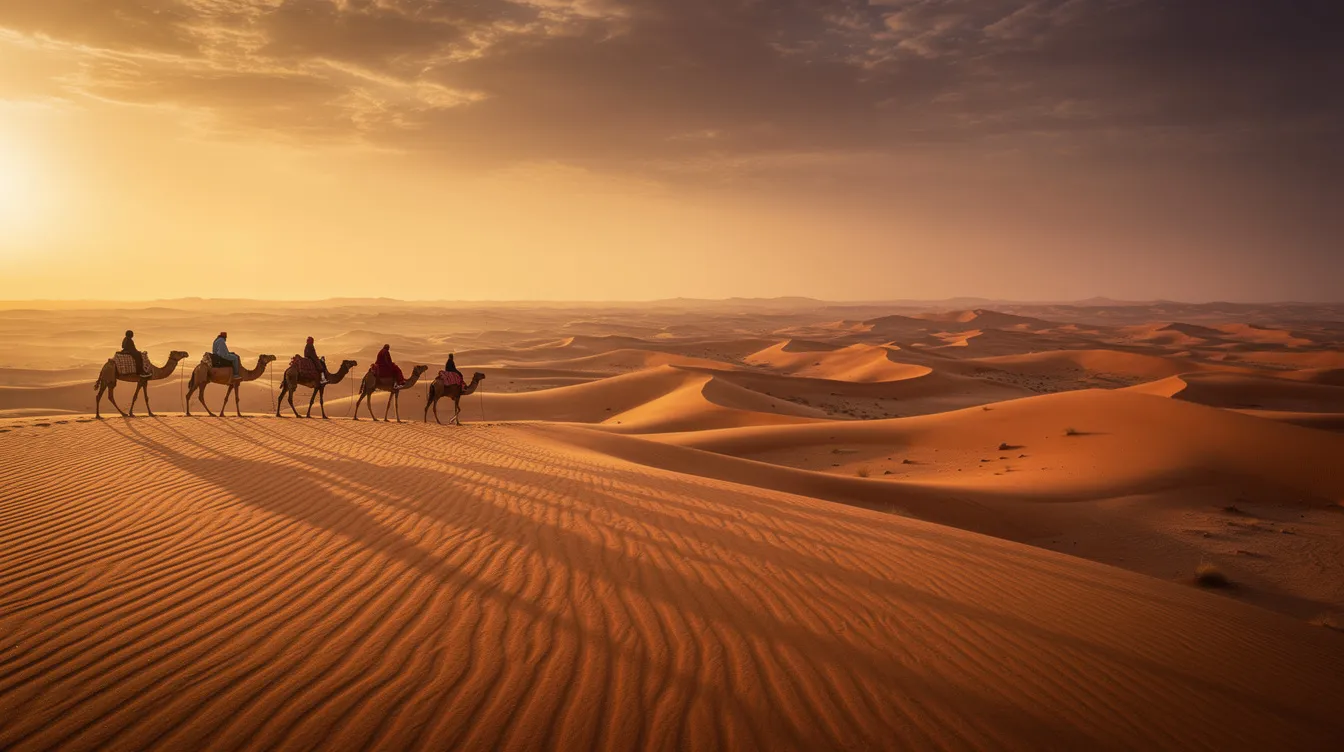
The direct answer: for the real Sahara-meaning the Erg Chebbi dunes near Merzouga-you need at least 3 days and two nights from Marrakech. That gives you enough time to travel down comfortably, arrive before sunset, enjoy a night in a desert camp, and return without spending every waking minute in a vehicle. A 4–5 day itinerary gives a more relaxed pace and lets you add an extra day for dune activities or deeper exploration of the valleys and gorges along the way.
It is important to understand the difference between shorter 2-day "desert tours" to Zagora and full Sahara desert tours to the Erg Chebbi dunes. Zagora is closer (about 7 hours of driving from Marrakech) and has smaller, flatter dunes. It works for travelers who are extremely short on time but still want a taste of the desert. The Erg Chebbi dunes, by contrast, are the largest in Morocco-some reaching 150 meters high-and offer the dramatic desert landscapes most people picture when they imagine the Sahara.
Here is a quick comparison of common options:
2-day Marrakech–Zagora: Semi-desert, smaller dunes, one night in a basic camp. Good for travelers with very limited time.
3-day Marrakech–Merzouga–Marrakech: The most popular format. Enough time for major scenic stops, a sunset camel trek, and one night in the desert.
3-day Marrakech–Merzouga–Fes: Same route outbound, but continues north to Fes instead of backtracking. Ideal if Fes is your next stop.
4–5 day extended Sahara tours: Adds a full day at Erg Chebbi for activities (4×4 tours, sandboarding, visiting nomad families) and more relaxed driving days with deeper cultural stops.
<!-- Inserted Table for Tour Duration Comparison --> <table> <thead> <tr> <th>Tour Duration</th> <th>Key Features</th> <th>Best For</th> </tr> </thead> <tbody> <tr> <td>2-day Marrakech–Zagora</td> <td>Semi-desert, smaller dunes, one night in a basic camp</td> <td>Travelers with very limited time</td> </tr> <tr> <td>3-day Marrakech–Merzouga–Marrakech</td> <td>Major scenic stops, sunset camel trek, one night in the desert</td> <td>Most popular; those wanting a full Sahara experience in minimum time</td> </tr> <tr> <td>3-day Marrakech–Merzouga–Fes</td> <td>Same as above, but continues north to Fes</td> <td>Travelers heading to Fes next</td> </tr> <tr> <td>4–5 day extended Sahara tours</td> <td>Extra day at Erg Chebbi for activities, more relaxed pace, deeper exploration</td> <td>Those wanting more activities, comfort, and cultural stops</td> </tr> </tbody> </table>
Is 2 days enough for the Sahara desert from Marrakech? For Erg Chebbi, no. The roughly 560 km distance each way means you would spend most of both days driving and have almost no time in the dunes. Two days works for Zagora, but for the true Sahara experience, plan at least three.
Below are sample tour itineraries Morocco Classic Tours regularly runs. Each can be adjusted on a private tour basis-swapping stops, changing accommodation levels, or adding activities.
3-Day Marrakech–Sahara–Marrakech
On the first day, you leave Marrakech early and cross the High Atlas Mountains over Tizi n'Tichka pass, stopping for panoramic views and tea. After descending, you visit the UNESCO-listed ksar of Ait Benhaddou, then continue through Ouarzazate-home to Morocco's famous film studios-before reaching the Dades Gorge area for dinner and an overnight stay in a hotel or guesthouse among the palm groves.
The second day begins with a drive through the winding road of Dades Gorge, then east through Tinghir to Todra Gorge, where towering rock formations rise over 300 meters on either side. After lunch, you continue through Erfoud to Merzouga, arriving in the late afternoon. Here you mount camels for a sunset trek across the Erg Chebbi dunes to your desert camp. After watching the sun set from the dune crest, you settle into camp for dinner, live music, and stargazing. Most tours include a boutique hotel stay before desert camping, and this itinerary delivers exactly that.
Day three starts before dawn with a walk or short camel ride to catch sunrise over the dunes. After breakfast at camp, you travel back toward Marrakech via a southern route through Alnif or Nkob and Ouarzazate, arriving in the evening.
4-Day Marrakech** Sahara Tour with Extra Day at Erg Chebbi**
This itinerary follows the same outbound route but adds a full extra day around the dunes. That second day at Merzouga can include a 4×4 tour of the surrounding Berber villages and oasis towns, sandboarding down the dune faces, a quad biking session, or relaxed tea with a nomad family. Tour operators often provide options for quad biking or sandboarding experiences, and an extra day makes these possible without rushing. You spend a second night in your desert camp-or upgrade to a different camp-before returning to Marrakech on day four.
For the 5-day version, the pace is even more comfortable, with overnights in Skoura, Dades Valley, and Merzouga before a leisurely return.
3-Day One-Way: Marrakech–Sahara–Fes
This route is ideal for travelers who do not want to backtrack. After two days following the standard route to Merzouga, day three takes you north through the Ziz Valley, past Midelt, through the Azrou cedar forest, and the town of Ifrane before arriving in Fes. The scenery on this leg is completely different-green valleys, cedar groves, and Middle Atlas mountain villages. Morocco Classic Tours can arrange a 5-day Marrakech to Fes tour for those who want even more time along this route, and can customize the exact itinerary to finish in Casablanca or Tangier if needed.
The journey to the Sahara is as memorable as the dunes themselves. Morocco Classic Tours builds scenic stops into every desert tour, turning the long drive into a series of memorable encounters with Morocco's most striking landscapes.
Tizi n'Tichka Pass
The highest paved pass in North Africa at approximately 2,260 meters. The road climbs through terraced Berber villages, walnut groves, and increasingly barren mountain scenery. The High Atlas Mountains feature scenic drives and Berber villages that offer a first taste of rural Morocco. Plan for about 1.5 hours to cross from the Marrakech side to the southern slopes.
Ait Ben Haddou
A UNESCO World Heritage ksar built from packed earth, featured in films like Gladiator, Lawrence of Arabia, and Game of Thrones. Tours often include visits to UNESCO World Heritage sites like Ait Ben Haddou, and a guided walk through the narrow alleys to the rooftop viewpoint takes about 45 minutes. There is a small entrance fee for some sections.
Ouarzazate
Known as the "Gateway to the Desert" and home to Atlas Film Studios. A quick photo stop here is standard on most tours before continuing east toward the valleys.
Skoura Oasis & Rose Valley
Skoura is a lush oasis of date palms and kasbahs, a quiet contrast to the arid landscape around it. Further east, the Rose Valley (Kelaat M'Gouna) bursts with pink blooms in April and May.
Dades Gorge & Todra Gorge
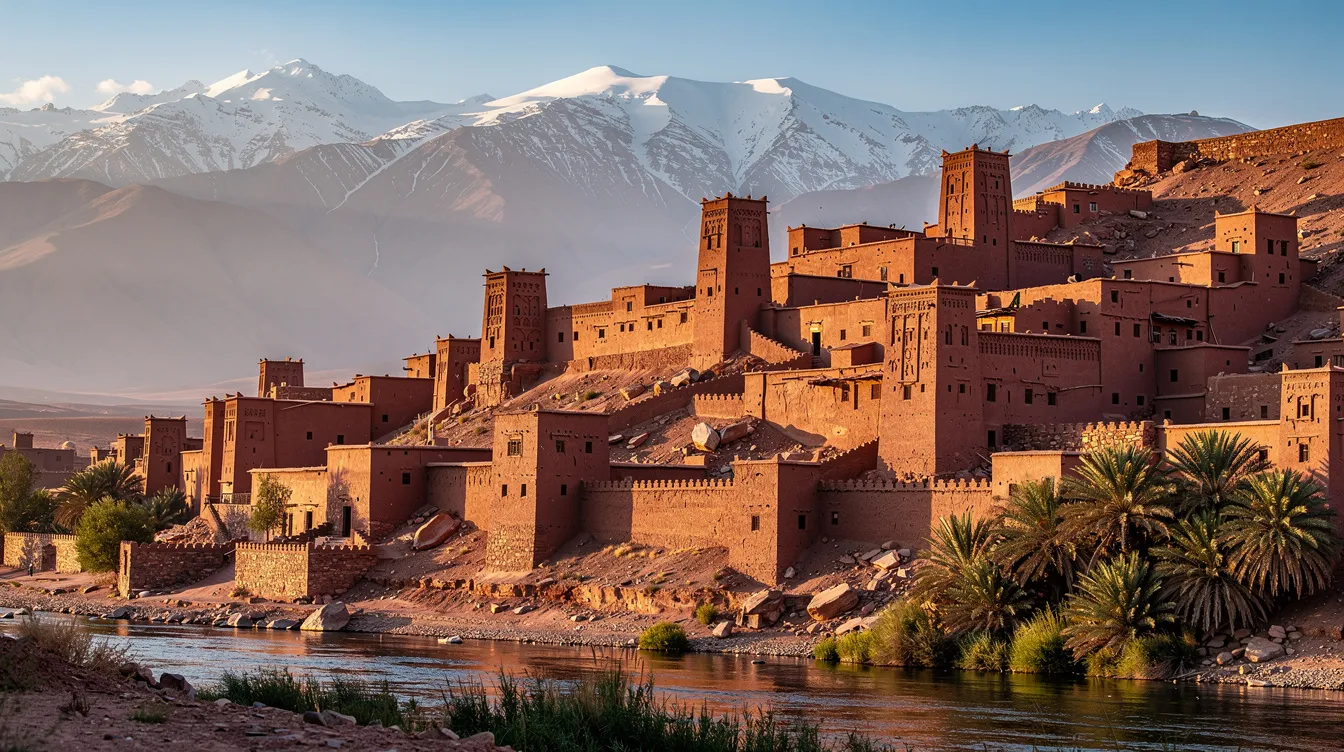
Two of Morocco's most dramatic canyon landscapes. The Dades Gorge features serpentine roads, layered red and orange rock formations, and small guesthouses perched above the riverbed. Todra Gorge narrows to a slot canyon only 10 meters wide with walls rising over 300 meters-a popular spot for a short walk and photography. Both gorges run through valleys dotted with Berber villages where daily life has changed little in centuries.
Ziz Valley
On the eastern approach to Merzouga, the Ziz Valley opens into a vast palm grove with panoramic views from the roadside viewpoints. The scenery shifts noticeably here as the terrain flattens and sand begins to appear.
Erg Chebbi Dunes
The final destination. Erg Chebbi is Morocco's most impressive dune field-golden sand that turns orange, red, and pink depending on the light, with dunes reaching up to 150 meters. The proximity to Merzouga village means there is a wide selection of quality desert camps, and sunrise and sunset here are consistently ranked among travelers' most vivid memories of Morocco.
Morocco Classic Tours offers both private tours and small group tours from Marrakech to the Sahara, and the right choice depends on your budget, travel style, and flexibility needs.
A private tour means a dedicated 4×4 or minivan, custom dates, flexible stops, and the option to choose your desert camp category. You set the pace-lingering at a gorge for photography, skipping a stop that does not interest you, or adding a detour to a market town. Private tours offer flexible itineraries and comfort upgrades, and they work especially well for couples, families, and photographers who want control over their schedule. Private tours are generally more expensive than group tours, but the cost per person drops significantly with three or more travelers sharing.
A group tour uses a shared vehicle with a fixed departure date and set itinerary. Stops and timing are predetermined, but the price per person is considerably lower. This format suits solo travelers, friends on a budget, or anyone who enjoys meeting fellow tourists along the way.
Which Sahara desert tour from Marrakech is best? There is no single answer. Families and couples usually prefer a private tour for pacing and comfort. Budget travelers and solo adventurers often find group tours more practical and social. For a luxury experience, a private tour with an upgraded camp is the clear choice.
When comparing any desert tours from different providers, ask about group size limits, type of vehicle, and whether the desert camp has private bathrooms-these details make or break the experience.
Late afternoon at Merzouga. The car stops at the edge of the sand. Camels are waiting, saddled and patient. You climb on, and the trek begins-a slow, rhythmic walk into a landscape that grows quieter and more golden with every step.
How long is the camel ride to the desert camp?
The camel ride to a standard desert camp at Erg Chebbi usually lasts 45–60 minutes one way. Camps located deeper into the dunes can require up to 90 minutes. Camel trekking typically lasts about 2 hours when you count both directions, and sunset camel treks are the most common activity. Camel trekking often occurs at sunset in the Erg Chebbi dunes, when the light is warm and the sand glows orange.
A typical evening in camp
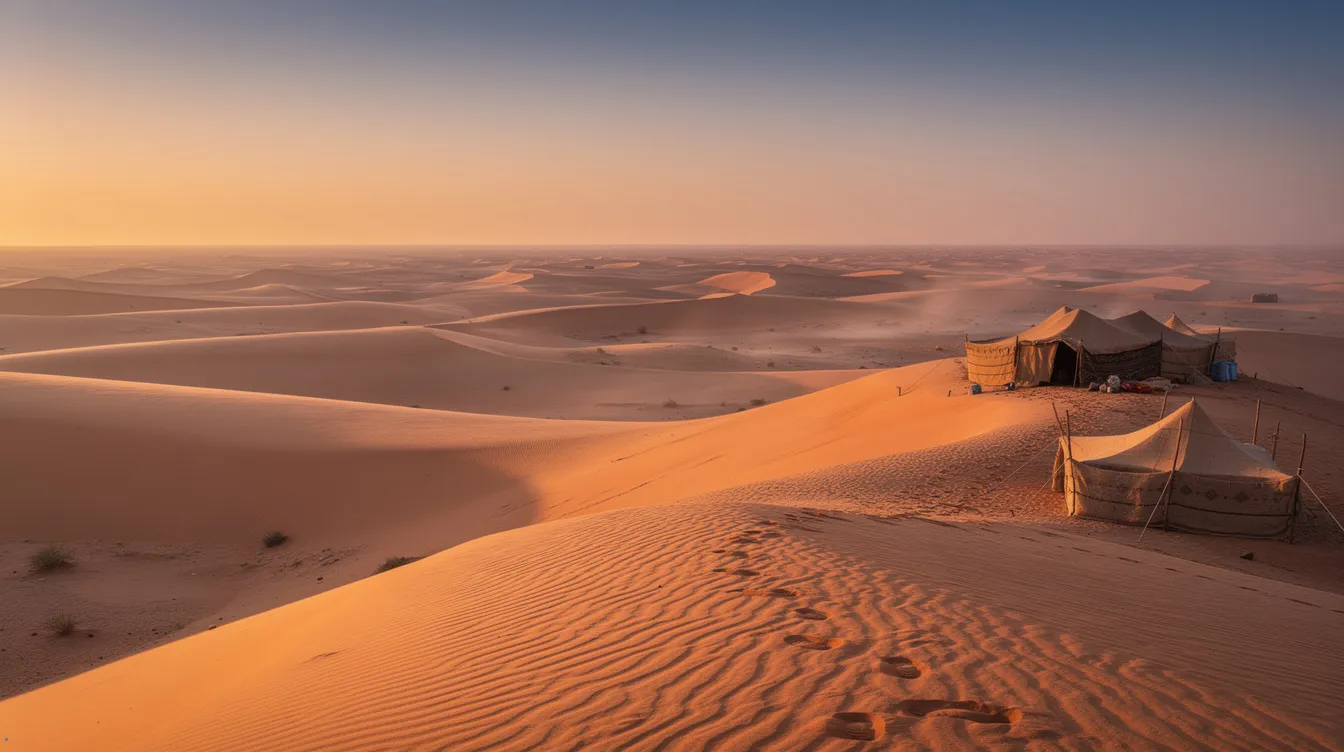
You arrive to welcome mint tea and settle into your tent. After watching the sunset from a nearby dune ridge, dinner is served-usually a tagine or couscous with salad, bread, and fruit. Desert camps often provide traditional meals and entertainment: evening activities may include local Berber dinners and stargazing. After dinner, traditional Berber music is often performed around campfires, with drums and singing under a sky thick with stars. Many tours offer opportunities to watch sunrise over the dunes the next morning, and the pre-dawn walk up the closest dune is worth every early step.
Camp standards
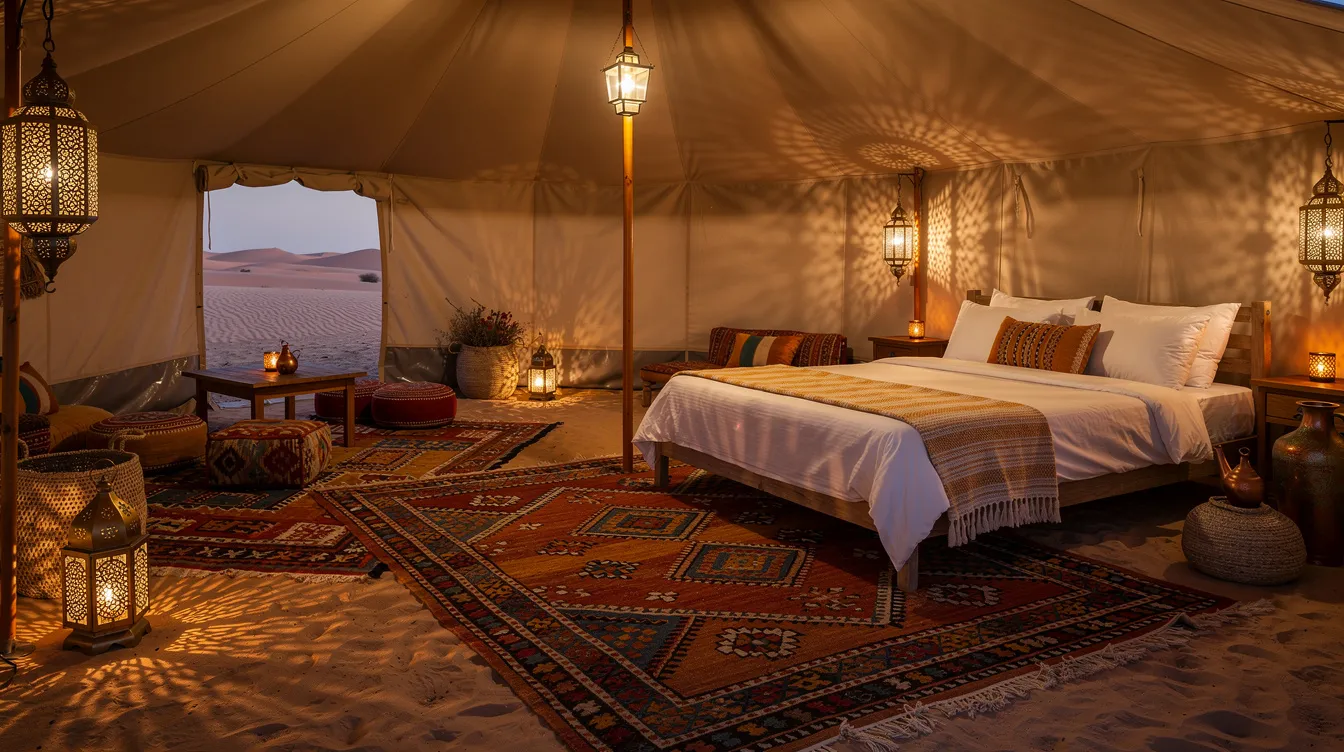
Desert camping offers traditional or luxury nomadic tents with modern amenities. Morocco Classic Tours works with two camp tiers:
Standard desert camp: Clean, comfortable tents with beds and blankets, shared bathroom facilities, communal dining area. Basic camps may lack private bathrooms and proper beds, so ask specifically before booking.
Luxury desert camp: Larger tents with rugs, real beds, ensuite bathrooms with flush toilets and hot showers, sometimes solar-powered electricity and limited Wi-Fi near the dining tent. Luxury desert camps offer private bathrooms and spacious tents. Luxury camp upgrades can cost around 60 Euros per person above the standard option.
Do desert camps in Merzouga have real toilets? Yes-luxury and upgraded camps have flush toilets and hot water. Standard camps typically have shared squat or sit-down toilets.
Do I need to bring my own toilet paper to the Sahara Desert? It is advisable. Some camps provide it; others do not. Packing a small roll, wet wipes, and hand sanitizer is a simple precaution that avoids frustration.
Reaching the Sahara from Marrakech involves long but scenic drives, and your comfort depends greatly on vehicle quality, driver experience, and how many stops are built into the day.
How far is the Sahara Desert from Marrakech?
The distance between Marrakech and Merzouga (Erg Chebbi) is approximately 560–580 km via the standard scenic route through the High Atlas, Ouarzazate, and the gorges. Zagora is closer, at roughly 450–470 km. You can verify this on Google Maps, but note that actual travel times are longer than the app estimates due to mountain roads and stops. For a deeper breakdown, see our guide on how far the Sahara Desert is from Marrakech.
How many hours is the drive from Marrakech to the Sahara Desert?
The Sahara Desert is roughly a 9 to 10-hour drive from Marrakech to Merzouga, including realistic stops for photos, tea, and lunch. The drive to Zagora is about 7–8 hours. Is Marrakech close to the Sahara Desert? In air distance, it is not terribly far, but by road-over mountains and through valleys-it is a full day's journey each way.
Is the Sahara Desert tour worth it?
Yes-overwhelmingly so. The value extends far beyond the dunes themselves. The journey crosses the High Atlas Mountains, drops through valleys lined with kasbahs, passes through narrow gorges with dramatic rock formations, and ends in one of the most visually striking desert landscapes on earth. The night sky alone, free of light pollution, is something most travelers have never experienced. Temperatures in the desert swing dramatically between day and night, which gives the landscape a completely different character at sunrise versus sunset. For most visitors, a Sahara desert tour ranks as the single highlight of their time in Morocco.
Is a day trip to the Sahara possible?
No-not to Erg Chebbi. You would spend nearly all day driving and have almost no meaningful time in the dunes. The closest desert-like alternative is the Agafay Desert, a rocky plateau about an hour from Marrakech that offers half-day camel ride and overnight camp experiences. It is scenic but not the true Sahara.
Packing smartly makes the difference between a comfortable and uncomfortable Sahara desert tour. You do not need a lot, but you need the right things.
What should I wear for a camel trek in Morocco?
Long, loose trousers (not jeans-they chafe during the ride)
Breathable long-sleeve shirt to protect from sun and sand
Closed shoes with grip for walking on dunes and rocky paths; sandals for camp
Scarf or shemagh to wrap around your face during wind and sand
Sunglasses with good UV protection
Hat with a brim for midday sun
For detailed advice on dressing for Morocco's varied climates, see what clothes to wear in Morocco.
What do I need to pack for a Sahara desert tour?
Warm layers for cold nights: fleece, down jacket, or thermal wear (winter nights can drop to 6°C in the desert)
Sun hat and SPF 50+ sunscreen
Lip balm with UV protection
Flashlight or headlamp for moving around camp at night
Power bank for charging phones (electricity in camps is limited)
Personal medication
Toilet paper, wet wipes, and hand sanitizer
Small backpack or overnight bag (your main luggage stays in the vehicle)
Bringing cash is advisable as many remote places do not accept cards-carry Moroccan Dirham for tips, drinks, and small purchases
Water bottle
Avoid hard backpacks with metal frames on camels-they are uncomfortable for both you and the animal. Keep valuables in a small cross-body bag. Morocco Classic Tours vehicles can store your main luggage while you take only a small backpack on the camel to the desert camp.
Price and comfort vary with season, group size, and the level of accommodation you choose for the desert camp and hotels along the route.
How much does it cost to go to the Sahara Desert?
Sahara Desert tours typically cost between 70 USD and 700 USD, depending on duration, group size, and comfort level. Here is a general breakdown for a 3-day tour from Marrakech to Erg Chebbi:
Tour Type | Approximate Cost Per Person |
|---|---|
Budget group tour (shared vehicle, standard camp) | USD 150–300 |
Mid-range private tour (2–4 travelers) | USD 350–600 |
Luxury private tour (ensuite camp, premium service) | USD 500–800+ |
A 3-day, 2-night tour usually costs around 300€ online when booked through a reputable tour company. Prices for luxury desert camps can add 60 Euros per person on top of the standard rate. | |
Booking tours in Morocco can save you up to 75% on costs compared to booking through international platforms-prices can be 1/4 lower when booking in Morocco directly. Most tours can be booked as late as the day before departure, and you should expect to negotiate prices when booking on-site. However, pre-booking with an established tour operator like Morocco Classic Tours means you get confirmed accommodation, a clear exact itinerary with transparent inclusions, and no last-minute surprises. For a full overview of available options, visit our Marrakech desert tours page.
Which month is best to visit the Sahara Desert?
The best time to visit is October to April. Spring and autumn are especially popular for tours, offering warm days (22–30°C), cool but comfortable nights, and excellent light for photography. October is the most popular month for tours.
<!-- Inserted Seasonal Climate Information as Bullet List --> Seasonal Climate Quick Reference:
Best Months: October to April (warm days, cool nights, ideal for photography)
Spring & Autumn: Warm days (22–30°C), comfortable nights
Summer (June–August): Temperatures can exceed 40°C in the Sahara. Midday activities are restricted, and some camps reduce services. Not recommended unless you handle extreme heat well.
Winter (December–February): Days are mild and pleasant for walking and exploring. Winter nights can drop to 6°C in the desert, so camps with heating or heavy blankets are essential. The skies tend to be exceptionally clear.
Morocco Classic Tours can advise on shoulder seasons like late September and early May, and adapts departure times and camp activities to the season for maximum comfort.
Sahara desert tours with Morocco Classic Tours are generally safe and suitable for most ages. Vehicles are modern with air-conditioning, drivers are experienced on mountain and desert roads, and guides are locally licensed.
On the road, expect regular rest stops, careful driving over Tizi n'Tichka (the pass has sharp bends but is well-paved), and flexibility for photo breaks. If you are prone to motion sickness, sit in the front seat for the mountain sections and carry medication.
What to avoid in Marrakesh?
This question usually comes up in the context of booking desert tours. The main things to avoid:
Unlicensed street touts near Jemaa el-Fnaa selling ultra-cheap desert tours with vague details
Paying the full tour price in cash without written confirmation of the itinerary, camp name, and inclusions
Aggressive sales tactics that pressure you into booking on the spot
Tours priced suspiciously low-they often cut corners on camp quality, vehicle safety, and meals
Research tour companies with positive reviews before booking. A reputable company will provide a clear itinerary, confirmed camp names, transparent inclusions and exclusions, and responsive communication before you arrive.
A short note on health: stay hydrated, especially in warmer months. Wear sunscreen during both city walks and desert travel. Respectful dress (covering shoulders and knees) is appreciated in both Marrakech and rural Berber villages along the route.
Morocco Classic Tours is a specialist in private and small-group Morocco tours, including Sahara Desert tours from both Marrakech and Fes. As a Fez-based DMC, we combine deep local knowledge with responsive English-speaking trip planners who handle every detail.
What sets us apart:
Customizable tour itineraries tailored to your dates, pace, and interests
Choice of standard or luxury desert camp with confirmed amenities
Vetted local guides and comfortable, well-maintained vehicles
Ability to combine a Marrakech Sahara desert tour with a Fes medina tour, Chefchaouen visit, or Atlantic coast stay
Optional extras: ATV/quad biking on the dunes, food tours in Marrakech, Atlas Mountain day hikes
Whether you are planning a family trip, a honeymoon, a solo adventure, or a photography-focused journey, we adapt the itinerary to fit. Contact Morocco Classic Tours for a tailored quote-tell us your dates, group size, and where you want to finish, and we will build the rest.
Below are practical questions we hear regularly that are not fully covered above. Each answer is based on Morocco Classic Tours' experience and common practices across Sahara desert tours.
No high level of fitness is required. Most of the journey is by vehicle, with optional short walks at scenic stops and a gentle camel ride to the desert camp. The walk up a dune for sunrise takes about 15–20 minutes at your own pace. Travelers with back or hip issues can usually request a 4×4 transfer to camp instead of riding a camel-this is easily arranged on a private tour with Morocco Classic Tours. If you have specific mobility concerns, mention them when booking so that accommodation and camp placement can be adjusted accordingly.
Mobile coverage around Merzouga and the edges of Erg Chebbi is surprisingly good in many spots, but signal typically drops once you are deep among the dunes and inside the camp. Some luxury desert camps offer limited Wi-Fi near the dining tent, while standard camps generally do not. Many travelers welcome the chance to disconnect for one night, but if you need to stay in contact, Morocco Classic Tours staff and camp teams can assist with emergency communication.
Yes. Morocco Classic Tours regularly hosts families with children of various ages. Camel rides can be adapted-shorter durations, or a child sharing a camel with a parent. A private tour allows easier pacing with more frequent stops. For younger children, bring snacks, warm pajamas, and a small activity or book for the evening at the desert camp. The experience of sleeping under the stars and riding camels tends to be a highlight for kids of all ages.
Sandstorms and heavy rain are rare but can occur, especially in late winter and early spring. Safety always comes first. In the event of strong winds, camel treks may be shortened or replaced by a 4×4 transfer to camp. Outdoor dinners can be moved into sheltered tents. Morocco Classic Tours monitors conditions closely and can adjust departure timing or activity scheduling to work around weather while still ensuring you reach the dunes.
Absolutely. Morocco Classic Tours frequently arranges one-way Sahara Desert tours- for example, a 3-day Marrakech–Erg Chebbi–Fes route, or a 4–5 day itinerary ending in Casablanca. The route to Fes passes through the Ziz Valley, Midelt, and the Azrou cedar forest, offering very different scenery from the outbound journey through the gorges. Mention your onward travel plans when enquiring so that routes, driving times, and overnight stops can be optimized for your trip.
Compare Morocco group tour agencies by trip style, reviews, pace, transport and inclusions. Learn wh...
Read this article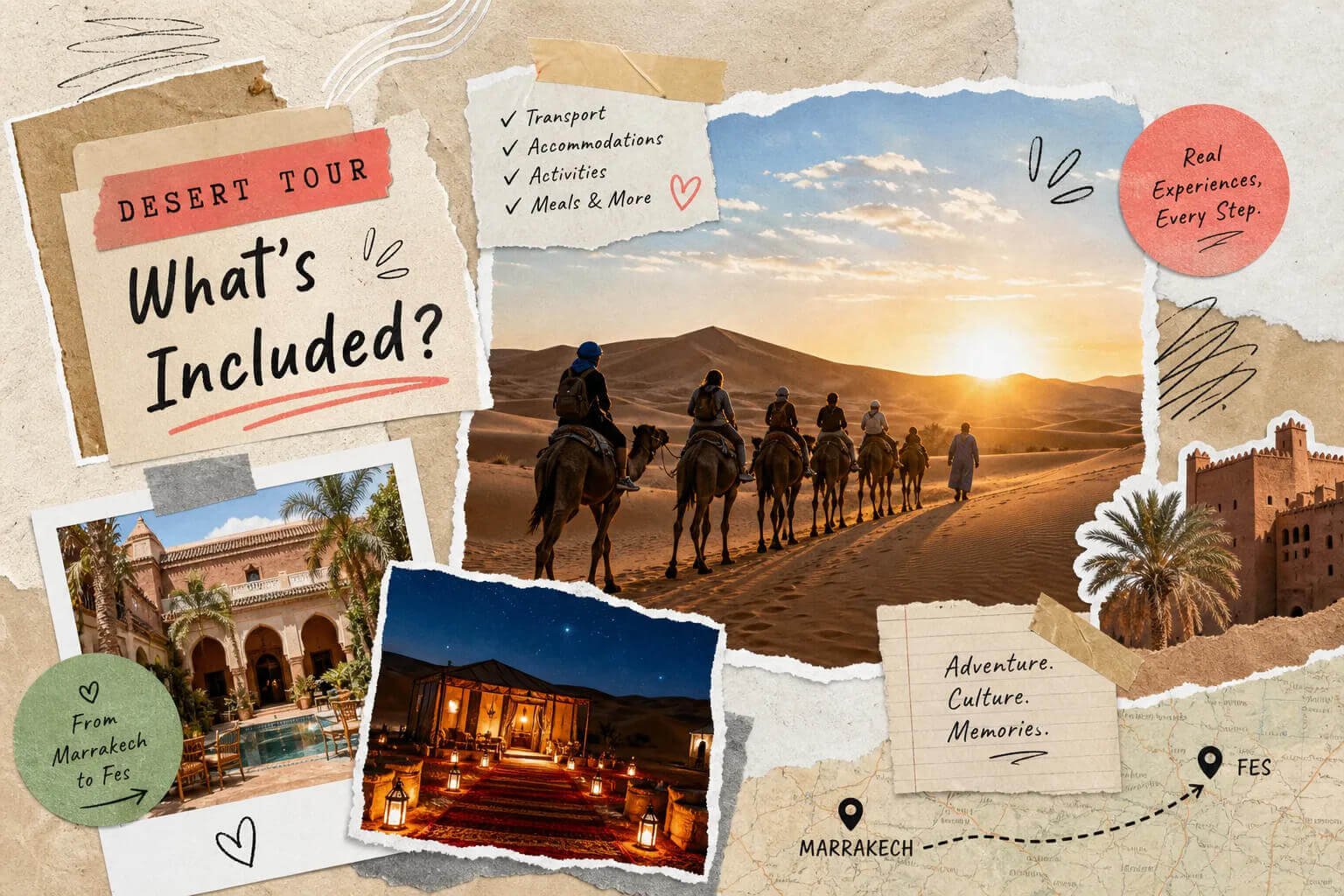
Uncover what a Marrakech to Fes desert tour offers, including camel rides, desert camps, and rich cu...
Read this article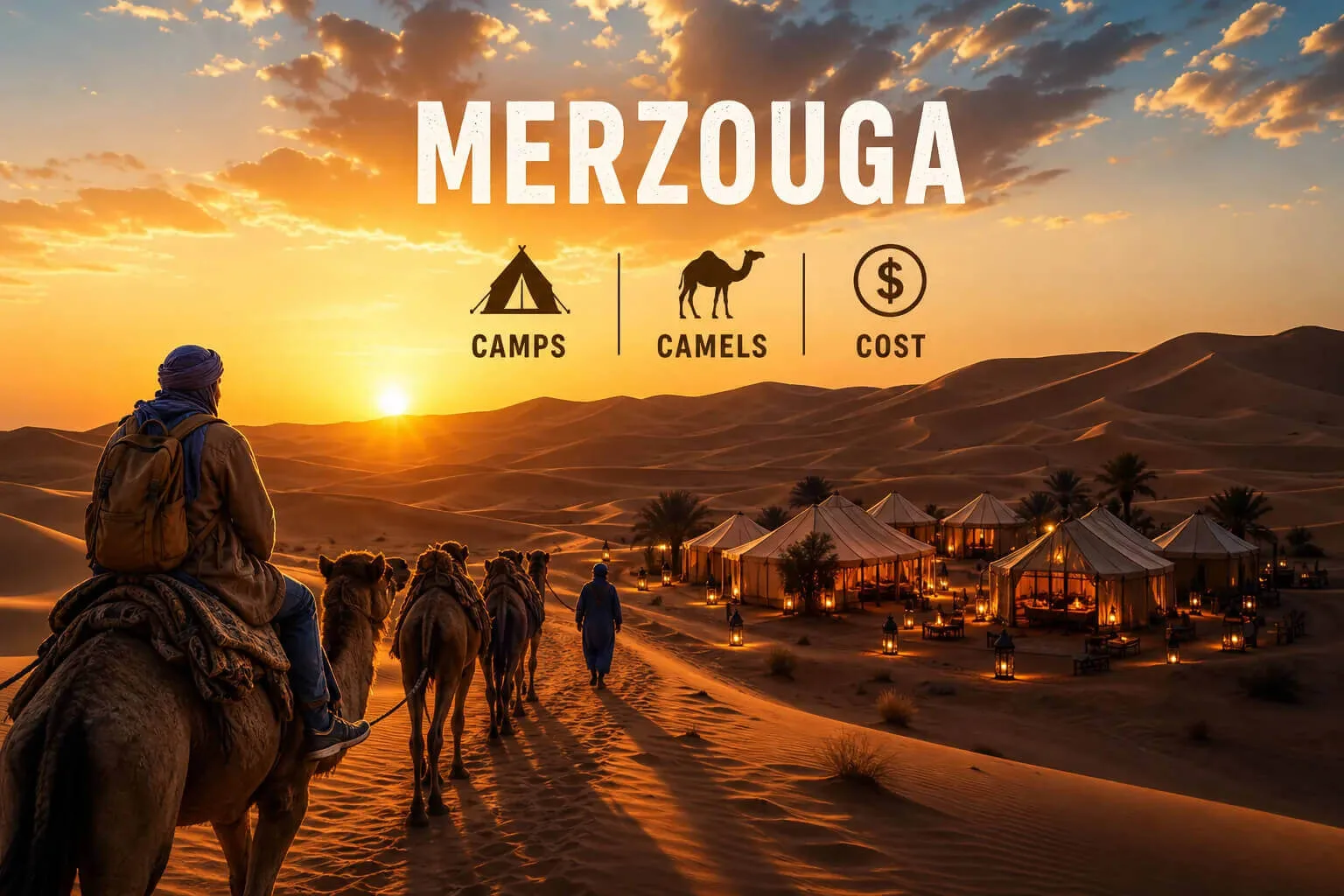
Join our Merzouga Overnight Tour for an authentic desert experience. Enjoy camel rides, comfortable ...
Read this articleWant cool tour deals and tips about Morocco? Enter your email and we’ll send them to you each month!
