Group Tour Agencies in Morocco: How to Pick the Right One
Compare Morocco group tour agencies by trip style, reviews, pace, transport and inclusions. Learn wh...
Read this article

Private, custom Morocco trips planned in Fez by AZ-ZDDINE, working in Moroccan tourism since 2012. Sahara, Atlas, medinas and coast, arranged around you.
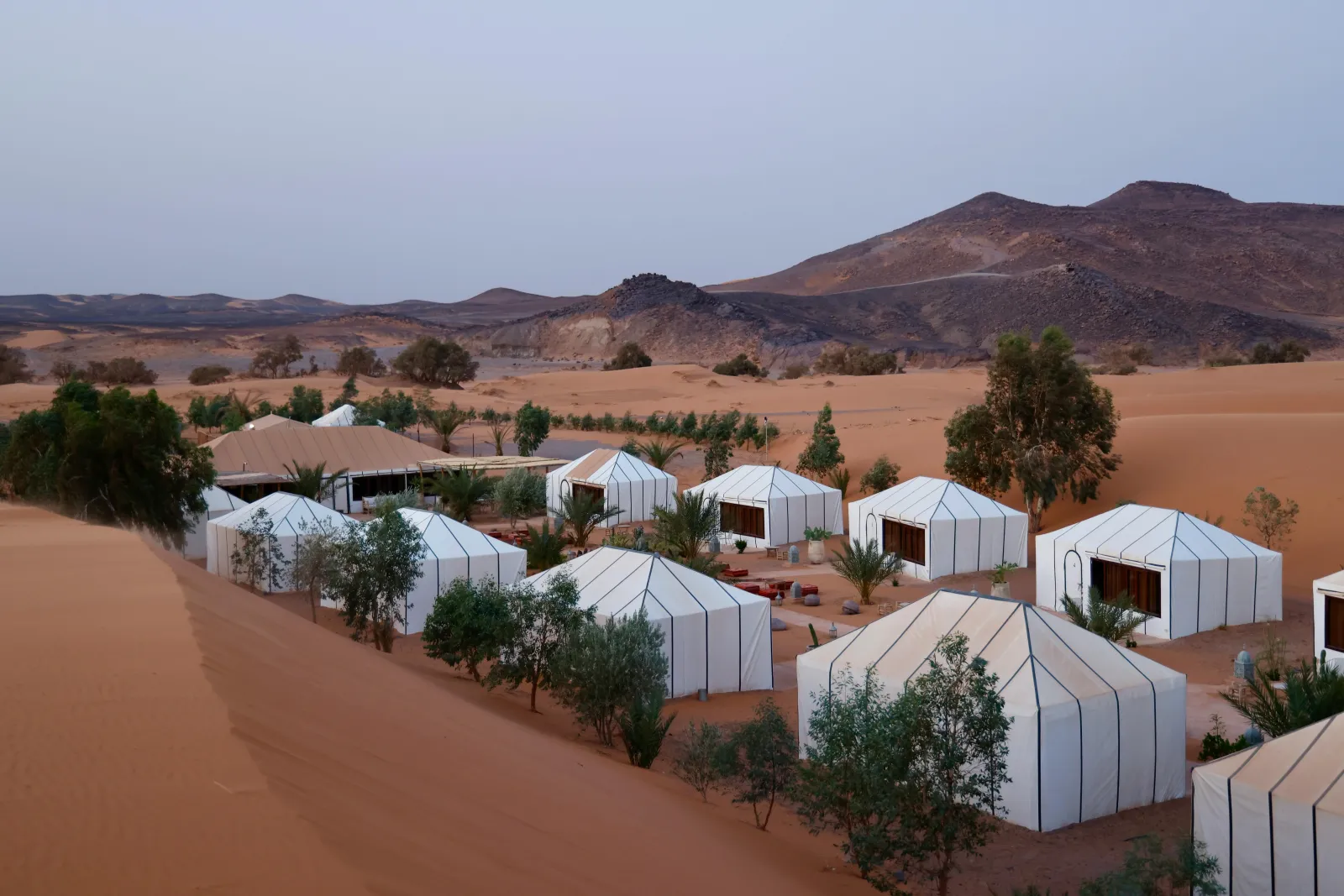
The Moroccan Sahara offers something few destinations can match: the chance to sleep surrounded by towering golden dunes, wake to silence broken only by the wind, and experience genuine Berber hospitality—all without sacrificing comfort. Sahara desert glamping combines the raw adventure of the desert with hotel-quality amenities, creating a bucket list experience that draws travelers from around the world.
This comprehensive guide covers everything you need to know about luxury desert glamping in Morocco, from choosing between Erg Chebbi and Erg Chigaga to booking the right tour and packing for your trip.
Sahara desert glamping means staying in luxury tents with private bathrooms, king-size beds, hot water showers, and chef-prepared Moroccan meals—far beyond basic camping.
The best glamping experiences are found in two main regions of the Moroccan Sahara: Erg Chebbi (near Merzouga) for accessible luxury and Erg Chigaga (near M’Hamid) for remote wilderness immersion.
Plan for two nights in the desert as part of a 3-day or 4-day private tour from Marrakech or Fez to avoid feeling rushed.
High-end packages typically include ensuite tents, 4x4 or camel transfers, sunset and sunrise viewing, Berber music around the campfire, stargazing, and all meals.
Morocco Classic Tours customizes both luxury and more affordable glamping itineraries, including options for travelers arriving from the US who want seamless, all-inclusive experiences.
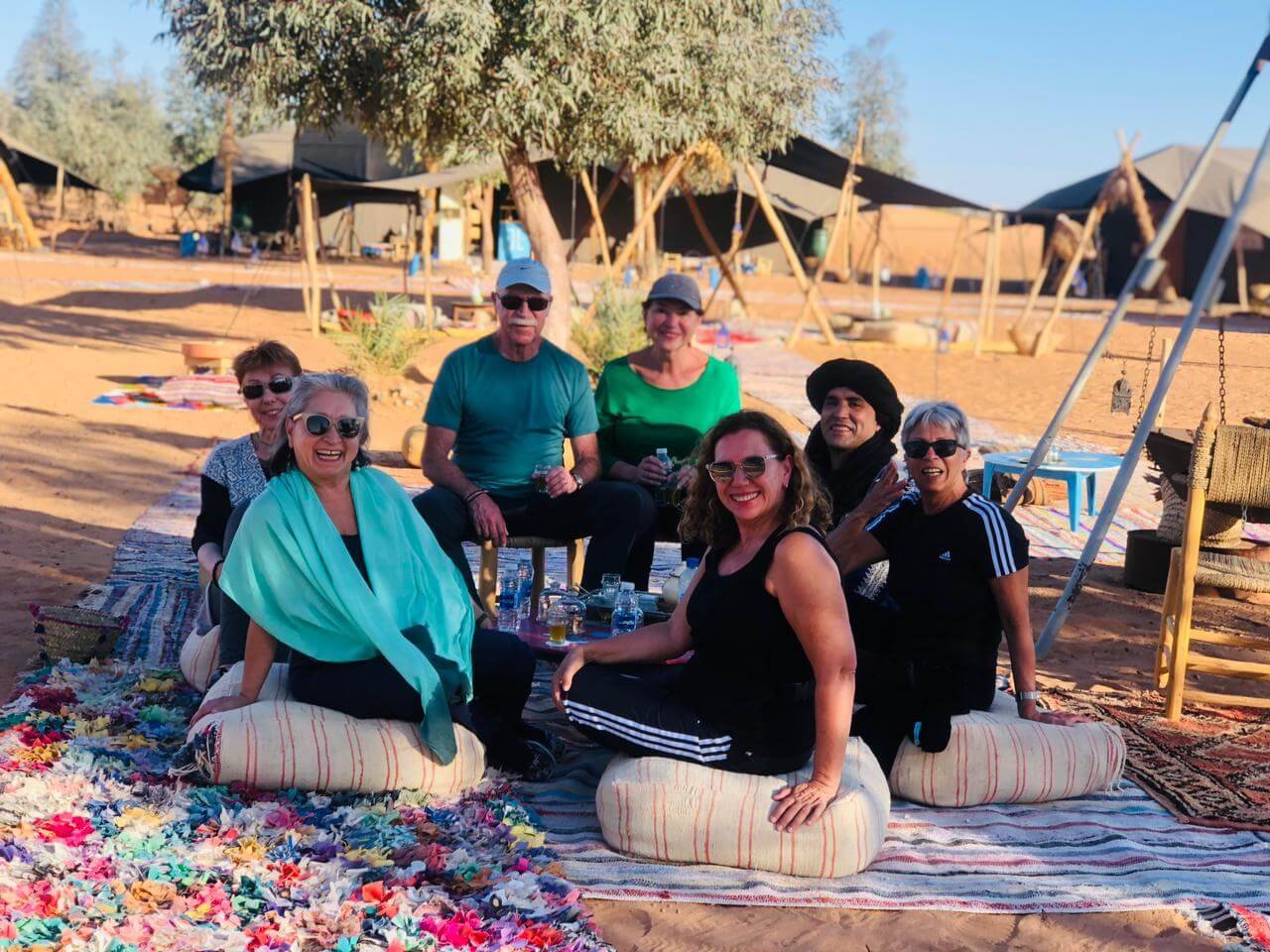
Glamping—a blend of “glamorous” and “camping”—transforms the traditional desert overnight into something entirely different. In the Moroccan Sahara, this means hotel-level comfort positioned directly in the dunes of Erg Chebbi or Erg Chigaga, where endless sand stretches to the horizon, and the Milky Way blazes overhead with zero light pollution.
Typical luxury tents span 20 to 40 square meters, featuring king-size beds with quality linens, traditional Berber carpets underfoot, full ensuite bathrooms with hot showers and running water, and electricity for charging devices and lighting. Many camps add climate control—electric blankets for cold desert nights and fans or air conditioning during warmer months. Some setups include private terraces with direct dune views, seating areas with cushions, and designer Moroccan decor crafted by local artisans.
The contrast with basic desert camping is stark. Standard camps often provide shared tents with floor mattresses, communal bathroom facilities, and simple meals. Glamping delivers private accommodations that rival a comfortable hotel room while placing you in one of the world’s most dramatic landscapes.
What makes Morocco’s Sahara unique for glamping? The golden dunes create a visual and sensory experience impossible to replicate in a stone desert like Agafay near Marrakech. The silence is profound, the stargazing is world-class, and the sense of isolation is transformative—even when your tent has hot water and a proper bed.
Morocco Classic Tours specializes in private, fully organized Morocco tours and luxury travel packages that handle every detail: transport from Marrakech or Fez, camp reservations at vetted luxury camps, all meals, and guided activities from camel treks to dune sunrise walks.
Two main dune regions offer true Sahara desert glamping: Erg Chebbi near the town of Merzouga, and Erg Chigaga accessed via M’Hamid or Foum Zguid in southern Morocco. A third option, the Agafay Desert, sits much closer to Marrakech but presents a fundamentally different landscape—rocky and lunar rather than the classic rolling dunes.
Each region has distinct characteristics that suit different traveler preferences. Erg Chebbi delivers the highest concentration of luxury camps and easier access. Erg Chigaga offers deeper wilderness and fewer crowds. Agafay provides convenience for those with limited time, but shouldn’t be confused with the real Sahara, even though it supports its own range of Agafay Desert tours and epic adventures near Marrakech.
Realistic travel times from major cities shape most itineraries. From Marrakech, reaching Erg Chebbi requires 8 to 10 hours of driving, typically broken with overnight stops in the Dades Valley or Skoura Oasis. From Fez, the route to Merzouga takes 7 to 8 hours through the Middle Atlas mountains. Erg Chigaga involves 9 to 10 hours from Marrakech, spread across two days, with significant off-road sections through the Draa Valley.
The sections below compare each region in detail to help you choose the right destination.
Erg Chebbi’s setting is quintessential Sahara: high golden dunes rising to approximately 150 meters near the Algerian border, with the small town of Merzouga serving as the main gateway. These are the Erg Chebbi dunes that appear in countless photographs and travel documentaries.
This region hosts the highest concentration of luxury desert camps in Morocco. Many are the “Instagram-famous” glamping sites featuring ensuite tents, swimming pools, and stylish contemporary-meets-traditional decor. The range spans from intimate boutique setups to larger resort-style operations.
Travel times require planning: about 8 to 10 hours of driving from Marrakech, or around 7 to 8 hours from Fez. Morocco Classic Tours typically breaks this long journey with an overnight in the High Atlas foothills or Dades Valley on 3-day and 4-day tours, transforming the drive into part of the adventure with stops at Ait Ben Haddou, Todra Gorge, and other landmarks.
The atmosphere at Erg Chebbi is more accessible and somewhat livelier than at Erg Chigaga. Options abound for sunset camel caravans crossing the dunes, quad biking, sandboarding down steep dune faces, and 4x4 dune drives. The proximity of Merzouga means some restaurants and additional services are available nearby.
Morocco Classic Tours often recommends Erg Chebbi for first-time visitors who want luxury glamping combined with convenient routing between Marrakech and Fez—a natural fit for 10-day Morocco itineraries that cover the country’s highlights.
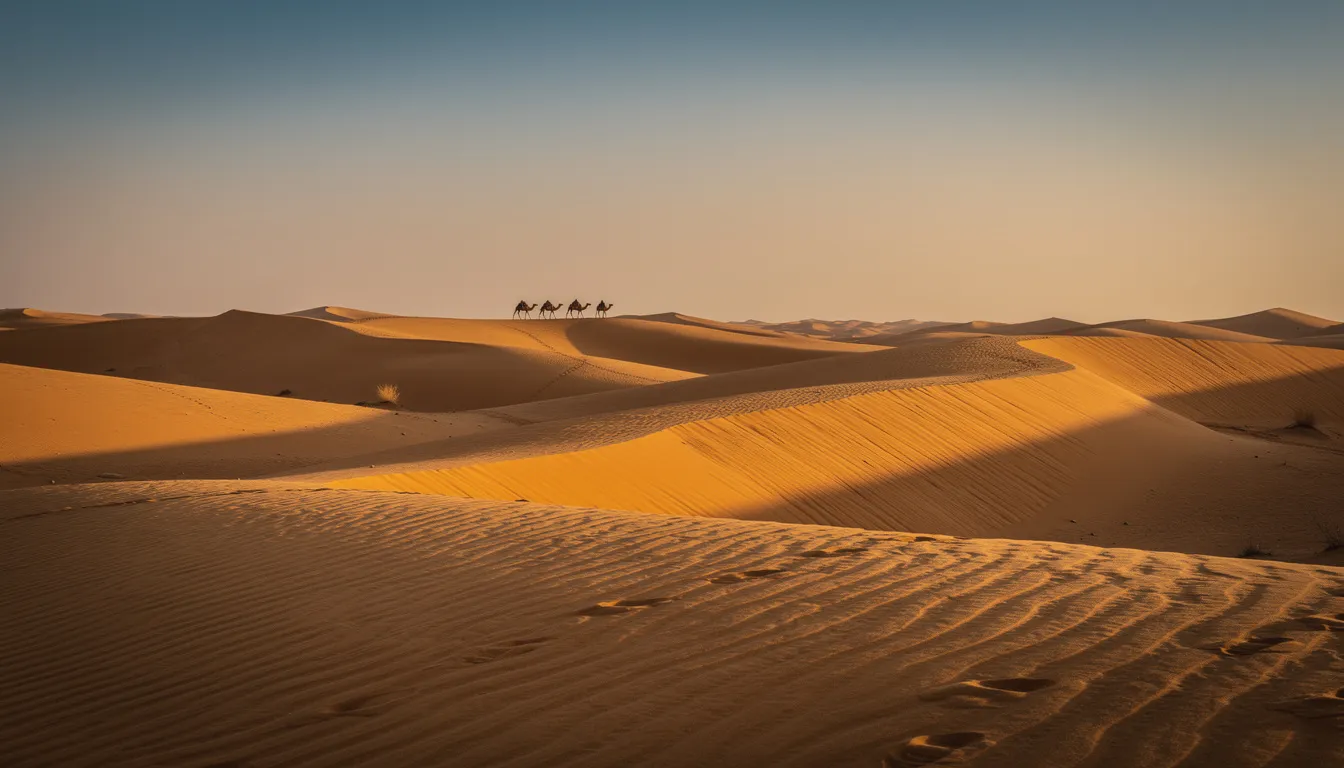
Erg Chigaga represents the wilder side of Sahara camping. More remote and less developed than Erg Chebbi, this dune field is reached via M’Hamid or Foum Zguid, with several hours of off-roading through the Draa Valley and stone desert before the golden sand appears.
Camps here are fewer and more isolated. The feeling of being truly “in the middle of nowhere” is pronounced—no towns in sight, visible dunes stretching in all directions, complete silence except for the wind across sand. For travelers seeking solitude and fewer crowds, Erg Chigaga delivers an experience that Erg Chebbi cannot match.
The typical journey takes around 9 to 10 hours from Marrakech, spread over two days. Morocco Classic Tours itineraries usually include an overnight in Zagora or along the Draa Valley, where ancient kasbahs and palm oases line the road before the terrain turns to open desert.
The glamping style differs from Erg Chebbi’s resort-like offerings. High-comfort tents with private bathrooms and solar power are standard at the best camps, but the overall feel is more authentically rustic-elegant. Some camps originated as traditional Berber nomadic encampments and maintain that heritage, with staff from local nomadic groups and tents crafted from organic materials.
Morocco Classic Tours recommends Erg Chigaga for travelers comfortable with longer drives and genuinely want an off-grid experience. This region pioneered luxury glamping in the Sahara and remains the choice for those prioritizing authenticity over amenities like pools.
Agafay is a rocky, lunar-like stone desert approximately 45 to 60 minutes from Marrakech. Luxury camps with stylish tents, infinity pools, and breathtaking views of the Atlas Mountains have made it a popular overnight escape, but it lacks the high dunes that define the Sahara experience.
Honesty matters here: Agafay is ideal for travelers with only one extra night in Marrakech or those who cannot manage the 8+ hour drives to the real desert. However, it is not the Sahara Desert.
A typical Agafay glamping experience includes designer tents or geodesic domes, sunset camel rides through rocky terrain, candle-lit dinners under the stars, and panoramic Atlas views. Many camps offer swimming pools and spa services—amenities rare in deeper desert locations.
The advice is straightforward: if you want “real dunes and the classic Sahara postcard,” choose Erg Chebbi or Erg Chigaga. Agafay delivers a convenient but fundamentally different experience—beautiful in its own right but not what most travelers picture when they dream of the Moroccan Sahara.
Morocco Classic Tours can arrange both Agafay overnights and full Sahara itineraries. Some travelers combine both: a quick Agafay night at the start or end of their trip plus a multi-day Sahara journey for the complete experience.
Rather than listing specific brand-name camps like a booking aggregator, this guide focuses on what distinguishes the best desert camps and what to look for when selecting accommodations. Camp quality varies significantly, and choosing the right one shapes your entire experience.
Morocco Classic Tours works with a curated selection of vetted luxury and boutique camps in both Erg Chebbi and Erg Chigaga, as part of their broader custom tour packages across Morocco and other Morocco tours and travel packages for every style of traveler. These partnerships are based on consistent service quality, safety standards, and alignment with the expectations of travelers seeking genuine Sahara Desert luxury camp experiences.
When evaluating camps, prioritize these criteria:
Criteria | What to Look For |
|---|---|
Bathrooms | Private ensuite with flush toilet and hot water showers |
Climate Control | Heaters for winter, fans or AC for summer |
Camp Size | 10-20 tents for an intimate feel; larger camps can feel impersonal |
Location | Deep into the dunes vs. at the dune edge—deeper means better views and isolation |
Pool Access | Available at some Erg Chebbi camps; rare in Erg Chigaga |
Meal Quality | Multi-course dinners, dietary accommodation, quality ingredients |
Smaller and mid-sized camps with 10 to 20 tents typically offer a quieter, more personal glamping feel compared to operations housing 50+ guests. Morocco Classic Tours can match guests with appropriate camps based on season, budget, and whether you’re traveling as a couple, family, or group. | |
High-end Erg Chebbi camps showcase designer Berber-style tents that blend traditional Moroccan aesthetics with modern comfort. Expect king or twin beds with thick mattresses, fine cotton linens, and colorful handwoven carpets underfoot. The visual effect is striking—Instagram-ready without sacrificing authenticity.
Many premium camps offer ensuite bathrooms with flush toilets, tiled walk-in showers, and 24/7 hot water powered by solar panels and backup generators. Toiletries, fresh towels, and proper vanities create an experience comparable to a boutique hotel room—except your window opens to endless sand.
Additional amenities at top camps now include swimming pools, air-conditioning (typically operational in summer or available at night), and furnished lounge tents with cushioned seating. Some provide butler service for meals and turndown.
Guests can usually expect à la carte or multi-course dinners featuring traditional tagines, grilled meats, and vegetarian options served in communal dining tents or under the stars. Full breakfast buffets with Moroccan specialties like msemen crepes, fresh fruit, and baked eggs accompany strong coffee and mint tea.
Morocco Classic Tours places most first-time luxury clients in this category of desert luxury camp, especially on popular circuits like Marrakech–Merzouga–Fez or round-trip Marrakech itineraries.
Boutique-style camps in Erg Chigaga emphasize quality over quantity: fewer tents, more space between units, and a strong focus on quiet, privacy, and unobstructed starry skies. The experience centers on connection with the landscape rather than resort-style amenities.
Top camps still provide ensuite bathrooms and hot water, but many rely entirely on solar power and may limit electricity usage after certain hours. This creates a more immersive atmosphere—lanterns at night, natural quiet without generator hum, and genuine darkness for stargazing.
Design tends toward rustic elegance: wool blankets, traditional woven textiles, simple but comfortable wooden furniture, and large communal fire pits where guests gather after dinner for Berber music and storytelling. The aesthetic honors the nomadic heritage of the region.
Typical activities reflect the setting: extended sunset walks across pristine dunes, minimalist 4x4 excursions to explore the surrounding landscape, and cultural experiences with nearby nomad families instead of large group entertainment. The pace is slower, the crowd smaller.
Morocco Classic Tours recommends these camps for honeymooners, photographers, and repeat visitors who value solitude over facilities like pools. The experience is a lifetime experience of silence, stars, and sand.
Many Sahara camps offer family tents—triple, quadruple, or interconnecting units suitable for parents with children or small groups of friends traveling together. The best camps welcome families and adapt their offerings accordingly.
Morocco Classic Tours can reserve exclusive-use setups or side-by-side tents for multi-generational families or private groups wanting their own space. This works particularly well for celebrations—reunions, milestone birthdays, or friend groups seeking a shared amazing experience.
Key features families should prioritize:
Safe, well-lit pathways between tents
Flexible meal times for children’s schedules
Shorter camel rides are available for younger kids
Patient, family-experienced staff
Special occasions deserve special treatment. Mention birthdays, anniversaries, or honeymoons so Morocco Classic Tours can arrange private dune dinners, celebration cakes, or dedicated music performances around the campfire.
Adding at least one non-desert night—perhaps in the Skoura Oasis or Dades Valley—helps break up driving when traveling with younger children. These stops offer pools, green space, and a change of scenery that keeps kids engaged throughout a multi-day trip.
The Sahara is far from Morocco’s main cities. Reaching it safely and comfortably requires planning, adequate time, and ideally a private driver who knows the roads. The journey itself passes through spectacular landscapes—High Atlas passes, dramatic valleys, and ancient kasbahs—but the distances are real.
Typical travel durations:
Route | Driving Time | Recommended Tour Length |
|---|---|---|
Marrakech to Merzouga | 9-11 hours with stops | 3-4 days |
Fez to Merzouga | 7-8 hours with stops | 3-4 days |
Marrakech to Erg Chigaga | 9-10 hours over 2 days | 3-4 days |
Three-day and four-day itineraries are the most popular formats for travelers departing from Marrakech or Fez with Morocco Classic Tours. These allow comfortable pacing with sightseeing stops, proper meals, and overnight breaks that prevent exhaustion. | ||
Public buses and self-drive options exist, but are not recommended for first-time visitors wanting a smooth luxury glamping experience. Navigation can be challenging, road conditions vary, and coordinating camp arrivals requires local knowledge. | ||
Morocco Classic Tours arranges door-to-door private transport in air-conditioned 4x4 vehicles or minibuses with English-speaking drivers who double as informal guides, sharing local knowledge and handling all logistics. | ||
The classic 3-day/2-night Marrakech–Merzouga–Marrakech route unfolds across Morocco’s most photogenic landscapes:
Day 1: Leave Marrakech early, cross the Tizi n’Tichka Pass through the High Atlas, stop at the UNESCO World Heritage Site of Ait Ben Haddou for lunch and exploration, continue through Ouarzazate and along winding roads to overnight in the Dades Valley or Skoura Oasis.
Day 2: Morning visit to Todra Gorge with its dramatic canyon walls, then continue through increasingly desert terrain. The flat plains eventually give way to the first sight of Erg Chebbi’s dunes on the horizon. Arrive near Merzouga mid-afternoon, transfer to camp by camel ride or 4x4 in time for sunset, dinner under stars with Berber music.
Day 3: Wake for sunrise over the dunes, breakfast at camp, 4x4 back to the road, then full-day return to Marrakech with scenic stops and arrival by early evening.
Morocco Classic Tours schedules scenic photo breaks, leisurely lunches in kasbah hotels, and flexible timing based on guest preferences. The long journey becomes part of the adventure rather than an obstacle. Winter months with shorter daylight hours require adjusted start times and overnight stops for safety.
The Fez–Merzouga route takes approximately 7 to 8 hours of driving through dramatically different landscapes: the Middle Atlas mountains, cedar forests around Azrou, and the palm-lined Ziz Valley before reaching the desert plains, forming the backbone of many 3-day tours from Fes to Merzouga.
Typical itinerary structures:
3 days/2 nights: One night in the dunes, one night in Fez or Midelt
4 days/3 nights: Combines both Fez and Marrakech in a north-south crossing with the desert as the centerpiece
Morocco Classic Tours drivers often stop in Ifrane—known as “the little Switzerland of Morocco” for its alpine architecture—and in cedar forests where Barbary macaques sometimes approach vehicles. These breaks add interest and stretch legs during the long journey.
This route is ideal for travelers who land in Casablanca or Fez and want to head south through the desert toward Marrakech or the Atlantic resort city of Agadir. In hot months, departures are scheduled early morning to avoid the most intense midday heat on the road.
The route south from Marrakech through the High Atlas and Ouarzazate follows the Draa Valley—one of Morocco’s most beautiful drives—through Agdz, Zagora, and M’Hamid before heading off-road into Erg Chigaga.
Typical 3-4 day structure:
Day 1: Marrakech to Draa Valley (overnight in Zagora or nearby)
Day 2: Off-road through the stone desert to Erg Chigaga, overnight glamping
Day 3 or 4: Return via Ouarzazate or alternate route through Foum Zguid
The final few hours involve serious off-road driving over rocky and sandy tracks. This is why 4x4 vehicles and experienced drivers are essential—not optional. Navigation requires local knowledge, and conditions change with the weather.
Morocco Classic Tours coordinates with desert camps for exact GPS meeting points and safe arrival times, especially important in winter or during windy conditions that can shift sand and reduce visibility.
The scenery compensates for the long journey: ancient kasbahs rising from palm oases, the ribbon of the Draa River cutting through arid terrain, and the gradual transition from cultivated valley to open wilderness.
Most travelers should aim for two nights in or near the desert as part of a 3-day or 4-day tour, especially when departing from Marrakech. This allows sufficient time to actually experience the desert rather than just pass through it.
One night can feel rushed. After 8 to 10 hours of driving to reach the dunes, you arrive for sunset, eat dinner, sleep, watch sunrise, and leave. The desert becomes a brief stopover rather than a destination—fine for travelers with severe time constraints but not ideal for fully appreciating the landscape.
Two nights create a different rhythm entirely: sunset on arrival night, a full day of activities and relaxation in the dunes, a second night of stargazing and Berber music around the fire, and a slow departure after your final sunrise. This pacing allows the silence and scale of the Sahara to truly register.
Tour Length | What’s Realistic | Best For |
|---|---|---|
2 days/1 night | Agafay Desert, or very rushed Sahara | Limited time, Marrakech-based |
3 days/2 nights | Sahara with comfortable pacing | First-time visitors, standard itineraries |
4 days/3 nights | Extended stops, multiple locations | Families, photographers, slow travelers |
5+ days | Deep exploration, multiple desert nights | Photography retreats, creative trips |
Morocco Classic Tours can extend desert stays for those wanting three or more nights, including time for creative retreats, dedicated photography sessions, or simply slow travel without rushing back to city life. | ||
Day 1: Marrakech to Dades or Skoura
Early departure (around 7-8 a.m.) from your Marrakech accommodation
Cross the Tizi n’Tichka Pass with breathtaking views of the High Atlas
Stop at Ait Ben Haddou ksar (UNESCO World Heritage Site) for exploration and lunch
Continue past Ouarzazate through rose valleys
Arrive at a traditional kasbah hotel in the Dades Valley or Skoura Oasis for dinner and overnight.
Day 2: Dades/Skoura to Merzouga Desert Camp
Morning stop at Todra Gorge, walking between towering canyon walls
Lunch en route as the landscape transforms to desert plains
Arrive near Merzouga mid-afternoon
Switch to camels or 4x4 for sunset transfer into the dunes
Arrive at your luxury camp as golden light spreads across the sand
Welcome with mint tea, settle into your tent
Multi-course dinner followed by Berber music and drumming around the campfire
Stargazing under some of the darkest skies you’ll ever see
Day 3: Sunrise and Return to Marrakech
Wake early for sunrise from the highest dune near camp
Full breakfast at camp
4x4 transfer back to the desert edge
Full-day drive to Marrakech with scenic stops
Arrival early evening
Optional additions: sandboarding on the second night, or quad biking on the final morning before departure, depending on timing and season.
Morocco Classic Tours customizes the pace and overnight locations based on guest comfort levels, travel dates, and specific interests.
A 4-day tour suits travelers who dislike long days in vehicles and prefer more time at major stops. The extra day allows genuine exploration of places like Todra Gorge, the Skoura Oasis palm groves, or the ancient streets of Ait Ben Haddou—rather than brief photo stops.
Sample 4-day structure:
Night 1: Dades Valley or Skoura
Night 2: Desert camp near Merzouga
Night 3: Second night in the desert, or Ouarzazate/Atlas foothills on return
Day 4: Relaxed return to Marrakech
This pacing works particularly well for families with children, older travelers who find long drives fatiguing, and photographers wanting soft dawn and dusk light in multiple locations without rushing between them.
Morocco Classic Tours can integrate desert segments into longer 7 to 10-day itineraries covering Imperial Cities (Marrakech, Fez), Chefchaouen’s blue streets, and the Atlantic coast, drawing on destination expertise shared throughout their Morocco travel blog and destination guides. The desert becomes the dramatic centerpiece of a comprehensive Morocco trip.
For Erg Chigaga specifically, 3 to 4 days are strongly recommended due to the extra off-road travel time required. Attempting Erg Chigaga in less than three days means spending more time driving than enjoying the destination.
Inclusions vary by camp and operator, but high-end packages with Morocco Classic Tours are usually close to all-inclusive once you reach the desert. Understanding what’s covered prevents surprises and helps compare seemingly different offers.
Typically included:
Private return transport (4x4 or minibus) from Marrakech or Fez
4x4 or camel transfer into and out of the dunes
Private ensuite tent with bed, linens, and bathroom
All dinners and breakfasts at camp
Select activities (camel trek, guided dune walk, sandboarding, where available)
Camp entertainment (Berber drumming, campfire)
Bottled water at meals
Often not included:
Alcoholic beverages and some soft drinks
Optional motorized activities (quad bikes, buggies)
Personal travel insurance
Tips for camp staff and drivers
Lunch on driving days (arranged separately by Morocco Classic Tours)
Morocco Classic Tours provides clear, itemized itineraries specifying every inclusion before departure. Cheaper-seeming offers sometimes hide exclusions that add high costs on arrival—always confirm details in writing.
A standard luxury tent contains real beds with quality mattresses—not floor cushions or thin mats. Cotton linens, proper pillows, and warm blankets create comfort comparable to a good hotel. Bedside lamps, luggage storage, and small seating areas round out the space.
Ensuite bathrooms feature flush toilets, modern sinks, walk-in showers with reliable hot water, basic toiletries, and fresh towels comparable to 3 to 4 star hotel standards. Running water comes from solar-heated tanks with backup systems—cold showers are rare at properly equipped camps.
Climate control varies by season and camp. Winter travelers can expect electric heaters or gas heating that keeps tents comfortable through cold desert nights (temperatures can drop near freezing). Summer visitors may find fans or air conditioning, though full AC is more common in Erg Chebbi than in remote Erg Chigaga camps.
Additional amenities often available:
Wi-Fi in common areas (though signal is limited)
Luggage assistance from the tent to the vehicle
Charging outlets or power strips
Hairdryers are available at reception
Morocco Classic Tours prioritizes camps that maintain high hygiene standards and reliable hot water—especially important for guests arriving after long travel days, feeling dusty and ready to refresh before dinner.
Dinner at a Sahara desert camp typically unfolds across multiple courses in traditional Moroccan style. Expect fresh salads with herbs and vegetables, perhaps harira soup to start, followed by the main course: chicken or lamb tagine slow-cooked with preserved lemons and olives, or couscous with seven vegetables on specific nights. Fresh fruit and local pastries close the meal.
Breakfast spreads showcase Moroccan morning traditions: fresh bread still warm from the pan, msemen crepes with honey, local jams, yogurt, eggs prepared tagine-style, fresh fruit, and strong coffee alongside seemingly endless pots of mint tea.
Many luxury camps can accommodate vegetarian, vegan, gluten-free, and other dietary requirements when informed in advance. Morocco Classic Tours collects this information at booking and communicates directly with camp kitchens to ensure appropriate meals are prepared—not improvised on arrival.
Water is usually provided at meals. Bottled water, soft drinks, and wine or beer may come at an extra cost depending on camp policy. Some camps include unlimited soft drinks; others have an à la carte bar. Morocco Classic Tours clarifies this for each itinerary.
Food allergies require advance notice. Desert camps are remote—there’s no running to a nearby store if special ingredients are needed. Share any allergies at booking so the camp kitchen can plan accordingly.
Classic activities are usually included without additional charge:
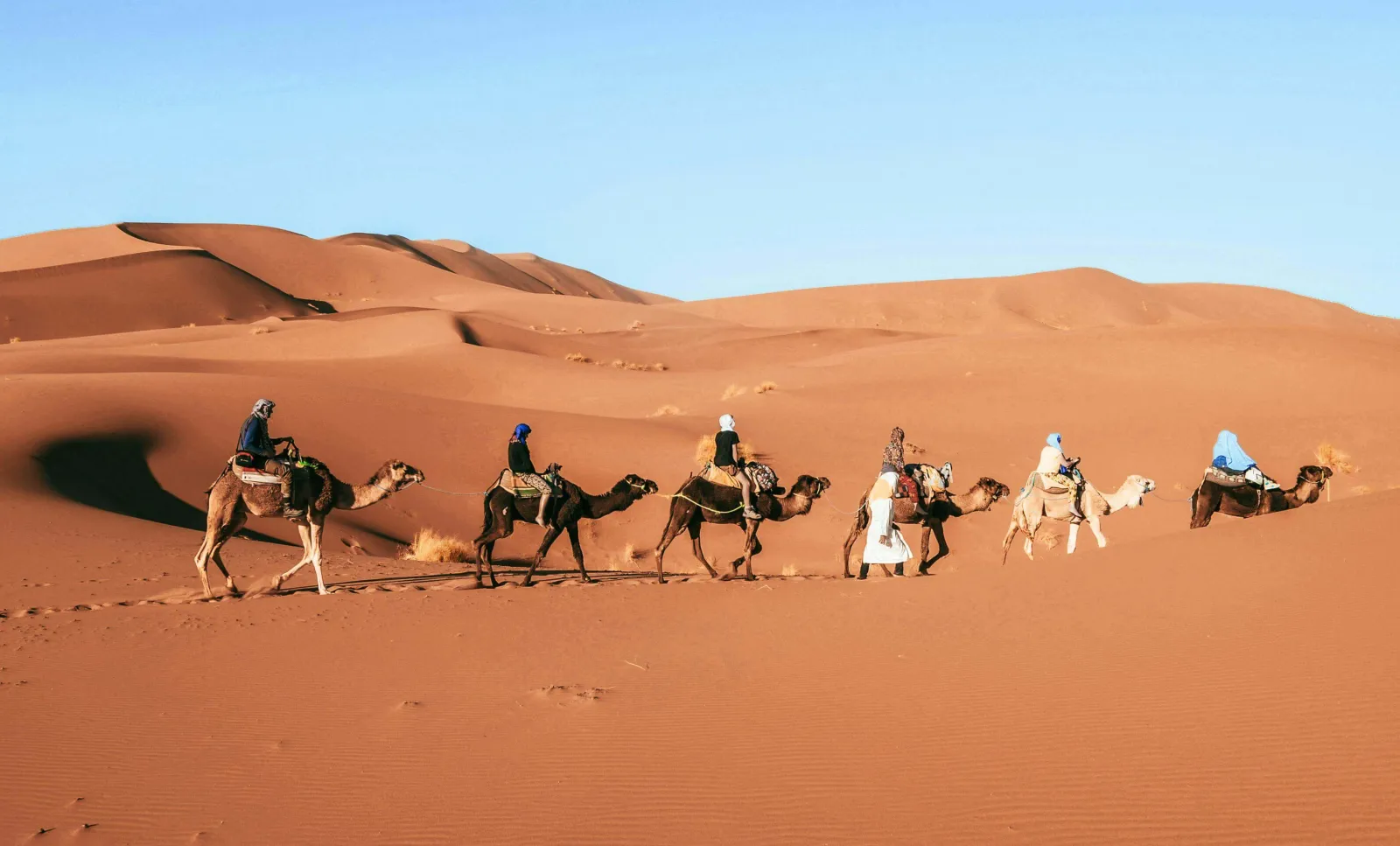
Sunset or sunrise camel trek: The quintessential desert experience, riding camels along dune ridges as light turns golden
Sandboarding: Sliding down steep dune faces on boards—simpler than snowboarding, equally fun
Guided dune walk: Climbing the highest dune near camp with a guide who knows the safe routes
Evening Berber drumming: Traditional music around the campfire with camp staff sharing songs and rhythms
Stargazing: The Sahara’s dark skies reveal the Milky Way and frequent shooting stars
Optional add-ons arranged by Morocco Classic Tours:
Quad biking or buggy rides over the dunes
4x4 tours to fossil sites or nomad families
Extended camel treks lasting half a day or more
Cultural elements enrich the experience: tea ceremonies with proper mint tea preparation, brief introductions to Amazigh (Berber) traditions and desert ecology, and simply sitting with camp staff who share stories of desert life.
Most guests find several hours of free time to relax on lounge chairs, photograph the dunes from new angles, or simply sit in silence, experiencing the profound quiet. Think of glamping in the Sahara not just as an activity-filled adventure but as a chance to slow down, disconnect from WiFi, and experience a completely different rhythm of life.
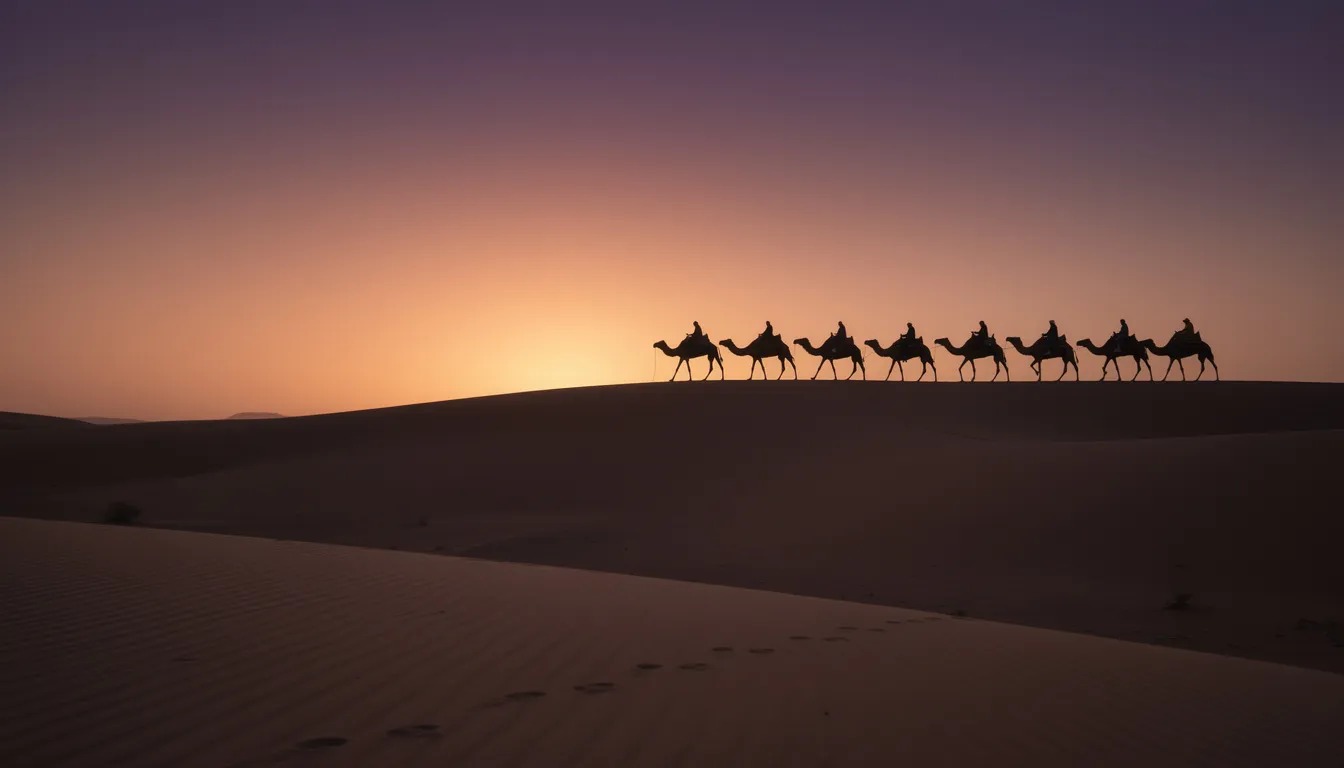
For most travelers, the Sahara emerges as the standout highlight of Morocco—the experience mentioned first when describing their trip months later. The combination of landscape, silence, starry nights, and cultural immersion creates memories that a city alone cannot match.
The counterarguments are valid: the drives are long, conditions are remote, and you’ll spend significant time on winding roads through mountains and valleys. But luxury glamping mitigates the discomforts that made desert travel challenging in the past. Hot showers, real beds, and gourmet meals mean the adventure doesn’t require suffering.
Is it worth going to the Sahara Desert in Morocco? Yes, for almost everyone with 7+ days in the country.
Can you stay in the desert in Morocco? Absolutely—from basic camping to ultra-luxury glamping, options exist at every budget level.
The experience differs fundamentally from staying only in cities like Marrakech and Fez. The pace changes. Modern distractions fade. Direct contact with rural Amazigh communities offers cultural depth that medina shopping cannot replicate. Watching stars emerge in a sky unmarked by light pollution, hearing only wind and distant Berber music, feeling sand still warm from the day—these are sensations unavailable elsewhere.
Morocco Classic Tours often builds the desert as the centerpiece of broader itineraries, ensuring the journey to reach it is as rewarding as the stay itself, especially on luxury Sahara desert tours from Marrakech. Day trips from Marrakech cannot access the real Sahara; the investment of time pays dividends in depth of experience.
Travelers who will love a full Sahara trip:
Couples on a honeymoon or romantic getaway seeking unique settings
Families with adventurous teens ready for multi-day excursions
Photographers chasing golden light on sculpted dunes
Stargazers wanting dark skies and meteor showers
Culturally curious visitors interested in Berber heritage
Anyone with “Sahara Desert” on their bucket list
Travelers who might choose Agafay instead:
Those with only one spare night beyond Marrakech
Travelers with strong concerns about long drives or motion sickness
Trips focused mainly on Marrakech with short extensions
Guests with mobility issues who prefer easier access
Practical guidance: If you have 7 to 10 days in Morocco, the Sahara almost always fits into the itinerary. If you only have 3 to 4 days total, Agafay or curated day trips from Marrakech and other cities may be more realistic—but understand you’re not seeing the actual Sahara.
Reassurance for comfort-concerned travelers: luxury glamping camps offer proper beds, real bathrooms, and quality meals. You don’t need to be an experienced camper or adventure enthusiast. The experience is accessible to anyone willing to make the journey.
Contact Morocco Classic Tours with your exact dates and comfort level. The team can propose Sahara or Agafay based on real constraints—not just marketing aspirations—and build an itinerary that works for your specific trip.
Booking directly with a trusted local tour operator like Morocco Classic Tours ensures that transport, camp reservations, and activities are coordinated by one accountable team. When something needs adjusting—weather changes, a guest falls ill, a camp is fully booked—a single point of contact handles everything.
A brief warning: Marrakech’s medina includes numerous street-sellers and unlicensed guides offering “cheap desert tours.” Many of these do not reach the real Sahara, use poor-quality camps with basic facilities, or include hidden costs revealed only after departure. Some advertised “desert trips” visit only the Agafay stone desert, not the dunes of Erg Chebbi or Erg Chigaga.
Booking timelines matter. High season (March through May, October through November) often requires booking several weeks or months ahead for the best camps in the Moroccan Sahara. Popular camps with only 10 to 15 tents fill quickly, especially for weekends and holiday periods.
Morocco Classic Tours can bundle desert glamping with city tours in Marrakech and Fez, stays in top riads and boutique hotels in Marrakech, relaxed days at some of the best swimming pools in Marrakech, mountain excursions to the Atlas Mountains, and airport transfers into a single coordinated trip package—simplifying logistics and ensuring smooth transitions between each segment.
Step 1 – Initial Contact: Reach out via the Morocco Classic Tours website “Book Now” form or email. Share your travel dates, group size, starting city (Marrakech, Fez, or Casablanca), and general budget range. Mention any special interests or requirements.
Step 2 – Trip Design Morocco Classic Tours proposes one or two custom itineraries tailored to your situation. Examples might include a 3-day Marrakech–Merzouga–Marrakech circuit or a 4-day Marrakech–Erg Chigaga–Marrakech adventure. Each proposal includes detailed inclusions and suggested camps.
Step 3 – Refinement Review the proposals and request changes as needed: add an extra night in Fez, upgrade to a higher-category camp, include an Agafay night at the start, adjust the pace for a family with young children. Refine until the route fits perfectly.
Step 4 – Confirmation Once agreed, Morocco Classic Tours secures camp and hotel reservations, sends formal confirmation documents, and outlines deposit and final payment terms. Reservations are held once the deposit is received.
Step 5 – Pre-Departure Support Before you leave Marrakech or Fez, the team shares packing suggestions, seasonal weather expectations, exact pickup times and locations, and contact numbers for your private driver and guide. Questions are welcome throughout.
International flights from the US are not typically included in Morocco ground packages, but Morocco Classic Tours designs cost-conscious glamping itineraries that maximize value once you arrive in Morocco.
Strategies for reasonable costs:
Travel in shoulder seasons (March, April, early May, October, November) when prices drop and crowds thin
Choose boutique rather than ultra-luxury camps—still comfortable with private bathrooms and good meals
Share private tours among 3 to 6 travelers to divide vehicle costs
Book multi-day packages covering several destinations rather than piecing separate day trips together
A value-focused 3 or 4 day desert package from Marrakech or Fez still includes private ensuite tents, camel treks, all dinners and breakfasts, and guided activities—just without the premium pricing of the most exclusive camps.
US travelers benefit from longer itineraries that combine Imperial Cities (Marrakech, Fez, Meknes, Rabat) with the desert in one booking, such as 10-day Marrakech, Fez, and Casablanca tours. Flying across the Atlantic deserves a trip that makes the journey worthwhile, and bundled packages often deliver better value than multiple separate bookings.
Contact Morocco Classic Tours early in your planning process. Learn more about the team’s background and approach to organizing Morocco tours. The team can present the best combination of comfort and price, including 7-day Marrakech-focused itineraries with balanced activities, well before popular dates and camps sell out—especially important during peak spring and fall seasons.
Spring (March through May) and autumn (late September through November) offer the most comfortable conditions for Sahara glamping. Days are warm—roughly 20 to 30°C (68 to 86°F)—while nights are cool but not frigid. These seasons balance pleasant temperatures with spectacular light for photography and are ideal for senior-friendly Morocco tours that prioritize comfort and accessibility.
Weather considerations by season:
Season | Daytime | Nighttime | Notes |
|---|---|---|---|
Spring (Mar-May) | Warm, sunny | Cool to mild | Ideal for most travelers |
Summer (Jun-Aug) | Very hot (40°C+) | Warm | Some camps reduce operations |
Autumn (Sep-Nov) | Warm, sunny | Cool to cold | Excellent conditions |
Winter (Dec-Feb) | Mild to warm | Cold (near freezing) | Clear skies, great stargazing |
Realistic expectations help prevent disappointment. WiFi and mobile coverage are patchy to nonexistent in the deep desert—embrace the digital detox. Dust and sand are unavoidable; everything gets a fine coating despite careful packing. Early wake-ups are essential for sunrise viewing—typically 5:30 to 6:00 a.m., depending on the season. | |||
Morocco Classic Tours provides specific packing notes with each confirmed itinerary based on your actual travel month, taking the guesswork out of preparation. | |||
March through May and October through early November are the sweet spot. Warm days allow comfortable exploration and camel riding, while cool to mildly cold nights make sleeping pleasant and stargazing magical.
Winter (December through February) brings sunny, pleasant daytime temperatures that can feel warm in sheltered spots, but nights often drop close to freezing in the dunes. Heated tents are essential, and warm layers are mandatory for evening activities. Clear winter skies can offer exceptional stargazing with the Milky Way stretching from horizon to horizon.
Summer (June through August) sees daytime temperatures frequently exceeding 40°C (104°F). Some luxury camps reduce operations or adjust schedules to avoid midday heat—morning activities start at dawn, afternoons are for resting in shaded tents. Not recommended for travelers uncomfortable with extreme heat.
Spring occasionally brings brief sandstorms. Camps and drivers are accustomed to these conditions and have established safety procedures. A good camp provides shelter, and storms typically pass within a few hours.
Book well ahead for popular periods: Easter holidays, late-October European school breaks, and Christmas/New Year generate high demand for the best camps.
Packing smartly ensures comfort and enjoyment during your desert adventure. Here’s a breakdown of what to bring, organized for easy reference.
Lightweight, breathable layers for daytime (linen or cotton shirts, loose trousers or long skirts)
Warm layers for evening and night (fleece jacket, light down jacket)
Beanie or warm hat for winter desert nights
Wide-brimmed hat for sun protection
Good sunglasses (polarized recommended for sand glare)
Scarf or shemagh (useful for wind, sand, and cold)
Swimsuit if your camp has a pool
Comfortable closed-toe shoes or trainers for walking on dunes (sand gets hot and can be steep)
High-SPF sunscreen and lip balm with SPF
Wet wipes for freshening up between showers
Personal medications, including motion sickness remedies for winding roads
Basic first aid items
Refillable water bottle
Toilet paper for roadside stops (camp facilities are well-stocked)
Portable power bank (charging options may be limited)
Camera with extra memory cards
Small tripod for night sky photography
Pack a small overnight bag for the camp itself, leaving heavier suitcases in the vehicle or at the desert-edge hotel when transferring by camel. Camels can carry bags, but keeping things light makes the transfer more comfortable for everyone—including the camels.
Enjoying the Sahara’s beauty comes with a responsibility to protect its fragile environment and respect local culture. Here’s how to make your glamping experience positive for both the land and its people.
Use water sparingly—desert resources are limited.
Avoid leaving any litter; pack out all trash.
Stick to marked paths to prevent dune erosion.
Choose camps that use solar power and eco-friendly practices.
Dress modestly when passing through villages or interacting with local staff.
Ask before photographing people, especially nomads and children.
Learn a few words of Berber or Arabic as a sign of respect.
Support local artisans by purchasing authentic crafts.
Tipping is customary for camp staff and drivers.
Bring small denominations of Moroccan dirhams for tips.
Typical tips: 50–100 MAD per day for drivers/guides, 20–50 MAD per day for camp staff.
Limit the use of bright lights and flash photography at night to protect the dark sky.
Embrace the digital detox—enjoy the stars and silence.
Keep noise levels low after dinner to maintain the tranquil desert atmosphere.
Glamping with licensed operators and established camps is generally very safe. Experienced drivers navigate known routes, camp staff are trained for desert conditions, and the main glamping regions (Erg Chebbi and Erg Chigaga) are well-established tourism areas far from any conflict zones.
Morocco Classic Tours works exclusively with insured, vetted camps and professional drivers familiar with seasonal weather patterns and off-road tracks. Basic precautions apply: stay within marked camp limits at night, follow your guide’s instructions during activities, and keep valuables in zipped bags. Solo travelers and families can feel confident that reputable desert camps maintain high safety standards.
Many families bring children to the desert, and most luxury camps welcome young guests. Family tents with extra beds or interconnecting units accommodate parents with children comfortably.
Camel rides can be shortened for younger children, and Morocco Classic Tours can adapt itineraries with extra breaks, shorter driving days, and activities appropriate for different ages. Parents should bring sun protection, hats, and familiar snacks. Children need supervision around dune edges and during activities.
For families with very young children (under 4 to 5 years), consider one night in the dunes combined with an extra night at a Skoura Oasis or Dades Valley kasbah hotel, where pools, gardens, and quieter surroundings provide variety.
Strongly recommended. Purchase comprehensive travel insurance covering medical issues, trip interruption, and emergency evacuation. Desert regions are remote—the nearest hospital may be hours away, and international medical coverage remains the traveler’s responsibility.
Morocco Classic Tours and partner camps maintain local emergency procedures, but these supplement rather than replace personal insurance. Check that your policy covers activities like camel riding and quad biking. Travelers from the US and other long-haul markets should buy insurance soon after booking flights and tours to maximize cancellation protection.
This is one of the most popular ways to experience Morocco. A well-designed itinerary threads together Imperial Cities, desert glamping, and coastal relaxation into one seamless trip, often including capital highlights from a complete Rabat travel guide.
Example structure: 3 nights in Marrakech exploring souks and palaces, 3-4 day desert circuit to Erg Chebbi or Erg Chigaga, 2 nights in Fez discovering the medieval medina, and optional 2 nights on the Atlantic coast in Essaouira or staying in one of Essaouira’s best hotels for every style of traveler as part of a broader Essaouira, Morocco travel guide.
Morocco Classic Tours specializes in stitching these segments together with all transfers, guided city tours, and desert glamping coordinated in one package. Share your total trip length so the team can suggest the best order of cities and the desert to minimize backtracking.
Absolutely. Camel rides are optional at all camps. Guests who prefer not to ride can transfer directly to camp by 4x4 vehicle, arriving just as comfortably.
Morocco Classic Tours can arrange sunset dune walks, 4x4 drives across the sand, or simply relaxing with tea while watching the light change. Skipping the camel ride does not diminish the glamping experience—you still enjoy the same luxury tents, gourmet meals, Berber music, and starry skies.
Guests with back issues, joint problems, or simply no interest in riding camels should mention this during booking. Transfers and activities can be tailored to ensure comfort throughout your desert stay.
The 3-3-3 rule is a general travel pacing guideline recommending: drive no more than 3 hours at a time, stop by 3 p.m. to set up camp, and stay at least 3 nights in each location. While designed for self-drive camping trips, the principle of avoiding rushed, exhausting travel days applies to Sahara glamping.
Morocco Classic Tours builds similar pacing into desert itineraries—breaking long drives with scenic stops and overnight stays, arriving at camps with time to enjoy sunset, and recommending two nights minimum in the desert rather than one rushed overnight.
The 4-4-4 rule is a variation suggesting: drive no more than 4 hours per day, arrive by 4 p.m., and stay at least 4 nights per location. This even slower pace suits travelers prioritizing relaxation over covering distance.
For Sahara glamping, this translates to choosing 4-day or longer itineraries rather than condensed 3-day trips. Morocco Classic Tours can design extended desert stays with multiple nights at camp, extra exploration days in the Dades Valley or Todra Gorge, and a genuinely unhurried experience that honors the spirit behind these camping guidelines.
The Moroccan Sahara offers a travel experience unlike anything else—the marriage of genuine adventure with genuine comfort, the vastness of golden dunes meeting the intimacy of a beautifully appointed tent. Whether you’re watching shooting stars from your private terrace or waking to silence broken only by wind across sand, desert glamping creates memories that persist long after you’ve returned home.
Ready to plan your Sahara desert glamping adventure? Contact Morocco Classic Tours to design a custom itinerary matching your dates, travel style, and budget. From luxury camps in Erg Chebbi to remote wilderness in Erg Chigaga, the team will handle every detail—so you can focus on experiencing one of the world’s most remarkable landscapes.
Compare Morocco group tour agencies by trip style, reviews, pace, transport and inclusions. Learn wh...
Read this article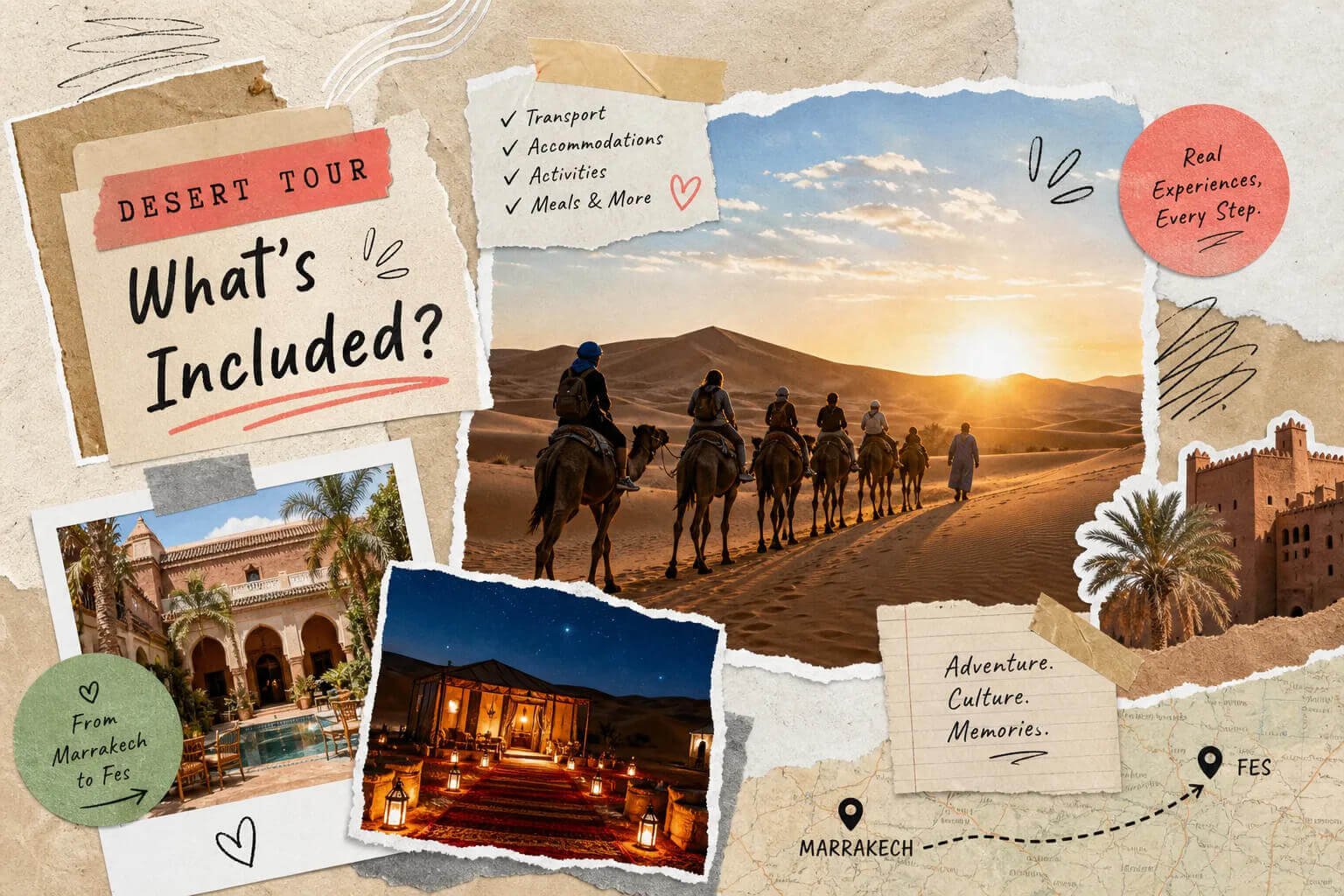
Uncover what a Marrakech to Fes desert tour offers, including camel rides, desert camps, and rich cu...
Read this article
Join our Merzouga Overnight Tour for an authentic desert experience. Enjoy camel rides, comfortable ...
Read this articleWant cool tour deals and tips about Morocco? Enter your email and we’ll send them to you each month!
