Group Tour Agencies in Morocco: How to Pick the Right One
Compare Morocco group tour agencies by trip style, reviews, pace, transport and inclusions. Learn wh...
Read this article

Private, custom Morocco trips planned in Fez by AZ-ZDDINE, working in Moroccan tourism since 2012. Sahara, Atlas, medinas and coast, arranged around you.
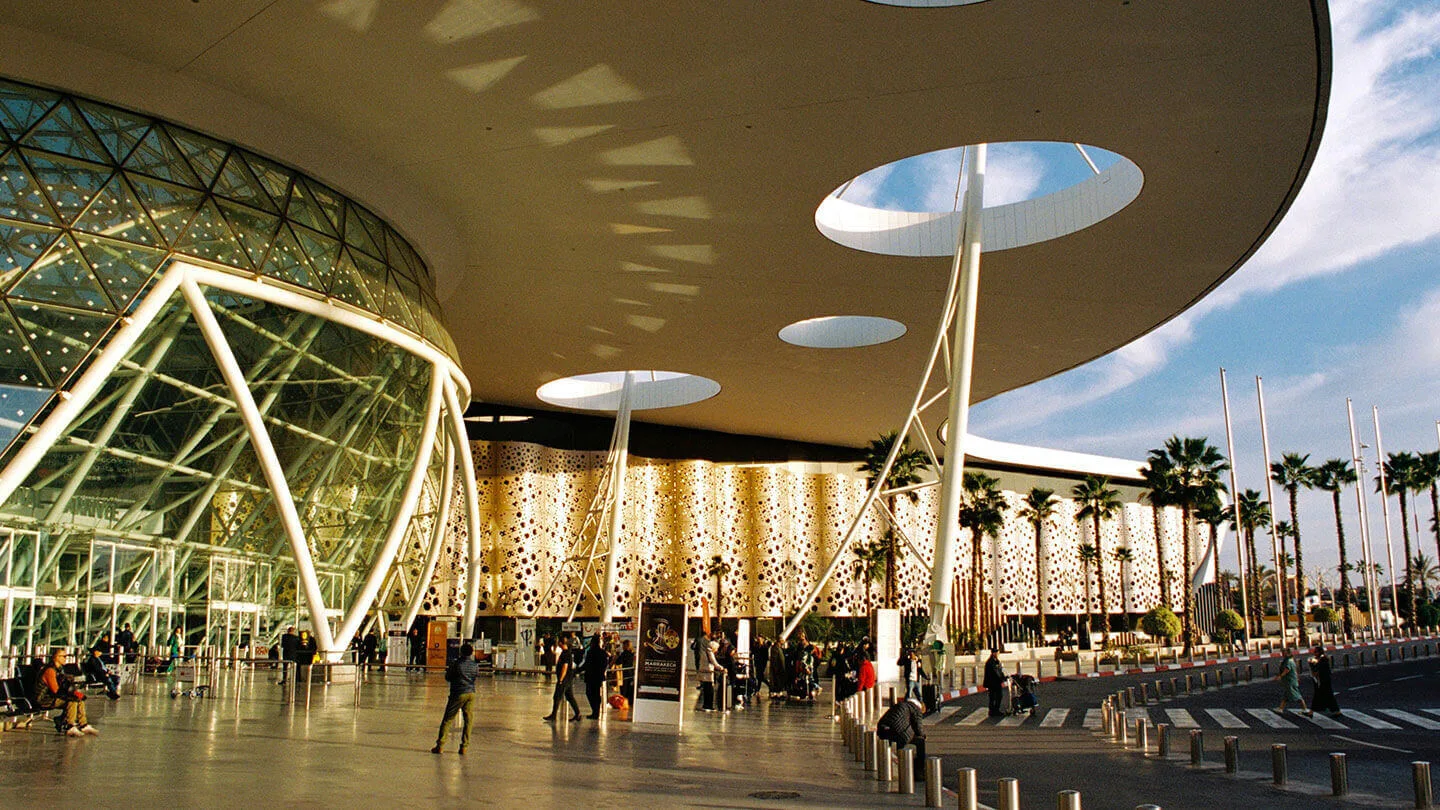
Planning a trip to Morocco as an international traveler means making one crucial decision before anything else: which Morocco airport should you fly into? This guide is designed specifically for international travelers planning a trip to Morocco, and choosing the right airport is crucial for optimizing your travel time and overall experience. With diverse landscapes stretching from Atlantic beaches to the Sahara Desert, and major cities spread across different regions of the country, your choice of arrival point shapes your entire journey.
This comprehensive Morocco airport guide covers all major airports in Morocco, including the largest and most important ones for international travelers. Whether you’re arriving for a cultural adventure, a desert tour, or a beach holiday, understanding your airport options will help you make the most of your time in Morocco.
Traveling to Morocco is made easier with over 20 important airports serving major cities.
This guide breaks down everything travelers need to know about airports in Morocco—from the busiest international hubs to smaller regional gateways that can save hours of driving.
Mohammed V International Airport in Casablanca is the largest airport in Morocco and the main hub of Royal Air Maroc, making it the best airport to fly into for multi-city tours and long-haul connections from North America or the Middle East.
Marrakech Menara Airport and Fes Saiss Airport are top choices when your trip focuses on culture, medinas, and desert tours—particularly relevant for itineraries exploring the imperial cities and Sahara.
Morocco has approximately 8–9 major airports handling international traffic, plus several regional facilities, providing good coverage for coast, mountains, and Sahara regions.
Flight times from Europe are around 2–4 hours, positioning Morocco as an easy short-haul destination with minimal jet lag for European visitors.
Morocco Classic Tours arranges private transfers, custom tours, and desert trips from all the main international airports, tailoring itineraries to your arrival and departure points.
Morocco operates a network of over 20 airports managed primarily by the Office National des Aéroports (ONDA), but around 8–9 of these handle the majority of international tourism traffic. These facilities are strategically located across different regions, connecting visitors to the country’s diverse landscapes and attractive touristic sights.
Here’s a quick overview of the main Morocco airports serving international travelers, including city served, distance from city center, number of destinations, and notable features:
Mohammed V International Airport (Casablanca): Busiest airport, serves over 103 destinations, located 30 km from city center, main base for Royal Air Maroc.
Marrakech Menara Airport (Marrakech): Vital entry point for international visitors, 6 km from city center, operates flights to 105 destinations via 40 airlines, two terminals, serves over 6.7 million passengers in 2024.
Fes Saiss Airport (Fes): Serves Fes (imperial city), 13 km from city center, connects to 39 destinations, handled over 15 million passengers in 2024.
Agadir Al Massira Airport (Agadir): 25 km from Agadir, connects to more than 65 destinations, main gateway for Atlantic coast and surf access.
Tangier Ibn Battouta Airport (Tangier): 14 km from city center, vital link between Morocco and Europe, serves northern Morocco.
Rabat-Salé Airport (Rabat): 8 km from Rabat, serves flights to 33 destinations via 10 airlines, gateway for travelers visiting Morocco's capital.
Nador International Airport (Nador): 24 km from Nador, crucial for connecting the Rif region with other parts of Morocco and Europe.
Oujda Angads Airport (Oujda): Serves eastern Morocco, near Algerian border, alternative for Mediterranean and desert-bound routes.
Ouarzazate Airport (Ouarzazate): Closest airport to major Sahara gateways, serves as a film industry hub and access point for the Draa Valley.
When people search for the “biggest airport Morocco” or “main Morocco airport,” they’re almost always referring to Mohammed V International Airport in Casablanca. This hub dominates in passenger numbers, international connections, and cargo handling.
Mohammed V International Airport is the busiest airport in Morocco and is located approximately 30 km south of Casablanca.
Morocco Classic Tours designs itineraries starting and ending at any of these airports, often using open-jaw flights. This means you can arrive in one city and depart from another—eliminating the need to backtrack across the country and maximizing your time exploring.
Marrakech Menara Airport typically ranks as Morocco’s second-busiest airport and serves as the preferred arrival point for millions of leisure travelers annually. Its popularity stems from dense connections with European destinations, particularly through low-cost carriers that make city breaks and desert excursions accessible and affordable.
Fes Saiss Airport has grown rapidly into one of the major airports in Morocco, particularly important for cultural travelers and those planning to explore northern or central regions of the country. If your Morocco dream involves getting lost in ancient medinas, visiting koranic schools, and journeying to the desert, FEZ deserves serious consideration.
Al Massira Airport positions Agadir as Morocco’s gateway to Atlantic coast resorts, world-class surf breaks, and winter sunshine. The airport plays a significant role in Morocco’s beach tourism economy, attracting visitors from across Europe seeking sea, sand, and adventure.
Tangier Ibn Battouta Airport—named after the legendary Moroccan explorer born in the city—serves as a key gateway for northern Morocco and one of the closest Moroccan airports to mainland Europe. This makes it particularly valuable for travelers coming from Spain and wanting quick access to the Rif region.
Morocco’s capital city airport sits approximately 8 km from Rabat center. It operates as a mixed civil-military facility with two terminals—one a 16,000-square-meter facility designed for Hajj pilgrims. Royal Air Maroc, Air France, and low-cost carriers offer connections, particularly to Paris and other European hubs. It’s convenient for business travelers or those wanting to explore the capital region, though it handles less tourist traffic than Casablanca or Marrakech.
Located 24 km from Nador city, this airport primarily serves the Rif region and diaspora traffic from Europe. Many travelers use it to visit family or explore northeastern Morocco, including Al Hoceima and the Mediterranean coast. It’s useful for combining Nador with Melilla or planning overland journeys to Fes and the Middle Atlas.
Situated in eastern Morocco near the Algerian border, Oujda airport handles seasonal European flights and serves travelers exploring less-visited regions. It offers an alternative starting point for journeys to the Mediterranean coastline or desert-bound routes through the eastern High Atlas.
Perhaps the most interesting option for Sahara-focused travelers, Ouarzazate airport has seen air traffic surge dramatically—over 50% growth reaching 140,000 passengers in 2019. Located at the edge of the desert, it serves as the closest airport to major gateways like Zagora and provides access to the Draa Valley. The town itself is famous as a film industry hub, with nearby studios that have produced Hollywood blockbusters.
Morocco Classic Tours helps guests choose these smaller airports to shorten road sections, particularly valuable for Sahara Desert tours and off-the-beaten-path adventure routes where minimizing transfer time maximizes exploration time.
Mohammed V International Airport stands as the largest airport in Morocco and the primary gateway connecting the African continent to Europe, the Middle East, and the Americas. As the main base of Royal Air Maroc, it handles the lion’s share of Morocco’s international passenger and cargo traffic.
Mohammed V International Airport is the busiest airport in Morocco and is located approximately 30 km south of Casablanca.
Key facts about CMN:
Located approximately 30 km south of Casablanca in Nouaceur Province
Three modern terminals with dedicated passenger and cargo facilities
Two runways supporting high-volume operations
Ranks among the top busiest airports on the African continent
Serves as Royal Air Maroc’s hub, connecting to over 80 countries worldwide
The airport plays a big role in international flights to Morocco, with direct flights to over 100 destinations. Regular flights connect Casablanca to major cities including New York, Montreal, Paris, London, Madrid, Dubai, and Doha. Airlines operating here include Turkish Airlines, Qatar Airways, Emirates, Air France, Iberia, and Air Canada alongside the national carrier.
Facilities at Mohammed V:
On-site train station between Terminals 1 and 2, with direct service to Casablanca Voyageurs and onward connections to Marrakech, Rabat, and Fes
Currency exchange offices and ATMs throughout terminals
Duty-free shopping, restaurants, and lounges
Car rental desks and taxi ranks
Private transfer pickup areas
Casablanca's Mohammed V International Airport offers high-quality services such as rental cars, ATMs, and currency exchange.
CMN is often the best airport to fly into for longer, multi-region Morocco tours. The train station provides easy access to major cities, while the airport’s extensive domestic flights make it simple to hop to Marrakech, Agadir, or other destinations if you prefer not to drive.
From Morocco Classic Tours’ perspective, Casablanca airport serves as an excellent starting point for classic circuits. A typical journey might begin with a pickup at CMN arrivals, followed by exploration of Casablanca (including the stunning Hassan II Mosque), then continue to Rabat, Fes, the Sahara Desert, and finally Marrakech—where travelers can depart from Menara Airport without retracing their steps.
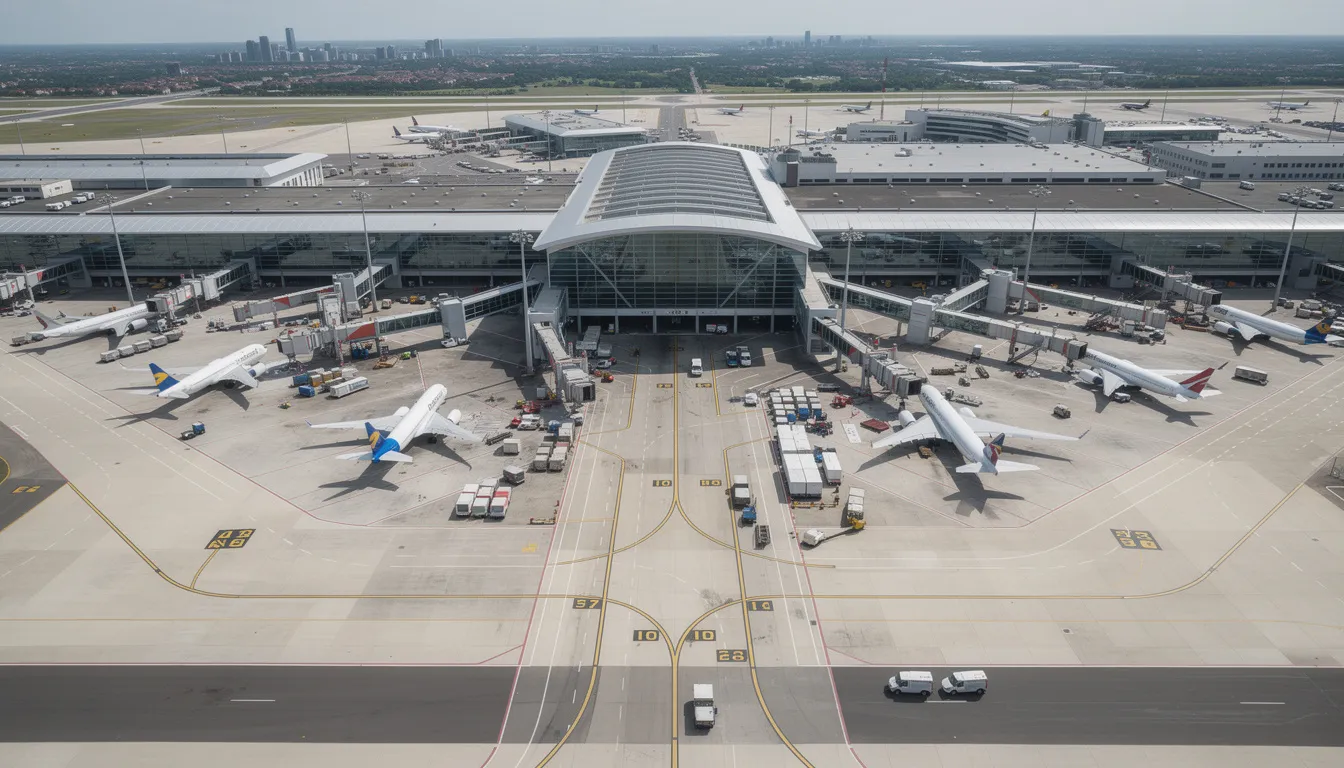
Marrakech Menara Airport typically ranks as Morocco’s second-busiest airport and serves as the preferred arrival point for millions of leisure travelers annually. Its popularity stems from dense connections with European destinations, particularly through low-cost carriers that make city breaks and desert excursions accessible and affordable.
Essential details about RAK:
Located just 6 km from the Marrakech medina
Two terminals handling passenger traffic
Serves millions of passengers annually with connections to dozens of European and regional destinations
Frequently described as one of the most aesthetically pleasing airports in Africa
The terminal architecture incorporates traditional Moroccan design elements—think geometric latticework, earthy tones, and an open-plan layout that creates a sense of arrival even before you step outside. It’s a fitting introduction to a city known for its visual splendor.
Airlines with regular flights to RAK include Ryanair, easyJet, TUI, Air Arabia Maroc, and Royal Air Maroc. Most connections originate from European destinations like London, Paris, Brussels, Amsterdam, and various Spanish cities.
Airport facilities:
ATMs and currency exchange offices
Cafés and duty-free shopping
Car rental desks
SIM card vendors for immediate connectivity
Official taxi rank with fixed price fares to major areas
Bus routes to Jemaa el-Fnaa and central Marrakech
RAK is a strong candidate for “which airport in Morocco is best to fly into” if you’re planning a shorter trip focused on Marrakech itself, the Atlas Mountains, or a 2–4 day Sahara adventure. The airport’s proximity to the medina means you can be sipping mint tea in a riad courtyard within 30 minutes of clearing passport control.
Morocco Classic Tours offers comprehensive services from Marrakech Menara Airport, including private transfers to your accommodation, day trips to Ourika Valley and Imlil in the Atlas Mountains, excursions to the coastal town of Essaouira, and multi-day Marrakech-to-Merzouga desert tours complete with camel treks and desert camps.
Fes Saiss Airport has grown rapidly into one of the major airports in Morocco, particularly important for cultural travelers and those planning to explore northern or central regions of the country. If your Morocco dream involves getting lost in ancient medinas, visiting koranic schools, and journeying to the desert, FEZ deserves serious consideration.
Practical information about FEZ:
Located approximately 13 km south of Fes city center
Terminal expansions in recent years to accommodate growing traffic
Handles hundreds of weekly flights to domestic and European destinations
Regular flights to Casablanca (over 300 weekly departures) and Barcelona (approximately 76 weekly)
Royal Air Maroc operates extensively from Fes, along with Air Arabia Maroc, Qatar Airways, Saudi Arabian Airlines, TUI Air Belgium, and seasonal European low-cost carriers. The airport provides solid connectivity for visitors arriving from major European cities.
Ground transport options:
Public bus line to the medina (check current schedules)
Official taxis with metered or negotiated fares
Pre-booked private transfers (recommended for first-time visitors)
Typical transfer time to the old city: 20–30 minutes depending on traffic
Fes holds UNESCO World Heritage Site status for its extraordinary medieval medina—the largest car-free urban area in the world. Beyond cultural immersion, the city serves as the primary starting point for classic routes to the Sahara Desert via Midelt, Erfoud, and the Merzouga dunes.
Morocco Classic Tours uses Fes as a primary hub for several signature itineraries. The imperial cities tour connects Fes with Meknes, the Roman ruins of Volubilis, and the capital Rabat. Fes-to-desert circuits wind through the Middle Atlas cedar forests, past Berber villages, and into the Sahara for camel treks and nights in desert camps. Custom private tours continue onward to Marrakech or loop back to Casablanca, depending on departure preferences.
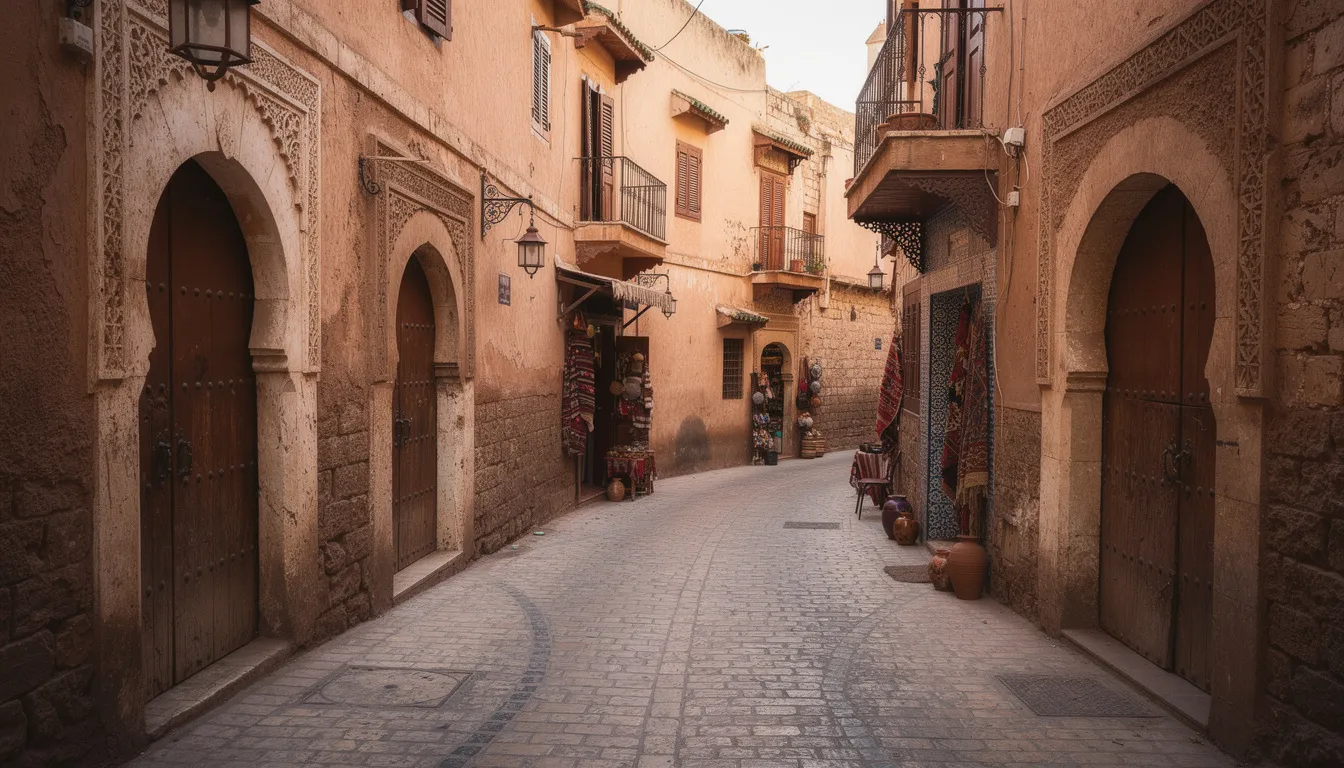
Al Massira Airport positions Agadir as Morocco’s gateway to Atlantic coast resorts, world-class surf breaks, and winter sunshine. The airport plays a significant role in Morocco’s beach tourism economy, attracting visitors from across Europe seeking sea, sand, and adventure.
Key details about AGA:
Located approximately 25 km southeast of Agadir in Temsia commune
Accessible via the P1714 road and A7 motorway
One main passenger terminal
Handles substantial charter and scheduled traffic, particularly from European origins
The airport primarily serves beach holidaymakers, surfers heading to legendary breaks at Taghazout and Tamraght, and winter-sun travelers escaping northern European cold. Direct flights connect Agadir with numerous European cities, operated by charter carriers, TUI, and other airlines.
Available services:
Car rental desks
Currency exchange and ATMs
Cafés and basic shopping
Taxi and bus options into Agadir
Transfer time to Agadir city center: approximately 30–40 minutes
Transfer time to Taghazout surf village: approximately 45 minutes
Morocco Classic Tours creates traveling packages from Agadir that combine beach relaxation with cultural exploration. Popular options include Agadir-Essaouira-Marrakech coastal routes, Anti-Atlas mountain excursions, and extended journeys to the desert that offer travelers the best of Morocco’s diverse landscapes without excessive driving.
Tangier Ibn Battouta Airport—named after the legendary Moroccan explorer born in the city—serves as a key gateway for northern Morocco and one of the closest Moroccan airports to mainland Europe. This makes it particularly valuable for travelers coming from Spain and wanting quick access to the Rif region.
Essential information about TNG:
Located approximately 14 km from Tangier city center
Tangier served recorded about 1.07 million passengers in 2019, with numbers that have grown rapidly since
Connections to numerous European destinations, especially Spain, France, Belgium, and the Netherlands
Strong domestic network to Casablanca and other Moroccan cities
Tangier airport serves as a hub for Royal Air Maroc, Air Arabia Maroc, and major European low-cost carriers including Ryanair. The proximity to Spain—flights from Madrid take barely an hour—makes it popular for quick getaways and connection with ferry services.
Ground transport:
Grand taxis available 24/7 with fixed price or negotiable fares
Limited or irregular public bus service
Pre-booked private transfers recommended
Drive to Tangier medina: approximately 20 minutes
Drive to Chefchaouen (the famous blue city): 2–3 hours
Nearby attractions accessible from Tangier include the historic medina, Cap Spartel where the Atlantic meets the Mediterranean, and the UNESCO World Heritage Site of Tetouan. High-speed train connections now link Tangier to Rabat and Casablanca, making onward travel efficient.
Morocco Classic Tours uses Tangier airport for custom itineraries serving travelers arriving from Spain (whether by flight or ferry combination). Northern Morocco circuits include Chefchaouen’s blue-washed streets, Fes exploration, and one-way tours ending in Marrakech or Casablanca—providing easy access to different attractive touristic sights across the country.
Beyond the biggest airports, several smaller but strategically located facilities prove useful for planning efficient itineraries, especially when trying to minimize driving time or access less-visited regions.
Morocco’s capital city airport sits approximately 8 km from Rabat center. It operates as a mixed civil-military facility with two terminals—one a 16,000-square-meter facility designed for Hajj pilgrims. Royal Air Maroc, Air France, and low-cost carriers offer connections, particularly to Paris and other European hubs. It’s convenient for business travelers or those wanting to explore the capital region, though it handles less tourist traffic than Casablanca or Marrakech.
Located 24 km from Nador city, this airport primarily serves the Rif region and diaspora traffic from Europe. Many travelers use it to visit family or explore northeastern Morocco, including Al Hoceima and the Mediterranean coast. It’s useful for combining Nador with Melilla or planning overland journeys to Fes and the Middle Atlas.
Situated in eastern Morocco near the Algerian border, Oujda airport handles seasonal European flights and serves travelers exploring less-visited regions. It offers an alternative starting point for journeys to the Mediterranean coastline or desert-bound routes through the eastern High Atlas.
Perhaps the most interesting option for Sahara-focused travelers, Ouarzazate airport has seen air traffic surge dramatically—over 50% growth reaching 140,000 passengers in 2019. Located at the edge of the desert, it serves as the closest airport to major gateways like Zagora and provides access to the Draa Valley. The town itself is famous as a film industry hub, with nearby studios that have produced Hollywood blockbusters.
Morocco Classic Tours helps guests choose these smaller airports to shorten road sections, particularly valuable for Sahara Desert tours and off-the-beaten-path adventure routes where minimizing transfer time maximizes exploration time.
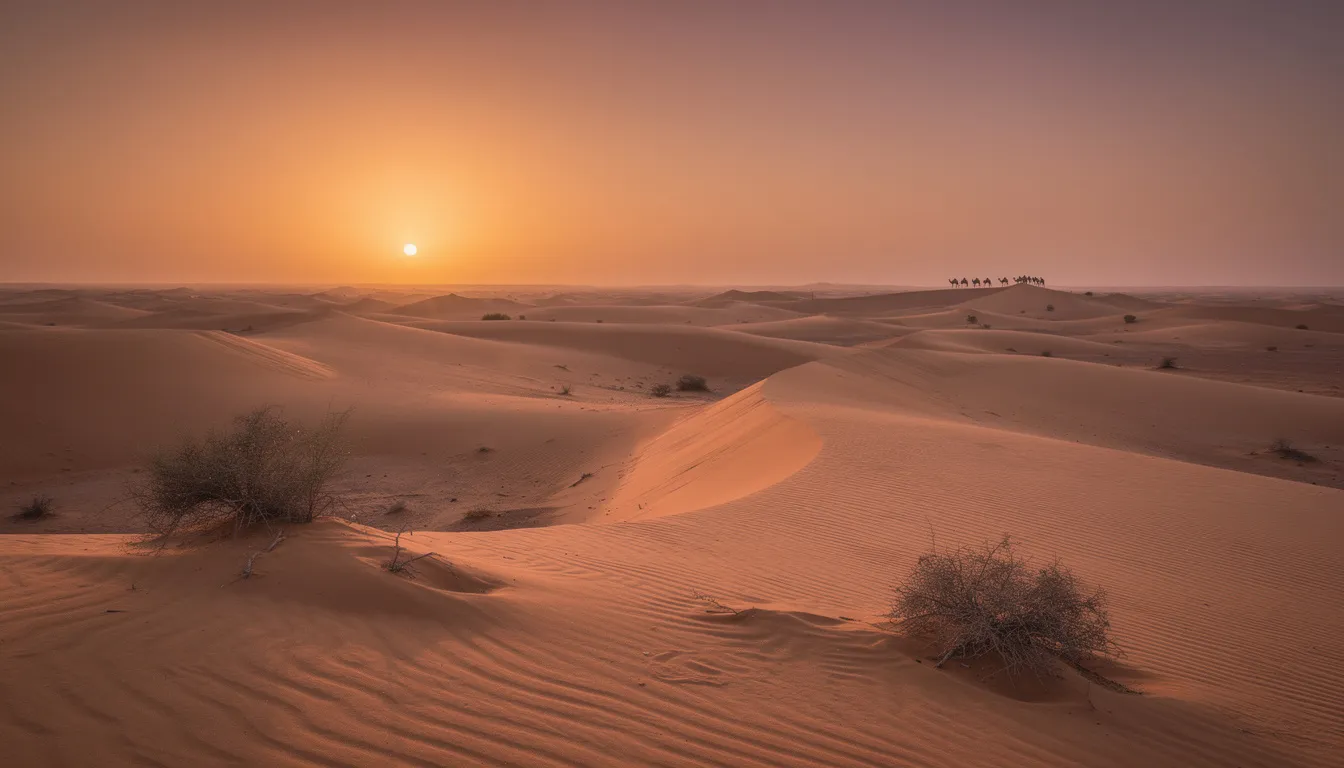
The “best” Morocco airport depends entirely on your itinerary focus, available flights from your home country, and whether you’re planning a loop tour or point-to-point journey. There’s no single right answer—only the right answer for your trip.
Matching airports to traveler profiles:
Casablanca (CMN): Ideal for multi-city tours, long-haul arrivals from North America or the Middle East, and travelers wanting maximum flexibility with onward connections.
Marrakech (RAK): Perfect for short city breaks, Atlas Mountains exploration, and 2–4 day Sahara adventures; excellent European low-cost flight availability.
Fes (FEZ): Best for culture-first travelers, imperial cities circuits, and authentic medina experiences before desert journeys.
Agadir (AGA): Top choice for beach holidays, surfing trips, and coastal itineraries.
Tangier (TNG): Optimal for northern Morocco exploration, Spain connections, and access to Chefchaouen and the Rif region.
One of the smartest strategies involves flying into one city and out of another. For example, arrive in Casablanca, travel through Rabat, Fes, and the Sahara, then depart from Marrakech. This open-jaw approach eliminates backtracking and lets you see more of the country.
Practical fare considerations: Casablanca offers the most competitive long-haul pricing due to Royal Air Maroc’s hub status. Marrakech typically has the cheapest European low-cost fares. Fes offers a middle ground with good European connections and fewer crowds than Marrakech.
Morocco Classic Tours provides free itinerary advice to match your incoming and outgoing airports with your interests—whether that’s desert camps, imperial cities, hiking, beaches, or a combination of everything Morocco offers.
Smooth arrivals set the tone for your entire Morocco experience. Here’s what to know before touching down at any major airport.
Most nationalities receive a 90-day tourist visa stamp on arrival.
Travelers must have a passport valid for at least six months to enter Morocco.
Passport validity of at least 6 months recommended.
Arrival cards may be required—fill them out on the plane to save time.
Standard customs declarations apply; nothing unusual for tourists.
ATMs available at all major airports (some accept international cards more reliably than others).
Currency exchange desks operate in arrivals areas, though rates vary.
Withdraw or exchange a modest amount of Moroccan dirhams on arrival—enough for taxis, tips, and initial purchases.
Credit cards accepted at major hotels and restaurants but cash essential for souks and smaller vendors.
Airport | Typical City Center Transfer Time | Main Options |
|---|---|---|
Casablanca (CMN) | 30–45 minutes | Trains, taxis, private transfers |
Marrakech (RAK) | 15–25 minutes | Taxis, buses, private transfers |
Fes (FEZ) | 20–30 minutes | Taxis, buses, private transfers |
Agadir (AGA) | 30–40 minutes | Taxis, private transfers |
Tangier (TNG) | 15–25 minutes | Grand taxis, private transfers |
Pre-booked transfers with vetted drivers eliminate haggling and confusion, especially valuable after long flights or late-night arrivals. Morocco Classic Tours arranges these from any major Moroccan airport, with drivers holding name signs and providing high quality services from the moment you exit arrivals.
Telecom kiosks at major airports sell SIM cards with data packages. Having local connectivity helps with navigation, communication with your tour provider, and sharing your journey in real-time. The major carriers (Maroc Telecom, Orange, Inwi) all have airport presence.
Morocco Classic Tours operates as a Fes-based tour operator that customizes private tours starting and ending at all major airports. Whether you’re landing in Casablanca at midnight or catching an early departure from Marrakech, itineraries are designed around your actual flight times.
Common itinerary structures:
Multi-city loops starting in Casablanca or Marrakech, covering imperial cities, the Atlas Mountains, and Sahara Desert
Desert-focused journeys beginning in Fes or even Ouarzazate, minimizing travel time to the dunes
Coastal getaways from Agadir or Tangier, combining beaches with cultural exploration
Open-jaw routes that maximize sightseeing by avoiding return journeys to your arrival city
Airport-linked services include:
Meet-and-greet on arrival with English-speaking drivers
Private air-conditioned vehicles (from compact cars to minibuses depending on group size)
Flexible drop-off at a different airport at tour’s end
Adaptation to flight delays, late arrivals, or early departures when planning hotel locations and final-day activities
The goal is simple: you focus on the experience while logistics are handled seamlessly. From the moment you clear passport control to your final wave at departures, every transfer and transition is planned.
Ready to start planning? Contact Morocco Classic Tours with your preferred arrival airport or share your flight options, and a custom itinerary will be designed around your schedule and interests.
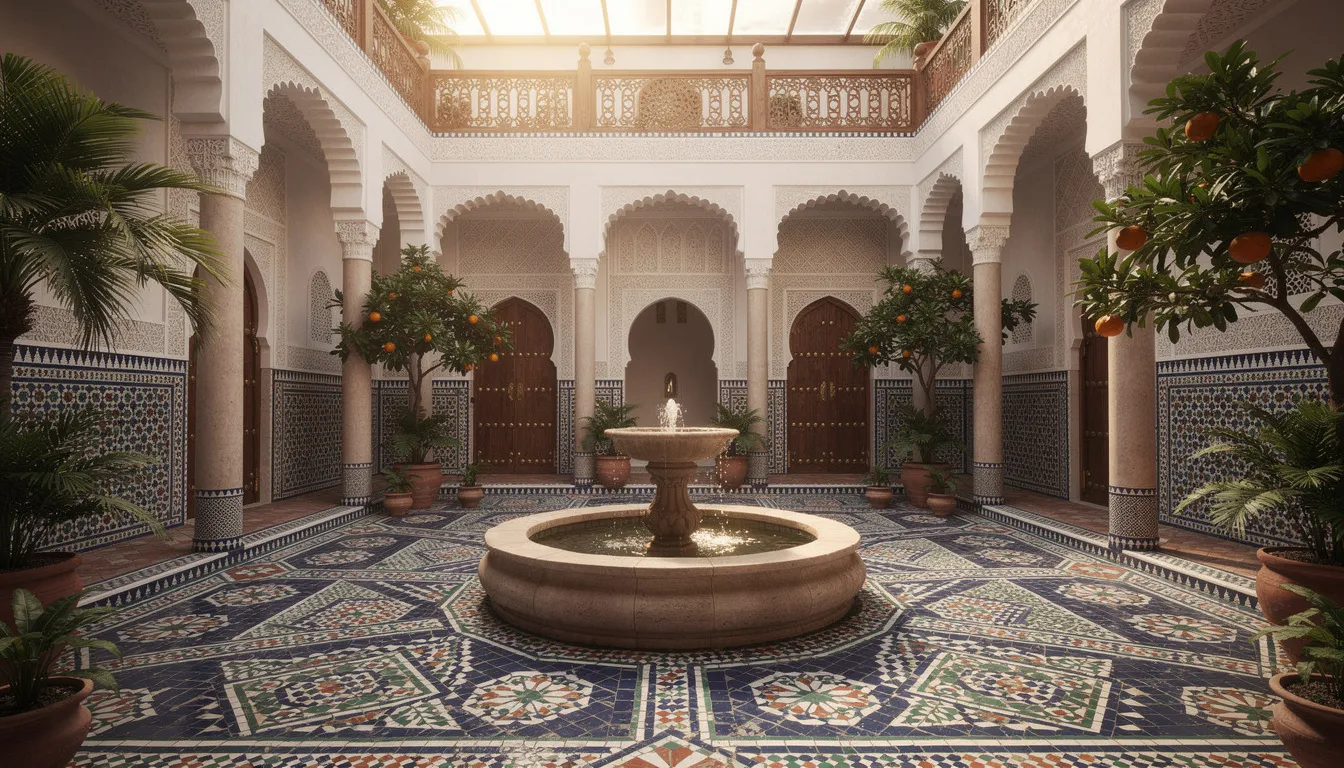
Mohammed V Airport in Casablanca is the largest and main Morocco airport for international traffic, offering the widest range of long-haul and regional flights. If you’re arriving from North America, the Middle East, or making multi-stop international connections, CMN typically provides the most options and best pricing. It’s also a strong starting point for classic circuits linking Casablanca, Rabat, Fes, the Sahara, and Marrakech—particularly useful for visitors wanting to experience the full breadth of what Morocco offers.
Ouarzazate Airport is geographically one of the closest to major desert gateways like Zagora and the Draa Valley. However, many connections to Ouarzazate are limited or seasonal. Most travelers still arrive in Marrakech or Fes and reach the desert via scenic road trips—crossing the Atlas Mountains from Marrakech or winding through the Middle Atlas from Fes. Morocco Classic Tours can help determine whether flying into Ouarzazate makes sense for your timeline or whether combining a longer drive with sightseeing stops creates a richer experience.
Casablanca works better for longer multi-city trips and for travelers on long-haul flights from outside Europe, thanks to more international routes and easier onward connections by train or domestic flights. Marrakech is ideal for shorter stays focused on the medina, souks, Atlas Mountains, and quick desert excursions—especially when traveling from Europe on budget airlines. A popular approach combines both: arrive in Casablanca, travel through the country, and depart from Marrakech. Morocco Classic Tours arranges these door-to-door itineraries regularly.
Casablanca Airport has a direct train station connecting to the city center and onward to Marrakech, Rabat, and Fes—making it the most convenient for public transport users. Other airports including Marrakech, Fes, Agadir, and Tangier rely primarily on taxis, bus routes, or private transfers. Schedules and tariffs can change, so confirming current options before arrival is wise. Pre-booked private transfers through Morocco Classic Tours avoid haggling and provide peace of mind, especially after long flights or during the summer months when airports are busiest.
Absolutely—open-jaw itineraries are common and often recommended. They save significant time by eliminating backtracking across the country. Popular examples include arriving in Tangier and departing from Marrakech after exploring northern Morocco and the imperial cities, or landing in Casablanca and leaving from Fes after a Sahara adventure. Morocco Classic Tours builds these custom routes regularly, handling all logistics between airports so travelers can focus entirely on the experience rather than transportation logistics.

Compare Morocco group tour agencies by trip style, reviews, pace, transport and inclusions. Learn wh...
Read this article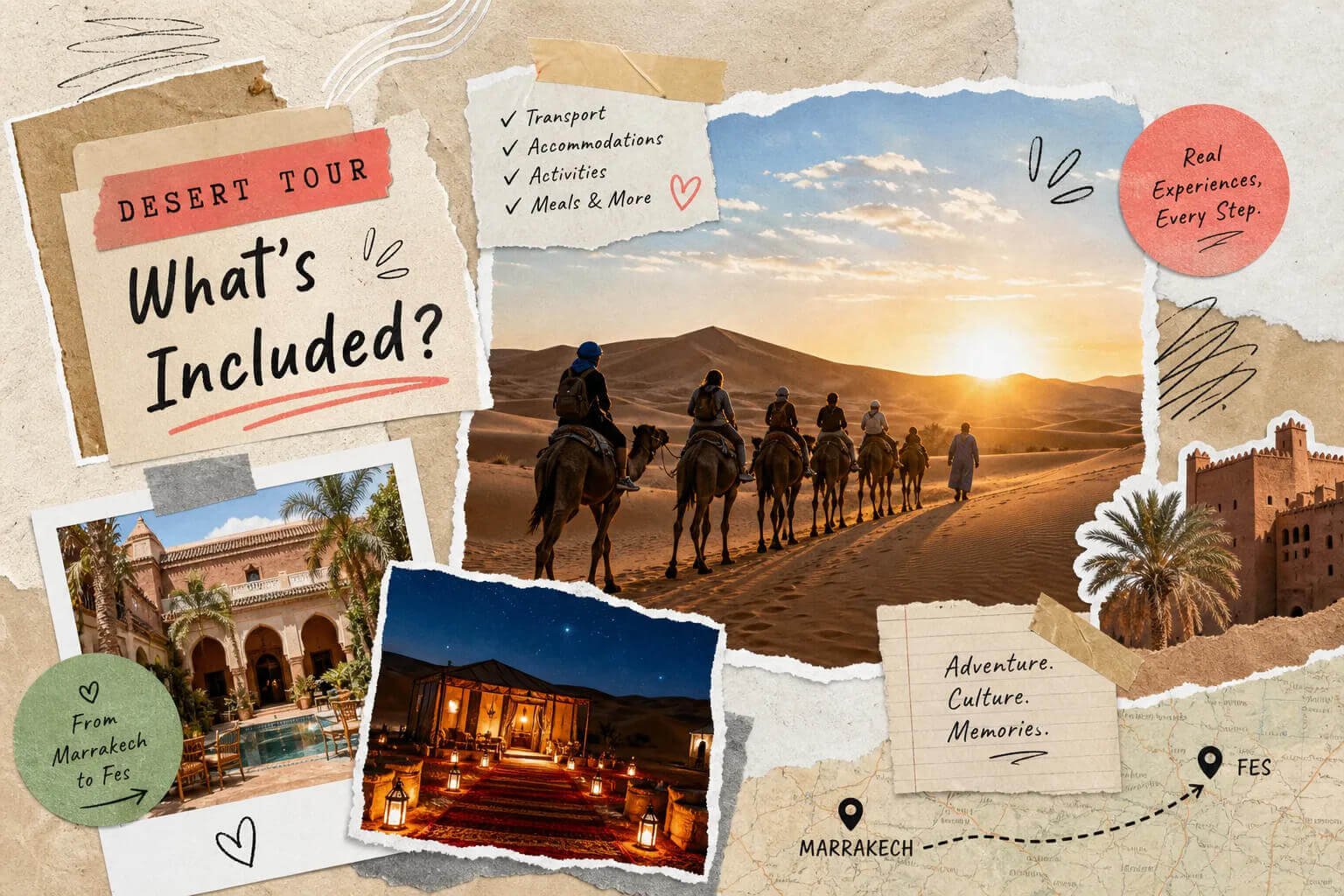
Uncover what a Marrakech to Fes desert tour offers, including camel rides, desert camps, and rich cu...
Read this article
Join our Merzouga Overnight Tour for an authentic desert experience. Enjoy camel rides, comfortable ...
Read this articleWant cool tour deals and tips about Morocco? Enter your email and we’ll send them to you each month!
