Group Tour Agencies in Morocco: How to Pick the Right One
Compare Morocco group tour agencies by trip style, reviews, pace, transport and inclusions. Learn wh...
Read this article

Private, custom Morocco trips planned in Fez by AZ-ZDDINE, working in Moroccan tourism since 2012. Sahara, Atlas, medinas and coast, arranged around you.
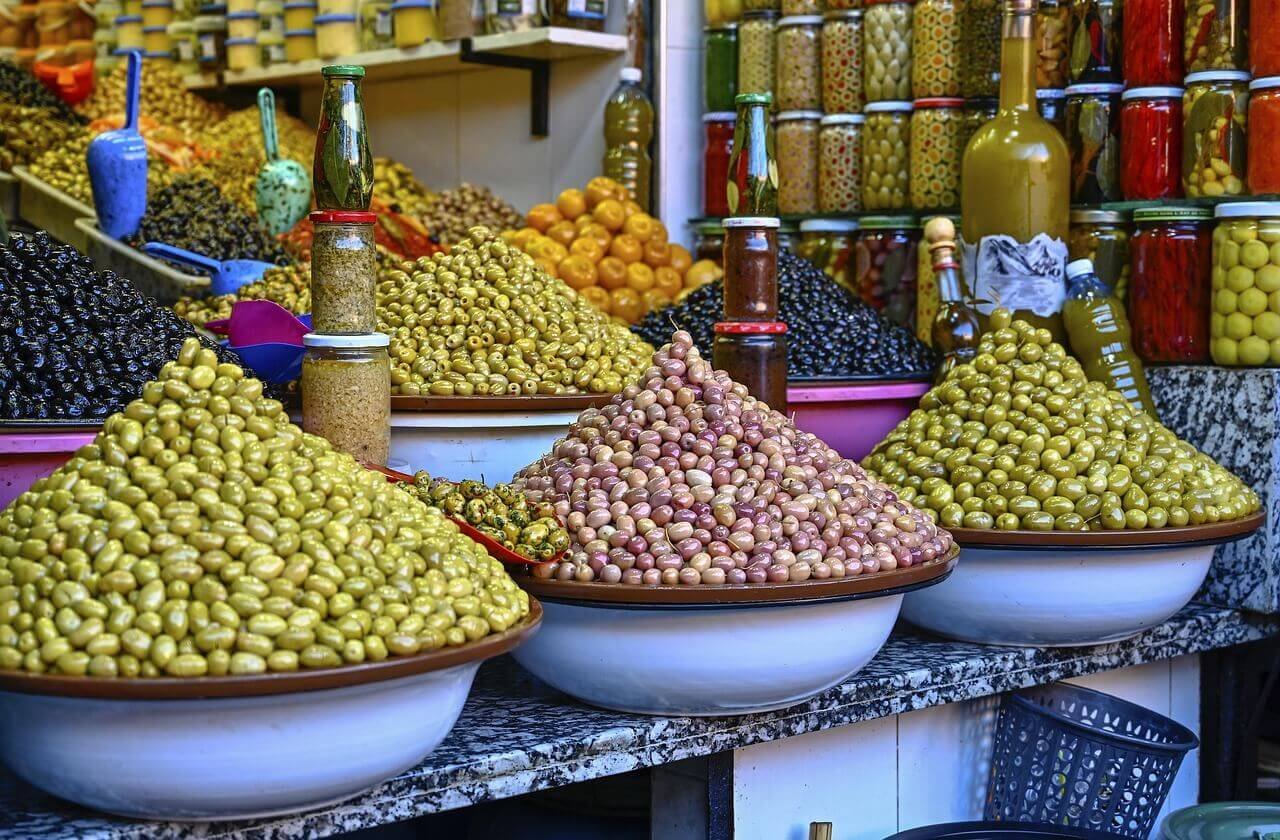
Why Morocco? Its unique atmosphere, diverse landscapes—from imperial cities like Marrakech and Fez to Sahara desert camps near Merzouga, the Atlas Mountains, and Atlantic beaches—and rich cultural attractions make it an unforgettable travel destination. Morocco Classic Tours builds private, customizable itineraries connecting these highlights, all with door-to-door comfort and pre-booked accommodations.
This article answers “where to travel in Morocco” with concrete route ideas for 7–14 days, based on our on-the-ground experience as a Fez-based tour operator serving couples, families, and small groups.
First-time visitors should prioritize Marrakech, Fez, Chefchaouen (the blue city), Merzouga and its vast dunes at Erg Chebbi, and either laid back Essaouira or Casablanca as main anchors for a well-rounded morocco trip.
Private drivers, desert camp stays, and guided medina tours make travel smoother, removing the stress of navigation, negotiation, and logistics so you can focus on cultural immersion.
Ready to turn these ideas into your next trip? Contact Morocco Classic Tours to create a custom itinerary with fixed dates, handpicked riads, and activities tailored to your interests.
If you’re wondering where to travel in Morocco, this guide covers the best cities, desert routes, and coastal getaways—including Marrakech, Fez, Chefchaouen, Merzouga, Essaouira, and Casablanca. Morocco is a land where continents, cultures, and centuries meet—a country located in the heart of North Africa, bordered by the wild Atlantic coast, the sparkling Mediterranean, and the legendary sands of the Sahara Desert. From the snow-capped peaks of the Atlas Mountains to the rolling dunes and windswept beaches, Morocco’s landscapes are as diverse as its history is rich.
This guide is designed for first-time and returning travelers seeking the most rewarding destinations and experiences in Morocco, whether you’re planning a week-long adventure or a two-week cultural journey.
Morocco offers a mix of ancient cities, natural landscapes, and cultural experiences. Top destinations include Marrakech, Chefchaouen (the blue city), Fez, and the Sahara Desert (Merzouga). Marrakech is known for its vibrant souks and the famous Djemaa el-Fna square, a UNESCO Cultural Heritage site. Fez is home to one of the largest pedestrian-only zones in the world and its ancient medina is a UNESCO World Heritage site. Essaouira is a coastal city known for its well-preserved medina, a UNESCO World Heritage site, and its vibrant arts scene. Chefchaouen is famous for its blue-painted buildings. The Sahara Desert (Merzouga) is known for camel treks and sleeping under the stars in a desert camp. Aït Benhaddou is a UNESCO World Heritage Site and a popular filming location for movies. Volubilis is an ancient Roman city and a UNESCO World Heritage site, showcasing well-preserved ruins and mosaics. The Dades Valley and Todra Gorge are known for their stunning scenery and hiking opportunities. The Atlas Mountains, including Mount Toubkal, are ideal for hiking and experiencing Berber culture.
Travelers are drawn to Morocco’s vibrant cities, each with its own unique rhythm and character. Lose yourself in the labyrinthine medinas of Marrakech and Fez, where the scent of spices and the call of the muezzin fill the air, or stroll the relaxed boulevards of Rabat and the whitewashed lanes of Essaouira, where ocean breezes carry the promise of adventure. Every city tells a story, shaped by centuries of Berber, Arab, and European influence—a fascinating history that comes alive in ancient palaces, bustling souks, and the world’s oldest university.
For slow travelers and those seeking true cultural immersion, Morocco is pure magic. Savor delicious food like fragrant tagines and sweet mint tea, admire intricate tilework and carved wood in historic riads, and connect with locals in lively markets or quiet mountain villages. Whether you’re trekking through Berber villages in the Atlas Mountains, riding camelsacross the Sahara Desert, or relaxing on the Atlantic coast, Morocco offers endless opportunities to explore, discover, and be inspired. With its warm hospitality, stunning scenery, and deep-rooted traditions, Morocco is a destination that rewards curiosity and invites you to experience the very best of North Africa.
If you’re asking where to travel Morocco for your first visit, here’s the direct answer: plan a loop that includes Marrakech, the Atlas Mountains, Aït Benhaddou, the Merzouga desert, Dades Valley or Todra Gorge, Fez, Chefchaouen, and either Casablanca or Rabat, Morocco's capital. This route covers Morocco’s cities at their most iconic while giving you desert, mountains, and history in one journey.
Typical trip lengths and focus:
7 days: Marrakech + Sahara desert (Erg Chebbi) + one imperial city (Fez or Rabat)
10 days: Marrakech, Atlas Mountains, Aït Benhaddou, Sahara desert, Dades Valley, Fez
14 days: All the cities that matter—Imperial Cities (Marrakech, Fez, Meknes, Rabat) + Sahara + Chefchaouen + Atlantic coast (Essaouira or Casablanca). Essaouira is a coastal city known for its well-preserved medina (a UNESCO World Heritage site), vibrant arts scene, and Portuguese, French, and Berber architecture.
Morocco Classic Tours specializes in private, driver-guided itineraries connecting these regions. We handle the route planning, book desert camps and riads in advance, and ensure you’re never left figuring out grand taxis or bus station schedules on your own. Traveling by bus in Morocco is a comfortable and affordable option for getting around.
Adventurous travelers can add hiking in the High Atlas (Imlil village near Mount Toubkal) or surf towns along the Atlantic coast—Essaouira, Imsouane, or Taghazout—depending on the season and your energy level.
Best travel periods: March–May and September–November offer the most comfortable temperatures across all regions. Avoid deep desert trips in August when temperatures can exceed 50°C. If you want snow, visit Ifrane in the Middle Atlas from December–February for a surprising alpine atmosphere.
Morocco’s Imperial Cities earned their name as former capitals of various dynasties, each leaving behind royal palaces, grand mosques, and medinas that remain vibrant today. These moroccan cities form the cultural backbone of the country, and most Morocco Classic Tours itineraries include at least two of them.
Each city offers something distinct: Marrakech brings sensory intensity, Fez delivers medieval depth, Rabat, Morocco's capital, provides calm sophistication, and Meknes surprises with underrated grandeur. Meknes is one of Morocco’s four imperial cities and was once Morocco’s capital, established by Sultan Moulay Ismail in the 17th century. Known for its historical architecture, such as Bab El Mansour and Place el Hedim, Meknes offers a quieter atmosphere compared to other cities and has recently gained recognition as a top travel destination. Together, they tell the fascinating history of Morocco across centuries of Berber, Arab, and Andalusian influence.
What to expect when we design your route through these cities:
Guided medina walks with licensed local guides who know the alleys, history, and hidden gems
Food tastings introducing you to delicious food like tagines, pastilla, and fresh mint tea
Artisan workshops where you can watch craftspeople create pottery, leather goods, and carved wood
Evening experiences on main squares like Jemaa el-Fna in Marrakech or Place el Hedim in Meknes
A classic “Imperial Cities & Desert” route uses Marrakech as a gateway, Fez as the deep cultural stop, Meknes and Volubilis as historical day trip destinations, and Rabat as a calmer coastal capital for winding down. For those seeking golden beaches and a laid-back coastal vibe, Agadir is also worth considering.
Marrakech is the “Red City”—named for its ochre-hued clay walls that glow at sunset—and it’s often the first stop thanks to excellent international flight connections. Marrakech is Morocco located in the central-western part of the country, serving as a gateway between the Atlas Mountains and the Sahara Desert. The medina here is a sensory assault in the best way: the scents of spices, leather, and citrus blossoms mix with the sounds of vendors, musicians, and mopeds navigating impossibly narrow lanes.
Marrakech is arguably the most well-known city in Morocco, famous for its vibrant souks and bustling atmosphere.
Key sights to cover:
Attraction | Why It’s Worth Visiting |
|---|---|
Jemaa el-Fna | UNESCO-recognized square with storytellers, food stalls, and nightly lantern glow |
Koutoubia Mosque | 77-meter minaret visible across the city (exterior viewing) |
Bahia Palace | 19th-century palace with intricate zellij tilework and cedar ceilings |
Saadian Tombs | Rediscovered in 1917, featuring 66 marble sarcophagi from 1598 |
Jardin Majorelle | Cobalt-blue garden with over 15 plant species and a Berber museum |
The Palmeraie | Palm grove perfect for camel rides or quad biking |
We recommend at least one evening food tour organized by Morocco Classic Tours. You’ll safely sample tanjia (slow-cooked meat), tagines, fresh juices, and Moroccan sweets without the guesswork of choosing stalls yourself. | |
Plan for 2–3 nights using a centrally located riad inside or just outside the medina. We book riads that balance atmosphere with comfort—expect air conditioning, reliable Wi-Fi, and good food at breakfast. | |
Marrakech can feel overwhelming, especially around the souks. Using our trusted private driver and local tour guide reduces hassle around taxi negotiations, navigation, and aggressive touts. Think of it as experiencing city life at your own pace, not theirs.
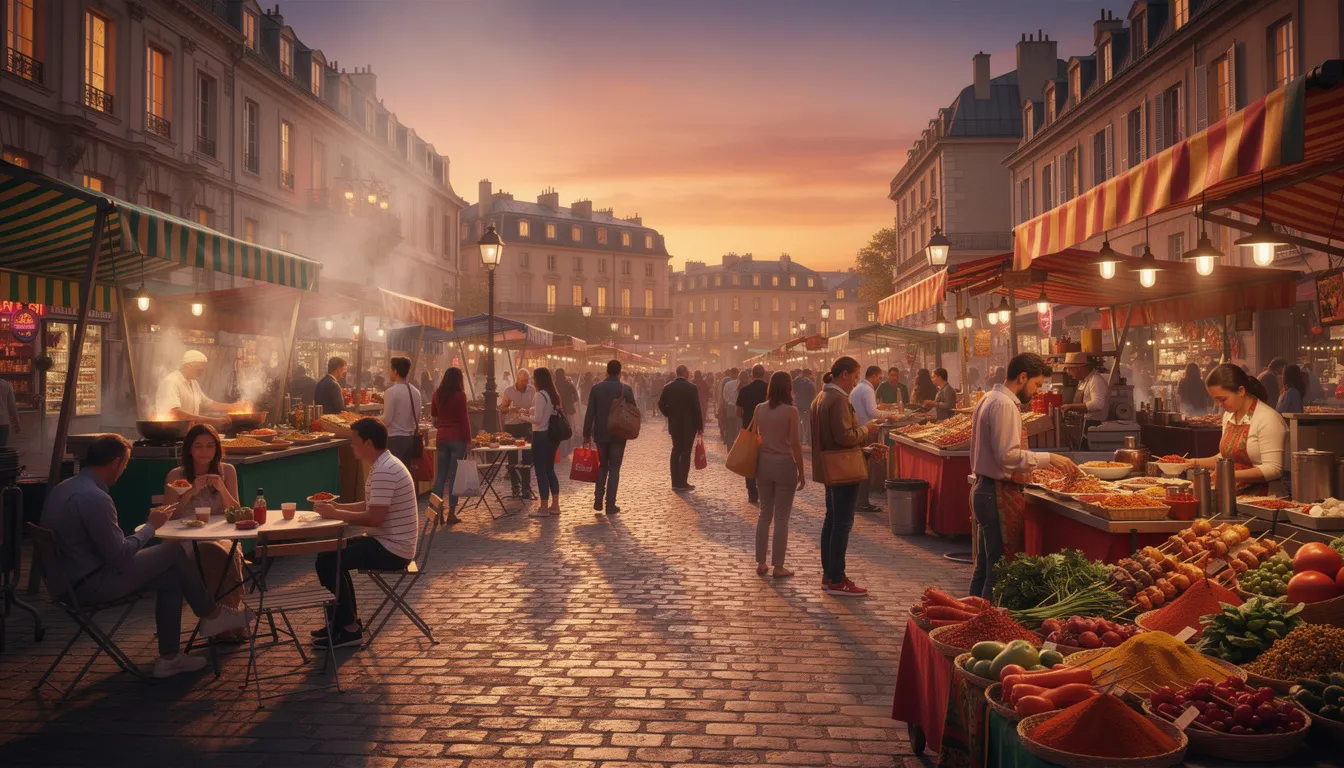
Fez el-Bali is recognized as one of the world’s largest car-free urban areas—a UNESCO-protected medina where over 10,000 alleys wind past mosques, madrasas, and workshops unchanged for centuries. This is Morocco’s spiritual and intellectual heart, home to the world’s oldest university, Al-Qarawiyyin, established in 859.
Must-see experiences:
Bab Boujloud gate: The iconic blue-tiled entrance to the old town
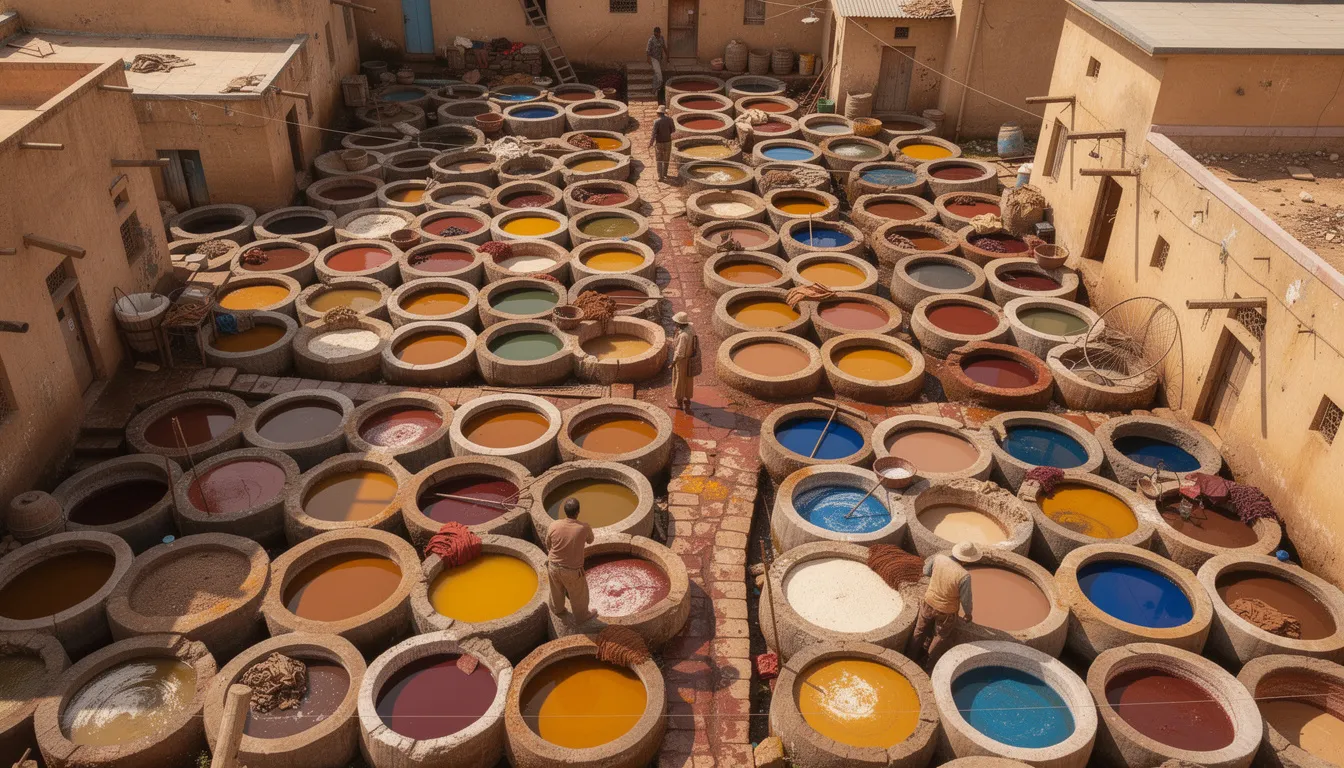
Chouara Tannery: Operating since the 11th century, best visited early morning when light illuminates the 50+ dye vats
Al-Qarawiyyin University: Exterior views and nearby viewpoints overlooking this fascinating place of learning
Al-Attarine Madrasa: Stunning muqarnas ceilings and zellij mosaics
Nejjarine Fountain: A local market hub surrounded by woodworkers
We strongly recommend at least one guided half-day tour of the medina. Many travelers get lost within minutes—that’s not a problem, it’s part of the charm—but a local guide helps you find the interesting places most visitors miss while avoiding dead ends.
Fez is an ideal base for day trips we organize: the roman ruins of Volubilis (with 3rd-century mosaics of Bacchus among 20 surviving columns), Meknes, and the pilgrimage town of Moulay Idriss Zerhoun.
We typically book characterful riads with rooftop terrace views overlooking the medina. Watching sunrise or sunset from above while sipping mint tea is pure magic.
Rabat is Morocco’s capital, the political center since 1912 under the French protectorate. Compared to Marrakech and Fez, it has a more relaxed, less touristy feel—modern cafés alongside historic monuments, all within walking distance of the ocean.
Key attractions:
Hassan Tower: A 44-meter remnant of an unfinished 12th-century minaret
Mausoleum of Mohammed V: Carrara marble and bronze doors honoring the former king
Kasbah des Oudayas: A white-and-blue quarter with ocean breezes and views from Plateforme aux Cannons
Andalusian Gardens: Peaceful green spaces for a slow morning
Mohammed VI Museum of Modern and Contemporary Art: Morocco’s premier modern art collection
Rabat works well as a first or last stop on an itinerary, especially when flying via Casablanca—reachable in under 1.5 hours by car or the Al Boraq high-speed train (320 km/h since 2018).
Morocco Classic Tours often uses Rabat as a gentle “landing city” for families, combining city walks with time on wild beaches at nearby Salé. For most itineraries, 1–2 nights is sufficient—enough to explore without rushing, while avoiding the crowds that pack Marrakech.
Meknes sits between Rabat and Fez, a quieter imperial city with grand gates, spacious squares, and a medina you can actually navigate without a guide if you prefer. It’s the kind of place that rewards slow travelers who want atmosphere without intensity.
Highlights worth visiting:
Bab el-Mansour: One of North Africa’s most impressive gates, decorated with zellij and carved stone
Place el Hedim: A relaxed square for people-watching and good food from nearby vendors
Historic granaries and stables: Built to hold provisions for 12,000 horses
The medina: Authentic local market atmosphere with fewer crowds than Fez
Meknes pairs naturally with Volubilis (40 km away) and Moulay Idriss Zerhoun as a full day trip from Fez or as a one-night stop on a north-south itinerary. Morocco Classic Tours can design this cluster as a one-day loop with a private driver and licensed guide at Volubilis—the real location where you’ll see remarkably preserved mosaics and columns.
Plan for focused sightseeing with time for a café stop to soak in the imperial atmosphere. Meknes doesn’t demand a checklist; it asks you to sit, observe, and appreciate.
When people visit Morocco, they dream of camel silhouettes against orange sand dunes at sunset. That iconic image comes to life at Erg Chebbi near Merzouga, where dunes rise up to 250 meters high and stretch 50 kilometers across the landscape. The Sahara Desert (Merzouga) is known for camel treks and sleeping under the stars in a desert camp, and camel trekking in the Sahara is a popular activity for visitors to Morocco. This is why many travelers come—the romance of the Sahara desert is absolutely stunning.
Reaching Merzouga from Marrakech or Fez requires a scenic road trip of at least 2 days. Morocco Classic Tours organizes this with private drivers, comfortable vehicles, and handpicked stops along the way. The journey is part of the experience—you’ll cross high mountain passes, watch the landscape shift from green valleys to arid plateaus, and stop at kasbahs older than most European castles.
The typical route from Marrakech:
Cross the High Atlas via Tizi n’Tichka Pass (2,260 meters)
Stop at Aït Benhaddou and Ouarzazate
Travel through Dades Valley or Draa Valley
Arrive at the sand dunes of Merzouga
Desert experiences we commonly include:
Sunset camel ride into the dunes with Berber guides
Overnight desert camp with traditional music, dinner under stars featuring traditional Moroccan food, and Bortle Class 1 sky stargazing (many travelers recommend spending a night in the Sahara Desert as a highlight of their trip to Morocco)
Sunrise photo sessions from dune ridges
4x4 drives over dunes for those who prefer wheels to hooves
Tea with nomad families in their tents
Aït Benhaddou is a UNESCO-listed ksar—a fortified village of earthen buildings constructed from adobe bricks reinforced with palm fibers. It sits on the former caravan route where traders carried salt, gold, and goods across the Sahara. Today, it’s famous for appearing in over 200 films including Gladiator, Game of Thrones, and Kingdom of Heaven.
Practical tips for your visit:
Arrive early morning or late afternoon to avoid heat and crowds
Climb to the granary at the top for panoramic valley views
Allow time for taking photos—the golden light on clay walls at sunrise and sunset is amazingly beautiful
Cross the seasonal river on foot (shallow most of the year)
Ouarzazate, 30 km away, serves as a convenient overnight stop with Atlas Film Studios (300 acres, founded 1983) and kasbahs to explore. Morocco Classic Tours uses this as a logical break on the long drive from Marrakech to the desert, coordinating guided visits and photo stops so you have time for both history and relaxation.
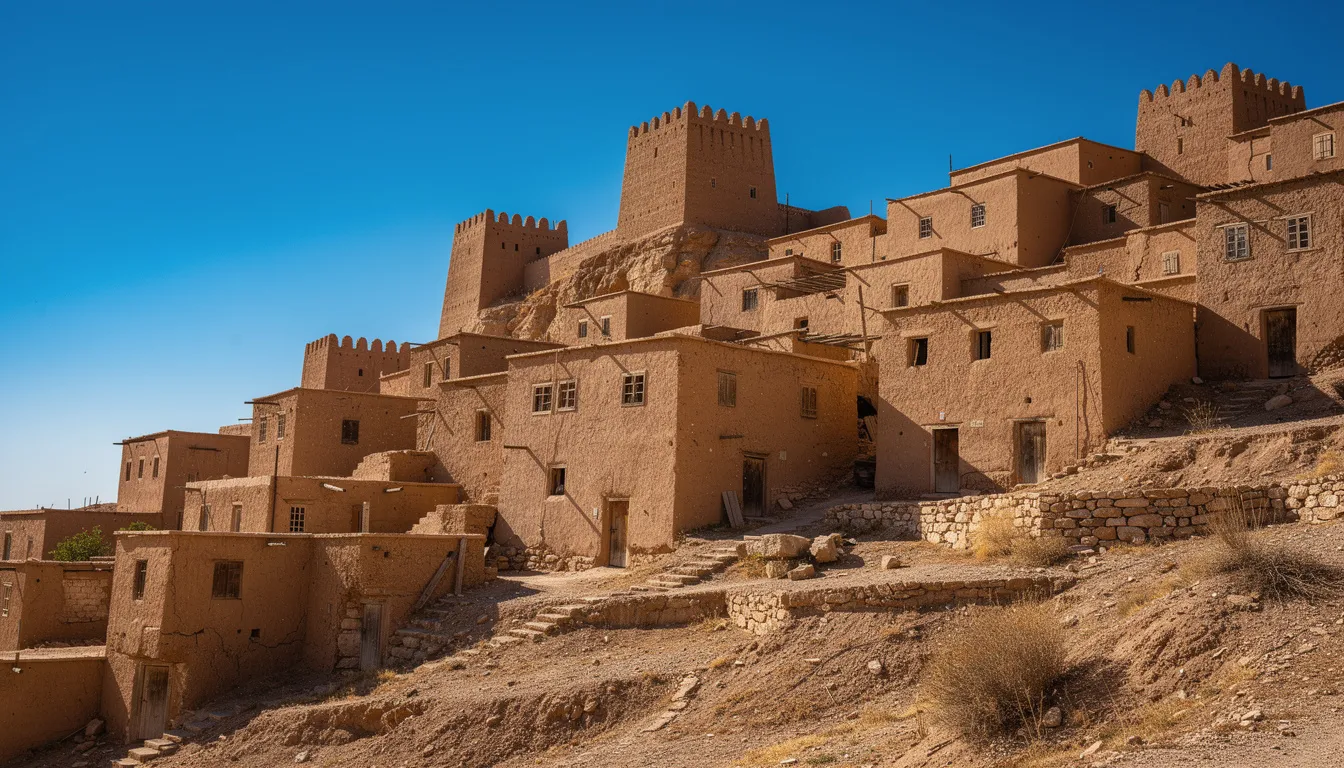
As you travel deeper into southern Morocco, the landscape shifts from arid plateaus to lush river valleys lined with palm groves and berber villages of mud-brick construction. The contrast is striking—after hours of brown and ochre, suddenly you’re surrounded by green.
Dades Valley highlights:
Famous hairpin bends (excellent for photography)
Dramatic rock formations including “Monkey Fingers”
Kasbah-style guesthouses where we often book overnight stays
Sunset walks through the valley with mountain views
Todra Gorge highlights:
Towering 300-meter red cliffs rising on either side
Shallow riverbed walk suitable for families
Easy hiking without technical skills required
Cafés at the gorge entrance with palm-shaded terraces
We recommend one night in either Dades or Todra for a relaxed pace. Our guides can arrange sunset and sunrise walks, plus visits to small villages where you’ll learn about oasis agriculture and traditional construction methods that have worked for centuries.
Erg Chebbi near Merzouga offers some of Morocco’s tallest dunes—this is the classic Sahara silhouette you’ve seen in photographs. The dunes change color throughout the day, from pale gold at midday to deep orange and red as the sun drops.
What Morocco Classic Tours typically provides:
Experience | Details |
|---|---|
Camel ride | Late afternoon trek into the dunes, 1–1.5 hours each way |
Sunset viewing | From a high ridge with unobstructed 360° views |
Desert camp dinner | Traditional tagine, Berber music, and drumming |
Overnight stay | Comfortable tented camps with proper beds |
Sunrise | Wake early to watch colors shift across the dunes |
Return journey | By camel or 4x4, depending on preference |
We partner mainly with high-quality camps that offer private bathrooms, heating in winter (nights drop to 5°C), and comfortable bedding. Basic camps exist at lower prices, but for the experience of a lifetime, a well-run camp makes all the difference. | |
Add-on activities we can arrange: | |
Sand boarding down dune faces
4x4 exploration to fossil fields
Tea in Khamlia village with Gnaoua musicians
Star-gazing sessions far from any light pollution
We advise at least one night in the desert, preferably two if time allows. Spending a few days here lets you slow down and fully appreciate the silence, the vastness, and the night sky—experiences that rush by too quickly on a single overnight.
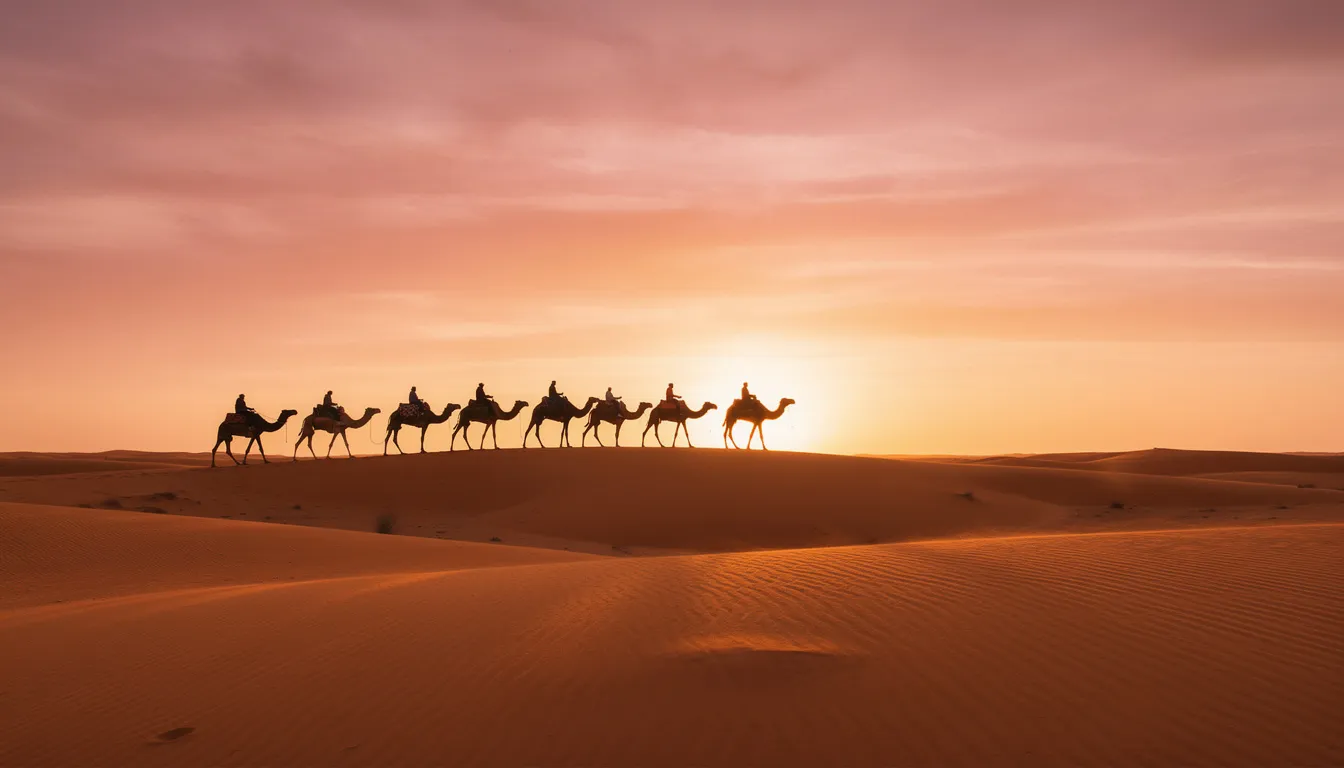
Lake Iriki is a dry lake bed near the Erg Chigaga region, known for mirages, fossil hunting, and expansive desert panoramas that stretch to the horizon without another human in sight. This is the beaten track most tourists never see.
This area suits adventurous travelers seeking rougher tracks and true off-the-beaten-path experiences. Morocco Classic Tours can organize extended trips here with experienced 4x4 drivers who know the terrain.
What to expect:
Encounters with nomad families still living traditionally
Tea stops in canvas tents far from any village
Vast emptiness compared to more visited dunes like Erg Chebbi
Extra driving time (add 1–2 days minimum)
This option works best for 10–14 day itineraries rather than short trips. Cooler months (October–April) are ideal for extended desert exploration when temperatures are manageable.
Morocco’s Atlantic coast offers a cooler climate, wild beaches, fresh seafood, and relaxed medinas that feel completely different from the intensity of desert and city heat. If you’re planning a few weeks in Morocco, adding coastal time creates essential balance.
This section covers Essaouira, Agadir, and smaller surf villages that Morocco Classic Tours can include at the start or end of a private itinerary. The coast is especially attractive in summer (June–September) when inland cities and the desert can be unbearably hot.
We arrange private transfers from Marrakech to coastal towns (Essaouira is about 2.5 hours), plus local guides, surf lessons, and seafood tastings. Travelers can choose between short, 1–2 night add-ons (Marrakech + Essaouira works beautifully) or longer beach-focused stays as part of a two-week journey.
Laid back Essaouira is a favorite coastal stop with white-washed walls, blue shutters, a UNESCO-listed medina, and an artsy vibe that attracts painters, musicians, and travelers seeking calm after Marrakech’s intensity. It’s a fascinating place where Atlantic ocean breezes keep temperatures pleasant year-round.
Main experiences:
Strolling the 18th-century ramparts with ocean views
Exploring medina workshops specializing in carved wood inlay and art galleries
Visiting the fishing port where 300+ boats unload sardines daily
Sampling fresh grilled fish at Marché aux Poissons
The strong Alizé winds (averaging 40 km/h) make the beach ideal for kitesurfing and windsurfing. Morocco Classic Tours can arrange lessons or equipment rentals if you want to try.
Plan for 2–3 nights for most travelers, especially after an intense Marrakech stay or a long desert road trip. We select riads inside the medina or guesthouses near the beach depending on whether you prioritize culture or seaside relaxation—some properties even have a swimming pool for post-adventure recovery.
Agadir is a rebuilt, modern resort city with a long sandy beach, seaside promenades, and a focus on relaxation rather than historic architecture. An earthquake destroyed the old city in 1960, and what rose in its place is thoroughly contemporary.
Activities worth considering:
Beach time on the crescent bay
Surf schools for beginners
Sunset walks along the corniche
Day trip to Paradise Valley (natural pools in the Anti Atlas mountains)
Souss-Massa National Park for birdwatching
Agadir suits families and travelers seeking resort comfort and water sports. Morocco Classic Tours can combine it with inland cultural stops so you get both relaxation and exploration. It works well as a base for southern Atlantic villages or as a relaxing finale before flying home.
We book beachfront hotels or quieter boutique stays slightly back from the main strip depending on your preferences—let us know if you want pool access, ocean views, or peaceful gardens.
These small villages are known for long right-hand waves (Imsouane), established surf camps (Taghazout), and quieter stretches of sand (Sidi Kaouki). They suit travelers who want a slower pace, daily surf sessions, good food from simple cafés, and minimal sightseeing pressure.
Morocco Classic Tours can weave a few nights in one of these villages into an itinerary, especially for repeat visitors or digital nomads who want to combine work and waves. Road conditions are straightforward, and we provide private transfers so you don’t need a rental car or have to navigate yourself.
Seasonal appeal: Autumn and winter often bring consistent swells and milder temperatures. Summer can be crowded but offers warm water and light winds for beginners.
Northern Morocco offers a completely different atmosphere: blue-washed medinas, Mediterranean light, and the green Rif Mountains rising behind whitewashed villages. It’s reachable by road from Fez (about 4 hours to Chefchaouen), Rabat, or Casablanca.
Morocco Classic Tours often includes this region in 10–14 day itineraries, especially for guests flying into or out of Tangier, or those traveling between Spain and Morocco via ferry. We organize private transfers, local hiking guides, and day tours to waterfalls and viewpoints to simplify logistics.
The north offers essential variety. After the Sahara desert and Morocco’s cities, the cool mountain air and painted blue walls of Chefchaouen feel like entering a different country entirely.
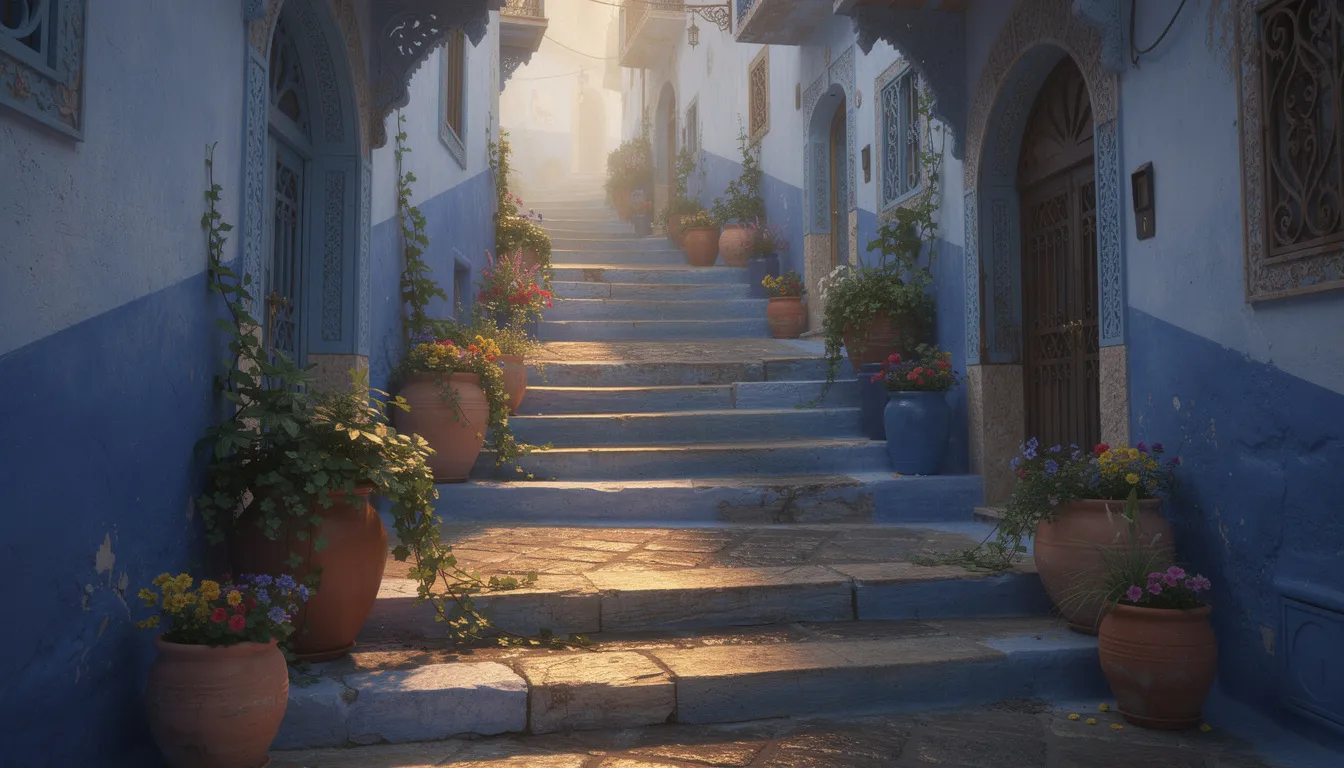
Chefchaouen is the famous blue city where alleys, doorways, and staircases are painted in shades of blue, creating a dreamlike setting that has made it one of the most photographed places to visit in Morocco. The tradition dates to 1930 when Spanish Jewish refugees began the blue-washing.
Key experiences:
Wandering the medina at different times of day as light shifts
Hiking to the Spanish Mosque viewpoint at sunset
Browsing small craft shops for woven blankets and leather goods
Relaxing in cafés around the main square (Outa el Hammam)
Connecting with a local shop owner for authentic handicraft recommendations
Morocco Classic Tours typically recommends 1–2 nights here, linking Chefchaouen with Fez, Rabat, or Tangier in a private driver-guided route. The town is hilly with many stairs, so we choose riads with easy access and good views when possible.
Nature lovers can add a day tour to Akchour waterfalls or short hikes in the Rif Mountains. The landscape here is surprisingly lush—far from the arid images most associate with Morocco.
Tangier is a port city where the Atlantic meets the Mediterranean, layered with the history of artists, writers, and traders who passed through over centuries. Matisse, Paul Bowles, and the Beat Generation all spent time here, drawn by the light and the city’s position between continents.
Main sights in Tangier:
The medina with its cafés and galleries
Seaside promenade with views of Spain on clear days
Caves of Hercules and Cape Spartel lighthouse (short drive from center)
Rick’s Café inspiration from classic film history. The real Rick's Café is located in Casablanca, themed around the classic film 'Casablanca,' and is a must-visit spot for fans of cinematic history.
Akchour, located near Chefchaouen, is a lush valley known for waterfalls and natural rock formations like God’s Bridge. It’s ideal for day hikes and summer swimming in cool mountain pools. Morocco Classic Tours arranges licensed mountain guides for Akchour to ensure safe hiking routes and appropriate timing, especially during hotter months.
We can combine Tangier stays with inland journeys to Chefchaouen and Fez, coordinating ferry crossings to Spain if your trip includes multiple countries.
The Atlas Mountains—High Atlas, Middle Atlas, and Anti Atlas Mountains—offer hiking trails, berber villages, and cooler temperatures that make them popular add-ons to Marrakech or Fez stays. When cities and desert heat become too much, the mountains provide relief.
Morocco Classic Tours arranges day trips and multi-day treks with licensed mountain guides, mule support, and village homestays where appropriate. We adapt activities to fitness levels, from gentle valley walks to summit attempts on North Africa’s highest peak.
Key mountain destinations:
Imlil: Gateway village for Mount Toubkal treks
Ifrane: Alpine-style town called the “Switzerland of Morocco”
Azrou: Cedar forests with Barbary macaques
Imlil is a mountain village about an hour from Marrakech, serving as the main gateway to Mount Toubkal (4,167 m)—North Africa’s highest peak. The village itself sits at 1,740 meters, surrounded by walnut trees and terraced fields.
What we can arrange:
Option | Duration | Difficulty |
|---|---|---|
Mount Toubkal summit | 2 days, 1 night in mountain refuge | Challenging (4,167 m altitude) |
Valley day hikes | 4–6 hours | Moderate |
Village walks | 2–3 hours | Easy |
Lunch with mountain views | Half day | Any level |
Classic Toubkal ascents require a licensed guide and should include proper gear. Morocco Classic Tours handles permits, refuge bookings, and transfers from Marrakech. Best seasons for hiking are spring (March–May) and autumn (September–November). Travel insurance covering mountain activities above 3,000 m is essential. | ||
Ifrane surprises every visitor. A tidy, alpine-style town with red-roofed houses, lakes, cedar forests, and winter snow, it earns the nickname “Little Switzerland.” In summer, temperatures here run 10–15°C cooler than the lowlands.
Nearby Azrou and the surrounding cedar forests offer walks among tall trees where you might spot Barbary macaques—the only wild primates in Africa north of the Sahara.
Morocco Classic Tours often includes this area on routes between Fez and the Sahara, using it as a refreshing nature stop. Activities are gentle: mild hikes, picnics by lakes, or relaxed walks through town with stops for coffee.
Winter visitors might see snowfall here, while summer visitors simply enjoy the cooler air and green landscapes before continuing to the desert.
Many travelers struggle to choose where to travel in Morocco because there’s simply too much to see. These sample itineraries show how Morocco Classic Tours typically connects the regions—think of them as starting points that we customize based on your arrival city, travel dates, pace, and interests.
Day | Location | Highlights |
|---|---|---|
1 | Arrive Marrakech | Settle into riad, evening walk Jemaa el-Fna |
2 | Marrakech | Full day: Bahia Palace, souks, Jardin Majorelle |
3 | Atlas → Aït Benhaddou → Ouarzazate | Scenic drive, ksar visit |
4 | Dades Valley → Merzouga | Valley stops, arrive desert late afternoon |
5 | Merzouga | Sunrise, village visits, camel ride, desert camp |
6 | Merzouga → Marrakech | Full travel day with scenic stops |
7 | Depart Marrakech | Airport transfer |
Day | Location | Nights |
|---|---|---|
1–2 | Casablanca & Rabat | 1 night Rabat (Hassan Tower, Kasbah) |
3–4 | Chefchaouen | 2 nights (medina, sunset hike) |
5–6 | Fez | 2 nights (medina tour, Volubilis day trip) |
7 | Ifrane/Middle Atlas → Desert road | 1 night Dades or Todra |
8 | Merzouga | 1 night desert camp |
9 | Merzouga → Marrakech | 1 night Marrakech |
10 | Depart | Airport transfer |
Days | Region | Focus on exploring Morocco’s imperial cities with the Marrakech, Fez & Casablanca tour. |
|---|---|---|
1–2 | Casablanca & Rabat | Hassan II Mosque, Kasbah des Oudayas |
3–4 | Chefchaouen | Blue medina, Akchour waterfalls, and Agafay Desert tours near Marrakech |
5–6 | Fez | Medina, tanneries, world’s oldest university |
7 | Meknes & Volubilis | Roman ruins, imperial gates |
8 | Middle Atlas → Desert road | Cedar forests, Todra Gorge |
9–10 | Merzouga | Two nights for full desert experience |
11 | Dades Valley | Kasbahs, hairpin roads |
12 | Aït Benhaddou → Marrakech | Film set visit, arrive evening |
13 | Marrakech | 10-day Morocco itinerary for exploring cities |
14 | Essaouira or depart | Coastal add-on or airport; explore Morocco Classic Tours for personalized private tours and luxury travel experiences. |
Ready to start planning? Contact Morocco Classic Tours with your preferred dates and interests. We’ll transform these sketches into a detailed private itinerary with all logistics handled—from airport pickup to desert camp reservations to the best rooftop terrace views in Fez. | ||
Logistics often shape where travelers can realistically go. Distances are longer than google maps makes them look, and mountain passes add time. Morocco Classic Tours manages most of this for clients, but understanding the basics helps you plan.
Transport options:
For travelers considering exploring Morocco, expert-designed tour packages offer personalized and memorable ways to experience the country’s diverse cities, deserts, and landscapes.
Method | Best For | Notes |
|---|---|---|
Private driver | Flexibility, comfort, door-to-door service | Our core service—all vehicles vetted |
Trains | Casablanca–Rabat–Fez–Tangier corridor | Fast, affordable, limited routes |
Grand taxis | Short distances, budget travel | Shared, can be crowded |
Rental car | Independent travelers, beaten path exploration | Requires confidence with mountain roads |
Bus station connections | Budget routes | Slower, less flexible |
Realistic driving times: | ||
Marrakech → Merzouga: 9–10 hours (always split over 2 days)
Fez → Chefchaouen: 4 hours
Marrakech → Essaouira: 2.5 hours
Casablanca → Rabat: 1 hour
Fez → Volubilis: 1 hour
Seasonal considerations:
Spring (March–May): Ideal across all regions, wildflowers in the mountains
Summer (June–August): Coast and mountains only; desert and cities are too hot
Autumn (September–November): Excellent throughout, harvest season
Winter (December–February): Good for desert; snow possible in the Atlas
Ramadan note: During Ramadan, some restaurants close during daylight hours, and the pace of life slows. Tourism continues, and Morocco Classic Tours adjusts itineraries to ensure you’re well-fed and accommodated throughout.
The simplest approach? Book a private tour with us. We optimize routes, timings, and overnight locations to avoid rushed days. You focus on experiencing Morocco; we handle the handy map planning.
Step back in time at Volubilis, Morocco’s most impressive Roman ruins and a testament to the country’s rich history at the crossroads of civilizations. Nestled in rolling hills near the imperial city of Meknes and within reach of the Atlas Mountains, Volubilis offers a fascinating glimpse into ancient Morocco. Once a thriving Roman city, this UNESCO World Heritage site is renowned for its remarkably preserved mosaics, grand basilicas, and triumphal arches that have stood for over two millennia.
Wandering through Volubilis, you’ll find intricate floor mosaics depicting mythological scenes, the remains of stately homes, and the imposing columns of the Capitoline Temple. The site’s elevated position provides sweeping views of the surrounding countryside, making it an absolutely stunning spot for taking photos and soaking in the atmosphere of a bygone era. It’s easy to imagine the city bustling with traders, artisans, and Roman officials as you explore the ancient streets.
A visit to Volubilis is a highlight for history lovers and anyone curious about Morocco’s layered past. Morocco Classic Tours often includes Volubilis as a day trip from Fez or Meknes, pairing it with the imperial city’s vibrant markets and the holy town of Moulay Idriss. With expert guides, you’ll uncover the stories behind the ruins and gain a deeper appreciation for how Morocco’s cities have evolved from ancient times to the present. For those interested in the intersection of Roman and Berber cultures, Volubilis is a must-see destination on any Morocco itinerary.
Morocco’s calendar is alive with cultural events and festivals that bring its vibrant cities and diverse landscapes to life. Whether you’re drawn to the bustling souks of Marrakech, the cool mountain air of the Atlas Mountains, or the golden sand dunes of the Sahara Desert, there’s always something happening to immerse you in the country’s fascinating traditions.
One of the year’s most anticipated events is the Marrakech International Film Festival, where filmmakers and movie lovers gather in the heart of the city to celebrate global cinema. In Fez, the world-renowned Festival of World Sacred Music transforms the city into a stage for artists from across the globe, set against the backdrop of ancient medina walls and the world’s oldest university. For a truly unique experience, the Imilchil Wedding Festival in the Atlas Mountains offers a rare glimpse into Berber culture, with traditional music, dance, and colorful ceremonies that have been passed down for generations.
Beyond these headline events, Morocco’s cultural calendar is filled with local festivals celebrating everything from harvests to religious holidays. Slow travelers will find endless opportunities to discover hidden gems—whether it’s a spontaneous music performance in the blue city of Chefchaouen, a lively market day in a mountain village, or a beachside celebration along the Atlantic Coast. The country’s vibrant cities, from Rabat to Essaouira, each offer their own take on Moroccan hospitality, delicious food, and artistic expression.
Morocco Classic Tours can help you time your visit to coincide with these unforgettable events, ensuring you experience the best of Moroccan culture—whether you want to dance under the stars in the Sahara, join a local festival in a berber village, or simply soak up the atmosphere of a city in celebration. With so many interesting places and traditions to explore, Morocco is pure magic for those who love cultural immersion and authentic travel experiences.
A balanced first-time route usually includes at least one imperial city (Marrakech or Fez), one desert experience (Merzouga/Erg Chebbi), and either the Atlantic coast (Essaouira) or the blue city of Chefchaouen.
A strong 10-day example: Casablanca (arrival), Rabat, Chefchaouen, Fez, Middle Atlas, Merzouga desert, Dades/Todra Gorges, Marrakech, fly out. Morocco Classic Tours customizes this structure based on your flight options and travel style—sometimes starting in Marrakech and ending in Casablanca or Tangier works better. We handle hotel bookings, drivers, guides, and timing so you simply choose the regions you most want to see.
From Marrakech or Fez, you need at least 3 days and 2 nights to visit Merzouga without rushing—one night en route, one night in the desert camp. Four to five days are more comfortable, allowing extra time in valleys like Dades or Todra and fewer marathon driving days.
Morocco Classic Tours designs routes with scenic breaks, photo stops, and proper lunches rather than treating the desert as a forced march. Very short trips (under 5 days total) are better focused on one or two cities plus a closer experience like the Agafay desert near Marrakech—still beautiful, but not the real Sahara.
Morocco is generally considered one of the safer countries in North Africa for tourists. The main concerns are petty theft and minor scams in crowded medinas—not violent crime. Standard precautions apply: keep valuables secure, use licensed local guides, and arrange vetted drivers through agencies like Morocco Classic Tours rather than accepting offers from strangers at extra cost.
We avoid routing clients through remote or poorly served areas at night and monitor conditions in desert and mountain regions. Most visitors safely enjoy Marrakech, Fez, Chefchaouen, Merzouga, Essaouira, and Rabat every year without issue. Travel insurance remains advisable for any international trip.
Modest but comfortable clothing works throughout Morocco. For both men and women, covering shoulders and knees in cities and villages shows respect—especially in Fez, Marrakech, and smaller towns where local traditions run deep.
On the coast (Essaouira, Agadir, surf towns), beachwear is fine on the sand, but cover up when walking through town. The desert can be hot by day and cold at night, so bring layers, a scarf for wind protection, and a light jacket. Morocco Classic Tours provides detailed packing advice with each booking. In mosques open to non-Muslims (like Hassan II Mosque in Casablanca), stricter dress codes apply—follow staff guidance.
Morocco’s must-see highlights are Marrakech’s medina and souks, the Sahara Desert dunes, Fes’s ancient old city, Chefchaouen’s blue streets, and the Atlas Mountains for breathtaking scenery and Berber culture.
Morocco can be an excellent family destination. Camel rides, gentle hikes, beaches, and colorful local market scenes appeal to kids of many ages. The sensory richness—colors, sounds, delicious food around every corner—keeps children engaged in ways that more sanitized destinations often can’t.
Morocco Classic Tours creates shorter driving days and more downtime (pools, beaches, open squares) in family itineraries. We recommend family-friendly riads and hotels, plus private guides experienced with children who adjust pacing naturally. We handle car seats, vehicle comfort, and kid-friendly activity suggestions. Families should bring familiar snacks, sun protection, and any necessary medications—we take care of the rest.
It's a challenging choice since Morocco offers such a variety of experiences, but if I had to choose the most delightful all-around destination, I'd recommend Marrakech along with a visit to the Atlas Mountains. Marrakech is vibrant and colorful in the most delightful way—imagine winding souks, beautifully tiled palaces, fragrant orange trees, and the lively atmosphere of Jemaa el-Fnaa at sunset—while just a short drive away, you find yourself in the High Atlas, enveloped by serene villages, refreshing air, and stunning mountain vistas. This destination perfectly blends culture, history, cuisine, chaos, tranquility, and breathtaking landscapes, allowing you to truly savor what makes Morocco unique without needing to venture too far.
The most visited place in Morocco is Marrakech. Known as the “Red City,” it attracts millions of visitors each year with its lively Jemaa el-Fnaa square, historic palaces, colorful souks, and beautiful gardens. Marrakech blends rich history with vibrant street life, making it a must-see destination for travelers.
Morocco is a country that captivates the senses and the soul—a place where every journey reveals new layers of beauty, history, and adventure. From the vibrant cities of Marrakech, Fez, and Rabat to the golden sand dunes of the Sahara Desert, the dramatic peaks of the Atlas Mountains, and the laid-back charm of the Atlantic coast, Morocco offers something for every traveler. Whether you’re drawn by the promise of delicious food, the allure of ancient medinas, or the thrill of exploring hidden gems off the beaten path, you’ll find that Morocco’s rich history and cultural immersion are second to none.
With so many fascinating places to visit, planning the perfect Morocco trip can feel overwhelming. That’s where Morocco Classic Tours comes in—crafting private, customizable itineraries that connect all the cities, landscapes, and experiences you’ve dreamed of, with the comfort and expertise that make every moment memorable. From guided medina walks and desert camp adventures to rooftop terrace sunsets and local market tastings, we handle the details so you can focus on the magic.
Ready to start planning your next trip? Let Morocco Classic Tours show you why Morocco is one of the world’s most amazingly beautiful and rewarding destinations. Contact us today to create your custom itinerary, and get ready to discover the pure magic of Morocco—one unforgettable experience at a time.
Compare Morocco group tour agencies by trip style, reviews, pace, transport and inclusions. Learn wh...
Read this article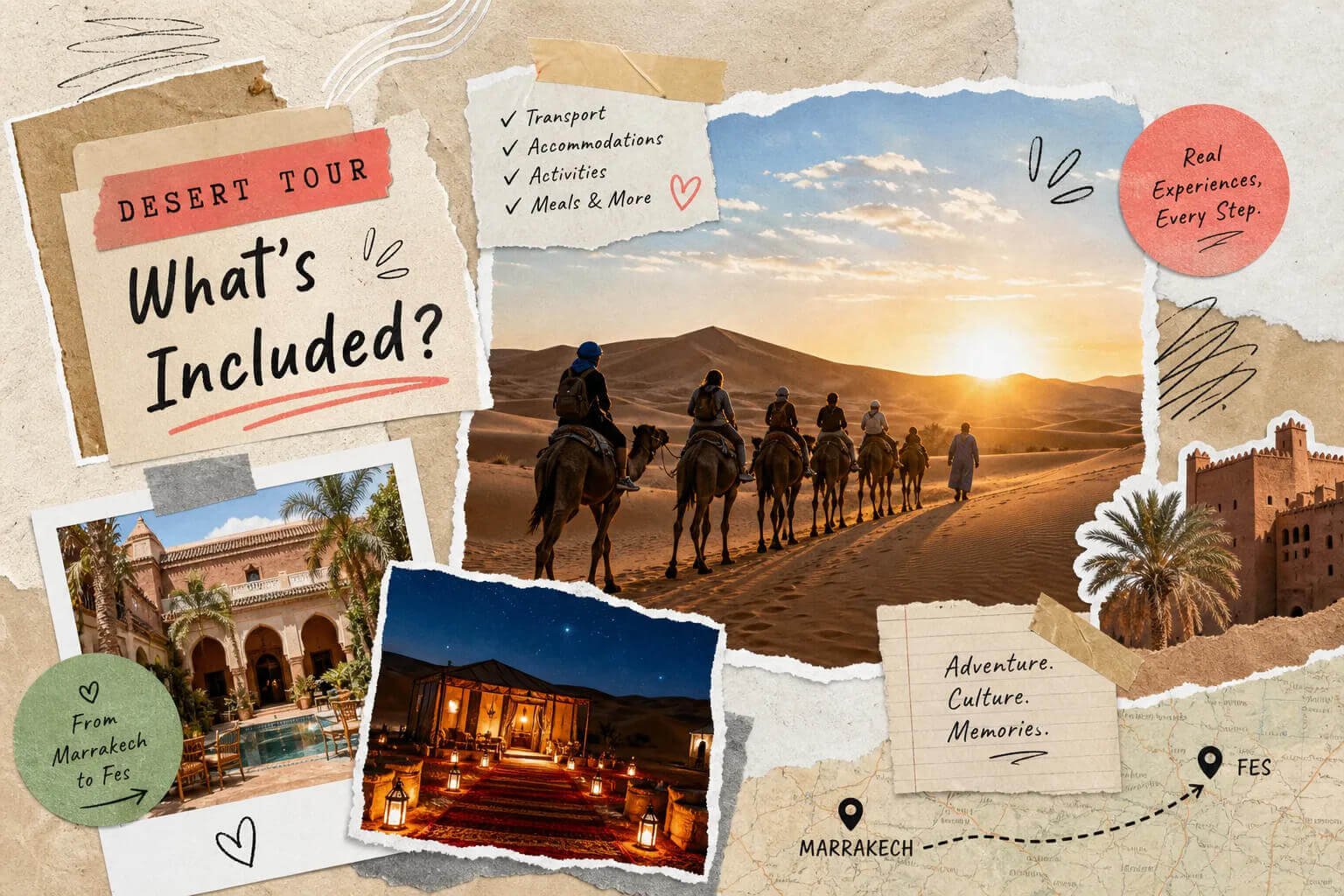
Uncover what a Marrakech to Fes desert tour offers, including camel rides, desert camps, and rich cu...
Read this article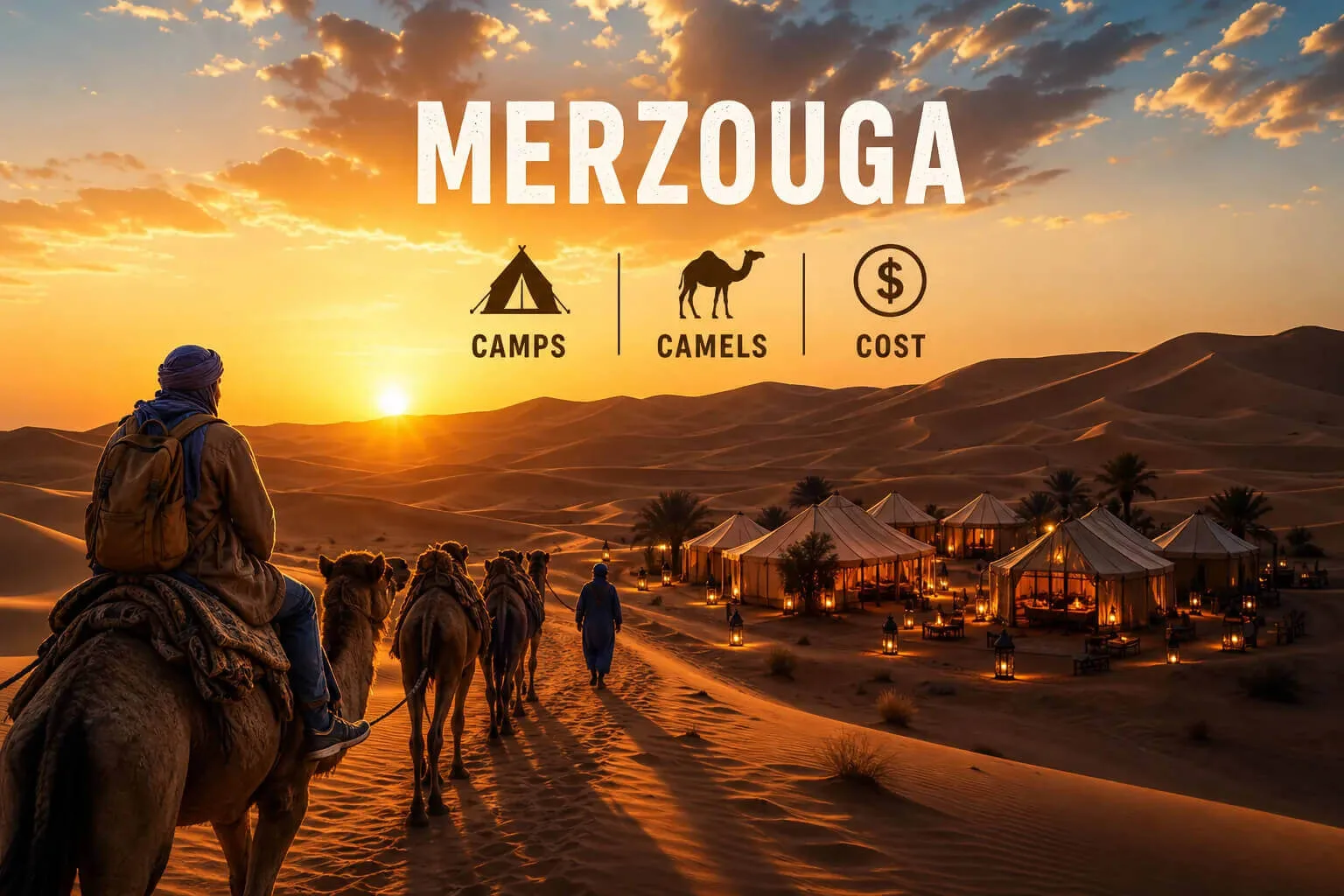
Join our Merzouga Overnight Tour for an authentic desert experience. Enjoy camel rides, comfortable ...
Read this articleWant cool tour deals and tips about Morocco? Enter your email and we’ll send them to you each month!
