Group Tour Agencies in Morocco: How to Pick the Right One
Compare Morocco group tour agencies by trip style, reviews, pace, transport and inclusions. Learn wh...
Read this article

Private, custom Morocco trips planned in Fez by AZ-ZDDINE, working in Moroccan tourism since 2012. Sahara, Atlas, medinas and coast, arranged around you.
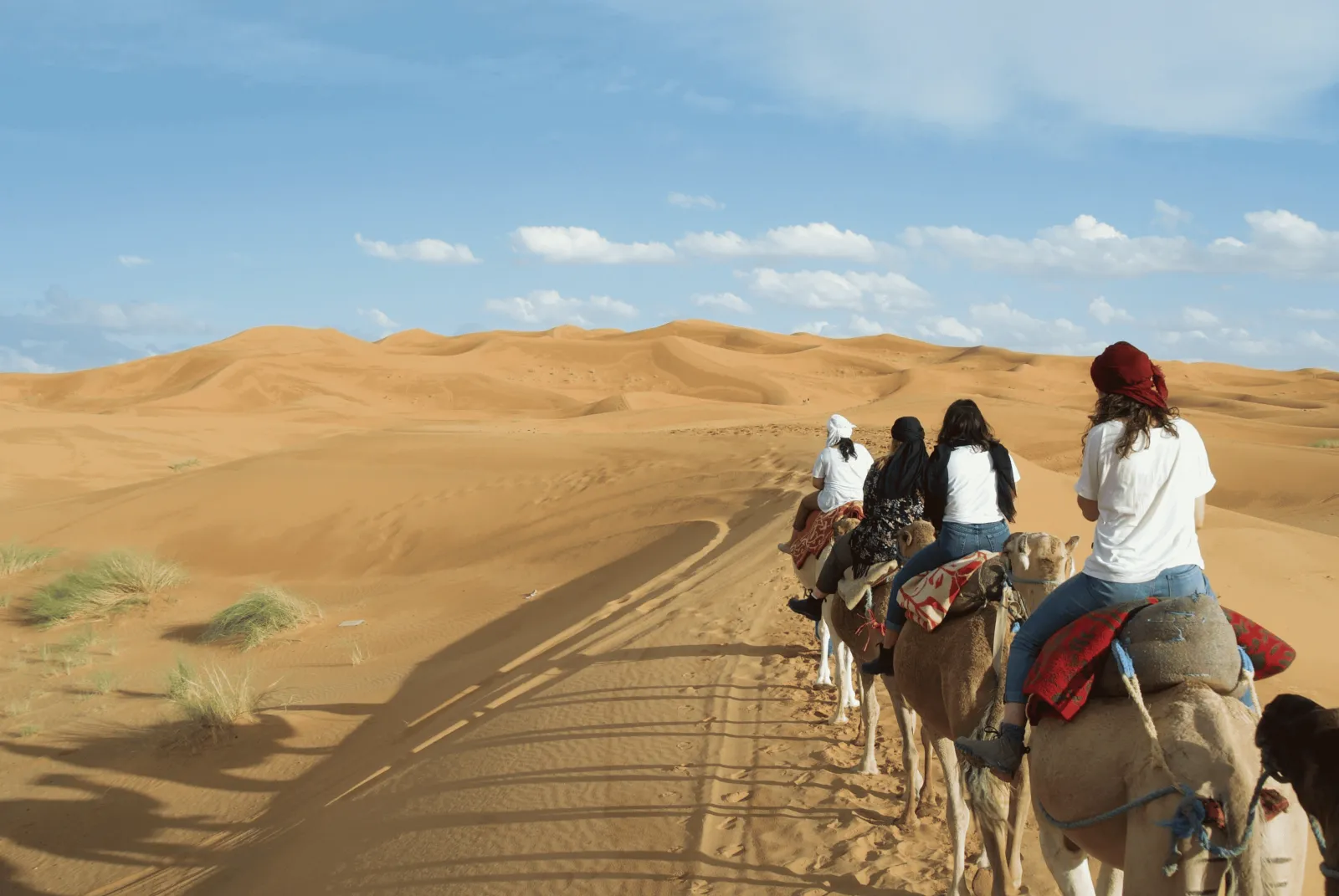
Most Sahara desert tours in Morocco depart from Marrakech, Fez, or Agadir, with ideal trip lengths of 3–5 days to fully experience the golden dunes of Erg Chebbi, camel treks, and overnight stays in a traditional desert camp.
Morocco Classic Tours is a Fez-based specialist offering private, customizable Sahara itineraries with English-speaking local guides and flexible departure dates.
The best time to visit the Moroccan Sahara is generally October through April, with each season offering distinct advantages covered in detail below.
The Sahara in Morocco is safe to visit with reputable operators—key safety measures include experienced guides, proper hydration, and sun protection.
This article answers common questions, including “Is it worth going?” “What gear do I need?” and “Is Morocco better in April or May?” to help you plan your adventure.
The Moroccan Sahara offers something you simply cannot find in coastal resorts or bustling medinas. Here, the golden dunes of Erg Chebbi rise up to 150 meters against an endless sky, creating landscapes that shift from amber to rose as the sun moves. This is where star-filled nights reveal the Milky Way in stunning clarity, where Berber hospitality transforms strangers into guests, and where the contrast with imperial cities like Marrakech and Fez makes every moment feel like stepping into another world.
Morocco Classic Tours focuses on authentic experiences that go beyond sightseeing. Picture yourself riding a camel at sunset into the heart of the dunes, spending a night in a traditional or luxury desert camp, sharing mint tea with nomad families, and listening to traditional music around a crackling campfire. These are the moments that travelers remember for years.
The journey takes you through remarkable places: Merzouga village at the edge of Erg Chebbi, the palm groves of the Draa Valley, and ancient kasbahs near Ouarzazate, including Ait Ben Haddou—a UNESCO World Heritage Site that has served as a backdrop for films like Gladiator and Game of Thrones. Most travelers find 3–5 days ideal for a meaningful Sahara experience, though longer trips allow deeper exploration of valleys, gorges, and oases.
Main reasons to visit the Moroccan Sahara:
Scenery unlike anywhere else—endless golden dunes, dramatic gorges, and palm-filled oases
Cultural immersion with Amazigh (Berber) communities and their rich cultural heritage
Adventure activities, including camel rides, sandboarding, and sunrise dune hikes
Photography opportunities from golden hour light on dunes to night sky shots
Romantic settings are perfect for honeymoons and couples seeking unique experiences
Ready to explore? Morocco Classic Tours designs private itineraries tailored to couples, families, and small groups who prefer personalized journeys over crowded tour buses.
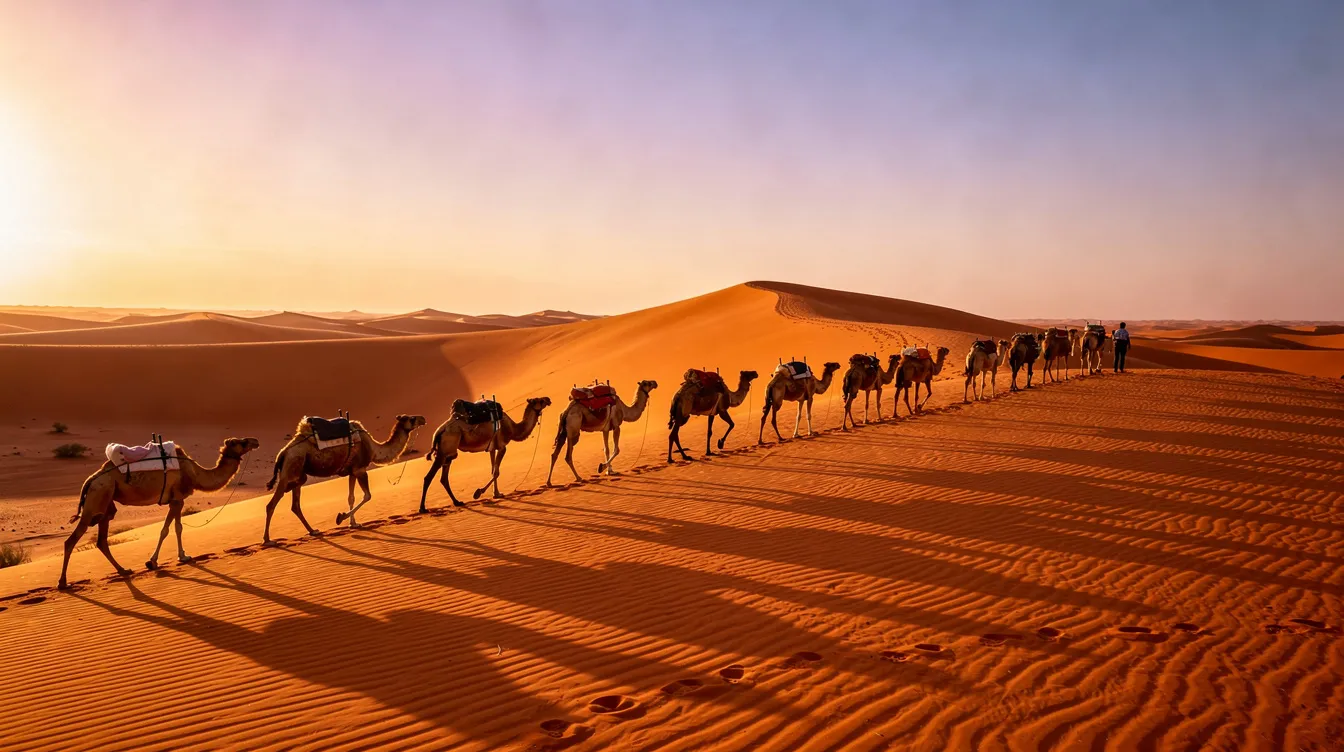
Most Sahara Desert tours in Morocco connect the country’s imperial cities with the desert via the High Atlas Mountains, and Morocco Classic Tours customizes these routes based on your starting point, available time, and interests.
3-day Marrakech–Merzouga–Marrakech loop: This popular circuit crosses the Tizi n’Tichka Pass at 2,260 meters, stops at the famous Ait Ben Haddou kasbah, continues through Ouarzazate, and enters the dramatic Dades or Todra Gorge before reaching Merzouga for a camel trek into Erg Chebbi. Day three returns via the same route with different stops. Expect roughly 5–6 hours of driving on the longest day.
3–4 day Marrakech to Fez via Sahara: This one-way itinerary visits Ait Ben Haddou, winds through the Dades or Todra Gorge, reaches Merzouga for a desert night, then continues north through the Ziz Valley palm oases, past Midelt in the Middle Atlas, through Ifrane, and into Fez. Morocco Classic Tours often recommends 4 days for a less rushed schedule, allowing time to explore both gorges and dunes.
2–3 day Fez–Merzouga–Fez itinerary: Ideal for travelers already in Fez, this route crosses the Middle Atlas via Ifrane and Azrou (home to cedar forests and Barbary macaques), descends through the Ziz Valley, and arrives at Erg Chebbi for overnight camping. The return journey offers alternative scenic routes. Two days is tight but possible; three days allows for a more relaxed pace.
5–7 day grand circuits: Longer itineraries combine Marrakech, the Sahara, Draa Valley, Skoura palm oasis, and Fez or Agadir. These trips suit travelers wanting a comprehensive Morocco trip that covers mountains, desert, valleys, and cities in one journey. Morocco Classic Tours builds these as fully private tours with flexibility at every stage.
Marrakech serves as the most common starting point for Sahara Desert tours because of its major international airport, vibrant medina, and well-maintained roads leading to Merzouga and the Erg Chebbi dunes.
3-day Marrakech to Sahara to Marrakech: Day 1 crosses the High Atlas via Tizi n’Tichka Pass to Ait Ben Haddou, continuing to the Dades or Todra Gorge for overnight. Day 2 reaches Merzouga by afternoon for a camel trek into the dunes and a night in a desert camp. Day 3 returns to Marrakech via Ouarzazate with photo stops along the way.
4-day trips from Marrakech to the Sahara Desert: The extra day creates a more relaxed pace, allowing an additional night in the gorge area or the Draa Valley. You experience both sunset and sunrise in the dunes, with time for optional activities like quad biking or sandboarding. This itinerary suits families and travelers who dislike rushed schedules.
Concrete sites along these routes include the Tizi n’Tichka Pass with its mountain panoramas, Ait Ben Haddou, where scenes from Game of Thrones and Gladiator were filmed, Ouarzazat,e known as the “Hollywood of Morocco,” and Todra Gorge with canyon walls rising roughly 300 meters.
Morocco Classic Tours provides private 4x4 or minivan transport with a driver-guide, customizable departure times from Marrakech, and options to upgrade to a luxury desert camp with a private tent and en-suite bathroom. The best months for these Marrakech trips are October through April; summer trips require early-morning and late-afternoon driving to avoid midday heat.
Morocco Classic Tours is based in Fez and specializes in Fez-to-Sahara itineraries, making these routes ideal for travelers flying into Fez–Saïss Airport or ending a city stay in the ancient medina.
2-day / 1-night Fez–Merzouga–Fez: This option works for time-pressed travelers willing to accept long driving days. You depart Fez early, arrive in Merzouga for an evening camel ride and overnight in camp, then return to Fez the following day. Expect 7–8 hours of driving each direction with scenic stops.
3-day / 2-night Fez to the Sahara desert trip: A more comfortable approach places the first night near Midelt or Errachidia, breaking the journey in half. The second night is spent in a Merzouga desert camp with time for both sunset and sunrise experiences. The return to Fez can follow an alternative scenic route through different Middle Atlas villages.
Key landscapes along the Fez-Sahara route include Ifrane, nicknamed “Little Switzerland” for its alpine architecture, cedar forests populated by Barbary macaques near Azrou, and the stunning Ziz Valley palm groves that mark the transition from mountains to desert plateau.
For travelers planning a north-to-south Morocco journey, Morocco Classic Tours arranges one-way trips from Fez to Marrakech via the Sahara, eliminating backtracking and maximizing the variety of scenery.
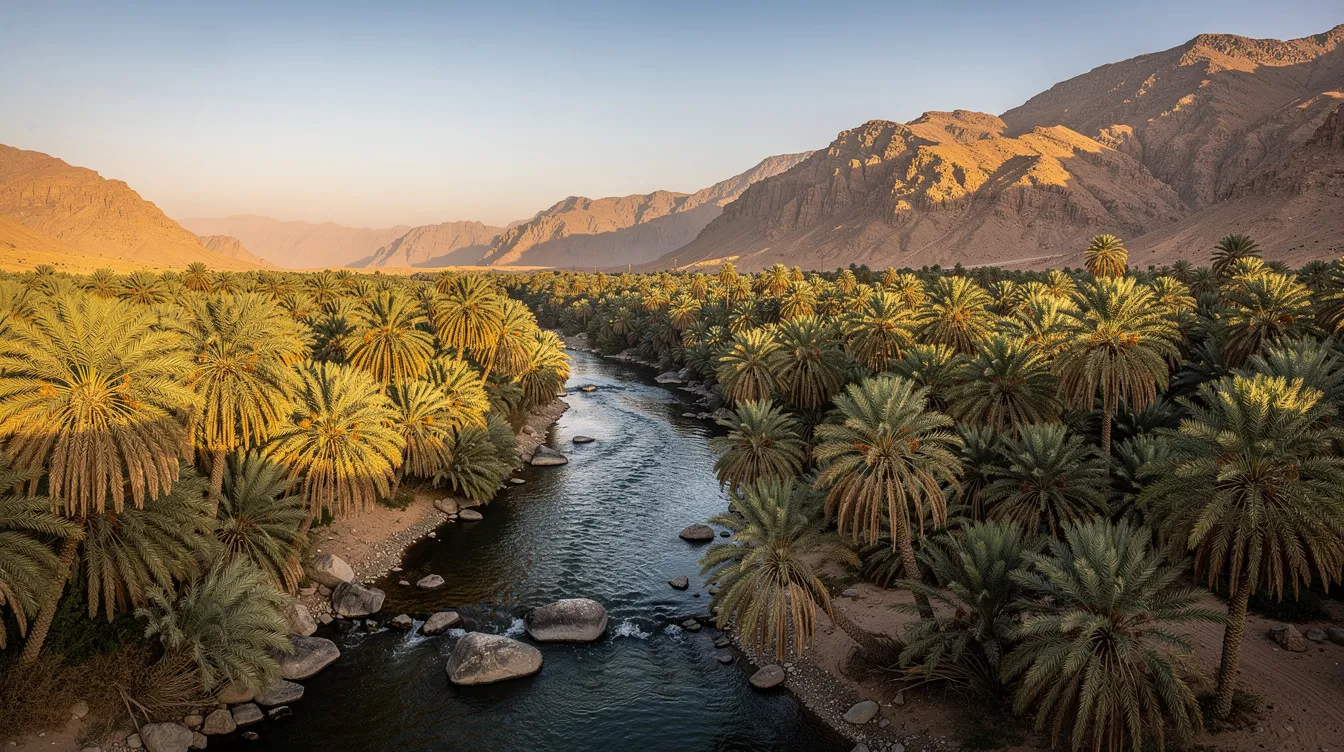
While Marrakech and Fez are the most popular starting points, Morocco Classic Tours also arranges Sahara itineraries from Agadir, Casablanca, Tangier, and Rabat for travelers beginning their morocco trip in these cities.
Trips from Agadir to the Sahara Desert: These require at least 3–4 days due to distance. Routes typically pass through Taroudant with its historic ramparts, Taliouine in the saffron region, and Taznakht, known for carpets, before continuing toward Zagora or Merzouga. Coastal-to-desert transfers work best with 4+ days to avoid exhausting drives.
Casablanca starting point: Itineraries of 4–6 days connect Casablanca with Rabat, Fez, and onward to Merzouga, or follow Casablanca–Marrakech–Sahara circuits. These longer tours allow exploration of multiple imperial cities alongside the desert experience.
Tangier or Rabat departures: These often work best as extended custom trips of 7–10 days, linking Chefchaouen’s blue medina, Fez’s ancient streets, and the Sahara dunes. Morocco Classic Tours designs these privately, creating seamless logistics across diverse regions.
From coastal cities like Agadir, driving distances to the dunes are substantial, so plan for at least 3–4 days to keep your journey enjoyable rather than exhausting.
Yes, for most travelers, the Sahara is absolutely worth the journey. The experience offers something fundamentally different from beach stays or city sightseeing—a chance to encounter the largest hot desert on Earth in one of its most accessible and beautiful locations.
Emotional highlights: Watching sunrise paint infinite dunes in shades of gold and pink. Experiencing true silence far from roads and cities. Seeing the Milky Way stretch overhead on a moonless night. Feeling the warmth of Berber hosts who share stories and traditional music around a campfire. These moments create memories that outlast any photograph.
Who benefits most: Photography enthusiasts find endless compositions in light and shadow. Couples on honeymoons discover romantic settings unlike any resort. Families with teenagers enjoy camel rides, dune adventures, and unplugged time together. Adventure travelers and culture enthusiasts interested in Amazigh traditions connect with living heritage.
Challenges to consider: Long driving days are unavoidable—Marrakech to Merzouga covers roughly 560 kilometers. Temperature extremes require planning: summer days can exceed 40°C while winter nights may drop near 0°C. Sand gets everywhere, connectivity is limited in the deep desert, and basic camps offer rustic rather than luxurious facilities. Morocco Classic Tours mitigates these challenges with air-conditioned vehicles, strategic pacing, flexible route choices, and options ranging from standard to luxury camps.
When a Sahara trip might not be ideal: Travelers with very tight schedules (less than 3 days) may spend more time in transit than enjoying the destination. Those with mobility issues affecting camel riding or dune walking can often find alternatives, but should discuss options in advance. Desert-view lodges near the dunes offer stunning scenery with shorter sunset excursions instead of full overnight camping.
Many guests report that their Sahara night was the single most memorable part of their entire Morocco visit—a night of stars, silence, and storytelling that felt like stepping outside ordinary time.
The Moroccan Sahara welcomes visitors year-round, but conditions vary significantly by season. Morocco Classic Tours times activities and recommends accommodations based on weather patterns.
Autumn (September–November): Warm days with daytime temperatures around 23–36°C, gradually cooling toward November. Nights become comfortable for camping, around 9–20°C. October and early November are particularly pleasant months, offering excellent conditions for camel treks and outdoor activities. This is one of the peak seasons for desert visits.
Winter (December–February): Cold nights are the defining feature, with temperatures in Merzouga dropping to 3–6°C or occasionally near freezing. Days remain mild at 18–21°C with clear skies. Stargazing is exceptional due to dry, clear air. Warm layers are essential; quality camps provide thick blankets and heaters in higher-end tents. February sees many international tour departures.
Spring (March–May): A very popular period with pleasant temperatures and the chance of wildflowers in valleys like Todra and Draa. March temperatures average 25–34°C during the day, warming into May. Occasional sandstorms occur, especially in March and early April when winds are stronger. Book camps well in advance for this high-demand season.
Summer (June–August): Extreme midday heat dominates, with July temperatures often exceeding 40°C and occasionally reaching 45°C. Nights remain warm at 22–25°C. Morocco Classic Tours schedules sunrise and sunset camel rides during this period, with siesta time in air-conditioned lodges. Shorter stays and higher-comfort camps are recommended.
Independent travelers often prefer shoulder months like late March–April and October–early November for the best balance of weather, crowds, and availability.
Both April and May offer strong conditions for Sahara trips, but subtle differences matter for planning.
April advantages: Generally milder temperatures in the dunes, with daytime averages around 28–32°C and cooler nights (14–16°C). This creates a good balance for both city sightseeing and desert overnights. Some chance of spring winds or sandstorms exists, particularly in early April, but these are typically brief.
May advantages: Hotter afternoons, especially toward late May when temperatures can reach 30–35°C or higher. Still manageable with proper planning and timing of outdoor activities. Ideal for travelers who enjoy warm weather and long evenings in the desert. May combines well with beach add-ons in Agadir or Essaouira, where coastal temperatures are pleasant.
Recommendation: Choose April if you’re sensitive to heat or traveling with young children or older family members. Choose May if you want more guaranteed warmth and are considering a beach extension after your desert tour.
Morocco Classic Tours fine-tunes departure times, pacing, and camp style depending on whether guests travel in April or May. Luxury camps with air conditioning (where available) become more valuable as temperatures rise.
Packing smartly ensures comfort and safety, but you don’t need technical expedition equipment for Moroccan Sahara tours. Most items are things you may already own or can purchase inexpensively before departure.
Clothing basics: Breathable long-sleeve shirts and lightweight trousers protect from the sun and sand. Pack a warm fleece or down jacket for nights, especially November through March when temperatures drop significantly. A windproof outer layer helps during sandier conditions. Neutral colors work well for photography and reflect heat.
Sun protection: Bring a wide-brim hat or scarf (cheche), sunscreen with SPF 50+, sunglasses with UV protection, and lip balm with SPF. Many guests enjoy buying a traditional Berber scarf in Marrakech or Merzouga—practical, photogenic, and a lasting souvenir.
Footwear: Closed-toe walking shoes or light hiking boots work best for gorges and village visits. Bring sandals or comfortable slippers for relaxing in camp. For dune walking at sunset or sunrise, when the sand is cooler, many travelers find going barefoot most enjoyable.
Useful accessories: Small daypack for day tour excursions, reusable water bottle with capacity for 2–3 liters, headlamp or small flashlight for camp navigation at night, power bank for charging devices, and camera or smartphone with sufficient memory for dune photography.
Comfort and hygiene items: Travel-sized wet wipes, basic first-aid supplies including blister treatment and any personal medications, light sleeping clothes appropriate for shared family-style tents, and earplugs for light sleepers during windy nights.
Travel insurance is recommended for all Morocco tours, covering medical emergencies and trip interruptions. Carry copies of important documents separately from originals.
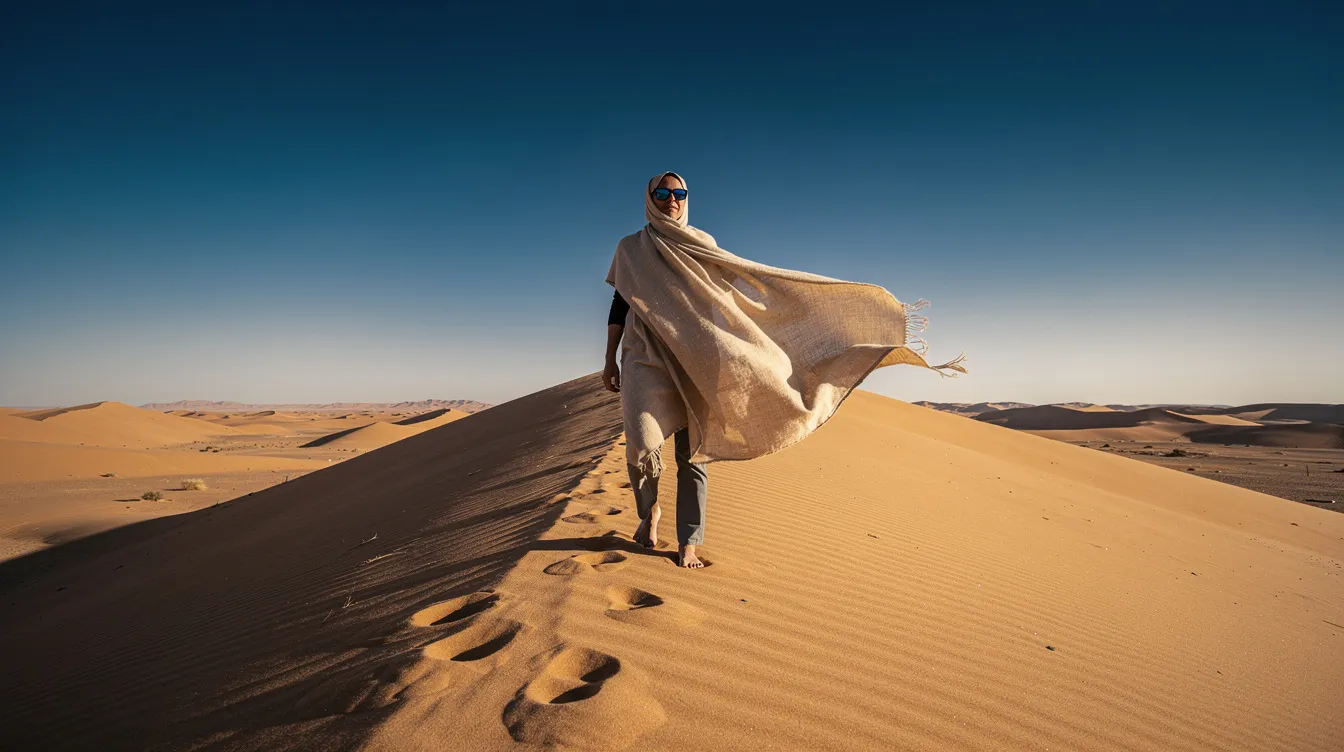
The main Sahara areas visited in Morocco—around Merzouga, Erg Chebbi, Zagora, and Erg Chigaga—are considered safe for tourists, especially when traveling with organized tours. Crime rates in desert zones are extremely low, and violent incidents involving travelers are rare.
Morocco Classic Tours safety measures: All drivers are licensed and experienced with mountain and desert roads. Vehicles are well-maintained and appropriate for the terrain. Desert camps are vetted for quality and safety standards. Guides monitor weather and road conditions constantly, adjusting itineraries when needed.
Environmental safety: Hydration is critical—drink water regularly even when you don’t feel thirsty. Apply and reapply sun protection throughout the day. Follow the guide instructions about navigating dunes and local wildlife. Never wander away from camp alone at night, as disorientation is easy in featureless terrain.
Health and hygiene: Bottled water is provided in vehicles and camps. Standard camps offer basic facilities; luxury camps include private bathrooms and higher amenities. Travelers with specific medical conditions should bring necessary medications and inform guides of any concerns before departing.
Security and cultural respect: Desert areas have low crime levels; petty theft is more common in cities than in remote regions. Dress modestly outside camps as a sign of respect for local customs. Morocco Classic Tours staff provide clear guidance on cultural expectations and appropriate behavior.
Travel insurance covering medical emergencies, evacuation, and trip interruption is strongly recommended. Private tours allow a faster response to any issues compared with large group travel or independent exploration.
Morocco Classic Tours operates as a B2C tour operator based in Fez, offering private and customizable Sahara experiences rather than scheduled group departures. This approach allows flexibility that mass-market tours cannot match.
Private desert tours: Fully customized routes including Marrakech–Sahara–Fez, Fez–Sahara round trips, Agadir–Sahara–Marrakech, and numerous variations. Choose your dates, select standard or luxury camps, and set a pace that works for your group. Expert guides provide personalized attention throughout.
Short breaks and extensions: Add an overnight camel trek to an existing Marrakech or Fez city stay. Quick 1-night “taster” experiences work for travelers with limited time who still want an amazing experience in the dunes.
Themed tours: Photography-focused trips timed for optimal light. Honeymoon packages with romantic camp setups, private tents, and special touches. Family-friendly itineraries incorporating sandboarding, gentle hikes in Todra Gorge, and activities suited to children.
Value comparison: While many “Top-rated Sahara Desert tours from the United States” are sold by global brands, Morocco Classic Tours directly serves US, UK, and European guests with locally-run private equivalents. Working with a Moroccan operator often provides better value, more authentic experience connections, and direct support from people who know the country intimately.
Ready to start planning? Book now or contact Morocco Classic Tours for a custom quote tailored to your interests and schedule.
A night in the Sahara follows a rhythm unlike anywhere else—beginning with golden light and ending under stars that seem close enough to touch.
Late afternoon arrival: Guests transfer to camels or 4x4 vehicles at the edge of Merzouga village. The camel ride into the Erg Chebbi dunes takes 45–90 minutes, depending on camp location. Guides stop at a high dune to watch the sunset, take photographs, and explain the history of camel caravans and local nomadic traditions.
Evening in camp: Mint tea welcomes you to your tent. After settling in, a traditional Moroccan dinner features tagines, couscous, salads, and fresh bread. Following the meal, Berber musicians perform around a fire, playing drums and singing traditional music. Guests join in clapping, conversation, and storytelling.
Night under stars: Step away from camp lights, and the Milky Way emerges with startling clarity. On moonless nights, thousands of stars fill the sky—a sight impossible in light-polluted cities. Night photography enthusiasts spend hours capturing the cosmos. Sleep comes in tents ranging from simple shared accommodations to luxury private quarters with beds, linens, and en-suite bathrooms.
Sunrise and departure: An early wake-up call precedes the climb to a dune crest for sunrise. Watch the desert transform from gray to gold as the sun clears the horizon. Return to camp for breakfast, then head back to the village by camel or 4x4. From there, the journey continues to Todra Gorge, Fez, Marrakech, or Agadir, depending on your itinerary.
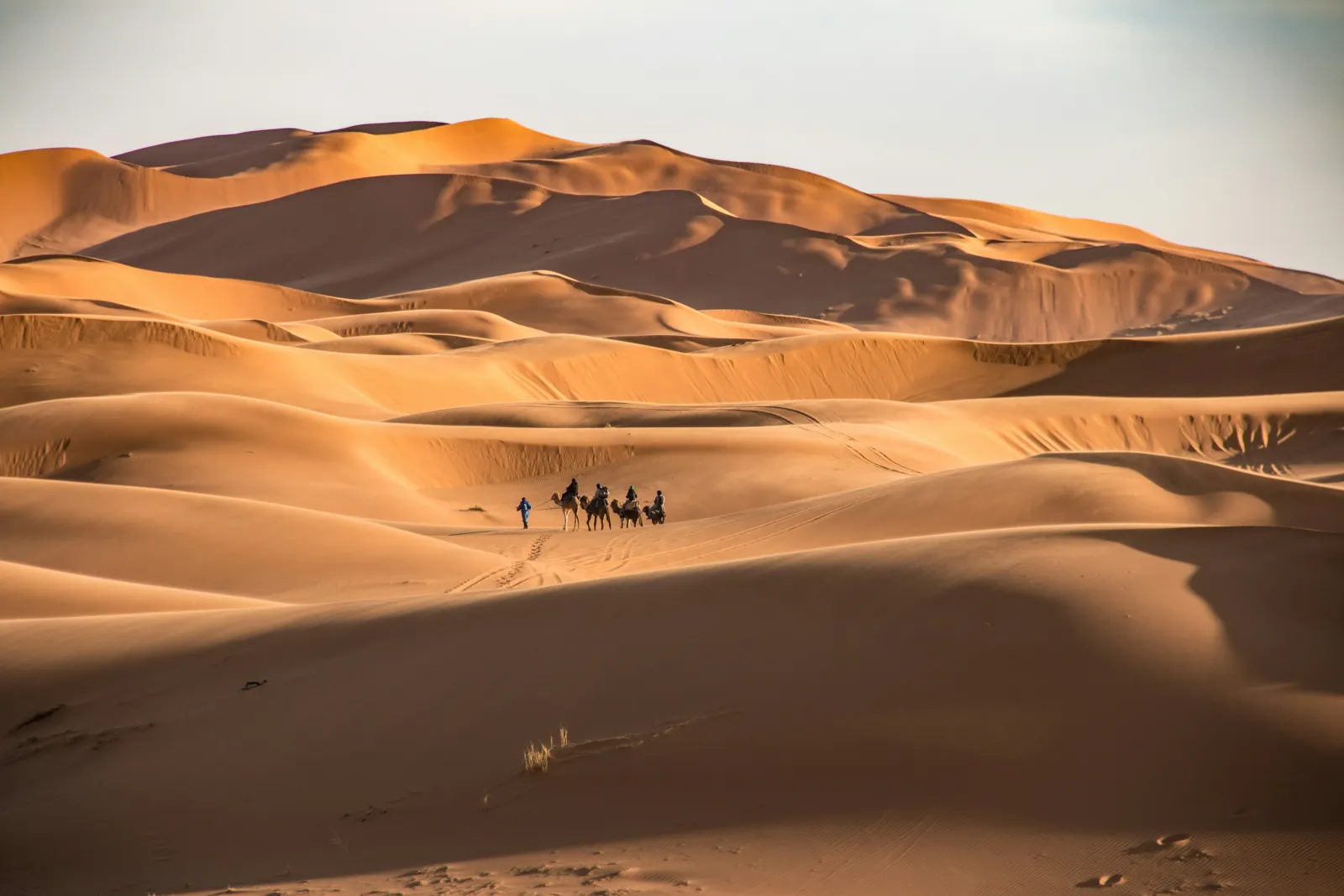
Many Morocco Classic Tours itineraries link the Sahara with Morocco’s imperial cities, the Atlas Mountains, and the Atlantic coast, creating comprehensive journeys through the country’s most remarkable landscapes and cultural sites.
Popular combinations: Marrakech + High Atlas + Sahara + Fez in 7–9 days covers mountain passes, desert nights, and two distinct medinas. Casablanca + Rabat + Chefchaouen + Fez + Sahara + Marrakech in 10–12 days offers the full spectrum of Moroccan culture from modern cities to blue villages to ancient capitals.
Atlas Mountains experiences: Day hikes in the High Atlas near Imlil or longer treks to traditional Berber villages. Traditional hammam experiences provide relaxation before or after desert adventures. The contrast between snow-capped peaks and hot dunes creates visual drama within a single trip.
Cultural immersion: Guided medina tours in Fez (itself a UNESCO World Heritage Site) and Marrakech reveal centuries of history. Cooking classes teach the secrets of tagines and couscous. Argan oil workshops near Agadir or Essaouira introduce traditional crafts, often supporting women’s cooperatives.
Beach add-ons: A few days in Agadir or Essaouira after the desert allow recovery and relaxation by the Atlantic. Late spring and autumn offer warm beach weather that pairs perfectly with desert experiences.
Morocco Classic Tours handles all logistics—transport, accommodations, guides, and activities—creating smooth transitions between mountains, desert, cities, and coast.
This section provides concise planning advice for first-time visitors, especially those arriving from the United States and Europe.
Ideal trip length: Plan at least 3 days/2 nights from Marrakech or Fez for a meaningful Sahara experience. Allow 4–5 days if combining gorges, kasbahs, and multiple landscapes without rushing. An extra day makes a significant difference in enjoyment and energy levels.
Booking timing: Reserve private tours 3–6 months in advance for peak months (March–May and October–November), especially for luxury camps and specific room types in gorges or kasbahs. Winter or summer trips can often be arranged with 1–2 months’ notice, though earlier booking always provides more options.
Budget considerations: Options range from comfortable standard camps to high-end luxury tents with en-suite bathrooms and air conditioning. Private tours cost more than group buses but offer better comfort, flexibility, and personalized attention. Expect to pay €65–95 per night for standard overnight camping, €180–200+ for luxury desert camps.
Age and fitness requirements: Camel rides suit most ages, including children as young as 4–5 with appropriate supervision. Travelers with back, knee, or mobility concerns can arrange 4x4 transfers to camps with shorter or no camel riding. Discuss any physical limitations when booking so Morocco Classic Tours can adapt the itinerary.
Travel documents and money: Check passport validity requirements before departure (generally 6 months recommended). US citizens typically receive visas on arrival. Bring Moroccan dirhams for drinks, tips in villages and camps, and small purchases—most major expenses are pre-included in private tour packages.
The bare minimum is 2 days/1 night, but Morocco Classic Tours generally recommends 3 days/2 nights from either Marrakech or Fez. This duration avoids exhausting driving days and allows you to experience both sunset and sunrise in the dunes—two distinctly different and equally beautiful moments.
For travelers wanting to explore stops along the way, 4–5 day trips provide time for Ait Ben Haddou, Ouarzazate, the Dades or Todra Gorge, and palm-filled valleys like Draa or Ziz without feeling rushed. Itineraries can be shortened or extended based on your arrival and departure cities and preferred pace.
Morocco Classic Tours typically recommends Erg Chebbi near Merzouga for first-time visitors. Access is easier with paved roads reaching the village edge, and there’s a good selection of quality camps ranging from standard to luxury. The dunes reach impressive heights of up to 150 meters, creating dramatic scenery.
Erg Chigaga near M’Hamid offers a wilder, less-developed experience for travelers seeking solitude. However, it requires longer 4x4 drives on rough terrain and at least 3–4 days from Marrakech to visit comfortably. Choose Erg Chebbi for accessibility and variety; choose Erg Chigaga for remote adventure.
Families regularly visit the Sahara with Morocco Classic Tours, including children as young as 4–5 years old. Adjustments can be made to camel ride length, rest stop frequency, and camp selection. Private tours allow flexible schedules accommodating naps and energy levels.
Parents should bring sun hats, high SPF sunscreen, favorite snacks, and any necessary medications. Desert camps typically provide child-friendly meal options, and activities like dune play and gentle sandboarding are often highlights for kids. Just my family and I can head into the dunes at our own pace with a private guide.
No previous camel riding experience is needed. Desert camel treks are slow-paced and led by experienced handlers who control the animals. Guides provide basic instructions before departure, and camels walk in a single file, making the ride straightforward.
Rides typically last 45–90 minutes each way, though Morocco Classic Tours can arrange shorter or longer options based on comfort. Travelers who prefer not to ride camels can reach camps by 4x4 and still join sunrise or sunset walks on the dunes.
For peak travel months of March–May and October–November, book 3–6 months ahead. Luxury camps and specific accommodation choices in gorges or kasbahs fill quickly during these periods. Flight prices also tend to rise closer to popular travel dates.
Winter (December–February) and summer (June–August) trips can often be arranged with 1–2 months’ notice, though earlier notice remains better for peace of mind. Contact Morocco Classic Tours directly through their website to check current availability and begin designing your custom itinerary. Special offers may be available for flexible dates.
Compare Morocco group tour agencies by trip style, reviews, pace, transport and inclusions. Learn wh...
Read this article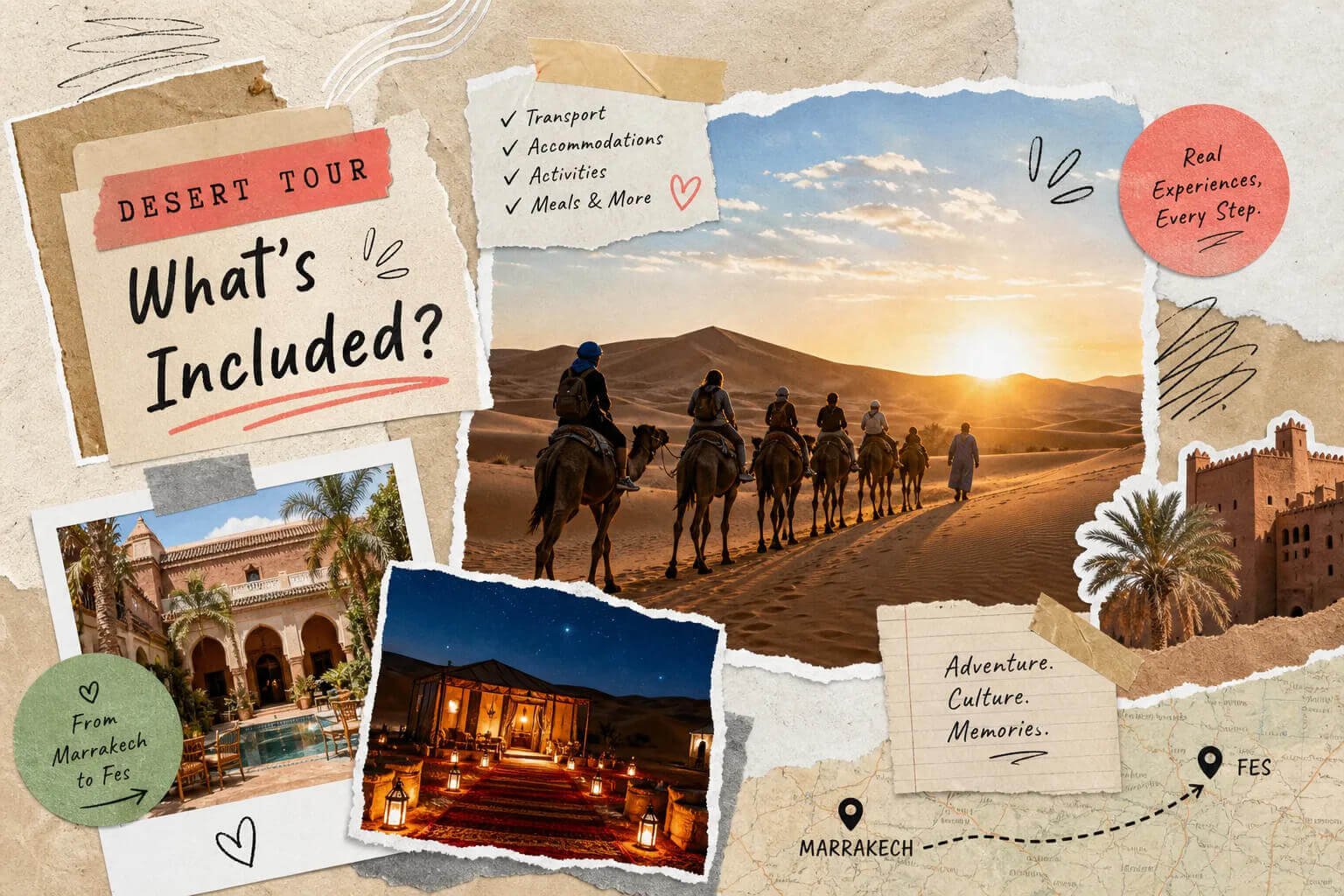
Uncover what a Marrakech to Fes desert tour offers, including camel rides, desert camps, and rich cu...
Read this article
Join our Merzouga Overnight Tour for an authentic desert experience. Enjoy camel rides, comfortable ...
Read this articleWant cool tour deals and tips about Morocco? Enter your email and we’ll send them to you each month!
