Group Tour Agencies in Morocco: How to Pick the Right One
Compare Morocco group tour agencies by trip style, reviews, pace, transport and inclusions. Learn wh...
Read this article

Private, custom Morocco trips planned in Fez by AZ-ZDDINE, working in Moroccan tourism since 2012. Sahara, Atlas, medinas and coast, arranged around you.
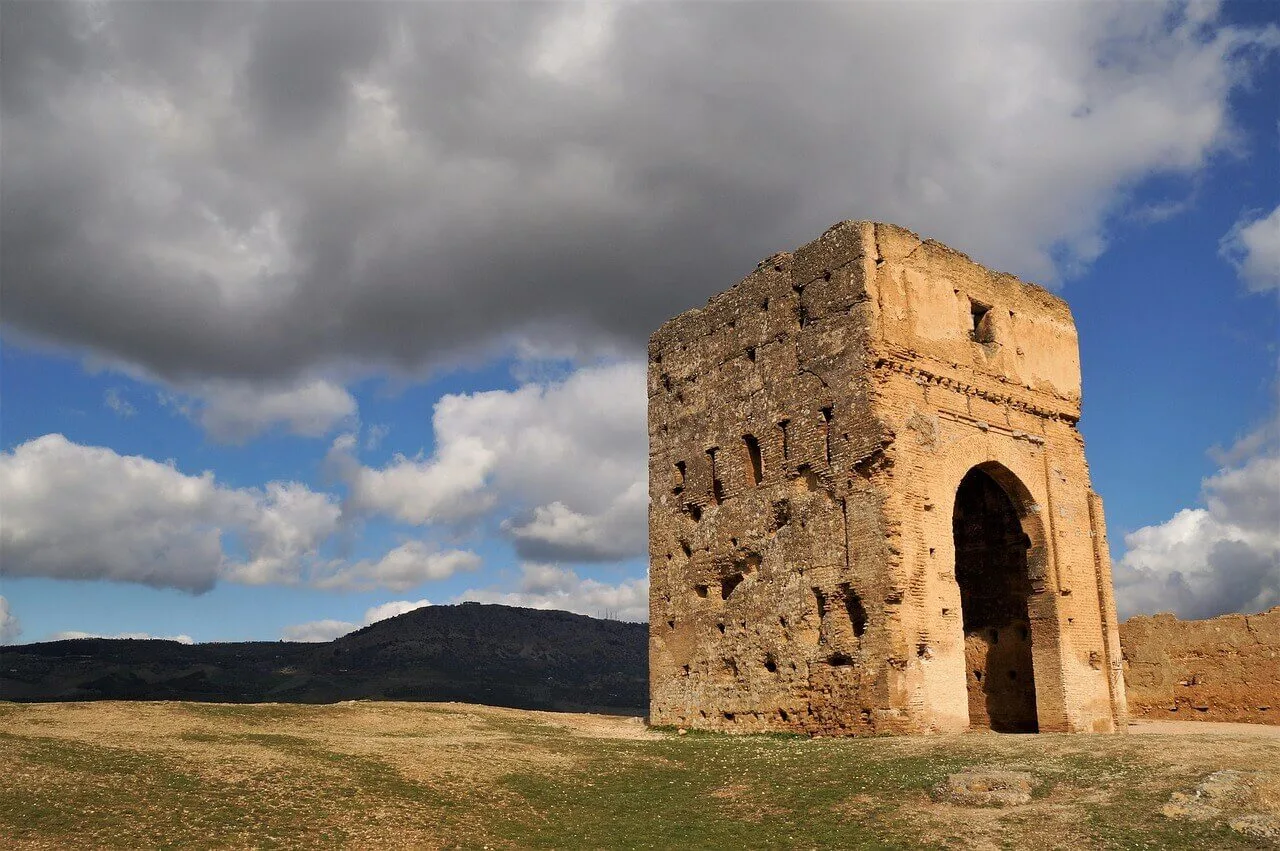
Morocco is renowned for its breathtaking architecture and interwoven history and legends: Roman mosaics, royal gates, blue mountain lanes, Atlantic ramparts, and Sahara Desert dunes all sit within one country. This guide answers the big questions travelers ask before visiting morocco: which Moroccan landmarks matter most, what is the most famous mosque, which city is prettiest, and what outdoor activities pair best with historical sites.
Morocco Classic Tours is a Fez-based tour operator creating private tours, day trip routes, desert camps, camel treks, imperial cities circuits, and custom itineraries around these landmarks, with a focus on providing personalized, safe, and memorable Moroccan tour experiences. Many featured places are a UNESCO World Heritage site or nationally protected historical landmarks, spanning ancient Rome at Volubilis to Rabat, the modern capital.
The most famous Moroccan landmarks include hassan ii mosque in Casablanca, Jemaa el Fnaa and the Bahia Palace in Marrakech, El Badi Palace, the Medina of Fes, Al Qarawiyyin, Volubilis, Hassan Tower, and the Mausoleum of Mohammed V in Rabat, Chefchaouen, Essaouira’s ramparts, Ouzoud Falls, Erg Chebbi dunes, and Ait Ben Haddou. These iconic landmarks show Morocco’s range: imperial cities, coastal forts, Roman ruins, a desert fortified village, mountain towns, and modern sacred architecture.
Many historical landmarks in Morocco are located within ancient medinas, which are popular tourist destinations. The medinas of Fes and Marrakech are UNESCO World Heritage sites known for their historical significance and architectural beauty, reflecting centuries of cultural evolution. Morocco Classic Tours commonly combine at least one imperial city, one Atlantic or northern morocco stop, and one desert experience for couples, families, and small groups.
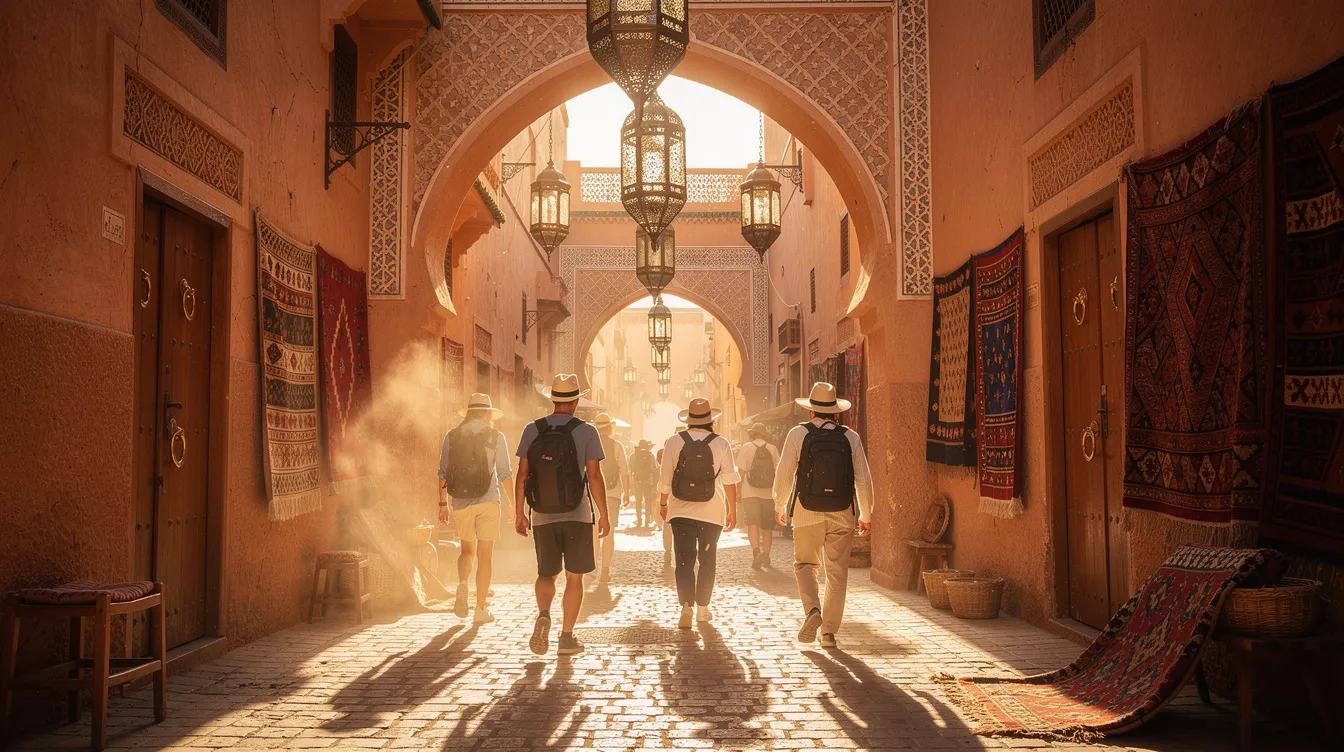
The Hassan II mosque in Casablanca is widely considered Morocco’s most famous mosque and one of the world’s great religious buildings. Inaugurated in 1993 under King Hassan II, it is the largest mosque in Africa and the 7th largest in the world, with a minaret around 200–210 meters high, capacity for about 25,000 worshippers inside, and up to 80,000–100,000 including courtyards.
Partly built over the Atlantic Ocean, the mosque features carved cedar ceilings, marble floors, zellij mosaics, a green-tiled roof, and a laser on the minaret pointing toward Mecca. The Hassan II Mosque is a masterpiece of Islamic and Moroccan craftsmanship, showcasing the talent of 10,000 workers and artisans. It is often the highlight of Casablanca and Atlantic Coast tours with Morocco Classic Tours, featuring prominently among the best things to do in Casablanca.
The dress code for Hassan II mosque is simple: shoulders and knees covered for all visitors, long trousers or skirts, and no low-cut or transparent clothing. Women are advised to bring a light scarf, even if hair covering is not always mandatory for tourists. Shoes are removed before entering prayer areas.
Guided tours are required to enter the Hassan II Mosque, which is the only mosque in Morocco that non-Muslims can visit. Non-Muslims can enter on fixed guided tours only, usually in languages such as English, French, and Spanish, and not during Friday prayer or restricted religious times. Adult tickets are typically around 130–140 MAD, with reduced rates for students and children; check official channels such as the Hassan II Mosque website before visiting.
A tour may include the grand prayer hall, ablution areas, underground halls, museum spaces, and views toward the Atlantic. Morocco Classic Tours can arrange hotel or airport transfers so guests reach the visitor center before the limited tour windows.
Marrakech, the red city, is an imperial and economic hub famous for its medina, souks, gardens, royal palaces, and living street culture. It is also a departure point for Ouzoud Falls, located about 100 miles northeast of Marrakech, and for longer trips to aït ben haddou, Erg Chebbi, and Erg Chigaga.
jemaa el-fnaa is Marrakech’s central medina square, active since the 11th century and recognized by UNESCO as a major cultural space. Jemaa el-Fnaa is a UNESCO World Heritage site and a major cultural space in Marrakech.
By day: orange juice stalls, henna artists, and market energy.
By night: food stalls, musicians, storytellers, and performers.
Best time: dusk from a rooftop café, then dinner in the square.
Tip: ask before photographing performers; tips are expected. A local guide adds context to Jemaa el and the surrounding souks.
The Bahia Palace is a 19th-century historic landmark built for Grand Vizier Si Moussa and expanded under his son Ba Ahmed. The Bahia Palace in Marrakech is a historic landmark known for its intricate architecture and beautiful gardens.
Look for zellij floors, cedar ceilings, stucco walls, painted zouak woodwork, and a grand courtyard.
It has over 150 rooms, riad gardens, and a refined architectural style shaped by Moroccan-Andalusian taste.
Visit in the early morning to avoid queues and combine it with the Mellah.
This is a good example of Moroccan craftsmanship for design-focused travelers.
The El Badi Palace was a 16th-century Saadian dynasty palace commissioned by Sultan Ahmad al-Mansur in the second half of the 1500s. Once decorated with gold, onyx, and Italian marble, it was later dismantled by Sultan Moulay Ismail to help build Meknes.
See vast sunken gardens, orange groves, stork nests, and underground passages.
The ruins make strong photographs in late afternoon.
Pair it with the Saadian tombs, where visitors may experience large crowds during peak tourist seasons.
The Saadian Tombs in Marrakech are the final resting places of members of the Saadi Dynasty, known for their beautiful decoration.
The Koutoubia mosque is the largest in Marrakech, known for its impressive 77-meter minaret. The Koutoubia Mosque is the largest mosque in Marrakech and a significant example of Moroccan architecture.
Non-Muslims cannot enter the prayer hall, but gardens and exterior views are free.
The 12th-century minaret inspired Hassan Tower and Seville’s Giralda.
Its name recalls booksellers who once lined the plaza.
It is an easy walk from Jemaa el-Fnaa.
Jardin Majorelle is a cobalt-blue Art Deco garden created by French architect and painter Jacques Majorelle in the 1920s–1930s, then restored by Yves Saint Laurent and Pierre Bergé. It includes cacti, bamboo, palms, water features, the Berber Museum, and the nearby YSL Museum.
Book timed tickets online through the official Jardin Majorelle ticketing page. Garden-only tickets are often around 170 MAD, with combined museum options costing more. Visit early morning for calmer paths and better light.
Souk Semmarine is the city’s largest souk and a useful route for textiles, lamps, spices, and leather. The Almoravid Koubba is among Marrakech’s oldest historical buildings, while Maison de la Photographie gives a visual history of Morocco. Morocco Classic Tours can arrange architecture-focused, photography-focused, or family-friendly walks linking these popular attractions efficiently.
Fes is Morocco’s spiritual and intellectual capital, and the Medina of Fes is recognized as the largest and oldest medieval Islamic city in the world. Morocco Classic Tours is based in Fez, giving guests deeper access to food tours, artisan workshops, private guides, and medina routes through more than 9,000 narrow alleys in the city of Fez and its rich heritage.
Al-Qarawiyyin was founded in 859 by Fatima al-Fihri. Al-Karaouine in Fes is recognized as the world’s oldest university, founded in the 9th century, and the University of al-Qarawiyyin in Fes is recognized as the oldest continually operating university in the world, founded in the 9th century.
Non-Muslims generally cannot enter the prayer hall, but they can glimpse courtyards, green-tiled roofs, and whitewashed spaces from certain doorways. Pair it with the Bou Inania or Al-Attarine Madrasa for interior architecture open to visitors.
Fes el Bali is a UNESCO-listed old city layered from idris i and the Idrisid period through Almoravid, Marinid, and Alaouite rule. For nearly a thousand years, its medina has preserved workshops, fountains, fondouks, mosques, and markets.
Chouara tannery is best viewed from terraces; expect a pungent smell and mint sprigs.
Artisan quarters reveal zellij, brasswork, carved cedar, and weaving.
A guide helps with navigation and etiquette in the central medina.
The medinas of Morocco, such as those in Fes and Marrakech, are recognized for their historical significance and architectural beauty, reflecting centuries of cultural evolution.
The Royal Palace of Fes has original foundations dating back to the 13th century and is a significant historical site. The royal palace remains closed to the public, but its golden-bronze gates, zellij, and cedar doors are a major photo stop near the Mellah.
Photograph the gates, avoid photographing guards directly, and combine the stop with Jnan Sbil gardens.
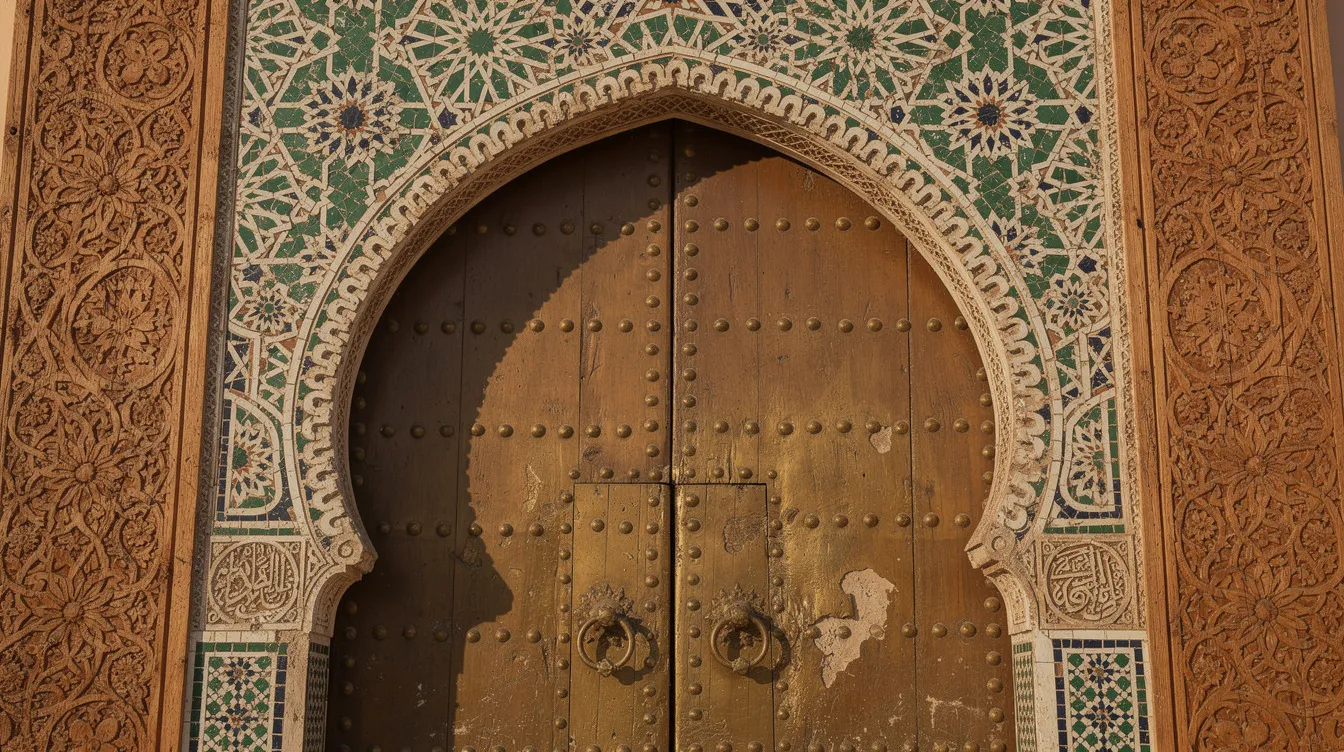
Meknes is a quieter historic city transformed by Sultan Moulay Ismail in the 17th–18th centuries and is today recognized among the top destinations and experiences in Meknes. It pairs naturally with Volubilis, making a strong day trip from Fes and a key stop on imperial cities circuits.
Meknes began as an Almoravid base and became an Alaouite capital under Moulay Ismail, who built massive defensive walls, gates, granaries, and palaces.
Bab Mansour is one of Morocco’s grandest gates, with zellij and monumental scale.
Place el-Hedim sits nearby, echoing Marrakech’s square culture in a calmer setting.
The Mausoleum of Moulay Ismail often welcomes non-Muslims and displays fine tile and stucco work.
Meknes suits travelers who want imperial architecture without the intensity of large cities.
Volubilis is a UNESCO-listed ancient Roman site housing extensive ruins dating back to the first century BC, and is a classic highlight of private Fes-based Morocco tours. Volubilis is a UNESCO-listed archaeological site that showcases the remnants of Roman civilization in Morocco, including mosaics and public buildings.
Expect the Triumphal Arch of Caracalla, basilica, forum, olive presses, and floor mosaics. Entry is typically around 70 MAD per adult, with children often discounted; check current official rates. Morocco Classic Tours can arrange a driver-guide from Fes or Meknes, often with Moulay Idriss Zerhoun. Go early morning or late afternoon because shade is limited.
Casablanca is Morocco’s largest moroccan city and economic hub, shaped by Atlantic light, Art Deco streets, and the French protectorate, and it often anchors 10-day Marrakech, Fez, and Casablanca itineraries. Many travelers pass through for flights, but hassan ii mosque, Mohammed V Square, the Corniche, and downtown façades justify at least a day.
Mohammed V Square dates to the French Protectorate period and was shaped by town planning linked to Henri Prost. It blends Moorish Revival and Art Deco in the Wilaya, courthouse, post office, fountains, and palm-lined avenues. A guided walk helps explain Casablanca’s modern architecture and urban history.
Essaouira is a windswept Atlantic port with a UNESCO-listed medina, ramparts, fishing harbor, and Gnaoua music culture. The city of Essaouira is known for its historic medina and ramparts, which are UNESCO World Heritage sites.
Walk the Skala de la Ville, photograph cannons facing the Atlantic Ocean, and explore Portuguese-influenced walls within the old city. Essaouira also attracts visitors for windsurfing, kitesurfing, seafood, and relaxed coastal evenings, and it frequently features among Morocco’s top travel destinations. Morocco Classic Tours often adds it as a 1–3 night extension from Marrakech or as part of a Casablanca–El Jadida–Essaouira–Agadir route.
Agadir was rebuilt after the 1960 earthquake, so its landmarks are beaches, the promenade, the marina, and the old Kasbah hill views. Nearby, Taghazout is a surfing village, Paradise Valley offers pools and short hikes, and Souss-Massa National Park is excellent for birdwatching, making this coastline ideal for multi-stop Morocco tour packages.
Morocco Classic Tours can combine Agadir with Taroudant’s walls, the Anti-Atlas, or southern morocco kasbah routes as part of customized Morocco private tours. The best time to visit many landmarks in Morocco is during the spring and fall when temperatures are cooler.
Tangier is a historic port at the Strait of Gibraltar, long shaped by Europe, Africa, and its international zone history, and is well explored with a complete Tangier travel guide. Its medina and Kasbah, Grand Socco, Petit Socco, American Legation Museum, Cape Spartel, and Caves of Hercules make it a strong northern morocco gateway.
Travelers arriving by ferry often use Tangier as a bridge between Europe and Africa before continuing to Chefchaouen, Tetouan, Rabat, or Fes.
Chefchaouen, the Blue City of the Rif Mountains, is less a single monument than an entire landmark and rewards travelers who follow in-depth tips for visiting Morocco’s Blue City. Its blue-washed lanes, doors, stairways, kasbah, and Spanish Mosque viewpoint create one of Morocco’s most photogenic locations.
The town’s history includes Andalusian and Jewish communities, including refugees expelled from Iberia, which influenced its culture and streetscape. Morocco Classic Tours can arrange transfers from Tangier, Fes, or Rabat plus guided walks and easy Rif hikes.
Rabat is Morocco’s capital and a modern capital, but also a UNESCO-listed historic city where Almohad ruins, French planning, royal institutions, and coastal fortifications sit close together. Many landmarks in Morocco, such as the Mausoleum of Mohammed V, are located in Rabat, the capital city; however, the Hassan II mosque is in Casablanca, not Rabat.
hassan tower is a 12th-century red sandstone minaret begun under Almohad Sultan Yaqub al-Mansur for an unfinished, largest mosque project. Rows of columns still mark the intended mosque footprint.
The Mausoleum of Mohammed V is a grand tomb located in Rabat, built to honor King Mohammed V and his two sons. The Mausoleum of Mohammed V is a small architectural masterpiece made of white marble and a green tiled roof, and it houses Mohammed V, Hassan II, and Prince Moulay Abdallah. Entry is usually free; dress modestly and photograph respectfully.
Chellah is a walled necropolis over Roman Sala Colonia, with Merenid tombs, gardens, and storks. Kasbah des Oudayas overlooks the Bou Regreg estuary with white-and-blue lanes, an Andalusian garden, and sea views. Rabat is ideal for travelers who want a calmer city where tram lines and medieval walls meet within minutes.
El Jadida, once Mazagan, is a former Portuguese city and world heritage coastal fortress. The city of El Jadida features a Portuguese cistern that is a cultural heritage monument. El Jadida is home to the Portuguese Cistern, a cultural heritage monument that reflects the city’s historical significance.
The Portuguese cistern has reflective Gothic arches, while star-shaped ramparts reveal defensive planning. Add Asilah’s murals, Qalaa Torres near Al Hoceima, or Taroudant’s walls for more coastal and inland historical sites.
aït ben haddou, also written ait ben haddou or ait ben, is a UNESCO-designated World Heritage site and an epitome of southern Morocco architecture. The Citadel of Ait Ben-Haddou is a UNESCO World Heritage site known for its stunning example of North African pise clay architecture.
Aït Ben Haddou is a UNESCO World Heritage site that exemplifies traditional Moroccan earthen architecture and served as a vital stop on caravan routes. Built from rammed earth and mudbrick along a caravan route near Ouarzazate, it shows how Moroccan ksars and kasbahs reflect fortified villages made of adobe, erected near oases.
Nearby, the Kasbah of Taourirt in Ouarzazate is a historic fortress built in the 17th century, known for its unique architecture. The Kasbah of Taourirt is a World Heritage site built in the 17th century by the tribe of the Glaoui, and it remains a notable historical site and a popular tourist attraction reflecting the architectural style and cultural significance of the region.
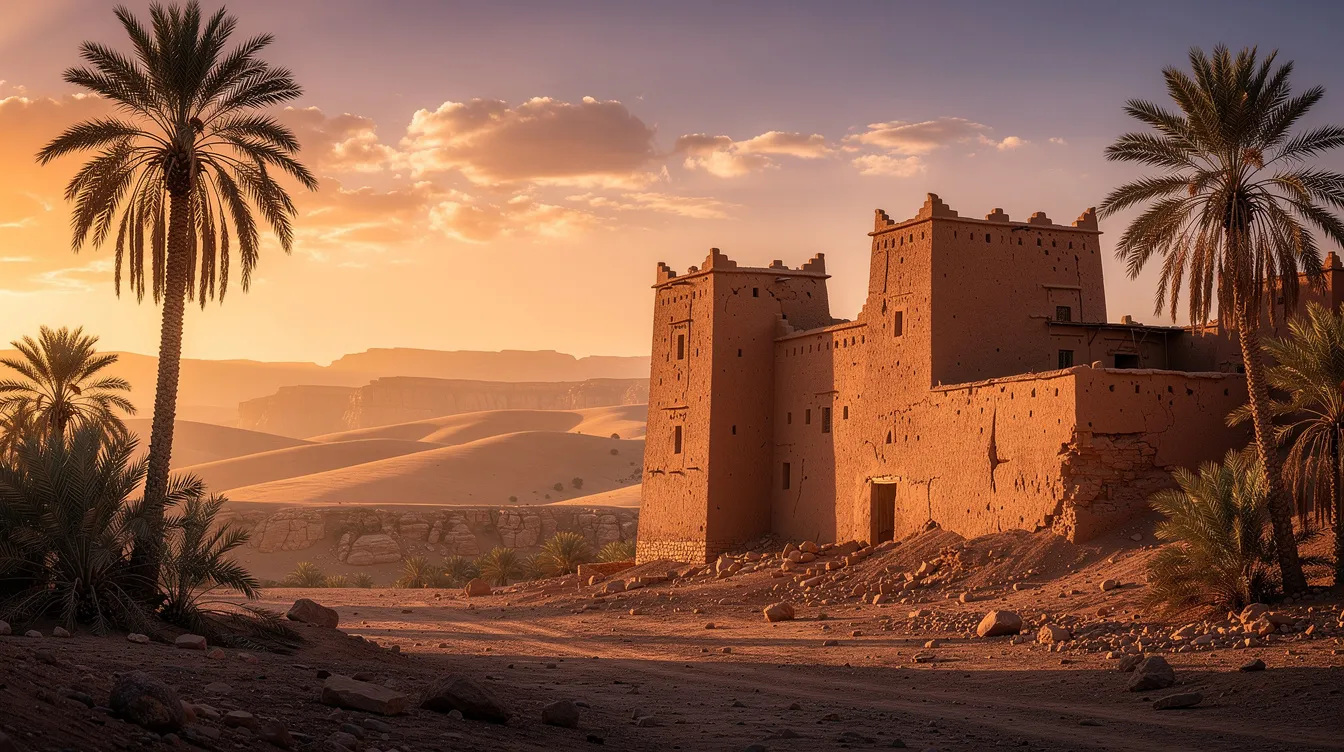
Morocco’s Sahara is a natural landmark region, best understood with an essential guide to the best Moroccan deserts. Erg Chebbi near Merzouga offers accessible dunes, camel trekking, sandboarding, dune hiking, luxury camps, and stargazing. Erg Chigaga, reached by 4WD from M’Hamid, is wilder and quieter.
What are the main Moroccan outdoor activities? Desert camping, camel treks, 4x4 excursions, Atlas Mountains hiking, Ouzoud Falls walks, surfing in Taghazout, wind sports in Essaouira, birdwatching in Souss-Massa, and nature routes through valleys and gorges. Traveling with Morocco Classic Tours helps with experienced drivers, quality camps, family pacing, and safe route planning, similar to the advantages outlined in their guide to the best private drivers in Morocco.
The prettiest place in Morocco depends on your taste. Chefchaouen wins for blue lanes and mountain atmosphere; aït ben haddou for earthen geometry; Jardin Majorelle for color; Fes for medieval texture; and Essaouira for ramparts and sunset over the sea.
What are the best places to visit in Morocco for architectural inspiration? Choose the Bahia Palace, El Badi Palace, Hassan II mosque, Hassan Tower, Fes madrasas, Chefchaouen, El Jadida, and the southern kasbahs—landmarks that appear across what Morocco is best known for. Moroccan architecture is influenced by a convergence of Amazigh, Arab, and European cultures. Morocco’s landmarks reflect a convergence of Amazigh, Arab, and European influences throughout its history, visible in mosques, riads, medinas, kasbahs, and coastal fortifications.
Can non-Muslims enter Hassan II Mosque?
Yes. Non-Muslims can enter the Hassan II mosque on guided tours only, with modest clothing and fixed times. It is best to check prayer schedules and tour availability before arrival.
How much does it cost to visit Volubilis?
Volubilis usually costs around 70 MAD per adult, with reduced child rates and extra costs for guides, parking, or transport. It is as easy as a day trip from Fes or Meknes.
How to book Jardin Majorelle tickets?
Book timed tickets online through the official Jardin Majorelle and Musée Yves Saint Laurent Marrakech websites. Walk-in availability can be limited, especially in spring, autumn, and morning slots.
What crimes are punishable by death in Morocco?
Morocco retains the death penalty in law for very serious crimes such as terrorism, aggravated or premeditated murder, espionage, and some state-security offenses. Morocco has observed an effective moratorium on executions for many years; travelers needing legal details should check current official legal sources.
How should visitors move between landmarks?
Public transport in Morocco, including trains and buses, is easy to navigate for visiting historical sites in major corridors, though many travelers prefer a top-rated Morocco travel agency to coordinate logistics. Renting a car is a recommended way to explore historical landmarks in Morocco, especially those outside major cities, though private drivers remove parking and navigation stress.
What should travelers check before visiting?
Many historical sites in Morocco have specific opening hours and may be closed during religious holidays, so it’s important to check before visiting. In medinas, dress modestly, ask before photographing people, and remember these neighborhoods are living communities.
Use this landmark list as a starting point. Morocco Classic Tours can shape it into an Imperial Cities & Volubilis route, a Desert & Kasbahs journey, an Atlantic Coast & Blue City tour, or a private family itinerary with shorter walking days.
Our team arranges private drivers, flexible pacing, handpicked riads, local guides, food tours, hammams, artisan workshops, desert camps, and transfers timed around ticketed sites as part of custom private Morocco tour packages. When you are ready to step through Morocco’s gates, medinas, kasbahs, and dunes, contact Morocco Classic Tours to request a quote, Book Now, or subscribe for offers built around Morocco’s most unforgettable landmarks with a leading Moroccan travel agency.
Compare Morocco group tour agencies by trip style, reviews, pace, transport and inclusions. Learn wh...
Read this article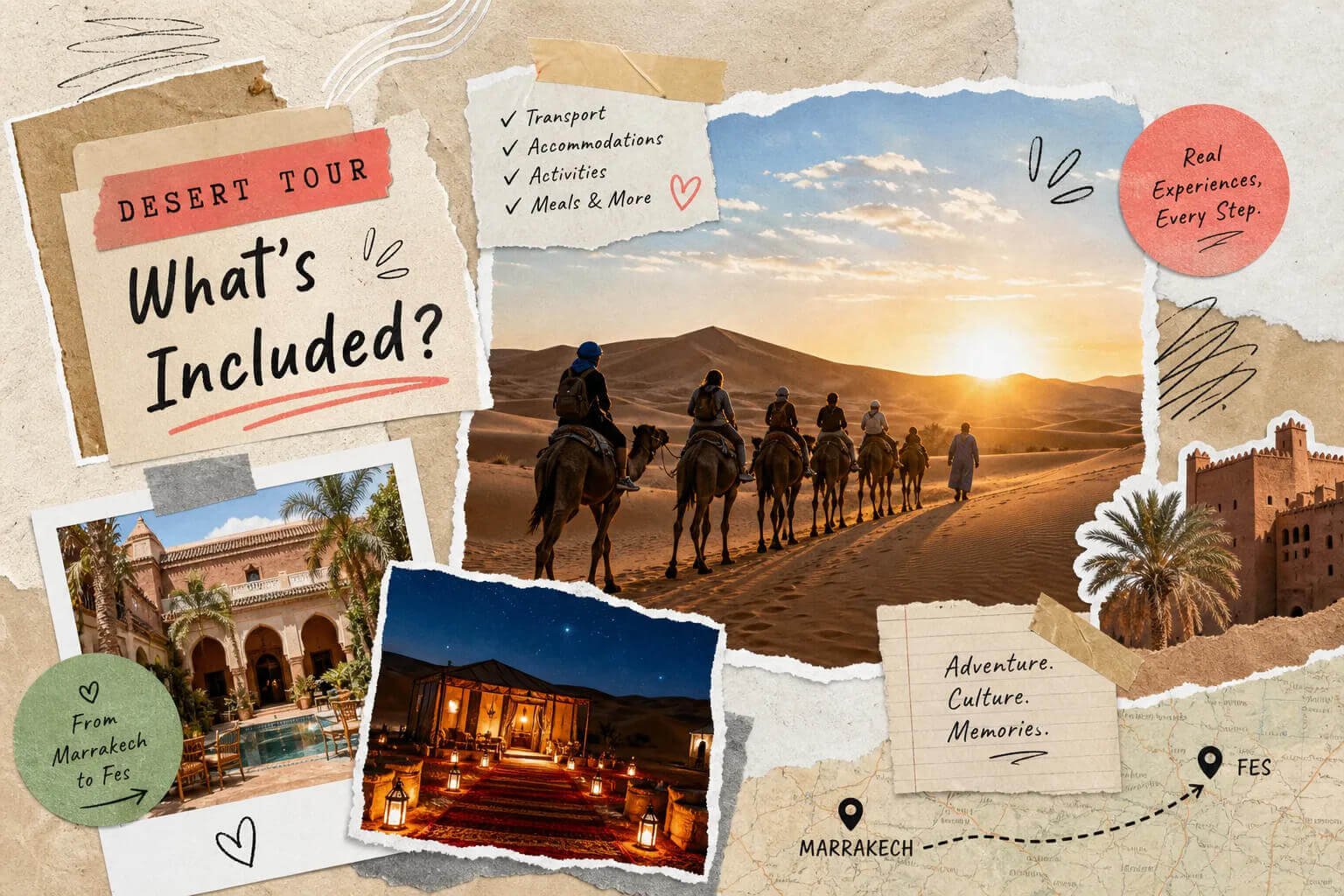
Uncover what a Marrakech to Fes desert tour offers, including camel rides, desert camps, and rich cu...
Read this article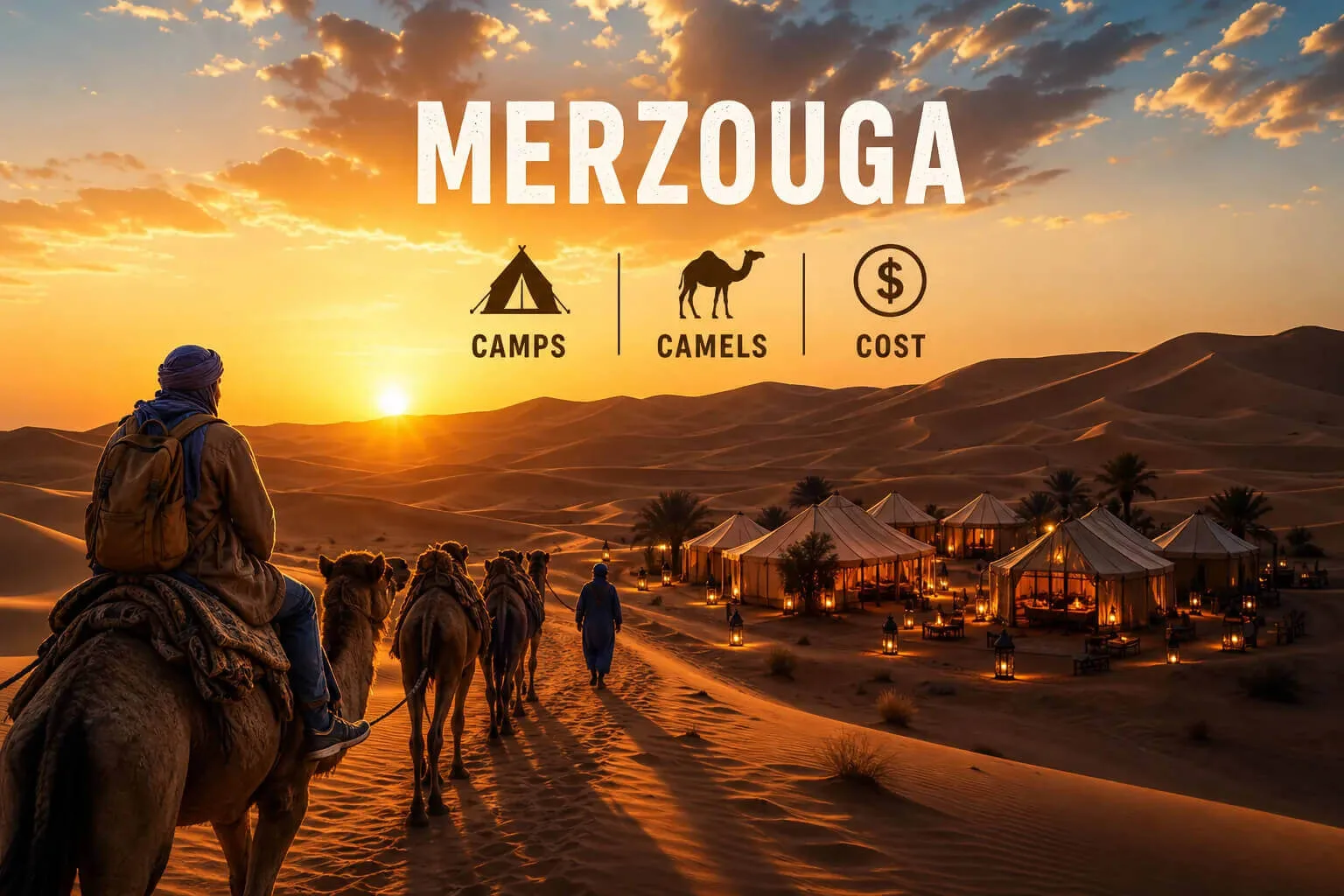
Join our Merzouga Overnight Tour for an authentic desert experience. Enjoy camel rides, comfortable ...
Read this articleWant cool tour deals and tips about Morocco? Enter your email and we’ll send them to you each month!
