Suspendisse interdum consectetur libero id. Fermentum leo vel orci porta non. Euismod viverra nibh cras pulvinar suspen.

Top 10 Marrakech Morocco Trips: Explore Unique Adventures Awaiting You

Home Blog Top 10 Marrakech Morocco Trips: Explore ...
Top 10 Marrakech Morocco Trips: Explore Unique Adventures Awaiting You
28 October 2025

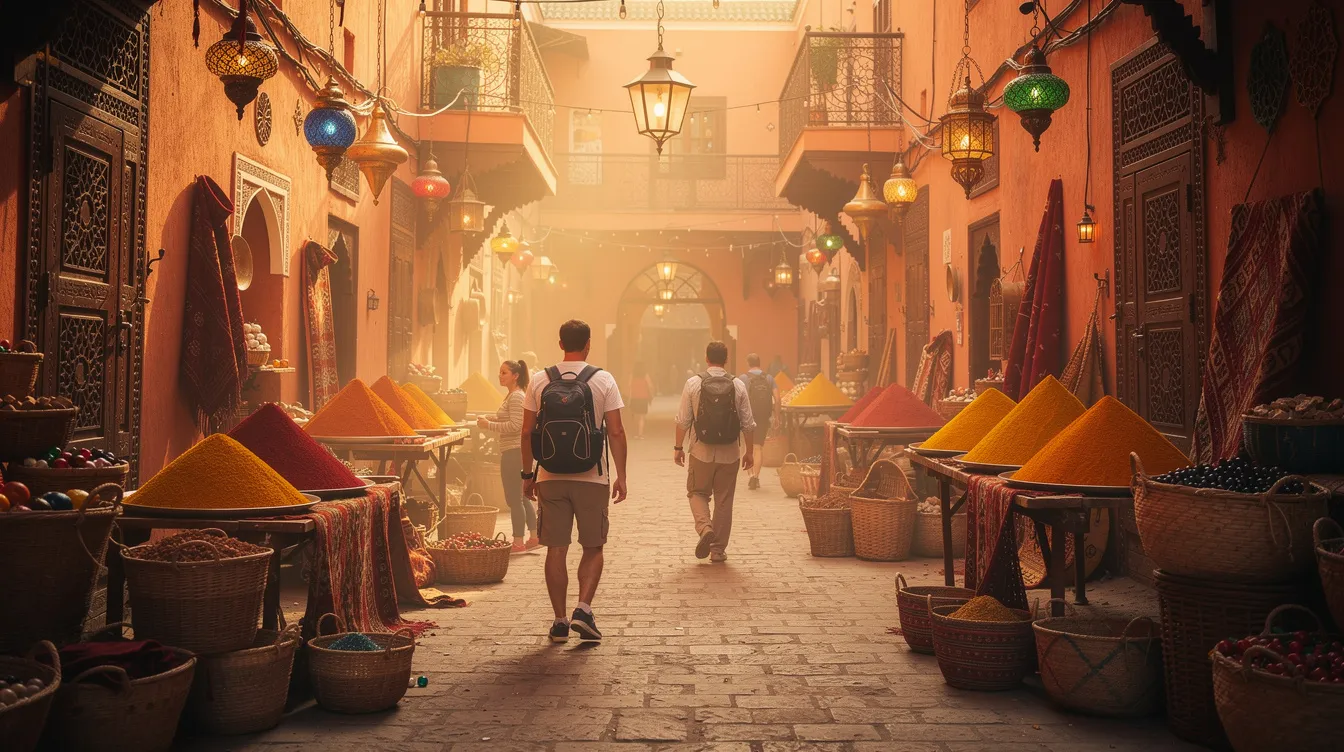
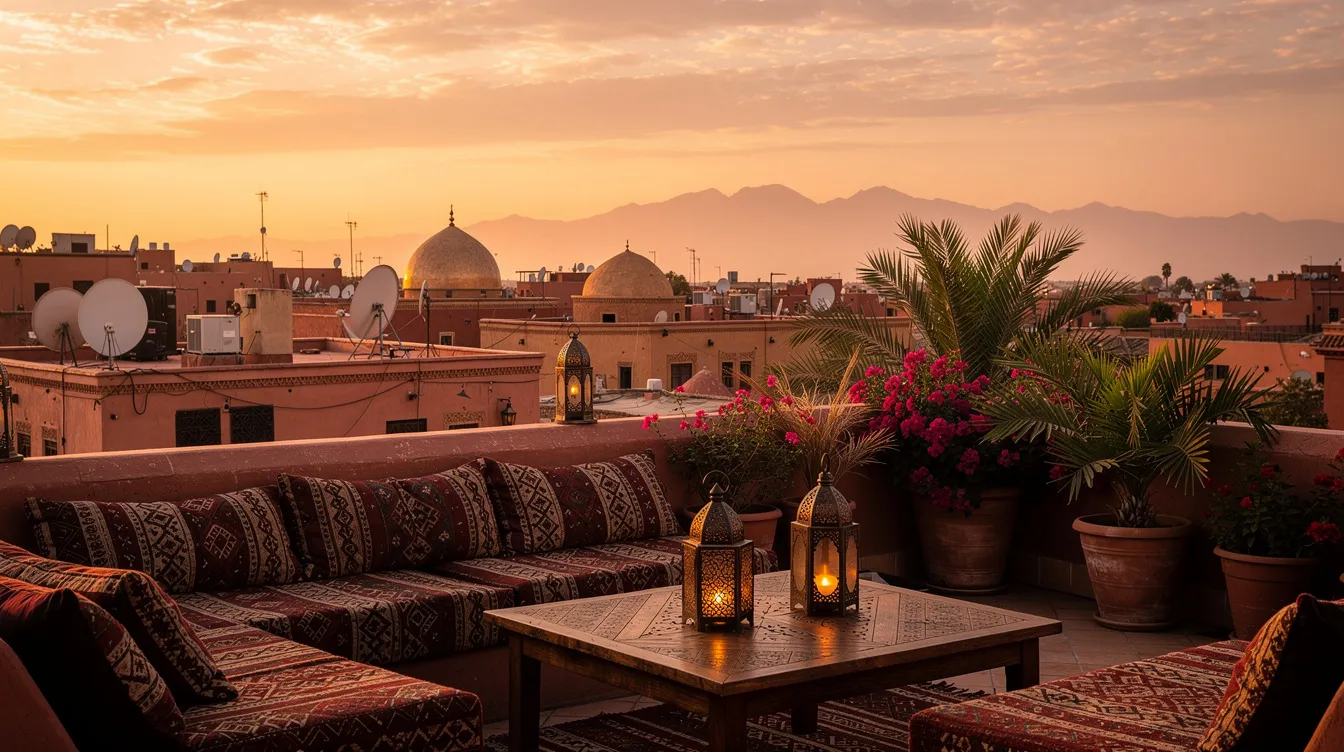
Marrakech serves as the perfect gateway to exploring Morocco’s incredible diversity, from the towering mountains of the High Atlas to the endless golden dunes of the Sahara Desert. This vibrant Moroccan city offers travelers a fascinating insight into North Africa’s rich culture while providing easy access to some of the continent’s most spectacular destinations. Whether you’re seeking day trips to nearby Berber villages, multi-day desert expeditions, or luxury experiences in ancient kasbahs, Marrakech, Morocco, trips cater to every type of traveler and budget. The city is also home to the UNESCO World Heritage site Djemaa el-Fna square, a bustling hub of activity and culture. Jemaa el-Fna Square transforms from a daytime market with snake charmers and juice vendors to a nighttime hub of food stalls, musicians, and storytellers. Additionally, the Koutoubia Mosque, an iconic architectural highlight, is often included in tours of Marrakech. Another must-visit site is the Ben Youssef Madrasa, an ancient Islamic college that showcases beautiful stucco and tile work, reflecting the city’s rich architectural heritage. Marrakech’s architecture and history also reveal a blend of European and Moroccan influences, shaped by centuries of trade and cultural exchange with Europe. For a unique perspective, rooftop terraces provide scenic views of Jemaa el-Fna, especially during sunset. The Medina, the historic walled city of Marrakech, is another highlight where visitors can browse vibrant souks for spices, leather goods, and lanterns. Haggling is expected in the souks, being an integral part of the shopping experience. The Saadian Tombs, rediscovered in 1917, are another significant site, known for their intricate decorations and serving as the burial site for the Saadian dynasty.
From quick escapes to the nearby Agafay Desert to epic journeys across the Atlas Mountains to the Merzouga Desert, the possibilities for exploration are endless. Many tours depart daily from Marrakech, offering everything from cultural immersion experiences to adrenaline-pumping adventure activities. With proper planning and the right tour options, your trip to this magical destination can include sunset camel rides, traditional cooking classes, visits to UNESCO World Heritage sites, and authentic encounters with Berber culture. Day trips from Marrakech can involve a couple of hours in a minibus for travel, making them accessible and convenient. A highlight of Moroccan cuisine that travelers often enjoy during these experiences is the tagine, a traditional slow-cooked stew prepared in a conical clay pot, which is both flavorful and emblematic of the region’s culinary traditions. Additionally, Berber craftsmanship in the Atlas Mountains, such as the weaving of traditional rugs, offers a glimpse into the region’s rich artisanal heritage. For accommodations, riads—traditional Moroccan houses built around an inner courtyard—offer a cultural experience that immerses visitors in local architecture and hospitality. The local currency in Marrakech is the Moroccan Dirham, and many small vendors only accept cash, so it is advisable to carry sufficient local currency for purchases. It’s also advisable to drink only bottled water in Marrakech to avoid health issues.

Best Marrakech Trips Overview

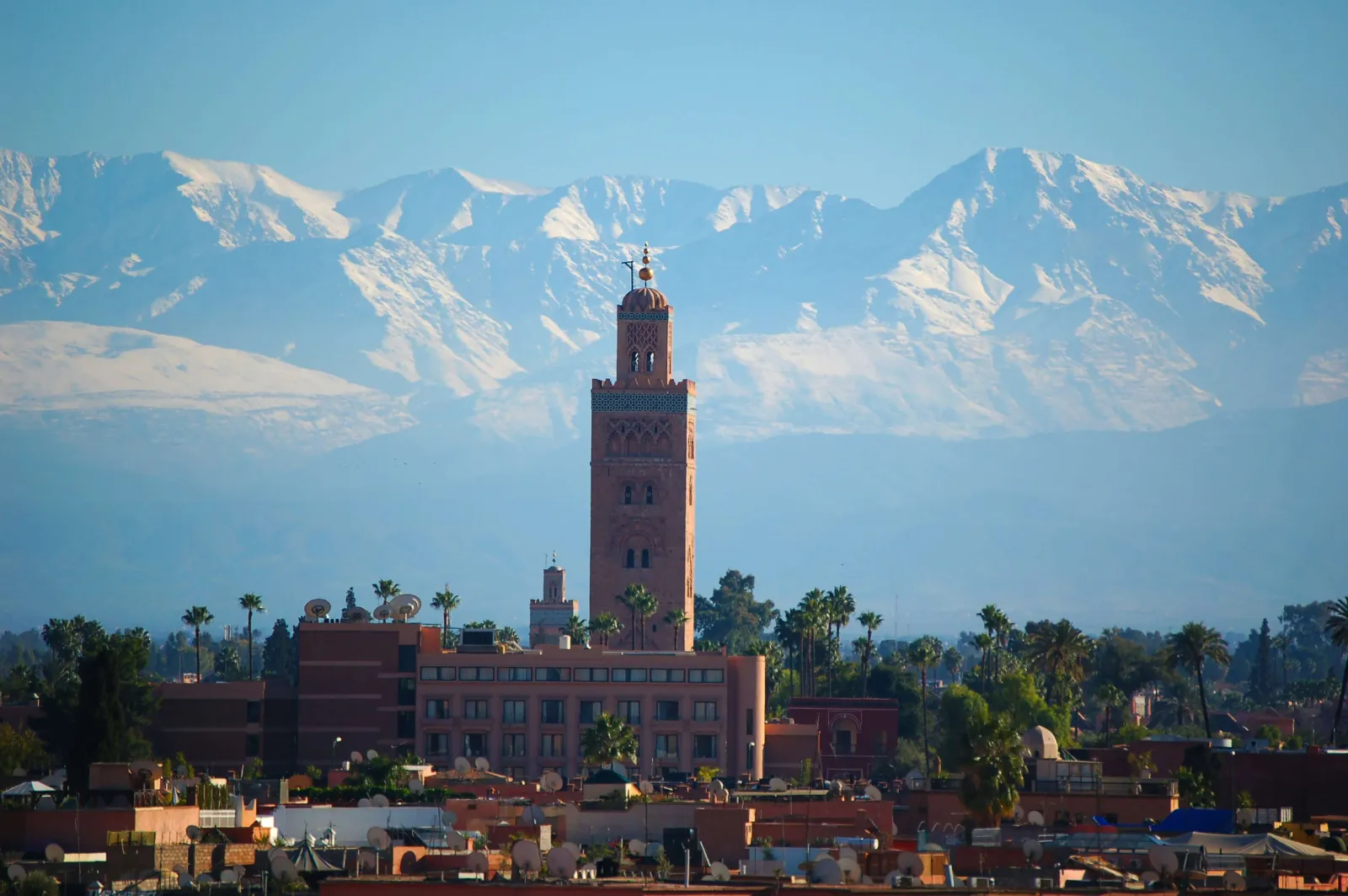
Marrakech’s strategic location makes it an ideal base for exploring Morocco’s diverse landscapes and cultural treasures. The city sits at the crossroads between the Atlas Mountains to the south and east, the Atlantic coast to the west, and the vast Sahara Desert stretching beyond the mountains. The High Atlas Mountains are visible on the horizon from Marrakech, adding to the city’s dramatic backdrop. This positioning allows travelers to experience dramatically different environments within a few hours’ journey. Among the city’s architectural gems is the Madrasa Ben Youssef, which features detailed tile and cedar woodwork, contributing to its historical significance and offering visitors a glimpse into Morocco’s artistic heritage. Another notable attraction is Jardin Majorelle, a botanical garden in Marrakech known for its vibrant blue buildings and exotic plants, providing a serene escape from the city’s bustling streets. The Medina is walkable but can also be navigated by taxis or horse-drawn carriages known as calèches, offering a charming way to explore its narrow streets and vibrant souks. Marrakech experiences extremely hot weather during the peak summer months, so visitors should plan their activities accordingly to avoid the midday heat.

Day trips from Marrakech range from quick one-hour excursions to the nearby Agafay stone desert to full-day adventures requiring 3-4 hours of travel time. Popular destinations include the Ourika Valley with its traditional Berber villages and cascading waterfalls, the charming coastal town of Essaouira on the Atlantic coast, and the spectacular Ouzoud Waterfalls, where visitors can spot Barbary macaques in their natural habitat. The scenic Ourika Valley is known for its beautiful landscapes and Berber homes. Day trips to the High Atlas Mountains include exploring the Berber villages and valleys dotted throughout the region, offering a glimpse into traditional mountain life. The Ouzoud Waterfalls, located about 2.5 hours northeast of Marrakech, are a must-visit for nature enthusiasts. When exploring the vibrant souks and streets of Marrakech, it is advisable to select street food from busy stalls with high turnover to ensure safety and enjoy the freshest flavors. Additionally, dressing modestly by covering shoulders and knees is recommended to respect local customs while traveling in Marrakech.

Multi-day tours typically focus on the Sahara Desert experience, taking travelers through the dramatic Todra Gorge and ancient kasbahs of the Dades Valley before reaching the towering dunes of Erg Chebbi near Merzouga. These longer expeditions allow for overnight stays in traditional desert camps, complete with camel rides at sunrise and sunset, Berber music around campfires, and the unforgettable experience of sleeping under the star-filled desert sky. Ait Ben Haddou, a UNESCO World Heritage Site located in the foothills of the High Atlas Mountains, is often included in these itineraries, showcasing Morocco’s rich history and architecture. Many Moroccan villages and kasbahs reflect deep historical connections to ancient trade routes, adding layers of cultural and historical significance to these journeys. Ait Ben Haddou was built in the 17th century by a powerful family along the trade route between Marrakech and the Sahara Desert. The deserted landscapes around Aït Ben Haddou have also been used as filming locations for many films and TV shows, adding to its allure for visitors. Another architectural marvel worth visiting is the Bahia Palace, which exemplifies Moroccan architecture with intricate tilework, courtyards, and ornate ceilings. Travel insurance is recommended for protection during your trip to Marrakech, especially for these multi-day adventures.

When considering group tours and transportation options, it's important to note that some itineraries are designed for a larger group. This can influence the overall group experience, as the journey is structured for the enjoyment and ease of a sizable gathering, and individual assistance may be more limited within this larger group setting.

Cultural experiences form a core component of most Marrakech trips, offering visitors opportunities to participate in cooking classes with local families, explore traditional hammams, visit artisan workshops, and gain exclusive deals on authentic Moroccan crafts. Adventure enthusiasts can enjoy hot air balloon flights over the Atlas Mountains, quad biking through palm groves, hiking to Mount Toubkal (North Africa’s highest peak), and horseback riding through scenic valleys. Hot air balloon rides offer a unique perspective of the landscapes around Marrakech and are considered a memorable experience.

The huge variety of tour options means travelers can easily customize their itineraries based on available time, budget, and interests. Best tours often combine multiple elements – perhaps starting with a cooking class in a traditional riad, followed by a visit to Berber villages in the mountains, and concluding with a sunset dinner in the desert. Spring and fall are the best times to visit Marrakech for pleasant weather; summer can be extremely hot, so planning accordingly is essential. Booking in advance for popular tours in Marrakech is recommended to secure your spot and ensure availability during peak travel seasons.

Atlas-Mountains-in-Morocco.jpg

Top Day Trips from Marrakech

Day trips from Marrakech offer the perfect solution for travelers with limited time who still want to experience Morocco’s diverse landscapes and cultures. Most popular destinations are accessible within 1-4 hours from the city, making it possible to explore fascinating locations and return to your accommodation by evening. These excursions provide excellent value, typically ranging from €25 for basic group tours to €75 for private experiences with a local guide. Day trips to the Ouzoud Waterfalls offer opportunities for hiking and swimming in cool pools, making them a refreshing escape.

When planning excursions, travelers should consider travel insurance and prepare for outdoor adventures, especially if participating in activities like hiking, swimming, or camel rides.

The best day trips can be categorized by their primary focus: mountain adventures in the High Atlas, coastal experiences on the Atlantic coast, natural wonders like waterfalls and gorges, and desert experiences in the nearby stone desert landscapes. Many tours combine multiple elements, such as visiting Berber villages while hiking in the mountains, or stopping at argan oil cooperatives on the way to coastal destinations. Camel rides are a popular activity in the Sahara and Agafay Desert, offering an authentic way to experience these unique landscapes.

Here’s a comparison of the most popular day trip destinations:

Destination

Travel Time

Distance

Main Highlights

Best Season

Ourika Valley

1.5 hours

65 km

Berber villages, waterfalls, mountain views

Spring/Autumn

Essaouira

2.5 hours

175 km

UNESCO site, seafood, windsurfing

Year-round

Ouzoud Waterfalls

3 hours

160 km

110m waterfalls, Barbary macaques

Spring/Summer

Agafay Desert

45 minutes

35 km

Stone desert, camel rides, Atlas backdrop

Year-round

Imlil/Toubkal

1.5 hours

70 km

Mountain hiking, the highest peak in North Africa

Spring/Autumn

Aït Benhaddou

3.5 hours

190 km

UNESCO Kasbah, film location

Fall/Winter/Spring

Ouzoud + Cascades

3 hours

160 km

Multiple waterfalls, boat rides

Spring/Summer

Day trip to Casablanca

3 hours

240 km

Hassan II Mosque, a modern city

Year-round

Atlas Mountains & Ourika Valley

The Ourika Valley represents one of the most accessible and rewarding day trips from Marrakech, offering visitors their first taste of Berber culture and mountain landscapes. Located just 1.5 hours from the city, this verdant valley cuts through the High Atlas Mountains, providing a dramatic contrast to Marrakech’s red-walled medina and palm groves.

The journey to Ourika takes travelers through changing landscapes, from the flat Haouz plains surrounding Marrakech into the foothills of the Atlas Mountains. Traditional Berber villages dot the mountainsides, their adobe houses seeming to grow naturally from the rocky terrain. Many of these settlements have remained largely unchanged for centuries, offering visitors a fascinating insight into traditional mountain life.

Several hiking options cater to different fitness levels and time constraints. The most popular route leads to the Setti Fatma waterfalls, a series of seven cascades that tumble down the mountainside. The hike to the first and largest waterfall takes about 45 minutes and is suitable for most visitors, while more adventurous travelers can continue to higher waterfalls for increasingly spectacular views.

Local Berber guide services are available at the start of hiking trails, and their expertise proves invaluable for navigation and cultural interpretation. These guides often invite visitors to their family homes for traditional mint tea ceremonies, providing authentic cultural exchanges that many travelers cite as trip highlights. The hospitality of Berber families in these mountain villages is legendary, and sharing tea while discussing local customs creates lasting memories.

The best seasons for Atlas Mountains day trips are spring (March-May) and autumn (September-November), when temperatures are comfortable for hiking and wildflowers or autumn colors enhance the mountain scenery. Winter visits are possible, but you may encounter snow at higher elevations, while summer can be quite hot during midday hours.

Essaouira Coastal Excursion

The journey to Essaouira takes travelers from Marrakech’s inland desert environment to Morocco’s refreshing Atlantic coast, showcasing the country’s remarkable geographic diversity. This charming coastal town, designated as a UNESCO World Heritage site, offers a completely different perspective on Moroccan culture with its Portuguese-influenced architecture, relaxed atmosphere, and thriving arts scene. Visiting Essaouira allows travelers to experience a different side of Morocco, contrasting with the bustling city life of Marrakech. The journey to Essaouira takes about 2.5 hours from Marrakech, making it an accessible day trip option.

The 2.5-hour drive passes through changing landscapes, including argan tree forests where cooperative visits provide insights into traditional oil production methods. These cooperatives, often run by Berber women, demonstrate the labor-intensive process of creating Morocco’s prized argan oil while offering opportunities to purchase authentic products directly from producers.

Essaouira’s medina contrasts sharply with Marrakech’s bustling souks, featuring wider streets, ocean breezes, and a more laid-back pace. The town’s distinctive blue and white color scheme reflects its coastal location and Portuguese colonial heritage. The massive ramparts overlooking the Atlantic provide excellent photography opportunities and demonstrate the town’s historical importance as a fortified port.

Fresh seafood forms a highlight of any Essaouira visit, with the daily fish market offering an amazing variety of locally caught species. Waterfront restaurants prepare grilled sardines, sea bream, and other ocean delicacies while diners enjoy ocean views. Many restaurants allow customers to select their fish directly from the market, ensuring maximum freshness.

The town’s beaches attract windsurfers and kitesurfers thanks to consistent trade winds, while those seeking relaxation can enjoy long walks along the sandy shores. Essaouira is an ideal place to relax, offering plenty of opportunities to unwind and enjoy the tranquil coastal environment. The contrast between the bustling medina and peaceful beach environment allows visitors to experience multiple facets of coastal Moroccan life during a single day trip.

Morocco-Atlantic-Ocean.jpg

Ouzoud Waterfalls Adventure

The Ouzoud Waterfalls, located about 2.5 hours from Marrakech, represent Morocco’s most spectacular waterfall system and one of North Africa’s natural wonders. These dramatic cascades plunge 110 meters down red cliff faces, creating multiple tiers of pools and offering visitors opportunities for swimming, boat rides, and wildlife observation. The Ouzoud Waterfalls cascade over 100m down three tiers of red sandstone cliffs, making them a breathtaking sight for nature enthusiasts. The area is also home to Barbary macaques that can be spotted along the trails, adding a unique wildlife experience to the visit. These activities make visiting the falls a fun and memorable experience for all ages, with plenty of engaging moments for everyone.

The site’s name derives from the Berber word for “olives,” referring to the ancient olive groves surrounding the falls. The journey to Ouzoud provides excellent opportunities to observe rural Moroccan life, passing through traditional farming communities and markets selling local produce. The Ozoud Waterfalls are located about 2.5 hours northeast of Marrakech, making them an accessible yet rewarding destination for travelers. Many tours include stops at local cooperatives where visitors can observe traditional olive oil production methods.

Barbary macaques represent the falls’ most famous residents, with several troops of these endangered primates living in the surrounding cliffs and forests. These tailless monkeys are found nowhere else in Africa, making Ouzoud one of the few places where visitors can observe them in their natural habitat. While the monkeys are generally peaceful, local guides advise maintaining respectful distances and avoiding feeding them.

The waterfall system offers multiple viewpoints and activities. Boat rides at the base provide unique perspectives of the falls’ power and create opportunities for rainbow photography when light conditions align correctly. Swimming is possible in several pools, though water temperatures remain quite cool year-round due to the mountain source.

Traditional Berber restaurants overlook the falls, offering meals with some of Morocco’s most spectacular natural views. Many establishments serve tagines and couscous while diners listen to the thundering water and observe the play of light and mist across the cascades. The combination of excellent food, dramatic scenery, and traditional hospitality creates unforgettable dining experiences.

Agafay Desert Experience

The Agafay Desert, located just 45 minutes from Marrakech, offers visitors a taste of desert adventure without the time commitment required for Sahara Desert expeditions. This stone desert landscape features rolling hills of compressed earth and rock that create an otherworldly environment reminiscent of lunar landscapes, all set against the dramatic backdrop of the snow-capped Atlas Mountains.

Unlike the sandy dunes of the Merzouga Desert, Agafay’s terrain consists of rocky outcrops, dried lake beds, and sparse vegetation adapted to arid conditions. This landscape provides excellent opportunities for various desert activities, including camel rides, quad biking, and hot air balloon launches. The proximity to Marrakech makes it ideal for sunset excursions that allow travelers to return to the city for dinner. The traditional Moroccan tea ceremony, an integral part of Berber culture and hospitality, is often included in these experiences, offering visitors a chance to connect with local traditions.

Camel rides in Agafay offer authentic desert experiences with the convenience of easy access. Local Berber guides lead small groups across the undulating terrain while sharing knowledge about desert survival, traditional navigation methods, and the history of trans-Saharan trade routes. These rides typically last 1-2 hours and provide excellent photography opportunities, especially during the golden hour before sunset.

Many tour operators have established luxury desert camps in Agafay, offering traditional Berber tent accommodations with modern amenities. These camps provide overnight experiences that include traditional dinner entertainment with Berber music and storytelling around campfires under brilliant star-filled skies. The lack of light pollution in this area creates exceptional conditions for stargazing and night photography.

The Atlas Mountains backdrop adds drama to every Agafay experience, with snow-capped peaks providing stunning contrasts to the arid foreground. This unique combination of desert and mountain environments within a single view is rarely found elsewhere in the world, making Agafay particularly appealing to photographers and nature enthusiasts.

Multi-Day Sahara Desert Tours

Multi-day expeditions to the Sahara Desert represent the ultimate Moroccan adventure, taking travelers from Marrakech through some of the country’s most spectacular landscapes to the iconic dunes of the Merzouga Desert. These tours typically span 2-4 days and showcase the incredible diversity of Morocco’s geography, from the High Atlas Mountains to the vast expanses of the world’s largest hot desert.

The journey to the Sahara involves crossing the Atlas Mountains via the spectacular Tizi n’Tichka pass, visiting UNESCO World Heritage sites like Aït Benhaddou, and traveling through the dramatic Todra Gorge and Dades Valley. Many travelers who have visited Aït Benhaddou and the Atlas Mountains describe them as cultural and historical highlights of their trip. Each day brings new landscapes and cultural encounters, creating an immersive experience that reveals different aspects of Moroccan life and history.

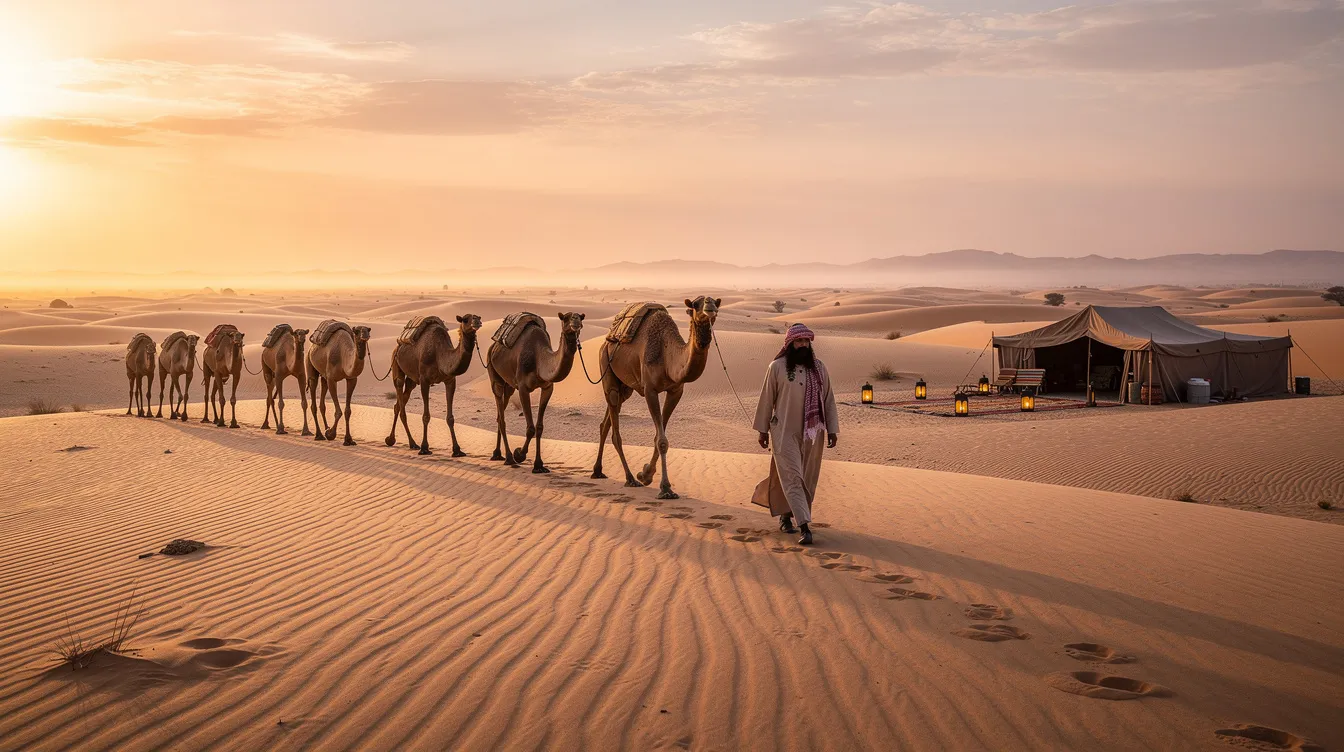
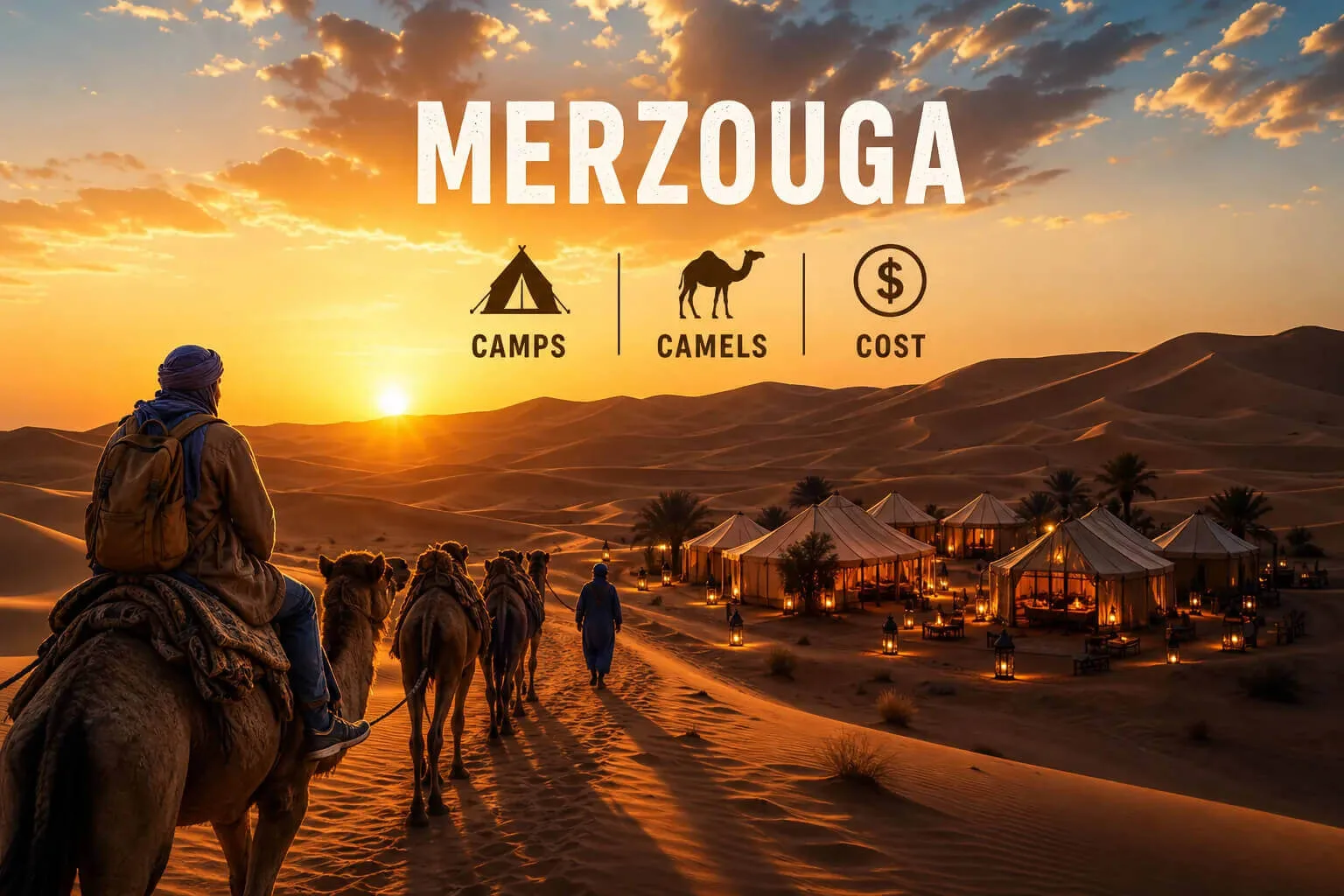
Desert camps near the Erg Chebbi dunes provide authentic Berber hospitality while offering varying levels of comfort, from basic traditional tents to luxury accommodations with private bathrooms and fine dining. The highlight of any Sahara trip involves camel rides at sunrise and sunset, when the changing light transforms the dunes into landscapes of incredible beauty.

Most tours include overnight stays in desert camps where travelers can experience traditional Berber culture through music performances, storytelling, and shared meals under star-filled skies. These cultural exchanges provide fascinating insights into nomadic traditions and the challenges of desert life, while the hospitality of Berber guides creates lasting friendships and memories.

The best time for Sahara Desert tours is during the cooler months from October through April, when daytime temperatures are comfortable and nighttime temperatures cool enough for pleasant sleeping. Summer tours are possible but require careful planning due to extreme heat, while winter can bring surprisingly cold nighttime temperatures that require appropriate gear.

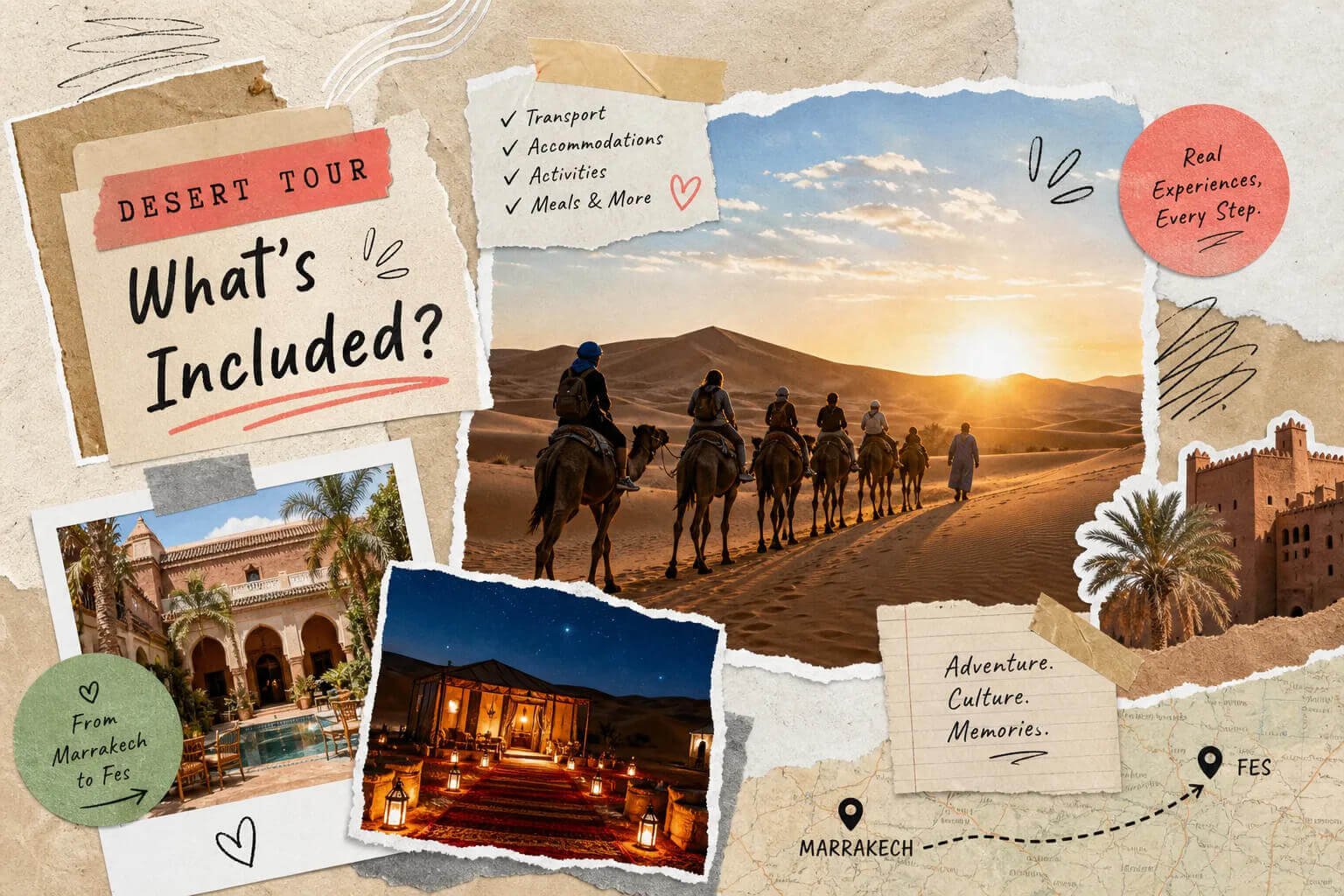
marrakech-to-fes-3-day-Desert-tour-Experince.jpg

3-Day Marrakech to Merzouga Tour

This classic itinerary represents the most popular multi-day desert experience, combining cultural sites, dramatic landscapes, and authentic Sahara encounters in a manageable timeframe. The three-day format allows for proper acclimatization to desert conditions while providing sufficient time to fully appreciate the journey’s diverse highlights.

Day 1: Marrakech to Dades Valley via Aït Benhaddou

The adventure begins with an early departure from Marrakech, crossing the High Atlas Mountains via the famous Tizi n’Tichka pass at 2,260 meters elevation. This mountain road offers spectacular views of Berber villages clinging to steep hillsides and terraced agricultural fields carved from seemingly impossible terrain. Many tours from Marrakech allow visitors to follow the ancient trade caravan routes through the Atlas Mountains.

The first major stop at Aït Benhaddou showcases one of Morocco’s most impressive ancient kasbahs, a UNESCO World Heritage site that has served as the backdrop for numerous Hollywood films, including Lawrence of Arabia and Gladiator. This fortified village demonstrates traditional earth architecture and provides insights into the defensive strategies employed by trans-Saharan trading communities.

The route continues through the Skoura Oasis, known as the “Valley of a Thousand Hearts” due to its heart-shaped palm groves, before reaching the Dades Valley for the first night’s accommodation. Traditional kasbahs converted into guesthouses provide comfortable lodging while maintaining authentic architectural features and cultural atmosphere.

Day 2: Dades to Merzouga via Todra Gorge

For a comprehensive guide to planning your Moroccan adventure, check out this 7-day itinerary of activities to do in Marrakech, Morocco.

The second day features the dramatic Todra Gorge, where limestone cliffs tower 160 meters above a narrow canyon floor. This natural wonder provides excellent hiking opportunities and demonstrates the geological forces that shaped the Atlas Mountains. Local Berber guide services offer rock climbing experiences for adventurous travelers.

The journey continues through changing landscapes as the route descends from mountain elevations toward the Sahara. Traditional Berber villages dot the landscape, many still practicing ancient irrigation techniques and traditional crafts. Stops at local cooperatives showcase carpet weaving, silver working, and other artisan skills passed down through generations.

Arrival in Merzouga marks the transition to a true desert environment, with the massive Erg Chebbi dunes rising dramatically from the flat desert floor. Camel rides begin at sunset, leading travelers across the sand to traditional desert camps where Berber music and traditional dinner await under brilliant star-filled skies.

Day 3: Sunrise in the Sahara and Return to Marrakech

The final day begins before dawn with camel rides to viewpoints for a spectacular sunrise over the dunes. The changing light creates an ever-shifting palette of colors across the sand, from deep purples and blues to brilliant oranges and golds. This experience often ranks among travelers’ most memorable life moments.

The return journey to Marrakech follows a different route, passing through the Draa Valley with its extensive palm groves and traditional villages. Lunch stops at local restaurants provide opportunities to sample regional specialties while observing daily life in rural morocco. The diverse landscapes encountered during the return drive reinforce the incredible variety contained within Morocco’s borders.

Cultural and Historical Tours

Morocco’s rich cultural heritage and complex history come alive through specialized tours that focus on the country’s imperial cities, traditional crafts, religious sites, and UNESCO World Heritage locations. These experiences provide deep cultural immersion while showcasing the artistic, architectural, and intellectual achievements of successive Moroccan dynasties.

Imperial Cities tours typically combine Marrakech with Fes, Meknes, and Rabat, each representing different periods of Moroccan power and displaying unique architectural styles. Fes, in particular, offers insights into medieval Islamic civilization with its ancient medina, traditional tanneries, and the world’s oldest continuously operating university at Al Quaraouiyine.

Traditional craft workshops provide hands-on experiences with pottery, leatherworking, textile weaving, and metalworking techniques that have remained largely unchanged for centuries. These visits to artisan quarters allow travelers to observe master craftsmen at work while learning about the cultural significance of different decorative patterns and production methods.

Cooking classes represent particularly popular cultural experiences, often beginning with guided market tours where participants learn to select ingredients and understand the role of spices in Moroccan cuisine. These hands-on sessions typically take place in traditional riads with local families, creating intimate cultural exchanges while learning to prepare classic dishes like tagines, couscous, and pastilla.

Religious and architectural tours explore Morocco’s stunning Islamic architecture, including intricate geometric patterns, elaborate plasterwork, and sophisticated water management systems. While most mosques remain closed to non-Muslims, many madrasas (religious schools), palaces, and public buildings showcase the finest examples of Moroccan decorative arts.

Fes and Meknes Day Trip

A day trip to Fes and Meknes provides an intensive cultural immersion experience, showcasing two of Morocco’s four imperial cities within a single excursion. The early morning departure allows for a full day of exploration, though the 3-hour journey each way makes for a long but rewarding day.

Fes el-Bali, the ancient medina of Fes, represents one of the world’s largest car-free urban areas and a UNESCO World Heritage Site of exceptional importance. The labyrinthine streets contain over 9,000 narrow alleys, traditional shops, mosques, madrasas, and workshops that have operated continuously for over 1,000 years. Navigation requires experienced local guides who can interpret the complex layout while providing historical context.

The famous Chouara Tannery offers insights into traditional leather processing methods that have remained essentially unchanged since medieval times. Viewing terraces provide safe vantage points for observing workers treating animal hides in stone vats filled with natural dyes and traditional chemicals. The process demonstrates remarkable skill and provides an understanding of how Moroccan leather goods achieve their distinctive quality and color.

Al Quaraouiyine University, founded in 859 CE, holds the distinction of being the world’s oldest continuously operating degree-granting university. While non-Muslims cannot enter the mosque itself, the surrounding areas showcase the architectural achievement and intellectual tradition that made Fes a center of learning throughout the medieval period.

Meknes, though smaller than Fes, provides excellent examples of 17th-century Moroccan architecture under Sultan Moulay Ismail. The massive Bab Mansour gate represents one of North Africa’s most impressive architectural achievements, while the royal stables once housed 12,000 horses. These monuments demonstrate the wealth and ambition of Morocco’s imperial rulers.

Adventure and Outdoor Activities

Morocco’s diverse geography creates exceptional opportunities for outdoor adventures ranging from high-altitude hiking in the Atlas Mountains to adrenaline-pumping desert activities. The country’s year-round mild climate and varied terrain support everything from technical rock climbing to leisurely horseback rides through palm groves.

Hot air balloon flights over the Atlas Mountains and desert landscapes provide unique perspectives on Morocco’s dramatic geography. These early morning adventures typically include a traditional Berber breakfast and offer photographers unparalleled opportunities to capture panoramic views of snow-capped peaks, traditional villages, and endless desert vistas.

Hiking and trekking options range from day walks in the Ourika Valley to multi-day expeditions to Mount Toubkal, North Africa’s highest peak at 4,167 meters. The High Atlas Mountains offer routes suitable for every fitness level, from gentle valley walks to technical ascents requiring mountaineering experience. Local Berber guides provide essential navigation and cultural interpretation while ensuring safety in challenging terrain.

Desert activities have evolved beyond traditional camel rides to include quad biking, sandboarding, 4x4 excursions, and even desert marathon events. The Agafay and Merzouga deserts provide different environments for these activities, with stone desert terrain offering excellent quad biking while sand dunes enable sandboarding and camel trekking. For those interested in other unique Moroccan destinations beyond the desert, Essaouira offers a vibrant seaside culture, historic medina, and numerous attractions.

Water sports opportunities exist along the Atlantic coast, particularly around Essaouira, where consistent trade winds create ideal conditions for windsurfing and kitesurfing. The town has developed into Morocco’s premier water sports destination, with equipment rental and instruction available for all skill levels.

Rock climbing and canyoning adventures take advantage of the Todra Gorge’s limestone cliffs and the Atlas Mountains’ varied rock formations. These activities require specialized guides and equipment but provide access to some of Morocco’s most spectacular natural environments while challenging participants physically and mentally.

Hot-Air-Balloon-Rides--1-.jpg

Planning Your Marrakech Trip

Successful Marrakech, Morocco trips require careful planning to maximize experiences while navigating logistical challenges and cultural differences. Understanding the best times to visit, transportation options, budget considerations, and cultural expectations helps ensure smooth and memorable adventures throughout this muslim country.

The optimal time for most Marrakech trips falls between October and April, when daytime temperatures remain comfortable for outdoor activities and nighttime temperatures allow for pleasant sleeping. Summer visits are possible but require adjustments for extreme heat, particularly for desert excursions and mountain hiking. Winter offers the advantage of snow-capped mountain views and comfortable desert temperatures, though some high-altitude routes may be inaccessible. During Ramadan, some cafes may be closed during the day, affecting business hours, so travelers should plan meals and activities accordingly.

Booking strategies vary depending on trip type and travel style. Day trips and cultural activities can often be arranged upon arrival, allowing for flexibility and potentially better prices through direct negotiation. However, multi-day tours, especially to the Sahara Desert, benefit from booking to ensure availability and preferred accommodations. Luxury experiences and private transfers typically require reservations, particularly during peak travel seasons.

Transportation options include group tours with scheduled departures, private drivers for customized itineraries, and self-drive rentals for independent travelers. Group tours offer cost advantages and social interaction but limit flexibility. Private drivers provide personalized service and route customization while eliminating navigation challenges. Self-drive options offer maximum independence but require comfort with Moroccan driving conditions and Arabic signage.

Budget considerations for Marrakech trips vary dramatically based on accommodation choices, tour types, and personal preferences. Basic day trips start around €25 per person for group tours, while luxury private excursions can exceed €300 per person. Multi-day tours range from €150 for basic Sahara expeditions to over €500 for luxury desert experiences with premium accommodations and private guides.

Essential packing varies by season and planned activities, but should always include modest clothing suitable for visiting religious sites, comfortable walking shoes for medina exploration, sun protection for desert and mountain environments, and layers for temperature variations between day and night. Travel insurance becomes particularly important for adventure activities and should cover medical evacuation from remote desert locations.

Travel Times and Distances

Understanding travel times and distances from Marrakech helps in planning realistic itineraries and managing expectations for day trips and multi-day tours. Moroccan roads vary significantly in quality and traffic conditions, making journey times somewhat unpredictable despite relatively short distances.

Day Trip Destinations from Marrakech:

  • Agafay Desert: 45 minutes (35 km) - Good paved roads, minimal traffic

  • Ourika Valley: 1.5 hours (65 km) - Mountain roads with curves and elevation changes

  • Essaouira: 2.5 hours (175 km) - Well-maintained highway with rest stops

  • Ouzoud Waterfalls: 3 hours (160 km) - Mix of highway and rural roads

  • Imlil/Toubkal Base: 1.5 hours (70 km) - Mountain roads requiring careful driving

  • Aït Benhaddou: 3.5 hours (190 km) - Atlas Mountain crossing via Tizi n’Tichka pass

Multi-Day Tour Destinations:

  • Merzouga (Sahara): 8-9 hours (550 km) - Long journey through mountains and desert

  • Fes: 7-8 hours (530 km) - Highway travel with mountain sections

  • Chefchaouen: 6-7 hours (450 km) - Scenic mountain routes through Rif Mountains

  • Casablanca: 3 hours (240 km) - Modern highway with good conditions

Road conditions generally favor larger, more comfortable vehicles for longer journeys, particularly when crossing mountain passes or traveling to desert destinations. Many tour operators use air-conditioned minibusses or 4x4 vehicles, depending on group size and destination requirements.

Seasonal considerations affect travel times significantly. Winter snow can close high mountain passes, while summer heat may require earlier departures and longer rest stops. Ramadan periods may affect restaurant and service availability along routes, requiring additional planning for meal stops and rest breaks.

What to Expect on Tours

Understanding tour formats, group dynamics, and service standards helps set appropriate expectations for Marrakech trips while ensuring compatibility with personal travel styles and preferences. Tour experiences vary significantly based on operator quality, group composition, and seasonal factors.

Typical group sizes for scheduled tours range from 8-16 people for most day trips and cultural experiences. Smaller groups often provide more personalized attention and flexibility, while larger groups may offer cost advantages and more diverse social interaction. Private tours obviously offer maximum customization, but at premium prices.

Most tours include transportation in air-conditioned vehicles, entrance fees to major attractions, and basic refreshments during travel. Meal inclusions vary significantly - some tours include traditional lunches in local restaurants, while others provide only basic snacks and expect participants to purchase meals separately. Clarifying meal arrangements prevents misunderstandings and helps with budget planning.

Accommodation standards for multi-day tours span from basic shared facilities in traditional kasbahs to luxury desert camps with private bathrooms and gourmet dining. Understanding accommodation categories helps ensure comfort expectations align with tour pricing. Many tour operators offer multiple accommodation tiers for the same itinerary.

Language options typically include English, French, and Spanish guides, reflecting Morocco’s linguistic heritage and tourism markets. Guide quality varies significantly and can make or break tour experiences. Professional guides provide historical context, cultural interpretation, and practical assistance while ensuring safety and smooth logistics.

Cancellation policies and weather contingencies require careful attention, particularly for adventure activities and desert trips. Reputable operators offer flexible rescheduling for weather-related cancellations and clear refund policies for customer-initiated changes. Travel insurance becomes essential for coverage of prepaid tour costs in case of illness or travel disruptions.

Luxury and Premium Experiences

Morocco’s luxury tourism sector has developed sophisticated offerings that combine authentic cultural experiences with world-class comfort and personalized service. These premium experiences cater to travelers seeking exclusivity, convenience, and exceptional quality while exploring Morocco’s diverse landscapes and rich culture.

Private driver services with experienced local guides offer complete customization of itineraries, allowing travelers to explore at their own pace while benefiting from insider knowledge and cultural interpretation. These services typically include luxury vehicles, professional English-speaking guides, and access to exclusive experiences not available through standard tours.

Luxury desert camps in the Sahara provide authentic Berber hospitality enhanced with modern amenities, including private bathrooms, gourmet dining, spa services, and elegant furnishings. These accommodations demonstrate that adventure travel need not sacrifice comfort, offering five-star service in spectacular natural settings.

Helicopter tours over the Atlas Mountains provide unique perspectives on Morocco’s dramatic geography while eliminating long drive times to remote destinations. These aerial adventures allow access to areas inaccessible by road while providing unparalleled photography opportunities and time efficiency for busy schedules.

Exclusive access experiences include private visits to palaces, workshops with master artisans, and dining in restored riads with renowned chefs. These opportunities provide intimate cultural encounters away from tourist crowds while supporting local communities and preserving traditional skills.

Personal photographer and guide services combine professional documentation with expert cultural interpretation, ensuring travelers return with exceptional images while gaining deep insights into Moroccan history, culture, and daily life. These services particularly benefit special occasion trips and once-in-a-lifetime adventures.

Nomad-Desert-Camp--1-.jpg

Family-Friendly Marrakech Trips

Morocco offers numerous family-friendly experiences that engage children while providing educational and cultural value for the entire family. Successful family trips require careful planning to balance adventure with comfort while ensuring activities suit various age groups and energy levels.

Shorter day trips work best for families with young children, focusing on destinations within 2-3 hours of Marrakech to minimize travel fatigue. The Ourika Valley provides gentle hiking options, traditional village visits, and opportunities for children to interact with local families during mint tea ceremonies. The Agafay Desert offers camel rides and cultural experiences without the long journey required for Sahara expeditions.

Interactive experiences like pottery workshops, cooking classes, and traditional craft demonstrations engage children while teaching them about Moroccan culture. These hands-on activities provide educational value while creating lasting memories and often result in unique souvenirs crafted by the children themselves.

Animal encounters prove particularly popular with younger travelers. Camel rides provide excitement and photo opportunities, while visits to the Ouzoud Waterfalls often include monkey spotting. Horseback riding through palm groves offers another animal-based activity suitable for children with basic riding experience.

Beach days in Essaouira provide relaxation opportunities for parents while offering children space to play and explore. The town’s laid-back atmosphere and family-friendly restaurants make it an ideal destination for multi-generational trips. Fresh seafood appeals to adults, while children enjoy beach activities and the novelty of a different environment.

Safety considerations for family travel include ensuring adequate sun protection, maintaining hydration in desert environments, and preparing for cultural differences regarding food and restroom facilities. Many family-focused tour operators provide child-sized safety equipment and adjust itineraries to account for shorter attention spans and energy fluctuations.

Child-friendly accommodations often feature family rooms, swimming pools, and supervised activities that allow parents some relaxation time while ensuring children remain entertained and safe. Many riads and hotels cater specifically to families with connecting rooms, cribs, and special meal options for young diners.

Travel insurance becomes particularly important for families, especially when planning adventure activities or visiting remote areas. Policies should cover medical treatment for children and evacuation services from areas with limited medical facilities. Many insurers offer family coverage that proves more economical than individual policies.

The cultural aspects of Marrakech trips provide excellent educational opportunities for children, exposing them to different languages, religions, architectural styles, and ways of life. These experiences often prove transformative, broadening perspectives and creating lifelong interests in travel and cultural exploration.

Marrakech’s position as a gateway to Morocco’s incredible diversity makes it possible to experience everything from mountain adventures to desert expeditions, coastal relaxation to cultural immersion, all within a relatively compact geographic area. Whether you’re planning a quick day trip to nearby Berber villages or an epic multi-day journey to the Sahara Desert, the city offers tour options to match every interest, budget, and time constraint. However, Marrakech can be overwhelming due to the multitude of attractions and activities available, so careful planning is essential to make the most of your visit.

The key to successful Marrakech, Morocco trips lies in understanding your preferences, planning appropriately for seasonal conditions, and choosing reputable tour operators who prioritize safety and authentic cultural experiences. From budget-friendly group tours to luxury private expeditions, from family-friendly activities to challenging adventure sports, Morocco’s tourism industry has evolved to cater to every type of traveler while preserving the authentic character that makes this destination so compelling.

Start planning your Moroccan adventure by considering which experiences resonate most strongly with your interests, then build an itinerary that balances must-see destinations with sufficient time for spontaneous discoveries and cultural encounters that often prove to be trip highlights.

Introduction to Marrakech

Marrakech, a captivating Moroccan city nestled in the heart of North Africa, stands as a testament to centuries of history and cultural exchange. As a UNESCO World Heritage site, Marrakech enchants travelers with its labyrinthine medina, vibrant souks, and the timeless beauty of its ancient kasbahs. The city’s unique blend of African, Arab, and European influences is evident in its architecture, cuisine, and daily life, making it a truly global destination. Framed by the majestic Atlas Mountains, Marrakech offers a dramatic backdrop for exploration, with the towering peaks visible from many vantage points within the city. Whether you’re wandering through bustling markets, admiring the intricate tilework of historic palaces, or sipping mint tea in a tranquil courtyard, Marrakech invites you to immerse yourself in a world where tradition and modernity coexist. For travelers seeking to explore the wonders of Morocco, this city serves as the perfect starting point to discover the region’s rich heritage, breathtaking landscapes, and warm hospitality.

Hot Air Balloon Rides

For those seeking an unforgettable adventure, hot air balloon rides over the Atlas Mountains or the edge of the Sahara Desert offer a truly magical way to experience Morocco’s diverse landscapes. As you gently ascend in the early morning, the world below transforms—towering mountains, rolling valleys, and even the distant outline of a charming coastal town come into view, bathed in the golden light of sunrise. Floating high above Marrakech, you’ll gain a new perspective on the city and its surroundings, with panoramic vistas stretching from the bustling medina to the serene peaks of the High Atlas. These rides are expertly piloted, ensuring both safety and comfort, and are suitable for couples, families, or anyone looking to add a touch of wonder to their trip. Whether you’re celebrating a special occasion or want to make your day trip extraordinary, a hot air balloon ride is a highlight that combines adventure, tranquility, and awe-inspiring scenery, making it one of the best ways to explore the natural beauty of Morocco from above.

Safety and Security

Ensuring your safety and security is essential when planning Marrakech. While Morocco is generally considered a safe country for tourists, it’s essential to remain vigilant, especially in crowded areas such as markets and public squares. When embarking on day trips or longer excursions, always book with reputable tour operators and follow the guidance of your local guide. Keeping your valuables secure and being mindful of your surroundings will help you avoid common travel mishaps. It’s also wise to invest in comprehensive travel insurance that covers medical emergencies, trip cancellations, and adventure activities, particularly if you plan to explore the Atlas Mountains or the Sahara Desert. By taking these precautions, you can focus on enjoying your trip and making the most of your time in Marrakech and beyond.

Responsible Travel

Traveling responsibly in Morocco means respecting the country’s rich culture, supporting local communities, and minimizing your environmental impact. When visiting ancient kasbahs, medinas, or bustling souks, take care to observe local customs—dress modestly, ask permission before taking photos, and remove your shoes when entering homes or religious sites. Dining at local restaurants not only offers a taste of authentic Moroccan cuisine but also helps sustain family-run businesses and preserves culinary traditions. Choose tour operators who prioritize sustainability and community engagement, and consider purchasing handicrafts directly from artisans to support the local economy. By embracing responsible travel practices, you contribute to the preservation of Morocco’s unique heritage and ensure that future generations of travelers can continue to explore and enjoy this remarkable destination.

Getting Around Marrakech

Navigating Marrakech and its surroundings is straightforward, thanks to a variety of transportation options tailored to every traveler’s needs. Within the city, you can easily explore the sights by hopping on local buses, hailing a taxi, or arranging private transfers for added comfort and convenience. Guided tours are a popular way to discover both the city’s hidden gems and the breathtaking landscapes of the Atlas Mountains or the Sahara Desert. For those craving a bit more adventure, renting a car or joining a motorcycle tour opens up the possibility of venturing further afield, from the dramatic mountain passes to the vast desert expanses. Walking or cycling through the historic medina allows you to soak in the vibrant atmosphere and discover Marrakech’s unique character at your own pace. No matter how you choose to get around, the city’s well-connected transport network makes it easy to explore everything this dynamic Moroccan city and its spectacular surroundings have to offer.

Our Latest Travel Articles

Essential Guide to the Best Morocco Travel Plug Adapter for Your Trip
18 January 2026

Essential Guide to the Best Morocco Travel Plug Adapter for Your Trip

Discover the best Morocco travel plug adapters to keep your devices powered during your trip. Read o...

Read this article
Best Marrakech to Fes Desert Tour 4 Days: Explore the Sahara Today
17 January 2026

Best Marrakech to Fes Desert Tour 4 Days: Explore the Sahara Today

Discover the ultimate 4-day desert tour from Marrakech to Fes. Experience breathtaking landscapes an...

Read this article
Top Tips for Visiting Aït Benhaddou: A UNESCO World Heritage Site
15 January 2026

Top Tips for Visiting Aït Benhaddou: A UNESCO World Heritage Site

Discover essential tips for exploring Aït Benhaddou, a UNESCO World Heritage site. Plan your visit ...

Read this article