Group Tour Agencies in Morocco: How to Pick the Right One
Compare Morocco group tour agencies by trip style, reviews, pace, transport and inclusions. Learn wh...
Read this article

Private, custom Morocco trips planned in Fez by AZ-ZDDINE, working in Moroccan tourism since 2012. Sahara, Atlas, medinas and coast, arranged around you.
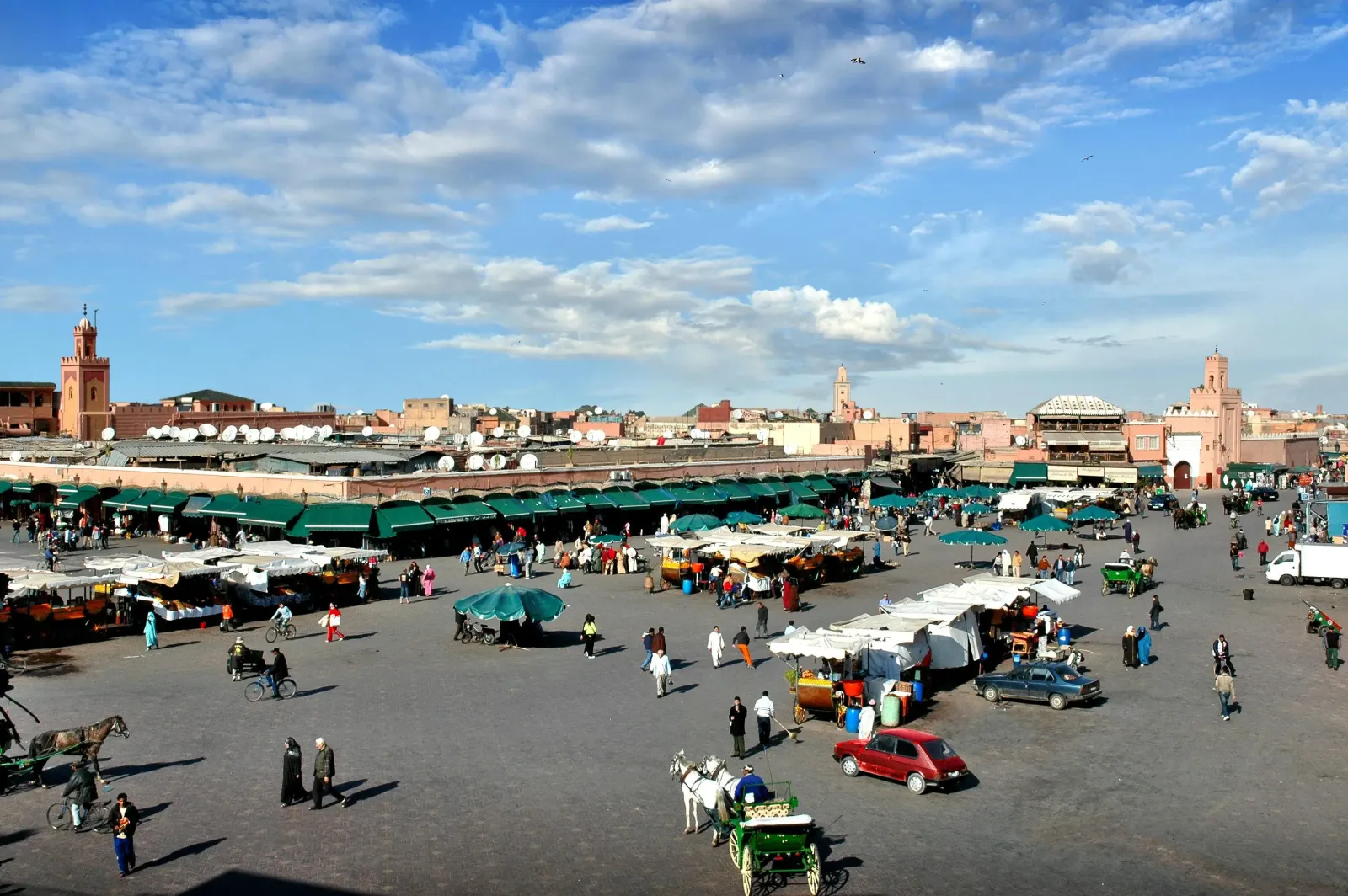
Marrakech, Morocco’s famous red city, is ideal for a 3–4 day stay with opportunities for day trips to the Atlas Mountains, coastal towns, or desert landscapes through Morocco Classic Tours.
The city is generally safe for tourists who stay aware, use licensed guides, and follow common-sense precautions—bottled water is recommended for drinking, while tap water is usually fine for brushing teeth for most visitors.
Book Jardin Majorelle tickets online in advance to skip queues, and consider reputable 2-day desert tours from Marrakech through Morocco Classic Tours for an authentic Sahara or Agafay experience.
Traveling to Marrakech with kids is very manageable when you choose a riad with a pool, stay centrally located in the medina, and build in plenty of downtime between sightseeing.
Prepare for your next trip with cash in Moroccan dirham, modest clothing that keeps shoulders covered, sun protection, and a power adapter—and know that visiting during Ramadan simply requires a few extra etiquette considerations.
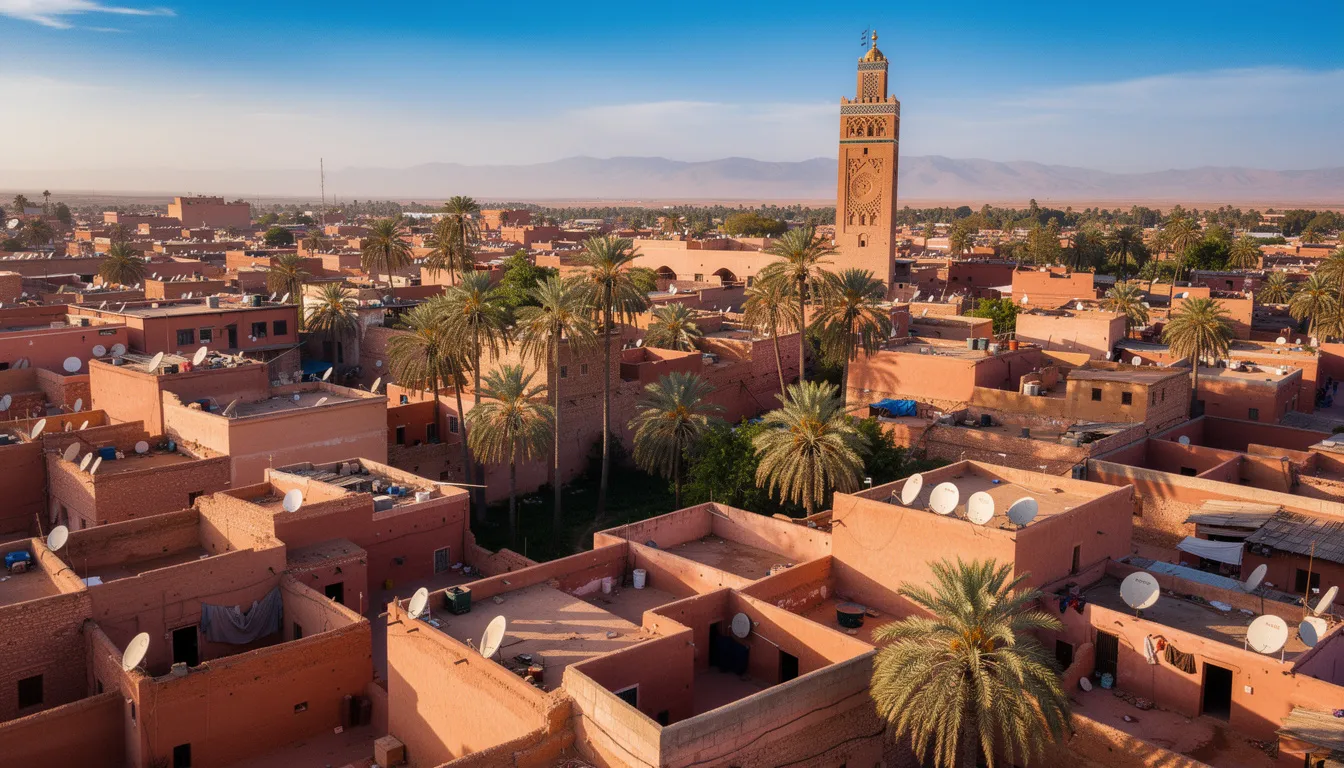
Marrakech draws over 3 million visitors annually, and it’s easy to understand why. This beautiful city blends ancient medina labyrinths with modern attractions, offering everything from snake charmers in the main square to peaceful gardens designed by Yves Saint Laurent. Whether you’re planning a romantic escape, a family adventure, or a solo journey of discovery, this guide covers what you actually need to know before traveling to Marrakech.
We’ll walk through safety considerations, family-friendly tips, practical logistics like buying tickets for Jardin Majorelle online, booking reputable desert excursions, and navigating the busy city with confidence. Let’s get into it.
The optimal stay in Marrakech itself is 3–4 full days if you want to explore Marrakech properly without rushing. This gives you time to wander the 700-hectare medina, visit the major palaces and gardens, experience the chaos and magic of Jemaa el-Fnaa, and still squeeze in a hammam spa day. If you’re adding day trips—which we strongly recommend—plan for 4–6 days total.
Marrakech fits beautifully into wider Morocco itineraries. Many travelers use it as either a starting or ending point for journeys that include Fez, the Sahara Desert, Essaouira on the coast, or the blue streets of Chefchaouen. Morocco Classic Tours specializes in customizable private tours that can connect Marrakech with these destinations, whether you want a quick 2-day desert excursion or a comprehensive 7–10 day loop.
Best months to visit Morocco and Marrakech:
March through May and September through November offer the sweet spot with daytime temperatures around 20–28°C (68–82°F). These shoulder seasons also mean better hotel prices and fewer crowds at major attractions. July and August bring temperatures that can exceed 40°C (104°F), which is manageable if you plan activities for early morning and evening, but exhausting for families with young children.
Finding affordable flights from the East Coast:
If you’re flying from major East Coast airports, start your search from JFK, Newark (EWR), and Boston (BOS), where you’ll find the most competitive one-stop options. Marrakech Airport (RAK) is well-connected via European hubs. Look at TAP Air Portugal through Lisbon, Iberia through Madrid, Royal Air Maroc, and Air France through Paris. Budget carriers like Ryanair and EasyJet operate from European cities if you’re booking segments separately. Use flexible-date search tools and book 2–3 months ahead for spring and fall trips—round-trip fares can dip to $400–600 in off-peak periods.
Sample trip structures to consider:
Duration | Itinerary Focus |
|---|---|
3 days | Marrakech only—medina, palaces, gardens, souks |
4–5 days | Marrakech + 2-day desert tour to Agafay or Sahara gateway |
5–6 days | Marrakech + Atlas Mountains and Essaouira day trips |
7–10 days | Full loop: Fez–Sahara–Marrakech with Morocco Classic Tours |
Morocco Classic Tours can customize private itineraries starting or ending in Marrakech, including transfers from the airport and train station, so you spend less time figuring out logistics and more time enjoying the trip.
Drink only bottled or filtered water in Marrakech.
Many visitors brush their teeth with tap water without issues, but those with sensitive stomachs or young children may prefer bottled water for both drinking and brushing.
Consider travel insurance that covers medical evacuation.
Bring prescription medications and a small first-aid kit with anti-diarrheals.
Use high-SPF sunscreen even in spring.
Watch out for scooters and motorbikes weaving through narrow medina lanes.
Morocco uses the Moroccan dirham (MAD), a closed currency.
ATMs are available at Marrakech Menara Airport and throughout the medina, especially near Jemaa el-Fna.
Typical ATM withdrawals max out around 2,000–4,000 MAD per transaction.
Keep small bills (10, 20, 50 MAD) on hand for taxis, tips, and market purchases.
The exchange rate fluctuates, but at the time of writing, 1 USD equals approximately 10 MAD.
Pickpocketing is common around Jemaa el Fna, especially during crowded evening hours.
Unsolicited “guides” may approach you in the medina and later demand payment—politely decline with “no thank you” in French (non merci) or Darija (la shukran).
Inflated taxi prices are a risk; always agree on the fare before getting in.
Persistent vendors in the souks—stay firm but polite, and don’t feel pressured to buy.
Dress modestly in the medina (loose clothing that covers shoulders and knees).
Avoid walking alone late at night in quiet alleys.
Book well-reviewed riads and registered guides.
Morocco Classic Tours works with licensed guides who know the city intimately and can help you navigate tourist areas safely.
The medina’s labyrinthine alleys can defeat even Google Maps.
Download offline maps before you arrive.
Buy an eSIM or a local SIM at the airport for reliable data.
Use landmark-based navigation.
Your riad host can typically give you personalized routing using gates (babs) and major landmarks like the Koutoubia Mosque as reference points.
Marrakech is a predominantly Muslim country experience in miniature. The call to prayer sounds five times daily, echoing from Koutoubia Mosque and countless smaller minarets across the city. In the medina, conservative norms shape daily life, while the newer Gueliz district feels more relaxed and modern. Approach this with respectful curiosity rather than anxiety—locals are generally welcoming to visitors who show basic cultural awareness.
Haggling is expected in souks and often for taxis without meters.
A good rule: counter at about 40–50% of the first price and work from there.
Pay what feels fair to you—if a price seems reasonable and you want the item, don’t agonize over getting a better price.
The goal is a transaction where both parties walk away satisfied, not a victory.
Moroccan Arabic (Darija) is the local language, but French is widely spoken, and English is increasingly common in tourism settings. Learning a few phrases builds immediate rapport:
English | Darija | French |
|---|---|---|
Hello/Peace | Salam | Bonjour |
Thank you | Shukran | Merci |
No thank you | La shukran | Non merci |
Please | Afak | S’il vous plaît |
How much? | B’shhal? | Combien? |
Pre-booked transfer through Morocco Classic Tours or your riad offers the most comfortable option for first-time visitors.
Official airport taxis operate from the clearly marked rank outside arrivals. Fixed rates are posted, but drivers may try to negotiate higher. Budget around 100–150 MAD for the medina.
ALSA public bus costs just 30 MAD and stops at Jemaa el-Fna and Gueliz. Cash only, and you’ll need to manage your own luggage.
The drive to the medina takes 15–25 minutes, depending on traffic.
Petit taxis (small beige cars) operate within the urban area.
Many drivers use meters, but some don’t—in that case, agree on the price before getting in.
Typical day fares for central journeys run 30–50 MAD; expect higher at night.
Uber doesn’t operate in Marrakech, so taxis are your main option beyond walking.
Some taxi drivers try to take tourists to specific shops for commissions—politely insist on your stated destination.
Wear comfortable closed shoes—cobblestones are uneven and occasionally slippery.
Stay alert for scooters and carts that squeeze through narrow alleys with surprising speed.
Use major gates like Bab Doukkala and landmarks like Koutoubia Mosque to orient yourself.
Getting lost is inevitable and often delightful, but knowing your general direction helps.
Horse-drawn carriages (calèches) offer scenic rides around the ramparts and to the Majorelle garden area—negotiate the price beforehand.
Tourist buses run routes to Majorelle and the Palmeraie.
For day trips beyond the city, private transfers through Morocco Classic Tours provide the most flexible and comfortable experience.
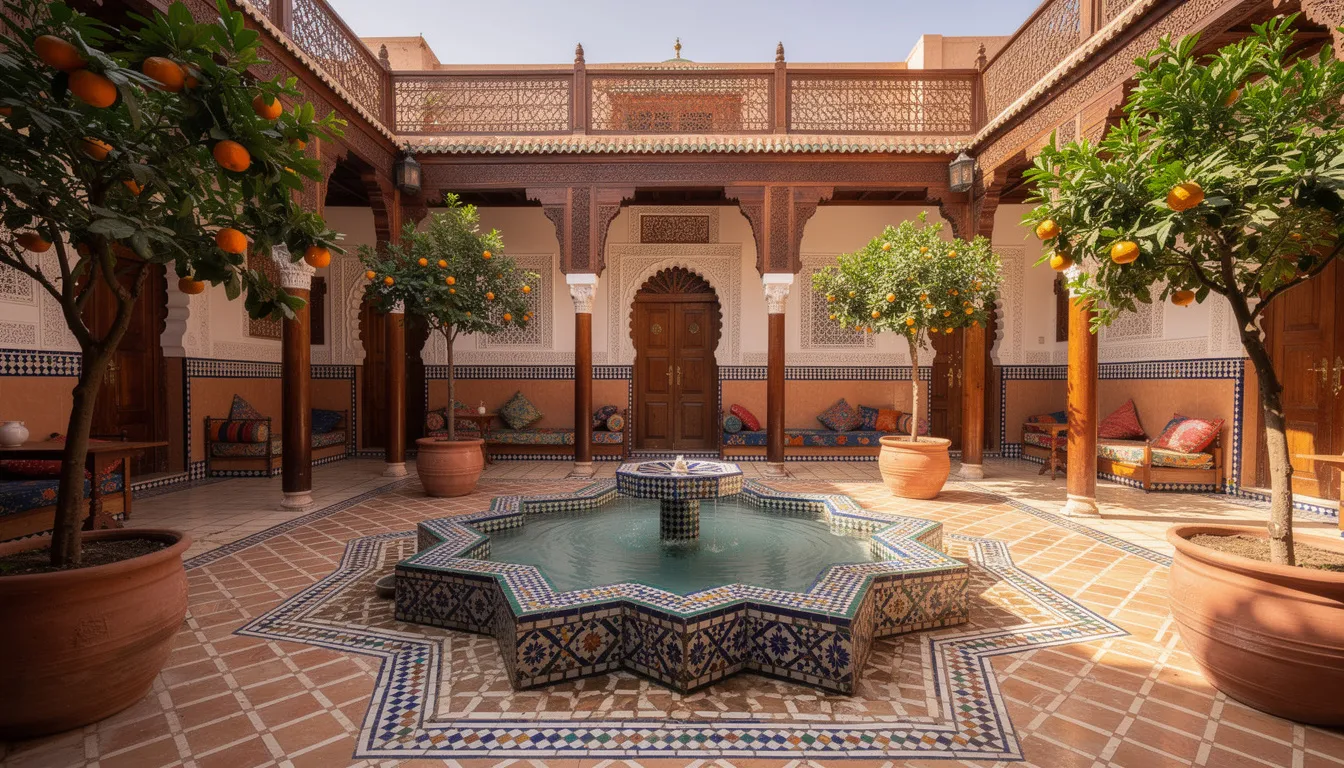
The choice between staying in the medina versus newer districts like Gueliz or Hivernage shapes your entire experience. The medina offers traditional riads, immersive atmosphere, and walking access to major sights—but it’s loud, busy, and can be overwhelming, especially with kids. Gueliz and Hivernage have more conventional hotels with easier car access, quieter streets, and modern amenities, though you’ll need taxis to reach medina attractions.
A riad is a traditional Moroccan house built around an inward-facing courtyard, often featuring a small plunge pool, intricate tilework, and a rooftop terrace. Many riads have been converted into boutique guesthouses with just 5–15 rooms. They offer privacy from street bustle, courtyard seclusion for afternoon tea or cocktails, and personalized service. For couples seeking romance or families wanting a home base, riads provide an authentic experience that hotels can’t match.
Look for properties with small pools or plunge pools—kids need somewhere to cool off after exploring in the heat.
Family suites or interconnecting rooms make bedtime easier.
Easy access to main alleys matters if you’re managing strollers or tired children; avoid riads buried too deep in the maze where you’ll navigate dozens of turns to reach your door.
Location | Features | Best For |
|---|---|---|
Near Jemaa el-Fna | Courtyard pool, interconnecting rooms, rooftop terrace with city views | Families wanting central location |
North Medina near Ben Youssef | Quiet setting, rooftop plunge pool, traditional architecture | Couples or families seeking calm |
Near Bab Doukkala | Larger pool suitable for swimming, easy access from the parking | Families with older kids |
La Mamounia area | Palatial gardens, full-size pool, multiple restaurants | Luxury seekers with bigger budgets |
La Sultana Marrakech offers a riad-style property featuring marble courtyards, rooftop terraces overlooking Saadian Tombs, and an excellent hammam spa—perfect for families wanting both medina immersion and high-end comfort. The Oberoi Marrakech sits amid 28 acres of gardens and olive groves with palatial setups and private pools, ideal for keeping kids engaged without medina frenzy.
Morocco Classic Tours can recommend and book vetted riads and hotels—including those with pools and family rooms—as part of a custom Marrakech or Morocco-wide itinerary.
This section outlines a flexible 3–4 day plan covering both must-see sights and slower, family-friendly experiences. Built in free time for wandering, people watch from café terraces, and spontaneous discoveries—the best Marrakech moments often aren’t planned.
Start at Koutoubia Mosque, the city’s most iconic landmark, with its 77-meter minaret visible from across Marrakech. Non-Muslims can’t enter, but the exterior and surrounding gardens are worth exploring.
Walk to Jemaa el Fnaa square—the pulsing heart of the medina.
During the day, Jemaa el-Fna features juice vendors, spice sellers, and henna artists. After dark, it transforms completely: food stalls fire up, storytellers gather crowds around evening fires, musicians play, and the famous snake charmers and monkey trainers appear.
Be cautious with the animal performers—they’ll demand payment for photos, and the ethics are questionable. The same applies to henna artists; agree on a price before sitting down.
Explore the nearby souks in late afternoon when the light softens, and crowds thin slightly. Souk Semmarine is the main thoroughfare, branching into specialized areas for spices, silks, lanterns, and metalwork.
End with dinner at a rooftop restaurant overlooking the square—the views at night are magical.
Morning is ideal for the Bahia Palace, built in the late 19th century with stunning zellige tilework, carved stucco, and painted cedar ceilings. Allow 1–1.5 hours to wander through its maze of rooms and courtyards.
Visit El Badi Palace—a dramatic ruin that’s more atmospheric than decorative. Climbing to the terrace rewards you with panoramic views.
After lunch at a medina café, head to Ben Youssef Madrasa (recently reopened after restoration). This 14th-century Islamic college features intricate geometric tile patterns and carved cedar that rank among Morocco’s finest architectural details.
Consider hiring an official guide for a half-day through Morocco Classic Tours. A knowledgeable guide brings context to these religious sites and historical buildings that you’d otherwise miss.
Book your Majorelle Garden tickets online in advance for the first morning slot (details in the next section).
The cobalt blue villa, exotic cacti, and bamboo groves designed by French painter Jacques Majorelle—later owned by Yves Saint Laurent—photograph beautifully in soft morning light.
The adjacent Yves Saint Laurent Museum is worth the combined ticket if you appreciate fashion history. Allow 2–3 hours total for both.
Spend the afternoon in Gueliz, the modern district with wide boulevards, galleries, and boutiques. Browse contemporary Moroccan design, stop at Bacha Coffee for a refined break, or simply enjoy the change of pace from medina intensity. Many restaurants here cater to Western palates if you need a break from local cuisine.
Plan a slower day if you can. Traditional hammam experiences range from simple neighborhood baths to spa treatments at luxury hotels—choose based on your comfort level and whether you’re bringing kids (some hammams have age restrictions or family sessions).
Spend pool time at your riad or book a day pass at a hotel with proper swimming facilities.
End with sunset views from a rooftop terrace, mint tea in hand, watching the city turn golden as the call to prayer echoes across the rooftops.
Jardin Majorelle operates with daily visitor caps and timed entry slots, which means morning slots sell out during peak season. Combined with the adjacent Musée Yves Saint Laurent, it’s one of Marrakech’s top attractions and benefits hugely from planning.
Visit the official Jardin Majorelle / Musée Yves Saint Laurent Marrakech website (avoid third-party resellers who charge extra cost).
Select your preferred date and time slot.
Choose a garden-only or combined ticket (garden + YSL Museum + Berber Museum).
Pay by credit card.
Save the QR code confirmation to your phone.
Ticket prices run approximately €15–30, depending on what you bundle. The combined ticket offers better value if you’re interested in fashion history or Berber culture.
Book the first available slot (typically 8:30 or 9:00) for softer morning light, fewer crowds, and more comfortable temperatures.
Arrive 10–15 minutes before your slot with your confirmation and ID ready.
Morocco Classic Tours can arrange tickets and round-trip transfers as part of a private Marrakech city tour—particularly helpful for families who want seamless logistics and a driver waiting when you finish.
The garden has shaded paths but some narrow walkways.
Keep small children close to water features.
Bring water bottles and hats, even in spring—the garden is more exposed than you might expect.
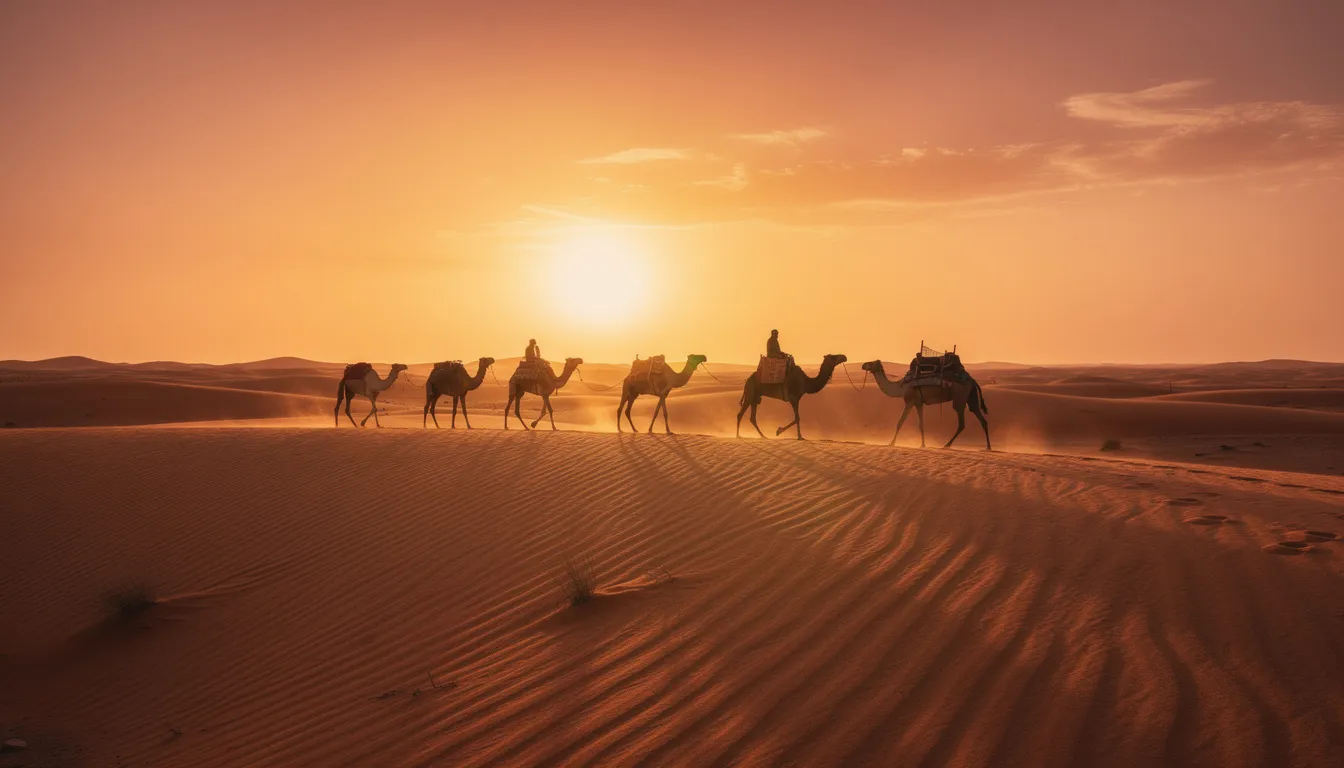
Marrakech serves as a hub for exploring Morocco’s dramatic landscapes. Adding at least one day trip or overnight excursion transforms your visit from a city break into a broader Morocco adventure.
Option | Distance | Time Needed | Experience |
|---|---|---|---|
Agafay Desert | 40 km | Half-day or overnight | Rocky stone desert, close to Marrakech, dramatic moonscape, quad biking, camel ride at sunset, luxury camps |
Sahara Desert (Merzouga/Zagora) | 350–550 km | 2–3 days minimum | True dunes, authentic Berber camps, star-filled nights, more adventurous |
If you have limited time, Agafay delivers a genuine desert feel within an hour of the city. You can easily spend an evening there for sunset camel trekking and dinner under the stars. For the iconic Sahara dune experience, you’ll need to commit to at least 2–3 days of travel.
Private vehicle with licensed driver (not a crowded minibus)
Overnight in a quality desert camp with proper bedding and facilities
Camel trek at sunset or sunrise
Clear inclusions: meals, water, and any entrance fees
No forced shopping stops at “cooperative” carpet shops
Safety standards and experienced guides
Morocco Classic Tours specializes in private 2-day (and longer) desert tours from Marrakech to Agafay, Zagora, or Merzouga. They customize pacing for couples, friends, or families—including child-friendly camel treks where kids ride with a guide.
Destination | Travel Time | Highlights |
|---|---|---|
Ourika Valley (Atlas Mountains) | 1 hour | Berber villages, easy hiking, waterfalls, and a local lunch |
Imlil (Atlas Mountains) | 1.5 hours | Gateway to Toubkal, mountain scenery, Berber culture |
Essaouira | 2.5 hours | Atlantic coast, Portuguese ramparts, fresh seafood, beach time |
Ouzoud Waterfalls | 2.5 hours | Morocco’s tallest falls, swimming, and Barbary macaques |
Lake Takerkoust | 45 minutes | Water sports, relaxation, and Atlas views |
Marrakech can be wonderfully family-friendly if you build your days around shorter sightseeing blocks, scheduled rest time, and pool breaks. The city’s sensory intensity—scents of orange blossom and spices, the call to prayer, motorbikes squeezing through alleys—is exciting but exhausting for small bodies.
Gentle camel ride in Agafay Desert or near the Palmeraie—kids love it, and the animals are well-handled.
Rooftop café overlooking Jemaa el-Fna—safer and calmer than being in the square with toddlers.
Oasiria Water Park—a welcome break from sightseeing with pools and slides.
Souk exploration focused on looking at lamps, spices, and sweet treats rather than sustained shopping.
Cooking class adapted for families—many riads offer hands-on sessions that kids enjoy.
Avoid midday heat with younger children (11 am–3 pm is brutal in spring and fall, worse in summer).
Sunhats and high-SPF sunscreen are non-negotiable.
Keep kids close in busy alleys—it’s easy to get separated in crowded souks.
Brief children on saying “no thank you” firmly to persistent sellers; roleplay it before you arrive so they’re not caught off guard.
Start with crowd-pleasers: simple tagines (chicken with preserved lemon is mild), grilled meats, couscous, bread, and fresh orange juice from street vendors.
Many restaurants will adapt dishes on request—less spicy, plainer sides, extra bread.
Avoid unwanted attention by eating at sit-down restaurants rather than navigating food stalls with overwhelmed children.
Morocco Classic Tours can design slower-paced itineraries with shorter driving days, family rooms, and guides experienced with children. They also help arrange car seats for transfers and tours—something you won’t easily find with standard taxis.
Ramadan is the Islamic holy month of fasting, observed from dawn to sunset. The dates shift approximately 10–11 days earlier each year based on the lunar calendar, so check the exact dates for your planned travel year. Visiting during Ramadan changes the daily rhythm in Marrakech, but it isn’t a reason to cancel your trip.
Many cafés and smaller eateries close during daylight hours.
Some shops and museums operate with reduced hours.
The streets are noticeably quiet just before sunset as people head home to break the fast (iftar).
Jemaa el-Fna is subdued during the day but comes alive after sunset.
Tourists are not expected to fast.
You can eat and drink in private and in tourist-oriented restaurants and hotels that remain open for non-fasting guests.
It’s respectful to avoid obvious public eating, drinking, or smoking in the streets during daylight hours, especially near mosques and in residential neighborhoods.
Listening to the evening call to prayer as the city prepares for iftar.
Watching families gather to break their fast together.
Trying traditional Ramadan foods: harira soup, dates, and chebakia (honey-coated pastries).
Experiencing the festive atmosphere after dark when the medina fills with life.
Be flexible with timing and book dinners in advance since restaurants fill up after sunset.
Expect slightly later opening times for attractions.
Dress appropriately and be especially respectful near mosques and religious sites.
The spiritual atmosphere adds a unique dimension to your visit that you won’t experience at other times of the year.
Tagine: Slow-cooked stew—try chicken with preserved lemon, lamb with prunes, or vegetable tagine.
Couscous: Traditional Friday dish with vegetables and meat.
Msemen: Flaky pan-fried flatbread, perfect for breakfast.
Harira: Hearty tomato-based soup with lentils and chickpeas.
Pastilla: Sweet and savory pie, often filled with pigeon or chicken and almonds.
Brochettes: Grilled meat skewers, commonly found at street stalls.
Snail Soup: Adventurous eaters can try this local delicacy at Jemaa el-Fna stalls.
Sheep’s Head: For the truly adventurous, available at some food stalls.
Fresh orange juice: Available everywhere, squeezed fresh.
Mint tea: Sweet, refreshing, and ubiquitous.
Moroccan coffee: Strong and often served with sugar.
Pick busy food stalls—especially in Jemaa el-Fna—with high turnover.
Fresh food cooked in front of you is generally safe.
If you’re cautious, avoid salads, unpeeled raw fruits, and ice from unknown sources.
Many visitors eat freely at recommended stalls without problems.
Carry hand sanitizer and tissues (toilet paper isn’t always provided in public restrooms).
Wash your hands before and after meals.
Have basic medication on hand, including anti-diarrheals.
Morocco Classic Tours can recommend trusted restaurants and street food spots to guide you toward the best experiences.
Light, breathable fabrics for both men and women.
Women: midi or maxi dresses, loose trousers, tops that cover shoulders and cleavage, and a light scarf for extra coverage.
Men: cotton shirts (short or long sleeves), knee-length shorts or long trousers, and a light sweater or jacket for nights.
Closed shoes for Medina exploration; sandals for pool time.
One swimsuit for the riad or hotel pools.
Sunhat and sunglasses.
High-SPF sunscreen (stronger than you think necessary).
Reusable water bottle (refill with bottled water).
Basic medications, including anti-diarrheals and insect repellent for Medina evenings.
Compact stroller for families with small children (be prepared for cobblestones and steps).
Earplugs for light sleepers (the call to prayer starts around 5 am, and street noise can be persistent).
Light jacket or shawl for rooftop dinners and cooler evenings.
Universal power adapter (Morocco uses Type C/E plugs).
Phone with offline maps downloaded.
eSIM or a local SIM card for data.
Photocopies of passport (keep separately from original).
Small crossbody bag with secure zipper closure.
Credit cards and cash in Moroccan dirham.
Travel insurance documents.
Small gifts or souvenirs from your home country (optional, but appreciated if staying with local hosts).
Get dirhams at the airport ATM or exchange booth before leaving arrivals—you’ll need cash immediately for taxis and tips.
ATMs are also plentiful around Jemaa el-Fna and in Gueliz.
For a mid-range trip, budget 600–1,000 MAD per person per day covering accommodation, meals, transport, and entrance fees—though this varies widely based on your choices.
Credit cards are accepted at most riads, many restaurants, and larger shops, but cash remains essential for souks, taxis, and small establishments.
Situation | Suggested Tip |
|---|---|
Sit-down restaurants | 10% of bill |
Café servers | Round up to 5–10 MAD |
Porters | 10–20 MAD per bag |
Housekeeping | 20–50 MAD per day |
Taxi rides | Round up to the nearest 10 MAD |
Private guides | 100–200 MAD per half-day |
Keep a small stash of 5–20 MAD notes accessible for tips and quick purchases.
Use your right hand when eating, giving, or receiving items—the left hand is traditionally considered unclean.
Avoid obvious public displays of affection, especially in the medina.
Dress modestly near religious sites and residential neighborhoods.
Always ask before taking close-up photos of people, performers, and stall vendors.
At Jemaa el-Fna, snake charmers, musicians, and henna artists expect payment if you photograph them or interact—typically 10–20 MAD.
This is their livelihood, so either pay or don’t photograph.
Learning a few polite phrases in Darija or French builds immediate goodwill. A simple “shukran” (thank you) or “salam” (hello/peace) changes interactions noticeably—and can even help with bargaining.
Handwoven rugs and carpets
Leather goods (bags, slippers, poufs)
Brass and copper lanterns
Ceramics and pottery
Spices and herbal blends
Argan oil and beauty products
Traditional Moroccan clothing (djellabas, kaftans)
Jewelry and silverware
Greet the vendor and show interest in the item.
Ask for the price and expect it to be higher than the final sale price.
Counter-offer at about 40–50% of the initial price.
Engage in friendly negotiation, moving toward a middle ground.
If you can’t agree, politely thank the vendor and walk away—often, you’ll be called back with a better offer.
Compare prices at several stalls before buying.
Don’t feel pressured to buy if you’re not sure.
Cash is preferred in the souks.
Inspect items for quality before purchasing.
For popular months (March–May and September–November), book riads and key tours 2–3 months ahead, especially if you want specific riads with pools or private desert excursions that fit your dates. The best properties and time slots fill up quickly.
Last-minute options exist but may offer limited choice for families or specific budgets. Morocco Classic Tours can help secure vetted accommodation and guides even on shorter notice when possible, though planning always yields better results.
Many locals and frequent visitors brush their teeth with tap water without issues—Marrakech’s water supply is treated. However, travelers with sensitive stomachs or families with young children often choose to use bottled water for brushing as an extra precaution.
The firm rule: always drink bottled or reliably filtered water. Avoid ice in simple street cafés unless you’re confident it’s made from treated water. When in doubt, bottled water is cheap and available everywhere.
Start searches from JFK, Newark (EWR), and Boston (BOS), where you’ll find more competitive one-stop options via European hubs. Check Washington Dulles (IAD) and Philadelphia (PHL) as alternatives.
Use flexible-date search tools (allowing 1–3 day leeway) and watch for deals on Royal Air Maroc, TAP Air Portugal (through Lisbon), Iberia (through Madrid), and Air France (through Paris). Booking 2–4 months ahead for spring and fall trips typically yields the best prices, with round-trip tickets sometimes dropping to $400–600.
Absolutely. Marrakech works excellently as a 3–4 day standalone city break, with enough sights, food, and character to fill a long weekend without feeling rushed. You can visit Morocco’s most famous square, explore ancient palaces, wander countless souks, and enjoy traditional riads—all without leaving the city.
Adding a 1- or 2-day trip with Morocco Classic Tours—such as an Atlas Mountains hike or Agafay Desert evening excursion—gives you a taste of Morocco’s dramatic landscapes without committing to a full cross-country itinerary.
Look for licensed Moroccan agencies that clearly list inclusions, vehicle type, and camp standards. Avoid vague descriptions that mention “shopping stops” or don’t specify where you’re actually staying. Read recent reviews and confirm the camp location—quality camps are set away from crowds in scenic spots.
Morocco Classic Tours organizes private 2-day desert tours from Marrakech for couples, families, and small groups. Options include Agafay stone desert (closer, good for a limited time) or Sahara gateway destinations like Zagora. Tours include door-to-door transport, vetted luxury camps, camel treks, meals, and flexible schedules tailored to your preferences—with no forced shopping and experienced guides throughout.
Marrakech is a city of contrasts—ancient and modern, bustling and serene, traditional and cosmopolitan. Whether you’re seeking adventure, culture, relaxation, or a family-friendly escape, Marrakech offers something for every traveler. With the right planning, respect for local customs, and a sense of curiosity, your trip to Marrakech can be both safe and unforgettable.
Compare Morocco group tour agencies by trip style, reviews, pace, transport and inclusions. Learn wh...
Read this article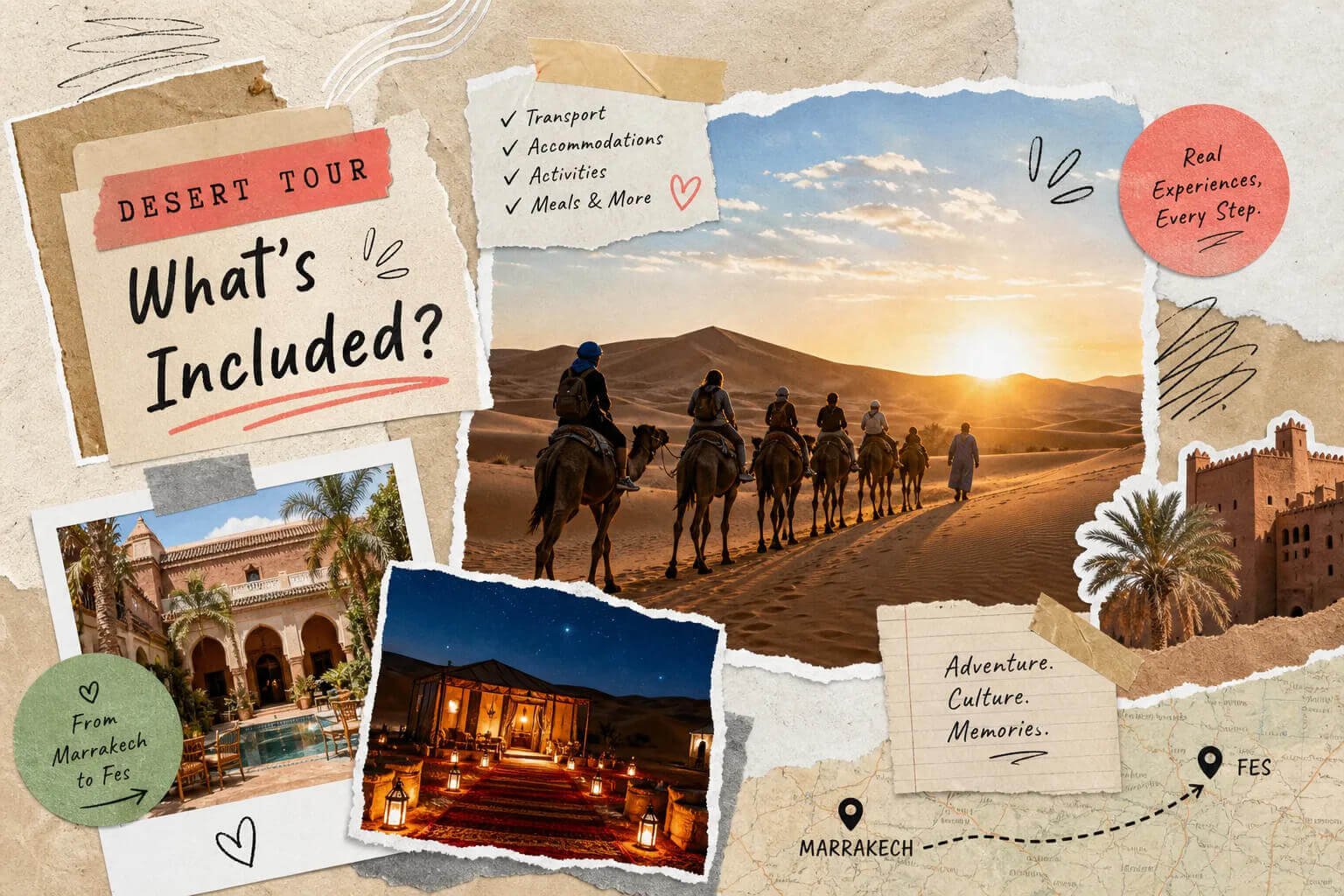
Uncover what a Marrakech to Fes desert tour offers, including camel rides, desert camps, and rich cu...
Read this article
Join our Merzouga Overnight Tour for an authentic desert experience. Enjoy camel rides, comfortable ...
Read this articleWant cool tour deals and tips about Morocco? Enter your email and we’ll send them to you each month!
