Group Tour Agencies in Morocco: How to Pick the Right One
Discover how to choose the perfect group tour agency in Morocco. Get tips on what to look for and ma...
Read this article

We’ve helped people travel around Morocco for more than 15 years. We offer fun and easy packages to see famous places like the mountains, desert, and more.
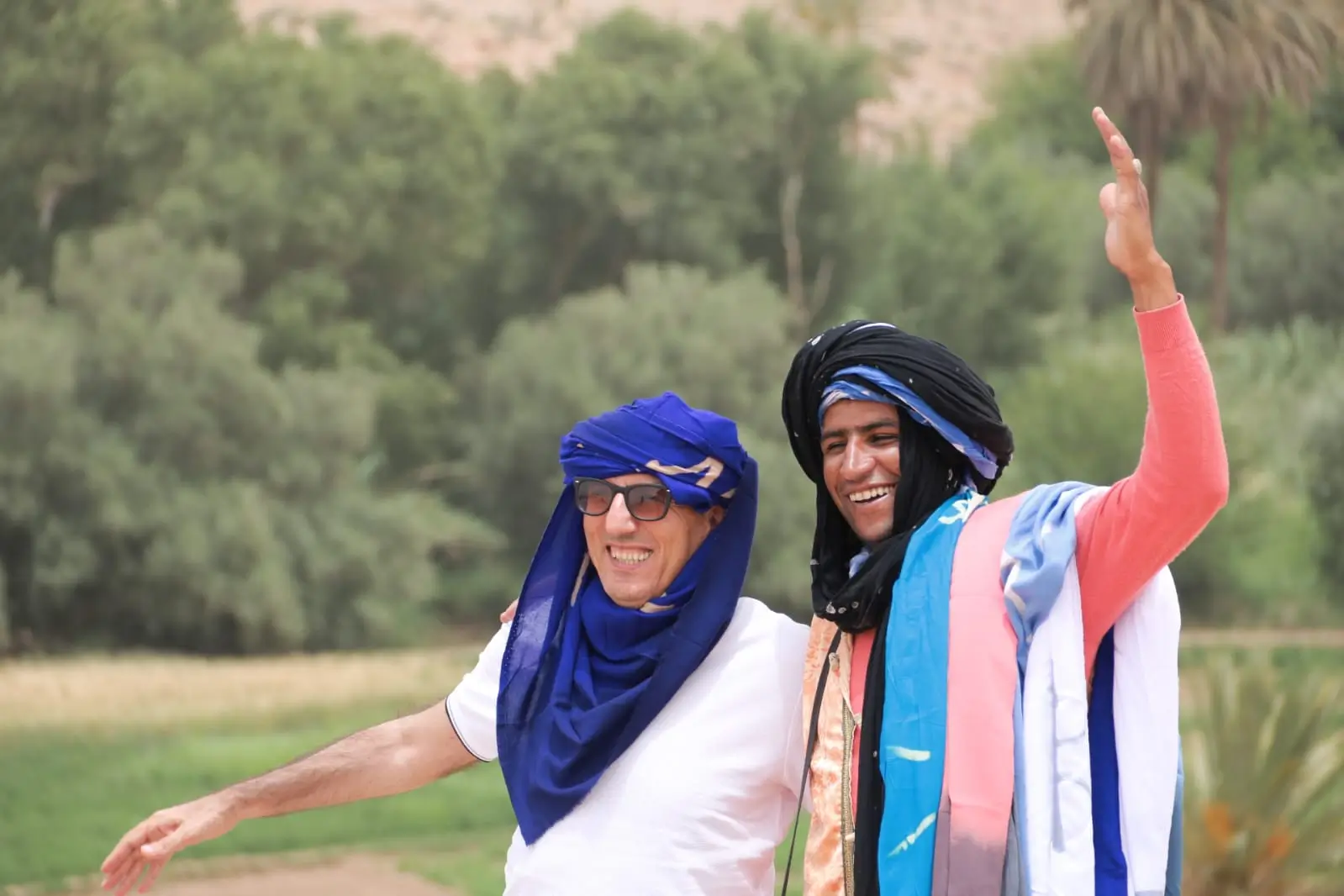
Are you curious about the people of Morocco and what makes their culture so unique? This comprehensive guide is designed for travelers, students, and anyone interested in Moroccan culture, history, and daily life. Here, you’ll discover the diverse ethnic roots, languages, religions, and customs that shape Morocco’s vibrant society. Understanding the people of Morocco is essential for anyone planning to visit, study, or simply appreciate the country’s rich heritage—because the true heart of Morocco lies in its people, their traditions, and their everyday experiences.
A person from Morocco is called a Moroccan; the people of morocco are called Moroccans, and many identify with an intertwined Arab-Berber heritage.
The people of Morocco are a blend of Amazigh, Arab, Sahrawi, Jewish, and sub-Saharan roots, shaped by North Africa, the Mediterranean Sea, the Sahara Desert, and historic links to the Middle East.
Morocco’s population is largely a blend of Arab and Amazigh (Berber) ancestries, with Amazigh culture at the heart of the country’s cultural identity.
People of Morocco's religion is mainly Sunni Islam; most Moroccans are sunni muslims, while moroccan jews, Christian communities, and others form a small minority.
Hospitality, mint tea, communal meals, and respect for elders are central to Moroccan society and daily life.
With Morocco Classic Tours, travelers can meet Moroccan people in medinas, Atlas Mountains villages, food markets, and desert camps rather than only seeing monuments.
Morocco is an African country in North Africa, close to Europe and historically connected to the Middle East. That location explains much of Moroccan history: Phoenician, Roman, Arab, Andalusi, Amazigh, French, Spanish, and sub-Saharan influences all left traces.
Morocco’s population is primarily composed of Arabs and Amazigh (Berbers), with Arabs making up about 67-80% and Amazigh representing 30-35% of the population. About 99% of the population identifies as Arab-Berber, sharing an intertwined heritage, though identities overlap and many families have both Arab and Berber ancestry.
So, are Moroccans Black or Arab? Some Moroccans are Black, some are lighter-skinned, and many are mixed Arab and Amazigh. What race are Moroccans? Racial classifications from the U.S. or Europe don't apply seamlessly in this context; the modern Moroccan identity is more accurately viewed as a product of the ongoing Amazigh presence combined with subsequent historical influences, rather than a separation into ethnic groups.

ethnic diversity is one of the best ways to understand Moroccan culture. The major groups include Arab communities, Amazigh people, Sahrawis, Haratin, Gnawa, moroccan jews, and other ethnic groups shaped by migration and trade.
The Berber people, also called Amazigh, are the indigenous people of Morocco. Key Amazigh communities include Riffians in the Rif Mountains, Chleuh in the Souss and Anti-Atlas, and Middle Atlas Amazigh communities in the Middle Atlas. Morocco and Algeria are often described as having the largest Berber population in the region.
Arab influence began strongly in the 7th century and brought Arabic, Islam, and urban traditions to cities like Fes, Marrakech, Rabat, and Meknes. Linguistic Arabization later made Moroccan Arabic widely spoken, but many Berbers preserved Berber languages and local customs.
In addition to Arabs and Amazigh, Morocco is home to other ethnic groups, including approximately 90,000 Sahrawis, 4,000 Jews, and an estimated 3.7 million Black Moroccans, representing about 10% of the total population. In 2011, Tamazight was officially recognized as one of Morocco’s two official languages, alongside Arabic, marking a significant step in the recognition and preservation of Amazigh culture, as reflected in Morocco’s 2011 Constitution.
Amazigh culture is the ancestral foundation of the people of North Africa. The Amazigh people, also known as Berbers, are the indigenous inhabitants of North Africa, with a history that dates back to prehistoric times, making them one of the oldest continuous populations in Morocco.
The Amazigh people, who refer to themselves as Amazigh, meaning ‘free people’, are the indigenous inhabitants of Morocco and have maintained their presence for over four millennia. The Amazigh, who call themselves Amazigh, which translates to 'free people', are the oldest continuous residents of Morocco, having sustained their presence for more than four thousand years.
The term ‘Amazigh’ means ‘free people’ in the Tuareg language, while the name ‘Berber’ is derived from the Greek word ‘barbaros’ and is often rejected by the Amazigh due to its derogatory connotations. Still, the term Berber is widely used in travel writing, and many visitors hear “Berber” in markets, museums, and guidebooks.
Amazigh culture is characterized by its rich oral traditions, including storytelling, songs, and poetry, which have been preserved through generations and are integral to their identity. Its cultural continuity appears in rugs, silver jewelry, the ⵣ symbol, traditional music, and Yennayer.
The Amazigh New Year, known as Yennayer, is celebrated across Morocco with communal meals, music, and gatherings, reflecting a resurgence of Amazigh cultural pride and visibility in contemporary society. With Morocco Classic Tours, travelers can visit mountain guesthouses, hike with local guides, and meet families in mountainous regions where most Amazigh traditions remain strong.
Modern Moroccans are famously multilingual. Morocco has two official languages: Arabic and Tamazight (Berber), with Arabic being widely spoken and Tamazight primarily used by the Amazigh people, especially in the Atlas Mountains.
In daily life, most city residents speak Darija, or Moroccan Arabic. Modern Standard Arabic is used in schools, news, religion, and official settings. Berber languages include Tamazight, Tarifit, and Tashelhit, with various Berber dialects and regional Berber dialects spoken in rural regions.
Around 92.7% of the Moroccan population speaks Arabic, whereas roughly 24.8% use one of the three Berber dialects: Tamazight, Tarifit, and Tashelhit. French is widely used in Morocco for business, economics, government, and higher education, although it is not an official language.
Spanish is widely understood and spoken in northern and southern parts of Morocco due to historical ties and geographic proximity. English is increasingly popular in Morocco, particularly among younger generations, and is becoming common in science and tourism. In addition to Arabic and Tamazight, many Moroccans also speak French, and English is becoming increasingly common, especially among the youth and in urban areas.
Useful phrases include:
English | Darija / Amazigh |
|---|---|
Hello | Salam / Azul |
Thank you | Shukran |
Please | Afak |
Peace be upon you | Salaam Alykum |
Guides from Morocco Classic Tours help travelers go beyond translation, making conversations with Moroccan families, artisans, and nomads feel natural.
Moroccan people's religion is easy to summarize: around 99% of Moroccans are Muslim, mostly sunni muslims following the Maliki school of Sunni Islam. Moroccan Islam shapes the rhythm of daily life through the call to prayer, Ramadan fasting, Friday prayers, Eid al-Fitr, and Eid al-Adha.
Islam also influences values such as respect for elders, modesty, charity, and family loyalty. These values are not just formal rules; they appear in how neighbors help each other, how guests are welcomed, and how families gather for meals.
Morocco also has a deep-rooted history of Jewish life. Historic mellahs, synagogues, and cemeteries in Fes, Marrakech, Essaouira, and other major cities show the significant role Jewish communities played in trade, crafts, music, and cultural heritage.
There is no single Moroccan look. Moroccan identity is shaped by a blend of Arab and Amazigh influences, with both groups contributing to the cultural and social fabric of the nation. Many Moroccans have olive to light-brown skin, dark hair, and brown or hazel eyes, but the range is wide.
In northern coastal areas, some people have lighter complexions or lighter eyes. In southern morocco and oasis towns, more people show ancestry connected to sub-Saharan Africa. Black people of Morocco include Gnawa, Haratin, and other communities with long histories inside the country.
The “blue people of Morocco” usually refers to Tuareg and Saharan nomads whose indigo clothing can stain the skin blue-grey. It is a clothing and dye tradition, not a separate skin color. Across the country, modern Moroccans are used to variety and often welcome visitors of every background with curiosity.
Daily life changes from old medinas to modern neighborhoods and rural areas. In the major cities, students, office workers, shopkeepers, and artisans mix old routines with modern morocco. In villages, weekly souks, harvests, family visits, and mosque life still organize the week.
What is the Moroccan people's attitude toward visitors? Many Moroccans are sociable, proud of their culture, and curious about foreigners, while still protective of family privacy. Greetings often include a right-hand handshake, “Salaam Alykum,” and cheek kisses among same-gender friends.
Common social customs include:
Dress modestly, especially in rural areas.
Show respect to elders.
Avoid loud public affection.
Be patient with flexible timing.
Ask before entering private spaces.
A family lunch in Fes or tea with a nomad family in the desert can reveal more about Moroccan society than a museum alone.
Hospitality is one of the strongest local customs in Morocco. Moroccan hospitality, known as mrahba, is a deeply rooted tradition that emphasizes respect and abundance, treating guests as honored members of the household.
Visitors to Moroccan homes are typically welcomed with mint tea, which serves as both a hospitality staple and a symbol of genuine connection between host and guest. These mint tea rituals are not rushed; they are a Moroccan tradition of welcome, conversation, and trust.
Meals in Morocco are often communal, where guests gather around a shared dish, reinforcing community and shared experience, and are traditionally eaten with the right hand after a blessing. Bread is often used instead of utensils, and guests usually eat from the part of the dish closest to them.
To avoid getting sick, choose well-cooked tagines, soups, grilled meats, and busy food stalls. Drink bottled water, peel fruit, and be cautious with raw salads or ice. Should you bring toilet paper to Morocco? Yes. Many traditional toilets use water rather than paper, so tissues are useful on travel days and in remote stops.
moroccan cuisine is a living map of moroccan people and their history. Its culinary traditions combine Amazigh, Arab, Andalusi, Mediterranean, and sub-Saharan influences.
Dishes to try include:
Tagine with chicken, preserved lemon, and olives
Lamb with prunes and almonds
Friday couscous
Harira soup
Pastilla
Msemen, bissara, olives, dates, and seasonal fruit
Mint tea is so important because it is not only a drink; it is a social ritual, a welcome, and a sign of respect. Morocco Classic Tours can arrange market walks, cooking classes, and home-cooked meals where travelers learn directly from local hosts.

The contrast between city life and village life is essential to understanding the people of Morocco. In imperial cities such as Marrakech, Fes, Rabat, and Meknes, dense medinas sit beside modern suburbs, cafés, universities, and offices.
In the Atlas Mountains, the Anti-Atlas, and vast swathes of the south, life is slower and more seasonal. Agriculture, herding, weekly markets, and family networks remain central. The Atlas Mountains shape routines through snow, harvests, pasture routes, and mountain roads.
A balanced itinerary might combine Marrakech, a hike in the Atlas Mountains, and a night in a Sahara Desert camp. That mix helps travelers see both the pace of major cities and the strength of rural community life.
Millions of Moroccans live abroad in France, Spain, Belgium, the Netherlands, Canada, and beyond. These communities preserve food, language, Islam, music, and family ties while sending remittances and new ideas back home.
Younger Moroccans connect with global culture through social media, football, fashion, technology, and music. At the same time, many Moroccans still celebrate Eid, Yennayer, weddings, mint tea gatherings, and family meals.
Is Morocco rich or poor? Morocco is a lower-middle-income country. It has highways, airports, modern hotels, and a high-speed train, but some rural regions still face poverty, limited services, and underemployment. Tourism that supports local guides, drivers, cooks, and artisans can make a practical difference.
Famous people of Morocco reflect the country’s mixed roots. Footballers such as Achraf Hakimi and Hakim Ziyech are known worldwide. Writers such as Tahar Ben Jelloun, Fatema Mernissi, Mohammed Choukri, and Leila Abouzeid helped bring Moroccan voices to international readers.
Film, music, and art also show cultural depth. Gnawa musicians, Andalusian orchestras, Amazigh singers, and desert performers all play a significant role in preserving traditional music.
Artisans are cultural icons too. In Fes, Marrakech, Tamegroute, and village cooperatives, craftspeople preserve zellige tilework, leatherwork, pottery, carpets, argan oil production, and Amazigh jewelry.
Travel respectfully, and you will usually receive warmth in return. For respectful people of morocco images, ask before photographing people, especially women, children, artisans, and religious spaces.
A few practical tips:
Learn “Salam,” “Shukran,” and “Azul.”
Dress modestly outside beach resorts.
Remove shoes if invited into a home, and your host does so.
Bring a small gift if visiting a family.
Bargain politely in markets.
Avoid assuming all Moroccans are the same ethnicity or background.
What is worth buying in Morocco? Good choices include handmade rugs, ceramics, argan oil, metalwork, leather goods, spices, textiles, and Amazigh jewelry. Buying from cooperatives and workshops helps support local families.
Private tours with Morocco Classic Tours make these meetings easier. Local guides can introduce you to families, explain etiquette, and create time for real conversations rather than rushed sightseeing.

The people of Morocco are the heart of the country’s appeal. Their identity blends Amazigh roots, Arab heritage, African connections, Jewish history, Islamic values, and modern global influences.
Understanding ethnic groups, religion, language, hospitality, and daily customs helps visitors move beyond simple labels like “Arab,” “Black,” or “Berber.” Sharing tea in a medina home, hiking with an Amazigh guide, or sleeping in a Sahara camp can reveal more about Morocco than any monument.
If you want a journey built around authentic encounters, Morocco Classic Tours can design private itineraries with local guides, home meals, desert camps, cultural visits, and flexible routes across Morocco.
A person from Morocco is called a Moroccan. The people collectively are called Moroccans or the Moroccan people. In Arabic, a Moroccan is often called Maghribi, and in French Marocain or Marocaine. Amazigh or Berber refers to the indigenous ethnic group within Morocco, not all Moroccans.
Most urban Moroccans speak Darija, or Moroccan Arabic, at home and in markets. Many rural and mountain communities speak Tamazight, Tashelhit, or Tarifit. Children may grow up switching between Darija, Amazigh, French, and increasingly English depending on school, family, and work.
Morocco is a lower-middle-income country. It has modern cities, ports, highways, airports, and high-speed rail, but some rural areas still lack strong infrastructure and services. The country is culturally rich, and responsible tourism can support families, guides, drivers, and artisans.
Eating with the right hand and sharing one dish comes from Islamic etiquette and long-standing communal tradition. Bread is used to scoop food, and the shared dish emphasizes family, equality, and togetherness. In many restaurants, visitors can still ask for a fork or spoon.
Most Moroccans are welcoming to respectful visitors and may offer directions, tea, or conversation. Solo travelers, especially women, should dress modestly, set clear boundaries, and use trusted guides when needed. Booking with Morocco Classic Tours adds vetted local support and safer introductions to families, hosts, and communities.
Discover how to choose the perfect group tour agency in Morocco. Get tips on what to look for and ma...
Read this article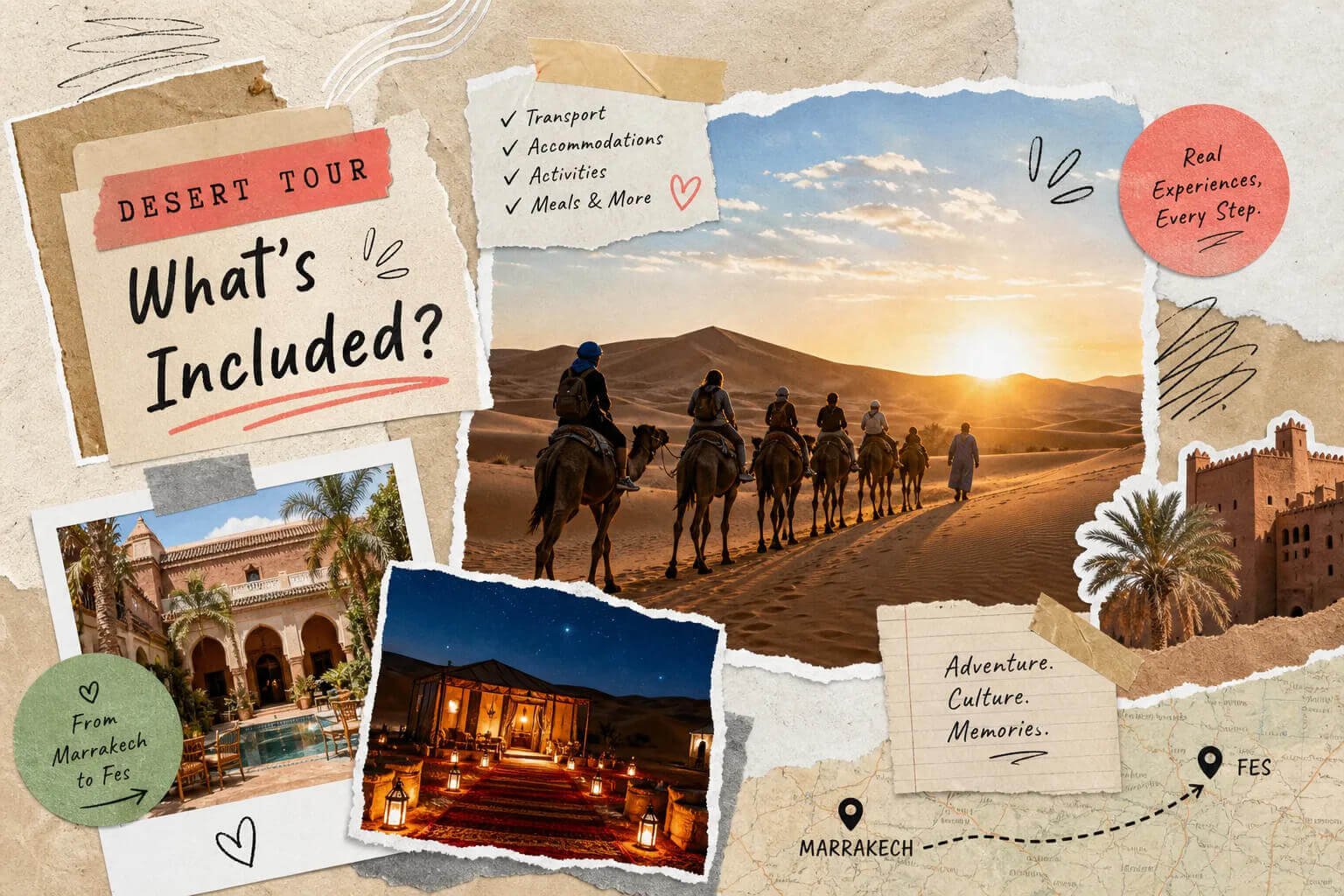
Uncover what a Marrakech to Fes desert tour offers, including camel rides, desert camps, and rich cu...
Read this article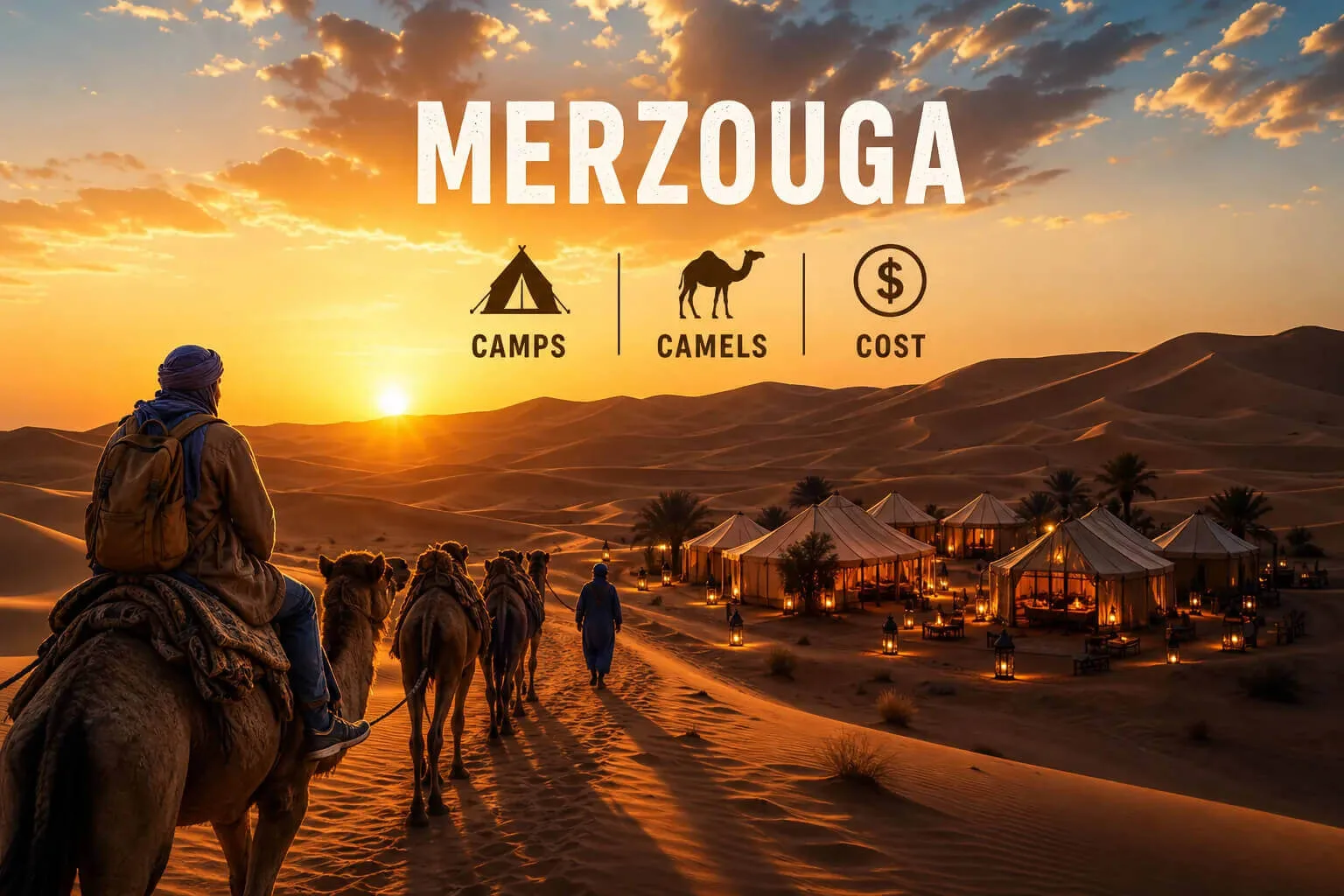
Join our Merzouga Overnight Tour for an authentic desert experience. Enjoy camel rides, comfortable ...
Read this articleWant cool tour deals and tips about Morocco? Enter your email and we’ll send them to you each month!