Group Tour Agencies in Morocco: How to Pick the Right One
Compare Morocco group tour agencies by trip style, reviews, pace, transport and inclusions. Learn wh...
Read this article

Private, custom Morocco trips planned in Fez by AZ-ZDDINE, working in Moroccan tourism since 2012. Sahara, Atlas, medinas and coast, arranged around you.
Morocco Classic Tours, based in Fez, runs private and small-group Sahara desert tours featuring camel rides, luxury or budget camps, and cultural stops between Marrakech, Fez, and Merzouga. Camel rides are an integral part of Sahara Desert tours, allowing travelers to experience a traditional mode of transport that has been used for centuries in Moroccan culture.
The best time to visit the Moroccan Sahara is October through April, with March to early May and late September to November offering ideal conditions for comfortable days and starry nights.
The most popular Sahara Desert tours run 2 to 4 days, typically linking Marrakech and Fez via the Erg Chebbi dunes near Merzouga or the wilder Erg Chigaga region.
Travelers can choose between luxury and budget options—both include guided camel treks, sunset and sunrise experiences over the dunes, and safe overnight desert camping.
Morocco Classic Tours arranges door-to-door transport, licensed local guides, and customizable itineraries, with online booking and WhatsApp or email support available.
Picture this: you arrive at the edge of the golden dunes just as the setting sun paints the sand in shades of amber and crimson. The silence is absolute. Above you, the Sahara night sky reveals more stars than you thought possible.
A Sahara desert tour from morocco typically means a road trip departing from Marrakech or Fez, crossing the High Atlas Mountains, visiting ancient kasbahs, and culminating with a camel ride to a desert camp. Camel rides are a quintessential activity on Sahara Desert tours, allowing travelers to experience the vast golden sands firsthand and connect with a traditional mode of transport that has shaped Moroccan culture for centuries. This unforgettable journey combines adventure with cultural immersion in ways few other experiences can match. Cultural immersion often includes dinners with nomadic Berber families and traditional music around campfires, providing a deeper understanding of local life.
Morocco Classic Tours is a Fez-based, locally owned agency specializing in private and small-group Sahara tours focused on authenticity rather than mass tourism. Whether you’re traveling as a couple, with family, solo, or as a photographer seeking stunning landscapes, these desert tours deliver.
This article covers everything you need: how to choose routes, luxury versus budget options, safety considerations, packing and clothing, typical costs, and how to book overnight camping in the Sahara.
The Moroccan Sahara has two iconic dune regions used for tours: Erg Chebbi and Erg Chigaga. Your choice between them shapes your entire desert experience.
Erg Chebbi (near Merzouga)
Towering dunes reach approximately 150 meters at their highest point.
Accessible by paved road from both Marrakech and Fez
Popular on the classic Marrakech–Merzouga–Fez routes
Greater variety of camp options, from budget to desert luxury camp
Erg Chigaga (near M’Hamid/Zagora)
More remote, reached by 4×4 over rough tracks
Fewer camps, more isolation
Better for adventurous travelers seeking wilderness over convenience
Located in the Draa Valley region
Morocco Classic Tours offers itineraries to both areas, including a sample 3-day Marrakech–Erg Chebbi–Marrakech trip and a 4-day Marrakech–Erg Chigaga loop with private transfers.
Which to choose? Erg Chebbi works best for first-timers and families. Erg Chigaga suits repeat visitors or those prioritizing solitude over comfort.
Marrakech and Fez serve as the main gateways for Sahara Desert tours, with Casablanca and Ouarzazate as secondary starting points.
Starting City | Distance to Merzouga | Typical Drive Time | Best For |
|---|---|---|---|
Marrakech | 550-570 km | 9-10 hours | Classic route with Atlas crossing |
Fez | ~400 km | 7-8 hours | Shorter drive, northern Morocco trips |
Casablanca | Via Marrakech/Fez | Varies | International arrivals |
Ouarzazate | ~300 km | 5-6 hours | Travelers already in southern morocco |
From Marrakech, the classic 3-day tour crosses the Tizi n’Tichka Pass, visits the Dades Valley and Todra Gorge, then continues to Merzouga. You can return to Marrakech or continue onward to Fez. | |||
From Fez, the drive is shorter. Morocco Classic Tours runs both Fez–Merzouga–Fez loops and one-way Fez–desert–Marrakech itineraries.
For travelers arriving in Casablanca or Rabat, we arrange transfers to Marrakech or Fez by train or private car before your Sahara tour begins. We handle city-to-city logistics, including airport pickups, Medina hotels, and connecting your desert tour with imperial city stays.
A good Sahara desert tour balances driving, sightseeing, cultural visits, and time in the dunes and camp. Here’s what a typical 3-day Marrakech–Merzouga trip looks like:
Early departure from your nearby city
Crossing the High Atlas via Tizi n’Tichka Pass
Stops at viewpoints and dramatic cliffs
Lunch in a kasbah town
Arrival in the desert by late afternoon
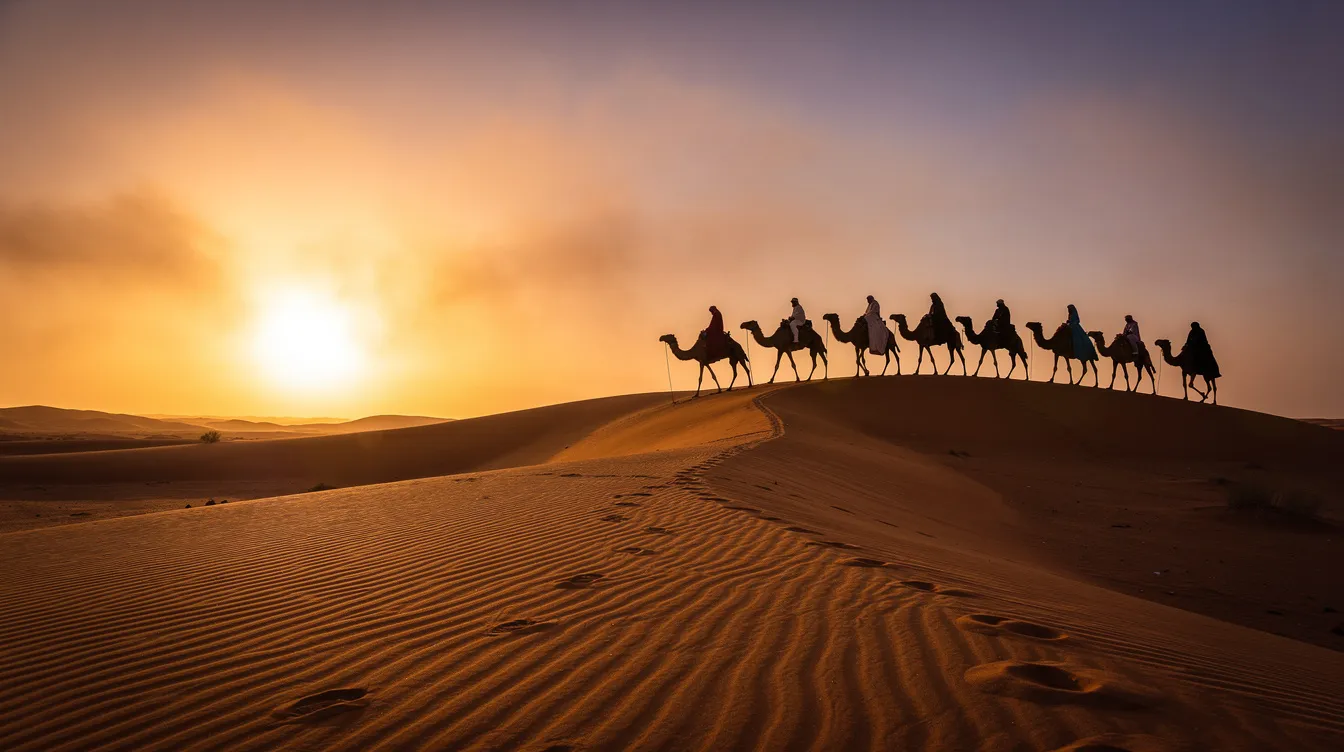
The camel ride is the signature experience—a 45 to 90 minute camel trek over the dunes led by experienced cameleers. Camel rides are an integral part of Sahara Desert tours, allowing travelers to experience a traditional mode of transport that has been used for centuries in Moroccan culture. Photo stops punctuate the journey, and you arrive at camp just before sunset to witness breathtaking sunsets over the Erg Chebbi dunes.
At the Sahara Desert camp, the evening unfolds:
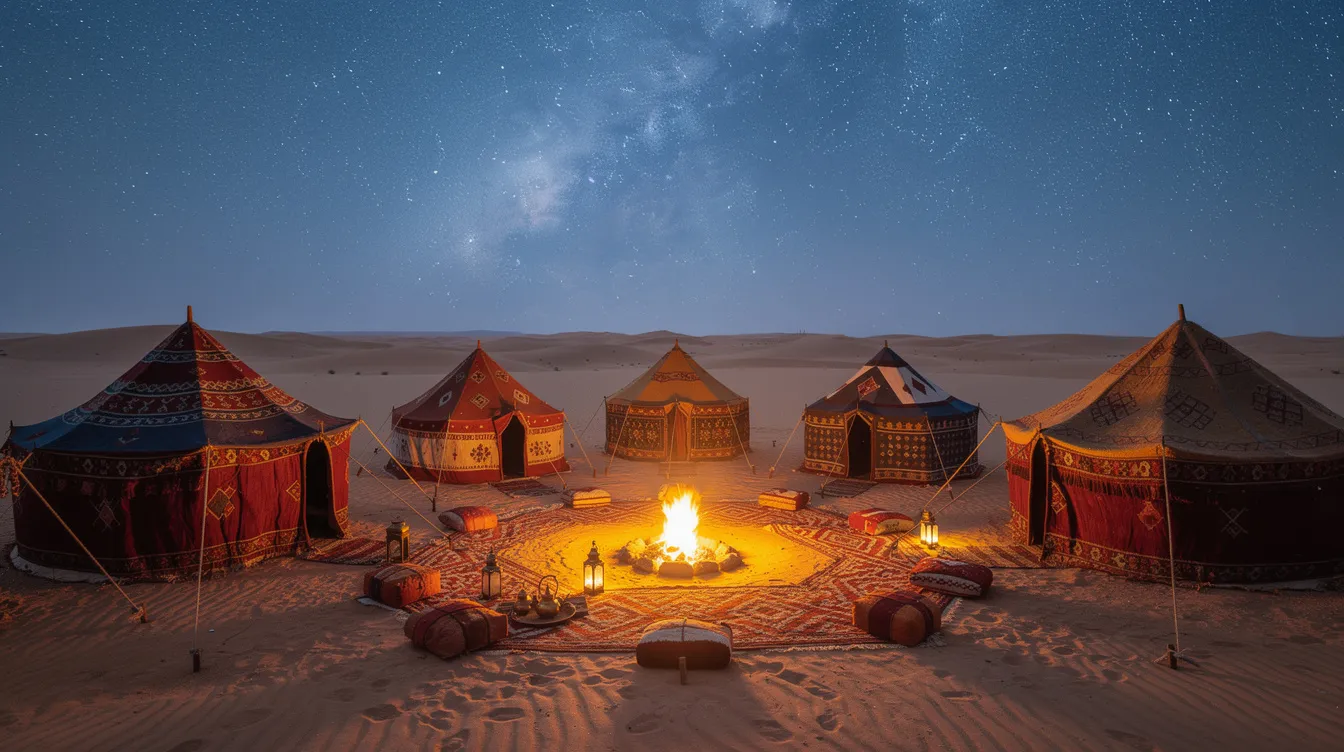
Welcome, sweet mint tea upon arrival
Private or shared tents (depending on tour tier)
Hot showers available
Traditional Moroccan dinner featuring tagines and couscous
Campfire music under a sky of stars
Stargazing in near-total darkness
Morning brings an optional sunrise camel ride, breakfast at camp, then transfer back to your vehicle for the onward journey.
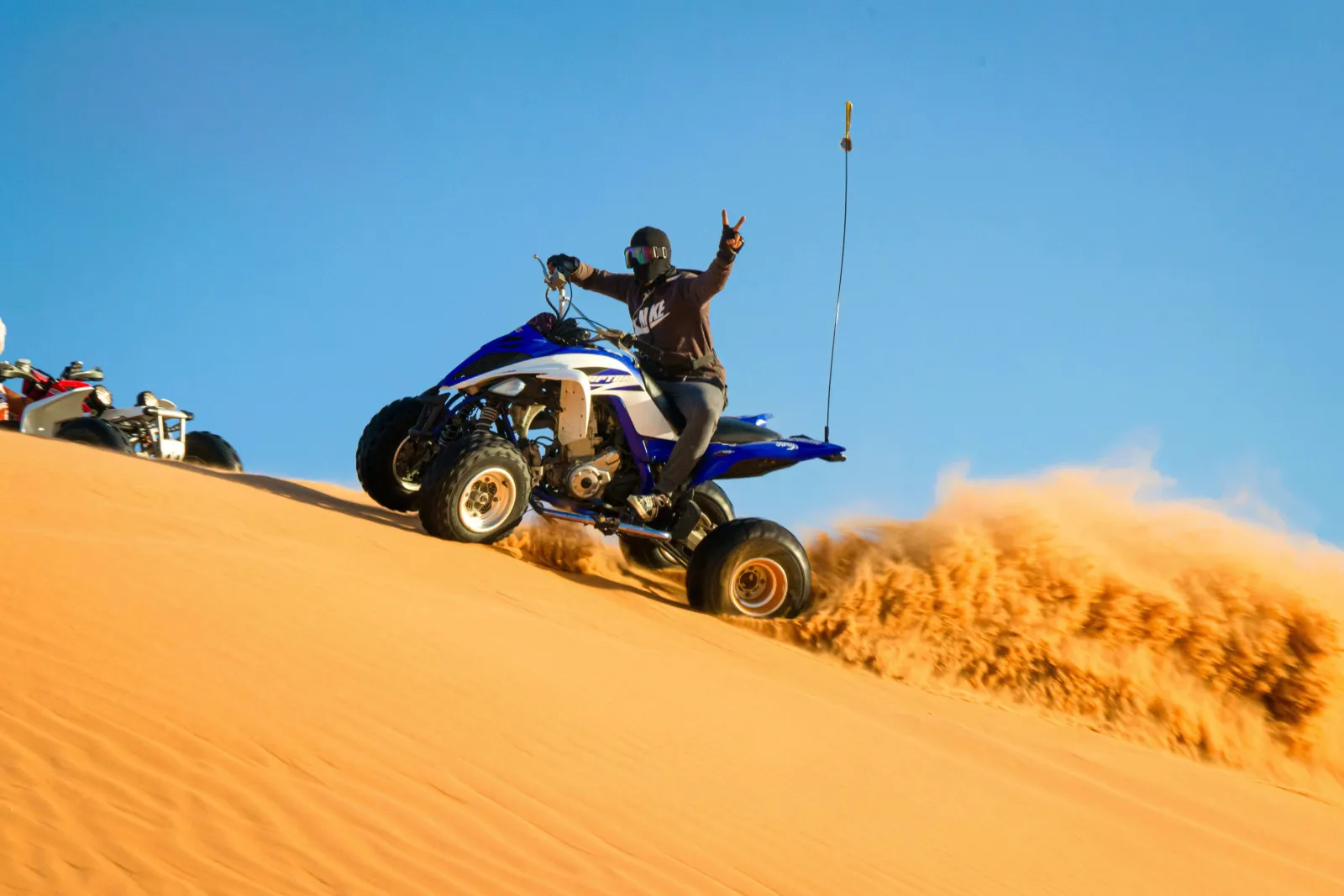
Many Sahara Desert tours include activities such as sandboarding, ATV rides, and traditional music performances under the stars. Sandboarding is an exciting activity available in the Sahara Desert, providing a unique experience similar to snowboarding but on sand. ATV rides through the dunes offer an adrenaline-pumping alternative to camel trekking, allowing travelers to explore the desert landscape at speed.
Cultural immersion often includes dinners with nomadic Berber families and traditional music around campfires. Staying in a desert camp allows travelers to experience Bedouin culture firsthand, including traditional meals and entertainment under the stars.
Morocco Classic Tours offers both budget-friendly and luxury Sahara options. Here’s how they compare:
Feature | Budget Tours |
|---|---|
Transport | Shared or small-group vehicle |
Tents | Simple en-suite |
Climate Control | Basic |
Meals | Hearty, traditional |
Amenities | Standard |
Extras | Standard camel ride |
Feature | Luxury Tours |
|---|---|
Transport | Private 4×4 |
Tents | Spacious with real beds |
Climate Control | Heating/air conditioning |
Meals | Candlelit dinners, gourmet |
Amenities | High-end linens, hot water |
Extras | Sometimes plunge pools |
Both options prioritize safety and cleanliness. The choice depends on your travel style, mobility needs, tolerance for cold or hot nights, and whether you’re celebrating a honeymoon, anniversary, or family milestone. | |
Both tiers can include add-ons like quad biking, sandboarding, private Berber music performances, or private dining on the golden dunes—all arranged through Morocco Classic Tours.
The most popular tour lengths are 2, 3, and 4 days. Driving distances from Marrakech are substantial, so your choice affects how much you can experience.
2-Day Tours
Only realistic starting closer (Fez–Merzouga–Fez)
Limited time for stops along the way
More of a “taster” than a comprehensive desert experience
3-Day Tours
The classic Marrakech–Dades–Merzouga–Marrakech route
Best balance of driving and sightseeing
One night in the Dades Valley, one in the desert
4-Day Tours (or longer)
Slower pace with less rushed driving
An extra day allows visits to more Berber villages
Time for optional activities like ATVs and hammams
Can include two nights in different locations
Morocco Classic Tours can extend tours to 5-7 days to include more of the High Atlas Mountains, Aït Benhaddou, and coastal stops like Essaouira for a truly immersive experience.
Camel rides at sunset and sunrise over Erg Chebbi or Erg Chigaga
Watching the setting sun transform the sand into gold and crimson
Stargazing under Africa’s clearest skies
Aït Benhaddou (UNESCO World Heritage kasbah)
Todra Gorge, with its towering canyon walls
Dades Valley with its rose gardens
High Atlas passes like Tizi n’Tichka at nearly 2,260 meters
Tea with an Amazigh family in their home
Live Gnawa music in Khamlia village
Lunch with semi-nomadic families when possible
Cultural immersion often includes dinners with nomadic Berber families and traditional music around campfires. Sahara Desert tours often include cultural experiences such as visiting local nomadic families and learning about their way of life. Visitors to the Sahara Desert can engage with local communities, such as the Amazigh people, and learn about their culture over a cup of mint tea. Travelers can visit a Khamila village to learn about the local community and their traditional Gnawa music, enhancing their cultural experience in the Sahara. Sahara Desert tours often include opportunities to participate in local workshops, such as learning to make traditional Amazigh pizza, providing a hands-on cultural experience. Staying in a desert camp allows travelers to experience Bedouin culture firsthand, including traditional meals and local hospitality.
Quad biking or dune buggy rides
Sandboarding down steep dune faces
Desert stargazing sessions away from camp lights
Sandboarding is an exciting activity available in the Sahara Desert, providing a unique experience similar to snowboarding but on sand. ATV rides through the dunes offer an adrenaline-pumping alternative to camel trekking, allowing travelers to explore the desert landscape at speed. Many Sahara Desert tours include activities such as sandboarding, ATV rides, and traditional music performances under the stars.
The Sahara region is home to Amazigh (Berber) and nomadic communities whose traditions shape the desert experience. Cultural immersion goes far beyond the dunes.
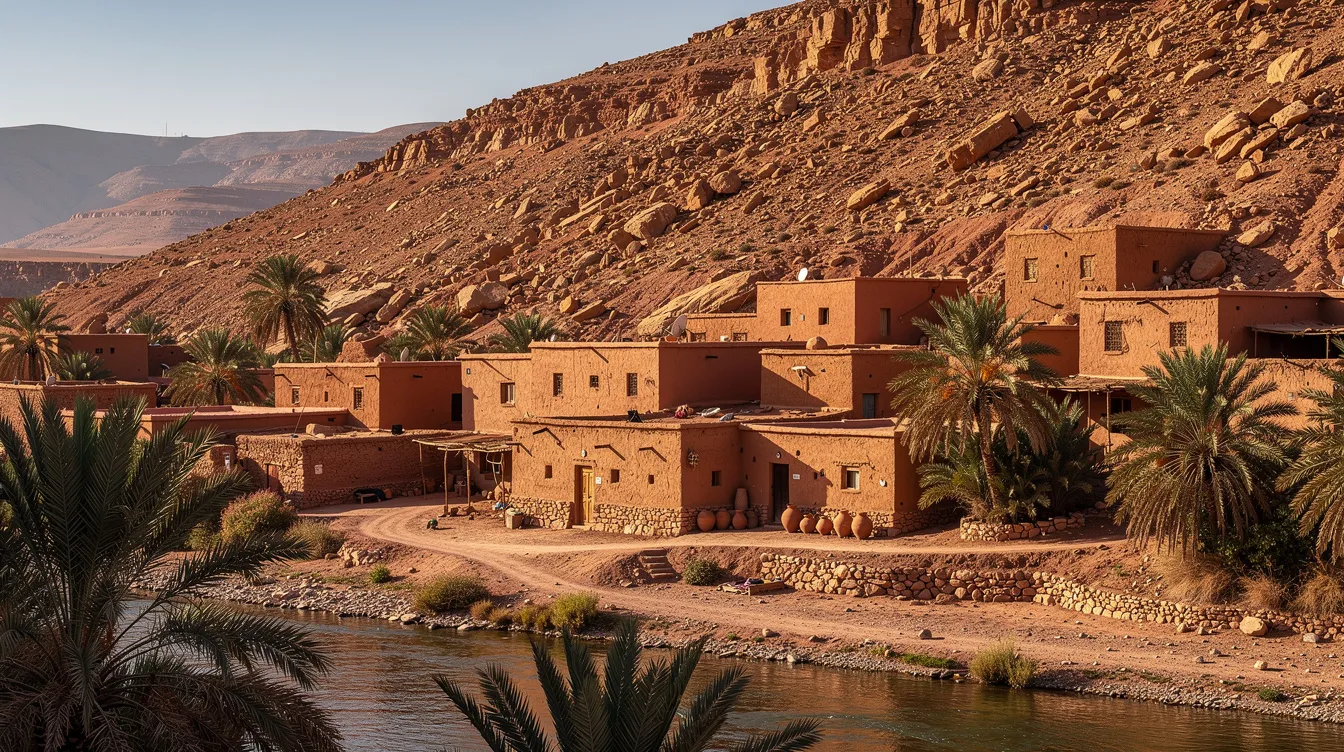
Many tours with Morocco Classic Tours include guided walks in villages near the Dades Valley, Skoura, or Rissani. You’ll see traditional irrigation systems, date palm groves, and ancient ksour (fortified villages).
Visiting Khamlia offers live Gnawa music—a unique genre with African and Islamic spiritual roots. These experiences are handled respectfully and ethically, avoiding staged or intrusive interactions.
Travelers often share tea or simple meals with local families or nomads. Morocco Classic Tours’ guides help interpret customs and explain etiquette. Learning a few Amazigh or Arabic greetings—like “salaam” or “azul”—goes a long way toward creating memories that last.
October through April is generally the best window for desert tours. Here’s the breakdown by season:
Season | Conditions | Best For |
|---|---|---|
March-April | Mild days, cool nights | Most travelers |
October-November | Comfortable temps | Photographers, stargazers |
December-February | Cold nights near 0°C, crisp skies | Winter sun seekers |
June-August | Desert heat above 40°C | Heat-tolerant travelers |
Winter (December–February): Expect cold nights that can drop close to 0°C. Days are pleasant, and crisp skies make for excellent stargazing. | ||
Shoulder Seasons (March–May, September–November): Comfortable days, cool nights, and the most popular booking periods.
Summer (June–August): Daytime heat frequently exceeds 40°C. Tours are possible, but Morocco Classic Tours adjusts activity times to avoid midday sun.
Occasional weather events like sandstorms and rare rain can occur. Experienced local guides adapt plans to keep guests safe and comfortable.
Organized Sahara tours with licensed operators like Morocco Classic Tours are generally very safe for all travelers, including solo women. Safety is built into every aspect of the trip.
Key Safety Elements:
Professional drivers experienced with mountain roads
Well-maintained vehicles
Pre-vetted desert camps with staff always on-site
Local guides who know the dunes intimately
Clear protocols for medical or weather-related situations
Camp Security:
Clearly marked tents
Guidance about walking on dunes at night
Staff available 24/7
For Solo Travelers:
Small-group or private setups available
Option to request female guides where possible
24/7 contact with the Morocco Classic Tours office
Basic Traveler Advice:
Keep valuables secure
Follow the guide instructions on the sand and during riding
Stay hydrated to combat the heat
Inform your guide of any health conditions or dietary needs
Clothing should protect from the sun, sand, and temperature swings between hot days and cool (or cold) nights.
Daytime Essentials:
Lightweight, breathable long-sleeve tops in cotton or linen
Long trousers for sun protection
Wide-brimmed hat or scarf for sun and sand protection
Footwear:
Sturdy closed-toe shoes or trainers for rocky terrain
Sandals or flip-flops for around the camp
Avoid heavy hiking boots unless needed for specific activities
Evening Layers:
Fleece or light down jacket
Warm socks and a beanie for the winter months
Temperatures drop sharply after the evening arrives
Cultural Respect: Clothing should be modest (shoulders and knees covered) when passing through villages or visiting mosques and local homes. This applies throughout your journey across morocco.
Packing light but smart makes desert travel more comfortable, especially on multi-day tours.
High-SPF sunscreen and lip balm
Sunglasses with UV protection
Reusable water bottle
Wet wipes and hand sanitizer
Small daypack
Camera or smartphone with a spare battery or power bank
Headlamp or small flashlight for night at camp
Offline maps and translation apps downloaded beforehand
Basic first-aid kit
Personal medications
Travel sickness tablets for winding mountain roads
Rehydration salts
Morocco Classic Tours provides key items like camel blankets, most bedding at camp, and can arrange additional warm covers during colder months on request.
Prices vary by season, comfort level, group size, and route length. Here are approximate 2026 ranges:
Tour Type | Duration | Approximate Cost (per person) |
|---|---|---|
Budget/Shared Group | 3 days | $90-$200 |
Mid-Range Private | 3 days | $200-$400 |
Luxury Private | 3-4 days | $400-$700+ |
Typically Included: | ||
Transport throughout the trip
One or two nights in desert camp
Breakfasts and dinners in the desert (eating dinner at camp is standard)
Camel trek at sunset and sunrise
Guided stops en route
Usually Not Included:
Lunch on the road
Optional activities (quad bikes, buggies, hammam treatments)
Tips for drivers and guides
Morocco Classic Tours offers direct online booking and custom trip planning for desert itineraries with overnight camps.
Booking Process:
Inquiry via website form, email, or WhatsApp
Discussion of travel dates, cities (Marrakech, Fez, Casablanca), and comfort level
Tailored quote based on your itinerary
Important to Specify:
Luxury vs budget camp preference
Private vs small-group orientation
Interest in activities like ATVs, hammams, or sandboarding
Dietary or accessibility needs
Confirmation:
The deposit secures the camp and driver
Balance due closer to departure
Written confirmation includes a day-by-day itinerary
Booking Timeline: Reserve 2-3 months ahead for peak seasons (spring and autumn) to ensure space in preferred desert camps.
For most visitors, an overnight Sahara desert tour is one of the most memorable experiences in morocco—a true lifetime experience that stays with you long after you return home.
The emotional and sensory elements are unlike anywhere else in the world:
The profound silence of the dunes at night
A sky full of stars in near-total darkness
Riding a camel across rippling sand at sunrise
The vibrant colors as morning light hits the golden dunes
The long drives are part of the adventure, revealing changing scenery from snow-capped Atlas peaks to palm oases and mud-brick kasbahs. Morocco Classic Tours guests often rate the desert segment as the highlight of their entire trip, especially families and photographers looking to create memories.
If you have very limited time, a closer “desert-like” experience near Marrakech exists—but it doesn’t fully replace the real Sahara dunes and the unforgettable experience they provide.
Morocco Classic Tours and other reputable operators recommend specific gear to make desert travel safer and more comfortable.
Sun Protection:
High-SPF sunscreen (reapply throughout the day)
Broad-brimmed hat
UV-protection sunglasses
Light scarf or cheche to wrap around face in windy conditions
Nighttime Comfort:
Warm base layers in winter
Thin sleeping clothes for hot months
Compact travel pillow if desired (camps provide pillows)
Footwear:
Breathable closed shoes for rocky stops and travel days
Light sandals for camp
Socks help with both heat and cold in the sand
Morocco Classic Tours provides or arranges essentials like safe drinking water in the vehicle, blankets at camp, and helmets for quad biking or dune buggy rides. Your fun and safety are equally prioritized.
The drive from Marrakech to the Erg Chebbi area near Merzouga covers around 550-570 km and typically takes 9-10 hours with scenic stops over the High Atlas. From Fez, the journey is shorter at around 7-8 hours, though still a full travel day. Morocco Classic Tours structures its itineraries to limit very long days when possible, adding cultural stops and viewpoints to break up the drive and explore more of the region.
Children can absolutely join Sahara tours. Many families travel with Morocco Classic Tours, especially on Erg Chebbi routes, where access is easier. Camel rides can be shortened or replaced with 4×4 transfers for younger kids. Family tents or extra beds can be arranged at desert camps. Parents should bring sun protection, snacks, and familiar comfort items, and discuss ages and needs with the tour planner so the pace suits the entire family.
Comprehensive travel insurance covering medical care, evacuation, and trip interruption is strongly recommended for any journey to remote areas like the Sahara. While Morocco Classic Tours prioritizes safety, distances from major hospitals and the nature of outdoor activities make insurance a sensible precaution. Check your policy for coverage of camel riding, quad biking, and other adventure activities you plan to experience.
Vegetarian, vegan, and many other dietary needs (gluten-free, lactose-free, halal) can usually be accommodated with advance notice. Moroccan cuisine naturally includes many vegetable-based tagines, salads, and lentil or bean dishes. Inform Morocco Classic Tours of dietary restrictions at booking so camps and restaurants along the route can prepare suitable meals for your history of dietary preferences.
Coverage depends on location. Some Erg Chebbi camps have limited mobile signal and shared Wi-Fi, while more remote Erg Chigaga camps may have no signal at all. Many travelers enjoy disconnecting for a night or two, but those needing to stay reachable should ask Morocco Classic Tours to recommend camps with better connectivity. Download offline maps, entertainment, and important documents before leaving Marrakech or Fez, as connections weaken deeper into the dunes.
Compare Morocco group tour agencies by trip style, reviews, pace, transport and inclusions. Learn wh...
Read this article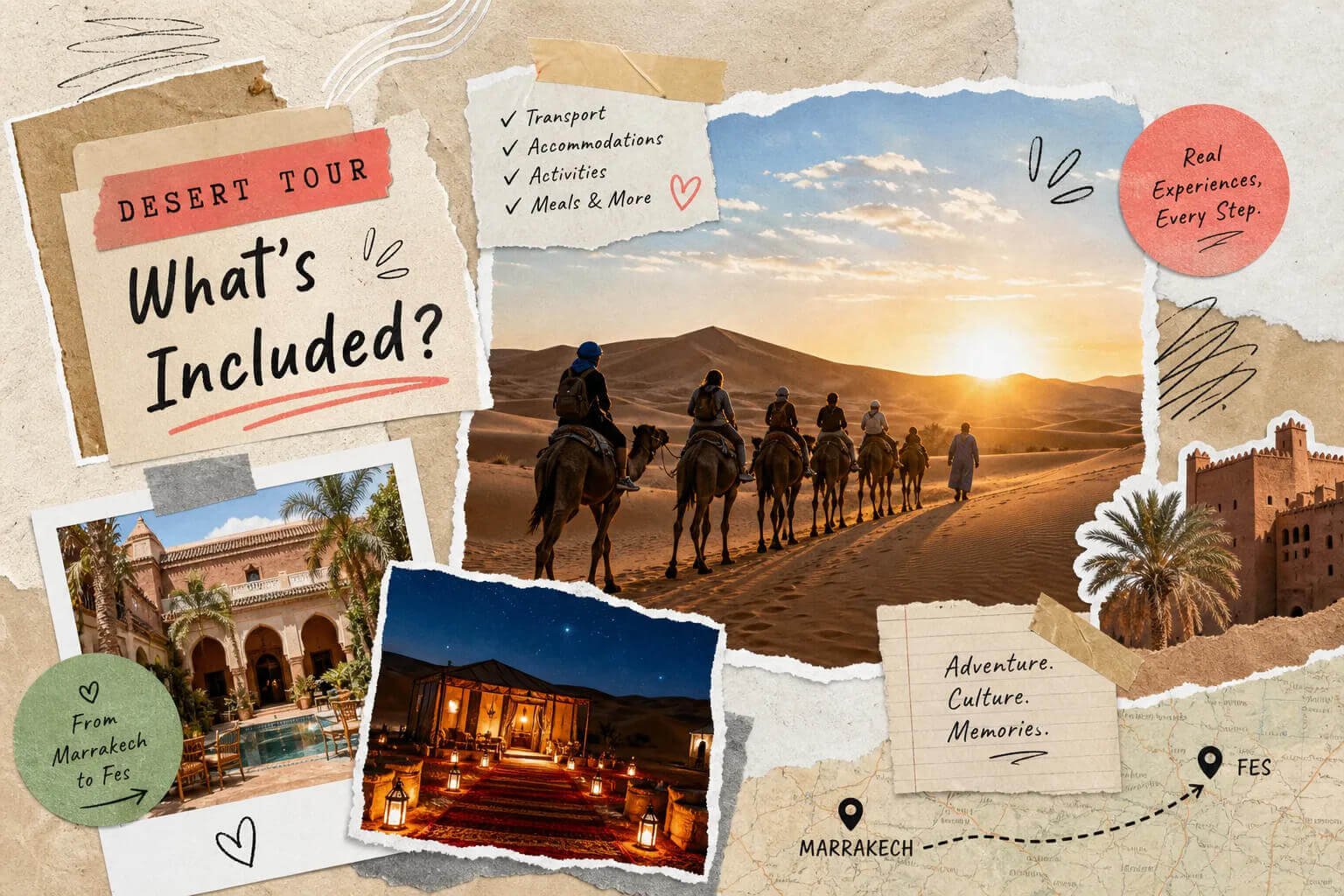
Uncover what a Marrakech to Fes desert tour offers, including camel rides, desert camps, and rich cu...
Read this article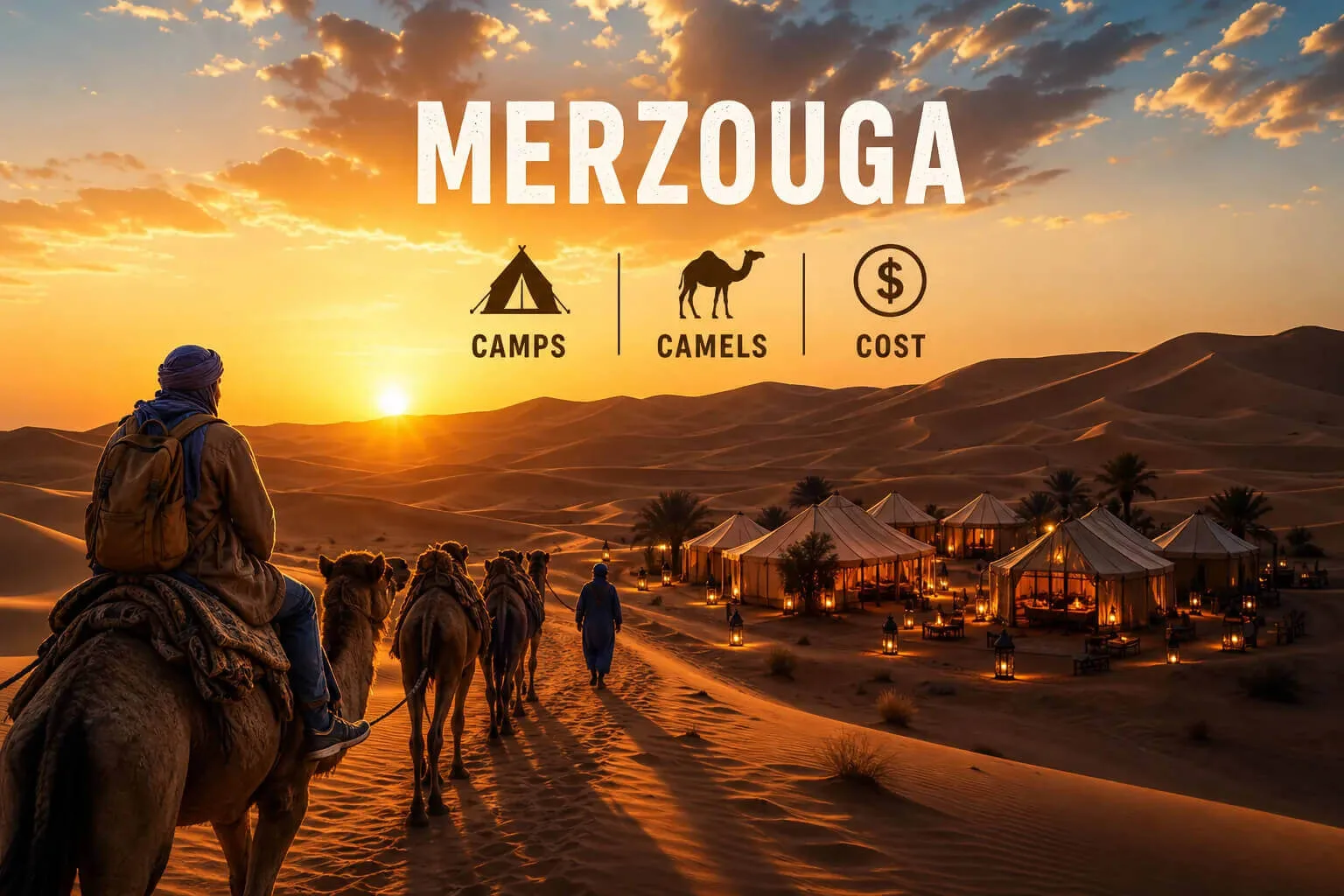
Join our Merzouga Overnight Tour for an authentic desert experience. Enjoy camel rides, comfortable ...
Read this articleWant cool tour deals and tips about Morocco? Enter your email and we’ll send them to you each month!
