Suspendisse interdum consectetur libero id. Fermentum leo vel orci porta non. Euismod viverra nibh cras pulvinar suspen.

The Ultimate Guide to Your Trip to Casablanca Morocco: Must-See Spots

Home Blog The Ultimate Guide to Your Trip to Casab...
The Ultimate Guide to Your Trip to Casablanca Morocco: Must-See Spots
25 October 2025

While many travelers rush past Casablanca en route to Morocco’s imperial cities like Marrakech and Fez, this bustling metropolis offers its own compelling blend of modern sophistication and traditional Moroccan charm. As Morocco’s largest city and economic powerhouse, Casablanca provides an authentic glimpse into contemporary Moroccan life that you simply won’t find in the more tourist-focused destinations.

Often dubbed the white city for its distinctive whitewashed buildings, Casablanca serves as Morocco’s gateway to the world through its massive international airport and bustling port. Most buildings in Casablanca are painted white, true to the city's name, which means "White House" in Spanish. United Nations Square is regarded as the center of Casablanca and showcases the meeting point of old and new. This unique positioning makes it an ideal starting point for exploring the country, while offering enough attractions and experiences to warrant a dedicated 2-3 day visit in its own right. Two to three nights is ideal for experiencing the city more thoroughly without feeling rushed.

Day-1-–-Casablanca.png

Why Visit Casablanca: Morocco’s Modern Heart

Casablanca stands apart from other Moroccan cities as the country’s undisputed economic center, home to over 3.3 million residents who represent Morocco’s most diverse urban population. Casablanca is perhaps one of the most misunderstood cities in Morocco. Unlike the tourist-saturated medinas of Marrakech, visiting Casablanca offers travelers the chance to experience authentic Moroccan urban life without the constant pressure of aggressive vendors and overcrowded attractions. The city features modern office towers and convention centers, emphasizing its role as a contemporary hub rather than a historical attraction.

The city’s unique position as Morocco’s business capital creates a fascinating cultural blend where traditional Islamic architecture coexists with French colonial art deco buildings and gleaming modern skyscrapers. The architectural uniformity in Casablanca is visually striking, giving the city its charm. This cosmopolitan atmosphere makes Casablanca particularly appealing to travelers seeking a more nuanced understanding of contemporary life. Habbous Quarter, also known as the New Medina, exemplifies this blend by combining elements of traditional Medina design with the modernity of Ville Nouvelle. Habbous Quarter was constructed in 1917 during the start of the French Protectorate, adding historical depth to its charm.

Mohammed V International Airport serves as the primary entry point for most international visitors to Morocco, handling over 40% of the country’s air traffic. The main rail hub in Casablanca is called Casa-Voyageurs, which is a modern facility. This strategic location makes Casablanca an obvious starting point for any morocco trip, whether you’re planning to explore multiple destinations or focus exclusively on the white house, as the city’s name translates from Spanish. A taxi from Casablanca Airport to downtown costs about MAD 250.00 – 300.00, providing a convenient option for travelers.

The city’s less touristy nature means that prices for accommodations, dining, and attractions remain more reasonable compared to Marrakech or Fez. Local population interactions feel more genuine, as residents aren’t accustomed to constant tourist attention, leading to more authentic cultural exchanges and experiences.

Getting to Casablanca

Mohammed V International Airport (CMN) sits approximately 30km southeast of Casablanca’s city center, making it easily accessible via multiple transportation options. The most convenient and cost-effective method involves taking the ONCF train directly from the airport to Casa Voyageurs railway station in downtown Casablanca, a journey lasting approximately 45 minutes and costing 43 MAD.

Taxi services from the airport typically charge between 200-300 MAD for the trip to the city center, though prices can vary based on traffic conditions and your specific destination. Several bus services also connect the airport to various points throughout the city, offering the most budget-friendly option at around 30 MAD per person.

For travelers arriving from other Moroccan cities, the Casa Voyageurs and Casa Port railway stations provide excellent connectivity. High-speed trains connect Casablanca to Rabat in just one hour, while overnight services reach Marrakech in approximately 2.5 hours and Fez in 4 hours.

Royal Air Maroc maintains direct flight connections from major European cities, including Paris, Madrid, London, and Frankfurt, as well as frequent flights from African and Middle Eastern destinations. Many international carriers also service the airport, providing competitive options for travelers from York and other North American cities.

CTM and Supratours bus companies offer comfortable long-distance services connecting Casablanca to virtually every major Moroccan destination. The Corniche is Casablanca's beachfront district located in the Ain Diab neighborhood. These services prove particularly useful for budget-conscious travelers or those preferring overland transportation to domestic flights.

Top Attractions and Must-See Sites

Hassan II Mosque

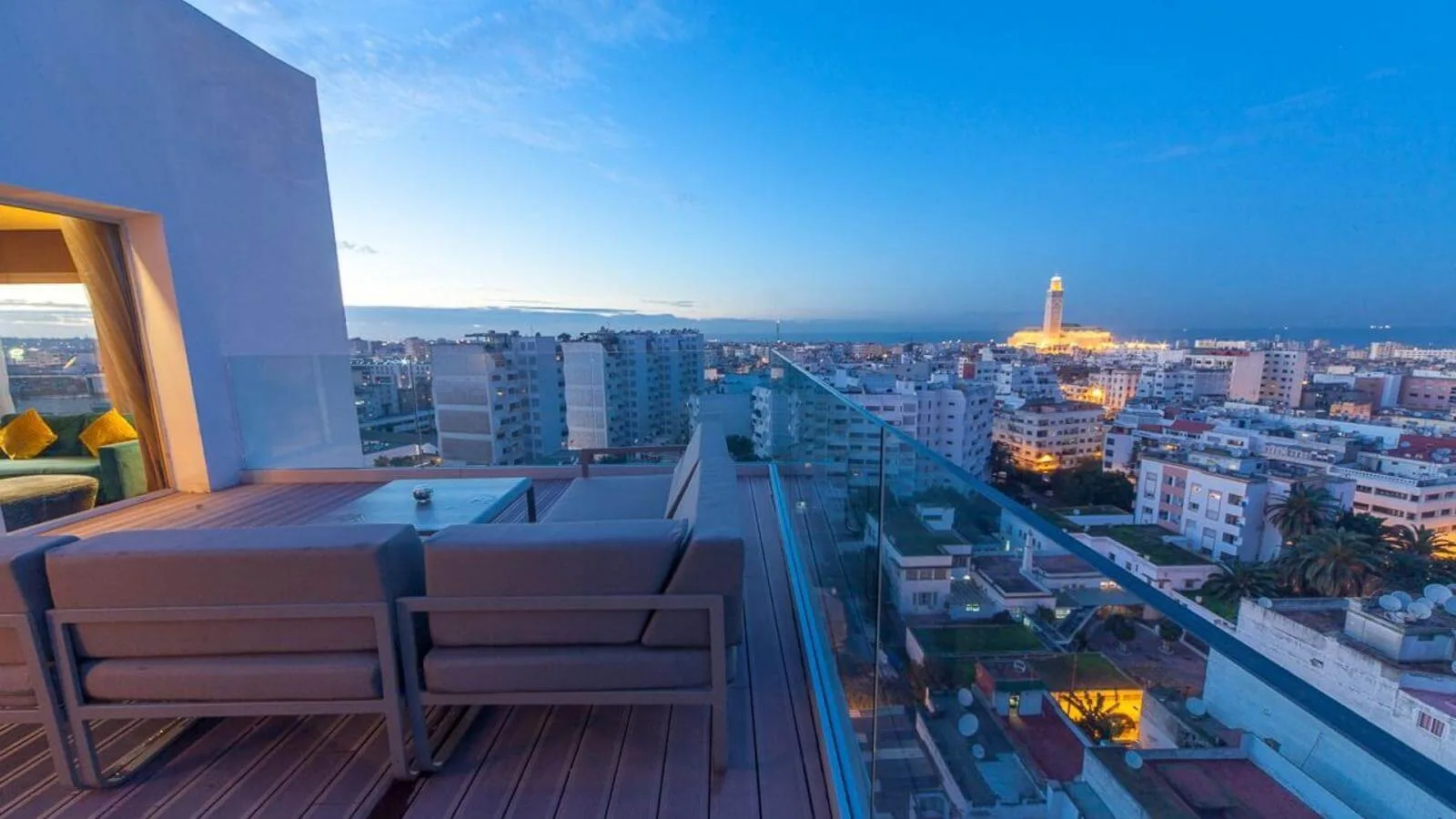
The hassan ii mosque stands as Casablanca’s crown jewel and one of the largest mosques in the world, featuring the second-tallest minaret globally at 210 meters. Hassan II Mosque is the largest mosque in Morocco. Completed in 1993 after seven years of construction, this architectural marvel accommodates up to 105,000 worshippers across its main prayer hall and courtyard areas. The mosque includes a madrasa, museum, conference facility, library, and hammams. Hassan II Mosque stands on a promontory along the Atlantic Ocean, symbolizing a connection between God and mortals.

Built partially on artificial land extending into the Atlantic Ocean, the mosque represents a stunning fusion of traditional Islamic architecture with cutting-edge engineering. Over 10,000 artisans worked on the construction of Hassan II Mosque. The construction project cost over $630 million, funded entirely through public donations from Moroccan citizens, reflecting the deep religious significance of this sacred site.

Guided tours operate daily except Fridays at 9 am, 10am, 11 am, and 2 pm, providing non-Muslim visitors with rare access to one of the few mosques in Morocco open to tourists. Tours last approximately one hour and cost 120 MAD for adults, offering detailed explanations of the mosque’s architectural features, religious significance, and engineering innovations. Guided tours are available for non-Muslims to see the grand interior and intricate craftsmanship of Hassan II Mosque.

The mosque’s most impressive features include a retractable roof that opens to the sky, intricate marble and granite work sourced from across Morocco, and a laser beam that points toward Mecca, visible up to 30 kilometers away. The complex also houses a library, museum, and religious school, making it a comprehensive center for Islamic learning and culture.

For the best photographic opportunities, visit during late afternoon when the Atlantic Ocean provides a dramatic backdrop, or consider viewing the illuminated mosque from the nearby corniche waterfront promenade during evening hours.

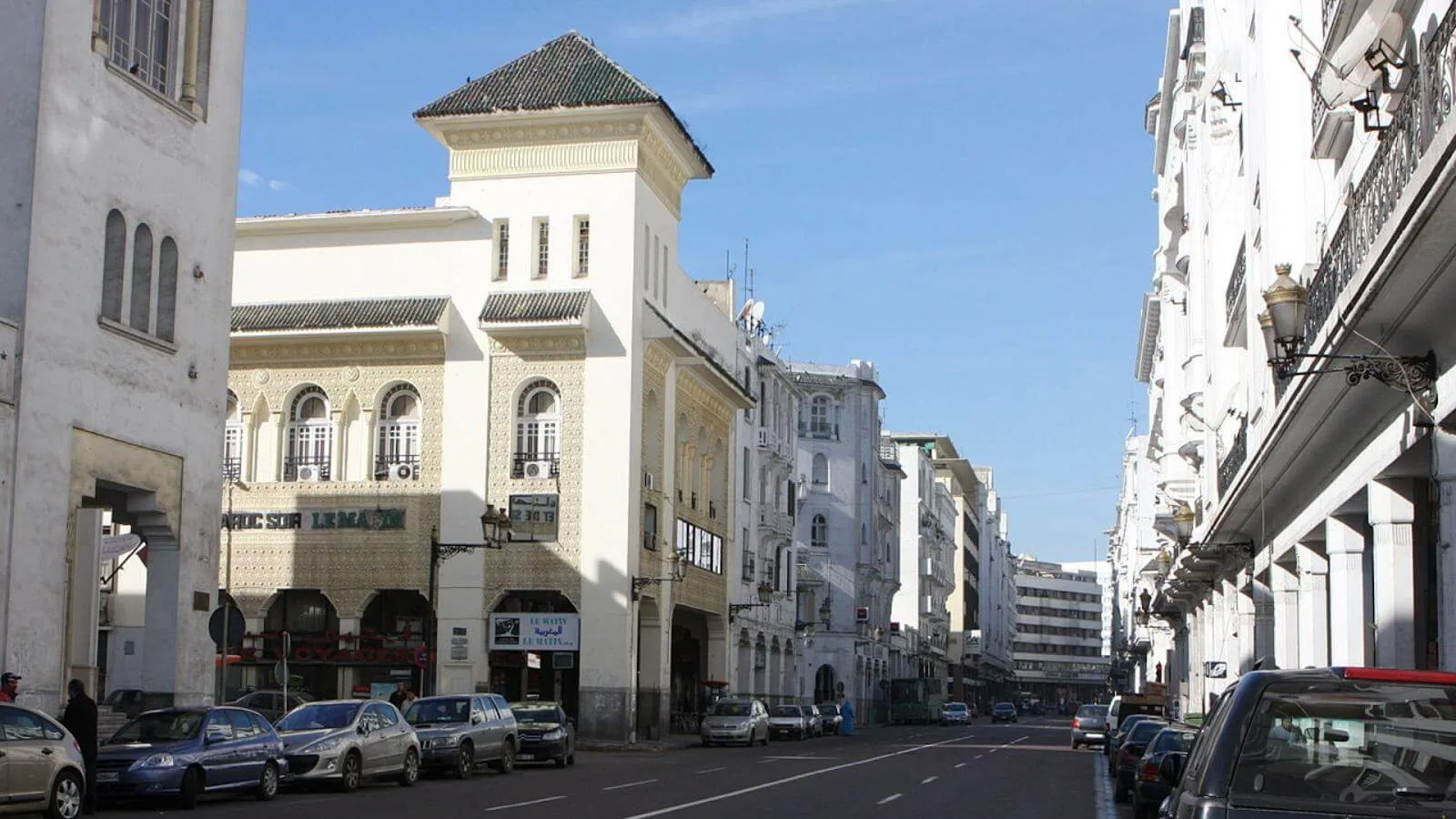
The image showcases stunning Art Deco buildings with geometric facades and ornate balconies in the Ville Nouvelle district of Casablanca, Morocco. This architectural style reflects the city's historical significance and is a highlight for visitors exploring Casablanca's attractions.

Old Medina of Casablanca

Dating from the late 18th century and rebuilt following the devastating 1755 earthquake, Casablanca’s old medina offers a more intimate and less commercialized experience compared to the sprawling medinas of other Moroccan cities. Casablanca's Medina may not be as famous as those in Fez or Marrakesh, but it is known for its authentic souks. Most shops in the Medina of Casablanca are open later compared to those in other Moroccan cities. The streets of Old Medina feel lived in and homey, showcasing the local lifestyle. The compact size makes it easily walkable in 2-3 hours, while the reduced tourist presence creates opportunities for genuine interactions with local merchants and artisans. The Old Medina is filled with street vendors selling everything from spices to souvenirs, adding to its vibrant atmosphere.

The distinctive clock tower, constructed in 1908, marks the medina’s main entrance and represents an early example of the architectural fusion between European and Moroccan design elements that would come to define much of modern Casablanca. This landmark serves as an excellent orientation point for first-time visitors navigating the medina’s narrow streets.

Traditional souks within the medina specialize in spices, textiles, pottery, and leather goods, with prices significantly lower than similar items in tourist-heavy destinations. The medina market atmosphere remains authentic, with vendors catering primarily to local customers rather than tourists, resulting in more reasonable pricing and less aggressive sales tactics.

Entry points near United Nations Square and Casa Port Station provide easy access via public transportation or taxi. The medina’s proximity to the Hassan II mosque makes it convenient to visit both attractions during the same morning or afternoon excursion. The Central Market is a vibrant place where you can sample local seafood, offering a taste of Casablanca's culinary specialties. The marketplace itself features Neo-Moorish architecture designed by Pierre Bousquet, adding to its cultural and historical significance.

Local craftsmen still operate traditional workshops throughout the medina, offering visitors the opportunity to observe pottery making, leather working, and textile production using centuries-old techniques passed down through generations.

Habous Quarter (New Medina)

A trip to Casablanca, Morocco, offers travelers a unique perspective on contemporary Moroccan life that differs dramatically from the medieval ambiance of Fes or the tourist-focused attractions of Marrakech. This wonderful place combines Islamic architecture with French colonial elegance, creating an urban landscape that tells the story of Morocco’s modern development while honoring its traditional roots. A packed one-night stay can cover the highlights of Casablanca with a guided tour. Spring (March–June) and autumn (September–November) are ideal times to visit Casablanca with pleasant temperatures for exploring.

The royal palace, while not open to public tours, presents one of the finest examples of Islamic architecture in Casablanca, with its intricate geometric patterns, decorative tilework, and imposing gates serving as popular photography subjects. The surrounding gardens and ceremonial courtyards can be viewed from the street, providing glimpses of traditional Moroccan palatial design. The palace is part of the civic complex of Mahkamat al-Pasha, which has had multiple functions over the years.

Pâtisserie Bennis Habous has operated since the 1930s, earning recognition as one of Morocco’s finest traditional bakeries. Their specialties include chebakia (sesame and honey pastries), gazelle horns filled with almond paste, and various seasonal sweets that reflect both Moroccan and French culinary influences.

The quarter’s relaxed souk atmosphere features less aggressive vendors compared to traditional medinas, making it an ideal destination for travelers uncomfortable with intense bargaining scenarios. Shops specialize in high-quality handicrafts, traditional clothing, and authentic Moroccan home décor items.

The Moulay Yousef mosque and Al-Mohammadi mosque, both located within the quarter, showcase beautiful Islamic architecture and provide excellent examples of 20th-century Moroccan religious building design. While non-Muslims cannot enter, the exterior architectural details merit careful observation.

Exploring Casablanca’s Districts

Ville Nouvelle (New Town)

The Ville Nouvelle district represents the heart of French colonial urban planning in Casablanca, designed by renowned urban planner Henri Prost during the 1920s. This carefully planned neighborhood showcases some of Africa’s finest collections of art deco and Art Nouveau architecture, with entire blocks featuring cohesive architectural themes that transport visitors to 1930s metropolitan sophistication.

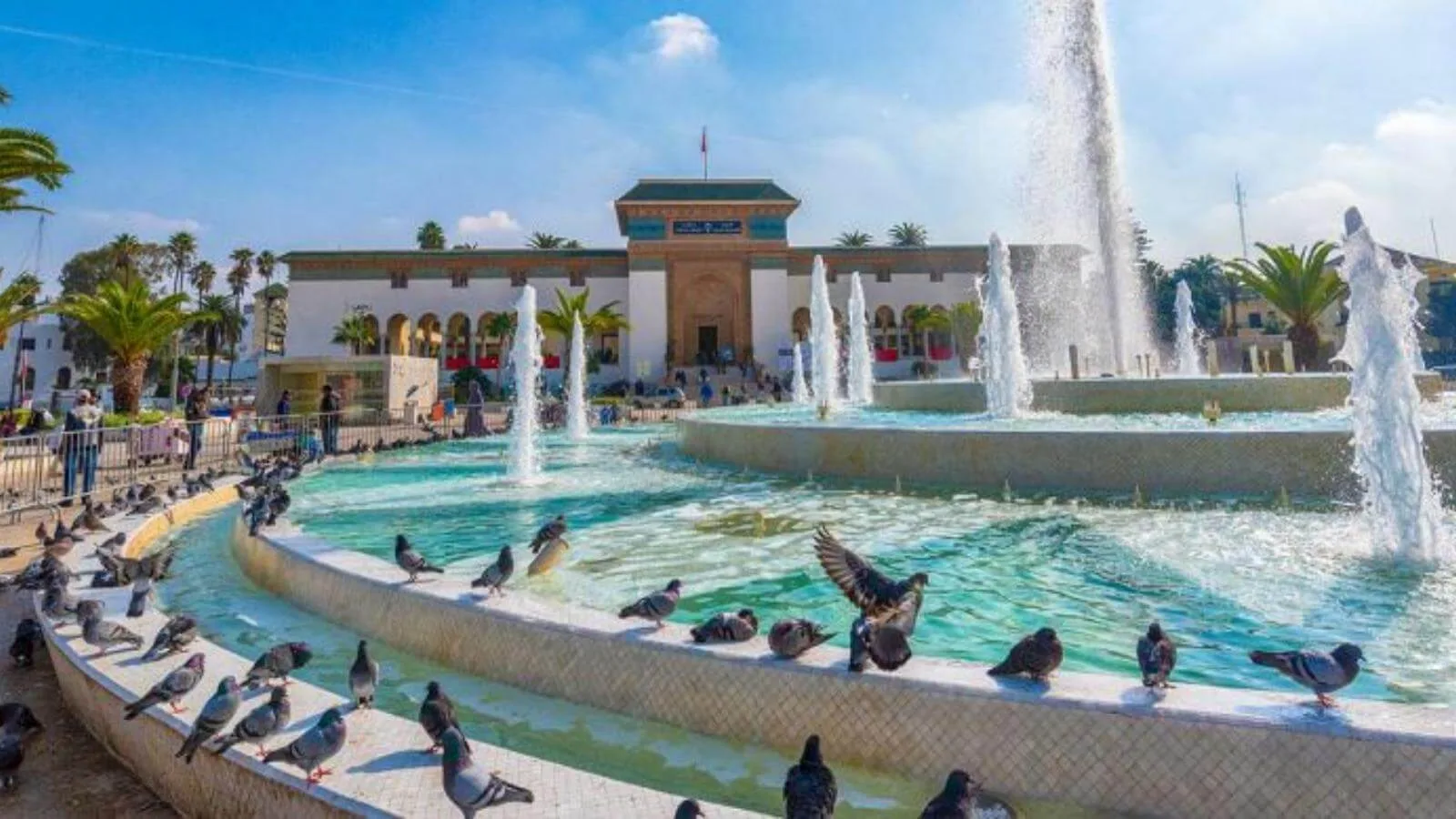
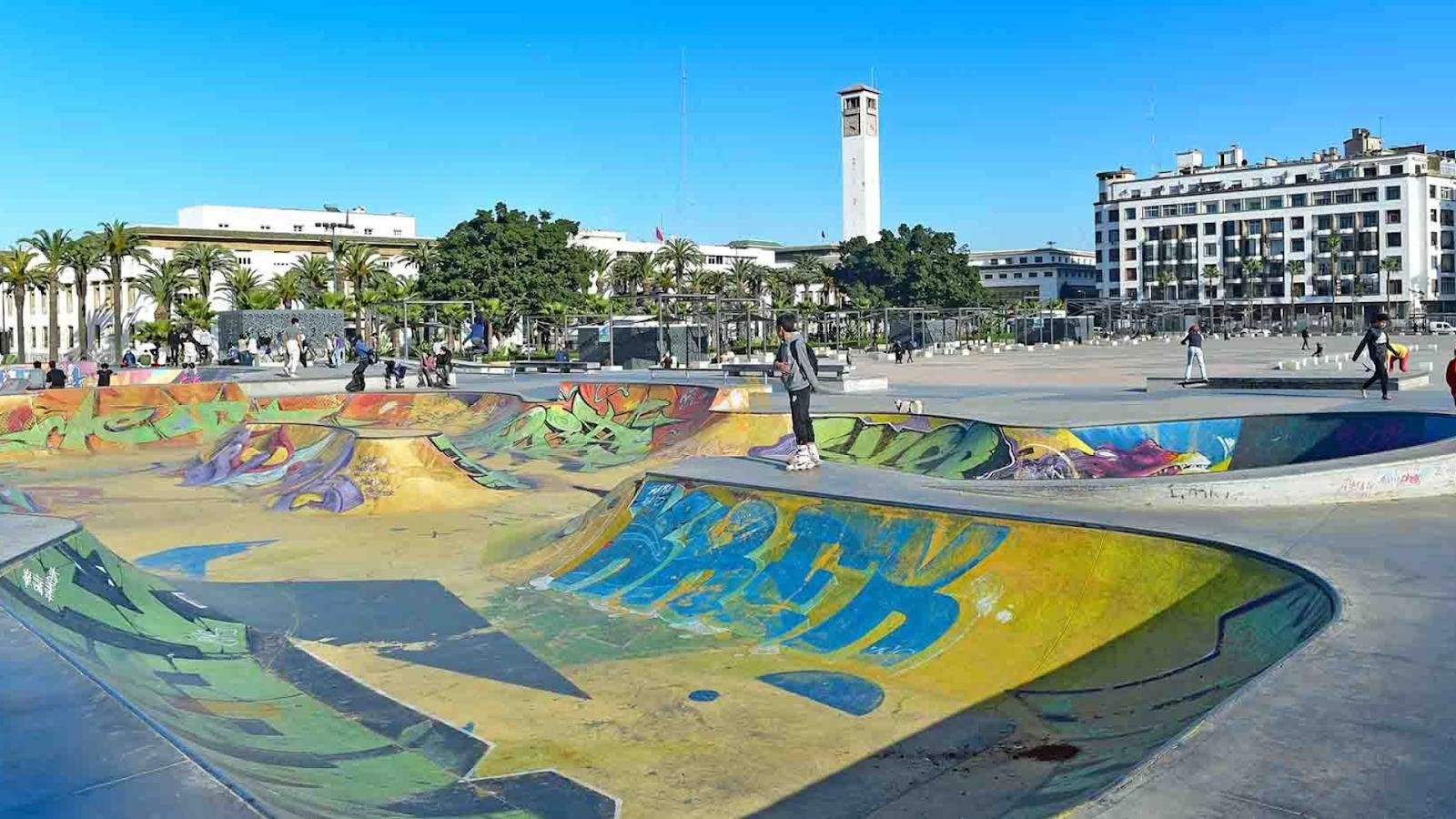
Mohammed V Square serves as the district’s ceremonial center, surrounded by imposing government buildings including the City Hall, courthouse, and central post office. Mohammed V Square is flanked by striking architecture, including the Palace of Justice and the main post office. The square’s design reflects French colonial administrative architecture, with wide boulevards and formal gardens creating an atmosphere reminiscent of European capital cities.

The central post office building exemplifies the architectural fusion that defines much of Casablanca, combining traditional Moorish decorative elements with French structural design principles. The building’s interior features beautiful tile work and carved wooden details that warrant a brief visit even for non-postal business.

Art deco buildings throughout the district feature geometric facades, decorative ironwork, and distinctive curved corners that photographers find particularly appealing. Many buildings house ground-floor cafes and shops, allowing visitors to experience these architectural gems from both exterior and interior perspectives.

Boulevard Mohammed V functions as the district’s main commercial artery, lined with upscale shops, international restaurants, and business offices that reflect Casablanca’s role as Morocco’s economic capital. Evening strolls along this boulevard provide opportunities to observe local business and social life in Morocco’s most cosmopolitan city.

Corniche and Ain Diab

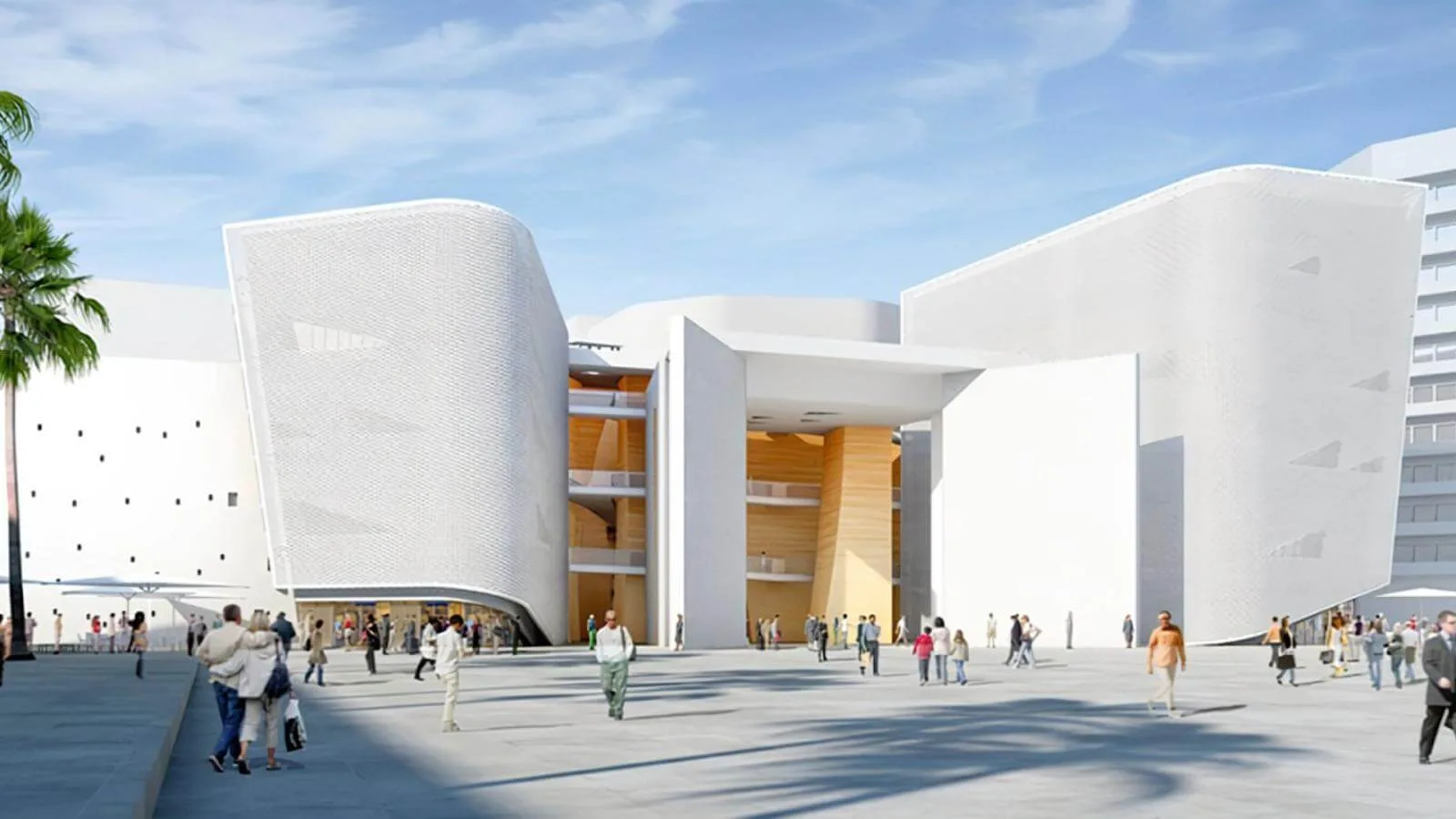
The corniche waterfront promenade stretches for several kilometers along the Atlantic Ocean coastline, offering Casablanca’s most scenic walking and recreational area. This modern development features landscaped gardens, contemporary sculptures, and numerous cafes with ocean views, creating a Mediterranean-style atmosphere unique among Moroccan cities. Casablanca's Grand Theater is designed to be the largest theater complex in Africa.

Boulevard de la Corniche connects the city center to the upscale Ain Diab district, where luxury beach clubs, international hotels, and trendy restaurants cater to Casablanca’s affluent residents and international business visitors. The contrast between traditional Morocco and contemporary urban sophistication becomes most apparent in this oceanfront development.

Morocco Mall, one of Africa’s largest shopping centers, anchors the Ain Diab area with over 350 stores ranging from international luxury brands to local Moroccan retailers. The mall’s modern architecture and comprehensive entertainment facilities, including an IMAX theater and indoor aquarium, reflect Casablanca’s aspirations as a world-class metropolitan destination.

Beach activities along the corniche include swimming, surfing, and jet skiing, though water temperatures remain cool year-round due to Atlantic Ocean currents. The beaches attract primarily local families and young people, providing opportunities to observe contemporary Moroccan leisure culture.

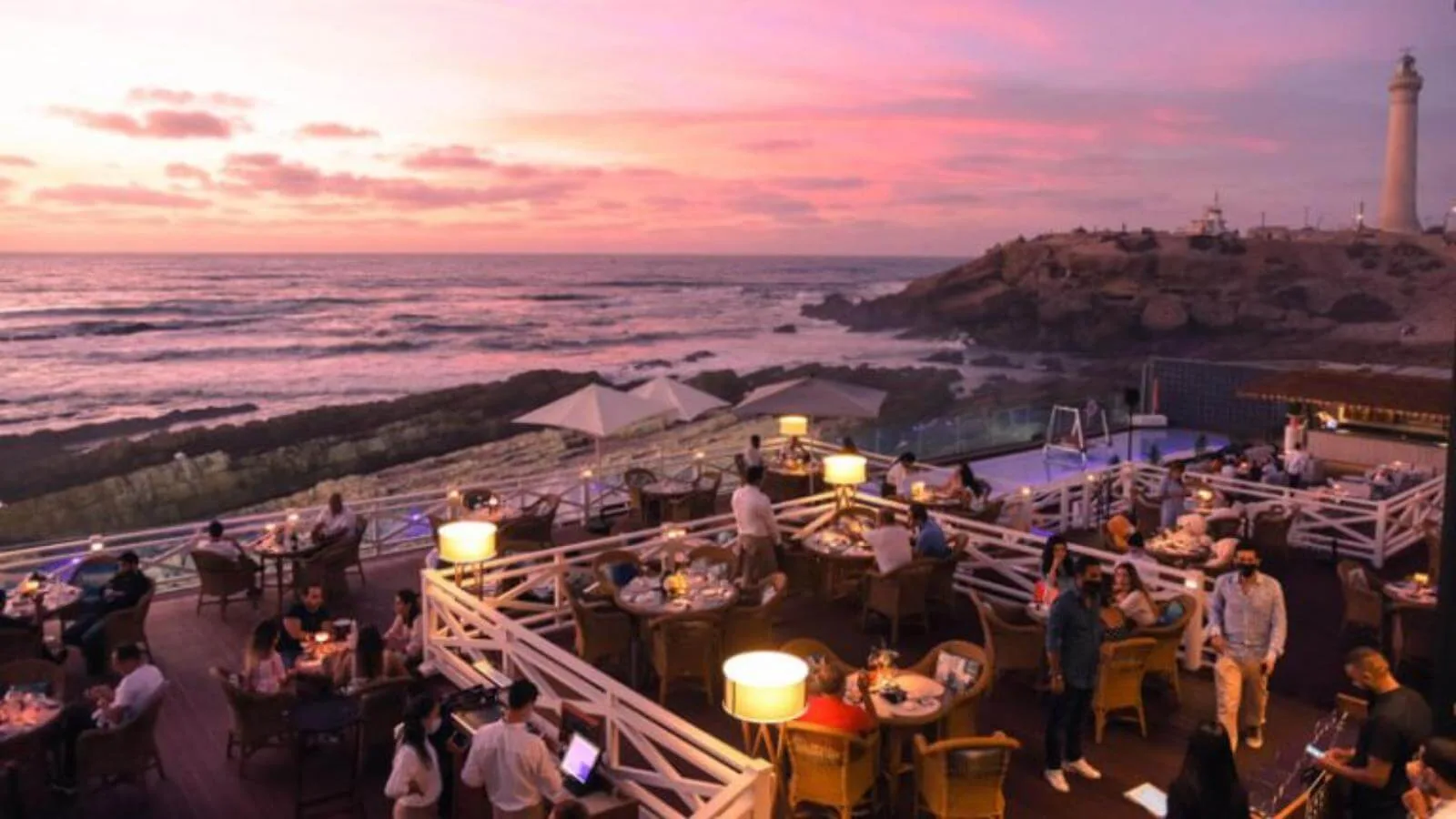
Sunset viewing from the corniche offers spectacular photographic opportunities, particularly from the areas near la Sqaala restaurant, where historic fortifications provide dramatic foreground elements for ocean sunset compositions.

A vibrant traditional Moroccan market scene showcases colorful spices and textiles, with vendors dressed in traditional attire engaging with the local population. This bustling marketplace is a key attraction in Casablanca, reflecting the rich culture and history of Morocco.

Cultural Sites and Museums

The Museum of Moroccan Judaism stands as the only Jewish museum in the Arab world, housing an impressive collection of religious artifacts, historical documents, and traditional crafts that illuminate Morocco’s rich Jewish heritage. Located in a restored synagogue building, the museum displays ceremonial objects, traditional costumes, and Berber jewelry that reflect centuries of Jewish-Muslim coexistence in Morocco. This unique institution highlights Casablanca's role as a cultural and historical hub in the region.

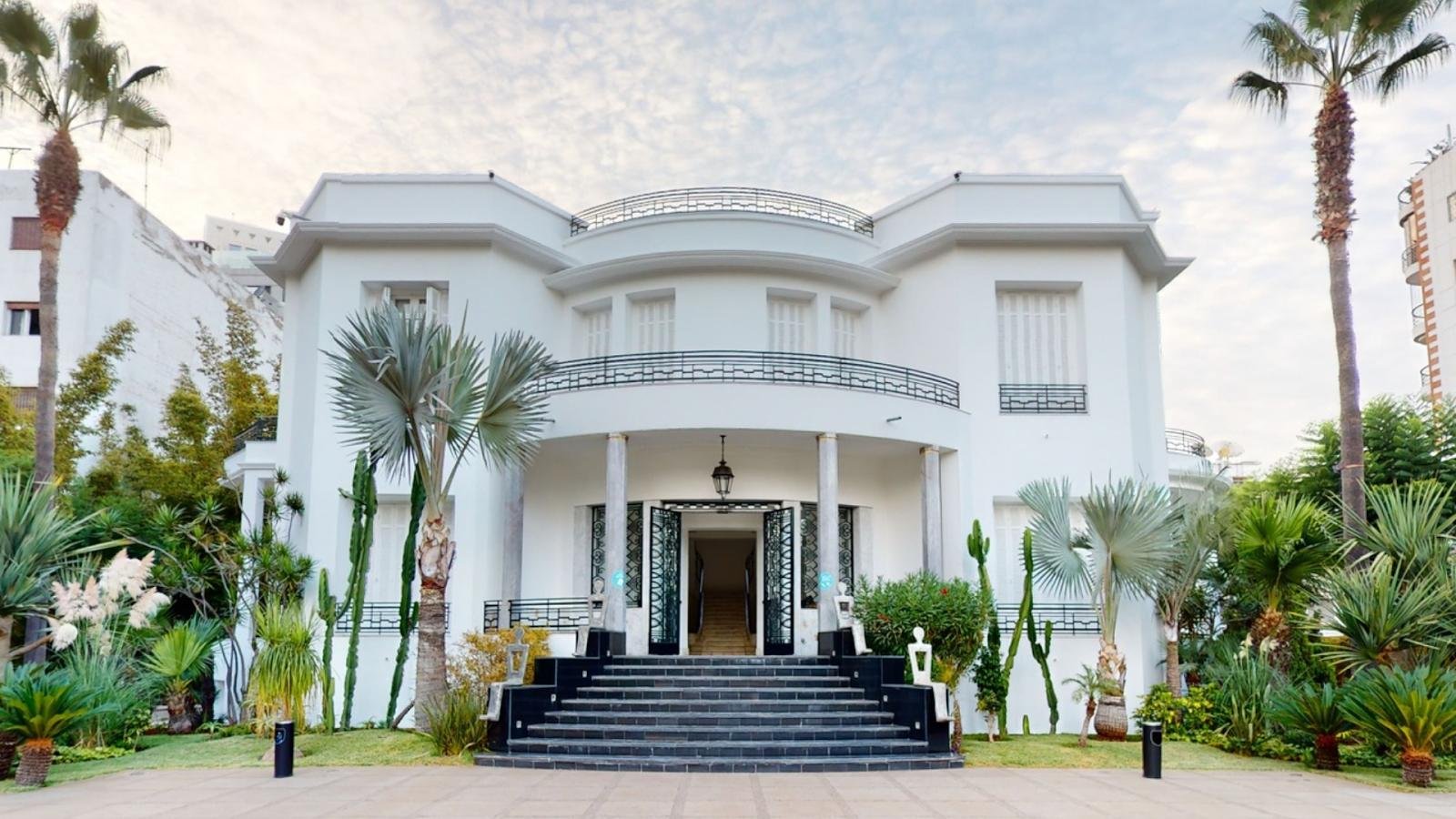
Villa des Arts occupies a beautifully restored 1934 Art Deco building that serves as Casablanca’s premier contemporary art gallery. The venue regularly hosts exhibitions featuring emerging Moroccan artists alongside established international names, with free admission making it accessible to all visitors interested in contemporary African and Middle Eastern art.

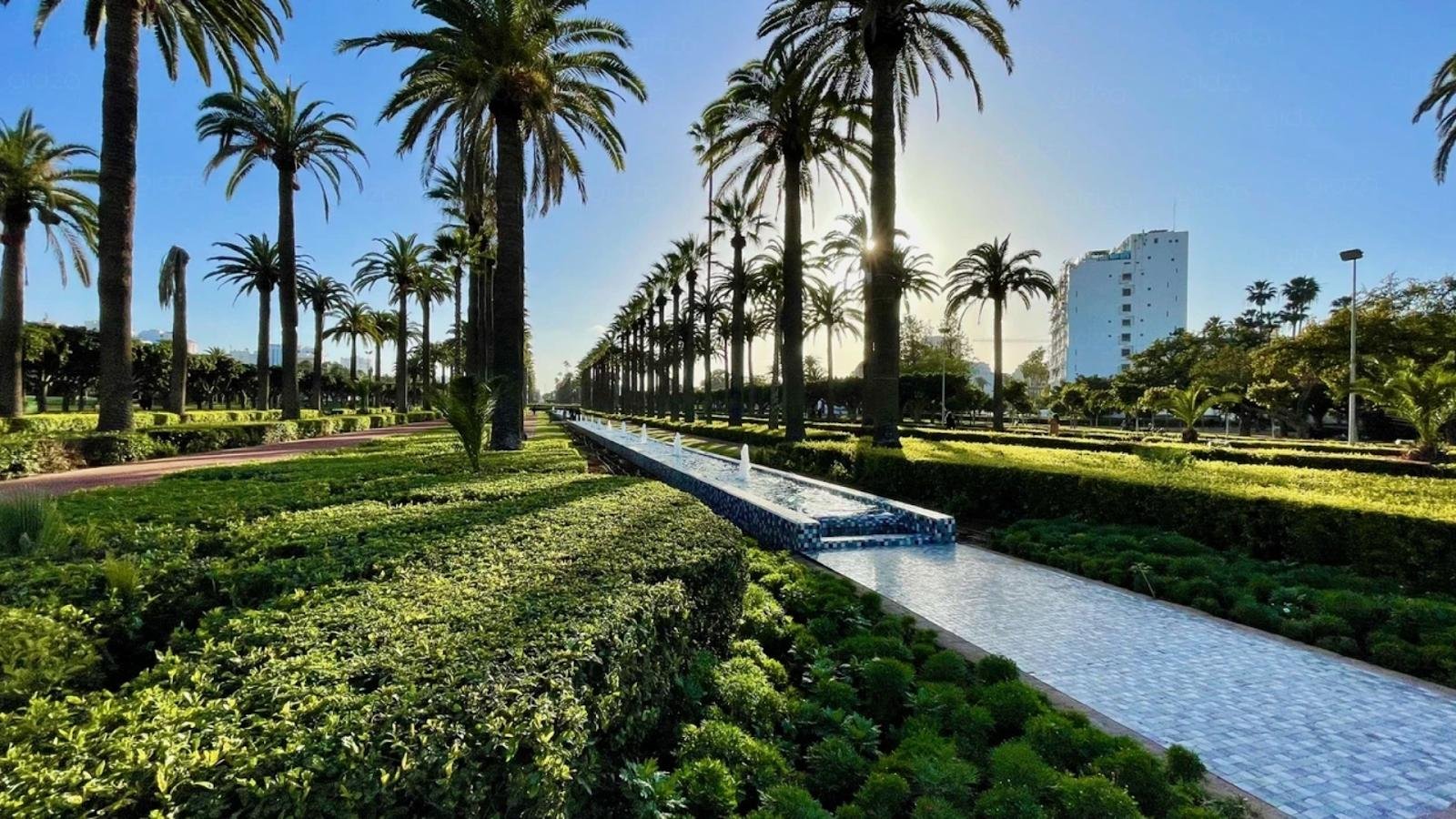
Arab League Park provides a 15-hectare green oasis in central Casablanca, originally designed in 1918 as part of the French colonial urban planning initiative. Arab League Park is a 75-acre urban oasis in Casablanca. The park’s mature palm trees, formal gardens, and walking paths offer respite from the city’s bustling energy while providing insight into colonial-era landscape architecture. Rows of nearly manicured palm trees line the park, creating a serene and picturesque environment for visitors.

The Sacred Heart Cathedral represents one of Casablanca’s most striking examples of Gothic-Art Deco architectural fusion, constructed during the 1930s to serve the city’s French Catholic community. While currently under renovation and closed to regular visitors, the cathedral’s exterior architectural details merit observation for their unique blend of European and North African design elements.

Notre Dame of Lourdes Church showcases 1960s brutalist architecture that contrasts dramatically with the city’s older religious buildings. The church’s distinctive concrete design and colorful stained glass windows represent Morocco’s post-independence architectural experimentation and modernist design influences.

Where to Stay in Casablanca

Luxury Hotels

Four Seasons Hotel Casablanca occupies a prime location along Boulevard de la Corniche, offering ocean views, a world-class spa, and proximity to both the Hassan II mosque and the fashionable Ain Diab district. Rooms typically range from 3000-4000 MAD per night, with suites commanding premium rates during peak travel seasons.

Hyatt Regency Casablanca provides business-focused luxury accommodations near the old medina, featuring meeting facilities, multiple restaurants, and rooms with Hassan II mosque views. The hotel’s central location makes it ideal for travelers planning to explore Casablanca attractions on foot, with rates typically ranging from 2500-3500 MAD per night.

Grand Mogador City Center caters to business travelers with its downtown location, health club facilities, and comprehensive conference services. The hotel’s proximity to Casa Voyageurs railway station makes it convenient for travelers planning day trips to other Moroccan cities, with standard rooms averaging 2000-3000 MAD per night.

Art Palace & Spa offers boutique luxury with uniquely themed suites named after international film stars, reflecting Casablanca’s cinematic heritage. The hotel’s spa services and intimate atmosphere appeal to travelers seeking personalized luxury experiences, with rates varying from 2500-4000 MAD depending on suite selection and season.

Mid-Range Options

Ibis Casablanca City Center provides reliable international hotel standards near Casa Port Station, making it convenient for both business travelers and tourists exploring the city center. The hotel’s business-friendly amenities and consistent service quality justify rates typically ranging from 800-1200 MAD per night.

Hotel Transatlantique occupies a historic property in the heart of downtown Casablanca, offering traditional Moroccan hospitality with modern amenities. The hotel’s central location provides easy walking access to major Casablanca attractions, with rooms averaging 600-1000 MAD per night.

Best Western Hotel Toubkal combines international hospitality standards with Moroccan architectural elements, located conveniently between Casa Port Station and the old medina. The hotel’s rooftop restaurant provides city views and traditional Moroccan cuisine, with rates typically ranging from 700-1200 MAD per night.

Budget Accommodations

Hotel Central offers basic but clean accommodations in the city center, popular with backpackers and budget-conscious travelers seeking convenient access to major attractions. Rooms lack luxury amenities but provide essential services, with rates typically ranging from 300-500 MAD per night.

Youth hostels throughout the city provide dormitory-style accommodations starting around 200 MAD per night, with private rooms available for 400-600 MAD. These facilities often feature communal kitchens and social areas that facilitate meeting other travelers.

Traditional riads, while less common in Casablanca than in other Moroccan cities, offer authentic Moroccan guesthouse experiences with rates ranging from 500-1000 MAD per night. These properties typically feature traditional architecture, home-cooked meals, and personalized service from local families.

Best Restaurants and Local Cuisine

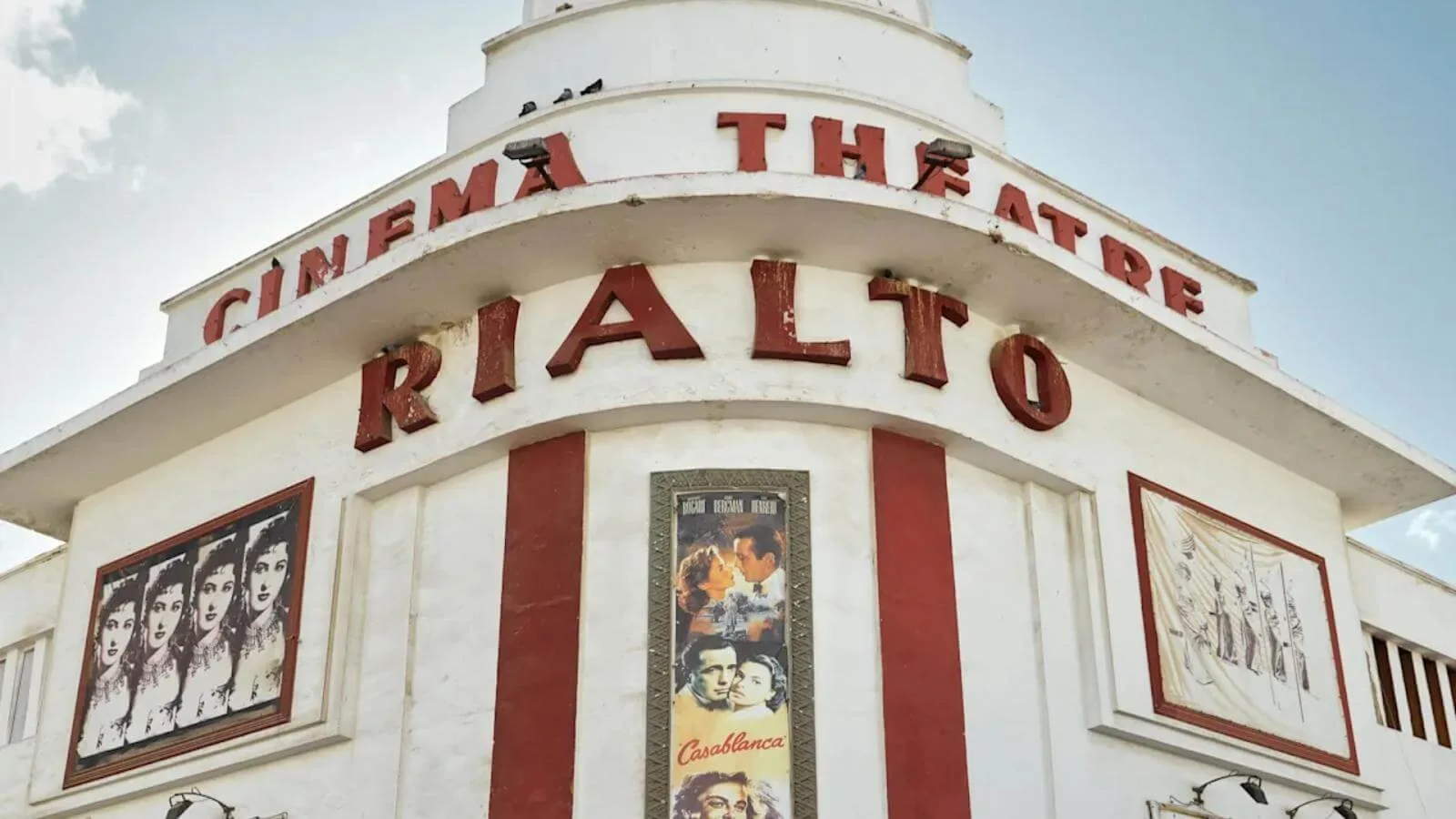
Rick’s café recreates the ambiance of the famous 1942 Casablanca movie starring Humphrey Bogart and Ingrid Bergman, offering both themed dining and quality international cuisine. While clearly tourist-oriented, the restaurant maintains high culinary standards and provides an entertaining evening experience that pays homage to the city’s cinematic legacy.

Chez El Kabbaj has earned local recognition for authentic Moroccan cuisine prepared using traditional recipes and cooking methods. Popular with local families and discerning food enthusiasts, the restaurant specializes in tagines, couscous, and grilled meats that represent the best of Moroccan home cooking.

La Sqala restaurant operates within an 18th-century fortified bastion, providing both historical atmosphere and excellent traditional dishes. The restaurant’s location near the water’s edge offers ocean views alongside specialties including fresh seafood, pastilla, and mint tea served in authentic Moroccan style.

La Corniche restaurants specialize in fresh seafood with Atlantic Ocean views, taking advantage of Casablanca’s coastal location to offer daily catches prepared according to both Moroccan and international culinary traditions. Many establishments feature outdoor terraces perfect for sunset dining.

The old medina street food scene provides authentic local flavors at budget-friendly prices, with vendors offering tagines, couscous, grilled meats, and traditional pastries. Mint tea culture remains central to social interactions, with tea vendors operating throughout the medina and surrounding neighborhoods.

Pâtisserie Bennis continues a family tradition dating to the 1930s, specializing in traditional Moroccan sweets, including chebakia, gazelle horns, and seasonal pastries that blend Moroccan and French pastry techniques. Their reputation extends throughout Morocco as producers of exceptional quality traditional confections.

Casablanca-sea-sunset--1-.jpg

Transportation Around the City

Casablanca’s modern tramway system operates two lines connecting major districts throughout the city, providing clean, efficient, and affordable transportation for 6 MAD per ride. The tram network links the airport, city center, and major residential areas, making it ideal for tourists seeking to navigate the city independently. The Casablanca Tramway was inaugurated in 2012 and runs along Boulevard Mohamed V. Casablanca also operates Careem, an Uber equivalent, for transportation around the city.

Petit taxis, easily recognizable by their red color, serve short distances within the city with metered fares typically ranging from 10-50 MAD depending on distance and traffic conditions. These taxis accommodate up to three passengers and represent the most convenient option for reaching specific destinations quickly.

Grand taxis, distinguished by their white color, handle longer distances and airport transfers, typically accommodating up to six passengers in older Mercedes vehicles. While less comfortable than petit taxis, grand taxis offer economical transportation for groups traveling together.

The city’s bus network covers most neighborhoods with extensive route coverage, though service can be crowded during peak hours. Bus fares cost approximately 4 MAD per ride, making public transportation one of the most budget-friendly options for extended city exploration.

Walking remains feasible for exploring the city center and major attractions, particularly the area encompassing the old medina, Mohammed V Square, and nearby art deco districts. The relatively compact central area allows visitors to cover significant ground on foot while experiencing street-level urban life.

Uber and Careem ride-sharing services operate throughout Casablanca, providing app-based transportation with transparent pricing and the convenience of cashless transactions. These services prove particularly useful for travelers unfamiliar with local taxi practices or seeking guaranteed transportation availability.

When to Visit Casablanca

The optimal months for visiting Casablanca fall between March and May, when temperatures range from 18-25°C and rainfall remains minimal. This spring period offers ideal conditions for outdoor exploration, comfortable walking weather, and clear skies perfect for photography and sightseeing activities.

September through November provides another excellent window for travel, with similarly pleasant temperatures and reduced summer humidity. These shoulder seasons also feature fewer tourists compared to peak summer months, resulting in lower accommodation prices and less crowded attractions.

Summer months from June through August can be hot and humid, with temperatures reaching 35°C and higher humidity levels due to the Atlantic Ocean influence. While this period coincides with peak tourist season in much of Morocco, Casablanca’s coastal location and modern infrastructure make summer visits manageable for heat-tolerant travelers.

Winter months from December through February bring mild temperatures ranging from 10-20°C, though increased rainfall can affect outdoor activities. This period offers the lowest accommodation rates and smallest crowds, making it appealing for budget-conscious travelers comfortable with occasional rain.

Ramadan affects restaurant hours and cultural experiences, with many establishments operating reduced daytime hours while extending evening service. Travelers visiting during this holy month should research local customs and plan dining accordingly, though the experience provides unique cultural insights.

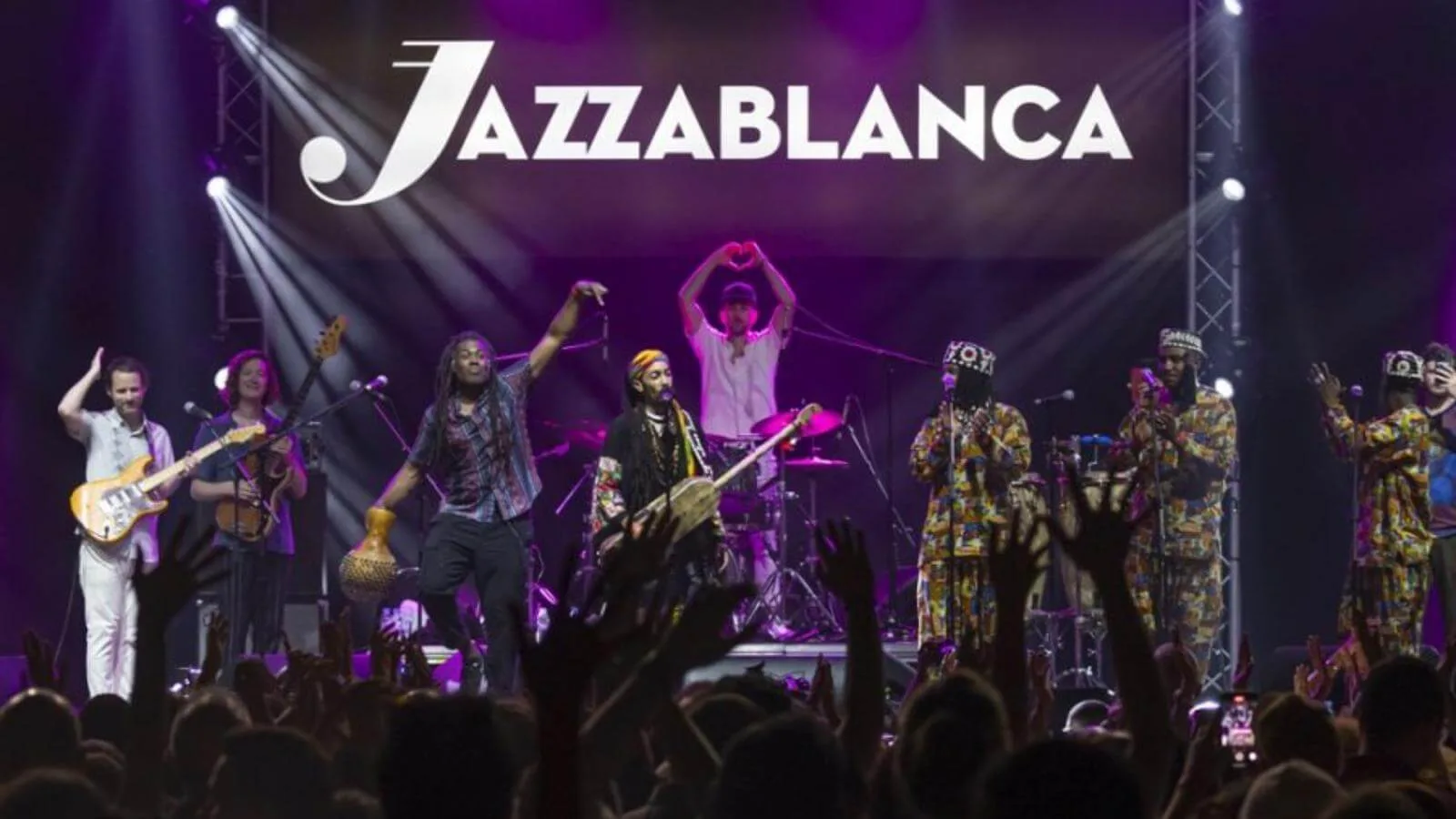
Festival seasons include the popular Jazzablanca music festival during the spring months, featuring international and local artists performing throughout the city. Various cultural events occur year-round, reflecting Casablanca’s role as Morocco’s cultural and economic center.

Practical Travel Tips

The Moroccan Dirham (MAD) serves as the local currency, with credit cards widely accepted in hotels, restaurants, and major retailers throughout the city. ATMs provide convenient access to cash, though carrying some cash remains advisable for small purchases, taxi rides, and medina shopping. Moroccan Arabic (Darija) and French are the most common languages spoken in Casablanca, with English often spoken in tourism sectors.

Arabic and Berber serve as Morocco’s official languages, while French maintains widespread use due to colonial history. English is increasingly common in tourist areas, hotels, and restaurants, though learning basic French or Arabic phrases enhances local interactions and cultural experiences.

Conservative clothing is recommended throughout Morocco, with particular attention required when visiting the Hassan II mosque and other religious sites. While Casablanca maintains a more liberal atmosphere than rural areas, respectful dress demonstrates cultural sensitivity and ensures comfortable interactions with the local population.

Tipping practices include 10-15% in restaurants for good service, 5-10 MAD for small services like luggage assistance, and rounding up taxi fares. Hotel staff appreciate small tips for exceptional service, while tour guides typically receive 50-100 MAD depending on group size and tour length.

Safety considerations include standard urban precautions against pickpockets in crowded areas like the central marketplace and medina market. Casablanca maintains a reputation as one of Morocco’s safer cities, though travelers should remain aware of their surroundings and secure valuable items.

Friday prayer times affect Hassan II mosque tour schedules, with the site closed to non-Muslim visitors during midday prayers. Planning visits earlier in the morning or later in the afternoon ensures access to guided tours and avoids disappointment.

Day Trip Itineraries

One Day in Casablanca

Begin your morning with a 9 am guided tour of the Hassan II mosque, allowing 90 minutes to explore this architectural masterpiece and learn about its religious and cultural significance. The early timing ensures smaller crowds and optimal lighting for photography.

Follow the mosque visit with a walk along the corniche waterfront promenade, taking advantage of ocean breezes and scenic views while heading toward the city center. This 30-minute walk provides excellent photo opportunities and a sense of Casablanca’s coastal character.

Dedicate your afternoon to exploring the old medina, starting near United Nations Square and spending approximately 2 hours wandering the traditional souks, observing local crafts, and perhaps purchasing authentic Moroccan souvenirs. The compact size makes thorough exploration manageable within a limited timeframe.

Conclude your afternoon with a 2-hour architecture tour of Mohammed V Square and the surrounding ville nouvelle district, focusing on the art deco buildings and French colonial urban planning that define much of central Casablanca. This walk provides insight into the city’s modern development and European influences.

End your day with dinner at Rick’s café or a traditional restaurant in the Habous quarter, experiencing either the city’s cinematic heritage or authentic Moroccan cuisine, depending on your preferences. Both options provide memorable conclusions to a comprehensive introduction to Casablanca.

Two Days in Casablanca

Day one should focus on the major religious and historical sites, beginning with the Hassan II mosque tour, followed by old medina exploration, and concluding with a walk through the Ville Nouvelle art deco district. This combination provides comprehensive exposure to Casablanca’s architectural evolution and cultural significance.

Day two allows for deeper cultural exploration, starting with the Habous quarter and its relaxed shopping atmosphere, continuing to the arab league park for a peaceful interlude among palm trees and gardens, and including visits to the Museum of Moroccan Judaism or Villa des Arts, depending on your interests.

The second Day afternoon can be devoted to corniche relaxation, with time for ocean views, beach activities if the weather permits, and exploration of the modern Ain Diab district. This provides a balance between cultural education and leisure activities.

Consider adding a day trip to Rabat, Morocco’s capital city, located just one hour away by train. This excursion allows exploration of another significant Moroccan city while maintaining Casablanca as your base, particularly appealing for travelers with limited time to visit multiple cities.

El Jadida, a coastal town known for its Portuguese colonial heritage, offers another excellent day trip option accessible by bus or car within 90 minutes of Casablanca. This destination provides insight into Morocco’s diverse colonial history beyond the French influence evident in Casablanca. For those interested in exploring more of Morocco’s vibrant coastal life, the Agadir Fishing Port provides an authentic experience of maritime culture in the south.

A vibrant spread of traditional Moroccan food is displayed, featuring beautifully arranged tagines, fluffy couscous, and colorful spices on ornate plates, accompanied by refreshing mint tea. This culinary feast reflects the rich flavors of Morocco, perfect for those visiting Casablanca and exploring its culinary delights.

Shopping and Souvenirs

The Habous Souk provides the most comfortable shopping environment for tourists, with vendors less aggressive than those in traditional medinas and a focus on quality handicrafts, leather goods, and traditional Moroccan textiles. Prices remain negotiable but start at more reasonable levels compared to heavily touristed areas.

Old Medina markets offer the most authentic shopping experience, with local artisans selling handmade pottery, traditional spices, and argan oil products primarily to Moroccan customers. The atmosphere remains genuine, though visitors should be prepared for some language barriers and basic bargaining.

Morocco Mall represents the ultimate modern shopping experience, featuring international brands alongside Moroccan retailers in a climate-controlled environment. While lacking traditional charm, the mall provides convenience, fixed prices, and familiar shopping comfort for travelers seeking specific items.

The central market (Marché Central) focuses on fresh produce, spices, and local food specialties, offering insight into daily Moroccan life while providing opportunities to purchase high-quality ingredients and traditional foods. This market serves primarily local customers and maintains authentic pricing.

Derb Ghallef flea market operates as Casablanca’s vintage and antique center, where treasure hunters can discover everything from traditional Moroccan crafts to French colonial-era items. Bargaining skills prove essential, but unique finds reward patient browsing and negotiation.

Traditional Moroccan carpets, although more expensive in Casablanca than in carpet-producing regions, can be found in both the habous and old medina areas. Quality varies significantly, so buyers should research traditional weaving techniques and regional styles before making significant purchases.

Argan oil products, while originally from southern Morocco, are widely available throughout Casablanca in various qualities and price ranges. Purchasing from reputable shops ensures authentic products, though prices may be higher than in rural production areas.

Local pottery reflects Morocco’s rich ceramic traditions, with Casablanca shops offering both traditional designs and contemporary interpretations. Shipping services are available for larger pieces, though travelers should verify packaging and insurance coverage for valuable items.

Conclusion

A trip to Casablanca, Morocco, offers travelers a unique perspective on contemporary Moroccan life that differs dramatically from the medieval ambiance of Fes or the tourist-focused attractions of Marrakech or Essaouira. This wonderful place combines Islamic architecture with French colonial elegance, creating an urban landscape that tells the story of Morocco’s modern development while honoring its traditional roots.

Whether you’re using Casablanca as a gateway to explore other Moroccan cities or dedicating several days to discovering its own attractions, this largest city provides authentic cultural experiences without the overwhelming tourist pressures found elsewhere. From the magnificent Hassan II mosque rising from the Atlantic Ocean to the art deco masterpieces of the Ville Nouvelle, Casablanca rewards visitors who take time to explore beyond first impressions.

The city’s role as Morocco’s economic heart means that local interactions feel genuine, restaurants serve authentic cuisine at reasonable prices, and cultural sites remain accessible to curious travelers rather than being overwhelmed by tour groups. For many travelers, skipping Casablanca would mean missing an essential piece of Morocco’s complex identity.

Start planning your Casablanca adventure today by researching flight options to Mohammed V International Airport, selecting accommodations that match your budget and interests, and preparing for a Moroccan experience that challenges preconceptions while delivering genuine cultural insights. In real life, Casablanca proves far more fascinating than its Hollywood reputation suggests.

Our Latest Travel Articles

Essential Guide to the Best Morocco Travel Plug Adapter for Your Trip
18 January 2026

Essential Guide to the Best Morocco Travel Plug Adapter for Your Trip

Discover the best Morocco travel plug adapters to keep your devices powered during your trip. Read o...

Read this article
Best Marrakech to Fes Desert Tour 4 Days: Explore the Sahara Today
17 January 2026

Best Marrakech to Fes Desert Tour 4 Days: Explore the Sahara Today

Discover the ultimate 4-day desert tour from Marrakech to Fes. Experience breathtaking landscapes an...

Read this article
Top Tips for Visiting Aït Benhaddou: A UNESCO World Heritage Site
15 January 2026

Top Tips for Visiting Aït Benhaddou: A UNESCO World Heritage Site

Discover essential tips for exploring Aït Benhaddou, a UNESCO World Heritage site. Plan your visit ...

Read this article