Group Tour Agencies in Morocco: How to Pick the Right One
Discover how to choose the perfect group tour agency in Morocco. Get tips on what to look for and ma...
Read this article

Suspendisse interdum consectetur libero id. Fermentum leo vel orci porta non. Euismod viverra nibh cras pulvinar suspen.
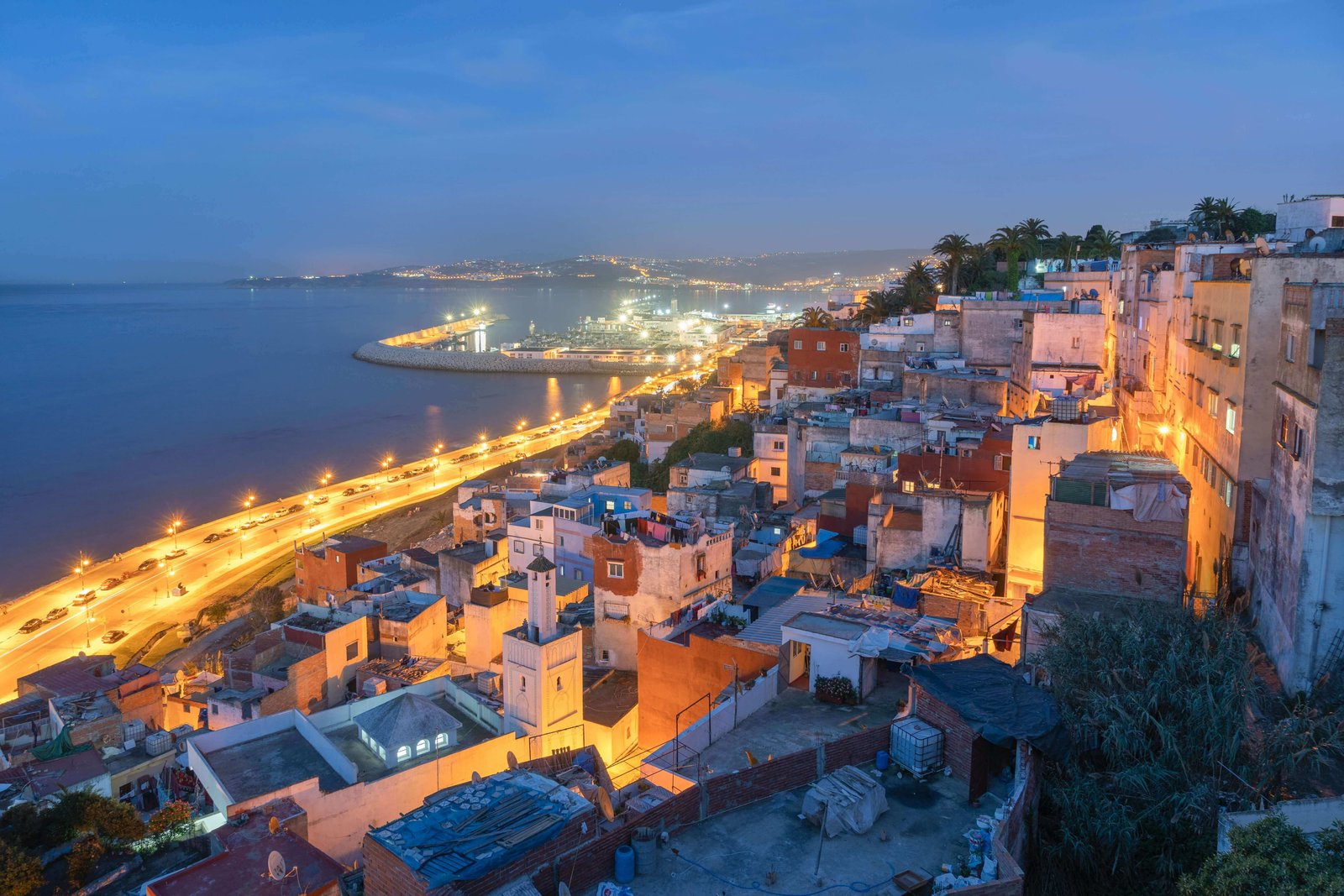
Yes, you can easily travel from Spain to Morocco in 2026 / 2027 by ferry or flight, with multiple daily connections across the Strait of Gibraltar and direct flights from major Spanish cities.
The main ferry routes are Tarifa to Tangier Ville (about an hour, from €45–€70 one way) and Algeciras to Tangier Med (1.5–2 hours, from €40–€65), with high-frequency departures year-round.
Entry requires a valid passport (at least 3–6 months' validity); most EU, UK, US, and Canadian citizens enjoy visa-free stays up to 90 days. National ID cards are not accepted.
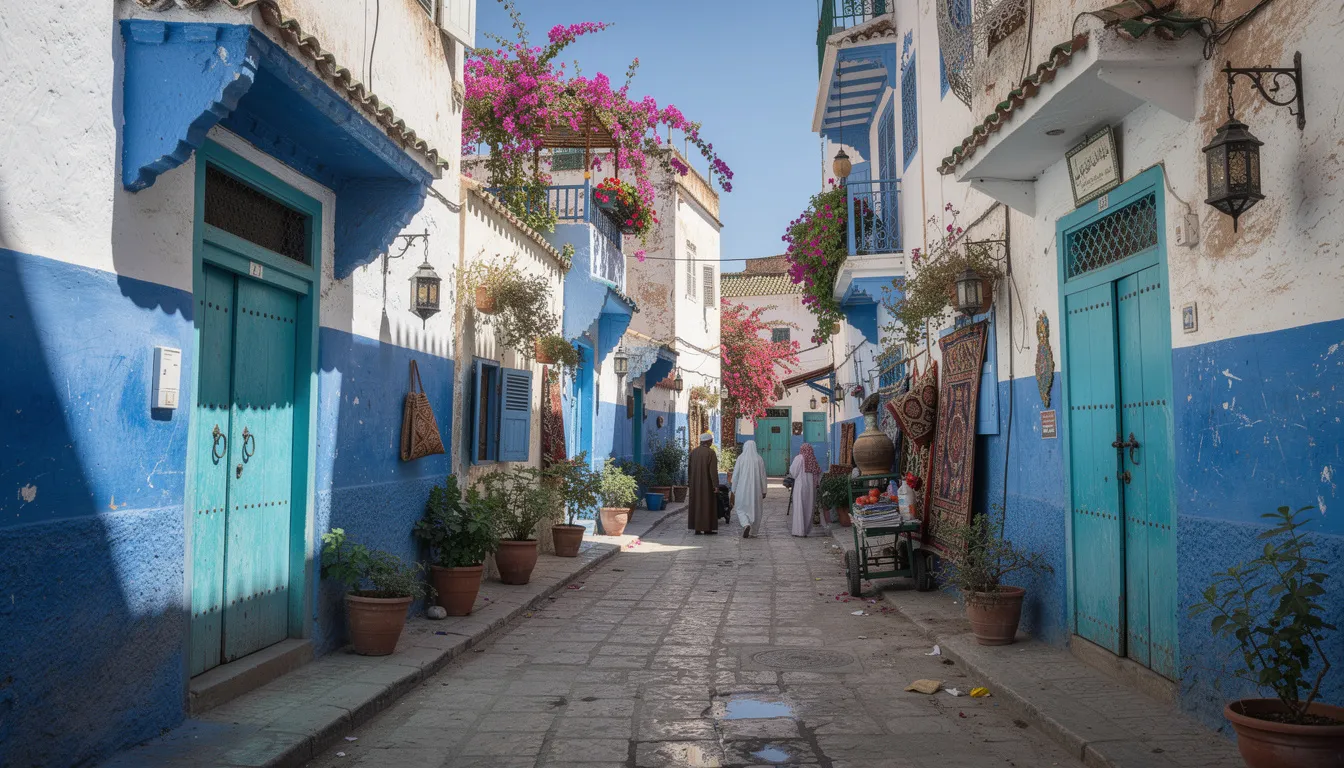
Day trips from southern Spain are possible but rushed; for a deeper experience,e including the blue city of Chefchaouen, Fez, or the Sahara desert, plan for 3–10 nights.
Morocco Classic Tours can organize door-to-door Spain–Morocco itineraries, from quick Tangier excursions to immersive Sahara desert tours with private drivers and handpicked accommodations.
If you’re exploring Andalucia, the Costa del Sol, or Barcelona, adding Morocco to your trip is almost too easy to pass up. The country sits just 14 kilometers across the Mediterranean Sea from southern Europe, yet stepping off the ferry feels like entering an entirely different world. The culture contrast alone makes the short crossing worthwhile.
Here’s why travelers consistently say Morocco is worth visiting from Spain:
Rich cultural immersion awaits in Moroccan cities like Fez (home to the world’s oldest university and a UNESCO-listed medina) and Marrakech (famous for its souks, palaces, and Jemaa el-Fnaa square).
The Sahara Desert near Merzouga offers camel treks, overnight camps under the stars, and landscapes unlike anything in southern Europe.
The Atlas Mountains provide hiking, Berber villages, and dramatic scenery just hours from Marrakech, with nearby Agafay Desert adventures offering an easy alternative to the distant Sahara dunes.
Coastal cities like Essaouira and its Atlantic hotels and Asilah deliver fresh seafood, art scenes, and Morocco’s extensive coastline along the Atlantic Ocean.
A concrete example: travelers finishing a week in Seville or Malaga can easily add a 4–7 day Morocco tour that includes Tangier, Chefchaouen, Fez, and an overnight Sahara desert camp near Merzouga. It’s a natural extension that transforms a European holiday into a two-continent adventure.
For a same-day hop—say, a Tarifa to Tangier day trip—you’ll get a taste of North Africa: wandering narrow streets in the medina, sipping mint tea, and bargaining in the souk. But for the full experience—visiting Imperial Cities, trekking in the desert, or exploring the Atlas—plan at least 3–5 nights.
Morocco Classic Tours specializes in building custom itineraries that link directly from Spanish cities to Morocco’s highlights, handling the logistics so you can focus on the experience. You can learn more about their local team and guiding philosophy before planning your trip.
Yes, you can enter Morocco from Spain by ferry or air, and border controls are straightforward if you come prepared. Here’s what you need to know for 2026:
A valid passport is required for entry. Most countries recommend at least 6 months validity beyond your arrival date—use this as your benchmark for 2026 travel planning.
EU citizens, along with travelers from the UK, US, Canada, Australia, New Zealand, and many other nationalities, can stay up to 90 days visa-free. Always verify current rules on official Moroccan consulate websites before departure.
EU national ID cards are not accepted for entry by sea or air. You must carry a physical passport.
Documents needed to cross by ferry include your passport, printed or digital ferry tickets, and a Moroccan entry card (typically completed onboard or at the ferry terminal).
If driving your own car, bring vehicle registration documents, a green insurance card valid for Morocco, and—if the vehicle is leased or not registered in your name—an authorization letter from the owner.
Children need their own passports. If a child travels with only one parent, some countries recommend carrying a notarized consent letter from the absent parent.
Proof of onward travel (such as a return ferry ticket) may be requested at immigration, though it’s not always checked.
The Strait of Gibraltar is one of the world’s most dramatic geographic pinch points, separating Europe from Africa by just 14 kilometers (about 9 miles) at the shortest distance. This narrow waterway makes crossing between continents remarkably quick.
Typical ferry routes cover around 16 nautical miles (approximately 30 km), accounting for port locations rather than the absolute closest land points.
Main travel options include ferries from southern Spain ports (Tarifa, Algeciras, Motril, Almeria), direct flights from major Spanish cities, and private tours that bundle transportation and logistics.
Land borders exist via Ceuta and Melilla (Spanish enclaves on Moroccan soil), but these crossings are mainly used for regional travel and can be complicated for tourists. This guide focuses on ferries and flights.
The proposed Spain–Morocco undersea tunnel will not be operational in 2026, so travelers should plan on sea or air transport only.
Ferries remain the classic way to travel from Spain to Morocco, with hundreds of weekly departures connecting multiple ports on both sides of the strait. For many travelers, the ferry ride itself is part of the adventure—watching Europe fade behind you as Africa comes into view.
The main Spanish departure points are Tarifa, Algeciras, Motril, Almeria, and Barcelona. Each connects to specific Moroccan ports:
Tarifa serves Tangier Ville (the old city port)
Algeciras serves both Tangier Med and Ceuta
Motril and Almeria connect to Nador and sometimes Tangier Med
Barcelona offers long-haul crossings to Tangier Med and Nador, which pair well with a stay in Tangier, Morocco’s gateway city.
Major ferry company operators include FRS, Balearia, Naviera Armas, AML, Inter Shipping, and Grandi Navi Veloci. Rough 2026 ticket prices for foot passengers range from €40–€80 in low season, with summer peaks pushing higher.
Morocco Classic Tours can pre-book ferry tickets as part of a custom Morocco tour package, handling schedules, check-in procedures, and port transfers so you don’t have to manage the logistics yourself.
This route is often the most popular for tourists who want to walk straight into Tangier’s medina without a long transfer from a commercial port.
Crossing time runs about an hour to 75 minutes, depending on the vessel and sea conditions.
Several departures operate daily, typically 4–8 sailings in high season, run by companies like FRS and AML.
Realistic 2026 price guidance: foot passenger fares often start around €45–€70 one way in low season. Expect prices to rise in July–August and during holidays.
Booking options include ferry company websites directly, comparison portals like Direct Ferries, port ticket offices, or through Morocco Classic Tours as part of a complete itinerary.
Check-in advice: arrive 45–60 minutes before departure (earlier if traveling with a vehicle or during summer weekends). Note that Spain is typically 1 hour ahead of Morocco—factor this into same-day return planning.
This route works perfectly for day trips and overnight stays in Tangier. Morocco Classic Tours can arrange guided walking tours starting right from the Tangier Ville port, letting you explore Tangier’s old city immediately upon arrival.
Algeciras functions as the largest ferry terminal hub in southern Spain, with frequent daily sailings to both Tangier Med and Ceuta.
Algeciras to Tangier Med crossings typically take 1.5–2 hours, with many departures throughout the day. This route is favored by travelers bringing cars, campervans, or motorbikes.
Indicative 2026 prices: foot passengers often pay €40–€65 one way, while car ferry tickets (car plus driver) commonly run €150–€250 depending on season and operator.
Important: Tangier Med is a large commercial port located about 45–60 minutes from the Tangier city center. You’ll need a taxi, private transfer, or train connection to reach downtown Tangier. Morocco Classic Tours can organize private transfers from Tangier Med directly to Tangier, Chefchaouen, Fez, or even Marrakech.
The Algeciras to Ceuta route is shorter (about 60 minutes), but tourists then face a land border to enter Morocco proper. This crossing can be time-consuming and is generally less convenient than sailing directly to Tangier Ville or Tangier Med.
Vehicle check-in guidance: arrive 60–90 minutes before departure. Customs and vehicle paperwork checks occur on arrival in Morocco—have your documents ready.
For travelers starting in eastern or northern Spain, longer crossings from Motril, Almeria, or Barcelona offer alternatives to the busy Tarifa/Algeciras corridor.
Almeria to Nador and Motril to Nador/Tangier Med average 6–8 hours, often running as overnight crossings. These routes suit travelers heading to the Rif region or eastern Morocco.
Barcelona to Tangier Med and Barcelona to Nador are long ferry routes (28–35 hours), appealing to those who want a Mediterranean cruise-style experience combined with transportation.
2026 pricing runs higher than short routes, with many crossings offering cabins. Cabin supplements vary depending on the route, from modest surcharges to premium suites costing several hundred euros.
Morocco Classic Tours typically recommends the shorter southern routes (Tarifa or Algeciras) for most holidaymakers,s but can incorporate these longer ferries into tailor-made itineraries starting from Barcelona or Valencia.
What should you expect during your ferry trip across the strait?
Onboard facilities typically include cafés, snack bars, basic hot meals, and sometimes duty-free shops. Quality and price vary depending on the ferry company and vessel.
Seating options range from open lounges to reserved seats; longer or overnight crossings (especially from Almeria or Barcelona) offer cabins.
Passport control happens onboard on most Spain–Morocco ferries. Moroccan police set up a small desk where travelers present passports and receive entry stamps before arrival. Completing this process onboard saves significant time at the port.
Practical tip: carry a pen to fill out entry forms, keep your passport handy, and listen for announcements directing passengers to the police desk (usually near the main bar or lounge area).
The Strait of Gibraltar can get rough, especially in winter or on windy days. Sensitive travelers should consider motion-sickness tablets.
Morocco Classic Tours briefs clients in advance about onboard passport procedures and can arrange a guide meeting upon arrival to fast-track your entry into the country.
Ferry schedules vary depending on the season and demand.
More departures run in spring–summer (April–October), with reduced winter schedules. Always check specific dates rather than relying on generic timetables.
Strong winds and rough seas can cause cancellations, particularly affecting smaller, fast ferries on the Tarifa to Tangier Ville route. Winds exceeding 20 knots often disrupt services.
Planning tips: avoid booking the last ferry of the day in winter, allow buffer time for connecting trains or flights, and sign up for operator SMS or email alerts.
Booking methods include official ferry operator websites, comparison platforms, port ticket offices, and travel agencies like Morocco Classic Tours that combine ferry, transfers, and onward tours into a single package.
Early booking secures better fares, especially for vehicles and during the Spanish summer holidays (mid-June to early September) and Easter (Semana Santa).
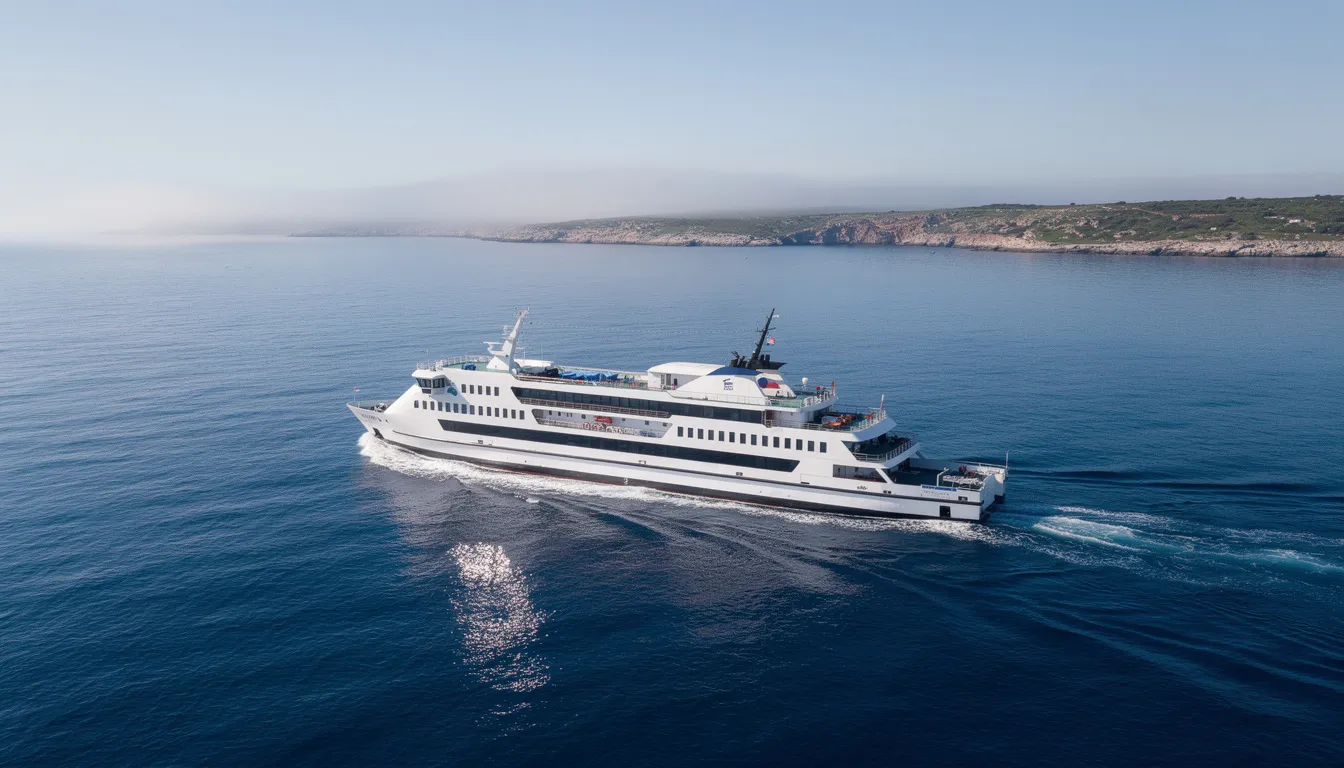
Crossing times vary depending on your route and vessel type—from under an hour to over 30 hours.
Here’s a quick comparison:
Route | Approximate Duration |
|---|---|
Tarifa – Tangier Ville | 1–1.25 hours |
Algeciras – Tangier Med | 1.5–2 hours |
Algeciras – Ceuta | ~1 hour |
Almería – Nador | ~7 hours |
Barcelona – Tangier Med/Nador | 28–35 hours |
Actual duration depends on sea conditions, the specific ship, and whether you’re on a fast ferry (high-speed catamaran) or a conventional ferry. | |
Planning advice:
For day trips, stick to crossings under 2 hours (Tarifa or Algeciras routes).
For overnight journeys on longer routes, consider booking a cabin for comfort.
Morocco Classic Tours can help choose the best route based on your schedule, your starting city in Spain, and your desired first stop in Morocco—whether that’s Tangier, Chefchaouen, Fez, or Marrakech.
Flying is the quickest way to reach deeper into Morocco—cities like Marrakech, Casablanca, Fez, or Agadir—without long overland transfers. If your goal is the Sahara Desert or the Imperial Cities, a flight from Spain saves days of travel time, and destination guides on our Morocco travel blog can help you choose where to land first.
Main Spanish departure cities with Morocco connections include:
Madrid
Barcelona
Malaga
Seville
Valencia
Bilbao
Plus other regional airports with seasonal routes
Typical flight times range from 1–2.5 hours:
Malaga to Marrakech: approximately 1 hour 30 minutes
Madrid to Casablanca: approximately 1 hour 45 minutes
Barcelona to Tangier: approximately 1 hour 30 minutes
Airlines operating Spain–Morocco routes in 2026/2027 include Ryanair, Iberia, Vueling, Royal Air Maroc, and Air Arabia Maroc, among others. Ryanair flights from Malaga or Seville to Marrakech are particularly popular with budget travelers.
Realistic price ranges: off-season one-way fares can start around €40–€80 with low-cost carriers, but last-minute or peak-season tickets may exceed €200 each way.
Pros and cons of flying:
Faster and often cheaper than long ferries for reaching inland Moroccan cities
Subject to airline baggage rules and fees
Requires airport transfers on both ends
Morocco Classic Tours can meet clients directly at Moroccan airports (Tangier, Fez, Marrakech, Casablanca, or Agadir) and start private tours immediately upon arrival.
Strategic city pairings make Spain–Morocco trips more efficient and enjoyable.
Seville or Malaga to Marrakech: ideal for Sahara and Atlas Mountains adventures, with time for relaxing pool days in Marrakech between excursions
Madrid to Casablanca or Rabat: perfect for exploring the Imperial Cities and Rabat’s coastal capital sights, especially if you follow a detailed guide to the top things to do in Casablanca
Barcelona to Tangier or Nador: best for northern Morocco and the Rif Mountains
Example itinerary combinations:
4 days in Seville + 5 days in Morocco: Spend a week in Marrakech with a structured 7-day itinerary, explore the city, drive through the Atlas Mountains, overnight at a Sahara desert camp, return via Fez or Tangier.
Weekend in Barcelona + 3 days in Morocco: Fly or ferry to Tangier, visit Chefchaouen (the famous blue city), and return through Tangier, or choose from the best tour packages in Morocco to extend your stay.
Open-jaw routing: Fly into Marrakech, travel north through Morocco, and exit via ferry from Tangier to Spain. Morocco Classic Tours frequently designs these efficient routes that avoid backtracking.
Travel costs between Spain and Morocco vary depending on route, season, and transportation mode.
Transportation Type | Approximate 2026 Cost |
|---|---|
Foot passenger ferry (Tarifa/Algeciras) | €40–€80 one way |
Ferry with a car | €150–€300+ one way |
Budget flights (Ryanair, etc.) | €40–€150 one way |
Organized tours (multi-day) | €300–€1,200+ depending on duration |
The cheapest way for most travelers: | |
Take a bus or train to Algeciras or Tarifa from anywhere in Spain
Book a foot passenger ferry ticket in advance
Arrange local transport or a pre-arranged pickup in Tangier
Seasonal pricing matters significantly. July–August, Christmas/New Year, and Easter are peak periods when both ferries and direct flights rise in price. Early booking and mid-week departures typically save money.
Morocco Classic Tours can sometimes secure better overall value by bundling transfers, hotels, and guided excursions—eliminating the hidden costs and hassles of booking every component separately.
Same-day trips from southern Spain are absolutely possible, though an overnight or multi-day stay gives a much richer experience.
A classic Tarifa to Tangier Ville day trip typically looks like this:
Early morning ferry departure (around 8–9 AM)
Arrive in Tangier and start a guided walking tour of the medina, Kasbah, and narrow streets
Lunch featuring tagine and mint tea
Optional camel ride near Tangier or shopping in the souks
Late afternoon or evening ferry back to Spain
Total time: 10–12 hours
A feasible 2-day extension adds Chefchaouen:
Day 1: Early ferry to Tangier, transfer to Chefchaouen (about 3 hours), afternoon exploring the blue city, overnight in a riad
Day 2: Morning in Chefchaouen, return to Tangier, evening ferry back to Spain
Time management tips:
Allow extra time for border checks and potential ferry delays
Remember the 1-hour time zone difference between Spain and Morocco
Book return ferry tickets with buffer time rather than the absolute last sailing
Morocco Classic Tours offers private Morocco day trips and 2–3 day itineraries from Tangier with English-speaking local guides, customized for couples, families, and small groups.
Advantages of a day trip:
Minimal luggage required
Easy to fit into a broader Spain itinerary
A “first taste” of North Africa without major commitment
Drawbacks:
Limited time means a rushed experience
No chance to visit Fez, Marrakech, the Sahara, or the Atlas Mountains
Potentially tiring with early starts and late returns
The ideal compromise: Spending 1–3 nights in Morocco allows visits to Chefchaouen and possibly an internal flight to Fez or Marrakech, transforming a quick hop into a meaningful journey.
Morocco Classic Tours can advise whether a day trip or longer stay makes sense based on your interests, travel pace, and available time.

Morocco Classic Tours is a Fez-based travel agency specializing in private, customizable itineraries that can start or end in Spain. We handle the complexity—ferries, transfers, accommodations, guides—so you experience Morocco without logistical stress.
A typical Spain–Morocco combo works like this: travelers finish their time in Seville, Malaga, or another Spanish city, cross by ferry to Tangier, and continue with a private driver-guide through Morocco’s highlights.
Sample tour durations:
5-Day Northern Morocco Circuit from Tangier Tangier → Chefchaouen → Fez → return to Tangier for ferry back to Spain
7-Day Imperial Cities Tour Tangier → Rabat → Meknes → Fez → Middle Atlas → Marrakech (fly out or continue overland)
9–10 Day Sahara Journey Tangier → Chefchaouen → Fez → Merzouga Sahara desert camp with camel trek → Todra Gorge → Atlas Mountains → Marrakech
What Morocco Classic Tours provides:
English-speaking drivers with local knowledge
Handpicked riads and boutique hotels
Authentic food stops and culinary experiences
Flexible itineraries for couples, families, and small groups
Group tours for those who prefer traveling with others
Ready to plan your Spain-to-Morocco adventure? Contact Morocco Classic Tours or click “Book Now” to start designing your custom journey.
7 Days: Tangier – Chefchaouen – Fez – Sahara Desert – Marrakech Start with a Tarifa to Tangier Ville ferry from Spain. Explore Tangier’s old city, then travel to the blue-washed streets of Chefchaouen. Continue to the ancient medina of Fez before crossing the Middle Atlas to the Sahara desert near Merzouga for an overnight desert camp. Finish in the beautiful city of Marrakech.
5 Days: Tangier – Asilah – Chefchaouen – Return to Spain. Ideal for travelers with limited time after visiting Andalucia. Explore Tangier and the artistic coastal town of Asilah, spend a night or two in Chefchaouen, and ferry back to Spain via Tangier.
Fly In, Ferry Out (Open-Jaw Routing) Fly Malaga to Marrakech. Spend 4 days in Marrakech and the Atlas Mountains, plus 2 days in the Sahara. Travel north by road (or domestic flight) to Tangier and take the ferry back to Spain.
Morocco Classic Tours customizes all durations, accommodations, and activities—including desert camps, camel treks, city tours, and food experiences—based on your preferences.
Morocco is generally safe and welcoming for tourists, especially when traveling with local guidance. A few common-sense precautions ensure smooth travels.
Safety:
Stay in central, well-lit areas at night
Use licensed guides and official taxis (look for the meter or agree on prices in advance)
Keep valuables secure, especially in crowded medinas
Morocco Classic Tours arranges trusted drivers and vetted accommodations throughout the country, including comfortable Morocco tours tailored for seniors
Money:
The Moroccan dirham (MAD) is the local currency
Euros are sometimes accepted in Tangier and tourist areas, but often at unfavorable rates
ATMs are widely available in cities; withdraw dirhams for taxis, markets, tips, and smaller purchases
Inform your bank before traveling to avoid card blocks
Clothing:
Light, modest outfits work best; shoulders and knees are covered in traditional areas.
No requirement for women to cover their hair
Comfortable walking shoes are essential for cobbled, narrow streets and medina alleys
Layers help with temperature changes between the coast, mountains, and desert
Language:
Arabic and Amazigh (Berber) are official languages
French is widely spoken, especially in cities
English is increasingly common in tourist centers
Morocco Classic Tours provides English-speaking guides and drivers
Food:
Try tagines, couscous, pastilla (savory-sweet pie), fresh seafood, and street-stall snacks.
Choose busy restaurants and stalls for the freshest food
Drink bottled water
Moroccan mint tea is offered everywhere—accepting is a sign of respect
This section addresses additional common questions not fully covered above.
Many Spanish rental companies prohibit taking vehicles to Morocco—check your rental agreement carefully. Even when allowed, morocco ferry fees for vehicles, Moroccan insurance requirements, and border procedures make this option expensive and time-consuming. An easier alternative: leave your car in Spain and rent a vehicle or hire a private driver in Morocco through Morocco Classic Tours.
Realistic options depend on your goals:
1 day: Basic Tangier visit only
2–3 days: Tangier plus Chefchaouen
5–7 days: Northern Morocco and Imperial Cities loop
7–10 days: Include the Sahara Desert and the Atlas Mountains on a luxury tour
Keep in mind that Morocco takes longer to traverse than it might appear on Google Maps. Tangier to Marrakech by road runs 5–6 hours; Marrakech to the Merzouga Sahara dunes takes 8–10 hours with stops. Morocco Classic Tours optimizes itineraries to avoid backtracking and exhausting overnight bus journeys.
While some hotels, restaurants, and shops in Tangier and other tourist centers accept euros, the exchange rate is typically unfavorable. Withdraw or exchange some dirhams on arrival for taxis, markets, tips, and smaller purchases. Morocco Classic Tours guides can direct you to reputable exchange offices and help you understand typical costs.
English is increasingly spoken at main ferry terminals, airports, and tourist businesses on both sides of the strait. Signage in ports and airports usually appears in multiple languages. Basic phrases in Spanish or French can be helpful but aren’t essential. Booking through Morocco Classic Tours ensures English-speaking support throughout Morocco—helping with transfers, check-ins, and local logistics.
Comprehensive travel insurance is strongly recommended, covering medical costs, trip interruption, ferry or flight delays, and loss or theft of belongings. Some policies treat Morocco differently from EU countries, so confirm your coverage specifically includes Morocco before departure. Morocco Classic Tours recommends all guests carry insurance, even when traveling on fully private, guided itineraries.
Discover how to choose the perfect group tour agency in Morocco. Get tips on what to look for and ma...
Read this article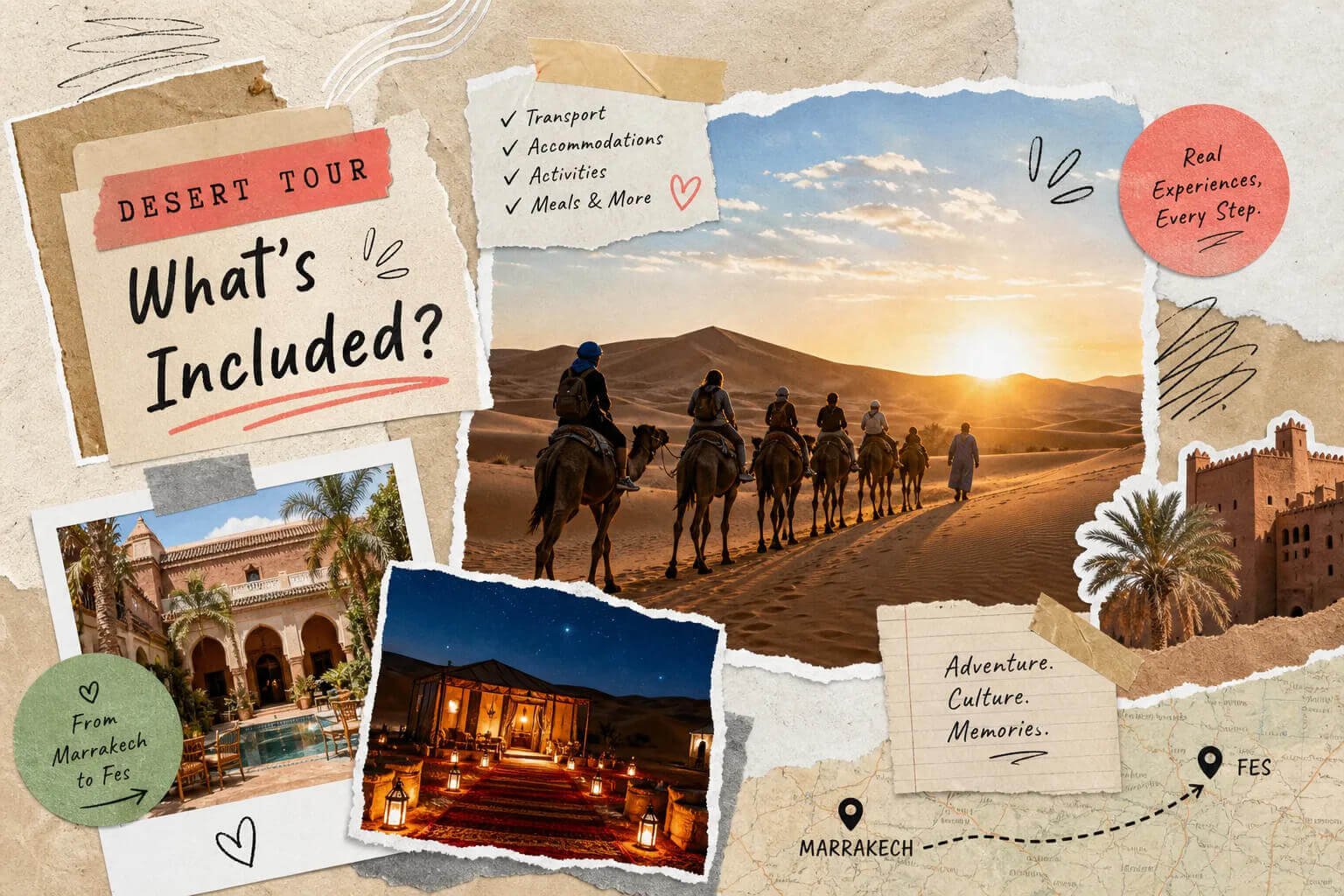
Uncover what a Marrakech to Fes desert tour offers, including camel rides, desert camps, and rich cu...
Read this article
Join our Merzouga Overnight Tour for an authentic desert experience. Enjoy camel rides, comfortable ...
Read this articleWant cool tour deals and tips about Morocco? Enter your email and we’ll send them to you each month!