Group Tour Agencies in Morocco: How to Pick the Right One
Compare Morocco group tour agencies by trip style, reviews, pace, transport and inclusions. Learn wh...
Read this article

Private, custom Morocco trips planned in Fez by AZ-ZDDINE, working in Moroccan tourism since 2012. Sahara, Atlas, medinas and coast, arranged around you.
Morocco’s capital sits just 90 kilometers from Casablanca, making it one of the easiest day excursions in the country. Rabat is Morocco’s capital and one of its imperial cities, serving as the political and administrative center of the country. Whether you arrive by train in about an hour or book a private transfer with door-to-door service, Rabat rewards visitors with concentrated history, seaside charm, and a medina that feels refreshingly manageable. This guide covers everything you need to plan your trip from Casablanca to Rabat in 2026.
A day trip from Casablanca to Rabat is straightforward in 2026, with direct trains taking around 1–1.5 hours and private transfers covering the A3 highway in a similar time.
One full day provides enough time to visit Hassan Tower, the Mohammed V Mausoleum, the Kasbah of the Udayas, Chellah Necropolis, the old medina, and the Andalusian Gardens at a comfortable pace.
Rabat generally feels calmer and more walkable than Casablanca, making it ideal for travelers seeking their first Moroccan medina experience.
Train fares run approximately €7–14 round-trip for standard class, while private day tours with transport typically range from € 90–190 per person, depending on group size.
Morocco Classic Tours offers private, customizable Casablanca–Rabat day trips with hotel pickup, licensed guides, and curated local food stops.
Absolutely. This excursion works even if you have just one spare day in Morocco. Travel time runs about 1–1.5 hours each way by train or car, leaving plenty of daylight for sightseeing.
Depart Casablanca between 08:00 and 09:00, and you can arrive in Rabat by late morning, explore the main landmarks, enjoy a proper lunch, browse the medina, and return around 19:00–20:00. No hotel change required—your luggage stays in Casablanca.
Morocco Classic Tours organizes private day trips with pickup from any Casablanca hotel, the airport, or cruise port. Flexible departure times mean you can adjust the schedule to suit your itinerary, whether at the start or end of your Morocco journey.
Casablanca is Morocco’s largest commercial city, buzzing with contemporary energy, art-deco architecture, and the magnificent Hassan II Mosque on the Atlantic coast. Rabat, as Morocco’s capital and one of the imperial cities, offers a more compact concentration of historic monuments and a quieter atmosphere.
Choose Casablanca for: Hassan II Mosque interior tour, Atlantic corniche, modern cafes, nightlife, and big-city energy.
Choose Rabat for: Walkable historic sights, the charming Kasbah, a less overwhelming medina, and landscaped gardens.
Both cities are generally safe in tourist areas, though many travelers experience Rabat as more relaxed than central Casablanca. If you want monuments and rich history in one focused day, Rabat is the answer. For those who love contemporary culture, spend more time in Casablanca and use Rabat as a full-day trip.
Three main options exist: train, private car or van with an excellent driver, and organized tours with transport included. Your choice depends on budget, comfort preferences, and how much planning you want to handle yourself.
Trains depart frequently from Casa Voyageurs (main station) and Casa Port (near the waterfront). In Rabat, Rabat Ville station provides the most central location for sightseeing.
Important clarification: Morocco’s high-speed Al Boraq bullet train connects Casablanca to Tangier, not Rabat directly. The Casablanca–Rabat route uses conventional modern trains, still comfortable and efficient at around 1–1.5 hours.
Independent travelers comfortable navigating stations will find trains economical. Those preferring door-to-door service and a set schedule should consider private transfers or guided tours. Morocco Classic Tours uses modern, air-conditioned vehicles with professional drivers for private excursions, including hotel or port pickup and flexible return times.
The fastest practical options in 2026 are direct train (around 1–1.5 hours) or private motorway transfer (about 1.5 hours in light traffic).
How to book train tickets via ONCF:
Visit the ONCF website or app
Select departure station (Casa Voyageurs or Casa Port)
Choose Rabat Ville or Rabat Agdal as the destination
Pick date, departure time, and class
Pay by card and save your QR code
Approximate 2026 train fares:
- Class | One-Way (MDH) | Round-Trip (MDH)
- Standard | 35–70 | 70–140 |
- First Class | 50–90 | 100–180 |
First class offers reserved seating and more comfort for a modest premium. Tickets can also be purchased at the station on travel day.
Recommended departure windows: Leave Casablanca around 08:00–09:00 and return from Rabat between 18:00–19:00 for a full sightseeing day with unhurried lunch.
A private day tour typically includes hotel pickup, round-trip transport, a licensed local guide in Rabat, sightseeing stops, and bottled water.
2026 price ranges:
Small group tour (shared): €67–97 per person
Private tour (2 people): €97–150 per person
Private tour (4–6 people): €300–450 per group
Private transport offers flexibility on departure times, photo stops on the Atlantic coast, and easier coordination for families or older travelers.
Morocco Classic Tours emphasizes customizable itineraries with English-speaking guides and options to add food tours, kasbah tea breaks, or medina shopping time. Budget-conscious travelers can search for reputable shared tours that include hotel pickup and a professional guide at lower per-person costs.
This realistic full-day plan reflects what Morocco Classic Tours uses for private Rabat excursions. The journey flows logically through Rabat’s highlights while allowing time for lunch and spontaneous exploration at your own pace.
Typical timing:
Depart Casablanca: 08:30
Arrive Rabat: ~10:00
Depart Rabat: 17:30–18:00
Return Casablanca: ~19:00
The itinerary can be adjusted based on cruise or flight schedules, weather conditions, and travelers’ special interests.
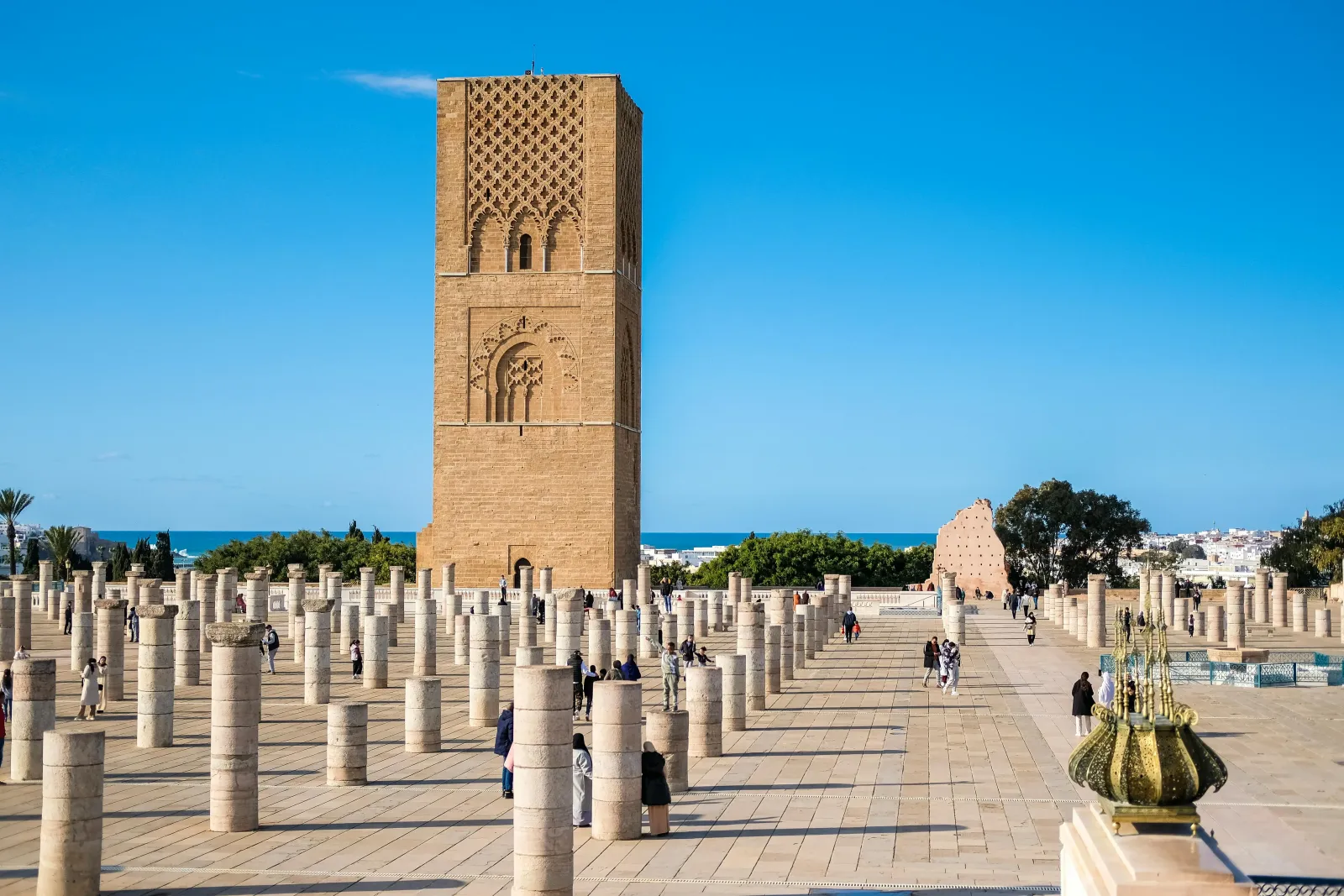
Arrive in Rabat by late morning and head straight to the Hassan Tower complex on the Bouregreg River plateau. The Hassan Tower, intended to be the largest minaret in the world, is a significant historical landmark in Rabat, symbolizing the city's architectural ambition during the reign of Yaakub Al Mansour in the 12th century. This 12th-century incomplete mosque features a towering red sandstone minaret—the largest minaret the Almohad dynasty attempted—surrounded by 200 marble columns.
The adjacent Mausoleum of Mohammed V is a highlight for many visitors. White marble, traditional zellij tiles, and carved cedar create a serene atmosphere housing the tombs of the late King Hassan II and his father, Mohammed V, along with Prince Abdallah, two sons of the Moroccan king.
Allow 45–60 minutes for photos, quiet reflection, and panoramic river views. Respectful dress and behavior are important—this is both an architectural landmark and a significant place of remembrance.
Stop for brief exterior views of the Royal Palace of Rabat (Dar al-Makhzen), including the main gate and ceremonial square. Your tour guide can share context about the Alaouite dynasty and Rabat’s history as the Moroccan capital since the early 20th century.
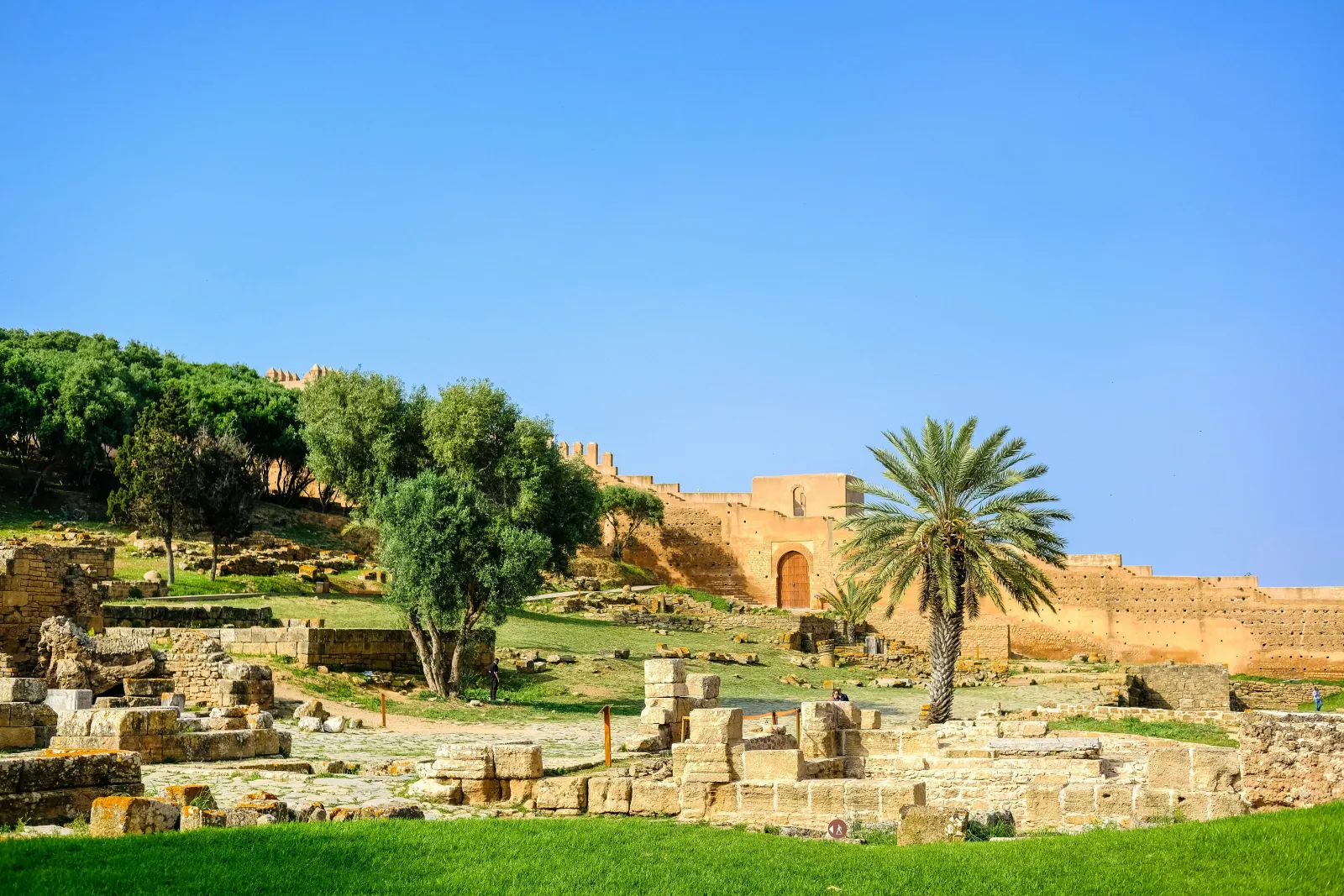
Continue to Chellah Necropolis, a walled site overlooking the Bouregreg valley on the opposite side from the medina. The Chellah Necropolis, located at the outskirts of Rabat, is an ancient site that showcases the historical layers of Roman and medieval Islamic civilizations. This location layers Phoenician, Roman, and Islamic history—you’ll explore forum ruins, medieval Merinid structures, and stork-filled towers that make for fantastic photography.
Plan 45–60 minutes at Chellah. Comfortable walking shoes are helpful on uneven ground. Entry fees apply (usually not included in tour prices).
Rabat’s old medina is more relaxed than those of Fez or Marrakech, making it suitable for first-time visitors. Enter through Bab el-Had gate and walk the main shopping streets featuring leather goods, woven textiles, and local crafts.
A sit-down lunch at a traditional restaurant inside or near the medina is highly recommended. Classic dishes include:
Grilled fish with chermoula sauce
Chicken tagine with preserved lemons
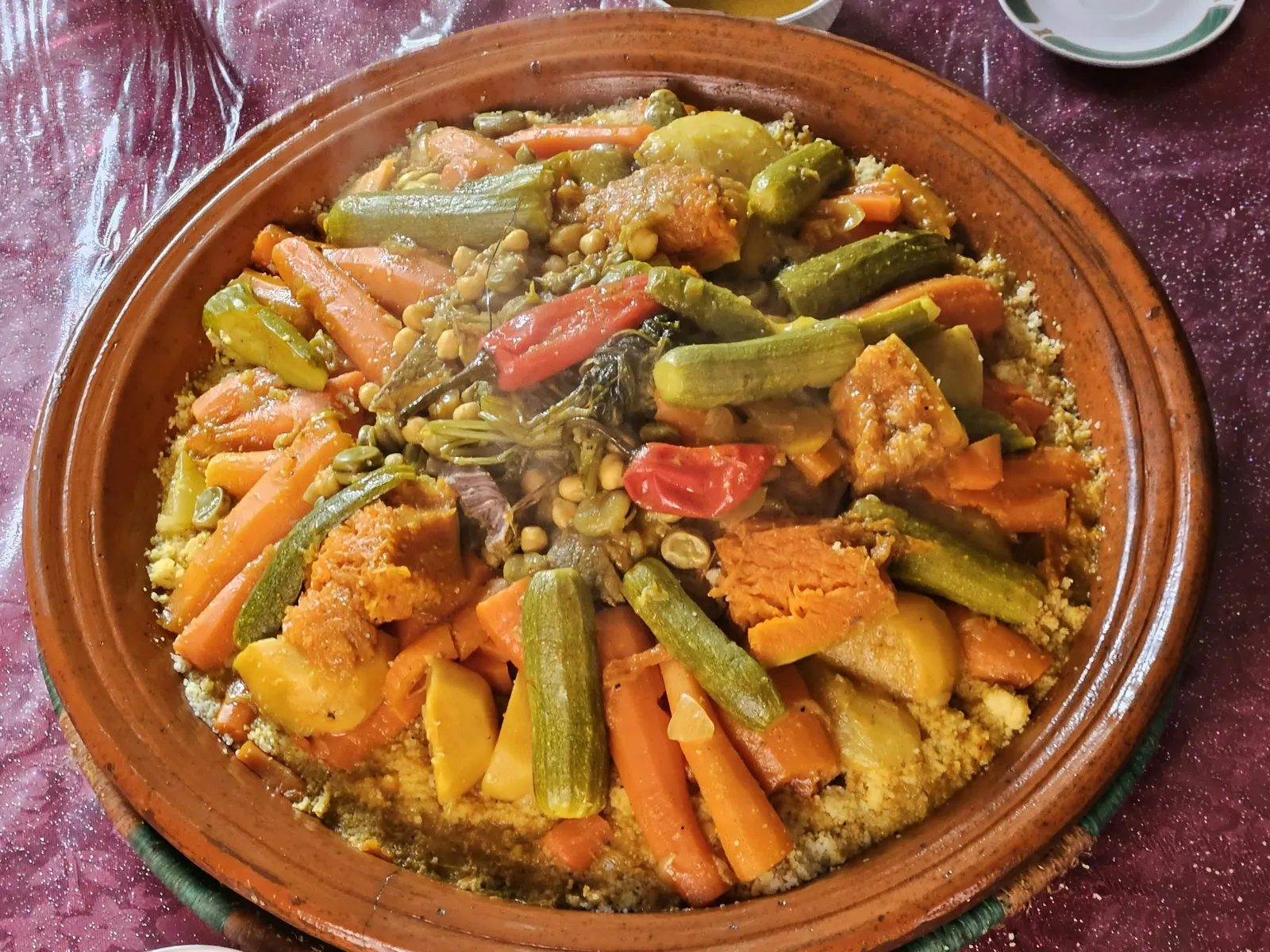
Vegetable couscous
Moroccan salads
Morocco Classic Tours builds in 60–90 minutes for lunch, with your local guide helping select an authentic, hygienic spot rather than a tourist trap. Mint tea and pastries complete this mid-day break.
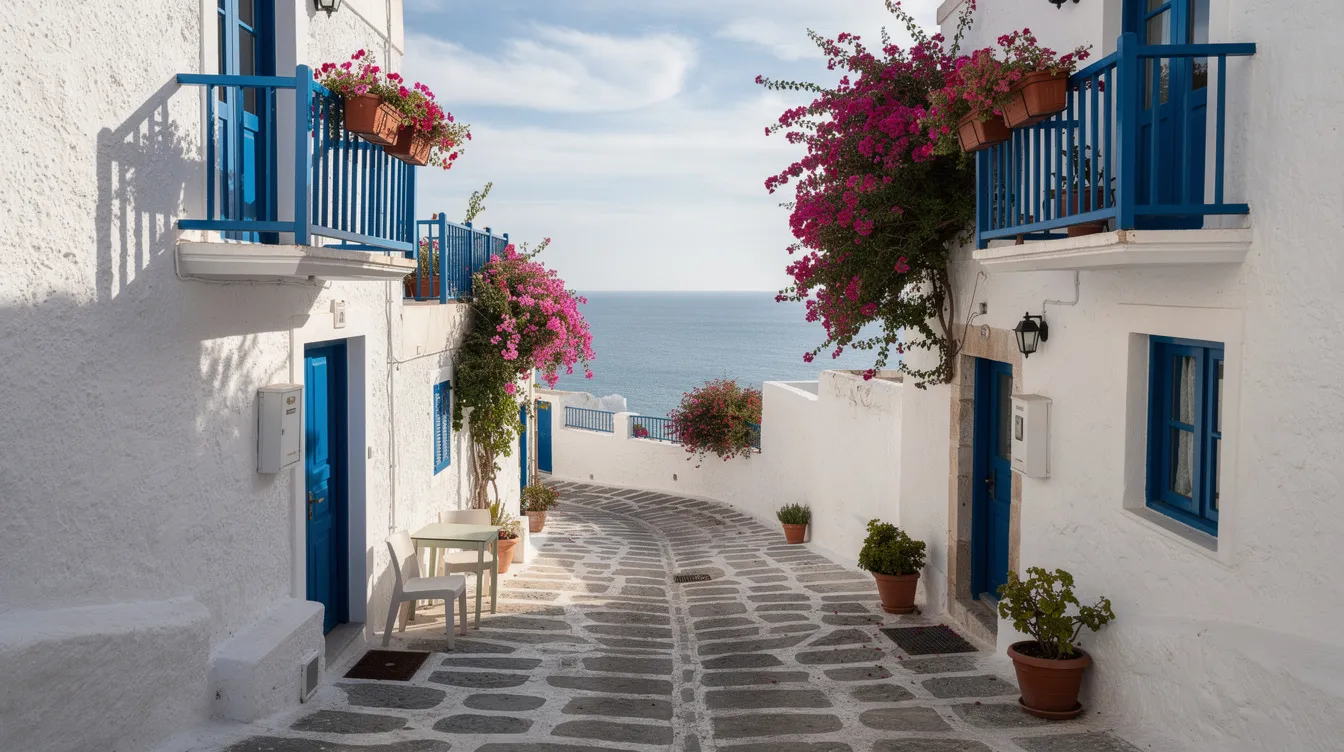
Enter the Kasbah of the Udayas through its monumental gate and explore narrow blue-and-white lanes overlooking the Atlantic Ocean and the Bouregreg River. The Kasbah of the Udayas, built in the 12th century, is a UNESCO World Heritage site recognized for its historical significance and picturesque blue-and-white painted houses. This charming Kasbah offers viewpoints over the beach and surf—time for photos and possibly a mint tea stop at a café with sea views.
The Andalusian Gardens below provide a peaceful conclusion, with orange trees, flowers, and shaded paths ideal for a short stroll.
If time allows, private tours can add a brief stop at the Bouregreg marina for sunset views before beginning the journey back to Casablanca, arriving in time for dinner at your hotel or a walk along the corniche.
One of the best reasons for a guided tour to Rabat is experiencing local food with a knowledgeable guide who knows authentic spots. Morocco Classic Tours integrates food-focused elements: street snacks, sit-down lunch, and tea breaks with views.
Guides can accommodate vegetarians, vegans, gluten-free travelers, and those with allergies by coordinating with restaurants in advance. Carry some cash in Moroccan dirhams for small purchases, even if main meals are included.
Timing | Experience | Location |
|---|---|---|
Morning | Coffee and pastries | Café near Hassan Tower |
Lunch | Fish chermoula, kefta tagine, or couscous | Medina restaurant |
Afternoon | Mint tea and pastries | Kasbah café with ocean views |
Food-centric travelers can request a medina food walk, sampling fresh juices, olives, msemen (Moroccan pancakes), and street-side grilled meats. Morocco Classic Tours can pre-book specific restaurants to balance food experiences with sightseeing—no rushed meals. | ||
Costs vary based on transport mode, group size, level of guiding, and inclusions like lunch or entry fees. Understanding what you’re paying for helps you compare value, not just price.
What’s typically included vs. excluded: | Usually Included | Usually Excluded | |——————|——————| | Round-trip transport | Lunch (unless specified) | | Hotel pickup and drop off | Site entry fees | | Licensed guide | Personal shopping | | Bottled water | Tips for guide/driver |
Morocco Classic Tours positions in the mid-to-upper range for quality private tours focused on comfort, cultural depth, and authentic experiences.
Option | Approximate Cost (2026) |
|---|---|
Train round-trip (standard) | 70–140 MDH (~$7–14 USD) |
Train round-trip (first class) | 100–180 MDH (~$10–18 USD) |
Shared small group tour | €67–97 per person |
Private day trip (2 people) | €97–150 per person |
Private day tour (4–6 people) | €300–450 per group |
Independent train travel plus local taxis and an informal guide totals roughly $22–64 USD—but requires navigating stations and finding services yourself. A guided tour offers professional expertise and organized logistics. | |
Confirm in writing what’s included before booking. Check whether your provider is a licensed Moroccan agency.
Key evaluation criteria:
Verified reviews on TripAdvisor or Google reviews
Clear, detailed itinerary descriptions
Transparent pricing with inclusions listed
Licensed guides and professional drivers
Responsive customer service
Ask specific questions: vehicle type, maximum group size, guide language, and flexibility for photo stops. Morocco Classic Tours responds to inquiries within 24–48 hours and creates tailor-made itineraries.
Book at least 2–4 weeks ahead during peak seasons (April–May, September–November). Check full refund policies and deposit requirements before confirming.
Rabat is absolutely worth visiting for tourists—especially those interested in Moroccan history, architecture, and a calmer atmosphere. UNESCO recognized this beautiful city in 2012 as both a modern capital and a historic city.
One full day is sufficient to see the main highlights at a relaxed pace with a structured itinerary. Travelers with special interests in photography, museums, or surfing might add an overnight stay.
Rabat is widely perceived as safe for visitors, with standard precautions (watching valuables, using licensed taxis) recommended. The city works wonderfully as a first Moroccan destination or as a contrast to the energy of Casablanca, Marrakech, or Fez.
This section offers practical lunch guidance for travelers following typical sightseeing routes. Opening hours can change, so confirm details with your guide on travel day.
Morocco Classic Tours works with a trusted shortlist where guests consistently have good experiences. Travelers with dietary restrictions should inform the operator in advance of suitable reservations.
Near the Medina: Traditional Moroccan restaurants with decorated tiles, carved wood, and rooftop or courtyard seating serve informative introductions to tagines and couscous.
Near the River/Coast: Seafood-focused spots offer grilled fish and mezze starters—ideal for lunch after morning sightseeing.
Near Hassan Tower: Cozy cafés serve espresso, fresh orange juice, or mint tea before or after visiting the mausoleum.
Kasbah of the Udayas: Scenic cafés provide amazing sea views and a relaxed pace—a fun way to end your sightseeing day.
Ask your guide to call ahead to reduce waiting times, especially during Friday lunches or public holidays.
Americans and other international visitors are welcome in both cities. Tourism is important to Morocco’s economy, and a friendly, respectful attitude typically receives warm hospitality.
Is Rabat safer than Casablanca? Both are generally safe for tourists in designated visitor areas. Rabat often feels calmer and less chaotic, particularly in the medina and kasbah areas.
Basic safety tips:
Keep valuables secure
Avoid isolated areas late at night
Use official taxis or arranged transfers
Be cautious with unsolicited “guides.”
Etiquette guidelines:
Dress modestly when visiting religious sights
Ask permission before photographing people
Learn basic French or Arabic phrases as a sign of respect
Morocco Classic Tours assigns experienced drivers and licensed guides who help guests navigate safely and comfortably—especially helpful on your first day in Morocco.
Frequent direct trains run daily between Casablanca (Casa Voyageurs and Casa Port) and Rabat (Rabat Ville and Rabat Agdal), taking around 1–1.5 hours. Standard class costs approximately 35–70 MDH one-way, while first class costs 50–90 MDH. Tickets can be purchased online via ONCF or at the station.
Morocco’s Al Boraq high-speed train currently links Casablanca and Tangier, not Casablanca and Rabat. The Casablanca–Rabat route uses conventional modern trains covering the distance in about 1–1.5 hours. Travelers wanting the Al Boraq experience should incorporate a separate Tangier segment.
The fastest options are direct train or private motorway transfer, both typically around 1–1.5 hours. Private transfers with a driver save station navigation time and can be tailored to hotel or cruise schedules. Morocco Classic Tours offers such door-to-door service with licensed drivers and comfortable vehicles.
Yes—Americans and international visitors are common guests in Moroccan hotels and on tours. English is widely spoken in tourism settings, and French in everyday life. Travel with your passport and observe local customs around dress and photography for the best experience.
One full day provides adequate time to visit Hassan Tower, Mohammed V Mausoleum, Chellah, the Royal Palace area, the medina, Kasbah of the Udayas, and Andalusian Gardens. A well-planned guided tour often delivers a richer experience than an unstructured overnight stay. This great trip gives you concentrated Moroccan culture without the logistics of switching hotels.
Compare Morocco group tour agencies by trip style, reviews, pace, transport and inclusions. Learn wh...
Read this article
Uncover what a Marrakech to Fes desert tour offers, including camel rides, desert camps, and rich cu...
Read this article
Join our Merzouga Overnight Tour for an authentic desert experience. Enjoy camel rides, comfortable ...
Read this articleWant cool tour deals and tips about Morocco? Enter your email and we’ll send them to you each month!
