Group Tour Agencies in Morocco: How to Pick the Right One
Compare Morocco group tour agencies by trip style, reviews, pace, transport and inclusions. Learn wh...
Read this article

Private, custom Morocco trips planned in Fez by AZ-ZDDINE, working in Moroccan tourism since 2012. Sahara, Atlas, medinas and coast, arranged around you.
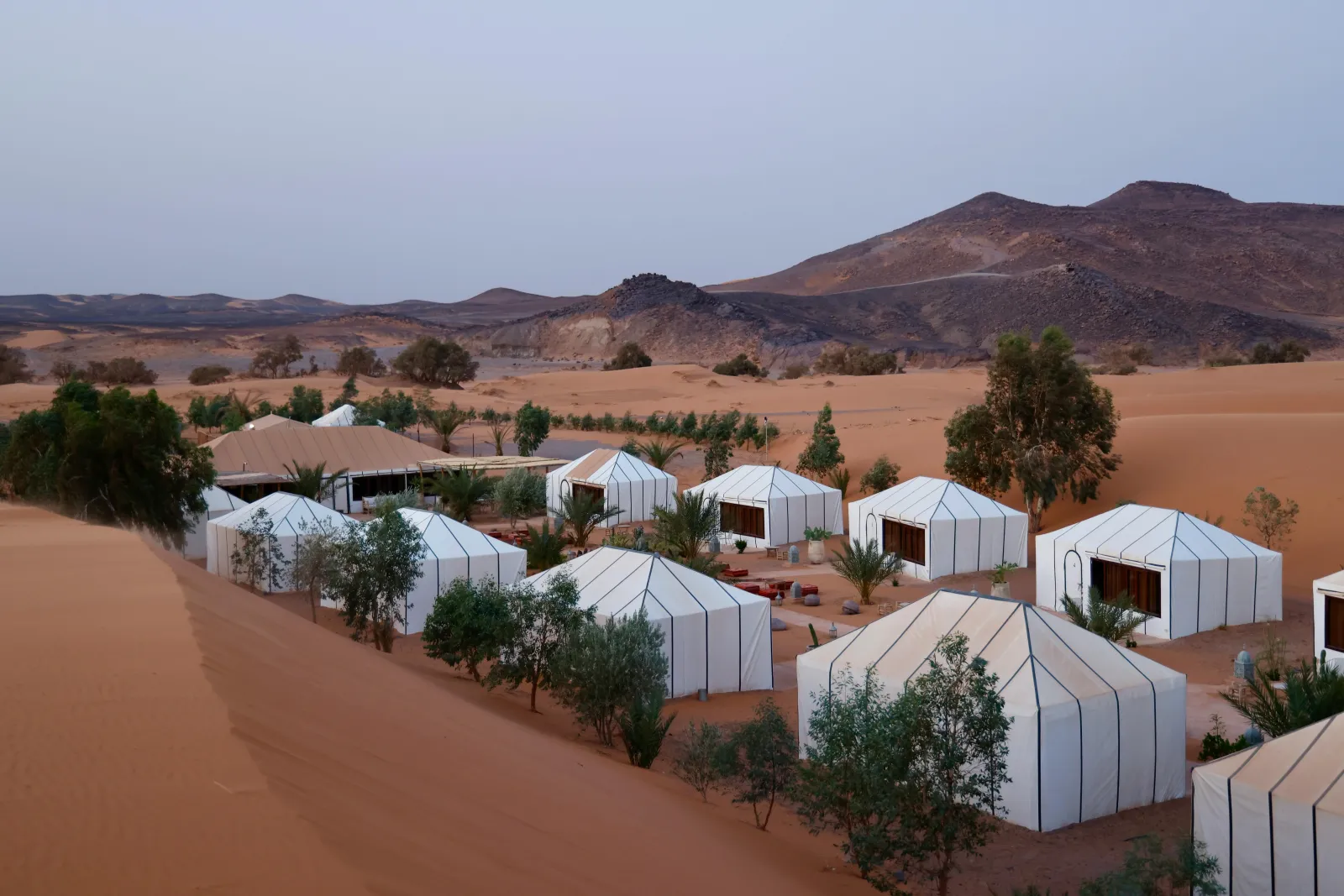
Staying in a Sahara desert camp, especially around Merzouga and the Erg Chebbi dunes, is often the most memorable part of a Morocco trip—worth dedicating at least one or two nights to fully absorb the experience.
Morocco Classic Tours specializes in private, customizable desert journeys with handpicked luxury and comfort-focused camps that balance authenticity with modern comfort.
The main dune areas (Erg Chebbi vs. Erg Chigaga) offer different experiences: Erg Chebbi suits first-time visitors and shorter trips, while Erg Chigaga appeals to those seeking remoteness and a wilder feel.
Core amenities in quality Moroccan desert camps include private ensuite tents, hot water, hearty Moroccan meals, electricity options, camel treks, and evening entertainment with traditional music.
Booking a desert camp experience with Morocco Classic Tours involves a straightforward process: initial inquiry, suggested route and camp category, customization, confirmation, and deposit—ideally 2–4 months in advance for peak seasons.
Picture this: the sun drops behind towering dunes, painting the sky in bands of orange and violet. Silence settles over the vast Sahara, broken only by distant Berber drums around a fire pit. As night falls, more stars than you’ve ever seen emerge above your tent. This is the desert experience that draws travelers from across the world to Morocco.
Desert camps generally offer organized activities centered on cultural immersion and desert adventure, with amenities varying by camp tier, and you’ll find plenty of inspiration for these experiences on our Morocco travel blog.
Why is sleeping in the desert worth it?
Landscapes you won’t find anywhere else: The golden dunes of the Sahara desert, some reaching the highest dunes in North Africa, create a surreal environment that feels like stepping onto another planet.
Unmatched night sky visibility: Far from city lights, the darkness reveals constellations, shooting stars, and the Milky Way with breathtaking views.
Genuine Berber hospitality: Camp staff often come from local nomadic families, sharing their culture through music, food, and stories around the evening fire.
A chance to disconnect: No buzzing phones, no notifications—just sand, stars, and the present moment.
Most travelers report their desert camp night as the highlight of their itineraries that also include Marrakech, Fez, and the Imperial Cities. The combination of adventure, tranquility, and cultural immersion creates something that hotel rooms simply cannot replicate.
Worried about cold nights, scorching days, or uncomfortable bathrooms? Modern luxury desert camps provide hotel-like comfort with private facilities, hot water, proper beds, and climate management options. At Morocco Classic Tours, we only work with vetted camps to balance authenticity, safety, and comfort—so your epic adventure never comes at the expense of a good night’s rest.
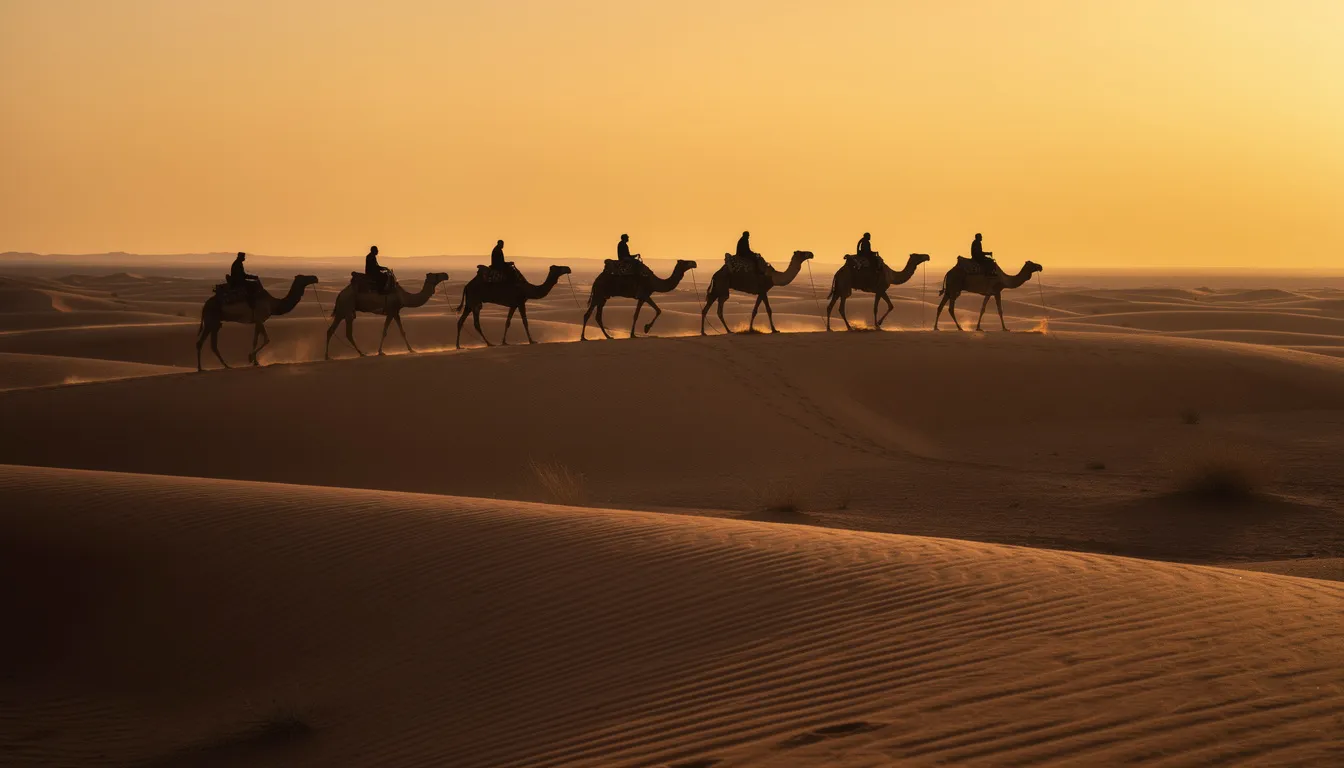
Most luxury desert camps in Morocco concentrate around two main dune areas: Erg Chebbi near the small town of Merzouga and Erg Chigaga near M’Hamid. The choice between them shapes your entire trip—from travel time to the style of experience you’ll have.
Getting There
Destination | From Marrakech | From Fez |
|---|---|---|
Erg Chebbi (Merzouga) | 8–9 hours via High Atlas | 7–8 hours via Mid Atlas |
Erg Chigaga (M’Hamid) | 6–7 hours to M’Hamid, then 4×4 transfer | 10+ hours (less common route) |
Erg Chebbi (Merzouga) | ||
Towering dunes reaching up to ~160 m—some of the highest dunes in the country.
Paved road access almost all the way to the meeting point near the camps
Wide range of camps from standard to ultra-luxury
More developed tourism infrastructure with many camps and activity options
Ideal for first-time visitors, shorter trips, and those prioritizing comfort
Erg Chigaga (M’Hamid)
Requires longer access via Zagora and M’Hamid with 4×4 transfer over track-only terrain
At least two nights are recommended to justify travel time
Wilder, more remote feel with fewer camps and travelers
Best for repeat visitors and those seeking true escape from crowds
Quick guidance: If you’re visiting Morocco for the first time or have limited days, Erg Chebbi offers the best balance of accessibility, camp quality, and dune grandeur. Erg Chigaga rewards travelers with more time and a taste for off-the-beaten-path adventure.
Morocco offers everything from simple Berber-style tents to high-end glamping with fine dining and surprisingly luxurious amenities. Understanding the categories helps you choose what fits your travel style and budget.
Shared bathroom blocks serving multiple tents
Simple bedding, often with extra blankets for cold nights
Limited or no electricity (battery lanterns)
Basic but authentic Sahara night experience
Best for: Budget travelers, backpackers, and those who prioritize adventure over comfort
Approximate cost: $30–60 per person per night
Private tents with ensuite bathrooms and running water
Proper beds with quality bedding and twin beds or double configurations
Hot water available for showers
Daily meals (dinner and breakfast) included
Solar-powered lighting and limited charging options
Best for: Most travelers seeking value and comfort without breaking the budget
Approximate cost: $80–150 per person per night
Spacious tents with hotel-quality linens and stylish Moroccan décor
Private bathroom facilities with hot showers and toiletries
Air conditioning or heating, depending on the season
Curated multi-course dinners with vegetarian options
Personalized service with smaller guest-to-staff ratios
Often include evening entertainment and premium camel ride experiences
Best for: Couples, honeymooners, and travelers seeking a luxurious escape
Approximate cost: $200–400+ per person per night
Morocco Classic Tours focuses primarily on comfort and luxury categories, ensuring every guest enjoys a balance of authentic desert life and the amenities that make a trip truly relaxing.
When we talk about the best desert camps in Morocco, we focus on location and experience rather than simply listing properties. Here’s what Morocco Classic Tours looks for when selecting camp partners.
Luxury Glamping in Erg Chebbi
The dunes outside Merzouga host some of the finest luxury desert camp options in the country. These camps feature:
Private ensuite tents with polished Moroccan décor—think hand-woven carpets, ornate lanterns, and traditional furnishings
Curated sunset viewpoints with comfortable seating areas
Staff trained in hospitality who create a welcoming atmosphere without being intrusive
Innovative Tent Designs
Some high-end camps now offer dome-style or panoramic tents with glass fronts or skylight sections. Imagine lying in bed and stargazing without leaving your room—it’s pretty cool for astronomy enthusiasts and romantics alike.
Premium Amenities
At the highest tier, rare amenities become available:
Small outdoor swimming pool or private hot tubs
Air conditioning units powered by solar or generator systems
In-tent fireplaces for winter stays when temperatures plummet after sunset
Morocco Classic Tours works with a small portfolio of trusted camp partners around Merzouga and, on request, Erg Chigaga. Our selection criteria prioritize safety, cleanliness, consistent service, and that intangible quality that makes a desert night magical rather than merely comfortable.
Tip: Ask your planner whether you prefer a quieter camp among smaller dunes or one right in the high-erg area with more activities and adventure activities nearby.
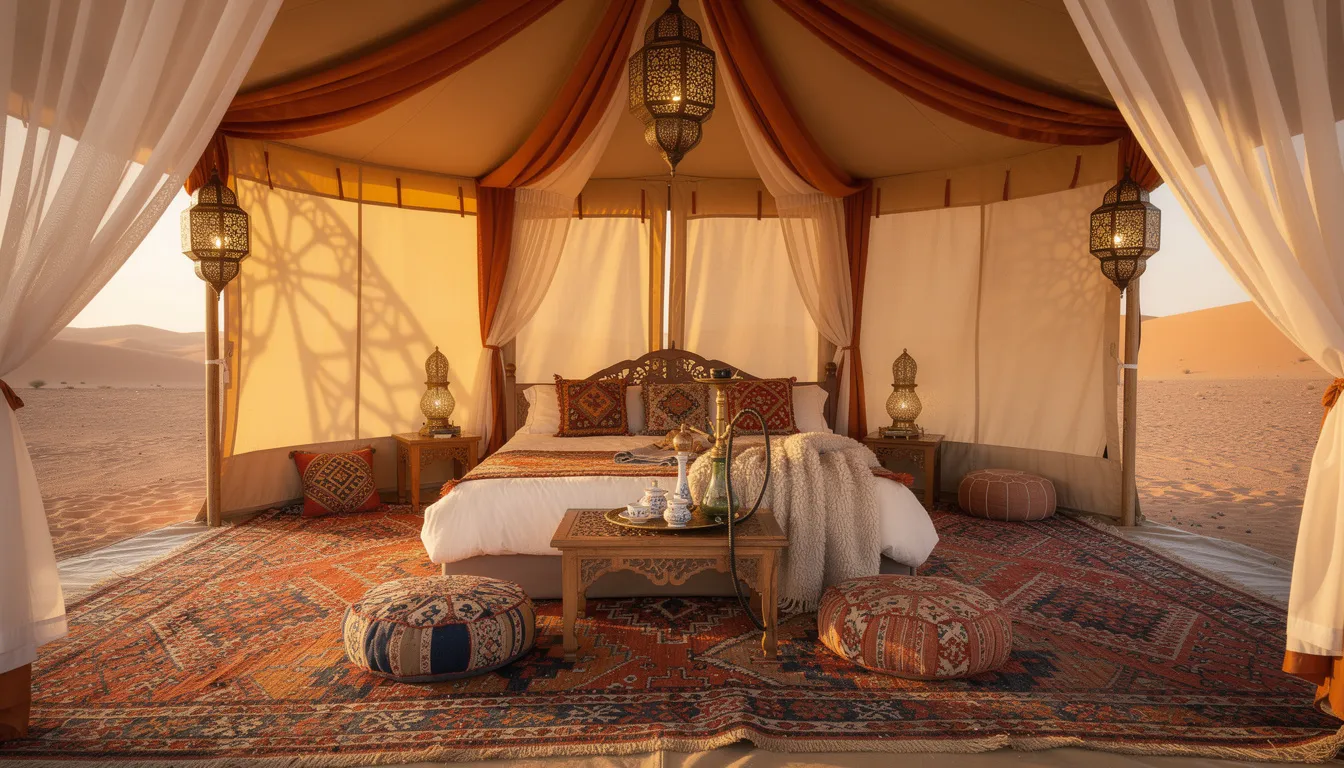
Even in remote dunes, you can expect surprising comfort and modern facilities in well-managed camps. Here’s what quality comfort and luxury camps typically provide.
Accommodation
Feature | Comfort Camp | Luxury Camp |
|---|---|---|
Private tent | ✓ | ✓ |
Proper bedding | ✓ | Premium linens |
Ensuite bathroom | ✓ | ✓ with toiletries |
Hot water | ✓ | ✓ |
Climate control | Extra blankets | A/C or heating |
Electricity & Power | ||
Solar power systems provide lighting and limited device charging
Some camps run generators during specific hours
Battery packs may be available inside tents
Advice: Bring a power bank just in case—it’s a small item that prevents big frustrations
Food & Dining
Hearty Moroccan dinners featuring tagines, couscous, fresh salads, and local bread
Generous breakfasts with eggs, pancakes, pastries, fruit, and Moroccan mint tea
Vegetarian and some dietary accommodations are possible if requested in advance
Dining is served in dedicated tents or under the stars, depending on the weather
Shared Spaces
Central dining tent with traditional décor
Lounge area with carpets and cushions for relaxation
Outdoor fire circle for evening gatherings
Viewing platforms or dune-top seating for sunrise and sunset
Activities (Included or Optional)
Evening Berber traditional music performances
Camel ride to and from the camp (typically included)
Sandboarding on the dunes (boards often provided)
Simple stargazing setups away from camp lights
Short guided walks or 4×4 excursions (sometimes at extra cost)
Morocco Classic Tours designs complete journeys, not just “a night in a tent.” Our private Morocco tours and travel packages combine comfortable transport, guided cultural visits, and carefully selected camp stays into seamless experiences.
Classic 3-Day Marrakech to Merzouga Route (easily paired with broader Marrakech, Fez & Casablanca itineraries)
This popular itinerary fits neatly into a 10-day Morocco travel plan for first-time visitors and takes you:
Over the High Atlas Mountains via Tizi n’Tichka Pass
Through the UNESCO-listed kasbah of Aït Benhaddou
Along the dramatic Dades or Todra Gorges
Into the Erg Chebbi dunes for a sunset camel ride and overnight in camp
Back to Marrakech or onward to Fez
Fez to Merzouga 2–3 Day Route
Starting from the Imperial City of Fez:
Drive through the cedar forests of Ifrane and the Middle Atlas
Stop in Midelt for lunch with Atlas views
Descend through the spectacular Ziz Valley palm groves
Arrive in Merzouga for a camel trek into the dunes and camp dinner under the stars
Customization Options
Couples: Romantic upgrades including private dune dinners, champagne at sunset, or the most secluded tent in camp
Families with children: Earlier dinners, family-sized tents, shorter camel rides, and fun sandboarding sessions
Small groups: Private camp sections, upgraded categories, and personalized activity schedules
Morocco Classic Tours arranges seamless 4×4 or camel transfers from the nearest town or hotel to your camp, handling luggage and logistics so you can simply enjoy the moment.
Extend Your Journey
Desert nights combine beautifully with broader Morocco tour packages, including:
City tours in Fez and Marrakech, exploring medinas and monuments
Atlas Mountains hiking for a different landscape experience
Beach time in Essaouira with carefully selected hotels for a coastal contrast to the dunes
A desert camp stay can be as relaxed or as active as you prefer. Many guests arrive exhausted from travel and simply want to sit with mint tea, watching the sunset. Others crave a full desert adventure packed with activities or short guided day trips across Morocco. Both approaches work perfectly.
The quintessential Sahara experience. Camel rides typically last 45–90 minutes, timed for sunset or sunrise when the light transforms the dunes into waves of gold and shadow. Most travelers of any age with basic mobility can enjoy this gentle desert adventure.
Strap a board to your feet and slide down the dunes—it’s a fun, low-key activity that camps often provide free of charge. Sand skiing works similarly for those who prefer a standing position. Teens and active travelers especially enjoy this.
For adrenaline seekers, dune bashing in a 4×4 or quad biking across the desert offers a thrilling contrast to the peaceful camel ride. These adventure activities are usually arranged as optional extras at extra cost through your camp or tour operator.
Tea with nomad families when visits can be arranged respectfully
Short visits to nearby Berber villages
Evenings of Gnawa or Berber music around the campfire—a big part of the desert experience
Guided stargazing sessions away from camp lights
Sunrise walks atop the dunes in solitude
Photography sessions capturing the changing colors of Erg Chebbi from dawn to dusk.
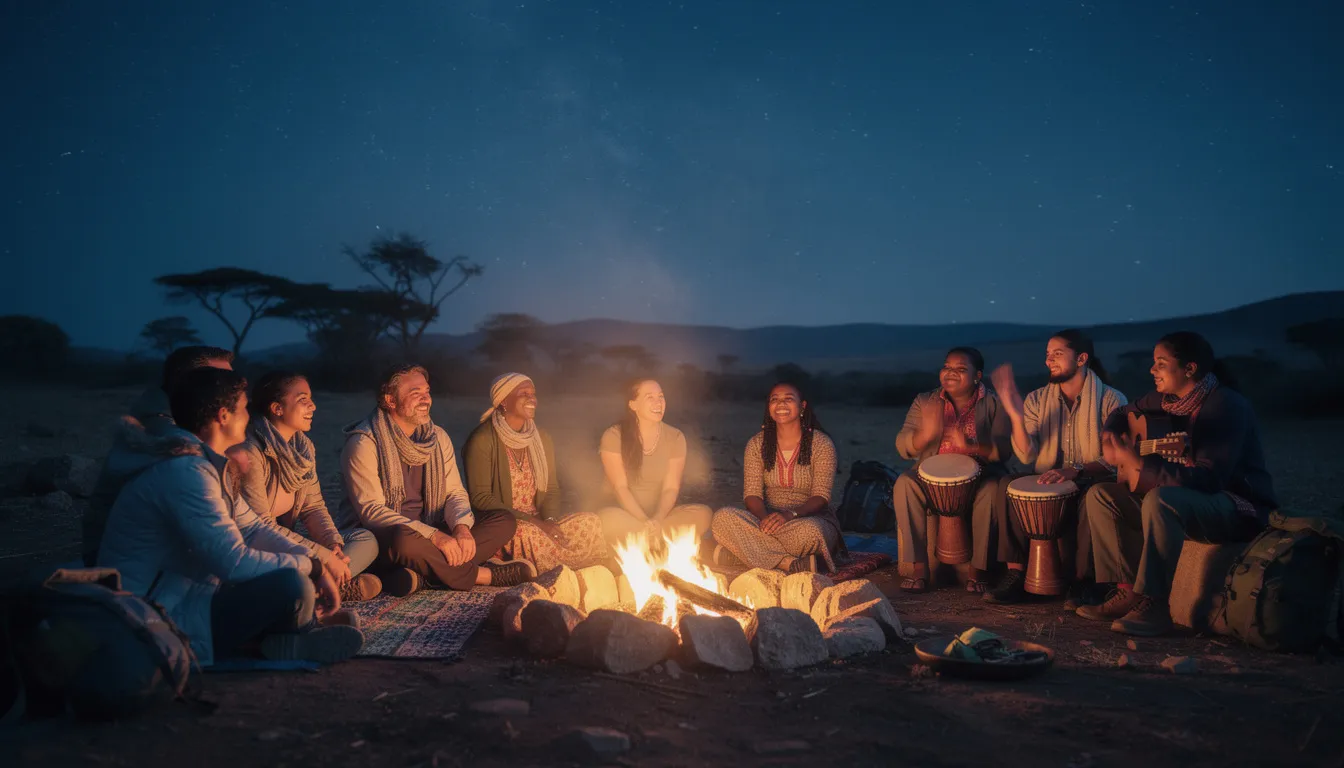
Travelers can book desert camps à la carte or—more smoothly—as part of a private tour with Morocco Classic Tours. Here’s how our booking process works.
Initial Inquiry: Share your preferred dates, starting city (Marrakech, Fez, or elsewhere), number of travelers, and comfort level preferences
Route Suggestion: We design a suggested itinerary and recommend appropriate camp categories based on your budget and interests
Customization: Adjust the plan—add activities, extend nights, upgrade camps, or modify pacing
Confirmation: Finalize details and receive a clear breakdown of inclusions
Deposit: Secure your booking with a deposit (balance due closer to travel)
High seasons (March–April, October–November): Book 2–4 months in advance when the best luxury camps often sell out
Shoulder seasons: 4–6 weeks is usually sufficient
Peak dates (Christmas, New Year): Consider booking 3–6 months ahead
When booking through Morocco Classic Tours, a desert camp package usually includes:
Private transport with an experienced driver
Camp accommodation (one night or two, depending on itinerary)
Dinner and breakfast at camp
Camel ride into the dunes
Sometimes, additional activities like sandboarding or stargazing
Payment methods: Bank transfer, credit card, or secure online payment
Cancellation policies: Flexible options depending on timing—ask your planner for specifics
Upgrades: Want to extend from one night to two? We can adjust most itineraries if schedules allow
Morocco Classic Tours confirms your exact camp once itinerary and budget are agreed, sharing clear information about amenities, room configurations, and transfer details so expectations are set before you arrive.
The Sahara can be very comfortable with the right preparation, even for those new to camping. Here’s what experienced desert travelers recommend.
Item | Why You Need It |
|---|---|
Layers | Day-to-night temperature swings can exceed 20°C |
Warm jacket | Essential for winter evenings when temperatures drop |
Closed shoes | Protection from sand during camel rides and walks |
Scarf or buff | Shields face the wind and occasional dust |
Power bank | Backup for phone/camera when electricity is limited |
Small flashlight | Navigating camp at night |
Sunscreen & sunglasses | The desert sun is intense |
Personal medications | The nearest town with pharmacies is far from the dunes |
November to February: Chilly nights, sometimes near or below 0°C; warm layers and heated tents recommended
June to August: Hot days exceeding 40°C; only suited to heat-tolerant travelers
March to May, September to November: Milder temperatures make these the most comfortable months for a trip
Morocco Classic Tours can arrange heated tents or extra blankets in colder months. For comfort-focused visits, we typically recommend late September through early May.
Wi-Fi, if available at all, is often weak in the dunes. Rather than fighting it, treat this as part of the unique experience. The desert offers something rare in modern life: a chance to be fully present without digital distractions. Many guests decided this disconnect was exactly what they needed.
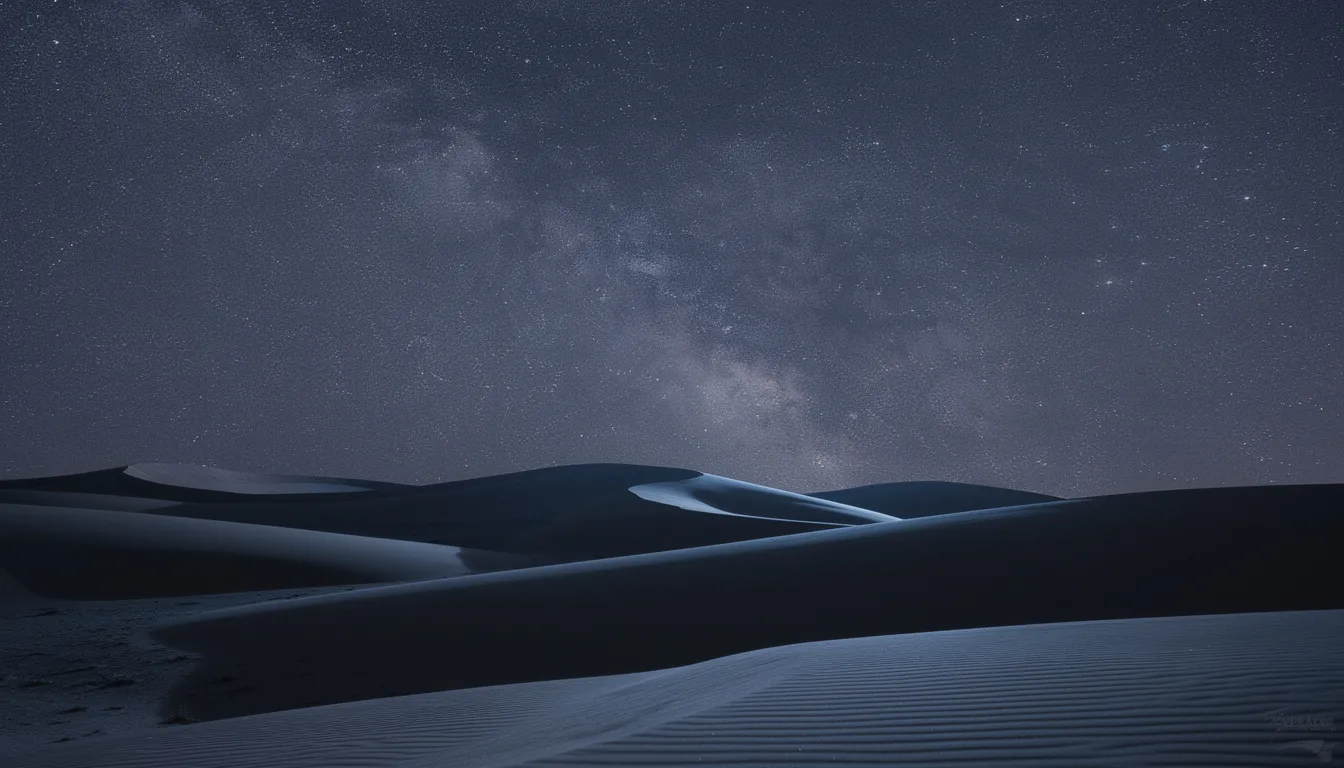
Yes, visiting the Sahara and sleeping in established desert camps among the dunes is not only possible but a cornerstone of Morocco tourism. Camps feature proper beds inside sturdy tents designed for desert conditions. Wild camping isn’t recommended for visitors due to safety and logistics—organized camps with experienced guides represent the standard and safest option. Morocco Classic Tours arranges overnight stays only in authorized, well-managed camps in the Erg Chebbi and Erg Chigaga regions.
One night gives you a taste of the essential experiences: sunset camel trek, dinner under the stars, sunrise over the dunes, and breakfast before departure. This fits many tight itineraries and delivers a memorable desert adventure.
Two nights work better for travelers who want time to truly relax, try multiple activities (quad biking, nomad visits, extended photography sessions), and avoid feeling rushed after a long drive. Morocco Classic Tours can design routes from Marrakech or Fez that comfortably include two nights without excessive daily driving.
Erg Chebbi near Merzouga is usually the most practical choice for luxury-focused travelers. It offers the widest range of high-end camps and easier paved road access. For very short trips from Marrakech (2–3 days), a private tour to Merzouga with one desert night typically provides the best balance of travel time and experience quality.
Erg Chigaga suits travelers with at least 4–5 days to spare and a preference for off-road adventure rather than minimizing drive times.
Luxury camps typically feature large tents with real beds and high-quality linens, ensuite bathrooms with hot water showers, and stylish Moroccan furnishings. Climate comfort options such as portable heaters or air conditioning units exist in some high-end tents, plus multiple thick blankets for winter nights.
Morocco Classic Tours always confirms specific amenities—heating, power availability, swimming pool access if applicable—before booking, so your expectations match reality. While these camps aren’t five-star hotel rooms in the traditional sense, they offer a great option for those wanting comfort in the middle of the desert.
Absolutely. Private itineraries adapt easily for families and multi-generational groups. We can arrange shorter camel rides, earlier dinners, and family-sized tents with configurations like twin beds for kids. For guests with limited mobility, we recommend camps with flatter, easier dune access and closer vehicle drop-off points.
Safety briefings, appropriate pacing, and vehicle comfort are prioritized when designing desert itineraries for such travelers. Our goal is to ensure everyone in your group—from energetic children to grandparents—enjoys their Sahara night.
Marrakech itself isn’t located in a desert, but it serves as the primary gateway to Morocco’s Sahara. From Marrakech, the most popular and accessible desert destination is Erg Chebbi near Merzouga. This offers the dramatic dune landscapes travelers picture when imagining the Sahara, with breathtaking views and great value camps across all budget levels.
For travelers with less time, the Agafay Desert (about 40 minutes from Marrakech) provides a “desert-lite” experience with rocky terrain and luxury camps—though it lacks the towering dunes of the true Sahara and is often combined with Marrakech pool day experiences. While places like Oman’s desert or the Wahiba Sands offer similar experiences elsewhere in the world, Morocco’s Erg Chebbi remains one of the most accessible and photogenic desert destinations globally.
A desert camp stay isn’t just another accommodation—it’s the moment many travelers say transformed their entire Morocco trip. The combination of vast golden landscapes, genuine Berber hospitality, starlit dinners, and the simple joy of sunrise over sand creates memories that last far longer than any hotel room could.
Ready to plan your own Sahara adventure? Contact Morocco Classic Tours to design a private journey that matches your travel style, comfort preferences, and schedule. Whether you’re dreaming of one unforgettable night or a multi-day desert escape, our team will handle the hard work of planning so you can focus on the experience itself.
Compare Morocco group tour agencies by trip style, reviews, pace, transport and inclusions. Learn wh...
Read this article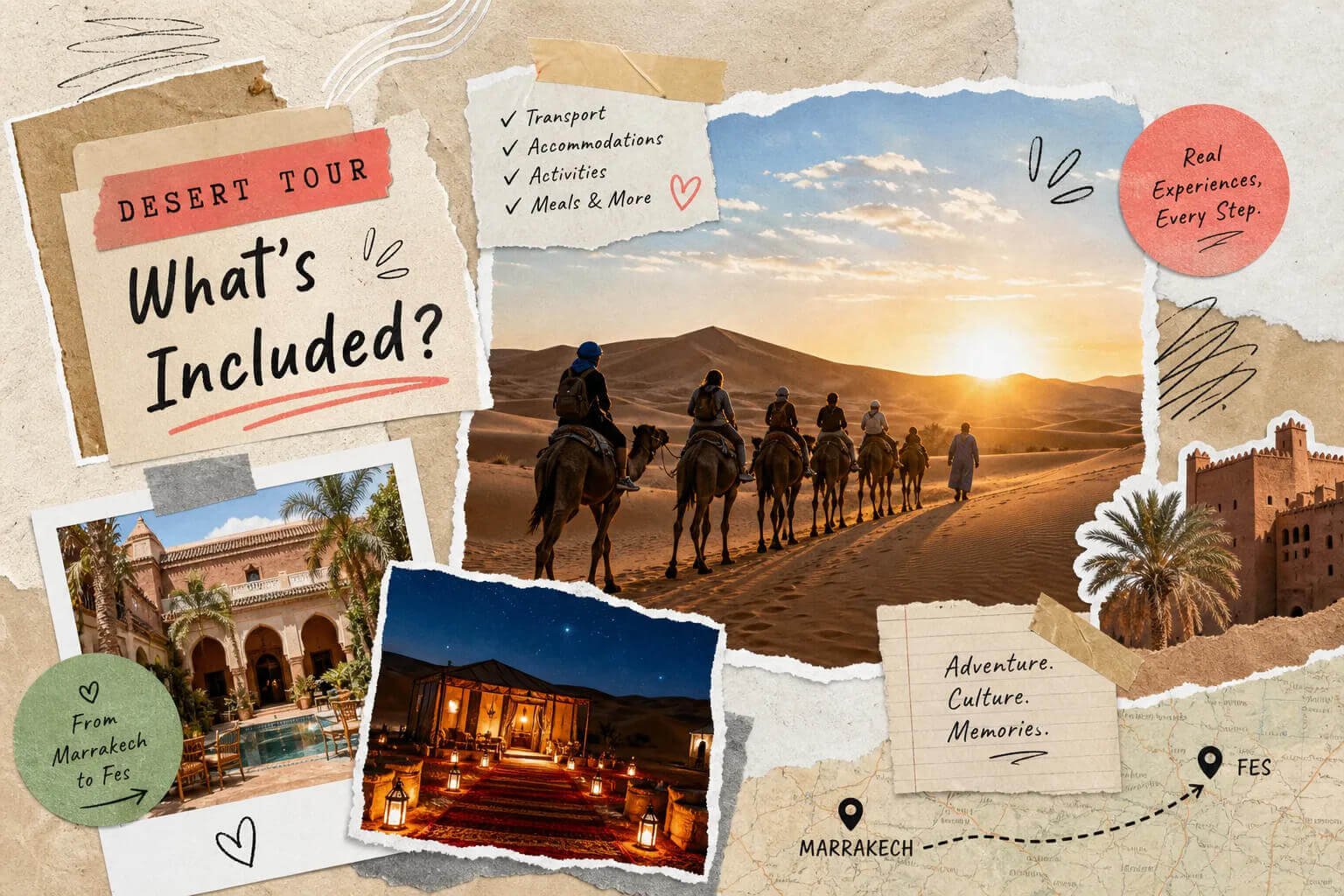
Uncover what a Marrakech to Fes desert tour offers, including camel rides, desert camps, and rich cu...
Read this article
Join our Merzouga Overnight Tour for an authentic desert experience. Enjoy camel rides, comfortable ...
Read this articleWant cool tour deals and tips about Morocco? Enter your email and we’ll send them to you each month!
