Group Tour Agencies in Morocco: How to Pick the Right One
Compare Morocco group tour agencies by trip style, reviews, pace, transport and inclusions. Learn wh...
Read this article

Private, custom Morocco trips planned in Fez by AZ-ZDDINE, working in Moroccan tourism since 2012. Sahara, Atlas, medinas and coast, arranged around you.
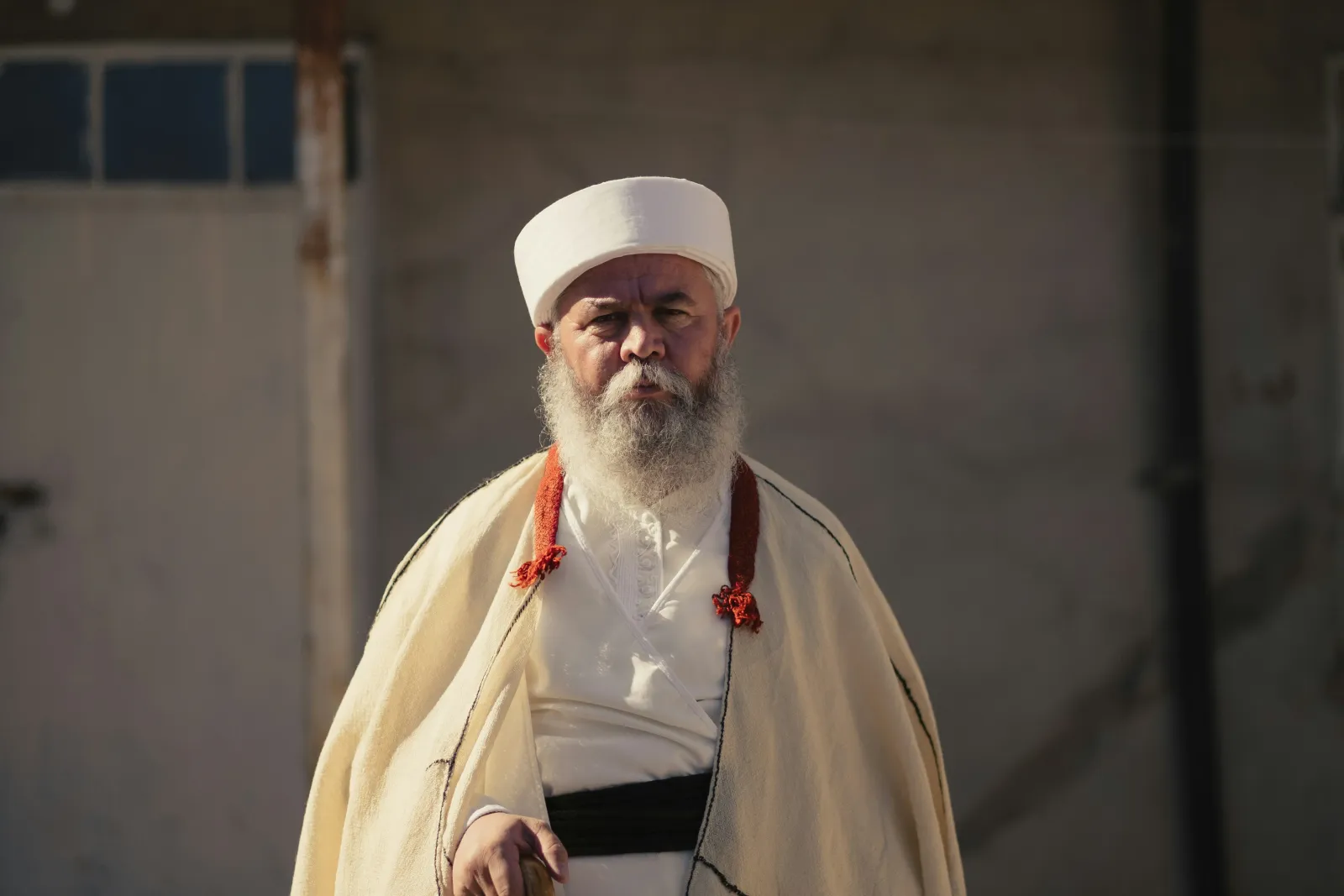
Sufism has shaped Moroccan spirituality, politics, and culture from the 10th century to the present day. Its influence remains visible in cities like Marrakech and Fez, where shrines dot the medinas and devotional music fills courtyards at dusk.
Moroccan Sufism blends Maliki Sunni jurisprudence, Ash’ari theology, and reverence for saints (marabouts), expressed through music, poetry, and social mediation between tribes and communities.
The Moroccan monarchy actively promotes Sufi orders like the Boutchichiya as a bulwark against religious extremism and as a source of religious soft power across West Africa and beyond
Travelers can experience Sufi culture through ziyarat (shrine visits), dhikr gatherings, Gnawa lila ceremonies, and festivals like the Fez Festival of World Sacred Music.
Morocco Classic Tours offers guided itineraries in Marrakech, Fez, and the Sahara that focus on Sufi heritage, rituals, and music, with private and customizable options for a deeper understanding.
Sufism represents the mystical, inward-oriented dimension of Islam, seeking experiential knowledge of god and spiritual purification. In Morocco, this spiritual tradition became embedded in daily life over roughly twelve centuries—shaping architecture, music, social customs, and political structures in ways that few other religious currents have managed.
Walk through any Moroccan medina, and you encounter traces of this rich history: place names beginning with Sidi or Moulay (honoring saints), green-tiled domes marking shrines, the scent of incense drifting from zawiya doorways. From the imperial cities of Fez and Marrakech to remote Atlas villages and Saharan oases, Sufism permeates Moroccan culture with remarkable persistence.
Geographic spread: Sufi shrines and lodges appear throughout the country—in urban centers, mountain passes, and desert trade routes.
Key terms this article covers: zawiya (Sufi lodge), marabout (saint or holy figure), tariqa (Sufi order), dhikr (remembrance through chanting), lila (Gnawa overnight ceremony)
Morocco Classic Tours designs spiritual and cultural journeys that allow visitors to encounter these living traditions respectfully, with local guides who understand both history and etiquette.
The story of Sufis in morocco stretches across more than a millennium, from early ascetic movements to state-sponsored religious diplomacy in the 21st century. Understanding this history helps travelers appreciate why certain shrines carry such weight, why particular orders command vast followings, and why the monarchy invests so heavily in Sufi institutions today.
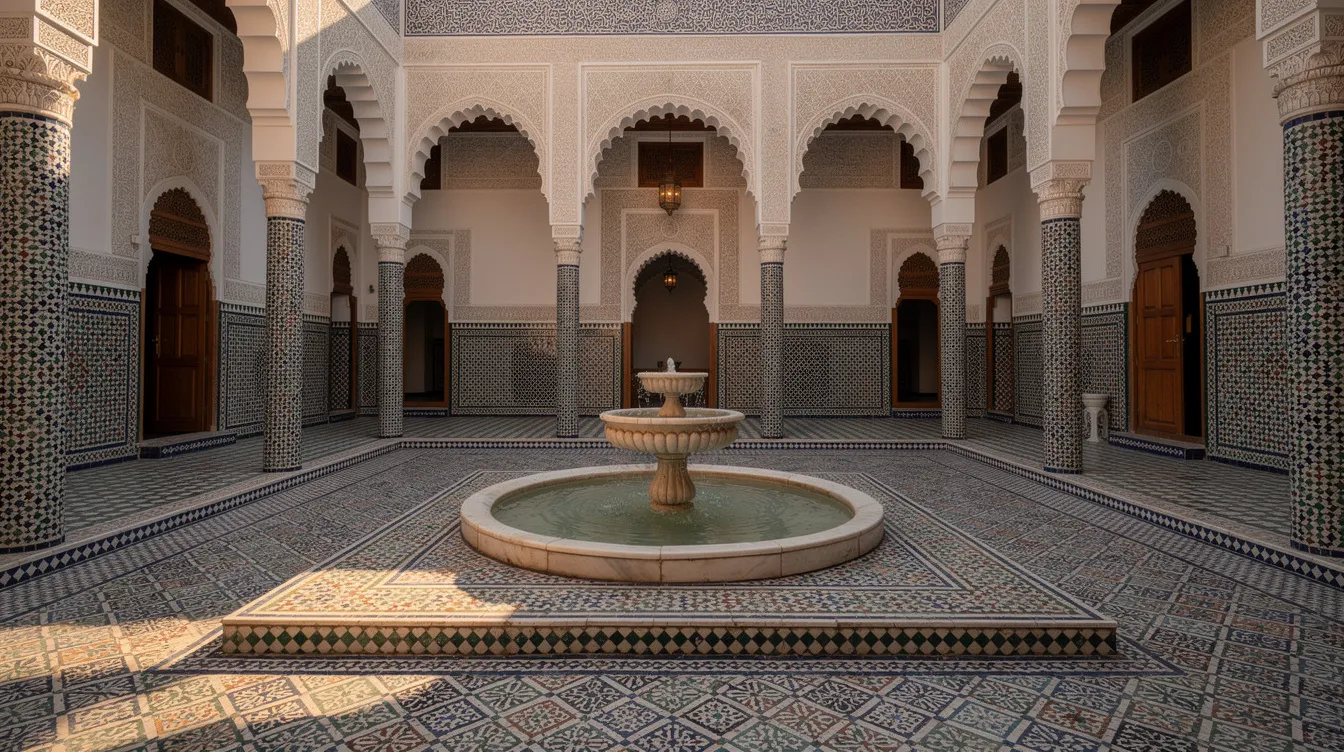
Early Sufi influences (13th–15th centuries): The Shadhiliyya order traces its origins to Abu al-Hasan al-Shadhili, born in northern morocco around 1196. He studied with the revered saint Abd al-Salam ibn Mashish on Mount al-Alam before traveling east. In the 15th century, Muhammad al-Jazuli from the Sous region compiled the Dala’il al-Khayrat, a collection of blessings on the Prophet that became one of the most recited devotional texts across the Maghreb and beyond.
Rise of maraboutic networks (15th–17th centuries): During this period, saintly lineages and rural zawiyas accumulated land, followers, and political influence. They mediated disputes between tribes, coordinated collective labor for irrigation and harvests, and sometimes challenged dynastic authority. The Nasiriyya of Tamegroute in the Draa region became a major intellectual and commercial hub, with caravan ties reaching deep into Africa.
Alaouite dynasty and royal legitimacy (17th century onward): The Alaouites, claiming descent from the prophet, cultivated alliances with influential zawiyas to consolidate their rule. Moulay Ismail (r. 1672–1727) established the seven saints pilgrimage circuit in Marrakech, linking seven major shrines into an official urban pilgrimage that reinforced royal religious prestige while countering rival tribal pilgrimage networks.
19th–20th centuries: The Tijaniyya order, founded by Ahmad al-Tijani (d. 1815), established its main zawiya in Fez, which became a pilgrimage destination for followers across Senegal, Mali, Nigeria, and beyond. The Darqawiyya, a reformist Shadhili branch, emphasized poverty and strict adherence to Islamic law. Various Sufi networks engaged with anti-colonial resistance, mobilizing fighters and resources against European incursions.
Late 20th century shift: Competition from Salafi currents influenced by Gulf actors challenged Sufi legitimacy from the 1970s onward. The 2003 Casablanca bombings by jihadist cells prompted a major recalibration: the state reasserted Moroccan Islam as Maliki-Ash’ari-Sufi, explicitly positioning Sufism against violent extremism.
Moroccan Sufism has distinct theological, social, and cultural traits that set it apart from Sufi expressions in other regions. These characteristics help explain why Sufism here feels simultaneously orthodox and mystical, grounded in daily life yet reaching toward the divine.
The “tripod” of Moroccan Islam: Official discourse presents three pillars—Maliki fiqh (jurisprudence), Ash’ari creed (theology), and Junaydi-style Sufism. This formula emphasizes that tasawwuf perfects rather than bypasses Islamic law, positioning Moroccan Sufism as moderate and orthodox Islam rather than antinomian mysticism.
Maraboutism and shrine culture: Veneration of sufi saints and their shrines (qubbas) structures religious life across the country. The concept of baraka (divine blessing) flows through saintly lineages and their tombs. Ziyara (visitation) brings Moroccans to sites like Moulay Idris near Fez or Moulay Abd al-Salam ibn Mashish in the Rif, seeking healing, success, or spiritual renewal.
Music and ritual: Repetitive dhikr gatherings, sufi poetry in Arabic and Moroccan dialect, hadra circles with swaying bodies, and instruments like the bendir (frame drum) and oud all serve as paths to divine remembrance. Moroccan music carries Sufi themes even in popular contexts.
Social mediation: Historically, zawiyas resolved disputes over grazing lands, water rights, and tribal honor. They organized “twiza”—collective labor for building irrigation canals, repairing roads, or constructing homes for those in need. This social function persists in reduced but meaningful forms.
Ethos of tolerance and hospitality: Moroccan Sufism emphasizes tasamuh (tolerance) and conviviality, values often invoked when recalling centuries of Muslim-Jewish coexistence in cities like Fez and Essaouira. This shapes today’s interfaith encounters and cultural festivals.
The Moroccan monarchy has long been intertwined with Sufi institutions, using them to anchor religious legitimacy and maintain social cohesion across a diverse territory. This relationship remains central to understanding contemporary Moroccan governance.
The King as Amir al-Mu’minin: Morocco’s monarch holds the title “Commander of the Faithful,” grounded in claimed descent from the prophet through Idris I and the Alaouite lineage. This Sharifian authority is reinforced by ties to major zawiyas and sufi shrines, positioning the king as both political ruler and spiritual pole.
Zawiyas as brokers: Historically, Sufi lodges mediated between the Makhzen (central state) and tribes, negotiating tax arrangements, brokering ceasefires, and mobilizing support against foreign threats. This made some zawiyas quasi-autonomous territories with significant leverage.
Post-independence integration: After 1956, the Moroccan state nationalized religious endowments (habous) and brought many Sufi lodges under the Ministry of Islamic Affairs. Key orders were encouraged to adopt quietist stances in exchange for official recognition and festival subsidies.
After 2003 and the Arab Spring: Following the Casablanca bombings, the palace doubled down on “Moroccan Islamic exception” discourse rooted in Sufi moderation. Ahmed Toufiq, a scholar with Sufi ties, became Minister of Islamic Affairs and oversaw major reforms. King Mohammed VI praised Sufism as central to spiritual security against extremism.
Training imams for Africa and Europe: The King Mohammed VI Institute for the Training of Imams, Morchidines and Morchidates opened in Rabat in 2015. It trains religious guides from Mali, Senegal, Côte d’Ivoire, France, and other countries in a curriculum centered on the Maliki-Ash’ari-Sufi model, exporting Morocco’s religious approach across the muslim world.
Sufi movements and individuals have sometimes aligned with power and at other times served as engines of moral critique or quiet resistance. This dual potential shapes how Sufism functions in Moroccan society today.
19th–early 20th century resistance: Certain Rif and Saharan zawiyas played roles in anti-colonial resistance, mobilizing fighters and resources against Spanish and French incursions. Sufi moral authority—rooted in prophetic descent and scholarly prestige—lent legitimacy to such efforts.
Contemporary moral voices: Some Sufi preachers, poets, and artists critique corruption, consumerism, and social injustice through sermons, Sufi poetry, and cultural initiatives rather than party politics. Their critique focuses on inner reform as the foundation for social justice.
Tensions with authorities: Independent Sufi figures who develop large followings or adopt critical stances can attract state scrutiny. Co-optation strategies include invitations to royal ceremonies or positions in state religious councils. Orders or individuals who refuse such integration may find their space constrained.
Grassroots engagement: Despite limits on overt dissent, Sufi ethics inform volunteerism, charity work, and youth engagement in marginalized neighborhoods. Sufi-inspired NGOs distribute food, run literacy classes, and coordinate drug rehabilitation—addressing social problems without challenging political structures.
A tariqa (Sufi order) is both a spiritual training path and an organized brotherhood with a hierarchical structure. At the top sits the shaykh or guide, often from a hereditary line; below are deputies (muqaddamin) who run local branches; murids (disciples) pledge allegiance and undertake regular dhikr.
Zawiyas are the physical nodes of these networks—serving as spiritual centers, educational institutions, economic hubs, and social safety nets.
Order | Center | Distinctive Features |
|---|---|---|
Boutchichiya | Madagh, near Berkane | Large gatherings around Mawlid; attracts educated youth and urban professionals; strong ties to the palace. |
Tijaniyya | Zawiya of Ahmad al-Tijani, Fez | Vast networks across west africa; draws Senegalese and Nigerian pilgrims; Fez as spiritual capital. |
Nasiriyya | Tamegroute, Draa Valley | Historic manuscript collections; desert trade connections; oasis mediation |
Darqawiyya | Northern Morocco | Reformist Shadhili branch; emphasis on poverty and shari’a adherence |
Boutchichiya influence: Under Sidi Hamza al-Qadiri al-Boutchichi (d. 2017), this order attracted thousands of adherents, including university students and professionals. Its apolitical, inner-focused ethos aligns with state objectives, and its international reach amplifies Morocco’s soft-power image.
Tijaniyya’s African network: The Fez zawiya attracts streams of West African pilgrims, particularly around Mawlid. Morocco capitalizes on this by facilitating visas, organizing conferences, and using Tijani networks to strengthen political and economic ties with Sub-Saharan states.
Local rural zawiyas: In the Middle Atlas, Souss, and Draa-Tafilalet, numerous small zawiyas manage communal water, mediate land disputes, host Quran schools, and coordinate seasonal moussem festivals.
Twiza in action: Imagine villagers gathering to repair a breached irrigation canal after heavy rains. The local muqaddem of a tariqa calls for collective labor; families contribute work; the zawiya provides meals; disputes over contributions are arbitrated by the sheikh. This process, rooted in the moral authority of saintly networks, continues in many communities.
Even Moroccans who don’t formally belong to an order are shaped by Sufi-influenced customs, vocabulary, and aesthetics. The spiritual tradition has diffused into the fabric of daily life.
Language and expressions: Everyday phrases invoke baraka—“Allah ybarek” responds to compliments or good news. People swear by saints’ blessings. Place names like Sidi Ifni or Moulay Idris reinforce a sacralized geography.
Hospitality rituals: Offering mint tea, sweets, and bread to guests reflects Sufi ethics of generosity and selflessness. Sufi literature praises feeding travelers and the poor as paths to divine proximity; modern Moroccan hospitality carries these echoes.
Musical influence: Groups like Nass al-Ghiwane and jil jilala integrated Sufi themes, Gnawa rhythms, and social commentary from the 1970s onward, creating what some call “urban Sufi blues.” More recent bands like Fnaire blend Sufi poetry with hip-hop, making spiritual concepts accessible to youth.
Spiritual festivals: The Fez Festival of World Sacred Music (founded 1994) brings together performers from Morocco and across the world in venues like Bab Makina. The Third International Forum of Sufi Culture and the International Forum of Sufi Culture (successor events) organize conferences, panels, and concerts around themes like spirituality and universality. Pope Francis sent a letter read at one such gathering, emphasizing interfaith harmony.
Morocco Classic Tours is a Fez-based agency specializing in private, customizable itineraries that weave Sufi and cultural experiences into classic routes. Whether you’re drawn to shrine visits, sacred music evenings, or contemplative time in zawiya courtyards, the agency designs journeys that balance spiritual depth with practical comfort.
Sample “Sufi Cities & Desert” itinerary (8–10 days): Begin in Fez with visits to Zaouia Tijaniyya, Moulay Idris II shrine, and Al-Qarawiyyin. Continue to Meknes and Moulay Idris Zerhoun for pilgrimage. Travel south to Marrakech for the Seven Saints circuit, then onward to a Sahara camp at Merzouga for sunset dhikr or stargazing framed in spiritual terms.
Licensed local guides: Morocco Classic Tours works with guides who introduce guests to key Sufi sites, explaining history, architecture, and etiquette. They know which zawiyas welcome visitors, when dhikr gatherings occur, and how to facilitate respectful encounters.
Attending public gatherings: Tours can include attendance at public dhikr or hadra when appropriate, with guidance on dress (modest clothing, removing shoes), behavior (quiet observation, no flash photography), and whether participation is welcomed.
Logistics handled: Private transport, riad accommodations near old medinas, desert camps under the stars, and optional add-ons like cooking classes, calligraphy workshops, or bookbinding sessions—all tied to Sufi aesthetics and contemplative practice.
Marrakech earned the epithet “city of saints” due to its dense concentration of sufi shrines. The traditional pilgrimage circuit of the seven saints (Sab’at Rijal) remains central to understanding the city’s spiritual geography.
The Seven Saints circuit: Pilgrims traditionally visited one mausoleum per day over a week, reciting prayers and seeking blessings. Major shrines include Sidi Bel ‘Abbes (patron of the poor and craftsmen) and Sidi Ben Slimane al-Jazouli (associated with the Jazuliyya order and the Dala’il al-Khayrat). These qubbas feature green-tiled pyramidal roofs, zellij tilework, carved stucco, and calm courtyards.
When and how to visit: Early mornings or late afternoons offer quieter atmospheres. A knowledgeable guide can time visits around recited litanies, charity distributions, or local moussem celebrations if dates align. A modest dress is essential.
Evening Sufi or Gnawa music: Cultural centers in the medina and riad courtyards host evenings of Sufi or Gnawa music. The contemplative approach—listening rather than performing tourism—allows the soul of the music to emerge. Musicians in djellabas build rhythmic chants that guide listeners inward.
Balancing highlights: Morocco Classic Tours can weave Sufi visits with classic Marrakech experiences—Jemaa el-Fnaa’s storytellers, Bahia Palace’s architecture, Majorelle Garden’s blue walls—creating itineraries that satisfy both spiritual seekers and cultural explorers.
Fez is often called “medinat al-awliya” (City of Saints), a long-standing center of Quranic learning and Sufi scholarship. Its medina, Fez el-Bali, holds mosques, zawiyas, and neighborhood shrines in remarkable density.
Walking route through Fez el-Bali: Begin at Al-Qarawiyyin Mosque-University, one of the world’s oldest continuously operating universities. Continue to the shrine of Moulay Idris II, whose courtyard and adjacent streets are heavily sacralized. Visit Zaouia Tijaniyya, where West African pilgrims gather. Quieter neighborhood zawiyas sometimes hold weekly dhikr accessible through local intermediaries.
Atmosphere of a traditional ceremony: Candlelit courtyards, incense burning (often jawi or frankincense), musicians in djellabas near a wall or mihrab. The gradual build-up of rhythmic chant and drum guides participants into prayer and harmony. Non-Muslim visitors, if invited, sit quietly along the wall, observing without intrusion.
Private spiritual music evenings: Morocco Classic Tours can arrange private or semi-private gatherings with local Sufi or Andalusian ensembles for travelers genuinely interested in contemplative listening rather than performance spectacle.
Multi-day retreats: Extended stays in Fez can blend spiritual visits with artisan workshops—zellij tilework, brass engraving, bookbinding—and time for personal reflection in riad patios. The city’s pace allows for deeper immersion.
The Gnawa are Moroccans of Sub-Saharan descent, many originally brought through the trans-Saharan slave trade. Over centuries, they developed distinctive musical and ritual traditions that intersect with Sufi practice, particularly in Essaouira, Marrakech, and Fez.
What is a lila: An overnight ritual commissioned by families seeking healing or resolution of afflictions—physical illness, blocked fortune, spirit disturbances. Musicians led by a ma’alem (master) play the guembri (three-stringed bass lute) accompanied by qraqeb (iron castanets). Color-coded phases (white, blue, red, green, black) invoke different spiritual entities. Trance, dance, and invocations of saints, prophets, and ancestral spirits unfold through the night.
Spiritual goals: To equilibrate relationships between humans and hidden forces, expel harmful influences, and secure baraka. Some Gnawa masters affiliate with Sufi orders, stating their healing power comes from both Sufi baraka and ancestral spirit traditions.
Experiencing a lila respectfully: Book through trusted guides or cultural associations rather than nightclub imitations. Ask permission before photographing individuals, especially those in trance. Dress modestly. Maintain a quiet, observant presence.
Morocco Classic Tours arrangements: The agency can arrange access to authentic Gnawa experiences in Essaouira or Marrakech and combine them with visits to Zaouia Naciria in Tamegroute or other southern Sufi sites for a comprehensive Sufi experience.
Morocco occupies an important position in the global Sufi landscape, though it is not the largest center by population.
Largest Sufi populations: South Asia (India, Pakistan, Bangladesh) hosts the most Sufis—shrines like Ajmer Sharif attract millions annually. Turkey, Iran, and West Africa (Senegal, Mali, Nigeria) also have vast Sufi communities. Their numbers far exceed Morocco’s.
Morocco’s outsized influence: Despite smaller numbers, Morocco punches above its weight through transnational orders like the Tijaniyya (which draws pilgrims from across Africa to Fez) and the Boutchichiya (with followers in Europe and North America). The training of African and European imams in Rabat extends Moroccan Sufi-inflected Islam across continents.
Destination for seekers: Morocco’s reputation as a destination for spiritual retreats, teaching, and musical festivals attracts pilgrims and spiritual tourists from Europe, North America, and across Africa. Fez and Marrakech serve as hubs for those seeking Sufi teachings and encounters.
Measuring “popularity” is complex when many Moroccans are culturally Sufi-influenced even without formal tariqa membership.
Mass participation: Millions join saint festivals (moussems), Mawlid celebrations, and shrine visits annually. These events indicate a wide cultural attachment to Sufi practices across the country.
Youth followings: Orders like Boutchichiya and Tijaniyya attract young Moroccans drawn to spiritual music, dhikr gatherings, and teachings on inner reform. The appeal of peace, harmony, and meaningful community resonates in an era of rapid change.
Competing currents: Salafi and secular trends have gained ground since the 1970s. Some young Moroccans critique maraboutism as superstition. Yet state policy, school curricula, and public discourse present Sufi-inflected Islam as “mainstream Moroccan Islam.”
Everyday encounters: Visitors will easily find Sufi elements in daily life—saint names on taxis, Sufi quotes in artisan shops, baraka invocations in conversations—even without attending formal rituals. Sufism offers a framework that permeates culture beyond institutional boundaries.
Responsible, respectful travel enhances both your experience and the communities you visit.
Etiquette in spiritual spaces: Dress modestly (shoulders, chest, and knees covered). Remove shoes when requested. Avoid loud conversation and flash photography in shrines. Ask permission before recording music or photographing faces.
Timing considerations: Visiting during Ramadan evenings, Mawlid, or local moussem intensifies the experience but requires more planning. Morocco Classic Tours can coordinate dates and secure accommodations near key sites.
Balanced itineraries: Combine Sufi-focused visits with classic Moroccan experiences—camel trekking in Merzouga, hiking in the Atlas Mountains, or relaxing in coastal Essaouira. This variety sustains energy and deepens appreciation.
Contact Morocco Classic Tours: Use the website “Book Now” form to design a private tour built around Sufi heritage, Gnawa music, and encounters with local scholars and musicians. The agency handles logistics so you can focus on the journey’s spirit.
This section addresses common questions from travelers planning their first Sufi-focused trip to Morocco, covering practical matters not fully explored above.
Yes. Numerous orders remain active—Boutchichiya, Tijaniyya, Darqawiyya, Qadiriyya, and others—with weekly dhikr circles, seasonal gatherings, and lessons in cities and countryside alike. While some meetings are private (for initiates), many public events in mosques, zawiyas, and cultural festivals are accessible to respectful visitors accompanied by a guide. Sufism is described as “traditional in Morocco” with a growing revival around contemporary spiritual teachers.
There is no single “official” order designated by the Moroccan state, but the Boutchichiya and Tijaniyya rank among the most influential. The former is especially visible around Madagh and draws educated urbanites; the latter centers on Fez with extensive networks across West Africa. Travelers interested in a specific order can request Morocco Classic Tours to adapt itineraries around its historic zawiyas and key Sufi shrines.
In many contexts, yes. Sufi music concerts, dhikr evenings in cultural venues, and Gnawa festival performances often welcome non-Muslim observers who behave respectfully. Avoid intrusive filming, follow gender-separation norms where present, and rely on local guides or hosts to judge when participation (such as joining a chant) is appropriate. Some shrines may have restrictions; a knowledgeable guide will advise accordingly.
A minimum of 6–8 days allows in-depth exploration of either Fez or Marrakech, plus one other region (such as Moulay Idris Zerhoun or Essaouira). For a more complete journey, including a Sahara camp and Atlas villages, 10–12 days provide a relaxed pace with space for reflection. Morocco Classic Tours can also design shorter city-based stays (3–4 nights) for travelers with limited time who still want meaningful encounters with the history and spirit of Sufi Morocco.
Language deepens understanding, but isn’t essential. The atmosphere, music, and ritual can be powerful even without language skills—the sound of dhikr, the visual beauty of a mausoleum, the hospitality of mint tea in a zawiya courtyard all communicate across linguistic barriers. Morocco Classic Tours provides English-speaking guides who interpret key phrases, explain context, and facilitate conversations with local sufis, scholars, and musicians.
Compare Morocco group tour agencies by trip style, reviews, pace, transport and inclusions. Learn wh...
Read this article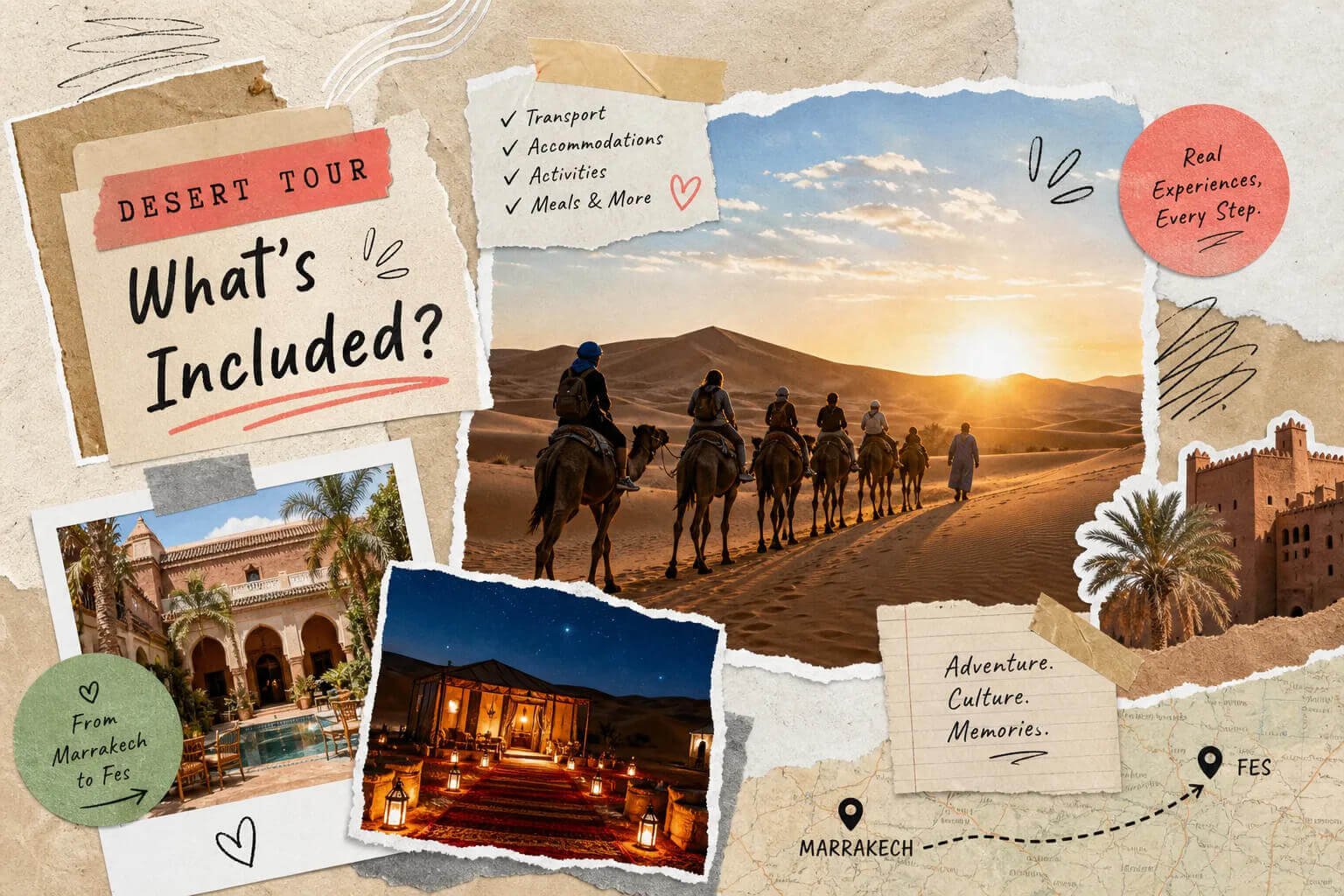
Uncover what a Marrakech to Fes desert tour offers, including camel rides, desert camps, and rich cu...
Read this article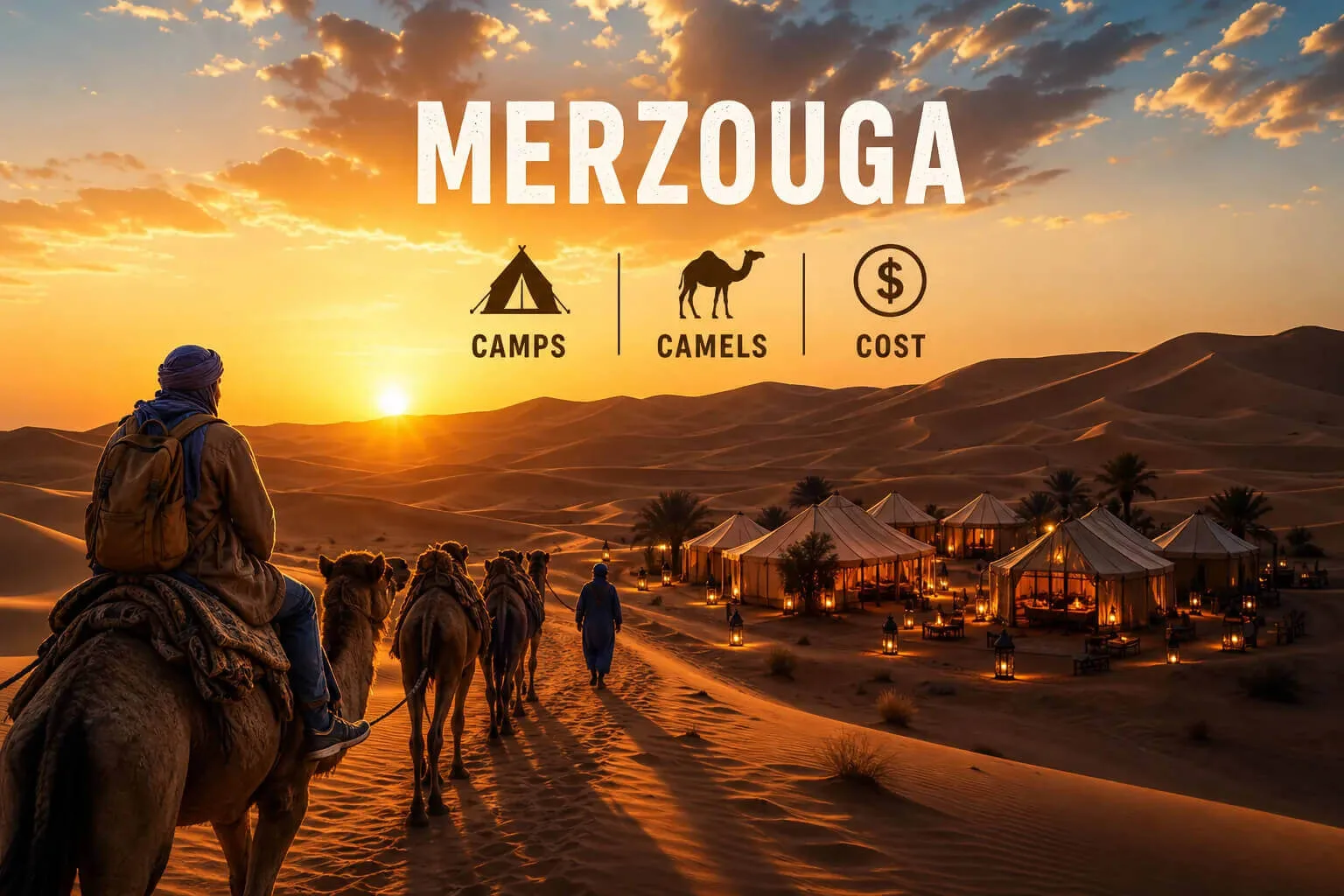
Join our Merzouga Overnight Tour for an authentic desert experience. Enjoy camel rides, comfortable ...
Read this articleWant cool tour deals and tips about Morocco? Enter your email and we’ll send them to you each month!
