Suspendisse interdum consectetur libero id. Fermentum leo vel orci porta non. Euismod viverra nibh cras pulvinar suspen.

The Essential Guide to Morocco Tipping: Best Practices for Travelers

Home Blog The Essential Guide to Morocco Tipping: ...
The Essential Guide to Morocco Tipping: Best Practices for Travelers
26 January 2026

Key Takeaways

  • How much to tip in Morocco? For everyday services, 5–20 MAD (about $0.50–$2 USD) covers most situations. In restaurants, 10% of the bill works well when no service charge is added.

  • Tipping (called baksheesh) is customary but never obligatory—rounding up small bills and leaving a few dirhams is perfectly acceptable for cafés, street food, and quick taxi rides.

  • For hotels and riads, plan on 10–20 MAD per bag for porters and 10–20 MAD per room per night for housekeeping.

  • Private drivers and desert guides on multi-day tours typically receive 50–200 MAD per day depending on service level and trip length.

  • Morocco Classic Tours can build tipping guidance into your custom itinerary so you’re never stressed about what to give—just focus on enjoying the journey.

Introduction: How Tipping Works in Morocco

Tipping in Morocco has evolved significantly alongside the country’s growing tourism industry. In bustling medinas like Marrakech and Fez, along winding Atlas Mountain roads, and beneath star-filled Sahara skies, you’ll encounter countless opportunities to show appreciation for good service. Understanding local tipping culture helps you navigate these moments confidently.

Unlike some other countries where tipping follows strict percentages, Morocco takes a more flexible approach. Tipping shows appreciation and supplements wages in the hospitality sector, but it’s not a law. Moroccan tipping culture is influenced by the need for service workers to supplement their often low wages, and many workers are not paid fairly, making tips an important part of their income. You should feel free to adjust amounts according to service quality and your budget. A sincere “shukran” (thank you) paired with an appropriate tip creates warm interactions that often lead to even better experiences.

Here’s a quick conversion to keep in mind: 10 MAD equals roughly 1 USD as of mid-2025. The Moroccan Dirham (MAD) is the official currency of Morocco, and using local currency for tipping is encouraged to avoid extra fees from currency conversion.

When traveling with Morocco Classic Tours, guests typically encounter services at riads, desert camps, during camel treks, on guided city walks, and with private drivers. The rest of this guide breaks down concrete amounts for each situation—restaurants, hotels, taxis, tours, desert experiences, and informal services—so you’ll know exactly what’s expected.

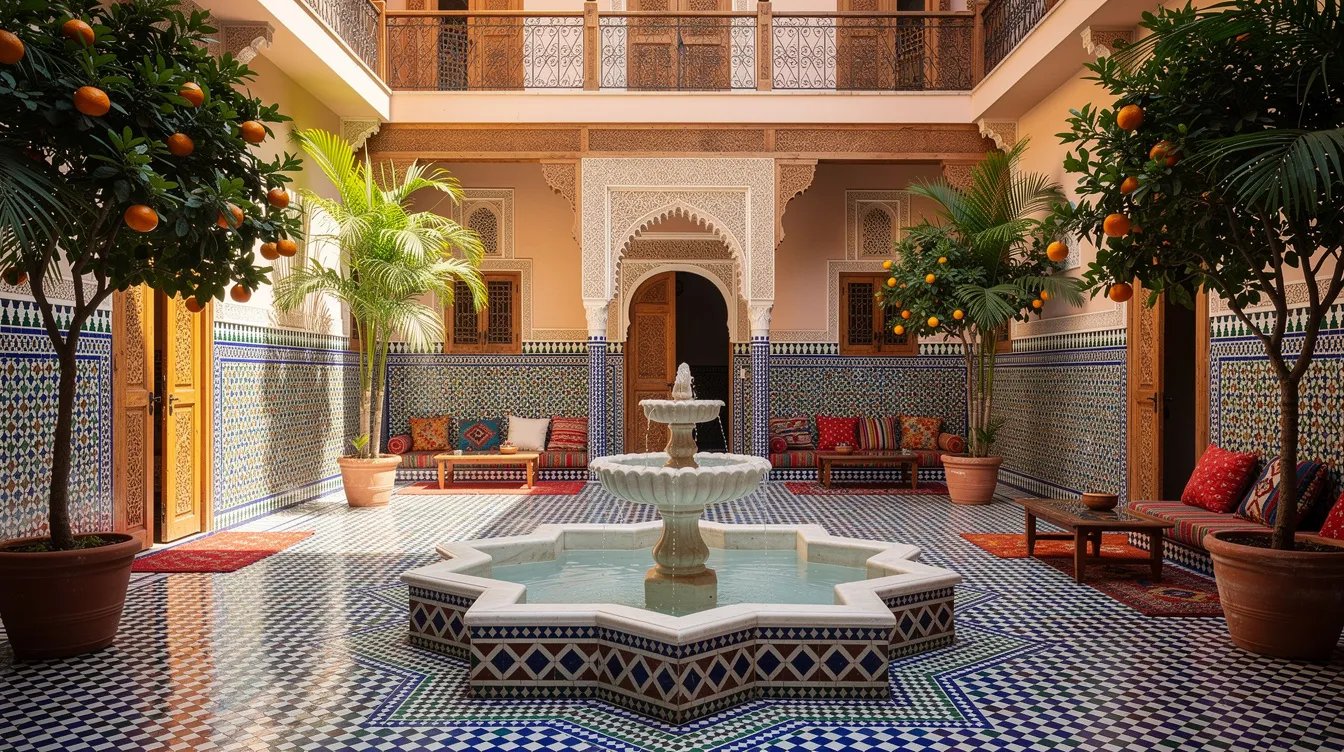
The image depicts a traditional Moroccan riad courtyard adorned with vibrant, intricate tiles surrounding a serene central fountain, creating a tranquil atmosphere. This setting reflects the rich cultural heritage of Morocco, where exceptional service and hospitality are customary, making it a perfect backdrop for enjoying a leisurely moment.

Should You Tip in Morocco? (General Rules)

The short answer is yes, tipping is customary—but it’s not mandatory. When you receive great service, a tip is appreciated. When service falls short, you’re under no obligation to leave anything extra. This flexibility is central to Moroccan tipping culture. As a general rule of thumb, leaving around 5–10% of the bill or simply rounding up is considered standard practice for most services in Morocco.

American-style 18–20% tipping is not the standard here. Instead, 5–10% is common practice in restaurants, and simply rounding up often suffices in casual settings. For a 45 MAD coffee and pastry, leaving 50 MAD is entirely appropriate. No one expects you to pull out a calculator.

Some fancy restaurants and upscale restaurants in cities like Casablanca or Marrakech add a 10–15% service charge directly to the bill. Always double check the total before adding more—look for “service” or “service compris” printed on your receipt. You don’t want to accidentally double-tip when a gratuity is already included.

A few important practical notes:

  • Tipping is almost always done in cash using Moroccan dirham, even if you pay the main bill by card

  • Carry small bills and coins specifically for tips

  • Don’t feel pressured by exaggerated suggestions—throwing 100–200 MAD on a small café bill creates unrealistic expectations and can distort the local economy

  • Poor service doesn’t require any tip at all

Understanding Moroccan Currency for Tipping

Having the right denominations on hand makes tipping convenient rather than awkward. When tipping in Morocco, it's advisable to have smaller denominations of the Dirham, as many travelers choose not to tip simply because they don't have small bills. Here’s what you need to know about Moroccan money.

Even giving a bit extra as a tip is appreciated when you have the right change.

Coins and Notes You’ll Use

Denomination

Format

Common Tipping Use

1 MAD

Coin

Toilet attendants, rounding up

2 MAD

Coin

Small services, parking guardians

5 MAD

Coin

Café tips, street food

10 MAD

Coin/Note

Standard small tip, taxi rounding

20 MAD

Note

Porters, housekeeping

50 MAD

Note

Restaurant tips, guides

100 MAD

Note

Full-day guides, drivers

200 MAD

Note

Multi-day driver tips

Most everyday tips fall in the 2–20 MAD range, so coins and small notes are your best friends.

Getting the Right Change

Withdraw cash from ATMs in major cities like Fez, Marrakech, Tangier, or Rabat. When exchanging money at banks or official exchange offices, specifically request smaller notes. A stack of 20s and 50s serves you better than a few 200 MAD bills you’ll struggle to break.

Keep a pocketful of 5 and 10 MAD coins ready for quick tips—café waiters, toilet attendants, and parking guardians all appreciate these small denominations.

Morocco Classic Tours guests often find it helpful to exchange a modest amount on arrival. We can advise realistic daily cash needs including tips based on your specific itinerary.

How Much to Tip in Morocco (Quick Reference)

Use this as your go-to reference throughout your trip. Amounts reflect what’s reasonable and appreciated without overdoing it.

Transport

Service

Suggested Tip (per day unless noted)

Taxi drivers

Round up fare or 10-20 MAD

Private drivers

100-150 MAD (half-day), 200-300 MAD (full-day)

Guides

100-200 MAD

Bus driver

100-200 MAD (after tours)

Tourism Services

Service

Suggested Tip (per day unless noted)

Tour guides

100-200 MAD

Drivers

100-200 MAD

Camel handlers

20-50 MAD

Day trip staff

50-100 MAD

Hotels and Riads

Service

Suggested Tip

Porters

10-50 MAD per bag

Housekeeping

10-20 MAD per night

Concierge

20-50 MAD

Everyday Services

Situation

Suggested Tip

Cafés

Round up or 2–5 MAD (leaving a bit extra is appreciated and considered part of Moroccan hospitality customs)

Casual restaurants

5–10% or 5–20 MAD

Mid-range restaurants

~10% if no service charge

Higher end restaurants

10–15%, typically 20–50 MAD on average bills

Street food

1–3 MAD or round up

Hotels and Riads

Service

Suggested Tip

Porters

10–20 MAD per bag

Housekeeping

10–20 MAD per room per night

Hotel concierge (special arrangements)

20–50 MAD

Front desk employees (standard help)

Not required

Transport

Situation

Suggested Tip

City taxi rides

Round to nearest significant amount (2–5 MAD)

Longer journey or airport transfers

10–20 MAD or ~5–10% of fare

Private drivers (multi-day)

80–150 MAD per day per couple/family

Tourism Services

Service

Suggested Tip

Local city guide (half day)

50–100 MAD per group

Tour guide (full day)

100–150 MAD per group

Desert/camel guide

50–100 MAD per night per guest

Camel handler (sunset ride)

20–50 MAD

As a general rule, these amounts reflect good service. For exceptional service, a slightly higher tip is always welcome.

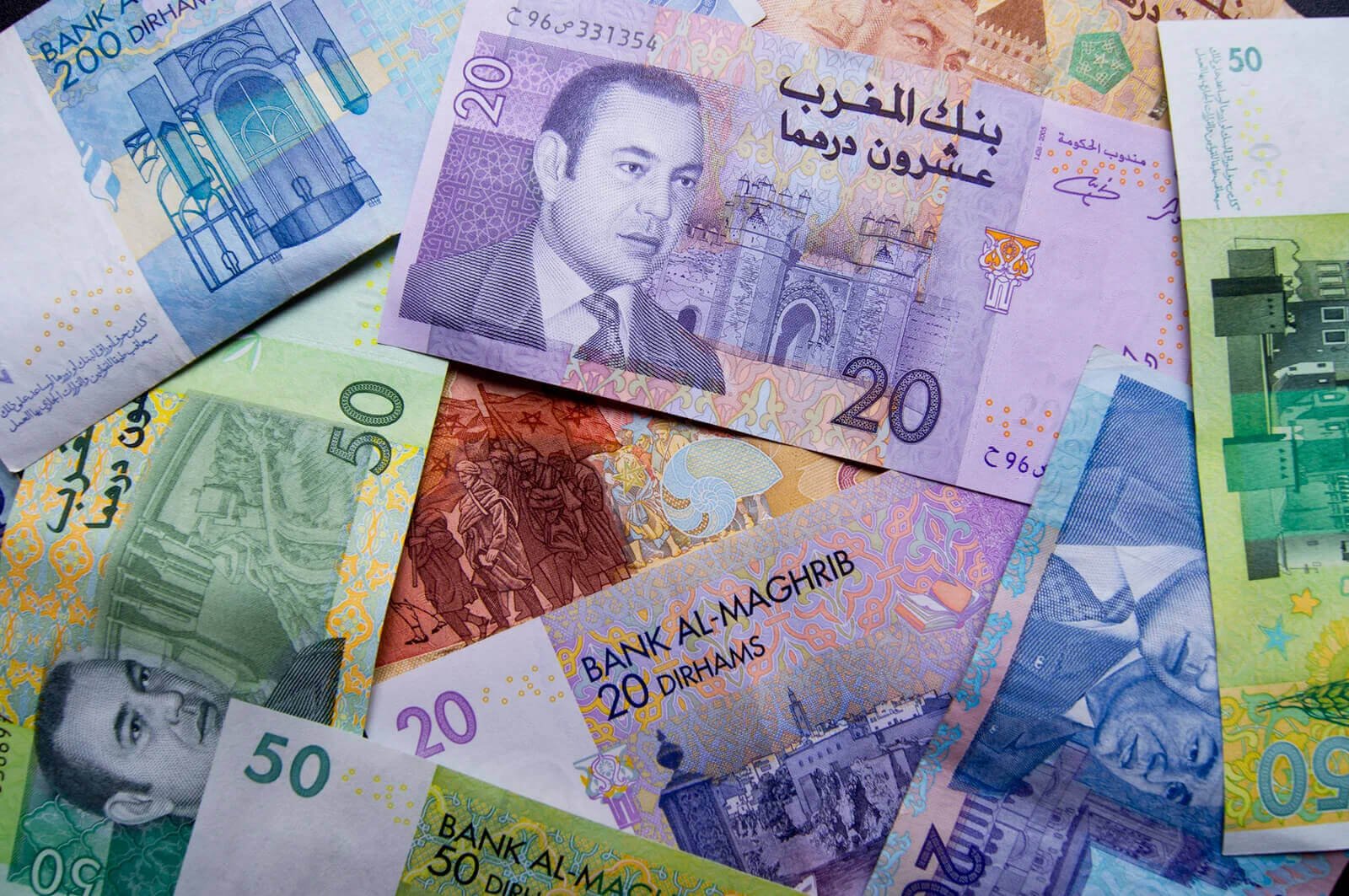
The image features an assortment of Moroccan dirham coins and banknotes neatly arranged on a wooden surface, showcasing the vibrant designs and colors of the currency. This visual representation highlights the importance of tipping in Morocco, as it plays a significant role in supporting the local economy and rewarding good service from taxi drivers, hotel staff, and tour guides.

Tipping in Restaurants, Cafés & Street Food

Eating out is where many visitors feel most unsure about tipping. The good news: Moroccan restaurants operate on simpler norms than you might expect.

Cafés and Snack Bars

For a mint tea costing 12–15 MAD, rounding up to 15–20 MAD or leaving 2–3 MAD on the saucer works perfectly. Tipping at cafés is an important part of Moroccan hospitality customs, and leaving a bit extra is always appreciated. At juice bars or street stalls, small change (1–3 MAD) or simply rounding up is plenty. These casual spots don’t expect percentage-based tips.

Casual and Mid-Range Restaurants

When your total bill runs 80–150 MAD per person, a 5–10% tip signals appreciation for friendly, attentive service. If you’re grabbing a quick tagine and water at a neighborhood place, rounding the bill up by 5–10 MAD is fine. No need to overthink it.

Upscale and Tourist-Oriented Restaurants

In Marrakech, Fez, or Casablanca’s nicer establishments, use 10% as your baseline when no service charge appears on the bill. Reserve 15% only for truly excellent service—a meal where everything from the greeting to the goodbye felt genuinely special.

Before leaving a bigger tip, check your bill carefully for “service” or “service compris.” Many Moroccan restaurants include gratuity automatically, especially those catering to international visitors.

Practical Tips for Restaurant Tipping

  • In many Moroccan restaurants, you pay at a counter near the door rather than at the table

  • If possible, tip directly to your server or clearly indicate “this is for you” when paying

  • Saying “shukran” (thank you) or “shukran bezaf” (thank you very much) alongside your tip creates genuine warmth

  • Street performers near restaurant areas are separate—we cover those later

Tipping in Hotels, Riads & Desert Camps

Accommodation staff—particularly in traditional riads and desert camps—often rely on tips as a meaningful part of their income. Getting this right makes a real difference to the people serving you.

Porters and Arrival Assistance

For someone carrying luggage through narrow medina alleys or up steep riad stairs, 10–20 MAD per bag is fair. In hillier locations like Chefchaouen, where the physical effort is greater, consider 20–30 MAD per large bag.

Housekeeping

The cleaning staff who refresh your room daily appreciate 10–20 MAD per room per night. Leave it in a visible spot—on the pillow or nightstand—with a short note in French or English if you’d like.

A key insight: consistent small tips over a multi-night stay often mean more than a single lump sum at checkout. Daily tips keep motivation high and ensure the person actually cleaning your room receives the money.

Reception and Concierge Services

Standard check-in help from desk employees doesn’t require a tip. However, if the hotel concierge arranges complicated transfers, secures hard-to-get restaurant reservations, or handles last-minute requests, 20–50 MAD recognizes that extra effort.

Desert Camps

At Sahara camps near Merzouga, Erg Chebbi, or Erg Chigaga, the tipping approach differs slightly. Guests typically tip the camp team—cooks, camel handlers, musicians—together at the end of a 1–2 night stay.

A good tip for desert camps: 50–100 MAD per guest works well. Give an envelope to the camp manager and clarify it’s for the whole team. This ensures fair distribution among everyone who contributed to your overall experience.

Morocco Classic Tours provides specific advice for each booked riad or camp, so guests feel confident they’re being fair without overpaying.

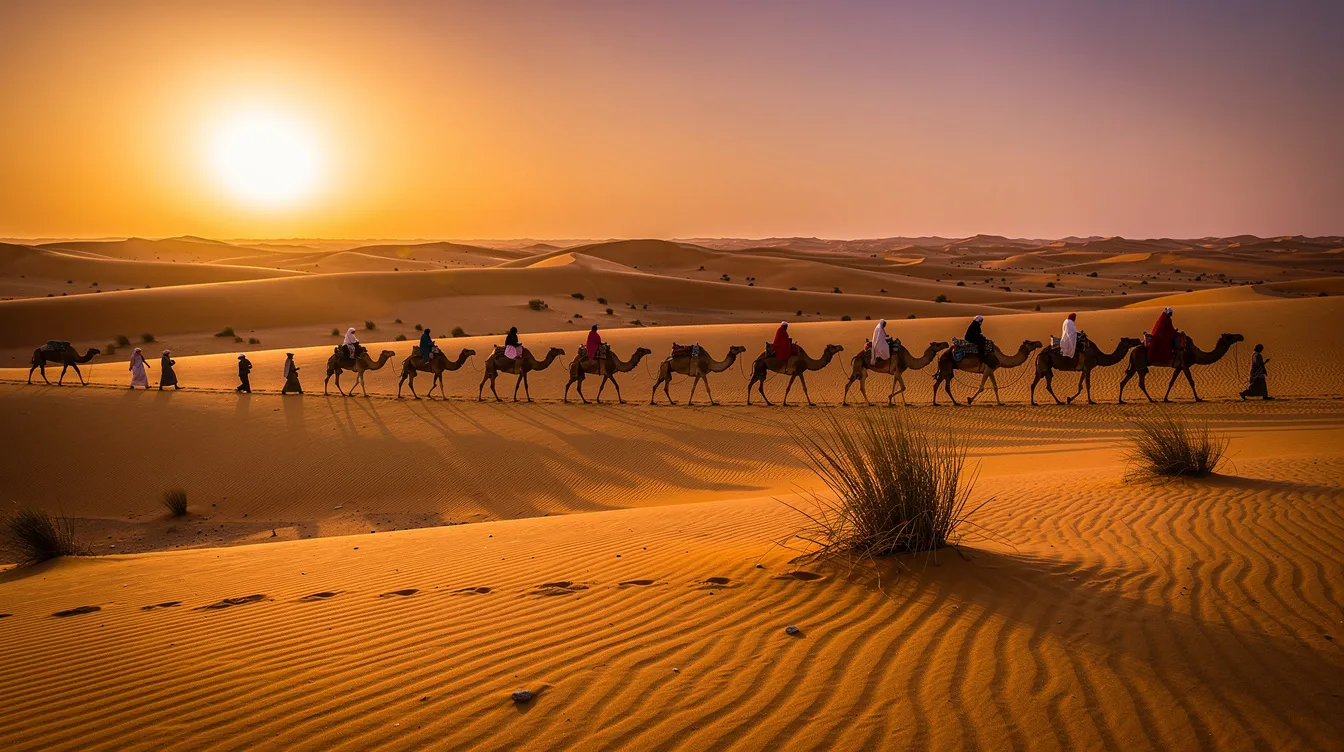
A serene scene depicts camels resting on the warm orange dunes of the Sahara Desert at sunset, with the sun casting a golden hue over the landscape. This tranquil moment highlights the beauty of Morocco's desert environment, inviting thoughts of local culture and the importance of tipping in the region for good service.

Tipping Taxi Drivers & Private Drivers

Transport tipping differs significantly between quick city hops and multi-day private driver arrangements. Here’s how to handle each.

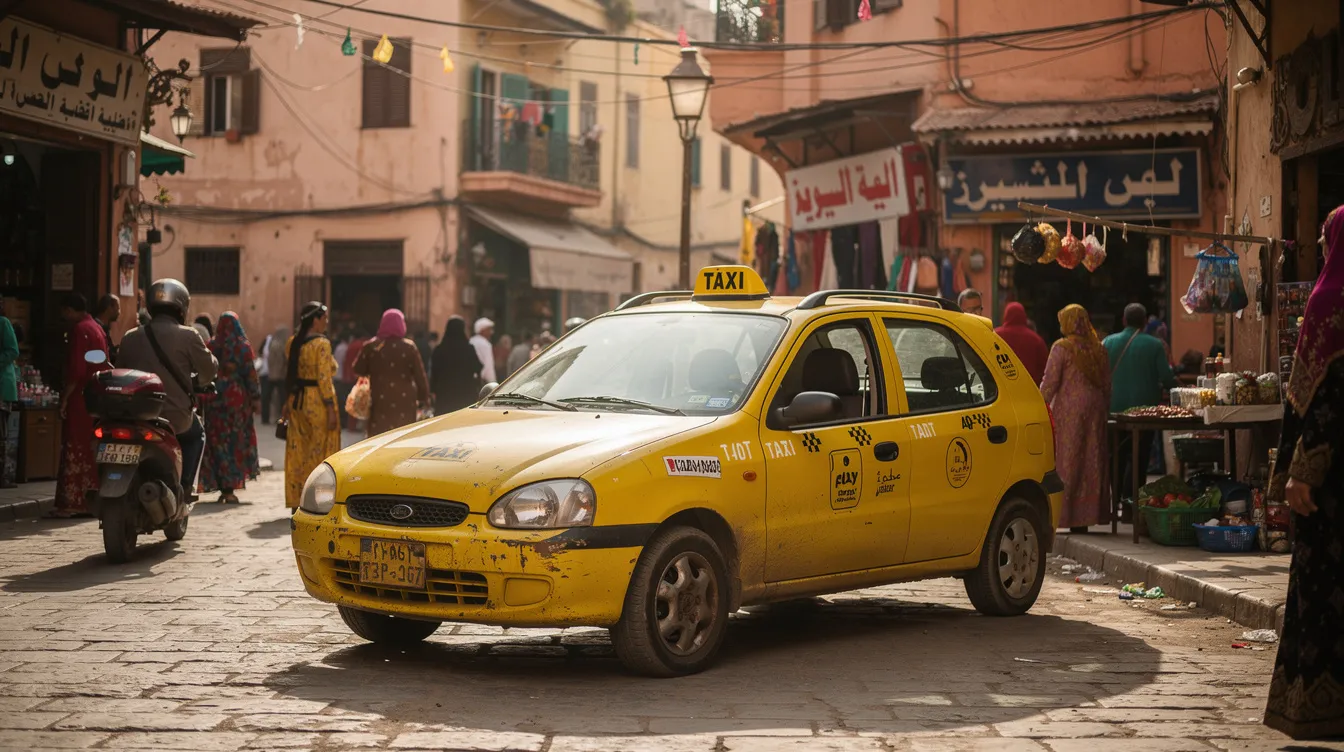
City Taxis (Petit Taxis)

For short taxi rides within Marrakech, Fez, Tangier, or other cities, rounding up the fare is standard practice. A 17 MAD ride becomes 20 MAD. A 32 MAD fare rounds to 35 MAD. Simple.

If your driver helps load luggage or waits while you run an errand, add 5–10 MAD on top of the rounded fare. The effort deserves recognition.

Intercity and Airport Taxis

Airport-to-city transfers often have set fares ranging from 120–200 MAD depending on the destination. When your ride is safe and punctual, tip drivers 10–20 MAD. If the driver handles heavy luggage cheerfully, lean toward the higher end.

Important advice: always agree on a fare before getting in if the meter isn’t used. This prevents uncomfortable negotiations at your destination.

Private Drivers on Custom Tours

When you hire a private driver for several days across the Atlas Mountains or into the Sahara, the tipping calculation changes. These drivers do far more than drive—they assist at viewpoints, help with translations, recommend stops, and handle your luggage throughout the trip.

For multi-day itineraries, 80–150 MAD per day per couple or family is reasonable, adjusted based on service quality. A driver who goes above and beyond deserves the upper range.

Practical Driver Tipping Notes

  • Hand tips personally at the end of service (final day or final drop-off)

  • A simple “shukran” in Arabic, “merci” in French, or “thank you” in English accompanies the gesture nicely

  • Morocco Classic Tours travelers receive driver-tipping guidance matched to trip length and group size

  • For a longer journey like a 10-day grand tour, accumulate the daily amount and present it together at the end

Tipping Tour Guides, City Guides & Activity Leaders

Local guides are often the face of Morocco for visitors. Travelers hope their city guide will cover their main interests, such as shopping or cultural highlights, and tipping practices can reflect the quality of service received. They transform a walk through Fez’s medina from confusing to captivating, and their knowledge brings ancient sites to life.

City Guides

Duration

Suggested Tip

Half-day (3–4 hours)

50–100 MAD per group

Full-day tour

100–150 MAD per group

In-depth, bespoke experience

150+ MAD per group

These amounts assume the guide was informative, engaging, and attentive. Adjust down for mediocre experiences, up for truly memorable ones.

Specialist Guides and Activities

Hiking guides in the Atlas Mountains or along the Atlantic coast typically receive 80–150 MAD per day, scaled to difficulty and remoteness. A challenging trek to a remote village warrants more than an easy coastal walk.

For cooking classes or food tours, 50–100 MAD per person is a reasonable range. The instructor often goes home with tips as a significant portion of their earnings.

Desert and Camel Trek Guides

Short sunset camel rides near Merzouga call for 20–50 MAD for the camel handler. For multi-day Sahara itineraries with the same guide, plan on 50–100 MAD per guest per night, given at the end of the journey.

Group Tipping Strategies

Group tours often create a “tipping kitty” to simplify logistics. Everyone contributes an agreed amount at the start, and one person handles distribution. Morocco Classic Tours can organize this system on request for private groups traveling together.

One final note on tipping tour guides: tip only when service meets or exceeds expectations. If a guide seemed distracted, rushed you through sites, or clearly didn’t deliver what was promised, you’re not obligated to give anything.

Tipping for Small & Informal Services

Morocco’s cities and towns have many small services that involve modest tips—usually just 1–5 MAD coins. Having loose change ready prevents awkward moments.

Toilet Attendants

At bus stations, markets, and highway rest stops, expect to pay 1–3 MAD per person for restroom access. Sometimes there’s an entry fee of 2–5 MAD plus an additional small tip for soap and paper towels.

Always carry a few coins and check whether the bathroom is attended before entering.

Parking Guardians

Many streets and lots have informal guardians wearing fluorescent vests. They watch cars, help you navigate into tight spots, and keep an eye on your vehicle while you explore.

Pay 2–5 MAD when you leave, more if they helped with luggage or watched the car for several hours. This common practice supports a micro-economy of neighborhood parking management.

Shoe Shiners and Small Helpers

Shoe shining or assistance with bags merits 5–10 MAD depending on effort and time. In busy tourist zones, agree on a price beforehand to avoid misunderstandings. “How much?” before the service beats awkward negotiation afterward.

Street Performers and Photo Opportunities

For musicians, snake charmers, or traditional water sellers in squares like Jemaa el-Fna, 5–20 MAD is standard if you take a photo or enjoy a short performance.

Critical etiquette: always ask permission first. Never photograph people—especially women and children—without consent. Some performers have set “photo fees” posted; respect these.

A Note on Children

Resist the urge to hand out money or sweets directly to children. While intentions are good, this can encourage begging and keep kids out of school. Instead, support local cooperatives or community projects. Morocco Classic Tours can direct guests to responsible initiatives that benefit entire communities.

Cultural Tips: How Not to Over-Tip or Under-Tip

Finding the balance matters. Respectful, measured tipping supports local livelihoods without creating unrealistic expectations for future visitors.

Why Over-Tipping Can Backfire

Giving 100–200 MAD on a small café bill might feel generous in the moment, but it can distort how locals view all tourists. Staff may come to expect similar amounts from everyone, creating disappointment when more budget-conscious travelers tip appropriately. You’re not helping anyone by breaking the system.

Sticking to Local Norms

Use these general guidelines as your anchor:

  • Everyday small services: 2–10 MAD

  • Restaurants: 5–10% of the total bill

  • Major services (drivers, guides): 50–150 MAD per day depending on role

Handling Pressure Gracefully

Not every interaction deserves a tip. If you feel pressured for extra money where no real service was provided, a polite “no thank you” suffices. You’re not obligated to pay for unsolicited “help” pointing you toward a shop entrance or a direction you already knew.

Practical Organization Tips

Keep a small “tip wallet” with coins and low notes separate from your main money. This prevents accidentally handing over a 100 MAD bill when you meant to give 10 MAD. The person receiving it might not correct you.

Morocco Classic Tours prioritizes fair, transparent pricing for staff and partners. This means tipping remains a genuine thank-you gesture, not a hidden obligation that makes travelers uncomfortable.

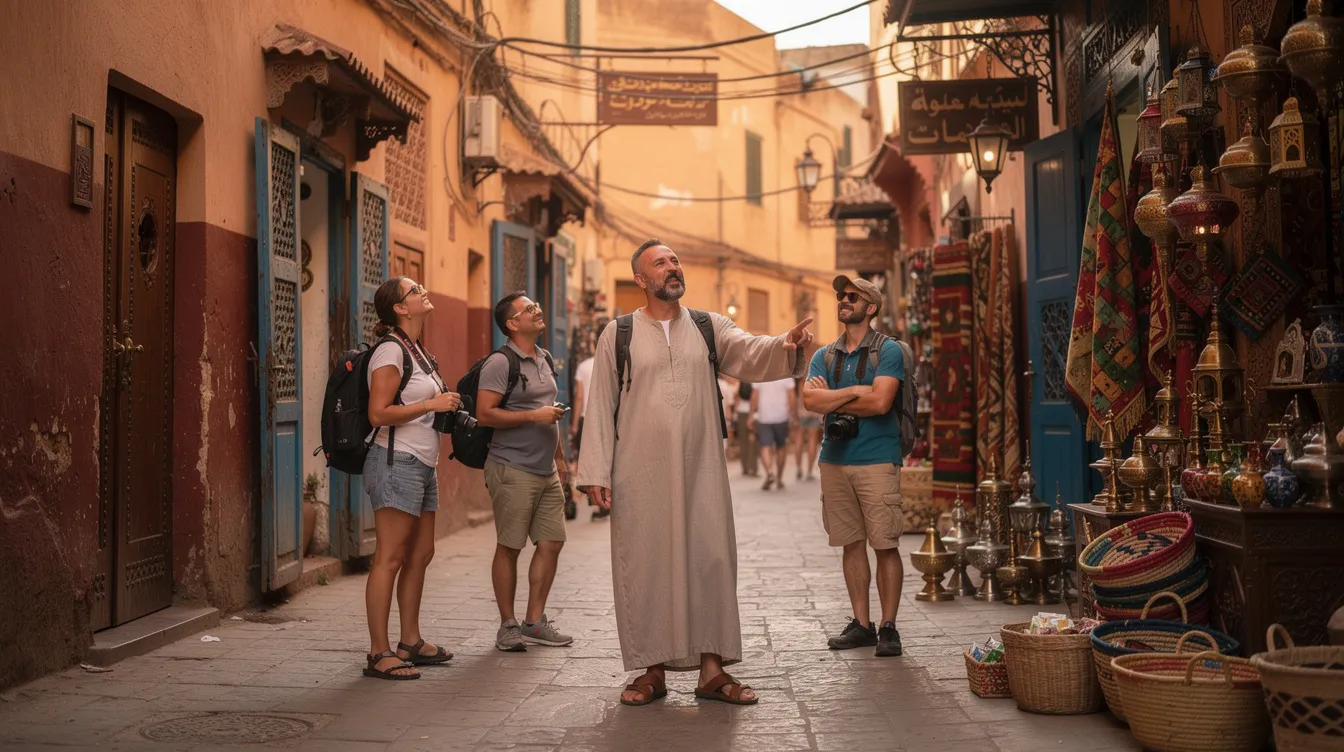
The image depicts a narrow, vibrant alleyway in a Moroccan medina, adorned with striking blue doors and lush potted plants lining the path. This picturesque scene captures the essence of Moroccan culture, where visitors might consider tipping local guides and hotel staff for exceptional service during their travels.

Morocco Classic Tours: Making Tipping Easier on Your Trip

As a Fez-based tour operator, Morocco Classic Tours routinely helps guests navigate tipping so they can focus on the experiences rather than the calculations. We’ve guided thousands of travelers through riads, desert camps, and ancient medinas—and tipping questions come up on nearly every trip.

How We Help

Before departure or upon arrival, we brief travelers on realistic tipping ranges tailored to their specific itinerary. A city-focused tour has different needs than a 10-day Sahara expedition, and we account for those differences.

For private, multi-day tours, we can:

  • Suggest an approximate “tipping budget” for your entire trip

  • Provide a simple printed cheat sheet with recommended amounts per service

  • Help break large banknotes into smaller change through trusted partners

  • Set up group tipping arrangements for families or friends traveling together

Our Approach to Fair Tourism

We believe in responsible tourism. Our guides, drivers, and camp staff receive fair compensation, which means you’re never pressured into giving more than feels comfortable. Tips become genuine expressions of appreciation rather than awkward obligations.

Ready to explore Morocco with confidence? Browse our Morocco tours, desert camps, and cultural itineraries. We’ll walk you through local etiquette—including tipping—step by step, so you can save money on stress and spend it on experiences that matter.

FAQ: Tipping in Morocco

This section answers common practical questions about edge cases—paying in foreign currency, credit card tips, all-inclusive resorts, and group logistics.

Can I tip in euros or dollars in Morocco?

Small amounts of euro coins or low USD notes are sometimes accepted in heavily touristed areas like Marrakech’s medina or popular desert camps. However, hotel staff, taxi drivers, and restaurant workers generally prefer Moroccan dirham because it’s immediately usable. They’d need to exchange foreign currency themselves, which costs time and sometimes money.

Coins pose a particular problem—many exchange offices won’t accept foreign coins at all, making your euro coins essentially worthless to the recipient.

The advice is straightforward: use MAD for everyday tipping. ATMs dispense dirhams at fair exchange rates, and official exchange offices in airports and cities handle the conversion quickly. Morocco Classic Tours can point guests to reliable exchange options at the start of any itinerary, ensuring you have the right money from day one.

Can I add a tip when I pay by credit card?

Some modern restaurants and hotels in big cities have card machines that allow adding a service amount. However, this remains the exception rather than the rule. Many smaller establishments, riads, and local restaurants don’t offer this option.

Cash remains the norm and the most reliable way to ensure the tip reaches the person who actually served you. Card tips sometimes go into general pools rather than individual pockets.

Our recommendation: carry a mix of small notes and coins for tips even if you plan to pay most bills by card. In riads and smaller guesthouses, it’s common to leave all tips in cash at the end of your stay, given to reception with instructions to share among staff.

How does tipping work at all-inclusive resorts in Morocco?

Even at all-inclusive properties in Agadir, Taghazout, or near Marrakech, staff appreciate tips for attentive bar and restaurant service. The “all-inclusive” label covers your food and drinks, not the hospitality that makes experiences memorable.

Reasonable amounts include:

  • Bar staff: 10–20 MAD after a few drink orders

  • Restaurant service: 20–50 MAD after several meals or excellent service over a few days

  • Housekeeping: 10–20 MAD per day, similar to standard Moroccan hotels

When in doubt, ask reception discreetly whether there’s a shared staff tip box or if individual tipping is preferred. Policies vary by property.

What if I don’t have small change for a tip?

This happens to everyone at some point. If you genuinely intend to tip but lack coins, politely explain that you’ll return with change—though realistically, many interactions are one-time encounters.

Prevention works better than apology. Break larger notes at supermarkets, train stations, or when paying bigger restaurant or hotel bills. These places regularly handle large denominations and have change available.

Guests on Morocco Classic Tours can ask their driver or guide for help getting change early in the trip. It’s a common request, and we’re happy to assist.

Locals understand tourists sometimes lack coins. If you’re caught without, a warm “shukran” and genuine appreciation still matter. It’s better to tip properly on your next interaction than to hand over a 100 MAD note out of pressure when 10 MAD was appropriate.

How should groups handle tipping in Morocco?

For families or small friend groups, creating a shared tipping envelope simplifies everything. One person collects contributions at the trip’s start and handles distribution throughout.

This approach works particularly well for:

  • Full-day private guides: 100–150 MAD from the whole group

  • Drivers on multi-day itineraries: 80–150 MAD per day shared among all travelers

  • Desert camp teams: pooled contributions given together at checkout

Morocco Classic Tours can recommend a realistic total tipping budget based on your group’s length of stay, accommodation style, and planned activities. This removes guesswork and ensures everyone contributes fairly while nobody overpays.

Our Latest Travel Articles

Best Guided Desert Tours in Morocco for an Unforgettable Adventure
11 February 2026

Best Guided Desert Tours in Morocco for an Unforgettable Adventure

Discover the best guided desert tours in Morocco for an unforgettable adventure. Journey through stu...

Read this article
Discover the Best Tour Operator Morocco for Unforgettable Adventures
07 February 2026

Discover the Best Tour Operator Morocco for Unforgettable Adventures

Explore top Moroccan tour operators for unforgettable adventures. Discover unique experiences that s...

Read this article
Top Destinations: Where to Travel Morocco for a Memorable Experience
05 February 2026

Top Destinations: Where to Travel Morocco for a Memorable Experience

Explore Morocco's top travel destinations for an unforgettable experience. Discover vibrant cultures...

Read this article