Group Tour Agencies in Morocco: How to Pick the Right One
Discover how to choose the perfect group tour agency in Morocco. Get tips on what to look for and ma...
Read this article

Suspendisse interdum consectetur libero id. Fermentum leo vel orci porta non. Euismod viverra nibh cras pulvinar suspen.

Morocco is one of those rare destinations where medieval medinas (historic old towns), golden dunes, and Atlantic surf beaches exist within a few hours’ drive of each other. This fascinating country in North Africa has drawn travelers for centuries—traders along ancient routes, artists seeking light, and adventurers chasing horizons. But with so many interesting places to explore, first-time visitors often ask a simple question: where is the best place to travel in Morocco?
The honest answer depends entirely on what you want from your trip. Some travelers crave the sensory overload of bustling medinas, while others dream of sleeping under stars in the Sahara. Many want both, plus a few days of mint tea by the ocean. This guide breaks down the top cities, desert experiences, beaches, mountain escapes, and culinary destinations so you can design a Morocco trip that matches your priorities—whether you have a few days or two full weeks to explore this beautiful country.
The best overall route for a first Morocco trip is the “golden triangle” connecting Marrakech, Fes, and the Sahara Desert near Merzouga, which can be comfortably covered in 7–10 days with a private driver.
For the most authentic Sahara experience, Erg Chebbi’s dunes near Merzouga offer the perfect combination of accessibility and atmosphere, with overnight desert camps and camel treks that Morocco Classic Tours specializes in arranging.
Essaouira, Taghazout Bay, and Oualidia rank among the most beautiful beaches for coastal breaks, while Agadir suits travelers wanting resort comforts over medina character.
Morocco is surprisingly easy to navigate on a well-planned 7–14 day route, combining Imperial Cities, mountains, desert, and coast without exhausting backtracking.
Contact Morocco Classic Tours to design a private itinerary from major gateways like Casablanca, Marrakech, Tangier, or Fes—tailored to your interests, travel dates, and group size.
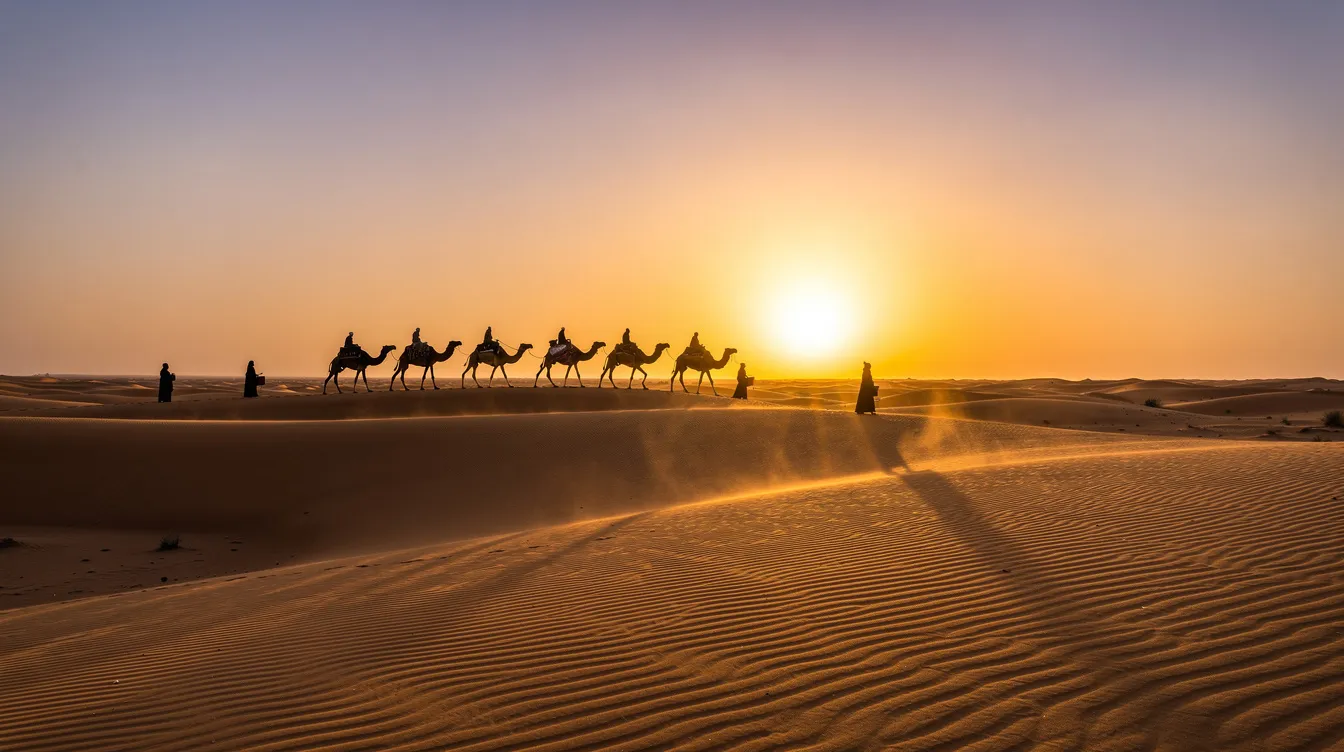
Where is the best place to travel in Morocco? The answer shifts depending on your trip length and interests. If you have ten days and want a taste of everything Morocco offers—city life, desert adventure, and cultural immersion—then a route connecting Marrakech, the High Atlas, the Sahara near Merzouga, and Fes covers the greatest variety. This is the route most people follow on their first visit, and for good reason.
But if you only have a few days, a city-based stay in Marrakech or Fes with a one-day trip makes more sense. And if beaches matter more than medinas, the Atlantic coast from Essaouira down to Taghazout offers surf, seafood, and slow mornings that feel worlds away from the desert.
Here’s a quick framework for planning:
Classic first trip (7–10 days): Marrakech (2–3 nights), High Atlas day trip to Imlil or Ouirgane, drive to Merzouga via Ait Ben Haddou and Todra Gorge (2–3 nights including desert camp), finish in Fes or return to Casablanca.
Extended exploration (10–14 days): Add Chefchaouen’s blue alleys, Essaouira’s coastal medina, or extra day trips from Fez to Volubilis and Meknes.
Short city break (4–5 days): Base in Marrakech or Fez with one excursion to the Agafay Desert, Ourika Valley, or Atlas foothills.
Beach-focused holiday: Essaouira for medina charm plus wind, Taghazout Bay for surf culture, or Agadir for resort pools and long sands.
Morocco Classic Tours can start and end your tour from any major gateway—Casablanca, Marrakech, Tangier, or Fes—and arrange private drivers, licensed guides, and quality desert camps throughout, with a wide range of Morocco tours and travel packages to match different styles and budgets. The rest of this article breaks down the top cities, best desert areas, most beautiful beaches, and cultural hot-spots, with practical tips on when to visit in 2025 and beyond.
Moroccan cities combine medieval medinas with modern neighbourhoods in ways that feel genuinely unique. Walking through a 9th-century quarter one moment and sitting on a rooftop terrace with a view of satellite dishes the next is part of the charm. This section focuses on the most traveler-friendly urban bases for first and second trips to Morocco.
Each city below covers why it’s worth visiting, what kind of traveler it suits best, three to four must-see sights, and how Morocco Classic Tours typically builds it into custom itineraries, while the Morocco travel blog dives even deeper into local tips and neighborhood highlights. From Marrakech’s famous chaos to Rabat’s quiet sophistication, there’s a Moroccan city for every pace.
Marrakech is Morocco’s most famous city and, for most visitors, the natural starting point. The Marrakech medina pulses with energy—snake charmers, spice vendors, and the smoke of grilled meats drifting through narrow lanes. Direct flights from Europe and North America make it the most accessible entry into Morocco, and its concentration of riads (traditional Moroccan houses with interior courtyards), restaurants, and tour options means you can hit the ground running.
This is a city of contrasts. One minute you’re lost in a maze of souks hunting for leather slippers; the next you’re sipping fresh orange juice as the call to prayer echoes across rooftops. The sensory overload can be intense, but that’s precisely why so many travelers fall in love here.
Why visit Marrakech:
Ideal first base with strong hotel infrastructure, romantic riads (traditional Moroccan houses with interior courtyards), and guided tour options departing daily
Excellent introduction to Moroccan food: tanjia slow-cooked in clay urns, tagines in dozens of variations, and adventurous street food stalls
Close to day trip destinations like the Agafay Desert (camel rides and Berber music), Ourika Valley waterfalls, and the High Atlas villages of Ouirgane and Imlil
What to see:
Jemaa el-Fna at sunset—the UNESCO-listed square transforms nightly into an open-air theatre of food stalls, musicians, and storytellers
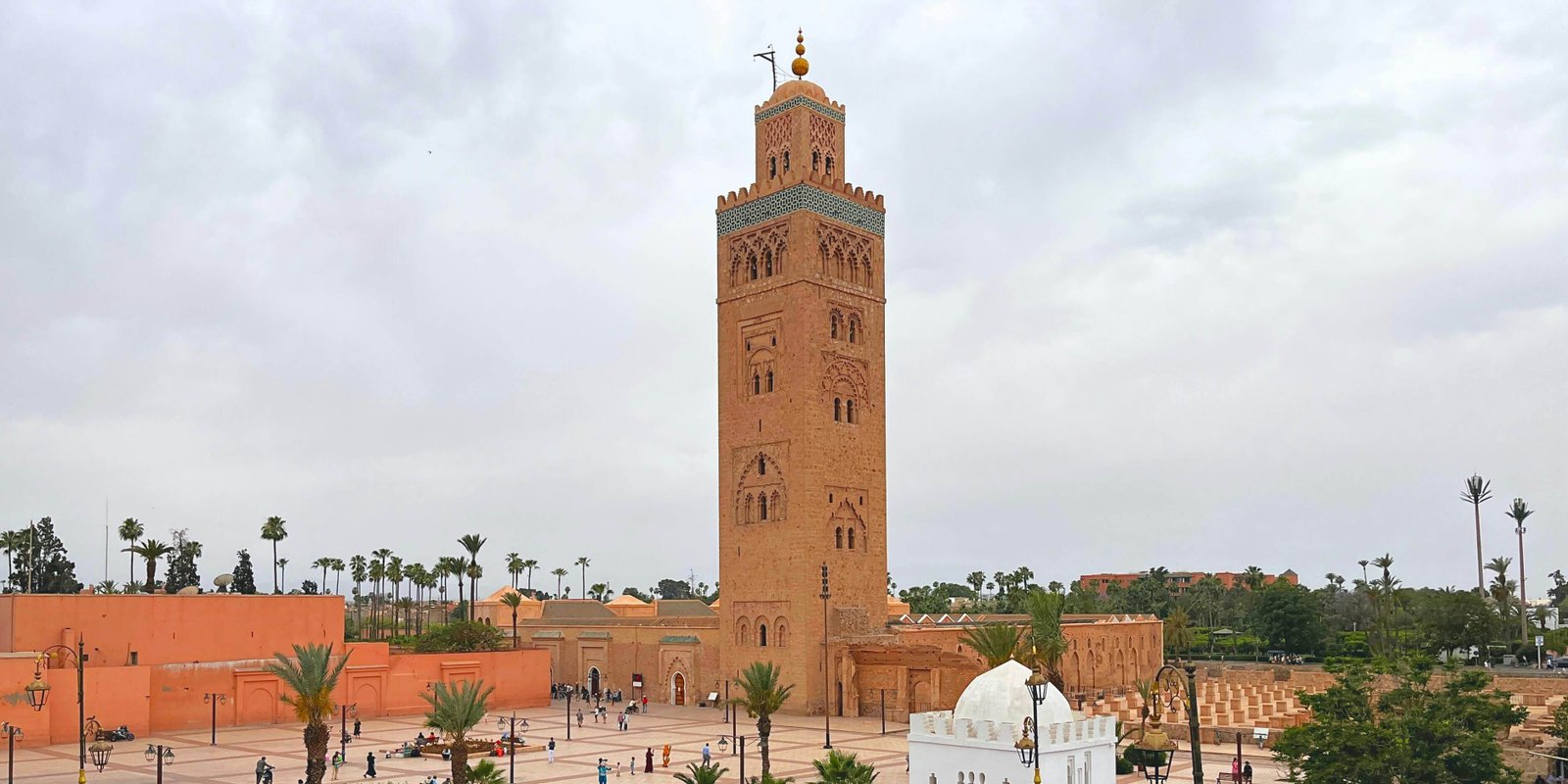
Koutoubia Mosque’s 77-metre minaret (exterior viewing), Bahia Palace’s intricate zellige tiles, and the Saadian Tombs’ marble mausolea
Jardin Majorelle and the Yves Saint Laurent Museum for art, design, and a cool break from the medina heat
A traditional hammam (Moroccan bath) experience followed by dinner on a rooftop terrace overlooking the old city
Practical tips: Plan 2–3 nights minimum. Visit major sights in the early morning before the heat and crowds peak. Book a licensed local guide through Morocco Classic Tours for your first half-day to learn medina navigation. Pre-arrange airport transfers and tours rather than negotiating on the street to avoid common scams.
If Marrakech is Morocco’s most famous city, Fez is its spiritual and intellectual heart. Home to the Fez medina—the world’s largest car-free urban area—and al-Qarawiyyin, recognized as the world’s oldest university (founded in 859 AD), Fez feels like stepping into a living museum. The labyrinth of over 10,000 alleyways has resisted modernization more stubbornly than anywhere else in Morocco.
Fez suits travelers who want to go deeper. The medina is less touristy than Marrakech but more disorienting. Donkeys still carry goods through passages too narrow for cars. Craftsmen produce leather, ceramics, and metalwork using techniques unchanged for centuries. This is the place to visit in Morocco if understanding the country’s rich history matters more than checking boxes, and many travelers pair it with a 3-day tour from Fes to Merzouga for a seamless desert experience.
Why visit Fez:
Most immersive city for traditional crafts—watch tanners, potters, and woodworkers at their trade
Less commercial than Marrakech, with a stronger sense of authentic daily life
Excellent base for day trips to Meknes’s imperial gates, the Roman ruins of Volubilis, and the cedar forests near Ifrane with Morocco Classic Tours
Main highlights:
Fez el-Bali medina, the Chouara Tannery viewpoint (bring mint to counter the smell), and Bou Inania Madrasa’s carved cedar and stucco
Nejjarine Museum of Wooden Arts & Crafts in a restored caravanserai
Panoramic sunset views from the Borj Nord fortress overlooking the entire medina
Timing and guidance: Allow 2–3 nights. Spring (March–May) and autumn (September–November) avoid the extreme summer heat that can push above 40°C in the medina. Morocco Classic Tours arranges certified Fez guides who know the maze intimately and can unlock doors that independent visitors never find.
Chefchaouen is a small town painted in every shade of blue, tucked into the folds of the Rif Mountains. The pace here is the opposite of Marrakech—slow, photogenic, and unhurried. For travelers wanting a breather between intense medinas, this is one of the favourite places to unwind.
Why it’s a top pick:
Perfect for travelers seeking a slower pace after Marrakech or Fes
Extremely photogenic, ideal for casual wandering and family-friendly walking
Compact enough to explore thoroughly in 1–2 nights
Key experiences:
Sunrise or early-morning stroll through the blue alleys before day-trippers arrive from Tangier
Short hike up to the Spanish Mosque for sunset views over the town and surrounding mountains
Sampling local goat cheese and mountain specialties in small restaurants along the main square
Logistics: Morocco Classic Tours commonly includes Chefchaouen on routes between Tangier and Fes, or as an extension from Rabat. The mountain roads are curvy but scenic—best handled with a private driver rather than self-driving for most visitors, especially when combining with other curated Morocco day trips along the way.
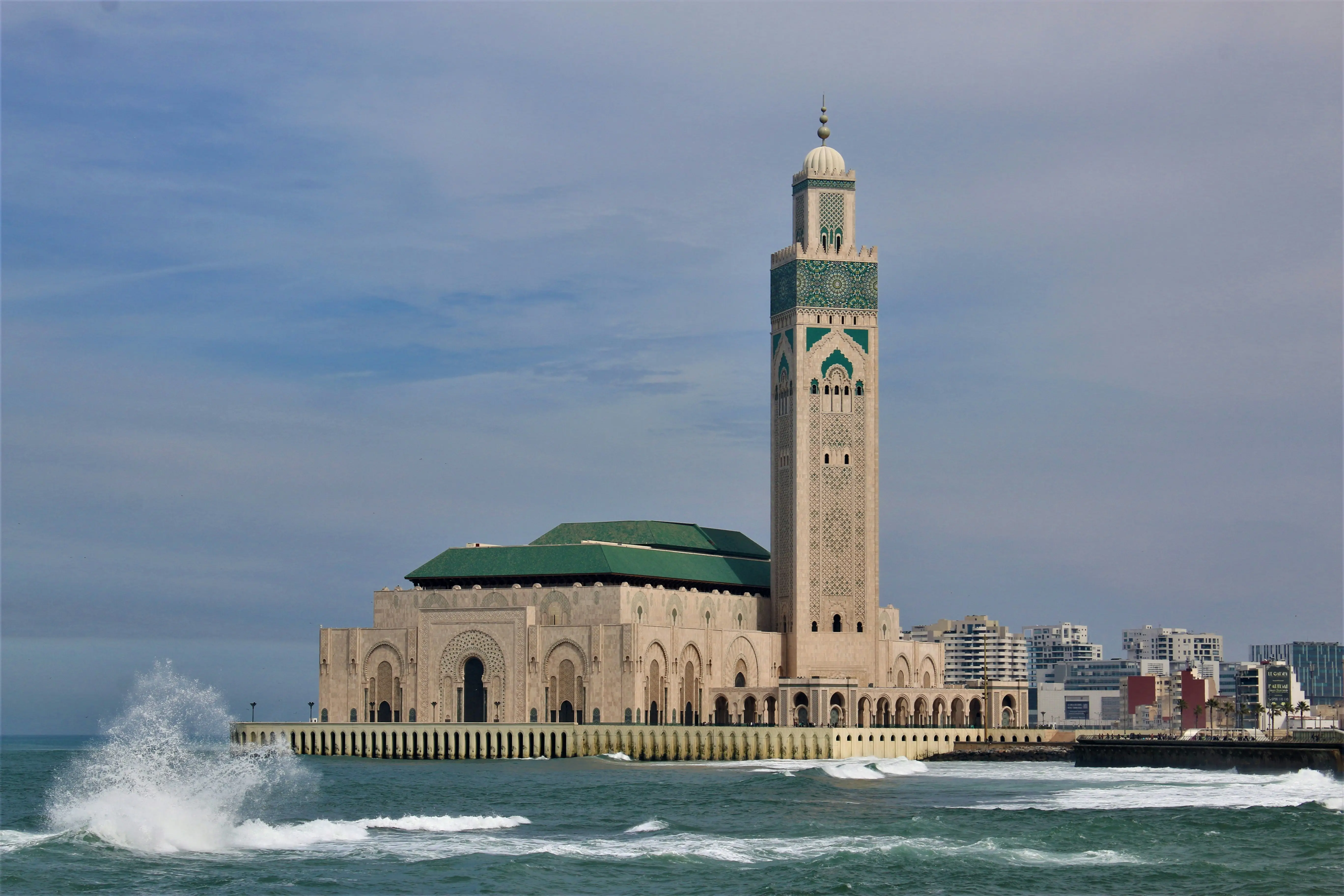
Casablanca is Morocco’s largest city and main international air hub, handling over 10 million passengers annually at Mohammed V Airport. Most travelers use it as a starting or ending point rather than a destination in itself—but there’s one sight that justifies a stop.
The Hassan II Mosque dominates Casablanca’s coastline. Completed in 1993, it’s the second-largest mosque in the world, with a 210-metre minaret (the tallest in Africa) and a glass floor revealing Atlantic waves below. Unlike most Moroccan mosques, non-Muslim visitors can join guided interior tours—a rare opportunity to experience Islamic architecture up close.
What to do with a short stay:
Half-day visit to Hassan II Mosque interior and the seafront promenade
Dinner on the Corniche or in a modern restaurant to contrast with medina life elsewhere
Optional stop at the Art Deco downtown district for architecture enthusiasts
One night is typically enough. Morocco Classic Tours schedules Casablanca at the start or end of custom itineraries to match international flight times. The city is less atmospheric than Marrakech or Fez, so it’s not the best place to travel in Morocco on its own—but an important practical stop.
Rabat, Morocco’s political capital and a UNESCO World Heritage city, offers culture without chaos. The medina is manageable, the monuments are impressive, and the crowds are noticeably thinner than in Marrakech or Fes. For travelers who prefer a soft landing into Moroccan culture, Rabat delivers.
Key attractions:
Hassan Tower and Mohammed V Mausoleum complex—the unfinished 12th-century minaret and elaborate royal tomb symbolize both historical ambition and modern Moroccan identity
Kasbah of the Udayas with its white-and-blue streets and Atlantic views
Seafront walks along the Bouregreg River estuary
Who it suits:
Families, older travelers, and anyone needing a gentler introduction to city life in Morocco
People interested in modern Moroccan governance alongside historic monuments
Morocco Classic Tours often uses Rabat as a first night after Casablanca, before heading north to Chefchaouen or inland to Fes. Plan 1–2 nights, depending on schedule, and consider combining with Meknes and Volubilis or Chefchaouen on a first visit.
Meknes is one of Morocco’s four Imperial Cities, built by Sultan Moulay Ismail as a rival to Versailles in the 17th century. It pairs perfectly with the nearby Roman ruins of Volubilis for a history-focused day that rewards archaeology enthusiasts.
Meknes highlights:
Impressive city gates like Bab Mansour, considered one of the most beautiful in North Africa
The royal granaries and stables, once capable of holding 12,000 horses
A quieter medina offering a more local feel than Fez
Volubilis:
Well-preserved Roman ruins with mosaic floors, a triumphal arch, and views across fertile countryside
About 30 minutes from Meknes by road, a striking reminder that Morocco sat at the edge of the Roman Empire
Morocco Classic Tours typically includes both as a full-day excursion from Fez or as a stopover between Fez and Rabat. A local guide at Volubilis brings the site to life with context about the trading route that once connected this outpost to Rome.
Tangier sits where the Mediterranean meets the Atlantic, just 14 kilometres from Spain across the Strait of Gibraltar. The high-speed Al Boraq train connects it to Casablanca in 2 hours at speeds up to 320 km/h, making it an increasingly popular entry point for travelers arriving from southern Spain.
Why consider Tangier:
Convenient gateway for those arriving by ferry from Spain or flying into Tangier-Ibn Battouta Airport
Blend of Moroccan medina, 20th-century literary history (writers like Paul Bowles and William Burroughs lived here), and modern seaside boulevards
Main experiences:
Strolling the medina and café-hopping along the renovated waterfront
Half-day trip to Cap Spartel lighthouse and Hercules Caves
Using Tangier as a base to reach Chefchaouen or Asilah
It works well as a starting point for itineraries going south through Chefchaouen, Fez, and the desert, finishing in Marrakech or Casablanca. Plan 1–2 nights unless combining with longer beach time on the nearby northern Atlantic coast.
For many travelers, the best place to travel in Morocco means one thing: the Sahara Desert. Sleeping on the edge of endless dunes, watching stars undimmed by city lights, and riding a camel into sunset—these experiences define Morocco for millions of visitors. Morocco Classic Tours specializes in private Sahara itineraries that make these moments possible without the rushed discomfort of budget tours.
Two main dune regions attract visitors: Erg Chebbi near Merzouga and Erg Chigaga near M’hamid. Both offer genuine Sahara experiences, but they suit different traveler profiles. The scenic route from Marrakech or Fes passes through some of Morocco’s most dramatic landscapes—the UNESCO-listed ksar of Ait Ben Haddou, the hairpin turns of Dades Gorge, and the towering cliffs of Todra Gorge.
The golden dunes of Erg Chebbi near Merzouga are what most people picture when they imagine the Sahara Desert. Rising 150 to 300 metres, these dunes glow orange at sunset and shift colors through dawn. A 45 to 90-minute camel ride brings travelers to desert camps where Berber hosts serve traditional dinners under star-filled skies.
What makes Merzouga the best desert choice for most visitors:
Easy to integrate into standard Marrakech–Dades–Merzouga–Fez routes without excessive backtracking
Wide range of camp styles, from simple Berber tents to luxury en-suite camps with hot water and private bathrooms
Family-friendly activities, including sandboarding, 4x4 dune drives, and shorter camel rides for children
Key experiences:
Arriving by late afternoon for a camel trek over the dunes at sunset
Overnight in a desert camp with traditional dinner, drum music, and Gnaoua performances in nearby Khamlia village
Early-morning climb of a high dune to watch sunrise paint the landscape
Timing and logistics: Two nights in the desert region is ideal—one near the dunes at a guesthouse, one in the camp itself—to avoid feeling rushed. Morocco Classic Tours runs 3-day Marrakech to Merzouga circuits and 4–5 day circuits that include both gorges and medina stops. The best months are October through April for cooler nights; July and August bring daytime temperatures above 40°C and nights that can still drop below freezing in winter. Pack layers, a scarf for wind protection, and closed shoes for sand.
Erg Chigaga is a more isolated dune field west of Merzouga, reached by 4x4 from M’hamid through rocky desert and the dry bed of Lake Iriki. It’s further from the beaten path and demands longer driving days, but rewards adventurous travelers with a stronger sense of remoteness.
Why some travelers prefer it:
Fewer camps and visitors, creating a wilder feeling and quieter nights
The 4x4 off-road approach adds a genuine sense of expedition
Opportunities to spot fossils in the ancient lakebed and experience mirages shimmering on the horizon
Experiences:
Crossing the dry bed of Lake Iriki, once a vast water body now reduced to cracked earth
Meeting nomadic families when possible and sharing tea (arranged respectfully through local guides)
Wild-feeling dune walks with wide open horizons and minimal signs of other travelers.
Erg Chigaga suits adventurous travelers, repeat visitors, photographers, and those comfortable with more basic infrastructure. Morocco Classic Tours can design 4–6 day loops from Marrakech via Ouarzazate, the Drâa Valley, and Zagora, with at least one night in an Erg Chigaga camp.
The road from Marrakech or Fes to the Sahara passes some of Morocco’s most photogenic landscapes. Rather than rushing through, Morocco Classic Tours includes these as overnight or lunch stops that break the journey into manageable segments.
Aït Benhaddou:
UNESCO-listed clay ksar near Ouarzazate, inhabited since the 11th century
Filming location for Gladiator, Game of Thrones, and dozens of other productions
Best explored in late afternoon or early morning to avoid crowds and harsh midday light
One of the must-see destinations on any desert route
Dades Valley:
Known for its winding road past the “Monkey Fingers” rock formations and the dramatic hairpin turns leading to Aït Oufi viewpoint
Short hikes and photo stops reward those who stay overnight in a local guesthouse
Sometimes called the “Road of a Thousand Kasbahs” for the earthen fortresses lining the valley
Todra Gorge:
Nearly 200-metre cliffs with a river at the base, creating a dramatic natural corridor
Great place to stop for a scenic walk, photography, and a picnic lunch
Small Berber villages accessible via short hikes above the gorge floor
The combination of incredible views and cool shade makes it a welcome break
Having a private driver through Morocco Classic Tours allows flexible photo stops and tea breaks along the way. The drive from Marrakech to Dades takes roughly 8–9 hours with stops; from Dades to Merzouga adds another 4–5 hours. Spreading this across two or three days transforms a long transfer into a highlight of the trip.
Morocco’s 1,800+ kilometres of Atlantic and Mediterranean coastline offer everything from laid-back surf villages to resort cities and quiet lagoons. If you’re wondering where in Morocco you can find the most beautiful beaches, this section answers that question with specific destinations for different travel styles.
The Atlantic coast is breezy year-round, with the warmest water from late June to September. Winter remains sunny but windier and cooler for swimming. Most coastal spots are best enjoyed over 2–4 nights as a relaxing break between busy city or desert days.
Essaouira blends a UNESCO-listed medina, Portuguese sea walls, and a long sandy beach into one of Morocco’s most appealing coastal towns. The pace is noticeably calmer than Marrakech or Fes, making it a favourite place to decompress at the start or end of a trip, and choosing among the best hotels in Essaouira can shape whether your stay feels more like a beach escape, medina retreat, or boutique design getaway.
Why it’s one of the best places to travel in Morocco:
More relaxed and less overwhelming than the major cities—perfect for catching your breath
Excellent for kitesurfing, windsurfing, and beach walks rather than calm swimming (the Atlantic here is powerful)
Seafood harbor where you can choose your fish and have it grilled to order
Experiences:
Strolling the medina’s artisan workshops, particularly woodworking with thuya and inlaid crafts
Watching sunset from the ramparts as waves crash against Portuguese-era fortifications
Optional surf lessons or camel and horse rides along the wide beach
Plan 2–3 nights. Morocco Classic Tours organizes 2–3 hour private transfers from Marrakech or builds Essaouira into longer coastal routes via Oualidia and El Jadida. The winds are strongest from spring to autumn—pack a light jacket even in summer evenings.
Taghazout Bay is Morocco’s prime surf zone, located north of Agadir, with a string of villages known for consistent Atlantic waves. The 5km sandy stretch draws surfers of all levels, digital nomads, and younger travelers who appreciate cafés, yoga, and casual guesthouses over formal hotels.
Who this suits:
Surfers from beginners to experts, with world-class breaks like Anchor Point (competitions run January–February)
Travelers wanting several days of a relaxed routine after a busy cultural itinerary
Those seeking a bohemian village atmosphere rather than resort polish
Highlights:
Taghazout’s main beach with surf schools and sea-view cafés
Imsouane’s famous long right-hand point break is ideal for longboarders and mesmerizing to watch
Smaller spots like Tamraght for quieter stays
Morocco Classic Tours can provide private transfers from Marrakech (around 3–4 hours) or include Taghazout after a loop through Taroudant and the Anti-Atlas Mountains. Best months for bigger swells run roughly October through March; summer offers mellow conditions better suited to beginners.
Oualidia is a small town built around a protected lagoon with calm waters—rare on Morocco’s wave-battered Atlantic coast. Known since the mid-20th century for oyster farms, it’s become a destination for families and food lovers seeking something different from surf beaches.
Why it stands out:
Ideal for families with children, thanks to gentle lagoon swimming and calm conditions
Fresh oysters harvested from the lagoon, served alongside clams and sea urchins in season
Quiet atmosphere away from big-city crowds
Experiences:
Short boat rides across the lagoon to quieter sandbanks
Tasting oysters and grilled fish at waterfront stands
Beach walks between the lagoon and the open ocean
Oualidia works well as a 1–2 night stop between Casablanca and Essaouira on a Morocco Classic Tours coastal itinerary. Weekends and Moroccan holidays can be busier, so mid-week stays are more tranquil.
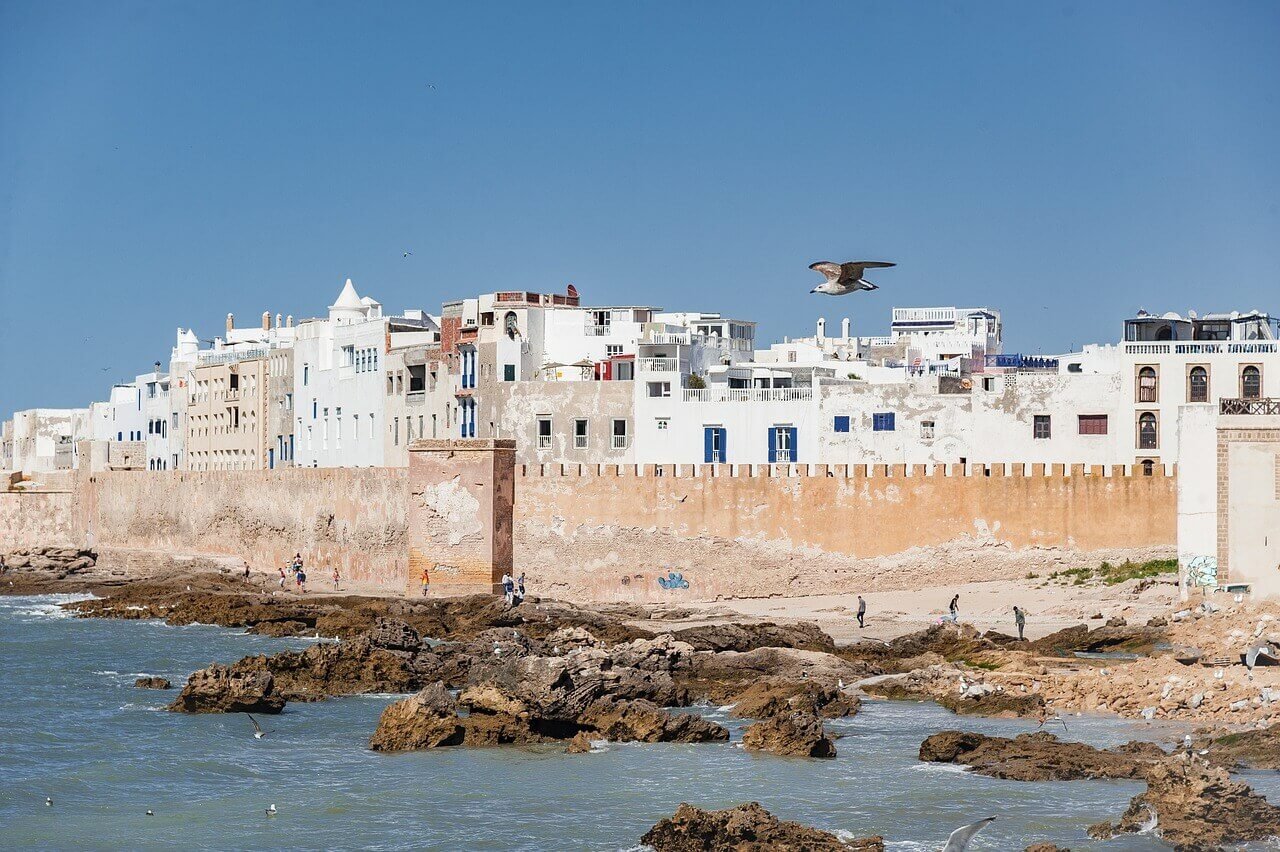
Agadir is a rebuilt resort city with a 9-kilometre sandy bay, modern hotels, and a milder winter climate that attracts European sun-seekers from November through March. The city itself lacks the historic character of Essaouira or Marrakech—it was largely reconstructed after a 1960 earthquake—but it delivers on resort facilities, and a detailed Agadir travel guide can help you uncover its best beaches, viewpoints, and day trips.
Who should pick Agadir:
Families and older travelers who appreciate beachfront hotels, elevators, and straightforward infrastructure
Visitors booking winter-sun packages who want to add a cultural extension with Morocco Classic Tours
Those who prioritize pools and easy beach access over medina exploration
Experiences:
Walking the long promenade and enjoying café terraces
Day trips to Paradise Valley (natural rock pools and scenery) or inland to the walled town of Taroudant
Combining Agadir with Taghazout or Essaouira for variety
Typical stays run 3–5 nights, depending on how much relaxation versus touring a traveler wants.
Asilah is a small fortified coastal town south of Tangier with white-washed houses, murals painted during annual arts festivals, and a pace that feels almost Mediterranean. It’s off the tourist trail that most first-timers follow, making it a genuine hidden gem destination.
Why include it:
Good stop for travelers moving between Tangier and Rabat who want a quieter, art-focused beach town
Summer arts festival and year-round murals give Medina a creative atmosphere
Rampart walks at sunset overlooking the Atlantic
Morocco Classic Tours can design northern loops including Tangier, Asilah, Chefchaouen, and Fes, for travelers arriving via Spain or directly into Tangier airport. Plan 1–2 nights; late spring to early autumn offers the best beach conditions.
Morocco’s Atlas and Anti-Atlas ranges offer everything from easy valley walks to multi-day treks. For travelers who want nature, cool air, and unique landscapes beyond the medinas and desert, the mountains are among the best parts of Morocco to explore.
Morocco Classic Tours organizes private day trips and multi-day hikes with licensed mountain guides, mule support, and comfortable guesthouses in Berber villages throughout the High Atlas, Middle Atlas, and Anti-Atlas regions, many of which feature among their most popular Morocco day trips.
Imlil is a small High Atlas village roughly 90 minutes from Marrakech, serving as the main base for treks to Mount Toubkal (4,167 metres)—the highest peak in North Africa. The surrounding area offers great hiking for all fitness levels, from gentle valley walks to challenging summit attempts.
Main options:
2-day ascent of Mount Toubkal with overnight at a mountain refuge (for fit hikers, usually late May to October without technical snow gear)
Gentle day hikes to nearby Berber villages and viewpoints for families or less experienced walkers
Why it’s one of the best parts of Morocco for mountain lovers:
Dramatic scenery: terraced fields, stone villages, and cool air compared to Marrakech
Authentic Berber hospitality with home-cooked meals and simple guesthouses
Easy access from Marrakech for day trips or multi-day adventures
Morocco Classic Tours arranges private transfers to Imlil, licensed mountain guides, luggage transport by mule, and gear rental when needed. Plan at least one night for day hikers, and 2–3 nights if attempting Toubkal or multiple hikes.
Ouirgane and Ourika Valley offer gentler High Atlas foothill scenery close to Marrakech—ideal for easy walks, village lunches, and short escapes from the city without committing to serious trekking.
Why they’re good first-time mountain choices:
Less steep and crowded than Imlil, better for casual walkers and families
Many day trips from Marrakech combine short hikes, local meals, and scenic drives
Experiences:
Ouirgane: village-to-village walking with views of red earth hills, olive groves, and small mosques
Ourika: riverside cafés, short hikes to waterfalls above Setti Fatma, and visits to local argan oil or saffron cooperatives where local women explain traditional production methods
Morocco Classic Tours commonly includes these as full-day trips from Marrakech with a private driver and flexible stops. They can also serve as 1–2 night mountain stays within a longer cultural and desert loop.
The Anti Atlas Mountains in southwestern Morocco offer rugged, less-visited terrain with pink-granite formations, palm-lined valleys, and ancient hilltop granaries called agadirs. This region is well off the beaten track most tourists follow.
Tafraoute:
Base for hikes among huge granite boulders and palm oases
Opportunities for mountain biking and exploring villages with traditional Berber houses
The painted rocks (a 1984 art installation by Belgian artist Jean Vérame) add a surreal touch to the landscape
Amtoudi:
Spectacular gorge walk to a fortified agadir perched above the village
Strong sense of remoteness and history, rewarding for adventurous travelers willing to venture beyond standard routes
Morocco Classic Tours can include the Anti-Atlas on extended circuits combining Agadir, Tafraoute, and the Sahara (via Erg Chigaga), ideal for 12–14-day trips. Best seasons run October through April to avoid summer heat and ensure comfortable hiking temperatures.
The Drâa Valley stretches from Ouarzazate toward the Sahara, a long corridor of date palms, earthen kasbahs, and oasis villages. The contrasting colours—green palms, red mud-brick, blue sky—create one of Morocco’s most photogenic landscapes.
Why it’s absolutely stunning:
Traditional irrigation systems and agriculture are still very visible, offering a window into rural Moroccan life
Authentic small town atmosphere away from major tourist centers
Experiences:
Short walks through palm groves and village lanes near Zagora or Tamnougalt
Visiting local market days for produce, livestock, and textiles
Staying in restored kasbah guesthouses arranged by Morocco Classic Tours
The Drâa Valley works best as a 1–2 night stop on the way to or from the Sahara, offering a softer introduction to desert landscapes. Plan at least one sunrise or sunset stroll for photography and quiet reflection.
One of the main reasons to visit Morocco is its living culture: medina life, music, artisan workshops, and a culinary tradition refined over more than a thousand years. For travelers seeking cultural experiences beyond sightseeing, certain destinations stand out.
Morocco Classic Tours can arrange private cooking classes, market-to-table experiences, Gnaoua music evenings, pottery workshops, and visits to women’s cooperatives producing argan oil or traditional textiles. These experiences work best with local guides who can navigate language barriers and cultural etiquette.
Marrakech and Fez are the two best cities in Morocco for culinary exploration. Their dense medinas concentrate food vendors, restaurants, and cooking schools within walking distance, making them ideal bases for food-focused travel.
Marrakech food** experiences:**
Evening street-food tastings around Jemaa el-Fna: grilled meats, harira soup, and snail stalls for the adventurous
Tanjia—lamb slow-cooked in clay urns at communal ovens
Modern Moroccan restaurants blend classics with contemporary presentation, often on beautiful rooftop terraces
Fez food experiences:
Traditional Fez specialties like b’stilla (pastilla) with pigeon or chicken, and slow-cooked lamb with prunes
Visits to spice shops, olive stalls, and bread ovens inside the medina
Hands-on cooking classes starting with a guided market shop to select ingredients
Morocco Classic Tours organizes private food tours with local guides who explain etiquette, ordering, and tipping, making it easier for first-timers to try new dishes confidently. Include at least one cooking class and one guided food walk in any 7–10 day itinerary.
Khamlia is a small village near Merzouga known for its Gnaoua community and trance-like music with roots in sub-Saharan Africa. For travelers wanting cultural immersion beyond the cities, this village offers an authentic glimpse of life on the edge of the Sahara.
Cultural experiences:
Intimate Gnaoua music performances arranged directly with local groups (not large tourist shows), including explanation of instruments and rhythms
Sharing tea and simple meals with desert families to understand daily life and traditions
Morocco Classic Tours includes Khamlia visits in many Sahara itineraries, timing them to avoid larger group crowds and ensuring fair compensation for local hosts. Combined with walks through palm oases and respectfully arranged nomad tent visits, these experiences represent some of the best ways to explore Morocco beyond the major cities.
The areas between Fez, Meknes, and Chefchaouen offer opportunities to see farming life, weekly souks, and forested landscapes that contrast sharply with the desert and medinas. The cedar forests near Ifrane and Azrou shelter Barbary macaques, while fertile valleys support agriculture unchanged for generations.
Cultural activities:
Visiting local markets where villagers trade produce, livestock, and textiles
Stopping in small towns for traditional mint tea and observing café culture
Optional farm or village lunches arranged by Morocco Classic Tours with vetted hosts
These experiences are ideal for travelers who want to understand rural Moroccan life, not just famous landmarks. Drives between Fez, Meknes, Volubilis, and Chefchaouen are perfect places to weave in such stops with a private driver.
Morocco’s coast is among the best places to travel for fresh seafood. Essaouira and Oualidia stand out for casual, high-quality eating that showcases Atlantic bounty.
Essaouira experiences:
Choosing fish at the harbor stalls and having it grilled to order with chermoula marinade
Sampling sardines, calamari, and local specialties while watching fishing boats return
Joining a Morocco Classic Tours-arranged food walk to combine medina snacks and seafront dining
Oualidia experiences:
Tasting oysters harvested from the lagoon, alongside clams and sea urchins in season
Relaxed lagoon-side lunches after morning swims or boat trips
Seafood quality is highest in cooler months (roughly October through April), though it’s served year-round. Combining a desert trip with a seafood-focused coastal stop makes for a particularly varied Moroccan food itinerary.
While many agencies sell Sahara tours, quality varies widely. Some budget operators cut corners on vehicle safety, camp hygiene, and guide licensing. Choosing a reputable Moroccan tour operator like Morocco Classic Tours makes a significant difference in safety, comfort, and authenticity.
Key quality markers:
Licensed, insured 4x4 or minibus with an experienced driver familiar with mountain and desert roads
Camps with proper bedding, clean shared or private bathrooms, and safe food preparation
Reasonable camel ride durations (45–90 minutes each way) to ensure comfort for riders and ethical treatment of animals
Advantages of choosing a specialist operator:
Ability to adjust itinerary for weather, local events, and traveler pace
Better camp locations away from the noisiest clusters
Inclusion of cultural visits that benefit local communities, not just quick photo stops
Very low-priced tours often cut corners on safety, comfort, and ethical treatment of animals and staff. Before booking, ask any company for clear itineraries, approximate drive times, and pictures of camps. Transparency is a good sign.
Morocco Classic Tours is a Fez-based travel agency creating custom private and small-group itineraries with English-speaking drivers and local guides in key cities. The approach emphasizes flexibility, quality accommodations, and authentic experiences over cookie-cutter group tours, which is reflected in their curated selection of thebest tour packages in Morocco.
Typical services:
Airport pick-ups in Casablanca, Marrakech, Fez, Tangier, or Agadir
Tailor-made routes combining Imperial Cities, the Sahara Desert, the Atlas Mountains, and the Atlantic coast
Carefully selected riads, desert camps, and guesthouses with local charm and reliable standards
Flexibility:
Itineraries from 5–7 days (quick highlights) to 14+ days (slow, in-depth exploration)
Ability to focus on specific themes: photography, food, trekking, or family-friendly travel
Adjustments for weather, flight changes, and spontaneous requests
Morocco Classic Tours serves many guests from North America and Europe, planning everything from airport arrival to departure. For travelers who now know which best places they want to see, the next step is reaching out via the website’s “Book Now” button, contact page, or inquiry form to start planning your next adventure.
Understanding individual destinations is useful, but seeing how they connect into practical routes makes planning easier. Here are three sample itineraries that Morocco Classic Tours can arrange, customized to your specific interests and travel dates, similar in spirit to their dedicated Marrakech, Fez & Casablanca tour.
7-Day Classic Highlights (Marrakech to Fes or Casablanca): Begin with two nights in Marrakech, exploring the medina, Bahia Palace, and Jardin Majorelle, with a day trip to the Ourika Valley or Agafay Desert. On day three, drive over the Tizi n’Tichka pass to Ait Ben Haddou, continuing to the Dades Valley for an overnight (approximately 7–8 hours with stops). Day four continues through Todra Gorge to Merzouga, where you join a camel trek to a desert camp for sunset and overnight. Day five allows a morning dune climb before driving to Fes (roughly 7–8 hours). Days six and seven explore Fes, including the medina, tanneries, and Bou Inania Madrasa, before departure from Fes or an extra transfer to Casablanca for flights.
10-Day Imperial Cities & Sahara (Casablanca to Marrakech): Start in Casablanca with Hassan II Mosque before driving to Rabat for an overnight. Day two continues to Chefchaouen (about 4 hours), with an afternoon to explore the blue streets andan evening free. Day three takes you to Fes (approximately 4 hours), beginning two nights of medina exploration, including a day trip to Volubilis and Meknes. Day five departs for the Middle Atlas, passing Ifrane and cedar forests en route to Merzouga (approximately 7 hours). Day six is devoted to the desert: morning in the dunes, afternoon rest, evening camel ride to camp. Day seven drives through Todra and Dades Gorges to the Dades Valley overnight. Day eight continues via Ouarzazate and Ait Ben Haddou to Marrakech (approximately 6 hours). Days nine and ten explore Marrakech before departure.
14-Day Grand Morocco Circuit (Casablanca round-trip or Casablanca to Marrakech): This extended route adds Essaouira’s coastal relaxation, deeper Atlas exploration from Imlil or Ouirgane, more time in each city, and potentially the Drâa Valley or Anti Atlas Mountains. The pace is gentler, with no single driving day exceeding 6–7 hours, allowing time for spontaneous local market visits, longer hikes, and cooking classes. This is ideal for travelers wanting to go beyond the standard route and explore hidden gems at a relaxed pace.
These are flexible templates. Morocco Classic Tours adapts them to flight times, seasons, and individual interests—whether that means adding a surf village stay, prioritizing photography stops, or ensuring family-friendly accommodations throughout.
Spring (March–May) and autumn (September–November) are generally best for most itineraries. Temperatures in Marrakech, Fes, and the Sahara are pleasant, and hiking conditions in the Atlas Mountains are ideal. Summer (June–August) brings intense heat to inland cities and the desert,t but works well for Atlantic beaches like Essaouira and Agadir. Winter (December–February) offers cooler city days, possible snow in the mountains, and chilly desert nights. Morocco Classic Tours adjusts routes by season, focusing more on the coast and mountains in peak summer, and more on the desert and cities in shoulder seasons.
Morocco is generally considered safe for tourists, especially on organized tours. Most issues are minor—touting, haggling, the occasional taxi overcharge—rather than serious crime. Common-sense precautions apply: keep valuables secure, use licensed guides in busy medinas, avoid isolated alleys at night, and agree on taxi fares before departing. Traveling with Morocco Classic Tours provides vetted drivers, guides, and accommodations, which reduces typical stress points for first-time visitors. The U.S. State Department rates Morocco as Level 2 (Exercise Increased Caution), similar to many popular European destinations.
Seven days is enough for a quick taste—Marrakech plus Sahara, or a Marrakech-to-Fes loop with one desert night. Ten days allows a classic Imperial Cities and Sahara circuit with time to breathe. Fourteen days lets travelers combine cities, desert, mountains, and coast comfortably without rushing. If you mainly want beaches and one city, even 5–6 days can work (Marrakech and Essaouira, or Agadir with day trips). Share your exact timeframe with Morocco Classic Tours so an optimal route can be designed around your priorities.
Modest, breathable clothing works best: shoulders and knees covered in medinas and rural areas, with light layers for daytime heat and cooler evenings from October to April. Sturdy closed-toe shoes are essential for city walking and desert dunes. Bring a light scarf to protect from sun and wind, and a warmer layer (fleece or sweater), plus a hat and gloves for winter desert nights or mountain stays when temperatures can drop significantly. Morocco Classic Tours provides detailed packing suggestions tailored to your specific season and itinerary once a trip is booked.
Private tours with quality riads, desert camps, and a private driver cost more than budget group tours but provide significantly higher comfort, flexibility, and cultural depth—often without the extra cost of dealing with problems that cheap tours create. Final cost depends on season, accommodation level (standard, boutique, or luxury), group size, and how many internal transfers and guided activities you include. Contact Morocco Classic Tours with your travel dates, group size, and comfort preferences so the team can provide a customized quote with options matching your budget. The investment in a well-organized private tour typically pays off in experiences that couldn’t happen any other way—arriving at a desert camp with Google Maps showing nothing but sand, sharing mint tea with Berber families, and having a tour guide unlock doors that remain closed to independent travelers.
Discover how to choose the perfect group tour agency in Morocco. Get tips on what to look for and ma...
Read this article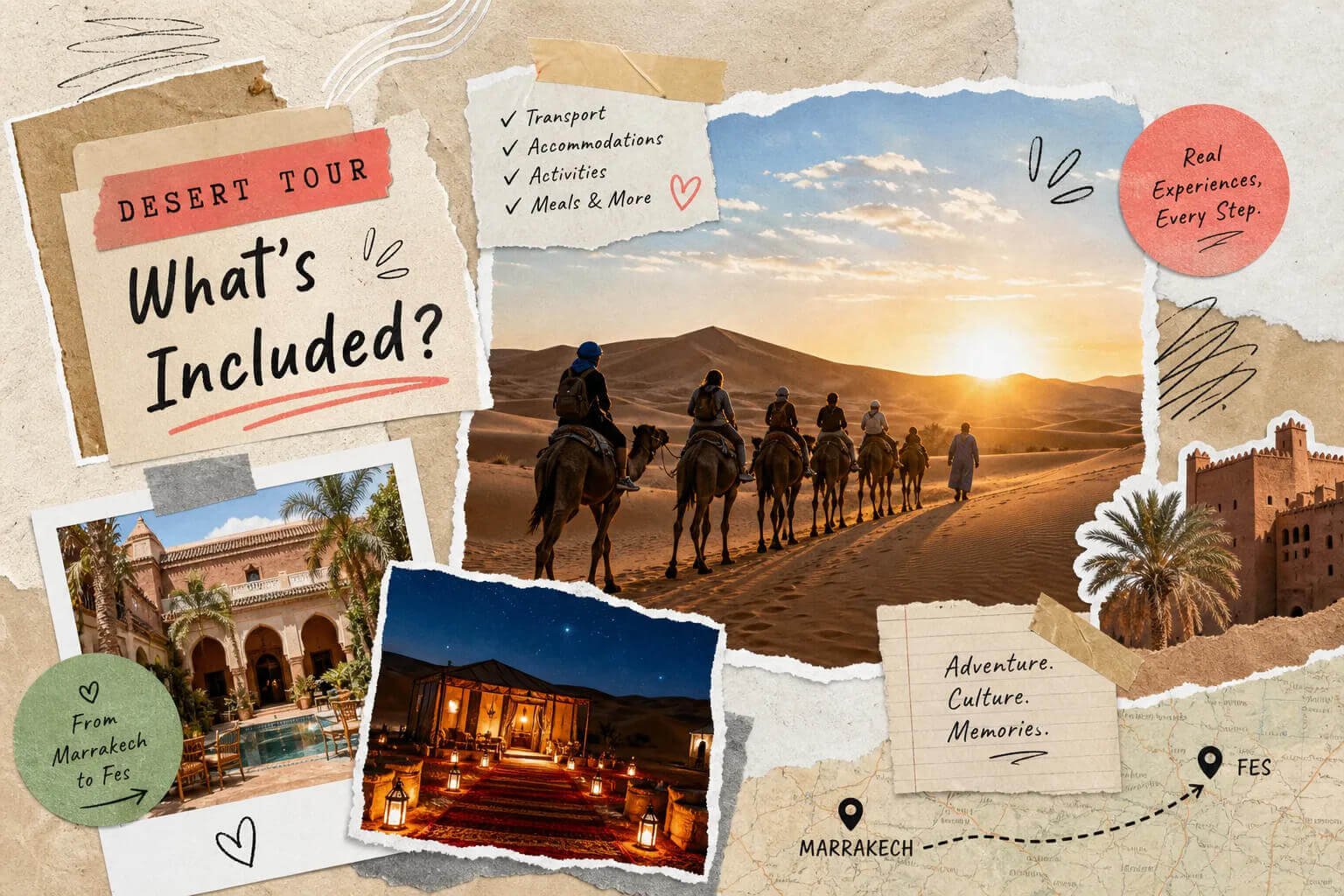
Uncover what a Marrakech to Fes desert tour offers, including camel rides, desert camps, and rich cu...
Read this article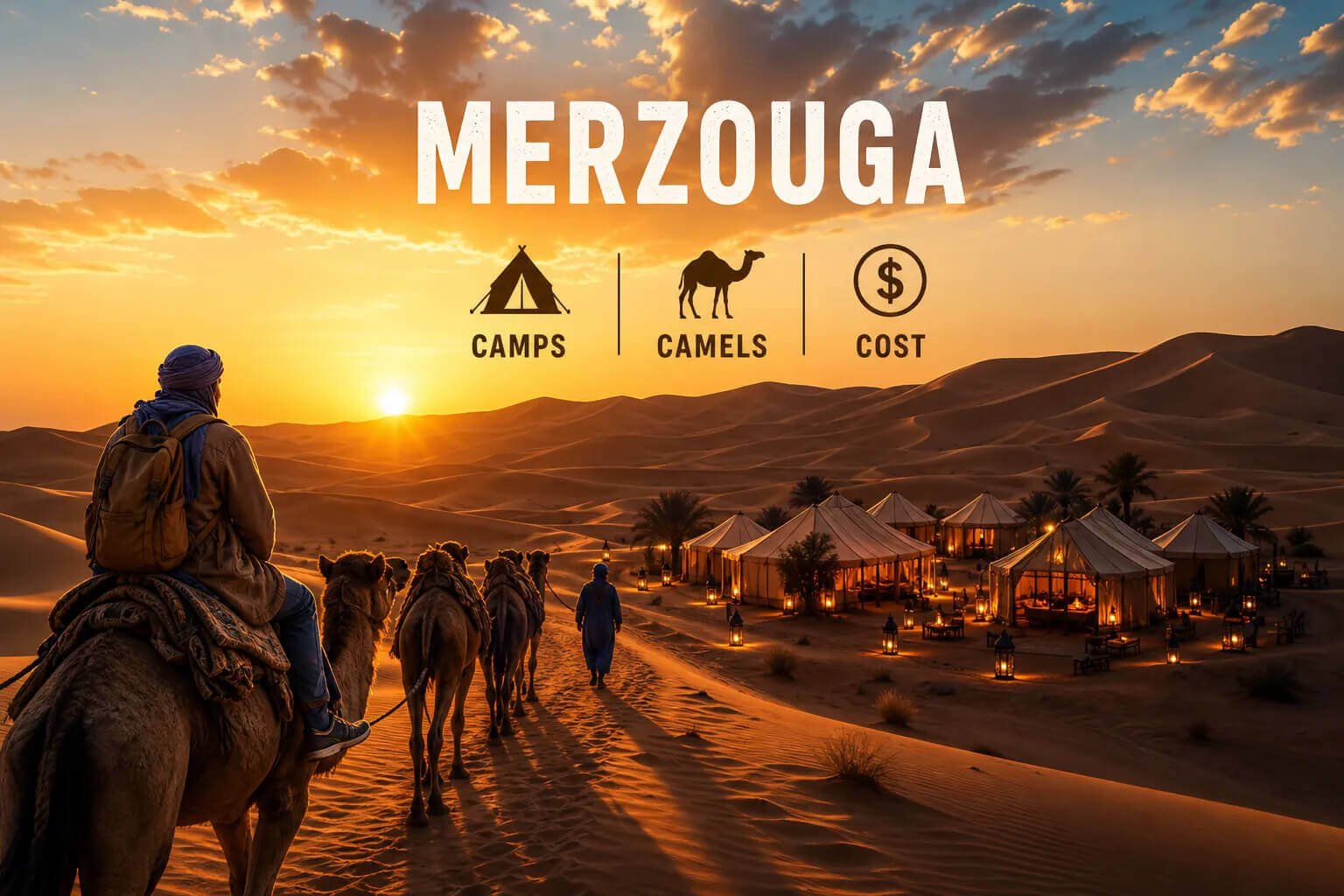
Join our Merzouga Overnight Tour for an authentic desert experience. Enjoy camel rides, comfortable ...
Read this articleWant cool tour deals and tips about Morocco? Enter your email and we’ll send them to you each month!