Group Tour Agencies in Morocco: How to Pick the Right One
Compare Morocco group tour agencies by trip style, reviews, pace, transport and inclusions. Learn wh...
Read this article

Private, custom Morocco trips planned in Fez by AZ-ZDDINE, working in Moroccan tourism since 2012. Sahara, Atlas, medinas and coast, arranged around you.
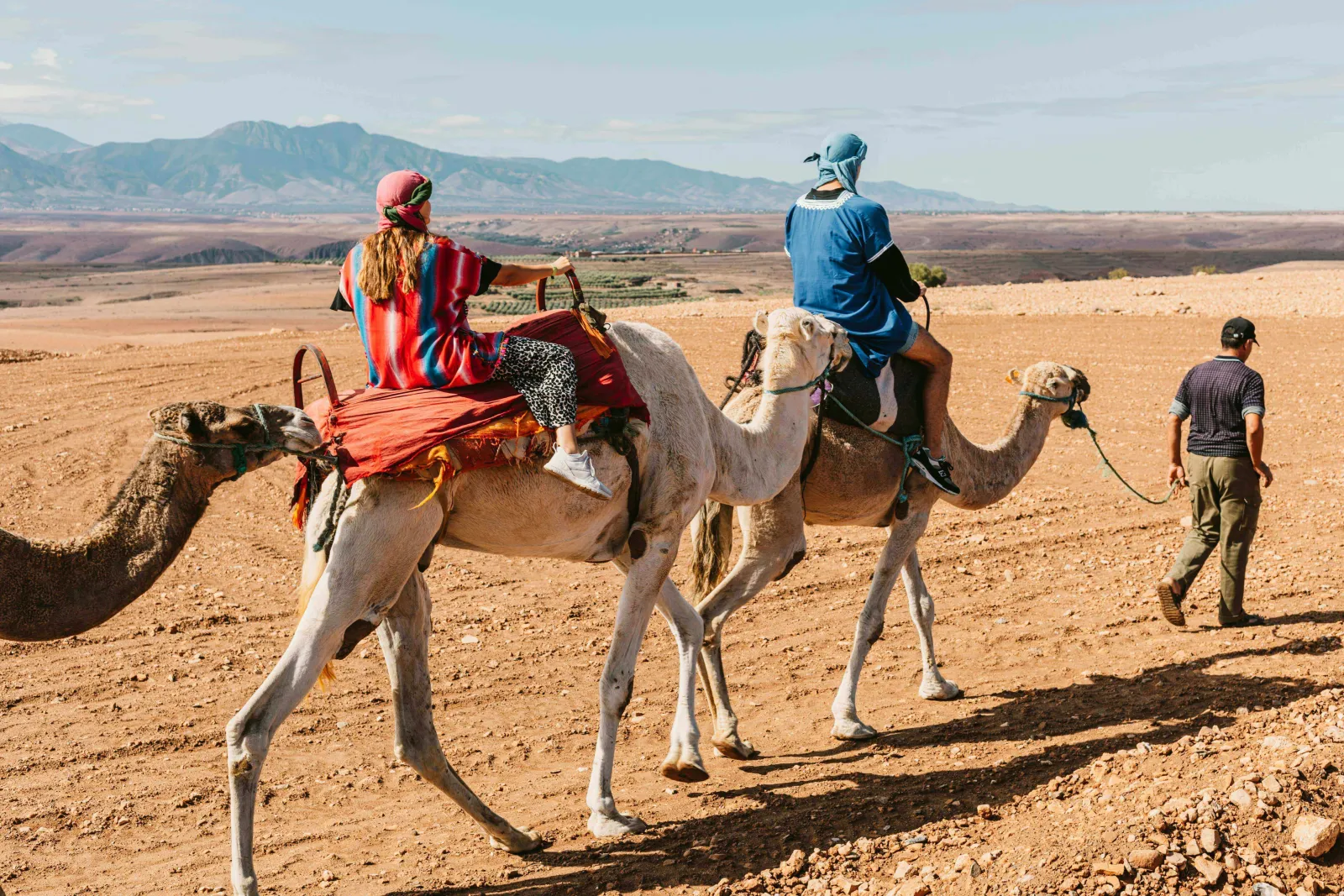
The most iconic camel treks happen around Merzouga (Erg Chebbi) and Zagora/Erg Chigaga in the Sahara Desert, with shorter rides available near Marrakech at the Palmeraie and Agafay Desert.
A typical sunset camel ride lasts 1–2 hours, often included in overnight desert camp packages on 2–3 day tours from Marrakech or Fez.
Essential clothing includes long, loose trousers, closed footwear like trainers or light hiking shoes, layers for cold desert nights, sun protection, and a scarf or turban.
Choosing ethical, small-group operators like Morocco Classic Tours ensures good camel welfare through limited loads, adequate rest, and experienced cameleers.
Prices range from €20–€40 for short rides near Marrakech to €150–€250+ for multi-day Sahara experiences including transport, meals, and desert camp accommodation.
Imagine yourself perched atop a camel as the sun begins its descent over the Erg Chebbi dunes. The sand glows a deep orange, the dunes rise to nearly 150 meters around you, and the only sound is the soft crunch of camel hooves on sand. This is riding a camel in Morocco at its finest, and it’s an incredible experience that has drawn travelers to this corner of North Africa for generations.
The journey begins before you even mount. Your camel kneels on the sand, and a guide stabilizes the animal while you swing one leg over the saddle. Most saddles have metal or wooden handles to grip, and you’ll want to hold on firmly. Here’s the part that catches most people off guard: when the camel stands, it rises back legs first, tilting you forward dramatically, then lifts its front legs, rocking you back. The motion feels like a slow-motion rollercoaster for about five seconds, and nearly every first-time rider laughs or yelps in surprise.
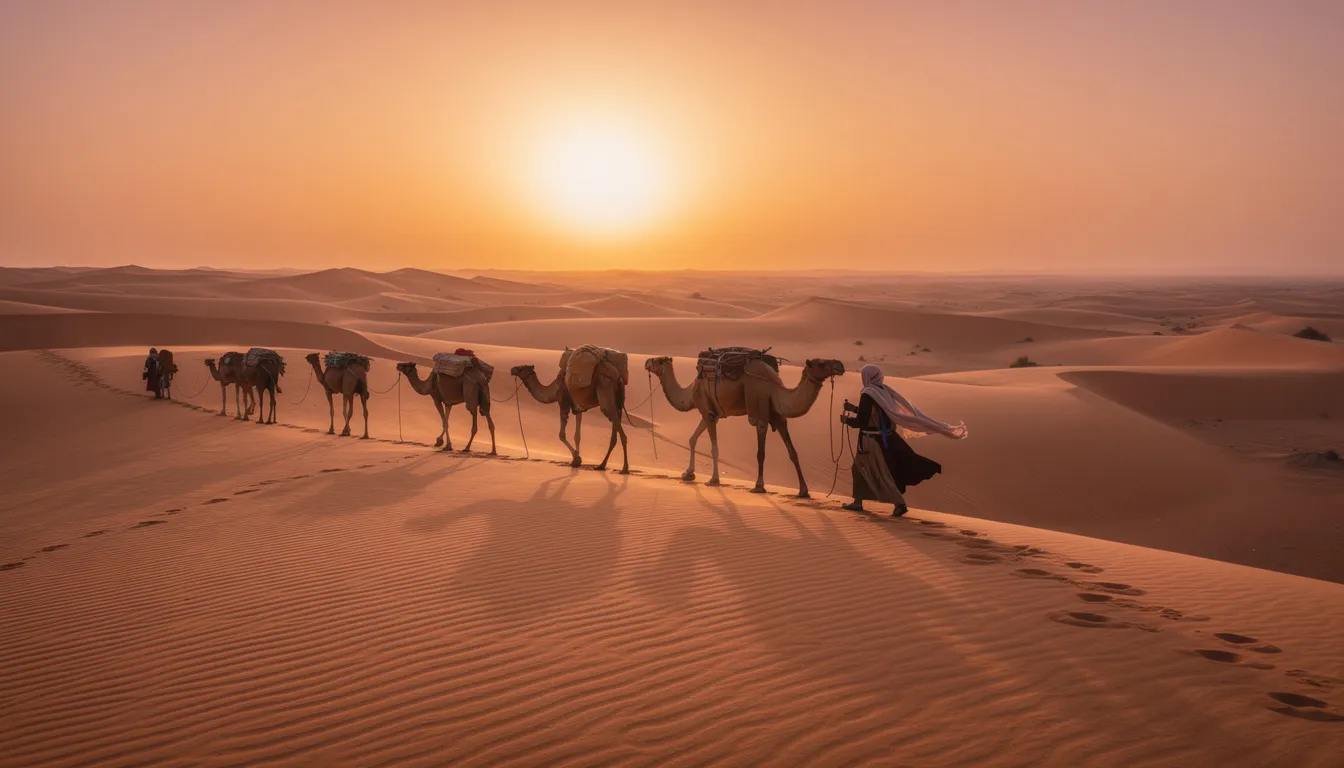
Once you’re up and moving, the camel experience settles into something almost meditative. The ride has a gentle, rolling sway that’s nothing like the bouncing trot of a horse. You sit about two meters above the ground, giving you a completely different perspective on the desert landscape than walking. Most people find the first five to ten minutes feel slightly odd, but then something clicks. Your body relaxes, your hips begin to move with the camel’s rhythm, and you fall into the slow pace of the caravan.
The sensory details are what most travelers remember long after the trip ends. There’s the soft crunch of sand beneath padded feet, the occasional creak of leather saddles, and the low grumbles and sighs camels make when they’re content or slightly annoyed. Once the quad bikes and 4x4s are out of earshot, the silence of the Sahara takes over. It’s simply breathtaking.
Typical ride durations vary by tour type. Sunset and sunrise rides usually last 45–90 minutes each way. On multi-day treks, you might spend 2–3 hours on a camelback spread across morning and late afternoon sessions. Guides stop regularly to let riders stretch, adjust their seating, and take photos of the scenery that seems to change with every shift of light.
Morocco offers several distinct environments for camel riding, each with its own character. The “full Sahara” experiences center on Merzouga and the Erg Chebbi dunes in the east, or Zagora and Erg Chigaga further south. These are the vast, towering dunes that define most people’s mental image of a desert adventure. For travelers short on time, easier-access options exist near Marrakech, including the stony lunar landscape of Agafay Desert and the palm-lined paths of the Palmeraie, which can be woven into a broader 7-day Marrakech itinerary of activities. Coastal areas near Essaouira and Agadir offer beach camel rides, though these feel quite different from the desert caravan experience.
Morocco Classic Tours focuses on private and small-group itineraries that combine camel rides with visits to Imperial Cities like Fez and Marrakech, the Atlas Mountains, and famous kasbahs. Whether you’re visiting Morocco for a week or just a few days, camel treks can be built into journeys that match your schedule and interests.
Merzouga is the classic camel-riding hub, sitting on the edge of the Sahara about 560 km from Marrakech (roughly 9–10 hours of driving with sightseeing stops) and 470 km from Fez (about 7–8 hours with breaks). This small village serves as the gateway to the Erg Chebbi dunes, where golden-orange sand rises to approximately 150 meters in some areas.
Most travelers arrive on 2–3 day tours that include a camel trek to camp, an overnight stay in a desert camp, and stops at attractions like Ait Ben Haddou or Todra Gorge along the way. Morocco Classic Tours offers private Marrakech–Merzouga and Fez–Merzouga itineraries that include a sunset camel ride to camp, Berber music around the fire after dinner, and a choice of sunrise return by camel or 4x4.
This is the ideal destination for travelers who want classic Sahara photos, a night under star-filled skies where the stars begin to feel close enough to touch, and don’t mind a medium-length travel day to reach the dunes.
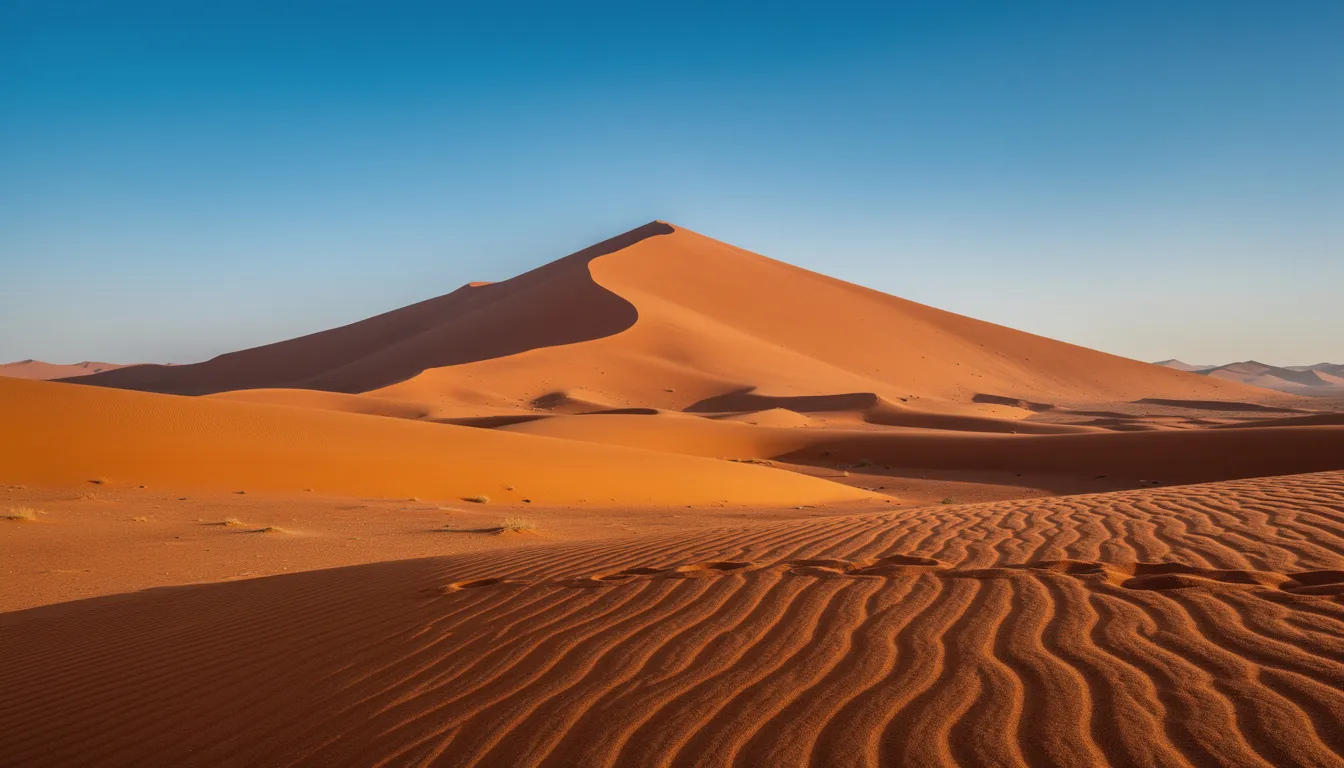
Zagora sits about 360 km from Marrakech, typically requiring a 2-day round trip. The dunes here are lower than at Erg Chebbi, and the surrounding Draa Valley offers palm-filled oases and dramatic kasbahs. This region suits travelers on shorter breaks or those making their first desert visit who want a taste of the Sahara without the longer journey to Merzouga.
Erg Chigaga, near M’hamid, is a more remote dune field requiring a 4x4 approach. It attracts travelers who prefer fewer crowds, longer multi-day camel treks, and a “wild Sahara” atmosphere. The adventure here feels more expedition-like, with camps set in genuine isolation.
Morocco Classic Tours can arrange customized tours to both areas, combining camel rides with visits to ancient kasbahs, lush oases, and nights in traditional or luxury camps. If you’re time-poor but want to experience the desert, Zagora is your best bet. If you have more days and want dramatic dunes and deeper immersion, Erg Chebbi or Erg Chigaga are worth the extra travel.
Not everyone has time for a multi-day Sahara trip, and that’s where the areas around Marrakech come in. The Palmeraie, a historic palm grove about 20–30 minutes from the medina, offers easy 1–2 hour camel rides. Tours typically include hotel pick-up, a gentle ride through the palms, mint tea at a Berber home, and plenty of photo opportunities. It’s a fun introduction without the commitment of a longer journey.
The Agafay Desert, about 45 minutes from Marrakech, presents a different landscape entirely. This stony, lunar-like terrain offers sweeping views of the High Atlas Mountains in the distance. Many visitors choose sunset camel rides here, sometimes paired with quad biking or dinner under the stars at a scenic camp.
Morocco Classic Tours can build Agafay camel rides into half-day or evening experiences for visitors who have only a short time in Morocco. While these areas don’t have the towering dunes of the Sahara, they’re excellent for families, older travelers, or anyone on a city break wanting a safe, scenic introduction to ride camels.
Camels can also be ridden on beaches near Essaouira, Agadir, and even around Tangier. These are typically short 20–60 minute rides along the shore, with the Atlantic waves as your backdrop. The experience is more about coastal scenery than desert adventure, and quality varies significantly between very touristy beach operations and more relaxed local operators that you’ll often find highlighted in the Morocco travel blog with destination guides.
Morocco Classic Tours can help guests add a short beach camel ride as part of broader coastal itineraries, including time in cities like Casablanca, where you can explore the best things to do in Casablanca before or after your desert experience. However, for travelers seeking that authentic “desert caravan” feeling with vast dunes stretching to the horizon, the Sahara remains the top choice.
The right clothing can make the difference between a comfortable, memorable ride and a frustrating one marked by sunburn, chafing, or shivering. This applies whether you’re on a quick hour-long tour or an overnight trek deep into the dunes.
Morocco Classic Tours provides guidance to guests before departure and can often help source traditional turbans or cheich scarves locally, especially on combined Marrakech, Fez and Casablanca tour itineraries. Here’s what you need to know about dressing for your camel experience.
Long, loose trousers are essential. Light hiking pants, breathable cotton trousers, or loose linen work well. They prevent chafing against the saddle, protect your skin from sun exposure, and guard against scratchy camel hair. Avoid tight jeans, which can become uncomfortable quickly.
For tops, choose shirts with sleeves to prevent sunburn. A light long-sleeve shirt or breathable T-shirt works for most conditions. For women, leggings worn under a loose tunic can be both comfortable and culturally appropriate, particularly when visiting more traditional areas.
Seasonal adjustments matter. In summer (June–September), fabrics should be light and breathable—linen and cotton are your friends. In winter (November–February), you’ll need a warm fleece or light down jacket for evenings and early mornings when temperatures can drop near freezing. Desert nights are surprisingly cold year-round.
Avoid flowy skirts and very short shorts. They’re impractical for mounting and dismounting, and can cause discomfort in the saddle.
Closed-toe shoes are non-negotiable. Trainers, lightweight hiking shoes, or trekking sandals with secure heel straps all work well. Your feet need protection when the camel stands and kneels, and hot sand in summer can burn exposed skin.
Flip-flops and high heels are unsafe. They slip easily, provide no ankle support, and can fall off when the camel moves. This might seem obvious, but it’s a surprisingly common mistake among tourists.
For longer treks, thin socks help prevent rubbing inside your shoes and keep your feet warm during chilly dawn rides in the dunes. Pack a spare pair in case yours get sandy.
A traditional cheich or turban-style scarf is perhaps the most practical accessory you can bring. It protects your head and neck from intense sun, and guides often help wrap it correctly. A wide-brim hat works too, though it may blow off in the wind.
Sunglasses with UV protection are essential in the bright desert light. Bring high-SPF sunscreen and lip balm—the combination of sun and dry air is harsh on exposed skin, particularly around the Erg Chebbi dunes, where there’s no shade.
If wind picks up and blows fine sand, a light buff or extra scarf to cover your nose and mouth prevents you from breathing in grit.
A small daypack lets you carry essentials:
A warm layer for temperature changes
A reusable water bottle (stay hydrated!)
Camera or phone
Sunscreen
Snacks
Morocco Classic Tours vehicles can store your main luggage while you’re on the camel trek, so you don’t need to carry everything on your back.
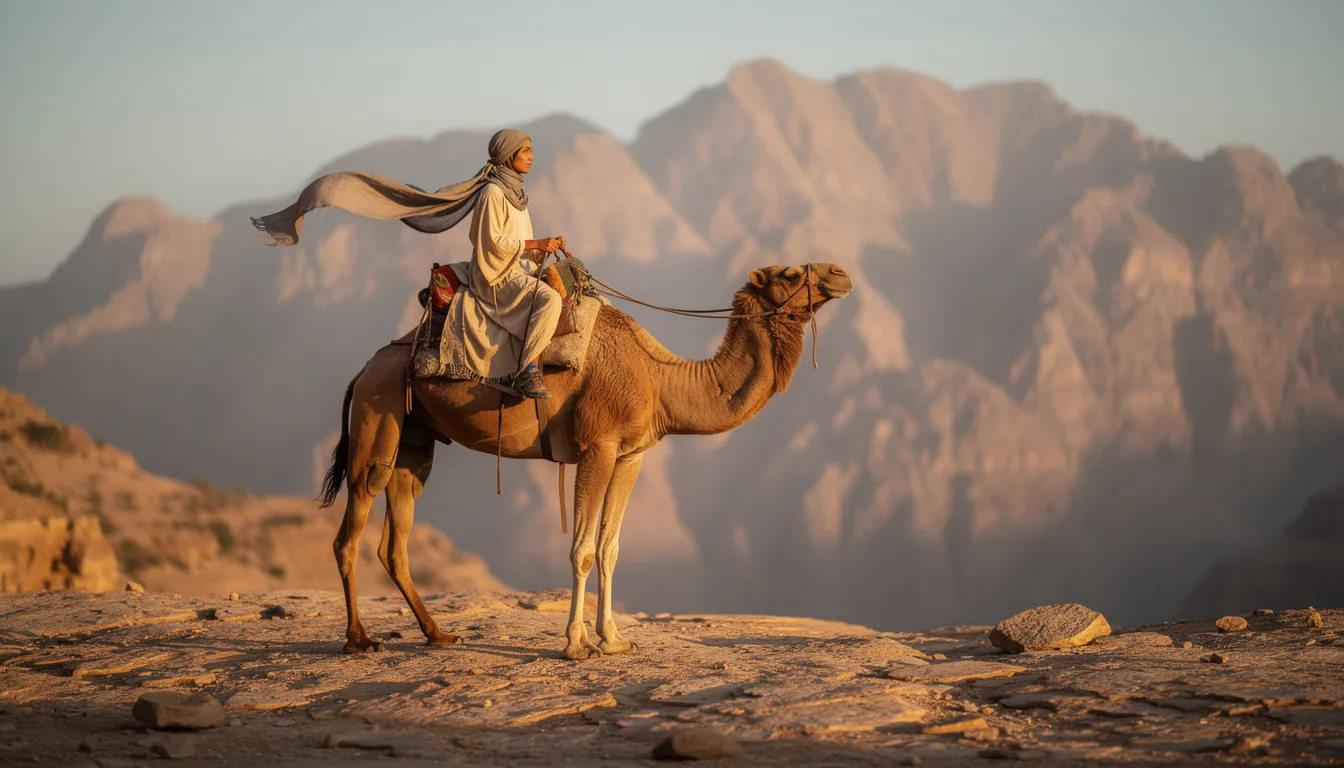
This question comes up frequently, and it deserves a direct answer. Ethical camel riding depends on how the animals are treated, not on the activity itself. Camels have been domesticated for thousands of years across North Africa and the Middle East, specifically for carrying loads and traveling long distances. When they’re healthy, well-rested, and not overloaded, riding them is consistent with their historical role.
Morocco currently has limited nationwide enforcement of animal welfare standards. This means responsibility falls on individual companies and the choices travelers make. Morocco Classic Tours prioritizes working only with trusted camels who treat their animals as valuable partners, not disposable tools.
Learning to recognize good camel care helps you make informed choices. Here are visible signs of well-treated animals:
Healthy body condition (not extremely thin with visible ribs)
Clean eyes and noses without discharge
No open sores under saddle areas or around harnesses
Well-fitting, padded harnesses that don’t dig into skin
Ethical practices to look for include:
Limited working hours per day
Regular rest periods with access to water
No excessive loads (usually one adult person per camel)
Calm, verbal commands from handlers rather than striking or yelling
Be cautious of operators offering ultra-cheap rides in busy tourist spots where camels may be tethered all day without shade. Very short rides for just a few euros can be a sign of high-volume operations that prioritize profit over the animal’s welfare.
Morocco Classic Tours vets partners through long-term relationships with local desert families. The team checks herd conditions regularly and favors small groups to reduce strain on the animals.
Dromedary camels have evolved and been bred for desert travel. When they’re healthy, not overloaded, and given proper breaks, most camels show relaxed behavior: steady chewing of cud, calm posture, and cooperative movement.
Signs of distress are usually obvious: constant roaring or groaning, refusal to kneel, aggressive behavior, or obvious wounds. If you notice any of these, speak up. Don’t be afraid to refuse to ride a camel that appears injured or overburdened, and inform your tour operator.
Reputable companies like Morocco Classic Tours will reassign animals or reschedule rides if any welfare concerns arise. Your voice matters in encouraging good practices throughout the industry.
A Sahara camel trek is more than just the ride itself. It’s a complete journey that unfolds from the moment you meet your guides until you watch the sun rise over the dunes the next morning.
Morocco Classic Tours’ standard Sahara itineraries from Marrakech or Fez typically include both a sunset and sunrise camel ride, plus ample time to explore on foot. Here’s what the experience looks like, step by step.
Before you climb aboard, guides provide a quick briefing. They’ll show you how to hold the saddle handle, explain when to lean back or forward, and describe the commands your camel will respond to.
The standing-up sequence catches everyone off guard the first time:
The camel begins kneeling
Back legs rise first, pitching you forward
Front legs follow, rocking you back
Suddenly you’re two meters off the ground
Dismounting reverses the process. The camel kneels, you lean back as the front goes down, then forward as the back follows. It feels dramatic, but it is completely safe when you follow the guide’s instructions.
The first few minutes of actual riding often feel wobbly. But riders soon adjust to the rhythm. Guides typically walk alongside, leading the line by rope or halter, which is especially reassuring for first-time riders.
After 45–90 minutes of riding, you’ll reach a Bedouin-style or Berber-style camp. These typically feature a circle of tents, a central fire area, and low tables set for dinner.
A typical evening unfolds like this:
Welcome with mint tea and Moroccan pastries
Free time to climb a nearby dune for sunset photos (the sight is unforgettable)
A hearty Moroccan dinner: tagines, couscous, fresh salads, warm bread
Live drumming or storytelling around the fire as night falls
Time to watch the sky transform as darkness reveals thousands of stars
Morocco Classic Tours offers both standard and luxury camps. Standard camps feature shared facilities and simple but comfortable tents. Luxury options include proper beds, private bathrooms, and sometimes electricity or solar lighting for charging devices.
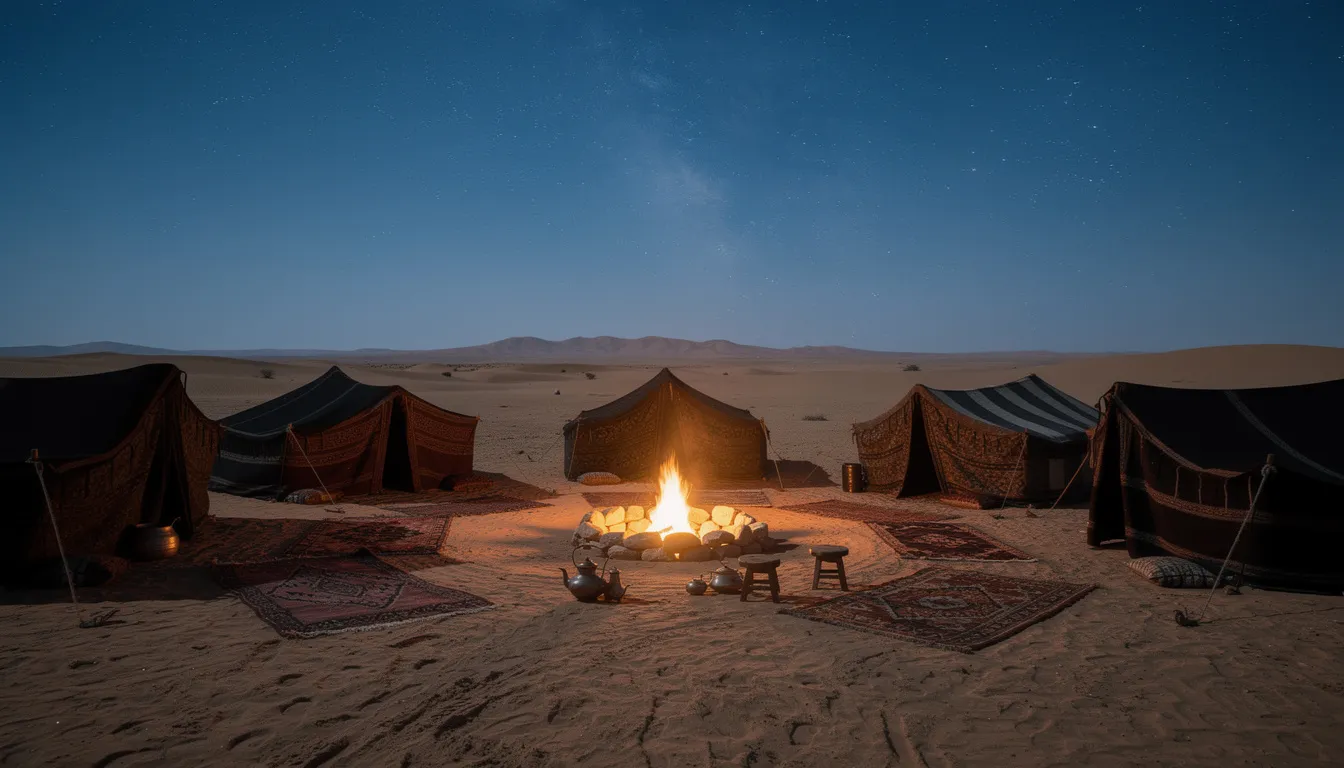
Nights in the desert can be surprisingly cold, particularly from November to February. Camps provide thick blankets and rugs. Some guests choose to drag their bedding outside to sleep partly under the open sky—the stargazing is extraordinary when you’re this far from any city lights.
The pre-dawn wake-up comes early but gently. A quick tea or coffee appears, and then you have a choice: take a short walk up a dune or simply sit and watch. The sky shifts from deep blue to pink to gold as the sun crests the horizon. On winter mornings, frost sometimes sparkles on the dunes.
Many tours return to the edge of the dunes by camel in the early morning. This gives riders a second chance to enjoy the stillness and the ever-changing colors of the sand. The light at sunrise is softer and cooler than sunset, and the world feels impossibly peaceful.
Camel treks in Morocco are generally safe for healthy adults and older children when organized by experienced tour operators. Morocco Classic Tours uses local guides who handle camels daily and provide clear briefings on safe riding, especially during the dramatic moments of mounting and dismounting.
That said, it’s worth understanding the practical limitations and how to stay comfortable throughout your ride.
While there’s no single national rule, responsible operators typically set a practical limit around 100–120 kg (220–265 lbs) per rider. This protects the animals from strain while ensuring rider safety.
If you’re close to or above this range, inform the tour operator in advance. This isn’t about judgment—it’s about matching you with appropriate options. Solutions might include using sturdier camels, adjusting route length, or offering 4x4 transfers for part of the journey.
Morocco Classic Tours asks guests to share any concerns privately before booking. This ensures both rider safety and camel welfare are respected without awkward situations on the day.
Accidents are rare when guests follow guide instructions, wear appropriate footwear, and hold the handles firmly during transitions. The camels used in tourism are well-trained and generally docile.
For families:
Children can usually ride from around 8 to 10 years old, depending on size and confidence
Younger children often share a camel with a parent for shorter rides
Very young children may be better suited to brief, gentle walks near camp
Who should consider alternatives:
People with serious back, hip, or knee issues
Anyone in late-stage pregnancy
Those with significant balance problems
For these travelers, 4x4 dune drives and walking on flat sand offer wonderful alternatives while still experiencing the desert. Always consult a doctor if you have concerns.
Basic precautions apply to everyone:
Carry personal medication
Drink plenty of water (stay hydrated throughout)
Use sun protection, especially in summer
The key to a comfortable ride is relaxation. Here’s what works:
Sit deep in the saddle and relax your hips
Move with the camel’s rhythm rather than tensing against it
Keep a light grip on the handle—don’t death-grip it
During pauses, take advantage of the break:
Roll your shoulders
Flex your ankles
Shift your seating position
Moroccan saddles are often well-padded with thick blankets and a backrest. But longer multi-hour treks can still feel like a “slow, rolling workout” for your core and hips. This is normal and passes quickly once you dismount.
Prices vary significantly based on location, ride length, camp quality, and whether the camel tour is part of a larger trip or a stand-alone activity. Morocco Classic Tours typically includes camel rides within multi-day private tour packages that also cover transport, guiding, meals, and accommodation.
Experience Type | Approximate Cost | What’s Included |
|---|---|---|
Short ride near Marrakech (30–60 min) | €20–€40 per person | Transfers, tea, guide |
Overnight Sahara package (2–3 days) | €150–€250+ per person | Transport, camel rides, camp, meals, guide |
Private/luxury options | €300–€500+ per person | Private vehicle, luxury camp, all meals, enhanced service |
Very low prices—say, short rides under €10 organized on the spot—often indicate poor animal welfare or hidden extras. Approach these with caution. | ||
Morocco Classic Tours provides transparent pricing on request, with clear inclusions: private driver, desert camp category, meals, and the specific type of camel trek included. | ||
Tipping is customary for camel handlers and desert staff, especially on private or small-group tours where service is personal.
General tipping guidelines:
Short ride (1–2 hours): 20–40 MAD (roughly €2–€4) per rider for the cameleer
Overnight trek with full camp service: 50–100 MAD (about €5–€10) per person, shared among camel guides and camp staff
If you’re traveling with Morocco Classic Tours, ask your driver or guide for updated local guidance. Tipping norms vary slightly by region and season.
Working with a reputable tour operator simplifies logistics, ensures vetted camel partners, and allows customization around your dates and interests. Morocco Classic Tours specializes in private and tailor-made itineraries, so camel rides are built into wider journeys that include cities, mountains, and cultural visits.
Step 1: Initial enquiry. Contact Morocco Classic Tours via the website “Book Now” form, the Contact Us page with full agency details, or email. Share your:
Travel dates
Starting city (Marrakech, Fez, Casablanca, etc.)
Group size
Specific interests and must-sees
Step 2: Itinerary proposal. The team proposes sample itineraries tailored to your needs. Popular options include:
3 Days Marrakech to Merzouga
3 Days Fez to Merzouga
2 Days Marrakech to Zagora
Each includes specific camel-ride options: sunset only, sunset and sunrise, or extended treks.
Step 3: Confirmation and booking. Once you confirm your itinerary, a deposit secures desert camps and camel services. The remaining balance is due closer to your trip. You’ll receive detailed information about what to pack, timing, and meeting points.
Special requests welcome:
Families with young children
Travelers with mobility considerations
Photography-focused trips
Honeymoon surprises or celebrations
These can all be accommodated with adaptations like shorter rides, private camels, or extra nights in the desert.
While many operators offer camel treks, what matters most is:
Small group sizes
Demonstrated commitment to safety
Genuine attention to animal welfare
Experienced local guides who grew up in desert regions
Morocco Classic Tours is a specialist Moroccan agency based in Fez, working directly with trusted camel owners in Merzouga, Zagora, and the Agafay area. This direct relationship differs significantly from large anonymous intermediaries who may not personally know the cameleers handling their clients.
When evaluating any company, check reviews, ask directly about camel care practices, confirm group size limits, and clarify exactly what’s included in the price.
Planning tip: Book in advance for peak seasons (March–April and October), when quality desert camps and camel trekking tours fill up quickly.
These questions address common concerns not fully covered in the main sections, especially around timing, photography, and accessibility.
The most comfortable months are generally March–May and mid-September–November, with warm but not extreme daytime temperatures.
Summer (June–August) can exceed 40°C (104°F) in the dunes; rides shift to early morning and late afternoon.
Winter (December–February) brings cooler days and cold nights, sometimes near freezing at dawn.n
Morocco Classic Tours adjusts departure times seasonally to avoid the hottest hours and maximize comfort.
Standard sunset or sunrise rides in Merzouga or Zagora last about 45–90 minutes each way.
Many itineraries include both an evening ride to camp and a shorter dawn ride back, giving two different lighting conditions for photos.
Longer expedition-style treks (2–4 hours of riding in segments) can be arranged for travelers seeking a deeper caravan experience.
Cameras and smartphones are welcome and encouraged—camel caravans against sunset dunes are among Morocco’s most photogenic moments.
Use a cross-body strap, wrist strap, or small pouch to secure devices while moving.
Bring a small dry bag or zip-lock bags to protect electronics from blowing sand.d
Carry a power bank, as many standard desert camps have limited electricity
Gentle, short rides near Marrakech or at desert edges may work for some travelers with mild mobility issu.es
The mounting and dismounting motion requires core stability and balance
Anyone with serious back, joint, or balance problems—or pregnant travelers—should consult a doctor and discuss concerns with Morocco Classic Tours before booking
Alternative experiences like 4×4 dune drives, walking on flat sand, and staying in desert camps without riding still provide an authentic Sahara experience
Camels move at a slow pace, and guides typically lead them in a close caravan, which helps anxious riders feel secure.e
Consider starting with a shorter ride (30–45 minutes) in Palmeraie or Agafay to build confidence.
Ask to be placed closer to the guide at the front of the group for extra reassurance.e
Morocco Classic Tours’ team is experienced with first-time riders and can offer verbal guidance, slower pacing, and the option to walk part of the journey if needed.
Ready to experience the magic of the Sahara for yourself? Whether you imagine yourself watching sunset from a camel’s back at Erg Chebbi or sharing tea with Berber hosts under a canopy of stars, Morocco Classic Tours can help you design a journey that fits your style, schedule, and sense of adventure. Book your custom Morocco tour today and start planning your desert adventure.
Compare Morocco group tour agencies by trip style, reviews, pace, transport and inclusions. Learn wh...
Read this article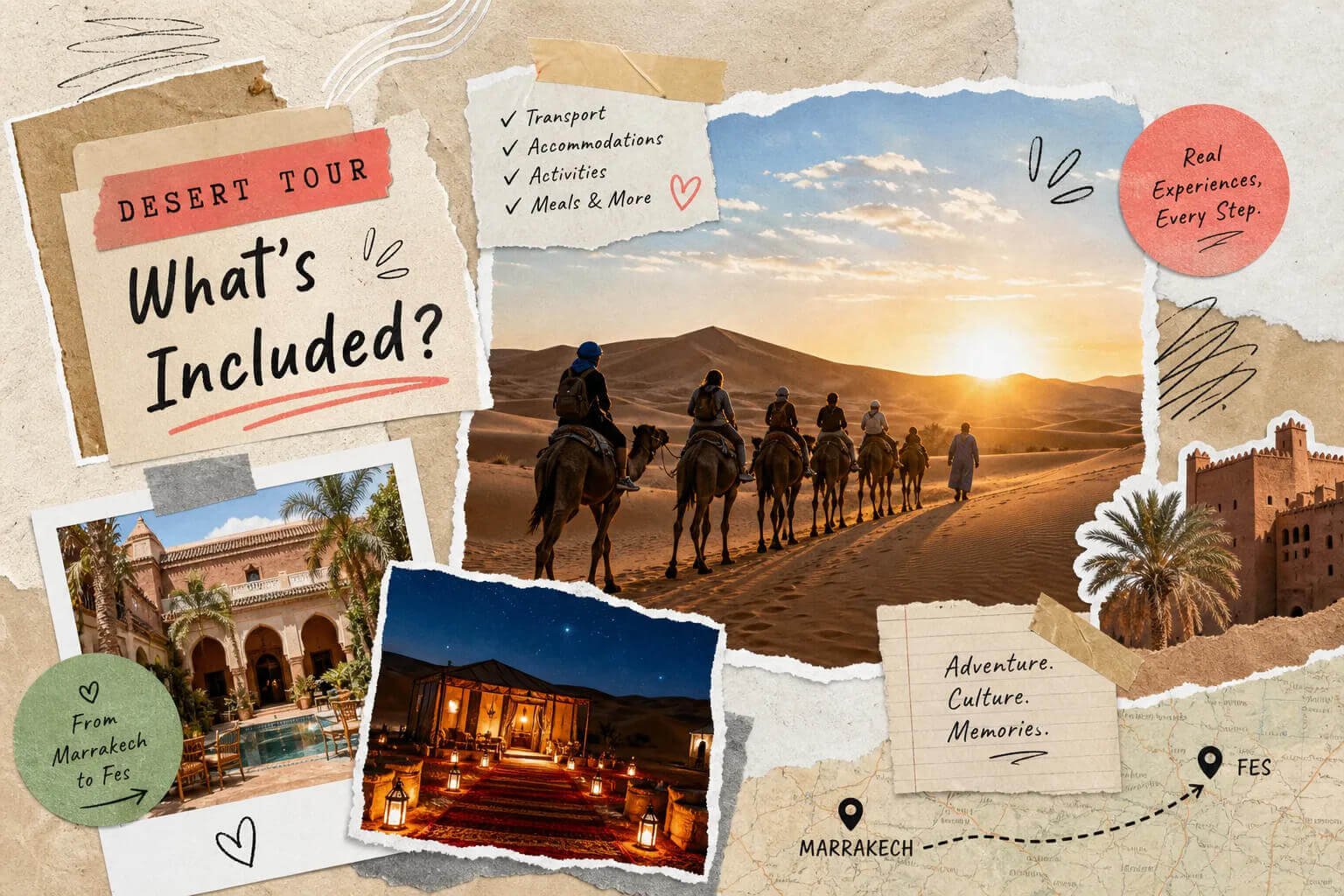
Uncover what a Marrakech to Fes desert tour offers, including camel rides, desert camps, and rich cu...
Read this article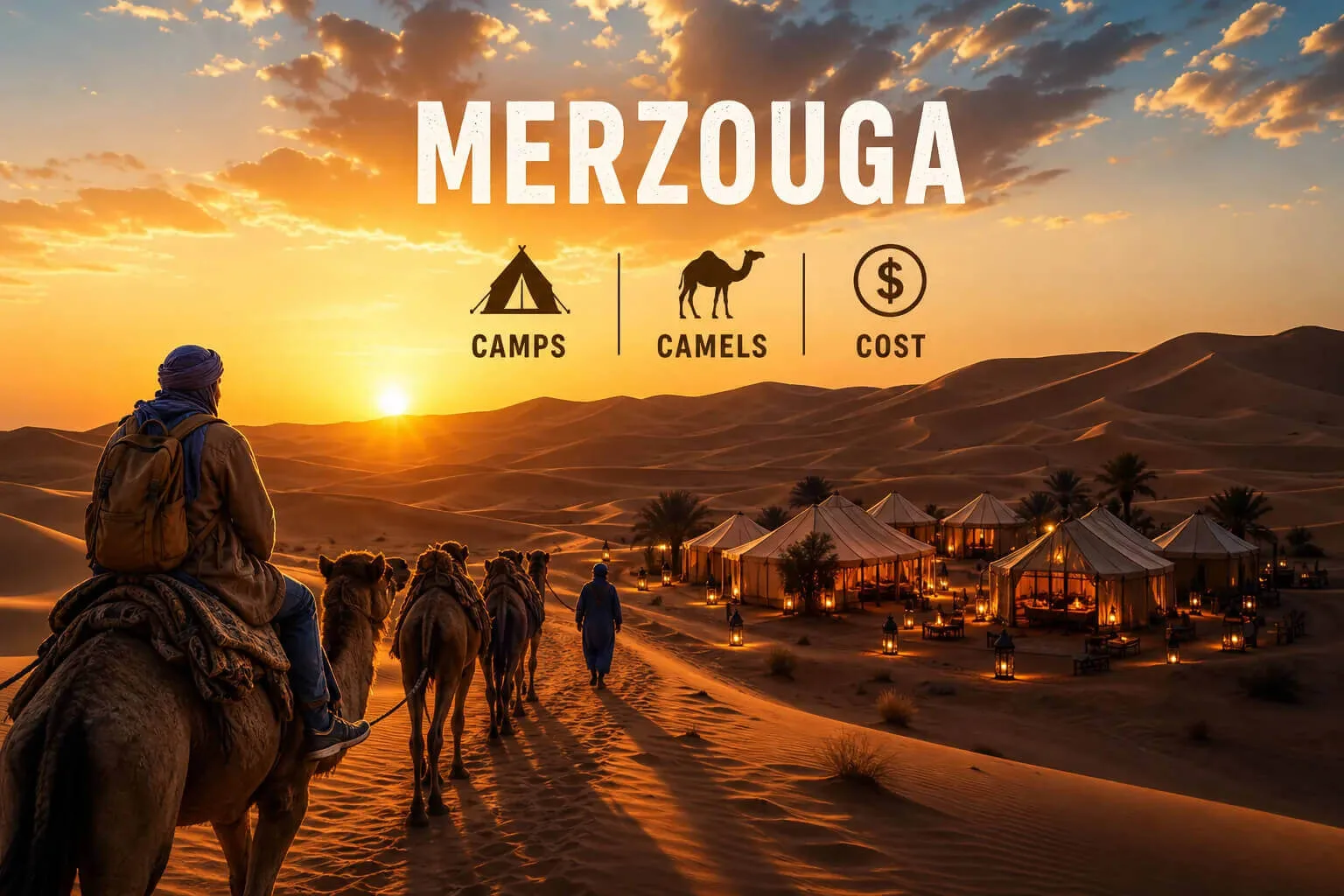
Join our Merzouga Overnight Tour for an authentic desert experience. Enjoy camel rides, comfortable ...
Read this articleWant cool tour deals and tips about Morocco? Enter your email and we’ll send them to you each month!
