How to Spend 3 Days in Marrakech: A Memorable Itinerary for Travelers
Discover how to make the most of 3 days in Marrakech with our detailed itinerary. Experience the cit...
Read this article
Suspendisse interdum consectetur libero id. Fermentum leo vel orci porta non. Euismod viverra nibh cras pulvinar suspen.
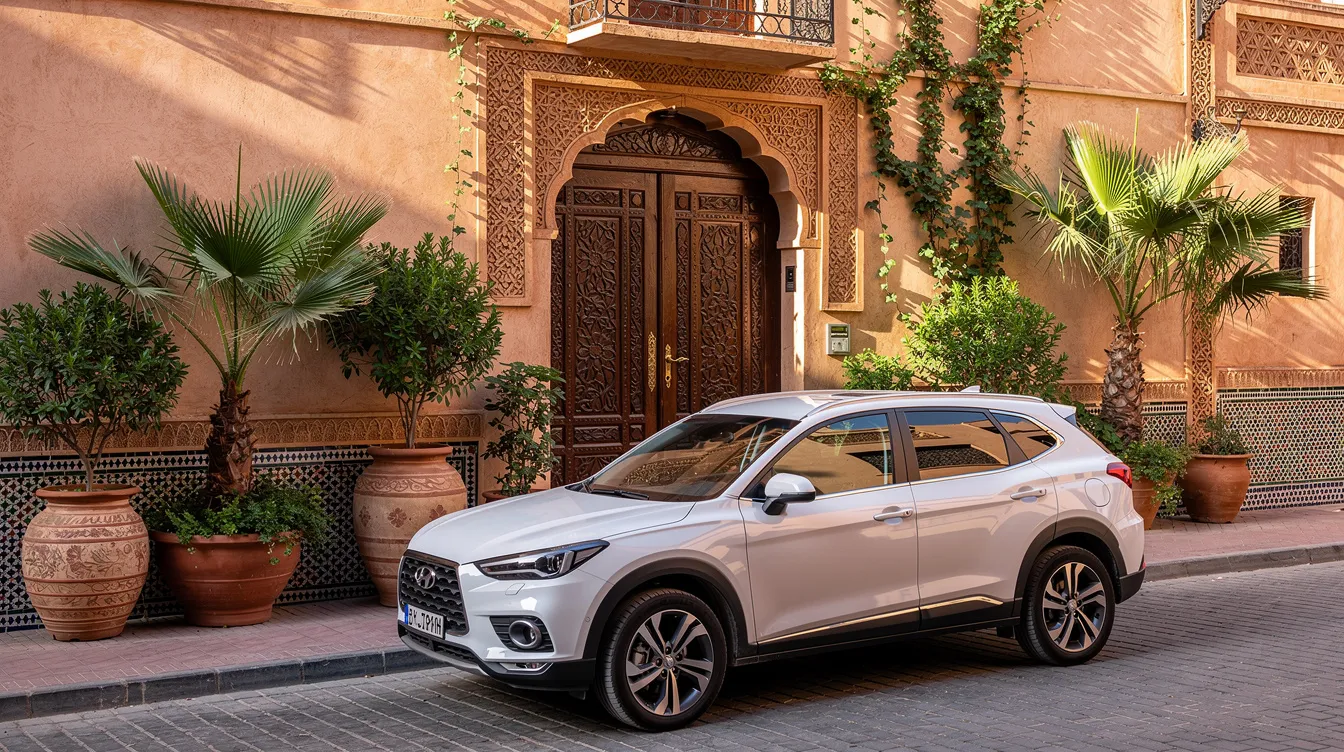
Planning a trip to Morocco means deciding how you’ll navigate between ancient medinas, dramatic desert landscapes, and winding mountain passes. For many travelers, hiring a private driver in Morocco is the stress-free solution that transforms logistics into part of the adventure itself.
A private driver in Morocco typically costs 150–250 EUR per day, depending on vehicle type (sedan, 4x4, or minivan) and itinerary length, with 4x4s for desert routes at the higher end.
Tipping your driver 10–15% of the driving portion (roughly 5–15 EUR per day) is customary for good service, though not legally required.
Hiring a driver beats self-driving for most visitors, especially for Sahara desert tours, Atlas Mountains routes, and navigating chaotic city traffic—but renting a car works well for budget travelers on straightforward coastal highways.
Morocco Classic Tours arranges licensed, English-speaking drivers and 4x4s for routes between Marrakech, Fez, Merzouga, and beyond, with transparent pricing and desert camp packages included.
Foreign tourists from the US, Canada, the EU, UK, and Australia can legally drive with a valid home license, though an International Driving Permit is strongly recommended for car rentals.
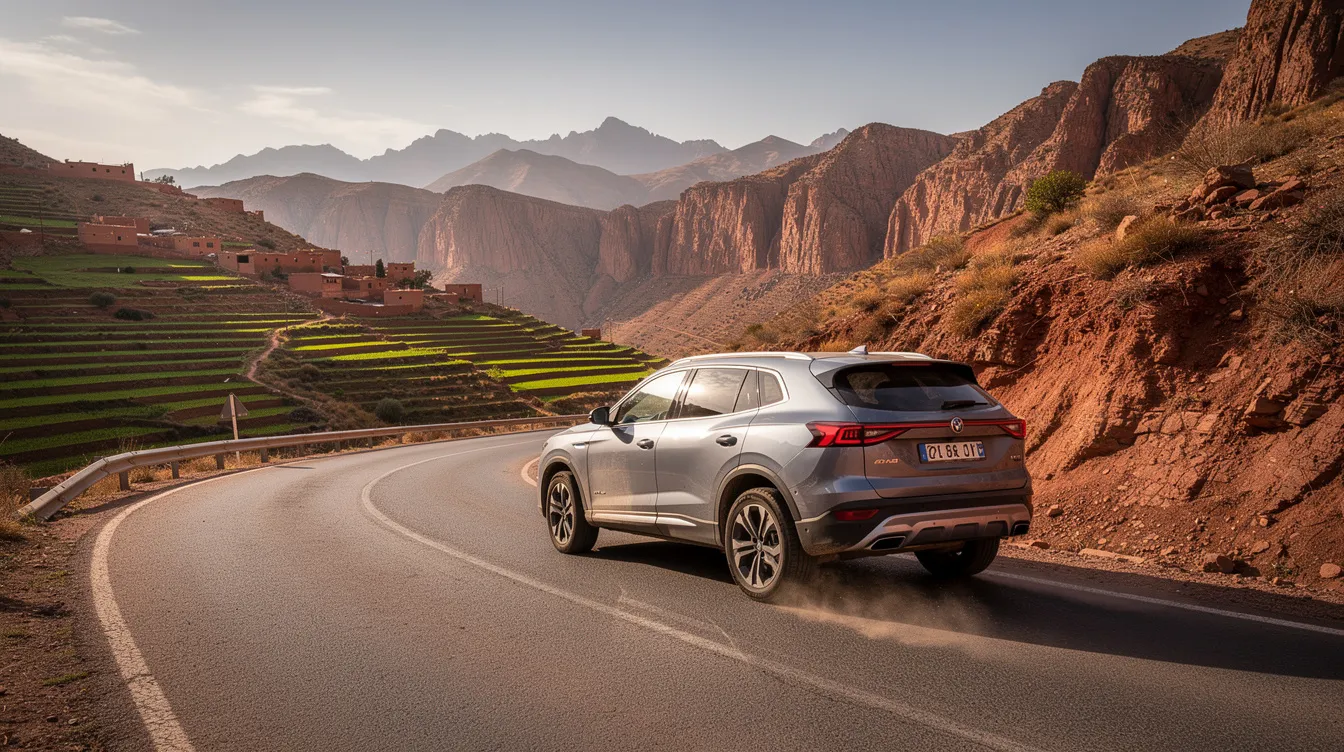
Many visitors choose a private driver instead of self-driving once they realize what Moroccan roads actually involve. Consider a classic Marrakech-to-Merzouga desert route: you’re crossing the High Atlas via hairpin turns, navigating unmarked roads near Ait Benhaddou, and eventually reaching sand tracks where GPS signals fade. That’s a lot to handle while also trying to enjoy your vacation.
Here’s why travelers consistently prefer hiring an experienced driver:
No stressful navigation in chaotic cities. Marrakech, Casablanca, and Fez feature aggressive traffic, motorcycles weaving without signals, and parking nightmares near medinas. Your driver handles all of it while you watch the scenery.
Comfort and flexibility on winding roads. Want to stop for photos at Tizi n’Tichka pass? Curious about that small Berber village off the main route? A professional driver adjusts timing without you worrying about road conditions or daylight.
Cultural insight from local knowledge. English-speaking drivers share stories about Berber traditions in the Atlas Mountains, nomad life near the Merzouga desert, and medina customs in the imperial cities. This transforms a simple transfer into a unique experience.
Tailored itineraries for your travel style. Morocco Classic Tours specializes in customizable journeys with a driver for couples, families, and small groups—whether you’re focused on desert camps, coastal escapes near El Jadida, or exploring hidden gems in Chefchaouen, all backed by experienced local tour specialists.
Understanding pricing helps you budget realistically and avoid surprises. Costs vary depending on vehicle type, route complexity, and season. Here’s what to expect:
Vehicle Type | Typical Daily Rate | Best For |
|---|---|---|
Standard sedan (Dacia Logan, Renault Clio) | 70–110 EUR / 75–120 USD / 750–1,200 MAD | City-to-city travel, imperial cities |
4x4 (Toyota Prado, Mitsubishi Pajero) | 150–180 EUR / 130–190 USD / 1,500–1,900 MAD | Desert routes, Atlas Mountains |
Minivan (Mercedes Sprinter, Ford Tourneo) | 120–170 EUR / 130–180 USD / 1,300–1,800 MAD | Families and groups of 5–8 |
Standard sedans work well for paved routes between Marrakech, Fez, Rabat, and Casablanca. Daily rates typically include fuel for moderate distances (200–300 km).
4x4 vehicles like the Toyota Land Cruiser or Mitsubishi Pajero Sport are essential for desert and mountain terrain. These rates usually cover fuel, the driver’s meals, and basic recovery equipment for sand or gravel tracks.
Pricing structures vary. Some operators quote per day, while others offer package rates for specific routes (like a 3-day Marrakech–Dades–Merzouga–Fez circuit). Multi-day bookings of 5–10 days or more often qualify for discounts.
Morocco Classic Tours provides transparent, all-inclusive quotes before you book. Their packages typically bundle driver, vehicle, hotel pickups, fuel, and sometimes guided stops at kasbahs or Roman ruins like Volubilis, reflecting their focus on custom private tours and luxury travel packages.
Tipping norms can feel confusing, but the guidelines are straightforward once you know them. Tips are appreciated but not legally required—they’re a way to thank your chauffeur for quality services beyond basic driving.
For multi-day tours: Plan to tip roughly 10–15% of the driving portion, translating to about 5–15 EUR (or 50–150 MAD) per day depending on service quality.
For day trips (Marrakech to Ourika Valley, Casablanca city tour): Around 50–150 MAD (5–15 EUR) for good service is appropriate.
For larger groups of 6–12 travelers: Pool tips so the driver receives a single envelope. A higher total per day (15–30 EUR shared by the group) acknowledges the added responsibility.
What merits a higher tip? Extra help with luggage, detours to hidden gems you requested, patient driving with children, or excellent restaurant recommendations all warrant generosity.
Morocco Classic Tours drivers receive fair base compensation. Your tip is a genuine thank-you rather than a wage supplement—though drivers in tourism-dependent areas rely on gratuities for up to 20% of their income.
Cash in dirhams is preferred, handed discreetly at the tour’s end to avoid inflating expectations mid-journey.
This is the fundamental question most travelers face. Both options have merit depending on your comfort level, budget, and itinerary.
Less stress on challenging terrain. The winding roads between Marrakech and the Sahara Desert include mountain passes, unpaved stretches, and occasional livestock crossings. An experienced driver handles these effortlessly.
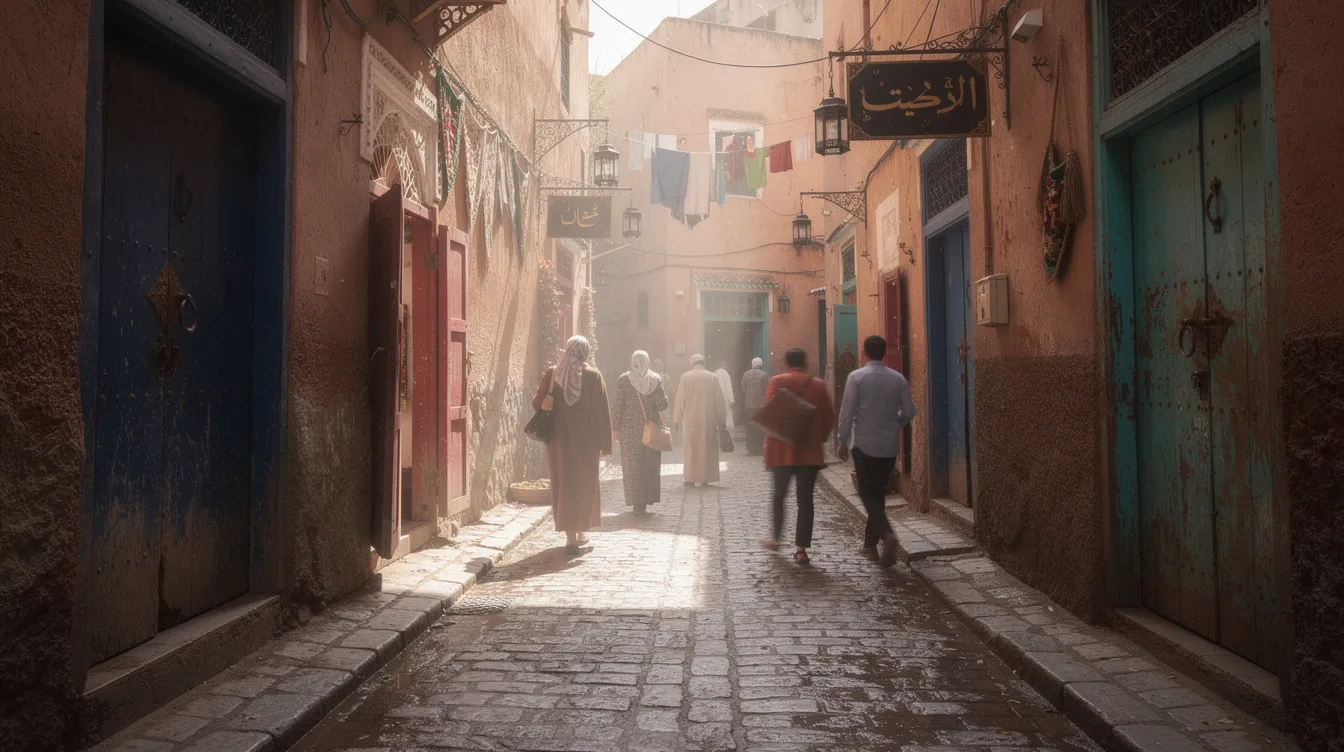
Easier navigation in historic cities. Fez and Marrakech medinas are essentially car-free labyrinths. Drivers know where to park and how to coordinate with riads.
Enhanced safety in remote regions. Desert areas between Zagora and Mhamid lack fuel stations and reliable phone coverage. Local drivers know the terrain.
No logistics headaches. Parking fees, toll payments (which can reach 200 MAD for long routes like Tangier–Marrakech), and fuel stops become someone else’s responsibility.
Lower overall cost for budget travelers. Car rental services start around 30 EUR daily for economy vehicles—significantly cheaper than a morocco car hire with driver.
Maximum independence. Slow travelers staying two weeks or longer may prefer exploring at their own pace without coordinating schedules.
Suitable for straightforward routes. Modern highways between Casablanca, Rabat, and Tangier are well-maintained and clearly signed. Highway driving matches European standards.
Winter travel near Ifrane and the Middle Atlas, where snow and ice require chains or local expertise
Night driving anywhere outside major cities (unlit roads, wandering animals, unmarked obstacles)
First-time Sahara desert tours to Merzouga or Zagora
Short trips where every hour of sightseeing counts
Morocco Classic Tours offers both fully chauffeured luxury Sahara Desert tours from Marrakech and hybrid solutions—for example, self-drive between Casablanca and Marrakech, then a private driver for your desert extension.
Finding a reliable driver requires more than a quick street-side negotiation. Here’s a step-by-step approach to booking safely:
Contact licensed tour operators. Send your travel dates, number of travelers, preferred cities (Marrakech, Fez, Chefchaouen, Merzouga, Agadir, Casablanca), and style preferences (standard, comfort, or luxury cars) to established companies like Morocco Classic Tours.
Verify licensing and insurance. Ask specifically whether the vehicle carries “transport touristique” plates and proper liability coverage. Avoid informal, unlicensed drivers offering cash-only deals without paperwork—these arrangements lack legal protection if something goes wrong.
Clarify inclusions before confirming. Key questions include:
What language does the driver speak (English, French, Spanish)?
Is air conditioning functional and reliable?
Is Wi-Fi available onboard?
What’s the luggage capacity?
Are tolls and fuel included, or extra?
What are the maximum daily driving hours?
Request a written itinerary and price breakdown. This should cover pick-up and drop-off locations, desert camp nights, any city tours requiring official local guides, and whether own accommodations are included or separate, especially when you’re comparing the best tour packages in Morocco.
Understand payment methods. Most reputable operators accept a deposit via credit card, PayPal, or bank transfer, with the balance paid in cash or card upon arrival. Always request receipts and formal confirmations.
Book from abroad before landing. Morocco Classic Tours offers online inquiry forms and email support, making it straightforward to pre-book your driver weeks before arriving at Marrakech Menara or Casablanca Mohammed V airport.
Desert and mountain exploration demands vehicles built for the terrain. Standard sedans can’t handle sand near Erg Chebbi or gravel tracks in the Dades Gorge. Here’s what to know:
Common 4x4 choices include the Toyota Prado, Toyota Land Cruiser, and Mitsubishi Pajero. These vehicles handle dune approaches near Merzouga, mountain hairpins, and occasional river crossings in seasonal wadis.
Pricing typically ranges from 120–150 EUR per day in low and shoulder seasons, rising to 160–180 EUR daily during peak periods (New Year, Easter, October). This usually includes driver, fuel, and the driver’s food and accommodation.
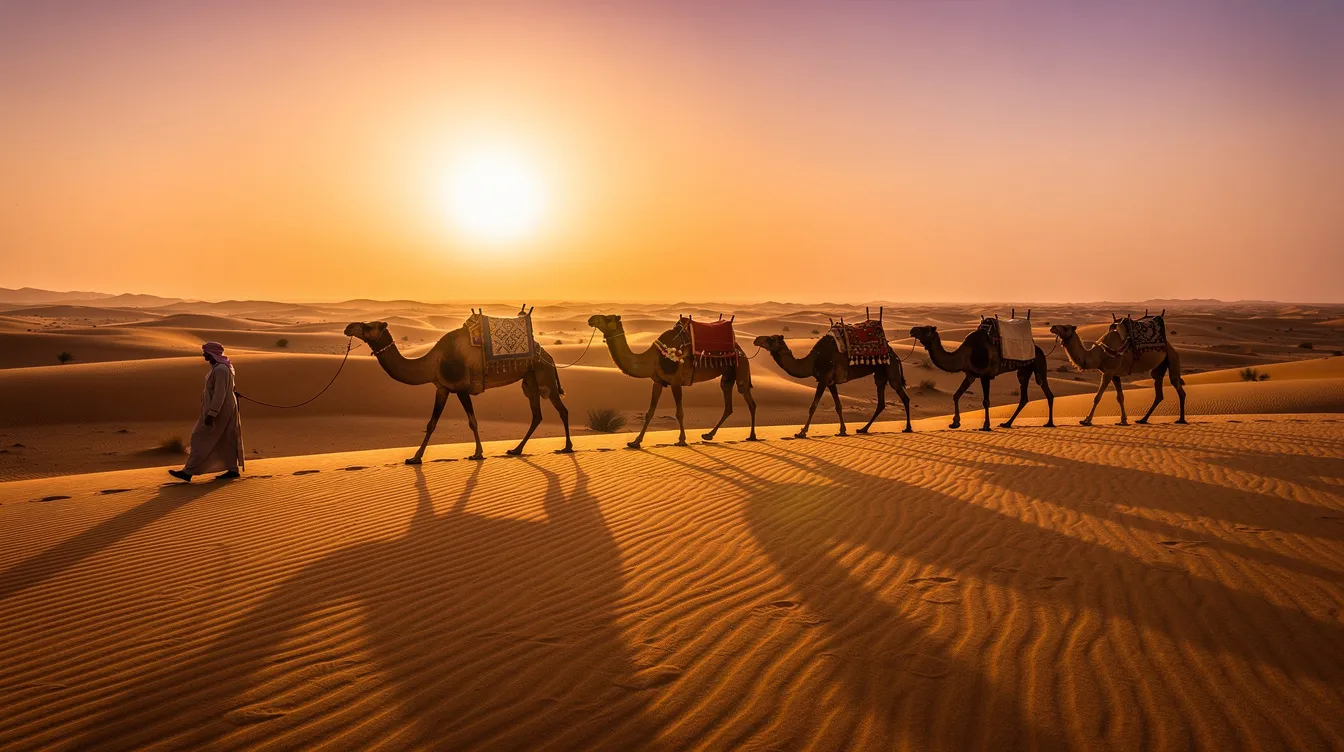
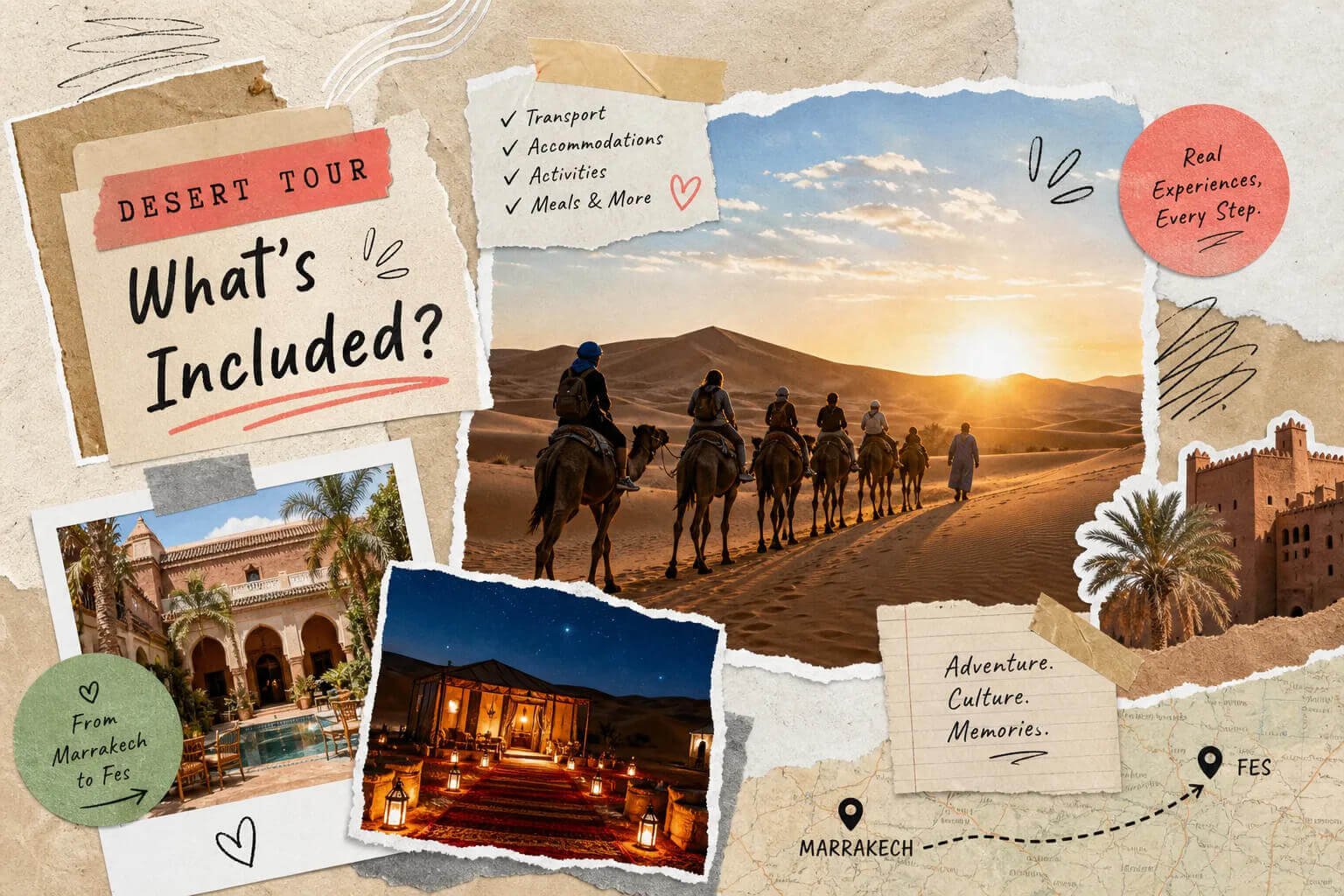
Minimum rental durations often span 3–4 days for routes like Marrakech–Ait Benhaddou–Dades–Merzouga–Fez, including one or two nights in desert camps with camel treks.
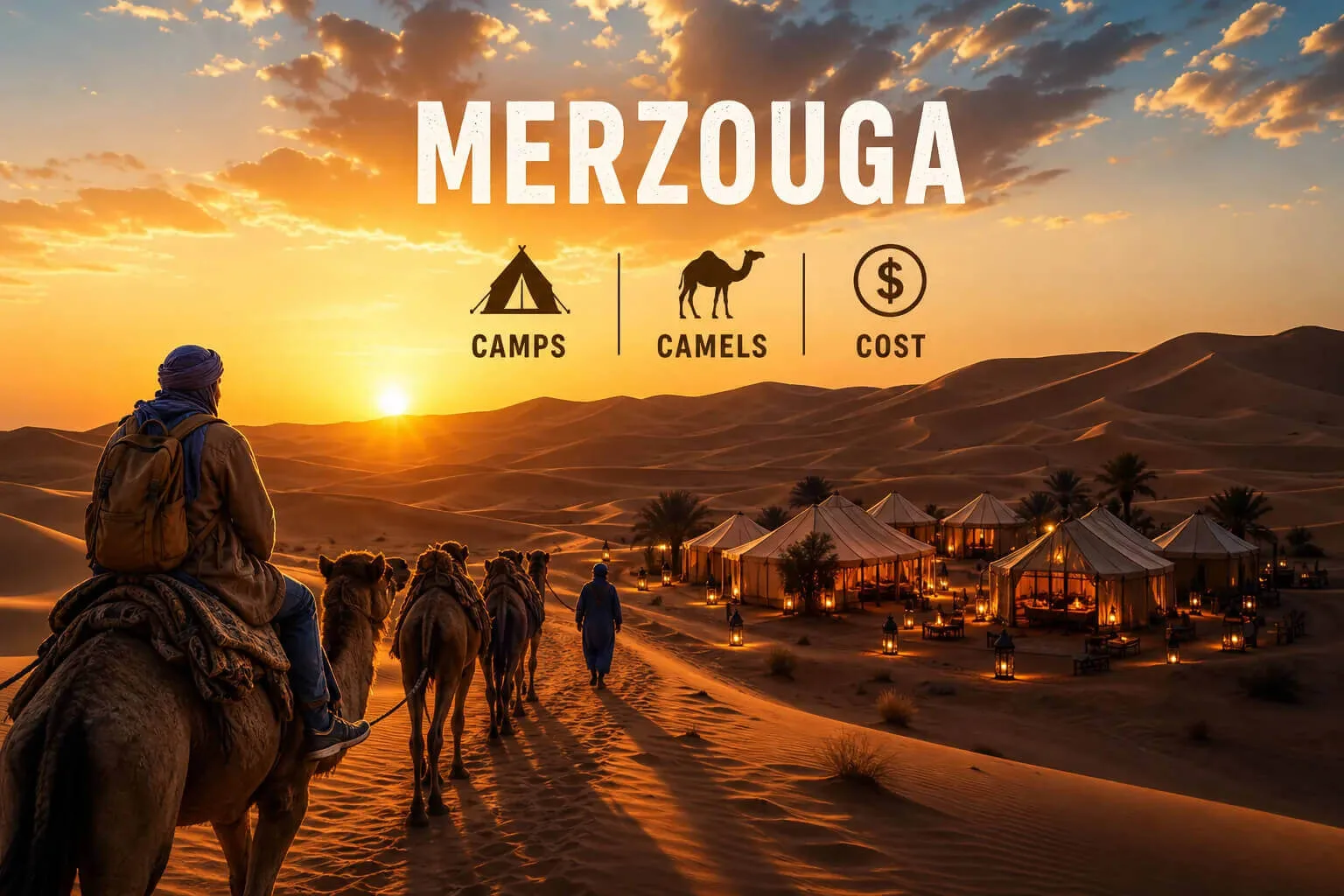
Morocco Classic Tours bundles 4x4 + driver with desert camp stays. You pay a clear per-tour price covering sunset camel rides, sandboarding, traditional music around the fire, and well-maintained vehicles rather than negotiating separate daily hire rates, similar to their broader range of guided tour packages across Morocco.
Never attempt deep sand driving without experience. Local drivers understand dune conditions, seasonal flooding risks, and fuel stops between Rissani, Erfoud, and Merzouga. A stuck vehicle in remote areas can become dangerous quickly.
Whether you’re self-driving or simply want to follow along while your driver navigates, having reliable tech makes your Morocco trip smoother.
International car rental agencies at airports (Marrakech Menara, Casablanca Mohammed V, Tangier Ibn Battouta) typically offer GPS add-ons for 15–20 EUR daily.
Some local agencies rent standalone units by the day (around 50–100 MAD daily) with desert-optimized maps.
App | Best For | Notes |
|---|---|---|
Google Maps | Real-time traffic in cities | Download offline maps for Marrakech, Fez, and Merzouga in advance |
Maps.me | Offline desert tracking | Includes topographic overlays useful for remote areas |
Waze | Hazard alerts | User-reported obstacles on routes like R207 to Ouarzazate |
Purchase a SIM from Maroc Telecom, Orange, or Inwi upon arrival at the airport or in city centers. Plans offering 10–20 GB of 4G data cost around 50–100 MAD monthly—affordable and essential for live navigation, WhatsApp communication with your driver, and posting travel updates.
Travelers with Morocco Classic Tours drivers rarely need their own GPS, but apps still help track routes, mark waypoints like Ait Benhaddou or Hassan II Mosque, and estimate arrival times, especially if you like to supplement navigation with in-depth Morocco travel blog guides and tips.
Understanding local regulations protects you from fines and ensures smooth police checkpoint interactions—whether you’re behind the wheel or simply accompanying your driver.
Most tourists from the US, Canada, EU, UK, and Australia can legally drive with a valid home license for short stays (typically up to 90 days).
An International Driving Permit (IDP) is strongly recommended and often required by car rental agencies. Obtain one from AAA (for Americans) or your national automobile association before travel.
Minimum rental age is usually 21–23 years, with extra daily fees for drivers under 25.
Verify age limits with your chosen rental company, as policies vary depending on vehicle type.
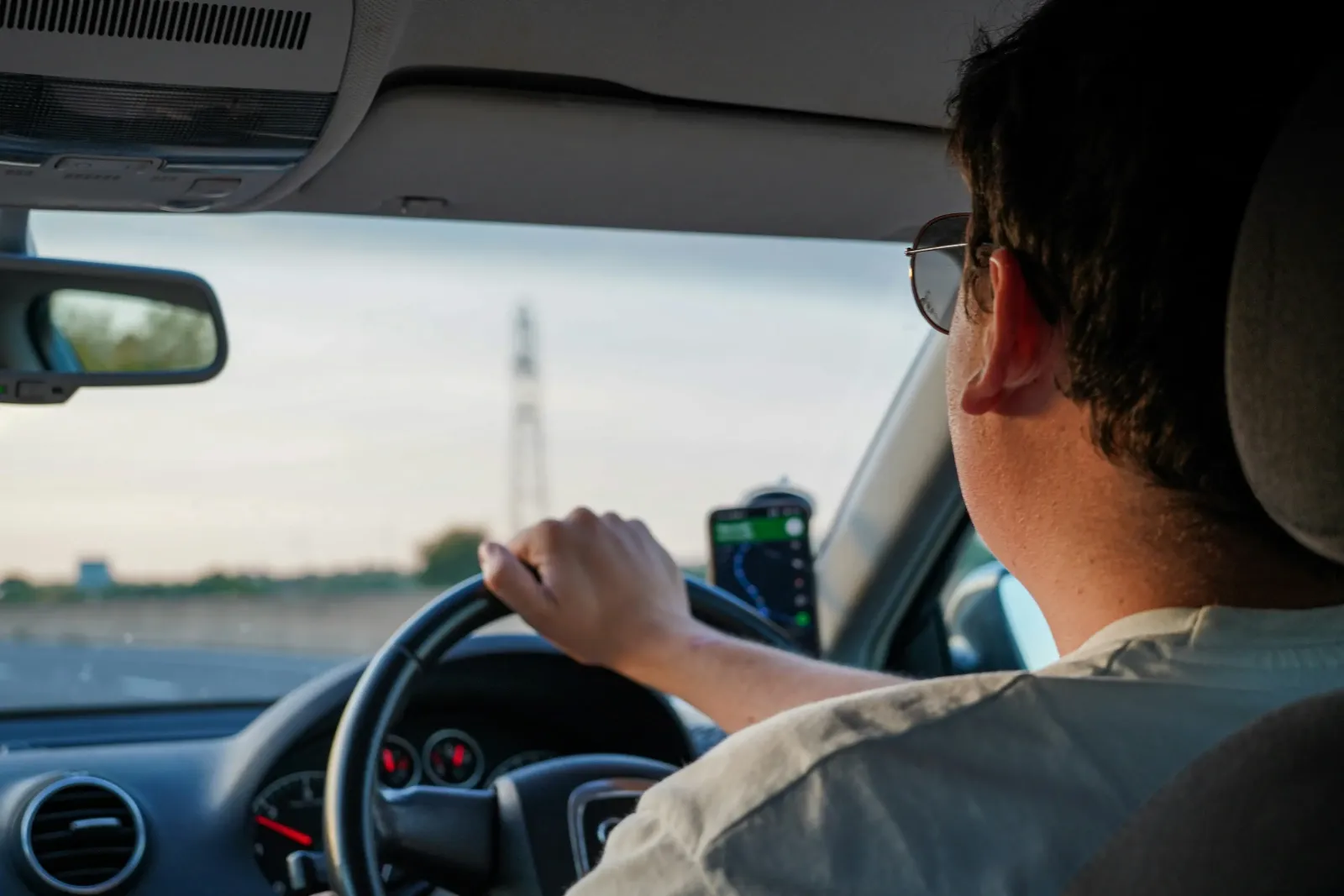
Drive on the right side of the road
Seatbelts are mandatory for front passengers (strongly advised for all)
No handheld phone use while driving (fines around 700–1,400 MAD)
Zero tolerance blood-alcohol limit—avoid any drinking if you’ll be driving
Speed limits: 40–60 km/h in towns, 80–100 km/h on secondary roads, 120 km/h on highways
Frequent speed checks occur on highways and secondary roads. Always carry:
Valid passport
Rental contract (grey card)
Insurance documents
IDP alongside your home license
Morocco Classic Tours vehicles are fully insured for tourist transport, and drivers carry all necessary documentation—one less thing to worry about during your journey.
Morocco’s road fatality rate (23.2 per 100,000 according to WHO data) is roughly twice the European average. Whether you rent a car or hire a driver, understanding conditions helps you stay safe.
Avoid night driving outside major cities. Unlit roads, wandering livestock, pedestrians in dark clothing, and unmarked obstacles create serious hazards after 8 PM. Plan earlier departures for long legs like Marrakech–Merzouga.
Exercise extreme caution in villages and near markets. Donkeys, scooters, children, and pedestrians cross without warning. Extra care on Fridays (prayer day) and weekly market days is essential.
Prepare for mountain conditions. High Atlas and Middle Atlas passes feature tight bends, slow trucks, and seasonal snow near Tizi n’Tichka or Ifrane. Snow chains or experienced drivers may be necessary from December through February.
Respect desert limitations. Stick to known tracks, never drive onto soft dunes without a local guide, and carry sufficient water and fuel in remote areas between Zagora and Mhamid. Flash floods in wadis can occur from September through November.
Take regular rest stops. Plan breaks every 2–3 hours on long hauls like Casablanca–Marrakech–Agadir. Service stations provide fuel, bathroom facilities, and snacks.
Consider professional support for complex routes. Choosing an experienced driver through Morocco Classic Tours is often the safest option for first-time visitors tackling long distances or unfamiliar terrain—especially for business trips or senior-friendly Morocco tours that prioritize comfort and safety, where arriving rested matters.
If you decide to rent a car despite the challenges, here’s how to arrange it smoothly:
Marrakech Menara Airport and Casablanca Mohammed V Airport host multiple international and local agencies. The typical process involves:
Booking online in advance (often cheaper than walk-up rates)
Presenting passport, credit card, and driver’s license (plus IDP when requested)
Thoroughly checking the vehicle for existing damage before departure
Understanding your insurance coverage (collision damage waiver, theft protection, liability)
Prefer well-known international companies (Sixt, Hertz, Europcar) or established Moroccan agencies with clear insurance policies and 24/7 roadside assistance. Ultra-cheap, unknown providers sometimes lack proper coverage—creating nightmare scenarios if accidents occur.
For a large fleet of 4x4 options suited to desert terrain, specialized firms like Morocco 4x4 Rentals offer Toyota Land Cruisers and Nissan Patrols with recovery gear, sand mats, and compressors, while agencies such as Morocco Classic Tours package these vehicles into customizable Morocco tours covering cities, deserts, and mountains.
Travelers wanting a stress-free arrival can schedule a private driver with meet-and-greet service in the arrivals hall. Morocco Classic Tours combines airport pickup with the start of your multi-day itinerary, eliminating separate taxi negotiations and allowing your unforgettable adventure to begin immediately.
The real magic happens when you commit to exploring Morocco with the same driver across your entire trip. Here’s how to envision your journey:
A classic short itinerary might include:
Day 1: Marrakech → High Atlas → Ait Benhaddou
Day 2: Dades Gorge → Todra Gorge
Day 3: Merzouga (camel trek, desert camp overnight)
Day 4: Return to Marrakech or continue to Fez
This covers the Sahara Desert highlights while remaining manageable for travelers with limited vacation time, similar in spirit to a dedicated 3-day tour from Fes to Merzouga for those starting in northern Morocco.
Longer itineraries combine many of the stops you’d find in a 10-day Morocco travel itinerary for first-time visitors:
Imperial cities: Marrakech, Fez, Rabat, Meknes—ideal for travelers considering a Marrakech, Fez, and Casablanca-focused tour
Desert: Merzouga or Zagora with overnight camps
Optional additions: Chefchaouen’s blue streets, Casablanca’s Hassan II Mosque, Essaouira’s coastal charm, or other cities along your route
One dedicated driver throughout ensures consistency, better understanding of your preferences, and smooth coordination with riads, desert camps, and activities like hiking in the Atlas Mountains.
Your driver learns your photography interests, food preferences, and energy levels.
Coordination with accommodations becomes seamless.
You build genuine rapport and receive increasingly personalized recommendations.
Long drives become conversations rather than awkward silences
Morocco Classic Tours specializes in tailoring these multi-day routes, adjusting hotel categories (standard, comfort, luxury vehicles) and pacing for families with children, couples seeking romance, or older travelers preferring a gentler schedule, drawing on a portfolio of the best Morocco tours and travel packages.
Whether you choose to explore Morocco with a private driver or rent a car and navigate independently, preparation makes all the difference. The country rewards travelers who invest time in understanding its roads, customs, and logistics.
For most visitors—especially those tackling desert routes, mountain passes, or multi-city tours—hiring a private driver through a licensed operator like Morocco Classic Tours delivers the best balance of safety, comfort, and cultural immersion. You’ll visit Morocco’s most spectacular landscapes while someone else handles the traffic around Marrakech’s shuttle services, the winding roads near Tizi n’Tichka, and the sand tracks approaching Merzouga.
Ready to start planning your Morocco journey? Contact Morocco Classic Tours to discuss your travel plans, whether you’re envisioning a quick day trip from Marrakech, a week-long imperial cities loop, or an unforgettable adventure spanning from Atlantic beaches to Sahara dunes. Their team can arrange everything from airport transfers to desert camps—all with well-maintained vehicles, licensed drivers, and transparent pricing in whatever currency works for you.
Many rental agencies in Morocco will accept a valid US driver’s license alone for short tourist stays. However, an International Driving Permit (IDP) is strongly recommended and sometimes specifically required by certain companies. The IDP essentially translates your license and adds legitimacy at police checkpoints. Americans should obtain an IDP from AAA ($20 plus two passport photos) before traveling—it’s valid for one year and recognized under the 1949 Geneva Convention that Morocco observes.
Hiring a licensed, insured driver from a registered tour operator is generally very safe. Legitimate private driver services must meet government standards for vehicles and insurance, and experienced drivers are accustomed to local roads, police checkpoints, and seasonal conditions. The key is avoiding unlicensed drivers who offer cash-only deals without proper documentation—these arrangements provide no legal protection and may involve poorly maintained vehicles. Companies like Morocco Classic Tours vet their drivers and carry full tourist transport insurance.
For peak seasons (spring: March–May, and autumn: September–early November), book 4–8 weeks in advance to secure your preferred vehicle type and dates. During quieter months, 1–2 weeks ahead usually suffices. Morocco Classic Tours can sometimes arrange last-minute drivers, but availability of specific vehicles—particularly 4x4s and minivans for family groups—may be limited during busy periods. Holiday weeks around New Year, Easter, and major Moroccan festivals fill up fastest.
While drivers can offer general commentary, historical context, and basic orientation, Moroccan law requires licensed local guides for official guiding services in historic medinas and major monuments. Your driver might know great restaurants and scenic viewpoints, but detailed explanations of the tanneries in Fez or the Bahia Palace in Marrakech legally require certified guides. Morocco Classic Tours coordinates both drivers and official city guides as part of integrated itineraries, ensuring you get expert knowledge where it matters while paying taxes and supporting local tourism professionals.
Reputable agencies monitor flight schedules and automatically adjust pickup times for delays. Drivers typically wait for a reasonable period—often 1–2 hours—at no extra charge for moderate delays. To ensure smooth coordination, always provide your flight number when booking and keep your contact information accessible for WhatsApp or phone calls upon landing. Morocco Classic Tours includes delay support in all airport transfers, so your driver will be waiting regardless of when your plane actually touches down.
Discover how to make the most of 3 days in Marrakech with our detailed itinerary. Experience the cit...
Read this article
Discover essential tips on what to wear in Morocco to ensure comfort and respect local customs. Read...
Read this article
Discover an unforgettable 3-day tour from Fes to Merzouga. Experience the stunning desert landscapes...
Read this articleWant cool tour deals and tips about Morocco? Enter your email and we’ll send them to you each month!