Group Tour Agencies in Morocco: How to Pick the Right One
Compare Morocco group tour agencies by trip style, reviews, pace, transport and inclusions. Learn wh...
Read this article

Private, custom Morocco trips planned in Fez by AZ-ZDDINE, working in Moroccan tourism since 2012. Sahara, Atlas, medinas and coast, arranged around you.
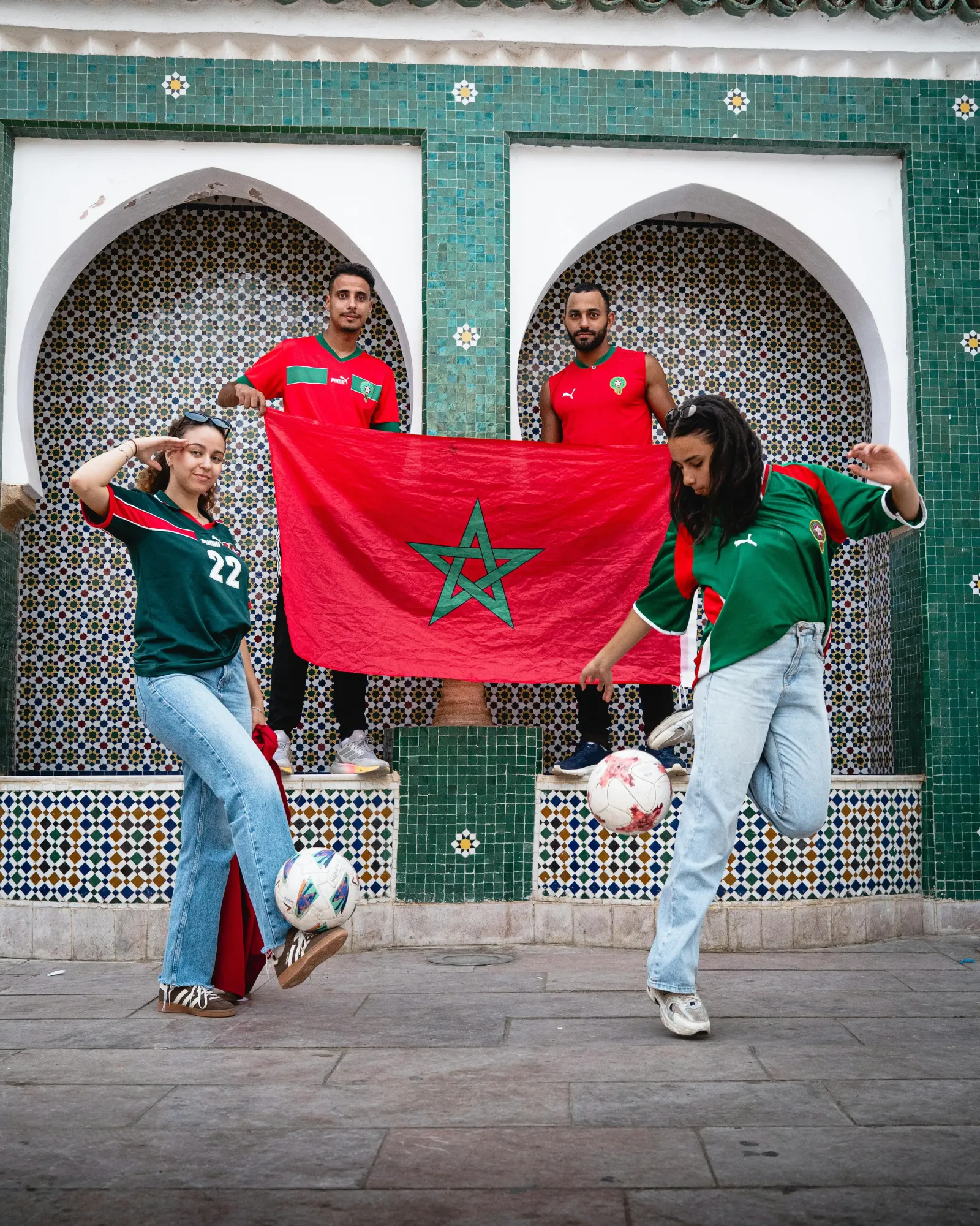
Planning your first trip to Morocco and wondering what to pack? You’re not alone. From the winding medinas of Fez to the golden dunes of the Sahara, knowing how to dress in Morocco can make the difference between blending in comfortably and standing out in ways you’d rather avoid. This comprehensive guide covers everything from seasonal clothing advice to cultural expectations, helping you pack smart for any Morocco trip.
Morocco is a Muslim-majority country where modesty serves as a social norm rather than a strict legal requirement. While dress expectations vary significantly between modern cities and rural areas, respectful and practical clothing choices will enhance your experience and foster positive interactions with locals.
Women do NOT need to wear a hijab, but should generally cover shoulders, cleavage, and thighs, especially outside beach resorts and in medinas or conservative villages.
Men are expected to wear long trousers and t-shirts or shirts in cities; while shorts are fine for tourists in hot months, they’re less common among locals outside beach areas.
What you pack depends heavily on timing and destination—January in the Atlas Mountains requires thermal layers, while August in Marrakech demands ultra-breathable fabrics and serious sun protection.
Your itinerary shapes your wardrobe—city walks, desert camps, mosque visits, and beach days each call for different outfits and footwear.
Morocco Classic Tours can tailor packing advice for each custom itinerary, whether you’re booking desert camps, Atlas hikes, or Imperial Cities circuits.
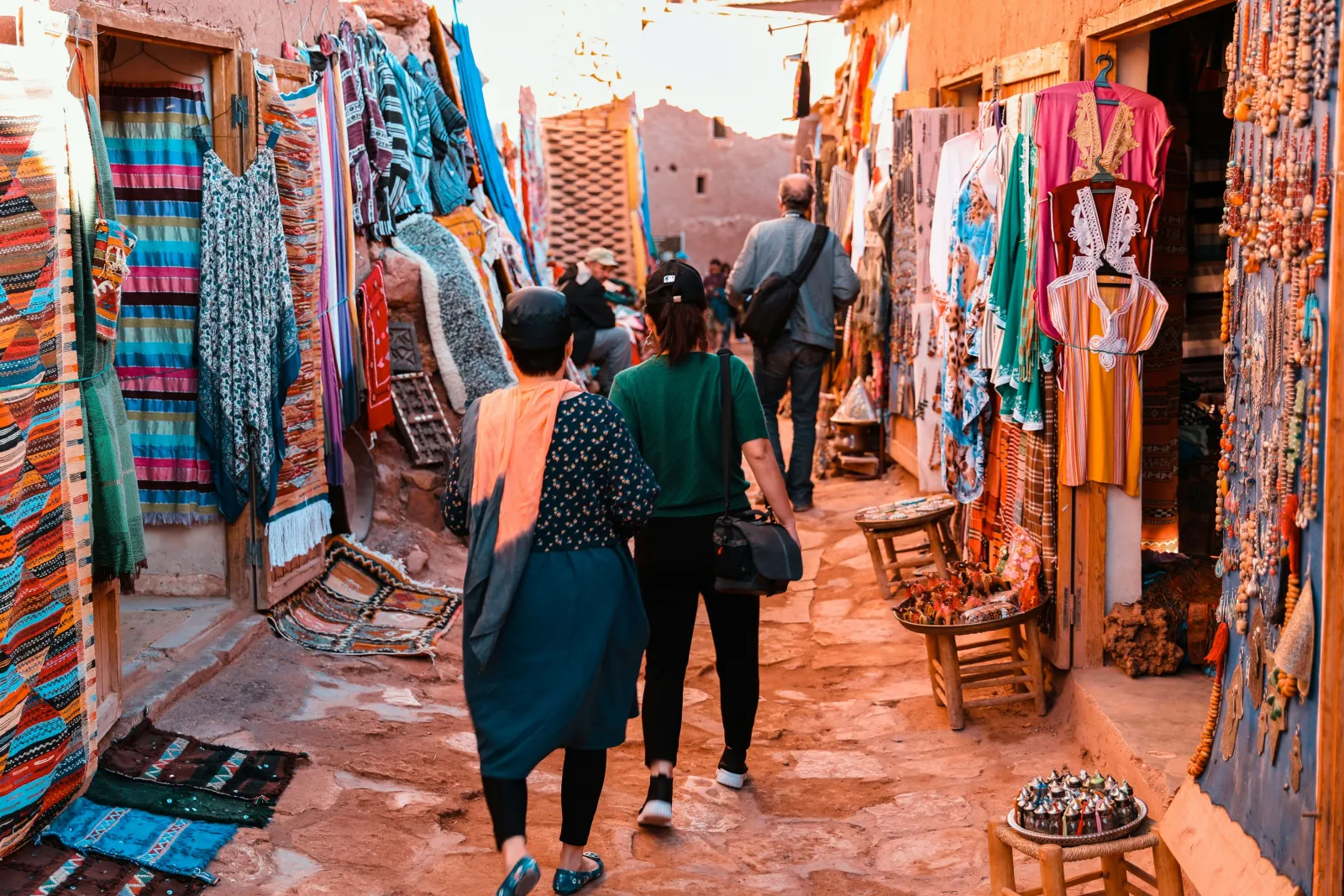
Morocco occupies an interesting middle ground among Muslim-majority countries. It’s culturally conservative but not the strictest in the region, and the dress code here is social rather than legally enforced. You won’t face fines or arrests for showing your shoulders, but dressing appropriately will significantly improve how locals interact with you—and how comfortable you feel throughout your journey.
Modern vs. traditional neighborhoods vary widely. In contemporary areas of Casablanca, Rabat, and parts of Marrakech, you’ll see Moroccan women in skinny jeans, tunics, and occasionally sleeveless tops. But step into the conservative medinas of Fez or Meknes, or venture into rural areas and visit villages in the Middle Atlas, and expectations shift toward full coverage—djellabas, long dresses, and headscarves become the norm.
Dressing modestly reduces unwanted attention. According to aggregated traveler reports, solo women walking through medinas experience up to 80% less catcalling when they dress conservatively. Beyond safety, respectful clothing makes haggling in souks smoother and can even lead to invitations to local homes for tea.
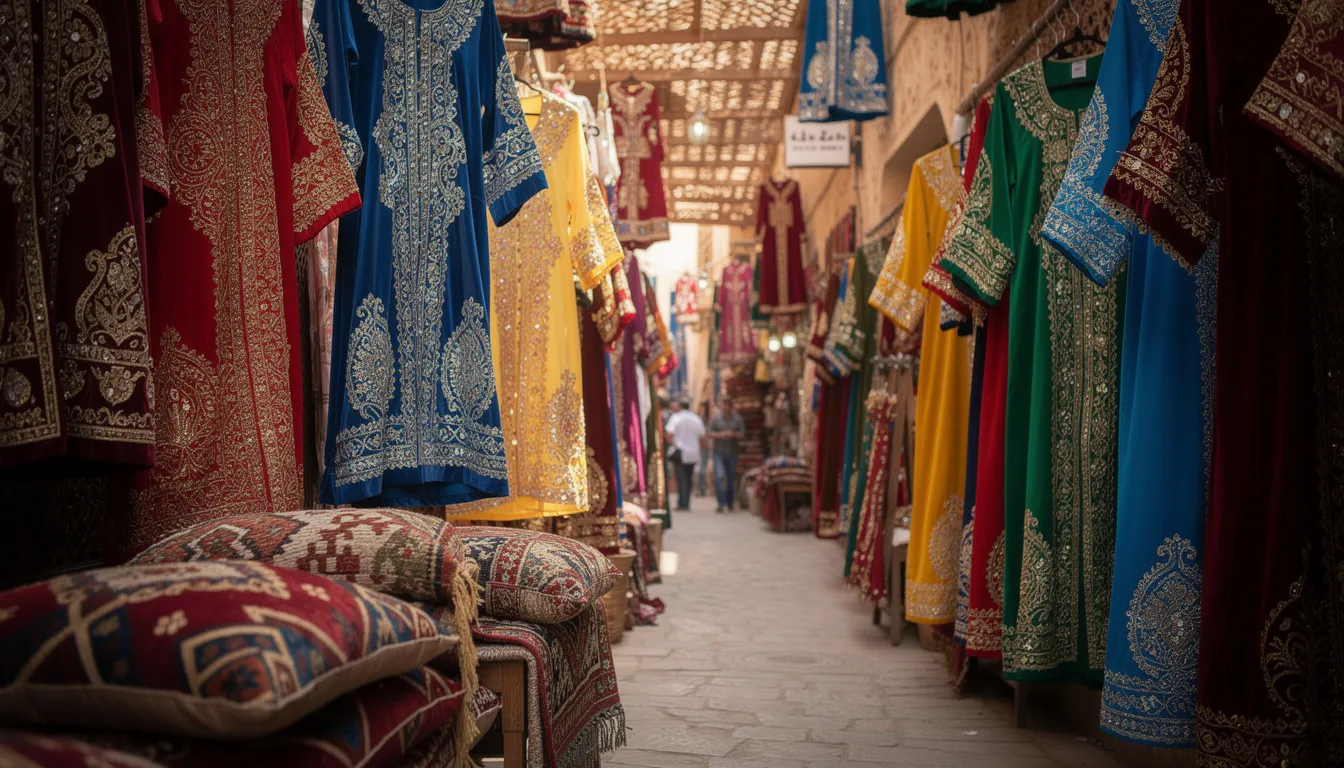
Traditional garments tell Morocco’s cultural story. The women’s djellaba—a long, hooded robe—is ubiquitous in cities like Fez, crafted in wool for winter and lighter cotton blends for warmer months. Kaftans and takchitas represent more ornate formalwear for weddings and Eid celebrations, featuring intricate embroidery and silk or brocade fabrics. Men wear similar djellabas along with gandoras (short-sleeved, collarless tunics), while leather babouches—pointed slippers in bright yellows and tans—complete looks across genders.
Religious holidays call for extra modesty. During Ramadan (which shifts annually per the lunar calendar, typically falling between March and May in coming years) and Eid al-Fitr celebrations, locals tend to dress more conservatively. Visitors should remain modest during these periods out of respect.
Morocco Classic Tours guides advise on daily dress expectations. Whether you’re exploring the Fez medina, embarking on a Sahara camel trek, or taking a day trip to Chefchaouen, your guide will let you know what to wear each day for comfort and cultural respect.
The question female travelers ask most frequently is simple: How should I dress as a woman when travelling to Morocco? The answer balances three elements—comfort, modesty, and climate adaptation.
Morocco isn’t a conservative country where you’ll face harassment regardless of what you wear, but it also isn’t a place where tank tops and short skirts will go unnoticed in traditional areas. The good news? With a few thoughtful choices, you can stay cool, look stylish, and feel completely at ease.
Cover shoulders, cleavage, and at least to the knee in medinas, souks, and rural areas. Very tight, transparent, or extremely low-cut shirts invite more comments and attention than most travelers want.
Build outfits around these formulas: loose linen or flowy pants paired with a long tunic, maxi dresses with sleeves, long skirts with lightweight blouses, or jumpsuits accessorized with a lightweight scarf. These combinations work across cities, desert camps, and mountain villages.
Sleeveless tops work in big cities when paired with longer bottoms—but avoid spaghetti straps, crop tops, and backless dresses outside of private riads or resort pools. Local women occasionally wear sleeveless pieces in Marrakech, but they often face similar scrutiny without head coverings.
A large scarf or pashmina is your daily essential. Use it for sun protection against strong sun, wrap it against desert winds, drape it over your shoulders when entering religious sites, or add instant modesty to outfits that feel a bit too bare. Pack at least one—ideally two.
Bring 1-2 elevated, modest outfits for special occasions. A long dress or kaftan works beautifully for dinners at Marrakech riads, Fez rooftop restaurants, or evenings at a Sahara desert camp with Morocco Classic Tours.
Pack versatile layers for changing temperatures and environments.
Choose natural, breathable fabrics for comfort in Morocco’s climate.
Opt for comfortable shoes for long days exploring medinas and markets.
Most historical mosques in Morocco—including the iconic Koutoubia in Marrakech and Al Quaraouiyine in Fez (the world’s oldest university)—are closed to non-Muslim visitors. However, you can often view them from outside, and some shrines, zaouias, and modern mosques offer limited access during tours or special occasions.
Follow these guidelines for entering mosques or religious areas: long sleeves (at least to the elbows), long trousers or maxi skirts (ankle-length preferred), no visible cleavage, no sheer fabrics, and carry a scarf to cover your hair if requested.
A concrete outfit example for visiting Fez or Rabat shrines: loose cotton pants, a long tunic extending to mid-thigh, a light scarf, and closed-toed shoes or flats. Enforcement is typically polite but firm.
Hair covering isn’t always required, but voluntarily using your scarf inside shrines or during Friday prayer time signals deep respect and is appreciated by locals.
Morocco Classic Tours guides alert travelers before entering conservative quarters or religious spaces, giving you time to adjust scarves, button up layers, or swap sandals for closed-toed shoes.
Understanding traditional garments adds depth to your cultural experience—and you might even want to buy and wear some pieces yourself.
The djellaba is worn daily by many women in Fez, Meknes, and smaller towns. The djellaba is a long, hooded robe worn daily by many Moroccan women and men. Women’s djellabas often feature intricate embroidery that can be geometric in the south or floral in the north. This long, hooded robe comes in heavy wool for winter months (December through February) and lighter cotton or synthetic blends from April through October. You’ll see them in every color imaginable throughout Morocco’s souks.
Kaftans and takchitas are more formal garments reserved for weddings, Eid celebrations, and special family gatherings. The caftan is a long, elegant gown popular for weddings and celebrations. Takchita is a formal, two-piece dress consisting of a simple inner layer and an ornate outer layer, often worn by brides at weddings. The takchita is almost always worn with a highly decorative mdamma belt to accentuate the waist. Takchitas feature two layers with ornate embroidery and belts. Visitors can purchase ready-made kaftans in Marrakech or Fez souks for roughly $50-200 USD—perfect for special dinners or memorable photo opportunities.
Joining a Morocco Classic Tours itinerary that includes a family lunch or local celebration offers an ideal moment to try wearing a kaftan or djellaba (while keeping comfortable shoes and practical layers underneath for temperature changes).
Respectful photography matters. Always ask permission before photographing local women in traditional dress, whether in medinas or mountain villages. Many will happily oblige, but consent shows respect for local customs.
Traditional leather slippers called babouche, or balgha, are commonly worn to complete the traditional look in Morocco.
Men enjoy somewhat more leniency than female tourists when it comes to dress expectations in Morocco, but you’re still expected to be reasonably modest and well-groomed. Looking slovenly or overly casual can affect how locals perceive and interact with you.
Most Moroccan men in cities wear long pants—chinos, jeans, or lighter trousers—paired with polo shirts, button-downs, or neat t-shirts. You’ll rarely see older local men in shorts, though younger people at beaches adopt them more readily.
Simple packing formulas work well: lightweight long pants (2-3 pairs), t-shirts or polos (4-5), a casual shirt with sleeves for sun protection and dressier dinners, and one warmer layer for cool evenings. This covers everything from Marrakech medinas to desert camps.
Keep tank tops and sleeveless vests for gyms, hotel pools, or remote hikes. Wearing them in medinas in Fez, Marrakech, or Tetouan reads as gym attire or underwear to many Moroccans.
Long shorts above the knee are acceptable for tourists in hot months (June through September), especially in resort areas or coastal towns like Essaouira and Agadir. That said, loose trousers actually feel cooler than shorts in extreme heat and help you blend in better in the wild.
Footwear matters for long walking days. Pack breathable sneakers or light hiking shoes for exploring medinas and Atlas Mountains trails with Morocco Classic Tours, and leather sandals or espadrilles for evenings when your feet need relief.
Pack at least one collared shirt or smart-casual outfit for dinners at nicer restaurants or special events.
Choose lightweight, breathable fabrics for comfort in Morocco’s climate.
Opt for closed-toe shoes for city exploration and sandals for evenings or beach areas.
Layer for cooler evenings and changing weather, especially in the mountains or desert.
You’ll encounter traditional male dress throughout Morocco, particularly in Fez, the Middle Atlas, and rural communities.
The men’s djellaba features the same long-robed, hooded silhouette as women’s versions. The djellaba is a long, hooded robe worn daily by many Moroccan women and men. In winter, you’ll see striped wool djellabas throughout Fez and the mountain areas. Spring and autumn bring lighter fabrics in earth tones and blues.
The gandora—a short-sleeved, collarless tunic—is commonly worn at home and in rural areas, especially during summer months like July and August when temperatures soar, and breathability matters most.
Babouches complete the look. Traditional leather slippers called babouche, or balgha, are commonly worn to complete the traditional look in Morocco. These leather slippers come in traditional yellow, tan, or bright colors and are crafted throughout Morocco, with particularly renowned workshops in Marrakech, Fez, and Taroudant. Expect to pay $10-30 USD, depending on quality and bargaining skills.
Travelers can comfortably wear djellabas or gandoras at the Sahara desert camps or during evening strolls through medinas. Morocco Classic Tours drivers often help guests bargain for quality pieces in souks—it’s part of the experience.
Morocco’s climate varies dramatically across regions and seasons. Coastal Atlantic cities stay mild year-round, while Marrakech and interior areas bake in summer and the Sahara swings from scorching days to freezing nights. The Atlas Mountains add another variable, with snow possible in winter and cool evenings even in summer.
All month-by-month advice below assumes typical itineraries covering cities like Marrakech, Fez, or Rabat, plus the Sahara desert (Merzouga or Erg Chebbi) and possibly the Atlas Mountains—the kinds of routes Morocco Classic Tours specializes in.
Layering is essential every month. Your tour might combine cool desert nights with warm city days, all within 24 hours. Pack pieces that work together rather than standalone outfits.
Check specific city forecasts before departure, but use these guidelines as reliable starting points based on historical patterns and traveler feedback.
Always pack a scarf, sun hat, and one warm layer regardless of the month. Moroccan evenings—particularly in the desert and mountains—consistently surprise visitors with how quickly temperatures drop after sunset.
January represents mid-winter in Morocco: expect 8-17°C (46-63°F) during days in Marrakech and Fez, significantly colder nights, and near-freezing temperatures in desert and mountain areas.
Packing suggestions:
Warm sweaters
Medium-weight jacket
Long-sleeve tops
Jeans or heavier trousers
Wool socks
Closed-toe shoes
Desert camps near Merzouga can drop to 0°C at night.
Thermal base layers
Beanie
Gloves
Rain is more likely in January along the Atlantic coast and northern areas like Tangier and Chefchaouen (around 100mm monthly).
Compact waterproof shell
Modesty comes naturally in winter since cold weather keeps you covered anyway.
Long coats
Scarves
Ankle boots
February remains cool with slightly warmer days but persistently cold evenings, especially in Fez and the Atlas Mountains.
Packing suggestions:
Sweaters
Lighter long-sleeve tops
Jeans and chinos
Fleeces or light down jackets
Women should bring opaque tights or leggings to wear under midi or maxi dresses.
Overnight Sahara excursions need specific warm layers.
Thermal base layers
Warm fleece or jacket
A warm scarf and hat will serve you well on windier days in the High Atlas and desert plateaus.
March marks early spring: days can reach the low 20s°C (high 60s°F) in Marrakech, but mornings and nights remain genuinely cool.
Packing suggestions:
Long-sleeve t-shirts
Light sweater or cardigan
Mid-weight jacket
One short-sleeve top for sunny afternoons
Women: long skirts or long dresses plus leggings for evenings.
Men: light chinos and a casual shirt for dinners.
Rain showers remain possible in the north and the Atlas Mountains.
Light waterproofs
April brings full spring weather—pleasant, photogenic, and popular for Morocco Classic Tours itineraries mixing cities and desert.
Packing suggestions:
Breathable fabrics like cotton and linen for daytime
One warmer layer for evenings in Fez and desert camps
Women: midi or maxi dresses, baggy pants or loose trousers, light blouses
Men: lightweight long pants, t-shirts, one button-down shirt for nicer dinners
Sun protection becomes important.
Wide-brimmed hats
Sunglasses
High-SPF sunscreen
May is warm and typically dry, with temperatures commonly reaching mid-20s to low 30s°C (70s-80s°F) inland.
Packing suggestions:
Very lightweight, loose clothing for both men and women
Linen trousers, flowy skirts, airy shirts
Breathable underwear and socks
Women: avoid clingy synthetic fabrics.
Keep shoulders covered in older medinas and villages.
Three-quarter sleeves and breathable fabrics help balance modesty with comfort.
Evenings feel pleasant rather than cold.
One light sweater or denim jacket
June marks the start of consistently hot weather inland, with desert areas becoming very hot by mid-month. Coastal cities remain more moderate.
Packing suggestions:
Summer clothing: loose linen pants, cotton culottes, thin maxi dresses, short-sleeve shirts, open but sturdy sandals
Lightweight pieces in light colors
Sun intensity peaks in June.
Wide-brim hat
Quality sunglasses
Long loose sleeves for sun protection
July is one of Morocco’s hottest months. Marrakech and desert areas regularly exceed 38-40°C (100°F+), while coastal towns like Essaouira and Agadir stay considerably milder.
Packing suggestions:
Extremely breathable, loose clothing in natural fibers for both sexes
Cotton and linen tops, wide-leg pants, airy skirts
Very light sleepwear for stuffy riad rooms
Women: loose maxi dresses with sleeves and side slits for airflow, paired with cotton shorts or leggings underneath.
Men: knee-length shorts in tourist areas, but long, very light pants are often cooler and more appropriate in medinas.
Sun protection and hydration become critical.
Hat, scarf, SPF 50+, reusable water bottle
August heat mirrors July’s intensity. Many Moroccans escape to Atlantic beaches and the Rif mountains seeking cooler air.
Packing suggestions:
Ultra-light, modest summer outfits emphasizing sun-blocking layers
What works in July works in August
Women: keep swimwear (one-piece or modest bikini) for private riads, hotels, or beach clubs. Always use a cover-up on the streets and in hotel lobbies.
Inland mid-day sightseeing can be punishing.
Lightweight long sleeves and loose trousers protect your skin better than tank tops and short skirts.
One ultra-light cardigan for air-conditioned transport and cooler coastal evenings
September brings late summer conditions: still hot, especially early in the month, but nights slowly cool as autumn approaches.
Packing suggestions:
Continue relying on summer clothing—loose, modest pieces
Add one or two transitional layers for evenings
Desert temperatures may remain very high during the day but improve significantly overnight.
Thin long-sleeve top for Sahara nights
Women: versatile pieces that handle both heat and modesty requirements: shirt dresses, wide-leg trousers, long skirts with breathable tops.
Coastal towns enjoy pleasant breezes.
Lightweight scarf for wind protection and modest coverage
October ranks among Morocco’s best travel months: warm days, cooler evenings, and comfortable desert nights.
Packing suggestions:
Mixed wardrobe: airy daytime outfits (linen pants, cotton dresses)
Light sweaters or fleece layers for nights in Fez, the desert, and the High Atlas
Jeans or thicker trousers for evenings and mountain excursions
Modesty and layering combine naturally in October.
Long tunics, cardigans, scarves, and light jackets
Some rain may appear in northern Morocco and the mountains.
Packable rain jacket
November transitions from autumn to early winter. Days grow cooler and nights become noticeably cold in desert and mountain areas.
Packing suggestions:
Long-sleeve tops
Sweaters
Warm jacket or coat
Women: thicker leggings or tights under dresses, or transition to trousers and jeans.
Coastal cities like Casablanca and Rabat stay milder but can be windy and damp.
Water-resistant outer layers
November’s shorter daylight means more evening hours spent on the riad rooftops or in desert camps.
Beanie and a warm scarf
December is winter, with Christmas and New Year representing busy seasons for Morocco Classic Tours—particularly for desert excursions and Imperial Cities circuits.
Packing suggestions:
Genuinely warm clothing: sweaters, fleece, insulated or wool coat, jeans or thicker trousers, warm socks, closed-toe boots or sturdy sneakers
Desert camps become very cold at night.
Thermal base layers and a warm hat
Bring at least one smart but warm outfit for festive dinners—a long dress with a coat, or a collared shirt with sweater and trousers.
Layering remains important since sunny days may still feel mild while shaded medinas and mountain roads run considerably cooler.
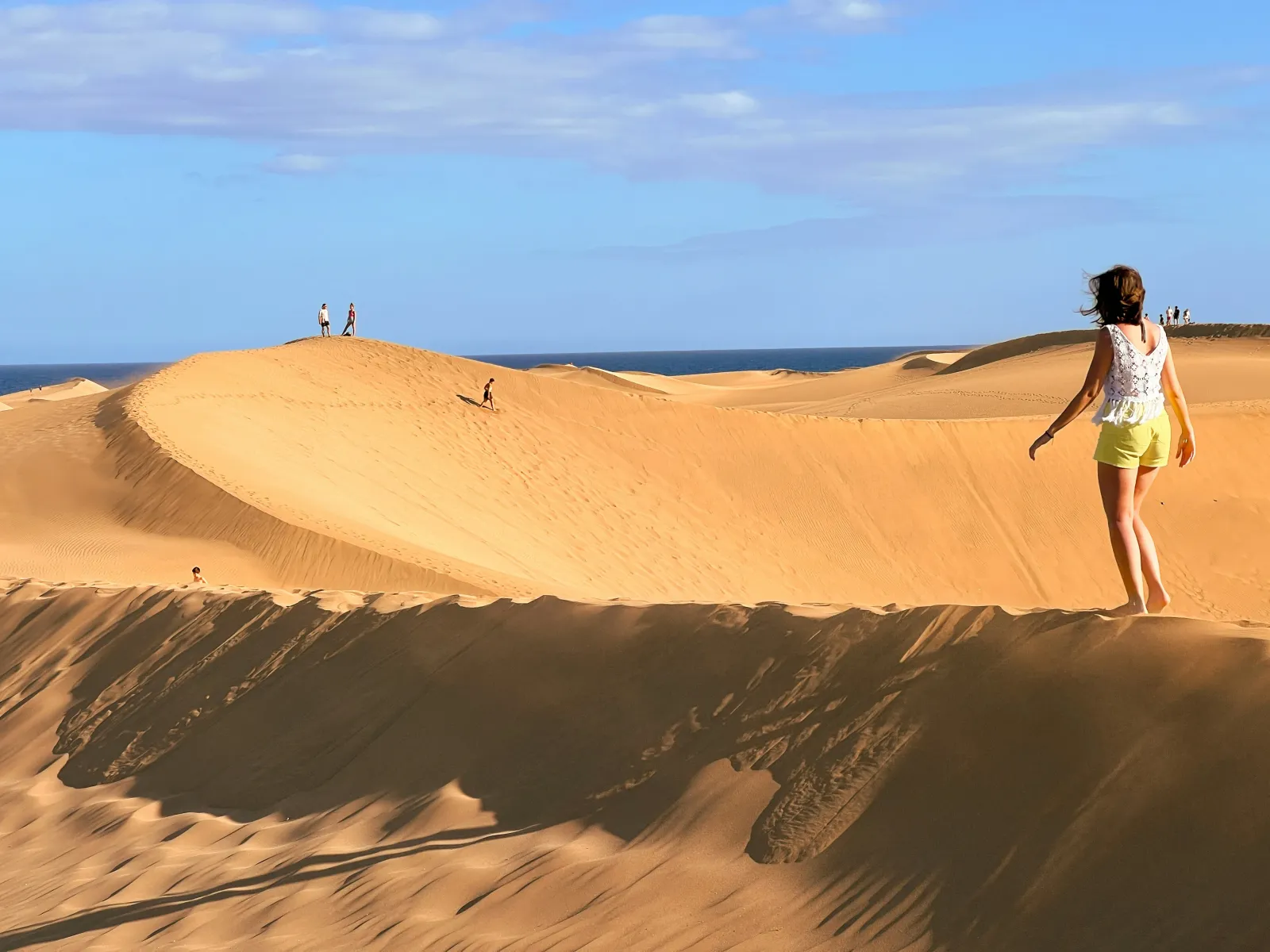
The best morocco packing list follows a simple philosophy: modest, mix-and-match, layer-friendly pieces in breathable fabrics that work across different activities and temperatures.
Loose trousers (2-3): Linen, cotton, or travel fabric
Long skirts or dresses (2): Midi or maxi length
Tops (4-5): Mix of short and long-sleeve options
Light cardigans (1-2): For layering and modesty
Warmer layer (1): Jacket or fleece (season-dependent)
Scarves (1-2): Essential multi-purpose item
Lightweight trousers (2-3): Chinos, linen, or travel pants
Long shorts (1): For hot months only
T-shirts or polos (4-5): Breathable fabrics preferred
Shirts with sleeves (1-2): For dinners and sun protection
Warm layer (1): Season-dependent weight
Comfortable shoes or sneakers for medinas (closed-toe, good support)
Sandals with straps for warm months
Closed-toe shoes or boots for desert and winter
Sun hat (wide-brimmed ideal)
Quality sunglasses (UV protection)
Foldable tote for market purchases
Crossbody or anti-theft day bag
Reusable water bottle
Morocco Classic Tours can send a personalized packing checklist aligned with each guest’s confirmed itinerary and season, taking the guesswork out of preparation.
Morocco’s old cities feature uneven cobblestones, dusty alleys, and long walking days. Your shoes matter as much as your clothes—possibly more for overall comfort.
Closed-toe walking shoes or lightweight trainers are essential for exploring Fez and Marrakech medinas, Roman ruins at Volubilis, and fortified towns like Ait Ben Haddou. Expect to walk 10-20km on uneven surfaces.
Sandals with good straps work for hot months and beaches. Keep rubber flip flops specifically for hammams, hotel pools, and desert camp showers—they’re not suitable for serious walking.
Avoid high heels for daily sightseeing. Cobblestones and steep medina stairs make them impractical and potentially dangerous. Wedges or modest block heels work for one or two special dinners if you really want the option.
Essential accessories include: a wide-brim hat or cap, UV-protective sunglasses, at least one large scarf, and possibly a thin belt bag worn under clothes for passports and spare cash in crowded souks.
Buy local accessories as practical souvenirs during Morocco Classic Tours stops: hand-woven scarves in Chefchaouen, leather belts in Fez, and babouches in Marrakech all make functional additions to your wardrobe.

Resorts, riads, and coastal cities like Agadir, Essaouira, and Asilah are more relaxed about swimwear within designated areas, but modesty still applies the moment you leave the water.
Women should pack one-piece swimsuits or modest bikinis for hotel and riad pools. Thong bikinis, string styles, and topless sunbathing are not acceptable anywhere in Morocco—save those for other destinations.
Men can wear standard swim shorts rather than tight briefs at most hotel pools and public beaches. This aligns with local norms and practical modesty expectations.
Cover-ups are mandatory for transitioning. A kaftan, sarong, or loose dress works for walking to and from pools and along public beachfront promenades. Don’t assume swimwear is acceptable in hotel lobbies.
Many Morocco Classic Tours itineraries include riads with courtyards and pools where guests can relax comfortably in swimwear within property walls—private spaces offer more freedom.
Atlantic beaches can be windy and cool outside of summer. A light hoodie or windbreaker proves useful during shoulder seasons when coastal breezes pick up.
For women:
Very short shorts or micro-skirts
Sheer tops without layers underneath
Plunging necklines and low-cut shirts
Tight bodycon dresses in public streets and medinas
Strappy tank tops and spaghetti straps in conservative areas
For men:
Sleeveless undershirts (tank vests) in cities away from beaches or gyms
Very short athletic shorts outside sports contexts
Overly casual or slovenly appearance
For everyone:
Expensive, flashy jewelry or prominent designer logos (attracts unwanted attention)
Thin flip flops for all-day walking in Fez or Marrakech (painful and impractical)
Impractical high heels on cobblestones
Heavy synthetic fabrics in summer heat (they trap warmth terribly)
While tourists rarely face confrontation about clothing choices, dressing appropriately helps guests feel more welcome, reduces street hassle, and demonstrates respect for local culture—exactly what travel chic should accomplish.
Morocco Classic Tours is a Fez-based agency specializing in private and custom trips across the country—from desert adventures to Imperial Cities circuits, Atlas hikes, and coastal escapes.
For each booking, the team provides tailored packing tips based on your exact dates and route. A February Sahara trip requires different preparation than an August coastal journey.
Guides remind travelers about dress expectations before visiting conservative villages, religious sites, family homes, or desert camps. You’ll never be caught off-guard.
Itineraries often include free time in souks where you can buy djellabas, kaftans, scarves, and babouches. Guides help guests choose appropriate, good-quality pieces—and assist with bargaining.
Contact Morocco Classic Tours before arrival with questions about seasonal weather, cultural events like Ramadan, or specific activities (camel treks, beach days, hikes) that might affect your packing decisions.
Ready to plan your Morocco adventure with personalized guidance at every step? Explore tour options and book your customized itinerary on the Morocco Classic Tours website for exclusive travel tips and expert local knowledge.
Non-Muslim women are not required to wear a headscarf in Morocco’s general public spaces. You can walk through medinas, shop in souks, and dine at restaurants with your hair uncovered without any issues.
Hair covering may be requested inside certain shrines or mosques (when access is allowed to non-Muslims). In these cases, a lightweight scarf draped loosely is sufficient.
Some women choose to cover their hair in very conservative rural areas simply to feel more comfortable and reduce attention, but this remains entirely optional—not mandatory.
Jeans are widely worn by Moroccan men and women, especially younger people in cities. You’ll blend in perfectly wearing denim throughout urban areas.
Choose looser or stretchy jeans in warmer months, paired with a longer top or long tunic for modesty and comfort.
For very hot days and desert excursions with Morocco Classic Tours, light linen or cotton trousers are often more comfortable than denim. Jeans can feel heavy and retain heat in 40°C weather.
Desert treks require practical, protective clothing that varies somewhat by season.
Pack long, baggy pants, a breathable long-sleeve top for sun and wind, closed-toe shoes or sturdy sandals, and a scarf or shemagh to wrap around your face and neck against sand and sun.
In winter (November through February), add thermal base layers, a warm fleece or jacket, a hat, and gloves for very cold nights. Desert temperatures can drop dramatically.
Morocco Classic Tours provides warm blankets at desert camps, but personal warm clothing remains essential—you can’t rely on blankets alone during evening activities or early-morning camel rides.
Expectations differ by gender, location, and context.
For women, knee-length or longer shorts or culottes are acceptable in major tourist areas during hot weather, but long skirts or trousers remain more culturally comfortable and draw less attention.
For men, knee-length shorts work in tourist neighborhoods and coastal cities, though they stand out somewhat inland. Lightweight long pants blend better in medinas and conservative areas.
Very short athletic shorts or beach shorts should stay at pools and beaches rather than street wear.
Atlas hiking requires functional outdoor clothing with modest considerations for village encounters.
Pack technical or quick-dry trousers, a moisture-wicking t-shirt, a long-sleeve layer for sun and wind, and a fleece or light insulated jacket, depending on season and altitude.
Sturdy hiking boots or trail runners with good grip are essential—paths can be rocky, steep, and slippery after rain.
In conservative Berber villages along hiking routes, long trousers and modest tops are appreciated as a general rule. You might switch to wearing shorts on higher, more remote trails where you’re unlikely to encounter residents.
Compare Morocco group tour agencies by trip style, reviews, pace, transport and inclusions. Learn wh...
Read this article
Uncover what a Marrakech to Fes desert tour offers, including camel rides, desert camps, and rich cu...
Read this article
Join our Merzouga Overnight Tour for an authentic desert experience. Enjoy camel rides, comfortable ...
Read this articleWant cool tour deals and tips about Morocco? Enter your email and we’ll send them to you each month!
