Group Tour Agencies in Morocco: How to Pick the Right One
Compare Morocco group tour agencies by trip style, reviews, pace, transport and inclusions. Learn wh...
Read this article

Private, custom Morocco trips planned in Fez by AZ-ZDDINE, working in Moroccan tourism since 2012. Sahara, Atlas, medinas and coast, arranged around you.
If you are an American planning a trip to Morocco, you have probably wondered whether hiring a guide is truly worth the money or if you can handle it all on your own. The answer depends on where you are going, how long you have, and what kind of overall experience you want. This guide breaks down everything from realistic costs to itinerary planning so you can make a confident decision before you book anything.
For complex cities like Fes and Marrakech, plus multi-day Sahara or Atlas Mountains trips, a licensed tour guide or private tour is strongly recommended. First-time travelers often find hiring a guide valuable in Morocco because it eliminates guesswork and wasted hours.
Americans do not need to book everything through a big U.S. tour company. You can work directly with a Moroccan agency like Morocco Classic Tours for better value, flexibility, and direct communication.
Realistic pricing: a typical day guide in Fes runs around 600 MAD (~$60), while small-group Sahara tours cost roughly $120–$200 per person per day in 2026.
Guided tours offer insider knowledge, hidden gems, and reduced hassle. Independent travel gives more spontaneity but requires serious planning and comfort with uncertainty.
A good guide does more than navigate. They translate local languages, mediate with vendors, explain history, and tailor every stop to your interests.
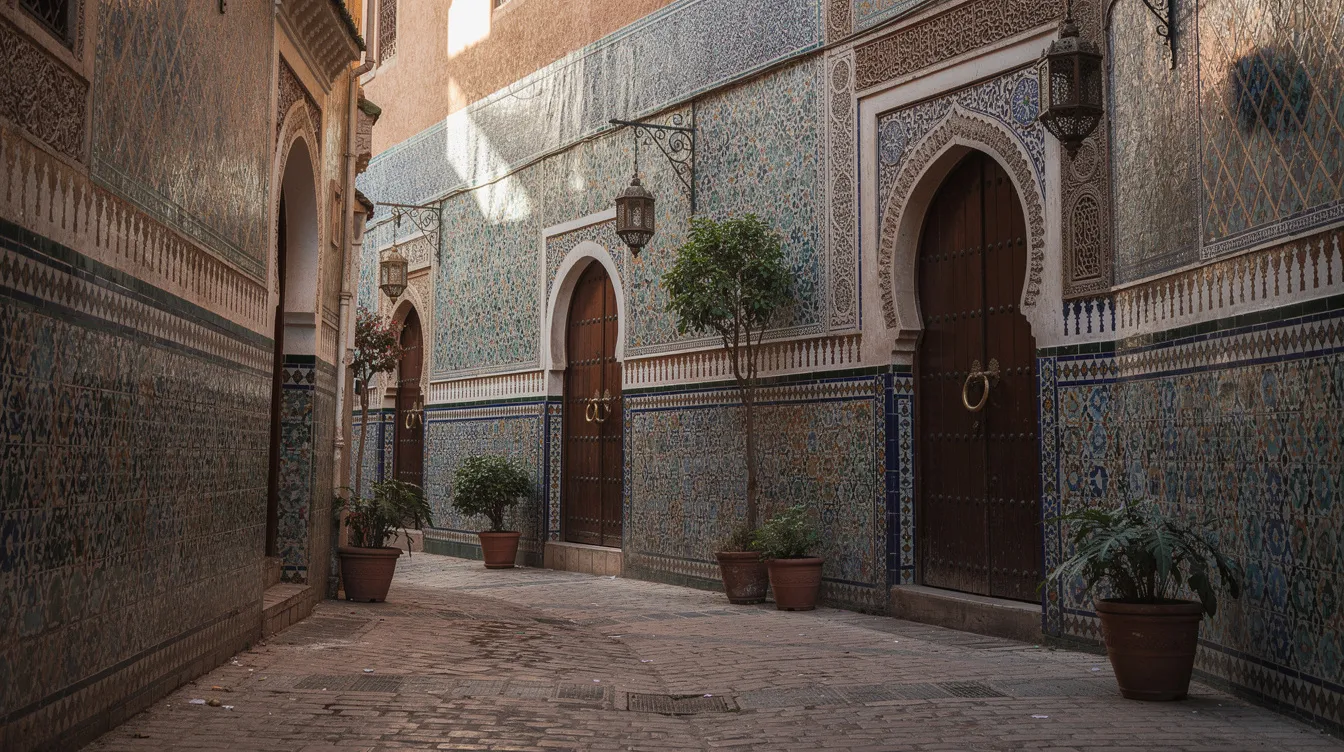
The short answer for most Americans: yes, especially in certain areas. Navigating complex medinas in Morocco is genuinely challenging for independent travelers. Fes el-Bali alone has over 10,000 alleys, and without a local guide, you will likely miss artisan workshops, historic madrasas, and entire craft quarters. Marrakech is known for its vibrant souks and palaces, but those same bustling souks can overwhelm first-time visitors without someone to filter the noise. A licensed guide enhances safety by avoiding scams in busy areas and helps you maximize time efficiency during trips in Morocco.
Where is a private tour guide most worth it? In labyrinthine medinas, on Sahara desert journeys, during Atlas Mountains hikes, and on any trip under eight days where you cannot afford to waste hours figuring out logistics. Guides can help navigate complex medinas with ease and reduce aggressive sales pitches in markets, turning potential stress into discovery.
Where is a guide optional? Relaxed beach days in Essaouira, free afternoons in Casablanca, or repeat visits where you already know the rhythms of a city. If your trip centers on a single coastal town and you are not pursuing deep cultural immersion, solo travel or self-discovery through wandering may suit you fine.
U.S. citizens can enter Morocco visa-free for up to 90 days as tourists, according to travel.state.gov. Your passport should have at least six months of validity remaining. No visa pre-booking is needed for standard tourism.
Morocco is a majority Muslim country. Expect to hear the call to prayer five times daily, dress modestly in medinas and rural areas (cover shoulders and knees), and understand that alcohol, while available in many hotel restaurants, is not consumed publicly in conservative neighborhoods. Guides provide cultural context about local customs and histories, helping visitors avoid unintentional offense. They also facilitate communication with locals during your trip, bridging language gaps in Berber villages where English is rare.
Tourists are advised to stay alert for petty crime in tourist areas-pickpockets and bag snatches are the main concerns. Hiring a guide can help avoid aggressive vendors while shopping, adding a practical layer of security. For money, carry Moroccan dirhams in small bills (20–100 MAD) for tips. Tip guides roughly 100–200 MAD per full day, and drivers separately. Credit cards work in most hotels but not in souks or small towns.
Seasonality matters for planning: June through August brings extreme heat in Marrakech and the Sahara, while spring (March–May) and autumn (September–November) offer moderate weather but higher prices and crowds.
There are three main approaches, and many travelers mix them depending on the segment of their trip.
Independent travel means booking your own riads, trains, and buses. It suits budget-savvy, experienced travelers comfortable with uncertainty. The upside is flexibility and cost savings on transport. The downside is logistics overhead in medinas where addresses are vague, and language barriers are real. Solo travel works best for slow itineraries in easy-to-navigate cities.
Scheduled group guided tours from international brands offer set prices and a social atmosphere with other travelers. Group tours often follow a rigid schedule with fixed itineraries, which means less flexibility and sometimes forced shopping stops. You save on planning but sacrifice spontaneity.
Private tours through a local operator like Morocco Classic Tours hit a different sweet spot. Private tours allow for customized itineraries based on interests-say, a 7-day route from Casablanca through Chefchaouen to Fes, then onward to the Sahara and Marrakech. Private guides provide deeper cultural insights than group tours and allow for exclusive experiences not available to groups, like family-hosted meals or off-the-beaten-track village visits. Local guides can tailor experiences to your interests, whether that is architecture, food, or adventure.
Americans who value comfort and time efficiency-especially friends or family traveling together-often choose private tours starting from Casablanca, Marrakech, or Fes.
"Cheaper" and "better value" are different things. A DIY 10-day trip using hostels, public buses, and minimal guided tours will cost less in raw numbers. But inefficiencies-wrong turns, language confusion, subpar desert camp bookings, wasted transit time-often reduce enjoyment and effectively raise the cost per meaningful experience.
Big overseas tour operators and U.S. travel agents typically add 15–30% markups for middleman service. Booking with a Moroccan operator gives you locally sourced drivers, camps, and guides at more competitive prices with transparent inclusions. A curated package with a private guide, mid-range hotel stays, and desert camp may cost only marginally more than DIY once you factor in everything.
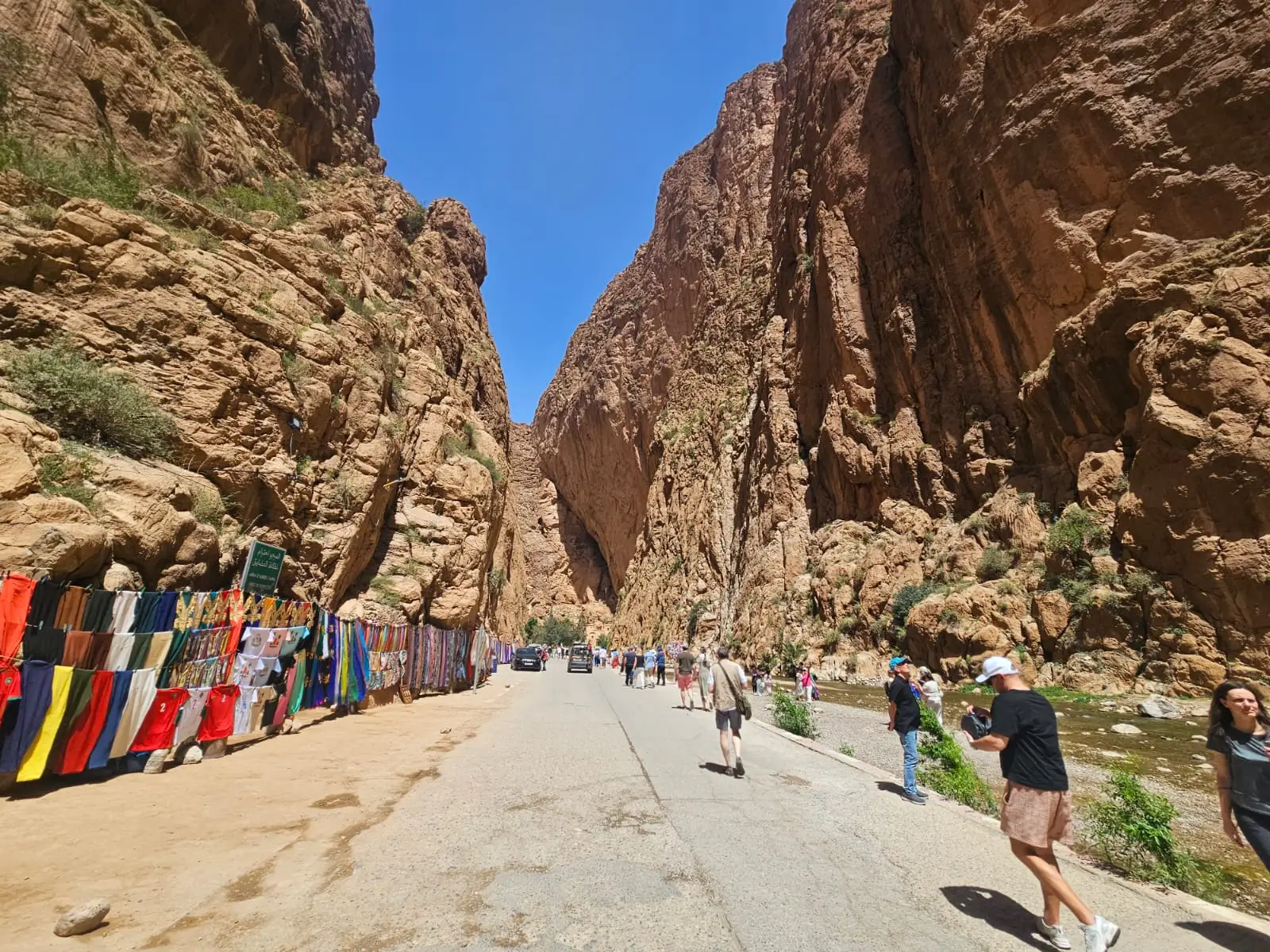
When DIY is genuinely cheaper: backpacker hostels, public intercity buses, and skipping guided tours entirely. When a local agency delivers better value: Sahara desert circuits, luxury desert camp stays, multi-day Atlas Mountains treks, and any itinerary involving the Todra Gorges or remote passes where logistics get complicated.
A quick note on money: the MAD is pegged to a basket including EUR and USD, so currency fluctuations are moderate. Paying a single local invoice to a Moroccan DMC avoids multiple international transaction fees. Americans can still use a U.S. travel advisor who partners with a Moroccan operator, but going direct often gives more customization and faster communication.
Flying from the USA means at least one full day lost each way to transit and jet lag. Build that into your planning.
5–7 days: Focus on one or two cities-Marrakech plus an Atlas Mountains day trip, or Fes plus Chefchaouen. With a city guide and one or two guided excursions, you will see far more than going it alone. Essaouira is a popular destination for its coastal charm and history and makes a great add-on if you skip the desert.
8–10 days: The classic first-timer loop. Marrakech, Fes, Sahara Desert near Merzouga, possibly via the Atlas Mountains. The Atlas Mountains offer breathtaking landscapes and hiking trails that benefit from a local Berber guide who knows conditions. A 7-day itinerary with a private driver makes this route smooth.
12–14 days: Deeper exploration of imperial cities (Rabat, Meknes), the Sahara, Atlas Mountains, and an Atlantic coast stop like Essaouira. With this much time, you can blend guided segments with free afternoons for self-discovery and personal exploring.
Using a guide or joining guided tours on shorter trips is especially beneficial because it eliminates time lost to logistics. Morocco Classic Tours commonly arranges 7-, 10-, and 14-day private itineraries for Americans, balancing travel days with rest days so you have a wonderful time without burning out.
Prices shift by season (high season: March–May and October–November), comfort level, and group size. Here are realistic 2025–2026 ranges:
Service | Price Range |
|---|---|
Licensed city guide, half day (Fes or Marrakech) | ~300 MAD (~$30) per group |
Licensed city guide, full day | ~600 MAD (~$60) per group |
Riad-arranged guides in Fes | ~400 MAD for a full day |
Private tour guides (full day, specialized) | $100–$300 per day |
Private Atlas Mountains or Ourika Valley excursion | $80–$150 per car/group |
3-day Sahara desert tour, shared budget | $90–$140 per person |
3-day Sahara desert tour, mid-range private | $450–$800 per person |
Luxury Sahara with en-suite tents | $1,200+ per person |
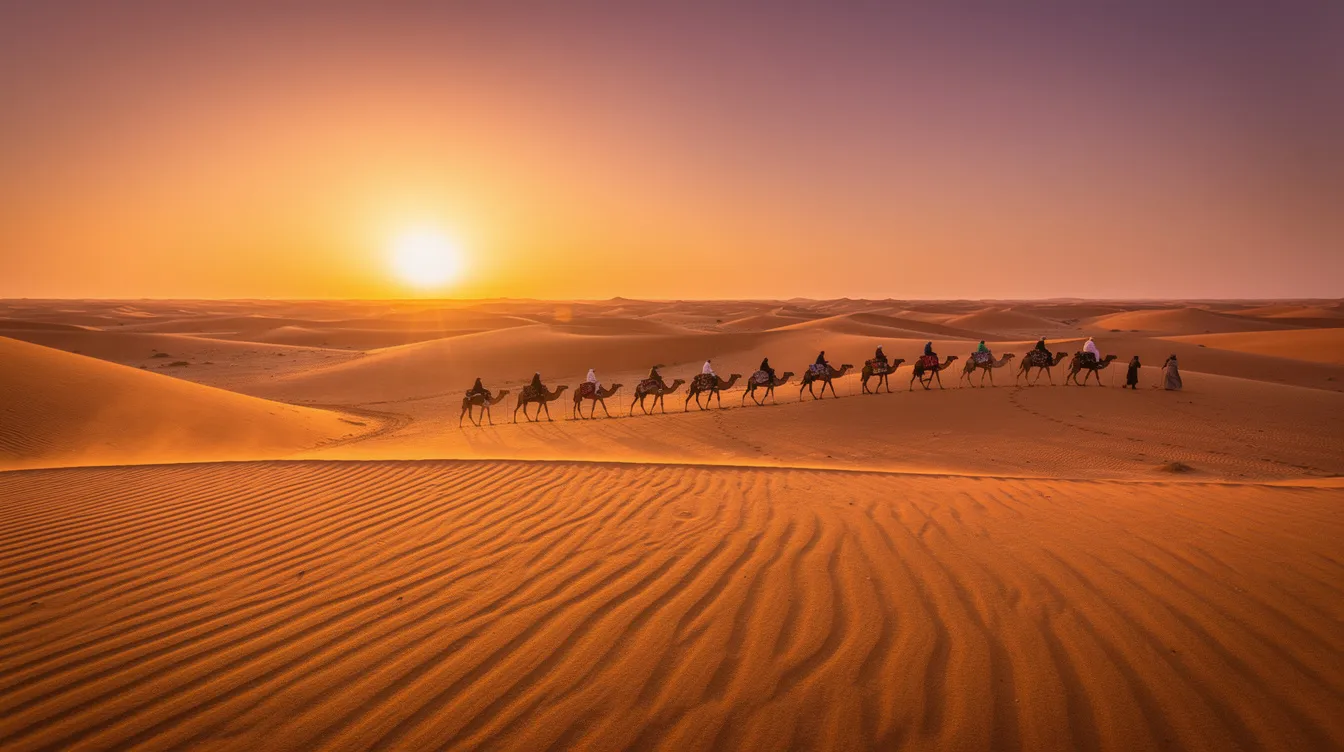
The Sahara Desert is famous for camel treks and starry nights-what you pay determines whether you sleep in a basic tent or a luxury glamping setup. Most guided tour prices include transport, accommodation, some meals, and a camel ride. Common exclusions are tips, entrance fees, and optional activities like quad biking.
Private tours for two people have a higher per-person cost because fixed costs (vehicle, driver) are split fewer ways. A group of four friends sharing a private vehicle and guide immediately drops the per-person rate by 30–40%.
Fes is one of Morocco's richest bases for exploration. The city itself rewards days of exploring, and it serves as a gateway to mountains, ruins, and the blue city.
City and walking tours:
Full-day Fes medina tour covering Bou Inania Madrasa, tanneries, Nejjarine Fountain, and artisan workshops. Fez features the world's oldest existing university, Al Quaraouiyine, which a good guide will bring to life with history and stories. Good guides can lead to authentic experiences not found in guidebooks.
Themed tours like food tours through vibrant souks, artisan and souk tours, or "highlights and hidden gems" walking routes. Private guides offer insights into Moroccan culinary traditions that no guidebook can replicate. Local guides provide insider knowledge of Moroccan culture that transforms a walk into a lesson.
Popular day trips from Fes:
Volubilis and Meknes: Roman ruins plus imperial city, often a full-day private tour with driver and local guides at each site (~$110–$130 per person).
Chefchaouen: the blue city in the Rif Mountains, usually a long day trip or overnight from Fes (~$150 per person private).
Middle Atlas villages like Ifrane and Azrou, cedar forests, and Barbary macaques.
Morocco Classic Tours also arranges cooking classes, home-hosted meals, and visits to rural communities off the beaten track. All excursions include riad pickup, and most can be booked in a private or small-group format.
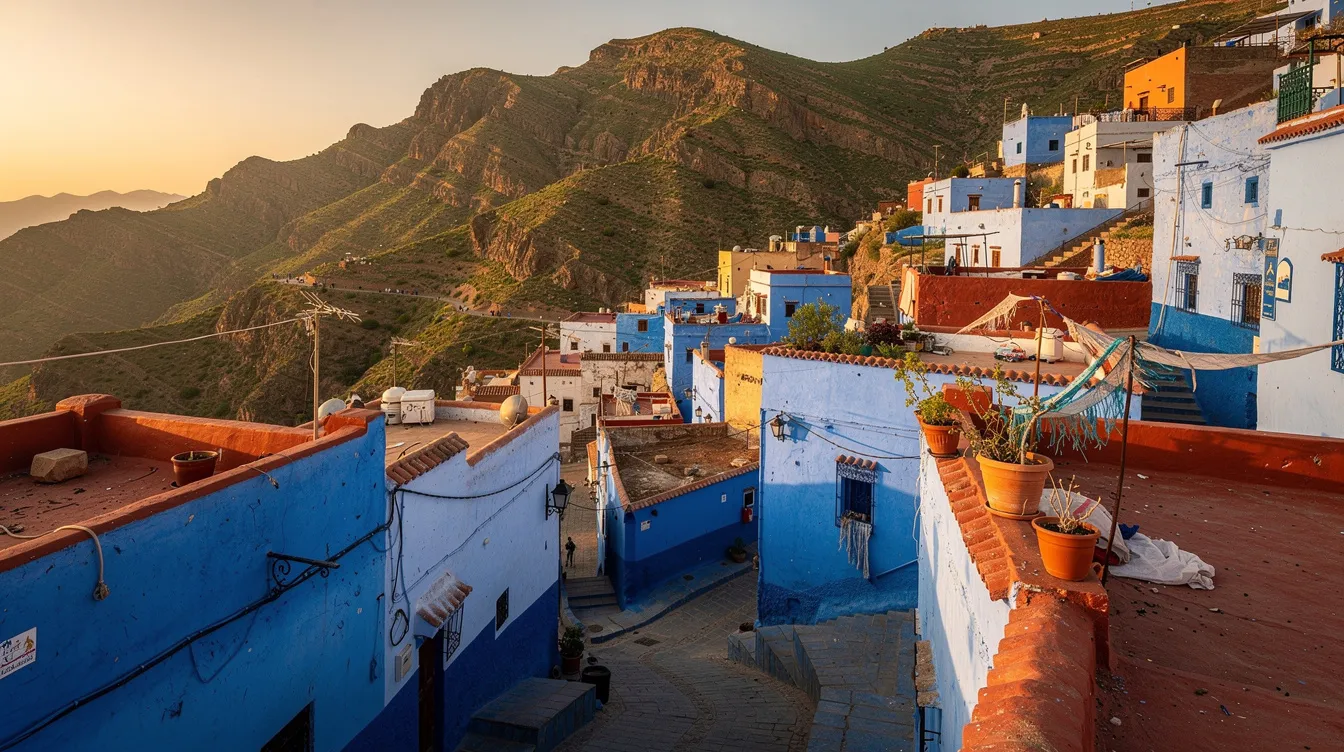
A private guide is licensed to walk you through sights, explain history, and translate. A driver handles transfers only and is not permitted to guide inside monuments. Transportation costs for a driver in Fes are around 300 MAD per day-significantly less than a guide, but you get no interpretation or access.
Hire a private guide when:
Navigating the medinas of Fes and Marrakech, where getting lost is not romantic but frustrating
Understanding layered history in imperial cities
Hiking in the Atlas Mountains where local Berber guides know trails and weather
Sahara desert experiences that go beyond a simple camel ride
A driver or DIY is enough for:
Highway transfers between Casablanca and Rabat
Relaxed days in coastal towns like Essaouira or Agadir
Free afternoons reserved for shopping or spa time
Guided tours reveal hidden gems in Moroccan cities-small village markets, local hammams, family-run workshops-that are nearly impossible to find on your own. Local guides can facilitate communication with Moroccan communities and provide deeper cultural insights beyond guidebooks. Private tours enhance safety by navigating local customs and certain areas that tourists might otherwise stumble through unprepared.
Morocco Classic Tours typically combines a private driver for overland segments with licensed local city guides in key destinations, balancing cost and depth across your itinerary.
Morocco has a formal licensing system. Licensed guides carry official badges and are registered through the Ministry of Tourism. In major cities, the Brigade Touristique helps regulate who can guide tourists.
Practical vetting steps:
Book through established Moroccan agencies like Morocco Classic Tours
Read recent reviews from other travelers, especially other Americans who have spent time on similar routes
Ask about licenses, languages spoken, and years of experience
Common pitfalls to expect: unofficial "false guides" approaching you in medinas with unsolicited offers, guides pushing specific shops for commission, and people asking for your hotel details or flight information. Hiring a licensed guide is recommended for comfort and safety precisely because it eliminates these interactions. If you hire through a reputable tour company, the guide's incentives align with your satisfaction, not shop kickbacks.
Communication tips: tell your guide in advance if you don't want shopping stops, if anyone in your group has mobility concerns, or if you travel with family including children. Firm but polite refusals of unwanted detours are normal and respected.
For tipping etiquette: budget 100–200 MAD per full day for a guide in Morocco, and a similar range for drivers on multi-day tours. Having this detail settled in advance prevents awkward moments and lets you spend your energy on the adventure itself.
Morocco Classic Tours is a Fes-based travel agency and Destination Management Company specializing in customizable private tours across Morocco. For American visitors, the advantages over mass-market international operators are concrete:
Direct access to local private guides and drivers who know every road and riad
Tailor-made itineraries that align with flight schedules from the USA
Faster on-the-ground support for flight delays, health issues, or weather changes in the Sahara or Atlas Mountains
The service covers the full range of Moroccan experiences: Sahara desert camps from budget to luxury with camel rides and optional quad biking, Atlas Mountains day trips and multi-day treks with local Berber guides, food tours and cooking classes in Fes or Marrakech, and city walking tours focused on history, crafts, and hidden gems. Private tours offer personalized itineraries tailored to individual interests-whether you are a solo person, a couple, or a multi-generational family.
The company helps answer every key planning question: how many days to visit, when to use a private guide, what budget is realistic, and how to handle all the logistics without stress. If you want a custom quote or sample itinerary rather than a generic mass-market package, reach out to Morocco Classic Tours directly through their website.
These questions expand on details many Americans ask when doing research before their trip. If your specific concerns are not covered above, these should be helpful.
For limited-time travelers and high-season trips (March–May, October–November), pre-booking is strongly recommended. Popular guides and desert camp slots fill up. In low season, some city guides can be arranged a day or two ahead through your riad or Morocco Classic Tours. At minimum, prebook your Sahara desert tour, Atlas Mountains excursions, and major city tours to avoid last-minute stress and unlicensed guides.
U.S. citizens can rent cars with a valid license, and highways between major cities are generally well-maintained. However, driving inside medinas is impossible, mountain roads can be narrow and unpaved, and parking near historic centers is extremely limited. Many Americans prefer a private driver for long stretches so they can enjoy the scenery, hear stories from a local, and avoid navigation headaches.
Private tours are highly adaptable. Guides adjust walking pace, include rest stops, and choose kid-friendly or mobility-friendly sights. Morocco Classic Tours frequently designs multi-generational trips blending culture, light adventure, and downtime so every person in the family has a wonderful time.
Wear breathable fabrics with shoulders and knees covered in medinas and villages. Women should carry a light scarf for visiting religious sights. Sturdy walking shoes are essential for cobbled streets and bustling souks. In the Sahara and Atlas Mountains, pack layers-days can be scorching while nights turn surprisingly cold, even on summer private tours.
Absolutely. Many travelers combine Morocco with Spain, Portugal, or France via short flights or the Tangier ferry. Morocco Classic Tours can start or end tours in Casablanca, Marrakech, Tangier, or Fes to match your Europe connection. Share your broader itinerary so a realistic, time-efficient Moroccan segment can be built around it-you will not miss the sights that matter most.
Compare Morocco group tour agencies by trip style, reviews, pace, transport and inclusions. Learn wh...
Read this article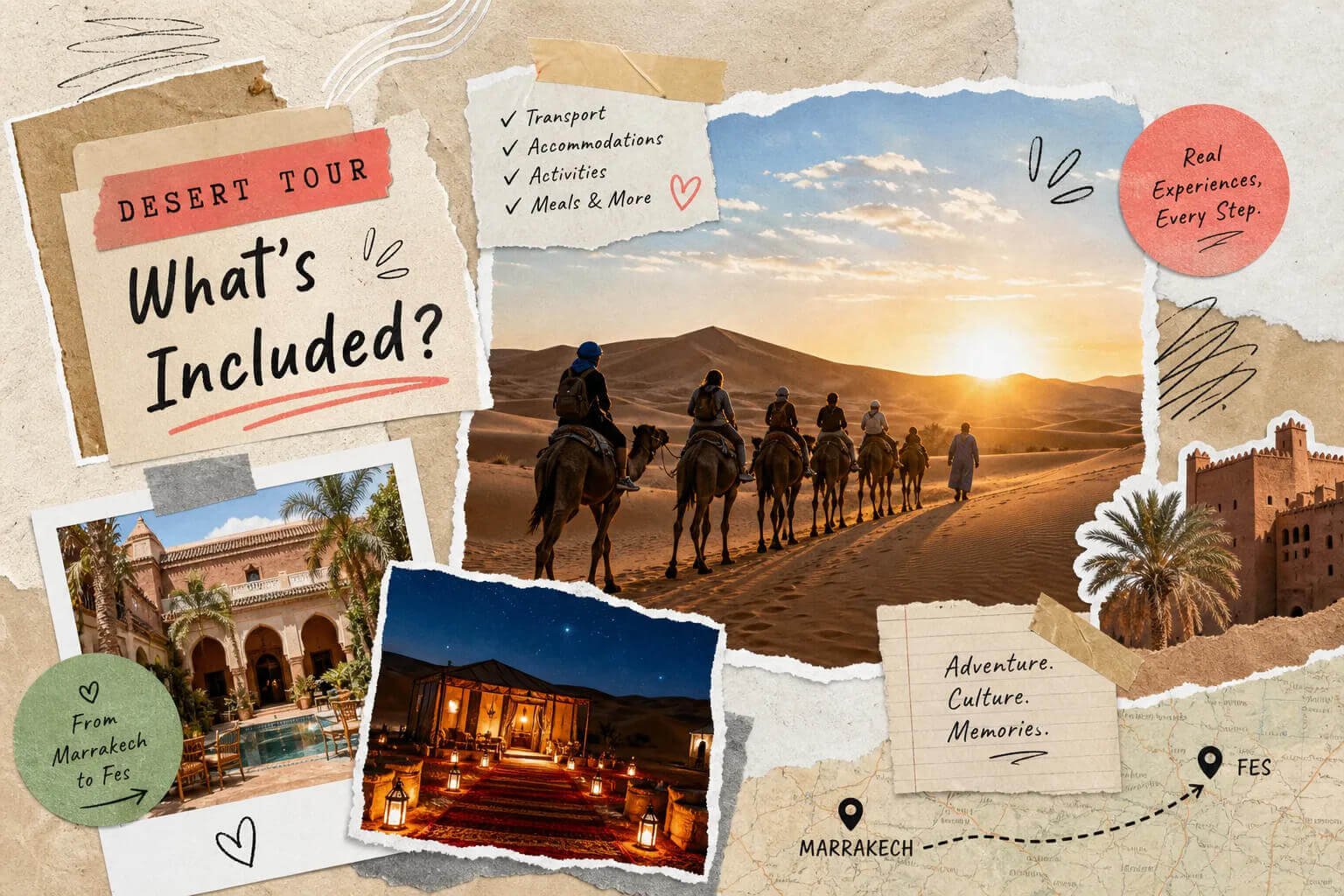
Uncover what a Marrakech to Fes desert tour offers, including camel rides, desert camps, and rich cu...
Read this article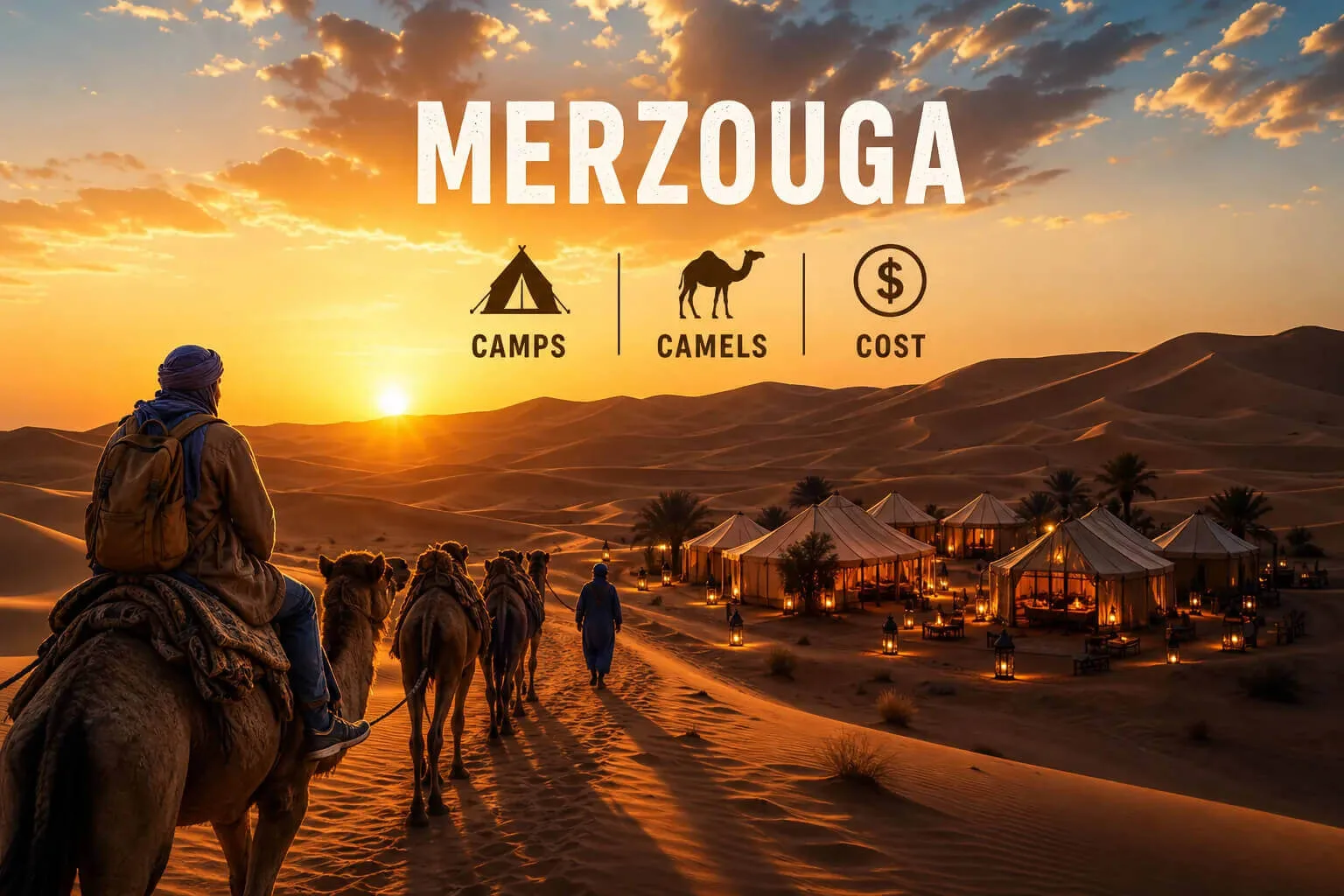
Join our Merzouga Overnight Tour for an authentic desert experience. Enjoy camel rides, comfortable ...
Read this articleWant cool tour deals and tips about Morocco? Enter your email and we’ll send them to you each month!
