Group Tour Agencies in Morocco: How to Pick the Right One
Compare Morocco group tour agencies by trip style, reviews, pace, transport and inclusions. Learn wh...
Read this article
Private, custom Morocco trips planned in Fez by AZ-ZDDINE, working in Moroccan tourism since 2012. Sahara, Atlas, medinas and coast, arranged around you.
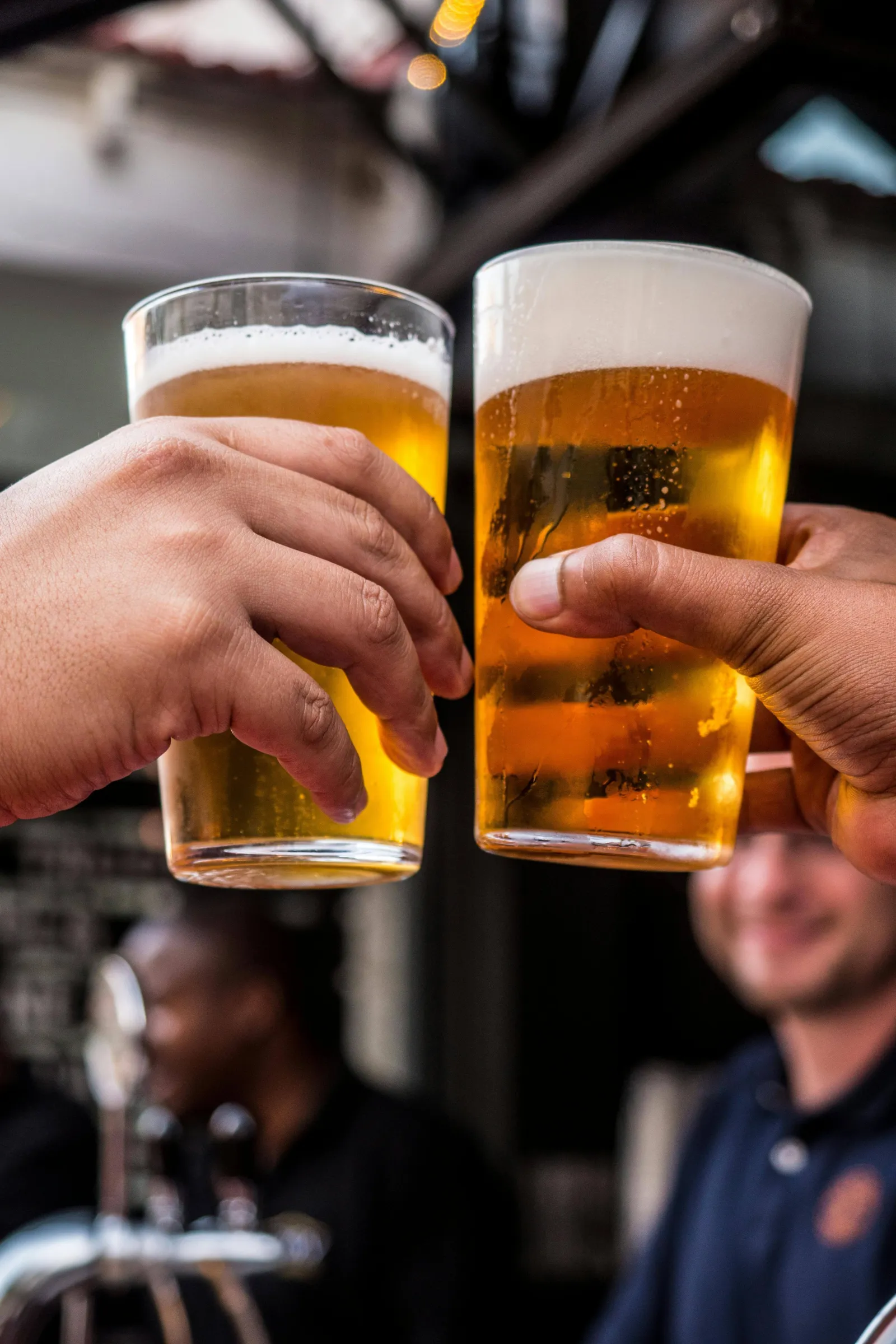
Planning a trip to Morocco and wondering about the alcohol situation? You’re not alone. As a predominantly Muslim country, Morocco has a unique relationship with alcoholic beverages—one that often confuses first-time visitors. The good news is that alcohol in Morocco is legal, available, and accessible to tourists, though with important regulations and cultural considerations you’ll want to understand before your arrival.
Alcohol is legal in Morocco but tightly regulated, with a legal drinking age of 18 and a strict ban on drinking in public spaces, including streets, parks, and beaches outside licensed areas.s
Tourists can buy alcohol in licensed hotels, bars, restaurants, liquor stores, and big-chain supermarkets like Carrefour la belle vie in cities including Marrakech, Casablanca, Fes, Agadir, Tangier, and Rabat.
Alcohol is relatively expensive due to high taxes, with domestic beer costing 12–20 MAD (€1–2) in supermarkets and 40–80 MAD (€4–8) in hotel bars; wine bottles range from 50–250+ MAD depending on quality and origin.
During Ramadan, alcohol availability decreases significantly—many supermarkets suspend sales and some bars close, though 4–5 star hotels in tourist areas often continue serving discreetly to non-Muslim guests.
Discreet, respectful alcohol consumption is essential throughout your visit, particularly in medinas, rural villages, and during religious holidays.
Morocco stands out among Muslim-majority countries for its pragmatic approach to alcohol. While approximately 99% of the population identifies as Muslim and Islam prohibits alcohol consumption as haram, Moroccan civil law permits production, sale, and consumption through a regulated licensing system.
There was no single “legalization date” for alcohol in Morocco. Modern regulations evolved from the French Protectorate era (1912–1956), when colonial authorities expanded wine production, particularly in the Meknes region. After independence in 1956, Morocco maintained this framework, balancing Islamic norms with economic reliance on tourism and its position as the second-largest wine producer in the Arab world.
Is alcohol banned in Morocco? No, it is not banned. Production and sale are legal in licensed channels, and the country has a thriving domestic wine and beer industry.
Can tourists drink alcohol in Morocco? Yes. Non-Muslim tourists can legally buy and consume alcohol in permitted venues across major cities and tourist areas. Morocco’s constitution guarantees freedom of religion, meaning visitors are not expected to adhere to local abstinence norms—though respectful, discreet behavior is crucial.
At Morocco Classic Tours, we help visitors navigate these cultural nuances during city stays, Sahara desert excursions, and Atlas Mountain adventures, ensuring you can enjoy your trip fully while respecting local culture.
Understanding why alcohol exists in an Islamic country requires looking at both history and economics. Morocco operates a dual system: religious teachings discourage Muslims from drinking, while civil law permits licensed production and sales primarily serving non-Muslims, tourists, and the minority of locals who choose to drink.
Wine production in Morocco dates back over 2,000 years, predating Islam’s arrival. The French colonial period modernized and expanded this industry, transforming regions like Meknes into significant viticultural areas. After independence, Morocco chose not to ban alcohol outright, recognizing its importance to the tourism economy and its established place in the country’s commercial landscape.
Many Moroccans abstain entirely from alcohol consumption for religious reasons. However, a minority—particularly in big cities and coastal resorts like Casablanca, Marrakech, and Agadir—drink discreetly at home or in licensed establishments. This creates a notable contrast: conservative attitudes prevail in medinas and rural villages, while urban centers and tourist areas maintain more relaxed atmospheres.
When joining Morocco Classic Tours trips, we suggest treating alcohol as an occasional complement to your experience rather than a central activity. Focus on cultural immersion, local traditions, and the stunning landscapes—with perhaps a glass of Moroccan wine in the evening at your hotel.
For practicing Muslims, alcohol is haram (forbidden), and many locals drink alcohol only rarely or never. Moroccan families often associate alcohol with moral risk, which influences where bars can open and how they appear. You’ll notice that licensed bars typically feature opaque windows, modest signage, and discreet entrances—a direct response to cultural sensitivity around visible public drinking.
The Moroccan legal framework deliberately separates religious sin from state law. Muslims are socially discouraged from drinking, but the state licenses alcohol production and sale, creating a coexistence that outsiders sometimes find surprising. This is quite different from stricter Gulf states like Saudi Arabia or Kuwait, where alcohol is completely prohibited.
Public intoxication is strongly stigmatized in Moroccan society. A visibly drunk person may attract police attention or social disapproval, even in tourist areas. Penalties can include fines, confiscation of alcohol, or overnight detention for disruptive behavior. The key principle: drink if you wish, but never let it become visible or disruptive.
Practical etiquette makes all the difference:
Drink indoors or on non-street-facing terraces, never on sidewalks or in public parks
Keep bottles hidden when walking to your hotel room—use a bag, not a visible carrier
Never drink in taxis, on public transport, or on street-facing balconies
Avoid drinking near mosques or during prayer times in conservative neighborhoods
When visiting Moroccan homes, never offer alcohol to hosts unless they clearly invite it. Many will politely refuse for religious reasons, and the gesture can create awkwardness. Instead, embrace non-alcoholic staples: Moroccan mint tea (often called “atai”), fresh-squeezed orange juice, and almond milkshakes are all excellent alternatives during cultural visits.
Morocco Classic Tours guides can discreetly point out appropriate venues in each city where you can relax with a beer or glass of wine after a day of sightseeing—without any cultural missteps.
Morocco maintains a clear legal framework: alcohol is permitted but controlled through licensing, age restrictions, and public order rules. Understanding these local laws helps you avoid unnecessary complications during your Moroccan adventure.
Regulations can be enforced strictly in some areas and more loosely in others, so always err on the cautious side. Zero-tolerance policies apply to drink-driving, with very low blood alcohol concentration limits and frequent roadside checks near nightlife zones.
The legal drinking age in Morocco is 18 for both purchasing and consuming alcohol in licensed establishments. This applies universally across the country.
Identification requirements:
Hotels, nightclubs, and large liquor stores may request ID, especially in Casablanca, Rabat, and Marrakech
Carry your passport or a clear passport copy when planning to purchase alcohol
National ID cards work for residents; tourists should have passport documentation
Never buy alcohol for anyone under 18. Doing so can result in fines and police issues. Staff at licensed venues take age verification seriously, particularly in urban centers.
Drinking alcohol in public places is illegal and prosecutable under public order and morality provisions. This includes:
Prohibited Locations | Examples |
|---|---|
Streets and sidewalks | Walking with an open beer between venues |
Parks and gardens | Picnicking with wine in public spaces |
Beaches | Outside licensed beach clubs/bars |
Public transport | Buses, trains, taxis |
Visible terraces | Rooftops overlooking mosques, street-facing balconies |
Penalties vary widely but can include confiscation of your alcoholic beverages, fines, and, in serious cases, overnight detention—especially if behavior is disruptive. However, most tourists who drink discreetly in proper venues have no issues whatsoever. The key is keeping your consumption private and your behavior respectful.
During Ramadan, the holy month of fasting, alcohol availability decreases significantly across Morocco. Many bars close entirely or reduce hours, and supermarkets often close off or suspend alcohol sales during daylight hours.
However, travelers are not entirely without options:
4–5 star hotels in Marrakech, Casablanca, and Agadir often continue serving alcohol discreetly to non-Muslim guests indoors
Passport checks become more common, and some outlets may scrutinize names for Muslim identification
Discretion levels increase—public consumption during Ramadan is seen as highly disrespectful
If you’re planning Morocco Classic Tours trips during Ramadan, expect fewer open bars, heightened discretion requirements, and a focus on cultural, culinary (non-alcoholic), and adventure experiences. This period offers unique opportunities to experience local traditions and the special atmosphere of iftar meals.
Where can you buy alcoholic beverages in Morocco? The answer depends on which city you’re visiting and what type of shop you’re looking for. Alcohol is primarily found in new town districts (ville nouvelle), modern shopping malls, and hotel zones—rarely in historic medinas.
Typical operating hours for liquor outlets: late morning opening (around 10:00–11:00) with closing around 19:00–20:00. Sunday hours vary, and religious holidays may see closures.
Morocco Classic Tours itineraries can be planned so guests who wish to buy a bottle before heading to the Sahara or Atlas Mountains can stop at a suitable supermarket or liquor store in the city.
Major chains where you can find alcohol include:
Supermarket Chain | Alcohol Availability | Notes |
|---|---|---|
Carrefour | Common | Separate “cave à vins” section |
Carrefour Market | Common | Smaller selection than the main stores |
Marjane | Common | Glass-door locked alcohol room |
Acima | Variable | Check location |
Label’Vie | Some branches | Not all locations stock alcohol |
These supermarkets typically house alcohol in a separate room—look for glass doors, security presence, and prices labeled in Moroccan dirhams (MAD). Beer, Moroccan wine, and imported spirits occupy different shelves, making browsing straightforward.
Not all branches sell alcohol. Many stores in traditional supermarket neighborhoods or conservative towns do not carry alcoholic drinks. If you’re struggling to find alcohol, ask hotel staff or your guide for directions to the nearest “magasin d’alcool” (liquor store).
Standalone liquor stores exist in major cities, typically discreet with minimal signage:
Marrakech: Gueliz district
Casablanca: Maarif and Racine neighborhoods
Fès: Ville Nouvelle
Rabat: Agdal area
Agadir: Beach zone and modern districts
Here’s where tourists can purchase alcoholic beverages in each major city:
Marrakech: Focus on Gueliz and Hivernage districts. Supermarkets and hotel bars serve as primary hubs. The medina has virtually no alcohol outlets—if you’re staying in a traditional riad, plan a short taxi ride to Gueliz for purchases.
Casablanca: The central business district, Maarif neighborhood, Racine area, and shopping malls all offer good options. As Morocco’s largest city, Casablanca has the most extensive alcohol availability.
Fes: Head to the Ville Nouvelle, particularly around Hassan II Avenue. The ancient medina is completely dry, so the new-town supermarkets are your only option.
Agadir: The beach hotel strip and big malls cater well to tourists. This resort city has perhaps the most relaxed atmosphere regarding alcohol availability.
Tangier: The new town zones offer supermarkets and liquor stores. As a port city with European influence, Tangier maintains accessible options for visitors.
Rabat: The Agdal neighborhood and modern commercial areas have supermarkets with alcohol sections. The capital city balances conservative government influence with cosmopolitan accessibility.
In smaller towns along desert routes—Erfoud, Merzouga, Tinghir—only a few restaurants or shops may stock alcohol, if any. Buy what you need in larger cities before heading to remote areas.
Can you buy alcohol at Marrakech airport? Yes. Duty-free shops in arrival and departure halls at Marrakech Menara, Casablanca Mohammed V, and Agadir Al Massira airports stock international brands including whisky, vodka, gin, rum, and wine.
Pricing comparison:
Duty-free prices are typically better than hotel bars
City supermarkets often beat duty-free prices for wine and local beers
Imported spirits may be competitive at airport shops
Can you bring alcohol in your suitcase to Morocco? Yes, within limits. Customs allow:
Up to 1 litre of spirits OR
1 litre of wine/beer per adult in checked luggage
Exceeding these limits risks duties or confiscation. Absinthe and some strong anise-based spirits have restrictions—stick to standard wine, whisky, rum, gin, or vodka when packing.
Given the local availability, bringing your own alcohol isn’t strictly necessary, but duty-free purchases can provide familiar brands at reasonable prices.
Drinking is restricted to licensed venues: hotel bars, tourist-oriented restaurants, private resorts, nightclubs, and beach clubs. You won’t find alcohol in street cafés, traditional eateries, or medina tea houses.
City options range from rooftop bars with panoramic views to intimate wine bars and lively nightclubs. Desert camps and mountain lodges offer more limited but growing selections for visitors who want to enjoy a drink under the stars.
Morocco Classic Tours trips can incorporate evenings in comfortable riads or hotels that serve beer and wine after a day of sightseeing or camel trekking.
Most 4–5 star hotels in Marrakech, Casablanca, Rabat, Agadir, and Tangier have full bars serving local beers, Moroccan and imported wine, and international spirits. Some 3-star hotels and riads offer wine and beer only.
Important distinctions:
Riads inside medinas are often dry (no alcohol license) due to location and licensing restrictions
New-town riads may serve wine and beer for in-house consumption
Tourist-oriented restaurants outside medinas typically serve alcohol with meals indoors
When booking accommodation, ask specifically about alcohol availability. Morocco Classic Tours can confirm whether your chosen riads and desert camps are licensed to serve drinks or allow guests to bring their own.
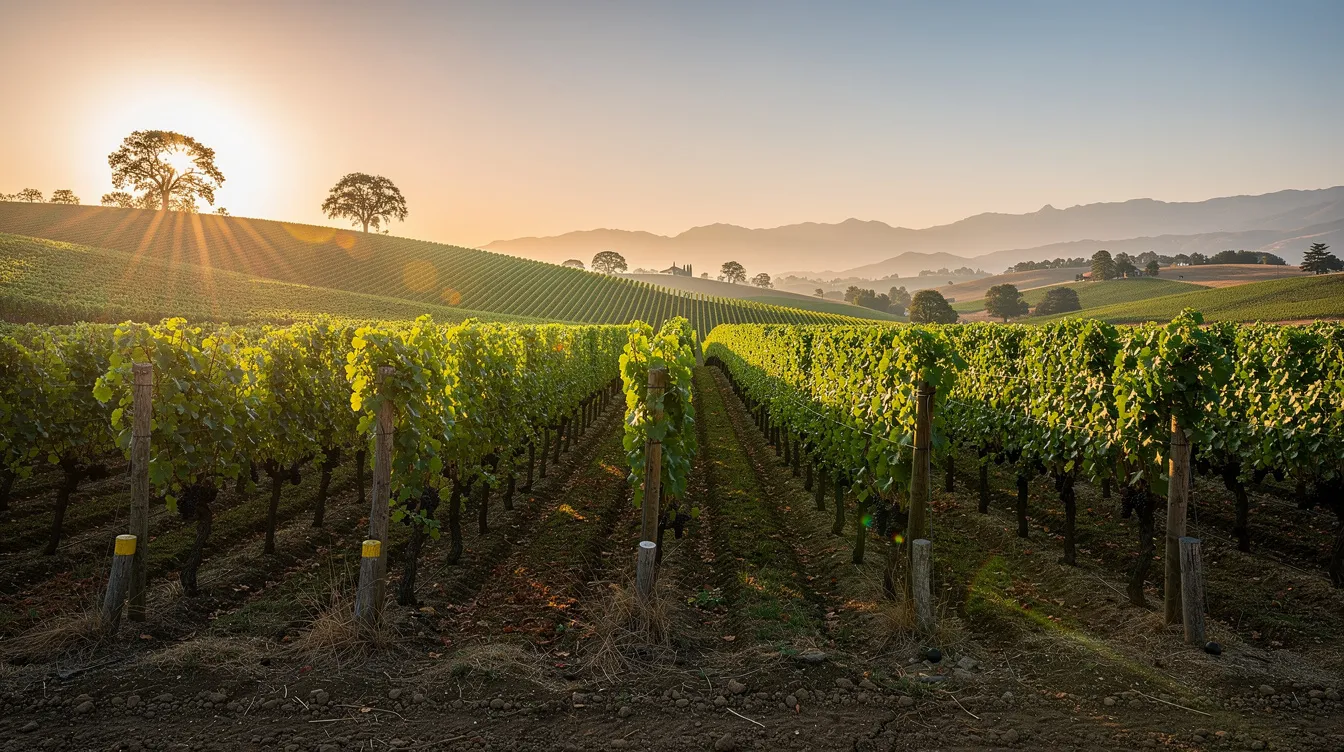
Wine lists in licensed restaurants often feature Moroccan reds and rosés from Meknes, coastal estates near Essaouira, and eastern wine regions—offering wine lovers excellent opportunities to sample local wines.
The bar scene varies considerably by city:
Casablanca: Lounge bars, hotel bars, and a few standalone nightspots. The city’s cosmopolitan character supports Morocco’s most developed nightlife.
Marrakech: Hivernage and Gueliz districts feature rooftop bars, hotel lounges, and nightclubs. Some have outdoor terraces while maintaining discretion from the street.
Agadir: Beachfront bars and resort hotels create a relaxed atmosphere. Happy hours are common, and prices tend to be slightly lower than in Marrakech.
Tangier: A mix of historic hotel bars and modern lounges reflecting the city’s international heritage.
Most bars feature opaque or tinted windows and modest signage—legal requirements reflecting local regulations against visible public drinking. Dress codes range from casual-neat to smart casual in high-end venues.
Closing times typically run from midnight to 02:00, depending on the city and venue. Always pre-arrange safe transport back to your accommodation—taxis are plentiful, and Morocco Classic Tours vehicles provide worry-free returns from evening excursions.
Alcohol availability in the Sahara (Merzouga, Erg Chebbi, Erg Chigaga) and Atlas Mountain villages is limited and varies widely by camp or guesthouse.
What to expect:
Some mid-range and luxury desert camps offer beer and wine on site, often with dinner
Budget camps are frequently strictly dry out of respect for local customs
Mountain lodges may serve wine with dinner or allow guests to bring their own
Planning advice:
Buy wine or beer in cities like Marrakech, Ouarzazate, or Fes before multi-day tours
Keep bottles in luggage, not visible in vehicles
Check with your accommodation or tour operator about their policy beforehand
We encourage travelers to prioritize the cultural aspects—music around the campfire, stargazing, camel treks through golden dunes—and see any drink as optional, not central, to the desert experience.
Alcohol is heavily taxed in Morocco, making it expensive relative to everyday Moroccan prices. A bottle of wine costs more than a full tagine dinner; a beer in a hotel bar rivals the price of a complete street food meal.
Why is alcohol expensive in Morocco? High import duties, production taxes, and regulatory costs position alcoholic beverages as relative luxuries. The government deliberately limits widespread access through pricing mechanisms.
The difference between buying in supermarkets versus hotel bars is substantial—understanding this helps budget-conscious travelers manage costs.
Current prices (2025–2026) in Moroccan dirhams:
Item | Supermarket Price | Approximate EUR | Approximate USD |
|---|---|---|---|
Domestic beer (33cl) | 12–20 MAD | €1–2 | $1–2 |
Casablanca beer (premium) | 18–25 MAD | €1.70–2.50 | $1.80–2.60 |
Basic Moroccan wine | 50–70 MAD | €4.50–6.50 | $5–7 |
Quality Moroccan wine | 80–120 MAD | €7.50–11 | $8–12 |
Imported wine | 120–250+ MAD | €11–23+ | $12–25+ |
Standard spirits (0.7L) | 180–350+ MAD | €17–32+ | $18–35+ |
Example shopping basket: One decent Moroccan red wine + six local beers ≈ 130–150 MAD (€12–14 / $13–15)
Moroccan table wines from the Meknes area offer the best value. Imported French, Spanish, or Italian wines cost significantly more due to import duties.
Licensed establishments charge premiums reflecting service, atmosphere, and licensing costs:
Item | Bar/Hotel Price | Notes |
|---|---|---|
Beer (25–33cl) | 40–80 MAD | €4–8 / $4–8 |
Wine glass | 45–90 MAD | Moroccan wines at the lower end |
Cocktails | 100–150+ MAD | €9–14+ / $10–15+ |
Premium spirits | 100–150+ MAD | Imported brands command premiums |
Rooftop bars in Marrakech and Casablanca charge “view premiums”—expect to pay 20–30% more for sunset drinks overlooking the medina. Beach resort happy hours in Agadir offer better value.
Bottom line: A night out with two drinks can easily approach the price of a full local dinner (100–150 MAD). Occasional drinks are manageable on most budgets, but nightly bar visits will significantly increase trip costs.
Morocco both imports and produces alcohol, with a surprisingly developed domestic industry. Meknes serves as the main wine region, while Casablanca beer has become the country’s most recognized brew internationally.
What alcohol do Moroccans drink? The minority of locals who drink alcohol tend to favor local beers and wines over spirits, with consumption concentrated in urban centers rather than rural areas.
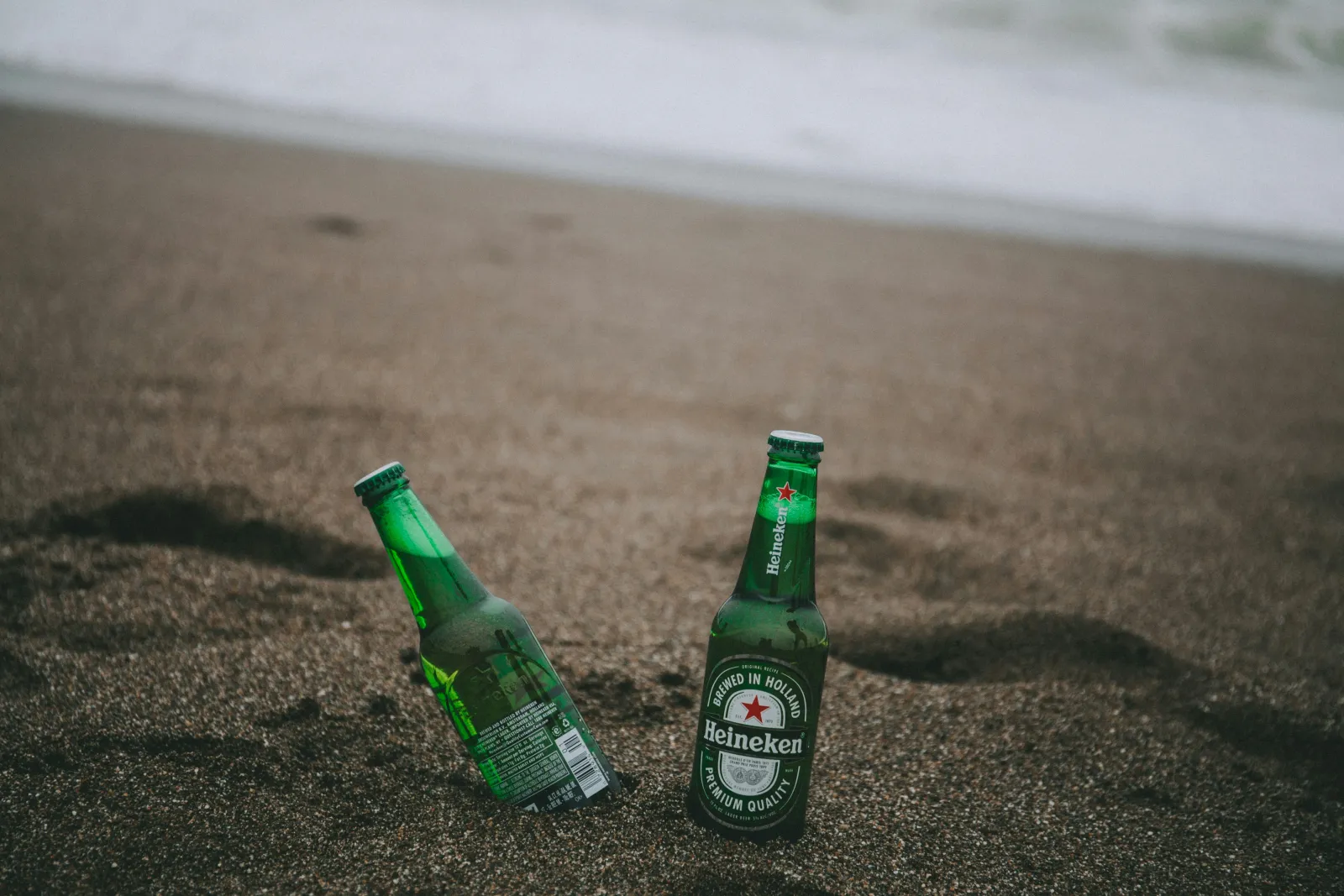
Morocco’s beer production is dominated by Société des Brasseries du Maroc (linked with Heineken), producing consistent quality across its brands:
Casablanca Beer: The premium national lager, created in the 1990s. Widely available in hotels and better restaurants, it commands a slight price premium over other local beers. Smooth, refreshing, and appropriately named for Morocco’s largest city.
Flag Spéciale: A popular pilsner-style beer available since the 1970s. Flag Gold offers a stronger seasonal variation. Found everywhere from supermarkets to basic bars—this is Morocco’s everyday beer.
Stork Première: The budget option, a light lager with a simpler taste profile. Common in local establishments and supermarkets at the lowest price point.
For craft beer enthusiasts, options are limited—Morocco’s alcohol production focuses on established brands rather than microbreweries. However, imported craft beers occasionally appear in specialty shops and upscale hotels.
Wine production in Morocco dates back over 2,000 years, with modern expansion under French rule creating today’s industry. The country ranks as the second-largest wine producer in the Arab world.
Main wine regions:
Meknes: The heart of Moroccan wine production (e.g., Château Roslane, Guerrouane, Boulaouane)
Essaouira coast: Estates like Domaine du Val d’Argan produce Atlantic-influenced wines
Eastern Morocco: Berkane and Beni M’Tir regions contributing to national production
Wine styles to try:
Reds: The majority of Moroccan production, often full-bodied and suitable for tagine pairings
Rosés: Refreshing options for warm-weather dining
Moroccan grey wine (vin gris): A specialty pale, greyish rosé perfect for warm weather—this is what Morocco is particularly known for among wine lovers
Common labels you’ll encounter: Guerrouane, Boulaouane, Domaine Sahari, Val d’Argan, and Château Roslane. Ask your server for recommendations—many are proud of local wines.
Wine tasting opportunities exist at estates near Meknes and Essaouira. Morocco Classic Tours can incorporate winery visits into private itineraries for travelers, particularly interested in Moroccan wine culture.
Mahia is Morocco’s traditional spirit—a clear, aniseed-flavored liquor distilled from figs or dates. Historically linked to moroccan jews since the late 19th and early 20th centuries, it carries cultural significance beyond mere refreshment.
Important cautions:
Mahia is often homemade and can be very strong
Unregulated versions may be unsafe—stick to bottles from reputable shops
Some tourists avoid it entirely; others seek it for cultural authenticity
Morocco doesn’t have major domestic whisky or rum traditions. Most spirits in bars are imported brands from Europe and the US, carrying premium prices due to import duties.
For many locals, strong spirits are associated with heavy drinking and carry more social stigma than a quiet glass of wine or beer. This reflects broader Moroccan culture around moderation and discretion.
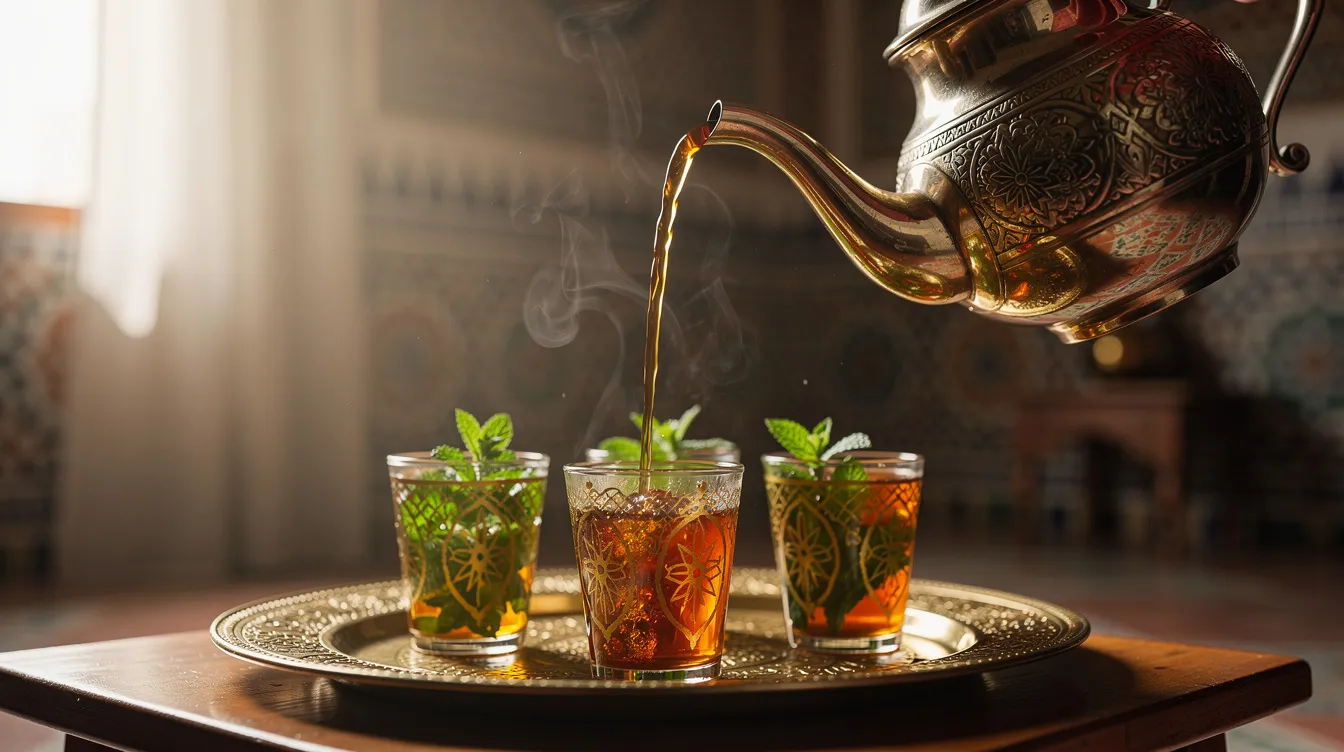
If someone offers you “Berber whiskey” in Morocco, don’t expect alcohol. This is the humorous local nickname for Moroccan mint tea—served hot in small glasses with generous sugar and fresh mint leaves. It contains no alcohol whatsoever and represents Morocco’s true national drink.
Tea ceremonies are central to Moroccan hospitality. Whether you’re visiting a carpet shop, staying in a riad, or welcomed into a Berber family’s home, mint tea will appear. Embrace this tradition enthusiastically.
Other excellent non-alcoholic options:
Fresh-squeezed orange juice (Morocco’s oranges are exceptional)
Avocado smoothies (surprisingly popular)
Pomegranate juice
Almond milkshakes
On Morocco Classic Tours trips, mint tea welcomes guests at riads, desert camps, and family homes throughout your journey. It’s the authentic aperitif that transcends any alcoholic beverage.
Understanding Morocco’s alcohol landscape is one thing; navigating it practically is another. Here’s how to integrate responsible drinking into your travel plans.
Quick reminders:
You can take alcohol in your suitcase to Morocco (up to 1 litre per adult)
You can buy alcohol in Morocco supermarkets (specific chains in modern districts)
Morocco is not a party destination—focus on culture, landscapes, and cuisine
Responsible consumption matters especially before camel rides, Atlas Mountains hiking, or long transfers between cities. Desert heat and physical activity don’t mix well with alcohol.
Morocco applies very strict regulations around drink-driving:
Extremely low legal blood alcohol limits
Police checkpoints around nightlife zones and holiday weekends
Severe penalties, including fines, license confiscation, and detention
Never drive after drinking. This is non-negotiable. Instead:
Use taxis (readily available in all cities)
Pre-book drivers through your hotel
Travel with Morocco Classic Tours vehicles for worry-free transport
Personal safety tips:
Keep your drink in sight—avoid accepting beverages from strangers in unlicensed settings
Stay in groups at night in unfamiliar districts
Keep hotel cards or map pins handy for easy returns after late evenings
Avoid illegal drugs entirely—possession carries severe legal issues in Morocco
For desert and mountain excursions:
Buy the desired wine or beer in city supermarkets before departure
Keep bottles safely wrapped in luggage during travel
Never open alcohol in vehicles or at public roadside stops
Check in advance whether your destination serves alcohol, allows BYOB, or is strictly dry
Balancing your evenings:
Enjoy alcohol in Marrakech, Casablanca, or Agadir, where options abound
Accept alcohol-free nights in sacred or rural places to fully experience local customs
Let Morocco Classic Tours handle logistics—we know which riads and camps accommodate various preferences
The best approach treats alcohol as an occasional enhancement rather than a daily requirement. Morocco’s cultural richness, stunning landscapes, and extraordinary cuisine deserve your full, clear-headed attention.
On a private, arranged trip your driver knows which towns on the route have licensed restaurants and which do not, which saves a certain amount of wandering about in the evening.
Per-capita alcohol consumption in Morocco is relatively low by global standards. WHO and regional data suggest only a small minority of adults drink regularly, with many abstaining entirely for religious reasons. Consumption concentrates in urban centers—Casablanca, Marrakech, Rabat—and among certain social groups, while rural and conservative areas see near-zero consumption. This pattern explains why bars and liquor shops cluster in new towns and tourist areas rather than spreading evenly across the country.
Most small family-run eateries and traditional medina restaurants do not sell alcohol and typically don’t allow guests to bring their own. If you want wine with your tagine or couscous, seek out modern, tourist-oriented restaurants or hotel dining rooms outside the medina. When reserving a table, ask specifically about alcohol availability—or let Morocco Classic Tours book suitable venues where you can enjoy a glass of wine with dinner.
Generally, no. Alcohol is not an appropriate gift unless you know with certainty that your host drinks. Many practicing Muslims will feel uncomfortable receiving it, creating awkwardness rather than appreciation. Better alternatives include quality chocolates, dates, imported tea, or small items from your home country—universally appreciated and culturally safe. If a local friend specifically requests a bottle from duty-free, give it discreetly, not in front of family members who may abstain.
Several wineries near Meknes (including estates around Château Roslane) and around Essaouira (such as the Val d’Argan area) offer wine tasting or visits by prior arrangement. These aren’t typically walk-in friendly—most require booking and sometimes minimum group sizes. Morocco Classic Tours can incorporate winery visits into private itineraries for travelers, particularly interested in experiencing Moroccan alcohol production firsthand.
In major cities, foreign mixed-gender groups and couples enter hotel bars and tourist-oriented lounges without any issues. Some very local bars cater primarily to Moroccan men and may feel uncomfortable for women visitors—these are easy to avoid by sticking to hotel venues and recognized tourist establishments. Ask your hotel reception or tour guide for recommendations on comfortable, welcoming venues for international couples and families visiting morocco.
Morocco offers a fascinating balance between traditional values and modern accessibility for travelers. Understanding alcohol laws, respecting cultural norms, and knowing where to find alcoholic drinks when desired allows you to navigate this beautiful country with confidence. Whether you prefer a glass of Moroccan grey wine while watching sunset over the Atlas Mountains or simply want to know your options exist, Morocco accommodates thoughtful visitors.
Ready to plan your Moroccan adventure? Contact Morocco Classic Tours to create a customized itinerary that balances cultural immersion with your personal preferences—including guidance on the best venues for evening relaxation in every city on your route.
Compare Morocco group tour agencies by trip style, reviews, pace, transport and inclusions. Learn wh...
Read this article
Uncover what a Marrakech to Fes desert tour offers, including camel rides, desert camps, and rich cu...
Read this article
Join our Merzouga Overnight Tour for an authentic desert experience. Enjoy camel rides, comfortable ...
Read this articleWant cool tour deals and tips about Morocco? Enter your email and we’ll send them to you each month!
