Group Tour Agencies in Morocco: How to Pick the Right One
Compare Morocco group tour agencies by trip style, reviews, pace, transport and inclusions. Learn wh...
Read this article

Private, custom Morocco trips planned in Fez by AZ-ZDDINE, working in Moroccan tourism since 2012. Sahara, Atlas, medinas and coast, arranged around you.
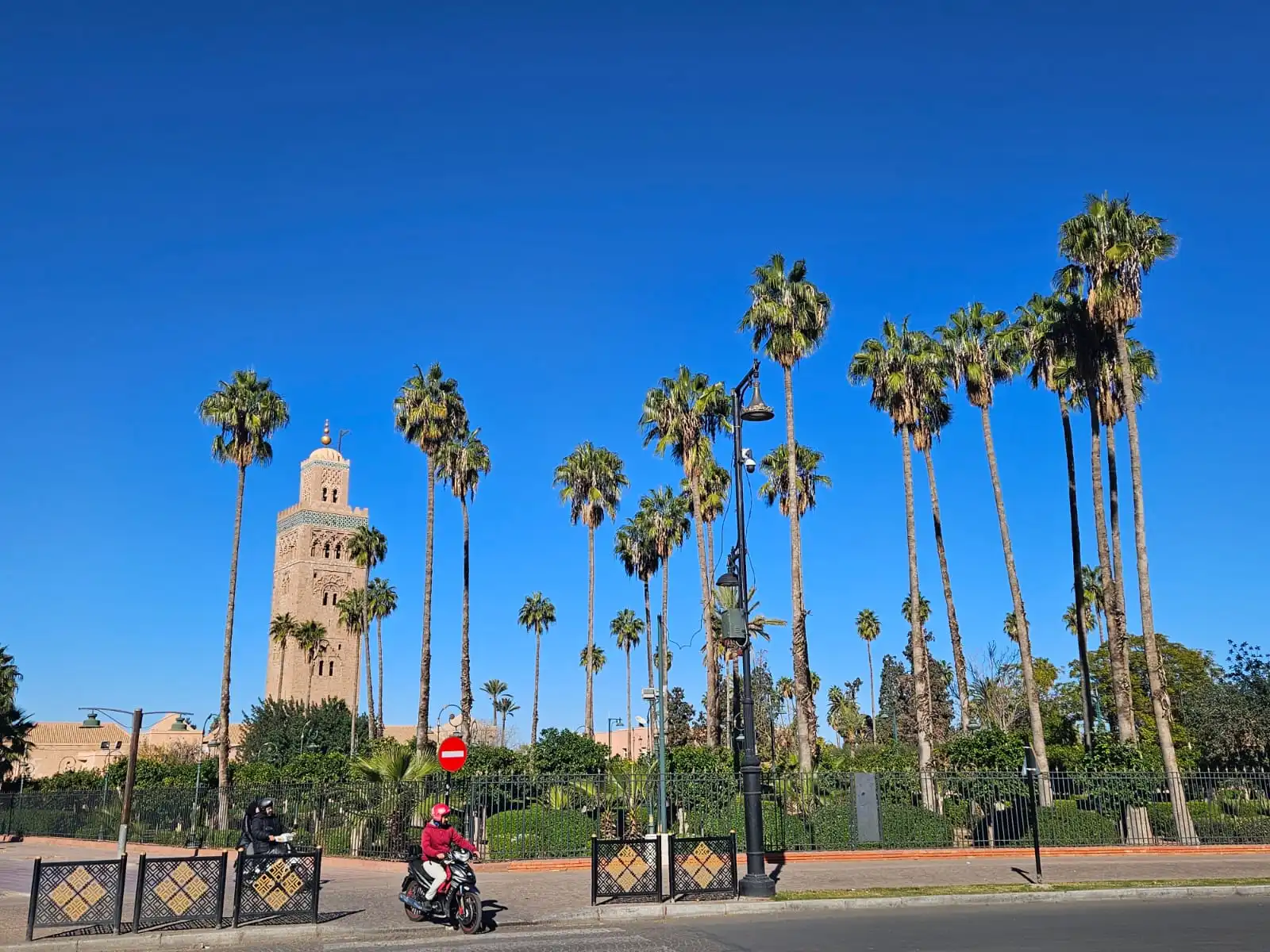
September is one of the best months to visit Morocco, offering pleasant weather without the scorching heat of July and August, with average temperatures ranging from 22-32°C (72-90°F) in most regions.
This shoulder season brings fewer crowds compared to spring peaks, along with lower accommodation costs and a more authentic travel experience in popular destinations.
The Sahara Desert remains accessible but requires careful planning—sunrise and sunset camel rides, AC transfers, and well-equipped camps make the heat manageable.
Morocco Classic Tours designs private September itineraries combining imperial cities, Atlas Mountains, coastal escapes, and carefully timed desert experiences for couples, families, and honeymooners.
This guide covers weather by region, what to pack and wear, best places and outdoor activities, the festival calendar, and practical travel advice for first-time visitors from the USA.
Yes, September is one of the best times to visit Morocco. With the summer tourist rush wrapping up, September offers relatively mellow crowds, allowing for a more authentic experience in popular destinations like Marrakech and Fes.
Daytime temperatures ease after August, making exploring cities, hiking in the Atlas Mountains, and enjoying Atlantic coast beaches far more comfortable. Travelers who dislike over-touristy periods will appreciate that September sits between quiet August and busier October, offering excellent riad availability and value.
From our perspective at Morocco Classic Tours, September is ideal for custom trips combining cultural immersion, light adventure, and coastal or desert time in a single itinerary. The Sahara and deep south can still feel oppressively hot midday, but guided planning with sunrise and sunset excursions, AC vehicles, and well-equipped camps makes it entirely feasible.
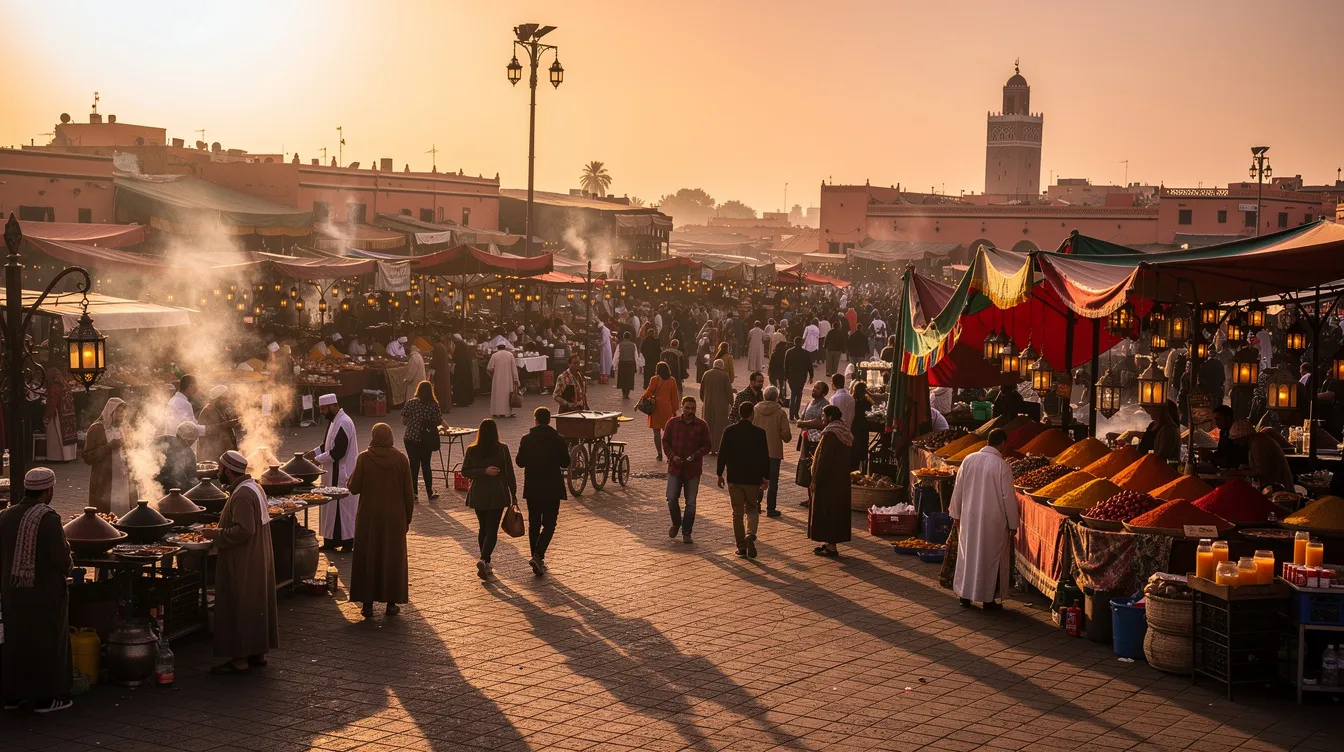
Morocco’s September weather varies dramatically by region. Coastal areas benefit from ocean breezes, inland cities and desert regions bake under clear skies, while the High Atlas Mountains offer cooler weather at elevation.
Most of the country sees warm, dry, sunny days with minimal rainfall. Humidity is more noticeable along the Atlantic coast near Agadir and Casablanca, while Marrakech and Fes feel hotter and drier during the day but experience temperatures dropping significantly after sunset.
Evenings start to feel fresher, especially in northern Morocco and mountain areas, so a light jacket proves useful after dark. This transitional month offers reliable sunshine with the first hints of autumn comfort—far easier for staying active outdoors compared to the extreme temperatures of June and August.
September is an ideal time to visit Morocco as the summer heat subsides, making outdoor activities more enjoyable. In September, average temperatures in Morocco range from 22-32°C (72-90°F), providing comfortable conditions for sightseeing and various activities.
Typical September temperatures by region:
Destination | High | Low |
|---|---|---|
Marrakech | 30-33°C (86-91°F) | 18-20°C (64-68°F) |
Fes | 30-32°C (86-90°F) | 16-18°C (61-64°F) |
Casablanca | 25-26°C (77-79°F) | 19-20°C (66-68°F) |
Agadir | 26-28°C (79-82°F) | 18-19°C (64-66°F) |
Tangier | 26-27°C (79-81°F) | 19-20°C (66-68°F) |
Chefchaouen | 26-28°C (79-82°F) | 17-18°C (63-64°F) |
Imlil (High Atlas) | 22-24°C (72-75°F) | 12-13°C (54-55°F) |
Merzouga (Sahara) | 34-36°C (93-97°F) | 19-21°C (66-70°F) |
Rainfall: Rain is rare across most regions of Morocco in September. Coastal cities like Casablanca and Essaouira typically see less than 10-20mm total. Marrakech and Fes receive just a few millimeters or only a couple of short showers all month. The High Atlas Mountains may experience occasional late-summer storms, but overall conditions remain dry.
These dry conditions are ideal for outdoor tours, hiking, and exploring historical sites. Morocco Classic Tours designs itineraries around cooler parts of the day to maximize comfort.
Understanding microclimates helps travelers choose destinations based on heat tolerance and interests.
Marrakech: Hot afternoons with cooler mornings and evenings. Inland cities like Marrakech and Fes experience warmer temperatures in September, with daytime highs ranging from 30-34°C (86-93°F). Schedule walking tours for early and late hours.
Fes: Similar warmth to Marrakech but slightly drier at night, with comfortable temperatures for evening medina exploration and rooftop terraces.
Casablanca & Rabat: Milder Atlantic climate with daytime temps around mid-20s°C. In September, coastal areas such as Casablanca and Essaouira are slightly cooler, with highs around 24°C (75°F). Pleasant sea breezes make seaside walks enjoyable.
Tangier & Chefchaouen: In September, daytime temperatures in northern cities like Tangier and Chefchaouen average around 26-28°C (79-82°F), comfortable for exploring the blue city’s streets and Rif Mountains viewpoints.
Essaouira & Agadir: Breezy Atlantic resorts averaging mid-20s°C—perfect for surfing, swimming, and fresh seafood lunches.
Imlil & High Atlas: Often 10°C cooler than Marrakech, ideal for daytime hikes without overheating.
Merzouga & Zagora: The Sahara Desert remains hot in September, with daytime temperatures often exceeding 35°C (95°F). Nights cool to pleasant temperatures for stargazing.
Southern and interior desert regions remain hottest, while coastal regions and mountain areas stay more moderate.
Hottest zones: Marrakech, Ouarzazate, the Draa Valley, and Sahara gateways like Merzouga and Erg Chebbi average 34-36°C (93-97°F). Early September can spike toward 38-40°C (100-104°F) during occasional hot spells.
Cooler escapes: Atlantic coast destinations (Essaouira, Agadir, Taghazout), northern coastal cities (Tangier, Tetouan), and mountain bases (Imlil, Ourika Valley) where highs hover in the low-mid 20s°C.
Morocco Classic Tours balances itineraries so travelers spend the hottest midday hours in shaded riads, traditional hammams, or comfortable transfers.
Yes, you can experience Morocco’s Sahara Desert in September with thoughtful planning. Early September runs hotter, while late September proves more comfortable. Daily highs can still reach mid-30s°C or higher in places like Merzouga.
The ideal approach includes:
Sunrise and sunset camel rides
4x4 transfers with air conditioning
Long midday breaks in shaded camps
Well-ventilated or air-conditioned desert tents
Nights are pleasantly warm (19-21°C / 66-70°F), perfect for stargazing and campfire music in private Sahara camps. Travelers who dislike strong heat might instead focus on the Agafay Desert near Marrakech, allowing shorter drives and quick returns to cooler riads.
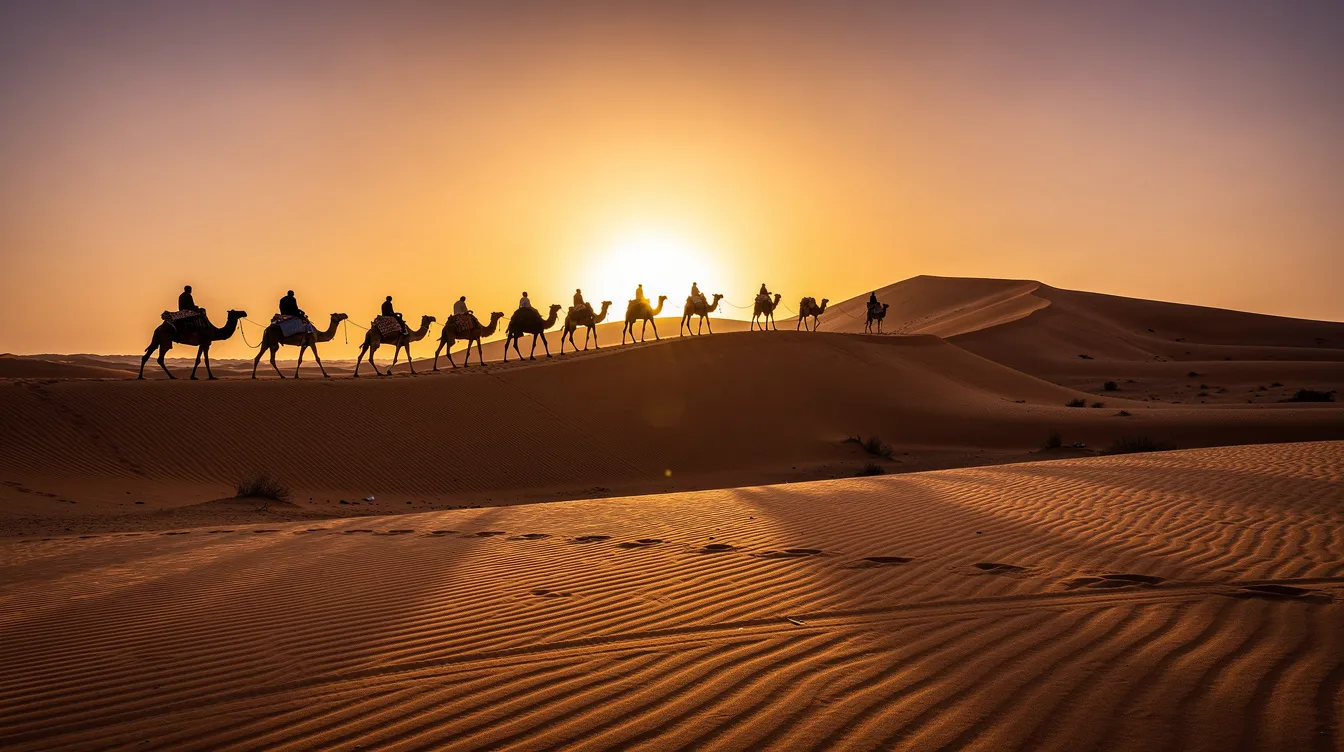
September is one of the best months to visit Morocco due to the transition from summer heat to milder temperatures, making it ideal for outdoor activities and exploration.
Outdoor adventures:
Hiking in the High Atlas Mountains around Imlil and Toubkal
Day trip to Ourika Valley
Gentle treks in the Rif Mountains near Chefchaouen
Desert experiences (timed for cooler hours):
Sunrise and sunset camel rides in Erg Chebbi or Erg Chigaga
Desert bike tours and quad biking in Agafay
Overnight stays in the Sahara camps with traditional music
Coastal activities: The cooler temperatures in September make it a great time for swimming, surfing, and soaking up the sun at beaches like Essaouira and Agadir. Taghazout offers excellent surf lessons.
City experiences:
Guided medina tours in Fes and Marrakech for cultural immersion
Food tours and cooking classes
Rooftop dinners and hammam visits
Early morning hot air balloon rides
Morocco Classic Tours combines these into tailored itineraries—imperial cities with Atlas Mountains and Sahara, or northern culture routes with coastal relaxation.
September allows comfortable exploration of classic highlights and lesser-visited areas. September is considered one of the best times to visit Morocco due to its pleasant weather and reduced crowds.
Imperial cities route: Marrakech, Fes, Meknes, and Rabat offer guided medina walks, palaces, architectural marvels, and artisan workshops.
Cooler escapes: Chefchaouen (the blue city), Tangier, Essaouira, and High Atlas villages provide milder climates for heat-sensitive travelers.
Desert adventure: Merzouga or Zagora combined with Ait Benhaddou and Ouarzazate—with proper heat management and private logistics.
Coastal combinations: Casablanca–Rabat–Asilah–Tangier in the north, or Essaouira–Taghazout–Agadir in the south, for sea breezes and lush landscapes.
Marrakech buzzes with energy in September—lively squares, busy souks, and long sunny days transition to cooler evenings ideal for exploring Jemaa el-Fnaa and rooftop restaurants.
Must-see sites include the Bahia Palace, Saadian Tombs, Jardin Majorelle, and the medina’s artisan quarters. Visit main sights in early morning or late afternoon, leaving midday for pool breaks or hammam visits. Expect warm days around 30-33°C high, 18-20°C low.
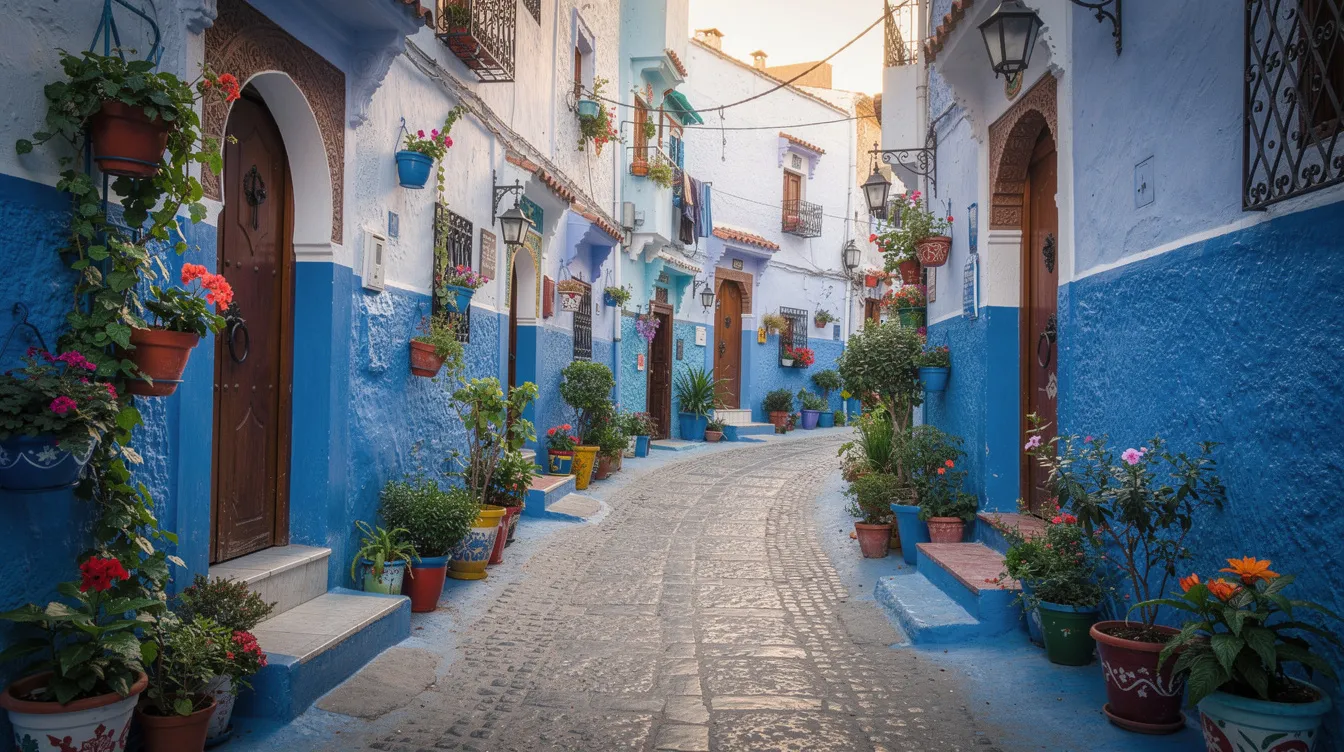
The iconic blue-painted lanes and mountain setting offer a more relaxed pace. September’s pleasantly mild weather makes hill walking manageable year-round. Wander the medina, hike to the Spanish Mosque for sunset views, and sample local goat cheese in rooftop cafes. Temperatures hover around 26-28°C—comfortable in shaded narrow alleys.
Essaouira’s white-and-blue medina, UNESCO-listed old town, and windy beaches draw surfers and kitesurfers. Agadir offers modern resort amenities with long sandy beaches and seaside promenades. September sea temperatures are pleasant with fewer crowds than in August. Ocean breezes keep temperatures around 24-28°C, cooler than inland areas.
Fes is a medieval cultural capital with sprawling medina, historic madrasas, tanneries, and artisan traditions. Guided walking tours help navigate the labyrinth while explaining the history behind Bou Inania Madrasa and the famous tanneries. Day trips to Meknes and the Roman ruins of Volubilis remain comfortable in September. Expect daytime temps around 30-32°C.
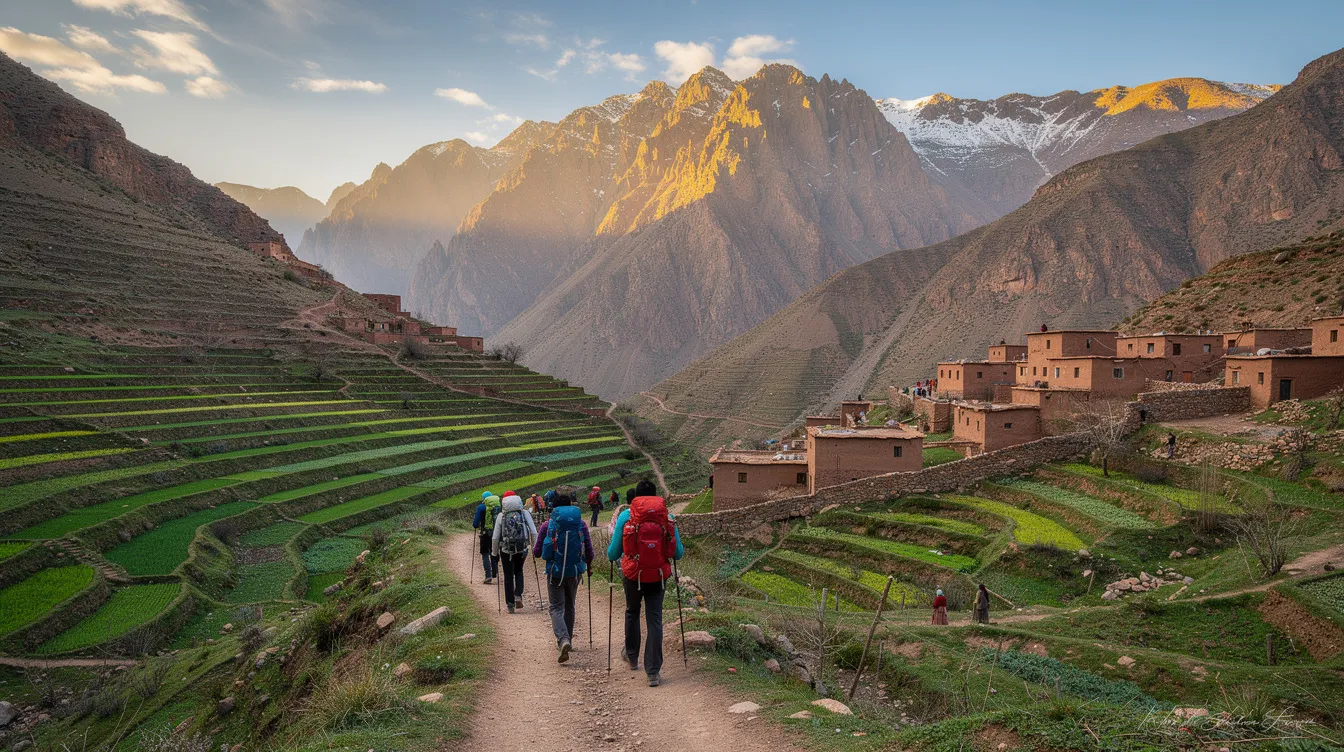
The High Atlas Mountains offer a refreshing escape from city heat. In September, the Atlas Mountains offer perfect conditions for hiking, with opportunities to explore the Ourika Valley or ascend Mount Toubkal, North Africa’s highest peak.
September delivers dry trails, comfortable daytime temperatures around low-mid 20s°C, and clear mountain views. Activities include half-day or multi-day hikes, village homestays, and tea with local Amazigh families. Pack warm layers—nights can bring cold nights around 12-13°C.
September is excellent for honeymoons, combining romantic warm evenings, manageable heat, and fewer crowds than spring. Honeymoon-worthy experiences include romantic riads in Marrakech, luxury desert camps in Erg Chebbi, private rooftop dinners, sunset camel rides, and couples’ hammam treatments.
Morocco Classic Tours designs customized honeymoon itineraries with upgraded accommodations and romantic touches.
Festival dates shift annually based on the lunar calendar, so confirm specific year dates when planning.
Imilchil Marriage Festival: Taking place in mid to late September, this cultural celebration sees Berber families gather for matchmaking, music, and traditional dances in the Middle Atlas.
Tanjazz Festival: Held in Tangier usually in mid-September, this festival blends global jazz sounds with Moroccan style, featuring performances in open-air venues and historic palaces.
Oasis Festival: This electronic music festival held near Marrakesh in early September features international DJs and local talent in a desert setting.
Eid Milad un Nabi: The birthday of Prophet Muhammad is observed across Morocco in September with Quranic recitations and family gatherings, offering a glimpse into the country’s religious traditions.
Morocco Classic Tours helps align itineraries with specific events while managing transport and accommodation during busy festival dates. The harvest season also brings special experiences, including date season celebrations in southern oases.
Good planning maximizes comfort for visitors coming from long-haul destinations. September is a shoulder season in Morocco, leading to lower accommodation costs and thinner tourist crowds.
For USA travelers:
Expect connections via European hubs (Paris, Madrid, Lisbon, London) into Casablanca or Marrakech
Consider open-jaw tickets (into Casablanca, out of Marrakech) to minimize backtracking
Plan 10-14 days to comfortably combine 2-3 different regions
Book key riads and desert camps 2+ months ahead as demand rises after summer
Time zone differences (5-8 hours behind US coasts) suggest a gentle first day—light city stroll, rooftop dinner, and early night. Morocco Classic Tours provides private airport pickups and driver-guides, especially helpful for first-time visitors from North America seeking budget travelers or luxury experiences alike.
September requires light, breathable clothing while respecting local customs and modesty norms in smaller towns.
General guidance:
Loose, lightweight fabrics (cotton, linen) covering shoulders and knees
Wide-brimmed hats and sun protection accessories
Women: maxi dresses, midi skirts, light scarves for conservative areas
Men: light chinos, breathable shirts; avoid very short shorts in medinas
Comfortable walking shoes for medinas; hiking boots for Atlas treks
Light cardigan or thin sweater for cooler evenings—pack layers for mountain excursions
Dress modestly near mosques and when visiting local families. Swimwear plus cover-ups work for beach resorts and pools.
Pack smartly for warm days, cooler mountain evenings, and strong sun.
Essentials:
3-5 breathable outfits plus one warmer layer
Sun hat, sunglasses, high-SPF sunscreen
Refillable water bottle and rehydration salts
Basic first-aid kit and personal medications
Universal travel adapter (Moroccan sockets use type C and E)
Power bank for long sightseeing days
Offline maps or navigation apps
Passport, printed/digital booking copies, travel insurance details
Mix of cash (Moroccan dirhams from ATMs) and cards
Lightweight scarf for sun protection and added modesty
Earplugs for stays near lively squares
September is straightforward for travel, with heat, sun protection, and local customs being primary considerations.
Practical tips:
Drink bottled or filtered water frequently
Seek shade at midday; schedule outdoor excursions early or late
Agree on taxi fares in advance when not using official meters
Dress modestly in smaller towns and near mosques
Carry travel insurance; exercise caution with street food if you have a sensitive stomach
Watch belongings in crowded souks; avoid dark alleys late at night
Morocco is generally safe for tourists, including solo travelers. Working with a licensed local operator like Morocco Classic Tours adds reassurance through vetted riads, trusted drivers, and on-the-ground support.
For most travelers, Morocco offers comfortable weather in September—warm but not oppressively hot, especially on the coast and in the mountains. Inland areas and the desert can feel very hot midday.
If you’re comfortable with typical late-summer temperatures (high 20s to low 30s°C / mid-80s to low-90s°F), September works well with smart scheduling. Heat-sensitive travelers can focus on cooler northern Morocco, the Atlantic coast, and the High Atlas while limiting time in the Sahara.
Morocco Classic Tours offers walking tours, transfers, and activities to minimize peak afternoon heat, offering breaks in shaded riads or air-conditioned vehicles. Those who strongly dislike heat might consider September,r October, or November periods for slightly cooler conditions, or plan trips for mid-March through early May instead. The winter months bring winter rains and occasional freezing temperatures in the mountains, while summer brings scorching heat—September remains among the most balanced months overall.
Plan a minimum of 7-8 days to explore one main region (Marrakech and High Atlas, or Fes, Chefchaouen, and Rabat) without rushing. For a complete Moroccan adventure combining imperial cities, mountains, and either the Sahara or coast, 10-14 days works best. Morocco Classic Tours tailors trips from short city breaks to comprehensive two-week journeys.
Yes, September can be family-friendly with proper heat management. Focus on Marrakech with a pool riad, the coast (Agadir or Essaouira), and gentle Atlas excursions. Limit Sahara visits to two nights if children handle warmth well. Private tours make it easier to adjust pace and add breaks for younger travelers.
Morocco uses the Moroccan dirham (MAD), obtained at ATMs, banks, or exchange offices on arrival. Cards work in larger hotels, some restaurants, and shops in big cities, but cash remains essential in souks, small cafes, and inland areas. Carry a mix of both for flexibility.
No—English is widely spoken in tourist areas, hotels, and by licensed guides. Knowing basic phrases in Moroccan Arabic (Darija) or French enhances interactions but isn’t required. Morocco Classic Tours provides English-speaking driver-guides who handle all communication and logistics for travelers exploring cities and experiencing this remarkable North African destination.
Compare Morocco group tour agencies by trip style, reviews, pace, transport and inclusions. Learn wh...
Read this article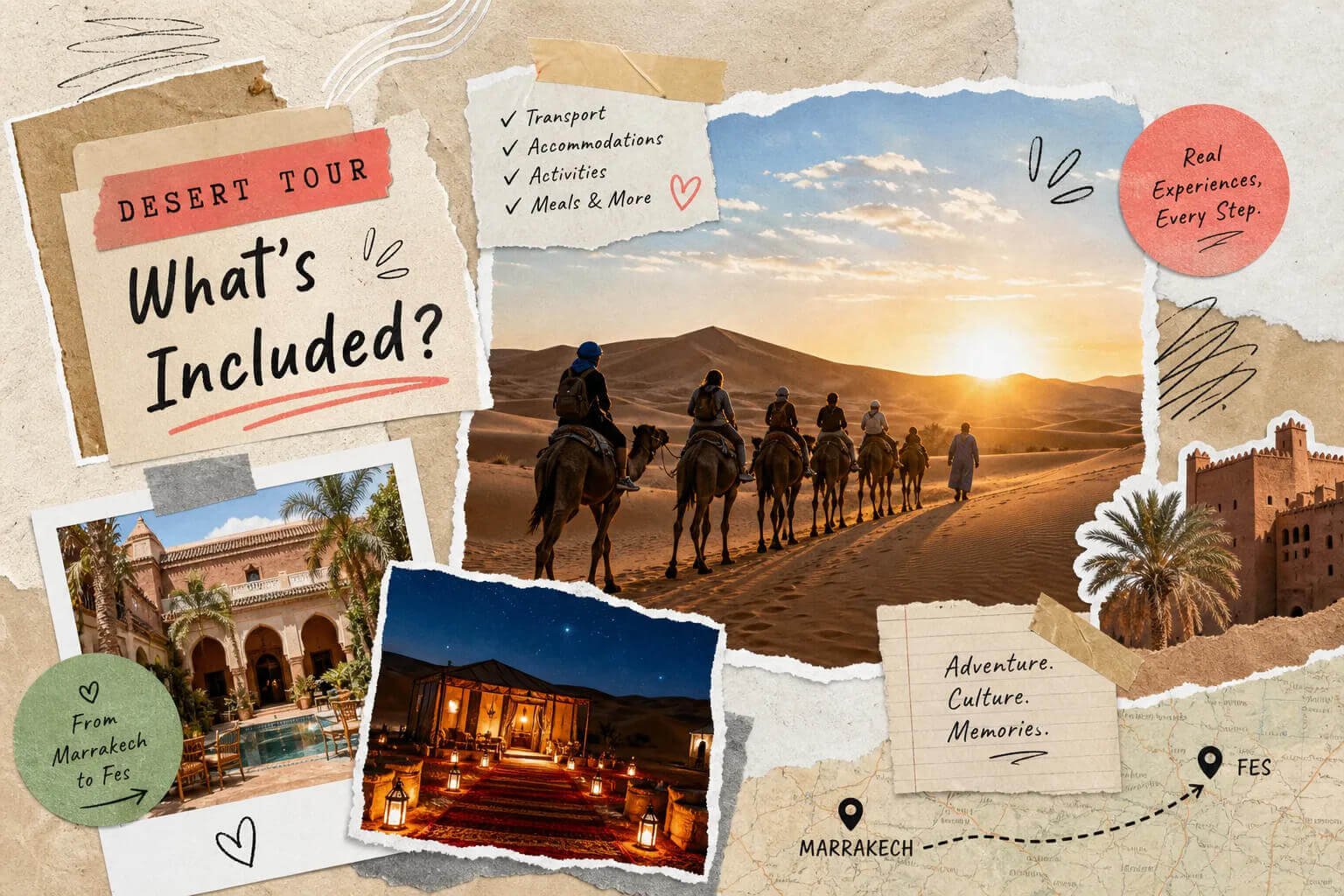
Uncover what a Marrakech to Fes desert tour offers, including camel rides, desert camps, and rich cu...
Read this article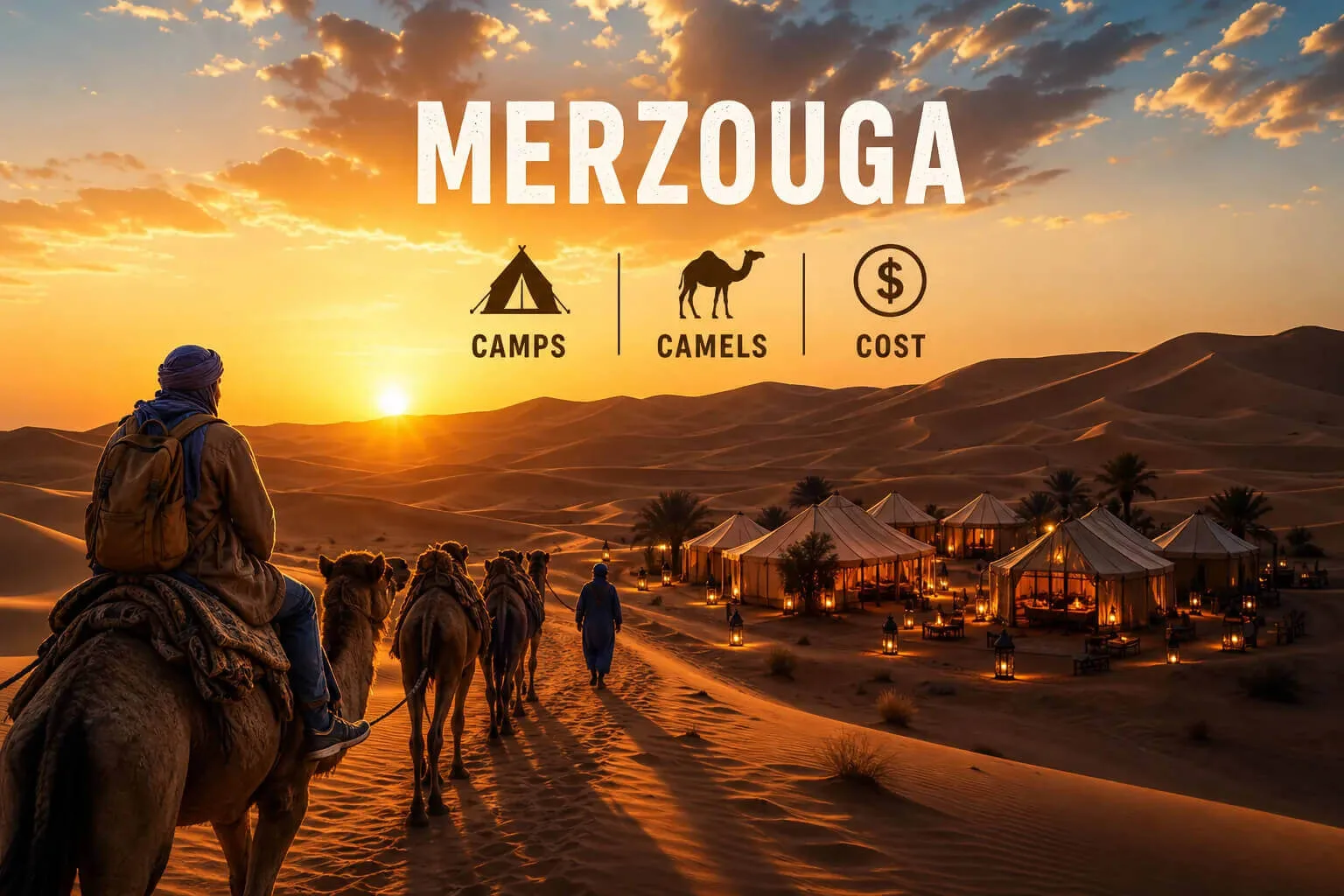
Join our Merzouga Overnight Tour for an authentic desert experience. Enjoy camel rides, comfortable ...
Read this articleWant cool tour deals and tips about Morocco? Enter your email and we’ll send them to you each month!
