Group Tour Agencies in Morocco: How to Pick the Right One
Discover how to choose the perfect group tour agency in Morocco. Get tips on what to look for and ma...
Read this article

Suspendisse interdum consectetur libero id. Fermentum leo vel orci porta non. Euismod viverra nibh cras pulvinar suspen.
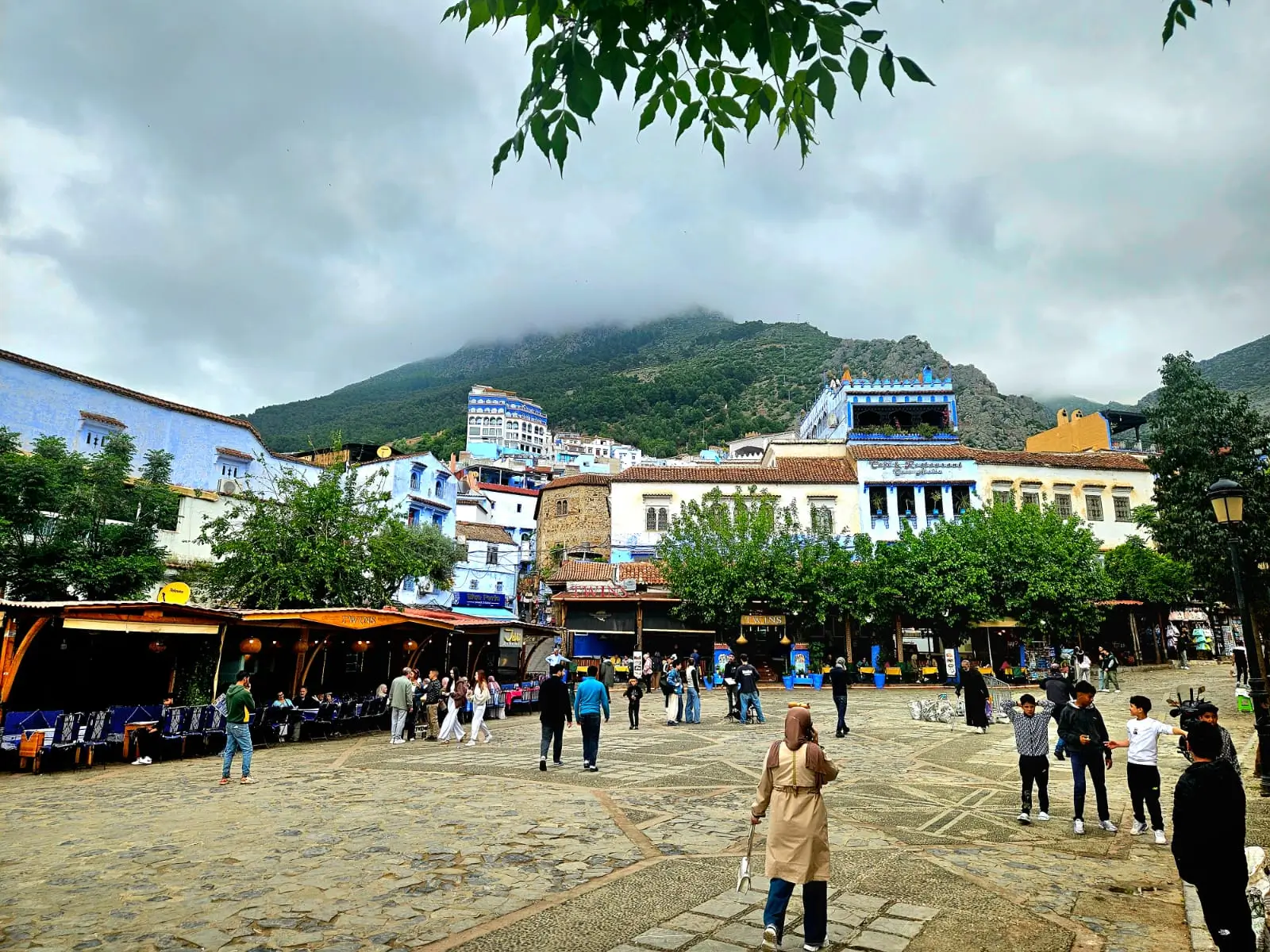
Morocco continues to draw millions of travelers seeking ancient medinas, Sahara sunsets, and Atlas Mountain adventures. But before you book, you’re likely wondering: is Morocco safe to visit in 2026? This guide delivers the honest, practical answers you need—straight from our team at Morocco Classic Tours in Fez.
Morocco is generally safe for tourists in 2026, with over 18 million visitors in 2025 experiencing no major security incidents. However, you should exercise increased caution due to terrorism threats and petty crime, similar in risk level to France or Italy.
Major cities like Marrakech, Fez, Chefchaouen, Essaouira, Rabat, parts of Casablanca, Agadir, and Tangier are considered safe with normal precautions. Travelers are advised to avoid all travel to the Western Sahara border regions and areas within 20 km of the Algerian border due to heavy military presence and an unstable security situation.
Morocco is currently stable and open for tourism with no special COVID-19 restrictions as of April 2026. Always check official travel advisories from your own government before finalizing travel plans.
Female travelers, solo visitors, and visibly foreign tourists may attract extra attention. Following modest dress codes, cultural awareness, and basic street-smart rules significantly reduces unwanted attention.
Booking guided, private tours with local experts like Morocco Classic Tours significantly reduces risk through organized transfers, vetted accommodations, and licensed guides who know which neighborhoods and routes are safest.
Yes, for most tourists Morocco is safe to visit in 2026, provided you exercise increased caution, especially in crowded areas and at night. Morocco recorded over 18 million visitors in 2025 without major security incidents, making it one of the more stable destinations in North Africa.
The U.S. The State Department has released a Level 2 travel advisory for Morocco, suggesting that travelers should take extra precautions because of the potential risk of terrorism. This puts Morocco on par with popular European destinations like France and the UK—not exactly dangerous territory.
Everyday safety for tourists in Marrakech, Fez, Rabat, Casablanca, Tangier, Agadir, and Essaouira is comparable to Mediterranean cities. Pickpocketing and scams represent the main issues, not violent crime.
Tourism is strategic to Morocco's economy, so you’ll see visible police presence around airports, train stations, medinas, and major tourist attractions. The Brigade Touristique patrols popular areas specifically to assist visitors.
At Morocco Classic Tours, we monitor official advisories daily, adjust routes when needed, and advise guests individually before arrival.
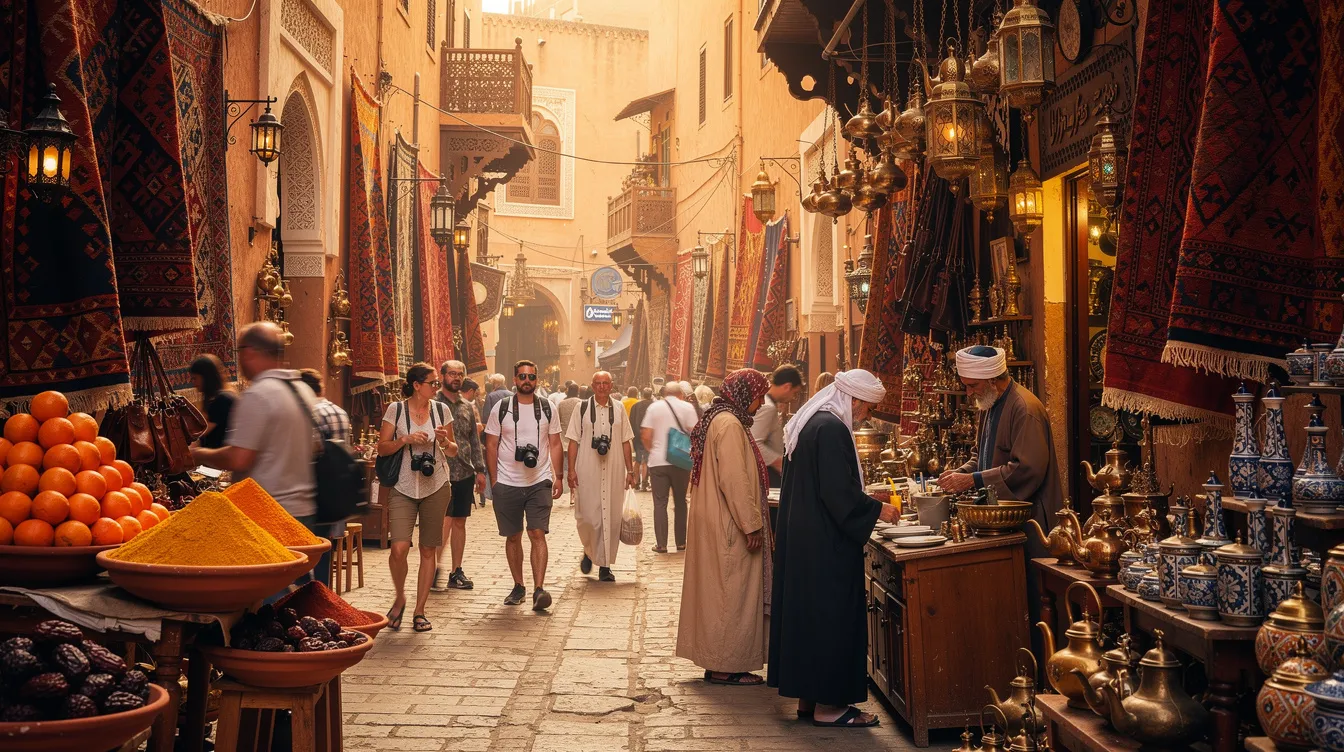
Morocco offers a safe destination for prepared travelers. The main risk categories include terrorism (low probability but worth awareness), petty crime, scams, traffic accidents, and harassment—particularly affecting female travelers. Terrorist groups continue plotting possible attacks in Morocco, and an attack could happen with little or no warning. Most trips proceed without incident when you follow common-sense precautions.
Road accidents are statistically a greater risk than crime for visitors to Morocco. Defensive awareness on roads matters more than fear of violent crime. Traveling with a reputable operator helps with traveling safely by reducing exposure to avoidable risks.
Walking alone very late at night in poorly lit alleys
Flashing expensive jewelry or electronics
Carrying all cash and passport in one bag
Engaging with aggressive touts or unofficial “guides”
Discussing politics, the monarchy, or Western Sahara
Driving at night on rural roads (animals, pedestrians, poor lighting)
Deserted beaches after dark
Terrorist groups continue plotting possible attacks in Morocco, targeting tourist locations, transportation hubs, markets, shopping malls, and local government facilities. However, Morocco’s intelligence services work closely with European and US agencies, leading to frequent disruption of cells before they act.
The 2011 Marrakesh café bombing and the December 2018 murders of two Scandinavian tourists in a mountainous area of southern Morocco (which Moroccan authorities described as a terrorist act) represent rare but serious incidents. Fast arrests and harsh sentences followed both cases.
Traveling with a reputable operator helps you avoid risky neighborhoods, unlicensed guides, and unregulated desert camps.
Most classic tourist routes are safe, but some remote regions require avoidance due to security or political issues.
Casablanca–Rabat–Meknes–Fez: Medina-heavy but well-policed urban areas
Marrakech–Atlas Mountains–Ouarzazate–Merzouga: Desert route safe with licensed operators
Tangier–Chefchaouen–Tetouan: Coastal calm with standard precautions
Essaouira and Agadir Atlantic coast: Relaxed resort atmosphere
Western Sahara is considered unsafe for non-essential travel due to the threat of terrorism and the presence of unexploded landmines. The unresolved political status creates an unstable environment.
The area within 20 km of the border with Algeria should be avoided due to increased military presence and difficulty in locating the border. Certain regions in Morocco, particularly the Rif Mountains and areas near the Algerian border, are recommended to be avoided due to elevated risks of terrorism and kidnapping.
Morocco Classic Tours itineraries stay within safe zones and work with licensed local partners in desert and mountain regions.
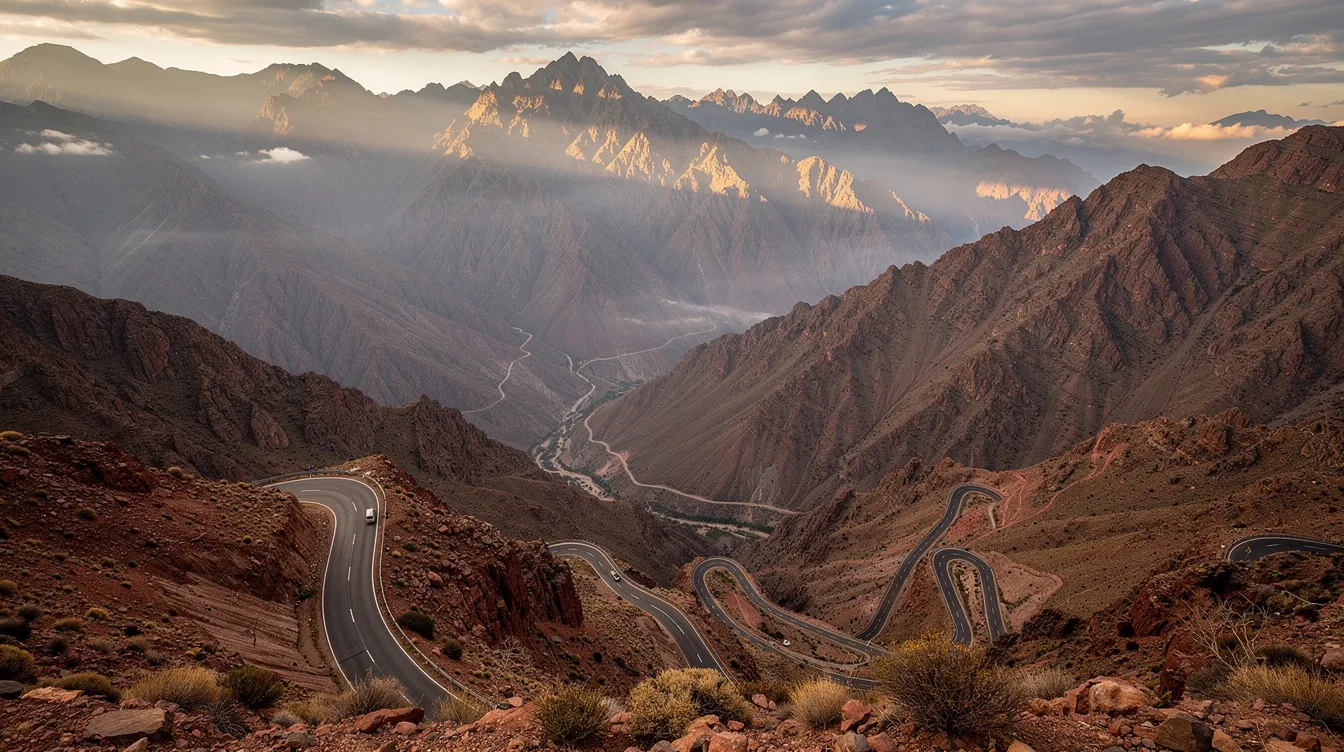
Safety realities differ slightly between Moroccan cities, mainly in terms of scams, harassment, and nighttime risks rather than terrorism.
Is Marrakech Morocco safe to visit? Generally yes, but intense. Djemaa el-Fna attracts large crowds where pickpockets operate.
Fake “guides” in the medina lead tourists to overpriced shops for commissions.
Always agree taxi prices in advance or insist on meters.
Is Casablanca Morocco safe to visit? More business-oriented and less touristic than Marrakech.
Higher incidence of phone snatching, especially at night in non-central districts.
Stay in larger cities’ central neighborhoods and use registered taxis or apps like Heetch after dark.
Fez el-Bali medina is a maze where tourists get lost easily, creating opportunities for touts.
Hire licensed guides for medina exploration. It is recommended to use licensed guides for tours and hire only official transport options like “petit” taxis.
Respect local norms near religious sites and mosques.
Is Tangier Morocco safe to visit? Relatively safe coastal city with some pickpocketing risk around the port and train station.
Exercise caution near ferry terminals and avoid isolated tourist beaches at night.
Is Agadir Morocco safe to visit? Yes—relaxed Atlantic resorts with family-friendly vibes.
Standard beach-area precautions against bag snatching and harassment apply.
Terrorism risk in Morocco is real but heavily mitigated by strong security services and international cooperation.
Morocco’s record shows few successful attacks in the last decade. In December 2018, two Scandinavian tourists were killed in a mountainous area of southern Morocco, which Moroccan authorities described as a terrorist act. Swift arrests and life sentences followed.
Travelers should exercise increased caution in Morocco due to the threat of terrorism, including the risk of a terrorist attack, as terrorist groups continue to plot possible attacks targeting tourist locations and transportation hubs. Moroccan authorities disrupt 20+ extremist cells annually through intelligence cooperation with Western agencies.
Is Morocco safe from ISIS? While ISIS ideology has influenced some isolated individuals, there is no ISIS-controlled territory in Morocco. Sporadic plots are targeted by local authorities before execution.
Is Morocco safe to visit due to the Iran war or wider Middle East tensions? Morocco sits over 5,600 km from Gulf conflict zones with no active war on its territory. Tourism flows from Europe and the UK continue normally. Monitor local media, but daily travel routes remain unaffected.
Crimes targeting tourists are primarily non-violent in nature. The most prevalent issues that travelers might face include petty crimes like pickpocketing and bag snatching, especially in busy locations that are popular with visitors.
Common Petty Crimes
Pickpockets in crowded markets and souks
Children distracting while accomplices steal
Phone snatching from hands or café tables
Luggage theft from unattended cars or train racks
Petty crime, including pickpocketing and bag snatching, is common in tourist-heavy areas like Casablanca, Rabat, and Marrakech, posing a risk to travelers.
Unofficial “guides” leading you to family shops for commissions
Inflated taxi fares without meters
Fake police demanding to see your wallet (show passport copies only)
“Free” directions that end in aggressive begging for payment
Kidnapping is extremely limited for tourists on standard routes. No routine kidnapping problem exists in Marrakech, Fez, or coastal cities. Remote areas and southern and border areas present theoretical risk but are avoided by standard itineraries.
Prevention tips: Visitors to Morocco are advised to keep valuables secure and use front-facing crossbody bags or money belts. Leave copies of passports in hotel safes. Avoid walking with phones in hand near busy roads.
Many women research catcalling and harassment in Morocco seeking realistic answers. Here’s the honest picture.
Morocco is a conservative Muslim society where women tourists may experience staring, comments, and occasional persistent attention, especially if walking alone or at night. Women traveling alone may face harassment and should take precautions, such as dressing modestly and traveling with companions whenever possible.
In Morocco, it is important to dress conservatively, especially for women, to respect local customs and avoid unwanted attention. Travelers are advised to dress modestly by covering shoulders and knees to respect local Islamic customs.
Loose trousers or long skirts
Tops covering shoulders and cleavage
Avoid very tight or transparent clothing
Headscarves are not obligatory but may reduce attention in traditional areas.
Walk confidently and avoid prolonged eye contact
Be mindful of local norms when interacting with the opposite sex in more conservative settings.
Firmly dismiss unwanted attention with “la shukran” (no thanks)
Stick to well-lit streets and busy tourist areas
Use taxis at night rather than walking long distances
Choose central riads and hotels
Joining private or small group tours with Morocco Classic Tours often makes female travelers feel safer, accompanied by known local guides who handle vendor interactions.
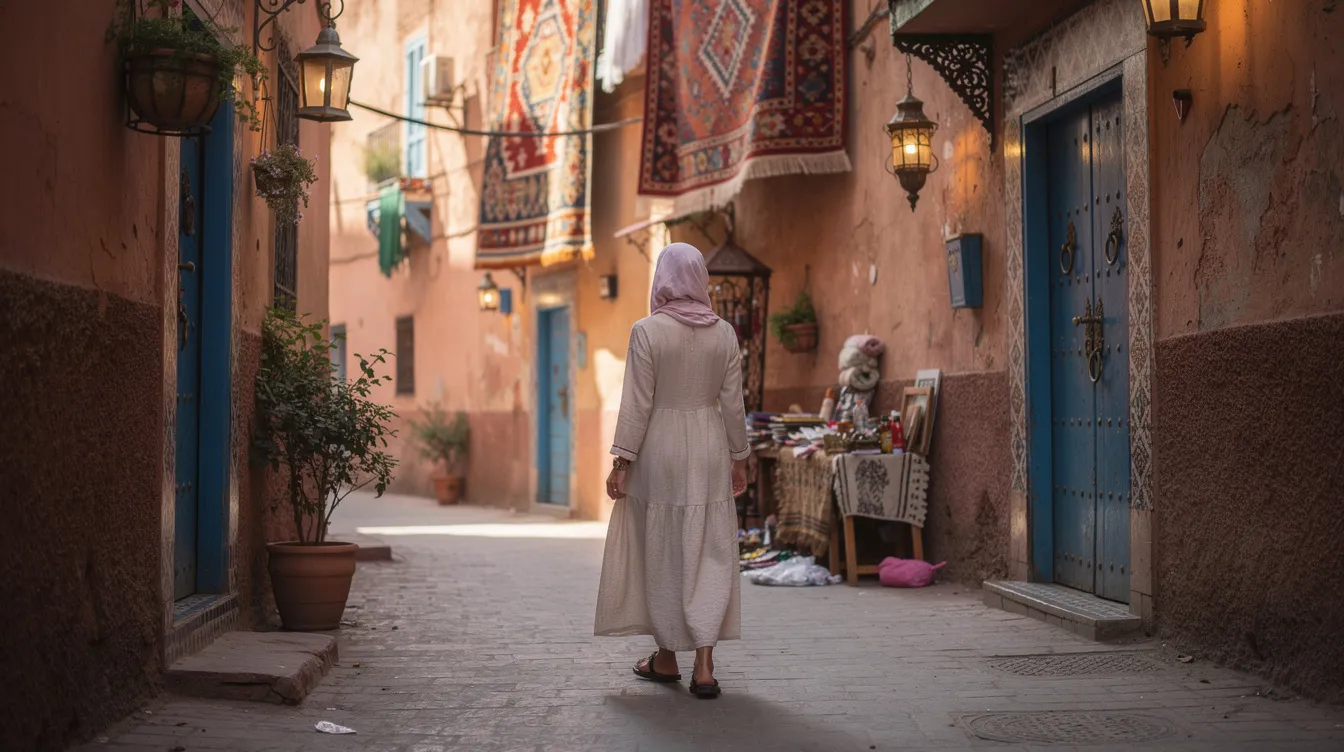
Morocco is a popular solo destination. Thousands visit morocco annually without major issues, though it requires more street smarts than typical Western European travel.
For solo men: Expect persistent touts, negotiation fatigue, and occasional overcharging. Stay patient but firm. Learning basic Darija or French phrases like “combien?” (how much?) helps set boundaries.
For solo women: Add precautions: centrally located accommodation, avoid walking alone late at night in quiet areas, use registered taxis, and prefer busy cafés.
Practical tools: Offline maps for medinas, local SIM card for emergency calls, and share itineraries with family or your tour operator.
Morocco Classic Tours tailors itineraries for solo travelers with trusted local guides and pre-arranged transfers to minimize stressful situations.
Morocco is family-friendly. Many visitors bring children and pregnant partners on private tours, especially to Marrakech, Fez, Essaouira, and the Sahara.
Is Morocco safe to visit with kids? Yes. Kid-friendly riads, guarded beaches in Agadir and Essaouira, camel rides, and gentle desert experiences appeal to families. Watch for traffic when crossing streets, water safety at pools, and keep kids close in crowded souks.
Is Morocco safe to visit when pregnant? Many pregnant travelers visit safely. Consult your doctor first, avoid remote areas late in pregnancy, and be careful with heat and long bumpy desert drives.
Health tips: Drink bottled water, avoid raw street food and unpasteurized milk, carry a basic medical kit, and know where private clinics are located (Casablanca, Rabat, Marrakech have excellent options).
Families and pregnant travelers should consider private, slower-paced tours with air-conditioned vehicles through Morocco Classic Tours.
Tourists from the US, UK, Europe, India, and other regions are widely welcomed. Moroccan society values hospitality toward visitors regardless of nationality.
Is Morocco safe for Americans to visit? Strong US–Morocco diplomatic relations, presence of US consulate and embassy, and no specific targeting pattern. Travelers should monitor local media and check updates from the Smart Traveler Enrollment Program (STEP) for security alerts.
Is Morocco safe to visit from the UK and other European countries? Heavy tourism flows from the UK, France, Spain, and Germany with well-developed connections. English and French are widely spoken in tourist areas.
Is Morocco safe to visit for Indians? Indian travelers are increasingly visible and generally well-received, facing the same petty theft risks as others. Vegetarian options are available in major cities.
Is Morocco safe for white tourists? Being visibly foreign attracts more commercial attention from touts but not targeted violent crime. Main impact: more frequent overcharging attempts and souvenir selling.
Morocco is a year-round destination with safety considerations varying by season and region.
Is Morocco safe to visit in December? December is high season for European travelers. Generally safe and pleasant in cities with cooler temperatures, possible snow in the Atlas Mountains, and chilly nights in the Sahara requiring warm layers.
Rainy season (November–March): Flash-flood risks exist in mountain valleys and on rural roads during the rainy season. Check weather forecasts and stay flexible with itineraries.
Summer (June–September): Extreme heat in Marrakech, Fez, and the Sahara. Avoid midday outdoor activities, stay hydrated, and wear sunscreen.
Morocco sits in a seismically active zone (the 2023 High Atlas earthquake caused significant damage), but such events are infrequent. Follow hotel emergency instructions if any.
Basic medical care is available, with the best private clinics in Casablanca, Rabat, Marrakech, Fez, and Tangier. Rural facilities are extremely limited.
Carry travel insurance with medical and evacuation coverage, as private clinics often require upfront payment.
Recommended vaccinations:
Vaccination against Hepatitis A is recommended for travelers to Morocco, as it can be contracted through contaminated food and water
Rabies is present in Morocco, primarily carried by dogs and some wildlife, so travelers should avoid contact with animals and consider rabies vaccination if at high risk.
Measles vaccination is important for travelers to Morocco, as the disease spreads easily and can be serious.
Hygiene tips: Drink bottled water, avoid ice of unknown quality, choose busy restaurants, and wash hands frequently before eating.
As of April 2026, special COVID-19 travel notices have been removed, but carry masks if you prefer.
Understanding Morocco’s conservative Islamic culture keeps you safer and more respected.
Public displays of affection are frowned upon in Morocco, reflecting the conservative nature of Moroccan society. Modest clothing away from beaches is expected.
When visiting mosques (exteriors for non-Muslims), remove shoes where required, speak quietly, and avoid intrusive photography.
Alcohol is allowed only in licensed venues
Drug possession carries severe penalties (5-10 years jail)
Same sex relationships are illegal with low social acceptance; LGBTQ+ travelers should be discreet
Moroccan law can be stricter on morality and public-behavior issues than many Western travelers expect
When dining, it is customary to eat with the right hand only, as the left hand is considered unclean in Islamic culture
During Ramadan, visitors should refrain from eating, drinking, or smoking in public during daylight hours to respect those who are fasting
The Moroccan government is generally tolerant of other religions, but visitors should respect Islamic customs and avoid proselytizing
Avoid photographing military or police facilities, and never criticize the monarchy or Morocco’s position on Western Sahara.
Everyday habits matter more than any single risk factor.
Use official “petit taxis” within cities (color-coded: Marrakech tan, Casablanca red)
Pre-book CTM/Supratours buses or trains for intercity travel
Private drivers for complex routes or late arrivals
Avoid self-driving at night on rural roads
If involved in an accident, complete an accident report form with all parties involved and request police documentation before you leave Morocco or move vehicles. Drivers should also keep vehicle documents readily available, especially in rental cars and at checkpoints.
Use bank ATMs inside banks or malls
Split cash between bags
Keep Moroccan dirham in small notes for markets
Reconvert leftovers before departure (closed currency)
Buy a local SIM card on arrival (Maroc Telecom, Inwi, Orange) for maps and emergencies. Save numbers for your embassy, Morocco Classic Tours, and local authorities (190 police, 150 ambulance).
Note: Moroccan citizenship takes precedence for dual citizens, which may affect consular services if issues arise. Children born to Moroccan fathers may automatically hold Moroccan citizenship at birth, which can also affect consular assistance.
Morocco Classic Tours is a Fez-based, locally owned operator specializing in safe, private, and customizable travel across Morocco.
Using a local DMC improves safety through vetted riads and hotels, reliable drivers familiar with Moroccan roads, and guides who know which alleys and neighborhoods are safest at different times.
Safety-focused offerings:
Private airport transfers
Escorted medina walks in Fez and Marrakech
Licensed guides for Sahara excursions
Curated activities: camel rides, quad biking, food tours with trusted partners
Itineraries can be adjusted for solo women, families with children, older travelers, or pregnant visitors—choosing calmer neighborhoods, shorter travel days, and more comfortable accommodations.
While tourist experiences in Morocco are generally positive, travelers should be aware of regional border tensions and avoid isolated areas at night. We handle these considerations so you can focus on experiencing Morocco’s magic.
Ready to travel to Morocco with confidence? Contact Morocco Classic Tours for a personalized itinerary that balances authentic experiences with thoughtful risk management and local support.
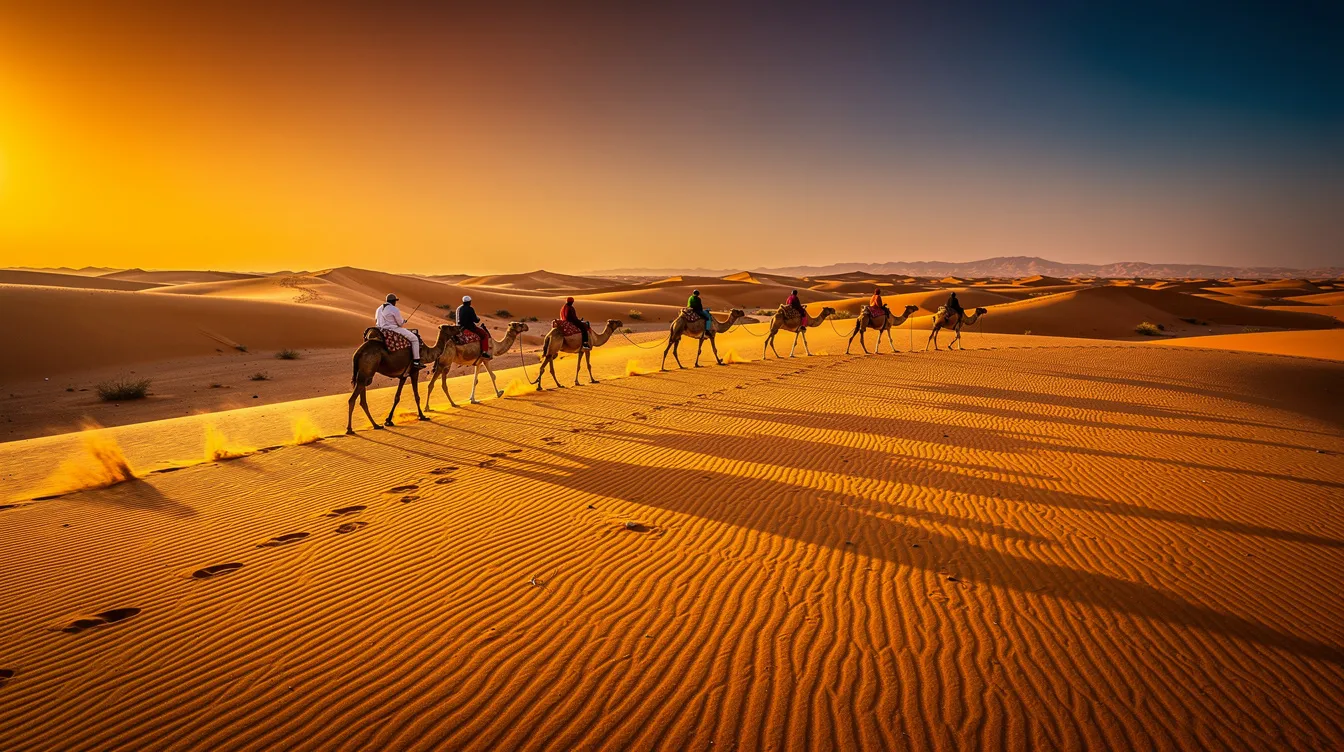
Travel insurance is strongly recommended. It should cover medical treatment, emergency evacuation, trip interruption, and theft of belongings. Private clinics often require upfront payment, and insurance helps recover costs. While not always legally required to enter Morocco, traveling without coverage is risky given limited rural medical facilities.
Most travelers should stick to bottled water, particularly outside major cities. Locals may drink tap water, but visitors are more prone to stomach upsets. Avoid ice from unknown sources and consider brushing teeth with bottled water in remote regions.
Public Wi-Fi is common but can be insecure. Use a VPN for banking or sensitive activities. For ATMs, choose machines located inside banks or shopping centers and shield your PIN, just as you would at home.
In busy tourist cities like Marrakech and Fez, main medina streets remain lively and generally safe in the evening. However, narrow back alleys can feel unsafe quickly. Stay on well-lit routes, avoid deserted lanes, and return to your riad by taxi if uncertain.
Move immediately to a busy, well-lit area like a café or hotel. Contact local police if needed (dial 190), and inform your embassy or consulate for serious incidents. Morocco Classic Tours guests should call their local tour contact or driver, who can assist on the ground and liaise with local authorities or medical services. Never provide proof of identity to unofficial personnel—only show passport copies to uniformed officers.
Discover how to choose the perfect group tour agency in Morocco. Get tips on what to look for and ma...
Read this article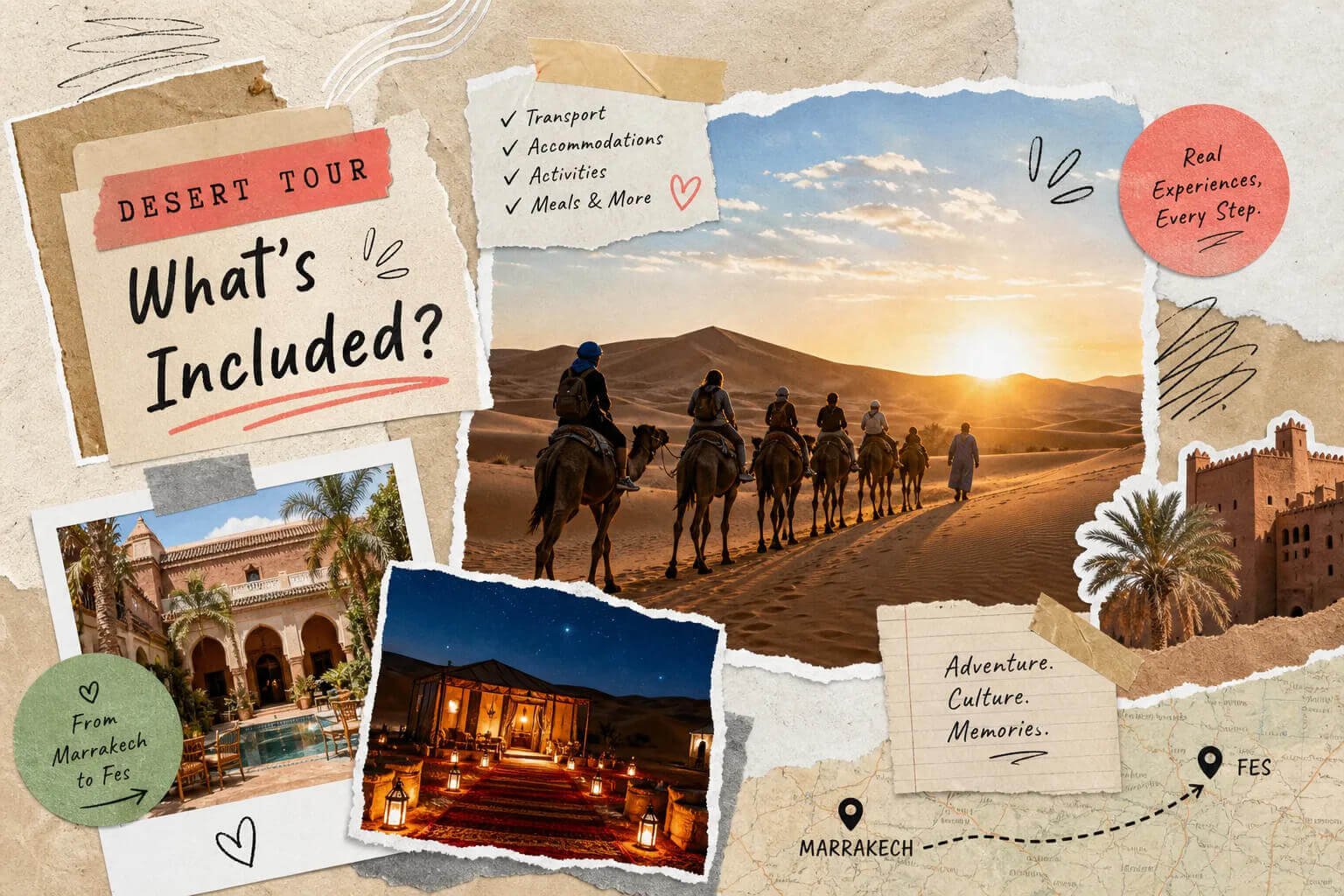
Uncover what a Marrakech to Fes desert tour offers, including camel rides, desert camps, and rich cu...
Read this article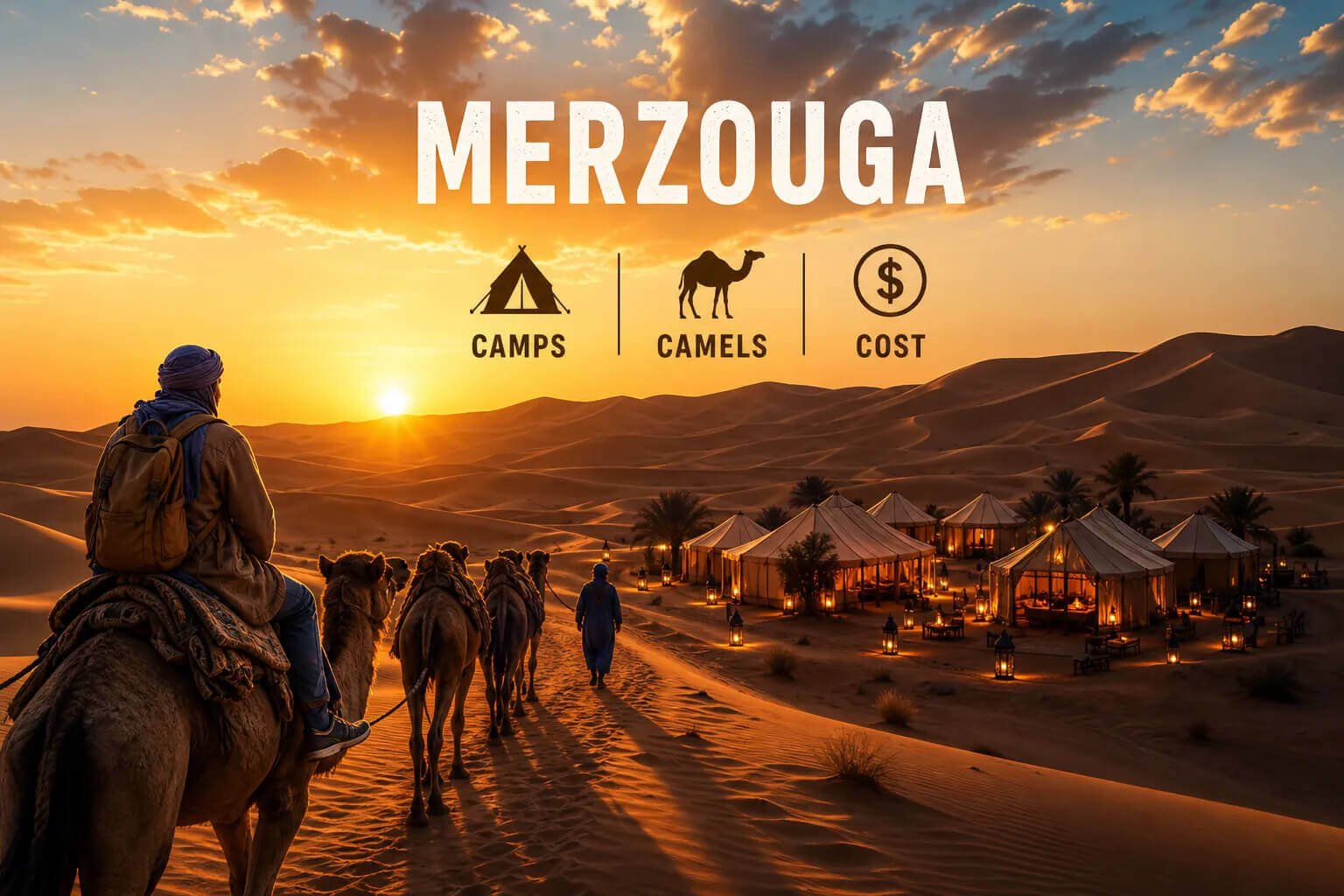
Join our Merzouga Overnight Tour for an authentic desert experience. Enjoy camel rides, comfortable ...
Read this articleWant cool tour deals and tips about Morocco? Enter your email and we’ll send them to you each month!