Group Tour Agencies in Morocco: How to Pick the Right One
Discover how to choose the perfect group tour agency in Morocco. Get tips on what to look for and ma...
Read this article

Suspendisse interdum consectetur libero id. Fermentum leo vel orci porta non. Euismod viverra nibh cras pulvinar suspen.
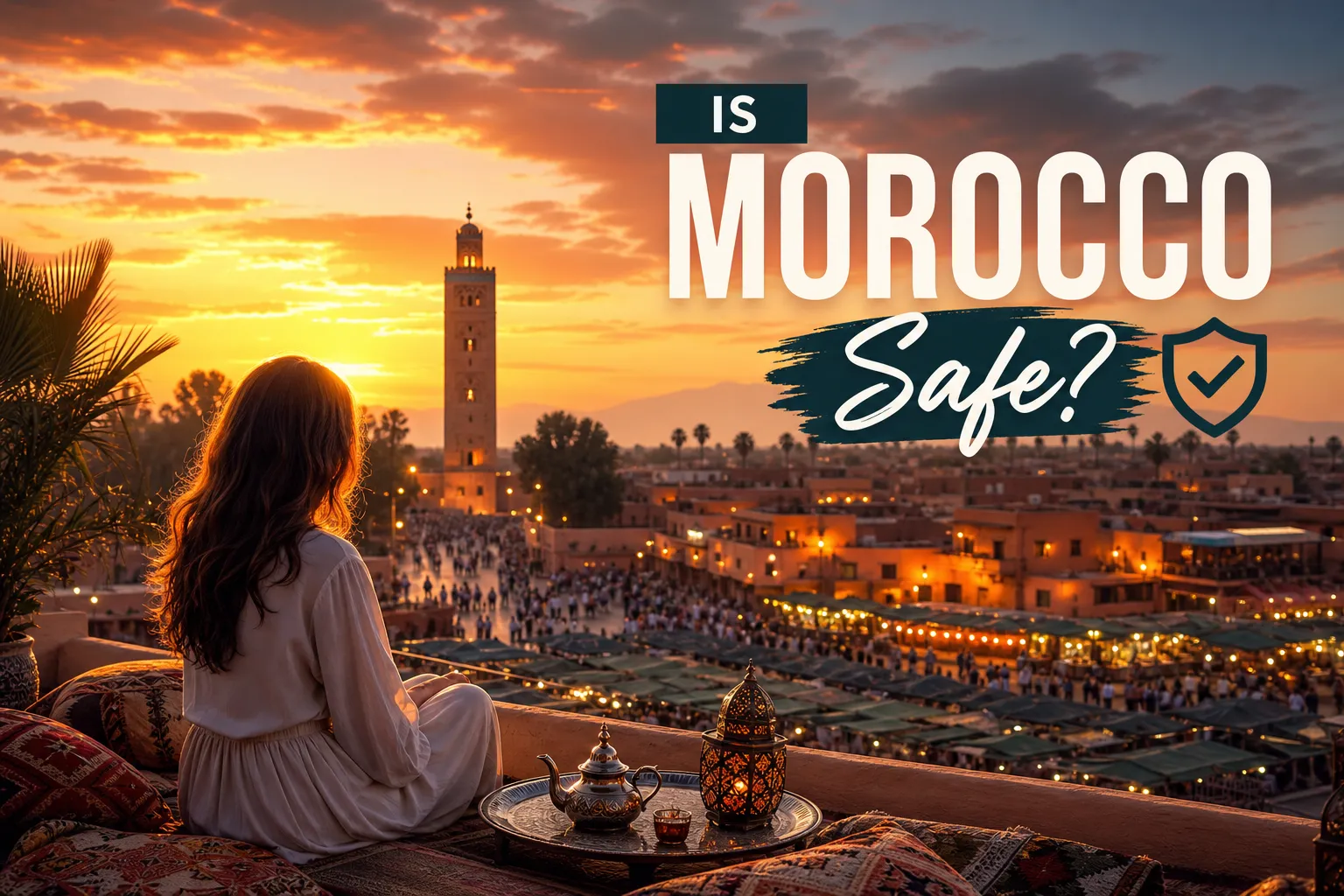
Is Morocco safe for Americans? It's the question every U.S. traveler types before booking, and it deserves a direct answer: yes, Morocco is safe for American travelers. Morocco welcomed over 17 million international visitors in 2024, and the overwhelming majority returned home with nothing but great stories and a serious longing to go back. The actual risk profile is specific, manageable, and far less dramatic than the anxiety that comes with booking any unfamiliar destination.
That said, "safe" doesn't mean "without nuance." Morocco carries a Level 2 travel advisory, has border zones worth understanding, and sees the urban petty crime common to any popular tourism circuit. The goal of this guide isn't to alarm you or to wave away your questions; it's to give you the same honest orientation we give every American traveler at Morocco Classic Tours before they board their flight. Preparation is almost the whole answer.
Here's what we'll cover: the official advisory and what it actually means for Morocco travel safety in 2026, specific areas to skip, the real crime picture on the ground, what solo female travelers should know, why your logistics choices matter more than you think, and the exact steps to take before you fly.
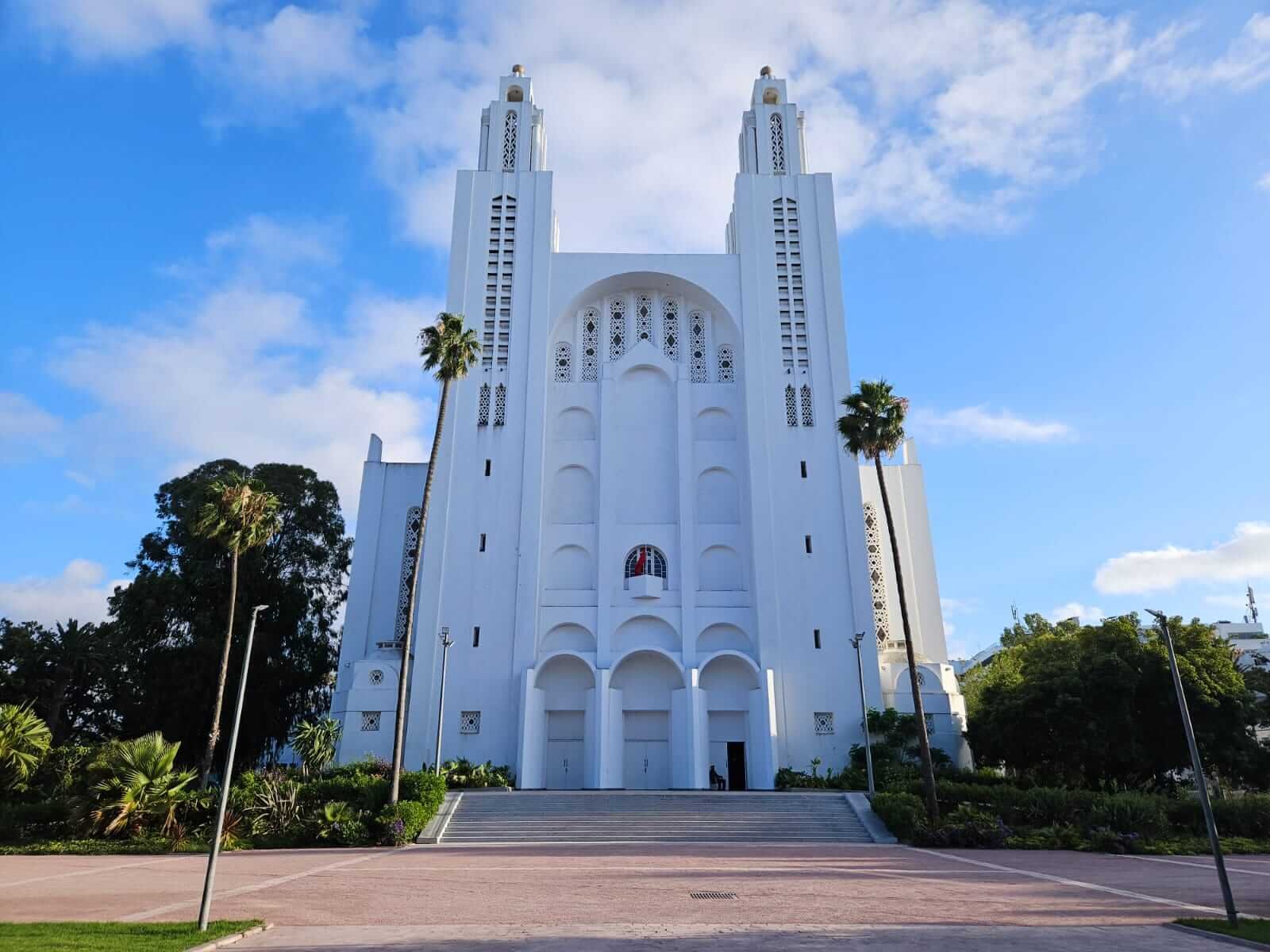
Morocco sits at Level 2: Exercise Increased Caution, according to the U.S. Department of State Morocco travel advisory (most recently updated April 21, 2025, travel.state.gov). As of mid-2026, no formal upgrade or downgrade to that advisory has been issued. Level 2 is not a warning against travel; it's the same rating applied to dozens of well-trafficked destinations around the world, including parts of Western Europe. The directive is to stay alert, not to stay home.
The specific concern flagged is terrorism. The advisory notes that groups continue to plot possible attacks and may target tourist locations, transportation hubs, markets, and shopping centers. That language sounds alarming in isolation, and it's worth putting in context immediately. In the 24 months before this writing, Moroccan security services disrupted multiple planned attacks before any materialized. A February 2025 operation led to the arrest of 12 suspects across nine cities linked to an Islamic State-affiliated cell. A separate Morocco-Spain coordination in late 2024 broke up an ISIS cell before it could act. No successful terror incident affected tourist areas in 2025.
The last widely documented tourist-targeted attack in Morocco was the December 2018 tragedy near Imlil, more than seven years ago. The pattern since then is consistent: Morocco's security services are aggressive and proactive. The threat exists in the abstract, but it has not translated into attacks on American visitors in the current travel environment.
The zones that appear on official advisories from Canada, Germany, France, and the U.S. are geographically specific and, for most travelers, entirely irrelevant to any Morocco trip they'd actually plan. The primary flagged area is the Western Sahara disputed zone, specifically, the territory within 30 kilometers west of the militarized Berm and the land between the Berm and neighboring countries to the east and south. Risks in this zone include ongoing political tension, unexploded landmines from the conflict era, and severely limited emergency infrastructure.
No standard Morocco tourism itinerary routes anywhere near this territory. It is geographically separate from every city, medina, and popular desert destination that American visitors come to see. Separately, Canada advises against travel within 20 kilometers of the Algerian border, and France formally discourages travel along the Mauritanian border. The practical reassurance: Merzouga's Erg Chebbi dunes, the closest major tourist destination in the south, sit well within the safe corridor and nowhere near these border edges.
Knowing exactly where the restricted lines are drawn removes a significant amount of unnecessary anxiety when you look at a map of Morocco's tourist circuit. The imperial cities, the Atlas Mountains, the Atlantic and Mediterranean coastlines, and the Sahara desert camps are all well clear of every zone flagged by any government advisory.
Petty crime is the dominant risk for tourists in Morocco's major cities. According to Moroccan government crime statistics, violent crime sits at approximately 1.24 per 100,000 people, and overall reported crime fell roughly 10% in 2023. Separately, tourism incident reports suggest fewer than 2% of visitors report a petty theft incident in a given year, though travelers should treat these figures as indicative rather than definitive, since methodology varies across sources. Incidents cluster in crowded medinas, around Jemaa el-Fnaa in Marrakech, and in dense urban shopping districts. Motorcycle snatch theft is the most commonly reported category in Casablanca and Marrakech, particularly in the Maarif and Gauthier neighborhoods.
The scams tourists encounter follow predictable patterns once you know what to look for. Fake guides approach near medina entrances, offering to show you around before steering you toward commission-paying shops. Taxi overcharging is common when fares aren't agreed on before departure. Aggressive vendor pressure near major landmarks can feel overwhelming if you haven't been warned. Petits taxis in Marrakech operate under a regulated minimum fare of around 7 MAD with a metered day rate; always confirm the meter is running before you move, or agree on the fare explicitly in advance.
The habits that cut your exposure significantly don't require anything dramatic. Keep bags zipped and worn in front of your body. Use ATMs inside bank branches rather than street-facing machines. Book licensed, vetted guides in advance rather than accepting offers from strangers near medina gates. Walking with confidence and purpose, rather than stopping to consult your phone in the middle of a busy square, moves you out of the category of easy targets. Offline maps downloaded before you arrive are genuinely useful here.
Verbal harassment and persistent approaches from vendors or strangers are the most documented concern for women traveling solo in Morocco. Medinas, souks, and large tourist squares carry the highest frequency of unwanted attention, particularly during evening hours. Serious physical incidents are rare, but the cumulative experience of persistent verbal pressure can be tiring. Knowing what to expect makes it far less overwhelming when it happens.
Dressing modestly from the first day makes a meaningful difference. Covered shoulders and knees in medinas and traditional neighborhoods reduce attention without requiring you to abandon your personal style. Lightweight linen trousers, long skirts, and loose tunics with sleeves are practical and appropriate across every Morocco setting, from city medinas to rural Berber villages. A light scarf adds flexibility when entering more traditional spaces.
The response that works best, based on our experience and feedback from the many solo female travelers we've worked with, is brief and non-confrontational: "La, shukran" (No, thank you), delivered without prolonged eye contact, followed by walking away. Engaging, explaining, or debating tends to extend the interaction rather than end it. Avoid narrow medina alleys alone after dark, stick to well-lit and populated routes, and arrange your return transport before going out rather than sorting it on the street afterward. Staying in well-reviewed, staff-managed riads gives you a trusted local contact who can advise on safe routes, arrange vetted taxis, and flag anything worth avoiding in the neighborhood.
A significant portion of the concerns Americans research before visiting Morocco dissolve when you travel with a well-established local operator. Fake guides, unreliable transport, unvetted accommodation, and unfamiliar medina navigation after dark- these are not abstract risks. They're the friction points where most incidents actually occur, and they're also the exact points that a good private tour operator eliminates by design.
At Morocco Classic Tours, we build private itineraries specifically for American travelers. Our infrastructure includes licensed guides, pre-vetted riads and desert camps, and private door-to-door transfers across every leg of the journey. This isn't about hand-holding; it's about replacing unpredictable variables with known, reliable ones so your energy goes toward the experience rather than managing logistics under pressure.
A local guide who knows which lane in the Fez medina fills with crowds on Friday afternoons, which taxi stands are regulated, and which souk vendors offer fair prices is a qualitatively different resource than any travel forum thread or app. That on-the-ground knowledge, built through years of operating here, is, in our view, the most practical safety resource available to first-time visitors. It's something large international operators working from overseas simply can't replicate.
Enrolling in the Smart Traveler Enrollment Program (STEP) takes under 10 minutes at step.state.gov. You'll create a Login.gov account, enter your Morocco travel dates and accommodation details, and add a U.S. emergency contact. Once enrolled, the U.S. Embassy in Rabat can reach you directly if a security alert is issued during your trip. It's the simplest and most important pre-departure step most American travelers skip.
Save two numbers in your phone before you board: the U.S. Embassy in Rabat at +212-537-63-72-00 (after-hours emergencies: +212-661-13-19-39), and Morocco's local police line at 190. Screenshot these contacts along with your accommodation addresses and your tour operator's number so they're accessible without cell data. Keep a digital copy of your passport in a cloud folder accessible from any device, and carry a physical copy separately from the original.
For travel insurance, purchase a policy that explicitly covers trip interruption due to security events, not just medical emergencies. Read the fine print carefully. Some plans carry regional exclusions that rule out Morocco entirely. Providers such as World Nomads and Allianz offer terrorism-related trip cancellation clauses; Travel Guard's Security Bundle specifically addresses riot and civil disorder coverage. Verify that your chosen policy covers Morocco before you buy. Prescription medications should travel in original packaging with a doctor's note; pharmacy access in smaller cities and rural stops is limited, and customs clearance is smoother with documentation in hand.
Morocco is a safe destination for Americans. The Level 2 advisory reflects a general posture of awareness, not a prohibition on travel, and it's shared with dozens of destinations that Americans visit without a second thought. The specific risks are manageable with accurate information and straightforward preparation. These include a terrorism threat that Moroccan security services consistently disrupt, petty crime concentrated in crowded urban areas, and border zones that fall nowhere near the standard tourist circuit.
Millions of visitors travel Morocco each year without serious incident. The travelers who have the smoothest experiences arrive informed, dress respectfully, use vetted transport, and don't make decisions about guides or taxis under pressure in the street. The travelers who encounter problems almost always encounter avoidable ones.
If you want Morocco handled by people who operate here every day, Morocco Classic Tours builds private itineraries for American travelers, from Fez and Marrakech to Sahara camps at Merzouga and everything in between. Reach out, ask the hard questions, and let us show you what a well-planned Morocco trip actually looks like.
Discover how to choose the perfect group tour agency in Morocco. Get tips on what to look for and ma...
Read this article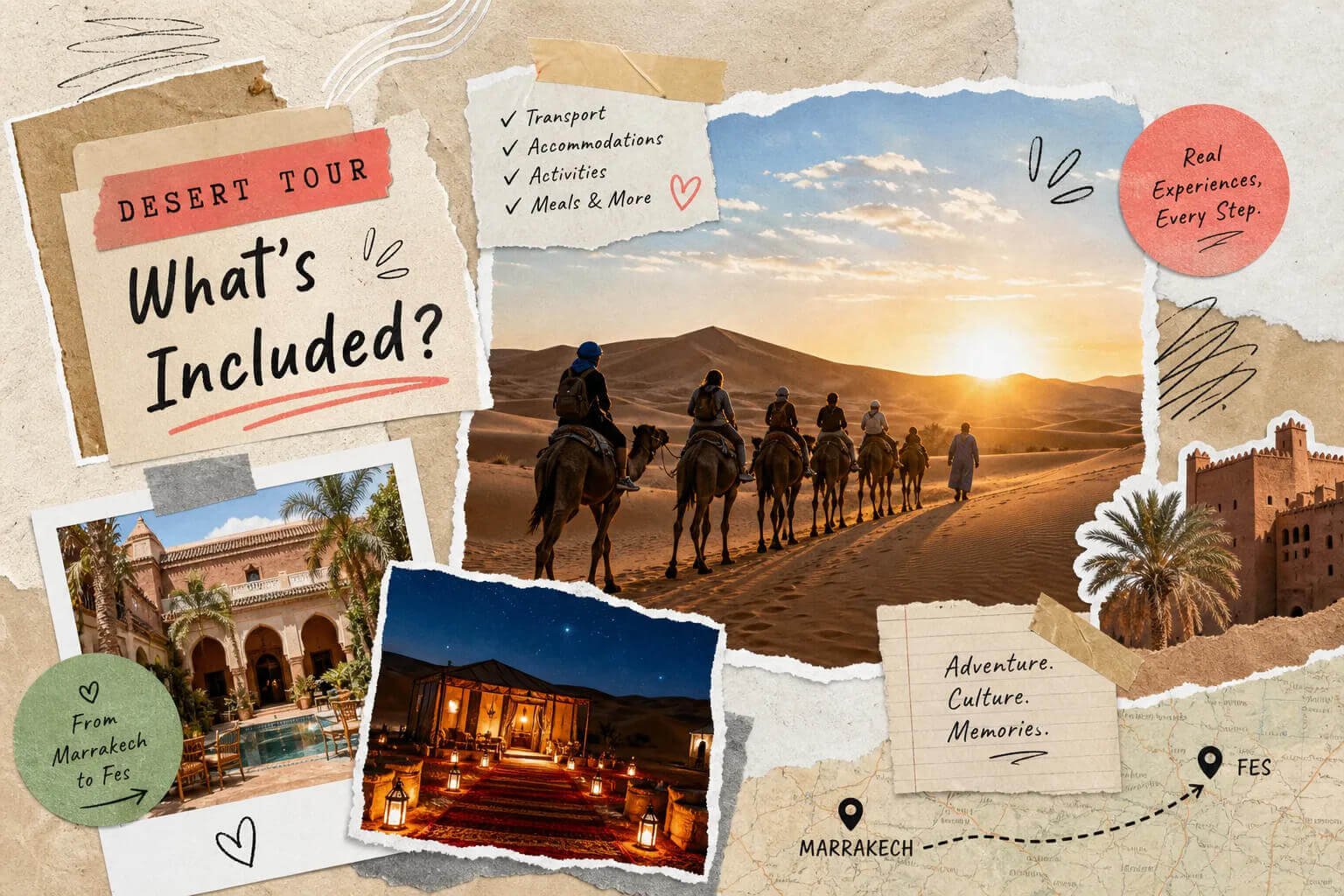
Uncover what a Marrakech to Fes desert tour offers, including camel rides, desert camps, and rich cu...
Read this article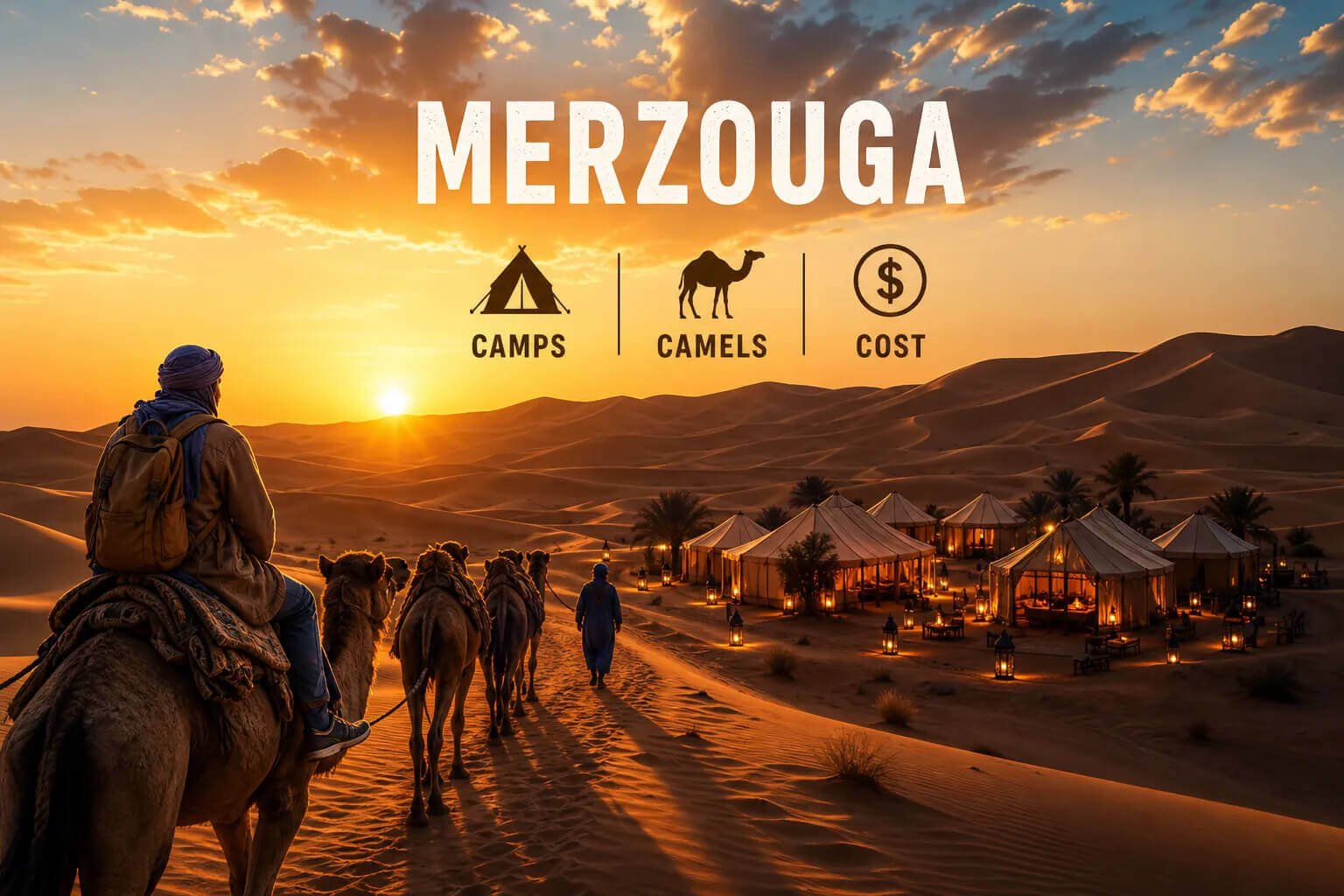
Join our Merzouga Overnight Tour for an authentic desert experience. Enjoy camel rides, comfortable ...
Read this articleWant cool tour deals and tips about Morocco? Enter your email and we’ll send them to you each month!