Group Tour Agencies in Morocco: How to Pick the Right One
Discover how to choose the perfect group tour agency in Morocco. Get tips on what to look for and ma...
Read this article

Suspendisse interdum consectetur libero id. Fermentum leo vel orci porta non. Euismod viverra nibh cras pulvinar suspen.
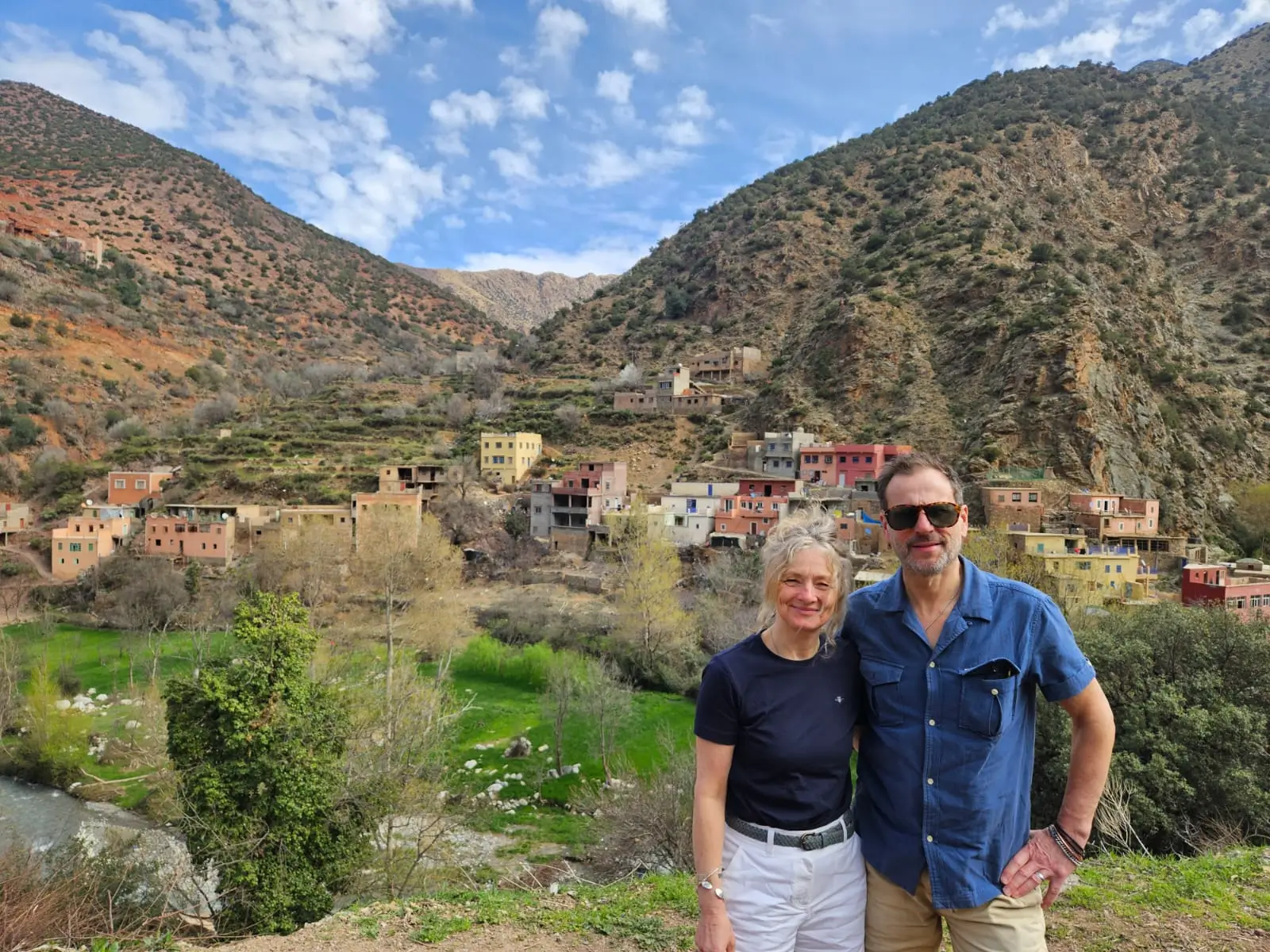
Planning to visit Morocco but unsure what climate to expect? Understanding whether Morocco is dry or humid can make or break your trip comfort. This guide is designed for travelers who want to plan their trip around Morocco's climate, ensuring comfort and health throughout their journey. This guide breaks down humidity patterns by month, region, and city to help you pack right and plan smart.
Humidity: The amount of moisture in the air. High humidity means the air feels damp or sticky; low humidity means the air feels dry.
Arid: Very dry climate with little moisture in the air.
Semi-arid: Moderately dry climate, less extreme than arid.
Coastal: Areas near the ocean, often with higher humidity due to oceanic influences.
Inland: Areas away from the coast, typically drier.
Morocco is generally dry, with pockets of humidity along the Atlantic coast and the Mediterranean Sea (Casablanca, Tangier, Agadir), and very dry conditions inland (Marrakech, Sahara). Most days feel dry rather than sticky, especially away from the ocean.
November through March brings cooler, more humid conditions with rainy season along the coast, while June through August delivers hot, very dry summers inland and in the Sahara—which some travelers find harsh.
Daytime humidity stays low in inland areas and the desert, often dropping below 30% in summer, creating dry heat rather than the stickiness of a tropical climate.
Travelers with asthma or respiratory issues often do better in mild, maritime coastal cities like Casablanca, Rabat, and Tangier than in dusty desert regions.
Morocco Classic Tours can tailor itineraries by season and humidity level, choosing cities and regions to match each traveler’s comfort and health needs.
Morocco’s climate is predominantly dry—semi-arid to desert across most of the country. However, the Atlantic coast and Mediterranean Sea create humidity pockets in cities like Casablanca, Rabat, and Tangier. Morocco's climate diversity is due to its geography: coastal regions experience higher humidity from the Atlantic and Mediterranean, while inland and desert areas are much drier.
Inland imperial cities including Marrakech, Fes, and Ouarzazate remain dry with low to moderate humidity year-round. The Atlas Mountains make the interior more mountainous and act as a moisture barrier, blocking Atlantic air from reaching the interior and the Sahara toward Algeria to the east.
Region | Humidity Level | Best For |
|---|---|---|
Coastal Morocco | Moderate to high | Those who prefer sea breezes |
Inland/Desert Morocco | Low to very low | Those avoiding humidity |
Daytime conditions are usually pleasantly dry. In Marrakech and the Sahara, relative humidity in summer drops very low (often under 30%), creating dry heat with intense sun exposure and abundant sunshine. Sweat evaporates quickly, which can mask dehydration—drink more water than you think you need, especially on daytime camel rides and city tours.
In Casablanca, Rabat, and Tangier, daytime humidity reaches 60-80% in warm months, but Atlantic breezes prevent oppressive stickiness. The coast feels fresh rather than muggy.
Humidity and comfort shift dramatically by month. Below is a traveler-focused overview comparing coastal cities (Casablanca, Rabat, Tangier, Agadir, Essaouira) with inland centers (Marrakech, Fes) and the Sahara (Merzouga, Zagora).
January brings mid-winter conditions. Atlantic and Mediterranean coasts feel mildly humid with occasional rain and cool temperatures. Inland cities like Marrakech and Fes are cool and generally dry with chilly nights. Desert regions remain very dry with cold nights and crisp days—ideal for travelers who dislike humidity but tolerate mild winters. Perfect month for cultural city tours.
February stays cool. Atlantic cities experience some humidity, cloud cover, and showers. Marrakech and Fes offer slowly warming days with dry, comfortable air excellent for walking tours. The Sahara continues dry with very low humidity, though nights can drop near freezing—important for desert camp planning.
March marks early spring. Tangier has a Mediterranean climate, so coastal humidity remains moderate while spring averages around 67°F (19°C) and days grow sunnier, with Agadir feeling similarly pleasant. Inland regions experience drier air with comfortable daytime temperatures—popular for cultural tours and light trekking in the High Atlas Mountains. Desert areas stay very dry with milder temperatures. A strong compromise month for most preferences.
April brings warm temperatures nearly everywhere. Coasts feel mildly humid but fresh and breezy. Marrakech and Fes are warm and mostly dry with occasional spring showers. The Sahara heats up but remains very dry. One of the best months for travelers sensitive to extreme humidity. Excellent for Morocco Classic Tours’ desert itineraries.
May delivers late spring warmth. Coastal areas feel more humid with longer sunny days and pleasant evenings. Marrakech and inland plains warm significantly with mostly dry air—sometimes already hot afternoons. Sahara conditions turn hot and very dry. Prime shoulder season timing before peak summer heat.
June starts true summer. Coastal cities become warm and more humid, though ocean breezes offer relief. Marrakech has a semi-arid climate with very hot summers, reaching about 98°F (37°C) in July, while inland areas turn hot with low humidity but intense sun; winter days there average around 68°F (20°C). Desert regions are extremely dry with very high temperatures. Schedule sunrise/sunset camel rides and ensure air-conditioned transfers.
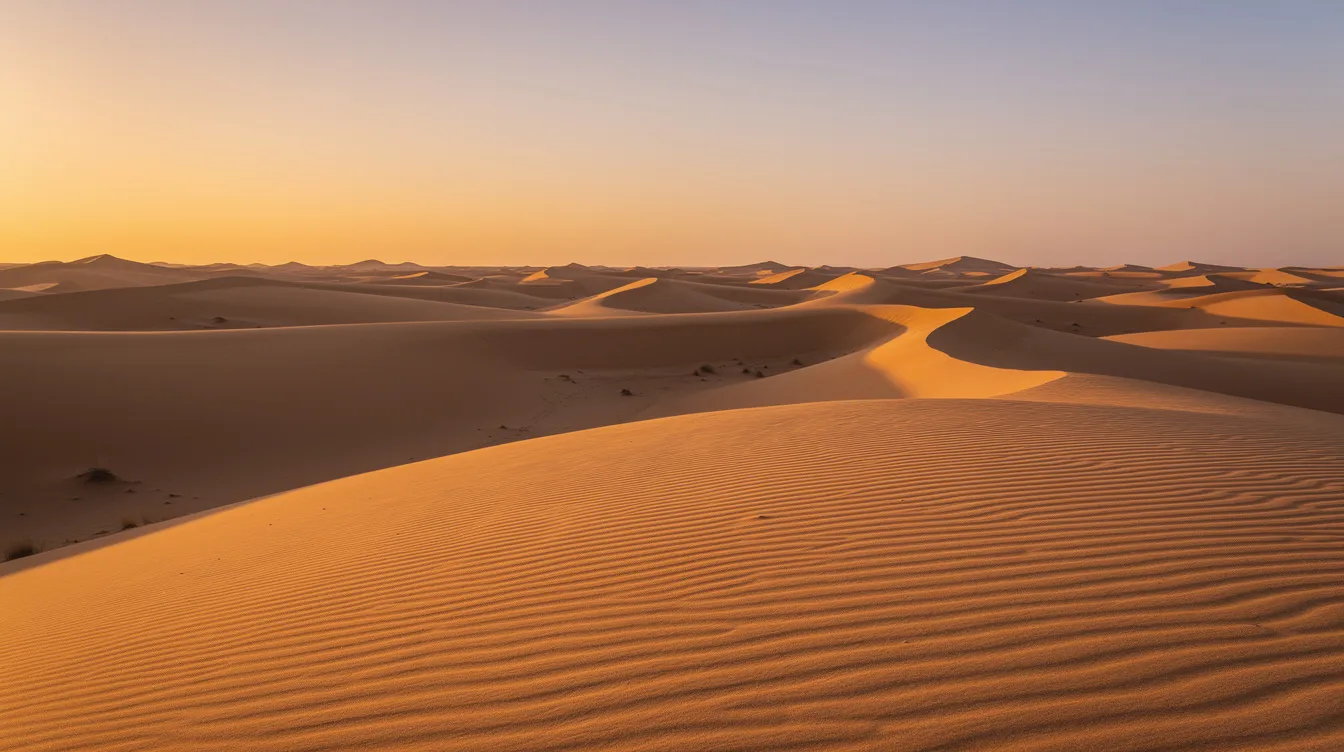
July is the hottest month in many areas. Atlantic cities experience warm, sometimes muggy days with sea breezes moderating the heat. Marrakech and interior valleys become scorching and very dry, with temperatures frequently exceeding 40°C. Sahara dunes near Merzouga are intensely hot—focus on evening and night activities. Heat-sensitive travelers may find inland areas harsh despite low humidity.
August continues peak summer. Coastal areas feel the most humid of the year, especially in Casablanca, though still cooler than inland. Marrakech and Fes remain very hot and dry with minimal afternoon relief. The Sahara experiences extreme heat. Beach seekers often choose Agadir and Essaouira, accepting some coastal humidity for sea breezes and cooler nights.
September transitions away from extremes. Coastal humidity remains noticeable, but temperatures ease. Marrakech and inland cities stay hot but become more comfortable with dry air. Desert regions are less extreme than July-August. Strong choice for travelers wanting warmth, mostly dry air, and fewer extremes.
October offers pleasant fall conditions. Coasts see moderate humidity with fresh evenings and comfortable warmth. Marrakech and the Atlas foothills are warm and predominantly dry—ideal for sightseeing. Sahara temperatures become more tolerable. One of the best all-round months for balanced weather.
November marks the return of rainy season along the coast, bringing cooler temperatures and noticeable humidity in North Africa coastal cities. Inland cities like Marrakech stay relatively dry but cooler. The Sahara remains very dry with cool nights. Clear contrast between “coastal dampness” and “inland dryness.”
December brings winter temperatures. Coastal cities experience cool, occasionally rainy, mildly humid conditions. Marrakech and Fes are cool to chilly but generally dry with clear skies. Desert regions offer very dry air with cold nights—excellent for clear starry skies on Sahara camps.
“Good time” depends on your tolerance. July and August challenge most visitors in inland cities and the Sahara due to extreme dry heat (potentially reaching nearly 120°F), even though coastal resorts remain pleasant. For travelers who dislike cool humidity, November through February on the Atlantic coastline may feel damp and chilly, while inland areas stay dry.
Morocco Classic Tours advises heat-sensitive travelers to favor March-May and late September-November as optimal shoulder seasons for balanced temperatures.
Yes—humidity exists in specific regions and seasons. Casablanca, Rabat, Tangier, and the Rif Mountains feel humid in fall and winter due to frequent precipitation and maritime air. The wet winters affect these areas most.
Agadir and Essaouira maintain moderate humidity thanks to constant ocean breezes and the Canary Current—fresh rather than oppressive. Inland cities and desert zones experience dry or very dry air most of the year, with occasional dusty winds rather than humidity spikes.
More Humid Cities | Drier Cities |
|---|---|
Casablanca (450mm annual rainfall) | Marrakech (280mm annual rainfall) |
Rabat (570mm) | Fes (500-600mm but continental dry air) |
Tangier (810mm) | Ouarzazate (120mm) |
Agadir (moderate, 270mm) | Merzouga (59mm) |
Essaouira (300mm with fog) | Zagora (61mm) |
Coastal cities show moderate to high relative humidity tempered by ocean breezes. Inland imperial cities remain dry with some winter dampness. Desert locations like Merzouga feature extremely dry conditions with average high temperatures but possible dust and sand. Morocco Classic Tours operates private tours across all these locations. | |
Important: Always consult your doctor before choosing destinations—asthma triggers vary widely.
Relatively mild, maritime cities like Casablanca, Rabat, Tangier, and Essaouira suit many asthma sufferers thanks to moderate humidity, stable temperatures, and fewer extreme dust events. High-altitude locations like Ifrane offer crisp, clean air but can be cold in winter.
Desert regions (Merzouga, Zagora) challenge some respiratory-sensitive travelers due to potential dust storms and very dry air. Marrakech and Fes, while generally dry, can have traffic pollution. Morocco Classic Tours arranges quieter riad stays and private transfers to minimize exposure, and can limit desert time for sensitive travelers.
The Atlantic Ocean and Mediterranean Sea provide moisture to western and northern coasts, while the High Atlas Mountains block humid air from reaching the interior south and southwest. The Rif Mountains create Mediterranean humidity patterns in the northwest.
Northern Atlantic plains around Rabat and Casablanca blend maritime humidity with mild conditions. Moving toward Agadir, aridity increases despite ocean influence. Cross the mountains toward Ouarzazate and Merzouga, and you enter pre-Saharan valleys with extreme dryness—a single country shifting from humid coast to bone-dry desert within a day’s drive.
Choose routes based on your climate preference:
Coastal freshness: Tangier → Rabat → Casablanca → Essaouira (moderate humidity, pleasant year-round)
Dry imperial cities: Marrakech → Atlas Mountains → Fes (low humidity, best spring/fall)
Ultra-dry desert: Marrakech → Ouarzazate → Merzouga (very dry, avoid July-August)
Morocco Classic Tours adjusts activities by season—scheduling city walks in cooler morning hours during hot summers and recommending winter visits for those wanting dry, crisp air. Private vehicles with air-conditioning and flexible timing manage both humidity and air-quality concerns.
Contact Morocco Classic Tours for a customized trip designed around your climate, comfort, and health preferences.
Coastal Morocco feels similarly humid to some Mediterranean or Atlantic European regions. However, inland Morocco and the Sahara are much drier—many travelers from humid climates find Marrakech easier to tolerate despite heat because sweat evaporates quickly in low humidity.
Pack breathable cotton and linen fabrics, a light scarf, wide-brimmed hat, and moisture-wicking layers. Bring a light waterproof jacket for coastal visits November-March, plus hydrating lip balm and skin products for very dry inland and desert regions.
Most mid-range and higher accommodations offer air-conditioning, especially in Marrakech, Casablanca, and popular Sahara camps. Morocco Classic Tours prioritizes properties with reliable climate control for heat- or humidity-sensitive guests.
Coastal humidity can coincide with mold or pollen issues, while dry inland and desert regions may trigger dust-related allergies. Carry appropriate medication and inform Morocco Classic Tours in advance so routes can avoid problematic environments where possible.
Absolutely. Most one- or two-week itineraries combine extremely dry Sahara experiences with milder, more humid coastal stays. Morocco Classic Tours often designs routes starting in Casablanca or Tangier, moving through Marrakech or Fes, ending with Sahara nights before returning to the coast, and travelers who add Atlas stops can also encounter winter snow and, at higher elevations, seasonal snowfall.

Discover how to choose the perfect group tour agency in Morocco. Get tips on what to look for and ma...
Read this article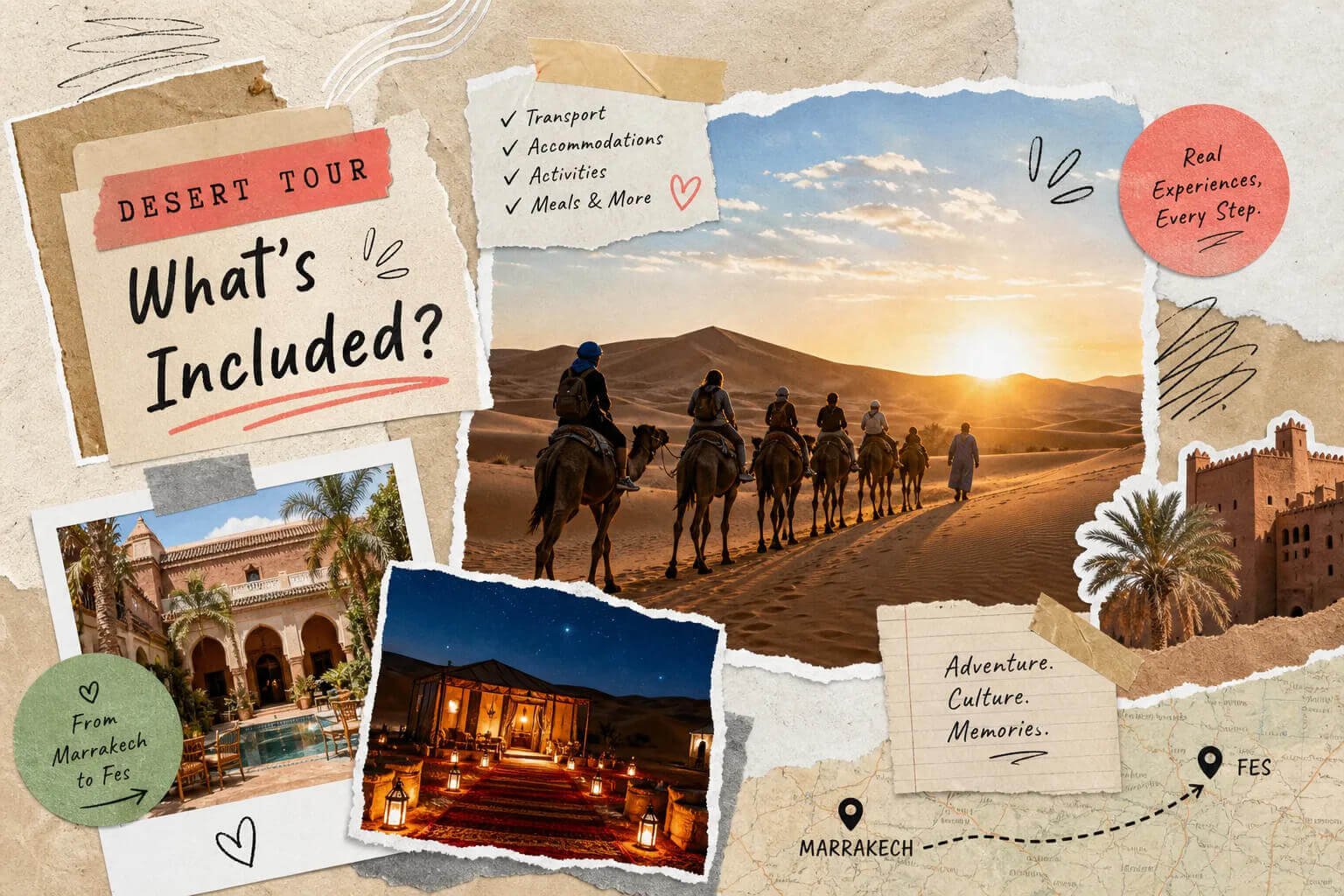
Uncover what a Marrakech to Fes desert tour offers, including camel rides, desert camps, and rich cu...
Read this article
Join our Merzouga Overnight Tour for an authentic desert experience. Enjoy camel rides, comfortable ...
Read this articleWant cool tour deals and tips about Morocco? Enter your email and we’ll send them to you each month!