Group Tour Agencies in Morocco: How to Pick the Right One
Compare Morocco group tour agencies by trip style, reviews, pace, transport and inclusions. Learn wh...
Read this article

Private, custom Morocco trips planned in Fez by AZ-ZDDINE, working in Moroccan tourism since 2012. Sahara, Atlas, medinas and coast, arranged around you.
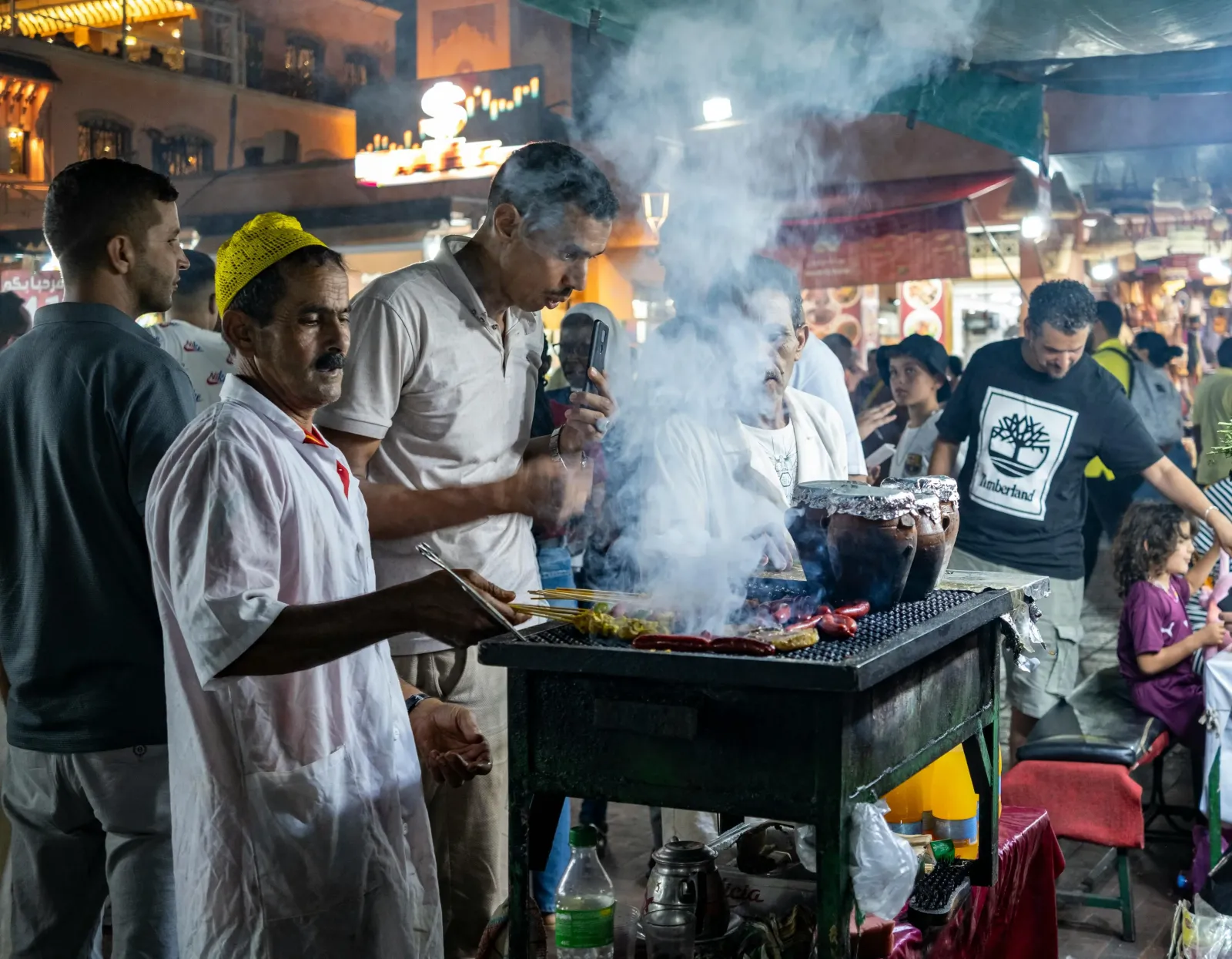
Moroccan cuisine spans diverse regional traditions, with must-try dishes including tagine, couscous, pastilla, harira soup, mechoui, and traditional breakfast breads available in major cities like Marrakech, Fes, Casablanca, and Chefchaouen.
To avoid getting sick, follow the “4 C’s” of food safety: choose Clean hands and water, Cooked hot food, Chilled perishables, and avoid Cross-contamination—stick to busy stalls, bottled water, and freshly prepared meals.
Vegetarians can thrive in Morocco with vegetable tagines, couscous with seven vegetables, lentil stews, and mezze-style salads; Morocco Classic Tours can customize fully vegetarian-friendly itineraries.
This guide covers city-by-city eating tips from Tangier to Merzouga, helping you discover what to eat in every region of this vibrant country.
Morocco Classic Tours, based in Fes, organizes private food tours, cooking classes, and desert camp dinners that put authentic meals at the center of your Morocco trip.
Morocco sits at a crossroads of Berber, Arab, Andalusian, Mediterranean, and Saharan food cultures. This blend creates a cuisine built on slow cooking methods, aromatic spices, and ingredients like dates, olives, preserved lemons, and seasonal vegetables. The result is one of North Africa’s most celebrated culinary traditions. Moroccan cuisine is a fusion of flavors influenced by Arabic, Berber, Andalusian, and Mediterranean cultures, making dining experiences unique and diverse.
Morocco Classic Tours is based in Fes and specializes in private, food-forward itineraries that combine historic medinas, Sahara desert camps, and local cooking experiences. Whether you want to explore mechoui alley in Marrakech or learn to prepare couscous in a traditional riad kitchen, the team designs trips where meals become highlights rather than afterthoughts.
This guide goes beyond tagine and couscous. You’ll find what to eat across regions, what to avoid, how to stay healthy, and how vegetarians can enjoy every meal. Most travelers eat very well when they choose busy places, cooked food, and bottled water.
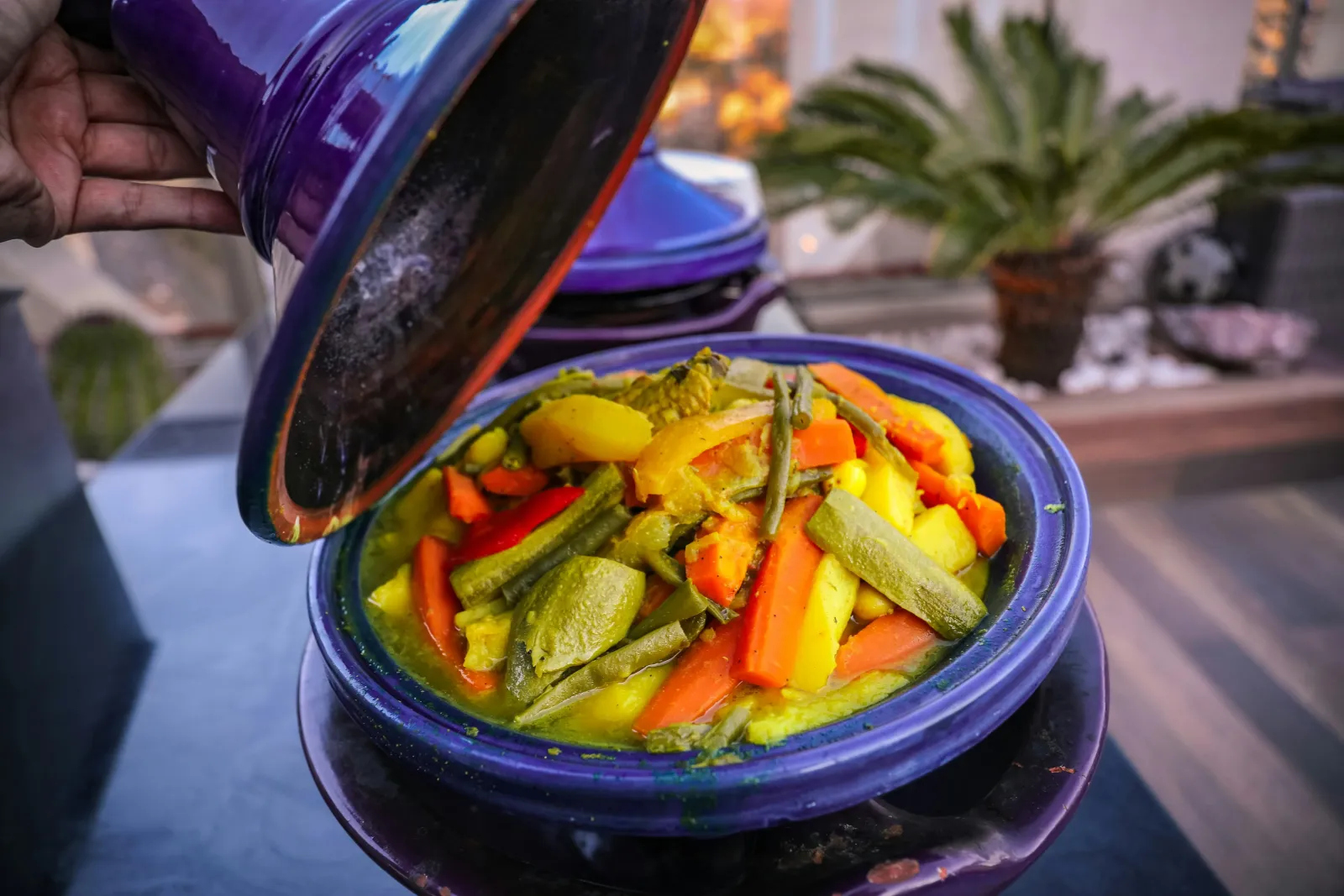
These core dishes appear on menus everywhere from Tangier to Agadir. Morocco Classic Tours can help you experience them in home kitchens, riads, and markets.
Below is a quick-reference table of Morocco’s essential dishes, with definitions and highlights for each:
Dish | Description |
|---|---|
Tagine | Tagine is a quintessential Moroccan dish, a slow-cooked stew made in a conical earthenware pot, often served with khobz, a type of flatbread. The signature dish of Morocco is slow-cooked in a conical clay pot that locks in moisture and concentrates flavors. Classic chicken tagine features preserved lemons and green olives, fragrant with saffron, ginger, and cumin. Other popular versions include lamb with prunes and almonds, kefta (meatball) tagine with eggs, and vegetable tagine with carrots, zucchini, and pumpkin. Served with khobz bread. |
Couscous | Couscous is traditionally served on Fridays in Morocco and is made from durum wheat that is steamed for several hours to achieve a light and fluffy texture. The national dish is traditionally served on Fridays after midday prayers. Hand-rolled semolina is steamed over broth and topped with seven vegetables, chickpeas, and often chicken or lamb. The grains absorb the broth, creating layers of flavor. |
Pastilla (Bastilla) | Pastilla, also known as bastilla, is a savory and sweet pie made with flaky filo pastry filled with pigeon or chicken, almonds, and eggs, topped with powdered sugar and cinnamon. A Fassi specialty featuring flaky warqa pastry layered with pigeon or chicken, caramelized onion sauce, eggs, almonds, saffron, and cinnamon. The exterior is dusted with powdered sugar and icing sugar, creating the distinctive sweet-savory combination found in Fes and Meknes. |
Harira Soup | Harira is a hearty soup made from tomatoes, chickpeas, lentils, and spices, often consumed during Ramadan to break the fast. Tomato-based soup with lentils, chickpeas, celery, coriander, and vermicelli. Traditionally served at sunset during Ramadan, but available year-round in many medinas. |
Mechoui | Whole lamb slow-roasted in a pit, seasoned simply with salt and cumin. The meat falls off the bone. Mechoui Alley in Marrakech serves it freshly carved to order. |
Bissara | Thick fava bean soup topped with olive oil, paprika, and cumin. A budget-friendly breakfast option, especially in Chefchaouen and Tangier. |
For adventurous eaters, camel meat brochettes, snail soup, and sheep’s head represent nose-to-tail traditions available on Morocco Classic Tours’ guided street food walks.
Tagine is a quintessential Moroccan dish, a slow-cooked stew made in a conical earthenware pot, often served with khobz, a type of flatbread. The signature dish of Morocco, tagine, is slow-cooked in a conical clay pot that locks in moisture and concentrates flavors. Classic chicken tagine features preserved lemons and green olives, fragrant with saffron, ginger, and cumin. Other popular versions include lamb with prunes and almonds, kefta (meatball) tagine with eggs, and vegetable tagine with carrots, zucchini, and pumpkin. Served with khobz bread.
Couscous is traditionally served on Fridays in Morocco and is made from durum wheat that is steamed for several hours to achieve a light and fluffy texture. The national dish, couscous, is hand-rolled semolina steamed over broth and topped with seven vegetables, chickpeas, and often chicken or lamb. The grains absorb the broth, creating layers of flavor.
Pastilla, also known as bastilla, is a savory and sweet pie made with flaky filo pastry filled with pigeon or chicken, almonds, and eggs, topped with powdered sugar and cinnamon. This Fassi specialty features flaky warqa pastry layered with pigeon or chicken, caramelized onion sauce, eggs, almonds, saffron, and cinnamon. The exterior is dusted with powdered sugar and icing sugar, creating the distinctive sweet-savory combination found in Fes and Meknes.
Harira is a hearty soup made from tomatoes, chickpeas, lentils, and spices, often consumed during Ramadan to break the fast. This tomato-based soup includes lentils, chickpeas, celery, coriander, and vermicelli. Traditionally served at sunset during Ramadan, but available year-round in many medinas.
Whole lamb slow-roasted in a pit, seasoned simply with salt and cumin. The meat falls off the bone. Mechoui Alley in Marrakech serves it freshly carved to order.
Thick fava bean soup topped with olive oil, paprika, and cumin. A budget-friendly breakfast option, especially in Chefchaouen and Tangier.
Breakfast in Morocco (typically 7:30–9:30 AM) is simple but diverse, built around breads, olive oil, cheese, and sweet spreads, paired with mint tea or coffee.
Dish | Description |
|---|---|
Msemen | Square, layered pan-fried flatbread, slightly chewy, served with honey, jam, or soft cheese. |
Baghrir | Semolina pancakes with tiny pores that soak up honey-butter syrup |
Harcha | Round semolina griddle cakes, crisp outside and soft inside |
Khobz | Round, dense bread baked in communal ovens, served with amlou (almond-argan spread) and olives. |
Egg dishes include simple fried eggs in olive oil, Berber omelet baked in a small tagine with tomatoes, onions, and herbs, and shakshuka in modern cafés. | |
Morocco Classic Tours arranges traditional home-style breakfasts in riads and desert camps where travelers watch bread being shaped and baked.
Medinas in Fes, Marrakech, and Tangier are perfect for grazing on safe, freshly cooked street food when you know what to look for.
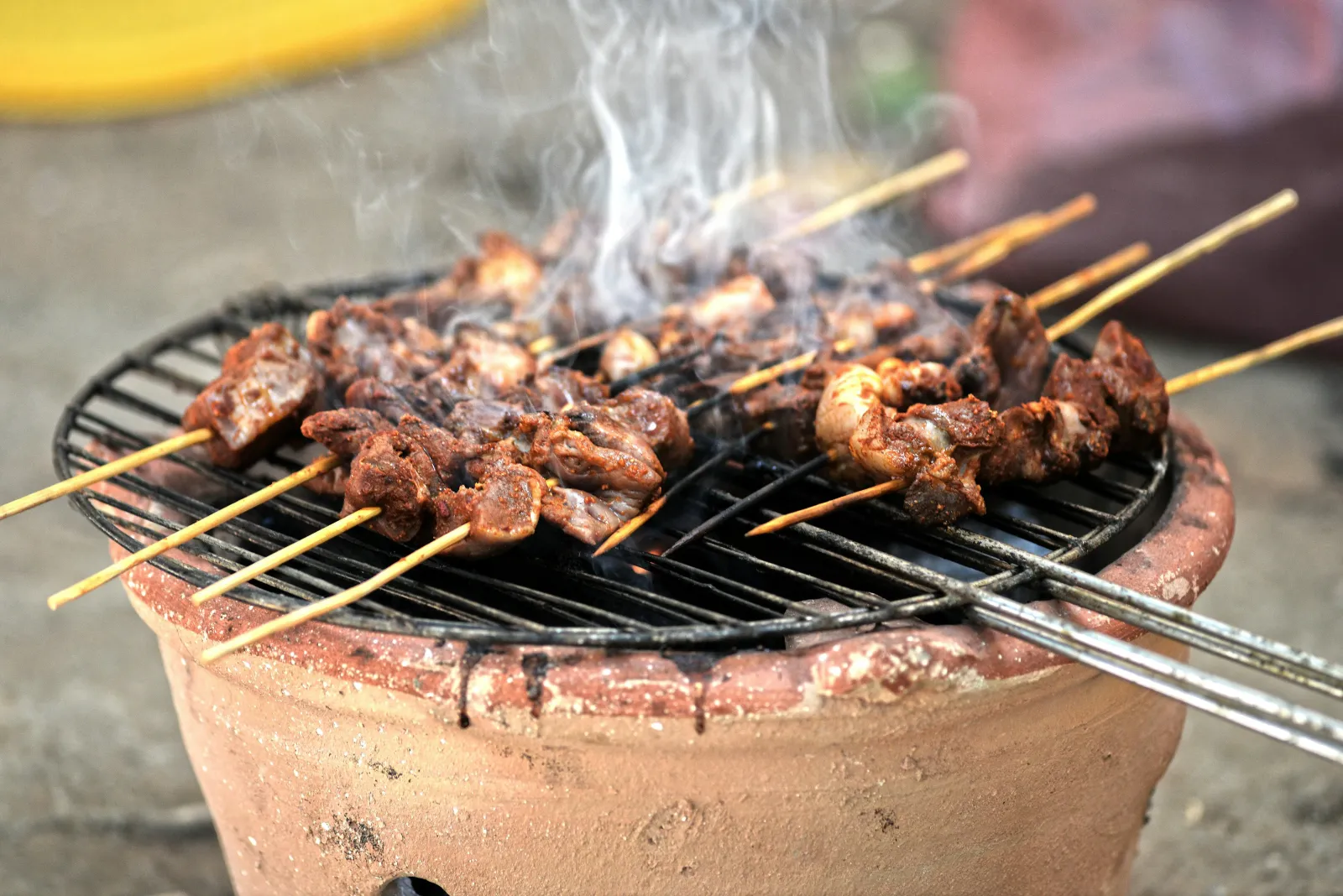
Brochettes are Morocco's version of kebabs, consisting of marinated chunks of meat grilled on skewers and often served with khobz, a type of flatbread. Lamb, chicken, or kefta are rubbed with salt, cumin, and paprika, grilled over charcoal, and served in khobz bread with tomatoes and onion.
Deep-fried potato balls (sometimes called deep-fried spiced potato patties) served as sandwiches with salad and harissa, common in Tangier and Chefchaouen.
Yeasted Moroccan doughnuts fried until crisp, eaten plain or with sugar near the medina gates.
Along the Atlantic coast in Essaouira, Asilah, and Agadir, fish is marinated in chermoula and grilled to order.
Dates from Rissani and the Tafilalt oasis, almonds and walnuts from Midelt and the Middle Atlas.
Morocco Classic Tours guides direct guests to the busiest stalls and help order in Darija to avoid misunderstandings.
Tea salons and patisseries in Casablanca, Rabat, and Meknes offer perfect afternoon breaks.
Cornes de Gazelle (Gazelle Horns): Crescent-shaped almond paste cookies perfumed with orange blossom water, traditionally served with mint tea.
Chebakia: Flower-shaped dough strips fried and soaked in honey with anise, sesame, and saffron. Especially popular during Ramadan but available year-round.
Sellou: Crumbly mix of toasted flour, sesame, almonds, and spices, served at special occasions.
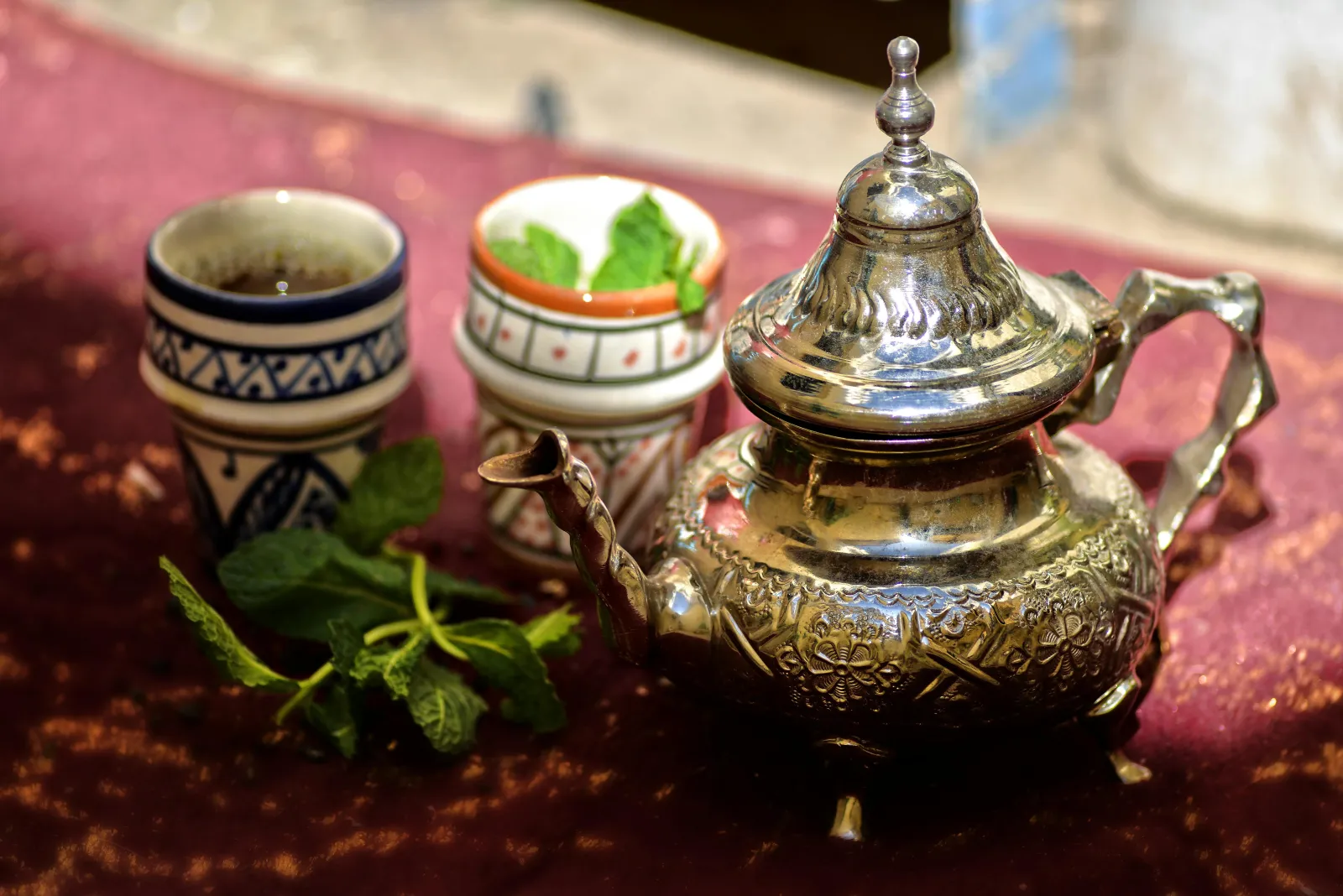
Moroccan Mint Tea (Atay): Mint tea, often referred to as "Berber whiskey," is a traditional drink in Morocco made from green tea, fresh mint, and sugar, symbolizing hospitality and friendship. Green tea brewed with fresh nana mint and sugar, poured from height into small glasses. This drink symbolizes hospitality throughout Morocco. Request “ma bghitsh bzzaf skkar” for less sugar. Buy loose tea and teapots as souvenirs in Fes or Marrakech.
For those curious about the Morocco Pavilion at EPCOT: expect lamb or chicken kebabs, baklava, and mint tea—flavors inspired by Moroccan food but simplified for theme park dining.
Yes, Morocco offers excellent vegetarian options, especially when you plan.
Vegetable tagine with potatoes, carrots, and zucchini
Couscous with seven vegetables
Lentil and chickpea stews
Fried eggplant and zaalouk (tomato-based salad)
Carrot salad with cumin
Beetroot salad with vinegar
Tomato and cucumber salad
Roasted pepper taktouka
Served with bread and olives
Vegans should ask about butter (smen) and ghee in breads and couscous. Request olive oil instead. Modern cafés in Marrakech and Casablanca accommodate vegan guests.
Key phrases:
“Ana nabati” (I am a vegetarian)
“Bla lahm, bla djaj, bla samak” (without meat, chicken, fish)
Morocco Classic Tours pre-arranges fully vegetarian or vegan menus with partner riads, desert camps, and restaurants so guests don’t negotiate every meal.
Most travelers never experience serious stomach issues when they choose food wisely.
The 4 C’s to Prevent Food Poisoning:
Wash or sanitize hands; drink sealed bottled water; avoid ice of unknown origin.
Eat hot, freshly prepared food; choose grilled meats, hot tagines, and cooked vegetables.
Avoid dairy and seafood that haven’t been kept cold.
Skip buffets where raw and cooked foods mix.
Choose busy stalls where food turnover is high. Favor freshly baked bread over lukewarm buffets. For fresh juices, prefer places that peel fruit to order—freshly squeezed orange juice from local oranges is safe and delicious.
What not to eat in Morocco if you have a sensitive stomach: raw leafy salads from unknown kitchens, undercooked meat, unpasteurized milk, cheap seafood far from the coast, and food sitting at room temperature.
Brush teeth with bottled water in rural areas like Merzouga, Rissani, and small Atlas villages. Morocco Classic Tours guides help find reliable pharmacies and hygienic restaurants along any itinerary.
Grilled sardines and seafood along the port, bissara for breakfast, and Andalusian pastries in the old town.
Bissara at blue-walled cafés, mountain goat or lamb tagines, and fresh cow cheese with olive oil at breakfast.
Atlantic fish and calamari, chermoula-grilled fish, tomato and pepper salads with bread.
Refined lamb tagine and couscous in heritage restaurants, French-style patisseries.
Pigeon pastilla, finely spiced lamb and prune tagines, and rich sweets. Morocco Classic Tours arranges Fes cooking classes in traditional riad kitchens.
Olive-based dishes, lamb with prunes, and local wines in licensed venues.
Mountain trout, hearty bean soups, walnuts and apples, warming tagines in colder months.
Mechoui carved to order in Mechoui Alley, tanjia slow-cooked in communal ovens, rooftop tagines, Djemaa el-Fna food stalls with brochettes and harira.
Grilled Atlantic fish, sardines stuffed with chermoula, seaside cafés with mint tea, and cornes de gazelle.
Fresh Atlantic seafood, fish tagines, and beachfront grilled fish platters with salads.
Berber pizza (madfouna) baked in sand or clay ovens, date-based dishes, desert camp dinners under the stars—an experience off the beaten path in Morocco’s arid deserts.
Moroccan flavors rely on specific spices, preserved items, and oils that visitors can taste in many dishes and bring home as souvenirs.
Ras el Hanout: Aromatic blend of 12–20 spices, including cumin, coriander, cinnamon, ginger, and cardamom
Cumin, Paprika, Turmeric: Everyday table spices sprinkled on soups, beans, and grilled meat
Preserved Lemons: Whole lemons cured in salt for weeks, providing salty-citrus depth
Argan Oil: Food-grade (toasted, nutty) for cooking, especially along the Marrakech-Essaouira route
Visit spice markets in Fes, Marrakech, or Meknes with a Morocco Classic Tours guide who can recommend reputable vendors.
While alcohol is restricted, Morocco offers delicious non-alcoholic options that pair beautifully with meals.
Orange Juice: Freshly squeezed from local oranges at breakfast spots and market stalls. Winter (November–March) is the prime citrus season.
Fresh Juices: Avocado and date milkshakes (sometimes with half milk), pomegranate juice in season, lemon juice with sugar
Alcohol: Beer and wine (including Moroccan labels) available in licensed hotels, bars, and restaurants in Marrakech, Agadir, and Casablanca
Morocco Classic Tours recommends appropriate venues for guests who drink while respecting local norms. For tea at home, look for Moroccan green tea blends with nana mint exported to Europe and North America.
Morocco Classic Tours is a Fes-based specialist in private, customizable trips where food is central to the experience.
Available experiences:
Guided street food tours in Marrakech, Fes, and Casablanca featuring brochettes, maâkouda, sweets, and safe juice stalls
Sahara desert camp dinners in Merzouga with Berber pizza, tagines, and live music under the stars, plus sunrise breakfasts with freshly baked bread
Atlas Mountain day trips with farm visits, home-cooked food (couscous or tagine prepared in traditional kitchens), and tastings of local honey and seasonal fruits
Contact Morocco Classic Tours to design a private itinerary balancing iconic sights with delicious culinary experiences tailored to your dietary needs.
Street food is generally safe when chosen carefully. Pick busy stalls with high turnover, watch food being cooked in front of you, and avoid items sitting out uncovered. Start with grilled brochettes, hot soups, and freshly fried snacks. Joining a guided street food walk with Morocco Classic Tours is the easiest way to sample confidently on a first visit.
Many restaurants in larger cities wash produce carefully, but standards vary. Cautious travelers may prefer cooked vegetables and peeled fruits, especially early in their trip. Ask your riad or guide which venues are known for good hygiene, and avoid raw lettuce from unknown street stalls if you have a sensitive stomach.
Most Moroccans start with khobz bread, olive oil, amlou or jam, fresh cheese, and olives—sometimes with msemen or baghrir. Mint tea or café au lait accompanies the meal. On cooler mornings in the Atlas regions, bissara or lentil soup provides extra warmth.
Fes is one of the best cities for hands-on cooking classes, often starting with a market visit to buy spices and produce. Contact Morocco Classic Tours directly to arrange a private or small-group class with trusted local cooks in traditional riads, tailored to dietary preferences.
Djemaa el-Fna in the evening offers classic stalls with brochettes, harira, and grilled meats—choose the busiest stands. Smaller neighborhood markets outside the main square serve locals and offer more authentic dining. Morocco Classic Tours guides lead guests to lesser-known options away from the most touristy rows.
Compare Morocco group tour agencies by trip style, reviews, pace, transport and inclusions. Learn wh...
Read this article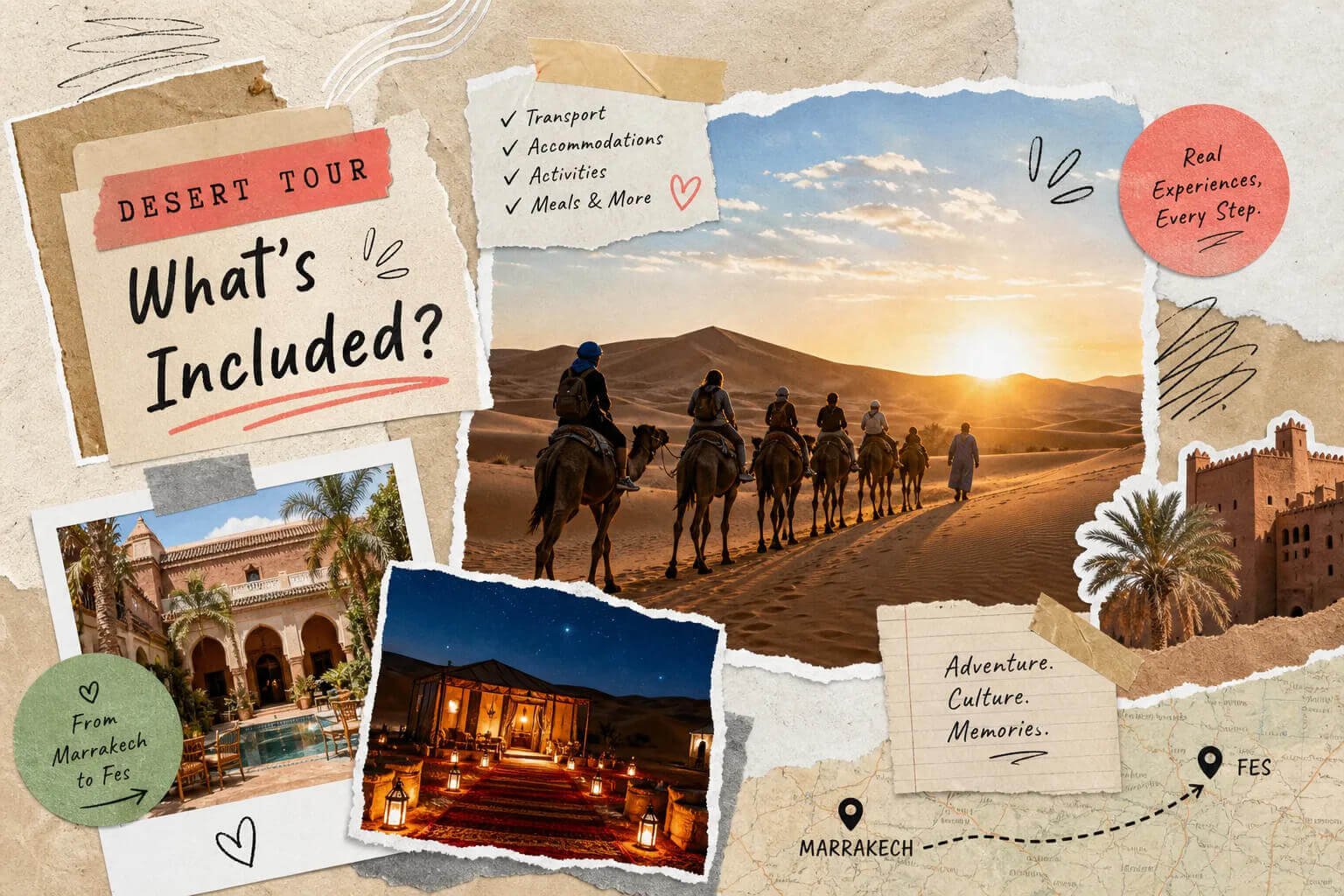
Uncover what a Marrakech to Fes desert tour offers, including camel rides, desert camps, and rich cu...
Read this article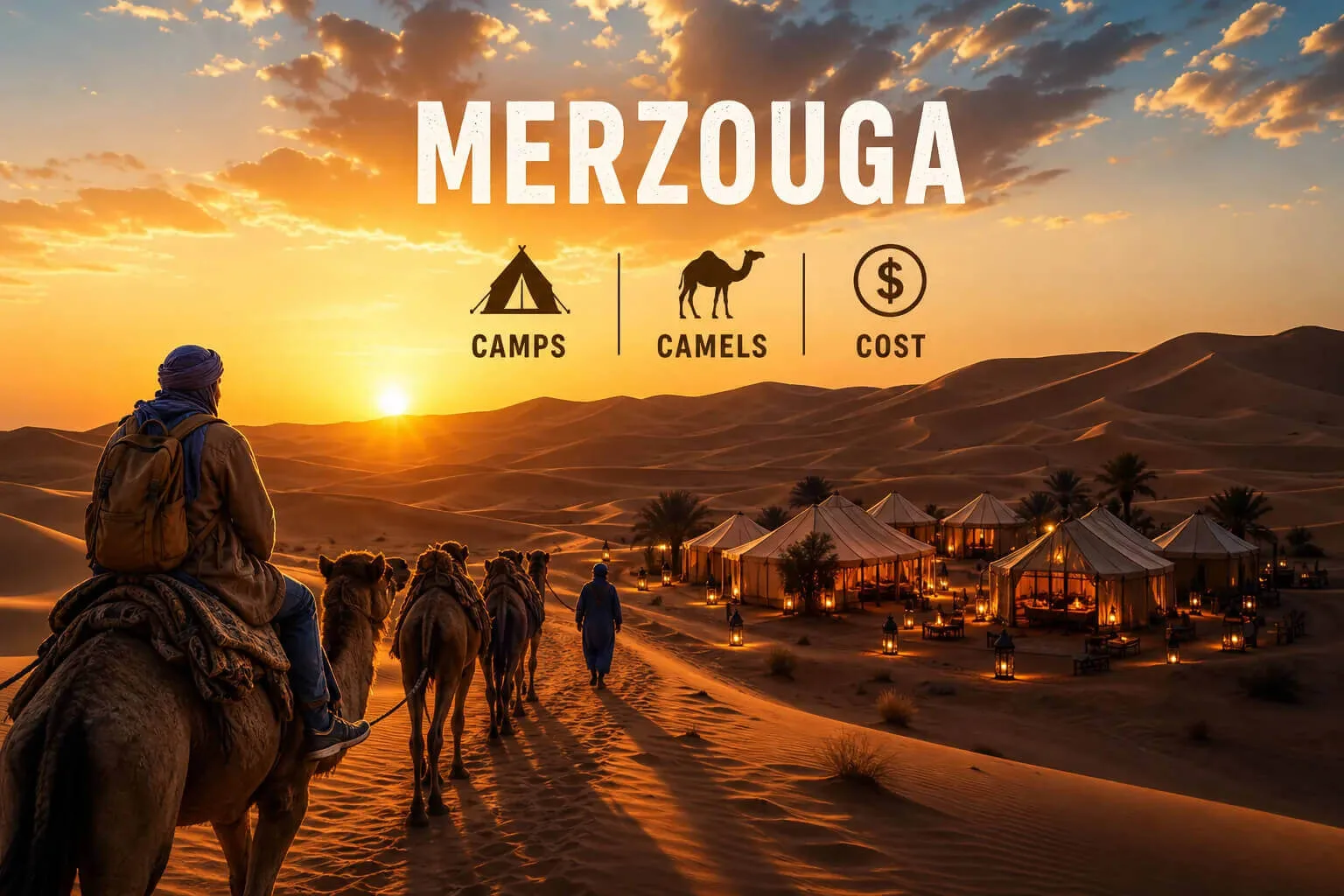
Join our Merzouga Overnight Tour for an authentic desert experience. Enjoy camel rides, comfortable ...
Read this articleWant cool tour deals and tips about Morocco? Enter your email and we’ll send them to you each month!
