Group Tour Agencies in Morocco: How to Pick the Right One
Compare Morocco group tour agencies by trip style, reviews, pace, transport and inclusions. Learn wh...
Read this article

Private, custom Morocco trips planned in Fez by AZ-ZDDINE, working in Moroccan tourism since 2012. Sahara, Atlas, medinas and coast, arranged around you.
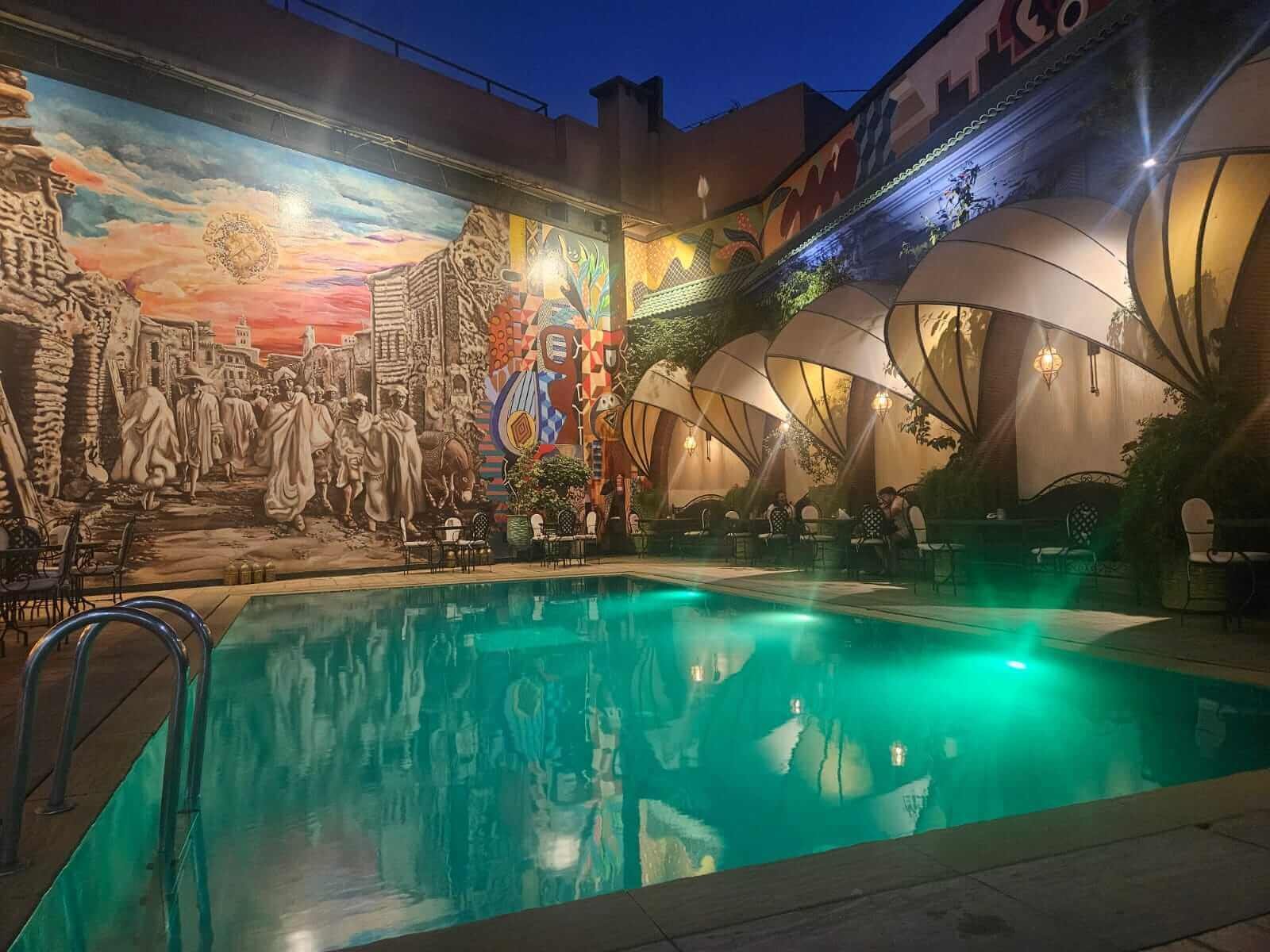
Morocco is a popular destination for LGBTQ+ travelers, offering a vibrant mix of Marrakech riads, Tangier history, Sahara camel rides, the Atlas Mountains, beaches, and a rich blend of Arabic, French, African, and European culture. This gay Morocco travel guide is designed specifically for LGBTQ+ travelers and covers everything you need to know about Moroccan laws, safety, and where to stay. It matters because Morocco presents a unique legal and social context for LGBTQ+ people: homosexuality—defined as same-sex sexual activity between both men and women—is illegal under Article 489 of the Moroccan Penal Code, and the law criminalizes same-sex sexual acts, not orientation. In Morocco, both male and female forms of same-sex sexual activity are punishable by imprisonment ranging from six months to three years.
Morocco is a conservative Muslim country where homosexuality is illegal and remains a taboo subject, leading to significant societal and legal challenges for LGBTQ+ individuals. Understanding the risks, local customs, and best practices is essential for a safe and enjoyable visit.
Same-sex sexual activity (both male and female) is illegal under Article 489 of the Moroccan penal code; penalties are between six months and up to three years in prison, plus a fine.
Being gay, sexual orientation, or gender identity are not checked at the border, but perceived homosexual acts, same-sex relationships, online messages, or public displays can attract police attention.
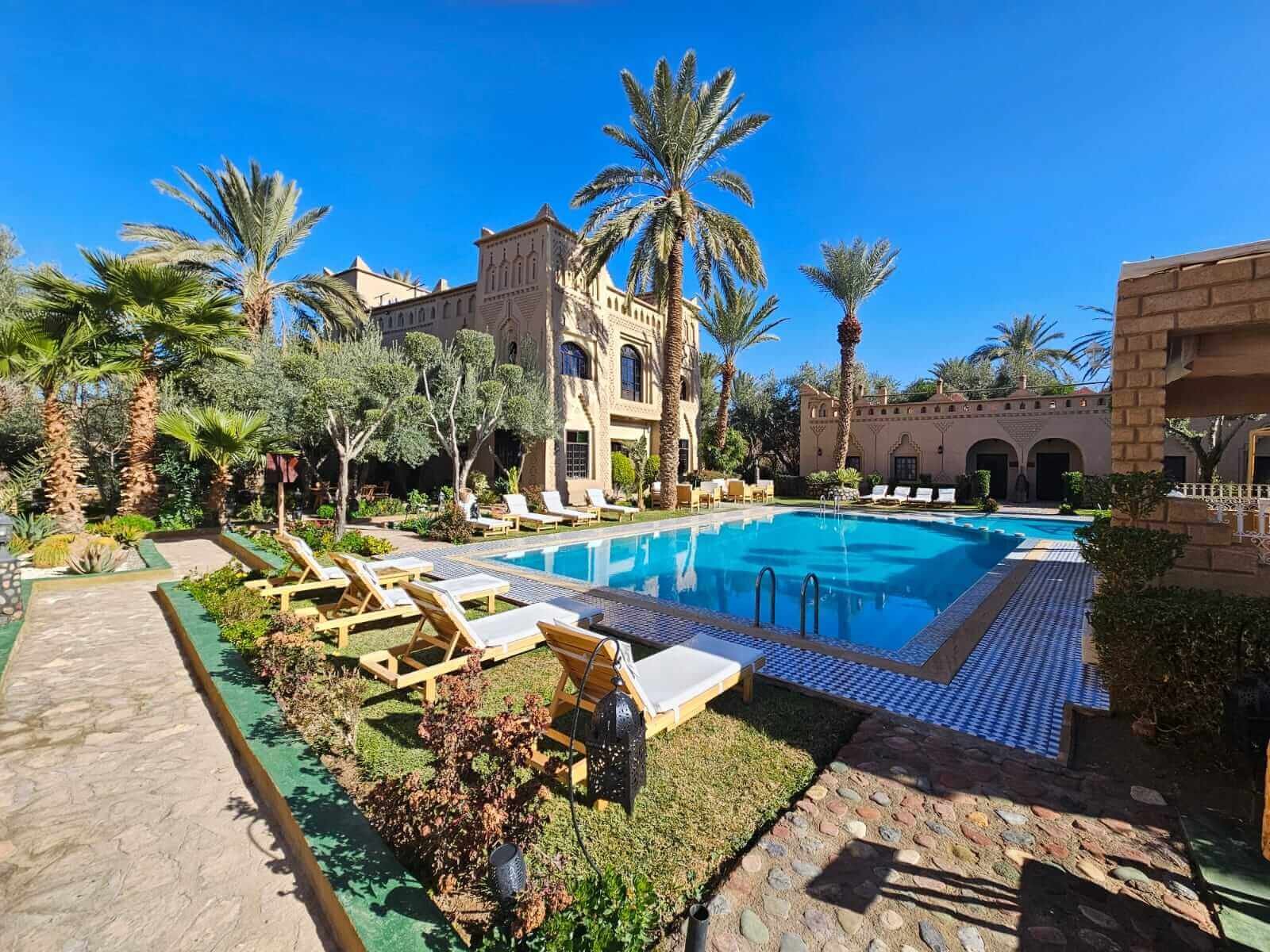
Same-sex couples can usually share hotel rooms in Marrakech, Casablanca, Tangier, Agadir, and other major city areas, especially in international chains, riads, and gay-friendly hotels.
Public affection is frowned upon for all couples; same-sex PDA, kissing, or romantic hand-holding can lead to harassment, questioning, or arrest.
Marrakech, Casablanca, Tangier, and Agadir are the most gay-friendly places, with mixed crowd venues like Comptoir Darna, VIP Club Marrakech, Plastik Club, and Flamingo Oriental Night Club.
Yes, gay tourists can visit Morocco, and thousands of Western tourists do every year. Morocco is relatively safe for visitors overall, but it offers fewer freedoms for LGBTQ+ people than Europe, North America, or countries with anti-discrimination laws.
Gay tourists can visit Morocco, especially Marrakech, Casablanca, Tangier, Agadir, the Sahara, the Rif Mountains, and the Atlas Mountains.
Morocco is one of the safest countries in Africa for mainstream tourism, but gay men, lesbians, transgender people, transgender women, and queer travelers face specific legal and social risks.
Orientation alone is not illegal, but same-sex sexual activity, visible same-sex relationships, and perceived homosexual conduct can be prosecuted.
Safety depends on discretion: avoid PDA, be careful with dating apps, and choose gay-friendly hotels.
Moroccan society has strong social opposition to homosexuality, shaped by Muslim teachings, traditional values, patriarchal culture, heterosexual norms, and traditional gender roles.
The real law is Article 489 of the Moroccan Penal Code. It criminalizes “lewd or unnatural acts” with someone of the same sex; legal references such as the Human Dignity Trust note that the law applies to citizens and foreigners.
Article 489 criminalizes male and female same-sex sexual activity, often described as lewd or unnatural acts, unnatural acts, or homosexual acts, with imprisonment from six months to three years and a fine.
“Homosexuality” in Moroccan law refers to same-sex sexual acts, not sexual orientation.
Some sources confuse this with “rule 490.” Article 490 actually concerns sexual relations outside marriage between a man and a woman; both laws police private sex and morality.
There is no marriage, partnership recognition, adoption route, or family protection for same-sex couples or same-sex relationships.
There are no anti-discrimination laws protecting sexual orientation or gender identity in employment, housing, or services.
Enforcement is uneven. Prosecutions under Moroccan law for same-sex sexual acts have been reported regularly, with police sometimes using dating apps for entrapment.
Publicized cases have included people subsequently arrested in Marrakech, Beni Mellal, and Agadir; reports sometimes mention six men, two men, or three minors, but many cases stay local.
Foreign embassies cannot cancel Moroccan law; they can usually only provide consular help after arrest.
Not legal advice: check current human rights reports, the Moroccan Penal Code text, and embassy guidance before travel.
Some travel summaries wrongly say individuals convicted of same-sex sexual activity can face imprisonment for three to five years and a fine; the current widely cited Article 489 penalty is six months to three years.
Tangier was once an international zone overseen by European powers, giving Morocco a mid-20th-century reputation as a liberal haven for queer artists and writers. Yves Saint Laurent, William Burroughs, Tennessee Williams, Allen Ginsberg, Jack Kerouac, and Truman Capote helped build that mythology, but modern Moroccan society is far more conservative.
Can you kiss publicly in Morocco? You should not. Public displays of affection, such as kissing or holding hands, can lead to arrest regardless of sexual orientation.
What happens if you show PDA as a gay couple? Expect stares, verbal abuse, being told to stop, police attention, or legal trouble under morality laws or Article 489.
Public affection is generally frowned upon even for straight couples; same-sex affection is more likely to be read as provocative.
Dress modestly, avoid explicit physical contact, avoid loud talk about sex, politics, religion, or sexuality, and be careful around mosques and during Ramadan.
Same-sex friendship is common; men may walk arm in arm and women may hold hands, but foreign same-sex couples should not use that ambiguity for romantic PDA.
Trans and gender non-conforming visitors face extra scrutiny. Moroccan transgender individuals encounter hostility and lack a legal framework for gender identity changes.
Culturally, certain forms of cross-dressing have been tolerated in Morocco, but they are often associated with homosexuality.
A safer approach: call your partner “friend,” book normally, and keep intimate conversation private.
Usually, yes. Same-sex couples can often share a hotel room in major tourist cities, but experiences depend on the property, staff, and whether one partner is Moroccan.
International brands such as Hilton, Four Seasons, Marriott, Accor, and similar hotels in Marrakech, Casablanca, and Rabat are more used to Western tourists.
Riads in Marrakech typically offer more accepting environments for LGBTQ+ travelers; Riad Dar Zaman is a gay-friendly riad located in the Medina of Marrakech.
Many accommodations in Morocco are foreign-owned and are typically more welcoming to LGBTQ+ travelers.
Most riads in Marrakech, Fes, and Chefchaouen accept discreet same-sex couples; check reviews for gay-friendly or LGBTQ travel mentions.
Hotels register guests with ID. Problems are more likely if one person is Moroccan, if staff suspect commercial sex, or if behavior seems “immoral.”
Book one double bed calmly. If anxious, email: “We are two male friends travelling together and prefer one large bed.”
Hotels are not police, but staff may involve authorities if they believe the law is being broken.
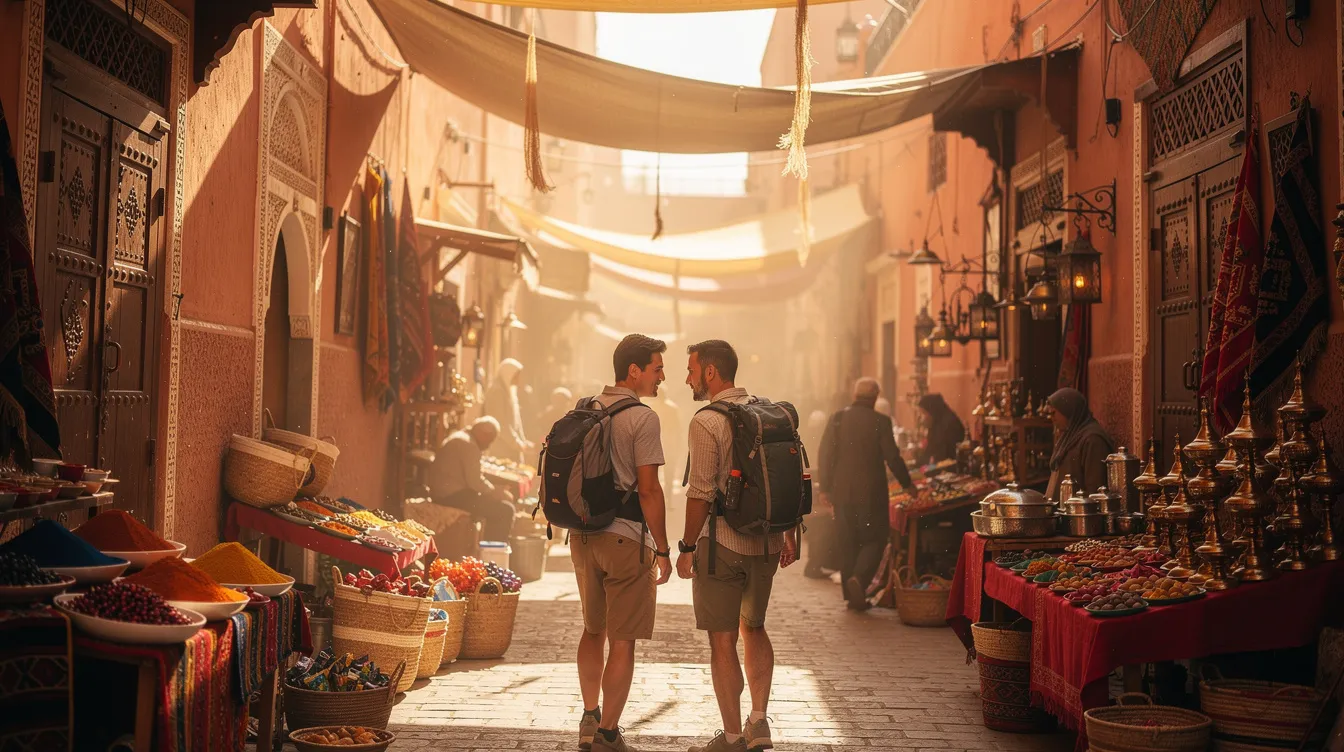
There are no openly rainbow-flag gay bars in Morocco. Instead, big cities offer underground networks, mixed-audience bars, and gay-friendly venues where queer visitors blend in.
Gay-Friendly Cities and Venues:
Marrakech: Considered the LGBTQ+ hub of activity for expats in Morocco and the most open-minded city for LGBTQ+ expats and travelers. Marrakech hosts various cultural festivals that attract diverse attendees, including LGBTQ+ travelers.
Bars and clubs for a mixed audience:
Comptoir Darna (mixed crowd of gay and straight patrons)
VIP Club Marrakech (nightlife option)
Agadir:
Flamingo Oriental Night Club is often cited among various gay-friendly clubs in Morocco (verify current venue location before going).
Casablanca: Modern and businesslike.
Plastik Club is known for its lively atmosphere catering to a variety of patrons, although Casablanca is not specifically an LGBTQ+ hub.
Tangier: Known to have a small gay expat scene.
The Tanger Inn within the Hotel El Muniria is known for attracting a liberal crowd.
Agadir and Essaouira: Growing reputation as LGBTQ+-friendly holiday destinations. Their beaches attract a large European gay tourist following.
Restaurant d’Orient et d’Ailleurs in Essaouira is a discreet romantic restaurant for LGBTQ+ couples.
Dating Apps:
Dating apps such as Grindr, Tinder, and Hornet carry real risk. Moroccan police disproportionately target individuals perceived to be LGBTQ+, and vigilantes may use fake profiles.
Safer options include trusted introductions, private gatherings, hotel bars, and LGBTQ travel groups rather than spontaneous hookups.
Morocco is stable, tourist-ready, and generally safer than many destinations in Africa for ordinary travel. But LGBTQ safety is different from general safety.
Tourist routes to Marrakech, the Atlas Mountains, the Sahara Desert, Agadir, Essaouira, Casablanca, Rabat, and Tangier are well traveled.
Specific risks for gay men and LGBTQ travelers include:
Arrest under Article 489
Online entrapment
Outing
Extortion
Mob attacks
Physical assaults
Verbal abuse
Harassment
The police disproportionately target perceived LGBTQ+ individuals, facilitating persecution and abuse from both the state and society.
LGBTQ+ individuals often face further harassment when identified in public, further complicating their social safety.
Major cities like Casablanca, Tangier, and Marrakech have more clandestine LGBTQ+ communities and some safe spaces available than rural areas.
Lesbians historically face fewer legal issues in Morocco, but still encounter societal barriers that restrict their freedom. Lesbians face different social challenges compared to gay men in Morocco, often experiencing societal restrictions related to their gender.
No major political parties in Morocco have publicly supported LGBTQ+ rights, and the Moroccan parliament has not moved toward recognition.
Respecting local customs makes a major difference. Morocco rewards travelers who are observant, modest, and socially aware.
Dress conservatively in medinas, rural towns, and religious areas: covered shoulders, covered knees, and loose clothing for all genders.
Do not ask locals directly if they are gay, and avoid crude jokes about sex or sexuality.
Same-sex cheek kisses among locals are greetings, not necessarily queer-coded.
Hammams are part of Moroccan culture and are non-sexual spaces; avoid cruising, flirting, or sexualised eye contact.
Many tourists consume alcohol discreetly, as public drinking can attract unwanted attention.
Taking part in local customs, from greetings in Arabic such as “salaam alykum” to polite market etiquette, can improve your experience.
Tour operators typically describe their services as LGBTQ friendly, but it is important to inquire further about specific practices.
With realistic expectations, same-sex couples can enjoy the country’s classic highlights while staying under the radar.
Marrakech: Explore Jemaa el-Fnaa, Majorelle Garden, the Medina, Gueliz, and stylish riads. Stay in gay-friendly hotels with strong international reviews.
Atlas Mountains: Good for hiking and Berber village visits, but rural stays require modest clothing and extra discretion.
Sahara: Camel rides and desert camps are bucket list experiences; choose reputable operators.
Essaouira and Agadir: Relaxed beach towns with European visitors and a softer holiday atmosphere.
Casablanca and Rabat: Malls, cafés, seafront promenades, and modern neighborhoods where two men or other women walking together are less likely to stand out.
Tangier: Art galleries, cafés, and literary history still draw a bohemian mixed crowd.
Avoid remote conservative areas or border regions on a first-time gay Morocco trip unless using a reputable guide.
Local queer life survives mostly underground. Most LGBTQ+ Moroccans must live largely “in the closet” to avoid societal and familial backlash, and many Moroccan LGBTQ+ individuals wish to leave the country due to concerns about safety and identity-related risks.
Underground LGBTQ+ organizations exist in Morocco, providing advocacy and safe spaces despite legal restrictions.
Kif-Kif is the best-known Moroccan LGBTQ rights organization, operating from Spain because it lacks legal recognition in Morocco.
Mithly, linked to Kif-Kif, is an Arabic LGBTQ magazine that offers representation outside the country.
Homosexuality remains a taboo subject in Moroccan society, leading to societal discrimination and marginalization.
The Moroccan government enforces laws against homosexuality despite international calls for reform, perpetuating discrimination and violence against LGBTQ+ individuals.
Visitors can support change by donating to vetted human rights groups, sharing accurate information, and avoiding sensationalising local queer lives.
Most of the awkwardness travellers describe happens in shared accommodation and group settings. Booking a private trip rather than a group departure removes much of it, and your driver and riads are chosen in advance.
These quick answers cover practical questions around borders, hotels, apps, hammams, and police contact.
Usually, yes. Border officials do not ask about sexual orientation, marriage, or relationship status; two men or two women entering together are treated as regular tourists if passports and visas are in order. Problems usually arise from behavior inside the country, not arrival.
Usually, no. Simply book a double room. If nervous, send a neutral message like: “We are two friends travelling together and prefer one large bed.” If the reply feels awkward, choose another property.
It is risky. Apps are associated with police and vigilante stings, especially against local users. If you use them anyway, avoid public face photos, verify carefully, meet first in public, and leave if anything feels off.
Yes. Hammams are cleansing and relaxation spaces, not sexual spaces. Follow local modesty rules, avoid flirtation, and choose tourist-oriented hammams or private spa sessions if you feel unsure.
Stay calm, be polite, carry a passport copy, and avoid arguing or admitting to sexual activity. If detained, contact your embassy or consulate and do not sign documents you do not understand. This is general guidance, not legal advice.
Compare Morocco group tour agencies by trip style, reviews, pace, transport and inclusions. Learn wh...
Read this article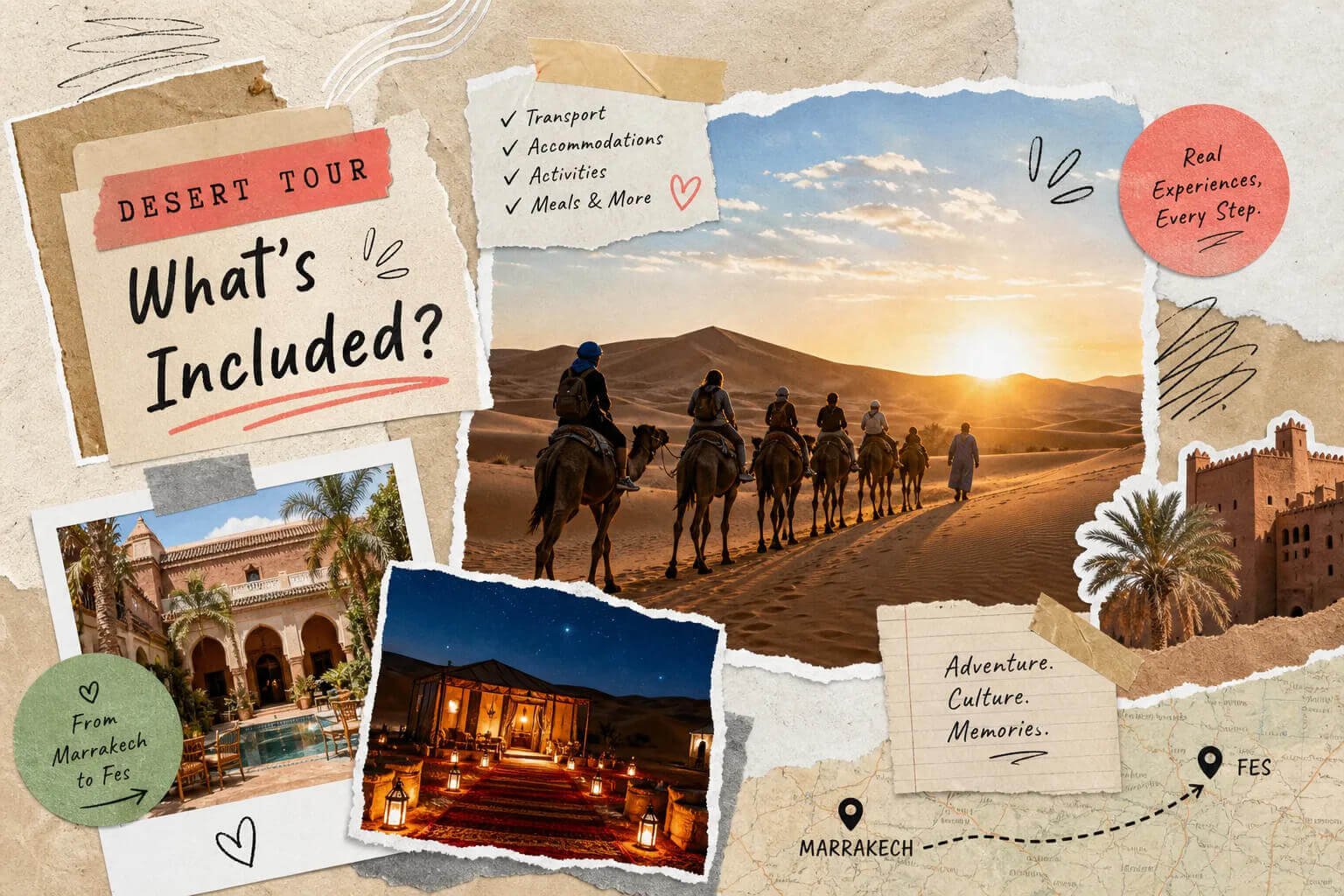
Uncover what a Marrakech to Fes desert tour offers, including camel rides, desert camps, and rich cu...
Read this article
Join our Merzouga Overnight Tour for an authentic desert experience. Enjoy camel rides, comfortable ...
Read this articleWant cool tour deals and tips about Morocco? Enter your email and we’ll send them to you each month!
