Group Tour Agencies in Morocco: How to Pick the Right One
Compare Morocco group tour agencies by trip style, reviews, pace, transport and inclusions. Learn wh...
Read this article

Private, custom Morocco trips planned in Fez by AZ-ZDDINE, working in Moroccan tourism since 2012. Sahara, Atlas, medinas and coast, arranged around you.
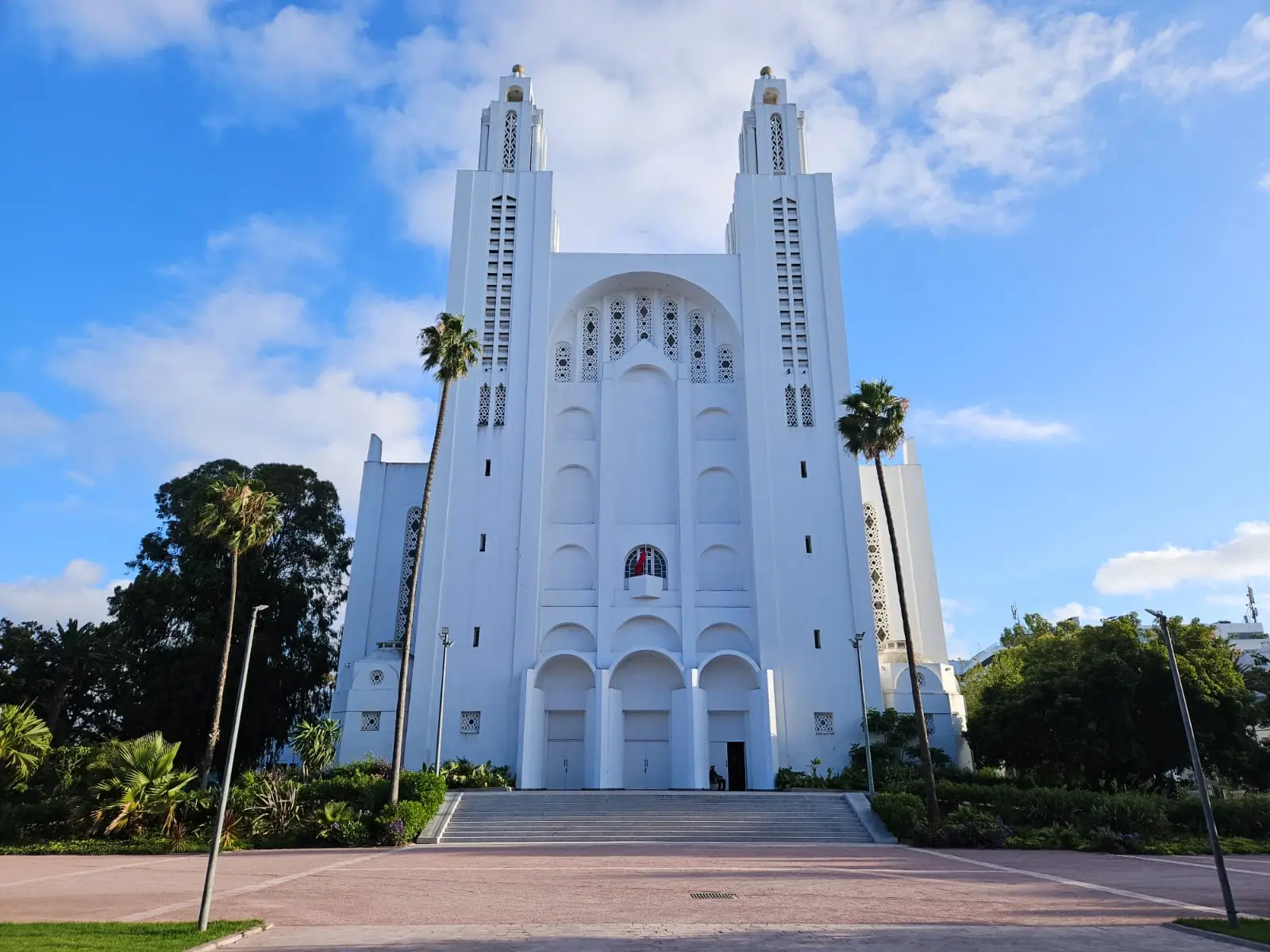
Casablanca is Morocco's largest city, a sprawling Atlantic Coast metropolis of roughly four million people where French colonial architecture meets modern high-rises and the call to prayer echoes over traffic-choked boulevards. This guide covers everything you need to know about staying safe in Casablanca, Morocco, from neighborhood choices and scams to health care, women's safety, and whether the whole trip is actually worth it. It is not a war zone, it is not the Middle East, and it is not the romanticized movie set you might picture. It is, however, a real working city with real urban challenges. This guide is designed for international travelers, including solo female travelers, families, and first-time visitors to Casablanca.
Casablanca is generally safe for tourists, including American travelers and solo female travelers, when they exercise increased caution as they would in any big city in Europe or North Africa.
Most visits are trouble-free. Petty theft around the old medina, tram lines, and train station areas is the primary concern, not violent crime, which is extremely rare against tourists.
The Corniche, Hassan II mosque area, Maarif, Gauthier, and Anfa are considered the safest neighborhoods for staying and walking, even after dark.
Women should dress modestly (covered shoulders, no skin-tight clothing) outside beach clubs to reduce unwanted attention.
Casablanca has the best modern hospitals in Morocco, and Morocco Classic Tours can arrange safe private transfers, guided city tours, and onward trips to the Atlas Mountains and southern morocco.
Casablanca is generally safe but very urban, comparable in feel to a busy southern European city like Naples or Marseille. Violent crime against visitors is extremely rare, while petty theft and street-level harassment are noticeable in certain pockets.
The U.S. State Department rates Morocco as Level 2: exercise increased caution, citing terrorism risk. However, there have been no major incidents in Casablanca's principal tourist areas in recent years. Travelers should remain vigilant against the threat of terrorism, but the day-to-day reality for most visitors involves dodging taxi scams and keeping phones secure, not ducking danger.
Casablanca has a significant police presence in tourist areas. Tourist police and regular officers patrol around hassan ii mosque, the Corniche, Mohammed V Square, and major luxury hotels. Casablanca has a dedicated Tourist Police Brigade that increases safety for visitors in major cities across Morocco.
From our experience at Morocco Classic Tours, we regularly welcome guests of all ages, including families with young children, and very rarely hear of serious safety issues in the city. Most safety problems are pickpocketing, taxi overcharging, and minor scams.
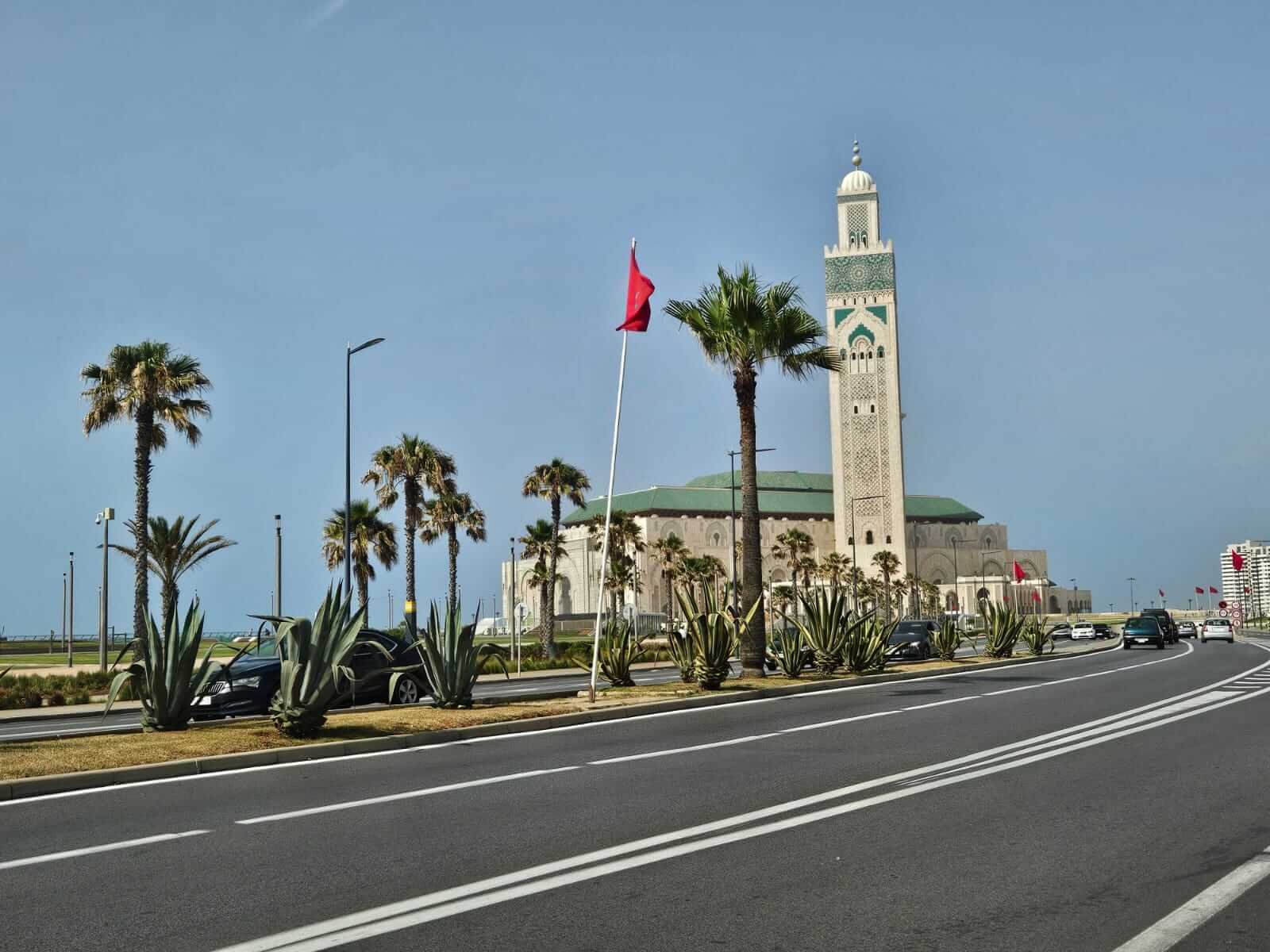
Casablanca is Morocco's largest city and economic hub. It is busier and less "storybook" than Fez or Marrakech, but it is squarely in North Africa, not a conflict zone. Casablanca ranks among the top 10 most peaceful countries in Africa, and the Moroccan government invests heavily in security infrastructure for its major cities.
Compared with other Moroccan cities, harassment and scams can feel more intense in Marrakech's souks, while smaller cities like Rabat and Chefchaouen feel calmer and more walkable. Casablanca has more urban crime (phone snatching, bag theft) but better lighting, more police, and stronger medical infrastructure than most other major cities.
Remote regions near the Algerian border or Western Sahara have very different risk profiles and should not be confused with Casablanca's coastal, urban environment. Many travelers use Casablanca as a safe, modern entry point before continuing on organized tours to the Sahara Desert, Atlas Mountains, or Atlantic Ocean beaches with Morocco Classic Tours.
Neighborhood choice is the single biggest factor in how Casablanca feels safe to visitors. Here is a quick breakdown:
Area | Safety Level | Best For |
|---|---|---|
Corniche / Ain Diab | High | Seafront walks, restaurants, nightlife |
Anfa | High | Affluent area, embassies, luxury hotels |
Gauthier | High | Tree-lined streets, cafes, well-lit |
Maarif | Moderate–High | Shopping, coffee shops, daytime exploring |
Bourgogne | Moderate–High | Residential, quiet, affordable stays |
Old Medina | Moderate (day) / Low (night) | Daytime market visits only |
Sidi Moumen | Low | Avoid - higher crime rates |
Hay Mohammadi | Low | Avoid after dark |
Anfa is a popular affluent neighborhood for tourists and expats alike. Gauthier is known for its tree-lined streets and safety. Maarif is generally safe during the day for tourists, with shopping malls, restaurants, and busy sidewalks. | ||
Sidi Moumen is a neighborhood with higher crime rates and offers nothing of interest to visitors. Avoid poorly lit areas and isolated neighborhoods at night, including the port district and industrial zones. Stay on main streets, and choose well-reviewed hotels on or near recognized boulevards.
The old medina of Casablanca is smaller and less touristic than its counterparts in Fez or Marrakech, but it is worth visiting during daylight hours for local crowded markets, small mosques, and glimpses of the old city. Pickpocketing occurs frequently in the Old Medina, and aggressive street vendors or unlicensed "guides" may approach you demanding tips after steering you through lanes you did not ask to see.
The old Medina can feel unsafe at night due to poor lighting, shuttered shops, and fewer families on the streets. Visitors should either go with a trusted local guide or avoid it after dark entirely. We recommend exploring in the late morning or afternoon with limited valuables. Morocco Classic Tours can arrange licensed guides who know the safest routes through this historical landmarks district.
Night safety varies sharply by neighborhood. The Corniche area is safe and well-policed at night, with seafront restaurants, licensed bars, and hotel terraces buzzing until late. Anfa, Gauthier, and parts of Maarif also feel lively and secure after dark.
Walking alone at night is discouraged in Casablanca, particularly through unfamiliar or poorly lit areas. Avoid walking alone through unlit backstreets, industrial zones, or working-class suburbs. Use taxis or ride-hailing apps like Careem or inDrive instead of walking long distances after dark.
Simple nighttime rules:
Avoid poorly lit areas and stick to populated areas
Keep valuables out of sight
Know how you will get back to your hotel before going out
Avoid getting drunk in unfamiliar licensed bars
Travelers who stick to popular reputable restaurants, hotel bars, and seafront promenades rarely experience problems beyond occasional catcalling or aggressive vendors.
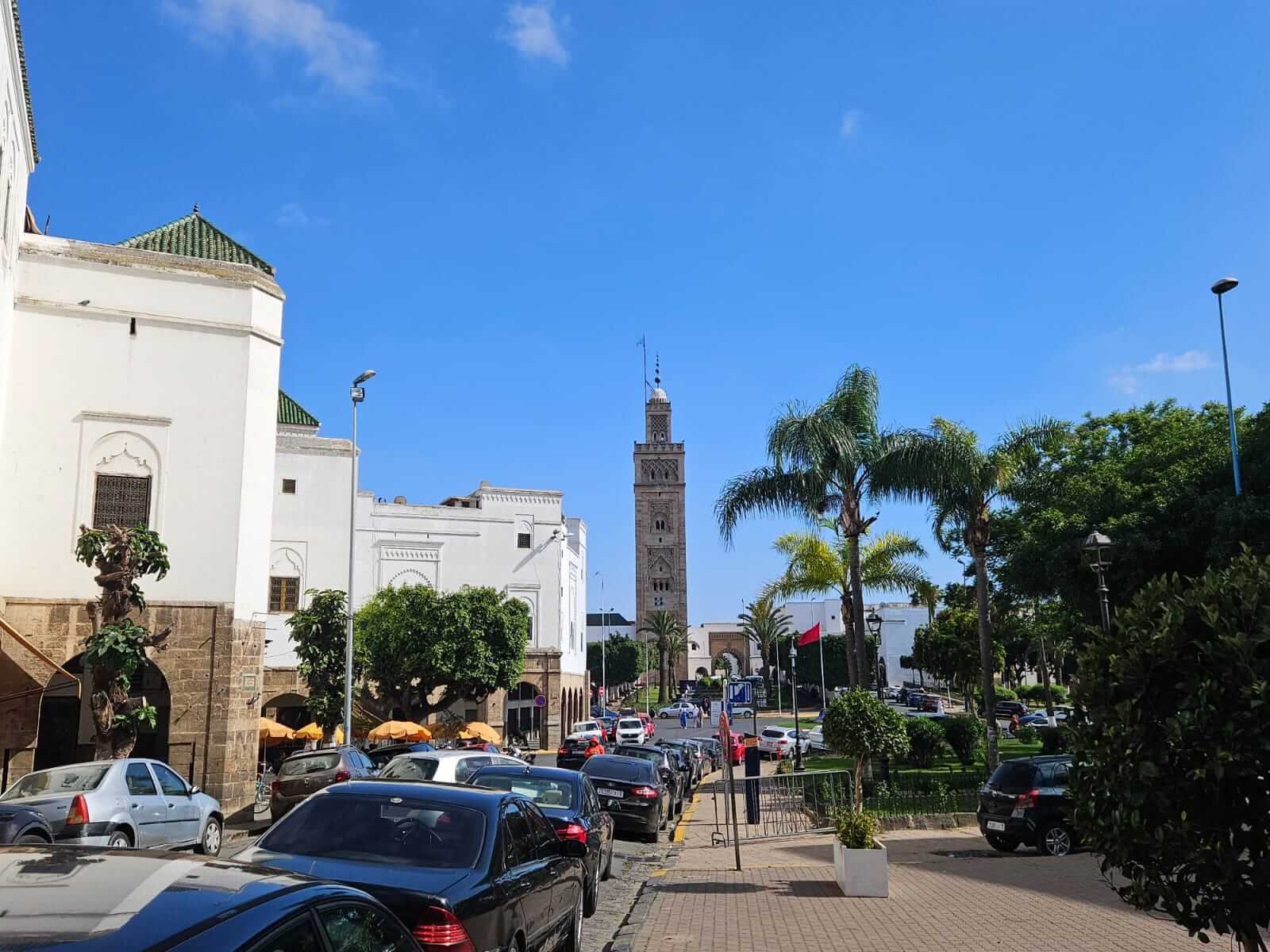
Most issues in Casablanca are non-violent and easy to sidestep with situational awareness. Here are the most common problems and practical safety tips:
Petty crime:
Petty theft is common in crowded areas like markets and train stations
Phone snatching from hands, especially near pavement edges
Bag theft from café chairs and unattended beach items
Valuables should be kept secure and out of sight in crowded areas
Frequent scams:
Scams include overcharging and fake tour guides near tourist attractions
"Broken meter" claims in petit taxis
Fake parking attendants demanding fees
Strangers leading tourists to shops for hidden commissions
Henna tattoo "gifts" followed by aggressive payment demands
Prevention:
Keep bags zipped and in front of your body
Refuse unsolicited help firmly - avoid unsolicited help from overly friendly strangers
Confirm prices before buying or accepting any service
Stay alert around transportation hubs and crowded markets
Book city tours and transfers through reputable agencies like Morocco Classic Tours instead of accepting random offers
Petit taxis in Casablanca are small red cars operating within city limits. They are legally required to use a meter. Taxi overcharging is a common issue for tourists.
Step-by-step:
Hail a marked red taxi (not an unmarked car)
Sit in the back seat
Immediately say "compteur, s'il vous plaît" (meter, please)
If the taxi driver refuses, exit and take another - there are plenty
Fares for a 10–15 minute daytime ride within central areas typically range from 15–40 MAD
A small legal surcharge applies at night, but it should not double the fare
Use official taxis and agree on fares before starting any ride. Avoid sharing petit taxis with strangers late at night. Ride-hailing apps like Careem and inDrive offer fare transparency and are increasingly popular.
If you are nervous about the system, ask your hotel concierge or Morocco Classic Tours driver to walk you through it once before going solo.
Casablanca is generally safe for solo female travelers and other solo travelers, with challenges centered on street harassment rather than physical violence. Casablanca is more liberal than many Moroccan cities - many local women work, drive, and sit alone in coffee shops - but catcalling and staring from some men still occurs.
LGBTQ+ travelers should be discreet with public affection due to local customs and laws, even though Casablanca's younger crowd is more relaxed than in rural areas.
Solo travelers should follow the same precautions they would in Paris or Barcelona: avoid isolated streets at night, watch drinks in bars, and tell someone their evening plans. Joining small-group or private tours often makes solo travelers feel more comfortable, especially on first days in the city.
Street harassment is common but not threatening in Casablanca - think verbal comments rather than physical aggression. Using official taxis is safer for solo female travelers, especially after dark.
Practical behaviors:
Walk confidently and ignore catcalls
Avoid engaging with persistent strangers
Favor busy streets and reputable cafés
Avoid walking deserted stretches of beach or industrial roads at dusk
Use taxis or ride-hailing at night rather than walking alone
Many of Morocco Classic Tours' guests are women traveling with friends or on their own. The company can arrange female guides where possible on request.
Dressing conservatively reduces unwanted attention for women. Casablanca is more fashion-forward than remote regions, but modest clothing still makes a noticeable difference.
Practical dress code:
Knee-length or longer skirts, loose trousers
T-shirts with sleeves, light cardigans
One-piece swimsuits or modest bikinis at city beaches
Headscarves are not required but useful for visiting religious sites or the old medina and Habbous Quarter
Inside high-end hotel bars or beach clubs on the Corniche, Western dress standards (cocktail dresses, sleeveless tops) are common and acceptable. Observe how local women dress in each neighborhood and adjust accordingly. You do not need to dress modestly in every context, but doing so in traditional areas and on public transport reduces friction significantly.
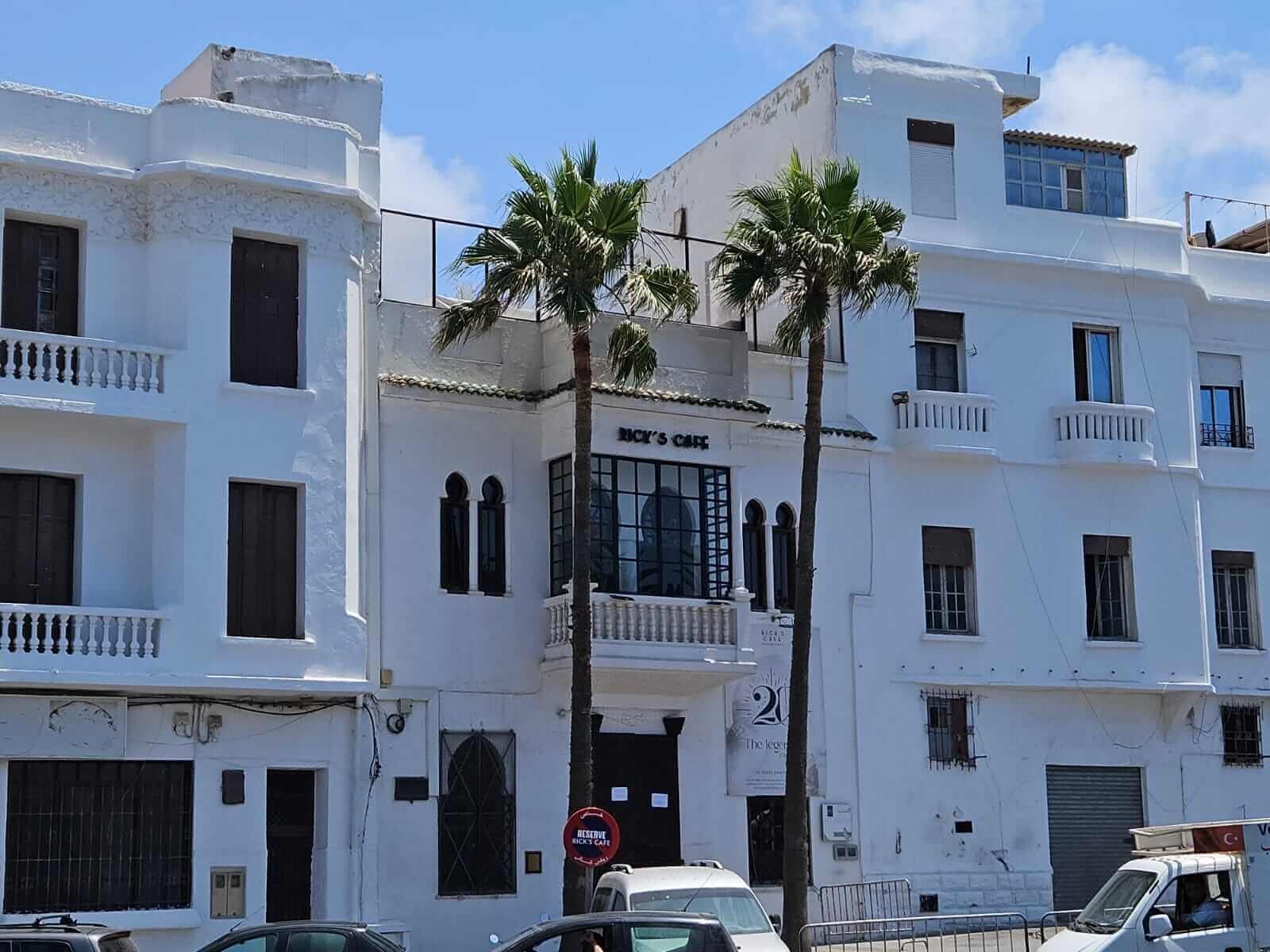
Casablanca has some of Morocco's best private modern hospitals and clinics. Travel insurance is highly recommended for emergencies during travel, as private care requires upfront payment. Notable facilities include Hôpital Privé International de Casablanca (HPIC) with 300 beds and 44 ICU beds, and Clinique Dar Salam with 24/7 emergency service and 20+ specialists.
Travelers should be up to date on routine vaccines and consider Hepatitis A and typhoid. The climate is mild Atlantic Ocean weather - damp winters, warm summers - far less extreme than inland southern morocco.
Morocco Classic Tours can assist guests with arranging medical care, pharmacies, and translation help during their stay.
Minor issues like travelers' diarrhea, colds, or mild food poisoning are common. Local pharmacies ("pharmacies") are well-stocked, abundant, and often staffed by French-speaking pharmacists who can recommend over-the-counter remedies.
For serious illness:
Contact your hotel or tour operator immediately
Private clinics often require cash or card payment before treatment - keep receipts for insurance claims
Know the local emergency number (15 for ambulance, 19 for police)
For American travelers, the U.S. Consulate in Casablanca can provide lists of English-speaking doctors.
Morocco Classic Tours guests can contact their tour manager for fast coordination of transport, translation, and appointments.
Casablanca has fewer street food stalls than Marrakech, but vendors cluster near markets, tram stops, and the Central Market. Street food should be eaten from stalls with high turnover to ensure safety - look for places where local families are eating, and food is cooked hot to order.
Avoid pre-prepared food sitting in the sun, especially seafood. Good bets include grilled meat brochettes, cooked fish, and freshly squeezed juices. Nervous eaters should start with well-reviewed hotels and reputable restaurants, then gradually explore local snacks. Morocco Classic Tours can include guided food tours focused on safe, authentic bakeries and traditional eateries.
Tap water in Casablanca is treated and chlorinated, but drinking water should be bottled or purified to avoid health risks from aging pipes. Use bottled water for drinking and brushing teeth, especially in mid-range or older hotels.
Ice in reputable hotel bars and restaurants is usually safe, but travelers with sensitive stomachs can request drinks without ice. Avoid drinking from public fountains and carry a reusable bottle to refill from large sealed bottles.
Transport in Casablanca is generally safe but can be overwhelming due to dense traffic and unfamiliar systems.
Main options:
Petit taxis (red, city limits, metered)
Grand taxis (larger, shared, inter-city)
Casa Tramway (modern, connects key districts)
Ride-hailing apps (Careem, inDrive)
Private transfers
Mohammed V International Airport is about 30 km from downtown Casablanca, with trains, official taxis, and private transfers available. Pre-arranged private transfers with licensed drivers are the safest and least stressful option, especially at night or after long flights. Visitors should avoid driving themselves unless very confident - traffic is dense and local driving style is assertive.
Fares from Mohammed V International Airport to central districts (Maarif, Gauthier, Anfa) typically run 250–350 MAD using official taxis, with a surcharge at night. Check the official tariff board at the airport taxi stand and agree on the price before getting in.
A regular ONCF train runs from the international airport to Casa-Voyageurs train station, which is safe and economical during daylight hours, followed by a petit taxi to your hotel. Avoid individuals inside the terminal offering "cheap taxis" without a visible license.
First-time visitors, solo female travelers, and families with children should consider booking a private airport pickup with Morocco Classic Tours for peace of mind.
Many safety misunderstandings in Casablanca come from cultural gaps rather than crime. Morocco is a Muslim-majority country where daily life is shaped by religious practices, including prayer times and Ramadan fasting.
Exercise caution with cultural norms:
Dress modestly to respect local customs and reduce attention in traditional areas
Keep public affection discreet
Avoid loud criticism of local customs, politics, or the monarchy
Alcohol is legal in licensed bars and venues, but public drunkenness attracts police attention
Morocco Classic Tours' local guides can brief guests at the beginning of their trip on current etiquette, including Ramadan, mosque visits, and tipping customs.
Hassan ii mosque is one of the few major mosques in Morocco open to non-Muslims on guided tours at set times. It is a heavily guarded tourist hotspot and one of the most impressive historical landmarks on the Atlantic coast.
Mosque etiquette:
Wear modest clothing (covered shoulders and knees)
Remove shoes before entering the prayer hall
Speak quietly and avoid obstructing worshippers
Photography is allowed in most areas but not of security personnel
Morocco Classic Tours usually arranges timed mosque entry with licensed guides, combining it with a walking tour of the Corniche and nearby charming neighborhoods.
Casablanca is generally safe for foreigners, including American travelers, European visitors, and long-term expats. Anti-foreigner sentiment is rare; most safety issues are opportunistic theft rather than targeted hostility. Avoid demonstrations and political conversations in public cafés, and avoid discussions that criticize the King or Islam.
Many multinational companies and international schools are based in Casablanca, and thousands of foreigners live here year-round with relatively few security incidents. Morocco Classic Tours can help long-stay visitors with safe orientation tours and introductions to quieter districts.
Yes. Casablanca is considered safe for U.S. citizens, who are common visitors and business travelers. Relations between Morocco and the United Nations member state of the United States are historically friendly, and American travelers are generally welcomed warmly.
U.S. citizens should enroll in the Smart Traveler Enrollment Program (STEP), keep a copy of their passport separate from the original, use official taxis and reputable hotels, and avoid participating in political gatherings. The U.S. Consulate in Casablanca can assist in emergencies.
The U.S. Consulate General moved to a new facility in Casablanca's Casa Anfa district in late April 2026, located at Rue des Liserons, Pôle Urbain Casa Anfa, 20036. This is one of the city's safer and more upscale neighborhoods.
The consulate can provide replacement of lost passports, lists of English-speaking doctors and lawyers, and emergency communication with family. It cannot pay medical bills or act as a travel agency - another reason travel insurance and a reliable local partner like Morocco Classic Tours matter.
Keep the consulate contact details on your phone and on a paper copy. Use Google Maps or a translation app to show the address to a taxi driver.
Many expats live safely in Casablanca, especially in neighborhoods like Anfa, Racine, Gauthier, and Bourgogne, where international schools, offices, and cafés cluster. Typical long-term concerns include petty theft, traffic accidents, occasional protests, and the need for secure housing with a concierge or ground-floor security guard.
Families appreciate access to international schools, shopping malls, and private clinics. Younger professionals enjoy the nightlife and café culture. Work with reputable relocation agents when choosing housing and confirm building security before signing leases.
Long-term foreign workers must have legal contracts and residency permits. Morocco Classic Tours can assist visiting relatives with safe tours and transfers when they come to stay.
These quick answers cover the day-to-day concerns that many travelers raise before visiting Casablanca.
Casablanca's main languages are Moroccan Arabic (Darija) and French. English is increasingly spoken in hotels, modern cafés, and by younger people, but in petit taxis, older shops, and crowded markets, French or Arabic is essential. Phrases like "bonjour," "merci," and "s'il vous plaît" go a long way.
Print your hotel address in French or Arabic script, or save it in a translation app. Guided tours with English-speaking guides - such as those arranged by Morocco Classic Tours - remove most language stress for visitors.
The old medina is not a no-go zone. It is a busy local district where tourists must watch belongings and be ready for bargaining. Visiting in daylight hours, sticking to main lanes, and declining aggressive vendors or very cheap "guides" keeps the experience safe and interesting.
Crime there is mostly non-violent - pickpocketing rather than assault. The maze-like layout can feel intimidating, so first-time visitors benefit from a structured walking tour with a licensed local guide. Leave passports, large amounts of cash, and expensive jewelry in your hotel safe.
Avoid walking alone through unlit alleyways at night
Avoid accepting rides from unmarked cars
Avoid accepting drinks from strangers in bars
Avoid leaving bags unattended on café terraces or beaches
Avoid swimming near industrial parts of the coast where water quality is poor
Never bring illegal drugs, drones, or pornographic material into Morocco - laws are strict
Avoid large gatherings or protests due to potential escalation and avoid demonstrations near government buildings
Avoid comparing Morocco negatively or mocking religious practices in public conversations
Local authorities take drug offenses and customs violations seriously. Always check current regulations before packing.
U.S. citizens and other foreigners may work legally in Morocco only with a work contract from a local employer, the correct work permit, and a residency card. Working on a standard tourist entry stamp is not legal and can lead to fines, deportation, or future entry bans.
Many foreigners in Casablanca work in finance, education, call centers, and tourism, often based in modern infrastructure districts like Sidi Maarouf and downtown Casablanca. Coordinate with your employer or an immigration lawyer before arrival.
Casablanca does not have the fairy-tale medina of Fez or the intense souks of Marrakech, but it offers something those cities cannot: a window into how contemporary Moroccans actually live and work. Experiential travel and cultural immersion are common interests for travelers who visit Morocco, and Casablanca delivers both without the postcard clichés.
Unique draws:
Hassan II mosque - one of the world's largest and most striking
Art Deco and modernist architecture in downtown Casablanca
Habbous "new medina" quarter with its orderly arcades
Corniche seafront promenade and contemporary attractions
Thriving café culture in charming neighborhoods like Maarif and Gauthier
Most visitors who follow normal precautions leave with positive impressions of local hospitality. The risk of scams and petty crime does not outweigh the experience for most visitors. Use Casablanca as a starting or ending point for broader itineraries - combining a day or two in the city with desert camps, Atlas Mountains treks, and imperial cities. Discover curated luxury itineraries or explore Essaouira on the Atlantic coast as a relaxing day trip from Casablanca.
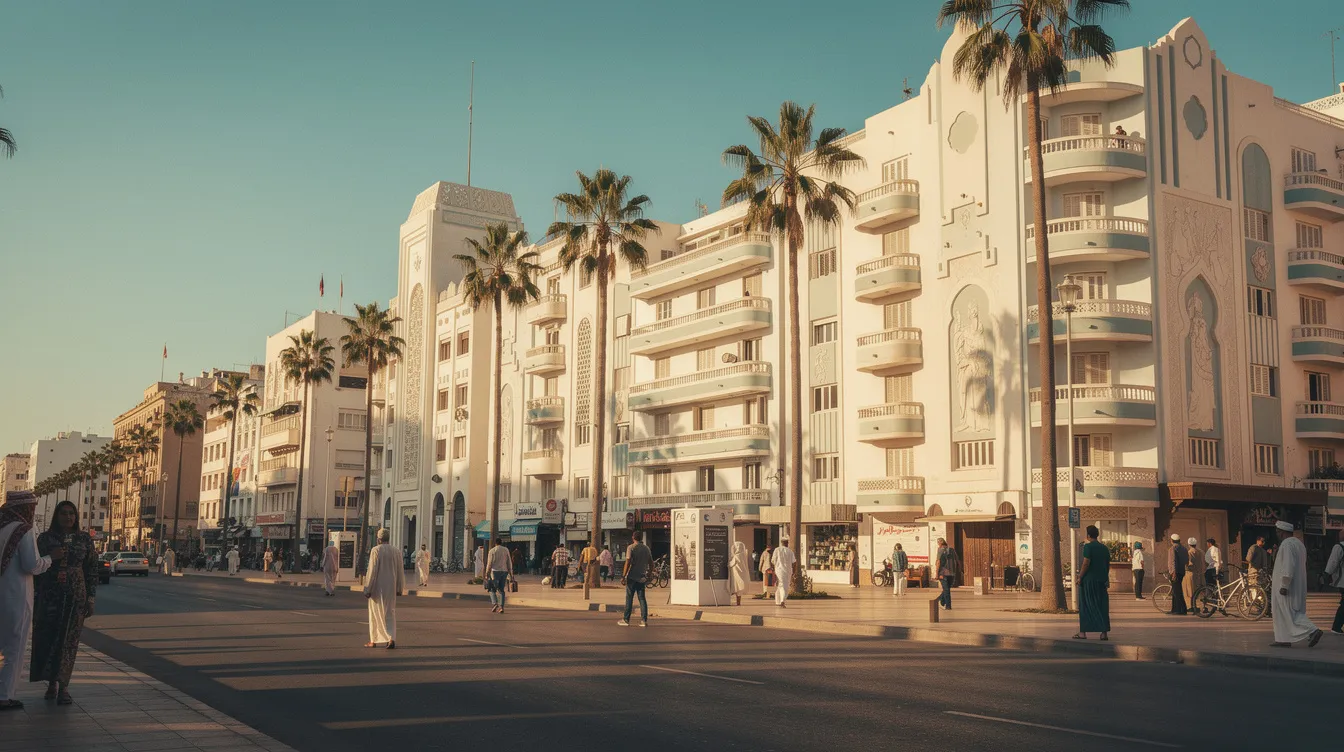
Petty theft statistics fluctuate, but police presence, cameras, and tourist police have increased around key sites, keeping violent crime low. Economic pressure can raise the number of scams and pickpocketing attempts, but visitors who follow the advice in this guide are unlikely to face serious problems. Check updated advisories from your government a few weeks before travel for the latest assessments, and always exercise caution in large crowds.
Use ATMs only in well-lit areas or inside banks due to theft risks. Numbeo's crime index for Casablanca confirms that ATM-related crime is a concern in isolated spots. Shield your keypad, decline help from strangers, and prefer machines inside bank branches or shopping malls. Many hotels and larger restaurants accept international credit cards, but petit taxis and street vendors are cash-only, so carry some Moroccan dirhams.
Families routinely visit Casablanca safely, especially staying in areas like Anfa, Corniche, and Maarif with parks, malls, and seafront walks. Keep a close eye on children near busy roads, tramlines, and crowded markets. Relaxed family activities include visiting hassan ii mosque grounds, cafés with play areas, and early-evening Corniche strolls with a private driver from Morocco Classic Tours.
The Casa Tramway is modern public transport, widely used by locals and visitors, connecting key districts and tourist attractions. The primary risk is pickpockets during rush hour - keep your phone and wallet in front pockets or a money belt. Use the tram during daylight hours first to learn routes, and rely on taxis or private transfers at night if unsure.
Day trips to Rabat, El Jadida, or points toward the Atlas Mountains are common and safe when arranged with licensed tour operators. Avoid hiring random drivers from the street for long inter-city journeys. Morocco Classic Tours regularly organizes private and small-group excursions from Casablanca with vetted drivers and guides who understand both road safety and local security considerations. A secure environment and professional planning make all the difference on a long history of roads that demand respect.
Compare Morocco group tour agencies by trip style, reviews, pace, transport and inclusions. Learn wh...
Read this article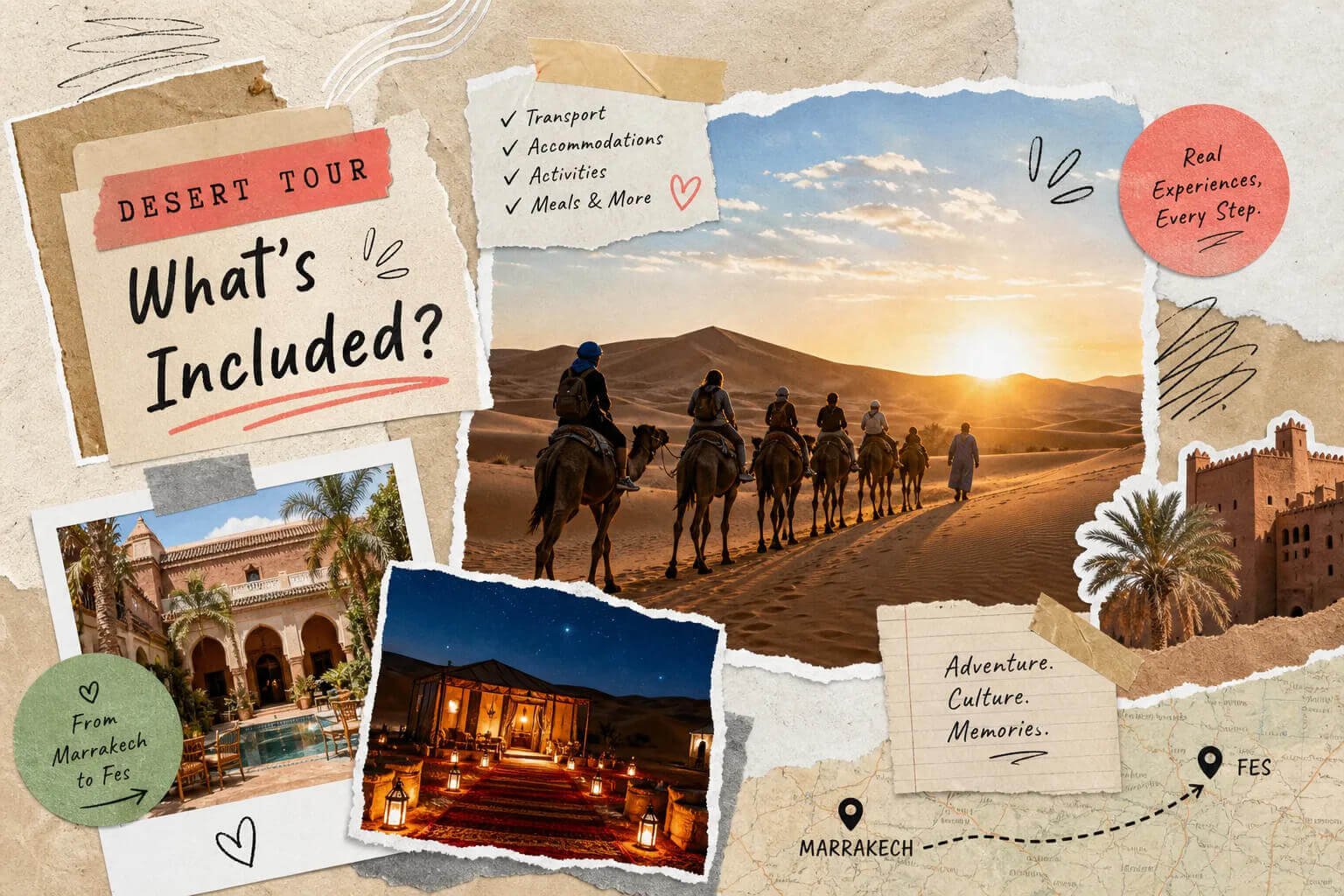
Uncover what a Marrakech to Fes desert tour offers, including camel rides, desert camps, and rich cu...
Read this article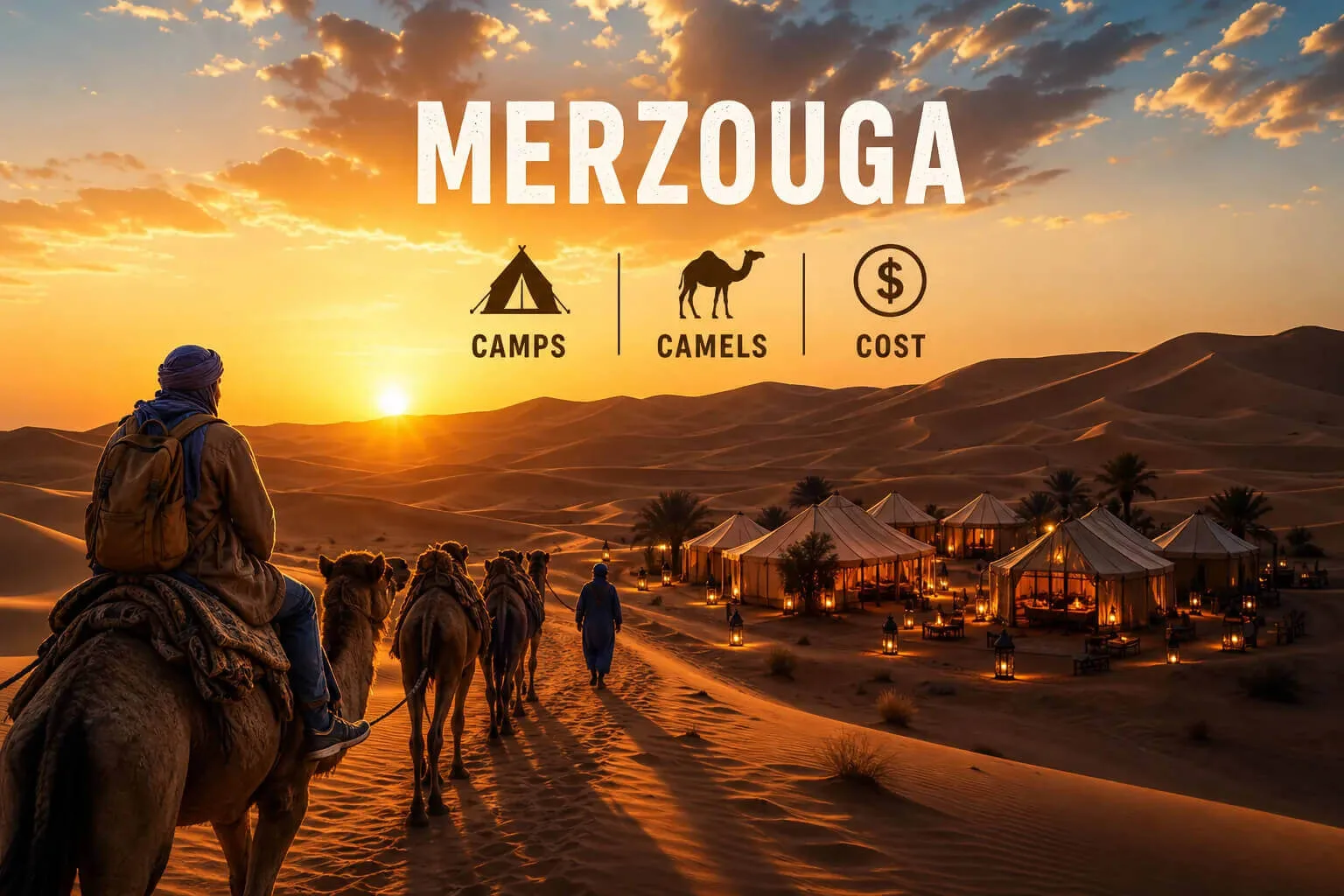
Join our Merzouga Overnight Tour for an authentic desert experience. Enjoy camel rides, comfortable ...
Read this articleWant cool tour deals and tips about Morocco? Enter your email and we’ll send them to you each month!
