What a Hot Air Balloon Ride in Morocco Actually Costs
Discover the true costs of a hot air balloon ride in Morocco. Explore pricing, packages, and what to...
Read this article

Suspendisse interdum consectetur libero id. Fermentum leo vel orci porta non. Euismod viverra nibh cras pulvinar suspen.
![Is Argan Oil Good for Dogs? [Direct Answer]](https://www.moroccoclassictours.com/uploads/Is-Argan-Oil-of-Morocco-Good-for-Dogs-.png)
Pure, cosmetic-grade argan oil is generally safe for dogs when used externally in small amounts, but it should not be treated as something for your dog to lick or eat. The safest approach is simple: use pure, cold-pressed argan oil without additives, apply only a few drops, and ask your veterinarian first if your dog has sensitive skin, allergies, or digestive issues.
Argan oil may help moisturize dry skin, support coat health, make a dog's coat look shinier, soothe mild skin irritation, and support paw and nose hydration.
The main potential risks are allergic reactions, stomach upset, vomiting, diarrhea, or pancreatitis if large amounts are ingested, plus problems from scented “Moroccan oil” blends with essential oils, silicones, or fragrances.
Coconut oil, jojoba oil, and vitamin E oil can also support dog skin health when used correctly, but every new oil should be cleared with a veterinarian.
Morocco Classic Tours meets many travelers buying argan oil in Morocco; if you want to take it home for a pet, choose a pure, unscented product and avoid human grooming products with additives.
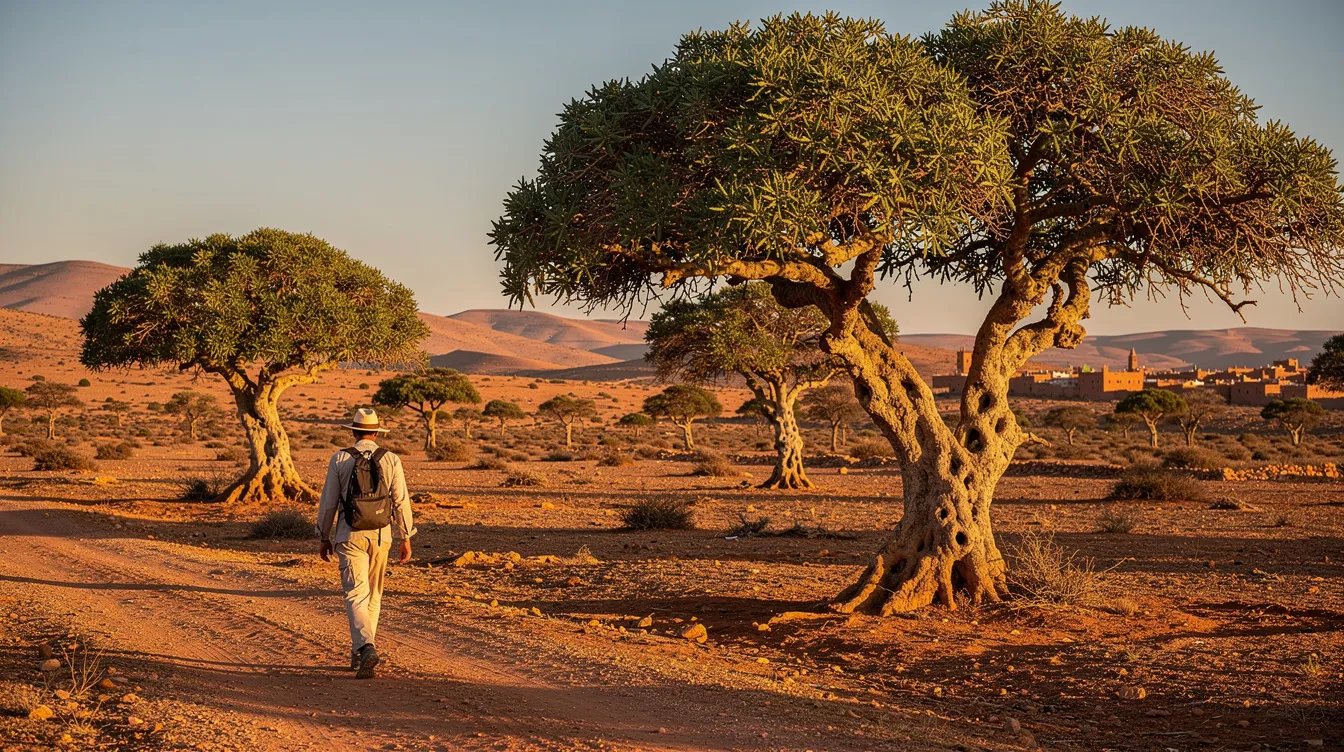
Argan oil comes from the kernels of the argan tree, Argania spinosa, which grows mainly in southwestern Morocco, especially around Agadir, Essaouira, and the Souss-Massa region. For centuries, Moroccan families and cooperatives have used this natural oil for food, skin, hair, and traditional wellness routines.
Argan nuts are often hand-cracked, especially in women’s cooperatives.
The kernels are pressed, ideally by cold-press extraction, to preserve antioxidants and quality.
Culinary argan oil is made for food, while cosmetic argan oil is made for skin and hair.
The oil is rich in vitamin E tocopherols, linoleic acid, oleic acid, and natural antioxidants. These components help protect the skin barrier, hold moisture, and give argan oil its well-known moisturizing properties.
Travelers on Morocco Classic Tours often notice argan oil in Marrakech souks, riad spa products, food tours, and cooperatives near the Atlantic coast. It is one of Morocco’s most popular souvenirs.
However, pure argan oil is not the same as branded “Moroccan oil” hair serums. Many products made for humans contain silicones, perfumes, essential oils, and preservatives that are not appropriate for dog skin.
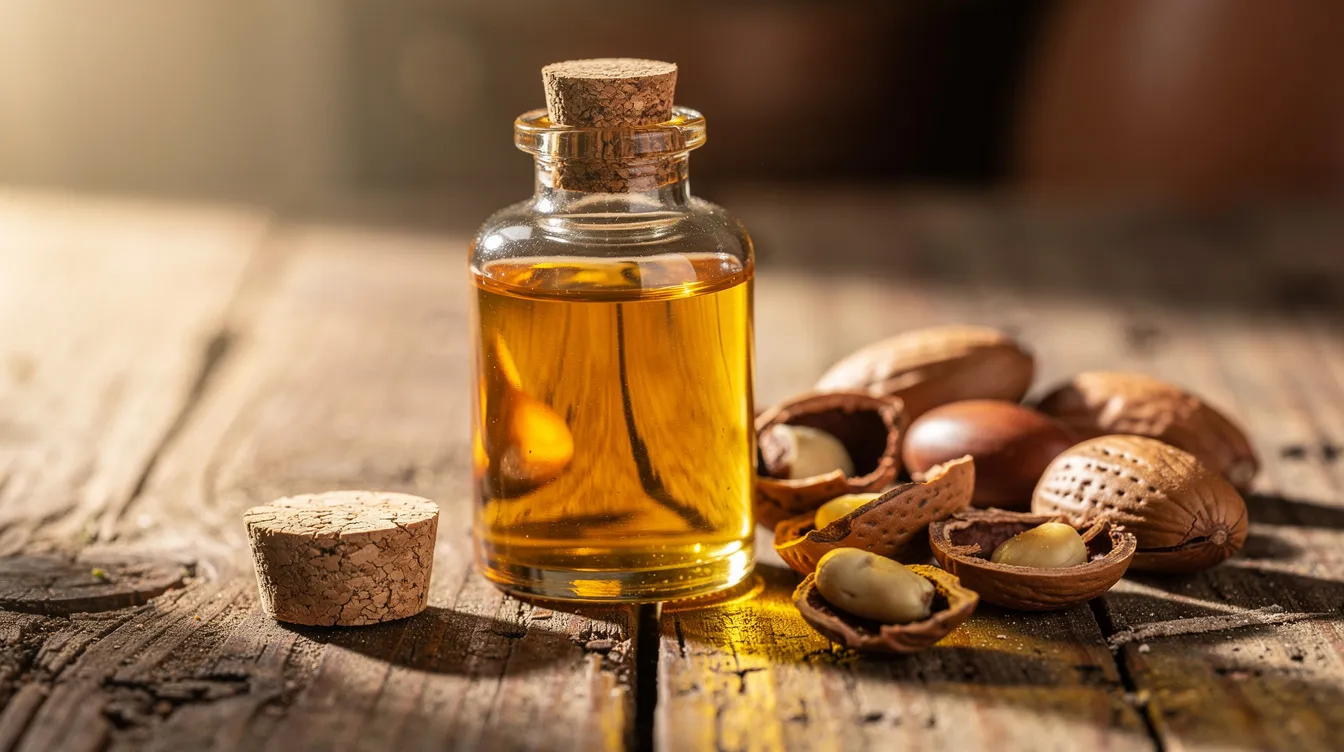
So, is argan oil safe to put on dogs, and are dogs allowed argan oil? For most healthy dogs, pure argan oil is generally considered safe when used externally, sparingly, and correctly.
Is argan oil safe to put on dogs? Cosmetic-grade, unscented, 100% pure argan oil can be applied lightly to a dog’s fur and skin, while you avoid applying argan oil near your dog's eyes and mouth.
Is argan oil toxic to dogs if ingested? Argan oil itself is not considered highly toxic, but excessive ingestion of argan oil can cause temporary stomach upset in dogs. Applying too much argan oil can lead to an upset stomach for dogs because dogs may lick the oil from their fur.
Can I put argan oil on my dog's fur? Yes, you can apply a few drops of argan oil to your dog's coat, then brush it through gently.
Is argan oil good for dogs' skin? It may help with dry skin, dull fur, and minor rough patches, but it does not replace veterinary care for infections, parasites, or severe allergies.
Patch testing argan oil on a dog's skin is important to monitor for reactions. A patch test is recommended to check for allergic reactions before using argan oil on dogs.
To patch test, place a tiny amount on a small area of dog skin, such as the inner thigh or belly, then wait 24–48 hours. Stop using it if you see redness, hives, itching, bumps, or increased irritation.
Consult your vet first if your dog has chronic skin allergies, medication needs, pancreatitis, obesity, or recurring digestive issues.
The evidence for argan oil in dogs comes mostly from its chemistry, human skin and hair use, and anecdotal pet grooming experience. There are limited dog-specific clinical studies, so treat the benefits as supportive, not guaranteed.
Potential benefits include:
Improved coat health and shine: The fatty acids and vitamin E in argan oil may support the skin barrier and help maintain a soft, smooth, manageable coat.
Softer fur: Argan oil improves coat softness and shine when applied lightly and brushed through the dog's fur.
Dryness support: Argan oil helps moisturize dry skin in dogs, especially small flaky areas such as elbows, tail base, and outer ear flaps.
Comfort for mild irritation: Argan oil reduces skin irritation and itching in some dogs with seasonal dryness, although persistent itching needs a vet exam.
Barrier support: Argan oil supports the skin barrier, leading to healthier skin and improved fur quality.
Minor surface care: Argan oil promotes faster healing of minor wounds, but only very superficial, clean areas should be considered; deep wounds need veterinary treatment.
Some pet shampoos combine argan oil with soothing ingredients such as aloe vera or colloidal oatmeal for dogs with sensitive skin. When choosing these products, choose argan oil products specifically formulated for pets.
A related study on topical essential-fatty-acid and ceramide products found skin barrier benefits in dogs with atopic dermatitis, though it did not test argan oil specifically. You can review the abstract on PubMed.
Argan oil is a supportive grooming ingredient, not a cure for medical skin disease. If your dog has odor, oozing, hair loss patches, constant licking, thickened skin, or sores, the next step is a veterinary diagnosis.
Is argan oil good for dogs' skin allergies? It may moisturize dryness and protect the barrier, but it cannot fix allergies to food, pollen, fleas, dust, or mold. Many allergy cases need flea control, diet trials, medicated shampoo, or prescription treatment.
Does argan oil help seborrheic dermatitis? Its moisturizing and antioxidant properties may ease mild flakiness and dryness, but seborrheic dermatitis often requires medicated shampoos and treatment for the underlying cause.
Can argan oil help with hyperpigmentation? There is little evidence that argan oil reverses darkened dog skin caused by scarring, chronic friction, inflammation, or endocrine disease. It may improve overall texture, but it is unlikely to change pigment.
Can argan oil help after travel dryness? During Morocco Classic Tours desert trips, dry air, sun, and sand remind many travelers how harsh the climate can be on skin and coat. With veterinary approval, some owners use diluted, pet-safe argan products after travel-style dryness to restore moisture.
Improper use of argan oil can lead to skin problems in dogs, especially if the product is dirty, scented, over-applied, or used on infected skin.
Less is more. Argan oil should be used as a light leave-in grooming treatment or as an ingredient in pet-safe shampoos and conditioners, never as a heavy soak.
How to apply argan oil on dog fur? Place 1–2 drops in clean hands, rub your palms together, lightly smooth over the top coat, and brush through to distribute the oil evenly.
Focus on dry areas: Massage argan oil into areas needing extra attention, such as rough elbows, dry feathering, tail base, or dull areas of the dog's coat.
Avoid sensitive regions: Avoid applying argan oil near a dog's eyes, nose, or mouth. Also avoid inside ears, the genital area, and open wounds.
How to heal cracked dog paws with argan oil? Wash and dry paws, massage one drop into the paw pads at night, let it absorb, and use booties or a blanket to reduce slipping and licking.
Prevent licking: Use small amounts, distract your dog with a toy or short walk, and avoid heavily coating reachable areas.
For most dogs, 1–2 times per week is enough. Short hair may need less oil; long hair may need careful brushing to prevent greasy clumps. Dry winters may call for slightly more moisture, while humid summers may require less.
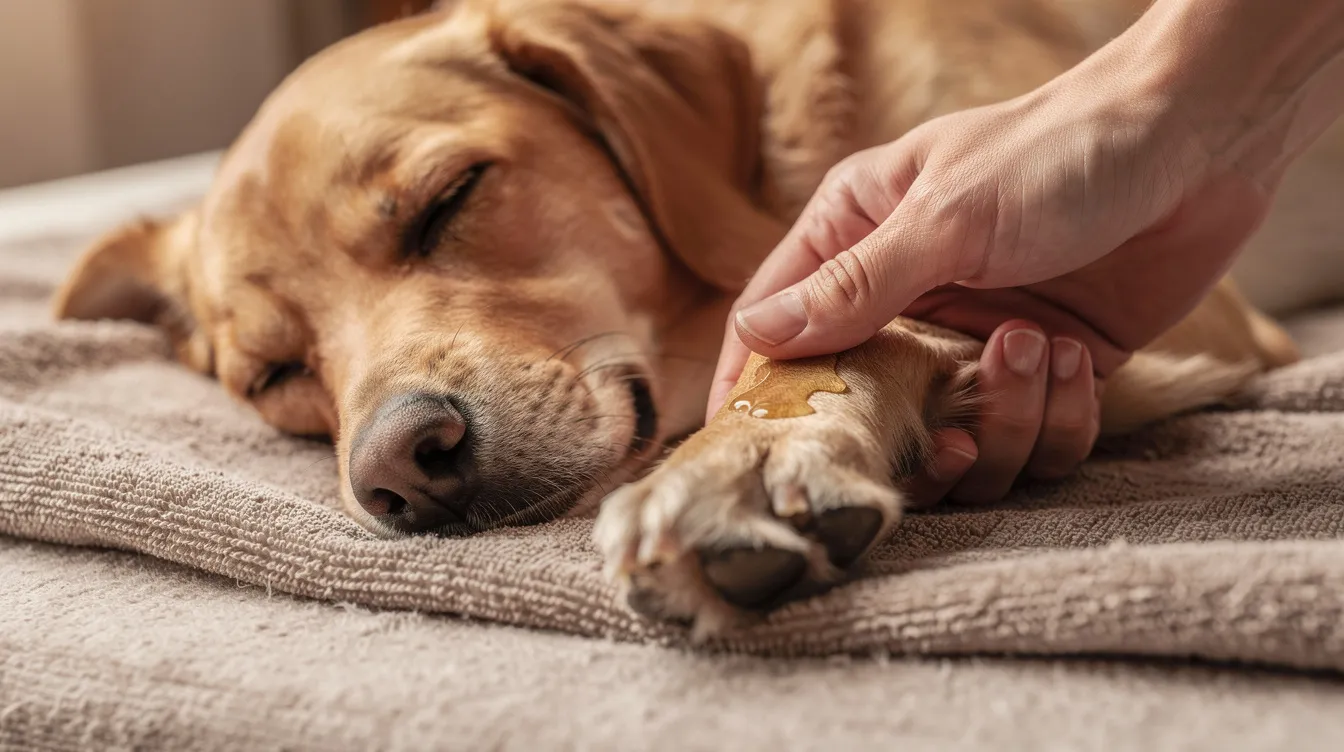
Many pet owners ask: what is the best oil for dogs' skin? The answer depends on your dog’s coat type, health history, climate, and whether your vet approves.
Oil | Best use | Main caution |
|---|---|---|
Argan oil | Lightweight shine, moderate dryness, dog skin barrier support | Licking too much may cause stomach upset |
Coconut oil | Very dry, flaky areas | Greasy buildup and digestive upset if licked |
Jojoba oil | Balancing moisture on sensitive skin | Still needs patch testing |
Vitamin E oil | Skin support in pet formulas | Concentrated oil or capsules need vet guidance |
Argan oil is lightweight, rich in vitamin E, and useful for shine and moderate dryness on dog skin and fur when used sparingly.
Coconut oil is thicker and more occlusive. It can help very dry skin, but coconut oil may create greasy buildup and can cause digestive upset if licked. PetMD discusses similar cautions in its guide to coconut oil for dogs.
Is jojoba oil safe for dogs? Jojoba oil is generally considered safe for dogs when used externally in small amounts. Because it mimics natural sebum, it may help balance moisture and reduce dry patches.
Is vitamin E oil safe for dogs? Topical vitamin E is common in pet formulations and can support skin healing, but concentrated capsules or pure oils should be used under veterinary guidance to avoid excess ingestion.
What hair oil is safe for dogs? Pet-formulated products using argan, coconut, or jojoba oils are safer than human hair oils. Avoid fragrances, essential oils, silicones, and preservatives not tested for canine safety.
Can I use my hair oil on my dog’s fur? Usually, no. Most human hair products include perfumes, essential oils, shine agents, or other additives that may trigger skin irritation or toxicity in dogs.
Can I use Moroccan oil shampoo on my dog? Human shampoos, including Moroccan oil or argan-based formulas, are not pH-balanced for dog skin. They may strip protective oils and cause irritation.
Dog skin has a different pH and a thinner barrier than human skin, which makes the dog’s skin more vulnerable to harsh surfactants and fragrances.
If you bought argan oil products during a trip with Morocco Classic Tours tour packages, check the label. Use pure argan oil for yourself, and only consider dog use if it is unscented, additive-free, and approved by your vet.
“Pet-safe” on the label does not guarantee suitability for every dog. Watch for scratching, redness, hair loss, or new bumps.
Choose grooming products specifically formulated for pets, especially if your dog has allergies or sensitive skin.
One extra tip for buying online: if a website page verifies visitors with a security verification message, such as “performing security verification,” “waiting,” “verification successful,” or “respond ray id,” that is usually a security service to block malicious bots. It is not proof that the argan oil is pure, natural, or safe for your pet. Product quality still depends on the ingredient list, just as the quality of an Islamic heritage-focused Morocco tour depends on knowledgeable planning rather than flashy website elements.
Even natural oils carry potential risks. Stop using argan oil if it makes your dog less comfortable.
Avoid or stop argan oil if you notice:
Redness, hot spots, bumps, rash, increased itching, or other signs of allergic reactions
Vomiting, diarrhea, stomach discomfort, or other digestive issues after licking oil
Greasy buildup, clogged coat, or worsening dryness
Deep wounds, infected areas, or actively weeping skin
Products with additives or fragrances, which can be risky for dogs
Mixed oils containing essential oils such as tea tree, eucalyptus, citrus, or strong fragrances unless specifically formulated for canine use
Dogs with pancreatitis, fat-sensitive stomach conditions, or obesity should not be allowed to lick oils from fur. Large amounts of any oil can increase the risk of digestive upset or flare-ups.
The Merck Veterinary Manual notes that essential oils can be hazardous to animals, which is why plain, pure argan oil is very different from scented blends.
If careful application does not improve coat health or dry skin after several weeks, discontinue use and call your veterinarian.
At Morocco Classic Tours, our guides often meet travelers who discover argan oil in Fez, Marrakech, Essaouira, Agadir, and Atlantic coast villages. It is a meaningful souvenir because it connects beauty, local craft, women’s cooperatives, and Morocco’s diverse landscapes explored on tour packages.
Our guides can direct travelers to reputable cooperatives near Agadir or in the Souss-Massa region, where authentic, cold-pressed cosmetic argan oil is produced as part of the best tour packages in Morocco. If you are a pet owner thinking about your dog’s skin and coat, a small bottle of pure argan oil can be a useful souvenir when your veterinarian agrees it is appropriate.
Desert camps, Atlas Mountain tours, medina walks, beach excursions, camel rides, and ATV experiences all highlight the effect of sun, wind, sand, and dryness on humans and animals alike. Gentle moisturizing products can be part of a healthy grooming routine after exposure to dry climates.
If you want to explore Morocco’s argan forests, historic medinas, Sahara landscapes, and Atlantic beaches, Morocco Classic Tours tour packages can help design a private journey built around culture, wellness, and authentic local experiences.
Puppies have especially delicate skin and are more likely to lick grooming products from their fur. Argan oil use on puppies should be minimal, closely supervised, and discussed with a veterinarian first.
For puppy skin issues, prioritize puppy-safe shampoos and vet-recommended treatments instead of experimenting with oils.
Combining tiny amounts of argan and coconut oil on a dog’s fur is usually not harmful when used externally, but layering multiple oils can create greasy buildup and encourage licking.
Try one oil at a time for several weeks. That way, if your dog develops irritation or stomach upset, you can identify the likely cause.
Check that the label lists only “Argania spinosa kernel oil” with no fragrance, colorants, essential oils, preservatives, or additives.
Pure argan oil usually has a light nutty scent and absorbs relatively quickly. Strongly perfumed, very thick, sticky, or unusually shiny oils are more likely to be blends and are not ideal for pets.
Do not give argan oil by mouth unless your veterinarian specifically recommends it. Extra dietary fat can upset the stomach and may contribute to pancreatitis in at-risk dogs.
If a vet recommends fatty acid supplementation, they will usually suggest tested fish oil or a veterinary product rather than cosmetic argan oil, much like how a short, focused itinerary such as 4 days in Morocco benefits from expert planning.
Light topical argan oil applied 1–2 times per week may help moisturize dry winter skin and reduce visible flakes in some dogs.
Persistent dandruff, odor, discomfort, or hair loss still warrants a veterinary exam to rule out parasites, infections, allergies, or hormonal disease.
There is no single best oil for every dog. Argan oil is a good lightweight choice for shine and moderate dryness; coconut oil is heavier for very dry patches, jojoba oil is gentle and sebum-like, and vitamin E oil is best used in pet-formulated products.
The best option is the one your veterinarian approves, your dog tolerates, and you can apply in small amounts without licking, irritation, or digestive problems.

Discover the true costs of a hot air balloon ride in Morocco. Explore pricing, packages, and what to...
Read this article
Experience Morocco in December, a time of festive celebrations, mild weather, and breathtaking scene...
Read this article
Discover Morocco in Spring, the perfect season for exploring Marrakech, the Atlas Mountains, coastal...
Read this articleWant cool tour deals and tips about Morocco? Enter your email and we’ll send them to you each month!