Group Tour Agencies in Morocco: How to Pick the Right One
Discover how to choose the perfect group tour agency in Morocco. Get tips on what to look for and ma...
Read this article

Suspendisse interdum consectetur libero id. Fermentum leo vel orci porta non. Euismod viverra nibh cras pulvinar suspen.
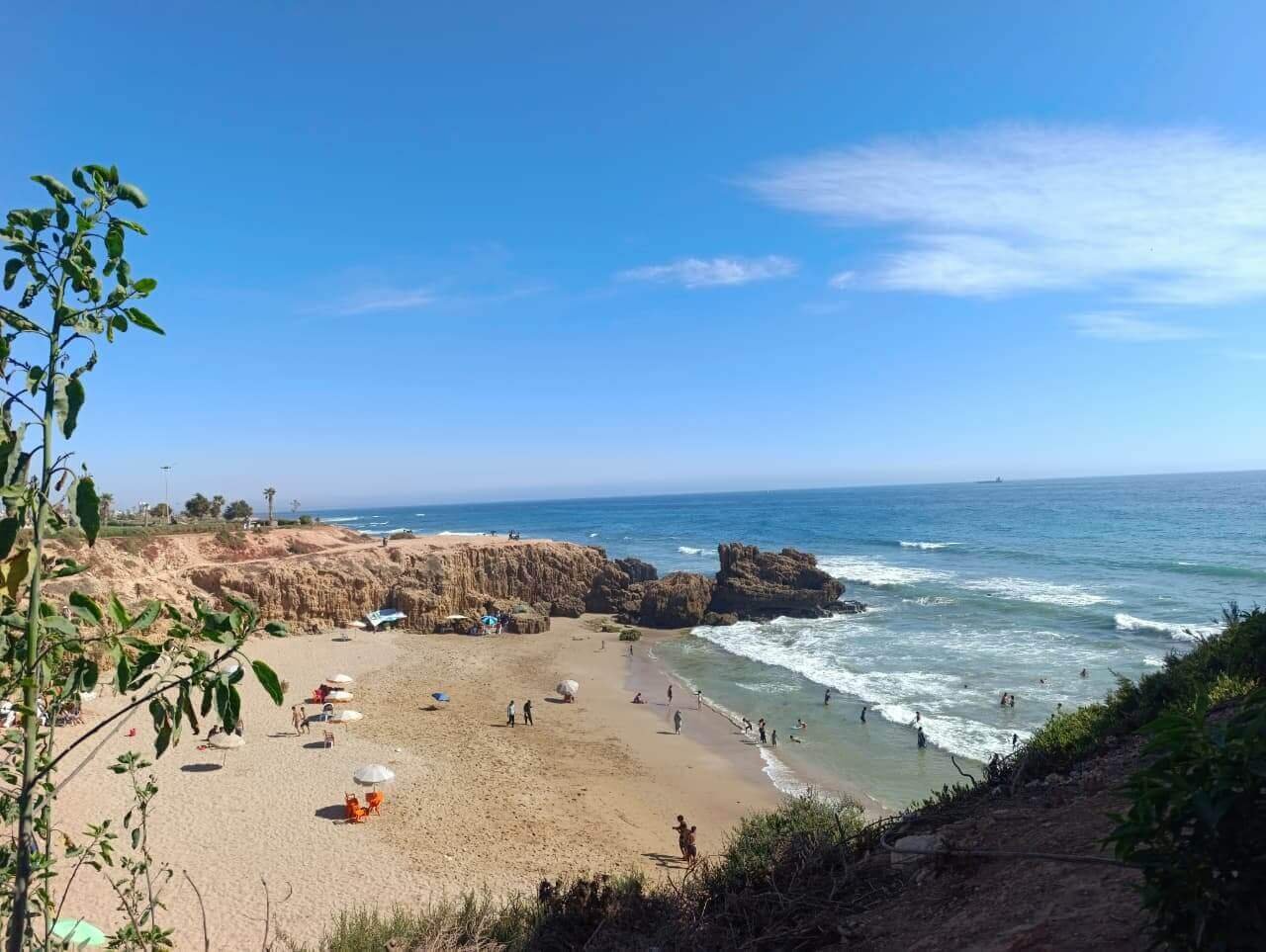
Agadir is generally safe for tourists in 2026, with petty crime like pickpocketing being the main day-to-day risk rather than violent incidents.
The US State Department and UK FCDO rate Morocco at Level 2 ("Exercise Increased Caution"), primarily due to a high threat of terrorism across the country, not specific dangers in Agadir's tourist areas.
Agadir's beach zone, marina, and main hotel districts are well-policed and feel noticeably calmer than major cities like Marrakech or Casablanca.
Common problems include taxi drivers refusing the meter, bogus tourist guides, aggressive begging, and pickpocketing around Souk El Had and the promenade, all avoidable with basic precautions.
Morocco Classic Tours offers private guides, pre-booked transfers, and curated excursions in and around Agadir to help travellers avoid scams and navigate the city with confidence.
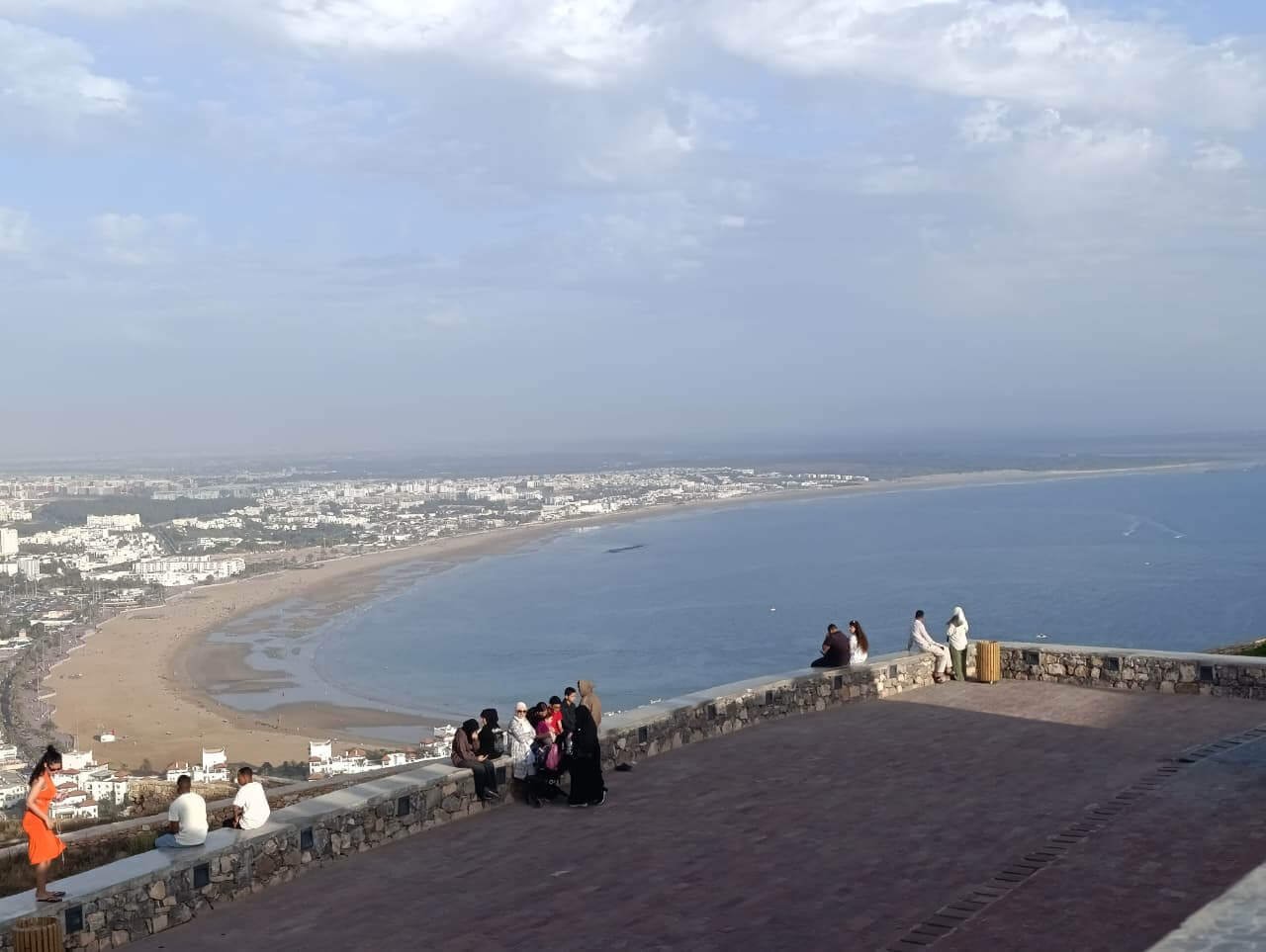
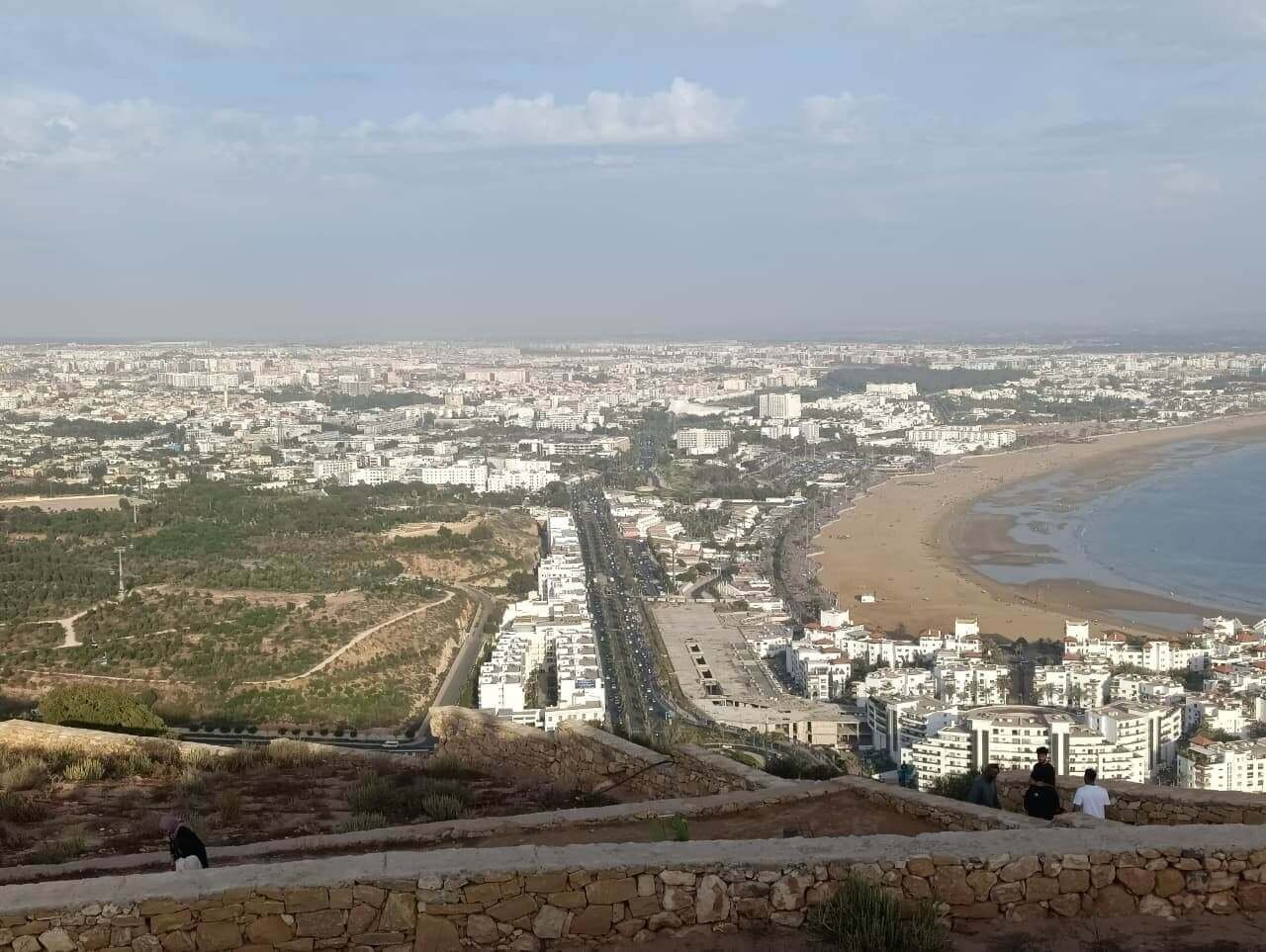
As of mid-2026, Agadir remains a relatively safe Moroccan beach destination for international tourists, including British, US, and European visitors. Rebuilt as a modern city after a devastating 1960 earthquake, Agadir today features wide boulevards, a beach that stretches for 10 kilometers, strong tourist infrastructure, and a visible police presence along its seafront.
Governments like the UK FCDO and US State Department advise a "high degree of caution" for Morocco overall. This is driven mainly by terrorism risk and regional instability near the Western Sahara border and the closed border with Algeria, areas far removed from a typical Agadir holiday. Protests can occur without warning in large cities, and demonstrations may lead to clashes with police, but these rarely affect the resort zones where most travellers spend their time.
This post focuses on practical, on-the-ground safety for tourists who visit Agadir for a week of beach time, cultural visits, and outdoor activities.
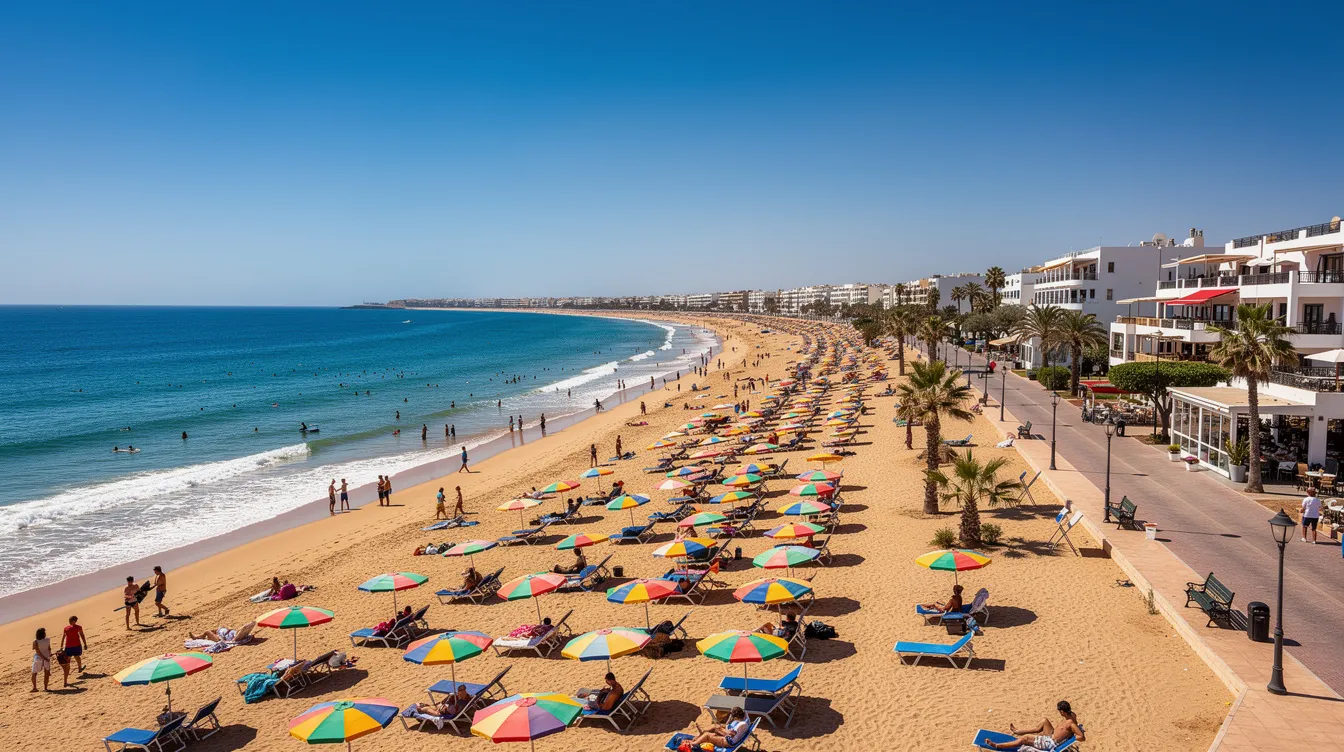
Violent crime against tourists in Agadir is rare. The main issues are petty crime, minor scams, and occasional harassment around crowded tourist spots. According to Numbeo crime data, Agadir registers moderate levels of theft-related crime but low rates of violent offences.
The following areas feel safest for visitors:
The main beach area and Corniche promenade
The marina and its restaurants
Large beachfront resorts and hotel zones with private security
Haut Founty and golf resort districts
Police patrol the promenade area frequently, and tourist police are present near Souk El Had and large hotels, especially during peak seasons from October through April and in July and August. Most travellers complete their trip without any serious incident.
Realistic examples of what can go wrong include phones stolen off café tables, overcharging taxi drivers, aggressive touts steering you toward shops, or fake guides offering unsolicited "tours." Morocco Classic Tours' private transfers and guided city tours remove much of the stress around navigation, taxis, and dealing with touts.
Petty crime is the most common risk in Agadir, typical for tourist areas anywhere in the world. It clusters around the main beach, promenade, Souk El Had, bus stations, and crowded nightlife pockets.
Pickpocketing in markets and crowded public areas
Bag snatching by motorbikes along quieter streets
Children distracting tourists while an accomplice steals personal belongings.
Scams involving credit card fraud at unattended ATMs or dubious shops
Armed robberies with knives have occurred, though they remain uncommon
Aggressive begging is common near tourist attractions, and begging in general is widespread in tourist areas.
Scam | How It Works | How to Avoid It |
|---|---|---|
Taxi meter refusal | Driver quotes a per-person fare or claims the meter is broken | Always insist on the meter; walk away if refused |
Argan oil overpricing | Tourist shops charge 1,500–3,000 MAD for oil worth 400–500 MAD | Buy from verified cooperatives or Souk El Had |
Bogus tourist guides | Strangers offer "free" help then demand payment or lead you to commission shops. | Decline firmly; hire licensed guides only |
Beach parasol shakedowns | Unofficial attendants demand inflated fees for umbrellas or "car watching" | Use hotel-arranged beach services |
Restaurant hidden fees | Unlisted extras appear on the bill | Check menu prices before ordering; review the bill |
To prevent theft, use cross-body bags, keep valuables in hotel safes, avoid displaying expensive jewelry, and use ATMs inside banks or well-lit malls. If you experience unwanted attention from persistent sellers or touts, a polite but firm refusal and moving toward busier areas or police usually resolves it.
Is Agadir Morocco safe for female travelers? Most women, including solo travellers, complete their trip without serious incidents. However, catcalling, verbal harassment, and persistent offers from strangers do occur, particularly outside the main resort zones.
Women can wear shorts and tank tops in Agadir's tourist areas, on the beach, and around resorts. In local neighborhoods, markets, or when exploring the Kasbah ruins, slightly more modest clothing that covers thighs and cleavage tends to reduce unwanted attention. You are not expected to dress like locals, but respecting local customs goes a long way.
Avoid walking alone on quiet streets late at night
Stick to busy routes along the promenade and marina after dark
Use registered petit taxis and share your live location with friends or family
Book guided activities with reputable operators to avoid unvetted guides
Be cautious with invitations from strangers to private homes or remote spots, and trust your instincts if any situation feels too pushy
Morocco is a conservative, Muslim-majority country with stricter laws than many Western nations. Respecting local culture helps you stay aware of potential legal and safety issues.
Possession, use, or trafficking of illegal drugs, including cannabis and hashish, carries severe penalties and long prison sentences. Do not purchase or accept drugs under any circumstances, regardless of how casually they may be offered.
Drinking alcohol is legal in licensed hotels, bars, and restaurants. Alcohol consumption is prohibited outside licensed establishments. Being visibly drunk in public areas can lead to arrest or a fine. Counterfeit or methanol-adulterated alcohol has caused fatalities in Morocco, so stick to branded drinks in established venues.
Beachwear is appropriate on the beach, pools, and resort grounds. In town, dress conservatively to respect local customs and traditions. This applies to both men and women.
Sexual relations outside of marriage are illegal for Moroccans
Public displays of affection are frowned upon across the country
Same-sex sexual relations are illegal in Morocco; LGBTQ+ travellers should exercise caution and discretion
Criticism of Islam can lead to heavy fines or imprisonment
Importing pornographic material is prohibited
Morocco has a high threat of terrorism affecting tourists. In December 2018, two tourists were killed in a terrorist attack. While such attacks are extremely rare, they underscore the importance of staying vigilant near transportation hubs, government buildings, and crowded markets. Moroccan authorities maintain a strong security presence at airports and major tourist sites.
Mid-range and upscale restaurants, hotel buffets, and busy cafés are generally safe when food is freshly prepared and served hot. Street food carries higher risk due to food left in heat, unclean surfaces, and use of tap water for washing salads.
Tap water in Agadir is treated and chlorinated, but aging pipes and rooftop storage tanks can introduce contamination. Most tourists should stick to bottled or filtered water. If you have a sensitive stomach, use bottled water even for brushing teeth, and avoid ice in drinks from small street cafés where water quality is uncertain.
Choose busy restaurants with high turnover
Favor peeled fruit or thoroughly washed salads from reputable venues
Avoid food that has been sitting in the sun at market stalls
Only drink branded alcohol in established hotels, licensed bars, and reputable restaurants
Travellers should buy medical insurance covering treatment and evacuation before their trip. Know where the nearest private clinic or hospital is in Agadir before arrival; your hotel reception can provide this information.
Before getting in, say "compteur, s'il vous plaît?" (meter, please). If the driver refuses, step away and hail another taxi. Official, metered taxis are recommended in Agadir to avoid overcharging. Photographing the taxi license plate before entering is another useful deterrent.
Petit taxis operate within the city, are metered, and can carry up to three passengers.
Grand taxis cover intercity routes and use fixed or shared fares
Many tourists walk the beach promenade and marina area in the early evening without issues, as these zones are well-lit and patrolled. Travelers should avoid isolated areas and poorly-lit streets at night. After 10–11 pm, taxis are a better option even for medium distances. Ask hotel staff to call a trusted driver when in doubt.
Driving yourself is possible, but night driving outside the city is discouraged due to poor lighting, animals on roads, and aggressive overtaking by trucks. Tours and day trips to destinations like Paradise Valley, Marrakech, or desert camps are safer and less stressful when booked with licensed operators like Morocco Classic Tours who provide insured vehicles and experienced drivers.
Morocco is seismically active. The September 2023 earthquake centred in the High Atlas near Marrakech caused significant damage there, but Agadir felt only mild tremors and was not significantly affected. Still, travellers should familiarize themselves with basic earthquake procedures and follow hotel safety instructions.
Other natural disasters and environmental risks to expect:
Rare but possible flash flooding during heavy rain in the winter months (November through March)
The Atlantic coast has strong currents and riptides; swim only in designated lifeguard zones along the main beach area
Occasional heatwaves in summer; stay hydrated during outdoor activities
High surf on remote coves and unguarded beaches along the coast, where swimming can be dangerous
Morocco Classic Tours monitors weather and road conditions when planning outdoor activities like Paradise Valley hikes, quad biking, or Atlas excursions, and can reschedule if conditions become unsafe.
Many travellers find Agadir calmer and less intense than Marrakech. Agadir's modern, resort-style layout features wider streets, fewer crowds, and none of the labyrinthine medina alleys where navigation stress and aggressive touting occur in larger urban areas.
Compared to Casablanca, Tangier, and Fes, those denser major cities tend to have more aggressive touting and higher petty crime rates in old medinas. Agadir's modern centre was purpose-built after the 1960 earthquake and feels noticeably more open.
Terrorism risk is a national issue, not city-specific. Tourist police and security checks are common at major sites across the country. Agadir is a long-established package-holiday destination for UK, European, and North American visitors, with infrastructure and security tailored to international tourism.
Regardless of which cities you explore, using reputable guides and pre-arranged transfers through a trusted agency adds an extra layer of security and cultural insight.
Most tourists stay along the beachfront strip, marina, Haut Founty, or within large resort complexes, which are considered safe and convenient for families and first-time visitors.
Some areas have reputations for higher crime or drug activity and are not suitable for casual tourists after dark:
Tilila, El Houda, and Hay Mohammedy
El Massira and Talboujt (considered unsafe for tourists)
Jmaika and Lekhyam (poor reputations for crime)
Ttssila (recommended to avoid after dark)
Buying or accepting illegal drugs
Public drunkenness outside licensed bars
Leaving personal belongings unattended on the beach
Accepting unsolicited guiding in isolated spots
Photographing police, military installations, or government buildings without permission
Book excursions, camel rides, ATV (quad) experiences, and other outdoor activities with licensed providers. Avoid unregulated operators who approach on the beach or street. Read recent reviews (2024–2026) of hotels and plan your base around your comfort level.
Is Agadir worth visiting? Absolutely. It offers a long sandy beach, mild year-round climate (especially pleasant in the winter months), a modern seafront, and family-friendly resorts. Nearby attractions include Paradise Valley, the Anti-Atlas mountains, and surf towns like Taghazout.
Agadir is considered safe for families visiting on holiday. It suits visitors seeking a relaxed base with easy day trips rather than an intense medina-crawling experience.
The types of travellers who most enjoy Agadir:
Families with children looking for beach and pool time
Couples seeking a romantic, low-stress rest
Winter-sun seekers escaping northern European weather
Surfers heading to nearby breaks
First-time Morocco visitors wanting a softer introduction to local culture
Popular outdoor activities around Agadir include hiking, surfing, camel rides, ATV experiences, boat trips, and food tours. For travellers wanting a balance of comfort and authenticity, consider combining Agadir with a Sahara desert camp, Atlas Mountains tour, or imperial city visit in a custom itinerary.
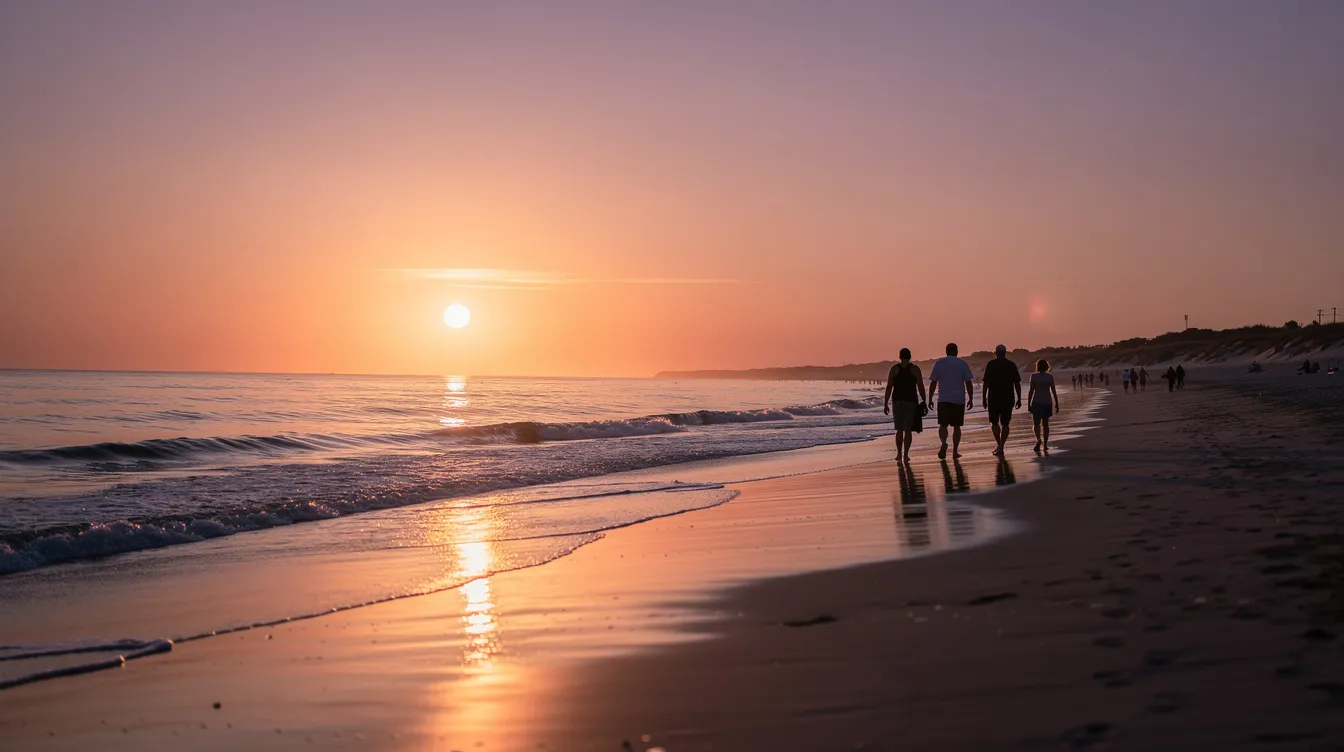
UK and US citizens visit Agadir in large numbers each year, and most travellers return home without serious incidents. Neither government currently advises against non-essential travel to Agadir specifically, though both urge visitors to stay aware of terrorism and crime risks nationwide.
Travellers should consult official travel advisories before visiting Morocco. British visitors should check the latest FCDO advice, while US visitors can review the State Department's page and enroll in the STEP program before they enter Morocco.
English is widely understood in the tourist zone, along with French and some German, and most resort staff are experienced in serving British, American, and European guests.
Standard international travel precautions apply:
Purchase comprehensive insurance covering medical treatment and evacuation
Keep digital and physical copies of passports
Share your itinerary with family
Monitor local media for any developments during your trip, and follow instructions from local authorities if situations arise.
Morocco Classic Tours is a Fez-based agency offering private and customizable Morocco trips, including stays in Agadir as part of broader itineraries.
Here is how a private tour operator reduces common risks:
Private airport transfers and English-speaking drivers eliminate exposure to taxi scams
Vetted local guides replace the bogus tourist guides who harass visitors at attractions
Quality-checked desert camps, Atlas hikes, food tours, and Agadir-based excursions are tailored to your comfort level
The team monitors local conditions, including weather, demonstrations, and road closures, and can adjust routes to keep your surroundings safe.
If you are ready to plan a safe, immersive Agadir and Morocco trip customized to your needs, contact Morocco Classic Tours to start building your itinerary.
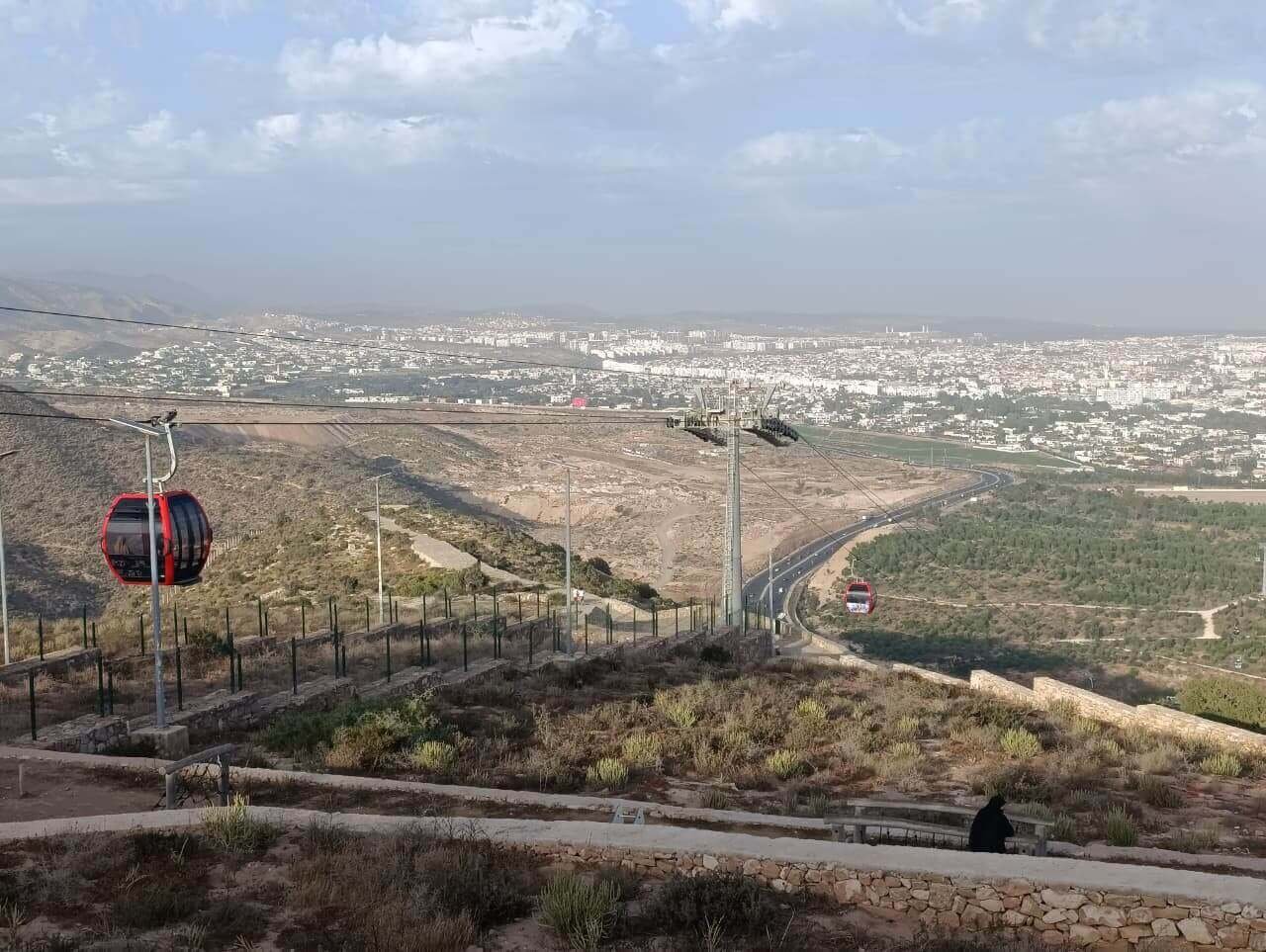
Many tourists walk alone in the early evening along the beach promenade and around major hotels, which are well-lit and patrolled. Avoid poorly lit backstreets, industrial zones, and residential neighborhoods after dark, especially if carrying valuables or using your phone openly. Use taxis for journeys after 10–11 pm and ask your hotel to call a trusted driver when in doubt.
While tap water is treated and safe for many locals, visitors often experience stomach upsets from different mineral content and should prefer bottled or filtered water. Sensitive travellers should use bottled water even for brushing teeth and avoid ice in drinks from small street cafés where water quality is uncertain. Hotels typically provide complimentary bottled water.
Go immediately to the nearest police station or ask your hotel reception to contact the tourist police to file a report. Block bank cards and phone SIMs quickly, and keep digital copies of passports for reporting purposes. Contact your embassy or consulate if passports are stolen. Having travel insurance makes the claims process significantly easier.
Popular outdoor activities such as Paradise Valley hikes, camel rides on the beach, and ATV (quad) experiences are generally safe when organized by licensed operators with insurance and safety briefings. Exercise caution with unlicensed vendors who approach randomly on the beach or street, and book through hotels or agencies like Morocco Classic Tours instead.
Agadir remains open and welcoming during Ramadan, but some cafés and restaurants may have reduced daytime service. During Ramadan, avoid eating, drinking, or smoking in public during daylight hours out of respect. Hotels and many tourist restaurants still serve food and drink to non-fasting guests. Evenings become busier and more festive after sunset, which can be a wonderful cultural experience.
Same-sex sexual relations are illegal in Morocco, and this law applies in Agadir as well. Prosecutions of foreign travellers are comparatively rare, but they are not unheard of. LGBTQ+ visitors should avoid public displays of affection, choose international-style hotels which tend to be more discreet and responsible in their hospitality, and exercise caution in all public areas. Discretion is the most important safety measure. For more posts on planning a comfortable Morocco trip, browse the Morocco Classic Tours blog for tailored advice.
Discover how to choose the perfect group tour agency in Morocco. Get tips on what to look for and ma...
Read this article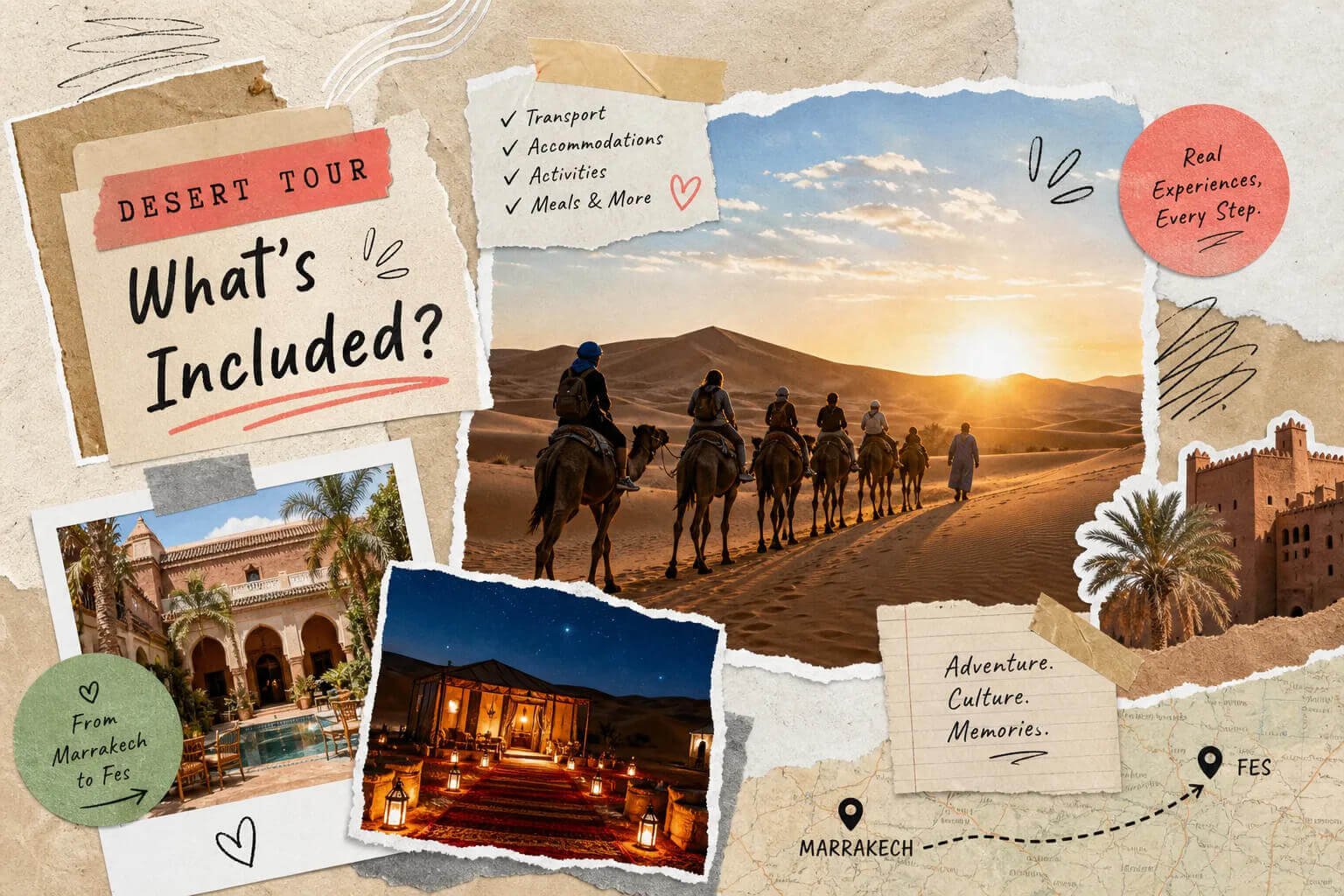
Uncover what a Marrakech to Fes desert tour offers, including camel rides, desert camps, and rich cu...
Read this article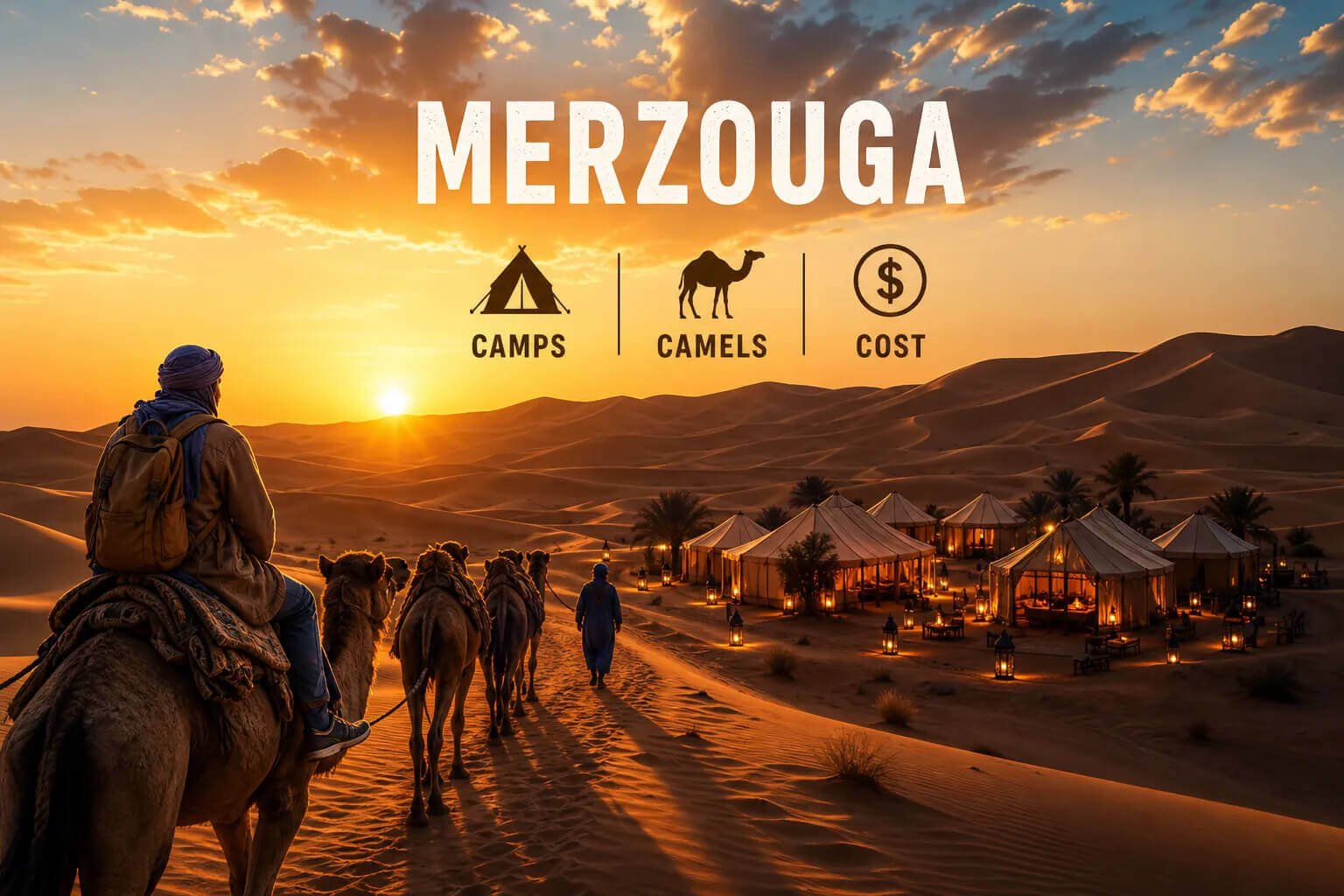
Join our Merzouga Overnight Tour for an authentic desert experience. Enjoy camel rides, comfortable ...
Read this articleWant cool tour deals and tips about Morocco? Enter your email and we’ll send them to you each month!